
Category: Uncategorized

  • The Five-Trillion Dollar Titan: NVIDIA’s AI Hegemony and the Nokia Connectivity Revolution

    The Five-Trillion Dollar Titan: NVIDIA’s AI Hegemony and the Nokia Connectivity Revolution

    Date: February 9, 2026

    Introduction

    As of February 9, 2026, the global financial landscape is dominated by a single name: NVIDIA (NASDAQ: NVDA). Following a historic run that saw the company briefly eclipse a $5 trillion market valuation in late 2025, NVIDIA remains the undisputed architect of the generative AI era. While the company has transitioned from a component manufacturer to a full-stack "AI Factory" provider, its recent $1 billion strategic partnership with Nokia (NYSE: NOK) signals a new frontier: the integration of AI into the very fabric of global telecommunications. This deep dive examines NVIDIA’s unprecedented ascent, the technical specifications of its next-generation "Rubin" architecture, and the geopolitical and competitive headwinds facing the world’s most valuable semiconductor firm.

    Historical Background

    Founded in 1993 by Jensen Huang, Chris Malachowsky, and Curtis Priem, NVIDIA began with a vision to bring 3D graphics to the PC gaming market. Its 1999 invention of the Graphics Processing Unit (GPU) redefined computing, but the company’s true "inflection point" occurred in 2006 with the release of CUDA (Compute Unified Device Architecture). By allowing researchers to use GPUs for general-purpose mathematical processing, NVIDIA unknowingly laid the groundwork for the modern AI revolution.

    Over the next two decades, the company pivoted from a gaming-centric business to a data center powerhouse. The 2020 acquisition of Mellanox for $7 billion—initially questioned by some analysts—proved to be a masterstroke, giving NVIDIA the networking fabric (InfiniBand) necessary to connect thousands of GPUs into massive AI supercomputers. Today, that legacy of foresight has culminated in a valuation that rivals the GDP of major nations.

    Business Model

    NVIDIA’s business model has evolved into a multi-layered ecosystem. While hardware sales remain the primary engine, the company has successfully diversified into software and services.

    1. Data Center (The Growth Engine): Contributing over 85% of total revenue, this segment sells the H200, Blackwell (B200), and now Rubin (R100) systems to hyperscalers like Microsoft (NASDAQ: MSFT) and Amazon (NASDAQ: AMZN).
    2. Gaming and Creative Design: Once the core business, the GeForce line remains a dominant force in high-end PC gaming and professional visualization.
    3. Networking: Utilizing the Spectrum-X and Quantum InfiniBand platforms, NVIDIA controls the plumbing of the AI data center.
    4. NVIDIA AI Enterprise: A growing software-as-a-service (SaaS) layer that provides the "operating system" for AI, generating high-margin recurring revenue.
    5. Sovereign AI: A new and rapidly expanding segment where NVIDIA partners directly with national governments to build domestic AI infrastructure.

    Stock Performance Overview

    NVIDIA’s stock performance over the last decade is frequently cited as the greatest wealth-creation event in modern market history.

    • 1-Year Performance: Up approximately 45%, driven by the successful ramp-up of the Blackwell architecture and the announcement of the $5 trillion milestone.
    • 5-Year Performance: Up a staggering 1,200%+, reflecting the shift from specialized graphics to foundational AI infrastructure.
    • 10-Year Performance: Investors who held NVDA since early 2016 have seen returns exceeding 35,000%, accounting for multiple stock splits, including the most recent 10-for-1 split in 2024.

    As of today, February 9, 2026, the stock is trading at approximately $185.50, having consolidated from its all-time high of $207.03 reached in October 2025.

    Financial Performance

    For the 2026 fiscal year, NVIDIA is on track to report record-breaking revenue approaching $500 billion. The company’s financial health is characterized by industry-leading metrics:

    • Gross Margins: Maintaining a remarkable 75-78%, despite rising costs for High Bandwidth Memory (HBM4) and advanced TSMC (NYSE: TSM) 2nm fabrication.
    • Free Cash Flow: NVIDIA’s cash generation has enabled it to fund massive R&D while initiating aggressive share buyback programs and strategic investments, such as the $1 billion Nokia deal.
    • Valuation Metrics: At a $4.5 trillion market cap, the forward P/E ratio sits around 35x—historically high for hardware, but viewed by many as reasonable given the company's 40% year-over-year earnings growth.

    Leadership and Management

    CEO Jensen Huang remains the face of the company, consistently ranked as one of the world’s top-performing CEOs. His leadership is defined by "first-principles thinking" and a flat organizational structure that allows NVIDIA to move with the speed of a startup despite its size. The management team—including CFO Colette Kress—has been lauded for its execution and transparency, particularly in navigating the complex supply chain constraints of 2024 and 2025.

    Products, Services, and Innovations

    The transition to the Rubin architecture in early 2026 marks a new era in compute density.

    • Vera Rubin Platform: Named after the pioneering astronomer, the Rubin GPU features HBM4 memory and is paired with the custom Vera CPU. It is designed to deliver a 5x performance increase over the Blackwell generation.
    • Agentic AI Focus: Rubin is specifically optimized for "Agentic AI"—models that do not just generate text but can execute multi-step reasoning and autonomously interact with software tools.
    • Spectrum-X networking: This Ethernet-based fabric is now reaching parity with InfiniBand for AI workloads, expanding NVIDIA’s reach into enterprise data centers that prefer traditional networking standards.

    The $1 Billion Nokia Partnership

    The October 2025 partnership with Nokia is a strategic pivot into the telecommunications sector. By investing $1 billion for a nearly 3% stake in the Finnish telecom giant, NVIDIA is integrating its AI-RAN (Radio Access Network) technology into global mobile networks.

    This deal aims to turn cell towers into "Edge AI" hubs. Instead of towers simply passing data, they will now be capable of performing AI inference at the source. This is a critical prerequisite for the rollout of 6G, where low latency and "AI-native" connectivity are expected to be the standard.

    Competitive Landscape

    NVIDIA no longer competes only with chipmakers; it competes with its own customers.

    • AMD (NASDAQ: AMD): The Instinct MI400 series, launched in early 2026, is the first credible threat to NVIDIA’s high-end dominance, offering competitive HBM4 capacity and a more open software ecosystem.
    • Hyperscaler Custom Silicon: Google (NASDAQ: GOOGL), Amazon, and Meta (NASDAQ: META) have accelerated the deployment of their own AI chips (TPUs and Trainium) for internal workloads to reduce their multibillion-dollar "NVIDIA tax."
    • Efficiency Trends: The "DeepSeek Shock" of late 2025—where a Chinese lab produced a world-class model with a fraction of the traditional compute—has led some to question if the era of "brute force" hardware demand is peaking.

    Industry and Market Trends

    The "Sovereign AI" movement is perhaps the most significant macro trend of 2026. Nations like Saudi Arabia, Japan, and France are investing tens of billions of dollars to build domestic AI clouds, viewing compute as a matter of national security. Furthermore, the convergence of AI and robotics (Project GR00T) is creating a secondary demand cycle for "physical AI" chips that can power humanoid robots and autonomous industrial systems.

    Risks and Challenges

    NVIDIA faces three primary categories of risk:

    1. Regulatory Scrutiny: The "AI Overwatch Act" in the U.S. and ongoing EU antitrust investigations into the CUDA software ecosystem pose a threat to NVIDIA’s "moat."
    2. Geopolitical Friction: Trade tensions with China remain a volatile factor. While new "case-by-case" review policies allow some high-end exports, 25% tariffs and Chinese domestic "Buy Local" mandates for AI hardware create a challenging environment.
    3. Market Saturation: There is an ongoing debate about the "ROI of AI." If enterprises do not see a clear path to profitability from their massive GPU investments, a "digestion period" or cyclical downturn could occur in late 2026.

    Opportunities and Catalysts

    • 6G and Telecom: The Nokia partnership positions NVIDIA as the primary hardware provider for the next generation of global connectivity.
    • Edge AI: As AI moves from the data center to the device (laptops, phones, and industrial sensors), NVIDIA’s "Jetson" and "Thor" platforms represent multi-billion dollar opportunities.
    • Custom Silicon Services: NVIDIA has begun offering a "design-for-hire" service, helping customers build custom chips that still utilize NVIDIA’s IP and networking, effectively co-opting the threat from custom silicon.

    Investor Sentiment and Analyst Coverage

    Wall Street remains overwhelmingly bullish, though more "Hold" ratings have appeared in early 2026 due to valuation concerns. Institutional ownership remains high, with major hedge funds maintaining large "core" positions. Retail sentiment, while still positive, has cooled slightly as the stock transitioned from a high-volatility "moonshot" to a more stable, blue-chip pillar of the S&P 500.

    Regulatory, Policy, and Geopolitical Factors

    The U.S. government’s stance on AI as a "dual-use technology" means NVIDIA is increasingly viewed as a strategic asset. However, this comes with strings attached. Mandatory U.S. testing of frontier models and strict export controls on the Rubin architecture to "non-allied" nations limit the company’s total addressable market in exchange for national security compliance.

    Conclusion

    NVIDIA’s journey to a $5 trillion valuation is a testament to the power of a "once-in-a-generation" technological shift. By successfully navigating the transition from Blackwell to the Rubin architecture and securing a foundational role in the future of telecommunications through its Nokia partnership, NVIDIA has built a moat that is as much about software and networking as it is about silicon.

    However, investors must remain vigilant. The combined pressures of intensifying competition from AMD, the rise of hyper-efficient AI models, and an increasingly complex regulatory environment suggest that the next trillion dollars of value will be much harder to earn than the last. For now, NVIDIA remains the indispensable engine of the 21st-century economy, but the "AI Factory" is now operating in a world that is watching its every move.


    This content is intended for informational purposes only and is not financial advice.

  • The Future of Intelligent Power: A Deep Dive into ON Semiconductor (onsemi)

    The Future of Intelligent Power: A Deep Dive into ON Semiconductor (onsemi)

    As of February 9, 2026, ON Semiconductor (Nasdaq: ON), now officially rebranded as onsemi, stands as a primary architect of the global energy transition. Once known as a broad-market supplier of commodity components, the Scottsdale, Arizona-based company has undergone one of the most aggressive structural transformations in the semiconductor industry. Today, onsemi is a specialized leader in intelligent power and intelligent sensing, focusing specifically on the high-growth "megatrends" of vehicle electrification, industrial automation, and the massive power requirements of AI-driven data centers.

    The company is currently in sharp focus as it navigates the transition from 150mm to 200mm Silicon Carbide (SiC) production—a technical leap that separates the market leaders from the laggards in the power semiconductor space. With AI GPUs demanding unprecedented levels of power density and electric vehicles (EVs) moving toward 800V architectures, onsemi's "EliteSiC" ecosystem has become a critical bottleneck for innovation, making it a central figure in the portfolios of institutional and retail investors alike.

    Historical Background

    The story of onsemi is one of strategic evolution. The company was born in 1999 as a spinoff of Motorola’s Semiconductor Components Group, focused primarily on discrete, logic, and standard analog devices. For its first decade, it operated as a high-volume, low-margin manufacturer.

    The transformation into a power powerhouse began with a series of calculated acquisitions:

    • SANYO Semiconductor (2011): This acquisition expanded its footprint in the Japanese market and automotive sector.
    • Fairchild Semiconductor (2016): A $2.4 billion deal that instantly vaulted onsemi into the top tier of global power semiconductor suppliers.
    • GT Advanced Technologies (2021): Perhaps the most pivotal move under current leadership, this acquisition secured the internal supply of Silicon Carbide (SiC) boules, allowing onsemi to control its supply chain from "substrate to system."

    Under the leadership of CEO Hassane El-Khoury, who took the helm in December 2020, the company shed its "commodity" identity. El-Khoury initiated a "Fab-Lite" to "Fab-Right" strategy, divesting underperforming manufacturing plants and doubling down on high-margin, differentiated technologies that are difficult for competitors to replicate.

    Business Model

    onsemi operates through three core business segments, each aligned with long-term secular growth drivers:

    1. Power Solutions Group (PSG): The largest revenue contributor, PSG provides high-performance power semiconductors (SiC, IGBTs, and MOSFETs). These are the "muscles" of an EV’s drivetrain and the high-efficiency components in solar inverters and AI server power supplies.
    2. Analog and Mixed-Signal Group (AMG): Reorganized in early 2024, this group focuses on the "brains" of power management. It develops gate drivers, DC-DC converters, and integrated circuits that manage the flow of electricity within complex systems like AI GPU racks.
    3. Intelligent Sensing Group (ISG): A world leader in automotive and industrial image sensors. onsemi currently holds over 60% of the market share for ADAS (Advanced Driver Assistance Systems) sensors. Its sensors are designed to provide the high-dynamic-range (HDR) data necessary for AI-driven autonomous driving platforms.

    The company’s model is increasingly vertically integrated, meaning they grow their own crystals, slice their own wafers, and package their own modules, ensuring higher quality control and better margins than competitors who rely on external substrate suppliers.

    Stock Performance Overview

    Over the past decade, onsemi has transformed from a cyclical laggard into a high-growth tech darling.

    • 10-Year Horizon: Investors who bought in 2016 have seen gains exceeding 900%, as the company successfully pivoted away from consumer electronics toward automotive and industrial markets.
    • 5-Year Horizon: The period from 2021 to 2026 has been characterized by high volatility but strong overall growth. The stock reached record highs in 2023, followed by a significant correction in 2024 as the EV market experienced a temporary "inventory digestion" phase.
    • 1-Year Horizon (2025-2026): Over the last 12 months, the stock has staged a robust recovery. As of February 2026, ON shares are trading in the $105–$120 range, up approximately 35% from the 2024 lows. This rally has been fueled by the company’s expansion into AI data center power and the successful ramp-up of its 200mm SiC production facility in Bucheon, South Korea.

    Financial Performance

    onsemi’s financials reflect a company prioritizing "structural profitability" over raw volume.

    • Revenue: After a slight contraction in 2024 (down to ~$7.8 billion), revenue has stabilized and is projected to grow toward $9 billion in the 2026 fiscal year.
    • Margins: A key metric for onsemi is its gross margin. Despite the capital-intensive nature of semiconductor manufacturing, the company has maintained non-GAAP gross margins above 45%. Its long-term target of 53% remains a focal point for analysts, expected to be reached by 2027 as 200mm SiC utilization hits its stride.
    • Capital Allocation: In late 2025, the board authorized a $6 billion share buyback program, signaling management's belief that the stock remains undervalued relative to its dominance in the SiC market.
    • Debt: The company maintains a healthy balance sheet with a net debt-to-EBITDA ratio well below 1.5x, providing flexibility for future M&A.

    Leadership and Management

    Hassane El-Khoury (President and CEO): Often described as a "turnaround specialist," El-Khoury has been the primary architect of onsemi’s modern identity. His "Fab-Right" strategy focused on divesting four older fabs and focusing internal production on 300mm silicon and 200mm SiC wafers.

    The leadership team is regarded as highly disciplined, with a reputation for meeting or exceeding margin guidance even in down cycles. Governance at onsemi is rated highly, with a board that has successfully balanced aggressive R&D spending (roughly 10% of revenue) with shareholder returns.

    Products, Services, and Innovations

    onsemi’s competitive edge lies in its EliteSiC brand. Silicon Carbide is superior to traditional silicon for high-voltage applications because it is more efficient, can operate at higher temperatures, and allows for smaller, lighter components.

    • 200mm SiC Wafers: In 2025, onsemi became one of the few companies to successfully mass-produce SiC on 200mm (8-inch) wafers. This transition increases the number of chips per wafer by roughly 80% compared to the older 150mm standard, drastically lowering the cost per chip.
    • Hyperlux Image Sensors: These sensors are optimized for AI. They feature "super-exposure" technology that allows cameras to see clearly in extreme lighting conditions, a necessity for Level 3 and Level 4 autonomous driving systems.
    • AI Data Center "Power Tree": As AI clusters require kilowatts of power, onsemi has innovated in vertical power delivery and Gallium Nitride (GaN) technologies to minimize energy loss from the grid to the GPU.

    Competitive Landscape

    The power semiconductor market is a "clash of titans":

    • STMicroelectronics (NYSE: STM): onsemi’s primary rival in the SiC space, with a strong foothold in European automotive (notably Tesla).
    • Infineon Technologies (OTC: IFNNY): The global leader in power semiconductors by total revenue, though onsemi is often viewed as more agile in the SiC transition.
    • Wolfspeed (NYSE: WOLF): A pure-play SiC materials leader. While Wolfspeed has a head start in material science, onsemi has outpaced them in high-volume device manufacturing and reliability.
    • Chinese Competitors: Firms like Sanan Optoelectronics are flooding the market with low-end SiC, but onsemi's focus on high-performance 800V EV modules provides a technical "moat" against commoditization.

    Industry and Market Trends

    The semiconductor industry is currently defined by three major trends that favor onsemi:

    1. The Shift to 800V EV Systems: To enable "fast charging" (10% to 80% in under 18 minutes), EVs are moving from 400V to 800V battery systems. This requires the high-voltage resilience that only SiC can provide.
    2. AI Power Infrastructure: AI data centers are expected to consume 10% of global electricity by 2030. onsemi’s ability to improve power efficiency by even 1-2% across a data center results in millions of dollars in energy savings for hyperscalers like Amazon and Microsoft.
    3. Regionalization of Supply Chains: There is a massive push to onshore chip production in the US and Europe, a trend onsemi is capitalizing on via government incentives.

    Risks and Challenges

    No investment is without risk, and onsemi faces several headwinds:

    • China's SiC Surge: Domestic Chinese capacity for SiC is growing rapidly. While onsemi leads in quality, a price war in the low-to-mid-tier industrial segment could squeeze margins.
    • EV Adoption Friction: If the transition to electric vehicles slows further due to high interest rates or charging infrastructure gaps, onsemi’s largest growth engine could stall.
    • Manufacturing Complexity: Moving to 200mm SiC is technically difficult. Any yield issues (the percentage of functional chips per wafer) at their new fabs could lead to earnings misses.

    Opportunities and Catalysts

    • Expansion into AI Cooling/Power: Beyond just chips, onsemi is exploring integrated liquid-cooling power modules for AI servers, a high-margin niche.
    • Energy Infrastructure: The global upgrade of the "smart grid" to handle renewable energy (solar/wind) requires massive amounts of the power semiconductors that onsemi specializes in.
    • Strategic M&A: With a strong cash position, onsemi is rumored to be looking at specialized AI software or Gallium Nitride (GaN) startups to further round out its "Intelligent Power" portfolio.

    Investor Sentiment and Analyst Coverage

    Wall Street remains generally bullish on onsemi, with a "Moderate Buy" consensus. Analysts from Goldman Sachs and Morgan Stanley have highlighted the company’s "structural margin expansion" as a reason for its premium valuation compared to traditional analog chipmakers like Texas Instruments (Nasdaq: TXN).

    Institutional ownership is high at approximately 95%, indicating that "smart money" views onsemi as a core long-term holding for exposure to the electrification of the global economy. Retail sentiment, while more volatile, often tracks the news cycle of major EV makers like Tesla and Rivian.

    Regulatory, Policy, and Geopolitical Factors

    onsemi is a strategic beneficiary of current geopolitical shifts:

    • US CHIPS Act: onsemi has secured significant federal funding to expand its manufacturing sites in East Fishkill, New York, and Mountain Top, Pennsylvania, reducing its reliance on Asian foundries.
    • EU Chips Act: The company’s $2 billion investment in the Czech Republic is bolstered by European subsidies aimed at securing a domestic supply of power electronics for the EU’s automotive industry.
    • Export Controls: Tightening US restrictions on the export of high-efficiency SiC technology to China act as a protective barrier for onsemi’s intellectual property and market share.

    Conclusion

    As of February 9, 2026, ON Semiconductor has successfully shed its past as a commodity chipmaker to become an indispensable pillar of the high-voltage future. By vertically integrating its Silicon Carbide supply chain and pivoting toward the power-hungry needs of AI data centers, management has insulated the company from many of the cyclical pressures that plague the broader semiconductor industry.

    While the "China factor" and the pace of EV adoption remain valid concerns, onsemi’s transition to 200mm manufacturing and its dominance in automotive sensing provide a robust moat. For investors, onsemi represents a high-conviction play on the fundamental thesis that the world of tomorrow will require more efficient power management than the world of today. The key to its future success will lie in its ability to maintain its technological lead in SiC while executing its "Fab-Right" efficiency gains.


    This content is intended for informational purposes only and is not financial advice.

  • Kyndryl’s Crisis: Assessing the 25% Post-Market Plunge and the Future of the IBM Spinoff

    Kyndryl’s Crisis: Assessing the 25% Post-Market Plunge and the Future of the IBM Spinoff

    February 9, 2026

    Introduction

    The financial markets witnessed a seismic shift on the evening of February 9, 2026, as Kyndryl Holdings (NYSE: KD) saw its market capitalization evaporate by a staggering 25% in post-market trading. Once heralded as a successful turnaround story of the post-pandemic era, the world’s largest provider of IT infrastructure services now finds itself at a precarious crossroads. This sudden decline follows a Q3 earnings report that failed to meet expectations, compounded by news of executive turnover and an unexpected delay in financial filings. For investors who have watched Kyndryl’s three-year journey since its separation from IBM, today’s volatility raises a critical question: is this a temporary setback or a fundamental break in the company’s "quality-over-quantity" growth thesis?

    Historical Background

    Kyndryl’s story began on November 4, 2021, when it was officially spun off from International Business Machines (NYSE: IBM). For decades, the unit operated as IBM’s Managed Infrastructure Services division. While it commanded a massive global footprint, it was often viewed as a "melting ice cube"—a business tied to declining legacy hardware and restricted by its parent company from partnering with IBM’s primary competitors.

    Since becoming independent, Kyndryl has undergone one of the most significant transformations in the technology sector. Under the leadership of Martin Schroeter, the company embarked on a multi-year plan to shed low-margin "legacy" contracts and re-establish itself as a vendor-agnostic partner capable of managing the complex multi-cloud environments of the Fortune 100. By 2024 and 2025, the company had successfully signed landmark partnerships with Microsoft, AWS, and Google Cloud, finally shedding its "IBM-only" reputation.

    Business Model

    Kyndryl operates a service-led business model that has evolved from simple maintenance to complex digital transformation. Its revenue is derived from three main pillars:

    1. Kyndryl Bridge: An AI-powered integration platform that provides enterprises with real-time observability of their entire IT estate. This platform uses predictive analytics to prevent outages, allowing Kyndryl to automate tasks that previously required thousands of human hours.
    2. Kyndryl Consult: The high-margin advisory arm of the business. Consult focuses on designing modernization roadmaps, such as migrating mainframes to the cloud or integrating generative AI into corporate workflows.
    3. Managed Services: The core recurring revenue stream where Kyndryl manages the day-to-day operations of data centers, private clouds, and edge computing for over 4,000 global customers.

    Stock Performance Overview

    The stock’s journey since 2021 has been a volatile ride. After debuting around $28 per share, the stock plummeted below $10 in 2022 as investors feared the weight of its inherited debt and declining revenue. However, a strong recovery followed in 2024 and 2025, with shares reaching a multi-year high of $32 just last month as margins expanded.

    Today’s 25% decline brings the stock back to the mid-$20 range, effectively wiping out nearly a year of gains in a single session. On a 1-year basis, the stock had been outperforming the S&P 500, but the 5-year perspective (dating back to its IBM roots) continues to reflect the difficulty of the infrastructure services transition.

    Financial Performance

    The Q3 FY2026 results were the primary catalyst for the current sell-off. Kyndryl reported revenue of $3.65 billion, a decline that exceeded analyst expectations. While the company has been intentionally shrinking its revenue base to focus on profit, the "bottoming out" phase appears to be taking longer than promised.

    Key financial highlights from the Q3 report include:

    • Adjusted EPS: $0.52 (Missing consensus estimates of $0.60).
    • Revenue Guidance: Lowered to $14.6B–$14.8B for the full year, down from previous estimates of $15.6B.
    • Free Cash Flow: Remained positive but was hampered by higher-than-expected restructuring costs.
    • Margins: Adjusted EBITDA margins compressed to 15.2%, down from the 16.5% peak seen in the previous quarter, suggesting that labor inflation is beginning to bite.

    Leadership and Management

    At the helm is Chairman and CEO Martin Schroeter, a former IBM CFO who has been the architect of Kyndryl’s independence. Alongside him is Elly Keinan, Group President. However, the confidence in the leadership team was shaken today by the announced departure of CFO David Wyshner.

    Wyshner had been credited with stabilizing Kyndryl’s balance sheet post-spinoff. His exit, occurring simultaneously with a delay in the company's 10-Q filing, has sparked fears of internal governance issues. Management stated during the earnings call that the departure was a personal decision, but the market's reaction suggests a deep-seated skepticism regarding the timing.

    Products, Services, and Innovations

    Innovation at Kyndryl is currently centered on Kyndryl Bridge. In late 2025, the company integrated advanced Generative AI "co-pilots" into Bridge, designed to help IT managers query their infrastructure data using natural language.

    The company’s competitive edge lies in its "Advanced Delivery" model. By shifting thousands of employees toward higher-value work and using AI for "self-healing" hardware maintenance, Kyndryl has managed to maintain relevance in an era where cloud-native startups are threatening traditional IT firms. However, today's earnings suggest that the speed of this innovation may not be enough to offset the rapid decline of traditional managed services.

    Competitive Landscape

    Kyndryl operates in a crowded market, facing off against:

    • Accenture (NYSE: ACN): The gold standard in consulting, often competing for Kyndryl Consult’s high-end projects.
    • DXC Technology (NYSE: DXC): A direct rival in managed infrastructure that has faced similar turnaround struggles.
    • Tata Consultancy Services (TCS): An offshore giant with a lower cost structure.
    • IBM (NYSE: IBM): Now a partner, but also a competitor in the hybrid cloud space.

    Kyndryl’s primary weakness remains its legacy debt and the sheer size of its workforce, which makes it less nimble than smaller, cloud-first competitors.

    Industry and Market Trends

    The IT services sector in 2026 is grappling with "transformation fatigue." After the massive spending spree of 2021-2023, many enterprises are now focused on cost optimization rather than new, experimental projects. Furthermore, the rise of "No-Ops" and "Serverless" computing models is gradually reducing the need for traditional infrastructure management, forcing firms like Kyndryl to pivot faster than ever before.

    Risks and Challenges

    The 25% drop today highlights several acute risks:

    1. Accounting and Compliance: The disclosure of a "material weakness in internal control over financial reporting" is a major red flag that often precedes broader financial restatements.
    2. Executive Stability: The loss of a CFO during a period of guidance cuts often indicates a lack of alignment between the board and the executive suite.
    3. Revenue Contraction: If the company cannot find a floor for its revenue decline, it risks becoming irrelevant despite its improving margins.

    Opportunities and Catalysts

    Despite the current gloom, Kyndryl still holds a dominant market share in mainframe management—a niche that remains vital for global banking and airlines.

    • AI Monetization: If Kyndryl can successfully prove that its AI Bridge platform can save a Fortune 500 company 20-30% on IT costs, it could trigger a new wave of high-margin contract signings.
    • M&A Potential: At its current depressed valuation, Kyndryl could become an attractive acquisition target for a private equity firm or a larger consulting entity looking to bolt on a massive infrastructure base.

    Investor Sentiment and Analyst Coverage

    Prior to today, Wall Street was cautiously optimistic, with a majority of analysts holding "Hold" or "Buy" ratings. However, the post-market rout saw immediate downgrades from several major banks. Institutional heavyweights like Vanguard and BlackRock, who hold significant positions, are now under pressure to re-evaluate their stakes. Retail sentiment has turned sharply negative, with discussions on financial forums focusing on the "broken promise" of the 2026 revenue breakout.

    Regulatory, Policy, and Geopolitical Factors

    As a global provider, Kyndryl is sensitive to data sovereignty laws (such as the EU's evolving AI Acts). Furthermore, the delay in its 10-Q filing puts the company under the scrutiny of the SEC. Any prolonged failure to file could lead to non-compliance notices from the NYSE, adding further downward pressure on the stock. Geopolitically, Kyndryl’s exit from certain markets in 2024 has simplified its risk profile, but it remains exposed to global labor market fluctuations.

    Conclusion

    Kyndryl’s 25% collapse on February 9, 2026, marks a watershed moment for the company. While the underlying strategy of moving toward AI-led services and high-margin consulting remains sound in theory, the execution has clearly hit a significant hurdle. The combination of an earnings miss, a CFO exit, and internal control concerns has shattered investor confidence in the near term.

    Investors should watch for the filing of the delayed 10-Q and any further clarity on the CFO transition. Kyndryl still possesses a massive, "sticky" customer base and unique intellectual property, but until it can demonstrate stable revenue growth and financial transparency, the stock is likely to remain in a "penalty box." For the brave, the current dip may look like a value play; for others, it is a stark reminder that even the largest spinoffs face a perilous path to true independence.


    This content is intended for informational purposes only and is not financial advice.

  • Barrick Gold (GOLD): Navigating the Golden Era of Record Cash Flows and $3,500+ Gold Prices

    Barrick Gold (GOLD): Navigating the Golden Era of Record Cash Flows and $3,500+ Gold Prices

    As of February 9, 2026, the global mining landscape has been fundamentally reshaped by a historic bull run in precious metals. At the center of this transformation is Barrick Gold (NYSE: GOLD), a company that has translated record-high gold prices into a financial masterclass. With realized gold prices averaging over $3,501 per ounce in the past year, Barrick has moved beyond mere survival in a cyclical industry to a phase of aggressive capital return and strategic restructuring. This deep dive examines how the world’s second-largest gold miner is navigating a "Golden Era" while undergoing a pivotal leadership transition and a landmark corporate spin-off.

    Introduction

    Barrick Gold is currently one of the most scrutinized and rewarded companies in the materials sector. After years of disciplined cost-cutting and portfolio optimization, the company entered 2026 on the heels of its most profitable fiscal year in history. The focus on Barrick intensified throughout 2025 as it reported record-breaking quarterly cash flows, fueled by gold prices that touched unprecedented highs and a surging copper market. Today, the company is in a state of evolution, attempting to shed its traditional "geopolitical discount" through the proposed IPO of its North American assets while pivoting toward a more balanced gold-copper production profile.

    Historical Background

    The story of Barrick Gold began not in the mines, but in the entrepreneurial mind of Peter Munk, who founded the company in 1983. Initially a small oil and gas firm, Barrick pivoted to gold and grew rapidly through a series of audacious acquisitions, most notably the 1986 purchase of the Goldstrike mine in Nevada, which became one of the world's richest gold deposits.

    For decades, Barrick was known for its massive scale and aggressive hedging strategies. However, by the mid-2010s, the company was weighed down by debt and underperforming assets. A major turning point occurred in 2019 when Barrick merged with Randgold Resources. This "merger of equals" brought Mark Bristow to the helm as CEO. Bristow implemented a "Tier 1" asset strategy—focusing only on mines capable of producing over 500,000 ounces of gold annually with a minimum 10-year life. This lean, results-oriented culture set the stage for the record performance observed in 2025 and 2026.

    Business Model

    Barrick operates on a decentralized business model that prioritizes operational efficiency and local accountability. Its revenue is derived primarily from the sale of gold bullion and copper concentrate. The company’s portfolio is concentrated in three regional "tiers":

    • North America: Home to the Nevada Gold Mines (a joint venture with Newmont) and Pueblo Viejo in the Dominican Republic.
    • Latin America & Asia Pacific: Featuring assets like Veladero in Argentina and the massive Reko Diq project in Pakistan.
    • Africa & Middle East: Including the Kibali mine in the DRC and the Loulo-Gounkoto complex in Mali.

    By early 2026, Barrick has increasingly leaned into its "dual-commodity" strategy, with copper now accounting for nearly 30% of its EBITDA. This diversification into copper—a critical metal for the green energy transition—provides a hedge against gold price volatility while appealing to ESG-conscious investors.

    Stock Performance Overview

    Over the last decade, Barrick’s stock has been a story of two halves. From 2016 to 2021, the stock struggled with the legacy of debt and fluctuating metal prices. However, the five-year trajectory (2021–2026) shows a marked improvement as the Bristow-led strategy of debt reduction and high-margin production took hold.

    In the past 12 months, Barrick (GOLD) has significantly outperformed the S&P 500, rising over 45% as gold prices surged from $2,400 to over $4,000/oz earlier in the cycle. While mining stocks often lag the spot price of gold due to operational leverage and cost inflation, Barrick’s aggressive share buyback program and increased dividends in 2025 helped close the valuation gap, making it a darling of both value and growth investors in the mining space.

    Financial Performance

    The 2025 fiscal year was nothing short of extraordinary for Barrick’s balance sheet. The company reported annual revenue of $16.96 billion, a 31% increase year-over-year. Net earnings soared to $4.99 billion, but the "star of the show" was cash flow. In Q4 2025, Barrick reported an all-time record operating cash flow of $2.73 billion and free cash flow of $1.62 billion.

    Key metrics as of early 2026 include:

    • Average Realized Gold Price: $3,501 per ounce.
    • All-In Sustaining Costs (AISC): Margins expanded to $1,864 per ounce, despite 7–10% inflation in labor and fuel costs.
    • Debt-to-Equity: 0.19. Barrick reached a net cash position of $2 billion by year-end 2025, effectively eliminating the debt burden that had haunted it for a generation.
    • Dividend Yield: Following a new policy effective late 2025, Barrick now pays out 50% of attributable free cash flow, resulting in a recent quarterly payout of $0.42 per share.

    Leadership and Management

    The most significant recent development in Barrick’s leadership is the transition following the resignation of Mark Bristow in September 2025. Bristow, the architect of the modern Barrick, passed the baton to Mark Hill, who was confirmed as permanent CEO in early 2026.

    Hill, a veteran with deep operational experience, is tasked with executing "Barrick 2.0." His strategy focuses on the "NewCo" IPO—the spin-off of North American assets—while managing the high-risk, high-reward projects in Pakistan and Zambia. The board, chaired by John Thornton, remains focused on a "partnership" model, ensuring that local governments are equity participants in mines to mitigate resource nationalism.

    Products, Services, and Innovations

    Barrick’s "product" is commoditized, but its extraction methods are not. The company has invested heavily in "The Digital Mine" initiative, utilizing autonomous hauling trucks and remote drilling in its Nevada and Kibali operations.

    Innovations in 2025–2026 have centered on:

    • Solar Hybrid Power: Expanding solar plants at Kibali and Loulo-Gounkoto to reduce reliance on expensive diesel.
    • Pressure Oxidation (POX) Technology: Barrick remains a leader in processing "refractory" ores, which are difficult to extract but highly profitable at current prices.
    • Copper Leaching: New proprietary leaching techniques at Lumwana have improved recovery rates by 12%, significantly lowering the cost per pound.

    Competitive Landscape

    Barrick’s primary rival remains Newmont Corporation (NYSE: NEM), the world’s largest gold producer. While Newmont has a larger total production volume, Barrick has historically maintained higher margins and a cleaner balance sheet.

    The competitive landscape in 2026 is defined by a "flight to quality." Smaller mid-tier miners are being squeezed by rising ESG compliance costs, leading to further industry consolidation. Barrick’s competitive edge lies in its "Tier 1 Only" mandate, which ensures its assets remain profitable even if gold prices were to retreat to $2,000 levels. However, it faces stiff competition from Agnico Eagle Mines (NYSE: AEM) for the title of "lowest risk" major, as Agnico operates primarily in low-risk jurisdictions like Canada and Australia.

    Industry and Market Trends

    Three macro trends are currently driving Barrick’s valuation:

    1. Central Bank Demand: Continued heavy buying of gold by central banks in the "Global South" has created a floor for gold prices, decoupled from traditional US Treasury yield correlations.
    2. Copper Scarcity: The widening gap between copper supply and the demand for EV infrastructure has turned Barrick’s copper portfolio into a strategic asset.
    3. Mining Inflation: While general inflation has cooled, mining-specific costs—especially for specialized labor and heavy machinery—remain elevated, favoring large-cap miners with scale.

    Risks and Challenges

    Despite record profits, Barrick faces significant headwinds:

    • Geopolitical Risk: The Reko Diq project in Pakistan remains a "black box" of risk. While the potential is massive, local security incidents in late 2025 forced a brief pause in site work.
    • Production Declines: As Barrick divests non-core assets to focus on quality, its total gold production fell to 3.26 million ounces in 2025. Investors are watching closely to see if new projects can replace depleted reserves.
    • Jurisdictional Concentration: With the North American IPO, the "Parent" Barrick stock will become more exposed to emerging market risks in Africa and Latin America, which could lead to increased volatility.

    Opportunities and Catalysts

    • The "NewCo" IPO: Authorized for late 2026, the IPO of Barrick’s North American assets is the biggest near-term catalyst. By separating "safe" assets from "high-growth/high-risk" international assets, the board hopes to unlock billions in shareholder value.
    • Lumwana "Super Pit": The $2 billion expansion in Zambia is ahead of schedule. Once fully operational in 2027, it will rank among the top 25 copper mines globally.
    • M&A Potential: With a $2 billion net cash position, Barrick is perfectly positioned to acquire distressed high-quality assets if the gold price experiences a temporary correction.

    Investor Sentiment and Analyst Coverage

    Wall Street sentiment remains "Cautiously Bullish" as of February 2026. While the financial results are undeniable, analysts are waiting to see how Mark Hill handles the North American IPO and the security situation in Pakistan.

    Institutional ownership remains high, with giants like Vanguard and BlackRock maintaining significant positions. Hedge fund activity in Q4 2025 showed an uptick in "long" positions, betting that gold's structural bull market is far from over. Retail sentiment is largely positive, driven by the massive dividend "top-ups" that have turned GOLD into a high-yield play.

    Regulatory, Policy, and Geopolitical Factors

    Barrick is a master of navigating complex regulatory environments. In 2025, the company successfully renegotiated tax frameworks in several African nations, moving toward a "50/50" benefit-sharing model with local governments.

    However, the "Green Premium" is becoming a regulatory reality. New EU and US regulations regarding the carbon footprint of imported metals are forcing Barrick to accelerate its decarbonization. Its ability to market "Carbon-Neutral Gold" by 2030 could provide a significant regulatory advantage over smaller competitors.

    Conclusion

    Barrick Gold in 2026 is a company at a crossroads between its historic legacy and a streamlined future. The record quarterly cash flows and $3,501+ gold prices have provided the financial fortress needed to take bold risks—most notably the upcoming North American IPO.

    For investors, Barrick offers a unique proposition: the safety of a debt-free, cash-rich balance sheet combined with the explosive growth potential of copper and emerging market gold. While the leadership transition to Mark Hill and geopolitical tensions in Pakistan provide a dose of uncertainty, the fundamental reality remains—Barrick is producing more cash than at any point in its 43-year history. As long as gold remains the world’s preferred hedge against instability, Barrick Gold is likely to remain the benchmark by which all other miners are measured.


    This content is intended for informational purposes only and is not financial advice.

  • Pure-Play Pivot: Decoding Becton Dickinson’s (BDX) Q1 Results and the $17.5B Waters Combination

    Pure-Play Pivot: Decoding Becton Dickinson’s (BDX) Q1 Results and the $17.5B Waters Combination

    Today, February 9, 2026, marks a watershed moment for Becton, Dickinson and Company (NYSE: BDX). The medical technology giant, commonly known as BD, has officially closed its transformative $17.5 billion combination with Waters Corporation (NYSE: WAT), effectively spinning off its Biosciences and Diagnostic Solutions units to create a more streamlined "New BD." Simultaneously, the company released its fiscal first-quarter 2026 earnings, reporting a beat on both the top and bottom lines.

    This strategic maneuver is intended to decouple BD’s high-volume medical supplies from its more volatile life sciences tools, positioning the firm as a pure-play medical technology leader. As the market digests the complex financial implications of the Reverse Morris Trust transaction and the updated fiscal guidance, BDX is under an intense spotlight. This research feature explores the evolution of BD, the mechanics of the Waters merger, and what the future holds for this foundational healthcare institution.

    Historical Background

    The story of Becton Dickinson begins in 1897, when Maxwell Becton and Fairleigh S. Dickinson met on a sales trip. Their partnership led to the creation of a company that would revolutionize medical delivery. Their first sale was a $2.50 glass syringe—a far cry from the multi-billion dollar automated systems the company manages today.

    Over the 20th century, BD became synonymous with the "needlestick safety" movement, pioneered mass-produced disposable syringes, and expanded into diagnostic testing. Key acquisitions, such as CareFusion in 2015 and C.R. Bard in 2017, transformed BD from a simple medical supply company into a diversified MedTech behemoth with significant footprints in infusion pumps, oncology, and vascular care. The 2022 spinoff of its diabetes care business, Embecta (NASDAQ: EMBC), signaled the start of a multi-year portfolio pruning strategy that culminated in today's Waters Corporation transaction.

    Business Model

    Prior to the Waters deal, BD operated as a three-pillar organization: Medical, Life Sciences, and Interventional. Following the restructuring effective late 2025, the "New BD" business model is organized into four core high-growth segments:

    1. BD Medical Essentials: The bedrock of the company, providing high-volume consumables like needles, syringes, and IV catheters.
    2. BD Connected Care: Focused on the Alaris infusion platform and digital health solutions that integrate medication management with hospital data systems.
    3. BD BioPharma Systems: A high-margin segment partnering with pharmaceutical firms to develop delivery systems for biologics and GLP-1 therapies.
    4. BD Interventional: Covering surgical, urological, and peripheral vascular devices.

    The model relies on a "razor-and-blade" strategy—selling high-value capital equipment (like infusion pumps) that then generates decades of recurring revenue through proprietary consumables.

    Stock Performance Overview

    Over the last decade, BDX has been regarded as a defensive staple for healthcare investors, though its performance has been characterized more by stability than explosive growth.

    • 10-Year Horizon: Since 2016, the stock has grown significantly from the $150 range, reflecting the successful integration of Bard and CareFusion.
    • 5-Year Horizon: The stock remained largely range-bound between $220 and $280 as the company navigated the Alaris pump recall and inflationary pressures in its supply chain.
    • 1-Year Horizon: In the lead-up to the Waters merger announcement in mid-2025, the stock saw heightened volatility as investors weighed the benefits of a "pure-play" MedTech focus against the immediate dilution caused by the spinoff.

    On the morning of February 9, 2026, shares were trading down approximately 2.7% following the Q1 earnings release, largely due to a conservative full-year guidance adjustment that accounted for the new corporate structure.

    Financial Performance

    In its Q1 2026 results released today, BD reported total revenue of $5.3 billion, representing a 1.6% increase over the prior year. On a currency-neutral basis, revenue grew 0.4%, beating consensus estimates. Adjusted earnings per share (EPS) came in at $2.91, surpassing the $2.82 projected by analysts.

    The "New BD" entity, which excludes the divested life sciences units, saw stronger underlying performance with 2.5% currency-neutral growth. The company’s balance sheet received a significant boost from a $4 billion cash distribution resulting from the Waters deal. Management has already earmarked $2 billion for debt repayment and $2 billion for share repurchases, a move aimed at offsetting the EPS dilution inherent in the spinoff.

    However, the updated full-year 2026 EPS guidance of $12.35 to $12.65 was lower than previous unadjusted estimates, reflecting the loss of income from the Biosciences unit.

    Leadership and Management

    CEO Tom Polen, who took the helm in 2020, has been the primary architect of the "BD 2025" and "BD Excellence" strategies. Polen’s leadership has been defined by a commitment to portfolio simplification and R&D efficiency. His tenure has seen the company move away from legacy industrial manufacturing toward a software-integrated, "connected" healthcare ecosystem.

    The management team is currently focused on the "BD Excellence" operating system—a company-wide initiative to improve margins through automation and AI-driven supply chain management. The board of directors remains a mix of deep clinical expertise and financial veteran leadership, maintaining a reputation for conservative, long-term fiscal discipline.

    Products, Services, and Innovations

    Innovation at BD is currently focused on three themes: Bio-delivery, Connected Care, and Modern Diagnostics.

    • GLP-1 Growth: The BioPharma Systems segment is a major beneficiary of the weight-loss drug boom, as BD produces the specialized pre-fillable syringes and auto-injectors required for GLP-1 therapies.
    • Alaris Revitalization: Following a multi-year regulatory journey, the newly cleared Alaris infusion system is seeing strong hospital uptake, featuring advanced cybersecurity and interoperability.
    • AI Integration: BD is increasingly embedding AI into its diagnostic software (though the diagnostic hardware has moved to Waters), maintaining a partnership role in clinical decision support tools.

    Competitive Landscape

    BD operates in a crowded MedTech field but maintains a dominant position in "essential" medical supplies. Its primary rivals include:

    • Baxter International (NYSE: BAX): Competes heavily in the infusion pump and IV solution space.
    • Medtronic (NYSE: MDT) and Boston Scientific (NYSE: BSX): Rival BD in the Interventional segment, particularly in vascular and urological devices.
    • Abbott Laboratories (NYSE: ABT): A key competitor in medical devices and diagnostics.

    BD’s competitive edge lies in its "category leadership"—it is either #1 or #2 in roughly 90% of the markets in which it competes, providing it with immense pricing power and logistical scale.

    Industry and Market Trends

    The MedTech sector is currently undergoing a "digital transformation" where hardware is no longer sufficient. Hospitals are demanding integrated systems that reduce clinician burnout. BD's shift toward "Connected Care" aligns with this trend. Furthermore, the global aging population continues to drive steady demand for BD’s foundational products, while the move toward home-based care is opening new markets for their subcutaneous delivery systems.

    Macroeconomically, the industry has finally moved past the acute supply chain disruptions of the early 2020s, though labor costs in manufacturing remain a persistent headwind that BD is attempting to mitigate through increased automation.

    Risks and Challenges

    While the Waters deal simplifies the company, it also introduces several risks:

    1. Concentration Risk: By divesting the Life Sciences unit, BD is now more reliant on hospital capital budgets and reimbursement rates.
    2. Execution Risk: Integrating the "New BD" structure and achieving the promised $2 billion in share buybacks and debt reduction requires flawless execution.
    3. Regulatory Scrutiny: As a major manufacturer of class II and III medical devices, BD remains under constant oversight from the FDA, where any manufacturing lapse can lead to costly recalls.
    4. Market Sentiment: The lower-than-expected FY26 guidance suggests that it may take several quarters for the market to fully appreciate the higher-margin profile of the remaining business.

    Opportunities and Catalysts

    The primary catalyst for BDX in the coming 12–18 months is the margin expansion potential of the BioPharma and Interventional segments. As the high-growth GLP-1 market expands, BD’s role as the "picks and shovels" provider of delivery systems offers a low-risk way to play the pharmaceutical trend.

    Additionally, the $2 billion share repurchase program initiated today serves as a floor for the stock price, while the debt reduction will likely improve the company’s credit rating, lowering future financing costs for further strategic acquisitions in the digital health space.

    Investor Sentiment and Analyst Coverage

    Wall Street remains cautiously optimistic about the Waters combination. Many analysts see it as a "addition by subtraction" move, ridding BD of the capital-intensive and cyclical life sciences business. However, the immediate reaction to the Q1 guidance indicates that institutional investors are waiting for proof that the "New BD" can actually accelerate its organic growth rate beyond the traditional 4–5%.

    Hedge fund interest has remained stable, with many value-oriented funds viewing BDX as a "dividend aristocrat" play that offers a combination of safety and steady yield.

    Regulatory, Policy, and Geopolitical Factors

    As a global entity, BD is sensitive to geopolitical tensions, particularly regarding its manufacturing footprint in China and its supply chains in Southeast Asia.

    In the U.S., the focus is on the "VALID Act" and other diagnostic regulations, though the Waters deal has shifted much of the clinical lab regulatory risk away from BDX. The company is now more focused on hospital reimbursement policies under the Centers for Medicare & Medicaid Services (CMS), where any shifts in "Value-Based Care" could impact the pricing of its medical consumables.

    Conclusion

    Becton Dickinson’s transition into a pure-play MedTech company through the Waters Corporation combination marks the beginning of a new era. The Q1 2026 results demonstrate a resilient core business that can beat earnings expectations even amidst massive structural change.

    While the market's initial reaction to the updated guidance was tepid, the long-term thesis for BDX remains anchored in its essential role in global healthcare infrastructure. Investors should watch for the pace of the Alaris rollout and the expansion of the BioPharma segment. If BD can prove that its "Connected Care" vision translates into higher sustainable margins, the stock could finally break out of its five-year range and reward patient shareholders.


    This content is intended for informational purposes only and is not financial advice. Today's date: 2/9/2026.

  • The ‘Big River’ Pivot: Inside Cleveland-Cliffs’ 2026 Outlook and Latest Financials

    The ‘Big River’ Pivot: Inside Cleveland-Cliffs’ 2026 Outlook and Latest Financials

    As of February 9, 2026, the American steel industry finds itself at a crossroads of industrial reshoring and fiscal recalibration. At the center of this narrative is Cleveland-Cliffs (NYSE: CLF), North America’s largest flat-rolled steel producer and a cornerstone of the automotive supply chain. The company’s latest earnings report, released today, has sent ripples through the market, revealing a significant revenue miss for the final quarter of 2025.

    However, beneath the headline miss of $4.3 billion in revenue against a projected $4.6 billion lies a more complex story of strategic pivoting. While the top line disappointed, an earnings beat on an adjusted basis and a robust 2026 shipment outlook suggest that Chairman and CEO Lourenco Goncalves is steering the "Big River" toward a higher-margin future. This article examines whether the recent performance is a temporary dent or a structural warning sign for investors.

    Historical Background

    Cleveland-Cliffs' journey is a century-long epic of American industrialism. Founded in 1847 as the Cleveland Iron Mining Company, it spent the better part of 170 years primarily as an iron ore pellet producer, feeding the blast furnaces of other giants like U.S. Steel.

    The modern incarnation of the company began in 2014 when Lourenco Goncalves took the helm. He inherited a company on the brink of collapse due to ill-fated international expansions and high debt. Goncalves executed a dramatic "U-turn," divesting non-core assets and refocusing on the Great Lakes region. The transformation culminated in 2020 with the back-to-back acquisitions of AK Steel and the majority of ArcelorMittal USA. These deals converted Cliffs from a supplier into a vertically integrated steelmaking powerhouse. In late 2024, the company further expanded its footprint by acquiring Canadian steelmaker Stelco, solidifying its dominant position in the North American flat-rolled market.

    Business Model

    Cleveland-Cliffs operates a vertically integrated business model, a rarity in a modern industry increasingly dominated by scrap-based "mini-mills." This integration begins with its own iron ore mines in Michigan and Minnesota and extends to its proprietary Hot Briquetted Iron (HBI) plant in Ohio.

    Revenue Streams & Segments:

    • Steelmaking: The core of the business, producing flat-rolled carbon, stainless, and electrical steels.
    • Automotive: The "crown jewel" segment, where Cliffs is the leading supplier in North America, providing advanced high-strength steels (AHSS) for vehicle frames and battery enclosures.
    • Raw Materials: While most iron ore is used internally, the company maintains flexibility in selling pellets and HBI to third parties.
    • Geographic Reach: Post-Stelco, the company has a massive dual-nation footprint across the U.S. and Canada, focusing on the Great Lakes basin to minimize logistics costs.

    Stock Performance Overview

    Over the last decade, CLF has been one of the most volatile but rewarding names in the materials sector.

    • 10-Year View: The stock has risen from the depths of the 2015-2016 commodity collapse, where it traded below $2.00, to its current range in the mid-to-high teens.
    • 5-Year View: Performance was bolstered by the successful integration of its massive 2020 acquisitions, though it has faced significant pressure since mid-2024 as interest rates and softening automotive demand weighed on the sector.
    • 1-Year View: The stock has underperformed the broader S&P 500 as investors grew wary of its high debt levels (following the Stelco deal) and the failed attempt to acquire U.S. Steel (NYSE: X).

    Financial Performance

    The Q4 2025 results released on February 9, 2026, present a "tale of two tapes."

    • The Miss: Revenue of $4.3 billion fell short of the $4.6 billion consensus. Management attributed this to lower-than-expected spot market pricing and "value-destructive" legacy contracts that finally expired at year-end.
    • The Beat: Despite the revenue miss, adjusted EPS of -$0.43 was better than the -$0.62 expected by analysts, reflecting aggressive cost-cutting and operational efficiencies.
    • Balance Sheet: With a debt-to-equity ratio of 141%, the company remains highly levered. Interest expenses exceed $600 million annually, making the company sensitive to the prevailing interest rate environment.
    • 2026 Guidance: The silver lining is the 2026 shipment outlook of 16.5–17.0 million net tons, up from 16.2 million in 2025.

    Leadership and Management

    Lourenco Goncalves remains the polarizing but effective face of Cleveland-Cliffs. Known for his bluntness during earnings calls and his fierce "America First" stance, Goncalves has built a loyal following among retail investors and a reputation for protecting domestic manufacturing.

    His strategy for 2026 focuses on "internal transformation" rather than the M&A fireworks of previous years. The board has signaled its support for this consolidation phase, emphasizing the need to integrate Stelco and reduce the company’s net debt before pursuing further large-scale acquisitions.

    Products, Services, and Innovations

    Cliffs' competitive edge lies in its Advanced High-Strength Steel (AHSS). As electric vehicles (EVs) require lighter, stronger materials for safety and battery protection, Cliffs' R&D has kept it ahead of aluminum competitors.

    Key Innovations:

    • Motor Lamination Steel: Vital for EV motors; a high-margin product where Cliffs is gaining market share.
    • The POSCO Partnership: A strategic venture with South Korea's POSCO, finalized in early 2026, allows Cliffs to leverage POSCO’s coating technologies while POSCO secures U.S.-made steel to satisfy domestic content requirements.
    • Aluminum-to-Steel Conversion: Citing supply chain fragility in aluminum, Goncalves is actively marketing a "return to steel" for automotive OEMs, highlighting steel’s recyclability and lower cost.

    Competitive Landscape

    The North American steel market is a battle between "Integrated" producers like Cliffs and "Mini-Mill" producers like Nucor (NYSE: NUE) and Steel Dynamics (NASDAQ: STLD).

    • Nucor & STLD: These companies utilize Electric Arc Furnaces (EAF) and scrap metal. They typically enjoy higher margins (6-8% net margin) and cleaner balance sheets.
    • The Cliffs Advantage: As an integrated producer, Cliffs has lower variable costs because it owns its iron ore. When steel prices are high, Cliffs’ earnings can explode higher than its EAF rivals.
    • Current Shift: Interestingly, Morgan Stanley recently upgraded CLF to "Overweight" in early 2026, suggesting that the "underdog" integrated model may be poised to outperform as specialty steel demand (which requires the virgin iron ore from blast furnaces) rises.

    Industry and Market Trends

    The "Reshoring" movement is the primary macro tailwind for Cleveland-Cliffs. As geopolitical tensions (particularly with China) persist, U.S. manufacturers are prioritizing local supply chains.

    • Automotive Recovery: After two years of stagnant production due to high rates and supply chain lingering, 2026 is projected to see a moderate uptick in vehicle builds.
    • Infrastructure Spend: The long-tail effects of the 2021 Infrastructure Investment and Jobs Act are finally hitting the "order book" phase for heavy construction and bridge projects.

    Risks and Challenges

    • Debt Load: The $2.5 billion acquisition of Stelco in late 2024 added to an already heavy debt pile. In a "higher-for-longer" interest rate environment, debt servicing remains a significant drag on net income.
    • Operational Sensitivity: Blast furnaces are expensive to stop and start. Unlike Nucor, which can ramp down EAFs during a slump, Cliffs must keep its furnaces running to maintain efficiency, making it more vulnerable to a prolonged economic downturn.
    • Green Steel Pivot: The early 2026 decision to cancel the $500 million hydrogen-based project at Middletown Works reflects a pragmatic shift but leaves the company vulnerable to future carbon taxes or shifting ESG requirements.

    Opportunities and Catalysts

    • The POSCO Infusion: The expected $700 million investment from POSCO for a 10% stake in Cliffs provides a significant liquidity injection and a world-class technology partner.
    • Stelco Synergies: Management expects $120 million in annual cost savings from the Stelco integration. Stelco’s Lake Erie Works is one of the lowest-cost facilities in North America.
    • Contract Re-pricing: Most of Cliffs' automotive contracts are fixed-price. The 2026 renewals are expected to be signed at higher rates than the previous cycle, providing a floor for revenue.

    Investor Sentiment and Analyst Coverage

    Sentiment is currently divided. Institutional investors are cautious regarding the debt-to-equity ratio and the company's negative GAAP earnings in 2025. However, Wall Street analysts have turned more constructive in the last 60 days.
    The consensus view is that while the revenue miss is disappointing, the 2026 guidance for 17 million tons suggests the "bottom is in." Retail sentiment remains high, largely driven by the charismatic leadership of Goncalves.

    Regulatory, Policy, and Geopolitical Factors

    • Section 232 Tariffs: These remain a critical shield for Cliffs, preventing cheap foreign steel from flooding the U.S. market.
    • Energy Policy: The company's pivot back to natural gas for its Ohio operations aligns with the current U.S. administration's focus on domestic energy production and lower immediate industrial costs.
    • Reshoring Legislation: Future government incentives for domestic EV manufacturing act as an indirect subsidy for Cliffs’ highest-margin products.

    Conclusion

    Cleveland-Cliffs enters mid-2026 as a leaner, more focused version of the sprawling conglomerate it was just two years ago. The Q4 2025 revenue miss serves as a sobering reminder of the cyclicality and contract-lag inherent in the steel business. Yet, the projected shipment growth to 17 million tons and the infusion of capital and technology from the POSCO partnership offer a compelling bull case.

    For investors, the 2026 outlook hinges on the health of the North American automotive sector and the company's ability to execute its "internal transformation" and debt reduction. While Nucor and Steel Dynamics remain the "safer" plays with higher margins, Cleveland-Cliffs offers a high-beta opportunity for those who believe the American industrial heartland is entering a new era of dominance.


    This content is intended for informational purposes only and is not financial advice.

  • The GLP-1 Reckoning: Why Hims & Hers (HIMS) Pivoted and Shed 20% of Its Value

    The GLP-1 Reckoning: Why Hims & Hers (HIMS) Pivoted and Shed 20% of Its Value

    On February 9, 2026, the telehealth landscape faces a reckoning. Hims & Hers Health (NYSE: HIMS), a company that once seemed invincible during the weight-loss drug gold rush of 2025, is currently grappling with a sharp 20% decline in its stock price over the past week. The catalyst for this sudden valuation haircut is a strategic—and forced—pivot away from its ambitious oral GLP-1 weight-loss drug program. As the "compounding loophole" that fueled much of the company's 2025 growth begins to close under regulatory pressure, investors are left questioning whether HIMS is a sustainable healthcare platform or a temporary beneficiary of a drug shortage.

    Historical Background

    Founded in 2017 by Andrew Dudum, Hims & Hers Health began as a direct-to-consumer (DTC) portal focused on "embarrassing" health conditions—specifically erectile dysfunction and hair loss. By stripping away the stigma and complexity of traditional pharmacy visits, the company quickly built a loyal subscriber base. HIMS went public via a Special Purpose Acquisition Company (SPAC) in January 2021, a move that provided the capital necessary to expand into "Hers" (women’s health) and mental health services. Over the years, the company transitioned from a simple reseller of generic pills to a sophisticated telehealth provider that emphasizes "personalized" medicine, where dosages and combinations are tailored to individual patient needs.

    Business Model

    The HIMS business model is built on three pillars: accessibility, personalization, and recurring revenue. The company operates a high-margin subscription platform where over 90% of revenue is recurring.

    • Direct-to-Consumer Telehealth: Patients consult with licensed clinicians via the HIMS app.
    • Personalized Formulations: Unlike traditional pharmacies, HIMS utilizes its own compounding facilities to create proprietary dosages (e.g., combining hair loss medication with topical vitamins).
    • Subscription-Based Fulfillment: Medications are shipped directly to consumers in discreet, modern packaging, creating a "lifestyle brand" feel that traditional pharmacies lack.
      The core of the business has recently shifted toward weight loss, which, until this week, was expected to be its largest revenue driver.

    Stock Performance Overview

    The stock performance of HIMS has been a rollercoaster for long-term investors.

    • 1-Year Performance: Despite the recent 20% crash, the stock had nearly tripled in value during the 2025 fiscal year as the company successfully capitalized on the GLP-1 shortage.
    • 5-Year Performance: Since its 2021 debut, HIMS has experienced extreme volatility, trading as low as $3 and as high as $30.
    • Recent Correction: The 20% drop in early February 2026 represents a "valuation reality check," as the market recalibrates for a future without the high-margin "compounded oral GLP-1" tailwind.

    Financial Performance

    Financially, HIMS is in a much stronger position than it was three years ago.

    • Revenue Growth: The company ended 2025 with estimated revenues of approximately $2.3 billion, representing a massive jump from 2024.
    • Profitability: HIMS achieved net income profitability in 2024 and maintained it throughout 2025, with Q3 2025 net income reported at $15.8 million.
    • Margins: Gross margins remain robust at around 75-80%, though marketing spend continues to be a significant drag on bottom-line expansion.
    • Cash Position: As of early 2026, the company maintains a healthy balance sheet with significant cash reserves and minimal debt, providing a cushion as it navigates the current pivot.

    Leadership and Management

    CEO Andrew Dudum remains the face and visionary of the company. Known for his aggressive growth strategies and focus on "democratizing healthcare," Dudum has been both a hero to retail investors and a target for regulatory skeptics. The leadership team has been praised for their operational execution—specifically their ability to scale manufacturing by 1 million square feet in a single year—but they are now facing criticism for the abrupt cancellation of the $49 oral semaglutide launch, which some analysts view as a failure in regulatory foresight.

    Products, Services, and Innovations

    HIMS offers a broad suite of products across five main categories:

    1. Sexual Health: ED and PE treatments (the original core).
    2. Dermatology/Hair: Personalized hair growth and skincare.
    3. Mental Health: Therapy and anxiety medication.
    4. Weight Loss: The current focus, moving away from oral GLP-1s toward "personalized oral kits" (metformin/bupropion) and injectable compounded semaglutide (for as long as allowed).
    5. Hormone Health: A new 2026 initiative focusing on testosterone replacement therapy and diagnostics.

    Competitive Landscape

    HIMS operates in a "pincer movement" of competition:

    • Big Pharma: Novo Nordisk (NVO) and Eli Lilly (LLY) are the primary rivals in the weight-loss space. Their launch of branded oral weight-loss pills in early 2026 directly threatened the HIMS compounding model.
    • Telehealth Peers: Companies like Ro and Sesame also offer GLP-1 programs, often at lower price points.
    • Retail Giants: Amazon Clinic (AMZN) and Walmart (WMT) continue to expand their telehealth footprints, threatening to turn HIMS's personalized model into a low-margin commodity service.

    Industry and Market Trends

    The "GLP-1 economy" is the dominant trend of 2026. However, the industry is shifting from a "shortage" phase to a "managed care" phase. As Novo Nordisk and Eli Lilly have finally resolved their supply chain issues, the legal protections that allowed HIMS to sell compounded (generic-like) versions of these drugs are evaporating. The trend is moving toward "authorized generics" and insurance-covered branded drugs, leaving non-insurance providers like HIMS in a precarious position.

    Risks and Challenges

    The primary risk facing HIMS today is regulatory obsolescence.

    • The FDA "Shortage List": Compounded GLP-1s are only legal while the branded versions are on the FDA's shortage list. As those shortages ease in 2026, HIMS's ability to sell its most profitable product may be legally terminated.
    • Legal Challenges: Big Pharma has a massive legal war chest. The recent "cease and desist" threats regarding HIMS's oral semaglutide formulation highlight the risk of expensive, protracted litigation.
    • Execution Risk: Shifting focus to new categories like testosterone therapy takes time and marketing spend, which could dampen profitability in 2026.

    Opportunities and Catalysts

    Despite the 20% sell-off, catalysts remain:

    • Diversification: The pivot into diagnostics and hormone health (testosterone) addresses a massive, underserved market that is less reliant on the volatile GLP-1 regulatory landscape.
    • International Expansion: HIMS is currently scaling its footprint in the UK and Europe, where regulatory environments for telehealth are evolving.
    • M&A Potential: With a depressed stock price and a strong subscriber base, HIMS could become an attractive acquisition target for a traditional retail pharmacy or a larger tech company looking to enter health.

    Investor Sentiment and Analyst Coverage

    Investor sentiment is deeply divided.

    • The Bears: View HIMS as a "shortage play" that is losing its competitive edge as the GLP-1 frenzy cools. Short interest remains high at approximately 30%.
    • The Bulls: Argue that HIMS is a platform, not a single-drug company. They point to the 2.5 million+ subscribers who use HIMS for more than just weight loss.
      Wall Street analysts have largely lowered their price targets following the February 8 pivot, though several maintain "Buy" ratings based on the company's strong cash flow from its core ED and hair loss businesses.

    Regulatory, Policy, and Geopolitical Factors

    HIMS exists in the crosshairs of the FDA’s Section 503A and 503B regulations. These laws allow for compounding when a drug is in short supply but prohibit the "mass manufacturing" of copies of approved drugs. The pivot away from oral GLP-1s was a direct response to the FDA’s clarification in early 2026 that oral formulations do not meet the "essential copy" exemption as easily as injectables. Government policy regarding "drug affordability" could potentially favor HIMS, but for now, patent law remains the dominant force.

    Conclusion

    The 20% decline in HIMS stock is a painful but perhaps necessary correction. For over a year, the company’s valuation was propped up by the promise of becoming the "generic king" of the GLP-1 market. With the pivot away from oral GLP-1s, HIMS is returning to its roots as a lifestyle health platform. While the loss of a high-growth revenue stream is a setback, the company’s underlying financials and massive subscriber base suggest it is far from a failure. Investors should watch the upcoming February 23, 2026 earnings call closely; the company's ability to sell its "post-GLP-1" vision will determine if this 20% drop is a buying opportunity or the start of a long-term decline.


    This content is intended for informational purposes only and is not financial advice.
  • Monday.com (MNDY) Deep Dive: Navigating the 2026 Guidance Reset and the Rise of AI-Driven Work OS

    Monday.com (MNDY) Deep Dive: Navigating the 2026 Guidance Reset and the Rise of AI-Driven Work OS

    Today, February 9, 2026, marks a pivotal moment for Monday.com (NASDAQ: MNDY) as the company released its fiscal 2026 revenue guidance. Once the darling of the "Work OS" and software-as-a-service (SaaS) sector, the company is navigating a complex transition from high-velocity growth to mature, multi-product enterprise scaling. While Monday.com remains a powerhouse in organizational efficiency, its latest guidance has sparked intense debate on Wall Street regarding the longevity of its 20%+ growth trajectory in an increasingly AI-saturated market.

    Historical Background

    Founded in 2012 by Roy Mann and Eran Zinman in Tel Aviv, Israel, Monday.com—originally known as "daPulse"—was born from a desire to create a more visual and intuitive way for teams to collaborate. Unlike traditional project management tools that felt like rigid databases, Monday.com’s "Work OS" was built on a flexible, low-code architecture that allowed non-technical users to build their own custom workflow applications.

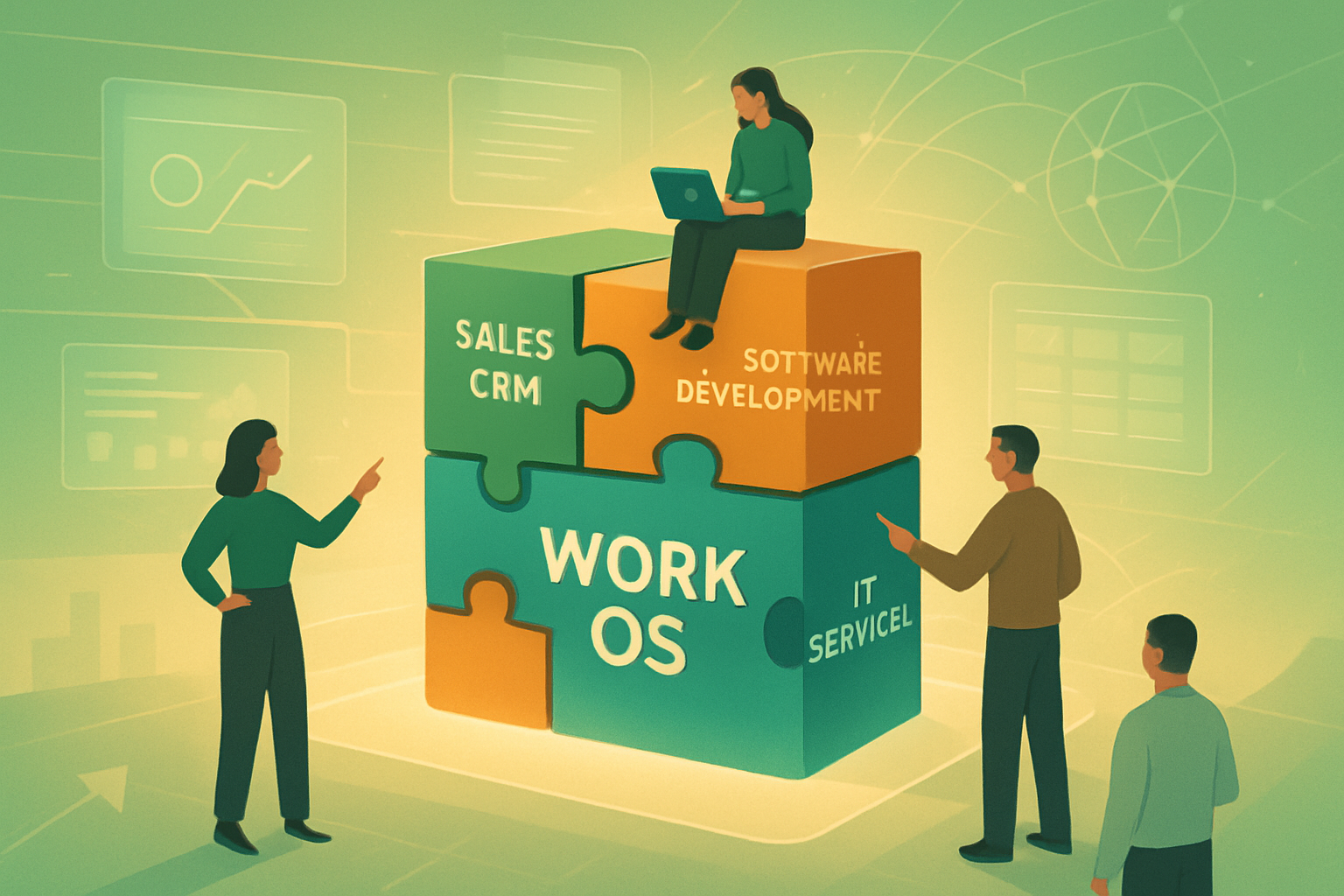
    The company rebranded to Monday.com in 2017 and saw meteoric growth during the global shift to remote work in 2020. Its successful IPO in June 2021 positioned it as a leader in the next generation of enterprise software. Over the last five years, the company has successfully evolved from a single-product project management tool into a comprehensive platform featuring dedicated suites for Sales CRM, Software Development, and IT Service Management.

    Business Model

    Monday.com operates on a cloud-based, subscription-only SaaS model. Its revenue is derived primarily from tiered pricing based on the number of users ("seats") and the level of functionality required. The company’s core value proposition is its "Work OS" philosophy, which allows customers to consolidate multiple point solutions—such as CRM, task management, and resource planning—into one unified ecosystem.

    The business is segmented into three primary product pillars:

    • Monday CRM: Targeting sales and marketing teams.
    • Monday Dev: A specialized toolkit for engineering and product teams.
    • Monday Service: A newer entry into the IT Service Management (ITSM) and employee helpdesk space.

    The company’s customer base is highly diversified, ranging from small-to-medium businesses (SMBs) to Fortune 500 enterprises. As of late 2025, the company reported that customers generating over $100,000 in Annual Recurring Revenue (ARR) now represent roughly 40% of its total revenue, highlighting a successful move "upmarket."

    Stock Performance Overview

    Over the past year, Monday.com’s stock has been a study in volatility. Throughout 2025, the stock reached heights near $340 as the company demonstrated strong margin expansion and cross-selling success. However, the 1-year performance has turned negative as of today, February 9, 2026, following a sharp ~14% single-day decline.

    Since its 2021 IPO, Monday.com has significantly outperformed many of its high-growth SaaS peers in terms of fundamental resilience, though its price remains far below its post-IPO speculative peaks. For long-term investors, the stock has provided a CAGR (Compound Annual Growth Rate) that reflects its underlying revenue growth, but the current "valuation reset" suggests the market is now pricing the company as a maturing enterprise rather than an explosive disruptor.

    Financial Performance

    The fiscal 2025 results, concluded in December, showed a company in peak operational health. Revenue for 2025 hit approximately $1.25 billion (a 29% year-over-year increase). More impressively, Monday.com maintained high-tier gross margins of 89% and achieved its first full year of GAAP operating profitability.

    However, the fiscal 2026 guidance issued today has clouded the short-term outlook.

    • Revenue Guidance: $1.452 billion – $1.462 billion, representing 18–19% growth. This fell short of the 21% growth ($1.48 billion) analysts had expected.
    • Margins: Non-GAAP operating margins are projected to settle between 11% and 12%, reflecting a planned increase in R&D spending for AI integration.
    • Valuation: Following today's sell-off, the stock trades at roughly 3.5x forward Price-to-Sales (P/S) and ~10x Enterprise Value to Free Cash Flow (EV/FCF), levels that many bulls consider historically cheap.

    Leadership and Management

    Co-founders Roy Mann and Eran Zinman remain at the helm as co-CEOs, a partnership that has become a hallmark of the company’s stability. Their strategy has shifted from aggressive customer acquisition to "platformization," encouraging existing users to adopt multiple Monday products.

    The leadership team, including CFO Eliran Glazer, has earned a reputation for "under-promising and over-delivering" in previous years. However, today's conservative 2026 guidance suggests management is bracing for a more difficult macroeconomic environment or a longer sales cycle for its newer enterprise products.

    Products, Services, and Innovations

    The most significant innovation entering 2026 is the "Monday Sidekick," an AI-driven assistant that can now automate multi-step workflows across different departments without human intervention.

    Further product developments include:

    • Monday Vibe: A low-code tool released in late 2025 that allows users to build functional applications using natural language prompts.
    • Monday Service: This tool is gaining traction as an alternative to ServiceNow (NYSE: NOW) for mid-market firms looking for a more modern, user-friendly interface for IT tickets.
    • AI Blocks: Predictive data models integrated into the Monday boards that help teams forecast project completion dates and budget overruns before they occur.

    Competitive Landscape

    Monday.com competes in one of the most crowded sectors of the software industry.

    • Vs. Asana (NYSE: ASAN): Monday is generally viewed as having a broader "OS" capability, whereas Asana is often favored for its "Task-centric" simplicity.
    • Vs. Smartsheet (NYSE: SMAR): Monday is aggressively moving into Smartsheet's territory of complex project portfolio management but with a more modern user experience.
    • Vs. Atlassian (NASDAQ: TEAM): With Monday Dev, the company is directly challenging Jira. While Jira remains the industry standard for deep engineering tasks, Monday Dev is winning over hybrid teams that require collaboration between developers and business units.

    Industry and Market Trends

    The project management and collaboration sector is currently undergoing "The Great Consolidation." Enterprise clients are no longer looking for dozens of "best-of-breed" tools; they want a single platform that can handle CRM, projects, and IT requests. This trend favors Monday.com’s multi-product strategy.

    Furthermore, the rise of "AI Employees"—autonomous agents that can perform routine administrative tasks—is the next frontier. Monday.com’s architecture is uniquely suited for this, as its "Lego-like" building blocks can easily be manipulated by AI agents to reorganize data and trigger actions.

    Risks and Challenges

    • Macroeconomic Sensitivity: As a productivity tool, Monday.com can be vulnerable to corporate budget cuts, particularly in the SMB segment where churn remains a concern.
    • Guidance Disappointment: Today’s fiscal 2026 guidance suggests that the "easy growth" has been captured. Capturing the next billion dollars in revenue will require displacing entrenched incumbents like Salesforce (NYSE: CRM) in the CRM space.
    • AI Disruption: While AI is an opportunity, it also lowers the barrier to entry for new competitors who might build "AI-first" productivity tools that bypass the need for traditional board structures.

    Opportunities and Catalysts

    • Monday Service Upsell: If Monday Service can capture even 5% of the ITSM market, it would represent a massive secondary revenue stream.
    • Monetization of AI: The company has begun testing a "Premium AI" tier. Successful adoption of this tier could drive significant Average Revenue Per User (ARPU) growth in late 2026.
    • M&A Potential: With a strong cash position and a depressed valuation after today's sell-off, Monday.com could become an attractive acquisition target for a legacy giant like Microsoft (NASDAQ: MSFT) or Oracle (NYSE: ORCL) looking to modernize their collaboration suite.

    Investor Sentiment and Analyst Coverage

    Current sentiment is cautious but divided. Following today's guidance, several firms, including DA Davidson and Cantor Fitzgerald, lowered their price targets, citing a "reset of growth expectations."

    However, institutional sentiment remains relatively high among value-oriented tech investors. Many view the current sell-off as a "clearing of the decks," where the stock's valuation finally aligns with its cash-flow generation rather than just its growth percentage. Retail chatter on platforms like X and Reddit remains focused on whether the "Monday Vibe" and AI integrations can reignite growth in the second half of 2026.

    Regulatory, Policy, and Geopolitical Factors

    Headquartered in Tel Aviv, Monday.com faces unique geopolitical risks. Ongoing regional instability in the Middle East has occasionally raised concerns regarding operational continuity. However, the company has mitigated this by decentralizing its workforce across major hubs in New York, London, and Sydney.

    On the regulatory front, Monday.com must navigate increasingly complex data privacy laws (GDPR in Europe, CCPA in California) as it expands its CRM and Service offerings, which handle sensitive customer and employee data.

    Conclusion

    As of February 9, 2026, Monday.com finds itself at a crossroads. The company is fundamentally stronger than it was three years ago—it is profitable, cash-flow positive, and has a diversified product suite. Yet, the market’s harsh reaction to its "conservative" 2026 guidance highlights the reality that in the SaaS world, "good" performance is often not enough if it fails to meet "exceptional" expectations.

    For investors, the key watch-item for the remainder of 2026 will be the adoption rate of the Monday Service and CRM products. If Monday.com can prove that it is not just a project tool, but a true alternative to the massive incumbents of the enterprise software world, today’s price drop may eventually be seen as a significant long-term entry point.


    This content is intended for informational purposes only and is not financial advice.

  • Apollo Global Management (APO): The Trillion-Dollar Credit Engine Redefining Modern Finance

    Apollo Global Management (APO): The Trillion-Dollar Credit Engine Redefining Modern Finance

    As of February 9, 2026, Apollo Global Management (NYSE: APO) has firmly established itself not just as an alternative asset manager, but as a central pillar of the global financial architecture. Once known primarily for its aggressive private equity buyouts, the firm has undergone a seismic transformation into a "private credit powerhouse" and a leader in retirement services.

    The focus on Apollo has intensified following its Q4 2025 earnings release, which showcased a significant beat on both the top and bottom lines. With Assets Under Management (AUM) now hovering just shy of the $1 trillion mark—at $938 billion—Apollo is demonstrating that its vertically integrated model, merging asset management with its insurance arm Athene, is a formidable engine for growth. At a time when traditional banking systems are retreating from mid-market lending, Apollo has stepped in to fill the vacuum, making it a critical stock for investors to watch in the evolving "private capital" era.

    Historical Background

    Apollo was founded in 1990 by Leon Black, Joshua Harris, and Marc Rowan. The founders were former colleagues at the legendary investment bank Drexel Burnham Lambert, and they brought a "distressed-debt" DNA to the new firm. Their early success was built on purchasing discounted assets from the collapse of the high-yield bond market in the early 1990s, most notably the acquisition of Executive Life Insurance Company’s bond portfolio.

    Over the next three decades, Apollo evolved through several distinct phases. It listed on the New York Stock Exchange in 2011 and converted to a C-Corporation in 2019 to attract a broader base of institutional investors. However, the most pivotal moment in its history occurred between 2021 and 2022. Following the departure of Leon Black, co-founder Marc Rowan took the helm as CEO. Rowan spearheaded the full merger with Athene, the retirement services company Apollo had helped build since 2009. This merger fundamentally changed Apollo's identity, moving it from a fee-heavy private equity firm to a spread-heavy, credit-oriented financial giant.

    Business Model

    Apollo’s current business model is built on two symbiotic engines: Asset Management and Retirement Services (Athene). The firm categorizes its investment activities into three distinct segments:

    1. Yield: This is Apollo’s largest and most critical segment. It focuses on generating investment-grade private credit. By acting as a "parallel bank," Apollo originates loans directly to companies and secures them with high-quality assets. This segment is the primary engine for Athene, which requires steady, low-risk returns to meet its policyholder obligations.
    2. Hybrid: Positioned between debt and equity, this segment provides bespoke capital solutions. It offers products like preferred equity and convertible debt, targeting returns higher than traditional credit but with more downside protection than common equity.
    3. Equity: This represents Apollo’s "legacy" private equity business. It continues to focus on opportunistic buyouts, complex corporate carve-outs, and value-driven investments. While it accounts for a smaller percentage of AUM than the Yield segment, it remains a high-margin contributor to Fee-Related Earnings (FRE).

    The "Athene Synergy" is the secret sauce: Athene provides "permanent capital," meaning Apollo does not have to constantly return to the market to raise new funds for its credit strategies. Instead, it can focus on originating high-quality debt to "match" Athene’s long-term liabilities.

    Stock Performance Overview

    Apollo’s stock performance as of early 2026 tells a story of long-term dominance punctuated by recent consolidation. Over the 10-year horizon, APO has delivered a staggering return of approximately 750%, vastly outperforming the S&P 500. This growth was driven by the massive expansion of the alternative asset industry and the successful integration of Athene.

    On a 5-year basis, the stock is up roughly 180%, reflecting the market's approval of the 2022 merger and the shift toward a more predictable earnings stream. However, the 1-year performance has been more volatile, showing a decline of approximately 12.9% leading up to the 2025 year-end. This dip was largely attributed to broader macro concerns regarding interest rate volatility and increased regulatory talk surrounding the private credit industry. Despite this, the stock surged 5.5% on the morning of its Q4 2025 earnings beat, suggesting that the underlying fundamentals remain robust even when sentiment wavers.

    Financial Performance

    The Q4 2025 financial results solidified Apollo’s status as a top-tier performer. The firm reported Adjusted Net Income of $1.54 billion, or $2.47 per share, beating analyst estimates significantly.

    Key financial highlights include:

    • Total AUM: $938 billion, an increase of 15% year-over-year.
    • Fee-Related Earnings (FRE): Reached a record $690 million for the quarter, driven by strong inflows into the Hybrid Value and Fund X vehicles.
    • Spread-Related Earnings (SRE): Athene generated $865 million in SRE, benefiting from the high-interest-rate environment which allows for wider spreads on its investment-grade credit portfolio.
    • Capital Inflows: A record $228 billion for the full year 2025, demonstrating massive institutional appetite for Apollo’s yield products.

    Management also announced a 10% increase in the annual dividend to $2.25 per share and a fresh $4.0 billion share repurchase authorization, signaling confidence in their cash flow generation.

    Leadership and Management

    Under CEO Marc Rowan, Apollo has transitioned from a founder-led "star system" to a more institutionalized, strategy-driven organization. Rowan is widely regarded as the architect of the Athene strategy and is known for his analytical, data-driven approach to asset management. He is supported by a deep bench of leadership, including President Jim Zelter and Co-Presidents Scott Kleinman and John Zito.

    The governance reputation of the firm has improved markedly since the 2021 restructuring. The addition of several independent directors and the shift to a "One Apollo" culture—where different segments collaborate on deal origination—has been credited with improving the firm's operational efficiency and risk management.

    Products, Services, and Innovations

    Apollo’s innovation pipeline is currently focused on two fronts: Origination and Democratization.

    • ATLAS SP Partners: Formerly Credit Suisse’s securitized products group, this platform has become a crown jewel for Apollo. It allows the firm to originate massive amounts of asset-backed finance (ABF), ranging from mortgage-backed securities to consumer loans.
    • Apollo Aligned Alternatives (AAA): This product is part of Apollo’s push to reach individual "wealth" investors. It provides retail investors with a diversified portfolio of private assets, historically available only to large institutions.
    • Private Credit Democratization: Apollo is leading the charge in creating "semi-liquid" structures that allow high-net-worth individuals to access private credit markets with lower minimum investments than traditional private equity funds.

    Competitive Landscape

    Apollo operates in a "Big Three" environment alongside Blackstone (NYSE: BX) and KKR & Co. Inc. (NYSE: KKR). While they are often grouped together, their strategies are distinct as of 2026:

    • Blackstone (BX): Focuses heavily on real estate, AI infrastructure, and the massive "retail wealth" channel. Blackstone is the marketing powerhouse of the group.
    • KKR & Co. (KKR): Maintains a highly diversified approach, with significant stakes in infrastructure, media, and its own insurance arm, Global Atlantic.
    • Apollo (APO): Positions itself as the "Fixed Income" specialist. While KKR and Blackstone have moved toward insurance, Apollo’s integration with Athene remains the deepest and most mature, giving it a lower cost of capital and a superior "origination engine" for private debt.

    Industry and Market Trends

    The "Great Shift" remains the dominant trend in 2026. This refers to the migration of credit activity from traditional banks—constrained by Basel III and other regulations—to private asset managers. Private credit is no longer a niche "distressed" strategy; it has become the primary source of funding for mid-sized and even large-cap corporations.

    Additionally, the "Retirement Crisis" is a major macro driver. As the global population ages, the demand for guaranteed income products (annuities) is skyrocketing. Apollo, through Athene, is perfectly positioned to capture this flow of "permanent capital" and reinvest it into the private markets.

    Risks and Challenges

    No investment is without risk, and Apollo faces two primary hurdles:

    1. Transparency and Defaults: The private credit market is often criticized for being "opaque" because loans are not traded on public exchanges. Critics worry that if the economy enters a severe recession, defaults could rise faster than Apollo's models predict, and the lack of mark-to-market pricing could lead to a "shocks-all-at-once" scenario.
    2. Valuation Compression: As more players (including traditional banks) try to enter the private credit space, margins may compress. Apollo must continue to find "bespoke" and "complex" deals to maintain the high yields its investors expect.

    Opportunities and Catalysts

    • The Path to $1 Trillion: Apollo is on track to hit $1 trillion in AUM by late 2026. Reaching this milestone is often a catalyst for further institutional fund flows and prestige.
    • S&P 500 Inclusion Benefits: Having been added to the S&P 500 in late 2024, Apollo now benefits from forced buying by index funds and ETFs, which should provide a "floor" for the stock price.
    • M&A Potential: With a massive cash pile and a $4 billion buyback program, Apollo is well-positioned to acquire smaller credit managers or fintech platforms that enhance its origination capabilities.

    Investor Sentiment and Analyst Coverage

    Wall Street remains overwhelmingly bullish on Apollo. The consensus rating is a "Strong Buy," with price targets ranging from $165 to $174, suggesting a potential upside of 25% from current levels. Analysts frequently cite the "FRE/SRE double-engine" as the reason for their optimism, noting that Apollo’s earnings are increasingly predictable and less reliant on "lumpy" performance fees from private equity exits.

    Institutional ownership remains high, and the recent announcement of a significant buyback program has been interpreted as a sign that management believes the stock is currently undervalued relative to its growth prospects.

    Regulatory, Policy, and Geopolitical Factors

    The primary regulatory risk is the "Bermuda Triangle" scrutiny. Regulators like the Financial Stability Oversight Council (FSOC) are examining the practice of US insurers (like Athene) moving liabilities to offshore reinsurers in Bermuda to take advantage of different capital requirements. While Apollo maintains that its capital levels are conservative and fully compliant, any change in tax laws or capital reserve requirements for offshore reinsurance could impact Athene’s profitability.

    Furthermore, the expansion of private credit has caught the eye of the SEC, which is pushing for more disclosure regarding the fees and valuations within private funds.

    Conclusion

    Apollo Global Management is a financial powerhouse at the peak of its powers. By successfully pivoting from a "barbarians at the gate" buyout firm to a "parallel banking" credit engine, it has found a way to generate massive, recurring earnings that are increasingly disconnected from the volatility of the public equity markets.

    While regulatory scrutiny and the opacity of private credit remain valid concerns, the firm's Q4 2025 earnings beat and its trajectory toward $1 trillion in AUM suggest that its "Yield, Hybrid, Equity" strategy is working. For investors, Apollo represents a play on the "institutionalization" of private markets and the growing global demand for retirement security. As we move deeper into 2026, Apollo is no longer an alternative—it is the standard.


    This content is intended for informational purposes only and is not financial advice.

  • Meta Platforms (META) 2026 Deep Dive: The Superintelligence Era and the $100B AI Gamble

    Meta Platforms (META) 2026 Deep Dive: The Superintelligence Era and the $100B AI Gamble

    As of February 6, 2026, Meta Platforms (NASDAQ: META) stands at a pivotal juncture in its twenty-two-year history. After surviving the "Year of Efficiency" in 2023 and the subsequent AI-driven bull run of 2024, the company is now navigating a complex market environment characterized by a "monetization inflection point." While its core social media empire—the "Family of Apps"—continues to generate staggering cash flows, Meta has committed to a multi-year, capital-intensive roadmap to lead the world in "Superintelligence" and agentic AI. This feature explores how Meta is balancing its legacy as an advertising titan with its ambition to become the world’s leading AI infrastructure company.

    Historical Background

    Meta's journey from a Harvard dormitory in 2004 to a global conglomerate is well-documented but marked by three distinct eras. The first was the Social Expansion Era (2004–2012), defined by rapid user growth and the transformative IPO on the NASDAQ. The second was the Acquisition and Pivot Era (2012–2021), where the acquisitions of Instagram and WhatsApp solidified its dominance, followed by a pivot toward the "Metaverse" in 2021.

    The current era, which began in late 2023, is the AI Infrastructure Era. After the market punished the company in 2022 for perceived overspending on virtual reality, Mark Zuckerberg refocused the company on artificial intelligence. By 2025, Meta had shifted its branding from a "Metaverse-first" company to a "Superintelligence-first" company, integrating generative AI across its entire product stack while maintaining its commitment to the open-source community through its Llama models.

    Business Model

    Meta’s business model remains a tale of two extremes. The Family of Apps (FoA) segment, comprising Facebook, Instagram, Messenger, and WhatsApp, accounts for roughly 98% of total revenue. This segment generates revenue primarily through highly targeted digital advertising. In 2025, Meta’s ad-tech stack was further optimized by AI, allowing for "creative-less" ads where Meta’s systems automatically generate images and copy tailored to individual users.

    The Reality Labs (RL) segment represents the company’s long-term bet on the next computing platform. While initially focused on VR headsets (Quest), the business model has pivoted toward AI Wearables (Smart Glasses) and augmented reality. Despite continuing to operate at a significant loss, Reality Labs is seen as the hardware vehicle through which Meta will deliver its proprietary AI agents to consumers, bypassing the gatekeeping of mobile operating systems like iOS and Android.

    Stock Performance Overview

    Over the past decade, META has been one of the most volatile yet rewarding components of the "Magnificent Seven."

    • 1-Year Performance: The stock has seen heightened volatility in early 2026, following a "tech rout" in late 2025 where investors began questioning the ROI of AI spending. After peaking in mid-2025, the stock has traded in a horizontal range as the market waits for tangible AI revenue.
    • 5-Year Performance: Looking back to 2021, the stock has undergone a massive V-shaped recovery. From its lows of approximately $90 in late 2022, it surged to record highs above $500 in 2024, driven by record earnings and the "Year of Efficiency" margin expansion.
    • 10-Year Performance: META remains a top-tier performer over the decade, significantly outperforming the S&P 500, though it has trailed peer Microsoft (NASDAQ: MSFT) due to the higher risk profile associated with its heavy capital expenditures.

    Financial Performance

    Meta’s 2025 fiscal year was a landmark in both revenue and spending. The company reported full-year revenue of $200.97 billion, a 22% increase year-over-year. Net income reached $62.36 billion in 2024, though growth slowed slightly in late 2025 as the company accelerated its infrastructure investments.

    The defining financial metric for Meta in 2026 is its Capital Expenditure (Capex). The company issued guidance for 2026 of $115–$135 billion, a staggering sum dedicated to building out data centers and securing H100/H200 GPU clusters. While operating margins remained healthy at roughly 40% in 2025, the market is closely watching how the depreciation of these massive investments will impact the bottom line in the 2026-2027 window.

    Leadership and Management

    CEO Mark Zuckerberg remains the undisputed architect of Meta’s strategy, holding a controlling voting interest through dual-class shares. His leadership style has evolved from "moving fast and breaking things" to a more disciplined, efficiency-focused approach—though his "Superintelligence" ambition suggests he is once again willing to bet the company on a singular vision.

    The management team saw a significant shakeup in late 2025 with the departure of AI pioneer Yann LeCun, reportedly due to disagreements over the development timeline of "frontier" models. To fill the void, Meta consolidated its research under the Meta Superintelligence Labs, led by Alexandr Wang (formerly of Scale AI). This leadership shift signals a move away from pure academic research toward the rapid deployment of "proactive agents" and agentic AI architectures.

    Products, Services, and Innovations

    Meta's product roadmap is currently centered on three pillars:

    1. Llama 4 Series: Following the massive success of Llama 3, Meta released Llama 4 Scout and Maverick in 2025. The flagship "Behemoth" model is expected in early 2026, promising human-level reasoning capabilities.
    2. Ray-Ban Meta Glasses: This has become the sleeper hit of the Reality Labs division. By 2026, these glasses have evolved into "AI-First" devices that offer real-time translation, object recognition, and a voice-activated "Meta AI" assistant that acts as a personal concierge.
    3. WhatsApp Business: Meta has successfully turned WhatsApp into a significant revenue driver through click-to-message ads and AI-powered customer service agents that allow businesses to handle millions of queries without human intervention.

    Competitive Landscape

    Meta operates in a hyper-competitive landscape where the boundaries between social media, cloud computing, and AI research have blurred.

    • Microsoft and OpenAI: These remain Meta's primary rivals in the race for "AGI." While Microsoft has the advantage in enterprise software, Meta’s open-weights strategy with Llama has won over the developer community.
    • Alphabet (NASDAQ: GOOGL): Google remains the chief rival for ad dollars and AI research. Meta’s Threads has attempted to capture the real-time information market, while YouTube and Instagram Reels continue their battle for short-form video supremacy.
    • TikTok: Despite regulatory headwinds and potential bans in various jurisdictions, TikTok remains a formidable competitor for the attention of Gen Z, forcing Meta to continuously innovate its recommendation algorithms.

    Industry and Market Trends

    The tech industry in early 2026 is dominated by the shift from "Chatbots" to "Proactive Agents." No longer are users expected to prompt an AI; rather, AI systems are expected to monitor calendars, emails, and preferences to act on the user's behalf.

    Another critical trend is the Energy Infrastructure Race. To power its massive data centers, Meta has followed peers like Amazon (NASDAQ: AMZN) into the nuclear sector, signing landmark agreements in late 2025 to secure carbon-neutral power from small modular reactors (SMRs). This highlights a new phase of tech competition where energy security is as important as software engineering.

    Risks and Challenges

    Meta faces three primary categories of risk:

    1. The "Capex Gap": There is a growing concern that Meta is building out infrastructure at a rate that outpaces its ability to monetize AI. If the expected productivity gains from AI agents do not materialize for advertisers, the stock could face a significant de-rating.
    2. Regulatory Fines: The EU AI Act and Digital Markets Act (DMA) have forced Meta to offer less-personalized ad tiers in Europe, potentially impacting Average Revenue Per User (ARPU) in a high-value market.
    3. Youth Safety Litigation: Meta faces multiple federal trials in 2026 regarding the impact of its algorithms on the mental health of minors. Adverse rulings could lead to multi-billion dollar settlements and mandated product changes.

    Opportunities and Catalysts

    Despite the risks, the catalysts for Meta are compelling:

    • The "Orion" Launch: Rumors of Meta’s first true AR glasses (codenamed "Orion") hitting the consumer market in late 2026 could serve as a major catalyst, proving that the Reality Labs investment was not in vain.
    • AI-Native Advertising: As Meta’s AI begins to autonomously manage entire ad campaigns for small businesses, it could unlock a new tier of advertisers who previously found the platform too complex to use.
    • WhatsApp Monetization: WhatsApp remains the "unmonetized crown jewel" with vast potential to become a super-app for commerce in India, Brazil, and Europe.

    Investor Sentiment and Analyst Coverage

    Wall Street remains divided on Meta. Growth-oriented analysts praise the company’s aggressive pursuit of AI leadership, citing the Llama ecosystem's "moat" through developer adoption. Conversely, value-oriented analysts are wary of the $100B+ annual Capex, labeling it a "high-stakes gamble."

    Institutional ownership remains high, with major funds like Vanguard and BlackRock holding significant positions. However, retail chatter has turned cautious in early 2026, as the "AI hype" of the previous two years has been replaced by a "show me the money" attitude.

    Regulatory, Policy, and Geopolitical Factors

    The regulatory environment is Meta's most persistent headwind. In the U.S., the FTC continues to challenge the company’s past acquisitions, while in the EU, the Digital Fairness Act (expected late 2026) aims to restrict AI-driven behavioral nudging.

    Geopolitically, Meta's exclusion from the Chinese market remains a limitation, though its reliance on TSMC (NYSE: TSM) for its MTIA v3 silicon chips creates a significant supply chain vulnerability in the event of cross-strait tensions.

    Conclusion

    Meta Platforms enters 2026 as a company of immense contradictions. It is a highly profitable advertising machine funding a speculative, multi-billion dollar quest for superintelligence. For investors, the thesis hinges on one question: Will the "agentic AI" era provide a sufficient return on the hundreds of billions currently being poured into silicon and data centers?

    While the near-term tech rout has humbled valuations, Meta’s strategic position as the owner of the world’s most popular social graphs and the leader in open-source AI makes it an indispensable player in the digital economy. Investors should watch the 2026 Capex execution and the consumer reception of Llama 4-powered wearables as the key indicators of Meta’s long-term health.


    This content is intended for informational purposes only and is not financial advice. Today’s date is 2/6/2026.