
Category: Uncategorized

  • The 2026 NVIDIA Deep-Dive: Resilience in the Age of AI Rationalization

    The 2026 NVIDIA Deep-Dive: Resilience in the Age of AI Rationalization


    Date: February 6, 2026
    Sector: Semiconductors / Artificial Intelligence
    Ticker: NVIDIA (Nasdaq: NVDA)

    Introduction

    As we navigate the first quarter of 2026, the global technology landscape is defined by one central gravity well: NVIDIA (Nasdaq: NVDA). While the "AI mania" of 2023 and 2024 has matured into a more disciplined "AI rationalization" era, NVIDIA has emerged not just as a survivor, but as the indispensable architect of the modern economy. After a tumultuous late 2025—marked by a significant sell-off in high-growth tech stocks as investors demanded tangible returns on AI investment—NVIDIA’s resilience has silenced skeptics. Today, the company stands as a $4 trillion titan, transitioning from being a mere chipmaker to becoming the "operating system" of the artificial intelligence age.

    Historical Background

    Founded in 1993 by Jensen Huang, Chris Malachowsky, and Curtis Priem in a Denny’s restaurant, NVIDIA’s journey is a masterclass in strategic pivot. Originally focused on the PC gaming market, the company’s invention of the Graphics Processing Unit (GPU) in 1999 revolutionized digital visual effects. However, the most pivotal moment came in 2006 with the launch of CUDA (Compute Unified Device Architecture). By allowing researchers to use GPUs for general-purpose mathematical processing, NVIDIA unknowingly laid the tracks for the deep learning revolution. For a decade, NVIDIA subsidized this software-hardware ecosystem, waiting for a market that didn't yet exist until the 2012 "AlexNet" breakthrough proved that GPUs were the superior engine for neural networks.

    Business Model

    NVIDIA’s business model has evolved into a vertical fortress. While it remains a fabless semiconductor designer, its revenue streams are now deeply diversified across four key pillars:

    • Data Center (85-90% of Revenue): This includes the sale of high-performance GPUs (Blackwell and Rubin architectures), networking hardware (Mellanox/Spectrum-X), and specialized AI infrastructure.
    • Gaming: Once the core business, GeForce RTX remains the gold standard for PC enthusiasts and creative professionals, now doubling as entry-level AI development workstations.
    • Professional Visualization: Serving industries from architecture to film through the Omniverse platform, creating "Digital Twins" of entire factories.
    • Automotive and Robotics: The DRIVE Thor platform and the Isaac robotics ecosystem are positioning NVIDIA as the brain of autonomous machines.

    Stock Performance Overview

    NVIDIA’s stock performance has been nothing short of historic.

    • 10-Year Horizon: Investors have seen returns exceeding 25,000%, a move that redefined the limits of large-cap growth.
    • 5-Year Horizon: Driven by the data center explosion, the stock climbed from the double digits (split-adjusted) to surpass the $1,000 mark multiple times before subsequent splits.
    • 1-Year Horizon (2025-2026): The past year was characterized by "The Great Rationalization." After peaking in mid-2025, the stock faced a 20% drawdown as the market questioned the ROI of AI spending. However, since January 2026, NVDA has staged a 15% recovery, outperforming the Nasdaq-100 as its Blackwell-to-Rubin transition proved that demand remains structurally higher than supply.

    Financial Performance

    NVIDIA enters 2026 with a balance sheet that resembles a sovereign wealth fund.

    • Revenue Growth: For Fiscal Year 2025, NVIDIA reported a staggering $155.5 billion in revenue. Early projections for FY2026 suggest the company is on track to eclipse $210 billion.
    • Margins: Non-GAAP gross margins have stabilized at a remarkable 73.6%. While slightly down from the 78% peaks of 2024 due to higher HBM4 (High Bandwidth Memory) costs, it remains the highest in the industry.
    • Cash Flow: With over $50 billion in free cash flow, NVIDIA has begun aggressive share buybacks and strategic "acqui-hires" to bolster its software ecosystem.

    Leadership and Management

    CEO Jensen Huang remains the most influential figure in global tech. His "long-termism" and "zero-billion-dollar market" philosophy—entering markets before they exist—have created a cult of personality that is backed by execution. The leadership team, including CFO Colette Kress, is lauded for its capital allocation and navigating complex supply chain bottlenecks. The governance reputation is high, though some analysts point to "key-man risk" given Huang’s synonymous relationship with the company’s vision.

    Products, Services, and Innovations

    In 2026, the focus has shifted from the Blackwell (B200) cycle to the Vera Rubin (R100) architecture.

    • Rubin Platform: Slated for full production in H2 2026, Rubin introduces the "Vera" CPU and HBM4 memory, promising a 10x reduction in "cost-per-token" for AI inference.
    • Spectrum-X Networking: Now a multi-billion dollar segment, this high-speed Ethernet fabric allows GPUs to "talk" to each other at unprecedented speeds, solving the data-transfer bottleneck that plagues rivals.
    • NVIDIA AI Enterprise: This software layer (SaaS) is now being integrated into every enterprise license, creating a recurring revenue stream that decouples the company from purely cyclical hardware sales.

    Competitive Landscape

    While NVIDIA is the undisputed king, 2026 sees more credible challengers than ever:

    • AMD (Nasdaq: AMD): With its MI400 series, AMD has captured roughly 10% of the hyperscaler market, positioning itself as the "value-alternative" for companies like Meta.
    • Custom Silicon (ASICs): Google’s TPU v6 and Microsoft’s Maia chips are increasingly handling internal workloads, though they lack the broad developer ecosystem of NVIDIA’s CUDA.
    • Intel (Nasdaq: INTC): Despite a rocky few years, Intel’s Gaudi 4 is carving out a niche in cost-sensitive mid-market AI training.

    Industry and Market Trends

    The "AI Spending Sell-off" of late 2025 was a healthy correction. The trend in 2026 has shifted from Training (building models) to Inference (running them). As AI models become integrated into every consumer device and enterprise workflow, the sheer volume of compute needed for inference is expected to grow by 50% annually through 2030. Additionally, "Sovereign AI"—nations building their own data centers to protect domestic data—has become a massive tailwind for NVIDIA.

    Risks and Challenges

    • Geopolitical Concentration: With China revenue essentially at zero due to US export bans, NVIDIA is highly dependent on a few dozen western hyperscalers.
    • Power Constraints: The world is running out of electricity to power AI data centers. If utility grids cannot scale, NVIDIA’s hardware sales will hit a physical ceiling.
    • Antitrust Scrutiny: The DOJ and EU are currently investigating NVIDIA’s dominance in the networking space and its "software-first" lock-in strategies.

    Opportunities and Catalysts

    • The Rubin Ramp: The 2026 rollout of Rubin is expected to trigger another massive upgrade cycle for cloud providers.
    • Physical AI: The Isaac platform for robotics is gaining traction in Japanese and German manufacturing, potentially opening a new $100B market.
    • Automotive: The DRIVE Thor chip is beginning to appear in 2026-model electric vehicles, moving NVIDIA into a high-margin recurring software role in the auto sector.

    Investor Sentiment and Analyst Coverage

    Wall Street remains overwhelmingly bullish, though the "Buy" ratings are more nuanced than in previous years. Analysts now differentiate between NVIDIA's hardware cycle and its software "moat." Institutional ownership remains at record highs, with hedge funds using NVDA as a proxy for the entire S&P 500's tech exposure. Retail sentiment, while scarred by the 2025 volatility, has returned as the company’s P/E ratio has compressed to a more "reasonable" 35x forward earnings.

    Regulatory, Policy, and Geopolitical Factors

    Geopolitics is the "X-factor" for NVIDIA. The company has successfully navigated the US-China decoupling by pivoting to Southeast Asia, Europe, and India. However, retaliatory measures from China—including an antitrust probe into its Mellanox acquisition—continue to create headline risk. In the US, the CHIPS Act continues to benefit NVIDIA’s manufacturing partners (TSMC and Intel), potentially diversifying its supply chain away from Taiwan by late 2027.

    Conclusion

    NVIDIA in 2026 is no longer a "growth story" in the speculative sense; it is the fundamental utility of the digital age. By surviving the 2025 market rationalization and emerging with a faster product cadence (Rubin) and a growing software moat, the company has proved its resilience. While risks regarding power consumption and antitrust probes remain real, NVIDIA's role as the "picks and shovels" provider for the AI revolution appears unchallenged for the foreseeable future. For investors, NVIDIA is no longer just a stock; it is the benchmark for the future of compute.


    This content is intended for informational purposes only and is not financial advice.

  • Cboe Global Markets (CBOE): The Derivatives Powerhouse in a Volatile World

    Cboe Global Markets (CBOE): The Derivatives Powerhouse in a Volatile World

    As of February 6, 2026, the global financial landscape is characterized by a "new normal" of elevated volatility and a pervasive "options-ification" of retail and institutional portfolios. Standing at the epicenter of this transformation is Cboe Global Markets, Inc. (CBOE: CBOE), an exchange operator that has evolved from a niche Chicago-based floor for options into a global multi-asset powerhouse. Following a year of record-breaking earnings in 2025 and a strategic shift toward its high-margin proprietary derivatives, Cboe is currently under intense scrutiny from analysts and investors alike.

    Introduction

    Cboe Global Markets is currently one of the most compelling stories in the financial services sector. Long viewed as the "third player" behind the giants CME Group (CME: CME) and Intercontinental Exchange (ICE: ICE), Cboe has carved out a unique and highly profitable niche as the world’s primary venue for index and equity options.

    The company is in focus today following its most recent earnings report, which showcased a 17% year-over-year surge in net revenue for 2025, reaching $4.62 billion. This outperformance is largely attributed to the explosion of Zero-Days-to-Expiration (0DTE) options trading and the successful global expansion of its proprietary index products, such as the SPX (S&P 500 Index) and VIX (Volatility Index) suites. As Cboe pivots its strategy under new leadership to focus exclusively on high-growth derivatives and recurring data services, it represents a pure-play bet on market volatility and the democratization of complex trading strategies.

    Historical Background

    Founded in 1973 as the Chicago Board Options Exchange, Cboe was the first marketplace in the world for listed options. For decades, it remained a membership-owned organization centered on floor trading at the Chicago Board of Trade. Its first major transformation occurred in 2010 when it completed its demutualization and became a publicly traded company.

    The most defining moment in Cboe’s modern history was its 2017 acquisition of Bats Global Markets. This $3.2 billion deal not only gave Cboe a massive footprint in U.S. and European equities but also provided it with the proprietary "Bats technology," which is now the backbone of its global exchange infrastructure. Since then, Cboe has methodically expanded into Foreign Exchange (FX), Futures, and Digital Assets, while defending its "moat" in the S&P 500 index options space through exclusive licensing agreements.

    Business Model

    Cboe operates a diversified transactional and non-transactional business model across five primary segments:

    1. Options: The company’s crown jewel, accounting for the largest portion of net revenue. This includes trading in equity options and proprietary index products (SPX, VIX).
    2. North American Equities: Trading services for U.S. and Canadian stocks. While high-volume, this segment faces tighter margins than derivatives.
    3. Europe and Asia Pacific: Includes Pan-European equities and the burgeoning derivatives business in the APAC region.
    4. Futures: Primarily the trading of VIX futures, which allow investors to hedge against market volatility.
    5. Data and Access Solutions: A high-margin, recurring revenue stream where Cboe sells market data, analytics, and connectivity to institutional clients.

    Cboe’s model is increasingly shifting toward "non-transactional" revenue (Data and Access), which provides a "bedrock" of stability even during periods of low market activity.

    Stock Performance Overview

    CBOE stock has been a standout performer in the financial exchange sector over the past decade.

    • 1-Year Performance: Over the last 12 months, CBOE has outperformed the S&P 500, rising approximately 22%. This was fueled by the "volatility-harvesting" trend among retail traders.
    • 5-Year Performance: The stock has seen a steady upward trajectory, nearly doubling in value as it successfully integrated the Bats acquisition and capitalized on the post-pandemic retail trading boom.
    • 10-Year Performance: Long-term investors have seen CBOE transform from a $50-per-share regional exchange into a global leader trading near all-time highs, consistently delivering dividend growth and share repurchases.

    Notable moves in 2025 were triggered by the company's decision to divest non-core cash equity businesses in Australia and Canada to double down on higher-margin derivatives.

    Financial Performance

    In its most recent fiscal year (FY 2025), Cboe reported a record-shattering financial profile:

    • Net Revenue: $4.62 billion (17% YoY growth).
    • Adjusted Diluted EPS: $10.59, a 24% increase from 2024.
    • Margins: Adjusted operating margins reached a staggering 67.1% in Q4 2025, reflecting the extreme scalability of electronic derivatives trading.
    • Debt and Cash Flow: The company maintains a conservative leverage ratio (Debt/EBITDA) below 2.0x, allowing it to remain aggressive in the M&A market while returning capital to shareholders through a dividend that has increased for 15 consecutive years.

    Leadership and Management

    Management stability was a concern in 2023 following the departure of Edward Tilly. However, the tenure of Fredric Tomczyk (2023–2025) successfully stabilized the firm. In May 2025, Craig Donohue, the former CEO of CME Group and Chairman of the OCC, took over as CEO.

    Donohue’s strategy, dubbed the "2026 Realignment," has been focused on "pruning the garden." He has overseen the sale of lower-margin cash equity businesses to focus resources on the "global derivatives powerhouse" vision. This leadership shift is viewed favorably by Wall Street, as Donohue is seen as a "derivatives purist" with the experience to navigate complex regulatory hurdles.

    Products, Services, and Innovations

    Cboe’s competitive edge lies in its proprietary product suite.

    • 0DTE Options: Cboe has optimized its SPX weekly options to cater to the 0DTE (Zero-Days-to-Expiration) craze. By early 2026, 0DTE contracts accounted for 59% of all SPX volume.
    • Global Trading Hours (GTH): Cboe now allows the trading of SPX and VIX products nearly 24 hours a day, five days a week, capturing massive "import" flow from Asian and European investors.
    • Robinhood Integration: In early 2025, Cboe completed the full rollout of its index options on the Robinhood platform, significantly expanding its reach to younger, retail demographics.
    • Prediction Markets: In late 2025, Cboe entered the "event contract" space, offering regulated binary options on economic indicators and political events.

    Competitive Landscape

    Cboe operates in a "co-opetitive" oligopoly alongside CME Group, Nasdaq (NDAQ: NDAQ), and ICE.

    • vs. CME Group: While CME dominates interest rate and commodity futures, Cboe owns the "volatility" and "equity index" options space. The two giants rarely compete head-to-head on products, but they vie for institutional capital.
    • vs. Nasdaq: Nasdaq has moved toward being a "fintech software company," while Cboe remains a "trading-centric" company. Cboe currently holds a higher market share in U.S. multi-listed options (~31%).
    • Weaknesses: Cboe’s smaller size compared to ICE and CME makes it more sensitive to regulatory changes in a single product line (like SPX options).

    Industry and Market Trends

    The primary trend driving Cboe is the institutionalization of retail behavior. Strategies that were once the domain of hedge funds—such as credit spreads and iron condors—are now common among retail traders.
    Furthermore, the "macro-regime" of 2025–2026, characterized by fluctuating interest rates and geopolitical uncertainty in Eastern Europe and the South China Sea, has kept the VIX (Fear Gauge) elevated, directly benefiting Cboe’s transaction volumes.

    Risks and Challenges

    Despite its record performance, Cboe faces several significant risks:

    • 0DTE Systematic Risk: There is ongoing debate among regulators regarding whether 0DTE options contribute to intraday market "flash crashes." Any regulatory cap on these products would be a major blow to Cboe’s revenue.
    • Regulatory Headwinds: The European Union’s ban on Payment for Order Flow (PFOF) in 2026 could disrupt the retail liquidity that Cboe relies on for its European operations.
    • Concentration Risk: A significant portion of Cboe's earnings comes from a single product: the SPX option. If the S&P 500 were to lose its status as the world’s primary benchmark, Cboe’s moat would evaporate.

    Opportunities and Catalysts

    • The "Retail 2.0" Wave: As more retail brokers (like Interactive Brokers and Schwab) follow Robinhood’s lead in promoting index options, volume is expected to grow.
    • APAC Derivatives: Cboe is aggressively building out a derivatives ecosystem in Japan and Hong Kong, aiming to replicate its U.S. success in the world’s fastest-growing wealth markets.
    • VIX for Everything: Cboe is currently developing "VIX-style" volatility indices for other asset classes, including individual stocks and cryptocurrencies, which could serve as new revenue drivers in 2027.

    Investor Sentiment and Analyst Coverage

    Wall Street sentiment toward CBOE is currently "Bullish to Neutral." Analysts at Goldman Sachs and Morgan Stanley have highlighted Cboe’s superior Return on Equity (ROE) compared to ICE. Institutional ownership remains high, with Vanguard and BlackRock holding significant stakes. Retail sentiment is largely positive, driven by the popularity of Cboe's products on social trading platforms.

    Regulatory, Policy, and Geopolitical Factors

    The SEC’s recent "Tick Size" and "Access Fee" amendments, implemented in late 2025, have compressed margins in cash equities. This has validated Cboe’s decision to move away from cash markets and toward proprietary derivatives, which are less affected by these specific rule changes. Geopolitically, the shift toward a multipolar world has increased the demand for Cboe’s FX NDF (Non-Deliverable Forward) products as corporations hedge against currency fluctuations.

    Conclusion

    Cboe Global Markets enters 2026 as a leaner, more focused entity than at any point in its 53-year history. By shedding non-core assets and leaning into the global appetite for "short-dated" derivatives and volatility products, the company has achieved record earnings and a dominant market position.

    Investors should watch for two things: the sustainability of 0DTE volumes and the success of the new CEO’s "Strategic Realignment." While regulatory risks regarding retail trading remain a cloud on the horizon, Cboe’s proprietary moat and high-margin data business provide a compelling defensive and offensive profile. In an era where "volatility is the new asset class," Cboe is the primary toll collector.


    This content is intended for informational purposes only and is not financial advice.

  • Biogen (BIIB) Deep Dive: Navigating the Pivot from MS Giant to Neuro-Innovation Powerhouse

    Biogen (BIIB) Deep Dive: Navigating the Pivot from MS Giant to Neuro-Innovation Powerhouse

    As of February 6, 2026, Biogen Inc. (NASDAQ: BIIB) stands at a critical crossroads in its nearly 50-year history. Once the undisputed titan of the Multiple Sclerosis (MS) market, the Cambridge-based biotechnology pioneer is now navigating an aggressive and complex transition. Under the leadership of CEO Christopher Viehbacher, Biogen has spent the last two years distancing itself from the "Aduhelm" controversy and the erosion of its legacy MS franchise, pivoting instead toward a future defined by neurodegenerative blockbusters and rare disease therapies. With a significant quarterly earnings beat reported just today, the market is beginning to weigh whether the "New Biogen" is finally ready to reward patient long-term investors.

    Historical Background

    Founded in 1978 by a group of distinguished biologists—including Nobel Prize winners Walter Gilbert and Phillip Sharp—Biogen is one of the world’s oldest independent biotechnology companies. Its early history was defined by the development of interferon-based therapies for MS, most notably Avonex and later Tysabri. For decades, the company’s "MS-centric" strategy generated billions in free cash flow, funding an expansion into SMA (Spinal Muscular Atrophy) with Spinraza.

    However, the 2020s brought turbulence. The company’s heavy bet on the Alzheimer’s drug Aduhelm (aducanumab) resulted in one of the most contentious FDA approvals in history, followed by a lack of commercial reimbursement and an eventual withdrawal from the market in 2024. This era forced a management shakeup and the launch of the "Fit for Growth" initiative to streamline operations and refocus the pipeline on high-conviction targets.

    Business Model

    Biogen’s business model is shifting from a mature, volume-based specialty pharmaceutical model to a high-innovation, collaborative model.

    • Revenue Segments: While MS remains a significant contributor to the top line, the revenue mix is rapidly diversifying into Alzheimer’s, Rare Diseases, and Immunology.
    • Partnerships: A core pillar of Biogen's model is its collaboration with Eisai Co., Ltd. for Alzheimer’s treatments (Leqembi) and Sage Therapeutics for neuropsychiatric drugs (Zurzuvae). These partnerships allow Biogen to share R&D costs and commercialization risks.
    • Target Market: The company focuses almost exclusively on neurosciences, with a growing footprint in orphan diseases—a sector characterized by high pricing power and limited competition.

    Stock Performance Overview

    The stock performance of Biogen (BIIB) reflects a company in the throes of a painful but necessary restructuring.

    • 1-Year Performance: BIIB has surged approximately 23% over the past twelve months, significantly outperforming the broader biotech sector as the launch of Leqembi and the integration of Reata Pharmaceuticals began to show tangible results.
    • 5-Year Performance: The stock remains down roughly 30% from 2021 levels. This long-term slump is largely attributed to the Aduhelm failure and the "patent cliff" affecting its blockbuster MS drug, Tecfidera.
    • 10-Year Performance: BIIB is down approximately 26% over a decade, illustrating the stark contrast between Biogen’s struggles and the meteoric rise of rivals like Eli Lilly, which capitalized more effectively on the metabolic and neuro-obesity booms.

    Financial Performance

    In the Q4 2025 earnings report released today, February 6, 2026, Biogen surprised Wall Street with a robust "beat and raise" performance.

    • Earnings Beat: Adjusted EPS for Q4 came in at $1.99, crushing the consensus estimate of $1.63.
    • Revenue: Quarterly revenue hit $2.28 billion. While this represents a 7% year-over-year decline due to MS generic erosion, it exceeded the $2.2 billion analyst forecast.
    • 2026 Guidance: Management issued aggressive guidance for 2026, forecasting an adjusted EPS of $15.25 to $16.25. This suggests that the company’s cost-cutting measures are finally filtering through to the bottom line, even as legacy revenues contract.
    • Balance Sheet: With a focus on debt reduction following the $7.3 billion Reata acquisition, Biogen ended 2025 with a leaner cost structure, having achieved its $1 billion "Fit for Growth" savings target.

    Leadership and Management

    CEO Christopher Viehbacher, the former Sanofi head, took the reins in late 2022 with a mandate to fix the culture and the balance sheet. Viehbacher has been widely credited for the "Fit for Growth" program, which eliminated approximately 1,000 jobs and redirected $300 million into the R&D pipeline. His strategy is characterized by "disciplined M&A"—buying smaller, high-potential assets like Reata to diversify the revenue base—and a ruthless focus on commercial execution. Under his leadership, Biogen’s governance has seen a shift toward transparency, aiming to rebuild the trust lost during the Aduhelm era.

    Products, Services, and Innovations

    The "New Biogen" portfolio is anchored by three primary growth engines:

    1. Leqembi (lecanemab): The world’s first widely covered Alzheimer’s drug that shows a clear slowing of cognitive decline. Current focus is shifting from the twice-monthly infusion to a subcutaneous (SC) version, which would allow for easier administration.
    2. Skyclarys: A first-in-class treatment for Friedreich’s Ataxia, acquired in the Reata deal. It saw a 30% patient growth rate in 2025 and is proving to be a highly profitable orphan drug.
    3. Zurzuvae: An oral 14-day treatment for Postpartum Depression (PPD). It represents Biogen's foray into high-volume psychiatry, aiming to treat a historically underserved patient population.

    The innovation pipeline also includes BIIB059 (litifilimab) for Lupus and a high-dose version of Spinraza to compete with gene therapies in SMA.

    Competitive Landscape

    Biogen is no longer the sole player in its core markets.

    • Alzheimer’s: Biogen and Eisai are locked in a duopoly with Eli Lilly (NYSE: LLY) and its drug Kisunla (donanemab). As of early 2026, the market share is split nearly 50/50.
    • The Roche Threat: Looking ahead, Roche (SWX: ROG) is emerging as a significant threat. Its experimental drug, trontinemab, uses "Brainshuttle" technology to clear amyloid plaques faster and with fewer side effects (ARIA) than Leqembi.
    • MS Rivals: Novartis and Sanofi continue to squeeze Biogen’s legacy portfolio with oral generics and next-generation B-cell therapies.

    Industry and Market Trends

    The biotechnology sector in 2026 is dominated by two themes: delivery innovation and precision diagnostics.

    • Subcutaneous Shift: There is a sector-wide push to move complex biological infusions to at-home subcutaneous injections. Biogen’s success in 2026 depends heavily on the FDA approval of Leqembi SC.
    • Blood-Based Diagnostics: The adoption of blood tests for Alzheimer’s is accelerating, which significantly lowers the barrier to entry for patients who previously needed expensive PET scans or invasive spinal taps.
    • Aging Demographics: The global rise in neurodegenerative diseases as the "Baby Boomer" generation ages provides a massive, growing TAM (Total Addressable Market) for Biogen’s offerings.

    Risks and Challenges

    Despite the recent earnings beat, Biogen faces substantial hurdles:

    • Patent Cliffs: The continued erosion of Tecfidera and Tysabri creates a "revenue hole" that new drugs must fill just to keep the company flat.
    • Clinical Setbacks: Drug development in neurology is notoriously risky. Any failure in the Phase 3 Lupus trials would be a major blow to the mid-term growth narrative.
    • Safety Profiles: Competitive drugs from Roche may offer better safety profiles regarding brain swelling (ARIA), potentially making Leqembi obsolete before it reaches peak sales.

    Opportunities and Catalysts

    Several near-term events could drive the stock higher in 2026:

    • May 24, 2026: The PDUFA date for the Leqembi subcutaneous maintenance dose. Approval would likely trigger a surge in patient adoption.
    • April 3, 2026: The PDUFA date for the Spinraza high-dose regimen, which could stabilize the SMA franchise.
    • M&A Potential: With a restored balance sheet, Viehbacher has hinted at further acquisitions in the $1 billion to $3 billion range, likely targeting immunology or rare diseases.

    Investor Sentiment and Analyst Coverage

    Wall Street sentiment toward Biogen is currently "cautiously optimistic." The consensus rating is a Moderate Buy with a price target of $190.75. While hedge fund interest has increased due to the attractive valuation (trading at roughly 12x forward earnings), institutional investors are waiting for proof that the Alzheimer’s franchise can reach "blockbuster" status (>$1 billion in annual sales) before committing to a full re-rating of the stock.

    Regulatory, Policy, and Geopolitical Factors

    Biogen is heavily impacted by the Inflation Reduction Act (IRA) and Medicare's drug price negotiation powers. Because Alzheimer’s treatments are primary targets for Medicare spend, Biogen must navigate a landscape where pricing power is increasingly curtailed by government policy. Furthermore, the company is watching the FDA’s evolving stance on "accelerated approval" pathways, which became more stringent following the Aduhelm fallout.

    Conclusion

    Biogen's Q4 2025 results suggest that the "Fit for Growth" era of austerity is winding down, giving way to an "Execution Phase" where the success of Leqembi and Skyclarys will dictate the company’s trajectory for the next decade. For investors, Biogen represents a classic "value-growth" hybrid: a company with solid cash flows from legacy products but with the upside potential of a revolutionary neuro-pharmaceutical pipeline. While competition from Eli Lilly and Roche looms large, Biogen’s early-mover advantage and shift toward at-home delivery offer a compelling path to redemption. Investors should keep a close eye on the May PDUFA date, which will serve as the ultimate litmus test for the company’s 2026 ambitions.


    This content is intended for informational purposes only and is not financial advice.

  • Polo, Profits, and Prestige: The Ralph Lauren (RL) Deep Dive of 2026

    Polo, Profits, and Prestige: The Ralph Lauren (RL) Deep Dive of 2026

    Date: February 6, 2026

    Introduction

    In the volatile world of global luxury, few brands have navigated the shifting tides of consumer sentiment as masterfully as Ralph Lauren (NYSE: RL). As of early 2026, the company stands as a testament to the enduring power of brand heritage combined with modern operational discipline. While many of its peers in the luxury sector have struggled with a "post-hype" hangover, Ralph Lauren recently reported a blowout fiscal third quarter that sent ripples through Wall Street. The brand’s ability to command higher prices through its "brand elevation" strategy while simultaneously expanding its digital footprint has positioned it as a dominant force in an era increasingly defined by "quiet luxury" and timeless American style.

    Historical Background

    The story of Ralph Lauren is the quintessential American success story. Founded in 1967 by Ralph Lauren (then Ralph Lifshitz) with a $50,000 loan, the company began as a collection of men's ties under the "Polo" label. Lauren’s vision was never just about clothing; it was about a lifestyle—one that blended the aspiration of the British aristocracy with the ruggedness of the American West.

    Key milestones shaped the empire: the introduction of the iconic cotton mesh polo shirt in 1971, the launch of the "Polo" and "Lauren" fragrances in 1978, and the opening of the Rhinelander Mansion flagship store in New York in 1986, which redefined luxury retailing. The company went public on the New York Stock Exchange in 1997. Over the following decades, Ralph Lauren transitioned from a department store staple to a vertically integrated luxury powerhouse, surviving the 2008 financial crisis and the 2020 pandemic by refining its focus on its core identity.

    Business Model

    Ralph Lauren operates a multi-channel business model that spans wholesale, retail, and licensing. However, the modern RL is increasingly a Direct-to-Consumer (DTC) entity. The company’s revenue is diversified across three primary geographic regions: North America, Europe, and Asia.

    The core of the current business model is "Brand Elevation." This involves reducing reliance on discounted wholesale channels (like lower-tier department stores) and focusing on company-owned flagship stores and high-end digital platforms. The product mix is tiered to capture a wide range of the luxury market, from the accessible luxury of Polo Ralph Lauren to the "ultra-luxury" of Ralph Lauren Purple Label and Collection. In 2026, the business has also leaned heavily into high-margin lifestyle categories, including Ralph Lauren Home and a growing hospitality division (the "Ralph’s Coffee" and "Polo Bar" concepts).

    Stock Performance Overview

    Ralph Lauren’s stock performance has been a story of resilience and recent acceleration.

    • 1-Year Performance: Over the past 12 months, RL has surged approximately 41.5%, significantly outperforming the S&P 500 and the broader retail sector.
    • 5-Year Performance: Looking back to 2021, the stock has nearly tripled in value. This growth was driven by the "Next Great Chapter" strategic plan, which shifted the company’s focus from volume to value.
    • 10-Year Performance: The decade-long view shows a transformation. After a period of stagnation in the mid-2010s as the company struggled with bloated inventory and brand dilution, the 2017 hiring of CEO Patrice Louvet marked a turning point. Since then, the stock has moved from a "value trap" to a "growth-at-a-reasonable-price" (GARP) favorite.

    As of February 5, 2026, the stock closed at $338.66, reflecting a market capitalization of roughly $21.4 billion.

    Financial Performance

    The Q3 2026 earnings report, released yesterday, exceeded almost every analyst projection. Ralph Lauren reported revenue of $2.41 billion, a 12% increase year-over-year. Adjusted earnings per share (EPS) came in at $6.22, comfortably beating the $5.78 consensus.

    Profitability metrics were particularly striking. Gross margins reached a record 69.8%, propelled by Average Unit Retail (AUR) growth of 18%. This means RL is selling fewer items but at significantly higher prices, a hallmark of a successful luxury transition. The company’s balance sheet remains robust, with over $1.8 billion in cash and a disciplined approach to debt, allowing for continued share buybacks and dividend growth even in a high-interest-rate environment.

    Leadership and Management

    The leadership dynamic at Ralph Lauren is a unique blend of creative continuity and corporate discipline.

    • Patrice Louvet (CEO): Since joining in 2017, Louvet has applied his consumer-goods background (honed at Procter & Gamble) to streamline RL’s operations. He is the architect of the digital transformation and the successful pivot toward DTC.
    • Ralph Lauren (Executive Chairman and Chief Creative Officer): At 86, the founder remains the "North Star" of the brand. He oversees all creative direction, ensuring that every product fits the narrative of the "American Dream."
      Investors credit this "creative-business" duo for the company's lack of the succession drama often seen in other family-led luxury houses.

    Products, Services, and Innovations

    Innovation at Ralph Lauren in 2026 is less about "fast fashion" and more about "tech-enabled heritage."

    • AI Integration: RL has successfully integrated AI-driven personalization on its global websites, contributing to a 15% increase in digital sales this past year.
    • Sustainable Innovation: The "Live On" initiative, which focuses on circularity and recycled materials, has moved from a niche marketing tool to a core component of the "Purple Label" and "Polo" lines.
    • Category Expansion: The brand has seen explosive growth in its "Women’s" and "Luxury Home" categories. A new long-term partnership with Haworth Lifestyle Design is expected to turn Ralph Lauren Home into a multi-billion dollar standalone segment by 2030.

    Competitive Landscape

    Ralph Lauren occupies a unique niche between "aspirational" and "ultra" luxury.

    • LVMH (OTC: LVMHF): While LVMH dominates the ultra-luxury space with brands like Dior and Vuitton, Ralph Lauren’s more "approachable" American aesthetic has allowed it to capture market share in North America and China where LVMH has seen some volatility in its middle-tier segments.
    • PVH Corp (NYSE: PVH): The parent of Tommy Hilfiger and Calvin Klein remains RL’s closest American rival. However, PVH has struggled more with margin pressure and reliance on wholesale, whereas RL’s brand elevation has allowed it to pull away in terms of valuation multiples.
    • Tapestry (NYSE: TPR): Following its acquisition of Capri Holdings (NYSE: CPRI), Tapestry has become a formidable competitor in the "accessible luxury" handbag and accessory space, though it lacks the comprehensive lifestyle apparel breadth of Ralph Lauren.

    Industry and Market Trends

    The luxury apparel sector in 2026 is defined by several key macro trends:

    1. Quiet Luxury: The shift away from loud logos has played directly into Ralph Lauren’s hands. Their signature "Old Money" aesthetic (cable-knit sweaters, tailored blazers) is perfectly aligned with current consumer tastes.
    2. Bifurcation of the Consumer: While middle-income consumers have pulled back, the "VIC" (Very Important Customer) segment remains resilient. RL’s focus on its top 5% of customers has shielded it from broader economic headwinds.
    3. The China Recovery: Despite geopolitical tensions, the Chinese luxury consumer’s appetite for "heritage" brands is growing. Ralph Lauren’s 30% growth in China this past quarter highlights this trend.

    Risks and Challenges

    Despite the current momentum, several risks loom:

    • Geopolitical and Trade Risks: New U.S. tariffs on imports (ranging from 10% to 30%) are expected to impact Costs of Goods Sold (COGS) in late 2026. While RL is diversifying its supply chain away from China toward India and Vietnam, the transition is costly.
    • Macroeconomic Sensitivity: While "brand elevation" helps, a severe global recession would still hit the aspirational luxury buyer, who remains a significant portion of RL’s revenue base.
    • Brand Fatigue: The challenge for any legacy brand is staying relevant to Gen Z and Gen Alpha without alienating the core older demographic.

    Opportunities and Catalysts

    • Asia Expansion: RL remains under-penetrated in Asia compared to European luxury giants. Continued store openings in tier-2 Chinese cities and India represent a massive growth runway.
    • Ecosystem Monetization: The success of Ralph’s Coffee and Polo Bar suggests an opportunity to expand into high-margin luxury hospitality and "experiential" retail.
    • M&A Potential: With a strong balance sheet, RL could look to acquire smaller, niche luxury brands that fit its "lifestyle" umbrella, particularly in the footwear or beauty sectors.

    Investor Sentiment and Analyst Coverage

    Wall Street sentiment toward RL is currently at its most bullish in a decade. Following the Q3 beat, several major investment banks raised their price targets to the $380–$400 range.

    • Institutional Holdings: Major institutional investors like Vanguard and BlackRock have increased their positions over the last two quarters, citing RL’s superior margin profile compared to other retail stocks.
    • Retail Sentiment: On social trading platforms, RL is frequently cited as a "top-tier defensive luxury play," prized for its dividend and stable growth.

    Regulatory, Policy, and Geopolitical Factors

    In 2026, the luxury industry is increasingly under the microscope for sustainability and labor practices. The EU’s new "Digital Product Passport" requirements mean RL must provide detailed traceability for every garment sold in Europe. Furthermore, the 2025-2026 trade policy shifts in the U.S. have forced RL to accelerate its "near-shoring" efforts in Mexico and Central America to mitigate tariff risks from Asian imports.

    Conclusion

    Ralph Lauren (NYSE: RL) enters mid-2026 in a position of enviable strength. By successfully executing its "Next Great Chapter" strategy, the company has shed its image as a department store brand and emerged as a true global luxury contender. The combination of record-high margins, disciplined DTC expansion, and a timeless aesthetic that resonates with current "quiet luxury" trends makes it a standout in the consumer discretionary sector.

    While macroeconomic uncertainties and trade tariffs present real hurdles, the company's operational maturity under Patrice Louvet and creative soul under Ralph Lauren provide a balanced foundation for long-term growth. For investors, the key will be watching if the company can maintain its AUR growth without hitting a price ceiling for its aspirational customers. For now, Ralph Lauren remains the gold standard of American luxury.


    This content is intended for informational purposes only and is not financial advice.

  • Roivant Sciences (ROIV): Anatomy of a 15% Surge and the Future of the ‘Vant’ Model

    Roivant Sciences (ROIV): Anatomy of a 15% Surge and the Future of the ‘Vant’ Model

    As of February 6, 2026, Roivant Sciences (Nasdaq: ROIV) has firmly established itself as the preeminent "capital allocator" of the biotechnology sector. The company made headlines today with a significant 15% stock surge, a move driven by clinical validation of its diversified "Vant" model. This recent rally—pushing shares toward a yearly high of $24.21—is primarily attributed to "transformational" Phase 2 results for brepocitinib in cutaneous sarcoidosis, alongside the formal submission of a New Drug Application (NDA) for the asset in dermatomyositis.

    Roivant’s unique strategy—identifying overlooked drug candidates, housing them in independent subsidiaries ("Vants"), and aggressively moving them through clinical development—has transitioned from a high-concept experiment into a multi-billion-dollar success story. With a fortress balance sheet and a pipeline targeting some of the most lucrative "orphan" indications in immunology, Roivant is no longer just a "drug hunter"; it is a sophisticated engine of value creation.

    Historical Background

    Founded in 2014 by Vivek Ramaswamy, Roivant Sciences began with a provocative thesis: the pharmaceutical industry was littered with "abandoned" assets that failed not due to lack of efficacy, but due to strategic deprioritization. Ramaswamy’s team initially focused on "rescuing" these drugs, most notably purchasing an Alzheimer’s candidate from GSK for $5 million. While that specific venture (Axovant) famously failed in Phase 3, it provided the "fail fast" learning that refined the current Roivant model.

    The company underwent a profound transformation in the early 2020s, shifting from broad-based asset acquisition to a precision focus on Immunology and Inflammation (I&I). The defining moment in Roivant’s history occurred in late 2023 with the $7.1 billion sale of Telavant (and its lead asset RVT-3101) to Roche (OTC: RHHBY). This transaction not only validated Roivant’s ability to develop blockbuster-potential drugs but also provided the company with a massive cash "war chest" to fund its next generation of Vants.

    Business Model

    Roivant operates via a decentralized "Vant" structure. Each Vant is a standalone company focused on a specific therapeutic area or technology. This allows for:

    • Agility: Small, dedicated management teams for each asset.
    • Capital Efficiency: Roivant can sell, IPO, or partner individual Vants without disrupting the parent company.
    • Risk Mitigation: A clinical failure in one Vant does not necessarily jeopardize the others.

    The revenue model is non-traditional. While most biotechs rely on product sales, Roivant generates value through strategic exits (like the Telavant sale or the 2024 sale of Dermavant to Organon) and minority stakes in publicly traded Vants like Immunovant (Nasdaq: IMVT). This "recycle and reinvest" strategy allows Roivant to maintain a massive pipeline without the dilution common in the biotech industry.

    Stock Performance Overview

    Over the past year, ROIV has outperformed the SPDR S&P Biotech ETF (XBI) by a wide margin. The 15% surge on February 6, 2026, marks the culmination of a steady upward trend that began in late 2024.

    • 1-Year Performance: Up approximately 45%, driven by consistent clinical wins.
    • 3-Year Performance: The stock has more than doubled since the Roche deal, benefiting from aggressive share buybacks and the perceived "de-risking" of its FcRn pipeline.
    • Market Cap: As of today, Roivant’s market capitalization sits near $18 billion, reflecting a significant premium over its cash position—a sign that investors are finally pricing in the long-term value of its pipeline assets.

    Financial Performance

    Roivant’s financial profile is unique in the mid-cap biotech space. Following the Telavant and Dermavant transactions, the company is exceptionally well-capitalized.

    • Cash Position: As of the latest quarterly report (Feb 2026), Roivant holds $4.5 billion in consolidated cash and marketable securities.
    • Operating Loss: The company reported a quarterly loss of approximately $314 million from continuing operations, a figure that is largely irrelevant to investors who view the spending as an investment in high-alpha R&D.
    • Valuation Metrics: Roivant trades at a Price-to-Book ratio that remains attractive compared to peers like Argenx (Nasdaq: ARGX), primarily because its "Vant" assets are often held at cost rather than fair market value on the balance sheet until a liquidity event occurs.

    Leadership and Management

    Under the leadership of CEO Matt Gline, Roivant has moved past the "founder-led" phase into a period of operational maturity. Gline, a former Goldman Sachs executive who has been with Roivant since its early days, is widely respected for his capital allocation discipline. He has successfully navigated the transition from a speculative drug hunter to a commercial-ready powerhouse.
    The board of directors includes heavyweights from across the financial and pharmaceutical sectors, ensuring a high level of governance that contrasts with the more volatile management styles seen in earlier-stage biotechs.

    Products, Services, and Innovations

    The current "star" of the portfolio is brepocitinib, a dual TYK2/JAK1 inhibitor. Today’s 15% surge was catalyzed by Phase 2 data in cutaneous sarcoidosis, showing a 22.3-point improvement in skin lesions compared to placebo.
    Beyond brepocitinib, the pipeline is anchored by:

    1. IMVT-1402 (Immunovant): A next-generation FcRn inhibitor designed to treat various autoimmune diseases (MG, CIDP, Graves’ Disease). It is considered a "best-in-class" candidate due to its deep IgG suppression without the cholesterol-raising side effects of predecessors.
    2. Mosliciguat (Pulmovant): An inhaled sGC activator for Pulmonary Hypertension (PH-ILD). Phase 2 data is expected in the second half of 2026, representing the next major potential catalyst.

    Competitive Landscape

    Roivant competes in the high-stakes I&I market against giants:

    • In FcRn Inhibition: Immunovant faces stiff competition from Argenx’s Vyvgart and Johnson & Johnson’s (Nasdaq: JNJ) nipocalimab. Roivant’s edge lies in its subcutaneous delivery and superior safety profile.
    • In TYK2/JAK1: While Bristol Myers Squibb (Nasdaq: BMY) dominates the broad psoriasis market with Sotyktu, Roivant is strategically targeting "orphan" rheumatology indications where there is no competition, effectively creating a "blue ocean" strategy.

    Industry and Market Trends

    The biotech sector in 2026 is characterized by a "flight to quality." After years of volatility, capital is flowing toward companies with proven platform technologies and massive cash reserves. Roivant’s focus on immunology aligns with the industry-wide trend of repurposing autoimmune drugs for multiple rare indications, a strategy that maximizes the lifetime value of a single molecule.

    Risks and Challenges

    Despite its strengths, Roivant is not without risks:

    • Clinical Risk: The success of the "Vant" model relies on Phase 3 trial outcomes. Any failure in IMVT-1402’s upcoming registrational trials would be a significant blow.
    • Legal Risk: Roivant’s subsidiary Genevant is currently embroiled in a high-stakes LNP patent lawsuit against Moderna (Nasdaq: MRNA). While a win could mean billions in royalties, a loss would remove a major "hidden" asset from the bull case.
    • Regulatory Risk: As with all biotechs, the FDA’s PDUFA decisions for brepocitinib in dermatomyositis (expected late 2026) are binary events.

    Opportunities and Catalysts

    The remainder of 2026 is packed with catalysts:

    • March 2026: The Genevant vs. Moderna jury trial begins, which could result in a massive settlement or verdict.
    • H2 2026: Topline Phase 3 data for brepocitinib in non-infectious uveitis.
    • H2 2026: Topline Phase 2 data for mosliciguat in PH-ILD.
    • M&A Potential: With $4.5 billion in cash, Roivant is a "natural buyer" of distressed biotech assets, potentially seeding the next generation of Vants.

    Investor Sentiment and Analyst Coverage

    Wall Street remains overwhelmingly bullish on ROIV. Following the brepocitinib data, major firms including Goldman Sachs and JP Morgan reiterated "Buy" ratings, with price targets ranging from $28 to $32. Institutional ownership is high, with significant stakes held by Vanguard and Fidelity, signaling confidence in the long-term capital allocation strategy. Retail sentiment has also spiked, as Roivant is increasingly viewed as a "diversified biotech ETF" in a single stock.

    Regulatory, Policy, and Geopolitical Factors

    Roivant’s strategy is well-insulated from certain macro pressures. Because it focuses on orphan diseases, many of its products enjoy extended market exclusivity and are less susceptible to the price negotiation provisions of the Inflation Reduction Act (IRA). However, the company remains sensitive to FDA policy shifts regarding "accelerated approval" pathways for rare diseases.

    Conclusion

    Roivant Sciences has successfully navigated the transition from a bold startup to a cornerstone of the biotech industry. The 15% stock surge on February 6, 2026, is a testament to the market's growing recognition of its brepocitinib and FcRn portfolios.

    Investors should view Roivant not as a typical biotech company, but as a highly efficient merchant bank for drug development. With $4.5 billion in cash, a best-in-class immunology pipeline, and a management team proven in the art of the deal, Roivant is positioned for a multi-year growth trajectory. While clinical and legal risks remain, the sheer breadth of its catalysts in 2026 makes it one of the most compelling stories in the healthcare sector today.


    This content is intended for informational purposes only and is not financial advice.
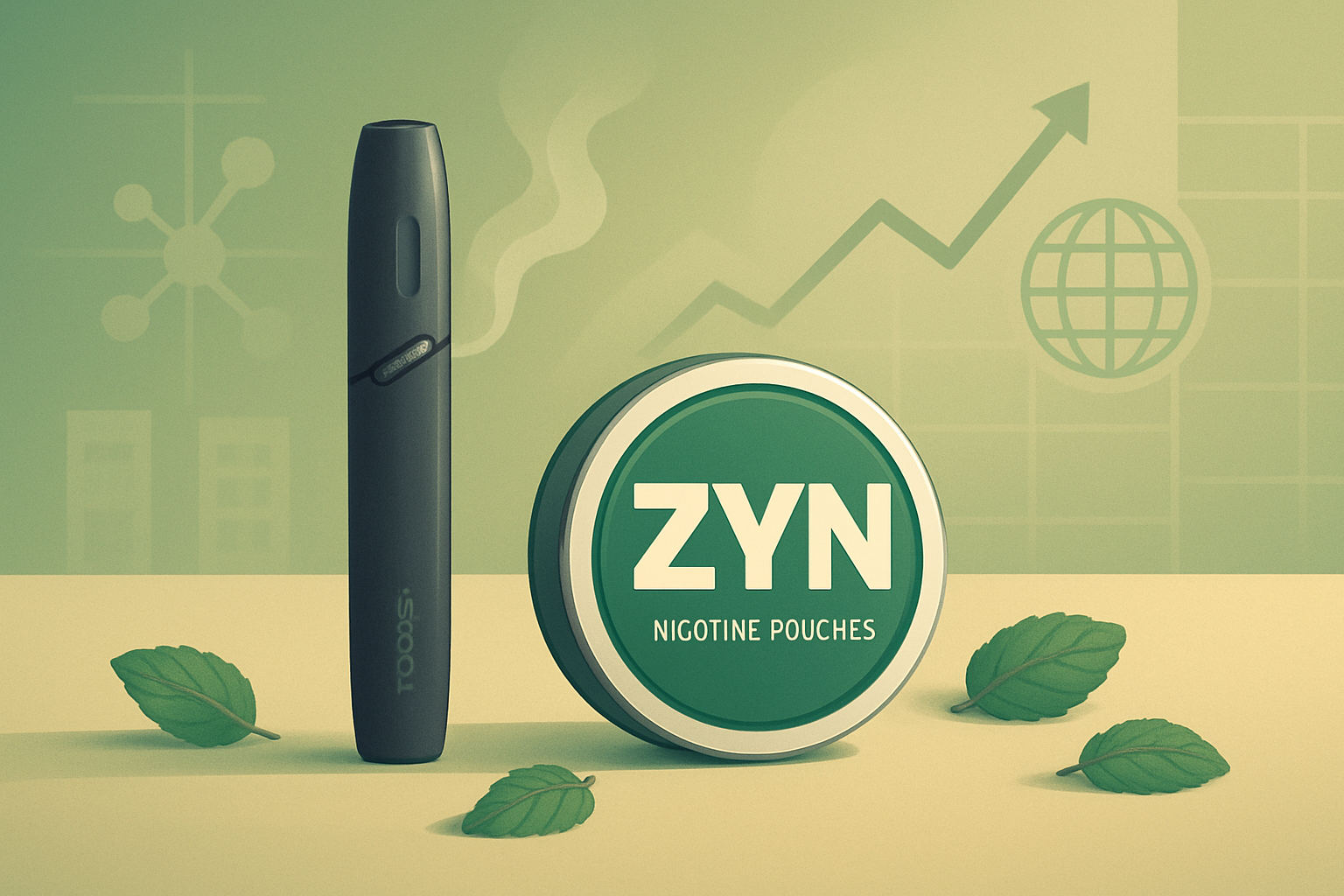
  • Philip Morris (PM) 2026: The Smoke-Free Pivot Reaches a Critical Peak

    Philip Morris (PM) 2026: The Smoke-Free Pivot Reaches a Critical Peak

    As of February 6, 2026, Philip Morris International (NYSE: PM) stands at a historic crossroads. Long regarded as the quintessential "Big Tobacco" play, the company has spent the last decade aggressively cannibalizing its own legacy combustible business to lead a global "smoke-free" revolution. Today, the results of this gamble are no longer speculative; they are foundational to the company’s valuation.

    With 2025 results surpassing the $40 billion revenue mark and smoke-free products now contributing over 41% of total net revenues, PM is the focal point of a massive sector-wide pivot. The company enters 2026 with a dual-engine growth strategy: the continued international dominance of its heated tobacco system, IQOS, and the explosive, high-margin success of ZYN nicotine pouches in the United States. However, this growth has invited unprecedented competition and regulatory scrutiny. As PM forecasts double-digit profit growth for 2026, investors are weighing the company’s massive cash flows against a tightening competitive landscape and the high-stakes rollout of IQOS in the U.S. market.

    Historical Background

    Philip Morris International’s journey began as a London-based tobacconist in 1847, but its modern identity was forged in 2008. In one of the most significant corporate separations in history, PM was spun off from Altria Group (NYSE: MO). While Altria retained the U.S. business, PM was granted the international rights to iconic brands like Marlboro, allowing it to tap into high-growth emerging markets without the immediate overhang of U.S. litigation.

    The pivotal transformation occurred in 2016 when PM announced its vision for a "Smoke-Free Future." This was not just a branding exercise but a massive R&D commitment. Since 2008, the company has invested over $12.5 billion into the development and commercialization of Reduced-Risk Products (RRPs). The 2022 acquisition of Swedish Match for approximately $16 billion was the final piece of the puzzle, providing PM with a dominant position in the oral nicotine category and, crucially, a direct re-entry into the U.S. market via the ZYN brand.

    Business Model

    PM’s business model is currently in a state of "positive friction" between its legacy and its future. It operates through two primary product segments:

    1. Combustible Tobacco: Primarily cigarettes (Marlboro, L&M, Chesterfield). While volumes in this segment are in a slow secular decline, PM’s pricing power remains exceptionally strong, providing the necessary "cash cow" to fund future investments.
    2. Smoke-Free Products (SFP): This includes heated tobacco units (HTUs) for the IQOS system, nicotine pouches (ZYN), and e-vapor products (VEEV).

    Geographically, the company is divided into several regions: Europe, South & Southeast Asia/CIS/Middle East/Africa, East Asia & Australia, and the Americas. The 2022 Swedish Match deal transformed the "Americas" segment from a peripheral operation into a core growth engine, as the U.S. is now the world’s largest and most profitable market for nicotine pouches.

    Stock Performance Overview

    Over the last year (2025–2026), PM has outperformed most of its tobacco peers, buoyed by the "ZYN-sanity" phenomenon in the U.S. and a stabilizing macro environment.

    • 1-Year Performance: The stock has seen a double-digit rise, fueled by consecutive earnings beats and the successful scaling of manufacturing capacity for oral nicotine.
    • 5-Year Performance: On a total return basis (including dividends), PM has significantly outpaced the broader tobacco sector, as the market began to re-rate the stock from a "declining cigarette company" to a "growth-oriented consumer technology firm."
    • 10-Year Performance: Long-term holders have benefited from a compounded annual growth rate (CAGR) supported by a dividend that has increased every year since the 2008 spin-off.

    Historically, the stock trades at a premium to Altria and British American Tobacco (NYSE: BTI) because of its superior growth profile in RRPs and lower exposure to U.S. cigarette litigation.

    Financial Performance

    PM’s 2026 outlook is characterized by high-single-digit organic revenue growth and double-digit EPS expansion.

    • 2025 Review: The company reported an adjusted diluted EPS of $7.54, up 14.8% from 2024. Total net revenue exceeded $40 billion, with smoke-free revenue reaching approximately $17 billion.
    • 2026 Guidance: Management expects reported diluted EPS between $7.87 and $8.02. On an adjusted basis, the company is targeting growth of 11.1% to 13.1%.
    • Margins: Smoke-free products carry higher gross margins (roughly 70%) compared to traditional cigarettes, meaning that as the mix shifts toward SFPs, PM’s overall profitability profile improves.
    • Debt & Cash Flow: The company continues to deleverage following the Swedish Match acquisition, utilizing robust operating cash flow to fund both its dividend and R&D.

    Leadership and Management

    CEO Jacek Olczak, who took the helm in 2021, has been the primary architect of the "Smoke-Free" acceleration. Olczak is widely regarded by analysts as a visionary but pragmatic leader who is willing to take bold risks—such as the Swedish Match acquisition—to future-proof the company.

    The management team is currently focused on "Execution 2026," a strategy centered on maximizing the U.S. ZYN opportunity, navigating the FDA's Premarket Tobacco Product Application (PMTA) process for IQOS ILUMA, and managing the cost-of-living impacts on consumers in emerging markets. Governance remains a high priority, as the company seeks to maintain its ESG-linked financing targets despite the inherent challenges of being a tobacco-related entity.

    Products, Services, and Innovations

    The crown jewel of PM’s portfolio is IQOS, the world’s leading heated tobacco system. Unlike traditional cigarettes, IQOS heats tobacco without burning it, significantly reducing the levels of harmful chemicals. The latest generation, IQOS ILUMA, uses induction heating technology, eliminating the need for a heating blade and reducing device maintenance.

    ZYN has become a cultural and financial juggernaut. It is a tobacco-free nicotine pouch that has captured nearly 70% of the U.S. market share. PM’s innovation pipeline also includes VEEV (e-vapor) and Bonds, a specialized heated tobacco device for emerging markets. The company holds thousands of patents related to aerosol technology and nicotine delivery, creating a formidable "moat" against smaller competitors.

    Competitive Landscape

    Competition is intensifying as rivals attempt to claw back market share in the reduced-risk category.

    • Altria (MO): After several failed attempts in the e-vapor space (Juul), Altria is now pushing on! PLUS pouches, which received FDA authorization in late 2025. They are also developing a heated tobacco product called Horizon.
    • British American Tobacco (BTI): BAT’s Vuse remains a strong competitor in e-vapor, and its Velo pouches are a global leader, though they trail ZYN significantly in the lucrative U.S. market.
    • Chinese Disposables: The proliferation of illicit, flavored disposable vapes from China remains a persistent thorn in the side of PM’s regulated e-vapor offerings.

    PM’s competitive edge lies in its "first-mover" advantage in heated tobacco and the brand equity of ZYN, which has achieved "Verb status" (consumers asking for "a ZYN" rather than "a pouch").

    Industry and Market Trends

    The global tobacco industry is undergoing a "Grand Pivot." Consumer preferences are shifting toward "cleaner" nicotine delivery.

    • Social Acceptance: Smoke-free products are generally more socially acceptable than cigarettes, expanding the potential use-cases for nicotine.
    • Premiumization: In markets like Japan and Europe, IQOS is marketed as a premium tech gadget, similar to a smartphone, allowing PM to command higher price points.
    • GLP-1 Impact: There has been some speculation about GLP-1 (weight loss) drugs reducing nicotine cravings, though current data shows minimal impact on PM’s volume trends as of early 2026.

    Risks and Challenges

    Despite the bullish outlook, PM faces significant hurdles:

    1. Regulatory Hurdles: The U.S. FDA’s approval of IQOS ILUMA is the most critical near-term catalyst. Delays or a denial would be a massive blow to the company's U.S. expansion plans.
    2. Flavor Bans: Several U.S. states and international markets are considering or have implemented bans on flavored nicotine pouches and e-liquids.
    3. Illicit Trade: The gray market for nicotine products continues to grow, potentially undercutting PM’s tax-paid volumes.
    4. Currency Fluctuations: As a company that reports in USD but earns heavily in EUR, JPY, and other currencies, PM is highly sensitive to the strength of the U.S. dollar.

    Opportunities and Catalysts

    • Full U.S. IQOS Launch: While PM is currently running pilot programs in cities like Austin and Fort Lauderdale, a national rollout of IQOS ILUMA (pending FDA approval) could be the largest growth event in the company's history.
    • Emerging Markets: The transition to heated tobacco is only just beginning in large markets like Indonesia and Egypt.
    • ZYN Capacity Expansion: The $1 billion investment in U.S. manufacturing facilities is coming fully online in 2026, which will eliminate supply shortages and allow for more aggressive marketing.

    Investor Sentiment and Analyst Coverage

    Wall Street remains largely positive on PM. Analysts from firms like Goldman Sachs and Morgan Stanley have highlighted PM as a "top pick" in the staples sector due to its growth profile.

    • Institutional Ownership: Large institutional investors (Vanguard, BlackRock) hold significant stakes, drawn by the ~5% dividend yield and the company’s transition story.
    • Retail Sentiment: ZYN’s viral popularity on social media has increased the stock’s visibility among retail investors, though this brings increased "headline risk" regarding potential youth-access controversies.

    Regulatory, Policy, and Geopolitical Factors

    Geopolitics continues to play a role in PM's strategy. The company has navigated the complex exit from the Russian market and is currently focusing on "pro-innovation" regulatory frameworks in the EU and Asia. In the U.S., the company’s success depends heavily on the FDA’s "Center for Tobacco Products" (CTP) and its willingness to authorize RRPs as a public health tool for harm reduction.

    Conclusion

    Philip Morris International enters 2026 as a drastically different company than the one that spun off in 2008. By successfully pivoting to IQOS and ZYN, PM has managed to decouple its growth from the declining cigarette market.

    The 2026 profit growth forecast of 11-13% is ambitious but supported by strong pricing power in combustibles and surging volumes in smoke-free categories. However, the "easy gains" from the initial ZYN craze may be behind it as Altria and BAT bring their own premium pouches to market. For investors, PM represents a unique hybrid: a high-yield dividend payer with the R&D and growth characteristics of a tech-enabled consumer goods firm. The coming 12 months, particularly the FDA’s decision on IQOS ILUMA, will determine whether PM can truly claim victory in its quest to lead a smoke-free world.


    This content is intended for informational purposes only and is not financial advice. All data and forecasts are based on market conditions as of February 6, 2026.

  • The AI Tax: Deciphering Microsoft’s (MSFT) 2026 Valuation Reset and CapEx Surge

    The AI Tax: Deciphering Microsoft’s (MSFT) 2026 Valuation Reset and CapEx Surge

    Date: February 6, 2026

    Introduction

    In the opening weeks of 2026, the technology sector has found itself at a crossroads, with Microsoft Corporation (NASDAQ: MSFT) serving as the primary bellwether for the "AI Era." Long considered the gold standard of the cloud transition, Microsoft has recently seen its stock retreat by approximately 5%, a move that has sent ripples through the NASDAQ and broader indices. This decline comes not from a failure to meet earnings expectations—which the company beat handily—but from a profound shift in investor scrutiny. The market is no longer asking if Microsoft can build AI; it is asking when the staggering tens of billions in capital expenditures (CapEx) will translate into bottom-line growth. As of early 2026, Microsoft sits as a $4 trillion giant facing a classic innovator's dilemma: spending at a historical scale to defend its lead, while investors begin to demand a "return on investment" (ROI) that matches the hype.

    Historical Background

    Founded in 1975 by Bill Gates and Paul Allen, Microsoft’s history is a three-act play of dominance, stagnation, and rebirth. The first act was defined by the Windows operating system and the "PC on every desk" vision, which turned the company into a global monopoly by the 1990s. The second act, the Steve Ballmer era (2000–2014), saw the company maintain its financial strength but miss critical shifts in mobile and search, leading to a decade of "dead money" for investors.

    The third act began in 2014 when Satya Nadella took the helm. Nadella pivoted the company toward "Cloud First, Mobile First," a strategy that transformed Microsoft from a legacy software vendor into the backbone of the global enterprise through Azure. By the early 2020s, Microsoft made its most audacious move yet: a multi-billion dollar partnership with OpenAI. This positioned Microsoft at the vanguard of the Generative AI revolution, leading to a massive re-rating of its stock that culminated in its 2024-2025 peak.

    Business Model

    Microsoft’s business is remarkably diversified, structured into three primary segments that create a self-reinforcing ecosystem:

    1. Intelligent Cloud: This is the engine of the company, housing Azure, GitHub, and SQL Server. Azure is the core competitor to Amazon’s AWS, providing the infrastructure for AI workloads.
    2. Productivity and Business Processes: This includes the Microsoft 365 (Office) suite, LinkedIn, and Dynamics. The strategy here has shifted to "AI-infusion," where Microsoft 365 Copilot is sold as a high-margin add-on subscription.
    3. More Personal Computing: This includes Windows, Surface devices, and the massive Gaming division (now bolstered by the Activision Blizzard acquisition).

    The revenue model is primarily subscription-based (SaaS) and consumption-based (Cloud), providing high visibility and recurring cash flow. However, in 2026, the model is increasingly shifting toward "AI-as-a-Service," where revenue is tied to the computational intensity of AI models.

    Stock Performance Overview

    Microsoft has been one of the most consistent wealth creators in history. Over a 10-year horizon, the stock has returned nearly 900%, vastly outperforming the S&P 500. On a 5-year basis, the stock more than tripled, driven by the acceleration of cloud adoption during the pandemic and the subsequent AI boom.

    However, the 1-year performance ending in February 2026 tells a more nuanced story. While the stock initially surged to record highs above $550 in late 2025, the recent 5% decline reflects a "valuation reset." After years of multiple expansion, the stock is currently undergoing a period of consolidation as the market digests the "AI Tax"—the high cost of maintaining a lead in a capital-intensive race.

    Financial Performance

    Microsoft’s Q2 FY2026 results, reported in late January, were a study in contradictions. Revenue hit $81.3 billion, a 17% increase year-over-year, while Adjusted EPS reached $4.14, beating consensus estimates.

    The "canary in the coal mine" was the CapEx. Microsoft spent $37.5 billion in a single quarter on infrastructure, largely for Nvidia (NASDAQ: NVDA) Blackwell GPUs and its own custom "Maia" AI chips. With a projected annual CapEx of over $105 billion for FY2026, investors are concerned that depreciation costs will begin to eat into the legendary 45%+ operating margins that have historically justified Microsoft's premium valuation. Currently, the stock trades at a forward P/E of approximately 26x, a notable compression from the 35x seen at its 2025 peak.

    Leadership and Management

    Satya Nadella remains the architect of Microsoft's modern era. His leadership style, characterized by "empathy" and "growth mindset," has successfully navigated the company through the transition from legacy software to AI. CFO Amy Hood is equally vital, known for her disciplined capital allocation and transparent communication regarding the long-term nature of AI investments.

    The board of directors remains stable, though there is increasing pressure on the governance team to manage the unique risks associated with the OpenAI partnership, which some critics view as an "incestuous" relationship that obscures Microsoft’s true liability and risk profile.

    Products, Services, and Innovations

    Innovation in 2026 is synonymous with Microsoft 365 Copilot. After a slow initial rollout in 2024, Copilot has reached 15 million paid seats as of early 2026. Beyond software, Microsoft has become a hardware innovator, deploying its Maia 200 AI accelerators to reduce its reliance on external chipmakers and lower the cost of running large language models (LLMs).

    In the enterprise space, Azure AI Foundry has become the go-to platform for companies to build their own agentic AI—software that doesn't just answer questions but performs tasks autonomously. This "Agentic Era" is viewed as the next logical step beyond the chatbot phase.

    Competitive Landscape

    Microsoft faces a three-front war:

    • The Hyperscale Rivalry: Google Cloud (NASDAQ: GOOGL) has seen a massive 48% growth spurt in early 2026, leveraging its vertically integrated AI stack. Amazon (NASDAQ: AMZN) AWS also remains a formidable threat, having successfully re-accelerated its growth.
    • The AI Frontier: While Microsoft is the primary partner of OpenAI, it competes with Meta’s (NASDAQ: META) open-source Llama models, which provide a cheaper alternative for developers who don't want to pay the "Microsoft tax."
    • The Productivity Space: Salesforce and Adobe are integrating AI deeply into their platforms, challenging Microsoft’s dominance in enterprise workflows.

    Industry and Market Trends

    The "GenAI Deployment Phase" is now the "Value Realization Phase." In 2023 and 2024, companies bought AI software out of Fear of Missing Out (FOMO). In 2026, CIOs are demanding proof of productivity gains. This has led to a "bifurcation" in the market: companies that provide measurable ROI are thriving, while those with "wrapper" apps are struggling. Furthermore, the shift toward "Edge AI"—running models on local PCs rather than the cloud—is a burgeoning trend that could impact Azure's consumption-based revenue in the long run.

    Risks and Challenges

    The primary risk facing Microsoft today is CapEx Efficiency. If the demand for AI services plateaus while Microsoft continues to build data centers, the resulting overcapacity could lead to significant margin contraction.

    Additionally, the OpenAI Concentration Risk is significant. 45% of Microsoft’s commercial backlog is tied to OpenAI’s ecosystem. Any regulatory breakup or internal governance crisis at OpenAI would directly jeopardize Microsoft’s competitive advantage. Finally, regulatory fatigue is real; Microsoft is currently fighting multiple fronts in the EU and US over "reverse acqui-hire" practices and bundling.

    Opportunities and Catalysts

    The most significant catalyst for 2026 is the Agentic AI transition. If Microsoft can successfully transition from "Copilot" (an assistant) to "Agents" (autonomous workers), it could unlock a new tier of high-priced subscriptions.

    Gaming also represents a massive untapped AI opportunity. Following the Activision acquisition, Microsoft is uniquely positioned to integrate AI into game development and interactive experiences, potentially revitalizing the Xbox segment.

    Investor Sentiment and Analyst Coverage

    Wall Street remains largely bullish, though the consensus is shifting from "Strong Buy" to a more cautious "Moderate Buy." Analysts at major firms like Goldman Sachs and Morgan Stanley maintain price targets near $600, arguing that the 5% dip is a "valuation gift." However, retail sentiment has turned more skeptical, with chatter on platforms like X and Reddit focusing on the "AI Bubble" narrative and the lack of a "killer app" beyond coding assistants and email summaries.

    Regulatory, Policy, and Geopolitical Factors

    Geopolitics continues to weigh on Microsoft. Restrictions on high-end chip exports to China limit Azure’s growth in the Asian market. Domestically, the FTC and DOJ are increasingly aggressive. The early 2026 scrutiny of the "reverse acqui-hire" of Inflection AI employees signals that regulators are looking for new ways to block big-tech consolidation that doesn't fit the traditional merger mold.

    Conclusion

    Microsoft in early 2026 is a company caught between its glorious recent past and an expensive, uncertain future. The recent 5% stock decline is less a commentary on the company’s health and more a reflection of a market that is finally asking for a receipt for the AI revolution.

    Investors should watch two things in the coming months: the Azure growth rate (to see if it re-accelerates) and CapEx guidance. If Microsoft can show that its $100B+ annual spend is yielding a direct path to higher margins via custom silicon and agentic AI, the current dip will likely be remembered as a minor blip in a decade-long ascent. If not, Microsoft may face a period of relative underperformance as it waits for the world to catch up to its massive investments.


    This content is intended for informational purposes only and is not financial advice.

  • MicroStrategy (MSTR) Deep Dive: Navigating the 2026 ‘Bitcoin Yield’ Strategy Amid Market Volatility

    MicroStrategy (MSTR) Deep Dive: Navigating the 2026 ‘Bitcoin Yield’ Strategy Amid Market Volatility

    Date: February 6, 2026

    Introduction

    In the first week of February 2026, the financial markets witnessed a stark reminder of the volatility inherent in the "Bitcoin Treasury" model. MicroStrategy (NASDAQ: MSTR), which recently rebranded its corporate identity to reflect its status as a "Bitcoin Development Company," saw its stock price crater by 17% in a single week. This sharp decline was directly precipitated by a broader 25% retracement in the price of Bitcoin (BTC), the digital asset that now constitutes the overwhelming majority of the company’s enterprise value.

    While many traditional software firms might reel from a nearly 20% valuation haircut, MicroStrategy remains at the center of a high-stakes experiment in corporate finance. Under the leadership of Michael Saylor, the company has transformed from a legacy business intelligence provider into a leveraged bet on the future of decentralized finance. This article examines the mechanics of the recent crash, the sustainability of the company’s debt-fueled acquisition strategy, and the diverging paths of its software and treasury operations.

    Historical Background

    Founded in 1989 by Michael Saylor and Sanju Bansal, MicroStrategy was originally a pioneer in the business intelligence (BI) software space. The company went public in 1998 and became a poster child for the dot-com boom, seeing its stock price skyrocket before a massive accounting restatement in 2000 led to a historic one-day crash.

    For the next two decades, MicroStrategy operated as a stable, if slow-growing, enterprise software firm. However, the summer of 2020 marked a permanent shift in its trajectory. Faced with a stagnating software business and a mountain of "melting" cash on the balance sheet due to inflationary concerns, Saylor announced that MicroStrategy would adopt Bitcoin as its primary treasury reserve asset. Since that initial $250 million purchase, the company has pivoted its entire identity, evolving from a software company that owns Bitcoin into a "Bitcoin Development Company" that uses its software cash flows and capital markets access to accumulate as much of the digital currency as possible.

    Business Model

    MicroStrategy operates a unique dual-track business model that combines a legacy software-as-a-service (SaaS) enterprise with a massive digital asset investment fund.

    1. Bitcoin Development & Treasury: The company uses equity and debt issuance to purchase Bitcoin. Unlike an Exchange-Traded Fund (ETF), MicroStrategy is an operating company that can use leverage (convertible notes) and generate "Bitcoin Yield"—a proprietary metric measuring the increase in BTC holdings relative to diluted shares.
    2. Enterprise Analytics (Strategy ONE): The software segment provides AI-powered business intelligence tools. While this segment is no longer the primary driver of the stock price, it provides the essential "operating cash flow" that supports the company’s ability to service its debt and maintain its corporate infrastructure.

    Stock Performance Overview

    Over the last decade, MSTR has transitioned from a sleepy "value" stock to one of the most volatile and high-performing assets on the NASDAQ.

    • 10-Year Horizon: Investors who held MSTR before the 2020 pivot have seen returns exceeding 2,500%, drastically outperforming the S&P 500 and even Bitcoin itself during certain intervals due to the company's use of leverage.
    • 5-Year Horizon: The stock has been a "Bitcoin proxy," often trading at a significant premium to its Net Asset Value (NAV).
    • 1-Year Horizon: Entering 2026, the stock had been on a tear, fueled by the "21/21" plan—a 2025 initiative to raise $42 billion in capital over three years. However, the 17% crash in early February 2026 highlights the "double-edged sword" of this leverage; when Bitcoin falls, the "MSTR Premium" often compresses, leading to exaggerated downward moves.

    Financial Performance

    The company’s Q4 2025 earnings report, released shortly before the current crash, reflected the new reality of "Fair Value" accounting (FASB ASU 2023-08).

    • Net Income Volatility: Due to the requirement to mark Bitcoin holdings to market prices, the company reported a staggering net loss of $12.4 billion for the final quarter of 2025, following a dip in BTC prices.
    • Revenue: Software revenue remained relatively flat at $123 million for the quarter, though Subscription Services grew by 62% year-over-year, indicating a healthy transition to the cloud.
    • Balance Sheet: As of February 2026, MicroStrategy holds approximately 713,502 BTC. Its total debt stands at roughly $8.2 billion in senior convertible notes, with a newly established $2.25 billion cash buffer designed to service interest payments through 2028.

    Leadership and Management

    Michael Saylor (Executive Chairman): Saylor remains the visionary behind the Bitcoin strategy. His role has shifted toward "Bitcoin advocacy" and capital allocation, while he maintains majority voting control through Class B shares.

    Phong Le (CEO): Le is responsible for the execution of the dual-track strategy. He has been credited with modernizing the software business and navigating the complex regulatory and accounting shifts of 2025. His focus remains on the "Bitcoin Yield," which reached 22.8% in 2025, signaling that the company successfully grew its BTC per share despite significant equity dilution.

    Products, Services, and Innovations

    The primary product innovation is Strategy ONE, an AI-integrated analytics platform. By embedding generative AI into its BI tools, MicroStrategy has managed to retain a blue-chip customer base that values data security and sophisticated reporting.

    On the Bitcoin side, the company is increasingly involved in Lightning Network development, seeking ways to integrate micro-payments into its software ecosystem. This "Bitcoin Development" aspect is intended to justify its trading premium by showing that the company is adding utility to the Bitcoin network, rather than just acting as a passive vault.

    Competitive Landscape

    MicroStrategy faces competition on two fronts:

    1. Investment Proxies: Spot Bitcoin ETFs (like BlackRock’s IBIT) provide a lower-fee way for institutions to gain BTC exposure. To compete, MSTR relies on its ability to use "intelligent leverage" that ETFs cannot legally employ.
    2. Software Rivals: In the BI space, Microsoft (Power BI), Salesforce (Tableau), and Google (Looker) remain dominant. MicroStrategy's "Strategy ONE" competes by offering a niche, highly customizable, and now AI-driven alternative for large-scale enterprises.

    Industry and Market Trends

    The "institutionalization" of Bitcoin is the defining trend of 2026. With FASB rules now allowing companies to report digital assets at fair value, more corporations are considering following MicroStrategy’s lead, though few have embraced the same level of leverage. Additionally, the halving cycles and the growth of the Lightning Network continue to provide a macro tailwind for Bitcoin's adoption as "digital gold."

    Risks and Challenges

    • Leverage Risk: With $8.2 billion in debt, MicroStrategy is vulnerable to prolonged "crypto winters." While its debt is long-dated, a sustained price collapse could impair its ability to refinance.
    • The "Premium" Collapse: MSTR often trades at 1.5x to 2.0x the value of its Bitcoin holdings. If investors decide to move directly into ETFs, this premium could evaporate, causing the stock to underperform BTC on the way up and over-perform on the way down.
    • Concentration Risk: The company’s fortunes are 95%+ correlated with a single, volatile asset.

    Opportunities and Catalysts

    • S&P 500 Inclusion: As the company’s market cap remains high and accounting rules stabilize its reported earnings (over the long term), potential inclusion in the S&P 500 remains a massive potential catalyst for passive buying.
    • Capital Markets Arbitrage: As long as MSTR trades at a premium to its NAV, it can continue to issue equity to buy "cheaper" Bitcoin, effectively "printing" Bitcoin for its shareholders.

    Investor Sentiment and Analyst Coverage

    Wall Street remains divided. Bullish analysts point to the "Bitcoin Yield" and the company's ability to act as a "leveraged BTC play" with no management fees. Bears argue that the software business is an afterthought and that the debt-laden balance sheet is a "ticking time bomb" if Bitcoin fails to reach new highs by the 2028-2030 maturity window.

    Regulatory, Policy, and Geopolitical Factors

    The 2025 adoption of ASU 2023-08 by the FASB was a watershed moment for MicroStrategy, finally aligning its financial reporting with the economic reality of its assets. However, ongoing SEC scrutiny regarding "crypto-adjacent" stocks and potential changes in capital gains tax policy remain key external risks. Geopolitically, the company's focus on Bitcoin aligns it with the "sovereign individual" and "decentralization" movements, which may face headwinds from Central Bank Digital Currencies (CBDCs).

    Conclusion

    MicroStrategy's 17% slide in February 2026 is a vivid illustration of the risks inherent in its "Bitcoin Development" model. However, for the company's management, such volatility is a feature, not a bug. By building a fortress-like debt structure and maintaining a robust software cash flow, MicroStrategy has positioned itself to survive significant market turbulence.

    Investors must view MSTR not as a traditional software company, but as a unique financial instrument—a leveraged, actively managed Bitcoin treasury. The key metrics to watch in 2026 will not be software margins, but the "Bitcoin Yield" and the company's ability to maintain its valuation premium in the face of increasingly efficient ETF competition.


    This content is intended for informational purposes only and is not financial advice.

  • The Architectural Toll Booth: A Deep Dive into Arm Holdings’ (ARM) Q3 2026 Breakout

    The Architectural Toll Booth: A Deep Dive into Arm Holdings’ (ARM) Q3 2026 Breakout

    Today’s Date: February 6, 2026

    Introduction

    On February 5, 2026, the global semiconductor market witnessed a decisive vote of confidence in the future of silicon architecture. Arm Holdings (NASDAQ: ARM) saw its share price surge by 6% in a single trading session following the release of its third-quarter fiscal 2026 earnings. The rally underscored a fundamental shift in the company’s narrative: Arm is no longer just the "smartphone chip company." It has successfully rebranded itself as the architectural backbone of the Generative AI era. With an earnings beat that exceeded Wall Street’s heightened expectations, Arm has demonstrated that its transition from a volume-based royalty model to a value-heavy "Compute Subsystem" (CSS) strategy is delivering the high-margin growth investors craved during its 2023 IPO.

    Historical Background

    The journey of Arm Holdings is one of the most storied in the technology sector. Founded in 1990 as Advanced RISC Machines, a joint venture between Acorn Computers, Apple (NASDAQ: AAPL), and VLSI Technology, the company was tasked with creating a low-power processor for the early handheld computing era (notably the ill-fated Apple Newton). While the Newton struggled, the power-efficient RISC (Reduced Instruction Set Computer) architecture became the gold standard for the mobile revolution, eventually powering 99% of the world’s smartphones.

    In 2016, the Japanese conglomerate SoftBank Group (OTC: SFTBY) took the company private in a $32 billion deal, aiming to pivot toward the Internet of Things (IoT). A high-profile $40 billion attempt by NVIDIA (NASDAQ: NVDA) to acquire Arm in 2020 collapsed in 2022 due to intense regulatory pushback. This failure forced Arm back onto the public markets in September 2023. Since that re-listing, the company has transformed from a mobile-centric IP provider into a diversified high-performance computing powerhouse.

    Business Model

    Arm’s business model is unique in the semiconductor industry. Unlike Intel or Samsung, Arm does not manufacture chips; it licenses the "blueprints" or instruction set architectures (ISA) upon which others build.

    1. Royalty Revenue: This is the company’s bread and butter. For every chip shipped that uses Arm IP, the company receives a percentage of the chip's price. In 2026, this has shifted from a few cents per chip in the mobile era to several dollars per chip in the AI and data center sectors.
    2. Licensing Revenue: Companies pay an upfront fee to access Arm’s architecture.
    3. Compute Subsystems (CSS): This is the crown jewel of the "New Arm." Instead of just providing the basic architecture, Arm now provides pre-integrated, pre-verified designs that include the CPU, interconnects, and memory controllers. This allows cloud giants like Amazon (NASDAQ: AMZN) and Google (NASDAQ: GOOGL) to bring custom AI silicon to market much faster while allowing Arm to command royalty rates that are 2x to 3x higher than legacy licenses.

    Stock Performance Overview

    Since its 2023 IPO at $51 per share, Arm has been a volatile but high-performing asset.

    • 1-Year Performance: Over the last 12 months, the stock has outpaced the PHLX Semiconductor Index (SOX), driven largely by the massive adoption of its Neoverse platform in data centers.
    • Post-IPO Trajectory: After a parabolic move in late 2024 and early 2025—fuelled by the "AI halo effect"—the stock entered a period of consolidation.
    • Current Standing: As of February 6, 2026, the stock trades at approximately $105, reflecting a significant premium compared to its debut. The recent 6% jump after the Q3 FY2026 beat has pushed the company back toward its all-time highs, though it remains a "battleground stock" due to its high price-to-earnings (P/E) multiple.

    Financial Performance

    The Q3 fiscal 2026 results released this week were a masterclass in margin expansion.

    • Total Revenue: Reported at $1.24 billion, a 26% year-over-year increase, marking a new quarterly record.
    • Earnings Per Share (EPS): Adjusted EPS of $0.43 beat the consensus estimate of $0.41.
    • Royalty Revenue Growth: This segment reached $737 million, up 27% YoY. The primary driver was the Armv9 architecture, which now accounts for over 50% of royalty revenue. v9 carries significantly higher royalty rates than the previous v8 generation.
    • Licensing Revenue: Grew to $505 million, fueled by a record number of CSS agreements with hyperscalers.
    • Margins: Operating margins remained robust at approximately 45%, showcasing the scalability of a pure-play IP model in the high-end server market.

    Leadership and Management

    CEO Rene Haas, who took the helm in 2022, is widely credited with the company's successful pivot. A former executive at NVIDIA, Haas understood that Arm needed to move "up the stack" to capture more value. His strategy to focus on specialized "verticals"—Cloud, Automotive, and AI—has replaced the previous "one-size-fits-all" approach. Under his leadership, the management team has successfully navigated the collapse of the NVIDIA merger and the complexities of an IPO, maintaining a reputation for technical excellence and strategic discipline.

    Products, Services, and Innovations

    The core of Arm's current competitive advantage lies in the Armv9 architecture.

    • AI Extensions: Features like SVE2 (Scalable Vector Extension 2) allow Arm-based chips to perform AI inference tasks directly on the CPU, reducing the need for expensive dedicated accelerators in some edge applications.
    • Neoverse V3/V4: These data center-focused designs are the engines behind the "Silicon Sovereignty" movement, where companies like Microsoft (NASDAQ: MSFT) and Amazon design their own custom server chips (e.g., Cobalt and Graviton) rather than buying off-the-shelf parts from Intel.
    • Automotive: Arm is increasingly dominant in the "Software-Defined Vehicle" space, where its high-performance, low-power cores manage everything from infotainment to Advanced Driver Assistance Systems (ADAS).

    Competitive Landscape

    Arm faces competition on two primary fronts:

    1. x86 (Intel and AMD): In the server and PC markets, Intel (NASDAQ: INTC) and AMD (NASDAQ: AMD) are the incumbents. While Arm is gaining significant ground in the data center due to superior performance-per-watt, the x86 ecosystem remains entrenched in legacy enterprise software.
    2. RISC-V: This open-source architecture is the most significant long-term threat. RISC-V allows companies to build chips without paying royalties to Arm. While RISC-V has gained massive traction in low-end IoT and embedded systems, it currently lacks the high-performance designs and software ecosystem maturity to challenge Arm in the data center or high-end mobile markets—at least for now.

    Industry and Market Trends

    The semiconductor industry is currently defined by three macro trends:

    • The AI "Edge" Shift: While AI training happens in massive data centers, AI "inference" is moving to smartphones and PCs. Arm is the primary beneficiary of this "Edge AI" trend.
    • Energy Efficiency: As data centers consume an ever-increasing percentage of the world’s electricity, the power efficiency of the Arm architecture has become a non-negotiable requirement for hyperscalers.
    • Custom Silicon: More companies are becoming their own chip designers to optimize for specific AI workloads, playing directly into Arm’s licensing and CSS model.

    Risks and Challenges

    Despite the stellar earnings, several risks loom:

    • Arm China: Roughly 20-25% of Arm’s revenue is tied to Arm China, an entity that Arm Holdings does not fully control. This creates a significant geopolitical risk should trade relations between the US and China deteriorate further.
    • SoftBank Overhang: SoftBank still holds a massive majority stake in Arm. The potential for SoftBank to sell large tranches of shares to fund other ventures remains a persistent downward pressure on the stock price.
    • Valuation: Trading at a forward P/E of over 60x, Arm is priced for perfection. Any slight miss in guidance or a slowdown in AI capital expenditure could lead to a sharp correction.

    Opportunities and Catalysts

    • Windows on Arm: The 2025-2026 period has seen a massive push for Arm-based Windows laptops (spearheaded by Qualcomm and others). If Arm can capture 20% of the PC market from Intel, it represents a multi-billion dollar royalty opportunity.
    • The "AI PC": As Microsoft integrates Copilot deeper into Windows, the hardware requirements for local AI processing will drive a replacement cycle for PCs, most of which will utilize Arm-based NPU (Neural Processing Unit) designs.
    • Automotive Electrification: The move toward electric and autonomous vehicles requires an exponential increase in computing power, where Arm’s energy efficiency is a key differentiator.

    Investor Sentiment and Analyst Coverage

    Wall Street sentiment has turned decidedly bullish following the Q3 2026 print. Several top-tier firms, including Goldman Sachs and Morgan Stanley, raised their price targets on ARM, citing the "accelerating adoption of v9."

    • Institutional Support: Large institutional investors have been increasing their stakes, viewing Arm as a "safer" way to play the AI boom than some of the more volatile hardware manufacturers.
    • Retail Chatter: On platforms like Reddit and X, Arm is often discussed as the "toll booth" of the semiconductor industry—a low-risk way to benefit from the growth of any company building custom silicon.

    Regulatory, Policy, and Geopolitical Factors

    As a UK-headquartered company listed in the US, Arm sits at the center of a complex regulatory web.

    • Export Controls: Tightening US export controls on advanced AI technology to China affects Arm’s ability to license its most powerful Neoverse designs to Chinese customers.
    • National Interest: The UK government continues to view Arm as a "national champion," which could lead to future policy support or, conversely, regulatory hurdles regarding where its R&D and jobs are located.

    Conclusion

    Arm Holdings stands at a unique crossroads in early 2026. Its recent 6% stock gain is a testament to its successful transition from the king of mobile to the architect of the AI data center. The Q3 fiscal 2026 earnings beat proves that the company’s new, higher-value royalty model is working. However, investors must weigh the company’s brilliant technical execution against the persistent risks of its China exposure and a valuation that leaves little room for error. For those who believe that the future of computing is custom, efficient, and AI-centric, Arm remains the indispensable platform of the 21st century.


    This content is intended for informational purposes only and is not financial advice.

  • Sweet Recovery: Why Hershey (HSY) Surged 9% and What it Means for 2026

    Sweet Recovery: Why Hershey (HSY) Surged 9% and What it Means for 2026

    On February 6, 2026, the global consumer staples market is buzzing with a singular name: The Hershey Company (NYSE: HSY). Following its fiscal results reported yesterday, the legendary chocolatier saw its stock price surge by over 9%, marking its most significant single-day gain in years. For a company often viewed as a "slow and steady" dividend play, such a jump suggests a profound shift in market sentiment.

    Hershey has spent the last two years navigating a "perfect storm" of record-high cocoa prices, shifting consumer health trends, and a leadership transition. However, the February 2026 earnings report signaled that the clouds are finally parting. With a massive earnings beat and an optimistic outlook for 2026, Hershey is proving that its pivot into a "Snacking Powerhouse" is not just a marketing slogan, but a robust financial reality.

    Historical Background

    The Hershey Company’s story is synonymous with the American Dream. Founded by Milton S. Hershey in 1894, the company began as the Hershey Chocolate Company, a subsidiary of his Lancaster Caramel Company. Milton’s vision was to make milk chocolate—then a luxury item—affordable for the masses. In 1903, he began construction of the world's largest chocolate manufacturing plant in Derry Township, Pennsylvania, which eventually became the town of Hershey.

    Throughout the 20th century, Hershey became a cultural icon. From the launch of the Hershey’s Kiss in 1907 to providing "Ration D" bars for soldiers in World War II, the company solidified its place in the American pantry. Over the decades, it evolved through strategic acquisitions, most notably the 1963 acquisition of the H.B. Reese Candy Company. In recent years, under the leadership of Michele Buck, the company underwent a "Great Transformation," diversifying beyond the candy aisle into salty snacks and "better-for-you" categories to ensure relevance in a health-conscious 21st century.

    Business Model

    Hershey’s business model is built on the pillars of brand equity, massive distribution scale, and manufacturing excellence. The company operates through three primary segments:

    1. North America Confectionery: This remains the crown jewel, accounting for the lion's share of revenue. It includes iconic brands like Hershey’s, Reese’s (the #1 candy brand in the U.S.), Kit Kat (under license), and Jolly Rancher.
    2. North America Salty Snacks: This is Hershey's high-growth engine. Through the acquisitions of Dot’s Homestyle Pretzels, SkinnyPop, and most recently LesserEvil (2025), Hershey has captured a significant portion of the "permissible indulgence" market.
    3. International: While smaller than its domestic business, this segment focuses on high-potential markets like Mexico, Brazil, and India, where the company is scaling its core brands to meet a rising global middle class.

    The company leverages a "hub-and-spoke" distribution model and is currently in the late stages of a massive digital transformation aimed at automating supply chains and optimizing retail shelf space through AI-driven analytics.

    Stock Performance Overview

    Over the last decade, HSY has been a hallmark of stability, though recent years have been volatile.

    • 10-Year Horizon: Investors have enjoyed a total return that generally outperformed the broader consumer staples sector, bolstered by consistent dividend growth.
    • 5-Year Horizon: The stock reached all-time highs in 2023 before a significant "cocoa correction" in 2024 and 2025 dragged the price down as commodity costs pressured margins.
    • 1-Year Horizon: Leading up to early 2026, the stock traded sideways as investors waited for evidence of margin recovery. The 9% jump on February 5, 2026, effectively erased a year of underperformance, pushing the stock back toward the $230 level.

    Financial Performance

    The Q4 2025 results were the primary catalyst for the recent stock surge. Hershey reported an Adjusted EPS of $1.71, crushing Wall Street’s expectations of $1.40.

    • Revenue Growth: Net sales rose 7.0% year-over-year to $3.09 billion, driven by price increases and a surprising resilience in volume.
    • Margins: Adjusted gross margins, which had dipped to the high 30s during the cocoa crisis, are projected to rebound to 41% in 2026.
    • Dividends: Demonstrating high confidence, the board announced a 6% increase in the quarterly dividend to $1.452 per share.
    • Debt: Total debt stands at approximately $5 billion, a manageable level (Debt-to-Equity ~1.24) that allows the company to continue its M&A strategy without over-leveraging.

    Leadership and Management

    Hershey is currently navigating a pivotal leadership transition. Michele Buck, the architect of the snacking powerhouse strategy and CEO since 2017, stepped down in August 2025. She remains a Senior Advisor through mid-2026.

    Taking the reins is Kirk Tanner, an industry veteran who previously held senior roles at PepsiCo and Wendy’s. Tanner’s appointment was seen as a strategic move to double down on the salty snacks and "impulse buy" channels. His focus on "operational excellence" and scaling the food-service side of the business has already begun to bear fruit, as evidenced by the efficient cost-cutting measures highlighted in the latest earnings call.

    Products, Services, and Innovations

    Innovation at Hershey is no longer just about new candy bar flavors. The company’s R&D pipeline is focused on three areas:

    1. Salty-Sweet Cross-overs: Products like Reese’s dipped pretzels and popcorn.
    2. Better-for-You (BFY): Expanding the Lily’s sweets brand (sugar-free) and LesserEvil popcorn to cater to health-conscious consumers and those on GLP-1 weight-loss medications.
    3. Packaging Innovation: Utilizing "seasonal" packaging and AI-driven shelf-ready designs to maximize visibility during holidays like Halloween and Easter, which account for a massive portion of annual sales.

    Competitive Landscape

    Hershey operates in a "land of giants." Its primary competitors include:

    • Mars, Inc.: A private behemoth that remains the global leader in chocolate. Mars has the advantage of a massive pet care business to offset food commodity swings.
    • Mondelez International (MDLZ): A fierce rival in the snacking space. Mondelez has a larger international footprint and a dominant position in biscuits (Oreo).
    • Ferrero Group: The Italian giant has been aggressively acquiring U.S. brands, challenging Hershey in the premium and "kid-focused" confectionery segments.

    Despite this, Hershey maintains a near 45% share of the U.S. chocolate market, a "moat" that is difficult for any competitor to breach.

    Industry and Market Trends

    The confectionery industry is currently defined by commodity deflation. After cocoa prices nearly tripled in 2024 due to supply shortages in West Africa, prices dropped 27% by early 2026. This "deflationary tailwind" is the single biggest factor driving Hershey’s 2026 guidance.

    Additionally, the rise of GLP-1 weight-loss drugs has forced the industry to adapt. Hershey has responded by pivoting toward "permissible indulgence"—smaller portion sizes and snack options that provide high flavor impact with lower caloric density.

    Risks and Challenges

    While the recent surge is positive, Hershey is not without risks:

    • Commodity Volatility: While cocoa prices have dropped, they remain higher than historical averages. Any further supply disruption in West Africa (Ivory Coast/Ghana) could squeeze margins again.
    • Health Trends: A long-term shift away from sugar remains a structural headwind for the core confectionery business.
    • Tariffs and Trade Policy: As an importer of sugar and cocoa, Hershey is sensitive to changes in U.S. trade policy and international tariffs.

    Opportunities and Catalysts

    The primary catalyst for the stock is the 2026 Guidance. Management projected adjusted EPS growth of 30–35% for the coming year.

    • M&A Potential: With a solid balance sheet, Hershey is widely expected to acquire more "Salty Snack" brands in 2026 to further diversify away from chocolate.
    • Digital Savings: The ongoing digital transformation is expected to unlock $300 million in annual savings by the end of 2026, which can be reinvested into brand building.

    Investor Sentiment and Analyst Coverage

    Wall Street has turned decidedly more bullish following the February report.

    • UBS raised its price target to $236, citing the "clearing of the clouds" regarding cocoa costs.
    • Goldman Sachs maintained a Buy rating, highlighting Kirk Tanner’s "refreshing focus on execution."
    • Institutional Sentiment: Large funds have begun rotating back into Hershey as a defensive play that now offers high-growth momentum.

    Regulatory, Policy, and Geopolitical Factors

    Geopolitical stability in West Africa is crucial for Hershey, as the region produces over 70% of the world's cocoa. Hershey has invested heavily in the "Cocoa For Good" program to address child labor and deforestation, partly to stay ahead of stricter European and U.S. supply chain regulations. Domestically, the company faces ongoing scrutiny regarding sugar content and labeling, requiring constant legal and compliance vigilance.

    Conclusion

    The 9% surge in Hershey’s stock on February 5, 2026, marks the end of a painful era of commodity-driven uncertainty and the beginning of a new chapter under CEO Kirk Tanner. By successfully integrating salty snacks and navigating a historic cocoa crisis, Hershey has proven the resilience of its brand and the agility of its business model.

    For investors, Hershey now represents a rare combination: a "Dividend King" with a 6% payout hike, and a "Momentum Play" with 30%+ projected earnings growth. While risks like sugar regulation and commodity swings remain, the "sweet spot" for Hershey appears to be back in 2026.


    This content is intended for informational purposes only and is not financial advice.