
Category: Uncategorized

  • Amazon.com (AMZN) Deep-Dive: Navigating the 2026 Capex Cycle and the Tariff Windfall

    Amazon.com (AMZN) Deep-Dive: Navigating the 2026 Capex Cycle and the Tariff Windfall

    As of February 23, 2026, Amazon.com, Inc. (NASDAQ: AMZN) finds itself at a pivotal crossroads between legacy retail dominance and a future defined by orbital connectivity and generative artificial intelligence. While the company has long been a bellwether for consumer spending and cloud computing, today’s market focus has shifted toward a surprising fiscal windfall: a massive series of potential tariff refunds stemming from recent federal court rulings.

    This development comes at a critical time. After a period of "Capex shock" following CEO Andy Jassy’s announcement of a record-breaking $200 billion investment cycle into AI infrastructure and satellite internet, the prospect of billions in returned duties provides a much-needed liquidity cushion. Today, we dive deep into the mechanics of the "Everything Store," analyzing whether its aggressive pivot into high-cost frontiers like the "Amazon Leo" satellite constellation and custom AI silicon justifies its current valuation in an increasingly complex geopolitical landscape.

    Historical Background

    Founded in 1994 by Jeff Bezos as an online bookstore operating out of a garage in Bellevue, Washington, Amazon has undergone one of the most significant corporate metamorphoses in history. What began as a disruptive force in publishing quickly expanded into a general merchandise "Everything Store," underpinned by a relentless focus on logistics and customer obsession.

    The company’s true transformation, however, occurred in 2006 with the launch of Amazon Web Services (AWS). By monetizing its internal infrastructure, Amazon effectively invented the modern cloud computing industry. Over the subsequent two decades, the "Amazon Flywheel"—where low prices drive customer traffic, which attracts more third-party sellers, which further lowers prices—evolved. Today, the flywheel is powered by high-margin segments like advertising and AWS, which subsidize the capital-intensive retail and logistics operations that keep Amazon embedded in the daily lives of billions.

    Business Model

    Amazon’s business model is a sophisticated ecosystem of interlocking segments that feed one another:

    1. Online Stores & Third-Party Seller Services: The core retail engine. While thin-margined, it provides the massive data and traffic necessary for other segments.
    2. Amazon Web Services (AWS): The company’s primary profit engine. AWS provides on-demand cloud platforms to individuals, companies, and governments. By early 2026, it has become the backbone of the generative AI revolution.
    3. Advertising Services: A high-growth, high-margin segment that leverages Amazon’s "bottom-of-the-funnel" search data. This includes sponsored products and the now-fully-integrated ad-tier on Prime Video.
    4. Subscription Services: Primarily Amazon Prime, which serves as the "glue" for customer loyalty, offering shipping, streaming, and now AI-enhanced services like Alexa+.
    5. Physical Stores: Including Whole Foods Market and Amazon Fresh, serving as a beachhead for the company’s grocery and "Just Walk Out" technology ambitions.

    Stock Performance Overview

    Over the last decade, AMZN has been a cornerstone of the "Magnificent Seven," though its path has not been linear.

    • 10-Year Horizon: Investors who held AMZN from 2016 through 2026 have seen returns exceeding 900%, vastly outperforming the S&P 500.
    • 5-Year Horizon: The 2021–2026 period was marked by post-pandemic volatility. After reaching highs in late 2021, the stock weathered a significant downturn in 2022 before rallying on the back of AWS's AI re-acceleration in 2024 and 2025.
    • 1-Year Horizon: The past twelve months have seen AMZN trade in a volatile range. Shares rallied significantly in late 2025 as AWS growth hit 24%, but faced a 10% "Capex dip" in early 2026 following the announcement of the $200 billion investment plan. Today, Feb 23, 2026, the stock is seeing renewed buy-side interest due to the tariff refund news.

    Financial Performance

    Amazon’s fiscal year 2025 results, reported in early 2026, showcased a company of immense scale:

    • Total Revenue: $716.9 billion, a 12% year-over-year increase.
    • AWS Revenue: $128.7 billion, showing a powerful 20% growth rate as enterprise cloud spending shifted toward AI.
    • Operating Income: Reached $80.0 billion, with operating margins expanding to 11.2%, driven by fulfillment efficiencies and advertising growth.
    • Free Cash Flow (FCF): Despite record earnings, FCF was pressured to $11.2 billion in 2025 due to the aggressive ramp-up in data center construction and satellite launches.
    • Valuation: As of Feb 23, 2026, AMZN trades at a forward P/E of approximately 38x, a premium to the broader market but below its own historical 10-year average, reflecting a transition from "pure growth" to "growth at a reasonable price" (GARP).

    Leadership and Management

    Under CEO Andy Jassy, who succeeded Jeff Bezos in 2021, Amazon has moved from a period of unbridled expansion to one of rigorous operational discipline. Jassy has been credited with streamlining the fulfillment network into a regionalized model, which significantly lowered the cost-to-serve.

    The management team—including CFO Brian Olsavsky and AWS CEO Matt Garman—is currently focused on the "Three Pillars of 2026":

    1. AI Ubiquity: Integrating generative AI (Rufus and Alexa+) into every consumer touchpoint.
    2. Infrastructure Dominance: Building out the "Amazon Leo" satellite network.
    3. Custom Silicon: Reducing reliance on third-party chipmakers (like NVIDIA) by scaling Trainium and Inferentia chips.

    Products, Services, and Innovations

    The Amazon of 2026 is no longer just an e-commerce platform; it is a technology stack.

    • Amazon Leo (formerly Project Kuiper): With over 200 satellites in orbit as of Feb 2026, Amazon has begun "Enterprise Previews" of its satellite internet service. It promises downlink speeds of 1.8 Gbps, directly challenging SpaceX’s Starlink in the high-end enterprise and government markets.
    • Alexa+: A subscription-based generative AI version of Alexa launched in early 2026. It serves as a personal concierge, capable of complex reasoning and proactive commerce (e.g., "Alexa, find me a gift for a 10-year-old who likes robotics and has it delivered by tomorrow").
    • AWS Bedrock: This has become the industry standard for enterprise AI, allowing companies to build applications using a variety of foundational models with Amazon’s security and data privacy.

    Competitive Landscape

    Amazon faces multi-front warfare in 2026:

    • Cloud (AWS): Microsoft (NASDAQ: MSFT) and Google (NASDAQ: GOOGL) remain the primary threats. Microsoft’s deep partnership with OpenAI has forced AWS to innovate faster in its model offerings.
    • Retail: Walmart (NYSE: WMT) has successfully narrowed the gap in delivery speed and grocery dominance. Meanwhile, Chinese-backed platforms like Temu and Shein continue to pressure Amazon on the ultra-low-cost apparel and household goods front.
    • Logistics: FedEx (NYSE: FDX) and UPS (NYSE: UPS) have pivoted to compete with Amazon’s last-mile delivery, though Amazon's internal logistics network remains the largest in the U.S.

    Industry and Market Trends

    Three macro trends are currently defining Amazon’s trajectory:

    1. The Generative AI "Second Wave": The shift from training models to deploying them at scale. Amazon is winning the "inference" race through its Inferentia chips.
    2. Near-Shoring and Trade Realignment: Global supply chains are moving away from China toward Mexico and Southeast Asia. Amazon’s logistics investments in these regions are now paying off.
    3. Ad-Supported Streaming: As consumers hit "subscription fatigue," Amazon’s pivot to ad-supported Prime Video has opened a massive new revenue stream that traditional retailers cannot match.

    Risks and Challenges

    • Capex Intensity: The $200 billion 2026 investment plan is a gamble. If AI adoption slows or the "Amazon Leo" network faces technical delays, the strain on the balance sheet could lead to credit rating pressure.
    • Regulatory Scrutiny: The FTC and various international bodies continue to investigate Amazon’s dual role as both a platform and a seller. While some major antitrust hurdles were cleared in 2025, the threat of "structural separation" remains a tail-risk.
    • Labor Relations: Pressure to unionize fulfillment centers in the U.S. and Europe remains high, potentially threatening the low-cost model of its logistics arm.

    Opportunities and Catalysts

    • Tariff Refunds (The Feb 23 Highlight): A series of rulings by the U.S. Court of International Trade has invalidated certain Section 301 tariffs applied to consumer goods imported between 2018 and 2024. As one of the world’s largest importers, Amazon (and its third-party sellers) could be eligible for billions in refunds. This is a massive, unexpected cash infusion that could offset 2026's heavy Capex.
    • Healthcare Integration: Amazon Pharmacy and One Medical are beginning to see "Flywheel" effects, with Prime members increasingly using Amazon as their primary care and pharmacy provider.

    Investor Sentiment and Analyst Coverage

    Analyst sentiment as of February 2026 remains "Overweight" to "Strong Buy." Wall Street is largely looking past the current year's high spending, viewing it as a necessary price for 2030 dominance.

    • Bull Case: Tariff refunds provide a $5B-$8B cash windfall; AWS growth accelerates beyond 25%; Amazon Leo becomes a viable $10B/year revenue stream by 2028.
    • Bear Case: AI ROI (Return on Investment) fails to materialize in 2026; retail margins are squeezed by a resurgent Walmart and higher labor costs.

    Regulatory, Policy, and Geopolitical Factors

    The geopolitical landscape of 2026 is defined by "Trade Fluidity." The tariff refund story is a direct result of a shift in trade policy aimed at easing consumer inflation. However, the ongoing tech rivalry with China continues to create risks for Amazon’s "Amazon Leo" supply chain, which relies on specialized components that are subject to strict export controls. Furthermore, Amazon’s expansion into satellite internet puts it under the jurisdiction of the International Telecommunication Union (ITU), adding a layer of global regulatory complexity the company has never faced before.

    Conclusion

    Amazon.com, Inc. enters late February 2026 as a company that has successfully defended its cloud throne while doubling down on the next frontier of human connectivity. The "Capex Shock" of its $200 billion investment plan remains the primary concern for short-term investors, yet today’s news of potential tariff refunds acts as a significant stabilizing force.

    For the long-term investor, Amazon represents a play on the infrastructure of the future. Whether it is the chips that run AI, the satellites that provide global internet, or the logistics network that delivers the world’s goods, Amazon is increasingly the "Operating System of Modern Life." Investors should closely watch the Q1 2026 earnings for the first concrete signs of "Amazon Leo" revenue and further updates on the billion-dollar tariff recovery process.


    This content is intended for informational purposes only and is not financial advice.

  • SolarEdge at the Crossroads: A 2026 Deep-Dive into the Domestic Manufacturing Pivot and Post-Tariff Landscape

    SolarEdge at the Crossroads: A 2026 Deep-Dive into the Domestic Manufacturing Pivot and Post-Tariff Landscape

    As of February 23, 2026, SolarEdge Technologies (NASDAQ: SEDG) finds itself at a pivotal crossroads. After a tumultuous 2024 and 2025 characterized by massive inventory gluts, leadership transitions, and a grueling restructuring process, the company is emerging as a leaner, more resilient player in the global renewable energy landscape. Today’s market focus is squarely on the expiration of critical Section 201 solar tariffs and the ongoing impact of the "Liberation Day Tariffs" enacted in 2025. With a renewed focus on U.S.-based manufacturing and a strategic pivot toward high-growth sectors like AI data center power, SolarEdge is attempting to reclaim its status as a premier growth stock in the clean energy sector.

    Historical Background

    Founded in 2006 by the late Guy Sella and a team of engineers from the Israeli Intelligence Corps, SolarEdge revolutionized the solar industry by introducing the DC-optimized inverter system. Before SolarEdge, the industry struggled with the "Christmas light effect," where a single shaded panel could cripple an entire solar array’s output. By introducing power optimizers that track the maximum power point of each individual module, SolarEdge allowed for greater design flexibility and increased energy harvest.

    The company went public on the NASDAQ in 2015, quickly becoming a market darling. However, the post-pandemic era of 2022-2023 brought unprecedented challenges, as rising interest rates and a sudden drop in European demand led to a collapse in share price from highs near $360 to lows under $20. The 2024-2025 "Great Inventory Reset" forced the company to shutter global manufacturing sites and refocus its identity around the U.S. market and domestic production.

    Business Model

    SolarEdge operates through a diversified business model centered on Module-Level Power Electronics (MLPE). Its primary revenue streams include:

    • Solar Inverters and Optimizers: The core hardware for residential, commercial, and small utility-scale installations.
    • Energy Storage: The Nexis battery series, integrated with its inverter ecosystem.
    • Monitoring and Software: A cloud-based platform that provides real-time data for homeowners and fleet managers.
    • Critical Power and E-Mobility: Newer segments focused on uninterruptible power supplies (UPS) and EV charging infrastructure.

    The company sells primarily to large distributors and solar installers. Geographically, while it was once heavily reliant on Europe, its 2026 strategy is heavily weighted toward the North American market to capture lucrative tax credits.

    Stock Performance Overview

    The journey for SEDG shareholders has been a masterclass in volatility:

    • 10-Year View: Despite the massive drawdown in 2023-2024, long-term investors from the 2015 IPO initially saw massive gains, though much of that alpha was erased during the "Solar Winter."
    • 5-Year View: The stock remains down significantly from its 2021-2022 peaks, reflecting the sector-wide valuation compression.
    • 1-Year View: 2025 was a "recovery year," with the stock gaining over 115% from its bottom.
    • Year-to-Date (2026): As of today, February 23, 2026, the stock is trading around $38.50, up approximately 30% YTD, buoyed by recent earnings beats and optimism regarding its domestic manufacturing pivot.

    Financial Performance

    Fiscal Year 2025 marked a definitive turning point. After reporting a staggering $1.81 billion loss in 2024, SolarEdge’s FY 2025 results showed:

    • Revenue: $1.18 billion (a 31% YoY increase).
    • Gross Margin: Recovered to 16.6% (GAAP), up from deeply negative levels during the inventory write-down phase.
    • Free Cash Flow: Turned positive at $76.9 million, a critical metric for investor confidence.
    • Valuation: The company currently trades at a forward P/E of approximately 22x, reflecting a shift from "distressed asset" to "growth story" pricing.

    Leadership and Management

    Following the departure of long-time CEO Zvi Lando in late 2024, the company is now led by Shuki Nir (CEO), who took the helm in December 2024. Nir, a former CMO, has been the architect of the "Nexis" platform and the aggressive U.S. manufacturing expansion. He is supported by CFO Asaf Alperovitz, who joined in early 2025 to steer the company back toward GAAP profitability. The leadership team’s current reputation is one of "operational discipline," a stark contrast to the aggressive, growth-at-all-costs mentality of the previous decade.

    Products, Services, and Innovations

    Innovation remains SolarEdge's competitive moat. Key developments in early 2026 include:

    • Nexis Platform: A single-SKU residential solution that integrates inverter, battery, and EV charging into a more compact, easier-to-install unit.
    • Solid-State Transformers (SST): A high-stakes R&D project aimed at the AI data center market, seeking to replace traditional bulky transformers with high-efficiency silicon carbide (SiC) technology.
    • Bifacial Optimization: New algorithms for commercial arrays that significantly increase yield from double-sided solar panels.

    Competitive Landscape

    The "Inverter Wars" of 2026 feature three primary titans:

    1. Enphase Energy (NASDAQ: ENPH): The leader in U.S. residential microinverters, holding roughly 48% market share.
    2. SolarEdge (NASDAQ: SEDG): Dominant in the Commercial & Industrial (C&I) sector and holding the #3 spot in U.S. residential.
    3. Tesla (NASDAQ: TSLA): A formidable vertical competitor with its Powerwall and String Inverter offerings.

    SolarEdge's strength lies in its commercial versatility and lower cost-per-watt for larger systems compared to Enphase's microinverters. However, it continues to fight for mindshare among residential installers who often prefer the "plug-and-play" simplicity of microinverters.

    Industry and Market Trends

    The solar industry in 2026 is defined by "Energy Sovereignty." Governments are no longer just subsidizing green energy; they are subsidizing domestic green energy. This has led to a massive decoupling from Chinese supply chains. Additionally, the integration of AI-driven grid management is a major trend, with SolarEdge leveraging its vast data set from millions of installed optimizers to provide "Virtual Power Plant" (VPP) services to utilities.

    Risks and Challenges

    Despite the recovery, risks abound:

    • Interest Rate Sensitivity: Solar remains a financing-heavy industry. Any reversal in the 2025 rate-cutting cycle could dampen demand.
    • Concentration Risk: By pivoting so heavily to the U.S., SolarEdge is more vulnerable to shifts in American political sentiment.
    • Execution Risk: The ramp-up of new factories in Texas, Florida, and Utah must be seamless to avoid margin compression.

    Opportunities and Catalysts

    • AI Data Centers: If SolarEdge’s solid-state transformer technology gains traction in the 2027 pipeline, it opens a multi-billion dollar TAM (Total Addressable Market) outside of traditional solar.
    • M&A Potential: With a cleaned-up balance sheet, SolarEdge is a rumored suitor for smaller software-based grid management companies.
    • Battery Chemistry: The move toward Lithium Iron Phosphate (LFP) in the Nexis line reduces fire risk and costs, making their storage solutions more competitive with Tesla.

    Investor Sentiment and Analyst Coverage

    Wall Street has turned "cautiously bullish" on SEDG. Institutional ownership, which cratered in 2024, began to rebuild in Q4 2025. Current analyst ratings show 12 "Buys," 15 "Holds," and only 2 "Sells." Sentiment is heavily tied to the "U.S. Manufacturing" narrative; analysts are rewarding the company for capturing Section 45X tax credits, which could add hundreds of millions to the bottom line over the next three years.

    Regulatory, Policy, and Geopolitical Factors

    Today, February 23, 2026, marks the expiration of the original Section 201 "safeguard" tariffs on solar cells. However, this is largely overshadowed by the "Liberation Day Tariffs" of 2025, which imposed a reciprocal 10% baseline on all imports and up to 245% on Chinese-made components. SolarEdge’s decision to shutter Chinese and Mexican facilities in favor of U.S. sites (Austin, TX and Florida) appears prescient in this high-tariff environment. The company is now a primary beneficiary of the Inflation Reduction Act (IRA), receiving significant credits for every inverter and optimizer produced on U.S. soil.

    Conclusion

    SolarEdge Technologies has successfully navigated a "near-death experience" to emerge as a cornerstone of the U.S. domestic energy supply chain. By Feb 23, 2026, the company has proven it can generate positive cash flow even in a high-tariff, high-interest-rate world. For investors, the key will be monitoring the margin expansion provided by the 45X tax credits and the successful global rollout of the Nexis platform in March. While the "easy money" of the 2025 recovery has been made, the transition from a solar hardware provider to a diversified energy technology firm offers a compelling long-term narrative for those willing to weather the inherent volatility of the renewable sector.


    This content is intended for informational purposes only and is not financial advice.

  • Vicor Corporation (NASDAQ: VICR): The American Powerhouse Rising on a New Era of Trade Protectionism

    Vicor Corporation (NASDAQ: VICR): The American Powerhouse Rising on a New Era of Trade Protectionism

    On this Monday, February 23, 2026, the semiconductor market has fixed its gaze on Vicor Corporation (NASDAQ: VICR). Following a landmark ruling by the U.S. International Trade Commission (ITC) and the Office of the U.S. Trade Representative (USTR) regarding tariffs on high-density power modules, Vicor finds itself at the epicenter of a geopolitical and technological shift. As the only major manufacturer of high-performance power modules located entirely on U.S. soil, the company has transitioned from a niche component maker to a critical strategic asset for the American AI and defense industrial base. Today's developments have sent the stock surging to new all-time highs, reflecting a market that finally recognizes Vicor’s "Made-in-USA" moat as its most potent competitive advantage.

    Historical Background

    Founded in 1981 by Dr. Patrizio Vinciarelli, Vicor was built on a single, radical premise: that power conversion could be handled by standardized, high-frequency "bricks" rather than custom-designed, bulky internal power supplies. For decades, Vicor dominated the industrial and defense sectors with its modular approach. However, the company’s true transformation began in the mid-2010s with the development of the Factorized Power Architecture (FPA). This shifted the focus from simple DC-DC conversion to the sophisticated task of delivering massive amounts of current to advanced processors. Despite years of skepticism from Wall Street regarding its ability to scale and its legal battles with competitors, Vicor’s 45-year history is a testament to the founder’s long-term vision of vertical integration and technological purity.

    Business Model

    Vicor’s business model is built on high-margin, proprietary hardware. Unlike "fabless" chipmakers that outsource manufacturing to Asia, Vicor is vertically integrated. It designs, manufactures, and sells modular power components and complete power systems.

    • Revenue Streams: Primarily product sales to the high-performance computing (AI/Data Center), industrial, automotive, and aerospace/defense markets.
    • The "ChiP" Strategy: Using its Converter housed in Package (ChiP) platform, Vicor produces modules that resemble semiconductors but handle high-voltage power conversion.
    • Customer Base: Its core customers include hyperscale data center operators, tier-1 AI chip designers, and major defense contractors. Recently, the company has expanded its revenue via licensing agreements, allowing partners to manufacture Vicor-designed modules to ensure "second-source" security for large-scale deployments.

    Stock Performance Overview

    The trajectory of VICR has been one of extreme volatility followed by a sustained breakout.

    • 1-Year Performance: Over the past twelve months, VICR has gained 185%, recovering from a mid-2024 slump as its "Fab 4" facility reached full utilization.
    • 5-Year Performance: Looking back to 2021, the stock has experienced a "U-shaped" recovery. After peaking during the initial AI hype and crashing in 2023 due to competitive pressures from Monolithic Power Systems (NASDAQ: MPWR), it has since more than tripled from its 2024 lows.
    • 10-Year Performance: Long-term shareholders have seen a roughly 1,200% return, significantly outperforming the broader PHLX Semiconductor Sector (SOX) index, albeit with significantly higher beta.

    Financial Performance

    Vicor’s fiscal 2025 results, reported last week, set the stage for today's market reaction.

    • Revenue Growth: 2025 revenue hit $452.7 million, a 26% year-over-year increase.
    • Margins: Gross margins expanded to 57.3%, driven by higher utilization of its automated Andover fab. Management has guided for 60%+ margins in 2026.
    • Profitability: Net income for 2025 reached $118.6 million, a massive leap from the single-digit millions seen during its 2023–2024 investment phase.
    • Balance Sheet: With over $200 million in cash and zero long-term debt, Vicor is in a position to self-fund its next expansion phase (Fab 5).

    Leadership and Management

    Dr. Patrizio Vinciarelli, CEO and Chairman, remains the singular force behind the company. As a physicist with over 100 patents, his leadership style is deeply technical and uncompromising. While some analysts have historically criticized the company’s "siloed" communication and slow commercialization cycles, the success of the Gen 5 VPD platform has largely silenced detractors. The leadership team was bolstered in 2025 with the hiring of high-profile operations executives from larger Tier-1 semiconductor firms, signaling a shift from a "lab-first" to a "scale-first" culture.

    Products, Services, and Innovations

    The crown jewel of Vicor’s current portfolio is its Vertical Power Delivery (VPD) system.

    • Gen 5 Chipsets: These allow power to be delivered from directly underneath the processor, reducing "last-inch" energy losses by up to 50%. This is essential for AI GPUs consuming 1,000W or more.
    • 48V Dominance: Vicor was the early advocate for 48V power distribution in data centers, a standard now adopted by Google, Nvidia, and others.
    • Innovation Pipeline: The company is currently sampling Gen 6 modules, which aim to further shrink the footprint of power delivery, freeing up critical "real estate" on the processor substrate for more HBM (High Bandwidth Memory).

    Competitive Landscape

    Vicor operates in a "David vs. Goliath" environment.

    • Rivals: Its primary competitors are Monolithic Power Systems (MPWR), Renesas, and Delta Electronics.
    • Competitive Edge: While MPS and Renesas offer lower-cost, silicon-integrated solutions, Vicor wins on power density and efficiency. Today’s tariff ruling specifically targets the "importation of integrated power modules," a move that directly hampers its rivals' ability to compete on price in the U.S. market.
    • The Legal Moat: Vicor has aggressively used the ITC to protect its intellectual property, successfully blocking several "copy-cat" designs from entering the U.S. in 2025.

    Industry and Market Trends

    The "Power Wall" has become the defining challenge of the AI era. As AI models grow, the energy required to train them is limited not by the chips themselves, but by the ability to get power into the chip and heat out of it.

    • Macro Drivers: Increased government spending on sovereign AI clouds and domestic manufacturing (CHIPS Act) has created a favorable tailwind for Vicor’s domestic-only manufacturing model.
    • Liquid Cooling: The shift toward liquid-cooled data centers plays into Vicor’s hands, as its high-density modules are designed to operate efficiently in thermally constrained environments.

    Risks and Challenges

    Despite the current euphoria, Vicor faces distinct risks:

    • Concentration Risk: A significant portion of revenue is tied to a handful of hyperscale customers and AI chip giants. If a major player like Nvidia shifts its architecture away from Vicor’s modules, the impact would be severe.
    • Execution Risk: Scaling the new Andover facility to meet $1 billion in annual demand requires flawless operational execution in a tight labor market.
    • Technological Obsolescence: While Vicor leads today, competitors are investing heavily in GaN (Gallium Nitride) and SiC (Silicon Carbide) technologies that could eventually close the density gap.

    Opportunities and Catalysts

    • The "Sovereign AI" Wave: As nations seek to build their own AI infrastructure, Vicor’s U.S.-based manufacturing makes it a preferred partner for Western-aligned governments.
    • Electric Vehicles (EVs): Vicor’s 400V-to-12V and 800V-to-48V bus converters for EVs are in the early stages of adoption. A major win with a U.S. or European automaker in late 2026 could provide a massive secondary growth engine.
    • M&A Potential: Given its unique IP and domestic manufacturing, Vicor is frequently cited as a potential acquisition target for larger diversified semiconductor players looking to bolster their AI power portfolios.

    Investor Sentiment and Analyst Coverage

    Sentiment has shifted from "cautious" to "hyper-bullish." As of Feb 23, 2026, the consensus among Wall Street analysts has moved to a Strong Buy. Institutional ownership has increased significantly, with major passive and active tech funds increasing their weightings in VICR as a "pure-play" AI infrastructure bet. Retail sentiment on social platforms is also at a fever pitch, driven by the company’s role in the ongoing trade disputes.

    Regulatory, Policy, and Geopolitical Factors

    This is the core of today's story. The February 23, 2026 Tariff Ruling involves a final determination that high-density power modules manufactured in "non-market economies" (specifically targeting China-based production from competitors) will face a mandatory 100% duty.

    • The Vicor Exception: Because Vicor manufactures in Massachusetts, its products are exempt. This effectively doubles the cost of its competitors' products overnight for U.S.-based data centers.
    • Policy Support: The ruling is viewed as a victory for the "Buy American" provisions of the updated 2025 Trade Act, positioning Vicor as a national champion in the power electronics space.

    Conclusion

    Vicor Corporation stands today as a prime example of how technological excellence and strategic manufacturing placement can converge to create a market leader. While the company has spent years in the shadows of larger semiconductor peers, the combination of the AI power crisis and the new 2026 tariff regime has validated its vertically integrated, U.S.-centric business model.

    Investors should monitor the company's ability to maintain its margin profile as it scales and watch for any potential retaliatory trade measures from overseas. However, as of February 23, 2026, Vicor is no longer just a component supplier—it is a vital pillar of the American high-tech infrastructure.


    This content is intended for informational purposes only and is not financial advice.

  • Alphabet (GOOGL) Deep-Dive: Navigating the $400 Billion Milestone and the Agentic AI Revolution

    Alphabet (GOOGL) Deep-Dive: Navigating the $400 Billion Milestone and the Agentic AI Revolution

    As of February 23, 2026, the technology sector is experiencing a historic rally, driven by the tangible realization of "Agentic AI" and robust enterprise spending. At the center of this surge is Alphabet Inc. (NASDAQ: GOOGL), which has recently crossed a monumental milestone: surpassing $400 billion in annual revenue. No longer viewed simply as a "search engine company," Alphabet has successfully transitioned into a full-stack AI powerhouse, integrating its Gemini reasoning models across a vast ecosystem that spans from consumer smartphones to the deepest layers of enterprise cloud infrastructure. With its stock trading near all-time highs and a market capitalization marching toward the $5 trillion mark, Alphabet remains a bellwether for the global digital economy.

    Historical Background

    Founded in 1998 by Larry Page and Sergey Brin in a Stanford University dorm room, Google began with a singular mission: to organize the world's information and make it universally accessible and useful. After a landmark IPO in 2004, the company rapidly expanded beyond search into email (Gmail), mobile operating systems (Android), and video (YouTube).

    In 2015, the company underwent a massive structural reorganization, creating Alphabet Inc. as a holding company to separate its highly profitable core "Google" business from its high-risk, high-reward "Other Bets," such as Waymo (autonomous driving) and Verily (life sciences). The period between 2023 and 2025 marked the "Great AI Pivot," where Alphabet re-engineered its entire product suite around generative AI to counter emerging threats from agile startups and legacy rivals like Microsoft.

    Business Model

    Alphabet’s business model is a diversified engine of digital services, though it remains anchored by its dominant advertising ecosystem. The company operates through three primary segments:

    1. Google Services: This includes Search, YouTube, and the Play Store. Revenue is primarily generated through performance and brand advertising. However, 2025 saw a significant shift toward subscription models, with YouTube and Google One surpassing 325 million paid subscribers combined.
    2. Google Cloud: This segment provides infrastructure (GCP) and communication tools (Workspace). By early 2026, Google Cloud has evolved from a growth-oriented underdog into a high-margin profit leader, capitalizing on the demand for AI training and deployment.
    3. Other Bets: This includes moonshots like Waymo. While historically loss-making, as of February 2026, Waymo has begun to show a path toward commercial viability with its $126 billion valuation and rapid fleet expansion.

    Stock Performance Overview

    Over the past decade, GOOGL has been a cornerstone of the "Magnificent Seven," providing consistent returns.

    • 1-Year Performance: The stock has seen a 28% increase, outperforming the broader S&P 500 during the late-2025 tech rally.
    • 5-Year Performance: Investors have seen the stock price more than double, weathering the 2022-2023 volatility and emerging stronger during the AI-driven recovery of 2024.
    • 10-Year Performance: Since 2016, Alphabet has delivered a total return exceeding 450%, driven by the scaling of YouTube and the maturation of the Cloud segment.

    Financial Performance

    Alphabet’s fiscal 2025 results, released in early 2026, underscored the company's immense scaling power. Total revenue reached $402.8 billion, a 15% increase year-over-year.

    • Profitability: Operating margins remained healthy at 31%, despite record-level capital expenditures.
    • Google Cloud Success: In Q4 2025, Cloud revenue hit $17.7 billion with a record 30.1% operating margin, proving that Alphabet can successfully monetize its AI infrastructure at scale.
    • Cash Position: The company ended 2025 with over $110 billion in cash and equivalents, allowing for aggressive R&D and strategic share buybacks.

    Leadership and Management

    Alphabet is currently led by CEO Sundar Pichai, who has navigated the company through its most significant regulatory and competitive challenges since 2015. Under his "AI-first" mandate, the company has become more disciplined in its spending while accelerating product cycles.
    In 2024 and 2025, the management team saw a key transition with Anat Ashkenazi stepping in as CFO, bringing a focus on operational efficiency and "Practical ROI" for AI investments. Ruth Porat continues to play a pivotal role as President and Chief Investment Officer, overseeing the expansion of "Other Bets" and Alphabet's global real estate and infrastructure strategy.

    Products, Services, and Innovations

    The dawn of 2026 has introduced the "Gemini 3 Era." Alphabet's latest models, specifically Gemini 3.1 Pro, represent a leap into "Agentic AI"—systems capable of independent reasoning and multi-step task execution.

    • Google Antigravity: This new platform allows developers to create AI agents that can manage entire business workflows, from coding to customer service.
    • Search Generative Experience (SGE): Search has been fully reimagined, providing synthesized answers and proactive suggestions, maintaining its 90%+ market share despite the rise of social-search and AI-answer engines.
    • Hardware: Alphabet continues to integrate its custom "Ironwood" TPUs (Tensor Processing Units), giving it a vertical advantage in AI training costs over competitors reliant solely on third-party silicon.

    Competitive Landscape

    Alphabet faces a multi-front war in the tech landscape:

    • AI Rivals: Microsoft (NASDAQ: MSFT) and OpenAI remain the primary challengers in the LLM space, while Meta (NASDAQ: META) competes aggressively with its open-source Llama models.
    • Cloud Computing: Amazon (NASDAQ: AMZN) Web Services (AWS) still leads in total market share, but Google Cloud is closing the gap in specialized AI workloads.
    • Advertising: TikTok and Amazon Advertising continue to vie for digital ad budgets, particularly in the short-form video and e-commerce segments.

    Industry and Market Trends

    The prevailing trend in early 2026 is the shift from "AI Hype" to "AI Utility." Enterprises are no longer experimenting with chatbots; they are deploying autonomous agents into production. Additionally, the "Edge AI" trend is gaining momentum, with more processing happening locally on devices like the Pixel 10 and Samsung S26, both of which utilize Alphabet’s Gemini Nano models. Global IT spending is projected to grow by 10.8% in 2026, a rising tide that lifts all hyperscalers.

    Risks and Challenges

    Despite its strengths, Alphabet faces significant headwinds:

    • Antitrust Remedies: The 2024 DOJ search monopoly ruling remains a shadow. While a full breakup of Chrome or Android was avoided in 2025, the DOJ is currently appealing for "structural remedies" that could include the divestiture of its AdX exchange.
    • Capital Expenditure: Alphabet is projected to spend between $175 billion and $185 billion in 2026 on data centers and AI hardware. Any slowdown in AI revenue could lead to margin compression.
    • AI Accuracy: "Hallucinations" and the ethical implications of autonomous agents remain a reputational risk.

    Opportunities and Catalysts

    • Waymo Commercialization: In February 2026, Waymo raised $16 billion, valuing the unit at $126 billion. With 450,000 weekly paid rides across six major U.S. cities, Waymo is on the verge of becoming a meaningful contributor to Alphabet’s top line.
    • YouTube Subscriptions: The shift from ad-supported to subscription revenue provides a more predictable and stable cash flow.
    • Agentic Search: If Alphabet successfully integrates AI agents into Search, it could unlock a new tier of high-intent advertising revenue.

    Investor Sentiment and Analyst Coverage

    Wall Street sentiment on Alphabet is overwhelmingly positive, reflected in the stock’s performance during the February 2026 rally. The consensus price target among analysts is $352, with several "super-bull" estimates from firms like Evercore ISI reaching $400. Institutional investors, including major hedge funds, have increased their positions in GOOGL, citing the company’s superior "cost-per-token" in AI inference and its massive data moat.

    Regulatory, Policy, and Geopolitical Factors

    The regulatory environment remains complex. In addition to the U.S. DOJ cases, the European Union’s Digital Markets Act (DMA) continues to force Alphabet to open its ecosystem to rivals. Geopolitically, the race for "AI Sovereignty" has led to increased government incentives for domestic data centers, which benefits Alphabet’s global infrastructure build-out. However, ongoing tensions regarding semiconductor export controls to China remain a factor in long-term hardware planning.

    Conclusion

    Alphabet Inc. enters the mid-2020s as a far more resilient and innovative entity than many expected during the initial "AI panic" of 2023. By successfully scaling Google Cloud, dominating the next generation of reasoning-based AI with Gemini, and moving Waymo toward commercial reality, the company has fortified its moat. While regulatory risks and massive capital requirements are significant, Alphabet’s $400 billion revenue base and leading position in the "Agentic AI" revolution make it a central pillar of any modern technology portfolio. Investors should closely monitor the outcome of the DOJ Adtech remedies and the continued ROI of the company's $180 billion annual infrastructure spend.


    This content is intended for informational purposes only and is not financial advice.

  • Comfort Systems USA (FIX): The Physical Backbone of the AI Revolution and Industrial Supercycle

    Comfort Systems USA (FIX): The Physical Backbone of the AI Revolution and Industrial Supercycle

    On February 23, 2026, the industrial and construction sectors are witnessing a defining moment for one of the market's most quietly aggressive compounders: Comfort Systems USA (NYSE: FIX). Following a series of record-breaking earnings results released last week, the stock has catapulted to new all-time highs, crossing the $1,460 threshold and cementing its status as a premier "AI infrastructure" play.

    While many investors look to chipmakers and software giants for artificial intelligence exposure, Comfort Systems has become the essential backbone for the physical infrastructure required to house that intelligence. As the leading provider of mechanical, electrical, and plumbing (MEP) services for complex industrial projects, FIX is currently the primary beneficiary of a massive "Industrial Supercycle" driven by the construction of hyperscale data centers, semiconductor fabrication plants, and the broad reshoring of American manufacturing. Today’s market developments highlight a company that has successfully transitioned from a regional HVAC contractor into a mission-critical national infrastructure powerhouse.

    Historical Background

    Comfort Systems USA was born in June 1997 from a strategic vision to consolidate the highly fragmented mechanical contracting industry. It was officially established through the simultaneous merger of 12 independent companies and launched its Initial Public Offering (IPO) that same month at a split-adjusted price of roughly $16.00 per share.

    The company’s early years were not without turbulence. Following the 2001 recession and a significant post-9/11 downturn in commercial construction, Comfort Systems faced a staggering $205 million debt load that threatened its survival. In a pivotal 2002 transaction, the company sold 19 of its subsidiaries to rival EMCOR Group (NYSE: EME) for $164 million to stabilize its balance sheet.

    This near-death experience forced a transformation. Throughout the mid-2000s and into the Great Recession, the company pivoted away from speculative new construction toward high-margin service contracts and specialized industrial work. Under the leadership of Brian Lane, who took the helm in 2011, Comfort Systems began an aggressive but disciplined acquisition strategy, acquiring dozens of regional "Operating Companies" (OpCos) that specialized in mission-critical systems for tech and healthcare.

    Business Model

    The core of Comfort Systems’ success is its decentralized "Think National, Act Local" model. The company operates as a parent to over 45 regional operating units across more than 170 locations. While the corporate headquarters in Houston provides capital, bonding capacity, and strategic oversight, the local units maintain their original branding, leadership, and entrepreneurial culture.

    Revenue is generated through two primary streams:

    1. Installation/Construction: Designing and installing complex mechanical, electrical, and plumbing systems for large-scale buildings.
    2. Service and Maintenance: High-margin recurring revenue from maintaining these systems over their 20-to-30-year lifespans.

    As of early 2026, the company’s revenue mix has undergone a seismic shift toward high-complexity projects. Technology-related projects (primarily data centers) now account for approximately 45% of total revenue, followed by Industrial/Manufacturing (22%) and Institutional/Commercial sectors (33%), such as hospitals and schools.

    Stock Performance Overview

    By any metric, FIX has been one of the top-performing stocks of the decade. As of February 23, 2026, its performance reflects a company that has moved from a value-play to a high-growth momentum darling:

    • 1-Year Performance: The stock has surged over 300% in the last 12 months, driven by consecutive quarters of triple-digit earnings growth and a rapidly expanding backlog.
    • 5-Year Performance: Investors who bought FIX in early 2021 have seen a total return of approximately 2,321%. The stock has essentially delivered a 20x return in just five years, far outstripping the S&P 500 and the broader industrial sector.
    • 10-Year Performance: Over the last decade, FIX has delivered a total return exceeding 5,300%, representing an annualized CAGR of approximately 38%.

    This performance is a testament to the company’s ability to "beat and raise" guidance consistently, even amidst broader market volatility.

    Financial Performance

    The Q4 and Full Year 2025 results, which are fueling today’s market excitement, were described by Wall Street analysts as "stunning."

    • Revenue: Full-year 2025 revenue reached a record $9.10 billion, a 30% increase year-over-year.
    • Earnings per Share (EPS): Q4 2025 EPS hit $9.37, more than doubling the $4.09 recorded in the same period a year prior.
    • Operating Margins: Efficiency gains from modular construction pushed operating margins to a record 16.1% in late 2025, significantly higher than the industry average of 8-10%.
    • Backlog: The company’s "North Star" metric—its project backlog—exploded to $11.94 billion by year-end 2025, nearly doubling from the previous year. This provides the company with multi-year revenue visibility through 2028.
    • Cash Flow: Net income and operating cash flow both eclipsed the $1 billion mark for the first time in 2025.

    Leadership and Management

    Management continuity has been a cornerstone of the company’s reliability. Brian Lane, CEO since 2011, is widely credited with the "industrial pivot" that moved the company into the data center and semiconductor space early.

    In a proactive move toward long-term succession, the company promoted Trent T. McKenna to President and Chief Operating Officer (COO) effective January 1, 2026. McKenna is expected to lead the day-to-day operational execution of the massive $12 billion backlog, while Lane continues to focus on high-level strategy and M&A. CFO William "Bill" George remains a favorite among analysts for his disciplined capital allocation and transparent communication regarding the company's margin expansion.

    Products, Services, and Innovations

    Comfort Systems' most significant innovation is its leadership in off-site modular construction. Rather than installing complex HVAC and electrical systems piece-by-piece at a construction site, FIX builds large "skids" or modules in controlled factory environments.

    • The Modular Advantage: This "Lego-style" approach reduces on-site labor requirements by up to 40% and allows for parallel processing—building the mechanical systems while the site foundation is still being poured.
    • Liquid-to-Chip Cooling: As AI chips (like those from Nvidia) generate extreme heat, traditional air cooling is becoming obsolete. FIX has invested heavily in liquid-cooling technologies, which are essential for the next generation of "AI Factories."
    • Capacity Expansion: To meet "sold-out" demand, the company is expanding its modular manufacturing footprint from 3 million square feet to 4 million square feet by the end of 2026.

    Competitive Landscape

    Comfort Systems operates in a highly competitive but fragmented market. Its primary rivals include:

    • EMCOR Group (NYSE: EME): A larger, more diversified peer. While EMCOR has broader facilities management coverage, FIX is seen as having a "purer" play on high-growth data center cooling and modular fabrication.
    • Quanta Services (NYSE: PWR): While Quanta focuses more on the power grid and external infrastructure, they occasionally compete for large-scale industrial electrical work.
    • Private Regional Players: Many of FIX’s competitors are smaller private firms that lack the bonding capacity or the "modular factory" scale to handle billion-dollar megaprojects.

    The "moat" for FIX lies in its specialized labor force and its proprietary modular facilities, which competitors find difficult and expensive to replicate.

    Industry and Market Trends

    The company is currently riding the convergence of three powerful trends:

    1. The AI Infrastructure Build-out: Hyperscale providers (Microsoft, Google, Meta) are spending hundreds of billions on data centers that require specialized, high-density cooling.
    2. Reshoring and the CHIPS Act: Federal incentives have sparked a "gold rush" in domestic semiconductor and battery manufacturing, both of which require high-purity piping and complex HVAC systems.
    3. Labor Shortages: The chronic shortage of skilled tradespeople (welders, electricians, HVAC techs) has made FIX’s modular, factory-based approach more valuable, as it requires fewer workers on the actual construction site.

    Risks and Challenges

    Despite the record performance, several risks remain:

    • Labor Inflation: While modular construction helps, the company still depends on skilled labor. Rising wages could eventually pressure margins if not passed through to customers.
    • Cyclicality: While the current backlog is huge, the construction industry is historically cyclical. A severe macro-economic downturn or a sudden halt in AI spending could leave the company with overcapacity.
    • PFAS Regulations: Emerging environmental regulations regarding "forever chemicals" (PFAS) in refrigerants and coolants may require expensive transitions to new cooling technologies.
    • Integration Risk: The company continues to acquire businesses (like Feyen Zylstra in late 2025). Poor integration could lead to operational friction.

    Opportunities and Catalysts

    The primary catalyst for 2026 is the execution of the $11.9 billion backlog. Because many of these contracts have "escalator" clauses for materials and labor, the margin profile of the backlog remains healthy.

    • M&A Potential: With nearly $1 billion in cash and very low debt, FIX is positioned to make a transformative acquisition in the electrical or automation space in mid-2026.
    • Pharmaceutical Surge: Management recently noted a surge in "long-cycle" pharmaceutical projects related to GLP-1 (weight-loss drug) production facilities, providing a new growth pillar outside of technology.

    Investor Sentiment and Analyst Coverage

    Investor sentiment is overwhelmingly bullish. As of February 2026, the consensus among the 12 analysts covering the stock is a "Strong Buy."

    • Institutional Ownership: Institutional giants Vanguard and BlackRock hold approximately 12% and 8% of the company, respectively. There has been a notable increase in "Growth" fund interest, as FIX is no longer viewed as a "boring" construction stock.
    • Wall Street Views: Analysts from Stifel and UBS have recently raised their price targets, citing the "unprecedented visibility" provided by the backlog. Some have even characterized FIX as a "picks and shovels" play for the AI era that is currently undervalued relative to software firms with similar growth profiles.

    Regulatory, Policy, and Geopolitical Factors

    Government policy has been a tailwind for Comfort Systems. The CHIPS and Science Act and the Inflation Reduction Act (IRA) have provided billions in tax credits and direct funding for the types of facilities FIX builds.

    Furthermore, the push for energy efficiency in buildings (driven by both state and federal mandates) is creating a replacement cycle for older HVAC systems. As commercial buildings strive to meet new carbon-neutral standards, they require the complex retrofitting services that are a specialty of Comfort Systems' service segment.

    Conclusion

    Comfort Systems USA (NYSE: FIX) has evolved into a formidable compounding machine at the intersection of American industrial might and the AI revolution. By early 2026, the company has proven that its decentralized model and modular construction innovations can produce technology-like growth and margins within a traditional industrial framework.

    For investors, the story of February 23, 2026, is one of validation. The record-high stock price and massive backlog suggest that the "Industrial Supercycle" is still in its middle innings. While risks related to labor and cyclicality persist, the company’s robust balance sheet and specialized technical expertise make it a foundational holding for those looking to capitalize on the physical reality of the digital age. Moving forward, the key will be how effectively management can scale its modular capacity to eat into a backlog that shows no signs of slowing down.


    This content is intended for informational purposes only and is not financial advice.

  • Coherent Corp. (COHR) 2026 Deep-Dive: The 1.6T Networking Supercycle and the Anderson Turnaround

    Coherent Corp. (COHR) 2026 Deep-Dive: The 1.6T Networking Supercycle and the Anderson Turnaround

    As of February 23, 2026, the global technology sector has shifted its gaze from the "GPU gold rush" to the "connectivity bottleneck." In this new era of artificial intelligence infrastructure, few companies occupy a more critical position than Coherent Corp. (NYSE: COHR). Once a fragmented conglomerate of industrial lasers and specialized materials, Coherent has undergone a radical transformation over the last 20 months under new leadership, emerging as the premier provider of the optical transceivers and photonic components that allow AI data centers to breathe.

    With the 1.6T (Terabit per second) networking cycle now in full swing, Coherent is no longer just a component supplier; it is viewed by Wall Street as a foundational engine of the AI revolution. Today, we examine how the company navigated the volatility of early February and why its strategic pivot toward high-speed networking has made it one of the most watched stocks of the 2026 fiscal year.

    Historical Background

    The Coherent of 2026 is a product of ambitious consolidation. Its roots lie in II-VI Incorporated, a company founded in 1971 that specialized in engineered materials and optoelectronic components. Over decades, II-VI grew through aggressive acquisitions, culminating in the 2022 transformative merger with Coherent, Inc., a pioneer in the laser industry. The combined entity took the Coherent name, signaling a shift toward a more unified brand identity.

    However, the initial years following the merger were marked by high debt and a complex portfolio that spanned across disparate industries like dental equipment, aerospace, and semiconductor manufacturing. The true "modern" era of Coherent began in June 2024 with the appointment of Jim Anderson as CEO. Anderson, arriving from Lattice Semiconductor, initiated a "speed-to-market" strategy that streamlined the company’s focus toward the burgeoning AI data center market, marking the most significant strategic shift in the company's 50-year history.

    Business Model

    Coherent operates a vertically integrated model that is unique in the photonics industry. While many competitors outsource their laser chips or specialize only in transceiver assembly, Coherent controls the entire value chain—from the growth of advanced materials like Indium Phosphide (InP) and Silicon Carbide (SiC) to the design of sophisticated optical modules.

    The company's revenue is primarily derived from three segments:

    • Networking: The high-growth engine, providing optical transceivers (800G and 1.6T) that connect GPUs in massive clusters.
    • Lasers: Serving industrial manufacturing, microelectronics (OLED displays), and medical markets.
    • Materials: Producing engineered substrates and components for power electronics and sensing.

    This vertical integration allows Coherent to capture higher "dollar content" per data center rack, as they produce both the internal laser chips and the external pluggable modules.

    Stock Performance Overview

    As of February 23, 2026, COHR has been one of the standout performers of the mid-2020s.

    • 1-Year Performance: The stock is up approximately 85%, driven by the massive ramp of 1.6T transceivers and successful divestitures of non-core assets.
    • 5-Year Performance: After a period of stagnation and debt-related pressure following the 2022 merger, the stock has broken out to new all-time highs, significantly outperforming the PHLX Semiconductor Index (SOX).
    • 10-Year Performance: Long-term shareholders who held through the II-VI transition have seen a compounded annual growth rate (CAGR) exceeding 20%, though the journey was marked by significant cyclical volatility.

    Notable moves in early February 2026 included a sharp 18% "flash dip" caused by concerns over AI algorithm efficiency (the "DeepSeek shock"), which has since been largely retraced as analysts reaffirmed the structural demand for bandwidth.

    Financial Performance

    Financial results for the second quarter of fiscal year 2026 (ended December 2025) showcased the success of the Anderson turnaround.

    • Revenue: Reached a record $1.69 billion for the quarter, an 18% increase year-over-year.
    • Margins: Non-GAAP gross margins have stabilized at 41%, up from 36% just two years ago, reflecting a shift toward higher-value AI products.
    • Profitability: Non-GAAP EPS for the most recent quarter was $1.29, beating the consensus estimate of $1.15.
    • Debt Management: A key focus for management, the company reduced its debt by over $400 million in the 2025 calendar year, primarily through the divestiture of its Aerospace and Defense division and strong free cash flow.

    Leadership and Management

    Jim Anderson’s leadership has been a primary catalyst for investor confidence. Since taking the helm in June 2024, Anderson has replaced several key executives with a lean management team focused on "operational excellence." His strategy involves rigorous portfolio pruning—exiting businesses where Coherent cannot be #1 or #2—and accelerating R&D cycles.

    The board of directors has also evolved, adding expertise in cloud computing and semiconductor operations. This shift in governance has moved Coherent away from its reputation as a "family-run" industrial firm toward a modern, high-tech powerhouse with clear shareholder alignment.

    Products, Services, and Innovations

    Innovation in 2026 is centered on the 1.6T optical transceiver. As AI models require ever-larger clusters of GPUs, the physical copper wiring used in the past has become a bottleneck. Coherent’s 1.6T solutions utilize advanced Silicon Photonics and Electro-absorption Modulated Lasers (EML) to move data at the speed of light with minimal power consumption.

    A massive competitive edge emerged in late 2025 with the ramp of Coherent's 6-inch Indium Phosphide (InP) wafer line in Sherman, Texas. By transitioning from 4-inch to 6-inch wafers, Coherent has significantly lowered the per-unit cost of the laser chips that go into every transceiver, creating a manufacturing moat that competitors like Lumentum are still racing to match.

    Competitive Landscape

    The primary rival remains Lumentum Holdings Inc. (NYSE: LITE). In the 2026 market, the competition is a "clash of philosophies."

    • Lumentum remains a favored "pure-play" component provider with a dominant market share in EML laser chips.
    • Coherent wins on vertical integration and scale. By selling the entire transceiver module to hyperscalers like Google, Meta, and Microsoft, Coherent captures more revenue per connection.

    Secondary competition comes from Innolight in China, though geopolitical trade barriers and the shift toward "Made in America" supply chains for critical AI infrastructure have favored Coherent’s domestic manufacturing footprint.

    Industry and Market Trends

    The "AI Networking Supercycle" is the dominant trend of 2026. Industry analysts estimate that for every $1 spent on AI compute (GPUs), approximately $0.15 to $0.20 is now spent on networking and connectivity—a ratio that has doubled since 2023.

    Additionally, the rise of "Liquid Cooling" in data centers has changed the physical requirements for optical transceivers, requiring them to operate in harsher thermal environments. Coherent’s expertise in advanced materials has allowed it to lead in "hardened" optical modules designed for the next generation of liquid-cooled AI pods.

    Risks and Challenges

    Despite the bullish narrative, Coherent faces several hurdles:

    1. China Exposure: While reducing its reliance, Coherent still maintains significant manufacturing and sales exposure in China, making it vulnerable to ongoing trade tensions and export controls.
    2. Cyclicality: The industrial laser and OLED display markets remain highly cyclical and sensitive to global GDP growth, which can drag on the high-growth Networking segment.
    3. The "Efficiency" Risk: As demonstrated in early February 2026, breakthroughs in AI software that require less hardware could lead to sudden shifts in investor sentiment, even if the long-term infrastructure trend remains intact.

    Opportunities and Catalysts

    Looking forward into the remainder of 2026, several catalysts remain:

    • OFC 2026 Conference: The upcoming Optical Fiber Communication conference in March is expected to be a showcase for Coherent’s 3.2T transceiver roadmap.
    • Silicon Carbide (SiC) Expansion: As the electric vehicle (EV) market enters a second wave of adoption, Coherent’s SiC substrate business is poised for a recovery, providing a diversified growth engine.
    • M&A Potential: With a cleaner balance sheet, rumors have begun to circulate about Coherent potentially acquiring specialized software-defined networking firms to further integrate their hardware stack.

    Investor Sentiment and Analyst Coverage

    Wall Street sentiment is overwhelmingly positive, with the median price target sitting at $250.00 as of late February. Major institutional investors, including Vanguard and BlackRock, have increased their positions over the last two quarters.

    Analyst notes frequently highlight the "Anderson Premium," suggesting that the CEO’s track record of execution at Lattice is being applied successfully here. Retail sentiment remains high, often fueled by Coherent’s proximity to the "NVIDIA ecosystem."

    Regulatory, Policy, and Geopolitical Factors

    Coherent is a major beneficiary of the U.S. CHIPS and Science Act. Its investment in the Sherman, Texas facility received federal support, aligning the company with the national priority of "reshoring" critical high-tech manufacturing. However, this also puts Coherent in the crosshairs of potential retaliatory measures from Beijing, particularly regarding its supply of engineered materials used in the Chinese telecom sector.

    Conclusion

    Coherent Corp. has successfully transitioned from a complex materials company to a focused leader in the AI networking space. By early 2026, the company has proven that it can execute on a massive scale, leveraging its vertical integration and the "Anderson Era" operational improvements to outpace the broader market.

    While the "DeepSeek shock" of early February served as a reminder of the volatility inherent in the AI sector, the fundamental demand for faster connectivity remains the most compelling tailwind in the technology industry. For investors, the key will be monitoring the 1.6T ramp and the company's ability to maintain its margin expansion as competition from Lumentum and Asian manufacturers intensifies. As it stands on February 23, 2026, Coherent is no longer just a participant in the AI story—it is the very fiber that holds it together.


    This content is intended for informational purposes only and is not financial advice.

  • The Glass Backbone of the AI Era: A Deep-Dive Research Feature on Corning Inc. (NYSE: GLW)

    The Glass Backbone of the AI Era: A Deep-Dive Research Feature on Corning Inc. (NYSE: GLW)

    As of February 23, 2026, Corning Inc. (NYSE: GLW) has completed a remarkable transformation. Long perceived by Wall Street as a steady, if somewhat cyclical, materials science company tethered to the television and smartphone markets, Corning has successfully repositioned itself as the primary "toll-booth" for the generative AI revolution. The company is currently in sharp focus following the January 2026 announcement of a $6 billion multi-year agreement with Meta Platforms and the early achievement of its 20% operating margin target. With global demand for optical glass reaching unprecedented levels to support AI data center clusters and the peak construction phase of the U.S. federal BEAD (Broadband Equity, Access, and Deployment) program, Corning finds itself at the center of the modern industrial zeitgeist.

    Historical Background

    Founded in 1851 as the Corning Glass Works, the company has a 175-year legacy of defining the material world. From blowing the glass for Thomas Edison’s first light bulbs to the 1915 invention of Pyrex® and the 1970 breakthrough in low-loss optical fiber, Corning has consistently utilized its expertise in glass science and optical physics to solve complex engineering problems.

    The company’s ability to survive and thrive through technological shifts—such as the transition from cathode-ray tubes (CRTs) to liquid crystal displays (LCDs) in the early 2000s—is a testament to its long-term R&D commitment. This historical DNA of "innovating through the trough" allowed Corning to invest heavily in idle capacity during the 2023-2024 slowdown, a strategic move that has paved the way for the current "Springboard" era of 2026.

    Business Model

    Corning operates through five primary reporting segments, each leveraging the company's core capabilities in glass science, ceramic science, and optical physics:

    1. Optical Communications: The largest and fastest-growing segment, providing fiber, cable, and connectivity solutions for hyperscale data centers and telecommunications providers.
    2. Display Technologies: A high-margin "cash cow" producing glass substrates for LCD and OLED screens (TVs, tablets, and laptops).
    3. Specialty Materials: Home to Gorilla Glass® for mobile devices and, increasingly, advanced glass substrates for semiconductor packaging.
    4. Environmental Technologies: Manufacturing ceramic substrates and filters for automotive emissions control.
    5. Life Sciences: Producing labware and specialized glass packaging (Valor® Glass) for the pharmaceutical industry.

    Stock Performance Overview

    Over the past decade, GLW has transitioned from a defensive yield play to a growth-oriented technology stock:

    • 1-Year Performance (2025-2026): The stock has outperformed the S&P 500 by over 35%, driven by the massive Meta contract and the successful execution of the Springboard plan.
    • 5-Year Performance: After stagnating between 2021 and 2023 due to post-pandemic inventory corrections, the stock broke out in mid-2024. Investors who entered during the "AI infrastructure" pivot have seen total returns exceeding 120%.
    • 10-Year Performance: GLW has delivered consistent value, though its volatility has increased as it became more integrated into the high-beta semiconductor and data center ecosystems.

    Financial Performance

    Corning’s 2025 full-year results underscore its renewed financial vigor:

    • Core Sales: $16.41 billion in 2025, a 13% increase year-over-year.
    • Core EPS: $2.52, growing more than twice as fast as sales (+29% YoY).
    • Operating Margins: Reached 20.2% in Q4 2025, meeting management's long-term goal a year early.
    • 2026 Outlook: Management recently raised its 2026 sales target to $18.4 billion, citing the convergence of AI demand and BEAD-funded rural broadband builds.
    • Free Cash Flow: Adjusted FCF nearly doubled in 2025 to $1.72 billion.

    Leadership and Management

    CEO Wendell Weeks, who has led the company since 2005, significantly consolidated his influence in late 2025 by reassuming the role of President. Weeks is widely respected for his "steady hand" and long-term vision. In mid-2025, the board appointed Avery (Hal) Nelson III as Chief Operating Officer, signaling a clear succession path. The leadership team’s reputation for disciplined capital allocation has been validated by the 2025-2026 growth surge.

    Products, Services, and Innovations

    Innovation is the engine of Corning’s competitive moat:

    • RocketRibbon® & Contour™ Fiber: High-density cables that allow 16x more connectivity in AI data centers.
    • Semiconductor Glass Substrates: A breakthrough area where Corning is partnering with Intel and TSMC to replace organic resins with glass in chip packaging.
    • Hemlock Semiconductor: A majority stake providing hyper-pure polysilicon for solar and semiconductor industries.

    Competitive Landscape

    • Optical Rivals: Coherent Corp. (NYSE: COHR) and Lumentum (NASDAQ: LITE) compete in transceivers, but Corning leads in physical fiber-optic cabling.
    • Specialty Glass Rivals: SCHOTT AG remains a formidable European competitor in pharma packaging and AR/VR optics.
    • Infrastructure Rivals: CommScope (NASDAQ: COMM) remains a competitor in enterprise connectivity but has struggled with high debt.

    Industry and Market Trends

    1. AI Interconnect Intensity: Connecting GPUs requires significantly more fiber-optic cable than standard servers.
    2. Screen Upsizing: Consumers are shifting toward 65-inch+ TVs, which use more glass per unit.
    3. U.S. Federal Spending: The BEAD program is currently in its peak construction phase in 2026.

    Risks and Challenges

    • PFAS Regulations: New "forever chemical" reporting requirements could increase manufacturing costs.
    • Geopolitical Friction: Reliance on Asian supply chains for the Display business remains a vulnerability.
    • Operational Drag: Scaling the new Michigan-based solar platform has caused temporary margin pressure.

    Opportunities and Catalysts

    The primary catalyst for 2026 is the $6 billion Meta deal. Additionally, the transition to glass substrates in semiconductors represents a multi-billion dollar opportunity that could re-rate the stock as a semiconductor equipment provider.

    Investor Sentiment and Analyst Coverage

    Sentiment is currently "Overweight" to "Strong Buy." Analysts highlight Corning as the "best-priced AI play," trading at a more reasonable valuation than GPU manufacturers. Hedge fund interest surged in Q4 2025 as the "incremental margin" story became clear.

    Regulatory, Policy, and Geopolitical Factors

    Corning is a major beneficiary of the CHIPS and Science Act and the Infrastructure Investment and Jobs Act. The company acts as a partner to the U.S. government in rebuilding domestic high-tech manufacturing, though it must navigate strict export controls for advanced optics.

    Conclusion

    Corning Inc. enters 2026 in its strongest position in decades. By positioning itself as the backbone of AI infrastructure, it has proven the value of its long-term R&D. While regulatory and geopolitical risks persist, the tailwinds from AI and federal spending are formidable. For investors, Corning represents a blend of industrial legacy and cutting-edge technology growth.


    This content is intended for informational purposes only and is not financial advice.
  • Deep Dive: Five9 Inc. (FIVN) and the Rise of Agentic CX in 2026

    Deep Dive: Five9 Inc. (FIVN) and the Rise of Agentic CX in 2026

    Date: February 23, 2026
    By: Financial Research Insights

    Introduction

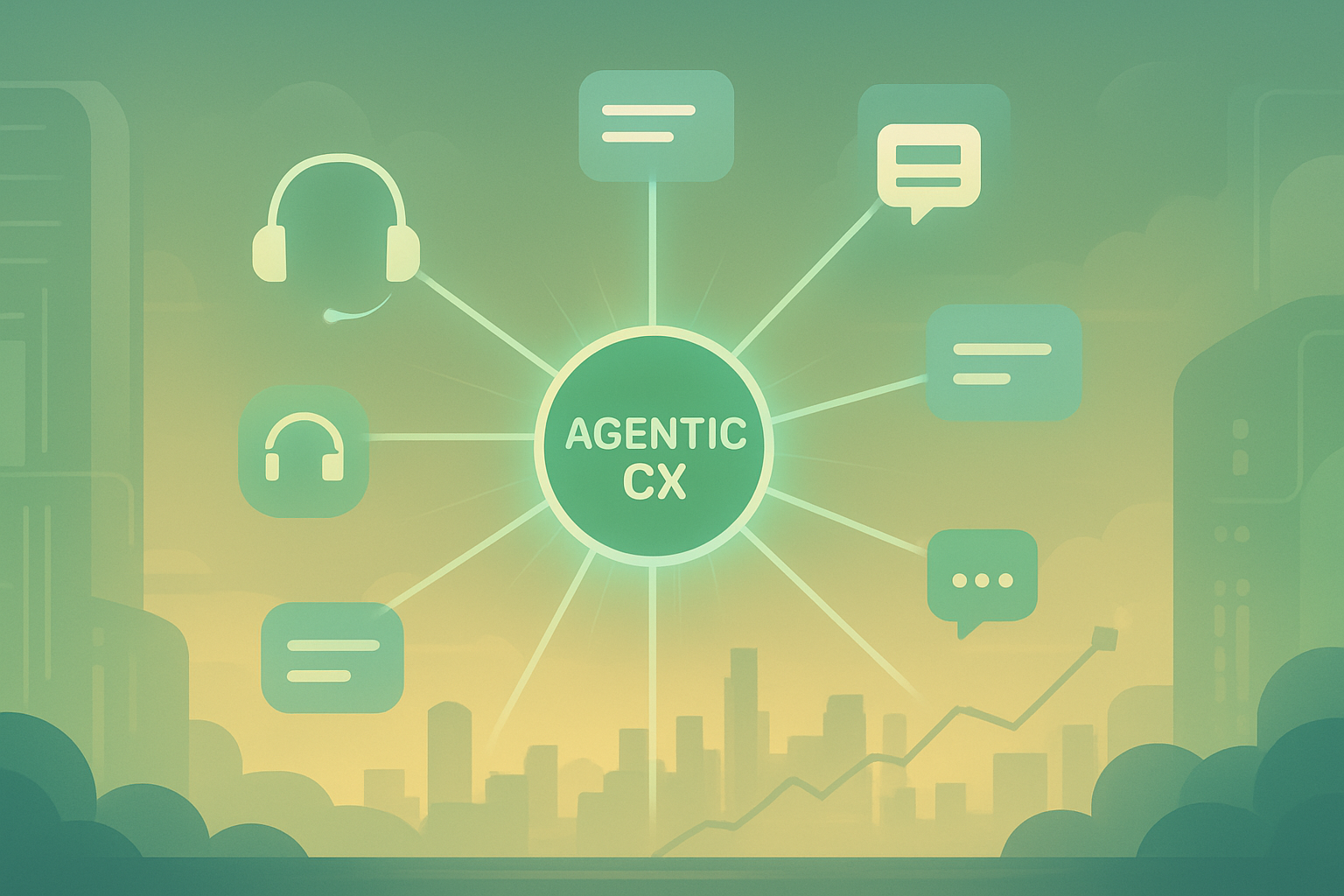
    As of February 23, 2026, the Cloud Contact Center as a Service (CCaaS) market is undergoing a seismic shift, and Five9 Inc. (NASDAQ: FIVN) finds itself at the epicenter. Once viewed as a high-growth pandemic darling that suffered a brutal valuation reset in 2024, Five9 has spent the last year reinventing itself as a pioneer of "Agentic CX"—a framework where AI agents work autonomously alongside human counterparts. Following a decisive Q4 2025 earnings beat and a smooth leadership transition earlier this month, the company is capturing the attention of analysts who are re-evaluating its long-term terminal value in an AI-first world.

    Historical Background

    Founded in 2001 by a group of entrepreneurs who envisioned the migration of telephony to the cloud, Five9 was an early disruptor in a market dominated by legacy hardware providers like Avaya and Cisco. After going public in 2014, the company steadily climbed the enterprise ladder under the stewardship of Mike Burkland.

    A defining moment in Five9’s history arrived in 2021 with a proposed $14.7 billion acquisition by Zoom Video Communications (NASDAQ: ZM). The deal was eventually scrapped due to shareholder pushback and regulatory scrutiny, a move that forced Five9 to double down on its independent "best-of-breed" strategy. Over the subsequent four years, Five9 transitioned from a mid-market "dialer" to a sophisticated enterprise platform, surviving the post-pandemic "SaaS winter" by focusing on high-value, complex customer service environments.

    Business Model

    Five9 operates a high-margin, subscription-based Software-as-a-Service (SaaS) model. Its revenue is primarily derived from monthly recurring subscriptions based on the number of concurrent seats or "agents" using the platform.

    In late 2025, the company introduced a significant evolution to its model: Agentic AI Monetization. Instead of simply charging for human seats, Five9 now generates revenue through:

    • Per-Agent Subscriptions: Traditional pricing for human contact center staff.
    • AI Agent Fees: A premium "digital worker" tier (priced at approximately $40–$50 per month) for autonomous AI agents.
    • Usage-Based Interaction Fees: Monetizing the volume of automated voice and digital transcripts processed by its "Genius AI" engine.
    • Professional Services: Helping large enterprises integrate complex AI workflows into their existing CRM stacks (Salesforce, ServiceNow, etc.).

    Stock Performance Overview

    The five-year journey for FIVN has been a volatile odyssey. After peaking at over $200 per share in 2021, the stock entered a protracted decline as revenue growth slowed from 30%+ to the low teens. By early 2025, the stock was trading in the $15–$25 range, reflecting a "show me" sentiment from investors wary of competition from Big Tech.

    However, the tide has begun to turn. Over the last 12 months, the stock has stabilized and begun a "U-shaped" recovery. Following the Q4 2025 earnings report earlier this month, shares have seen a 15% jump, currently trading around $19.50. While still far from its all-time highs, the 10-year view shows a company that has successfully matured from a speculative growth play into a foundational enterprise software staple.

    Financial Performance

    Five9’s Q4 2025 results, reported in early February 2026, exceeded both management guidance and analyst consensus.

    • Revenue: Reached $305 million for the quarter, bringing full-year 2025 revenue to $1.15 billion—a 10% YoY increase.
    • Profitability: For the first time in its history, Five9 achieved sustained GAAP profitability in the second half of 2025.
    • Margins: Adjusted EBITDA margins reached 20%, driven by cost discipline and the high-margin nature of its AI upsells.
    • Enterprise Growth: The company now counts over 210 customers contributing more than $1 million in Annual Recurring Revenue (ARR), representing over 90% of its total revenue mix.

    Leadership and Management

    A major narrative for 2026 is the leadership transition. On February 2, 2026, Amit Mathradas officially took the helm as CEO, succeeding the legendary Mike Burkland, who remains Chairman of the Board.

    Mathradas, formerly of Nintex and Avalara, was handpicked for his expertise in scaling enterprise software during periods of technological disruption. His strategy focuses on "unifying CX," aiming to bridge the gap between back-office automation and front-office customer service. Burkland’s continued presence as Chairman provides a "steady hand" and continuity for Five9’s extensive partner ecosystem.

    Products, Services, and Innovations

    The crown jewel of Five9’s current portfolio is the Five9 Genius AI Suite. Unlike the basic chatbots of 2023, these "Reasoning Agents" leverage Large Language Models (LLMs) to perform complex tasks such as processing insurance claims, rescheduling multi-leg flights, and resolving billing disputes without human intervention.

    • Agent Assist: Real-time coaching for human agents, providing live transcriptions and suggested responses.
    • Workflow Automation: A low-code environment that allows non-technical managers to build automated customer journeys.
    • VoiceStream: A proprietary technology that allows third-party AI startups to build specialized applications on top of Five9’s real-time audio data.

    Competitive Landscape

    Five9 operates in a "Big Three" CCaaS environment alongside NICE Ltd. (NASDAQ: NICE) and the privately-held Genesys.

    • NICE: The incumbent leader with the largest market share; Five9 competes by offering a more agile, "partner-friendly" integration model.
    • Zoom (NASDAQ: ZM): A significant threat in the mid-market. Zoom’s aggressive pricing and "AI-included" model have put pressure on Five9's lower-tier accounts.
    • Amazon Connect (NASDAQ: AMZN): The developer-choice platform. Five9 differentiates itself by offering a "managed" experience for enterprises that do not want to build their own contact centers from scratch on AWS.

    Industry and Market Trends

    The primary trend in 2026 is the migration from "seat-based" to "interaction-based" economics. As AI agents become more capable, the traditional model of charging per human seat is under threat. Five9 has been proactive in this shift, pivoting toward "Agentic CX" where the value is placed on the resolution of the customer issue rather than the time spent on the call. Furthermore, the "great migration" from on-premise legacy systems to the cloud is still only about 50-60% complete in the large enterprise segment, providing a multi-year tailwind for CCaaS adoption.

    Risks and Challenges

    Despite recent successes, Five9 faces significant headwinds:

    1. AI Disintermediation: If LLM-native companies (like OpenAI or specialized startups) build "direct-to-customer" service tools, they could potentially bypass CCaaS platforms entirely.
    2. Pricing Pressure: Aggressive discounting from Zoom and Amazon could force Five9 to lower prices to retain its "Tier 1" enterprise clients.
    3. CEO Execution Risk: Any transition at the top carries risk. Mathradas must prove he can maintain the "culture of innovation" established by Burkland while accelerating revenue growth.

    Opportunities and Catalysts

    • M&A Potential: Five9 remains a perennially attractive target. With a stabilized valuation and a massive enterprise footprint, companies like Salesforce (NYSE: CRM) or Google (NASDAQ: GOOGL) could see FIVN as a strategic "last mile" for their AI initiatives.
    • International Expansion: Only about 15-20% of Five9’s revenue comes from outside North America. The recent build-out of data centers in the EU and APAC represents a significant untapped market.
    • AI "Attach Rates": If the adoption of the $50/month AI Agent tier exceeds 20% of the installed base by 2027, it could trigger a massive re-acceleration in revenue.

    Investor Sentiment and Analyst Coverage

    Wall Street sentiment has shifted from "Bearish" to "Cautiously Optimistic" in early 2026. Major firms including J.P. Morgan and Morgan Stanley have recently upgraded the stock, citing its "valuation floor" and the potential for AI-driven ARPU (Average Revenue Per User) expansion. Retail sentiment remains scarred by the 2021-2024 decline, but institutional "bottom fishing" has increased, with several large hedge funds initiating positions in Q4 2025.

    Regulatory, Policy, and Geopolitical Factors

    As an AI-heavy company, Five9 is subject to evolving AI Governance laws. The EU AI Act and similar state-level regulations in the U.S. require transparency in how AI interacts with consumers. Five9 has invested heavily in "Trust Layers" to ensure that its AI agents do not hallucinate or leak sensitive customer PII (Personally Identifiable Information). Additionally, data residency laws in regions like India and the Middle East require Five9 to maintain localized infrastructure, which increases CapEx but creates a barrier to entry for smaller competitors.

    Conclusion

    Five9 Inc. enters the mid-2020s as a leaner, more profitable, and more technologically ambitious company than its 2021 self. While the "easy money" of the cloud boom is gone, the "Agentic CX" era offers a more sustainable, high-value path forward. For investors, the key will be monitoring the AI attach rate and the company's ability to defend its enterprise moat against low-cost disruptors. With Amit Mathradas at the helm and a foundational partner in Mike Burkland, Five9 is no longer just a "cloud dialer"—it is the potential operating system for the future of customer interaction.


    This content is intended for informational purposes only and is not financial advice.

  • RingCentral (RNG) Deep Dive: AI Transformation and the 2026 Tariff Safe-Haven Play

    RingCentral (RNG) Deep Dive: AI Transformation and the 2026 Tariff Safe-Haven Play

    As of February 23, 2026, RingCentral Inc. (NYSE: RNG) has emerged as a focal point of market resilience in a volatile technology sector. While broader software-as-a-service (SaaS) valuations have been rocked by fears of artificial intelligence (AI) displacing traditional subscriptions—a phenomenon dubbed the "SaaS-pocalypse"—RingCentral has managed a startling turnaround. Today, the company finds itself at the center of a critical market shift following a major Department of Commerce tariff ruling on telecommunications hardware and cloud infrastructure components. As investors flee hardware-heavy tech firms, RingCentral’s pure-play software model and its recent pivot toward AI-monetization have positioned it as a surprising safe haven in a trade-war-sensitive economy.

    Historical Background

    Founded in 1999 by Vlad Shmunis and Vlad Vendrow, RingCentral began with a vision to move the traditional business phone system (PBX) to the cloud. For nearly two decades, the company led the transition from "wires in the closet" to internet-based communication.

    Key milestones include its 2013 IPO and a transformative 2019 partnership with Avaya, which gave RingCentral access to millions of legacy enterprise users. However, the post-pandemic era (2022–2024) proved difficult as growth slowed and competition from Microsoft Teams and Zoom intensified. This forced a strategic evolution from a simple telephony provider to an integrated AI-first communications platform. By 2026, the company has completed this metamorphosis, shed its "legacy cloud" image, and rebranded itself as an orchestrator of AI-driven business intelligence.

    Business Model

    RingCentral operates on a high-margin, subscription-based model. Its revenue streams are diversified across three core pillars:

    1. Unified Communications as a Service (UCaaS): The flagship RingEX platform, providing voice, video, and messaging.
    2. Contact Center as a Service (CCaaS): Driven by the native RingCX product, which uses AI to automate customer service interactions.
    3. Communications Platform as a Service (CPaaS): API-driven tools through RingCentral Video and RingCentral University.

    The company has successfully shifted its customer base from small-and-medium businesses (SMBs) toward large enterprises, which now account for over 50% of its Annual Recurring Revenue (ARR). Its pricing has evolved from "per-seat" to "value-based," incorporating tiered AI features that command significant premiums.

    Stock Performance Overview

    The journey of RNG stock has been a "round trip" for long-term investors.

    • 10-Year View: From 2016 to early 2021, RNG was a high-flyer, peaking near $450. The subsequent "SaaS crash" saw it lose over 90% of its value by late 2023.
    • 5-Year View: Dominated by a painful valuation reset, the stock bottomed in the $20-$30 range as growth cooled and interest rates rose.
    • 1-Year View: Over the past 12 months, RNG has staged a 65% recovery. As of February 23, 2026, the stock is trading at a significant premium to its 2024 lows, buoyed by the realization that AI is an "ARPU expander" rather than a competitor to its core service.

    Financial Performance

    RingCentral’s Q4 2025 earnings report (released February 19, 2026) was a watershed moment. The company reported:

    • Revenue: $2.52 billion for FY 2025, a 5% year-over-year increase.
    • Profitability: Non-GAAP EPS of $1.18 for the quarter, beating estimates. GAAP operating margins reached 6.6%, a massive improvement from the low single digits seen two years ago.
    • Capital Allocation: In a historic shift, the Board declared its first-ever quarterly dividend of $0.075 per share and expanded its share buyback program to $500 million.
      This "Rule of 40" discipline—balancing growth and profitability—has finally convinced Wall Street that RingCentral is a mature, cash-generating machine rather than a "growth-at-all-costs" zombie.

    Leadership and Management

    The current leadership team is characterized by operational rigor. Kira Makagon, recently promoted to President and COO in February 2026, is credited with the rapid deployment of the company's AI roadmap. CFO Vaibhav Agarwal, who took the helm in mid-2025, has been the architect of the company’s new "Efficiency-First" mandate, successfully reducing sales and marketing (S&M) expenses as a percentage of revenue through automated lead generation and partner channel optimization. Founder Vlad Shmunis remains Executive Chairman, providing the long-term vision while the new guard executes the daily pivot to AI.

    Products, Services, and Innovations

    Innovation in 2026 is centered on RingSense, the company’s conversation intelligence suite. RingSense uses proprietary large language models (LLMs) to transcribe calls, summarize meetings, and provide real-time coaching to sales agents.
    Furthermore, the AI Receptionist (AIR), launched in late 2025, has become a breakout hit for SMBs, handling 90% of inbound call routing without human intervention. These innovations have allowed RingCentral to increase its Average Revenue Per User (ARPU) even as basic telephony prices face commoditization.

    Competitive Landscape

    RingCentral competes in a "War of the Bundles" against tech giants:

    • Microsoft (MSFT): Teams is the primary threat. RingCentral has pivoted from fighting Teams to integrating with it. "RingCentral for Microsoft Teams 2.0" allows users to use RingCentral's superior telephony inside the Teams interface.
    • Zoom (ZM): Once a video-first threat, Zoom is now a direct CCaaS competitor. RingCentral’s native RingCX has gained an edge by offering a more comprehensive AI-driven contact center suite at a lower total cost of ownership (TCO).
    • 8×8 (EGHT) and Dialpad: These smaller players are increasingly seen as consolidation targets or niche providers, as RingCentral’s R&D budget for AI (~$300M annually) creates a widening moat.

    Industry and Market Trends

    The "SaaS-pocalypse" of 2025-2026 has been the defining macro trend. Investors initially feared that Generative AI would allow companies to build their own communication tools, rendering SaaS subscriptions obsolete. However, by early 2026, the trend has reversed: enterprises are realizing that building and maintaining secure, compliant, and global AI-communication infrastructure is too complex, leading to a "flight to quality" toward platforms like RingCentral that provide AI out-of-the-box.

    Risks and Challenges

    Despite the recent rally, risks remain:

    • AI Cannibalization: If RingCentral’s AI Receptionist becomes too efficient, customers might require fewer "seats," potentially impacting seat-based revenue.
    • Debt Load: While significantly improved, RingCentral still carries a debt load from its high-growth years that requires careful management in a "higher-for-longer" interest rate environment.
    • Execution Risk: The transition from a sales-led to a product-led AI company requires a cultural shift that is still ongoing.

    Opportunities and Catalysts

    The primary catalyst for 2026 is the expansion into Vertical AI. RingCentral is rolling out specialized versions of RingSense for the healthcare, legal, and financial sectors, where compliance and "five-nines" (99.999%) reliability are non-negotiable. Additionally, the potential for a major acquisition—either of a smaller AI-bot startup or by a larger telecommunications giant (like T-Mobile or Verizon) looking to bolster its enterprise software stack—remains a persistent rumor on Wall Street.

    Investor Sentiment and Analyst Coverage

    As of February 23, 2026, analyst sentiment has turned "Overweight." Of the 28 analysts covering RNG, 18 have "Buy" ratings, 9 have "Hold," and only 1 has a "Sell." Institutional ownership has stabilized, with hedge funds specifically targeting RNG as a "Value-AI" play—a way to gain exposure to AI tailwinds without paying the astronomical multiples of semi-conductor or foundational model companies.

    Regulatory, Policy, and Geopolitical Factors: The Feb 23 Tariff Ruling

    The market developments today, February 23, 2026, are dominated by the Department of Commerce's Final Ruling on Telecommunications Hardware. The ruling imposes a 35% tariff on networking components and VOIP hardware imported from major Asian manufacturing hubs.
    While this ruling has devastated hardware-reliant firms, RingCentral has seen its stock rise 4% today. Investors recognize that RingCentral is a software-first entity. Its hardware is provided through third-party partners (like Poly and Yealink), and its recent push into "Device-as-a-Service" (DaaS) includes contracts that pass hardware price fluctuations to the hardware vendors, not RingCentral. This makes RNG a "Tariff-Proof" technology play, as its cloud-based services are delivered via domestic and regionally distributed data centers that are largely insulated from physical trade barriers.

    Conclusion

    RingCentral Inc. (RNG) has successfully navigated the most turbulent period in its 27-year history. By pivoting to AI-driven "Service-as-Software," focusing on GAAP profitability, and initiating a dividend, it has transformed from a speculative growth stock into a foundational enterprise technology asset. The tariff ruling of February 23, 2026, serves as a validation of its business model: in an era of geopolitical friction and hardware constraints, software remains the most resilient and scalable asset class. For investors, the "new" RingCentral offers a rare combination of AI-driven growth potential and "Old Economy" financial discipline.


    This content is intended for informational purposes only and is not financial advice. As of 2/23/2026, the market remains subject to high volatility and geopolitical shifts.

  • Opendoor 2.0: The High-Stakes Transformation of an iBuying Giant

    Opendoor 2.0: The High-Stakes Transformation of an iBuying Giant

    As of February 20, 2026, Opendoor Technologies Inc. (NASDAQ: OPEN) finds itself at a pivotal crossroads. Once the poster child for the "iBuying" revolution—a model where companies buy homes directly from consumers using algorithmic pricing—Opendoor has spent the last two years fighting for its survival. After a brutal "housing winter" characterized by soaring interest rates and stagnant inventory, the company has emerged with a leaner balance sheet and a fundamentally altered strategy known internally as "Opendoor 2.0." With a recent leadership change and a shift toward a "capital-light" marketplace, Opendoor is attempting to prove that it is not just a high-risk real estate flipper, but a durable technology platform for the modern era of homeownership.

    Historical Background

    Founded in 2014 by Eric Wu, Keith Rabois, Ian Wong, and JD Ross, Opendoor was built on the premise that the traditional process of selling a home was fundamentally broken. The company’s value proposition was simple: provide homeowners with a guaranteed cash offer in 24 hours, removing the need for showings, repairs, and months of uncertainty.

    Opendoor scaled rapidly, buoyed by venture capital and the housing boom of the late 2010s. In December 2020, the company went public via a merger with Social Capital Hedosophia Holdings Corp. II, a Special Purpose Acquisition Company (SPAC) led by Chamath Palihapitiya. At its peak in early 2021, the stock traded near $39 per share, as investors bet on the company becoming the "Amazon of Real Estate." However, the subsequent years were defined by painful contraction. The company faced an existential threat in 2022 and 2023 when the Federal Reserve’s aggressive rate hikes froze the housing market, leading to massive inventory write-downs and the exit of major competitors like Zillow and Redfin from the iBuying space.

    Business Model

    The Opendoor business model has evolved from a pure-play iBuyer to a hybrid marketplace.

    1. Direct iBuying (Inventory): The core business still involves purchasing homes, performing light renovations, and reselling them. The company earns revenue through a service fee (typically 5%) and the "spread" between the buy and sell price.
    2. Opendoor Exclusives & Cash Plus: This is the "capital-light" evolution. As of Q4 2025, Cash Plus accounts for roughly 35% of the company's transaction volume. In this model, Opendoor facilitates a sale to a third-party buyer while providing the seller with a "cash backup" guarantee. This allows Opendoor to earn transaction fees without carrying the full value of the home on its balance sheet.
    3. Partnership Ecosystem: Opendoor acts as the fulfillment engine for partners like Zillow Group (NASDAQ: Z). When a Zillow user requests an instant offer, Opendoor provides the bid, significantly reducing its customer acquisition costs (CAC).

    Stock Performance Overview

    The performance of OPEN shares has been nothing short of a roller coaster:

    • 1-Year Performance: Over the past twelve months, the stock has staged a remarkable recovery, rising approximately 196% from its June 2025 low of $0.51 to its current price of $4.65. This rally was driven by the appointment of a new CEO and better-than-expected progress in its capital-light shift.
    • 5-Year Performance: Looking back to February 2021, the stock remains down nearly 85% from its all-time highs. The destruction of shareholder value during the 2022-2024 period remains a cautionary tale of growth-at-all-costs investing.
    • 10-Year Context: Since its founding in 2014, Opendoor has transitioned from a disruptive startup to a public entity that has survived multiple market cycles, though its valuation today is a fraction of its private-market peak.

    Financial Performance

    In its FY 2025 earnings report released yesterday, February 19, 2026, Opendoor reported:

    • Revenue: $4.371 billion for the full year, a decline from $5.153 billion in 2024, reflecting a smaller but higher-quality inventory.
    • Net Loss: A massive $1.3 billion net loss, though management noted $933 million of this was a one-time charge related to debt restructuring and extinguishment.
    • Margins: Contribution margin stood at 1.0% for the full year, but the "new book" of inventory (homes bought in late 2025) is reportedly generating margins in the 4% to 6% range.
    • Liquidity: The company ended the year with approximately $925 million in inventory, a strategic reduction to mitigate risk while interest rates remained volatile.

    Leadership and Management

    The leadership landscape at Opendoor shifted dramatically in late 2025. Carrie Wheeler, who served as CEO from 2022 to 2025 and was credited with stabilizing the company's finances, stepped down in August 2025.

    The current CEO, Kaz Nejatian, formerly the COO of Shopify, took over in October 2025. Nejatian has pivoted the corporate culture toward a "software-first" mentality, emphasizing AI automation to lower overhead. The return of co-founders Keith Rabois (as Chairman) and Eric Wu (as a Board Member and significant investor via a $40 million PIPE deal in late 2025) has restored a "founder-led" narrative that has energized the retail investor base.

    Products, Services, and Innovations

    Innovation in 2026 is centered on the "AI-Native Fulfillment" engine. Opendoor has integrated advanced machine learning models that have reduced the underwriting time for a home offer from several hours to under 10 minutes.

    • Opendoor Exclusives: A platform that allows buyers to browse homes owned by Opendoor before they hit the open market, often with price discounts or incentives.
    • Financing Integration: Opendoor continues to bundle mortgage and title services, seeking to capture more of the "vertical" revenue in a real estate transaction.

    Competitive Landscape

    Opendoor remains the dominant player in iBuying, controlling an estimated 67% of the dedicated iBuyer market.

    • Offerpad Solutions (NYSE: OPAD): The only remaining major pure-play competitor. Offerpad has focused on renovation expertise and smaller, more disciplined markets.
    • Traditional Brokerages: While Opendoor once viewed traditional agents as the enemy, it now largely collaborates with them. The industry-wide changes to commission structures (stemming from the NAR settlement) have actually benefited Opendoor, as its transparent, fee-based model becomes more competitive relative to traditional commissions.

    Industry and Market Trends

    The "Lock-in Effect"—where homeowners refuse to sell because they are locked into 3% mortgage rates—has finally begun to thaw in early 2026 as the Federal Reserve began a series of rate cuts. This has increased housing velocity, which is the lifeblood of Opendoor’s model. The trend toward digitalization in real estate persists, with younger "Gen Z" buyers showing a high preference for the frictionless, app-based selling experience that Opendoor pioneered.

    Risks and Challenges

    Despite the recent recovery, Opendoor faces significant risks:

    • Macro Sensitivity: The business remains hyper-sensitive to mortgage rates. A resurgence in inflation that forces the Fed to hike rates again would be catastrophic.
    • Algorithmic Error: If the "AVM" (Automated Valuation Model) misprices homes in a shifting market, the company can quickly accumulate losses.
    • Debt Load: While the recent restructuring helped, the company still carries a significant debt burden that requires constant access to capital markets.

    Opportunities and Catalysts

    The primary catalyst for 2026 is the target for Adjusted Net Income breakeven by year-end. If the company can achieve GAAP profitability, it would likely lead to a significant re-rating of the stock. Additionally, the continued scaling of the Zillow partnership provides a low-cost growth lever that does not require massive marketing spend.

    Investor Sentiment and Analyst Coverage

    Sentiment is sharply divided. Wall Street analysts remain cautious, with a consensus "Hold" rating, citing the high loss-per-share and macro risks. However, retail investor sentiment has turned bullish, fueled by the "founder return" narrative and a high short interest that has made the stock a frequent target for retail "squeezes." Institutional ownership has stabilized, with major funds waiting for proof of sustainable margins before increasing positions.

    Regulatory, Policy, and Geopolitical Factors

    The most significant regulatory factor is the fallout from the National Association of Realtors (NAR) settlement regarding commissions. As the traditional 6% commission model is challenged, Opendoor’s transparent fee structure (often lower than the combined buy-side and sell-side agent fees) has become a major selling point. Geopolitical factors remain a secondary concern, though macro-economic stability is the ultimate prerequisite for Opendoor's success.

    Conclusion

    Opendoor Technologies is a company that has looked into the abyss and survived. By shedding its "growth at all costs" identity and embracing a more capital-efficient, AI-driven marketplace model, the company has positioned itself for a potential renaissance. For investors, OPEN remains a high-risk, high-reward play on the future of real estate. The success of "Opendoor 2.0" hinges on management's ability to maintain discipline in their spreads and scale their marketplace products without repeating the inventory mistakes of the past. As of February 2026, the question is no longer just whether Opendoor will survive, but how large of a "market maker" it can truly become.


    This content is intended for informational purposes only and is not financial advice.