
Blog

  • The Silicon Renaissance: A Deep-Dive into Intel’s (INTC) 2026 Turnaround

    The Silicon Renaissance: A Deep-Dive into Intel’s (INTC) 2026 Turnaround

    Date: January 14, 2026

    Introduction

    Intel Corporation (NASDAQ: INTC) enters 2026 as one of the most remarkable turnaround stories in modern corporate history. After a harrowing 2024 that saw the silicon giant’s market value plummet to decade-lows and its very survival questioned by skeptics, the company has emerged as a leaner, more focused "National Champion." Today, Intel is no longer just a processor company; it is the linchpin of the United States’ strategy to reshore semiconductor manufacturing. With its revolutionary 18A process node now in high-volume production and a new leadership team emphasizing operational rigor, Intel is at the center of the global AI infrastructure race and the burgeoning "AI PC" market.

    Historical Background

    Founded in 1968 by Robert Noyce and Gordon Moore, Intel was the pioneer of the microprocessor—the "brain" of the modern computer. Under the legendary leadership of Andy Grove in the 1980s and 90s, Intel pivoted from memory chips to CPUs, establishing the "Intel Inside" era and the "x86" dominance that powered the PC revolution. However, the 2010s were marked by stagnation. Delayed transitions to 10nm and 7nm processes allowed competitors like Taiwan Semiconductor Manufacturing Company (NYSE: TSM) and Advanced Micro Devices (NASDAQ: AMD) to seize the technological lead. In 2021, Pat Gelsinger returned as CEO to launch the "IDM 2.0" strategy—a multi-year, multi-billion-dollar bet to reclaim manufacturing parity. His retirement in early 2025 paved the way for the current "Foundry First" era under Lip-Bu Tan.

    Business Model

    Intel’s business model has undergone a fundamental split into two primary engines:

    1. Intel Product: This includes the Client Computing Group (CCG), which dominates the consumer laptop and desktop market, and the Data Center and AI (DCAI) group, which sells Xeon processors and Gaudi AI accelerators.
    2. Intel Foundry (IFS): Operating as a separate P&L, the Foundry business aims to manufacture chips for external customers, including rivals. This segment provides design services, wafer fabrication, and advanced packaging (EMIB, Foveros).
    3. NEX (Network and Edge): Focuses on edge computing and telecommunications infrastructure, a growing segment as AI processing moves closer to the end-user.

    Stock Performance Overview

    The last 12 months have been a renaissance for shareholders. Following a dismal 2024 where the stock bottomed out in the low $20s, INTC rallied 84% in 2025.

    • 1-Year Performance: As of mid-January 2026, Intel is trading in the $44.00 – $48.00 range, a levels not seen since the pre-inflationary peaks of 2021.
    • 5-Year Performance: On a five-year horizon, the stock is finally nearing a "breakeven" for long-term holders, though it still trails the broader S&P 500 and the PHLX Semiconductor Index (SOX).
    • Recent Momentum: A 10.8% surge in early January 2026 followed reports of successful 18A yields and a strategic $5 billion investment from NVIDIA (NASDAQ: NVDA) to secure future packaging capacity.

    Financial Performance

    Intel’s Q3 and Q4 2025 earnings signaled a definitive return to profitability.

    • Revenue: Q3 2025 revenue hit $13.7 billion, a 3% year-over-year increase, driven by the explosive adoption of AI PCs.
    • Profitability: The company reported a net income of $4.1 billion in Q3, a sharp recovery from the massive $16.6 billion write-down and loss recorded in late 2024.
    • Margins: Gross margins have expanded to 38.2%, up from the mid-20s during the height of the transition. This improvement is attributed to the $10 billion cost-cutting initiative implemented throughout 2025 and higher fab utilization.
    • Cash Flow: The company expects to reach full-year cash-flow positivity in 2026, supported by federal grants and capital offsets from the "Smart Capital" strategy.

    Leadership and Management

    In March 2025, industry veteran and former Cadence Design Systems CEO Lip-Bu Tan took the helm as CEO. Tan’s leadership has been defined by a "Foundry First" philosophy. While Pat Gelsinger focused on the visionary roadmap (5 nodes in 4 years), Tan has focused on execution and yield.
    His administration has:

    • Stabilized the leadership team after significant exits in 2024.
    • Secured high-profile foundry customers like Microsoft and Amazon Web Services (AWS).
    • Managed the delicate conversion of CHIPS Act grants into a government equity stake, effectively "de-risking" Intel's balance sheet from a debt spiral.

    Products, Services, and Innovations

    Innovation at Intel is currently defined by the 18A process node. This technology introduces two industry firsts: PowerVia (backside power delivery) and RibbonFET (gate-all-around transistors).

    • Panther Lake: Launched at CES 2026, this is the first consumer CPU built entirely on 18A. It offers a 30% performance-per-watt improvement over previous generations, positioning Intel to fight back against Apple (NASDAQ: AAPL) Silicon and ARM-based rivals.
    • Gaudi 3 & 4: While NVIDIA dominates the "training" market, Intel’s Gaudi accelerators have found a niche in AI inference, where they offer superior price-performance for enterprise applications.
    • High-NA EUV: Intel is currently the only firm with multiple ASML (NASDAQ: ASML) High-NA EUV lithography machines in operation, a key advantage for the upcoming 14A node.

    Competitive Landscape

    The competitive environment remains fierce but has shifted in Intel's favor in specific areas:

    • TSMC: Still the leader in total volume, TSMC’s 2nm node is expected to ramp in late 2026. Intel’s 18A, arriving earlier with backside power, gives it a temporary technological "window" of efficiency superiority.
    • AMD: AMD continues to pressure Intel in the server market with its EPYC processors. However, Intel’s Clearwater Forest Xeons (built on 18A) are beginning to reclaim market share in power-sensitive hyperscale data centers.
    • NVIDIA: No longer just a rival, NVIDIA is now a critical "frenemy." Their $5 billion investment in Intel stock highlights Intel's unique position as the only US-based provider of the advanced packaging required for H100/B200 successors.

    Industry and Market Trends

    Three macro trends are favoring Intel’s current trajectory:

    1. AI PC Adoption: The industry is shifting from cloud-only AI to "Local AI." Intel estimates that by the end of 2026, 60% of new laptop shipments will be AI-capable, a segment Intel currently leads.
    2. Sovereign AI: Governments in Europe and Asia are seeking non-Taiwan-based manufacturing to ensure supply chain resilience. Intel Foundry is the primary beneficiary of this "Sovereign AI" movement.
    3. Foundry Secular Growth: The decoupling of chip design and chip manufacturing continues to accelerate, with more "Hyper-scalers" (Google, Meta) designing their own silicon and needing a foundry to build it.

    Risks and Challenges

    Despite the recovery, Intel is not yet in the clear:

    • Execution Risk: The ramp of 18A must remain flawless. Any yield regressions could cause customers like Microsoft or AWS to revert to TSMC.
    • Debt and Liquidity: Even with government aid, Intel’s capital expenditures are massive ($20B+ annually). Maintaining a healthy balance sheet while building fabs in Ohio and Germany is a high-wire act.
    • ARM Intrusion: Qualcomm (NASDAQ: QCOM) and Apple are making aggressive gains in the Windows-on-ARM laptop space, threatening Intel's CCG margins.

    Opportunities and Catalysts

    • Intel Foundry Spinoff: Rumors persist that Lip-Bu Tan may eventually spin off the Foundry business into a separate public entity by 2027. This could unlock massive shareholder value by removing the "manufacturing drag" from the product side's valuation.
    • 18A Customer Wins: Announcements of a major mobile player (e.g., Apple or Samsung) using 18A for a specific chip line would be a massive catalyst for the stock.
    • Sustained AI PC Cycle: A faster-than-expected replacement cycle for enterprise laptops could drive CCG revenues to record highs.

    Investor Sentiment and Analyst Coverage

    Wall Street has largely shifted its consensus from "Sell" or "Underperform" to "Hold" or "Buy."

    • KeyBanc recently raised its price target to $60, citing Intel's unique "National Champion" status.
    • Institutional Holdings: Major asset managers like BlackRock and Vanguard have maintained their 8%+ stakes, while several "turnaround-focused" hedge funds increased their positions in Q4 2025.
    • Retail Sentiment: On social platforms, the narrative has shifted from mocking Intel’s "legacy" status to highlighting its role as a strategic defense asset for the US.

    Regulatory, Policy, and Geopolitical Factors

    Intel is now inextricably tied to US geopolitical interests.

    • US Government Equity: In August 2025, the U.S. Department of Commerce converted $8.9 billion of CHIPS Act grants into a 9.9% direct equity stake in Intel. This makes the US government the company's single largest shareholder, effectively guaranteeing that the company is "too big to fail."
    • The Secure Enclave: Intel has been designated the primary manufacturer for the Pentagon’s "Secure Enclave" program, providing a steady stream of high-margin, sensitive government contracts.

    Conclusion

    Intel is no longer the lumbering giant of the 2010s. By embracing its role as a foundry for the world and securing the backing of the United States government, it has stabilized its foundation. The successful high-volume manufacturing of 18A marks the first time in a decade that Intel has a legitimate claim to the "world's best transistor." For investors, Intel represents a high-stakes play on the future of US manufacturing and AI hardware. While risks of execution and heavy capital requirements remain, the "Silicon Renaissance" of 2026 suggests that Intel’s best days may not be behind it after all.


    This content is intended for informational purposes only and is not financial advice.

  • Tesla (TSLA) Research Feature: The 2026 Pivot to AI and Robotics

    Tesla (TSLA) Research Feature: The 2026 Pivot to AI and Robotics

    As of January 14, 2026, Tesla, Inc. (NASDAQ: TSLA) finds itself at a historic crossroads. For over a decade, the narrative surrounding the Austin-based giant was defined by its mission to accelerate the world’s transition to sustainable energy through mass-market electric vehicles (EVs). Today, that mission has evolved into something far more complex and high-stakes: a pivot toward becoming an artificial intelligence and robotics powerhouse.

    Following a volatile 2025—a year marked by the first significant multi-year decline in vehicle deliveries and the loss of its title as the world’s top EV seller to China’s BYD—Tesla is aggressively rebranding. The focus has shifted from high-volume manufacturing to the "AI Chapter," led by the impending launch of the Cybercab robotaxi and the deployment of the Optimus humanoid robot. With the stock trading in the $430–$447 range and carrying a valuation that defies traditional automotive metrics, Tesla remains the most debated company on Wall Street.

    Historical Background

    Founded in 2003 by Martin Eberhard and Marc Tarpenning, with Elon Musk joining as the lead investor shortly after, Tesla’s journey began with the Roadster in 2008. The company’s "Master Plan" was famously simple: build a low-volume, expensive car; use that money to build a mid-volume car at a lower price; and use that money to build an affordable high-volume car.

    The successful launches of the Model S (2012), Model X (2015), and the transformational Model 3 (2017) and Model Y (2020) turned Tesla from a niche startup into a global titan. Along the way, Tesla navigated "production hell," built a global network of Gigafactories from Shanghai to Berlin, and disrupted the century-old internal combustion engine industry. By the early 2020s, Tesla had achieved sustained profitability, was added to the S&P 500, and peaked at a market capitalization of over $1 trillion.

    Business Model

    Tesla’s business model is vertically integrated and increasingly diversified across four primary segments:

    1. Automotive: Designing and manufacturing EVs (Model 3, Y, S, X, Cybertruck). Revenue is driven by unit sales and leasing.
    2. Software & Services: This includes Full Self-Driving (FSD) subscriptions, insurance, and the Supercharger network. Notably, as of January 2026, Tesla has moved FSD to a $99/month subscription-only model to build recurring revenue.
    3. Energy Generation & Storage: Selling Megapacks for utilities and Powerwalls for homes. This segment saw a 50% year-over-year growth in 2025, deploying 47 GWh of storage.
    4. AI & Robotics: A nascent but high-potential segment involving the sale of humanoid robots (Optimus) and autonomous taxi services (Cybercab).

    Stock Performance Overview

    Tesla’s stock performance continues to be a roller coaster that rewards long-term believers and punishes short-term bears.

    • 1-Year Performance: In 2025, TSLA delivered a shareholder return of roughly 11%–13%, outperforming several legacy rivals but trailing the broader AI-driven tech sector.
    • 5-Year Performance: Over the last five years, the stock has seen massive gains, fueled by the scaling of the Model Y and the entry into the S&P 500, though it has faced several "drawdowns" of 40% or more during periods of high interest rates.
    • 10-Year Performance: TSLA remains one of the best-performing assets of the decade, with an appreciation exceeding 1,500%, reflecting its transition from a speculative venture to a dominant global industrial force.

    As of today, January 14, 2026, the stock is showing resilience despite a 4% dip earlier this month, as investors price in the April production start of the Cybercab.

    Financial Performance

    The 2025 fiscal year was financially "sobering" for Tesla's automotive wing. The company delivered 1.64 million vehicles, an 8.5% decline from 1.79 million in 2024.

    • Margins: Automotive gross margins have stayed under pressure, hovering around 16–17% due to aggressive price cuts to fight off Chinese competition.
    • Earnings: Consensus estimates for the upcoming Q4 2025 earnings report (Jan 28, 2026) suggest an EPS of $0.32–$0.45, a notable drop from the $0.73 seen in late 2024.
    • Valuation: Tesla trades at a trailing P/E of approximately 297x. This premium is nearly unique among trillion-dollar companies, justified by bulls as a valuation of Tesla’s Dojo supercomputer and its 7-billion-mile FSD database rather than its car sales.

    Leadership and Management

    The leadership team in early 2026 is streamlined for the AI transition.

    • Elon Musk (CEO): Musk remains the central figure, though his time is increasingly split between Tesla, X (formerly Twitter), and government advisory roles.
    • Tom Zhu (SVP, Automotive): Recently granted a massive 5-year contract extension in January 2026, Zhu is the operational engine behind the company’s global production.
    • Vaibhav Taneja (CFO): Taneja oversees a balance sheet that remains cash-rich, allowing Tesla to invest billions in AI hardware despite slowing car sales.
    • Board Dynamics: The addition of John "Jack" Hartung (former CFO of Chipotle) in mid-2025 has brought much-needed retail and operational governance to the Audit Committee.

    Products, Services, and Innovations

    Tesla’s current R&D is focused on three pillars:

    1. The Cybercab: A purpose-built robotaxi without a steering wheel or pedals, set for mass production in April 2026.
    2. Optimus Gen 3: Tesla's humanoid robot has moved past the prototype stage. Several thousand units are already working in Tesla’s own factories, with a production goal of 50,000 units by year-end 2026.
    3. FSD v14: The latest software iteration is being touted as "quasi-Level 4," with Tesla seeking regulatory approval to launch it in Europe and China by March 2026.

    Competitive Landscape

    The competitive landscape has shifted dramatically.

    • BYD (SZ: 002594): The Chinese giant officially surpassed Tesla in total EV sales in 2025, leveraging a lower cost structure and rapid battery innovation.
    • Waymo (Alphabet): In the autonomy race, Waymo remains the primary rival, having logged millions of driverless miles. Tesla’s advantage remains its "vision-only" scale, while Waymo relies on expensive Lidar-mapped cities.
    • Legacy OEMs: Companies like Ford (NYSE: F) and GM (NYSE: GM) have scaled back their EV ambitions, inadvertently giving Tesla more breathing room in the U.S. luxury EV market.

    Industry and Market Trends

    The "Autonomy Boom" of 2026 is the defining trend. Governments are moving from skepticism to a race for adoption. The transition to "software-defined vehicles" means that hardware margins are shrinking, while software margins (FSD subscriptions) are becoming the primary goal for the entire industry. Additionally, the stabilizing of lithium prices in 2025 has helped keep battery costs down, though supply chain localization remains a hurdle.

    Risks and Challenges

    Tesla faces several existential risks:

    • Execution Risk: If the Cybercab production ramp (scheduled for April) hits delays, the high P/E ratio could see a massive "de-rating."
    • The "Elon Risk": Musk’s controversial public persona and multiple ventures continue to create "headline risk" for the stock.
    • Chinese Geopolitics: With a large portion of production and demand based in China, any escalation in trade tensions could devastate Tesla’s margins.

    Opportunities and Catalysts

    • Next-Gen Platform: The unveiling of a $25,000 consumer vehicle (Model 2) in Q2 2026 could reignite volume growth.
    • FSD Licensing: If Tesla successfully licenses FSD to other automakers, it could become the "Android of Autonomy."
    • Tesla Energy: The Megapack business is currently growing faster than the automotive business and provides a high-margin floor for the company’s earnings.

    Investor Sentiment and Analyst Coverage

    Wall Street is polarized.

    • Bulls: Firms like Wedbush maintain a $600 price target, viewing Tesla as the "ultimate AI play." They argue the current car sales decline is a temporary "trough" before the robotaxi explosion.
    • Bears: Critics like GLJ Research maintain "Sell" ratings, arguing that Tesla is a "broken growth story" whose AI claims are overhyped and years away from meaningful revenue.
    • Retail Sentiment: Tesla remains the most popular stock among retail investors, though some "Musk fatigue" has been noted in recent sentiment surveys.

    Regulatory, Policy, and Geopolitical Factors

    The regulatory environment is turning favorable.

    • U.S. Federal Policy: The proposed "SELF DRIVE Act of 2026" seeks to allow up to 90,000 autonomous vehicles per manufacturer to operate without traditional controls, a massive win for the Cybercab.
    • China’s 15th Five-Year Plan: Prioritizing "Smart Mobility," this plan has opened the door for Tesla to receive FSD approval in China by late Q1 2026, provided they meet strict data-security standards.

    Conclusion

    Tesla enters 2026 as a company in the midst of a metamorphosis. The data from 2025 confirms that the era of hyper-growth in car sales has ended, but the "AI Chapter" has only just begun. For investors, the question is no longer "How many cars can Tesla sell?" but rather "Can Tesla solve autonomy and scale humanoid labor?"

    The coming six months will be the most critical in the company’s history. With the Cybercab launch in April and the Model 2 reveal in June, 2026 will determine whether Tesla justifies its massive valuation premium or finally succumbs to the gravitational pull of being "just a car company."


    This content is intended for informational purposes only and is not financial advice.

  • Palantir (PLTR) 2026 Deep-Dive: The Rise of the Agentic AI Powerhouse

    Palantir (PLTR) 2026 Deep-Dive: The Rise of the Agentic AI Powerhouse

    Date: January 14, 2026

    Introduction

    As we enter the first weeks of 2026, Palantir Technologies (NYSE: PLTR) stands as perhaps the most polarizing yet indispensable force in the enterprise software ecosystem. Once dismissed as a secretive, "black box" defense contractor with a niche business model, Palantir has undergone a profound metamorphosis over the last 24 months. By positioning itself at the epicenter of the "Agentic AI" revolution, the company has successfully transitioned from a consulting-heavy data firm into a high-margin software powerhouse. Today, Palantir is no longer just a tool for intelligence agencies; it is the foundational operating system for the modern, AI-integrated corporation and the backbone of the Western defense apparatus.

    Historical Background

    Palantir’s story began in 2003, co-founded by Peter Thiel, Alex Karp, Stephen Cohen, Joe Lonsdale, and Nathan Gettings. Emerging from the "PayPal Mafia" ecosystem, the company was built on the premise that the same technology used to detect credit card fraud could be applied to counter-terrorism. With early backing from the CIA’s venture arm, In-Q-Tel, Palantir spent its first decade almost exclusively in the shadows of the U.S. intelligence community.

    The company's early milestones were shrouded in mystery, most notably the persistent (though unconfirmed) rumors that its software played a role in the location of Osama bin Laden. The 2010s saw the launch of Foundry, an attempt to bring government-grade data integration to the commercial sector. However, it wasn’t until its direct listing in September 2020 that Palantir became a household name for investors. Since then, the company has survived the "meme stock" era of 2021, a brutal 2022 correction, and the 2024 AI surge, eventually securing its place in the S&P 500 in late 2024.

    Business Model

    Palantir operates on a proprietary software model designed to integrate disparate data sources into a unified, actionable environment. Unlike traditional SaaS companies that offer "point solutions," Palantir provides a holistic "operating system" for the enterprise.

    The business is structured around four primary product lines:

    1. Gotham: Primarily for government and defense, enabling users to identify patterns deep within datasets.
    2. Foundry: The commercial equivalent, used for everything from supply chain optimization to clinical trial management.
    3. Apollo: The continuous delivery system that allows Palantir software to run across any environment, from the cloud to the "edge" (e.g., inside a satellite or a tank).
    4. AIP (Artificial Intelligence Platform): The current flagship, which integrates Large Language Models (LLMs) into private networks, allowing users to build autonomous "agents" for operational decision-making.

    Revenue is generated through multi-year subscriptions. A key innovation in their model has been the "AIP Bootcamp," a five-day sales accelerator that has drastically reduced customer acquisition costs and replaced traditional multi-month sales cycles.

    Stock Performance Overview

    The last five years have been a roller coaster for PLTR shareholders.

    • 1-Year Performance (2025): The stock was a standout performer, surging over 130% in 2025, reaching an all-time high of $207.52 in November.
    • 5-Year Performance (2021–2026): After peaking at $45 in early 2021 and subsequently bottoming near $6 in 2022, the stock has staged a historic recovery. Investors who held through the 2022 trough have seen returns exceeding 2,500%.
    • 10-Year Horizon: Since its 2020 listing, PLTR has outperformed the broader S&P 500 and the Nasdaq-100, though with significantly higher volatility.

    As of today, January 14, 2026, the stock is consolidating in the $185-$195 range, reflecting a period of price discovery after its massive 2025 run.

    Financial Performance

    Palantir’s financial profile has shifted from "growth-at-all-costs" to a masterclass in efficient scaling.

    • Revenue Growth: In 2025, the company reported annual revenue of approximately $4.4 billion, a 53% increase year-over-year. The U.S. Commercial segment remains the primary engine, frequently posting triple-digit growth in recent quarters.
    • Profitability: Palantir has maintained GAAP profitability for over three years. In Q2 2025, the company crossed the $1 billion quarterly revenue milestone for the first time.
    • Margins: Operating margins hit a record 51% in late 2025, driven by the low overhead of AIP deployments.
    • Cash Flow: The company remains debt-free with a cash pile exceeding $4.5 billion, providing a massive "war chest" for future R&D or strategic acquisitions.

    Leadership and Management

    CEO Alex Karp remains the enigmatic face of the company. A philosopher by training, Karp’s unconventional style—frequently delivering shareholder updates from the woods or a ski slope—has earned him a cult-like following among retail investors and respect (albeit grudging) from institutional analysts.

    Under the leadership of CTO Shyam Sankar, the company has maintained its "forward-deployed engineer" culture, where developers work directly on-site with clients. This strategy has proven vital in maintaining high retention rates among complex government and Fortune 100 clients. Despite some concerns regarding insider selling in 2025, the leadership team remains largely stable and deeply aligned with the company’s long-term mission of "securing the West."

    Products, Services, and Innovations

    The most significant innovation of the past 18 months has been the transition to Agentic AI. While 2023 and 2024 were about "chatbots," 2025 was the year of "agents"—software entities that don't just answer questions but take actions.

    Palantir’s AIP now allows a logistics company to deploy an agent that can autonomously re-route shipments during a storm, or a hospital to use an agent that manages nurse scheduling in real-time. In the defense sector, the Maven Smart System has evolved into a fully integrated AI targeting and situational awareness tool that is now standard across several NATO member states.

    Competitive Landscape

    Palantir operates in a unique space, often finding itself in "co-opetition" with tech giants:

    • Microsoft (NASDAQ: MSFT): While Microsoft’s Azure is a partner for government cloud hosting, Palantir competes at the application layer. Palantir's specialized, opinionated software often wins in complex, high-stakes environments where Microsoft's horizontal tools like Copilot may be too generic.
    • Snowflake (NYSE: SNOW): Once a fierce rival, Snowflake and Palantir entered a partnership in late 2025. AIP now runs natively on Snowflake’s Data Cloud, allowing Palantir to "land and expand" within Snowflake’s vast customer base.
    • C3.ai (NYSE: AI): Once considered a direct competitor, C3.ai has fallen behind in 2025, struggling with longer deployment times compared to Palantir’s "bootcamp" model.

    Industry and Market Trends

    The "AI Supercycle" is the dominant macro trend of 2026. Companies have moved past the experimentation phase and are now demanding measurable ROI from their AI investments. Palantir’s ability to show value in five days (via bootcamps) has made it the primary beneficiary of this trend. Additionally, the increase in global geopolitical instability has led to a "defense tech renaissance," with Western governments significantly increasing budgets for software-defined warfare.

    Risks and Challenges

    Despite its current momentum, Palantir faces significant risks:

    • Valuation: Trading at a forward P/E ratio of over 200x, the stock is priced for perfection. Any miss in revenue growth or a deceleration in AIP adoption could trigger a sharp correction.
    • Customer Concentration: While commercial growth is high, the company still relies heavily on massive, multi-year government contracts. A shift in political administration or a change in defense spending priorities remains a tailwind or a risk.
    • Stock-Based Compensation (SBC): While GAAP profitability has been achieved, critics still point to Palantir’s history of high SBC as a dilutive force for long-term shareholders.

    Opportunities and Catalysts

    1. Healthcare Expansion: Palantir’s work with the UK’s NHS and major U.S. hospital chains like HCA Healthcare is serving as a blueprint for a global rollout of AI-driven clinical operations.
    2. The Mid-Market: Traditionally a tool for the world's largest organizations, Palantir began releasing "AIP Lite" in late 2025, targeting mid-cap companies.
    3. S&P 500 Passive Inflows: As a core member of the index, Palantir continues to benefit from systematic buying by ETFs and institutional rebalancing.

    Investor Sentiment and Analyst Coverage

    Sentiment is currently divided. As of January 2026, the consensus rating is a "Hold," with many analysts citing valuation as the primary hurdle. However, several top-tier firms, including Citigroup and Bank of America, have recently issued "Buy" ratings with price targets as high as $255, arguing that Palantir is the only "pure-play" AI software stock with proven, scalable earnings. Retail sentiment remains overwhelmingly "bullish," with the "Palantirians" community on social media continuing to drive high trading volumes.

    Regulatory, Policy, and Geopolitical Factors

    Palantir’s fortunes are inextricably linked to geopolitics. The company’s vocal support for Western interests has made it a preferred partner for the U.S. Department of Defense and its allies. However, this same stance has essentially locked it out of the Chinese market and created hurdles in some European jurisdictions with stricter data sovereignty laws. Regulatory scrutiny over AI ethics and data privacy remains a constant shadow, though Palantir’s long history of working with classified data gives it a compliance "moat" that newer AI startups lack.

    Conclusion

    Palantir Technologies enters 2026 as a titan of the AI era. It has successfully silenced critics of its profitability and demonstrated a repeatable, scalable sales model through its AIP bootcamps. While the current valuation demands aggressive growth, the company’s role in both national security and global enterprise efficiency makes it a unique asset in the technology sector. For investors, the question is no longer whether Palantir’s technology works, but whether its growth can outpace the high expectations already baked into its stock price. As the "Agentic AI" supercycle continues, Palantir is the company to watch.


    Disclaimer: This content is intended for informational purposes only and is not financial advice. The author has no position in PLTR at the time of writing.

  • Delta Air Lines (DAL) Deep Dive: Navigating the Centennial Era and the Premium Pivot

    Delta Air Lines (DAL) Deep Dive: Navigating the Centennial Era and the Premium Pivot

    As of January 14, 2026, Delta Air Lines (NYSE: DAL) stands at a historic crossroads. Having just concluded its centennial year in 2025, the Atlanta-based carrier has evolved from a regional crop-dusting operation into a global premium lifestyle brand. Today, Delta is not just an airline; it is a financial powerhouse bolstered by a multi-billion dollar credit card partnership and a dominant share of the high-end travel market. While the broader airline sector has grappled with volatile fuel prices and labor disputes, Delta’s recent financial results underscore its position as the industry’s "North Star." However, as 2026 begins, the company faces a complex macro environment characterized by shifting regulatory landscapes and a bifurcating consumer market.

    Historical Background

    Founded in 1925 as Huff Daland Dusters, Delta began its journey in Macon, Georgia, as the world’s first aerial crop-dusting operation. It officially became Delta Air Service in 1928, moving its headquarters to Atlanta in 1941. Over the decades, Delta grew through strategic acquisitions, most notably the 2008 merger with Northwest Airlines, which provided the scale necessary to compete on a global stage. This merger is widely cited by analysts as the most successful in aviation history, avoiding the integration pitfalls that plagued rivals. Post-merger, Delta pioneered the "fortress hub" strategy and significantly invested in its own refinery, Monroe Energy, to hedge against fuel volatility—a move that remains a unique pillar of its operational strategy today.

    Business Model

    Delta’s business model has undergone a radical transformation over the last decade, shifting away from a reliance on commodity seat sales toward a diversified revenue stream.

    • Segmented Cabins: Delta has mastered the "bifurcation" of the aircraft, offering five distinct products ranging from Basic Economy to Delta One Suites. This allows the airline to capture both price-sensitive travelers and high-yield corporate and luxury clients.
    • Loyalty & Financial Services: The crown jewel of Delta’s model is its partnership with American Express (NYSE: AXP). This partnership generated a staggering $8.2 billion in remuneration for Delta in 2025. Unlike ticket sales, this revenue is high-margin and less susceptible to the cyclicality of the travel market.
    • Delta TechOps: As one of the world's largest Maintenance, Repair, and Overhaul (MRO) providers, Delta TechOps generates billions in third-party revenue by servicing engines and airframes for other global carriers.

    Stock Performance Overview

    Over the last five years, DAL has significantly outperformed the NYSE Arca Airline Index.

    • 1-Year Performance: In 2025, the stock rose approximately 28%, hitting an all-time high of $73.16 in early January 2026.
    • 5-Year Performance: Since the post-pandemic recovery began in earnest in 2021, the stock has more than doubled, driven by aggressive debt reduction and the return of dividends.
    • 10-Year Performance: Long-term shareholders have seen substantial value creation as Delta transitioned to an "investment grade" balance sheet, though the stock faced a multi-year plateau during the mid-2010s before its recent breakout.

    Financial Performance

    In its full-year 2025 earnings report released yesterday, Delta reported record adjusted operating revenue of $63.4 billion. Key metrics include:

    • Earnings Per Share (EPS): 2025 EPS landed at $7.12, towards the high end of previous guidance.
    • Free Cash Flow: Delta generated $4.6 billion in free cash flow in 2025, which it used to retire $3 billion in high-interest debt.
    • 2026 Guidance: Management has targeted 20% earnings growth for 2026, with an EPS range of $6.50 to $7.50, despite a $200 million pre-tax hit in Q4 2025 caused by a 43-day U.S. government shutdown.
    • Valuation: Trading at roughly 9.2x forward 2026 earnings, Delta remains undervalued compared to the broader S&P 500, though it commands a premium over peers like American Airlines (NASDAQ: AAL).

    Leadership and Management

    CEO Ed Bastian, who has led the company since 2016, is widely regarded as the top executive in the industry. His "people-first" philosophy was highlighted in early 2025 when Delta paid out $1.3 billion in employee profit-sharing. However, the company is currently navigating a period of executive transition. Long-time President Glen Hauenstein announced his retirement effective early 2026, with Joe Esposito stepping into the Chief Commercial Officer role. Investors are watching closely to see if this new team can maintain the operational discipline that has become Delta’s hallmark.

    Products, Services, and Innovations

    Delta continues to lead the industry in "premiumization."

    • Fleet Modernization: In January 2026, Delta announced a landmark order for 30 Boeing (NYSE: BA) 787-10 Dreamliners, signaling a shift in its widebody strategy to include more fuel-efficient, high-capacity aircraft for its international network.
    • Connectivity: The rollout of free high-speed Wi-Fi, powered by T-Mobile (NASDAQ: TMUS), is now complete across nearly the entire global fleet, serving as a significant customer acquisition tool.
    • Sustainability: Through its "Sustainable Skies Lab," Delta is testing blended wing-body aircraft with JetZero, aiming to significantly reduce its carbon footprint by 2030.

    Competitive Landscape

    The U.S. airline industry has become a "two-speed" market.

    • United Airlines (NASDAQ: UAL): United is Delta's most formidable rival, matching its international scale and premium ambitions through the "United Next" initiative.
    • American Airlines (NASDAQ: AAL): American has struggled with higher debt loads and lower margins, though it recently launched a "Premium Push" to reclaim market share in the transcontinental and transatlantic sectors.
    • Low-Cost Carriers (LCCs): The late-2025 bankruptcy of Spirit Airlines has fundamentally altered the domestic landscape, removing excess budget capacity and allowing Delta to maintain higher yields in its "Main Cabin" segment.

    Industry and Market Trends

    The "revenge travel" era of 2022-2023 has evolved into a stable "lifestyle travel" trend. High-income consumers are increasingly prioritizing experiences over goods, a trend that directly benefits Delta’s premium-heavy configuration. Additionally, the industry is seeing a "flight to quality" as corporate travelers consolidate their spend with carriers that offer the highest reliability and best lounge experiences (e.g., the new Delta One Lounges in JFK and LAX).

    Risks and Challenges

    Despite its strengths, Delta is not immune to headwinds:

    • Labor Costs: New pilot and flight attendant contracts signed in 2024 and 2025 have significantly increased the fixed cost base.
    • Regulatory Scrutiny: The current administration has proposed caps on credit card interest rates and "junk fees." Any regulation that threatens the economics of the Delta-Amex co-brand card could have a disproportionate impact on Delta’s bottom line.
    • Fuel Volatility: While the Monroe refinery provides a hedge, prolonged spikes in Brent crude remain a primary risk to operating margins.

    Opportunities and Catalysts

    • International Expansion: With the new A350-1000 and Boeing 787-10 deliveries starting in 2026, Delta is poised to capture a larger share of the lucrative Asia-Pacific and European markets.
    • Loyalty Monetization: Management believes the American Express partnership can reach $10 billion in annual remuneration by the end of the decade.
    • M&A Potential: While domestic consolidation is unlikely due to antitrust concerns, Delta’s equity stakes in partner airlines like LATAM and Air France-KLM offer pathways for deeper international integration.

    Investor Sentiment and Analyst Coverage

    Wall Street remains overwhelmingly bullish on DAL. Out of 22 analysts covering the stock, 18 maintain a "Strong Buy" or "Buy" rating. The consensus view is that Delta is no longer a "cyclical airline" but a "durable cash flow machine." Hedge fund interest has increased in early 2026, with several large institutional investors rotating out of retail and into "premium travel" names. However, retail chatter remains cautious regarding the impact of the late-2025 government shutdown on Q1 2026 travel patterns.

    Regulatory, Policy, and Geopolitical Factors

    Geopolitics continues to reshape Delta’s network. The ongoing closure of Russian airspace and volatility in the Middle East have forced Delta to re-route several long-haul paths, increasing fuel burn. Domestically, Delta is a major lobbyist for Sustainable Aviation Fuel (SAF) tax credits, which are essential for the airline to meet its 2030 decarbonization goals. The outcome of the 2026 mid-term elections will likely dictate the future of these green subsidies.

    Conclusion

    Delta Air Lines enters 2026 as a titan of the industry, boasting record revenues and a loyalty ecosystem that is the envy of its peers. By successfully pivoting to the premium consumer and de-risking its balance sheet, Delta has created a moat that is difficult for rivals to breach. While labor costs and regulatory threats remain persistent challenges, the company’s strategic fleet investments and unmatched operational reliability provide a strong foundation for future growth. For investors, the "Centennial Delta" represents a unique blend of value and growth, provided they can look past the inherent volatility of the aviation sector.


    This content is intended for informational purposes only and is not financial advice.

  • The Resilience Test: A Deep Dive into American Airlines (AAL) Amid Sector Turbulence

    The Resilience Test: A Deep Dive into American Airlines (AAL) Amid Sector Turbulence

    As of January 14, 2026, the global aviation sector is navigating a period of profound transition, and few companies embody this volatility more than American Airlines Group Inc. (NASDAQ: AAL). Following a turbulent 2024 and a 2025 defined by aggressive debt reduction, American Airlines finds itself back in the spotlight today. The catalyst for the current movement is not its own balance sheet, but the quarterly outlook issued yesterday by its primary rival, Delta Air Lines (NYSE: DAL).

    Delta’s conservative 2026 guidance and warnings regarding shifts in credit card economics have sent ripples through the industry, causing AAL shares to slip over 4% in late trading yesterday and during today’s session. This deep dive explores how the world’s largest airline by fleet size is positioning itself to weather industry-wide "turbulence" while executing a high-stakes strategy to move upmarket.

    Historical Background

    American Airlines traces its lineage back to the 1930s, formed from a collection of over 80 small airlines. It became a household name under the leadership of C.R. Smith, who pioneered the first "standardized" passenger service with the Douglas DC-3. Over the decades, American became a leader in innovation, creating the first computerized reservation system (SABRE) and the first frequent flyer program (AAdvantage).

    The modern iteration of the company was born in 2013 through a landmark merger with US Airways. This merger was designed to create a global powerhouse capable of competing with the newly merged Delta-Northwest and United-Continental. However, the integration was complex, and the company’s capital structure became heavily weighted with debt as it aggressively modernized its fleet during the late 2010s—a decision that would haunt it when the COVID-19 pandemic ground global travel to a halt in 2020.

    Business Model

    American Airlines operates a classic "hub-and-spoke" network, with primary hubs in Charlotte, Chicago, Dallas/Fort Worth, Los Angeles, Miami, New York, Philadelphia, Phoenix, and Washington, D.C.

    Its revenue is categorized into three primary streams:

    1. Passenger Revenue: The core of the business, split between domestic (approx. 70%) and international (30%) routes.
    2. Loyalty Programs: The AAdvantage program has evolved from a marketing tool into a financial engine. By selling miles to banks (primarily Citi and Barclays) for credit card rewards, American generates billions in high-margin, predictable cash flow.
    3. Cargo and Other: While a smaller portion of the pie, American’s cargo division remains a vital link for global logistics, particularly on its wide-body international routes.

    Stock Performance Overview

    The performance of AAL stock has been a story of resilience against a backdrop of underperformance.

    • 1-Year: Shares have climbed nearly 15% from their mid-2024 lows, buoyed by strong summer travel demand and successful deleveraging milestones.
    • 5-Year: The stock has struggled to return to pre-pandemic heights, weighed down by its massive debt load compared to its more "fortress-balance-sheet" peers like Delta and Southwest.
    • 10-Year: Long-term investors have seen significant erosion in value as the company prioritized fleet renewal and capital expenditure over share buybacks or dividends during the post-merger era.

    As of today, January 14, 2026, the stock trades in the $15.00–$16.00 range, highly sensitive to macro drivers like oil prices and consumer spending.

    Financial Performance

    American’s recent financial results highlight a company in a "debt-cleansing" phase.

    • Debt Reduction: In early 2026, AAL reported total debt of $36.8 billion, down from a staggering $54 billion peak. While progress is evident, the company still maintains the highest leverage in the industry.
    • Free Cash Flow (FCF): In fiscal year 2025, American generated over $1 billion in FCF, a metric management has prioritized to fund debt repayments rather than growth.
    • Margins: Operating margins remain in the high single digits, trailing Delta and United. The "premiumization" strategy—installing more business-class seats—is the company’s primary lever to bridge this margin gap.

    Leadership and Management

    CEO Robert Isom, who took the helm from Doug Parker in 2022, has spearheaded a "Corporate Reset." Isom is widely regarded as an operational specialist. In 2025, he notably pivoted the company’s distribution strategy. After a failed attempt to force all bookings through direct channels (which alienated travel agents), Isom re-engaged with corporate travel managers to reclaim lost market share in the high-yield business travel segment.

    Isom’s management team is currently focused on "reliability and debt." By maintaining a younger fleet, they aim to reduce maintenance costs and improve the "completion factor" (the percentage of scheduled flights actually flown), which is critical for customer retention.

    Products, Services, and Innovations

    Innovation at American is currently centered on the A321XLR and the 787-9P.

    • The A321XLR: This "Extra Long Range" narrow-body aircraft is a game-changer for American’s 2026 outlook. It allows the airline to fly thinner long-haul routes (like Raleigh to London) with the fuel efficiency of a small plane but the comfort of a large one.
    • Flagship Suite: American is retrofitting its wide-body fleet with the "Flagship Suite," featuring sliding doors for privacy in business class, a direct response to Delta’s "Delta One" and United’s "Polaris" offerings.
    • Free Wi-Fi: As of January 2026, American has transitioned to offering free high-speed Wi-Fi to all AAdvantage members, using connectivity as a hook to grow its loyalty database.

    Competitive Landscape

    American operates in a brutal "Big Three" oligopoly alongside Delta Air Lines (DAL) and United Airlines (UAL), while also fending off low-cost carriers like Southwest (LUV) and JetBlue (JBLU).

    • Vs. Delta: Delta is the "premium king." American is currently chasing Delta's margins by mimicking its focus on high-spend customers and premium cabins.
    • Vs. United: United has a more expansive international network. American counters this by dominating "The Americas"—specifically flights to Latin America and the Caribbean via its Miami hub.
    • Market Share: American remains the leader in total domestic passengers, but it has historically struggled to convert that volume into the same level of profitability as its peers.

    Industry and Market Trends

    The airline industry in early 2026 is grappling with several macro shifts:

    • Premium Demand: Leisure travelers are increasingly willing to pay for "premium economy" and business class, a trend that hasn't cooled despite high interest rates.
    • Sustainable Aviation Fuel (SAF): Regulatory pressure is mounting. American is a lead investor in SAF startups, but the high cost of green fuel remains a long-term margin threat.
    • The Credit Card Variable: A major trend impacting AAL today is the proposed government regulation on credit card interest rates and late fees. Since American earns a significant portion of its profit from its co-branded credit cards, any regulation that reduces the profitability of these cards for banks like Citi directly threatens American’s bottom line.

    Risks and Challenges

    • Leverage: Even at $36.8 billion, American’s debt is a "weight" that prevents it from pivoting as quickly as its competitors.
    • Labor Costs: Landmark contracts with pilots and flight attendants (which now include "boarding pay") have stabilized the workforce but significantly raised the "unit cost" of every flight.
    • Geopolitical Instability: Recent military operations in Venezuela in early January 2026 highlighted how quickly international routes can be disrupted. American’s heavy exposure to the Caribbean makes it particularly vulnerable to regional unrest.

    Opportunities and Catalysts

    • Direct-to-Consumer Growth: The AAdvantage program continues to grow. If American can successfully migrate more customers into its loyalty ecosystem, it reduces its reliance on expensive third-party booking sites.
    • Fleet Commonality: By 2027, American will have one of the simplest fleet structures in the industry, significantly reducing pilot training and maintenance complexity.
    • Earnings Catalyst: American’s own Q4 earnings report on January 27, 2026, will be the next major catalyst. If the company can show that it is capturing the corporate travel Delta missed, the stock could see a rapid "relief rally."

    Investor Sentiment and Analyst Coverage

    Wall Street remains "cautiously optimistic" on AAL.

    • Analyst Ratings: The consensus is currently a "Hold," with price targets ranging from $14.00 to $19.00.
    • Institutional Moves: Several large hedge funds increased their stakes in late 2025, betting on a "valuation catch-up" trade as American's debt levels normalize.
    • Retail Chatter: On retail forums, the sentiment is more speculative, often focusing on the high "short interest" compared to Delta, making it a target for momentum traders during sector-wide dips.

    Regulatory, Policy, and Geopolitical Factors

    The regulatory environment is tightening. The Department of Transportation (DOT) has become increasingly aggressive regarding passenger refunds and "junk fees." Furthermore, the geopolitical situation in South America and the Caribbean remains a wildcard for American’s most profitable international region.

    Additionally, the airline is monitoring U.S. policy regarding carbon taxes. Any new "green tax" on jet fuel would hit American harder than its peers due to its higher volume of daily flights.

    Conclusion

    American Airlines Group Inc. (NASDAQ: AAL) enters mid-January 2026 as a company in the middle of a self-imposed transformation. It is leaner and more premium-focused than it was five years ago, yet it remains the most sensitive to industry-wide shocks—as evidenced by the "sympathy sell-off" following Delta’s outlook yesterday.

    For investors, the key will be the January 27 earnings call. The market needs to see that American's "Corporate Reset" is working and that its path to $35 billion in debt is achievable even if the broader economy slows. While the risks remain high, the "valuation gap" between American and its peers offers a compelling narrative for those who believe Robert Isom can successfully navigate the final stages of the company’s post-pandemic recovery.


    This content is intended for informational purposes only and is not financial advice.

  • The Trusted Disruptor: L3Harris Technologies and the Billion-Dollar Pentagon Pivot

    The Trusted Disruptor: L3Harris Technologies and the Billion-Dollar Pentagon Pivot

    The following research feature analyzes L3Harris Technologies as of January 14, 2026.


    The Trusted Disruptor: L3Harris Technologies and the Billion-Dollar Pentagon Pivot

    Introduction

    In the high-stakes world of global defense, the transition from a specialized component provider to a tier-one "Prime" contractor is a journey few companies successfully navigate. L3Harris Technologies (NYSE: LHX) has not only navigated this path but has arguably redefined it. As of early 2026, LHX has captured the financial world’s attention following a historic $1 billion equity investment from the U.S. Department of Defense (DoD)—a move that signals a paradigm shift in how the Pentagon supports its critical supply chain. With its stock trading at all-time highs and a strategic spinoff of its missile propulsion business on the horizon, L3Harris stands at the epicenter of a "re-industrialization" movement within the American defense sector.

    Historical Background

    The L3Harris of today is the product of one of the most significant mergers in defense history. Formed in June 2019 through the "merger of equals" between L3 Technologies and Harris Corporation, the company was designed to bridge the gap between traditional hardware and the software-defined battlefield.

    While Harris Corporation brought a century-long legacy in tactical communications and space electronics, L3 was a powerhouse in intelligence, surveillance, and reconnaissance (ISR) systems. In 2023, the company executed its most transformative move since the merger: the $4.7 billion acquisition of Aerojet Rocketdyne. This acquisition provided L3Harris with a near-duopoly (alongside Northrop Grumman) in the domestic production of solid rocket motors (SRMs), positioning the company as an indispensable player in the replenishment of global missile and munition stockpiles.

    Business Model

    L3Harris operates as a diversified global aerospace and defense technology innovator. Its revenue is derived from four primary segments:

    1. Integrated Mission Systems: Focuses on multi-domain intelligence, surveillance, and reconnaissance (ISR) systems, as well as integrated maritime solutions.
    2. Space & Airborne Systems: Provides space payloads, sensors, and electronic warfare systems. It is a dominant player in the Space Development Agency’s (SDA) Low Earth Orbit (LEO) constellations.
    3. Communication Systems: The market leader in tactical radios and battlefield networking for U.S. and allied forces.
    4. Missile Solutions (formerly Aerojet Rocketdyne): This segment provides the propulsion systems for nearly every major U.S. missile program, from the PAC-3 to the Tomahawk.

    The customer base is heavily weighted toward the U.S. Department of Defense (approximately 75% of revenue), with the remainder split between international allies and commercial aviation.

    Stock Performance Overview

    As of mid-January 2026, LHX has demonstrated exceptional momentum, significantly outperforming the broader aerospace and defense sector.

    • 1-Year Performance: The stock has surged approximately 61%, driven by the Aerojet integration and the recent $1 billion Pentagon commitment.
    • 5-Year Performance: Since 2021, the stock has nearly doubled, returning approximately 83%. This reflects a successful recovery from the post-merger integration challenges and the pandemic-era supply chain disruptions.
    • 10-Year Performance: Including the pre-merger returns of its legacy components, the company has delivered a 286.21% total return, outstripping the S&P 500's performance over the same period.

    Financial Performance

    L3Harris entered 2026 on a footing of financial strength. For the fiscal year ending 2025, the company reported revenue of approximately $21.5 billion, with late-year quarterly results showing a 6.9% year-over-year growth.

    A key driver of this performance has been the "LHX NeXT" operational excellence program, which has already delivered $800 million in cost savings, with a target of $1.2 billion by the end of 2026. Free cash flow (FCF) remains a primary focus for management; the company raised its 2025 FCF guidance to $2.65 billion. This cash generation has allowed L3Harris to aggressively pay down debt incurred during the Aerojet acquisition while maintaining a robust dividend policy.

    Leadership and Management

    Chairman and CEO Christopher Kubasik has been the architect of the "Trusted Disruptor" strategy. Kubasik’s leadership is characterized by a "Prime-plus" mentality—positioning L3Harris as a company that can compete with the likes of Lockheed Martin (NYSE: LMT) for prime contracts while remaining a nimble, tech-first supplier to those same rivals.

    Governance under Kubasik has been noted for its transparency regarding the Aerojet integration. The recent appointment of several high-ranking former military officials to the board has further strengthened the company’s ties to the Pentagon’s long-term strategic planning.

    Products, Services, and Innovations

    Innovation at L3Harris is currently dominated by two pillars: Space-based tracking and Hypersonics.

    The company’s "Tracking Layer" satellites for the SDA are critical for detecting hypersonic missile threats. In the propulsion realm, L3Harris is pioneering 3D-printing techniques for rocket motor components, which has significantly reduced lead times. Its tactical radio business remains the gold standard, with the new "Falcon IV" series providing jam-resistant communications that have become a blueprint for modern multi-domain operations.

    Competitive Landscape

    L3Harris occupies a unique competitive niche. While it is smaller than the "Big Three"—Lockheed Martin, RTX Corporation (NYSE: RTX), and Northrop Grumman (NYSE: NOC)—it is often more agile.

    • Vs. Northrop Grumman: LHX is now the primary challenger to Northrop's dominance in solid rocket motors. The $1 billion Pentagon investment is widely viewed as a government-backed effort to ensure L3Harris remains a viable second source of supply.
    • Vs. RTX: While RTX is a leader in missile integration, LHX has been praised by the DoD for its "disruptive speed" in manufacturing, contrasting with RTX’s recent supply chain bottlenecks.

    Industry and Market Trends

    The defense sector in 2026 is defined by "The Great Replenishment." Years of conflict in Europe and tensions in the Pacific have depleted global munitions stockpiles. This has created a massive, decade-long tailwind for propulsion and missile manufacturers. Furthermore, the shift toward JADC2 (Joint All-Domain Command and Control) has made L3Harris’ networking and communication tools more essential than ever as the military seeks to link every sensor to every shooter.

    Risks and Challenges

    Despite the bullish outlook, risks remain:

    • Debt Levels: While falling, the debt from the Aerojet acquisition remains a factor that could limit further large-scale M&A in the near term.
    • Concentration Risk: With 75% of revenue tied to the DoD, LHX is vulnerable to shifts in U.S. political leadership or sudden changes in defense budget priorities.
    • Execution Risk: The planned IPO of the Missile Solutions unit in late 2026 is a complex maneuver. Any delays or lower-than-expected valuations could dampen investor enthusiasm.

    Opportunities and Catalysts

    The primary near-term catalyst is the IPO of the Missile Solutions business. By spinning off this unit while retaining a majority stake, L3Harris aims to "unlock" the high valuation of a pure-play propulsion provider while using the proceeds to further deleverage its core balance sheet.

    Additionally, the $1 billion Pentagon investment—structured as convertible preferred equity—acts as a powerful vote of confidence. This capital is earmarked to triple SRM production capacity by 2030, ensuring a steady stream of government-funded capital expenditures.

    Investor Sentiment and Analyst Coverage

    Wall Street has turned aggressively bullish on LHX. Following the January 13, 2026, Pentagon announcement, several major institutions updated their ratings:

    • Bank of America: Raised price target to $400 (Buy).
    • Bernstein SocGen: Raised price target to $398 (Outperform).
    • Morgan Stanley: Maintained an Overweight rating with a target of $367.
      The consensus among analysts has shifted from "Moderate Buy" to "Strong Buy," with many noting that the "sum-of-the-parts" valuation suggests the market is still undervaluing the core communications and space businesses.

    Regulatory, Policy, and Geopolitical Factors

    The current geopolitical climate acts as a structural floor for defense spending. The Pentagon’s "Go Direct-to-Supplier" initiative, which birthed the $1 billion LHX investment, reflects a policy shift toward domestic manufacturing resilience. L3Harris is a primary beneficiary of "onshoring" efforts, as its manufacturing footprint is almost entirely based in the United States, mitigating risks associated with global trade volatility.

    Conclusion

    L3Harris Technologies has successfully transitioned from a merger of two defense stalwarts into a unified, high-growth technology powerhouse. The $1 billion "anchor investment" from the Pentagon is more than just capital; it is a strategic endorsement that cements LHX’s role in the national security infrastructure for the next decade.

    For investors, the story of 2026 will be the execution of the Missile Solutions spinoff and the continued scaling of production. While risks regarding government budget cycles always persist, L3Harris’ position as the "Trusted Disruptor" makes it a compelling case for those seeking exposure to the modernization of the global defense landscape.


    This content is intended for informational purposes only and is not financial advice.
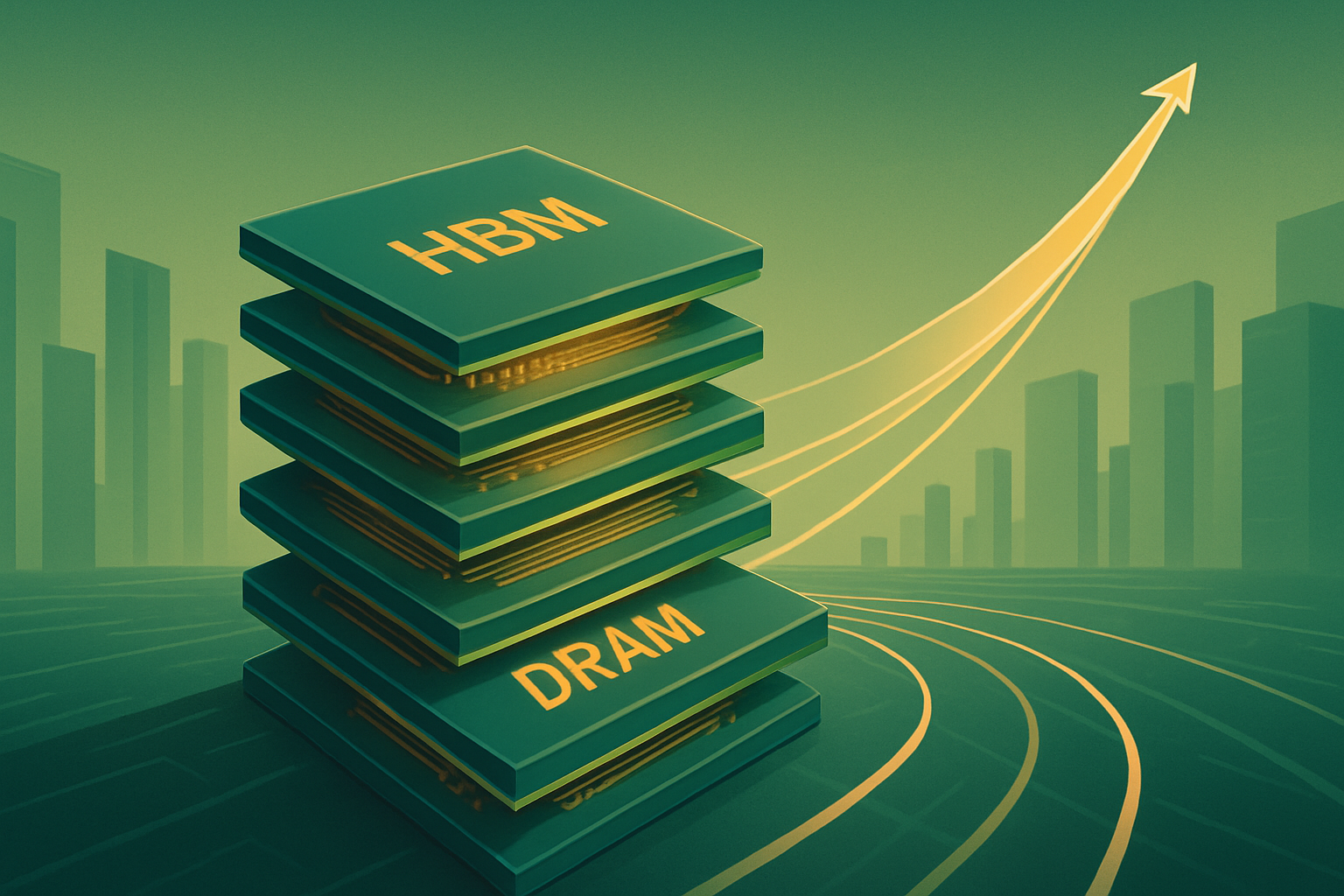
  • The AI Memory Supercycle: A Deep-Dive Research Report on Micron Technology (MU)

    The AI Memory Supercycle: A Deep-Dive Research Report on Micron Technology (MU)

    As of January 14, 2026, Micron Technology, Inc. (NASDAQ: MU) has shed its long-standing reputation as a volatile, cyclical "commodity" chipmaker to emerge as a cornerstone of the global Artificial Intelligence (AI) infrastructure. Once vulnerable to the extreme boom-and-bust cycles of the memory market, Micron is now positioned as a high-margin technology leader, essential to the massive data centers powering large language models and generative AI. With its stock trading near record highs of $340 per share, the company finds itself at the center of an "AI Memory Supercycle," where the bottleneck for global computing progress is no longer just processing power, but the memory bandwidth required to feed it.

    Historical Background

    The story of Micron begins in 1978 in an unlikely location: the basement of a dental office in Boise, Idaho. Founded by Ward Parkinson, Joe Parkinson, Dennis Wilson, and Doug Pitman, the company started as a semiconductor design consulting firm. By 1981, it had transitioned into manufacturing, opening its first fabrication plant (Fab 1).

    The company’s survival through the "memory wars" of the 1980s and 1990s—which saw dozens of American and Japanese competitors go bankrupt—was defined by a relentless focus on cost-efficiency and lean operations. A pivotal moment arrived in 2013 when Micron acquired the bankrupt Japanese manufacturer Elpida Memory for $2 billion. This acquisition was a masterstroke, doubling Micron’s capacity, securing a place in the Apple supply chain, and effectively consolidating the DRAM market into a global oligopoly shared by only three major players: Samsung, SK Hynix, and Micron.

    Business Model

    Micron operates a vertically integrated business model, designing and manufacturing its own memory and storage products. Its revenue is primarily derived from two core technologies:

    • DRAM (Dynamic Random Access Memory): Accounting for roughly 77% of total revenue as of late 2025, DRAM is the "working memory" of computers.
    • NAND Flash: Representing approximately 23% of revenue, NAND provides non-volatile storage for everything from enterprise SSDs to smartphones.

    Strategically, Micron has shifted its focus away from low-margin consumer electronics toward high-value enterprise and data center segments. In a bold move in late 2025, the company announced it would phase out its famous "Crucial" consumer brand for retail PC components to reallocate every possible wafer toward AI-grade High Bandwidth Memory (HBM).

    Stock Performance Overview

    Micron’s stock performance over the last decade illustrates its transformation from a cyclical proxy to a structural growth leader:

    • 1-Year Performance: The stock has surged approximately 247% since early 2025, fueled by massive earnings beats and the realization that HBM capacity is effectively sold out through 2026.
    • 5-Year Performance: Investors have seen a 350% return, weathering the post-pandemic supply chain glut to reach new heights in the AI era.
    • 10-Year Performance: A staggering 2,490% gain highlights the long-term value created as the memory industry consolidated and pricing power shifted back to the manufacturers.

    Financial Performance

    Micron’s fiscal year 2025 was the strongest in its history. The company reported annual revenue of $37.38 billion, a 50% increase year-over-year. More importantly, its profitability has skyrocketed; gross margins, which languished in the teens during the 2023 downturn, surged to over 50% by the fourth quarter of 2025.

    The company maintains a robust balance sheet, bolstered by record free cash flow from its data center segment, which now accounts for 56% of total sales. Despite the massive capital expenditures (CapEx) required for new fabs, Micron’s liquidity remains high, supported by government grants and disciplined inventory management.

    Leadership and Management

    Under the leadership of CEO Sanjay Mehrotra, who took the helm in 2017 after co-founding SanDisk, Micron has prioritized "ROI-driven capacity." Mehrotra’s strategy focuses on being first to market with the most advanced technology nodes rather than simply chasing market share. This "technology-first" approach allowed Micron to beat competitors to the 1-beta DRAM and 232-layer NAND milestones, granting it a temporary but lucrative pricing premium. The management team is widely respected for its supply discipline, which has helped stabilize global memory prices.

    Products, Services, and Innovations

    Micron’s crown jewel is its HBM3E (High Bandwidth Memory), and its upcoming HBM4 transition. These chips are stacked vertically to provide the massive data throughput required by Nvidia’s (NASDAQ: NVDA) Blackwell and Rubin GPUs.
    Beyond HBM, Micron’s innovations include:

    • LPDDR5X: Low-power DRAM designed for "AI PCs" and smartphones that process AI tasks locally.
    • 232-Layer NAND: Industry-leading storage density for enterprise SSDs.
    • 1-gamma (1γ) Node: The next frontier in DRAM manufacturing, utilizing Extreme Ultraviolet (EUV) lithography to squeeze even more performance out of silicon.

    Competitive Landscape

    Micron competes in a tight oligopoly. In the DRAM market, it holds approximately 25.7% of global share, trailing South Korean giants Samsung and SK Hynix. However, in the high-stakes HBM market, Micron has carved out a 20-21% niche. While SK Hynix remains the volume leader in HBM, Micron has gained favor with customers due to the superior power efficiency of its HBM3E modules, which consume 30% less power than competing versions—a critical factor for power-hungry data centers.

    Industry and Market Trends

    The "AI Supercycle" is the dominant trend. Unlike previous cycles driven by PC or smartphone demand, the AI cycle is characterized by "memory intensity." An AI server requires up to 8 times the DRAM and 3 times the NAND of a traditional server. Furthermore, the complexity of manufacturing HBM means that for every bit of HBM produced, nearly three bits of traditional DRAM capacity are sacrificed. This "capacity cannibalization" is keeping global supply tight and prices high, a trend analysts expect to persist through 2027.

    Risks and Challenges

    Despite the bullish outlook, Micron faces significant risks:

    • Execution Risk: The company is currently building multi-billion dollar "megafabs" in Idaho and New York simultaneously. Any delays in construction or equipment delivery could hinder its ability to meet demand.
    • Geopolitical Friction: While Micron has largely mitigated the 2023 Chinese ban on its products, it still faces challenges in the Chinese market, where domestic competitors like CXMT are being subsidized by the state.
    • Cyclicality: While the current cycle feels "different," the semiconductor industry remains inherently cyclical. A sudden pullback in AI spending by hyperscalers (Meta, Google, Microsoft) would leave Micron with expensive, idle capacity.

    Opportunities and Catalysts

    The primary catalyst for 2026 is the ramp-up of HBM4. Micron is working closely with TSMC (NYSE: TSM) and Nvidia to integrate its next-generation memory into future AI architectures. Additionally, the emergence of "Edge AI"—AI-capable smartphones and laptops—represents a massive secondary growth engine as consumers are forced to upgrade their devices to run next-gen software.

    Investor Sentiment and Analyst Coverage

    Wall Street sentiment is overwhelmingly positive. As of January 2026, the consensus rating is a "Strong Buy," with price targets ranging from $450 to $550. Analysts at major firms like Keybanc and Cantor Fitzgerald point to Micron's "sold-out" status for the 2026 calendar year as a de-risking factor. Institutional ownership remains high, with major hedge funds increasing their positions in late 2025 as the company’s margin profile began to resemble a software-as-a-service (SaaS) company rather than a hardware manufacturer.

    Regulatory, Policy, and Geopolitical Factors

    Micron is a flagship of the U.S. CHIPS and Science Act. The company has secured $6.1 billion in direct grants and $7.5 billion in low-interest loans to bring leading-edge memory manufacturing back to American soil. This federal support is not just financial; it is a strategic partnership that ensures Micron’s expansion is deemed a matter of national security. This provides a regulatory "moat" that non-U.S. competitors cannot easily breach in the American market.

    Conclusion

    Micron Technology has entered 2026 as a radically different company than it was even five years ago. By pivoting away from commodity markets and positioning itself as the "efficiency leader" in the AI memory space, it has unlocked a level of profitability that was once thought impossible in the memory sector.

    For investors, the key will be monitoring the company’s ability to execute its massive U.S. fab expansions and maintain its technological lead over Samsung. While the risks of cyclicality and geopolitical tension remain, Micron’s "sold-out" status and its integral role in the AI revolution make it one of the most compelling stories in the semiconductor industry today.


    This content is intended for informational purposes only and is not financial advice.

  • NVIDIA (NVDA) 2026 Deep-Dive: Analyst Sentiment and the Road to Rubin

    NVIDIA (NVDA) 2026 Deep-Dive: Analyst Sentiment and the Road to Rubin

    Date: January 14, 2026
    Sector: Technology / Semiconductors
    Company: NVIDIA Corporation (NASDAQ: NVDA)

    Introduction

    As we enter 2026, NVIDIA Corporation (NASDAQ: NVDA) stands not merely as a semiconductor manufacturer, but as the foundational architect of the "Intelligence Age." What began as a niche provider of graphics cards for PC gamers has morphed into a $4 trillion (estimated market cap) behemoth that dictates the pace of global technological evolution. Today, NVIDIA is the single most watched ticker on Wall Street, acting as a barometer for the health of the entire Artificial Intelligence (AI) ecosystem.

    With the company’s crucial Q4 Fiscal Year 2026 earnings report scheduled for late February, investor attention is laser-focused on one question: Can NVIDIA continue to exceed the gravity-defying expectations it has set for itself? As the world shifts from the "build-out" phase of AI training to the "deployment" phase of AI inference, NVIDIA’s ability to maintain its 70%+ gross margins while ramping up its next-generation Blackwell and Rubin architectures will determine the trajectory of the broader market in 2026.

    Historical Background

    Founded in 1993 by Jensen Huang, Chris Malachowsky, and Curtis Priem in a Silicon Valley Denny’s, NVIDIA’s early focus was solving the "3D graphics problem" for the gaming market. The release of the GeForce 256 in 1999—marketed as the world's first GPU—set the company on a path toward specialized parallel processing.

    The true pivot occurred in 2006 with the launch of CUDA (Compute Unified Device Architecture). By allowing researchers to use GPUs for general-purpose computing, Huang effectively "placed a bet on a market that didn't exist yet." This foresight paid off a decade later when the deep learning revolution began, as GPUs proved to be exponentially more efficient than traditional CPUs for training neural networks. Over the last three years (2023–2025), NVIDIA has undergone its most radical transformation yet, evolving from a component supplier into a provider of "AI Factories"—integrated systems of chips, networking, and software.

    Business Model

    NVIDIA’s revenue model has undergone a seismic shift in concentration. As of early 2026, the business is structured across four primary segments, with one clearly dominating the ledger:

    1. Data Center: Representing approximately 88% of total revenue, this segment includes the sale of GPU clusters (Hopper, Blackwell, and now Rubin), networking equipment (InfiniBand and Spectrum-X Ethernet), and the "NVIDIA AI Enterprise" software suite.
    2. Gaming: Once the flagship, gaming is now a high-margin legacy business providing stable cash flow through GeForce RTX GPUs for PCs and handheld consoles.
    3. Professional Visualization: Catering to architects and designers through the RTX workstation line and the Omniverse platform for digital twins.
    4. Automotive and Robotics: A high-growth frontier focusing on the "NVIDIA DRIVE" platform for autonomous vehicles and the "Isaac" platform for humanoid robotics (Physical AI).

    NVIDIA's genius lies in its "full-stack" approach. By locking developers into the CUDA software ecosystem, the company creates a moat that makes switching to rival hardware both technically difficult and prohibitively expensive.

    Stock Performance Overview

    NVIDIA’s stock performance has been nothing short of historic. Following the 10-for-1 stock split in mid-2024, the shares have continued their upward march, driven by consistent earnings beats and raises.

    • 1-Year Performance: Over the past 12 months, NVDA has surged approximately 45%, outperforming the S&P 500 significantly as the Blackwell chip ramp-up proved more lucrative than initially modeled.
    • 5-Year Performance: Investors who held through the 2022 crypto-driven downturn have seen gains exceeding 1,000%, as the "AI gold rush" replaced gaming as the primary growth driver.
    • 10-Year Performance: For long-term holders, the return is nearly 30,000%, a testament to the compounding power of a company that successfully anticipated the most significant architectural shift in computing history.

    Financial Performance

    Heading into the February earnings call, NVIDIA’s balance sheet remains one of the strongest in the corporate world.

    • Revenue Growth: Analysts are projecting FY2026 total revenue to surpass $215 billion, a staggering jump from the $60.9 billion reported just two years ago.
    • Margins: Gross margins have stabilized in the 74-76% range. While the high cost of HBM4 (High Bandwidth Memory) for the upcoming Rubin chips poses a slight headwind, NVIDIA's pricing power remains unmatched.
    • Cash Flow: The company generated over $60 billion in free cash flow (FCF) in 2025, much of which is being returned to shareholders through aggressive buybacks and used for R&D to maintain its two-year lead over competitors.
    • Valuation: Despite the price appreciation, NVDA trades at a forward P/E ratio of roughly 32x. While "expensive" by traditional standards, many analysts argue this is reasonable given the projected 40% year-over-year earnings growth.

    Leadership and Management

    CEO Jensen Huang remains the face and primary driver of NVIDIA. His signature leather jacket has become a symbol of the company's "relentless execution." Huang’s strategy of "one-year release cycles" (accelerated from the traditional two-year cycle) has kept competitors in a perpetual state of catching up.

    The management team, including CFO Colette Kress, has been lauded for its operational discipline—specifically in navigating the complex supply chain constraints involving TSMC and SK Hynix. The board of directors is highly regarded for its governance, though some critics point to "key-man risk" given how central Huang’s vision is to the company’s identity.

    Products, Services, and Innovations

    The focus for 2026 is the Rubin Architecture. Officially announced at the start of this year, Rubin (the successor to Blackwell) introduces the Vera CPU and utilizes HBM4 memory.

    • Blackwell (Current Powerhouse): The GB200 systems are currently shipping in volume, offering 30x the performance of the H100 for LLM inference workloads.
    • Networking (Spectrum-X): NVIDIA is rapidly taking market share in the Ethernet space, proving that its networking gear is just as essential as its GPUs for scaling AI clusters.
    • Software (NVIDIA AI Enterprise): This is the "hidden" revenue stream. As companies move models into production, they pay per-GPU licenses for NVIDIA’s optimized software stacks, creating a recurring, high-margin revenue tail.

    Competitive Landscape

    NVIDIA currently holds an estimated 90% share of the data center AI chip market. However, the "encirclement" strategy by rivals is intensifying:

    • Traditional Rivals: AMD (NASDAQ: AMD) has seen success with its MI325X and MI350 series, particularly with customers looking for a "second source" to avoid NVIDIA's premium pricing.
    • Cloud Service Providers (CSPs): Amazon (AWS), Google (GCP), and Microsoft (Azure) are developing their own internal silicon (Trainium, TPU, and Maia). While these are used for internal workloads, NVIDIA remains the preferred choice for the CSPs' external cloud customers.
    • AI Startups: Companies like Groq and Cerebras are targeting niche "low-latency" inference markets, though they lack NVIDIA’s massive software ecosystem.

    Industry and Market Trends

    The narrative in 2026 is shifting from Training to Inference. In 2023 and 2024, the world focused on building models (GPT-4, Llama 3). Now, the focus is on running those models for billions of users. Inference requires different power and latency profiles, and NVIDIA’s Blackwell architecture was specifically designed to dominate this transition.

    Furthermore, "Physical AI" is the new frontier. NVIDIA is positioning itself as the brain of the robotics industry, with its Thor chips powering humanoid robots and autonomous factories.

    Risks and Challenges

    No company is without risk, and NVIDIA faces several:

    • Concentration Risk: A handful of "Hyper-scalers" (Microsoft, Meta, etc.) account for nearly 50% of NVIDIA’s revenue. If these companies enter a "CapEx digestion" phase—pausing their spending to prove ROI—NVIDIA’s revenue could take a hit.
    • Supply Chain: Dependence on TSMC (Taiwan Semiconductor Manufacturing Co.) for 3nm and 2nm production remains a single point of failure.
    • Cyclicality: Historically, the semiconductor industry is highly cyclical. While AI feels different, a macro-economic recession could still dampen the pace of AI infrastructure investment.

    Opportunities and Catalysts

    The most significant near-term catalyst is the February Earnings Report, where NVIDIA will likely provide FY2027 guidance.

    • Sovereign AI: Nations like Saudi Arabia, Japan, and India are now building their own domestic AI clouds to ensure data "sovereignty." This opens a multi-billion dollar market outside of the traditional US tech giants.
    • Edge AI: The integration of AI chips into smartphones, PCs, and industrial equipment (The "Edge") represents a massive secondary market for NVIDIA's lower-power architectures.

    Investor Sentiment and Analyst Coverage

    Wall Street remains overwhelmingly "Buy" rated on NVDA. As of mid-January 2026, consensus price targets hover around $260, with "bull-case" scenarios reaching as high as $310.

    • Institutional Sentiment: Large hedge funds have largely maintained their core positions, though some have "trimmed around the edges" to manage portfolio concentration.
    • Retail Chatter: NVDA continues to be the most discussed stock on social media platforms, with retail sentiment remaining highly optimistic ahead of the Blackwell volume shipment data expected in the February report.

    Regulatory, Policy, and Geopolitical Factors

    NVIDIA is navigating a geopolitical minefield:

    1. China Export Controls: The US Department of Commerce continues to tighten restrictions on high-end AI chips. NVIDIA has successfully launched compliant "H20" variants, but domestic Chinese competitors (like Huawei) are gaining ground in that region.
    2. Antitrust Scrutiny: Both the US Department of Justice (DOJ) and the European Commission are investigating NVIDIA’s business practices, specifically focusing on whether the company "bundles" its networking hardware with its GPUs to stifle competition.
    3. China SAMR Probe: In late 2025, China's market regulator launched an investigation into NVIDIA’s past acquisitions, creating uncertainty regarding its remaining business in the world's second-largest economy.

    Conclusion

    NVIDIA enters its February earnings period at a crossroads of unprecedented success and heightened scrutiny. The company has moved beyond being a "chip maker" to become the indispensable utility of the digital age. For investors, the focus should not be on whether NVIDIA is "expensive," but on whether its pace of innovation—moving from Blackwell to Rubin—can stay ahead of the inevitable normalization of the AI build-out.

    While regulatory headwinds and "CapEx digestion" by big tech are valid concerns, the emergence of Sovereign AI and Physical AI suggests that NVIDIA’s runway remains long. Expect the February earnings call to be a defining moment for the stock, as Jensen Huang attempts to convince the world that the AI revolution is still in its early innings.


    This content is intended for informational purposes only and is not financial advice.

  • IBM Q4 2025 Preview: The Renaissance of Big Blue in the Era of Agentic AI

    IBM Q4 2025 Preview: The Renaissance of Big Blue in the Era of Agentic AI

    As of today, January 14, 2026, International Business Machines Corp. (NYSE: IBM) has officially set the stage for its upcoming fourth-quarter and full-year 2025 financial results call. This announcement comes at a pivotal moment for the technology titan, which has spent the last year solidifying its reputation as the enterprise standard for hybrid cloud and generative AI. After a record-breaking 2025 that saw the stock hit all-time highs, investors are eager to see if "Big Blue" can sustain its momentum and fulfill the lofty expectations surrounding its AI "book of business."

    IBM is no longer the hardware-heavy conglomerate of the late 20th century. Today’s announcement serves as a precursor to what analysts expect will be a demonstration of how deeply AI agents and "Infrastructure as Code" have integrated into the global corporate fabric. With the Q4 2025 earnings call scheduled for later this month, the company is under a spotlight to prove that its high-value software pivot is yielding tangible, long-term dividends.

    Historical Background

    Founded in 1911 as the Computing-Tabulating-Recording Company (CTR), IBM has survived and thrived through every major era of computing. From the mainframe dominance of the 1960s with the System/360 to the PC revolution of the 1980s, the company has a legacy of reinventing itself. However, the most critical transformation in its 115-year history began in 2019 with the $34 billion acquisition of Red Hat.

    This move signaled a departure from the "services-first" model that had defined the 2000s and 2010s. By spinning off its managed infrastructure services business into Kyndryl in 2021, IBM effectively shed its low-margin "ballast," allowing the core organization to focus on higher-growth, higher-margin opportunities in software and consulting. The 2020 appointment of Arvind Krishna as CEO further accelerated this technical shift, moving IBM from a generalist tech provider to a specialist in hybrid cloud and enterprise-grade AI.

    Business Model

    IBM’s current business model is built on three synergistic pillars: Software, Consulting, and Infrastructure.

    • Software (The Engine): This is IBM’s primary growth driver, comprising hybrid cloud platforms like Red Hat OpenShift and AI tools via the watsonx platform. Software now accounts for the lion's share of profits, with a focus on automation, security, and data management.
    • Consulting (The Bridge): IBM Consulting acts as the "boots on the ground," helping global enterprises navigate digital transformations. It provides a unique competitive advantage: by consulting for firms on their AI strategy, IBM creates a natural pipeline for its own software products.
    • Infrastructure (The Foundation): While smaller than in the past, this segment remains highly profitable. It includes the legendary Z-series mainframes and high-end storage solutions. The infrastructure business is cyclical, typically booming every few years with the release of new hardware generations.

    Stock Performance Overview

    The last decade for IBM has been a tale of two halves. From 2016 to 2020, the stock significantly underperformed the broader S&P 500 and the Nasdaq-100 as the market remained skeptical of its slow transition out of legacy services. However, the 5-year horizon tells a vastly different story.

    Since the spin-off of Kyndryl and the launch of the watsonx AI platform, IBM has become a "momentum" stock. In 2025 alone, shares gained approximately 35%, reaching a record all-time high of $324.90 in November. Over the 5-year period ending in early 2026, IBM has delivered a total return (including dividends) exceeding 130%. As of mid-January 2026, the stock is trading in the $303–$312 range, reflecting a valuation that now prizes IBM’s software growth over its historical utility-stock status.

    Financial Performance

    In the lead-up to the Q4 2025 announcement, IBM’s financial health appears robust. In its last quarterly report (Q3 2025), the company showcased a generative AI "book of business" that had swelled to $9.5 billion, nearly double what it was a year prior.

    Key Financial Metrics (estimated Q4 2025):

    • Revenue: Analysts are targeting approximately $19.2 billion for the quarter, a near 10% year-over-year increase.
    • Margins: Gross profit margins have expanded toward 60%, driven by the higher mix of software revenue.
    • Cash Flow: Free Cash Flow (FCF) for the full year 2025 is expected to exceed $13 billion, providing the dry powder needed for its aggressive M&A strategy.
    • Valuation: Trading at roughly 24x forward earnings, IBM is no longer "cheap" by historical standards, but it remains a discount compared to hyperscale rivals like Microsoft or Amazon.

    Leadership and Management

    Arvind Krishna, Chairman and CEO, has been the architect of IBM’s modern era. His strategy of "neutrality"—positioning IBM as an integrator that works across AWS, Azure, and Google Cloud—has won over enterprise clients who fear vendor lock-in.

    Under Krishna’s leadership, the management team has prioritized two things: technical excellence and capital allocation. The board has supported a "buy-and-build" strategy, acquiring over 30 companies since 2020. Key leaders like Jim Whitehurst (former Red Hat CEO and advisor) and CFO James Kavanaugh have maintained a disciplined balance sheet while shifting the culture back toward its R&D roots.

    Products, Services, and Innovations

    The jewel in IBM’s crown is watsonx, the data and AI platform designed specifically for enterprise governance and scale. Unlike consumer-facing LLMs, watsonx focuses on "agentic AI"—autonomous agents that can execute tasks like procurement, HR workflows, and code generation with high precision and transparency.

    Furthermore, IBM’s innovation pipeline is heavily weighted toward:

    • Quantum Computing: With the IBM Quantum System Two, the company is moving closer to "useful quantum advantage," aiming to solve complex chemical and financial problems that classical computers cannot.
    • Infrastructure as Code: Following the $6.4 billion acquisition of HashiCorp, IBM has integrated tools like Terraform and Vault into its automation suite, making it the dominant player in managing multi-cloud environments.
    • Mainframes: The anticipated z17 mainframe cycle, expected to begin in late 2026, remains a highly anticipated catalyst for high-margin hardware revenue.

    Competitive Landscape

    IBM occupies a unique "middle ground" in the tech ecosystem.

    • Hyperscalers: While Microsoft (NASDAQ: MSFT) and Amazon (NASDAQ: AMZN) provide the cloud plumbing, IBM’s OpenShift allows those same clients to run applications seamlessly across multiple clouds.
    • Consulting Rivals: In the consulting space, IBM competes with Accenture (NYSE: ACN) and the "Big Four." IBM’s edge here is its vertical integration—it can provide both the strategic advice and the proprietary AI software to implement it.
    • AI Specialists: In the AI realm, IBM competes with Nvidia (NASDAQ: NVDA) and specialized software firms. IBM’s strength is its focus on "open" AI and governance, catering to highly regulated industries like banking and healthcare.

    Industry and Market Trends

    The "Year of the Agent" is the defining trend for 2026. Enterprises are moving away from simple chatbots and toward autonomous AI agents that can handle end-to-end business processes. IBM’s recent acquisition of Confluent (finalized in early January 2026) positions it perfectly for this shift, as real-time data streaming is the "lifeblood" of effective AI agents.

    Additionally, the trend of "Cloud Repatriation"—where companies move some workloads back from the public cloud to private or on-premise environments for cost and security reasons—plays directly into IBM’s hybrid cloud strengths.

    Risks and Challenges

    Despite the recent successes, IBM faces several significant hurdles:

    • Consulting Headwinds: If global macroeconomic conditions soften in 2026, enterprises may pull back on discretionary consulting spend, which could dampen IBM’s overall growth.
    • Integration Risk: The recent $11 billion acquisition of Confluent is a massive undertaking. Successfully integrating this "data-in-motion" technology without losing its core talent will be critical.
    • Quantum Timeline: While IBM is a leader in quantum, the actual revenue generation from this sector remains years away. Investors must be patient, as any "quantum bubble" burst could hurt the stock’s valuation.

    Opportunities and Catalysts

    • The Confluent Synergy: As the first full year of Confluent integration, 2026 could see a significant acceleration in Software revenue as IBM cross-sells data-streaming services to its vast global client base.
    • The Mainframe Refresh: The upcoming z17 mainframe cycle is a "guaranteed" revenue booster that typically provides a 2–3 year tailwind for the Infrastructure segment.
    • AI Dividend: As the $9.5 billion AI book of business translates into recurring SaaS revenue, margins are expected to continue their upward trajectory.

    Investor Sentiment and Analyst Coverage

    Wall Street has largely turned "Bullish" on IBM over the past 12 months. Major firms like Morgan Stanley and Evercore ISI have upgraded the stock, citing its defensible AI strategy and high free cash flow. Institutional ownership remains high, with Vanguard and BlackRock maintaining significant positions. Retail sentiment has also shifted; once seen as a "widows and orphans" dividend stock, IBM is now being discussed in the same breath as "AI winners," attracting a younger demographic of growth-oriented investors.

    Regulatory, Policy, and Geopolitical Factors

    As a global player, IBM is deeply impacted by international policy:

    • AI Regulation: IBM has been a vocal proponent of "precision regulation" for AI, focusing on the use case rather than the technology itself. The EU AI Act and similar U.S. frameworks could actually benefit IBM, as its watsonx platform is built with compliance and "explainability" at its core.
    • Sovereign Cloud: Many nations are demanding "sovereignty" over their data. IBM’s hybrid cloud approach allows it to build local, secure clouds for governments, a major growth opportunity in Europe and the Middle East.

    Conclusion

    As IBM prepares for its Q4 2025 results call, the company stands at its most confident position in over two decades. The "Blue Reset" orchestrated by Arvind Krishna has successfully transitioned the firm from a legacy hardware player to a leading-edge AI and hybrid cloud powerhouse.

    Investors should watch the Q4 call for three things: the conversion rate of the AI "book of business" into revenue, the initial guidance for the Confluent integration, and any updates on the z17 mainframe timeline. While the stock's valuation is no longer a bargain, the fundamental growth profile of the company suggests that IBM is well-positioned to remain a cornerstone of the enterprise technology landscape for the foreseeable future.


    This content is intended for informational purposes only and is not financial advice. Today's date: 1/14/2026.

  • Citigroup (NYSE: C) Q4 2025 Earnings Research Deep-Dive

    Citigroup (NYSE: C) Q4 2025 Earnings Research Deep-Dive

    Date: January 14, 2026
    By: Financial Research Analyst

    Introduction

    For over a decade, Citigroup Inc. (NYSE: C) was the "unfixable" giant of Wall Street—a sprawling, complex institution that seemed perpetually stuck in a cycle of restructuring and regulatory remediation. However, as the bank reported its fourth-quarter and full-year 2025 earnings today, January 14, 2026, the narrative has fundamentally shifted. Under the leadership of CEO Jane Fraser, the bank has emerged from its radical "Project Bora Bora" reorganization with a leaner structure, improved profitability, and a stock price that was the standout performer among the "Big Four" in 2025. Today’s results offer a critical look at whether the "New Citi" can finally sustain a valuation that rivals its peers.

    Historical Background

    Citigroup’s history is a saga of aggressive expansion and subsequent contraction. Formed by the $140 billion merger of Citicorp and Travelers Group in 1998—a deal that effectively forced the repeal of the Glass-Steagall Act—the firm was designed to be a "financial supermarket." However, this complexity became its Achilles' heel during the 2008 financial crisis, necessitating a $45 billion government bailout.

    The subsequent decade was marked by "Citi Holdings," a "bad bank" unit designed to shed non-core assets. While the bank stabilized under previous CEOs, it remained plagued by aging infrastructure and a lack of focus. It wasn't until Jane Fraser took the helm in 2021 that a "Strategy Refresh" truly took hold, focusing on exiting 14 international consumer markets and simplifying the bank’s core into five interconnected businesses.

    Business Model

    Today, Citigroup operates as a simplified global powerhouse focused on five core segments:

    1. Services: The "crown jewel," comprising Treasury and Trade Solutions (TTS) and Securities Services. It facilitates over $4 trillion in daily flows for multinational corporations.
    2. Markets: Fixed income and equity trading, where Citi maintains a top-three global position in FICC (Fixed Income, Currencies, and Commodities).
    3. Banking: Investment banking and corporate lending, providing the bridge between capital markets and global corporations.
    4. U.S. Personal Banking: Including a massive credit card franchise (Branded Cards and Retail Services) and a growing digital-first retail bank.
    5. Wealth: Focused on high-net-worth and ultra-high-net-worth clients, integrated with the investment bank to provide a full suite of services.

    Stock Performance Overview

    Citigroup’s stock performance has undergone a dramatic transformation:

    • 1-Year Performance: In 2025, Citi was the top performer among major U.S. banks, rising approximately 68%. This rally was driven by the successful execution of its job-cut program and a significant re-rating of its Price-to-Tangible Book Value (P/TBV).
    • 5-Year Performance: After years of trading at a steep discount (often below 0.5x P/TBV), the stock has finally returned to a level above 1.25x P/TBV, reflecting restored investor confidence in management's 11% RoTCE target.
    • 10-Year Performance: Despite the recent rally, the 10-year view remains a reminder of the long "lost decade," as the stock only recently surpassed its pre-2021 peaks, still trailing the S&P 500's total return over the same period.

    Financial Performance

    The Q4 2025 results reported this morning show a bank that is hitting its stride:

    • Earnings Per Share (EPS): Adjusted EPS came in at $1.81, beating the $1.71 consensus.
    • Revenue: Total revenue was $19.9 billion, a slight miss against expectations of $20.5 billion, largely due to the final accounting impacts of the Russia exit and lower non-interest income from legacy portfolios.
    • Return on Tangible Common Equity (RoTCE): The bank reached 9.7% (adjusted) for the full year 2025, a massive leap from the 6.4% seen in early 2024.
    • Efficiency Ratio: Improved to 61.4%, down from near 70% two years ago, as the bank eliminated 20,000 roles and 5 management layers.
    • Capital Returns: Citi maintained a CET1 ratio of 13.5%, supporting $12 billion in total capital returns (dividends and buybacks) through 2025.

    Leadership and Management

    CEO Jane Fraser has earned the respect of the street for her "no-nonsense" execution. Alongside CFO Mark Mason, the duo has prioritized transparency, providing granular "checkpoints" for the "Bora Bora" reorganization. The management team was further streamlined in late 2025, with heads of the five businesses reporting directly to Fraser, removing the "Regional" heads that previously added layers of bureaucracy. This direct-line governance is intended to accelerate decision-making and accountability.

    Products, Services, and Innovations

    Citi is leaning heavily into digital transformation to bridge its legacy gaps:

    • Citi Token Services: Using blockchain technology to provide 24/7 programmable cross-border payments for institutional clients.
    • AI Integration: The bank has deployed generative AI to assist in its regulatory "remediation" efforts—specifically in automating the massive data governance requirements mandated by the Federal Reserve and OCC.
    • Wealth at Work: A successful initiative to capture the wealth management needs of professionals at the law firms and corporations the bank already serves through its institutional side.

    Competitive Landscape

    Citi remains the most global of the U.S. banks, but it faces fierce domestic competition:

    • JPMorgan Chase (NYSE: JPM): The "Gold Standard" with an RoTCE often exceeding 17%. Citi cannot yet match JPM's scale in U.S. consumer deposits.
    • Bank of America (NYSE: BAC): A leader in technology and domestic retail; Citi competes primarily on the institutional services side.
    • Wells Fargo (NYSE: WFC): After the Fed lifted its asset cap in mid-2025, Wells Fargo has become a more aggressive competitor in middle-market corporate lending, a space Citi is also eyeing for growth.

    Industry and Market Trends

    The banking sector in early 2026 is navigating a transition from a "higher-for-longer" interest rate environment to a moderate easing cycle. For Citi, this means Net Interest Income (NII) may face pressure, but a pick-up in Investment Banking (IB) fees—as M&A and IPO activity accelerate—is expected to offset the decline. Additionally, the "deglobalization" trend has actually benefited Citi’s Services division, as multinational corporations require more complex cash management and supply chain financing across a fragmented global landscape.

    Risks and Challenges

    • Regulatory Consent Orders: The 2020 consent orders from the Fed and OCC regarding data governance and risk management remain active. While minor relief was granted in late 2025, the multi-year "transformation" spend continues to weigh on the bottom line.
    • Banamex IPO Risk: The IPO of Citi’s Mexican retail unit (Banamex) has been delayed to late 2026. Any further delays or a low valuation in the IPO would hinder the bank’s capital return plans.
    • Macro Sensitivity: As a global bank, Citi is highly sensitive to geopolitical flare-ups and emerging market volatility, which can lead to unpredictable credit losses.

    Opportunities and Catalysts

    • The 11% RoTCE Target: Management has reaffirmed its goal of 11% RoTCE by the end of 2026. Reaching this milestone would likely trigger a further re-rating of the stock toward 1.5x P/TBV.
    • Operating Leverage: With the bulk of restructuring costs (severance, consulting fees) now behind them, any incremental revenue growth in 2026 should flow directly to the bottom line.
    • Services Growth: As the global leader in treasury services, Citi is uniquely positioned to benefit from the digitalization of global trade.

    Investor Sentiment and Analyst Coverage

    Sentiment on Citigroup has turned decidedly bullish. Institutional ownership increased throughout 2025 as value investors like Warren Buffett’s Berkshire Hathaway (NYSE: BRK.B) (which previously held a stake) and other large hedge funds signaled approval of the "Bora Bora" progress. Analysts currently hold a "Moderate Buy" consensus, with several price targets suggesting another 15-20% upside if the 2026 targets are met.

    Regulatory, Policy, and Geopolitical Factors

    The "Basel III Endgame" capital requirements remain a headwind for the entire industry, though Citi’s high CET1 ratio provides a buffer. Geopolitically, the bank’s pivot toward "low-risk" markets and the exit of its Russian and Chinese consumer businesses have reduced its exposure to sudden sanctions or local economic collapses. However, the U.S. regulatory "thaw" expected in 2026 will be the most critical factor for Citi's ability to ramp up share buybacks.

    Conclusion

    Citigroup is no longer the laggard of the banking world. The Q4 2025 results confirm that Jane Fraser’s "Bora Bora" strategy has successfully dismantled the "financial supermarket" model in favor of a focused, institutional-led powerhouse. While regulatory hurdles remain and the Banamex IPO is still a looming variable, the bank’s trajectory toward its 11% RoTCE target appears credible. For investors, the "New Citi" offers a rare combination of a value play with a clear growth catalyst: the elimination of complexity.


    This content is intended for informational purposes only and is not financial advice.