
Tag: AI Infrastructure

  • The Storage Supercycle: A Deep Dive into the New Western Digital (WDC)

    The Storage Supercycle: A Deep Dive into the New Western Digital (WDC)

    As of April 2, 2026, the global technology landscape is undergoing a structural shift driven by the "Generative AI Storage Supercycle." At the heart of this transformation is Western Digital Corporation (NASDAQ: WDC), a company that has recently completed a radical corporate metamorphosis. No longer the hybrid storage conglomerate of the past decade, the "New Western Digital" has emerged from its early 2025 spin-off of its Flash business as a lean, high-margin, pure-play titan of the Hard Disk Drive (HDD) industry.

    With the world's data centers expanding at an unprecedented rate to support Large Language Model (LLM) training and inference, Western Digital has transitioned from a cyclical hardware provider to a critical infrastructure utility. This deep-dive feature examines how WDC navigated its historic separation, its current dominance in high-capacity cloud storage, and whether its recent stock price "re-rating" marks the beginning of a multi-year bull run or a peak in a notoriously volatile sector.

    Historical Background

    Founded in 1970 by Alvin B. Phillips as a specialty semiconductor manufacturer, Western Digital’s history is a case study in survival and adaptation. In the 1980s, the company transitioned into disk drive controllers before acquiring the assets of Tandon in 1988, which propelled it into the hard drive market. For decades, WDC and its chief rival, Seagate Technology (NASDAQ: STX), engaged in a relentless "storage war," characterized by price erosion and rapid capacity advancements.

    The modern era of WDC began with its 2016 acquisition of SanDisk for $19 billion—a move designed to bridge the gap between traditional spinning disks and the rising popularity of NAND Flash (SSDs). However, for years, investors complained that the company’s dual-track business model created "conglomerate discount," where the volatility of the Flash market dragged down the valuation of the stable, high-margin HDD business. This culminated in the October 2023 announcement of a formal split, a process that concluded on February 21, 2025, leaving the HDD business under the legacy WDC ticker and the Flash business as the independent SanDisk Corporation (NASDAQ: SNDK).

    Business Model

    Following the 2025 split, Western Digital’s revenue model has become highly concentrated and strategically focused. It currently operates through three primary channels, though the distribution has shifted heavily toward the enterprise.

    1. Cloud (Data Center): This segment now accounts for approximately 90% of total revenue. WDC designs and manufactures high-capacity "Nearline" drives (currently scaling from 24TB to 32TB+) used by hyperscalers like Amazon, Google, and Microsoft.
    2. Client: Representing roughly 5% of revenue, this segment provides HDDs for high-end workstations, gaming consoles, and specific PC architectures where mass local storage is required.
    3. Consumer: The remaining 5% consists of retail external hard drives (WD My Book, WD Elements) sold to individuals for backup and archive purposes.

    WDC’s core business model is built on "Capacity-as-a-Service." In the 2026 fiscal environment, WDC no longer sells units based on inventory gluts; instead, it operates under multi-year Long-Term Agreements (LTAs) that provide predictable pricing and volume, effectively shielding the company from the historical boom-and-bust cycles of the PC market.

    Stock Performance Overview

    The last decade for WDC was marked by stagnation followed by a violent, upward re-rating.

    • 10-Year Horizon (2016–2026): For much of this period, WDC traded in a wide, frustrating range between $35 and $100. The weight of its Flash division and high debt levels kept its price-to-earnings (P/E) multiple in the single digits.
    • The 2025 Breakout: Following the successful spin-off of SanDisk, the market began valuing WDC as a "pure-play AI infrastructure" stock. From March 2025 to mid-March 2026, the stock price surged over 550%, hitting an all-time high of $319.62.
    • Recent Correction: In late March 2026, the stock entered a healthy correction, dropping roughly 15% to its current level of ~$272. This was sparked by investor profit-taking and a tech-wide rotation following rumors of improved software-based data compression that could theoretically slow storage demand—fears that analysts have largely dismissed as premature.

    Financial Performance

    Western Digital’s recent earnings reports reflect a company operating at peak efficiency.

    • Revenue Growth: In Fiscal Year 2025 (ended June 2025), the company reported $9.52 billion in revenue, representing a massive 51% YoY jump for its HDD operations.
    • Margins: In Q2 2026, WDC reported a non-GAAP gross margin of 46.1%, a record high for the company. This margin expansion is attributed to the phase-out of lower-margin retail products and the high demand for its proprietary UltraSMR (Shingled Magnetic Recording) technology.
    • Debt and Cash Flow: Using proceeds from the liquidation of its remaining 19.9% stake in SanDisk in February 2026, WDC has aggressively deleveraged. It currently holds a net cash position for the first time in a decade, fueling rumors of a reinstated dividend or a significant share buyback program in late 2026.

    Leadership and Management

    The leadership transition following the split has been a key driver of investor confidence.

    • David Goeckeler (Former CEO): Credited with the strategic vision for the split, Goeckeler transitioned to the board of SanDisk (SNDK) and became Chair of the Semiconductor Industry Association in 2025.
    • Irving Tan (Current CEO): Tan, formerly the EVP of Global Operations, took the helm in early 2025. He has been praised by Wall Street for his "supply discipline." Unlike previous regimes that prioritized market share at any cost, Tan has focused on "margin over units," refusing to expand factory capacity without pre-signed contracts from hyperscalers.
    • Corporate Strategy: The management team has successfully repositioned WDC as a reliable partner to the "Magnificent Seven" tech firms, emphasizing long-term roadmap reliability over transactional sales.

    Products, Services, and Innovations

    WDC’s competitive edge in 2026 lies in its dual-architecture technology roadmap.

    • ePMR and UltraSMR: While the industry debated the transition to Heat-Assisted Magnetic Recording (HAMR), WDC mastered Energy-Assisted Magnetic Recording (ePMR). Its current 32TB UltraSMR drives offer the highest storage density at the lowest power consumption per terabyte—a critical metric for green data centers.
    • The 40TB Milestone: In early 2026, WDC began shipping samples of its 40TB HAMR-enabled drives. By combining its existing ePMR expertise with HAMR technology, WDC aims to scale to 100TB drives by 2029.
    • OptiNAND: WDC's vertical integration (embedding small amounts of Flash directly onto the HDD controller) allows for faster metadata processing, giving its drives a performance advantage in AI inference logs.

    Competitive Landscape

    The HDD market is an effective duopoly between Western Digital and Seagate (STX), with Toshiba remaining a distant third player (approx. 14% market share).

    • WDC vs. Seagate: Seagate was the first to market with HAMR technology (Mozaic 3+), but WDC has captured a slight lead in market share (currently 42.3% of unit shipments) by offering a more energy-efficient and stable alternative in the 28TB–32TB range.
    • The Flash Threat: A perennial question is whether SSDs will replace HDDs. However, in 2026, HDDs remain 8x to 12x cheaper per terabyte for mass storage. For the "cold data" that AI models use for long-term training, HDDs remain the only economically viable solution.

    Industry and Market Trends

    The "Storage Supercycle" of 2026 is driven by three main factors:

    1. AI Inference Logging: Every time a user interacts with an AI model, that data is logged for further training. This "feedback loop" is creating an exponential increase in data volume.
    2. Data Sovereignty: Nations are building their own localized AI clouds to keep data within borders, necessitating a massive global build-out of new data centers.
    3. Supply Constraint: After the 2023 storage downturn, both WDC and Seagate shuttered older factories. The current market is physically incapable of oversupplying the demand, leading to a "sold out" status for WDC's high-capacity lines through the end of 2026.

    Risks and Challenges

    Despite the bullish sentiment, WDC faces significant headwinds:

    • Concentration Risk: With 90% of revenue coming from cloud hyperscalers, WDC is highly sensitive to the capital expenditure (CapEx) budgets of 5 or 6 major companies. A slowdown in AI spending by Microsoft or Amazon would be devastating.
    • Execution Risk: The transition to HAMR is technically difficult. Any yield issues or reliability failures in the new 40TB drives could allow Seagate to reclaim the lead.
    • Software Disruption: As evidenced by the recent March correction, breakthroughs in data compression algorithms could theoretically reduce the physical hardware needed to store the same amount of information.

    Opportunities and Catalysts

    • The Dividend Catalyst: Analysts expect WDC to announce its first dividend since 2020 in the second half of 2026, which would attract a new class of institutional income investors.
    • Sovereign AI Clouds: Emerging markets in the Middle East and Southeast Asia are beginning massive storage procurement cycles to build domestic AI capabilities, representing a massive untapped growth lever.
    • M&A Potential: While WDC just split, its strong cash position makes it a candidate for acquiring specialized controller or firmware startups to further enhance its hardware-software integration.

    Investor Sentiment and Analyst Coverage

    Sentiment on WDC is currently "Polarized but Bullish."

    • Wall Street: Out of 28 major analysts covering the stock, 22 maintain a "Buy" or "Strong Buy" rating. The average price target sits at $345.
    • Institutional Moves: Several large-cap value funds have rotated into WDC over the past six months, viewing it as a safer "picks and shovels" play for AI compared to high-flying chip designers like NVIDIA (NASDAQ: NVDA).
    • Retail Chatter: On retail forums, WDC is often discussed as a "undervalued infrastructure play," with many comparing its current trajectory to the 2023-2024 run of power utility companies.

    Regulatory, Policy, and Geopolitical Factors

    Geopolitics remains the "wild card" for Western Digital.

    • China Exposure: WDC maintains significant assembly operations in China. Although trade tensions have stabilized somewhat in early 2026, any new export controls on storage technology could disrupt its supply chain.
    • The CHIPS Act 2.0: WDC is a primary beneficiary of the second wave of the U.S. CHIPS Act, which provided incentives for "essential storage components" to be manufactured domestically, helping the company offset the costs of its new automated facility in Oregon.
    • Sustainability Mandates: New EU and California regulations regarding data center power efficiency are favoring WDC’s UltraSMR drives, which consume significantly less power per gigabyte than competing technologies.

    Conclusion

    Western Digital has successfully navigated a decade of transformation, emerging in 2026 as a pure-play pillar of the AI era. By shedding its volatile Flash business and focusing on the high-capacity HDD needs of global hyperscalers, the company has fundamentally changed its financial profile from a commodity seller to a high-margin infrastructure provider.

    While the stock’s recent 500%+ run suggests that much of the optimism is "priced in," the reality of a "sold out" 2026 and the impending move toward 40TB+ drives provides a solid fundamental floor. For investors, the "New WDC" represents a high-conviction play on the physical expansion of the digital world. However, the path forward will require flawless execution on the HAMR roadmap and a keen eye on the CapEx spending patterns of the world’s largest tech companies.


    This content is intended for informational purposes only and is not financial advice.

  • The Power Bridge: A Deep Dive into Bloom Energy (NYSE: BE) in the AI Era

    The Power Bridge: A Deep Dive into Bloom Energy (NYSE: BE) in the AI Era

    Today, April 1, 2026, the global energy conversation has shifted from "if" we can decarbonize to "how fast" we can power the next industrial revolution. At the heart of this transition stands Bloom Energy (NYSE: BE), a company that spent two decades as a clean-tech curiosity before finding its stride as the indispensable "power bridge" for the artificial intelligence (AI) era. As the electrical grid groans under the weight of massive data center clusters and the intermittent nature of renewables, Bloom’s solid-oxide technology has moved from the periphery to the center of the world's most critical infrastructure.

    Historical Background

    Bloom Energy’s story began not in a Silicon Valley garage, but in the laboratory of NASA’s Ames Research Center. Founder and CEO Dr. K.R. Sridhar was originally tasked with developing technology to sustain life on Mars—creating oxygen for breathing and hydrogen for fuel. When the Mars mission was scaled back, Sridhar realized his "reverse electrolysis" process could solve Earth’s energy challenges.

    Founded in 2001 as Ion America and rebranded as Bloom Energy in 2006, the company emerged from stealth mode in 2010 with high-profile backing from Kleiner Perkins. For years, the "Bloom Box" was a status symbol for early corporate adopters like Google and eBay. However, the path was not always smooth. The company faced a decade of skepticism regarding its path to profitability and the cost-competitiveness of its fuel cells compared to cheap grid power. It was only during the mid-2020s that the convergence of hydrogen subsidies and the AI power crunch finally vindicated the company’s long-term vision.

    Business Model

    Bloom Energy operates an integrated energy business model focused on "behind-the-meter" power generation. Its primary revenue comes from the sale and installation of its Energy Servers—solid oxide fuel cell (SOFC) systems that convert fuel into electricity without combustion.

    The company utilizes a diversified revenue stream:

    • Product Sales: Large-scale hardware sales to utilities, data centers, and industrial manufacturers.
    • Services: Long-term operation and maintenance (O&M) contracts that provide recurring revenue over 10-to-20-year lifespans.
    • Electricity as a Service (EaaS): Financing models where customers pay for the power generated rather than the equipment itself, lowering the barrier to entry.
    • Electrolyzer Segment: A rapidly growing business line selling high-efficiency hydrogen production units to heavy industries like steel and chemicals.

    Stock Performance Overview

    The journey for Bloom Energy shareholders has been a masterclass in volatility. Looking back over the last decade, the stock spent much of its early public life (post-2018 IPO) oscillating between $10 and $30 as investors weighed its high growth against persistent losses.

    However, the 5-year view from 2021 to 2026 tells a story of transformation. After a significant downturn in 2023 caused by rising interest rates, the stock began a sustained rally in late 2024. This move was triggered by a series of massive contract wins in the data center sector and the first signals of GAAP profitability. Over the 1-year horizon leading into April 2026, the stock has outperformed the broader clean-energy indices by nearly 40%, as markets began valuing it more like an AI infrastructure play than a speculative green-tech firm.

    Financial Performance

    Fiscal years 2024 and 2025 marked a historic inflection point for Bloom. In 2024, the company hit record revenues of $1.65 billion. By the end of 2025, Bloom officially silenced its critics by reporting its first full year of positive GAAP net income, with revenues surpassing the $2.1 billion mark.

    Key financial metrics as of early 2026 include:

    • Gross Margins: These have expanded to approximately 32%, up from the low 20s in earlier years, thanks to manufacturing automation at the Fremont and Newark facilities.
    • Backlog: Bloom enters Q2 2026 with a record $14.5 billion backlog, providing high visibility into future revenue.
    • Balance Sheet: While the company maintains a manageable level of debt, its cash position has stabilized, allowing it to self-fund most of its current R&D without further equity dilution.

    Leadership and Management

    Dr. K.R. Sridhar remains the visionary force as CEO, maintaining a reputation for technical brilliance and long-term strategic patience. Under his leadership, the management team was strengthened in 2024 and 2025 with the addition of veterans from the semiconductor and utility sectors, reflecting the company’s shift toward serving high-tech infrastructure. Governance has also improved; once criticized for a "growth-at-all-costs" mentality, the board now emphasizes disciplined capital allocation and margin expansion, which has been well-received by institutional investors.

    Products, Services, and Innovations

    Bloom’s technological "moat" lies in its Solid Oxide Fuel Cell (SOFC) and Electrolyzer (SOEC) platforms.

    • Series 10 Energy Server: The current flagship product offers unmatched fuel flexibility, capable of running on natural gas, biogas, or 100% hydrogen. This "future-proofs" the hardware for customers who want to use gas today but transition to zero-carbon hydrogen tomorrow.
    • The Electrolyzer Breakthrough: Bloom’s SOEC is a market leader in efficiency. Because it operates at high temperatures, it requires significantly less electricity to produce hydrogen than the PEM (Proton Exchange Membrane) electrolyzers used by many competitors, especially when integrated with industrial waste heat.
    • Microgrids: Bloom has perfected the "Island Mode" configuration, allowing data centers to disconnect from the grid entirely during outages or peak demand, ensuring "six nines" (99.9999%) reliability.

    Competitive Landscape

    Bloom competes in a crowded but increasingly segmented landscape.

    • Plug Power (NASDAQ: PLUG): While Plug dominates the mobile fuel cell market (forklifts and logistics), Bloom has largely won the battle for stationary, large-scale power.
    • Cummins (NYSE: CMI): Through its Accelera brand, Cummins is a formidable industrial rival. However, Bloom’s 20-year lead in SOFC technology provides an efficiency advantage in high-temperature applications.
    • Traditional Utilities: Paradoxically, the aging electrical grid is Bloom’s biggest "competitor" and its greatest lead generator. As utilities struggle to upgrade aging wires, Bloom’s onsite power becomes the only viable solution for companies that cannot wait five years for a grid connection.

    Industry and Market Trends

    Three macro trends are currently favoring Bloom Energy:

    1. The AI Power Gap: The explosion of generative AI has created an insatiable demand for 24/7 "baseload" power that wind and solar alone cannot meet.
    2. Grid Fragility: Climate-driven weather events and aging infrastructure have made onsite "microgrids" a necessity rather than a luxury for mission-critical industries.
    3. Decarbonization Mandates: Global corporations are under intense pressure to meet 2030 Net Zero goals, driving demand for hydrogen-ready power solutions.

    Risks and Challenges

    Despite its recent successes, Bloom is not without risk.

    • Fuel Price Volatility: While the servers are efficient, they currently run primarily on natural gas. A spike in gas prices can squeeze the operational economics for customers.
    • Regulatory Sensitivity: Much of the recent hydrogen momentum is tied to the Inflation Reduction Act (IRA). Any political shift that threatens these tax credits could slow adoption.
    • Technology Execution: Scaling the electrolyzer business requires a flawless manufacturing ramp-up. Any delays in stack replacements or reliability issues could damage the brand’s reputation.

    Opportunities and Catalysts

    The primary catalyst for 2026 is the expansion into the maritime and international utility markets. Bloom’s recent partnership with South Korean industrial giants continues to yield massive orders, and the shipping industry is beginning to eye Bloom’s SOFCs as a way to replace dirty bunker fuel. Near-term, the market is watching for an announcement of a major "Hydrogen Hub" project where Bloom would serve as the primary technology provider, which could further validate its electrolyzer efficiency at scale.

    Investor Sentiment and Analyst Coverage

    As of April 2026, Wall Street has largely re-rated Bloom Energy. Previously viewed as a volatile "momentum stock," it is now increasingly covered by industrial and AI-infrastructure analysts. Approximately 75% of analysts currently hold a "Buy" or "Outperform" rating. Institutional ownership has surged, with major funds seeing Bloom as a "picks and shovels" play for the AI revolution. Retail sentiment remains cautiously optimistic, though tempered by memories of the sector’s previous boom-and-bust cycles.

    Regulatory, Policy, and Geopolitical Factors

    The Inflation Reduction Act (IRA) remains the most significant tailwind. Specifically, Section 45V (the Hydrogen Production Tax Credit) and Section 48 (the Investment Tax Credit) have effectively subsidized the transition to hydrogen, making Bloom’s technology commercially viable years earlier than projected. Geopolitically, as Europe and Asia seek to reduce reliance on imported fossil fuels, Bloom’s "fuel agnostic" servers offer a strategic path toward energy independence.

    Conclusion

    Bloom Energy (NYSE: BE) has successfully navigated the "Valley of Death" that claims so many clean-tech pioneers. By April 2026, the company has transformed itself into a profitable, high-growth engine of the modern economy. While challenges regarding fuel costs and policy shifts remain, the fundamental imbalance between AI-driven power demand and a failing electrical grid has created a "perfect storm" for Bloom’s onsite energy solutions. Investors should watch for continued margin expansion and the successful scaling of the hydrogen electrolyzer segment as the next markers of long-term value creation.


    This content is intended for informational purposes only and is not financial advice.

  • Corning Inc. (GLW): From Edison’s Lightbulb to the Backbone of AI Connectivity

    Corning Inc. (GLW): From Edison’s Lightbulb to the Backbone of AI Connectivity

    As of March 31, 2026, the global technology landscape is undergoing a tectonic shift, driven by the insatiable data demands of Generative Artificial Intelligence (GenAI). At the epicenter of this physical infrastructure build-out sits a 175-year-old glassmaker: Corning Inc. (NYSE: GLW). Once viewed by Wall Street as a steady but cyclical industrial player tethered to the smartphone and television markets, Corning has effectively rebranded itself as the ultimate "picks and shovels" play for the AI era. By providing the high-density optical connectivity required to link tens of thousands of GPUs into a single cohesive "brain," Corning has transitioned from a component supplier to a strategic partner for hyperscalers like Meta and NVIDIA. This article explores how a company that once made the glass for Thomas Edison’s lightbulb became the literal backbone of the synthetic intelligence revolution.

    Historical Background

    Corning’s history is a masterclass in industrial evolution. Founded in 1851, the company moved to Corning, New York, in 1868. Its first major breakthrough came in 1879 when it developed the thin-glass bulb for Thomas Edison’s incandescent lamp. By the early 20th century, Corning had established one of the first industrial research labs in the United States, leading to the creation of Pyrex in 1915—a temperature-resistant glass that revolutionized both laboratory science and home kitchens.

    The most pivotal moment in modern telecommunications occurred in 1970, when Corning scientists Robert Maurer, Donald Keck, and Peter Schultz invented the first low-loss optical fiber. This invention replaced bulky, signal-poor copper wires with strands of glass capable of carrying massive amounts of data at the speed of light. Over the subsequent decades, Corning survived the dot-com bubble’s fiber glut, pivoted to dominate the LCD glass market in the 2000s, and introduced Gorilla Glass in 2007, which became the standard for the burgeoning smartphone industry.

    Business Model

    Corning operates through five primary segments, each leveraging the company's core expertise in glass science, optical physics, and precision manufacturing:

    1. Optical Communications: The largest and fastest-growing segment, providing fiber, cable, and connectivity solutions for carriers and data center operators.
    2. Display Technologies: Produces glass substrates for liquid crystal displays (LCDs) and organic light-emitting diodes (OLEDs) used in televisions, monitors, and laptops.
    3. Specialty Materials: Develops chemically strengthened glass (Gorilla Glass) and advanced optics for the semiconductor industry, including materials for Extreme Ultraviolet (EUV) lithography.
    4. Environmental Technologies: Manufactures ceramic substrates and filters for automotive emissions control in both internal combustion and hybrid vehicles.
    5. Life Sciences: Produces laboratory products and high-performance pharmaceutical packaging like Valor Glass, which enhances the speed and safety of drug manufacturing.

    The company’s "Market-Access Platforms" (MAPs) strategy allows it to apply innovations from one segment across others, maximizing the return on its heavy R&D investments.

    Stock Performance Overview

    As of March 31, 2026, GLW has delivered exceptional returns for long-term shareholders:

    • 1-Year Performance: The stock has surged approximately 185% over the past year, rising from roughly $48 to its current price of $136.00. This parabolic move was catalyzed by the realization of the massive fiber requirements of AI data centers.
    • 5-Year Performance: Looking back to March 2021, when the stock traded near $43, investors have seen a gain of roughly 215%, significantly outperforming the S&P 500.
    • 10-Year Performance: Since early 2016, when GLW was priced at approximately $20, the stock has returned over 580% when accounting for dividends, reflecting its successful transition from a commodity glass maker to a high-tech infrastructure provider.

    Financial Performance

    Corning’s financial health in early 2026 is at an all-time high, largely due to the success of its "Springboard" plan.

    • Revenue: For the full year 2025, Corning reported revenue of $16.41 billion, a 13% increase year-over-year.
    • Margins: The company hit its goal of 20% core operating margins in late 2025, a full year ahead of schedule. This margin expansion was driven by high-value connectivity products and stabilized pricing in the Display segment.
    • Earnings: Core EPS for 2025 reached a record $2.52, up 29% from 2024.
    • Cash Flow: Operating cash flow remains robust at $3.2 billion, allowing the company to maintain its dividend and fund a newly expanded $11 billion "Springboard 2028" growth initiative.

    Leadership and Management

    Wendell P. Weeks has served as CEO since 2005 and Chairman since 2006. Weeks is widely respected for his long-term vision and commitment to R&D even during cyclical downturns. His "More Corning" strategy—aimed at increasing the value of Corning content in every end-market—has been the driving force behind the company’s recent success.

    In mid-2025, the company appointed Avery Nelson III as Chief Operating Officer, a move seen by analysts as part of a structured succession plan. The leadership team’s reputation for disciplined capital allocation and operational excellence has earned high marks from institutional investors, particularly as they navigated the post-pandemic supply chain crisis and the subsequent AI boom.

    Products, Services, and Innovations

    Innovation is the lifeblood of Corning. Recent breakthroughs include:

    • Lumina™ High-Density Fiber: Optimized for AI clusters, this fiber allows for 4x the density of traditional cabling, solving the "space crunch" in modern data centers.
    • Extreme ULE Glass: This zero-expansion glass is critical for the mirrors in ASML’s high-NA EUV lithography machines, making Corning an indispensable part of the 2nm and 1.8nm chip manufacturing processes.
    • Gorilla Glass Matte Pro: Introduced at CES 2026, this technology provides world-class scratch resistance while virtually eliminating glare for the high-end "AI PC" market.
    • Valor Glass: Used by top pharmaceutical firms, this glass prevents flakes from forming in vaccine vials, a critical safety innovation for biologics.

    Competitive Landscape

    While Corning is a leader, it faces stiff competition across its segments:

    • Optical: Prysmian Group (BIT: PRY) and CommScope Holding Company, Inc. (NASDAQ: COMM) compete for global fiber market share. However, Corning’s vertical integration—from making the glass to the final connector—gives it a cost and performance edge in high-density applications.
    • Display: BOE Technology Group and other Chinese glassmakers have expanded capacity. Corning maintains dominance through its "Display Dynamics" pricing model and superior glass quality for ultra-large panels.
    • Specialty Materials: Schott AG is a key rival in the semiconductor and medical glass space, though Corning's scale and R&D budget often allow it to bring products to market faster.

    Industry and Market Trends

    Three macro trends are currently favoring Corning:

    1. The AI Infrastructure Build-out: Traditional cloud servers require modest fiber connectivity; GenAI clusters require roughly 10 times more fiber to connect thousands of H100 and B200 GPUs.
    2. Broadband Equity: The U.S. government’s BEAD program is deploying $42.5 billion to bring high-speed internet to rural areas, directly benefiting Corning’s domestic manufacturing plants.
    3. Semiconductor Sovereignty: As nations race to build domestic chip foundries (CHIPS Act), demand for Corning’s precision optics and ULE glass has skyrocketed.

    Risks and Challenges

    Despite the current tailwinds, risks remain:

    • Geopolitical Tension: Corning has significant manufacturing footprints in China and Taiwan. Any escalation in regional tensions could disrupt Display and Optical supply chains.
    • Cyclicality: The Display segment is notoriously cyclical. While pricing has stabilized in 2026, a global recession could suppress consumer demand for TVs and smartphones.
    • Valuation: After the massive run-up in 2025, GLW’s P/E ratio is near historical highs. Any miss in "Springboard" targets could lead to significant volatility.

    Opportunities and Catalysts

    • The Meta and Lumen Deals: In late 2025, Corning signed a landmark $6 billion agreement with Meta (NASDAQ: META) and a multi-year capacity reservation deal with Lumen Technologies, Inc. (NYSE: LUMN). These contracts provide highly visible revenue streams through 2028.
    • The "AI PC" Refresh: As consumers upgrade to laptops capable of running local AI models, the demand for premium, glare-free glass surfaces like Gorilla Glass Matte Pro is expected to surge.
    • EUV Expansion: As chipmakers move to more advanced nodes, the volume of Corning’s specialized semiconductor glass per wafer is projected to increase by 40%.

    Investor Sentiment and Analyst Coverage

    Wall Street has turned overwhelmingly bullish on GLW. Of the 18 major analysts covering the stock, 14 carry a "Buy" or "Strong Buy" rating. Institutional ownership has climbed to 92%, with significant increases from Vanguard and BlackRock over the past four quarters. Retail sentiment on social platforms like X and Reddit has shifted from viewing Corning as a "boring dividend stock" to a high-growth "AI infrastructure play," often drawing comparisons to Arista Networks or Vertiv.

    Regulatory, Policy, and Geopolitical Factors

    Corning is a major beneficiary of the "Build America, Buy America" (BABA) provisions within federal grant programs. Its massive fiber manufacturing facility in Hickory, North Carolina, ensures its products qualify for domestic content requirements. On the geopolitical front, Corning has successfully mitigated some China risk by filing USITC Section 337 complaints to protect its intellectual property in display glass, ensuring that cheaper Chinese clones do not flood the U.S. market.

    Conclusion

    Corning Inc. represents a rare intersection of a centuries-old industrial legacy and cutting-edge digital transformation. Its evolution from a glass manufacturer to a connectivity powerhouse has been perfectly timed for the AI revolution. While investors should remain mindful of the stock's current premium valuation and the inherent cyclicality of its Display segment, the fundamental demand for optical density in the age of synthetic intelligence appears to be a secular, multi-year trend. For those looking to invest in the "physical layer" of the internet, Corning remains the gold standard.


    This content is intended for informational purposes only and is not financial advice.

  • Western Digital (WDC): Navigating the Storage Supercycle and the 2026 Sector Sell-Off

    Western Digital (WDC): Navigating the Storage Supercycle and the 2026 Sector Sell-Off

    Today’s Date: March 31, 2026

    Introduction

    Western Digital Corporation (NASDAQ: WDC) currently stands at a historic crossroads. After decades of operating as a dual-threat giant in both the Hard Disk Drive (HDD) and Flash memory markets, the company successfully completed its high-profile structural separation on February 24, 2025. Now operating as a pure-play HDD powerhouse, Western Digital is navigating the turbulent waters of a 2026 "Storage Supercycle" driven by generative AI infrastructure. However, the final week of March 2026 has been defined by a sharp, industry-wide storage sector sell-off, triggered by breakthrough software compression technologies and institutional profit-taking. This article explores the "new" Western Digital, its strategic lean into high-capacity cloud storage, and whether the recent market dip represents a systemic threat or a generational buying opportunity.

    Historical Background

    Founded in 1970 as General Digital, the company originally focused on specialized semiconductors and calculator chips. By the 1980s, it pivoted toward hard disk drive controllers and eventually the drives themselves, becoming a cornerstone of the PC revolution. The most significant transformation in its history occurred in 2016 with the $19 billion acquisition of SanDisk. This move was intended to bridge the gap between traditional magnetic storage and the rising tide of NAND flash.

    However, the "marriage" of HDD and Flash proved difficult for investors to value, as the two businesses operated on vastly different capital cycles and margin profiles. After years of pressure from activist investors, Western Digital announced a formal split in late 2023, which culminated in the 2025 spin-off of its Flash business into a standalone entity, SanDisk Corporation (NASDAQ: SNDK). Today, the legacy WDC ticker represents the core HDD business, focused almost exclusively on the exascale data center market.

    Business Model

    Post-separation, Western Digital has transitioned from a consumer-facing brand to an enterprise-centric infrastructure provider. Its revenue model is now streamlined into two primary categories:

    1. Cloud Storage (Nearline): This represents over 80% of total revenue. WDC designs and manufactures high-capacity 24TB to 32TB+ drives used by hyper-scalers like Amazon, Google, and Microsoft to power cloud platforms and AI training clusters.
    2. Client/Consumer HDD: A legacy but still profitable segment providing mechanical storage for high-end PCs, gaming consoles, and surveillance systems.

    The company operates on a "Margin over Market Share" strategy, focusing on high-density technology (SMR and ePMR) that commands premium pricing, rather than competing in the low-margin commodity drive space.

    Stock Performance Overview

    The last decade has been a roller coaster for WDC shareholders.

    • 10-Year Horizon: Investors who held through the SanDisk acquisition and the subsequent cyclical downturns saw modest gains until 2024, when the AI-driven storage demand began to accelerate.
    • 5-Year Horizon: Performance was largely flat until the 2023 announcement of the split, which served as a massive catalyst.
    • 1-Year Horizon (2025-2026): Following the successful spin-off in early 2025, WDC stock surged over 140% as it became a "cleaner" play for data center growth.
    • Recent Performance: In late March 2026, the stock suffered a 15% correction. This "Storage Sell-off" was catalyzed by fears that new software efficiency tools (like Google’s TurboQuant) could reduce the physical hardware requirements for AI data centers.

    Financial Performance

    Western Digital’s Q2 FY2026 earnings (ended January 2, 2026) showcased the power of the pure-play model.

    • Revenue: $3.02 billion (up 25% year-over-year).
    • Gross Margins: A record 46.1%, primarily due to the phase-out of lower-margin flash inventory and the dominance of high-capacity 30TB drives.
    • Cash Flow: Operating cash flow reached a multi-year high, allowing the company to aggressively pay down debt associated with the 2025 separation.
    • Inventory: Management noted that 100% of its 2026 HDD production capacity is already under Long-Term Agreements (LTAs), providing rare revenue visibility in a historically cyclical industry.

    Leadership and Management

    Under the leadership of CEO Irving Tan, who took the helm following the 2025 split, Western Digital has adopted a disciplined operational cadence. Tan, formerly an executive at Cisco, has focused on streamlining the supply chain and deepening relationships with Tier-1 cloud providers. The board of directors has been refreshed to include more experts in data center architecture and software-defined storage, reflecting the company's shift away from consumer retail and toward enterprise infrastructure.

    Products, Services, and Innovations

    Innovation at WDC is now focused on "Areal Density." As of March 2026, the company’s product roadmap is centered on two key technologies:

    • UltraSMR (Shingled Magnetic Recording): This allows WDC to pack more data onto existing platters, reaching 32TB capacities without the immediate need for a full transition to Heat-Assisted Magnetic Recording (HAMR).
    • ePMR (Energy-Assisted PMR): A proprietary technology that improves the stability of bits, allowing for higher density and lower power consumption—a critical factor for green data centers.
    • OptiNAND: Integrating small amounts of flash into the HDD controller to enhance metadata performance, effectively creating a hybrid drive that maximizes the strengths of both technologies.

    Competitive Landscape

    The HDD market is a tight oligopoly. WDC’s primary rival is Seagate Technology (NASDAQ: STX), which has pursued a more aggressive "HAMR-first" strategy. While Seagate led the race to 30TB via its Mozaic 3+ platform, Western Digital has maintained a competitive edge in power efficiency and yield stability with its ePMR-based 28TB and 32TB drives. The third player, Toshiba, remains a distant challenger, focusing on price-sensitive enterprise segments. In the broader storage landscape, WDC also competes indirectly with NAND giants like Micron (NASDAQ: MU) and Samsung, though HDDs remain roughly 7x cheaper per terabyte than SSDs for mass storage in 2026.

    Industry and Market Trends

    The "Storage Supercycle" of 2026 is driven by the realization that "Data is the New Oil" for AI. Every Large Language Model (LLM) requires massive datasets for training and even more for inference logging.

    • AI Inference Demand: The shift from AI training to AI inference has created a "warm data" tier, where HDDs are preferred for their cost-effectiveness over long periods.
    • Supply Scarcity: Years of underinvestment in HDD manufacturing have led to a structural supply deficit. As of early 2026, lead times for high-capacity drives exceed 50 weeks.

    Risks and Challenges

    The primary risk facing Western Digital in 2026 is Software Displacement. The late-March sell-off was triggered by the release of "TurboQuant," a compression algorithm that claims to reduce storage footprints by 6x without accuracy loss. If software efficiency outpaces data growth, the demand for physical platters could cool rapidly.

    • Operational Risks: WDC’s reliance on helium (used in the drive chambers to reduce friction) makes it vulnerable to geopolitical instability in the Middle East and Russia, where much of the world's helium is sourced.
    • Cyclicality: Despite current LTAs, the storage industry has historically been prone to "boom and bust" cycles of over-inventory.

    Opportunities and Catalysts

    • 40TB Milestone: WDC is expected to announce its first 40TB drive prototype in late 2026, which would represent a major leap in areal density.
    • Edge AI: As AI moves to edge devices and local servers, the demand for high-capacity local storage (surveillance, autonomous vehicle logging) is expected to expand beyond the cloud.
    • M&A Potential: Now that the company is a lean HDD pure-play, it could be an attractive acquisition target for a larger diversified technology conglomerate looking to secure its own supply chain for data center components.

    Investor Sentiment and Analyst Coverage

    Wall Street remains divided following the March sell-off. Bulls argue that the "TurboQuant" fears are overblown, noting that even with better compression, the sheer volume of global data (projected to hit 20,000 exabytes by 2029) will require more physical drives. Analysts at major firms currently maintain a "Strong Buy" or "Outperform" rating on WDC, with many seeing the 15% dip as a "gift" to entry-level investors. Institutional ownership remains high, with heavyweights like Vanguard and BlackRock increasing their positions throughout the 2025 separation process.

    Regulatory, Policy, and Geopolitical Factors

    Geopolitics continue to cast a shadow over the semiconductor and storage sectors.

    • US-China Relations: While HDDs are not as sensitive as advanced AI chips (like NVIDIA’s H100s), they are still subject to export controls. WDC has moved a significant portion of its assembly from China to Thailand and Malaysia to mitigate these risks.
    • Environmental Policy: New EU and California "Right to Repair" and "Data Center Efficiency" mandates are forcing WDC to innovate in drive longevity and recyclability, which could increase R&D costs but solidify its standing with ESG-focused institutional investors.

    Conclusion

    Western Digital Corporation (NASDAQ: WDC) in 2026 is a vastly different beast than the sprawling conglomerate of the 2010s. By spinning off its Flash business, it has emerged as a focused, high-margin leader in the HDD space. While the recent "TurboQuant" sell-off has shaken retail confidence, the fundamental mismatch between global data creation and storage manufacturing capacity remains in WDC's favor. For investors, the key to the next 12 months will be monitoring the rollout of 32TB+ capacities and the company’s ability to maintain its "sold out" status through the end of the year. In a world increasingly built on data, Western Digital remains the primary architect of the world's digital library.


    This content is intended for informational purposes only and is not financial advice.

  • The Phoenix of AI: Inside Nebius Group’s $27 Billion Meta Deal and the Rise of the European AI Factory

    The Phoenix of AI: Inside Nebius Group’s $27 Billion Meta Deal and the Rise of the European AI Factory

    The landscape of global artificial intelligence infrastructure shifted permanently in March 2026. Nebius Group N.V. (NASDAQ: NBIS), a company that only eighteen months ago was navigating the complex fallout of a geopolitical "corporate divorce," has emerged as the premier "neocloud" challenger to Silicon Valley’s dominance. Following the announcement of a staggering $27 billion multi-year infrastructure deal with Meta Platforms, Inc. (NASDAQ: META) and the unveiling of a massive new "AI Factory" in Lappeenranta, Finland, Nebius has transitioned from a restructuring story into a fundamental pillar of the generative AI economy. This article examines the company's meteoric rise, its strategic pivot, and the risks inherent in its ambitious $16 billion capital expenditure program.

    Historical Background

    The story of Nebius Group is one of the most remarkable corporate reinventions in tech history. Originally the Dutch parent company of Yandex—the Russian search giant often dubbed the "Google of Russia"—the firm found itself in a precarious position following the 2022 invasion of Ukraine. While the parent company, Yandex N.V., was not sanctioned, its Russian operations became increasingly isolated from global capital markets.

    Between 2022 and 2024, the company’s leadership, spearheaded by founder Arkady Volozh, orchestrated a "corporate divorce." In July 2024, the group completed a $5.4 billion divestment of its Russian assets to a consortium of local investors. The remaining entity, rebranded as Nebius Group, retained approximately 1,300 world-class engineers, a valuable portfolio of AI patents, and international data center assets. After a lengthy suspension, trading of its shares resumed on the Nasdaq under the ticker NBIS in October 2024, marking the official birth of the company as a pure-play AI infrastructure provider headquartered in Amsterdam.

    Business Model

    Nebius operates as a "full-stack" AI infrastructure provider, a model often referred to as GPU-as-a-Service (GaaS). Unlike traditional hyperscalers such as Amazon.com, Inc. (NASDAQ: AMZN)’s AWS or Microsoft Corp. (NASDAQ: MSFT)’s Azure, which offer a broad range of general-purpose cloud services, Nebius is hyper-focused on high-density compute for training and inferencing Large Language Models (LLMs).

    Revenue Sources:

    • AI Cloud (85% of Revenue): The core segment, providing dedicated access to Nvidia H200, Blackwell, and the newly released Vera Rubin GPU clusters.
    • Avride: An autonomous vehicle and delivery robotics unit that leverages the group's internal compute power to develop self-driving tech.
    • TripleTen: An edtech platform focusing on high-end tech reskilling, providing a steady, albeit smaller, diversified revenue stream.

    The company's primary customers include Tier-1 AI labs, hyperscalers seeking "off-balance-sheet" capacity, and large enterprises in Europe and North America requiring sovereign cloud solutions.

    Stock Performance Overview

    Since resuming trade in late 2024, NBIS has been a volatile but high-performing asset.

    • 1-Year Performance: As of March 31, 2026, the stock has surged over 240% in the last 12 months. The rally was ignited by the late-2025 confirmation of its initial $3 billion Meta deal and accelerated sharply in mid-March 2026 following the $27 billion expansion.
    • Post-Listing Horizon: From its post-restructuring "re-IPO" price in the mid-teens, the stock reached a peak of $84.50 in late March 2026, giving it a market capitalization of approximately $28.5 billion.
    • Historical Context: Long-term charts are distorted by the pre-2024 Yandex history, but for new investors, the "real" performance history began in October 2024.

    Financial Performance

    Nebius’s financial trajectory reflects the "explosive" phase of AI infrastructure build-outs.

    • Latest Earnings: For the full year 2025, Nebius reported revenue of approximately $550 million, a nearly fourfold increase from 2024.
    • Forward Guidance: For 2026, the company has guided for revenue between $3.0 billion and $3.4 billion, driven by the activation of new clusters in Finland.
    • Margins: Adjusted EBITDA turned positive in Q4 2025. While gross margins are healthy (est. 45-50%), the company is currently net-loss making due to heavy depreciation and interest costs associated with its massive hardware acquisitions.
    • Valuation: Trading at approximately 8.5x 2026 estimated revenue, the stock is priced at a premium to traditional cloud providers but at a discount to peers like CoreWeave, reflecting its higher execution risk and European base.

    Leadership and Management

    The return of founder Arkady Volozh as CEO has been the defining narrative for leadership. After a period of self-imposed exile and the lifting of EU sanctions in early 2024, Volozh has successfully convinced the market of his vision for a European AI powerhouse.

    The management team has been bolstered by significant Western tech veterans:

    • Marc Boroditsky (CRO): A former Cloudflare executive tasked with building the global sales machine.
    • Dan Lawrence (SVP, Americas): Hired in March 2026 from AWS to lead the company’s aggressive push into the US market.
    • John Boynton (Chairman): Provides continuity and governance oversight as the company transitions into its new identity.

    Products, Services, and Innovations

    Nebius’s competitive edge lies in its "full-stack" engineering. Unlike many "GPU-rich" startups that simply rent space in third-party data centers, Nebius designs its own hardware architecture.

    • The "AI Factory" Concept: Nebius builds specialized data centers designed specifically for liquid-cooled GPU clusters. Their proprietary software orchestration layer allows for higher GPU utilization rates (up to 90%) compared to standard cloud environments.
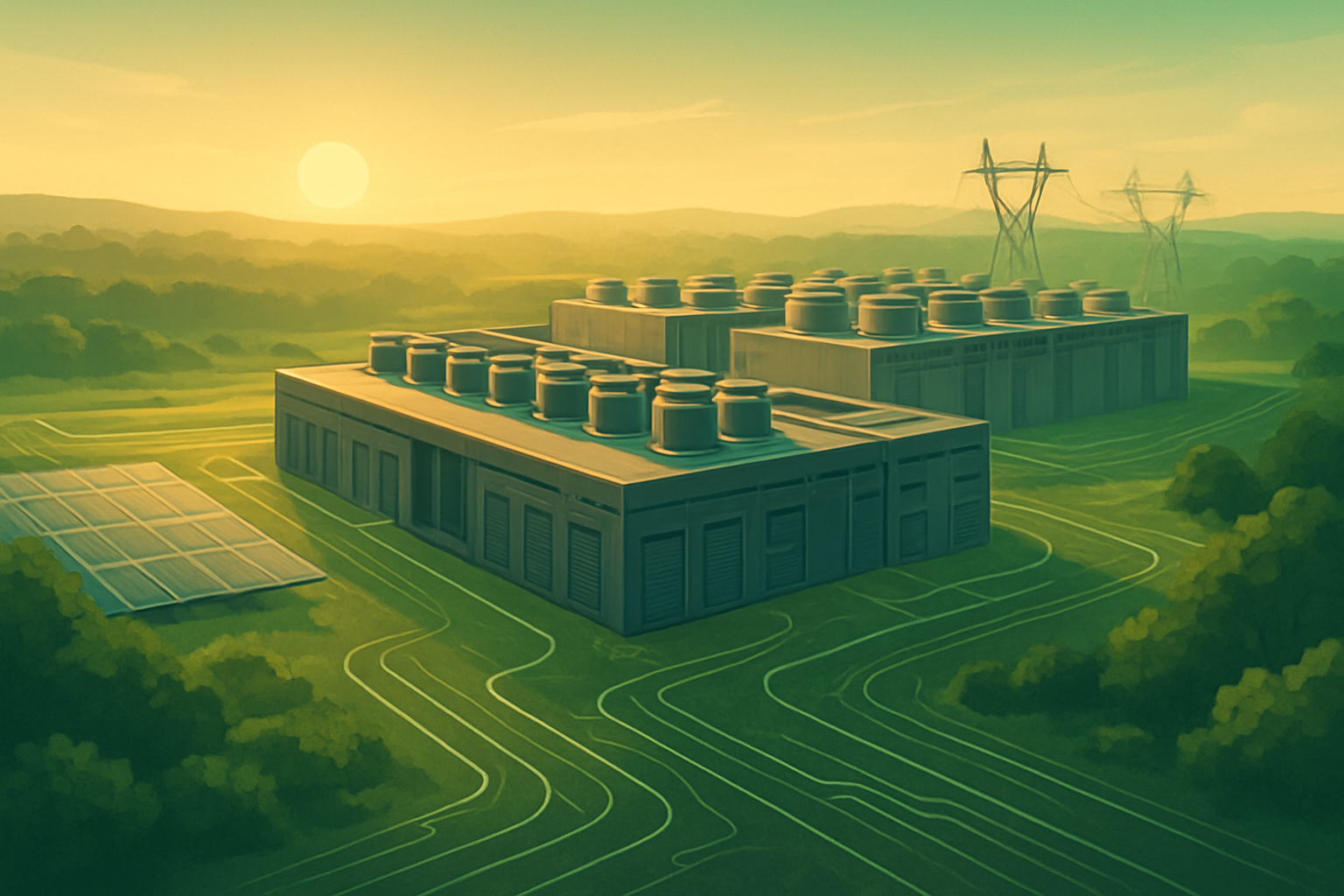
    • Liquid Cooling & Heat Recovery: Their Finnish facilities utilize a closed-loop system that captures waste heat and pipes it into local district heating networks, significantly lowering the Total Cost of Ownership (TCO) and meeting strict EU ESG standards.
    • Nvidia Vera Rubin Clusters: In early 2026, Nebius became one of the first providers globally to offer access to NVIDIA Corp. (NASDAQ: NVDA)’s Vera Rubin platform, thanks to a strategic $2 billion investment and priority allocation from Nvidia.

    Competitive Landscape

    The market for AI compute is currently an oligopoly with high barriers to entry.

    • CoreWeave: The primary US competitor. While CoreWeave has a larger total GPU footprint, Nebius argues its engineering pedigree (born from a search engine's requirements) allows for better "cluster-wide" performance.
    • Lambda Labs: Focuses more on the developer and research "on-demand" market, whereas Nebius targets long-term, multi-billion dollar enterprise commitments.
    • Hyperscalers (AWS/Azure/Google): While these giants are competitors, they are also increasingly "co-opetitors." Meta’s $27 billion deal with Nebius proves that even the largest tech firms need external partners to satisfy their insatiable compute hunger.

    Industry and Market Trends

    The "Compute Supercycle" continues unabated in 2026. Three major trends favor Nebius:

    1. Sovereign AI: European governments and enterprises are increasingly wary of hosting sensitive AI models on US-based cloud infrastructure. Nebius’s European headquarters and data centers in Finland provide a "safe harbor" for regional data.
    2. GPU Scarcity: Despite increased production, the demand for next-generation chips (Blackwell/Vera Rubin) exceeds supply. Nebius’s "preferred partner" status with Nvidia is a critical moat.
    3. The Shift to Inference: As more AI models move from training to production, the demand for geographically distributed, high-performance inference clusters is growing, playing into Nebius's strengths.

    Risks and Challenges

    Despite the optimism, Nebius faces substantial risks:

    • Execution Risk: Building a $16 billion infrastructure footprint in 24 months is a monumental task. Any delays in the Finnish data center construction could lead to missed revenue targets.
    • Geopolitical Overhang: While the "divorce" from Russian assets is complete, the company still faces occasional scrutiny regarding its origins. Any shift in the European political landscape could impact its "sovereign cloud" status.
    • Concentration Risk: The $27 billion Meta deal is a double-edged sword. While it guarantees revenue, it makes Nebius highly dependent on a single customer's capital expenditure whims.
    • Capital Intensity: The company’s $16B-$20B Capex plan requires constant access to debt and equity markets. High interest rates or a cooling of the AI "hype" could squeeze liquidity.

    Opportunities and Catalysts

    • Lappeenranta AI Factory: The new 310 MW facility in Finland is expected to come online in phases starting late 2026. This will triple Nebius’s current capacity.
    • US Expansion: With the hiring of Dan Lawrence, a major announcement regarding a US-based data center facility is rumored for the second half of 2026.
    • M&A Potential: As smaller GaaS providers struggle with capital costs, Nebius is well-positioned to acquire smaller players to expand its geographic footprint in Asia and the Middle East.

    Investor Sentiment and Analyst Coverage

    Wall Street has turned overwhelmingly "Bullish" on NBIS in the first quarter of 2026.

    • Analyst Ratings: Currently, the stock has 8 "Buy" ratings and 2 "Hold" ratings from major investment banks.
    • Institutional Backing: Since the reorganization, major institutional investors like Fidelity and BlackRock have established significant positions, viewing Nebius as a high-beta play on the AI infrastructure theme.
    • Retail Chatter: On platforms like X and Reddit, Nebius is often discussed as the "European CoreWeave," with a growing following among retail investors looking for AI plays outside of the "Magnificent Seven."

    Regulatory, Policy, and Geopolitical Factors

    Nebius operates at the intersection of technology and national security.

    • EU AI Act: The company has leaned into compliance with the EU AI Act, positioning itself as the most "regulatory-friendly" cloud provider for European firms.
    • Nvidia Relationship: The $2 billion strategic investment from Nvidia in March 2026 is a significant "seal of approval," suggesting that Nvidia views Nebius as a critical outlet for its chips outside the traditional US hyperscaler ecosystem.
    • Export Controls: Any tightening of US or EU export controls on high-end AI chips could impact Nebius’s ability to source the hardware it needs for expansion.

    Conclusion

    Nebius Group N.V. has executed a corporate pivot that many thought impossible. By successfully shedding its past and leaning into the most capital-intensive, high-reward sector of the tech economy, the company has secured a seat at the table with the world’s most powerful tech entities. The $27 billion deal with Meta is a validation of Nebius’s technical prowess and its "AI Factory" vision.

    However, investors should remain cognizant of the "all-in" nature of the company’s current strategy. Nebius is effectively betting its entire future on the continued, exponential growth of AI compute demand. If the "AI bubble" bursts or if execution in Finland falters, the company’s heavy debt load and high Capex could become liabilities. For now, Nebius is the undisputed leader of the European AI infrastructure landscape—a phoenix that has risen from corporate restructuring to become a global contender.


    This content is intended for informational purposes only and is not financial advice.
  • Meta Platforms (META): The High-Stakes Pivot to AI Infrastructure and the Entergy Partnership

    Meta Platforms (META): The High-Stakes Pivot to AI Infrastructure and the Entergy Partnership

    As of March 30, 2026, the technology sector finds itself at a critical crossroads, and no company embodies this tension more than Meta Platforms, Inc. (NASDAQ: META). After a period of breakneck growth fueled by the artificial intelligence (AI) gold rush of 2024 and 2025, the market has entered a significant correction phase. Meta, once the darling of the "Year of Efficiency," is now navigating a complex landscape defined by massive infrastructure spending, regulatory hurdles, and a landmark partnership with Entergy Corporation (NYSE: ETR) that signals a new era of "Energy-First" tech strategy. This article explores Meta’s transition from a social media titan to an industrial AI powerhouse and its resilience amidst a cooling tech market.

    Historical Background

    Meta’s journey from a Harvard dorm room to a global conglomerate is well-documented, but its recent history is perhaps more transformative. Following the 2021 rebrand from Facebook to Meta, the company weathered a "lost year" in 2022 as it over-invested in the Metaverse. However, the 2023 "Year of Efficiency" led by CEO Mark Zuckerberg pivoted the company toward fiscal discipline and AI integration. By 2024, Meta had reclaimed its position as a high-growth leader, utilizing its open-source Llama models to dominate the developer ecosystem. By early 2026, the company has completed its pivot into the "AI Factory" era, focusing less on social networking features and more on the physical and computational infrastructure required to power the next generation of digital intelligence.

    Business Model

    Meta’s business model remains anchored by its Family of Apps (FoA)—Facebook, Instagram, Messenger, and WhatsApp—which collectively serve over 4 billion monthly active users. Revenue is predominantly derived from highly targeted digital advertising, increasingly optimized by the company’s "Advantage+" AI suite.

    However, a secondary model is emerging: AI Infrastructure and Compute. Through its massive investments in data centers and proprietary silicon (MTIA), Meta is positioning itself not just as a consumer app company, but as a foundational layer for AI. Its "Open Source AI" strategy serves to commoditize the models of its rivals while ensuring that Meta remains the most efficient platform for running those models at scale.

    Stock Performance Overview

    Over the last decade, META has been one of the market's most volatile yet rewarding performers.

    • 10-Year View: The stock has seen a nearly 600% increase, surviving the 2022 "Metaverse Crash" to reach new all-time highs in late 2025.
    • 5-Year View: Investors have seen a 180% return, largely driven by the AI pivot and the successful monetization of Instagram Reels.
    • 1-Year View: The picture is more nuanced. After peaking at approximately $796 in August 2025, the stock has entered a 20-23% pullback as of March 2026. This correction mirrors a broader 10% drop in the Nasdaq Composite, as investors grapple with "CapEx fatigue" and rising interest rates.

    Financial Performance

    Meta’s financials in early 2026 reflect a "high-stakes reinvention."

    • Revenue: For the full year 2025, Meta crossed the historic $200 billion mark, ending at $200.97 billion. Q4 2025 alone saw $59.89 billion in revenue, up 24% year-over-year.
    • Margins: Operating margins have seen compression, dropping from 48% in 2024 to 41% in early 2026. This is a direct result of the astronomical depreciation costs associated with AI data centers.
    • Capital Expenditure (CapEx): In a move that startled many analysts, Meta guided 2026 CapEx between $115 billion and $135 billion, nearly double its 2025 spend. This capital is being deployed into "Hyperion" class data centers and massive chip orders from NVIDIA (NASDAQ: NVDA) and Advanced Micro Devices (NASDAQ: AMD).

    Leadership and Management

    Mark Zuckerberg continues to exert absolute control over the company through his dual-class share structure. His leadership style has evolved into what insiders call "Lean and Lethal." In early 2026, Meta began utilizing internal AI agents to handle middle-management and project-tracking tasks, allowing for a 20% reduction in non-technical headcount without sacrificing output. Zuckerberg’s strategy is clear: he wants Meta to be the most "compute-per-employee" efficient company in the world.

    Products, Services, and Innovations

    The crown jewel of Meta’s 2026 roadmap is the Hyperion Data Center in Richland Parish, Louisiana. This facility is the centerpiece of the Entergy partnership and is designed to house hundreds of thousands of next-gen GPUs.

    • Llama & "Avocado": While the Llama 4 series was a success, Meta faced a setback in early 2026 with the delay of its next-gen "Avocado" model, intended to provide "Personal Superintelligence." The delay to May 2026 contributed to the recent stock pullback.
    • Hardware: Reality Labs, though still loss-making, has found a niche with the "Orion" AR glasses, which began shipping in limited quantities in late 2025.

    Competitive Landscape

    Meta competes on two fronts:

    1. Attention: Against ByteDance (TikTok) and Alphabet (NASDAQ: GOOGL). In this arena, Meta has gained ground, with Instagram Reels watch time surging 30% thanks to AI-driven recommendation engines.
    2. Intelligence: Against Microsoft (NASDAQ: MSFT) and OpenAI. Meta’s strategy of open-sourcing its models has put pressure on the proprietary "closed" models of its rivals, forcing a price war in AI tokens that Meta is well-positioned to win due to its lower cost of compute.

    Industry and Market Trends

    The dominant trend of 2026 is the "Energy Era" of Big Tech. Electricity, not just silicon, has become the primary constraint for AI growth. This has led to a vertical integration strategy where tech companies act more like utilities. Meta’s move to fund its own power plants through Entergy reflects a industry-wide pivot toward securing 24/7 carbon-free power, including small modular reactors (SMRs) and massive solar arrays.

    Risks and Challenges

    Meta faces significant headwinds that have fueled the 2026 correction:

    • Regulatory Verdicts: In March 2026, a major court ruling held Meta liable for social media addiction in minors. This has led to fears of a structural overhaul of its advertising algorithms and multi-billion dollar payouts.
    • Model Performance: The delay of the "Avocado" model has raised questions about whether Meta can keep pace with Google and OpenAI in the foundational model race.
    • Macro Pressures: Persistent high interest rates and global trade tensions have made Meta’s $115B+ CapEx plan a "show-me" story for skeptical investors.

    Opportunities and Catalysts

    The Entergy Partnership is a significant catalyst. By funding 7.5 gigawatts (GW) of power—including seven natural gas plants and 2.5 GW of solar—Meta is effectively bypassing the strained public grid.

    • Ratepayer Protection: The "Fair Share Plus" pledge helps insulate Meta from public backlash by delivering $2 billion in savings to local Louisiana residents, creating a blueprint for how Big Tech can expand without alienating local communities.
    • Reels Monetization: The continued growth of Reels ads remains a massive tailwind, with AI-generated creative tools lowering the barrier for small business advertisers.

    Investor Sentiment and Analyst Coverage

    Wall Street remains cautiously bullish on META, maintaining a "Strong Buy" consensus despite price target trims. Firms like Morgan Stanley and Wedbush have lowered targets from $900 to $775, reflecting a more conservative valuation multiple in a high-rate environment. Institutional investors are watching Meta’s "Compute Moat" closely; the belief is that once the current CapEx cycle peaks, Meta will emerge with an unassailable advantage in AI delivery costs.

    Regulatory, Policy, and Geopolitical Factors

    The geopolitical landscape of 2026 is dominated by the "AI Arms Race." Meta’s open-source strategy is viewed as a strategic asset by the U.S. government, helping to export American AI standards globally. However, domestic policy remains a challenge. New privacy laws and the recent minor safety ruling represent a shift toward more aggressive oversight of data-driven business models. Furthermore, Meta’s reliance on Entergy's natural gas plants has drawn scrutiny from environmental groups, forcing the company to accelerate its nuclear and solar commitments.

    Conclusion

    Meta Platforms enters the second quarter of 2026 as a company in the midst of a radical metamorphosis. The partnership with Entergy highlights a future where Meta is as much an energy and infrastructure company as it is a social network. While the current tech correction has erased some of its 2025 gains, the company’s "Lean and Lethal" strategy and its massive investment in AI "Factories" suggest a long-term vision that few competitors can match. Investors should watch the May 2026 launch of the "Avocado" model and the progress of the Richland Parish data center as key indicators of whether Meta’s high-stakes bet will pay off.


    This content is intended for informational purposes only and is not financial advice.

  • The $200 Billion Gamble: Inside Amazon’s (AMZN) 2026 AI Supercycle

    The $200 Billion Gamble: Inside Amazon’s (AMZN) 2026 AI Supercycle

    As of March 30, 2026, Amazon.com, Inc. (NASDAQ: AMZN) finds itself at a defining crossroads that echoes its most ambitious—and controversial—periods of the past. After a year of record-breaking profitability in 2025, the company has pivoted into what analysts are calling the "Great AI Build-out." With a staggering $200 billion capital expenditure guidance for the 2026 fiscal year, Amazon is betting its future on a vertically integrated AI stack, ranging from proprietary 3nm silicon to global satellite internet via its "Amazon Leo" project. While the market’s immediate reaction has been one of "capex sticker shock," the underlying narrative remains the same: Amazon is sacrificing short-term liquidity to secure a dominant position in the next two decades of compute infrastructure.

    Historical Background

    Founded in 1994 by Jeff Bezos as an online bookstore in a Seattle garage, Amazon’s history is a relentless sequence of transformations. What began as a retail disruptor evolved into a logistical juggernaut, a cloud pioneer with the 2006 launch of Amazon Web Services (AWS), and a digital media powerhouse.

    The company’s most significant shifts have always been marked by periods of massive internal investment that the market initially doubted. From the multi-billion dollar build-out of its fulfillment network in the early 2010s to the $13.7 billion acquisition of Whole Foods in 2017, Amazon has consistently doubled down on capital-intensive "flywheels." Today, under the leadership of Andy Jassy, the company has completed its latest pivot: transitioning from a provider of third-party cloud tools to a manufacturer of the very silicon and intelligence that powers the global economy.

    Business Model

    Amazon’s business model in 2026 is a complex ecosystem of four primary engines:

    1. Cloud Infrastructure (AWS): The highest-margin segment, now providing not just storage and compute, but a full Generative AI lifecycle including foundational models (Bedrock) and custom chips.
    2. Global Retail (1P & 3P): A massive marketplace driven by Prime memberships. In 2025, the retail wing reached peak efficiency through regionalization and warehouse robotics.
    3. Digital Advertising: A high-growth ($60B+ revenue) segment that leverages Amazon’s vast consumer data to place ads on its marketplace and Prime Video.
    4. Emerging Infrastructure: This includes the newly rebranded Amazon Leo (satellite internet) and Amazon’s health and pharmacy services.

    Stock Performance Overview

    As of March 30, 2026, AMZN shares are trading in the $199–$207 range. The stock’s trajectory reflects a tug-of-war between long-term growth and immediate free cash flow (FCF) concerns.

    • 1-Year Performance: -1.0%. The stock has pulled back roughly 20% from its 2025 highs following the announcement of the $200 billion capex plan.
    • 5-Year Performance: +29.6%. A steady climb that weathered the post-pandemic correction and was buoyed by the 2024 AI rally.
    • 10-Year Performance: +624.5%. Amazon remains one of the decade's premier wealth creators, significantly outperforming the S&P 500.

    Financial Performance

    Amazon’s 2025 fiscal year was a masterclass in operational efficiency. The company reported:

    • Revenue: $716.9 billion, a 12% year-over-year increase.
    • Net Income: A record $77.7 billion.
    • Operating Margins: North American retail margins surged to 8%, driven by the deployment of the "Proteus" autonomous robots. AWS maintained robust 35% margins.
    • The Capex Surge: The pivot to a $200 billion 2026 capex budget has temporarily depressed FCF expectations, a move that management defends as necessary for "Silicon Sovereignty."

    Leadership and Management

    CEO Andy Jassy has fully stepped out of Jeff Bezos's shadow, establishing a reputation as a "disciplined builder." Under his tenure, the company has become more focused on margins and internal efficiencies than the experimental "wild west" era of the late 2010s.

    • Matt Garman (CEO of AWS): Taking over in 2024, Garman has steered AWS toward custom silicon (Trainium/Inferentia) to reduce reliance on external vendors.
    • Doug Herrington (CEO of Worldwide Amazon Stores): Credited with the "Regionalization" of the US logistics network, which halved shipping times while reducing costs.

    Products, Services, and Innovations

    Innovation in 2026 is centered on "Vertical AI Integration."

    • Trainium3 Silicon: Built on a 3nm process, Amazon’s newest AI chip is claiming a 40% cost advantage over third-party GPUs for large-scale model training.
    • Amazon Bedrock: This platform has become the "OS of AI," allowing enterprises to swap between models (Anthropic, Meta, Amazon’s own Titan) with ease.
    • Amazon Leo (formerly Kuiper): With over 200 satellites in orbit, the service began offering "Leo Ultra" (1 Gbps) internet to remote enterprise and AWS customers in March 2026.

    Competitive Landscape

    Amazon faces a multi-front war:

    • Cloud: Microsoft (25% market share) and Google Cloud (13%) are closing the gap on AWS (31%). Microsoft’s partnership with OpenAI remains a formidable threat in the enterprise application layer.
    • Retail: Walmart (WMT) has successfully mirrored Amazon’s logistics efficiency, while budget players like Temu and Shein continue to pressure the low-end consumer segment.
    • AI Hardware: While Amazon is moving toward its own chips, it must still maintain a delicate partnership with NVIDIA (NVDA) to satisfy demand for H100 and Blackwell GPUs.

    Industry and Market Trends

    The "Generative AI Phase 2" is the dominant trend of 2026. The market has moved past the hype of "chatbots" and into "inference at scale." Enterprises are now looking for the cheapest, most efficient way to run AI models daily, rather than just training them. This favors Amazon’s Inferentia chips and AWS’s sprawling data center footprint. Additionally, "Sovereign AI"—where nations require data and compute to remain within borders—has opened new revenue streams for AWS's government-cloud divisions.

    Risks and Challenges

    • Capex Overbuild: There is a non-trivial risk that the $200 billion investment in 2026 creates "ghost data centers" if AI demand cools.
    • Regulatory Scrutiny: The FTC's landmark antitrust case, led by Chair Lina Khan, continues to loom over the company, focusing on "Project Nessie" and the alleged "Buy Box" self-preferencing.
    • Labor Relations: As Amazon automates more of its fulfillment with robotics, tensions with labor unions and regulatory bodies regarding workplace safety and displacement remain high.

    Opportunities and Catalysts

    • Prime Video Advertising: The full integration of AI-driven, non-intrusive ads into Prime Video is expected to add $10 billion to the bottom line by 2027.
    • Healthcare: Amazon Pharmacy’s integration with One Medical is finally showing signs of scale, offering a "Prime-like" experience for healthcare.
    • Custom Silicon Revenue: Amazon’s chip business is now a $10B+ annual run-rate business, offering higher margins than traditional third-party software resale.

    Investor Sentiment and Analyst Coverage

    Wall Street remains divided. "Bulls" see the 2026 capex as a visionary land grab similar to the 2006 AWS launch. "Bears" argue that Amazon is becoming a "utility company" with diminishing returns on capital. Current consensus is a "Moderate Buy," with a 12-month price target averaging $245, suggesting significant upside once the capex cycle matures. Institutional ownership remains high at over 60%, led by Vanguard and BlackRock.

    Regulatory, Policy, and Geopolitical Factors

    Geopolitically, Amazon is navigating the "Chip Wars." Its move into 3nm chip design makes it reliant on TSMC (TSM) in Taiwan, exposing it to regional tensions. Domestically, the EU’s Digital Markets Act (DMA) has forced Amazon to change how it uses seller data, creating a potential headwind for its private-label brands.

    Conclusion

    Amazon in 2026 is a company that has chosen to embrace the volatility of innovation. By committing $200 billion to AI and satellite infrastructure, it is attempting to build the "backbone" of the next digital era. While the stock may face short-term pressure as free cash flow is diverted to data centers and custom silicon, the underlying strength of its 31% cloud market share and its newly efficient retail engine provide a safety net. For the long-term investor, the key question is not whether Amazon is spending too much, but whether any other company can afford to keep up.


    This content is intended for informational purposes only and is not financial advice.

  • The Yellow Iron Renaissance: How AI and Infrastructure Fueled Caterpillar’s (CAT) Historic Surge

    The Yellow Iron Renaissance: How AI and Infrastructure Fueled Caterpillar’s (CAT) Historic Surge

    As of March 30, 2026, the industrial landscape has undergone a profound transformation. What was once dismissed as a "legacy" machinery company has emerged as a linchpin of the artificial intelligence revolution. Caterpillar Inc. (NYSE: CAT), headquartered in Irving, Texas, has spent the last two years defying the gravity of typical economic cycles.

    The narrative surrounding Caterpillar has shifted from "the company that builds roads" to "the company that powers the digital frontier." Driven by an unprecedented surge in data center construction and a sustained domestic infrastructure supercycle, Caterpillar’s stock has reached valuations once reserved for high-growth software firms. This article examines the strategic pivot, the leadership transition, and the fundamental drivers that have turned yellow iron into digital gold.

    Historical Background

    The story of Caterpillar is one of constant adaptation. Founded in 1925 through the merger of the Holt Manufacturing Company and the C. L. Best Tractor Co., the company’s "Caterpillar" trademark dates back to the early 1900s when Benjamin Holt replaced wheels with wooden tracks to prevent tractors from sinking into soft California soil.

    Throughout the 20th century, Caterpillar became synonymous with global development, from the construction of the Hoover Dam to the building of the U.S. Interstate Highway System. However, the company’s modern transformation began in the post-2008 era, as it aggressively diversified into energy and transportation (E&T). This strategic foresight laid the groundwork for its current dominance in power generation, a segment that has become the crown jewel of its 2026 portfolio.

    Business Model

    Caterpillar operates through three primary segments, supported by a robust financial products arm:

    1. Energy & Transportation (E&T): This segment provides reciprocating engines, turbines, and related services for oil and gas, power generation, marine, and rail. In 2026, this is the company’s fastest-growing engine of revenue, fueled by data center backup and primary power needs.
    2. Construction Industries: Focused on machinery for infrastructure, forestry, and building construction. This remains the company’s high-volume backbone, currently buoyed by the tail-end of the U.S. Infrastructure Investment and Jobs Act (IIJA).
    3. Resource Industries: Primarily serving the mining sector. With the global transition to green energy requiring massive increases in copper, lithium, and nickel mining, this segment has moved from deep cyclicality to steady, long-term growth.
    4. Financial Products (Cat Financial): Providing retail and wholesale financing, this segment ensures that Caterpillar’s global dealer network—the company's primary competitive moat—remains liquid and capable of supporting customers in over 190 countries.

    Stock Performance Overview

    The performance of CAT stock over the past decade is a tale of two halves. For years, the stock traded as a classic cyclical, fluctuating with commodity prices and interest rates.

    • 10-Year Horizon: Investors who held CAT from 2016 through early 2026 have seen total returns exceeding 500%, far outstripping the broader industrial sector.
    • 5-Year Horizon: The stock broke out significantly in late 2021 as the "Infrastructure Supercycle" took hold, but the real acceleration began in 2024.
    • Recent Outperformance: In 2025, CAT shares surged a staggering 62%. By February 2026, the stock reached an all-time high of $775.00. While it has moderated slightly to the $720 range as of March 30, 2026, the stock’s re-rating from a P/E of 15x to nearly 35x reflects its new status as a secular "AI infrastructure" play.

    Financial Performance

    Caterpillar’s fiscal year 2025 results, reported in early 2026, were nothing short of historic. The company recorded total revenue of $67.6 billion, the highest in its 100-year history.

    Key metrics for investors to note:

    • Adjusted EPS: $19.06 (down slightly from 2024 due to tariff pressures, but still remarkably strong).
    • Free Cash Flow (ME&P): $9.5 billion, enabling $7.9 billion in shareholder returns via dividends and buybacks.
    • Backlog: As of March 2026, the order backlog stands at a record $51 billion, providing visibility into late 2027 revenue.
    • Valuation: Trading at a P/E ratio of ~33x–40x, the market is currently pricing in sustained growth in the Energy & Transportation segment that outweighs traditional cyclical risks.

    Leadership and Management

    A pivotal moment for Caterpillar occurred on May 1, 2025, when Jim Umpleby transitioned to Executive Chairman, handing the CEO reigns to Joe Creed. Creed, a Caterpillar veteran, has focused on "disciplined execution" during a period of high geopolitical volatility.

    The leadership’s strategy remains focused on three pillars established under Umpleby: Services, Electrification, and Autonomy. By 2025, services revenue reached $24 billion, moving the company toward its goal of $28 billion by late 2026. This shift toward higher-margin, recurring service revenue has been critical in stabilizing the company's bottom line.

    Products, Services, and Innovations

    Caterpillar’s current innovation pipeline is focused heavily on the "behind-the-meter" power crisis facing AI data centers.

    • G3516 Series Engines: These natural gas generator sets have become the industry standard for fast-response backup power in hyperscale data centers.
    • The Monarch Deal: In early 2026, Caterpillar secured a landmark 2-gigawatt (GW) order for a compute campus in West Virginia, proving that CAT can act as a primary power provider when local grids fail to meet AI's energy appetite.
    • Autonomous Mining: CAT’s Command for Hauling system has now moved over 6 billion tonnes autonomously, maintaining a significant technological lead over competitors.

    Competitive Landscape

    While Caterpillar remains the global heavyweight, the landscape is shifting:

    • Komatsu: The Japanese rival remains a strong second but has struggled in 2025-2026 with higher logistics costs and slower recovery in Chinese markets.
    • John Deere (NYSE: DE): Once a close peer, Deere has diverged recently. While CAT soared on infrastructure and power, Deere faced a 30% drop in North American farm income in 2025, leading to significant stock underperformance compared to CAT.
    • The "Moat": Caterpillar’s true competitive advantage remains its dealer network. With over 2,500 dealer locations globally, the ability to provide parts and service within 24 hours in remote mining or construction sites is a barrier to entry that Chinese competitors like SANY and XCMG have yet to overcome in Western markets.

    Industry and Market Trends

    The dominant trend of 2026 is the "Bring Your Own Power" (BYOP) movement. As AI data centers require 5x to 10x more power than traditional facilities, utility companies are struggling to upgrade grids fast enough. This has turned Caterpillar into a de facto utility-infrastructure provider.

    Simultaneously, the Energy Transition is fueling the Resource Industries segment. The "Green Metals" boom—the need for copper and lithium—has kept mining equipment demand at near-record levels, even as traditional coal mining equipment demand slowly tapers.

    Risks and Challenges

    No investment is without risk, and Caterpillar faces three primary headwinds in 2026:

    1. Tariff Pressures: The company estimated a $2.6 billion impact from new trade tariffs in late 2025 and early 2026, which has begun to squeeze margins in the Construction segment.
    2. Valuation Risk: With a P/E ratio doubling its historical average, any miss in earnings or a slowdown in data center capex could lead to a sharp correction.
    3. Interest Rates: While infrastructure demand is high, prolonged high interest rates have dampened the residential construction market, making CAT heavily reliant on federal and corporate mega-projects.

    Opportunities and Catalysts

    The primary catalyst for 2026 remains the continued rollout of AI-specific infrastructure.

    • Vertiv Partnership: A 2025 strategic partnership with Vertiv to integrate power solutions with cooling infrastructure has streamlined the deployment of AI campuses, making CAT a preferred partner for tech giants.
    • Hydrogen and Battery Electric: Caterpillar is expected to launch its first commercially available hydrogen-powered large-scale generator in late 2026, opening a new "zero-emission" market for data centers under pressure to meet ESG goals.

    Investor Sentiment and Analyst Coverage

    Wall Street sentiment on CAT is currently divided between "Value" and "Growth" analysts.

    • The Bulls: Argue that CAT is a "secular growth story" masquerading as an industrial, justifying the 35x P/E multiple due to its role in the AI build-out.
    • The Bears: Warn that the stock is priced to perfection and that the "AI hype" has inflated an otherwise cyclical business.
      As of March 2026, institutional ownership remains high, with major shifts from industrial-focused funds to "thematic" tech and infrastructure ETFs.

    Regulatory, Policy, and Geopolitical Factors

    Caterpillar is deeply affected by global trade policy. The ongoing "Infrastructure Supercycle" in the United States is largely a product of the IIJA, which continues to provide a "multi-year floor" for domestic demand. However, geopolitical tensions and new tariffs on imported steel and components remain a significant operational hurdle. Furthermore, strict new EPA standards for diesel engines are pushing the company to accelerate its R&D into alternative fuels faster than some competitors.

    Conclusion

    Caterpillar Inc. enters mid-2026 as a company that has successfully bridged the gap between the heavy-industrial past and the high-tech future. By leveraging its dominance in power generation to meet the insatiable energy demands of the AI era, it has achieved a market valuation that few would have predicted five years ago.

    For investors, Caterpillar represents a unique hybrid: a company with the stability of a 100-year-old giant and the growth catalysts of a tech enabler. While the current valuation demands "flawless execution" and the $2.6 billion tariff headwind is real, the record $51 billion backlog and the secular tailwinds of AI and infrastructure suggest that the "Yellow Iron" giant is far from finished with its record-breaking run.


    Disclaimer: This content is intended for informational purposes only and is not financial advice. Investing involves risk, and past performance is not indicative of future results. Consult with a financial advisor before making any investment decisions.

  • Alcoa (AA) 2026 Research Deep-Dive: Aluminum Scarcity and the AI Infrastructure Pivot

    Alcoa (AA) 2026 Research Deep-Dive: Aluminum Scarcity and the AI Infrastructure Pivot

    As of March 30, 2026, Alcoa Corp. (NYSE: AA) has emerged as a central figure in the global industrial transition, standing at the intersection of a volatile commodity super-cycle and the accelerating demand for "green" infrastructure. Long considered a bellwether for the global economy, the Pittsburgh-based aluminum giant is currently navigating a period of significant valuation rerating.

    The company is in focus today due to a perfect storm of supply-side constraints—most notably the February 2026 closure of the Strait of Hormuz, which sidelined nearly 10% of global aluminum supply—and a strategic pivot toward monetizing its vast industrial land holdings for AI data center development. With aluminum prices testing decade highs above $3,400 per metric ton, Alcoa’s recent full integration of Alumina Limited has positioned it as the world’s premier pure-play upstream aluminum producer.

    Historical Background

    The story of Alcoa is the story of modern aluminum. In 1886, a 22-year-old Oberlin College graduate named Charles Martin Hall discovered the electrolytic process for producing aluminum in his family's shed. Two years later, in 1888, with the backing of Alfred E. Hunt, the Pittsburgh Reduction Company was born.

    Renamed the Aluminum Company of America (Alcoa) in 1907, the firm spent the 20th century as a vertically integrated titan, controlling every stage of production from bauxite mining to finished foil. However, its dominance led to a landmark 1945 antitrust ruling that forced the divestiture of its Canadian operations (which became Alcan, now part of Rio Tinto [NYSE: RIO]).

    The most defining moment in recent history occurred on November 1, 2016, when the company split into two entities. The "upstream" assets—mining, refining, and smelting—retained the Alcoa name (NYSE: AA), while the high-value "downstream" aerospace and automotive components business became Arconic. This split was designed to let Alcoa focus on its core commodity strengths, a strategy that has culminated in the 2024–2025 consolidation of its global alumina joint ventures.

    Business Model

    Alcoa’s business model is concentrated on three primary segments: Bauxite, Alumina, and Aluminum. Unlike diversified miners, Alcoa is a "pure-play" entity, meaning its earnings are highly leveraged to the price of aluminum on the London Metal Exchange (LME).

    1. Bauxite Mining: Alcoa operates one of the world’s largest bauxite mining portfolios, with major operations in Australia, Brazil, and Guinea.
    2. Alumina Refining: Following the 2024 acquisition of Alumina Limited, Alcoa now owns 100% of the Alcoa World Alumina and Chemicals (AWAC) venture. This makes Alcoa the largest third-party seller of alumina globally, providing a critical hedge against price volatility in the finished metal.
    3. Aluminum Smelting: The company operates a global network of smelters, with a strategic focus on locations powered by renewable energy (hydro and wind) to lower its carbon footprint and operational costs.

    The company’s customer base spans the automotive, packaging, construction, and electrical industries, with an increasing shift toward long-term contracts for "green-certified" metal.

    Stock Performance Overview

    Over the past year, Alcoa (NYSE: AA) has been one of the top-performing industrial stocks, delivering a 1-year total return of approximately 90.8%. This rally was fueled by the 2026 aluminum price spike and the successful integration of its Alumina Limited acquisition.

    In the medium term, the 5-year performance shows a total return of 82.2%. This reflects a volatile recovery path from the post-pandemic highs of 2022, followed by a mid-decade slump caused by high energy costs in Europe, and the current 2025–2026 resurgence.

    Since its inception as a standalone entity in late 2016, Alcoa has delivered a 10-year return of approximately 172%. While the stock remains cyclical and subject to wild swings based on LME prices, its current valuation reflects a fundamental shift toward a more efficient, higher-margin producer compared to its 2016 form.

    Financial Performance

    For the full year 2025, Alcoa reported Revenue of $12.83 billion, an 8% increase over 2024. This growth was underpinned by realized aluminum prices that averaged $2,850/mt throughout the year, before the early 2026 spike.

    Key Financial Metrics (as of Q4 2025):

    • Net Income: $1.17 billion ($4.42 per share), marking a robust turnaround from the marginal profitability of the previous two years.
    • Free Cash Flow: Alcoa generated significant cash in late 2025, ending the year with $1.6 billion in cash and cash equivalents.
    • Balance Sheet: Adjusted net debt was reduced to $1.5 billion, a level that has allowed management to consider aggressive asset buybacks or special dividends in 2026.
    • Valuation: As of March 2026, the stock trades at a Forward P/E of 13.2x, which many analysts consider a discount given the current supply-starved market environment.

    Leadership and Management

    CEO William Oplinger, who took the helm in late 2023, has been credited with a "no-nonsense" approach to portfolio management. His strategy has centered on three pillars: Operational Excellence, Portfolio Transformation, and Sustainability.

    Under Oplinger’s leadership, the company has shown a willingness to make difficult decisions, such as the permanent closure of the high-cost Kwinana refinery in Australia and the aggressive push to restart the San Ciprián smelter in Spain only when profitable terms were met. The management team is currently viewed as highly disciplined, prioritizing "value over volume"—a mantra that has resonated with institutional investors wary of the commodity industry's past tendency toward overproduction.

    Products, Services, and Innovations

    Alcoa has moved beyond being a producer of "generic" metal to a provider of specialized, low-carbon materials through its Sustana™ line:

    • EcoLum™: Aluminum produced with less than 4.0 metric tons of CO2e per ton of metal—three times better than the global average.
    • EcoSource™: The world's first and only low-carbon alumina brand.
    • ELYSIS Joint Venture: In partnership with Rio Tinto (NYSE: RIO) and the Canadian government, Alcoa is developing the ELYSIS technology, which eliminates all direct greenhouse gases from the traditional smelting process, emitting oxygen instead. In late 2025, the venture successfully activated its first commercial-scale 450kA cell.

    Perhaps the most surprising "innovation" in 2026 is Alcoa's Data Center Land Strategy. The company has identified 10 idled industrial sites with high-voltage grid connections that are being sold or leased to AI data center operators, potentially generating up to $1 billion in non-core proceeds.

    Competitive Landscape

    Alcoa competes in a global market dominated by state-backed Chinese firms and diversified giants.

    • Rio Tinto (NYSE: RIO): Rio holds a superior cost position in smelting due to its vast Canadian hydroelectric assets. However, Alcoa’s recent acquisition of Alumina Limited gives it a stronger position in the third-party alumina market.
    • Norsk Hydro (OTCMKTS: NHYDY): Hydro remains Alcoa’s most direct rival in the "green aluminum" space. Hydro currently enjoys a lower cost curve in its Brazilian refining operations but lacks Alcoa’s scale in North American bauxite sourcing.
    • Chalco (HKG: 2600): While Chalco (Aluminum Corp of China) has more volume, Alcoa’s focus on Western ESG standards and carbon-free technology gives it a competitive edge with European and North American automotive OEMs (Original Equipment Manufacturers).

    Industry and Market Trends

    The aluminum market in 2026 is defined by Scarcity and Sustainability.

    • China's 45-Million-Ton Cap: China has largely reached its domestic production ceiling, ending decades of oversupply that suppressed global prices.
    • Energy Transition: Aluminum is the "metal of the energy transition," essential for EV battery enclosures, solar panel frames, and wind turbine components. Demand from these sectors is projected to grow at a 5-6% CAGR through 2030.
    • Supply Chain Resilience: Following the 2026 Hormuz crisis, "friend-shoring" has become a priority. Alcoa's assets in stable jurisdictions (Australia, Canada, USA, Norway) now command a "security premium" in the eyes of many investors.

    Risks and Challenges

    Despite the current rally, Alcoa faces several significant hurdles:

    • Regulatory Permits in Australia: The company is currently awaiting critical "Part IV" environmental approvals for its Huntly and Willowdale mines in Western Australia. Delays beyond late 2026 could jeopardize bauxite supply to its Pinjarra and Wagerup refineries.
    • Geopolitical Volatility in Guinea: As the world's leading bauxite exporter, Guinea's recent implementation of export quotas to prop up prices has added significant cost pressure to Alcoa’s refining segment.
    • Energy Costs: While Alcoa has pivoted to renewables, its remaining coal- or gas-powered assets in certain regions remain vulnerable to energy price shocks, particularly in Europe.

    Opportunities and Catalysts

    1. Asset Monetization: The sale of idled sites for AI data centers is a massive near-term catalyst. These transactions are expected to be finalized by mid-2026, providing a "wall of cash" for debt reduction or dividends.
    2. San Ciprián Restart: The full return to production of the Spanish smelter (targeted for June 2026) is expected to add 228,000 metric tons of annual capacity just as prices are peaking.
    3. Green Premium: If the EU’s Carbon Border Adjustment Mechanism (CBAM) continues to tighten, Alcoa’s EcoLum product could command an even higher price premium over high-carbon Chinese or Indian metal.

    Investor Sentiment and Analyst Coverage

    Wall Street sentiment on Alcoa is currently "Cautiously Bullish." The consensus rating sits at a Hold/Buy, with a median 12-month price target of $69.00.

    Hedge fund activity increased significantly in Q4 2025, as institutional investors sought "inflation-protected" assets. The narrative has shifted from Alcoa being a "troubled commodity play" to an "AI-adjacent infrastructure and energy transition" play. However, some analysts remain wary that any resolution to Middle Eastern geopolitical tensions could lead to a rapid correction in LME prices, taking Alcoa’s stock down with it.

    Regulatory, Policy, and Geopolitical Factors

    The geopolitical landscape is currently Alcoa’s greatest tailwind. The U.S. and EU have intensified tariffs on high-carbon and Russian-origin aluminum, effectively creating a "Western-only" market where Alcoa is a dominant supplier.

    Domestically, the U.S. Department of Energy has awarded Alcoa several grants for decarbonization research, viewing the company as a critical component of national security and the domestic supply chain. In Australia, the government is balancing its "Green Energy Superpower" ambitions with local environmental concerns, making the upcoming 2026 mining permit decisions a pivotal moment for both the company and the state of Western Australia.

    Conclusion

    As of March 30, 2026, Alcoa Corp. (NYSE: AA) has successfully transformed its balance sheet and refined its strategic focus. By integrating Alumina Limited and pivoting toward high-value land monetization for the AI sector, the company has created multiple pathways for value creation beyond the simple fluctuations of the LME.

    Investors should maintain a balanced perspective. While the current $3,400/mt aluminum price environment and the "AI land grab" are powerful catalysts, Alcoa remains at the mercy of regulatory approvals in Australia and the inherent cyclicality of global industrial demand. For those looking to play the long-term themes of decarbonization and supply chain security, Alcoa stands as a leaner, smarter, and more strategically positioned giant than at any time in its 138-year history.


    This content is intended for informational purposes only and is not financial advice.
  • The Light Engine of AI: A Deep Dive into Lumentum Holdings (LITE) and the 1.6T Revolution

    The Light Engine of AI: A Deep Dive into Lumentum Holdings (LITE) and the 1.6T Revolution

    Note: This report is written from the perspective of March 26, 2026.

    Introduction

    As of early 2026, the global technology landscape has been redefined by the "Optical Supercycle," a massive infrastructure build-out required to sustain the computational demands of generative AI. At the heart of this physical layer revolution sits Lumentum Holdings Inc. (NASDAQ: LITE), a company that has successfully transitioned from a steady telecommunications supplier to an indispensable "light engine" powerhouse for the world’s AI factories. With its recent inclusion in the S&P 500 and a landmark multi-billion dollar partnership with Nvidia Corporation (NASDAQ: NVDA), Lumentum is no longer just a component maker; it is the architect of the high-speed interconnects that prevent the AI revolution from hitting a bandwidth bottleneck.

    Historical Background

    Lumentum’s journey began in August 2015, following its spin-off from JDS Uniphase, a pioneer of the fiber-optic era. Initially, Lumentum focused on optical components for telecommunications and commercial lasers. For much of its first decade, the company was viewed through the lens of the cyclical telecom market, tethered to the capital expenditure cycles of service providers like Verizon and AT&T.

    However, the 2020s brought a series of strategic pivots. The company recognized early that the future of photonics lay in the data center. Key acquisitions, such as Oclaro in 2018 and NeoPhotonics in 2022, consolidated its leadership in high-speed Indium Phosphide (InP) lasers. The most transformative move came in late 2023 with the acquisition of Cloud Light, which allowed Lumentum to move "up the stack" and design fully assembled optical transceivers, setting the stage for its current dominance in the AI infrastructure market.

    Business Model

    Lumentum operates through two primary segments: Cloud & Networking and Industrial Tech.

    • Cloud & Networking (88% of Revenue): This is the company's primary growth engine. It provides the high-speed optical transceivers, EML (Electro-absorption Modulated Laser) chips, and Optical Circuit Switching (OCS) technology required for data centers and telecommunications networks. In 2026, the "Cloud" portion of this segment, specifically AI-related data center demand, has eclipsed traditional telecom revenue.
    • Industrial Tech (12% of Revenue): This segment leverages Lumentum's photonics expertise for industrial applications, including 3D sensing (FaceID technology), autonomous vehicle LiDAR, and precision manufacturing lasers. While historically significant, Lumentum has strategically de-prioritized lower-margin consumer electronics components to focus manufacturing capacity on high-margin AI infrastructure.

    The company’s model has evolved from a pure-play component vendor to a vertically integrated solutions provider, selling directly to hyperscale cloud providers (Microsoft, Google, Meta) and AI hardware giants like Nvidia.

    Stock Performance Overview

    Lumentum has been one of the standout performers of the 2024–2026 period.

    • 1-Year Performance: LITE has delivered a staggering ~989% return over the past 12 months, surging from the $70–$80 range in early 2025 to over $800 per share by March 2026. This move was catalyzed by the 1.6T optics rollout and the Nvidia investment.
    • 5-Year Performance: Investors who held through the post-pandemic slump have seen ~450% growth, as the company’s AI pivot began to reflect in its valuation multiple.
    • 10-Year Performance: Since its 2015 spin-off, Lumentum has returned roughly 900%, significantly outperforming the broader semiconductor and networking indices.

    Financial Performance

    Financial results for Fiscal Year 2025 and the first half of FY2026 have shattered previous company records.

    • Revenue Growth: In Q2 FY2026 (ended December 2025), Lumentum reported revenue of $665.5 million, a 65.5% year-over-year increase. Guidance for Q3 FY2026 suggests revenue will approach $800 million, representing nearly 85% growth compared to the prior year.
    • Margins: Non-GAAP operating margins have expanded to 25.2%, driven by the shift toward high-speed 800G and 1.6T products which command premium pricing.
    • Nvidia Investment: The March 2026 strategic agreement included a $2 billion direct investment from Nvidia, providing Lumentum with a massive cash cushion to fund rapid manufacturing expansion in the United States and Southeast Asia.

    Leadership and Management

    A critical turning point for Lumentum occurred in February 2025, when Michael Hurlston took the helm as CEO, succeeding long-time leader Alan Lowe. Hurlston, formerly the CEO of Synaptics and a veteran of Finisar, brought a "semiconductor-first" disciplined approach to the photonics world.

    Under Hurlston’s leadership, the company accelerated its transition to vertical integration. He is widely credited with securing the exclusive Nvidia partnership and successfully integrating the Cloud Light acquisition. The management team is now regarded as one of the most operationally efficient in the networking sector, moving away from the "engineering-led" culture of the past toward a "market-driven" powerhouse.

    Products, Services, and Innovations

    Lumentum’s current competitive advantage is built on two pillars: 1.6T Optics and Optical Circuit Switching (OCS).

    • The 1.6T Platform: In March 2026, Lumentum officially debuted its 1.6T DR4 OSFP pluggable transceivers. These modules use 200G-per-lane EML technology, doubling the bandwidth of the previous 800G generation. As AI models grow in size, the speed at which GPUs can communicate becomes the primary constraint; Lumentum’s 1.6T platform is the solution to this "data wall."
    • 200G EMLs: Lumentum holds a dominant 50-60% global market share in high-end laser chips. Its 200G EMLs are the "gold standard" for the industry, offering the thermal stability and signal integrity required for 1.6T speeds.
    • Optical Circuit Switching (OCS): Unlike traditional electronic switches, OCS routes light signals without converting them to electricity. This reduces power consumption by up to 40%—a critical factor for gigawatt-scale AI data centers. Lumentum's OCS backlog has reportedly surpassed $400 million.

    Competitive Landscape

    Lumentum competes in a high-stakes environment where technical lead-time is the only real moat.

    • Coherent (NYSE: COHR): Lumentum's primary rival. While Coherent has a broader footprint in industrial and materials processing, Lumentum has pulled ahead in the high-end Datacom transceiver market and OCS technology.
    • Marvell Technology (NASDAQ: MRVL) & Broadcom (NASDAQ: AVGO): While these firms provide the DSP (Digital Signal Processor) chips, Lumentum provides the actual light-emitting hardware. The relationship is often "co-opetitive," though Lumentum’s vertical integration via Cloud Light has put it in more direct competition for transceiver sales.
    • Silicon Photonics (SiPh) Entrants: Several startups and incumbents are pushing Silicon Photonics as an alternative to Lumentum’s Indium Phosphide (InP) lasers. However, as of 2026, InP EMLs remain the preferred choice for 1.6T due to their superior performance at high temperatures.

    Industry and Market Trends

    The "AI-First" data center architecture is the defining trend of 2026. Traditional data centers were "north-south" (server to user), but AI data centers are "east-west" (GPU to GPU). This requires up to 5x more optical interconnects than previous generations of infrastructure.
    Furthermore, the industry is moving toward Co-Packaged Optics (CPO), where the laser is moved closer to the switch silicon. Lumentum’s partnership with Nvidia focuses heavily on these future "Light Engines," ensuring they remain the primary source of illumination for next-generation AI clusters.

    Risks and Challenges

    Despite its current dominance, Lumentum faces several structural risks:

    • Customer Concentration: A significant portion of revenue is tied to a handful of hyperscalers and Nvidia. Any shift in their procurement strategy or a slowdown in AI CAPEX would hit Lumentum disproportionately.
    • Cyclicality: While the AI boom feels permanent, the networking industry has historically been prone to "inventory digestions" where customers over-order and then halt purchases for several quarters.
    • Geopolitical Friction: With manufacturing facilities in Malaysia, Thailand, and China, Lumentum is sensitive to trade tensions. Any further restrictions on high-end laser exports to China could impact the roughly 10-15% of revenue still derived from that region.

    Opportunities and Catalysts

    • Nvidia Rubin Platform: Lumentum’s optics have been designated as the standard for Nvidia’s upcoming Rubin architecture. The ramp-up of Rubin-based systems in late 2026 will provide the next major revenue leg up.
    • 3.2T Development: R&D is already shifting toward 3.2T transceivers. Lumentum’s lead in 200G and 400G lane technology suggests they will be the first to market with these next-gen solutions in 2027.
    • Telco Recovery: While currently overshadowed by AI, the eventual upgrade of global 6G wireless networks and 10G broadband will provide a secondary tailwind for Lumentum’s legacy networking business.

    Investor Sentiment and Analyst Coverage

    Wall Street sentiment on LITE is overwhelmingly bullish, with a consensus "Strong Buy" rating among the 22 analysts covering the stock as of March 2026. The company’s inclusion in the S&P 500 has forced significant institutional buying from index funds, providing a new floor for the stock price. Analysts at major firms have recently raised price targets, citing the "unprecedented visibility" provided by the multi-year Nvidia purchase commitments.

    Regulatory, Policy, and Geopolitical Factors

    Lumentum is a key beneficiary of the CHIPS and Science Act incentives, using government grants to expand its advanced photonics fabrication in the United States. This "onshoring" of critical AI components is viewed favorably by U.S. policymakers who see optical interconnects as a matter of national security. Conversely, the company must navigate increasingly complex export controls that restrict the sale of high-bandwidth lasers to entities on the U.S. Entity List, particularly in the Chinese AI sector.

    Conclusion

    Lumentum Holdings has successfully navigated the most significant transition in its history. By betting early on Indium Phosphide, moving aggressively into the transceiver market via Cloud Light, and cementing its status as Nvidia’s preferred optical partner, the company has transformed into a high-margin semiconductor-esque leader.

    For investors, Lumentum represents a "picks and shovels" play on the AI revolution. While the stock’s meteoric rise invites caution regarding valuation, the fundamental demand for 1.6T optics and the massive OCS backlog suggest that the company’s earnings growth is backed by structural necessity rather than mere hype. As we move further into 2026, Lumentum sits at the nexus of light and logic, providing the essential infrastructure for the age of intelligence.


    This content is intended for informational purposes only and is not financial advice.