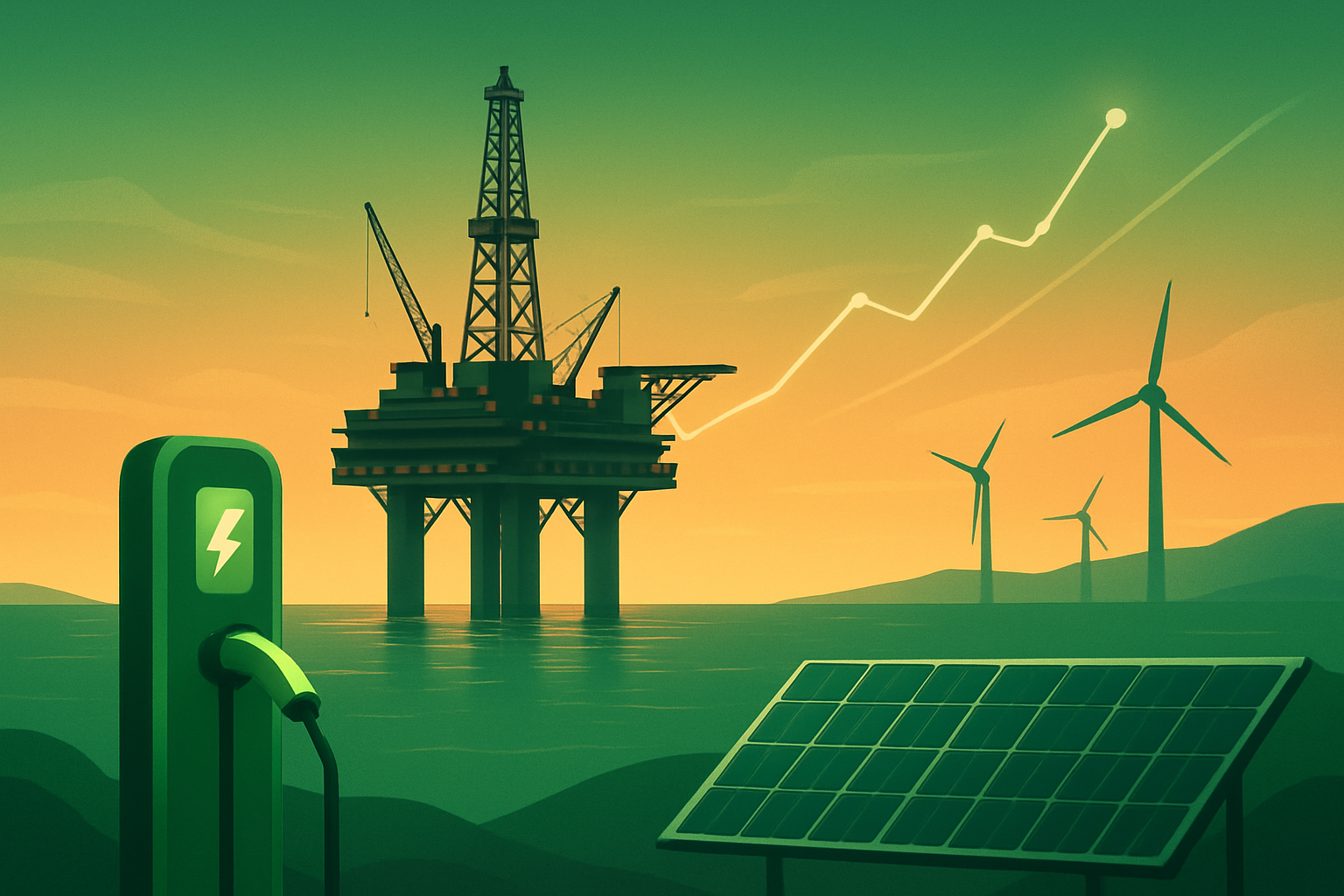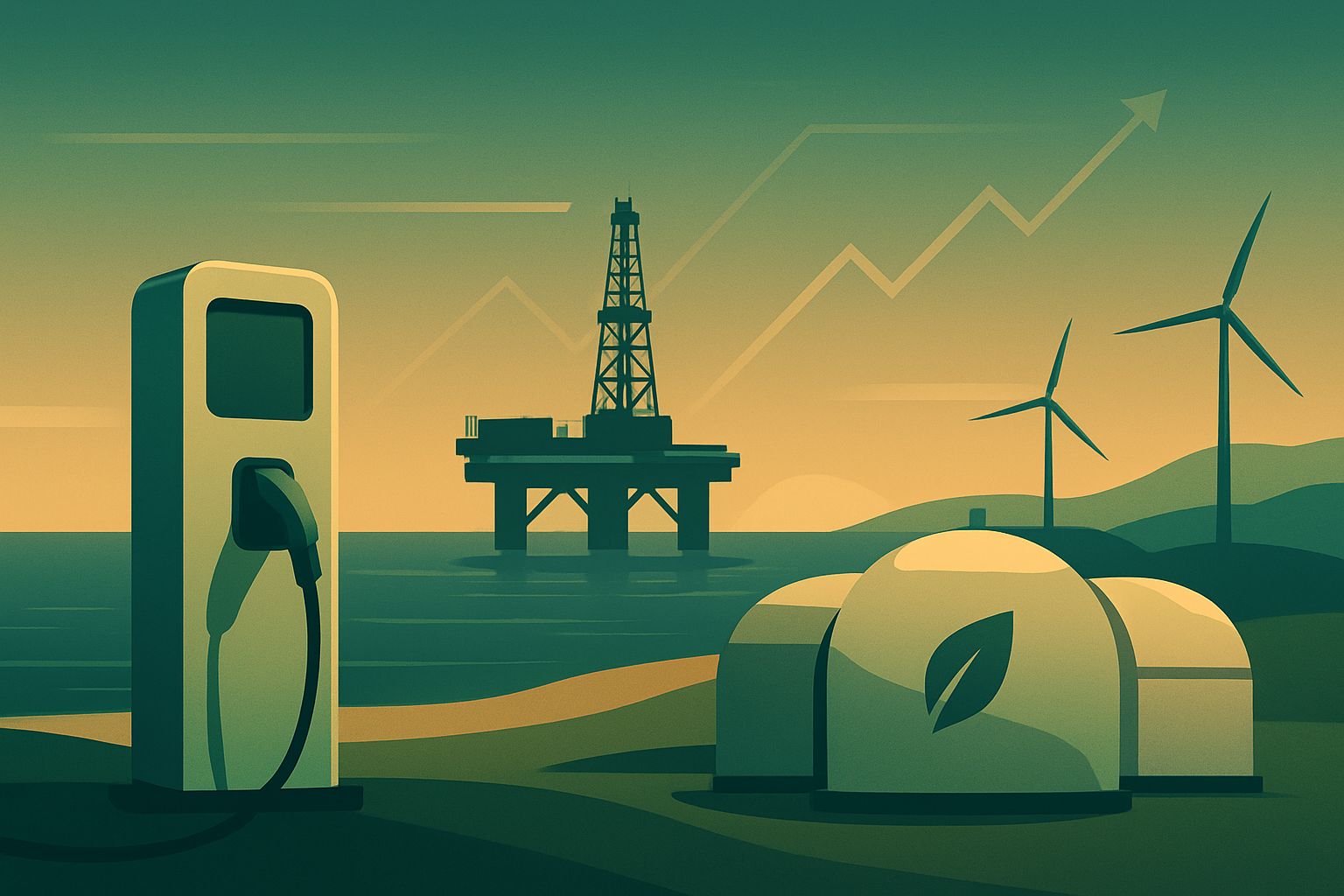
As of March 9, 2026, BP plc (NYSE: BP) stands at a critical crossroads in its century-long history. After a period of aggressive pivoting toward renewable energy that divided investors and pressured the balance sheet, the British energy giant is undergoing what market observers call the "Great Realignment." Under the interim leadership of Carol Howle and preparing for the arrival of new CEO Meg O’Neill in April 2026, BP has significantly recalibrated its strategy. The company is doubling down on its core hydrocarbon strengths while selectively maintaining "transition engines" in high-margin sectors like EV charging and bioenergy. With energy security once again dominating the global agenda, BP’s narrative has shifted from being a "green pioneer" back to a "resilient energy provider," making it a focal point for investors seeking a balance between high-yield dividends and pragmatic energy transition exposure.
Historical Background
Founded in 1909 as the Anglo-Persian Oil Company, BP’s origins are inextricably linked to the birth of the modern oil industry. The company was established following the first major oil discovery in the Middle East, a feat that secured its role as a strategic asset for the British Empire. Throughout the 20th century, BP expanded globally, surviving nationalizations and geopolitical upheavals. However, the 21st century brought its most defining challenge: the 2010 Deepwater Horizon disaster in the Gulf of Mexico. The explosion and subsequent oil spill resulted in 11 deaths and an environmental catastrophe that cost the company over $70 billion in cumulative settlements and fines. This event forced a total overhaul of BP’s safety and operational culture. More recently, the leadership eras of Bernard Looney (2020–2023) and Murray Auchincloss (2024–2025) were characterized by a rapid, then later moderated, push toward net-zero goals, leading to the "Reset BP" strategy currently in place.
Business Model
BP’s business model is currently structured around three primary segments designed to maximize cash flow and support its dividend policy:
- Upstream (Oil Production & Operations): This remains the primary engine of the company. BP focuses on high-margin, low-carbon-intensity barrels, with significant operations in the U.S. Gulf of Mexico, the North Sea, and Brazil. The company is targeting a 60% increase in oil and gas production by 2030 compared to 2025 levels.
- Gas & Low Carbon Energy: This segment manages BP’s integrated gas and LNG portfolio, which is vital for global energy security. It also houses the company’s investments in wind, solar, and hydrogen, though these have recently transitioned to a "capital-light" partnership model to reduce direct financial exposure.
- Customers & Products: This division includes refined products, the world-renowned lubricants brand Castrol, and the rapidly expanding bp pulse EV charging network. In early 2026, BP announced the sale of a majority stake in Castrol to shore up its balance sheet, highlighting a shift toward more liquid capital structures.
Stock Performance Overview
As of March 9, 2026, BP's stock performance reflects the volatility and subsequent recovery of the energy sector over the last decade.
- 1-Year Performance: The stock has seen a robust total return of approximately 32%, outperforming several European peers as investors cheered the "Reset BP" pivot back to oil and gas.
- 5-Year Performance: Over a five-year horizon, the stock is up roughly 95.7% (including dividends), recovering strongly from the COVID-19 pandemic lows and the initial skepticism surrounding its aggressive green transition plans.
- 10-Year Performance: The ten-year return stands at approximately 128.8%, a figure that reflects the long, painful recovery from the 2014-2016 oil price crash and the lingering financial drag of Deepwater Horizon settlements. While positive, BP has historically lagged behind U.S. giants like ExxonMobil (NYSE: XOM) over this period.
Financial Performance
BP's latest financial results for FY 2025 and the preliminary Q1 2026 outlook show a company prioritizing debt reduction over aggressive expansion. FY 2025 revenue reached $192.6 billion, with an underlying replacement cost profit of $7.5 billion. However, margins were pressured by $5 billion in writedowns related to offshore wind and solar assets that were deemed non-core under the new strategy.
The balance sheet remains a primary focus; net debt stands at $22.2 billion as of December 31, 2025, with a management target to reach $14–$18 billion by 2027. Despite a temporary suspension of share buybacks in February 2026 to accelerate deleveraging, BP maintains a strong dividend yield of approximately 5.12%, with a commitment to a 4% annual dividend growth.
Leadership and Management
The leadership transition at BP is a major story for 2026. Following the resignation of Murray Auchincloss in late 2025, the board appointed Meg O’Neill, formerly the CEO of Woodside Energy (ASX: WDS), to take over as CEO effective April 1, 2026. O’Neill, a veteran of ExxonMobil, is expected to bring a "technical and operational" rigor that some analysts felt was missing during the transition-heavy years. Interim CEO Carol Howle, currently the head of BP’s world-class Trading & Shipping arm, has been maintaining the "Reset" course, focusing on capital discipline and operational efficiency. The board’s choice of O’Neill signals a clear intent to close the valuation gap with U.S. peers by prioritizing execution in traditional energy sectors.
Products, Services, and Innovations
While hydrocarbons are the current focus, BP continues to innovate in high-growth "transition engines":
- EV Charging: Through bp pulse, the company is installing high-speed chargers globally, including a strategic collaboration with Tesla (NASDAQ: TSLA) to utilize Supercharger hardware at BP retail sites.
- Hydrogen: BP’s HyVal project in Spain is one of Europe’s most ambitious green hydrogen initiatives, aiming for a 2GW capacity.
- Bioenergy: Following the acquisition of Archaea Energy, BP has become the largest producer of Renewable Natural Gas (RNG) in the U.S., leveraging landfill waste to create sustainable fuel.
- Trading & Shipping: This often-overlooked "product" is a core competitive advantage. BP’s trading arm consistently generates high returns by navigating global energy volatility, providing a significant cushion when crude prices fluctuate.
Competitive Landscape
BP operates in a hyper-competitive global market dominated by the "Supermajors."
- ExxonMobil (NYSE: XOM) and Chevron (NYSE: CVX): These U.S. rivals have generally outperformed BP by sticking more closely to their oil and gas roots and aggressively expanding in the Permian Basin.
- Shell (NYSE: SHEL): BP’s closest European rival has followed a similar path of moderating its green goals to please shareholders, resulting in a tight race for European market leadership.
- TotalEnergies (NYSE: TTE): Unlike BP, the French major has remained more steadfast in its "multi-energy" approach, maintaining a higher level of investment in renewable power generation.
BP’s competitive strength lies in its integrated trading desk and its leadership position in the U.S. Gulf of Mexico, though its debt levels remain higher than those of its U.S. counterparts.
Industry and Market Trends
The energy sector in 2026 is defined by a "Pragmatic Transition." The initial rush to decarbonize has been tempered by the reality of global energy demand and the need for energy security. Supply chain constraints and rising interest rates have made large-scale offshore wind projects less attractive, leading many firms to pivot toward hydrogen and biofuels. Additionally, the U.S. energy market has entered a period of significant deregulation, with policies favoring domestic fossil fuel production and infrastructure expansion, a trend that directly benefits BP’s substantial American footprint.
Risks and Challenges
BP faces a complex matrix of risks:
- Regulatory & Policy Risk: In the UK, the threat of extended "windfall taxes" on energy profits continues to weigh on investor sentiment.
- Execution Risk: The pivot back to oil and gas requires successful delivery of massive upstream projects. Any delays or cost overruns could damage the company's credibility.
- Environmental & Litigation Risk: Climate-related litigation continues to be a factor, with several cities and states in the U.S. pursuing cases against oil majors.
- Geopolitical Risk: With significant assets in volatile regions and a global supply chain, BP is highly sensitive to Middle Eastern conflicts and shifting trade tariffs.
Opportunities and Catalysts
Several catalysts could drive BP’s stock higher in the near term:
- CEO Transition: The formal start of Meg O’Neill’s tenure in April 2026 could provide a "new leadership premium" if she lays out a clear, high-margin growth plan.
- Deepwater Success: BP’s exploration efforts in Namibia and further discoveries in the Gulf of Mexico represent significant potential reserve additions.
- Deleveraging Milestones: Reaching the $18 billion debt target sooner than expected would likely lead to the resumption of aggressive share buybacks, a major catalyst for the share price.
- U.S. Policy Tailwinds: Favorable drilling permits and infrastructure approvals under the current U.S. administration could accelerate BP's production timelines in North America.
Investor Sentiment and Analyst Coverage
Current analyst sentiment is characterized as "Cautiously Bullish" to "Hold." Wall Street has appreciated the return to capital discipline but remains wary of the high debt levels compared to Chevron or ExxonMobil. Institutional investors have expressed support for the dividend growth commitment, though the pause in buybacks caused a temporary dip in retail sentiment earlier this year. Hedge funds have been selectively increasing positions in BP, betting on a narrowing of the valuation gap between European and American oil majors as BP aligns its strategy more closely with the U.S. model.
Regulatory, Policy, and Geopolitical Factors
The regulatory environment in 2026 is bifurcated. In the United States, the "Liberation Day" policies have accelerated drilling permits and rolled back several green energy subsidies, creating a highly favorable environment for BP’s upstream business. Conversely, in the European Union and the UK, BP must navigate the "Carbon Border Adjustment Mechanism" (CBAM) and strict Emissions Trading Schemes (ETS). Geopolitically, BP’s exit from its Rosneft stake in Russia remains a long-term financial scar, but its strategic focus on "reliable" jurisdictions like the U.S., Brazil, and the North Sea is designed to mitigate future geopolitical shocks.
Conclusion
BP in March 2026 is a company in the final stages of a profound identity reset. By pivoting back toward its high-margin oil and gas roots while maintaining a disciplined foothold in the future of energy, the company is attempting to provide the "best of both worlds" to its shareholders. The upcoming leadership change and the relentless focus on debt reduction are the key variables to watch. While risks from regulation and market volatility persist, BP’s current valuation—trading at a discount to its U.S. peers—offers a potentially attractive entry point for investors who believe that the "technical and operational" focus of the new management will finally unlock the value of its global energy portfolio.
This content is intended for informational purposes only and is not financial advice.