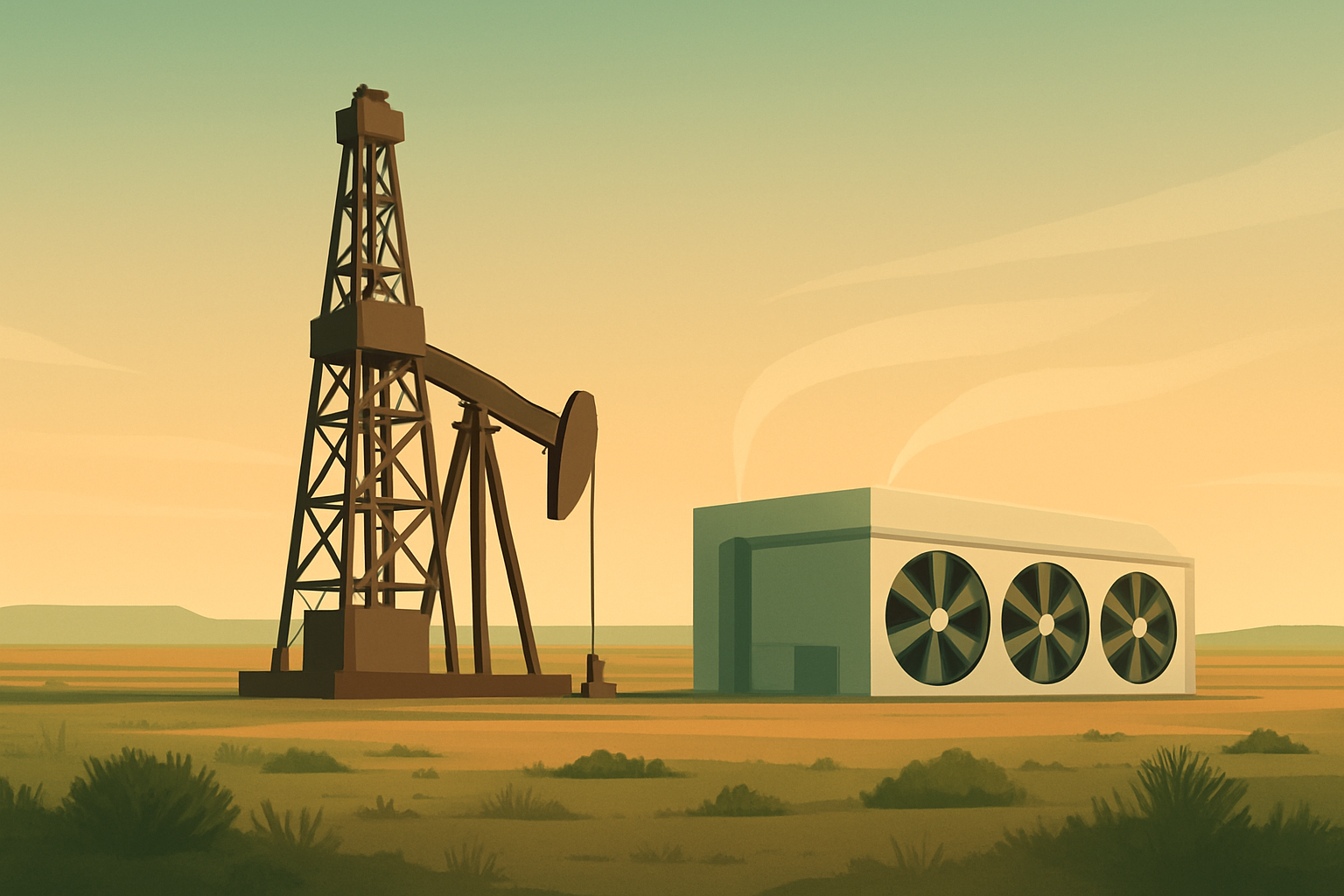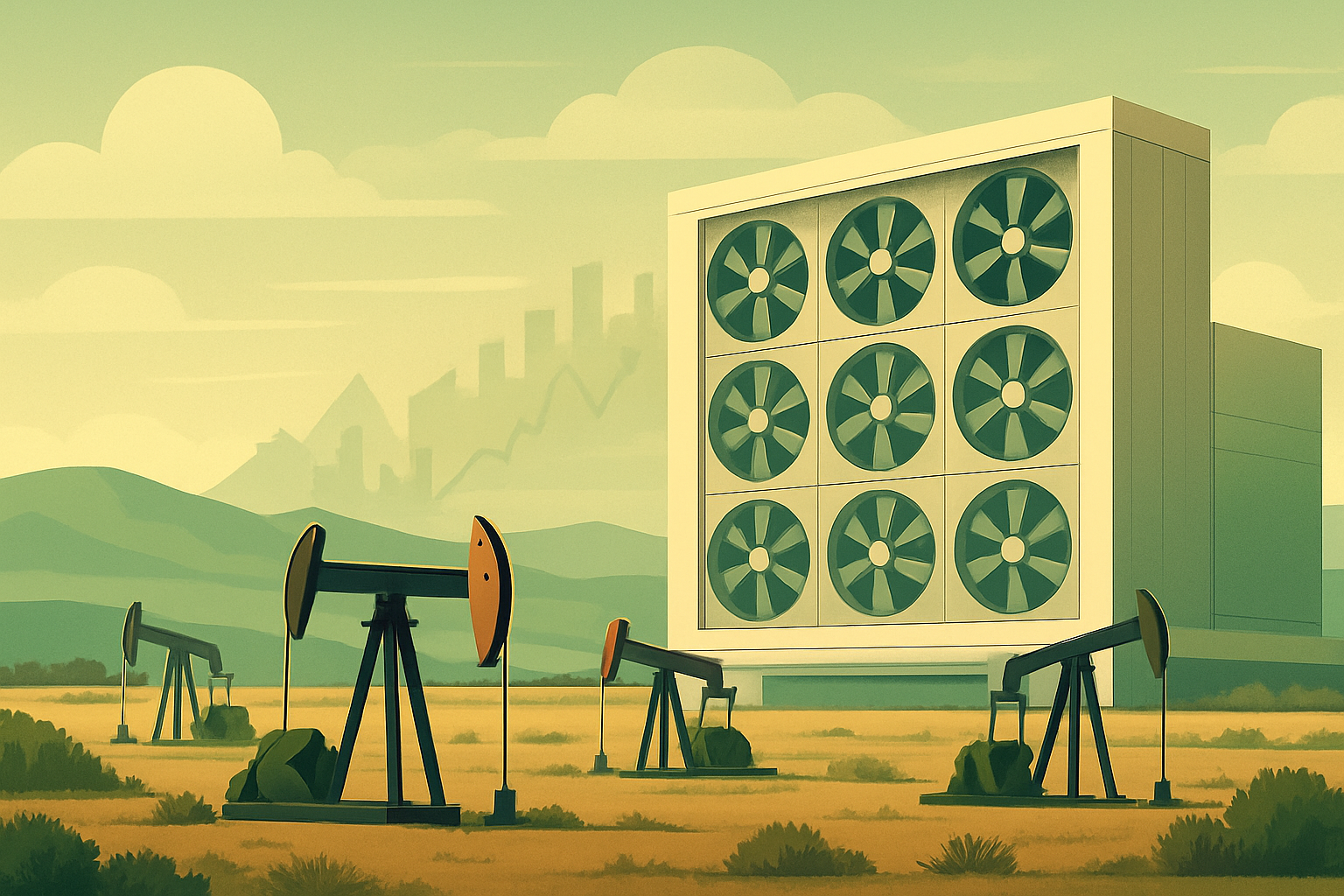
As of March 9, 2026, Occidental Petroleum Corporation (NYSE: OXY) stands as a uniquely bifurcated titan in the global energy landscape. Long considered a traditional "oil major" focused on the prolific Permian Basin, the company has successfully transitioned into what CEO Vicki Hollub calls a "carbon management company." Today, OXY is at the center of a massive industrial experiment: proving that a legacy fossil fuel producer can pivot into a leader of the energy transition while maintaining high-margin hydrocarbon production. With its stock closely watched by retail investors and institutional giants alike—most notably Warren Buffett’s Berkshire Hathaway (NYSE: BRK.A)—Occidental is currently in focus for its ability to balance aggressive debt reduction with multi-billion-dollar investments in Direct Air Capture (DAC) technology.
Historical Background
Founded in 1920 in California, Occidental Petroleum’s early years were spent as a modest explorer. Its meteoric rise began in 1957 when the legendary industrialist Dr. Armand Hammer took the helm. Hammer’s era was defined by bold international moves, specifically in Libya, and a frantic diversification strategy that saw the company enter the chemicals, coal, and meatpacking industries. Following Hammer’s death in 1990, the company spent decades shedding non-core assets to focus on its "crown jewels" in the Middle East and the Permian Basin of West Texas and New Mexico.
The most pivotal moment in recent history occurred in 2019, when OXY outmaneuvered Chevron Corporation (NYSE: CVX) to acquire Anadarko Petroleum for $55 billion. The deal, though initially criticized for its heavy debt load and the onset of the 2020 pandemic-driven oil crash, fundamentally reshaped the company. By 2024, the acquisition of CrownRock for $12 billion further solidified OXY as the dominant player in the Midland Basin, setting the stage for its current 2026 operational profile.
Business Model
Occidental operates a diversified business model primarily split into three core segments:
- Oil and Gas: This is the company's primary cash engine. OXY focuses on high-margin, low-breakeven assets in the U.S. Permian Basin, the DJ Basin in Colorado, the Gulf of Mexico, and international operations in Oman, the UAE, and Algeria.
- Low Carbon Ventures (LCV): Operates through subsidiaries like 1PointFive and Carbon Engineering. This segment focuses on Direct Air Capture (DAC) and Carbon Capture, Utilization, and Storage (CCUS). It generates revenue through the sale of carbon removal credits and the licensing of proprietary technology.
- Midstream and Marketing: This segment optimizes the value chain for OXY’s production, providing flow assurance and managing the logistics of transporting oil, gas, and NGLs to global markets.
Notably, as of early 2026, the company has completed the strategic divestiture of its OxyChem division to Berkshire Hathaway, a move designed to streamline operations and further reduce the long-term debt associated with its 2019-2024 expansion phase.
Stock Performance Overview
OXY’s stock performance has been a story of resilience and recovery.
- 1-Year Performance: Over the past twelve months, the stock has traded in a steady range of $58 to $74, largely tracking the stabilization of WTI crude prices and the market’s growing confidence in the 1PointFive carbon initiatives.
- 5-Year Performance: Looking back to 2021, OXY has been one of the top performers in the S&P 500 energy sector. From the depths of the 2020 oil price collapse (where it dipped below $10), the stock rallied significantly as it deleveraged its balance sheet and benefited from the 2022 energy spike.
- 10-Year Performance: On a decade-long horizon, the stock reflects the volatility of the Anadarko acquisition. While it has not yet reclaimed the all-time highs of the pre-2014 shale boom, the total return (including dividends and buybacks) has improved dramatically since 2022.
Financial Performance
In its latest filings for the 2025 fiscal year, Occidental reported robust operational results.
- Revenue and Production: Total production reached a record 1.4 million barrels of oil equivalent per day (boe/d).
- Margins and FCF: The company generated approximately $3.2 billion in Free Cash Flow (FCF) in 2025. While slightly lower than peak 2022 levels due to moderate oil prices, OXY’s cash margins remain among the highest in the Permian, with a breakeven point estimated below $40 per barrel.
- Debt Reduction: Perhaps the most critical metric for investors, OXY’s principal debt has been slashed to $15 billion as of Q1 2026, down from a peak of nearly $40 billion in 2019.
- Valuation: OXY currently trades at an EV/EBITDA multiple that is competitive with peers like ConocoPhillips (NYSE: COP), reflecting its premium Permian acreage but also a "carbon discount" that some analysts apply to its high-CAPEX LCV projects.
Leadership and Management
CEO Vicki Hollub has led the company since 2016 and is widely regarded as the architect of the modern Occidental. Recently honored with the 2026 Dewhurst Award, Hollub’s strategy has shifted from "transformative growth" to "operational excellence." Her management style is characterized by a deep technical understanding of reservoir engineering and a contrarian view of the energy transition—believing that oil production can be sustained indefinitely if the carbon is captured and sequestered.
The board of directors has been stabilized following the 2019/2020 period of activist pressure, and the company maintains a high-governance reputation, particularly given the oversight of major shareholders like Berkshire Hathaway.
Products, Services, and Innovations
OXY’s primary product remains crude oil and natural gas, but its "innovation pipeline" is where it seeks to differentiate itself.
- Direct Air Capture (DAC): The STRATOS plant in West Texas is now in its final startup phase. Once fully operational in mid-2026, it will be the largest facility of its kind, capable of capturing 500,000 metric tons of CO2 directly from the atmosphere annually.
- Enhanced Oil Recovery (EOR): OXY is a global leader in EOR, using captured CO2 to "wash" additional oil out of mature reservoirs, effectively creating "net-zero" oil by sequestering more carbon than the fuel emits when burned.
- Carbon Credits: The company has successfully pre-sold "Carbon Removal Credits" to blue-chip companies including Amazon, Microsoft, and Airbus, creating a new, non-commodity-linked revenue stream.
Competitive Landscape
Occidental operates in a crowded field of "supermajors" and large-cap independents.
- Against ExxonMobil (NYSE: XOM) and Chevron (NYSE: CVX): OXY lacks the massive global downstream (refining) and retail footprint of the supermajors. However, it possesses a more concentrated and arguably more efficient position in the Permian Basin.
- Competitive Edge: OXY’s advantage lies in its early-mover status in CCUS technology. While XOM and CVX are now investing billions in carbon capture, OXY’s 1PointFive subsidiary is years ahead in commercializing DAC at a utility scale.
Industry and Market Trends
The energy sector in 2026 is defined by "Energy Security vs. Energy Transition." While global demand for oil has reached a plateau in some regions, supply remains tight due to years of underinvestment in new discoveries.
- Consolidation: The 2024-2025 wave of Permian consolidation (including the CrownRock deal) has left the basin in the hands of a few "super-producers" who prioritize capital discipline over production growth.
- Decarbonization Mandates: Increasing regulatory pressure in Europe and the U.S. is forcing energy companies to prove their "net-zero" pathways, a trend that directly favors OXY’s carbon management business model.
Risks and Challenges
- Execution Risk: The STRATOS project and subsequent DAC hubs carry significant engineering risks. Any delays or failure to achieve the targeted capture costs could hurt investor confidence.
- Commodity Volatility: Despite its debt reduction, OXY remains highly leveraged to the price of oil. A sustained drop in WTI below $50 would significantly impact its ability to fund LCV projects.
- Regulatory Changes: While current policy (like the IRA) supports carbon capture, a shift in U.S. political leadership or a repeal of tax credits (45Q) could undermine the economics of the LCV segment.
Opportunities and Catalysts
- Carbon Credit Market Expansion: As more corporations commit to net-zero goals, the demand for high-quality DAC credits is expected to explode, potentially turning LCV into a multi-billion-dollar EBITDA contributor by 2030.
- 45Q Tax Credits: The Inflation Reduction Act provides up to $180 per ton of CO2 captured via DAC and sequestered, a massive subsidy that significantly de-risks OXY’s investments.
- M&A Potential: While Hollub has signaled a pause in major acquisitions, OXY remains a prime candidate for a full takeover by Berkshire Hathaway, which already owns over 30% of the company.
Investor Sentiment and Analyst Coverage
Wall Street remains divided but generally optimistic on OXY.
- The "Buffett Factor": Warren Buffett’s continued accumulation of shares provides a significant "floor" for the stock price. Many retail investors track his moves as a signal of OXY’s long-term value.
- Analyst Views: Most major banks maintain "Buy" or "Hold" ratings. Analysts at Goldman Sachs and Morgan Stanley have highlighted OXY’s FCF generation and its unique "option value" on carbon technology as key reasons for the premium valuation compared to other independent drillers.
Regulatory, Policy, and Geopolitical Factors
OXY’s future is deeply intertwined with government policy. The 45Q tax credit remains the single most important policy driver for its low-carbon business. Geopolitically, OXY’s focus on domestic U.S. production makes it a beneficiary of the "energy independence" narrative, though its operations in the Middle East require careful navigation of regional tensions. Furthermore, the EPA’s evolving methane regulations continue to increase compliance costs for Permian operators, though OXY’s modern infrastructure puts it ahead of smaller, legacy-asset peers.
Conclusion
Occidental Petroleum enters the mid-2020s as a company that has successfully defied the "death of oil" narrative. By doubling down on the Permian Basin while simultaneously building a world-class carbon management business, OXY has created a hedge against the energy transition itself. Investors should watch the startup of the STRATOS plant in mid-2026 as the next major catalyst. While commodity price risks remain, the backing of Berkshire Hathaway and the company’s vastly improved balance sheet make OXY a formidable player in the global race to provide sustainable energy. Whether it becomes a "utility of the energy transition" or remains a high-beta oil play will depend on its ability to execute its ambitious DAC roadmap over the next 24 months.
This content is intended for informational purposes only and is not financial advice.