Tag: Carbon Capture

  • CF Industries (NYSE: CF): From Fertilizer Giant to Low-Carbon Energy Leader

    CF Industries (NYSE: CF): From Fertilizer Giant to Low-Carbon Energy Leader

    Date: April 13, 2026

    Introduction

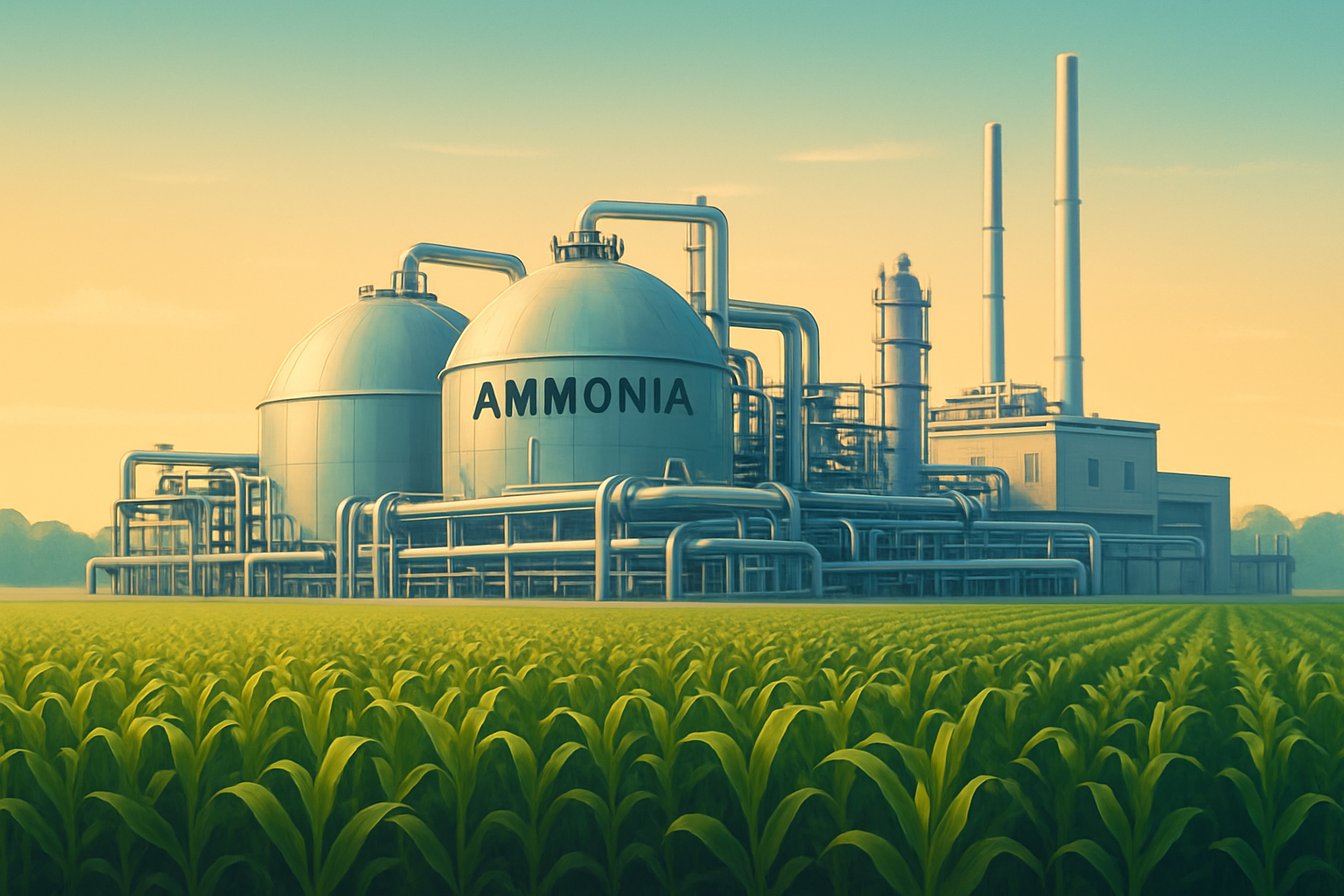
    CF Industries Holdings, Inc. (NYSE: CF) has undergone a profound transformation, evolving from a traditional agricultural supplier into a cornerstone of the emerging global low-carbon energy economy. As of mid-April 2026, the company stands as the world’s largest producer of ammonia, but its current market focus extends far beyond the corn belt. By leveraging its massive manufacturing footprint and the logistical advantages of the U.S. Gulf Coast, CF has positioned itself as a primary beneficiary of the global shift toward decarbonization. With the successful launch of its landmark carbon capture projects and a strategic leadership transition now in the rearview mirror, CF is increasingly viewed by investors not just as a fertilizer play, but as a high-margin industrial technology and clean-energy infrastructure giant.

    Historical Background

    The story of CF Industries began in 1946 as the Central Farmers Fertilizer Company, a cooperative established to provide regional farmers with a reliable supply of plant nutrients. For decades, it operated under a member-owned model until its pivotal 2005 Initial Public Offering (IPO) on the New York Stock Exchange.

    The post-IPO era was defined by aggressive consolidation and scale. The 2010 acquisition of Terra Industries for $4.7 billion fundamentally shifted the company’s trajectory, doubling its size and establishing its dominance in North American nitrogen production. Over the following decade, CF focused on optimizing its "cost-leadership" model, capitalizing on the shale gas revolution which provided a permanent cost advantage over European and Asian competitors. Most recently, the 2023 acquisition of the Waggaman ammonia complex in Louisiana for $1.675 billion further cemented its position as the undisputed leader in domestic ammonia production and set the stage for its current focus on "blue" (low-carbon) ammonia.

    Business Model

    CF Industries operates an integrated manufacturing model centered on the production of nitrogen-based products. Natural gas, which serves as both the fuel and the feedstock, typically accounts for 70% to 80% of production costs. The company’s core business model is built around the nitrogen "value chain":

    • Ammonia: The foundation for all nitrogen products. While much of it is used directly as fertilizer or upgraded into other forms, CF is increasingly marketing ammonia as a zero-carbon fuel for the maritime and power generation sectors.
    • Granular Urea: A solid fertilizer with high nitrogen content, favored in global trade due to its ease of transport.
    • Urea Ammonium Nitrate (UAN): A liquid fertilizer highly popular in North America for its precision application capabilities.
    • Ammonium Nitrate (AN): Used in specialized agriculture and the industrial explosives industry.
    • Industrial & Other: Includes Diesel Exhaust Fluid (DEF) and nitric acid, providing a non-agricultural revenue stream that mitigates seasonal volatility.

    The company’s competitive moat is its distribution network—a massive system of pipelines, barges, and storage terminals that allows it to move product from the low-cost U.S. Gulf Coast to the high-demand regions of the Midwest and international markets with unmatched efficiency.

    Stock Performance Overview

    Over the past decade, CF has been a standout performer in the basic materials sector.

    • 10-Year View: Investors have benefited from a disciplined capital allocation strategy. Since 2020, the company has reduced its shares outstanding by approximately 24%, driving significant earnings-per-share (EPS) growth even during periods of price volatility.
    • 5-Year View: The stock has seen a meteoric rise, up roughly 164% since early 2021. This was initially driven by the post-pandemic commodity boom and later by the market’s realization of CF’s potential in the clean energy space.
    • 1-Year View: As of April 13, 2026, the stock is trading near $121, up 73% over the last twelve months. This recent surge reflects the successful commercialization of the Donaldsonville carbon capture project and the initial recognition of 45Q tax credits on the balance sheet.

    Financial Performance

    CF’s recent financial results underscore a high-margin business benefiting from global supply constraints.

    • Revenue and Income: Following a robust 2025 which saw revenue hit $7.08 billion and net income reach $1.46 billion, the company entered 2026 with strong momentum.
    • Margins: Operating margins remain industry-leading, frequently exceeding 30% due to the widening "gas spread"—the difference between low-cost U.S. natural gas prices and higher global benchmarks.
    • The 45Q Impact: A critical new component of CF’s financials is the Section 45Q tax credit. By sequestering 2 million metric tons of CO2 annually at its Donaldsonville site, the company is accruing roughly $170 million in annual EBITDA tailwinds, a figure that is expected to grow as more CCS (Carbon Capture and Sequestration) projects come online.
    • Balance Sheet: The company maintains a conservative leverage profile, with a Net Debt to EBITDA ratio consistently below 1.5x, providing ample dry powder for its $4 billion "Blue Point" expansion.

    Leadership and Management

    January 2026 marked the beginning of a new era for CF Industries. Christopher D. Bohn assumed the role of President and CEO, succeeding the legendary Tony Will, who retired after a 12-year tenure. Bohn, who previously served as COO and CFO, is widely seen as the architect of the company’s operational efficiency and its clean-energy pivot.

    The leadership transition has been viewed favorably by the market, as Bohn represents continuity in the company's "cash-cow" agricultural business while bringing a technocratic focus to the execution of the low-carbon ammonia strategy. The board remains highly regarded for its shareholder-friendly policies, particularly its commitment to returning excess cash through dividends and buybacks.

    Products, Services, and Innovations

    The most significant innovation in CF’s portfolio is its Blue Ammonia offering. Produced by capturing the CO2 byproduct during the traditional Haber-Bosch process, blue ammonia allows CF to serve markets that are mandate-bound to reduce carbon footprints.

    In late 2025, CF and ExxonMobil (NYSE: XOM) operationalized the world's largest commercial-scale CO2 dehydration and compression facility. Furthermore, CF has abandoned its pursuit of small-scale "green" (electrolysis-based) ammonia in favor of the more economically viable blue ammonia, which leverages existing infrastructure and the generous U.S. regulatory environment.

    Competitive Landscape

    CF operates in a concentrated global market, but its primary competition has shifted:

    • Nutrien Ltd. (NYSE: NTR): The primary North American competitor. Nutrien’s strength lies in its massive retail footprint and potash assets. However, CF currently commands a higher valuation multiple due to its "pure-play" nitrogen focus and more advanced carbon-capture integration.
    • Yara International (OTC: YARIY): A global leader based in Norway. While Yara has been a pioneer in green ammonia, its reliance on expensive European natural gas has put it at a perennial cost disadvantage compared to CF’s Gulf Coast operations.
    • Middle Eastern & Russian Producers: While these regions have low gas costs, CF’s proximity to the U.S. market and its "certified low-carbon" status provide a shield against cheap, high-carbon imports.

    Industry and Market Trends

    The nitrogen industry in 2026 is defined by two divergent trends. In the short term, global supply remains tight due to ongoing geopolitical instability and the closure of high-cost capacity in Europe. In the long term, the industry is transitioning toward an energy carrier model.

    Ammonia is increasingly recognized as a superior hydrogen carrier because it is easier to liquefy and transport than pure hydrogen. Shipping companies and Japanese power utilities are currently the largest emerging customer segments, seeking ammonia to co-fire in coal plants or as a direct carbon-free maritime fuel.

    Risks and Challenges

    Despite its strong position, CF faces several structural risks:

    • Feedstock Volatility: While U.S. gas is currently cheap, any significant increase in domestic natural gas prices would squeeze margins.
    • Operational Risks: The carbon capture projects involve complex, high-pressure infrastructure. Any technical failure or leak could lead to significant regulatory fines and reputational damage.
    • Cyclicality: Agriculture remains the primary driver of demand. A downturn in corn prices or a shift in farmer planting intentions could lead to a glut in nitrogen supply.
    • Policy Reversal: Much of the current valuation is tied to the Inflation Reduction Act (IRA). A change in the U.S. political administration that leads to a repeal or reduction of 45Q credits remains a primary concern for institutional investors.

    Opportunities and Catalysts

    • Blue Point JV: The $4 billion joint venture with Mitsui & Co. and JERA is a massive catalyst. This facility is designed specifically for the export market, targeting long-term supply contracts with Asian utilities.
    • Green Premium: As the European Union’s Carbon Border Adjustment Mechanism (CBAM) takes full effect, CF’s low-carbon ammonia will likely command a "green premium" price, further boosting margins on exports.
    • M&A: With a strong balance sheet, CF is well-positioned to acquire smaller nitrogen assets or midstream CO2 infrastructure to further vertical integration.

    Investor Sentiment and Analyst Coverage

    Investor sentiment on CF is currently "Bullish," with a heavy focus on its ESG (Environmental, Social, and Governance) transformation. Wall Street analysts have largely shifted their classification of CF from a "Cyclical Ag" stock to an "Energy Transition" stock, which has historically commanded higher P/E multiples.

    Major institutional holders, including BlackRock and Vanguard, have maintained or increased their positions, citing the company's clear path to carbon neutrality and its disciplined return of capital. Retail sentiment, while more focused on the agricultural cycle, has also trended positive as the stock approaches all-time highs.

    Regulatory, Policy, and Geopolitical Factors

    The geopolitical landscape has played in CF’s favor. Energy security concerns in Europe and Asia have increased the demand for reliable, North American energy-based products.

    Regulatively, the Inflation Reduction Act remains the backbone of the company’s growth strategy. The $85 per ton credit for sequestered CO2 has effectively subsidized the company’s transition to a low-carbon leader. Furthermore, global maritime regulations (IMO 2030/2050) are providing the "pull" demand needed to justify the massive capital expenditures in new ammonia infrastructure.

    Conclusion

    CF Industries is a rare example of a legacy industrial giant successfully navigating the energy transition. By April 2026, the company has proven it can maintain its dominance in the essential agricultural fertilizer market while simultaneously building a high-growth business in low-carbon energy.

    Investors should watch for the continued execution of the Blue Point project and any shifts in U.S. climate policy. However, with its massive cost advantage, aggressive buyback program, and the significant tailwind of carbon capture credits, CF remains a compelling core holding for those seeking exposure to both food security and the global decarbonization trend.


    This content is intended for informational purposes only and is not financial advice.
  • The Fortress of the Permian: A Deep Dive into Occidental Petroleum (OXY) in 2026

    The Fortress of the Permian: A Deep Dive into Occidental Petroleum (OXY) in 2026

    Date: April 13, 2026

    Introduction

    As of early 2026, Occidental Petroleum Corporation (NYSE: OXY) stands as a unique paradox in the global energy landscape. Once a heavily indebted driller struggling under the weight of a massive acquisition, the company has reinvented itself into what analysts now call the "Fortress of the Permian." Today, Occidental is as much a carbon management pioneer as it is an oil and gas powerhouse. With its landmark Direct Air Capture (DAC) facility, Stratos, nearing full operations and a balance sheet finally purged of its post-2019 "acquisition hangover," OXY has become the primary laboratory for the energy transition. Underpinned by the unwavering support of Warren Buffett’s Berkshire Hathaway (NYSE: BRK.A), Occidental is no longer just a commodity play; it is a high-stakes bet on the future of "net-zero oil."

    Historical Background

    Founded in 1920, Occidental Petroleum’s history is defined by periods of aggressive expansion and larger-than-life leadership. For decades, the company was synonymous with Armand Hammer, the eccentric industrialist who transformed a minor California driller into a global conglomerate with interests ranging from chemicals to art. However, the modern era of OXY began in 2019 with its controversial $38 billion acquisition of Anadarko Petroleum.

    The deal, which involved a bidding war against Chevron (NYSE: CVX), was widely criticized for its timing—occurring just months before the COVID-19 pandemic crashed oil prices in 2020. This plunged the company into a multi-year crisis of debt and survival. The subsequent years were a grueling exercise in asset sales and cost-cutting, leading to the pivotal 2024 acquisition of CrownRock L.P., which solidified OXY’s dominance in the Midland Basin and marked the final phase of its strategic transformation.

    Business Model

    Occidental’s business model is built on three pillars, though one has recently undergone a major structural shift:

    1. Oil and Gas: The core engine, focused primarily on the Permian Basin in the U.S., the Rockies, and the Gulf of Mexico. It is a "Permian-first" model, emphasizing high-margin, low-decline assets.
    2. Low Carbon Ventures (LCV): Operating under the "1PointFive" brand, this segment focuses on commercializing Direct Air Capture (DAC) technology and carbon sequestration services. It generates revenue through the sale of carbon removal credits and the production of "net-zero oil" via Enhanced Oil Recovery (EOR).
    3. Midstream and Marketing: Provides gathering, processing, and transportation for its oil and gas production.
      Note: In January 2026, OXY completed the sale of its chemicals division, OxyChem, to Berkshire Hathaway for $9.7 billion, a move designed to achieve a target debt level of $15 billion.

    Stock Performance Overview

    Occidental’s stock has been a rollercoaster for long-term holders.

    • 1-Year Performance: In the past twelve months, OXY has outperformed the S&P 500 Energy Index, surging nearly 50% year-to-date by April 2026. This move was largely catalyzed by the OxyChem divestiture and the successful integration of CrownRock.
    • 5-Year Performance: From the depths of the 2020-2021 recovery, OXY has seen a meteoric rise. After trading in the $10-$20 range during the pandemic, it stabilized in the $50s and $60s through 2023-2025, before the current 2026 breakout.
    • 10-Year Performance: Despite the recent surge, the 10-year chart reflects the volatility of the 2019 Anadarko deal. Long-term investors who held through the 2020 crash have finally seen significant positive returns, though the stock spent much of the decade recovering lost ground.

    Financial Performance

    Financial discipline has been the company's mantra for the past 24 months.

    • Revenue and Income: For the full year 2025, OXY reported revenue of approximately $22.1 billion. Net income reached $1.6 billion, reflecting the high costs of integrating CrownRock but strong operational margins.
    • Debt Reduction: The primary financial story of 2026 is the reduction of principal debt to $15.0 billion—a staggering decline from the $40 billion high in 2019.
    • Shareholder Returns: In early 2026, the company raised its quarterly dividend by 8% to $0.26 per share ($1.04 annualized). With debt targets met, OXY is expected to pivot toward aggressive share buybacks in the second half of 2026.

    Leadership and Management

    In a move that surprised few but marked the end of an era, CEO Vicki Hollub announced her retirement in early 2026. Hollub, the first woman to lead a major U.S. oil company, will be remembered for her daring Anadarko bet and her vision for a carbon-neutral future.

    She is succeeded by Richard Jackson, formerly the Chief Operating Officer and the architect of the Low Carbon Ventures segment. Jackson’s appointment signals a permanent shift in OXY’s strategy: the "engineer-to-carbon-manager" transition is now complete. His leadership is expected to focus on scaling DAC technology while maintaining the operational excellence in the Permian that Hollub established.

    Products, Services, and Innovations

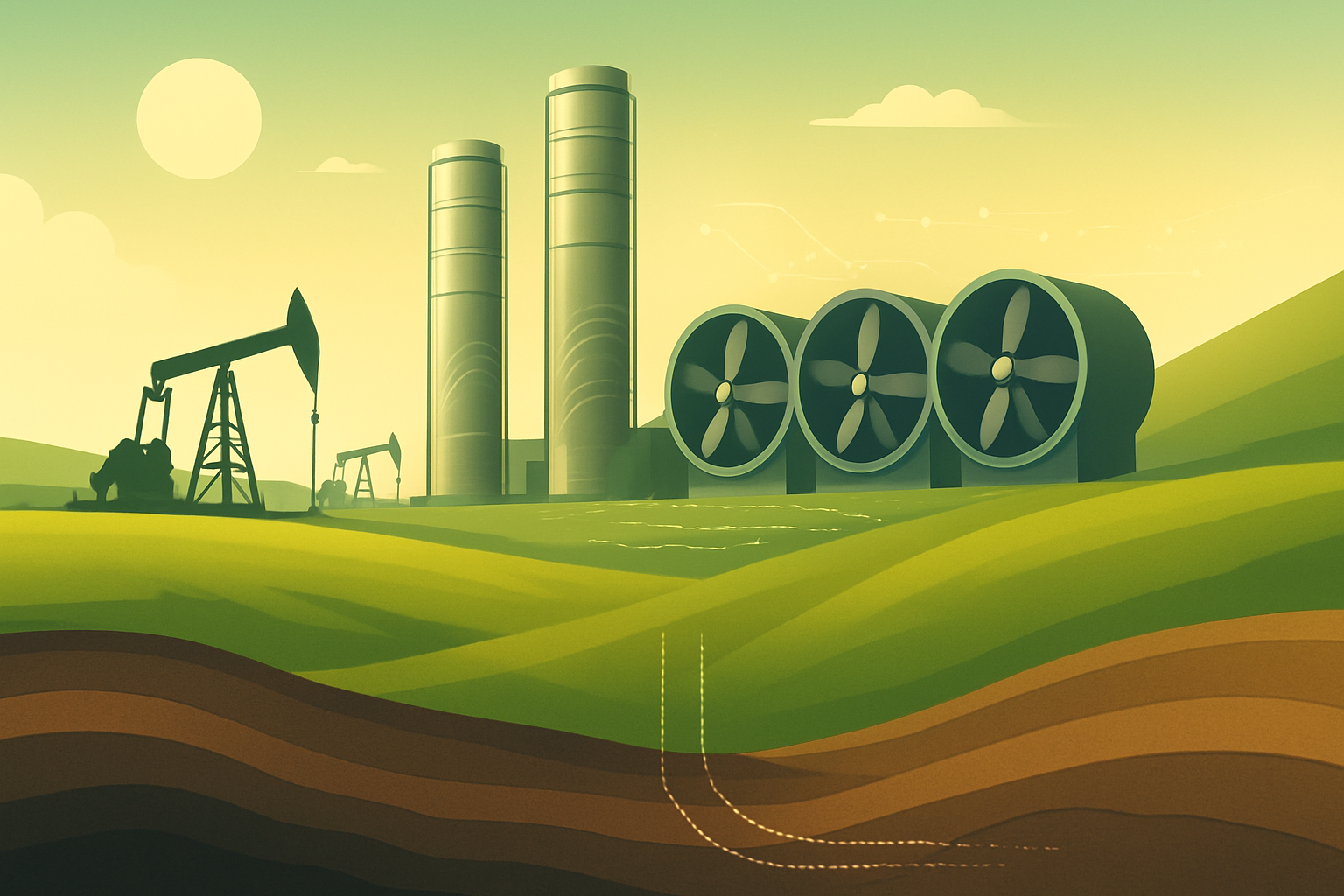
    The crown jewel of OXY’s innovation pipeline is the Stratos DAC plant in Ector County, Texas. As of April 2026, Stratos is in its final startup phase. This facility is the largest of its kind, designed to pull 500,000 metric tons of CO2 directly from the atmosphere annually.

    • Carbon Credits: OXY has already pre-sold millions in carbon credits to blue-chip customers like Microsoft (NASDAQ: MSFT) and Amazon (NASDAQ: AMZN).
    • Enhanced Oil Recovery (EOR): By injecting captured CO2 into aging wells, OXY can extract more oil while permanently sequestering the carbon. This allows the company to market "Net Zero Oil," a product with a lower carbon footprint than traditional crude, which commands a premium in certain markets.

    Competitive Landscape

    The energy landscape has consolidated significantly by 2026.

    • ExxonMobil (NYSE: XOM): Following its Pioneer acquisition, Exxon is the volume king of the Permian. Exxon’s scale gives it an advantage in logistics and cost per barrel, but it is moving slower on DAC technology than OXY.
    • Chevron (NYSE: CVX): Chevron remains a formidable rival with a diversified global portfolio. While Chevron has invested in carbon capture, OXY’s pure-play commitment to Direct Air Capture gives it a "first-mover" status in the carbon economy.
    • Scale vs. Specialization: OXY currently produces roughly 1.48 million boe/d. While smaller than the supermajors, its specialization in the Permian and LCV gives it higher leverage to domestic policy and carbon credit pricing.

    Industry and Market Trends

    The "Great Consolidation" of 2024-2025 has left the U.S. shale industry in the hands of a few disciplined giants.

    • Capital Discipline: The industry has shifted from "growth at all costs" to "cash flow and dividends."
    • Carbon Valuation: As global carbon taxes and reporting requirements tighten, the ability to sequester CO2 has become a financial asset.
    • Energy Security: Geopolitical tensions continue to keep oil prices in a range ($75-$85) that is highly profitable for Permian operators like OXY.

    Risks and Challenges

    • Technology Scaling: While Stratos is a marvel, the technical risk of scaling DAC to millions of tons remains unproven at a profitable margin without government subsidies.
    • Commodity Volatility: Despite the carbon pivot, OXY remains highly sensitive to WTI oil prices. A global recession could still significantly impact its cash flow.
    • Management Transition: The departure of Vicki Hollub introduces execution risk as Richard Jackson takes the helm during a critical integration period for CrownRock and LCV.

    Opportunities and Catalysts

    • Berkshire "Endgame": With Berkshire Hathaway now owning 31% of the common stock and having acquired OxyChem, rumors of a full acquisition by Warren Buffett persist. Such a move would likely come at a significant premium.
    • DAC Expansion: Success at Stratos could lead to the deployment of up to 100 DAC plants globally by 2035, turning OXY into a service provider for other industries' emissions.
    • Inflation Reduction Act (IRA): Continued 45Q tax credits provide a massive tailwind for OXY’s carbon sequestration efforts, effectively subsidizing the transition.

    Investor Sentiment and Analyst Coverage

    Wall Street remains divided but generally bullish on OXY.

    • Bull Case: Analysts point to the "Buffett Floor," suggesting that Berkshire’s continuous buying limits downside risk. The deleveraging story is viewed as a major success.
    • Bear Case: Skeptics argue that OXY is spending too much capital on unproven carbon technology when it could be returning more cash to shareholders.
    • Current Ratings: As of April 2026, consensus among major banks is a "Buy" or "Overweight," with price targets averaging in the mid-$70s.

    Regulatory, Policy, and Geopolitical Factors

    OXY is perhaps more exposed to U.S. policy than any other oil major.

    • The IRA Tailwinds: The 45Q tax credit, which provides up to $180 per ton of carbon sequestered via DAC, is the bedrock of OXY’s LCV segment. Any political shift that threatens these credits is a primary risk.
    • Environmental Oversight: Stricter EPA methane rules and Permian basin drilling permits are constant regulatory hurdles.
    • Global Carbon Markets: The development of a global compliance market for carbon credits would exponentially increase the value of OXY's DAC portfolio.

    Conclusion

    Occidental Petroleum in 2026 is a company that has successfully walked a tightrope. It survived the debt crisis of the early 2020s, doubled down on its Permian heartland, and emerged as the global leader in Direct Air Capture. While risks regarding technology scaling and commodity prices remain, the "Buffett-backed" fortress looks more resilient than ever. For investors, OXY represents a unique hybrid: a cash-generative oil producer for today, and a carbon management giant for tomorrow. The transition under Richard Jackson will be the defining chapter for whether OXY can truly decouple its valuation from the volatility of the oil barrel.


    This content is intended for informational purposes only and is not financial advice.
  • Occidental Petroleum (OXY) in 2026: The Transformation from Oil Giant to Carbon Management Leader

    Occidental Petroleum (OXY) in 2026: The Transformation from Oil Giant to Carbon Management Leader

    As of April 2, 2026, Occidental Petroleum Corporation (NYSE: OXY) stands as a rare specimen in the global energy sector: a legacy oil major that has successfully rebranded itself as a frontrunner in the carbon management economy. Once burdened by the massive debt of its 2019 acquisition of Anadarko, Occidental has spent the last two years aggressively deleveraging, most notably through the early 2026 sale of its chemicals division, OxyChem, to Berkshire Hathaway. Today, the company is viewed less as a traditional exploration and production (E&P) firm and more as a "dual-engine" energy technology hybrid, balancing massive Permian Basin production with the world’s most ambitious Direct Air Capture (DAC) program.

    Historical Background

    Founded in 1920, Occidental Petroleum spent decades as a relatively small player until the arrival of the legendary Armand Hammer in 1957. Under Hammer, OXY became a global conglomerate with interests ranging from Libyan oil fields to meatpacking and chemicals. Following Hammer’s death in 1990, the company pivoted back to its core energy roots.

    The modern era of OXY was defined by the 2019 "Battle for the Permian," where CEO Vicki Hollub outbid Chevron (NYSE: CVX) to acquire Anadarko Petroleum for $38 billion. While the move was initially criticized for its timing—occurring just months before the COVID-19 pandemic crashed oil prices—it secured OXY’s dominance in the Delaware and Midland Basins. The 2024 acquisition of CrownRock further solidified this position, creating the massive Permian footprint that defines the company today.

    Business Model

    Occidental’s business model is now structured around three pillars: Upstream, Midstream/Marketing, and Low Carbon Ventures (LCV).

    The Upstream segment produces oil and natural gas, primarily from the Permian Basin, the Rockies, and the Gulf of Mexico. With the CrownRock integration complete, OXY produces over 1.2 million barrels of oil equivalent per day (boe/d). The Midstream segment ensures flow assurance and optimizes pricing for these products.

    However, the most transformative pillar is Oxy Low Carbon Ventures (LCV), operated through its subsidiary 1PointFive. This segment focuses on "Carbon as a Service," leveraging OXY’s expertise in CO2-Enhanced Oil Recovery (EOR) to capture and sequester atmospheric carbon. This allows OXY to market "Net-Zero Oil," produced by sequestering more carbon than is emitted during the barrel's lifecycle.

    Stock Performance Overview

    OXY has been one of the S&P 500's standout performers over the last five years, though its long-term chart reflects the extreme volatility of the shale era.

    • 1-Year Performance: The stock is up approximately 34.5%, outperforming the broader energy sector (XLE) due to its successful debt reduction and the commissioning of its first DAC plant.
    • 5-Year Performance: Up a staggering 160.3%. Since the "near-death experience" of the 2020 oil price crash, OXY has staged one of the most significant recoveries in the industry, fueled by Warren Buffett’s repeated investments.
    • 10-Year Performance: The total return sits at 33.9%. This modest figure reflects the massive dilution and debt load taken on during the 2019 Anadarko deal and the subsequent collapse in 2020.
    • 2026 YTD: As of April 2026, the stock has surged 58.8%, driven by geopolitical supply constraints and the successful $9.7 billion divestiture of OxyChem.

    Financial Performance

    In early 2026, Occidental’s balance sheet is the cleanest it has been in a decade. 2025 revenue was approximately $21.6 billion, while Free Cash Flow (FCF) reached $3.2 billion despite a moderate oil price environment (WTI averaging ~$65).

    The defining financial event of early 2026 was the sale of OxyChem to Berkshire Hathaway for $9.7 billion. This liquidity event allowed OXY to reduce its principal debt to $15 billion, a drastic improvement from the $40 billion peak in 2019. Management has rewarded shareholders by raising the quarterly dividend by 8% to $0.26 per share, while maintaining a flexible share buyback program that triggers when oil prices exceed $75.

    Leadership and Management

    Vicki Hollub, the first female CEO of a major American oil company, has been the architect of OXY’s high-risk, high-reward strategy. While her leadership was questioned in 2019, she is now widely praised for her resilience and for pivoting OXY toward carbon capture.

    In March 2026, OXY announced that Hollub will retire later this year. She will be succeeded by Richard Jackson, currently the COO and the former head of Low Carbon Ventures. Jackson’s appointment is a clear signal to the market: OXY is doubling down on its identity as a carbon management company. The influence of Warren Buffett remains the "X-factor" in governance, with Berkshire Hathaway (NYSE: BRK.A) holding a roughly 29% stake in the company.

    Products, Services, and Innovations

    The crown jewel of OXY’s innovation pipeline is Stratos, the world’s largest Direct Air Capture plant located in Ector County, Texas. As of April 2026, Stratos is in final commissioning, designed to remove 500,000 metric tons of CO2 annually.

    Beyond DAC, OXY is pioneering "behind-the-meter" power solutions. In 2025, the company launched Project Horizon, a partnership to provide gas-fired power integrated with carbon capture for a 2 GW AI data center campus in West Texas. By linking energy production, carbon sequestration, and AI computing power, OXY has created a unique value proposition that few traditional oil companies can match.

    Competitive Landscape

    In the Permian Basin, OXY’s primary rivals are ExxonMobil (NYSE: XOM) and Chevron. While the supermajors have larger global footprints and deeper pockets, OXY holds a competitive edge in CO2-Enhanced Oil Recovery. OXY operates the largest CO2 pipeline network in the world, an infrastructure moat that makes it the natural leader for carbon sequestration projects in the United States.

    Among "independent" E&Ps, OXY is the undisputed heavyweight, though it increasingly competes with tech-focused carbon removal startups for "Carbon as a Service" contracts.

    Industry and Market Trends

    The energy industry in 2026 is defined by the "Dual Challenge": the world’s continued need for affordable hydrocarbons and the urgent requirement to decarbonize.

    1. Permian Consolidation: Following the acquisitions of Pioneer by Exxon and Hess by Chevron, OXY’s purchase of CrownRock was part of a broader trend of securing low-cost "tier 1" inventory.
    2. The AI Power Crunch: The explosion of AI data centers has created massive demand for reliable, baseload power. OXY’s move into gas-to-power with carbon capture positions it as a key utility partner for the tech sector.
    3. The Carbon Credit Market: As corporate net-zero deadlines approach (2030 targets), the demand for high-quality, permanent carbon removal credits has surged.

    Risks and Challenges

    Despite its strong 2026 start, OXY faces several headwinds:

    • Commodity Price Sensitivity: While debt is lower, OXY’s cash flow remains highly sensitive to WTI prices. A sustained drop below $50 would test its dividend and DAC investment schedule.
    • DAC Scalability: While Stratos is a technical marvel, the economic viability of DAC at scale remains unproven without government subsidies. If capture costs do not fall toward $100/ton, the LCV segment may struggle to reach profitability.
    • Regulatory Shifts: OXY’s business model relies heavily on the 45Q tax credits from the Inflation Reduction Act. Any political shift that threatens these incentives would severely impact its carbon management valuation.

    Opportunities and Catalysts

    • Succession Clarity: The smooth transition from Hollub to Jackson provides a clear roadmap for investors.
    • Monetizing Sequestration: OXY has already secured credit offtake agreements with Amazon, Microsoft, and BlackRock. Further announcements of large-scale corporate partnerships for carbon removal could act as a catalyst for the stock.
    • The "Buffett Put": There is persistent speculation that Berkshire Hathaway may eventually acquire OXY in its entirety, providing a psychological floor for the share price.

    Investor Sentiment and Analyst Coverage

    Wall Street sentiment on OXY is currently "Strong Buy" to "Hold," depending on the analyst's view of oil prices. Analysts at Goldman Sachs and Morgan Stanley have highlighted OXY’s transformation into a "utility-like" E&P, noting that its lower debt and carbon-capture moat deserve a valuation premium over its peers. Among retail investors, OXY remains a "cult stock," largely due to the "Buffett effect."

    Regulatory, Policy, and Geopolitical Factors

    Occidental is perhaps the most policy-exposed company in the U.S. energy sector. The 45Q tax credit, which provides up to $180 per ton of CO2 captured via DAC and permanently stored, is the lifeline of the 1PointFive subsidiary.

    Geopolitically, OXY benefits from being a domestic-heavy producer during times of global unrest. Its assets in the Permian and Gulf of Mexico are far removed from Middle Eastern or European conflicts, making it a "safe-haven" energy play for institutional investors concerned about global supply chain disruptions.

    Conclusion

    As of April 2, 2026, Occidental Petroleum has successfully navigated the most tumultuous period in its 106-year history. By doubling down on the Permian and betting the future on carbon management, the company has positioned itself to survive—and potentially thrive—in a low-carbon world.

    For investors, OXY represents a unique wager: it is a bet on the continued necessity of American oil, the industrialization of carbon capture, and the continued endorsement of the world’s most successful investor, Warren Buffett. While the risks of DAC scalability and commodity volatility remain, OXY enters the mid-2020s as a leaner, smarter, and more focused energy powerhouse.


    This content is intended for informational purposes only and is not financial advice.
  • ExxonMobil (XOM) in 2026: The Molecular Giant’s High-Stakes Rebirth

    ExxonMobil (XOM) in 2026: The Molecular Giant’s High-Stakes Rebirth

    As of March 23, 2026, Exxon Mobil Corporation (NYSE: XOM) stands as a symbol of the "Megamajor" evolution. Once viewed by critics as a legacy fossil fuel dinosaur, the company has spent the last five years aggressively retooling its portfolio to become a low-cost production powerhouse while simultaneously building a nascent, commercially viable green energy arm. Today, ExxonMobil is no longer just an oil company; it is an integrated energy and molecular management giant. With a market capitalization hovering near record highs and a strategic grip on the world’s most profitable oil patches—the Permian Basin and offshore Guyana—XOM is currently the focal point of a global debate over the pace of the energy transition and the enduring necessity of hydrocarbons.

    Historical Background

    ExxonMobil’s lineage traces back to John D. Rockefeller’s Standard Oil Trust, founded in 1870. Following the 1911 antitrust breakup of Standard Oil, two of its largest "baby Standards"—Standard Oil of New Jersey (later Exxon) and Socony (later Mobil)—emerged as global titans. The two reunited in 1999 in a $81 billion merger, the largest in corporate history at the time, creating the modern ExxonMobil.

    The company's history has been defined by periods of massive expansion followed by disciplined consolidation. In the 2010s, XOM faced criticism for a series of expensive acquisitions (notably XTO Energy) and a perceived laggardness in the ESG movement. However, the 2020s marked a radical shift. Under the leadership of Darren Woods, the company weathered the pandemic-induced oil crash of 2020, defeated a landmark board challenge from activist investor Engine No. 1 in 2021, and emerged with a leaner, more focused strategy centered on "advantaged" high-margin assets.

    Business Model

    ExxonMobil operates through four primary segments:

    1. Upstream: This is the core engine, focused on the exploration and production of crude oil and natural gas. The segment is increasingly concentrated in low-cost regions like the U.S. Permian Basin and Guyana.
    2. Product Solutions: Formed by the 2022 merger of the Downstream and Chemical segments, this division refines crude into fuels, lubricants, and high-performance chemicals (plastics, resins, and synthetic rubber).
    3. Low Carbon Solutions (LCS): A relatively new but rapidly growing segment focused on Carbon Capture and Storage (CCS), hydrogen, and lithium mining.
    4. Specialty Products: High-margin lubricants and branded products like Mobil 1.

    The company's customer base spans global industrial manufacturers, utility providers, airlines, and retail consumers via its massive Exxon and Mobil gas station networks.

    Stock Performance Overview

    Over the past decade, XOM’s stock has been a story of a "lost decade" followed by a spectacular resurgence.

    • 10-Year View: From 2016 to 2020, the stock languished, significantly underperforming the S&P 500.
    • 5-Year View: The stock has seen a massive rebound, up over 150% as energy security became a global priority and the company’s capital discipline began to pay off.
    • 1-Year View: As of March 2026, XOM is trading in the $156–$159 range, representing an 18% gain over the last 12 months. This outperformance reflects the successful integration of Pioneer Natural Resources and the accelerating production in Guyana.

    Financial Performance

    In the 2025 fiscal year, ExxonMobil reported earnings of $28.8 billion. While this was down from the record highs of 2024—primarily due to a normalization of crude prices—the company’s underlying cash machine remains robust.

    • Free Cash Flow (FCF): Generated $26.1 billion in 2025, allowing for substantial shareholder returns.
    • Shareholder Returns: In 2025 alone, the company returned $37.2 billion to investors through $17.2 billion in dividends and $20 billion in share buybacks.
    • Debt & Margins: The company maintains a remarkably clean balance sheet with a debt-to-capital ratio well below 20%. Structural cost savings have reached $15.1 billion cumulative since 2019, significantly padding margins even in lower-price environments.

    Leadership and Management

    CEO Darren Woods has led the company since 2017. His tenure has been marked by a transition from a "growth at all costs" mentality to a "value over volume" approach. Woods is supported by a streamlined executive team, including CFO Kathy Mikells, who has been instrumental in the company’s aggressive cost-cutting and capital allocation programs. The board of directors, refreshed following the 2021 activist campaign, now includes members with deeper expertise in renewable energy and carbon technology, reflecting the company’s dual-track strategy of oil dominance and energy transition.

    Products, Services, and Innovations

    Innovation at ExxonMobil is currently focused on two frontiers:

    1. Mobil Lithium: Located in the Smackover Formation in Arkansas, Exxon is pioneering Direct Lithium Extraction (DLE). As of March 2026, the company is preparing to launch commercial-scale extraction facilities, aiming to become a top supplier for the North American EV battery market by 2027.
    2. Carbon Capture and Storage (CCS): Exxon is marketing CCS as a "service." It currently has approximately 9 million tons per annum (MTA) of CO2 under contract with industrial customers like Linde and Nucor.
    3. High-Performance Chemicals: Developing new "Proxxon" polymers and lightweight plastics that help improve fuel efficiency in the automotive sector.

    Competitive Landscape

    ExxonMobil’s primary rivals include fellow "Supermajors" like Chevron (NYSE: CVX), Shell (SHEL), and BP (BP).

    • Versus Chevron: Exxon has pulled ahead in the Permian Basin following the $64.5 billion acquisition of Pioneer Natural Resources, giving it a scale and depth of inventory that Chevron struggles to match.
    • Versus European Majors: While Shell and BP pivoted early (and sometimes inconsistently) toward renewable power (wind and solar), Exxon stayed the course on molecules (oil, gas, hydrogen). This has resulted in superior financial returns for XOM in the high-price environment of 2022–2025.

    Industry and Market Trends

    The energy sector in 2026 is defined by "The Great Balancing Act." Global demand for oil remains resilient, particularly in emerging markets, even as the U.S. and Europe accelerate their green transitions. Supply chain pressures have eased since 2023, but the "Permian Consolidation" trend continues, as smaller operators are swallowed by giants like Exxon seeking to maximize drilling efficiency through automation and data analytics.

    Risks and Challenges

    Despite its dominance, Exxon faces significant headwinds:

    • Commodity Price Volatility: A global slowdown or oversupply from OPEC+ could compress margins.
    • Litigation: Climate-related lawsuits from cities and states continue to pose a long-term liability threat.
    • Regulatory Scrutiny: Methane emission regulations in the U.S. and potential carbon taxes in Europe increase the cost of doing business.
    • Execution Risk: The pivot into lithium and CCS requires massive capital and technical success in relatively unproven commercial markets.

    Opportunities and Catalysts

    • Guyana Cost Recovery: In 2026, Exxon is expected to recover $5 billion in costs from its Guyana operations earlier than planned, significantly boosting net income.
    • Pioneer Synergies: The company has raised its synergy targets for the Pioneer integration to over $3 billion annually, driven by "cube development" drilling techniques.
    • Lithium Launch: The transition of the Arkansas lithium project from pilot to commercial phase in late 2026 could provide a significant valuation re-rating.

    Investor Sentiment and Analyst Coverage

    Wall Street sentiment remains largely bullish. As of March 2026, many analysts, including those at Barclays and Mizuho, have raised price targets toward the $165–$170 range. Institutional investors value the stock for its "defensive growth" profile—offering high dividends and massive buybacks while maintaining exposure to the upside of potential energy shortages. Retail sentiment is bolstered by the company’s status as a "Dividend Aristocrat" with over 40 years of consecutive dividend increases.

    Regulatory, Policy, and Geopolitical Factors

    Geopolitical tensions in the Middle East and Eastern Europe continue to provide a floor for oil prices, benefiting XOM. Domestically, the regulatory environment remains complex. While the company has benefited from some federal incentives for CCS and hydrogen (via the Inflation Reduction Act), it remains a frequent target for political rhetoric regarding fuel prices and corporate profits. In Guyana, the company must maintain a delicate diplomatic balance as it navigates the border dispute between Guyana and Venezuela.

    Conclusion

    ExxonMobil enters the spring of 2026 as a leaner, smarter, and more profitable version of its former self. By doubling down on the Permian and Guyana while building a pragmatic, molecule-based low-carbon business, the company has managed to satisfy both the demand for immediate returns and the need for a long-term energy transition strategy. For investors, the key will be watching whether the company can maintain its capital discipline as it scales its "New Energy" ventures. In a world that still runs on energy, ExxonMobil remains the undisputed heavyweight champion of the industry.


    This content is intended for informational purposes only and is not financial advice.
  • The Dual-Engine Giant: A 2026 Deep Dive into Occidental Petroleum (OXY)

    The Dual-Engine Giant: A 2026 Deep Dive into Occidental Petroleum (OXY)

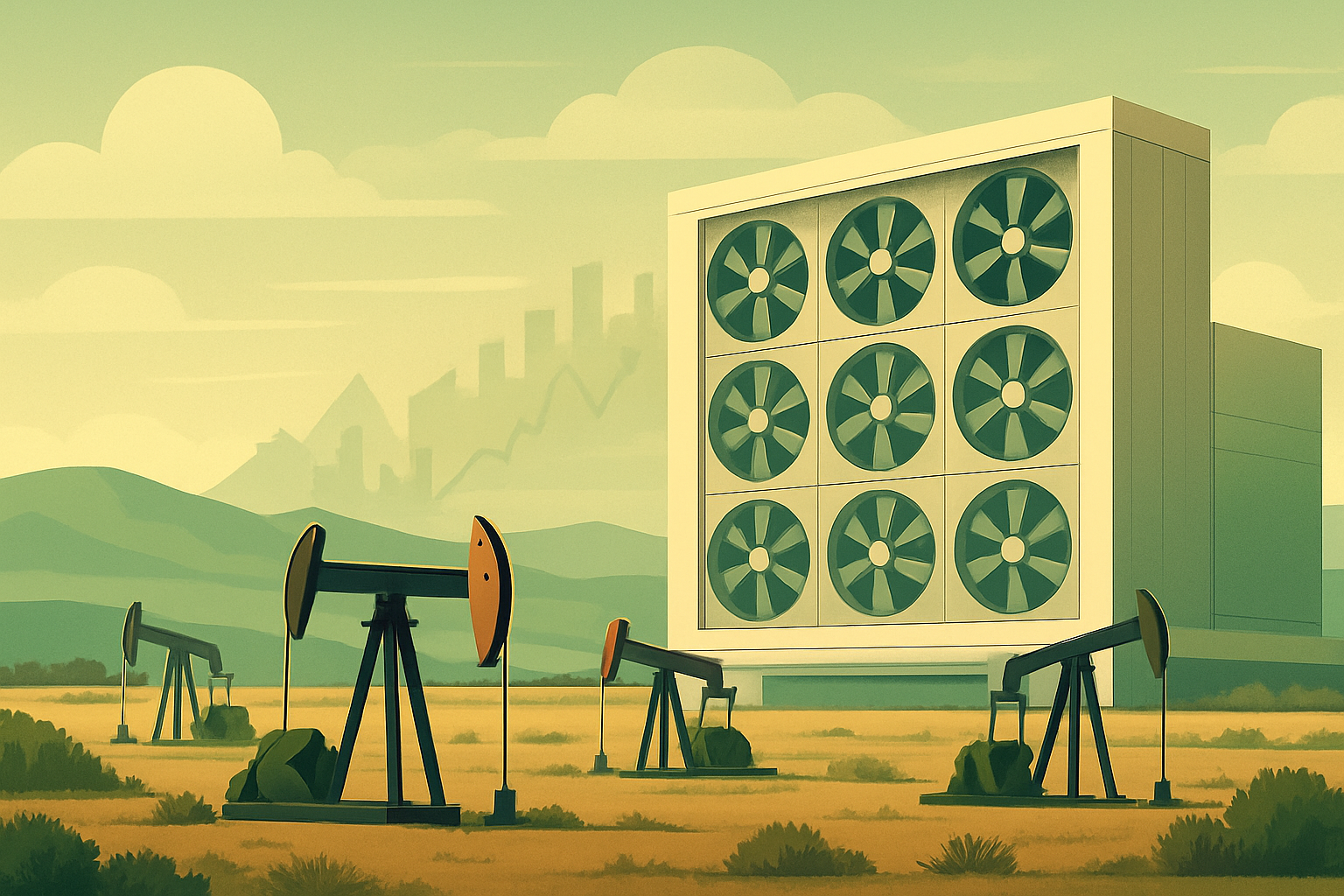
    As of March 9, 2026, Occidental Petroleum Corporation (NYSE: OXY) stands as a uniquely bifurcated titan in the global energy landscape. Long considered a traditional "oil major" focused on the prolific Permian Basin, the company has successfully transitioned into what CEO Vicki Hollub calls a "carbon management company." Today, OXY is at the center of a massive industrial experiment: proving that a legacy fossil fuel producer can pivot into a leader of the energy transition while maintaining high-margin hydrocarbon production. With its stock closely watched by retail investors and institutional giants alike—most notably Warren Buffett’s Berkshire Hathaway (NYSE: BRK.A)—Occidental is currently in focus for its ability to balance aggressive debt reduction with multi-billion-dollar investments in Direct Air Capture (DAC) technology.

    Historical Background

    Founded in 1920 in California, Occidental Petroleum’s early years were spent as a modest explorer. Its meteoric rise began in 1957 when the legendary industrialist Dr. Armand Hammer took the helm. Hammer’s era was defined by bold international moves, specifically in Libya, and a frantic diversification strategy that saw the company enter the chemicals, coal, and meatpacking industries. Following Hammer’s death in 1990, the company spent decades shedding non-core assets to focus on its "crown jewels" in the Middle East and the Permian Basin of West Texas and New Mexico.

    The most pivotal moment in recent history occurred in 2019, when OXY outmaneuvered Chevron Corporation (NYSE: CVX) to acquire Anadarko Petroleum for $55 billion. The deal, though initially criticized for its heavy debt load and the onset of the 2020 pandemic-driven oil crash, fundamentally reshaped the company. By 2024, the acquisition of CrownRock for $12 billion further solidified OXY as the dominant player in the Midland Basin, setting the stage for its current 2026 operational profile.

    Business Model

    Occidental operates a diversified business model primarily split into three core segments:

    1. Oil and Gas: This is the company's primary cash engine. OXY focuses on high-margin, low-breakeven assets in the U.S. Permian Basin, the DJ Basin in Colorado, the Gulf of Mexico, and international operations in Oman, the UAE, and Algeria.
    2. Low Carbon Ventures (LCV): Operates through subsidiaries like 1PointFive and Carbon Engineering. This segment focuses on Direct Air Capture (DAC) and Carbon Capture, Utilization, and Storage (CCUS). It generates revenue through the sale of carbon removal credits and the licensing of proprietary technology.
    3. Midstream and Marketing: This segment optimizes the value chain for OXY’s production, providing flow assurance and managing the logistics of transporting oil, gas, and NGLs to global markets.

    Notably, as of early 2026, the company has completed the strategic divestiture of its OxyChem division to Berkshire Hathaway, a move designed to streamline operations and further reduce the long-term debt associated with its 2019-2024 expansion phase.

    Stock Performance Overview

    OXY’s stock performance has been a story of resilience and recovery.

    • 1-Year Performance: Over the past twelve months, the stock has traded in a steady range of $58 to $74, largely tracking the stabilization of WTI crude prices and the market’s growing confidence in the 1PointFive carbon initiatives.
    • 5-Year Performance: Looking back to 2021, OXY has been one of the top performers in the S&P 500 energy sector. From the depths of the 2020 oil price collapse (where it dipped below $10), the stock rallied significantly as it deleveraged its balance sheet and benefited from the 2022 energy spike.
    • 10-Year Performance: On a decade-long horizon, the stock reflects the volatility of the Anadarko acquisition. While it has not yet reclaimed the all-time highs of the pre-2014 shale boom, the total return (including dividends and buybacks) has improved dramatically since 2022.

    Financial Performance

    In its latest filings for the 2025 fiscal year, Occidental reported robust operational results.

    • Revenue and Production: Total production reached a record 1.4 million barrels of oil equivalent per day (boe/d).
    • Margins and FCF: The company generated approximately $3.2 billion in Free Cash Flow (FCF) in 2025. While slightly lower than peak 2022 levels due to moderate oil prices, OXY’s cash margins remain among the highest in the Permian, with a breakeven point estimated below $40 per barrel.
    • Debt Reduction: Perhaps the most critical metric for investors, OXY’s principal debt has been slashed to $15 billion as of Q1 2026, down from a peak of nearly $40 billion in 2019.
    • Valuation: OXY currently trades at an EV/EBITDA multiple that is competitive with peers like ConocoPhillips (NYSE: COP), reflecting its premium Permian acreage but also a "carbon discount" that some analysts apply to its high-CAPEX LCV projects.

    Leadership and Management

    CEO Vicki Hollub has led the company since 2016 and is widely regarded as the architect of the modern Occidental. Recently honored with the 2026 Dewhurst Award, Hollub’s strategy has shifted from "transformative growth" to "operational excellence." Her management style is characterized by a deep technical understanding of reservoir engineering and a contrarian view of the energy transition—believing that oil production can be sustained indefinitely if the carbon is captured and sequestered.

    The board of directors has been stabilized following the 2019/2020 period of activist pressure, and the company maintains a high-governance reputation, particularly given the oversight of major shareholders like Berkshire Hathaway.

    Products, Services, and Innovations

    OXY’s primary product remains crude oil and natural gas, but its "innovation pipeline" is where it seeks to differentiate itself.

    • Direct Air Capture (DAC): The STRATOS plant in West Texas is now in its final startup phase. Once fully operational in mid-2026, it will be the largest facility of its kind, capable of capturing 500,000 metric tons of CO2 directly from the atmosphere annually.
    • Enhanced Oil Recovery (EOR): OXY is a global leader in EOR, using captured CO2 to "wash" additional oil out of mature reservoirs, effectively creating "net-zero" oil by sequestering more carbon than the fuel emits when burned.
    • Carbon Credits: The company has successfully pre-sold "Carbon Removal Credits" to blue-chip companies including Amazon, Microsoft, and Airbus, creating a new, non-commodity-linked revenue stream.

    Competitive Landscape

    Occidental operates in a crowded field of "supermajors" and large-cap independents.

    • Against ExxonMobil (NYSE: XOM) and Chevron (NYSE: CVX): OXY lacks the massive global downstream (refining) and retail footprint of the supermajors. However, it possesses a more concentrated and arguably more efficient position in the Permian Basin.
    • Competitive Edge: OXY’s advantage lies in its early-mover status in CCUS technology. While XOM and CVX are now investing billions in carbon capture, OXY’s 1PointFive subsidiary is years ahead in commercializing DAC at a utility scale.

    Industry and Market Trends

    The energy sector in 2026 is defined by "Energy Security vs. Energy Transition." While global demand for oil has reached a plateau in some regions, supply remains tight due to years of underinvestment in new discoveries.

    • Consolidation: The 2024-2025 wave of Permian consolidation (including the CrownRock deal) has left the basin in the hands of a few "super-producers" who prioritize capital discipline over production growth.
    • Decarbonization Mandates: Increasing regulatory pressure in Europe and the U.S. is forcing energy companies to prove their "net-zero" pathways, a trend that directly favors OXY’s carbon management business model.

    Risks and Challenges

    • Execution Risk: The STRATOS project and subsequent DAC hubs carry significant engineering risks. Any delays or failure to achieve the targeted capture costs could hurt investor confidence.
    • Commodity Volatility: Despite its debt reduction, OXY remains highly leveraged to the price of oil. A sustained drop in WTI below $50 would significantly impact its ability to fund LCV projects.
    • Regulatory Changes: While current policy (like the IRA) supports carbon capture, a shift in U.S. political leadership or a repeal of tax credits (45Q) could undermine the economics of the LCV segment.

    Opportunities and Catalysts

    • Carbon Credit Market Expansion: As more corporations commit to net-zero goals, the demand for high-quality DAC credits is expected to explode, potentially turning LCV into a multi-billion-dollar EBITDA contributor by 2030.
    • 45Q Tax Credits: The Inflation Reduction Act provides up to $180 per ton of CO2 captured via DAC and sequestered, a massive subsidy that significantly de-risks OXY’s investments.
    • M&A Potential: While Hollub has signaled a pause in major acquisitions, OXY remains a prime candidate for a full takeover by Berkshire Hathaway, which already owns over 30% of the company.

    Investor Sentiment and Analyst Coverage

    Wall Street remains divided but generally optimistic on OXY.

    • The "Buffett Factor": Warren Buffett’s continued accumulation of shares provides a significant "floor" for the stock price. Many retail investors track his moves as a signal of OXY’s long-term value.
    • Analyst Views: Most major banks maintain "Buy" or "Hold" ratings. Analysts at Goldman Sachs and Morgan Stanley have highlighted OXY’s FCF generation and its unique "option value" on carbon technology as key reasons for the premium valuation compared to other independent drillers.

    Regulatory, Policy, and Geopolitical Factors

    OXY’s future is deeply intertwined with government policy. The 45Q tax credit remains the single most important policy driver for its low-carbon business. Geopolitically, OXY’s focus on domestic U.S. production makes it a beneficiary of the "energy independence" narrative, though its operations in the Middle East require careful navigation of regional tensions. Furthermore, the EPA’s evolving methane regulations continue to increase compliance costs for Permian operators, though OXY’s modern infrastructure puts it ahead of smaller, legacy-asset peers.

    Conclusion

    Occidental Petroleum enters the mid-2020s as a company that has successfully defied the "death of oil" narrative. By doubling down on the Permian Basin while simultaneously building a world-class carbon management business, OXY has created a hedge against the energy transition itself. Investors should watch the startup of the STRATOS plant in mid-2026 as the next major catalyst. While commodity price risks remain, the backing of Berkshire Hathaway and the company’s vastly improved balance sheet make OXY a formidable player in the global race to provide sustainable energy. Whether it becomes a "utility of the energy transition" or remains a high-beta oil play will depend on its ability to execute its ambitious DAC roadmap over the next 24 months.


    This content is intended for informational purposes only and is not financial advice.
  • The Carbon-Negative Pivot: A Deep Dive into Occidental Petroleum (OXY) ahead of Q4 2025 Earnings

    The Carbon-Negative Pivot: A Deep Dive into Occidental Petroleum (OXY) ahead of Q4 2025 Earnings

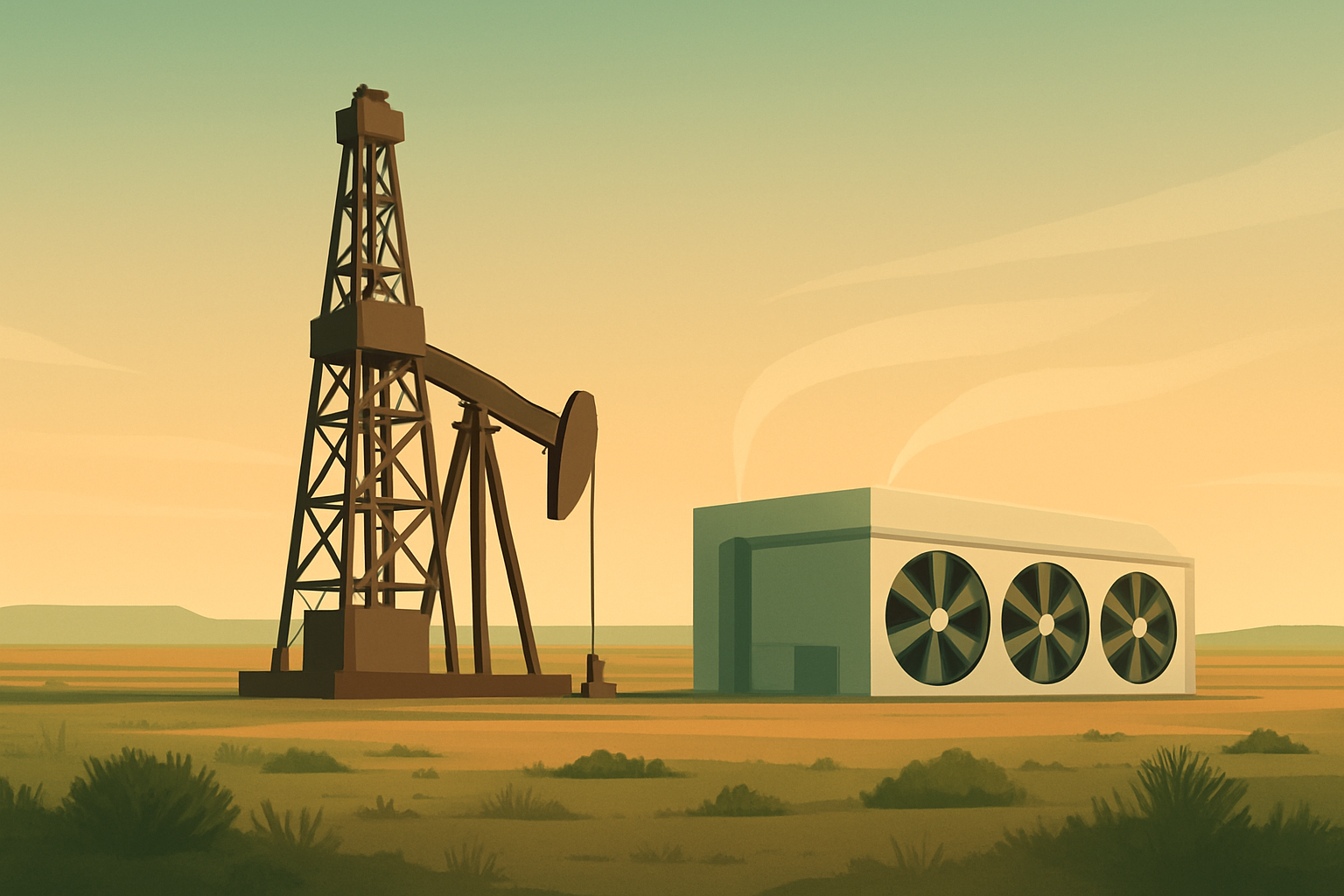
    As of February 17, 2026, Occidental Petroleum (NYSE: OXY) stands at a pivotal crossroads in its century-long history. Known traditionally as a Permian Basin powerhouse, the company is aggressively rebranding itself as a leader in the global energy transition. With its fourth-quarter 2025 earnings report scheduled for release tomorrow, February 18, all eyes are on Chief Executive Officer Vicki Hollub. The narrative surrounding Occidental has shifted from the debt-laden concerns of the 2019 Anadarko acquisition to a forward-looking strategy centered on carbon management, reinforced by a massive $9.7 billion divestiture of its chemical arm to Berkshire Hathaway (NYSE: BRK.A) just last month.

    Historical Background

    Founded in 1920, Occidental Petroleum spent decades under the flamboyant leadership of Armand Hammer, who transformed it from a small California explorer into a global oil giant with significant interests in Libya and the North Sea. However, the most transformative era began in 2019 when Vicki Hollub orchestrated a $38 billion acquisition of Anadarko Petroleum. The deal, though initially criticized for its timing and high leverage, solidified OXY’s dominance in the Permian Basin—the most prolific oil field in the United States. Following the COVID-19 pandemic's price collapse, the company spent 2021–2024 aggressively deleveraging and refining its portfolio, culminating in the 2024 acquisition of CrownRock and the subsequent 2026 strategic sale of OxyChem to pivot toward a "pure-play" upstream and low-carbon future.

    Business Model

    Following the divestiture of OxyChem in early 2026, Occidental’s business model now rests on three primary pillars:

    • Oil and Gas (Upstream): This remains the primary engine of cash flow, focusing on the Permian and Delaware Basins, the Rockies, and the Gulf of Mexico. With the integration of CrownRock, OXY holds over 1.3 million net acres in the Permian alone.
    • Midstream and Marketing: This segment optimizes the value of OXY’s production through gathering, processing, and transporting oil, gas, and NGLs. It also includes the company’s investment in Western Midstream Partners (NYSE: WES).
    • Low Carbon Ventures (LCV): Operates through its subsidiary, 1PointFive. This segment is dedicated to developing Direct Air Capture (DAC) technology and carbon sequestration services, aiming to commercialize carbon as a service for hard-to-abate industries.

    Stock Performance Overview

    OXY’s stock performance has been a story of resilience and high-profile backing. Over the 1-year period ending early 2026, the stock has faced headwinds, declining roughly 18% due to a retreat in WTI crude prices to the $60–$65 range. On a 5-year horizon, however, the stock has been a standout performer, recovering from near-insolvency in 2020 to reach multi-year highs in 2023–2024, supported by massive buybacks and the "Buffett Put." Over the 10-year period, the stock reflects the volatility of the shale era, yet maintains a premium valuation compared to some peers due to its unique carbon-capture optionality.

    Financial Performance

    Financial results for the upcoming Q4 2025 report are expected to reflect a compression in margins. Analysts estimate Earnings Per Share (EPS) at $0.19, a significant year-over-year drop from $0.80 in Q4 2024. Revenue is projected at approximately $5.88 billion. However, the balance sheet is the headline: the recent $9.7 billion cash infusion from the OxyChem sale has allowed OXY to retire $6.5 billion in debt, bringing total principal debt toward the management target of $15 billion. Free cash flow generation, while impacted by lower oil prices, remains prioritized for sustaining the dividend and funding the LCV build-out.

    Leadership and Management

    Vicki Hollub, CEO since 2016, remains one of the most watched figures in energy. She has successfully navigated the company through a near-death experience in 2020 and has earned the staunch support of Warren Buffett. Her leadership is defined by a "double-down" strategy: securing the best rocks in the Permian while simultaneously building the infrastructure for a carbon-neutral future. The board’s governance has shifted to reflect this, with increased oversight on ESG milestones and the successful integration of major acquisitions like CrownRock.

    Products, Services, and Innovations

    The crown jewel of OXY’s innovation pipeline is Stratos, the world’s largest Direct Air Capture plant. As of February 2026, Stratos is in the final stages of commissioning in Ector County, Texas. Once fully operational, it is designed to remove 500,000 metric tons of CO2 annually from the atmosphere. OXY’s "Net Zero" oil strategy—using captured CO2 for Enhanced Oil Recovery (EOR)—represents a paradigm shift, potentially creating a market for oil with a lower-than-zero carbon footprint.

    Competitive Landscape

    In the Permian Basin, OXY competes with titans like ExxonMobil (NYSE: XOM) and Chevron (NYSE: CVX). While Exxon and Chevron have larger global footprints and stronger balance sheets, OXY’s competitive edge lies in its EOR expertise. OXY is the world leader in using CO2 to push more oil out of mature wells, a technical advantage that dovetails perfectly with its carbon capture ambitions. Compared to independent E&Ps like EOG Resources (NYSE: EOG), OXY offers investors a more diversified "energy transition" play.

    Industry and Market Trends

    The energy sector in 2026 is grappling with "The Great Rebalancing." While global oil demand remains resilient, there is an accelerating shift toward decarbonization. US producers are prioritizing "value over volume," focusing on returning capital to shareholders rather than aggressive production growth. Furthermore, the consolidation of the Permian Basin has left fewer, larger players who are more disciplined in their capital expenditure (CapEx) programs.

    Risks and Challenges

    • Commodity Price Sensitivity: OXY remains highly leveraged to the price of West Texas Intermediate (WTI). A sustained dip below $60/bbl could pressure its ambitious LCV funding.
    • Execution Risk: The DAC technology at scale is unproven commercially. Any technical failures or cost overruns at Stratos could sour investor sentiment.
    • Regulatory Uncertainty: While the Inflation Reduction Act (IRA) provided significant tailwinds via 45Q tax credits, any future political shifts in Washington could impact the subsidies that make DAC economically viable.

    Opportunities and Catalysts

    • DAC Commercialization: The official startup of Stratos in mid-2026 serves as a major near-term catalyst.
    • Carbon Credit Sales: OXY has already pre-sold credits to blue-chip firms like Microsoft (NASDAQ: MSFT) and Amazon (NASDAQ: AMZN), creating a high-margin, non-commodity revenue stream.
    • Berkshire Factor: With Berkshire Hathaway owning nearly 27% of common stock and holding warrants to buy more, many investors believe an outright acquisition by Buffett remains a possibility, providing a "floor" for the stock price.

    Investor Sentiment and Analyst Coverage

    Sentiment among institutional investors is currently "cautiously optimistic." While the 2025 stock performance was disappointing, the de-risking of the balance sheet via the OxyChem sale has been hailed as a masterstroke. Hedge fund activity shows a slight increase in positioning ahead of the Q4 report, with many looking for guidance on the 2026 CapEx budget. Wall Street analysts remain divided, with a consensus "Hold/Buy" rating and price targets largely dependent on oil price assumptions for the second half of 2026.

    Regulatory, Policy, and Geopolitical Factors

    OXY is a primary beneficiary of U.S. federal policy, specifically the Inflation Reduction Act, which increased the 45Q tax credit to $180 per ton for CO2 captured via DAC and stored geologically. Geopolitically, OXY’s focus on domestic U.S. production insulates it from some risks in the Middle East, though its operations in Oman and Algeria remain significant enough to warrant attention regarding regional stability.

    Conclusion

    Occidental Petroleum enters 2026 as a leaner, more focused entity. By shedding its chemical business and doubling down on the Permian and carbon capture, Vicki Hollub has placed a massive bet on the longevity of hydrocarbons in a net-zero world. Investors should watch tomorrow’s earnings closely—not just for the bottom-line numbers, but for updates on the Stratos commissioning and the finalized debt reduction roadmap. OXY is no longer just an oil company; it is a high-stakes experiment in the future of energy.


    This content is intended for informational purposes only and is not financial advice.