Tag: Copper

  • The Disciplined Giant: BHP Group’s Post-Anglo Strategy and the Future of Copper

    The Disciplined Giant: BHP Group’s Post-Anglo Strategy and the Future of Copper

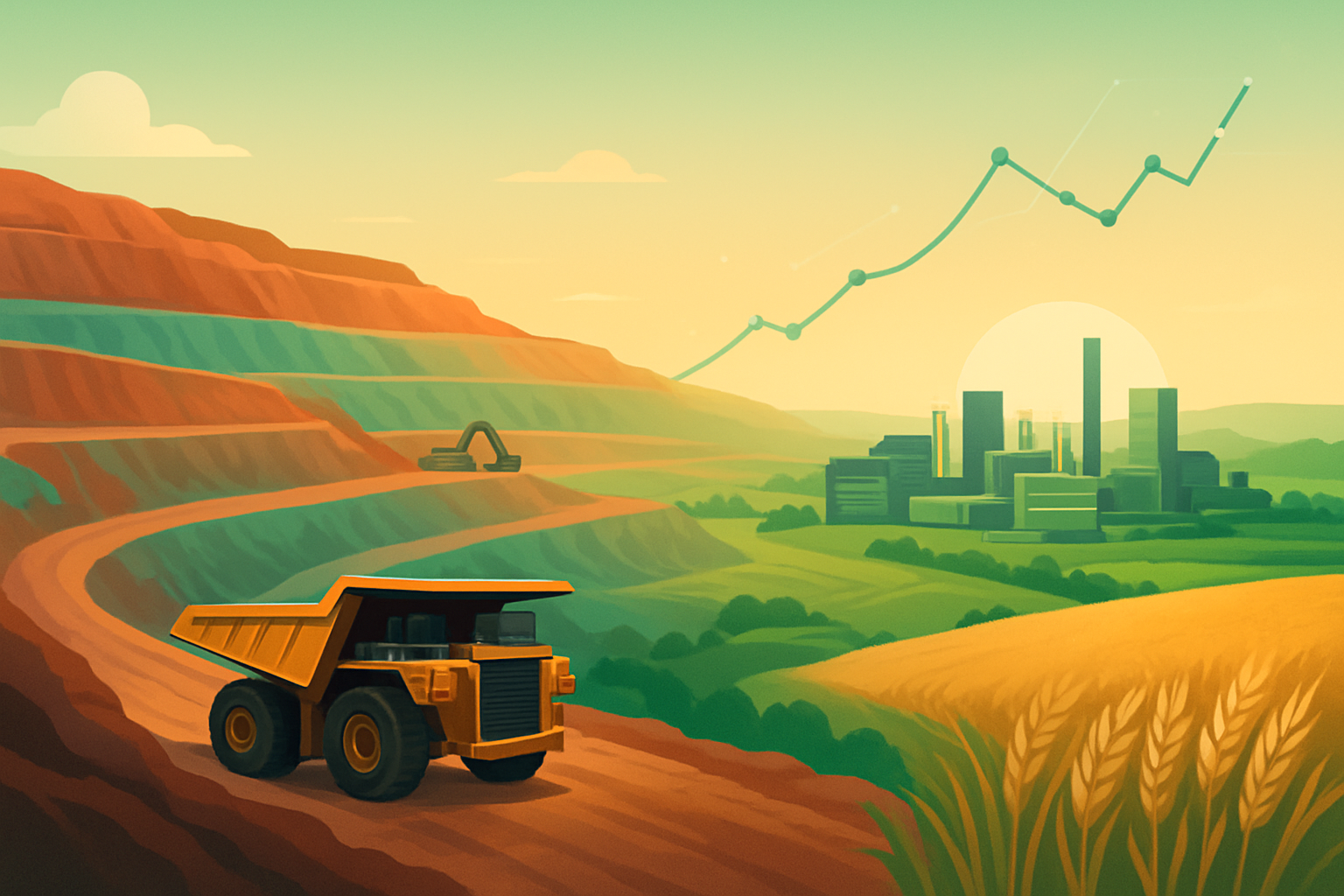
    As of March 6, 2026, the global mining landscape remains defined by the aftershocks of the most significant M&A drama in recent decades: BHP Group’s (NYSE: BHP; ASX: BHP) unsuccessful pursuit of Anglo American. Nearly two years after the rejection of its third and final formal bid in May 2024, BHP stands at a crossroads. While the company has moved on to a strategy of organic growth and internal capital discipline, the "one that got away" continues to loom over its copper-centric ambitions. Today, BHP is a leaner, more focused titan, but the failure to secure Anglo’s Tier-1 copper assets has forced the Big Australian to prove it can maintain market dominance through the drill bit and the development of the world’s largest potash project, rather than the checkbook.

    Historical Background

    BHP Group's journey began in 1885 in the silver and lead mines of Broken Hill, New South Wales. Over 140 years, it evolved from a regional miner into a global behemoth through strategic mergers—most notably the 2001 "Dual Listed Company" merger with Billiton. In the early 2020s, under CEO Mike Henry, BHP began a massive portfolio "simplification," exiting the oil and gas business through a merger with Woodside and divesting lower-margin thermal coal assets.

    The defining moment of the mid-2020s, however, was the 2024 bid for Anglo American. BHP’s third proposal, valued at approximately $49 billion, was rejected on May 22, 2024. The sticking point was not just the price, but the structure; BHP required Anglo to demerge its South African platinum and iron ore businesses—a condition Anglo’s board deemed "unworkable" and "value-destructive." This rejection marked a rare public defeat for BHP, forcing it to pivot away from large-scale acquisitions toward a strategy of maximizing its existing Tier-1 hubs.

    Business Model

    BHP operates as a diversified natural resources company, focusing on commodities essential for global urbanization and the energy transition. Its revenue model is built on four core pillars:

    1. Iron Ore: The powerhouse of the portfolio, centered in Western Australia’s Pilbara region. BHP remains one of the world’s lowest-cost producers.
    2. Copper: With interests in Escondida (Chile), the world’s largest copper mine, and the Olympic Dam (Australia), BHP is a leading producer of the metal vital for EVs and renewable energy grids.
    3. Potash: A new frontier for BHP. The Jansen project in Canada represents a multi-billion dollar bet on long-term food security and sustainable agriculture.
    4. Metallurgical Coal: High-quality coking coal for steelmaking, primarily through the BHP Mitsubishi Alliance (BMA) in Queensland.

    By 2026, the company has successfully transitioned its revenue mix toward "future-facing" commodities, with copper and potash intended to eventually rival iron ore in earnings contribution.

    Stock Performance Overview

    BHP has rewarded long-term shareholders with a combination of capital appreciation and robust dividends, though performance has been cyclical. As of March 2026, the stock has recently touched an all-time high near $83.00 (USD).

    • 1-Year Performance: The stock has seen a spectacular 65.5% return over the past 12 months, driven by a global copper supply crunch and the stabilization of the Chinese property sector.
    • 5-Year Performance: A solid 61.7% return, reflecting the successful divestment of petroleum assets and a disciplined approach to capital allocation.
    • 10-Year Performance: A staggering 509.1% total return, showcasing the power of BHP’s Tier-1 assets and its ability to generate massive cash flow through various commodity cycles.

    Financial Performance

    BHP’s FY2025 results (ending June 30, 2025) reflected a transition year. Revenue stood at US$51.3 billion, a slight decline from the previous year as iron ore prices normalized. However, the company maintained an industry-leading EBITDA margin of 53%, resulting in an underlying profit of US$10.2 billion.

    The balance sheet remains strong, though net debt rose to US$12.9 billion by mid-2025 to fund the accelerated development of the Jansen potash project and expansions at Escondida. Management maintains a target net debt range of $5 billion to $15 billion, giving it the flexibility to weather price volatility while continuing to pay out at least 50% of underlying earnings as dividends.

    Leadership and Management

    CEO Mike Henry, who took the helm in 2020, has earned a reputation for ruthless capital discipline and operational excellence. His refusal to "overpay" for Anglo American in 2024—despite intense pressure to secure copper assets—has been viewed favorably by institutional investors who recall the value-destructive mega-mergers of the early 2010s.

    The board, chaired by Ken MacKenzie, has emphasized ESG (Environmental, Social, and Governance) as a core strategic pillar, overseeing the company’s "Social Value" framework and its commitment to net-zero operational emissions by 2050.

    Products, Services, and Innovations

    BHP’s competitive edge lies in its "BHP Operating System" (BOS), which utilizes data analytics and automation to drive down unit costs. In 2026, innovation is focused on two areas:

    • Copper Leaching: BHP is deploying new technologies to extract copper from lower-grade ores and waste piles, potentially unlocking millions of tonnes of "hidden" production without building new mines.
    • Jansen Potash Technology: The Jansen mine in Saskatchewan is being built as a "digital first" operation, utilizing autonomous mining systems and advanced water-recycling technology to minimize its environmental footprint.

    Competitive Landscape

    BHP remains one of the "Big Three" global miners alongside Rio Tinto (NYSE: RIO) and Vale (NYSE: VALE). However, the landscape shifted in late 2025 with the merger of Anglo American and Teck Resources, creating "Anglo Teck."

    • BHP vs. Rio Tinto: While Rio Tinto is catching up in copper through its Oyu Tolgoi project, BHP currently holds the edge in total copper production and lower-cost iron ore.
    • BHP vs. Anglo Teck: The newly formed Anglo Teck is now a formidable rival in the copper space, boasting higher pure-play copper exposure than BHP. This has put pressure on BHP to accelerate its own organic growth projects.

    Industry and Market Trends

    The "Green Metal" super-cycle is the dominant trend in 2026. As the world accelerates its transition to renewable energy, copper demand is projected to outstrip supply for the remainder of the decade. Conversely, iron ore remains tied to Chinese industrial demand, which has pivoted from residential property to "new-three" industries: EVs, batteries, and solar panels.

    Furthermore, geopolitical tensions have increased the importance of "friendly" supply chains, benefiting BHP's major assets in Australia and Canada over rivals with significant exposure to higher-risk jurisdictions.

    Risks and Challenges

    1. Concentration Risk: BHP remains heavily dependent on iron ore for the majority of its EBITDA. Any significant slowdown in Chinese steel demand remains a primary risk.
    2. Project Execution: The Jansen Potash project, with an $8.4 billion price tag for Stage 1, is a "mega-project" with inherent risks of delays or cost overruns as it nears its 2027 production target.
    3. Regulatory Scrutiny: Increased royalties in Chile and evolving carbon taxes in Australia could squeeze margins on copper and coal operations.

    Opportunities and Catalysts

    • Jansen Stage 1 & 2: First production at Jansen in mid-2027 will mark BHP’s entry into a new commodity market, providing a diversified revenue stream linked to global population growth.
    • Vicuña District Exploration: BHP’s joint ventures in the Vicuña district (on the border of Chile and Argentina) show potential for world-class copper discoveries that could replace the production BHP sought through the Anglo acquisition.
    • M&A Pivot: While the Anglo deal is dead, BHP is rumored to be looking at mid-tier copper developers in stable jurisdictions like Canada and the United States.

    Investor Sentiment and Analyst Coverage

    Analyst sentiment is currently "Cautiously Bullish." Most major firms, including Goldman Sachs and Morgan Stanley, maintain 'Overweight' or 'Buy' ratings, citing BHP’s strong dividend yield and copper exposure. Institutional investors have praised the company's decision to walk away from the complex Anglo American structure, viewing it as a sign of a "disciplined giant" rather than a stagnant one. However, some activists continue to push for a more aggressive acquisition strategy in the copper space.

    Regulatory, Policy, and Geopolitical Factors

    Geopolitical factors are currently working in BHP’s favor. As Western nations implement "Critical Minerals" strategies, BHP’s assets in Tier-1 jurisdictions (Australia, Canada, USA) are viewed as strategic assets. However, the company faces ongoing pressure from the South African government regarding its 2024 proposal to demerge Anglo's local assets, which initially caused diplomatic friction. BHP has since focused on rebuilding these relationships through its continued investment in the global commodities market.

    Conclusion

    BHP Group in 2026 is a company defined by its discipline. The rejection of the third Anglo American bid in 2024 was a turning point that ended the era of "growth at any cost." By choosing to focus on its own world-class assets—Escondida, the Pilbara, and the burgeoning Jansen project—BHP has positioned itself as the premier defensive play in the commodities sector.

    For investors, BHP offers a unique proposition: the stability and cash flow of a legacy iron ore titan, combined with the growth potential of a green-energy copper producer and a fertilizer pioneer. While the "Anglo deal" may be the one that got away, BHP’s current trajectory suggests it may not have needed it to remain the king of the mining world.


    This content is intended for informational purposes only and is not financial advice.
  • The Red Metal Giant: A Deep Dive into Freeport-McMoRan (FCX) and the Global Copper Deficit

    The Red Metal Giant: A Deep Dive into Freeport-McMoRan (FCX) and the Global Copper Deficit

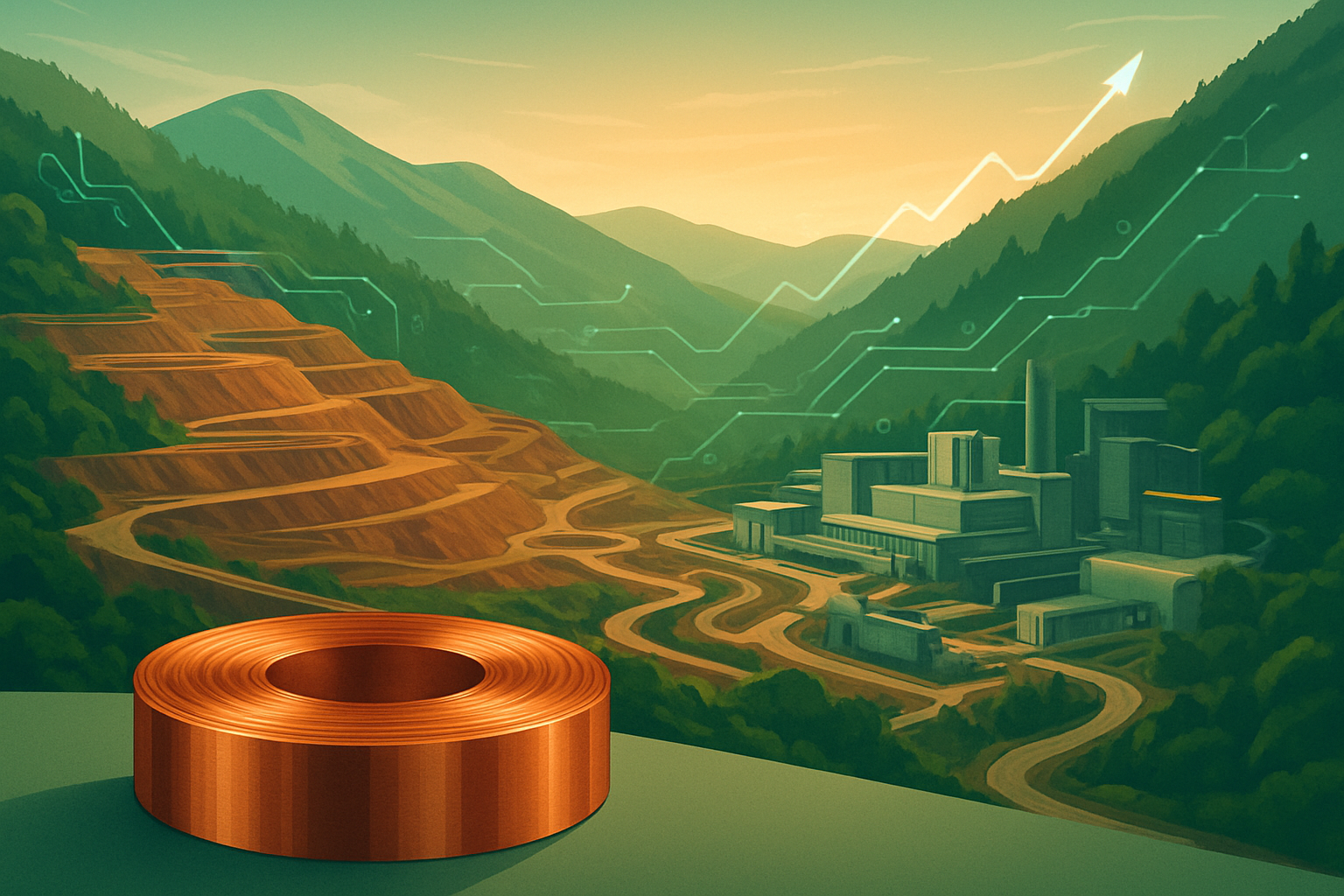
    As of today, March 6, 2026, the global commodity markets are navigating a period of profound structural change. At the center of this transformation is copper—the "metal of electrification." Freeport-McMoRan (NYSE: FCX) stands as the world’s leading publicly traded copper producer and a critical linchpin in the global supply chain. With copper prices hovering near historic highs of $6.00 per pound, driven by an "AI Squeeze" and the relentless demands of the green energy transition, FCX has moved into sharp focus for institutional and retail investors alike. This deep dive explores how the company is balancing operational recovery at its flagship Indonesian assets with a groundbreaking technological pivot in North America.

    Historical Background

    The story of Freeport-McMoRan is one of strategic mergers and daring geological bets. The company’s roots trace back to the founding of the Freeport Sulphur Company in 1912 in Freeport, Texas. For decades, it was a dominant force in the sulphur industry before diversifying into other minerals. In 1969, McMoRan Oil & Gas was established by Ken McWilliams, Jim Bob Moffett, and B.M. Rankin Jr. (forming the acronym Mc-Mo-Ran).

    The two entities merged in 1981, creating a natural resources powerhouse. However, the most defining moment in the company’s history came earlier, in the late 1960s and 70s, with the discovery and development of the Grasberg minerals district in the remote highlands of Papua, Indonesia. Grasberg eventually revealed itself to be one of the largest copper and gold deposits in the world. Over the last two decades, FCX has transformed from a diversified conglomerate—once even owning significant oil and gas assets—into a focused, "pure-play" copper champion, following a massive de-leveraging effort and the divestment of its energy portfolio in the mid-2010s.

    Business Model

    Freeport-McMoRan operates a geographically diverse portfolio of large-scale, long-lived assets. Its business model is built on three primary pillars:

    • Copper (Majority of Revenue): The core of the business, with operations spanning North America (Arizona and New Mexico), South America (Peru and Chile), and Indonesia.
    • Gold: A significant byproduct of its Indonesian operations, providing a high-margin revenue stream that often offsets copper production costs.
    • Molybdenum: FCX is also a leading producer of molybdenum, used in high-strength steel alloys.

    The company’s revenue is highly sensitive to the spot price of copper. Unlike more diversified miners like BHP Group (NYSE: BHP), FCX offers investors more direct exposure to copper’s price action, making it a favorite for those betting on the "electrification of everything."

    Stock Performance Overview

    Freeport’s stock has historically been a high-beta play on the global economy.

    • 1-Year Performance: Over the past twelve months, FCX has outperformed the S&P 500, rallying over 40% as copper supply deficits began to materialize in the wake of data center expansions.
    • 5-Year Performance: The five-year horizon shows a dramatic recovery from the 2020 lows. The stock has benefited from a disciplined capital allocation strategy and the transition of the Grasberg mine from open-pit to high-volume underground mining.
    • 10-Year Performance: On a decade-long scale, the stock reflects the company’s near-death experience during the 2015 commodity crash and its subsequent "phoenix-like" rise. From trading below $5 in 2016, the stock has climbed to its current levels in the $60-$70 range, reflecting a fundamental re-rating of copper as a strategic asset.

    Financial Performance

    Despite operational hurdles, FCX’s 2025 fiscal year was a testament to the company’s improved margin profile.

    • Revenue & EBITDA: In 2025, FCX reported $25.9 billion in revenue and an Adjusted EBITDA of $9.9 billion.
    • Cash Flow: Operating cash flows remained robust at over $6 billion, though capital expenditures increased to $3.9 billion as the company invested in the Manyar smelter and Grasberg expansions.
    • Debt Profile: The company has undergone a radical transformation in its balance sheet. Net debt, which once loomed at $20 billion, stood at approximately $2.3 billion (excluding specific Indonesian downstream project debt) by the end of 2025.
    • Valuation: As of Q1 2026, FCX trades at an EV/EBITDA multiple that reflects its "pure-play" premium, though it remains sensitive to the $1.75/lb unit net cash costs projected for the coming year.

    Leadership and Management

    A new era began in June 2024 when Kathleen Quirk took the helm as CEO, succeeding longtime leader Richard Adkerson. Quirk, who previously served as CFO and President, is widely respected by Wall Street for her disciplined approach to capital allocation.
    Under her leadership, the strategy has shifted toward "Organic Growth over M&A." Quirk has resisted the industry trend of expensive acquisitions, instead focusing on "The Hidden Mine"—using technology to extract copper from existing waste piles. Her governance reputation is built on transparency and a "life-of-resource" partnership approach with the Indonesian government.

    Products, Services, and Innovations

    FCX’s most significant recent innovation is its Americas Leach Innovation Initiative. By applying proprietary catalysts and heat injection to old waste rock (stockpiles that were previously considered uneconomic), the company is producing "new" copper with zero additional mining or milling costs.

    • Current Impact: This "shadow mine" already produces 300 million pounds of copper annually at a cash cost of under $1.00 per pound.
    • Pipeline: Management aims to scale this to 800 million pounds per year by 2030.
    • Downstream: The company is also completing the Manyar smelter in Indonesia, a $3.7 billion facility that will allow FCX to process concentrate domestically, aligning with Indonesia’s "downstreaming" industrial policy.

    Competitive Landscape

    Freeport operates in a capital-intensive industry dominated by a few global giants:

    • BHP Group (NYSE: BHP) & Rio Tinto (NYSE: RIO): These "Big Diversifieds" have massive copper arms but are also heavily exposed to iron ore and coal. FCX is often preferred by investors seeking a higher "copper-to-EBITDA" ratio.
    • Southern Copper (NYSE: SCCO): Known as the "Margin King," SCCO has lower cash costs than FCX but faces higher geopolitical risks in Mexico and Peru, and lacks FCX’s scale in Indonesia.
    • Antofagasta (LSE: ANTO): A pure-play rival based in Chile, but with significantly less volume than FCX.

    Industry and Market Trends

    The "Copper Age" of the mid-2020s is driven by three key secular trends:

    1. The AI Data Center Boom: Modern AI data centers require 27–33 tonnes of copper per megawatt—nearly double the requirement of traditional facilities—for power distribution and cooling.
    2. Grid Modernization: To meet carbon-neutral goals, global electrical grids are undergoing their most significant upgrades in a century, requiring massive amounts of copper wire.
    3. The Supply Gap: Few new "tier-one" copper mines are being discovered, and those that exist face long permitting delays, creating a structural deficit that supports high prices.

    Risks and Challenges

    Investment in FCX is not without significant risk:

    • Operational Sensitivity: A "mud rush" incident at the Grasberg mine in late 2025 caused seven fatalities and a temporary force majeure. While a phased restart is underway in Q1 2026, any further delays in reaching 100% capacity would impact earnings.
    • Geopolitical Risk: The company's reliance on Indonesia (PT-FI) remains a double-edged sword. While the 2041 contract extension provides stability, the 51% ownership stake held by the Indonesian government means FCX must navigate complex local political waters.
    • Copper Price Volatility: Despite the bullish long-term thesis, copper remains a cyclical commodity. A global recession or a slowdown in Chinese manufacturing could lead to sharp, short-term price corrections.

    Opportunities and Catalysts

    • Grasberg Recovery: The successful restart of Production Blocks 2 and 3 at Grasberg in Q2 2026 serves as a major near-term catalyst.
    • Kucing Liar Expansion: This massive underground expansion at Grasberg is expected to start production by 2030, with a 20% increase in reserves recently identified.
    • Lone Star Expansion: The Lone Star mine in Arizona offers significant expansion potential, further solidifying FCX's position as "America's Copper Champion."

    Investor Sentiment and Analyst Coverage

    Sentiment in early 2026 is Strongly Bullish, albeit with tactical caution.

    • Wall Street Consensus: The current median price target is $69.50, with some bulls (e.g., Bank of America) eyeing $85.00 if copper sustains its $6.00/lb level.
    • Institutional Positioning: Institutional ownership remains high at ~81%. However, recent "profit-taking" was observed in late February 2026 as some funds rebalanced after the stock's 40% run.
    • Retail Chatter: On retail forums, FCX is frequently discussed as the "cleanest" way to play the AI-infrastructure trade, often mentioned alongside stocks like Nvidia and Eaton.

    Regulatory, Policy, and Geopolitical Factors

    Regulatory environments are shifting in FCX’s favor in the West. The U.S. Inflation Reduction Act (IRA) provides incentives for domestic mineral production to secure "friendly" supply chains. Freeport’s large footprint in Arizona and New Mexico makes it a primary beneficiary of this trend toward "friend-shoring."
    In Indonesia, the regulatory focus remains on domestic processing. The Manyar Smelter fire in late 2024 was a setback, but the Indonesian government’s decision to extend export permits through mid-2026 has provided a necessary bridge for FCX to maintain cash flows while repairs are completed.

    Conclusion

    Freeport-McMoRan enters 2026 as a lean, technologically advanced giant standing at the intersection of the old industrial economy and the new digital-green future. While the Grasberg mud rush reminds investors of the inherent risks in large-scale mining, the company’s "Hidden Mine" leaching technology and its fortress balance sheet provide a cushion that did not exist a decade ago.
    For investors, the narrative for FCX in 2026 is clear: it is no longer just a mining company, but a critical infrastructure provider for the AI and energy revolutions. Those watching the stock should focus on the Grasberg restart execution in Q2 and the continued expansion of the Americas leaching program as the primary drivers of shareholder value.


    This content is intended for informational purposes only and is not financial advice.
  • The Copper Kingpin: A Deep Dive into Freeport-McMoRan’s Future (FCX)

    The Copper Kingpin: A Deep Dive into Freeport-McMoRan’s Future (FCX)

    As of March 2, 2026, the global economy finds itself at a critical crossroads in the transition toward a decarbonized future. At the center of this shift is Freeport-McMoRan Inc. (NYSE: FCX), a premier international mining company and the world’s largest publicly traded producer of copper. While energy markets have historically been dominated by oil and gas majors, the narrative in 2026 has shifted decisively toward "electrification metals." Freeport-McMoRan, with its massive reserves and strategic pivot toward innovative extraction technologies, has become the bellwether for the industrial appetite of the 21st century.

    Historical Background

    Freeport-McMoRan’s journey began in 1912 with the founding of the Freeport Sulphur Company. However, its modern identity was forged through two era-defining milestones. The first was the 1981 merger with McMoRan Oil & Gas, led by the legendary James Robert "Jim Bob" Moffett. This set the stage for the discovery and development of the Grasberg district in Papua, Indonesia—a site that would become the crown jewel of the company's portfolio and one of the world’s most productive copper and gold mines.

    The second transformative event occurred in 2007, when Freeport acquired Phelps Dodge for $26 billion. This acquisition was a masterstroke of consolidation, turning Freeport into a global powerhouse by adding massive North American assets like the Morenci mine in Arizona and South American operations like Cerro Verde in Peru. After a brief and ill-fated foray into the oil and gas sector in the early 2010s, the company has spent the last decade returning to its roots as a "pure-play" copper giant.

    Business Model

    Freeport’s business model is elegantly simple but operationally complex: it identifies, extracts, and processes base metals with a heavy emphasis on copper (approximately 75-80% of revenue), supplemented by gold and molybdenum. The company operates through three primary geographic segments:

    • North America: Centered in Arizona and New Mexico, providing a stable, low-risk foundation and supplying nearly 70% of the U.S. domestic copper demand.
    • South America: Massive scale operations in Peru (Cerro Verde) and Chile (El Abra), characterized by long-life reserves.
    • Indonesia: The PT Freeport Indonesia (PTFI) segment, which operates the Grasberg complex. This is a high-margin, high-volume underground operation that produces significant gold as a byproduct, effectively lowering the "net cash cost" of copper production.

    Stock Performance Overview

    Over the past decade, FCX has been a high-beta play on the global economy.

    • 10-Year Horizon: Investors who entered in 2016 during the commodity trough have seen substantial returns, driven by the company’s debt-reduction program and the rising "Green Premium" for copper.
    • 5-Year Horizon: Performance has been bolstered by the successful transition of Grasberg to 100% underground mining and the post-pandemic commodity surge.
    • 1-Year Horizon: The stock faced volatility in late 2025 due to an operational "mud rush" incident at Grasberg which temporarily curtailed production. However, as of March 2026, the stock has recovered much of that ground, trading at a premium compared to its diversified mining peers due to its direct leverage to copper prices, which are currently hovering near record highs.

    Financial Performance

    Despite the operational challenges of late 2025, Freeport-McMoRan entered 2026 with a robust balance sheet.

    • Revenue & EBITDA: 2025 revenue reached approximately $25.9 billion. Adjusted EBITDA remained strong at $10.0 billion, demonstrating the high-margin nature of their assets.
    • Debt Profile: The company has maintained a disciplined capital structure, with net debt sitting at roughly $2.3 billion. This is a far cry from the $20 billion debt load the company carried a decade ago.
    • Cash Flow: Operating cash flow remains a highlight, allowing the company to fund its $4.3 billion capital expenditure budget for 2026 primarily through internal resources while maintaining a progressive dividend policy.

    Leadership and Management

    In June 2024, a new era began at Freeport as Kathleen Quirk took the helm as CEO, succeeding Richard Adkerson. Quirk, a 35-year veteran of the company and former CFO, has been widely praised by analysts for her steady hand. Her leadership style focuses on "America’s Copper Champion" strategy—prioritizing organic growth and technological innovation over the expensive, risky M&A that has plagued the mining industry in previous cycles. The board’s continuity and Quirk’s deep relationship with the Indonesian government are seen as key stabilizing factors for the stock.

    Products, Services, and Innovations

    Freeport's most significant innovation in 2026 is the Americas Leach Innovation Initiative. Traditionally, copper is extracted through smelting, but FCX has pioneered a "leach-to-copper" process using proprietary catalysts (partnered with Jetti Resources).

    • The "Hidden Mine": By treating old waste rock and low-grade stockpiles with this new technology, FCX is producing "new" copper with almost zero additional mining cost.
    • Scale: In early 2026, this technology is contributing an annual run rate of 300 million pounds of copper—roughly the size of a mid-tier mine—at a cost of less than $1.00 per pound.
    • Downstreaming: The completion of the Manyar Smelter in Indonesia in 2025 has also allowed the company to satisfy local "downstreaming" requirements, ensuring full market access for Indonesian concentrates.

    Competitive Landscape

    Freeport occupies a unique niche compared to its rivals, BHP (NYSE: BHP) and Rio Tinto (NYSE: RIO).

    • Pure-Play vs. Diversified: Unlike BHP and Rio, which are heavily exposed to iron ore and coal, FCX is almost entirely tied to copper. When copper prices rise, FCX typically outperforms the broader mining indices.
    • Market Share: While BHP produces more total copper by volume, Freeport is often cited as the "marginal price setter" due to its influence on the U.S. and Indonesian markets.
    • Geopolitical Moat: Its dominant position in the United States makes it a preferred partner for the U.S. government as it seeks to secure domestic supply chains for critical minerals.

    Industry and Market Trends

    The "Copper Crunch" of 2026 is the primary macro driver. Three factors are fueling this:

    1. AI Data Centers: Since 2024, the explosion of AI infrastructure has required massive upgrades to power grids, which are copper-intensive.
    2. Renewable Infrastructure: Wind and solar farms require 3-5 times more copper than traditional coal or gas plants.
    3. Supply Deficits: Very few new large-scale copper mines have been commissioned globally in the last five years due to environmental and permitting hurdles, leading to a structural supply-demand deficit.

    Risks and Challenges

    Despite its strengths, FCX is not without significant risks:

    • Operational Risk: The 2025 mudflow at Grasberg served as a stark reminder of the technical challenges inherent in deep underground block-cave mining.
    • Geopolitical Sensitivity: While relations with Indonesia are currently stable following the 2026 MOU, the company remains subject to the political winds of Jakarta and the 2041 stake transfer agreement.
    • Commodity Volatility: As a pure-play, any significant slowdown in global industrial activity—particularly in China or the U.S.—would disproportionately hit FCX's bottom line.

    Opportunities and Catalysts

    • Bagdad Expansion: A potential doubling of capacity at the Bagdad mine in Arizona remains a significant near-term catalyst.
    • Leaching Upside: If the leaching technology can be scaled to its 800-million-pound target by 2030, it would effectively add a massive "virtual mine" to FCX's portfolio with industry-leading margins.
    • Permit Extensions: The recent MOU in Indonesia secures operations through 2041 and beyond, removing a major long-term overhang for institutional investors.

    Investor Sentiment and Analyst Coverage

    Wall Street remains largely bullish on FCX as of March 2026. The consensus "Buy" rating is supported by the view that copper is entering a multi-year supercycle. Institutional ownership remains high, with major funds viewing FCX as a core ESG-compliant holding because of its role in the energy transition. Retail sentiment often fluctuates with the copper price, but the "leaching" narrative has captured the imagination of tech-focused investors who see FCX as more than just a traditional "dirt-moving" company.

    Regulatory, Policy, and Geopolitical Factors

    Government policy has become a tailwind for FCX. In the United States, the Inflation Reduction Act and subsequent 2025 "Onshoring Initiatives" have provided incentives for domestic mineral production. Conversely, in Indonesia, the "Downstreaming" mandate has forced the company to invest heavily in local smelting. The ability of Kathleen Quirk and her team to navigate these conflicting nationalistic policies is perhaps the company's greatest intangible asset.

    Conclusion

    Freeport-McMoRan stands in 2026 as a revitalized giant. By surviving a decade of debt deleveraging and technical transitions, it has positioned itself at the nexus of the global energy and AI revolutions. While operational risks in Indonesia and the inherent volatility of commodity markets remain, the company’s "America’s Copper Champion" strategy—underpinned by breakthrough leaching technology—offers a compelling narrative of growth without the traditional risks of greenfield development. For investors, FCX is no longer just a mining stock; it is a fundamental bet on the physical infrastructure of the modern world.


    This content is intended for informational purposes only and is not financial advice.
  • Freeport-McMoRan (FCX): The Red Metal Titan Navigating the Copper Supercycle

    Freeport-McMoRan (FCX): The Red Metal Titan Navigating the Copper Supercycle

    Date: January 22, 2026

    Introduction

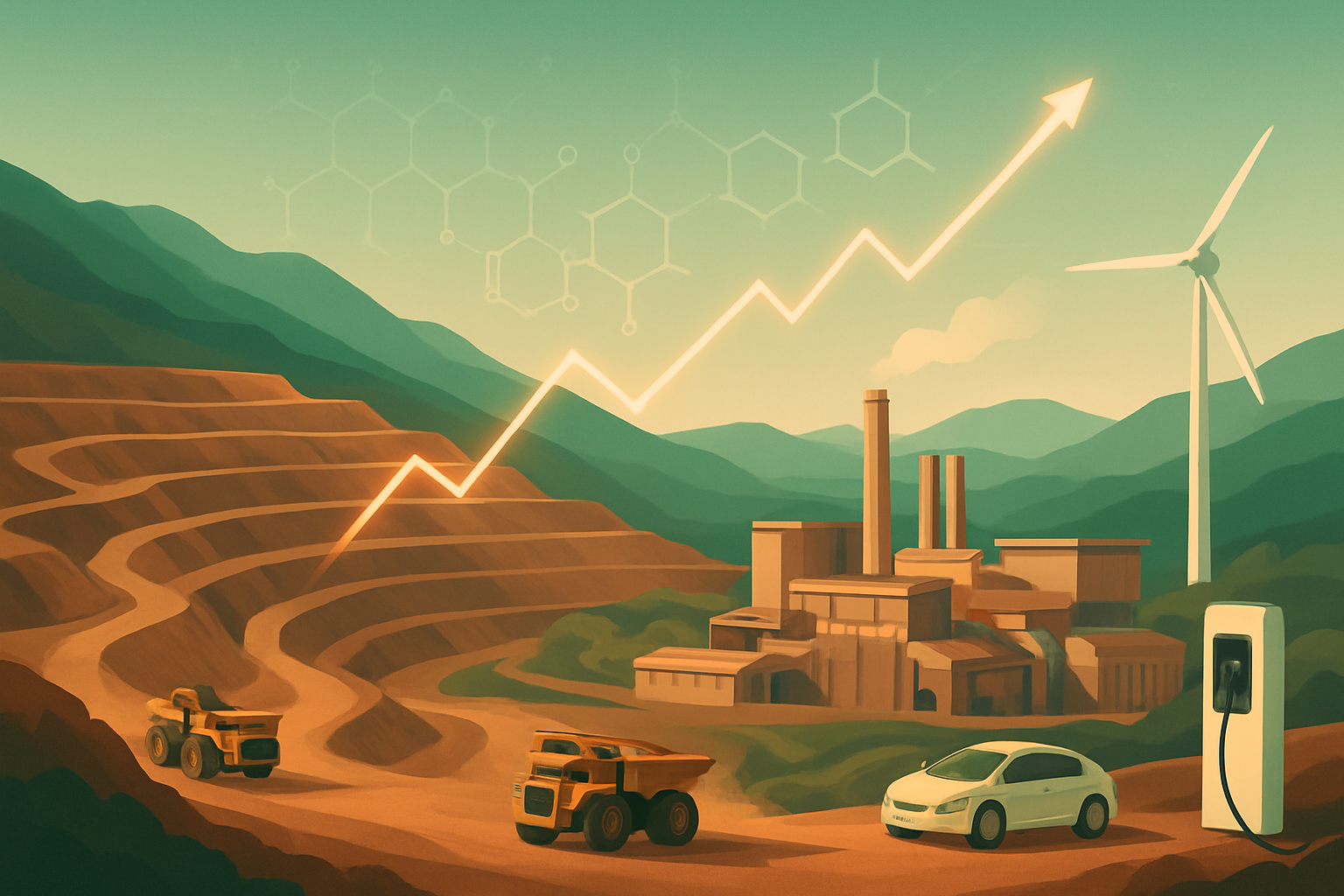
    As the world’s appetite for electricity reaches a fever pitch, one company stands at the epicenter of the global energy transition: Freeport-McMoRan (NYSE: FCX). On this day, January 22, 2026, the Phoenix-based mining giant finds itself in a paradoxical position. While copper prices have shattered historical records—trading above $6.00 per pound—the company is navigating the recovery from a significant operational setback at its crown jewel, the Grasberg mine in Indonesia.

    Freeport-McMoRan is not just a mining company; it is a primary architect of the infrastructure required for artificial intelligence (AI) data centers, electric vehicles (EVs), and renewable energy grids. With a leadership transition now firmly established and a landmark diplomatic deal secured in Southeast Asia, FCX remains the quintessential "pure play" on the red metal. However, as investors dissect today’s Q4 2025 earnings report, the narrative is one of resilience in the face of nature’s volatility.

    Historical Background

    The story of Freeport-McMoRan is a century-long epic of industrial evolution. It began in 1912 with the founding of the Freeport Sulphur Company in Texas. For decades, it was a diversified natural resources conglomerate. The modern iteration of the company took shape in 1981 through the merger of Freeport Minerals and McMoRan Oil & Gas—the latter co-founded by the legendary and often controversial James Robert "Jim Bob" Moffett.

    The late 1980s marked a turning point with the discovery of the "Grasberg" deposit in the remote highlands of Papua, Indonesia. This discovery transformed Freeport into a global powerhouse, as Grasberg revealed itself to be one of the largest copper and gold deposits ever found. After a period of ill-fated diversification back into oil and gas in the mid-2010s—which nearly crippled the company under a mountain of debt—Freeport, under the guidance of Richard Adkerson, successfully pivoted back to its core mining roots. By 2020, it had divested its energy assets, focused on the massive transition of Grasberg from an open pit to the world's largest underground block-cave mining operation, and emerged as the lean, copper-focused entity it is today.

    Business Model

    Freeport-McMoRan operates as a premier international mining company with a primary focus on copper, gold, and molybdenum. Its revenue model is high-margin and commodity-dependent, with operations spread across three primary geographic hubs:

    1. North America: Home to several large-scale copper mines, including Morenci and Bagdad in Arizona. These assets provide a stable, Tier-1 regulatory environment.
    2. South America: Key operations include the Cerro Verde mine in Peru and El Abra in Chile. These are critical for supply but subject to the shifting political winds of the Andean region.
    3. Indonesia: Through its 48.76% (now shifting to 37% following recent agreements) stake in PT Freeport Indonesia (PTFI), the company operates the Grasberg minerals district. This remains the company’s highest-margin and most productive asset.

    FCX generates revenue by selling copper concentrate and cathodes to global smelters and manufacturers. While copper accounts for roughly 75–80% of revenue, the significant gold byproduct from Grasberg acts as a powerful "cost-offset," often bringing the net cash cost of copper production down significantly compared to peers.

    Stock Performance Overview

    Over the past decade, FCX has been a barometer for global industrial health.

    • 1-Year Performance: In 2025, the stock rose nearly 35%, buoyed by a "copper squeeze" that saw prices move from $4.30 to over $6.00.
    • 5-Year Performance: Since the post-pandemic lows of early 2020, FCX has outperformed the S&P 500, delivering a return of over 300% as the "Green Revolution" narrative took hold.
    • 10-Year Performance: The decade-long view shows a dramatic recovery. From the depths of the 2015-2016 commodity crash, when shares traded below $5, FCX has climbed back to trade near 15-year highs in early 2026.

    Notable moves in the last 12 months were triggered by the September 2025 force majeure at Grasberg, which caused a temporary 15% dip, followed by a massive rally in Q4 as the Indonesian license extension was finalized.

    Financial Performance

    Today’s Q4 2025 earnings report highlights the company's "price over volume" success.

    • Revenue: For Q4, revenue reached $5.35 billion, slightly above analyst estimates despite lower volumes from Indonesia.
    • Earnings: EPS came in at $0.30, reflecting the impact of record-high copper prices ($5.50/lb average realization) which offset the increased costs associated with the Grasberg recovery.
    • Balance Sheet: Freeport remains financially disciplined. Net debt-to-equity stands at a healthy 0.29. The company’s "variable dividend" policy continues to reward shareholders, with a $0.15 per share dividend declared for the upcoming quarter.
    • Margins: EBITDA margins remain robust at approximately 40%, supported by the gold byproduct credits which lowered the net cash cost of copper to approximately $1.65 per pound in 2025.

    Leadership and Management

    The "new era" of Freeport is led by Kathleen Quirk, who took over as CEO in June 2024. Quirk, a Freeport veteran of over 30 years, has been the architect of the company’s financial turnaround. Her leadership style is viewed as pragmatic and innovation-focused.

    While Richard Adkerson remains Chairman Emeritus, Quirk has moved out of his shadow, earning accolades for her "diplomatic continuity" in Indonesia. Her strategy, dubbed "the hidden mine," focuses on technological extraction rather than risky, multi-billion-dollar greenfield projects. The board of directors is lauded for its governance, particularly in successfully navigating the succession from Adkerson to Quirk without market jitters.

    Products, Services, and Innovations

    Freeport’s most significant innovation isn't a new mine, but a new way of thinking about waste. The "Leach to the Last Drop" initiative is the company's secret weapon.

    • Copper Leaching: By utilizing proprietary chemical applications and sensor-monitored leach pads, Freeport is now extracting copper from low-grade waste rock that was previously considered unrecoverable.
    • Incremental Growth: By early 2026, this technology is producing an incremental 200 million pounds of copper per year—the equivalent of a mid-sized mine—at a cost of less than $1.00 per pound.
    • Molybdenum: Freeport is also the world’s largest producer of molybdenum, a critical alloying agent used in high-strength steel for the aerospace and energy sectors, providing further diversification.

    Competitive Landscape

    Freeport operates in an oligopoly of "Mega-Miners." Its primary rivals include:

    • BHP (NYSE: BHP) and Rio Tinto (NYSE: RIO): Both have larger balance sheets and more diversification (iron ore, coal). However, they lack Freeport’s pure-play exposure to copper.
    • Southern Copper (NYSE: SCCO): A formidable competitor in South America with massive reserves, but often hampered by higher political risk in Peru.
    • Antofagasta: A pure-play peer based in Chile, but without the massive gold-byproduct advantage of Grasberg.

    Freeport’s competitive edge lies in its Grasberg asset (unmatched scale/grade) and its leaching technology, which allows for brownfield expansion at a fraction of the cost of its rivals' new projects.

    Industry and Market Trends

    The "Copper Supercycle" is no longer a theory; by 2026, it is a reality.

    1. AI and Data Centers: The massive build-out of AI infrastructure has created a new, non-cyclical source of copper demand for power cables and cooling systems.
    2. The Supply Deficit: No major new copper mines are expected to come online globally until the late 2020s. This structural deficit is the primary driver behind the $6.00/lb price floor.
    3. Resource Nationalism: From Chile to Indonesia, governments are demanding a larger slice of the mining pie, making it increasingly difficult for new entrants to find "easy" copper.

    Risks and Challenges

    Despite the bullish outlook, Freeport is not without significant risks:

    • Operational Risk: The September 2025 "mud rush" at Grasberg was a stark reminder of the dangers of deep-underground mining. Any further delays in the Q2 2026 restart of the Block Cave could squeeze cash flows.
    • Geopolitical Risk: In Indonesia, the recent agreement to transfer an additional 12% stake to the government (MIND ID) brings the state’s ownership to 63%. While this secured the license through 2061, it further reduces Freeport’s direct economic interest in its best asset.
    • Regulatory Hurdles: In the United States, environmental regulations continue to delay the expansion of the Bagdad and Morenci mines, limiting domestic growth.

    Opportunities and Catalysts

    • Indonesia Smelter: The $3.7 billion Manyar smelter is now at full capacity. This satisfies Indonesian "downstreaming" laws and allows Freeport to export refined copper without the punitive duties faced in previous years.
    • El Abra Expansion: In Chile, Freeport is weighing a multi-billion-dollar expansion of the El Abra mine. A final investment decision in late 2026 could serve as a major growth catalyst.
    • M&A Target: As diversified miners like BHP and Rio Tinto look to increase their copper "weighting," Freeport—with its clean balance sheet and world-class assets—remains a perennial takeover candidate.

    Investor Sentiment and Analyst Coverage

    Wall Street remains overwhelmingly "Overweight" on FCX. Analysts at Goldman Sachs and JPMorgan have recently raised their price targets, citing the scarcity of copper-producing assets.

    • Institutional Ownership: Large institutions like BlackRock and Vanguard have increased their positions throughout 2025, viewing FCX as a core "ESG-adjacent" play due to copper's role in the energy transition.
    • Retail Sentiment: On social media platforms and retail forums, FCX is often discussed as the "safe haven" commodity stock, contrasting with the higher volatility of junior miners.

    Regulatory, Policy, and Geopolitical Factors

    The geopolitical landscape for FCX is dominated by the October 2025 Indonesian License Extension. By granting the Indonesian government a 63% majority stake, Freeport secured its operating rights for decades to come. This "strategic partnership" model is becoming a blueprint for Western companies operating in resource-rich developing nations.

    In the U.S., the Biden-Harris administration's (or a successor's) focus on "Critical Minerals" has provided some tailwinds in terms of faster permitting for certain domestic projects, though environmental litigation remains a constant hurdle in Arizona and New Mexico.

    Conclusion

    As of January 22, 2026, Freeport-McMoRan stands as a titan of the industrial world. It has successfully navigated a leadership transition, weathered a major natural disaster at its primary mine, and secured its long-term future through savvy diplomacy in Indonesia.

    For investors, the case for FCX is a case for the future of electricity. While operational risks at Grasberg and the dilution of ownership in Indonesia are valid concerns, the company’s "Leach to the Last Drop" technology and its exposure to the structural copper deficit provide a formidable margin of safety. As the world moves toward an all-electric future, the "Red Metal" is the new oil—and Freeport-McMoRan remains its most powerful driller.


    This content is intended for informational purposes only and is not financial advice.