Tag: Cruise Industry

  • The Great Energy Test: A Deep Dive into Carnival Corp (CCL) and the 2026 Travel Rally Reversal

    The Great Energy Test: A Deep Dive into Carnival Corp (CCL) and the 2026 Travel Rally Reversal

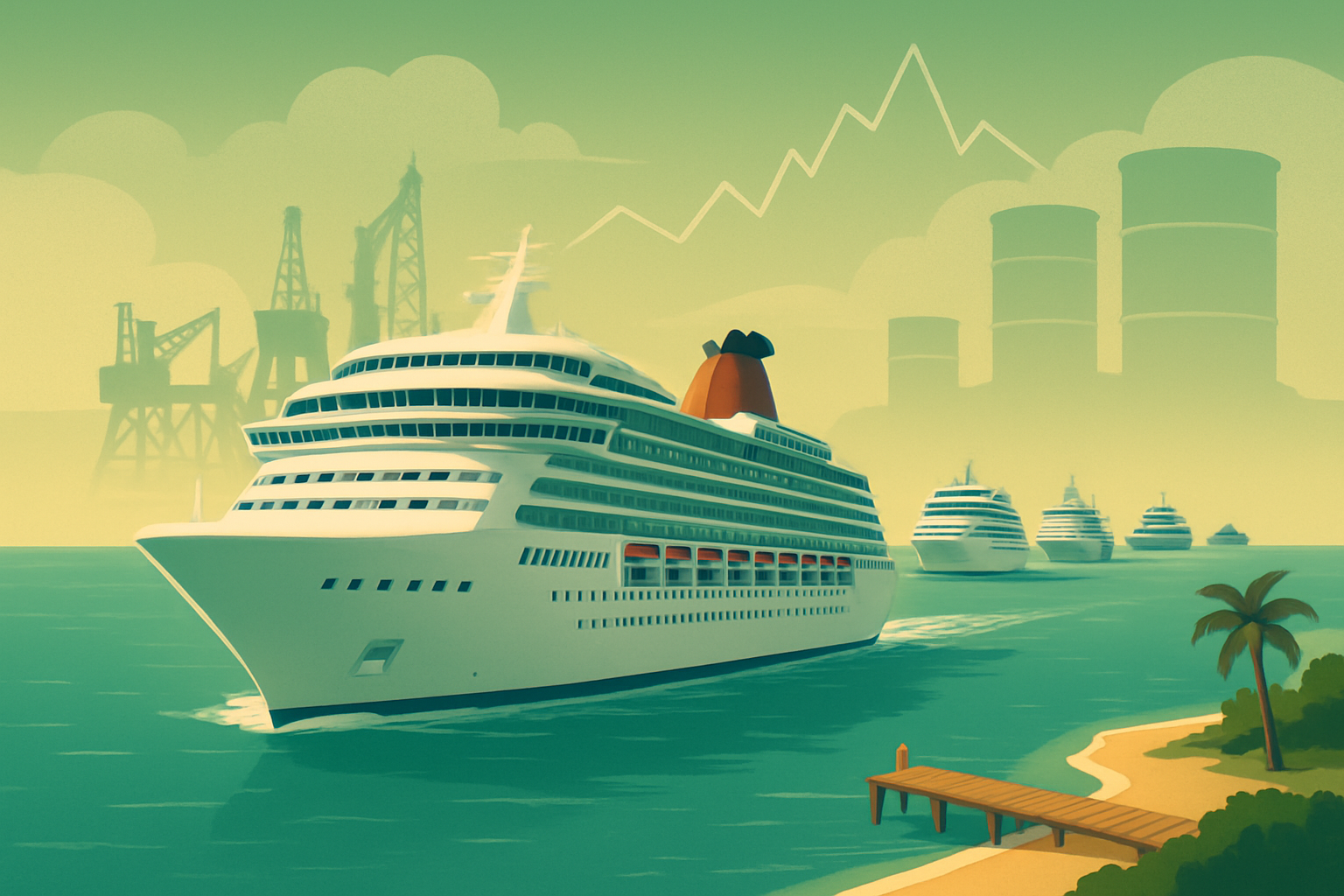
    As of today, April 9, 2026, the global travel industry finds itself at a crossroads that few analysts predicted eighteen months ago. For Carnival Corp (NYSE: CCL), the world’s largest cruise operator, the last quarter has been a masterclass in volatility. After a blistering 2025 that saw the industry finally shed the last of its "pandemic-era" labels, a sudden surge in global energy prices has threatened to derail the most significant travel rally in a decade.

    This deep dive explores how Carnival is navigating a landscape defined by record-breaking demand on one side and a crushing $126-per-barrel oil reality on the other.

    Introduction

    Carnival Corp (NYSE: CCL) is currently the focal point of a heated debate on Wall Street: Can operational efficiency and record demand overcome the structural vulnerability of unhedged fuel costs? In early 2026, the "revenge travel" trend transitioned into a sustainable "lifestyle travel" era, bolstered by the One Big Beautiful Bill Act (OBBBA) tax incentives that kept American wallets open. However, the geopolitical shock in the Middle East in March 2026 sent bunker fuel prices soaring, causing a sharp reversal in cruise stocks that had previously been the darlings of the discretionary sector. For Carnival, the challenge is existential yet filled with opportunity, as the company seeks to prove that its massive scale is a shield, not an anchor.

    Historical Background

    Founded in 1972 by Ted Arison with a single refurbished ship, the Mardi Gras, Carnival Cruise Line began as a "fun ship" alternative to the more formal cruising traditions of the time. The company’s trajectory was defined by aggressive acquisition and consolidation. Throughout the 1980s and 90s, Carnival transformed into a global powerhouse by acquiring iconic brands like Holland America Line, Princess Cruises, and Seabourn.

    By the early 2000s, the merger with P&O Princess Cruises established Carnival Corporation & plc as the undisputed titan of the seas. However, the company faced its greatest trial during the 2020-2022 period, when the COVID-19 pandemic forced a total cessation of operations, leading to a debt-fueled survival strategy that fundamentally altered its balance sheet. The story of Carnival since 2023 has been one of "The Great Deleverage," as the company works to pay down the billions in high-interest debt taken on during the shutdown.

    Business Model

    Carnival operates as a "house of brands," managing nine distinct cruise lines including Carnival Cruise Line, Princess Cruises, Holland America Line, P&O Cruises, and the ultra-luxury Seabourn. This multi-brand strategy allows the company to capture every segment of the market, from budget-conscious families in the Caribbean to affluent retirees exploring Antarctica.

    Revenue is split between two primary streams:

    1. Ticket Sales: The base fare for the cruise.
    2. Onboard Spending: High-margin revenue from casinos, specialty dining, beverages, and shore excursions. In Q1 2026, onboard spending reached a record 8.3% increase year-over-year, proving that once passengers are on the ship, their propensity to spend remains high despite broader inflationary pressures.

    The company’s massive scale (over 90 ships) provides significant purchasing power and operational synergies, though it also creates a massive logistical footprint sensitive to port regulations and environmental mandates.

    Stock Performance Overview

    The last five years for CCL have been a rollercoaster. After bottoming out during the pandemic, the stock saw a slow recovery until 2024-2025, when a surge in bookings sent shares back toward the $30 range.

    • 1-Year Performance: Up approximately 12%, though this figure masks a 25% rally followed by a sharp 15% pullback in March 2026 due to the oil shock.
    • 5-Year Performance: The stock is still recovering from the massive dilution and debt issuance of 2020, remaining well below its pre-pandemic highs of $50+.
    • Recent Moves: As of April 8, 2026, CCL saw a "buzzer-beater" rally of 10% in a single session, climbing back to $27.00 on news of a potential de-escalation in the Middle East that could lower fuel costs.

    Financial Performance

    In its Q1 2026 earnings report, Carnival shocked the market with a record $6.2 billion in revenue. For the first time since the pandemic, the company’s net income has stabilized, reporting $258 million in profit for the quarter.

    • Margins: Adjusted EBITDA margins have improved as the company optimizes its fleet, though the projected spike in bunker fuel to $795 per metric ton in Q2 2026 is expected to compress margins temporarily.
    • Debt: Total debt has been reduced to $25.3 billion, a significant improvement from the $30 billion peak.
    • Valuation: Trading at an forward P/E that remains attractive compared to the broader S&P 500, provided that the energy crisis is transitory.

    Leadership and Management

    Under CEO Josh Weinstein, Carnival has shifted away from the "newbuild arms race" that defined the industry for decades. Weinstein’s strategy, titled the PROPEL framework, focuses on ROIC (Return on Invested Capital) rather than just capacity growth. Management has been praised for its "operational agility," including the decision to prioritize ship revitalization over expensive new orders. This capital discipline is a sharp departure from the previous leadership's focus on aggressive expansion and is seen as the primary reason for the company's stabilizing credit rating.

    Products, Services, and Innovations

    Carnival’s recent innovation focus is on "destination control." The development of Celebration Key, a massive private destination in the Bahamas, allows Carnival to capture 100% of the port spending that would otherwise go to third-party vendors.
    Technologically, the company continues to roll out its "OceanMedallion" wearable across more brands, using AI to personalize guest experiences and streamline onboard logistics. In terms of sustainability, Carnival is a leader in LNG (Liquefied Natural Gas) powered vessels, though these still represent a minority of the total fleet.

    Competitive Landscape

    The "Big Three" cruise operators remain in a fierce battle for market share:

    • Royal Caribbean (NYSE: RCL): Currently the "safe haven" for investors. RCL’s aggressive fuel hedging strategy (60% hedged for 2026) has protected its stock price during the recent oil surge, with shares trading near $280.
    • Norwegian Cruise Line Holdings (NYSE: NCLH): Struggling with higher leverage and a smaller fleet, NCLH is often viewed as the higher-beta play in the sector.
    • Market Share: Carnival still holds the largest share of total passengers globally, but Royal Caribbean has overtaken it in terms of total market capitalization due to higher margins and a premium brand perception.

    Industry and Market Trends

    The "reversal of the travel rally" is the dominant theme of April 2026. While demand remains "historically high"—with 85% of 2026 capacity already booked—the cost of delivery is rising. We are seeing a trend toward shorter, "close-to-home" cruises that require less fuel than trans-oceanic voyages. Additionally, the industry is seeing a demographic shift, as Millennials and Gen Z now represent the fastest-growing segments of the cruise market, attracted by the all-inclusive value proposition during inflationary periods.

    Risks and Challenges

    The most immediate risk is unhedged fuel exposure. Carnival’s policy of not hedging fuel means that for every 10% increase in oil prices, net income drops by approximately $145 million. This makes CCL a "geopolitical proxy" stock.
    Other risks include:

    • Debt Servicing: While reduced, $25 billion in debt remains sensitive to high interest rates.
    • Environmental Regulation: New carbon taxes and "green port" mandates in Europe are increasing the cost of operations for older, less efficient ships.

    Opportunities and Catalysts

    The primary catalyst for 2026 is the $2.5 billion share buyback program and the resumption of dividends. If oil prices stabilize below $90, the massive cash flow generated by record bookings will flow straight to the bottom line, likely leading to a significant re-rating of the stock. Furthermore, the opening of Celebration Key in 2025/2026 is expected to be a major margin expander for the Carnival Cruise Line brand.

    Investor Sentiment and Analyst Coverage

    Wall Street remains "Moderately Bullish." Out of 27 analysts covering the stock, 21 maintain "Buy" ratings. While price targets were trimmed in March 2026 to reflect energy costs, the consensus target of $34.17 implies significant upside from current levels. Institutional ownership remains high at nearly 70%, with firms like BlackRock and Vanguard maintaining large core positions.

    Regulatory, Policy, and Geopolitical Factors

    Geopolitics are the "elephant in the room." The closure of certain shipping lanes in the Middle East has forced expensive reroutings for the world cruise segments. On the domestic front, the OBBBA policy has provided a floor for consumer demand, but any shift in U.S. fiscal policy following the 2026 mid-term elections could impact the discretionary spending power of Carnival’s core North American customer base.

    Conclusion

    As of April 9, 2026, Carnival Corp is a company caught between two worlds. Its operational performance has never been stronger, with record bookings and a revitalized fleet proving that the cruise product is more popular than ever. Yet, its vulnerability to external shocks—specifically energy prices—continues to create a "risk discount" on the stock.

    For investors, the takeaway is clear: Carnival is no longer a "recovery play"; it is a "leverage play" on the global economy and energy stability. If the current oil spike proves to be a temporary geopolitical fever, Carnival is poised to lead the travel sector higher. If $120 oil is the new normal, the company’s path to pre-pandemic glory will be significantly longer and more arduous. Investors should watch the Q2 2026 fuel cost realizations and the progress of the PROPEL framework as the primary indicators of long-term health.


    This content is intended for informational purposes only and is not financial advice.
  • Charting New Waters: A Deep-Dive into Royal Caribbean Group’s (NYSE: RCL) ‘Perfecta’ Growth Strategy

    Charting New Waters: A Deep-Dive into Royal Caribbean Group’s (NYSE: RCL) ‘Perfecta’ Growth Strategy

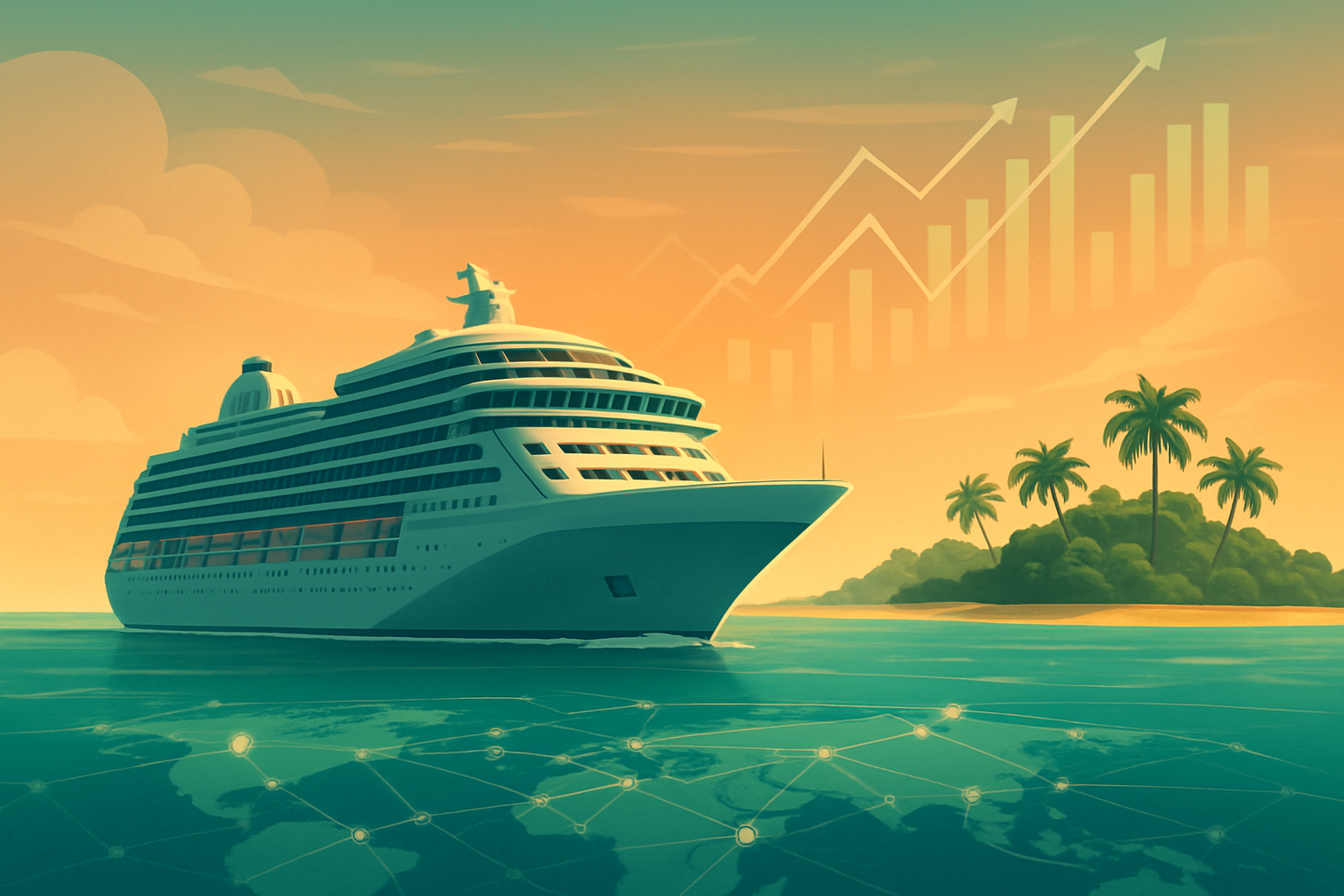
    The world of the global leisure industry is witnessing a remarkable story of corporate resilience and strategic execution. As of March 24, 2026, Royal Caribbean Group (NYSE: RCL) has not only fully transcended the existential threats of the early 2020s but has emerged as the undisputed financial and architectural pacesetter of the cruise sector. With its "Trifecta" financial goals achieved 18 months ahead of schedule and a series of aggressive analyst upgrades signaling further upside, RCL is currently the focal point of institutional and retail investor interest. This article provides a comprehensive deep-dive into the factors driving this momentum, the risks that remain on the horizon, and the "Perfecta" strategy intended to carry the company through 2027.

    Introduction

    Royal Caribbean Group stands today as a $84 billion titan, commanding a dominant share of the global cruise market. Following a period of unprecedented volatility, the company has entered 2026 on a wave of record-breaking demand and pricing power. The recent launch of Star of the Seas and the continued success of the Icon of the Seas have redefined what is possible in maritime hospitality, allowing RCL to capture a greater share of the broader $1.9 trillion global vacation market. With Wall Street analysts recently revising price targets upward to as high as $381, the narrative surrounding RCL has shifted from "recovery play" to "secular growth leader."

    Historical Background

    The origins of Royal Caribbean Group trace back to January 31, 1968, when three Norwegian shipping houses—Anders Wilhelmsen & Co., I.M. Skaugen & Co., and Gotaas Larsen—joined forces with American entrepreneur Edwin Stephan. Their vision was revolutionary: to build ships specifically designed for warm-weather cruising, rather than repurposing old ocean liners. The 1970 debut of Song of Norway introduced the iconic Viking Crown Lounge, establishing a brand identity centered on innovation.

    A pivotal moment occurred in 1997 with the $1.3 billion merger with Celebrity Cruises, which allowed the company to diversify into the premium segment. Renamed Royal Caribbean Cruises Ltd. (and later Royal Caribbean Group), the firm continued its expansion by acquiring a majority stake in Silversea Cruises in 2018, providing a foothold in the ultra-luxury and expedition markets. Throughout its history, RCL has survived numerous cycles of economic downturns and fuel crises, culminating in the 18-month global shutdown of 2020–2021, which forced a total reimagining of its balance sheet and operational safety protocols.

    Business Model

    Royal Caribbean’s business model is built on a "multi-brand" strategy that targets distinct consumer segments:

    • Royal Caribbean International: The core brand focusing on multi-generational families and high-energy "active" vacationers. It utilizes "mega-ships" to achieve massive economies of scale.
    • Celebrity Cruises: Positioned in the "New Luxury" or premium segment, catering to modern travelers seeking sophisticated design and culinary excellence.
    • Silversea Cruises: An ultra-luxury and expedition brand with smaller vessels that offer all-inclusive, high-end service in remote destinations like Antarctica and the Galapagos.

    The company generates revenue through two primary streams: Ticket Sales (approximately 65-70% of revenue) and Onboard Spending (30-35%). A critical component of their modern model is the "Private Destination" ecosystem, most notably "Perfect Day at CocoCay" in the Bahamas. By controlling the land-based experience, RCL captures a higher percentage of the total vacation spend while driving significant price premiums for itineraries that include these exclusive stops.

    Stock Performance Overview

    The stock performance of Royal Caribbean Group over the last decade reflects a classic "V-shaped" recovery followed by a breakout.

    • 1-Year Performance: In the past 12 months, RCL has outperformed the S&P 500, though it has faced recent resistance near the $300 mark due to rising energy costs.
    • 5-Year Performance: On a 5-year horizon, the stock is up over 300% from its 2021 lows of roughly $70. This period saw the stock hit an all-time high of $366.50 in late 2025.
    • 10-Year Performance: Long-term investors who held through the 2020 crash have seen significant compounding, though the decade was marked by a near-total loss of value during the pandemic followed by the current historic rally.

    As of late March 2026, the stock trades in the $278–$281 range, reflecting a slight pullback from late-2025 highs as the market digests geopolitical tensions.

    Financial Performance

    RCL’s financial turnaround is a masterclass in deleveraging. The company achieved its "Trifecta" goals—triple-digit Adjusted EBITDA per passenger, double-digit ROIC, and double-digit Adjusted EPS—by mid-2024, nearly two years ahead of its 2025 target.

    • 2025 Revenue: The company reported record revenue of $17.9 billion, a testament to 11% growth in net yields.
    • Earnings: Adjusted EPS for 2025 finished at $15.64. For 2026, management has provided guidance of $17.70–$18.10, backed by a record-booked position.
    • Debt & Leverage: Total debt stands at approximately $22 billion. Crucially, the net debt-to-EBITDA ratio has fallen to 3.4x, down from over 4.0x just two years ago, signaling a return to near-investment-grade health.

    Leadership and Management

    Jason Liberty, who took the helm as CEO in January 2022 and added the Chairman title in 2025, has been the primary architect of the current strategy. Liberty, previously the company’s CFO, is credited with the "financial discipline" that allowed RCL to navigate its debt mountain. Under his leadership, the company has transitioned from a survival mindset to a "vacation ecosystem" strategy, aiming to compete directly with land-based giants like Disney and Marriott. The management team is highly regarded for its transparent guidance and aggressive adoption of technology to drive yield management.

    Products, Services, and Innovations

    Innovation is the engine of RCL's pricing power. The Icon Class vessels, including Icon of the Seas (2024) and Star of the Seas (2025), are the largest cruise ships ever built. These ships feature:

    • Structural Innovations: The "AquaDome" and the "Category 6" waterpark, which provide high-visibility attractions that drive viral marketing.
    • Energy Efficiency: These are the first RCL ships powered by Liquefied Natural Gas (LNG) and fuel cell technology, aligning with the "Destination Net Zero" emissions goal for 2050.
    • Digital Integration: The "Royal Way" mobile app manages everything from dining reservations to facial-recognition boarding, significantly reducing friction and increasing onboard revenue opportunities.

    Competitive Landscape

    RCL operates in a concentrated market where its primary rivals are Carnival Corporation & plc (NYSE: CCL) and Norwegian Cruise Line Holdings (NYSE: NCLH).

    • Market Leadership: As of 2026, RCL’s market capitalization of $84 billion dwarfs NCLH ($9 billion) and is more than double that of CCL (~$35 billion).
    • Margins: RCL consistently maintains the highest margins in the industry, driven by its focus on "hardware" (new ships) that attracts a younger, higher-spending demographic.
    • Differentiation: While Carnival focuses on the "value" segment and volume, RCL has successfully positioned itself as a "premium-contemporary" hybrid, allowing it to charge higher ticket prices while maintaining high occupancy levels.

    Industry and Market Trends

    The cruise industry in 2026 is benefiting from several secular tailwinds:

    • The Experience Economy: Consumers continue to prioritize travel and experiences over durable goods, a trend that has persisted longer than many economists predicted.
    • Demographic Shifts: The aging Baby Boomer generation provides a steady base of affluent cruisers, while the "Icon Class" has successfully lured Millennials and Gen Z families who previously preferred land-based resorts.
    • Sustainability: The shift toward LNG and "Green Hub" ports is no longer optional, as tightening environmental regulations in Europe and North America force older, less efficient ships out of the market.

    Risks and Challenges

    Despite its strong position, RCL is not without risks:

    • Energy Prices: With Brent crude and LNG prices remaining volatile—recently hovering near $100/barrel—fuel remains the largest variable expense.
    • Geopolitical Instability: Conflicts in the Middle East and Eastern Europe have forced frequent itinerary changes, impacting the profitability of European and Mediterranean routes.
    • Debt Overhang: While leverage is improving, $22 billion in debt remains a significant burden in a high-interest-rate environment, limiting the company's ability to resume large-scale share buybacks or dividends in the immediate term.

    Opportunities and Catalysts

    Looking ahead, several catalysts could drive the stock toward the $381 analyst targets:

    • Perfecta 2027: The new strategic plan aims for a 20% EPS CAGR and high-teens ROIC by 2027.
    • Expansion into Land-Based Tourism: RCL is expanding its "Perfect Day" concept to new locations in Mexico, aiming to create a network of private destinations that make the cruise line less dependent on traditional port fees.
    • Celebrity River Cruises: Rumors of a 2027 entry into the lucrative European river cruise market via the Celebrity brand could open a high-margin revenue stream.

    Investor Sentiment and Analyst Coverage

    Wall Street sentiment is overwhelmingly positive. In early 2026, Goldman Sachs, Mizuho, and Wells Fargo all issued bullish reports.

    • Wall Street Consensus: The majority of analysts hold a "Strong Buy" rating.
    • Institutional Activity: Major hedge funds and institutional investors have increased their stakes throughout 2025, viewing RCL as a "best-in-class" proxy for global consumer spending.
    • Retail Sentiment: On social media and retail trading platforms, RCL is often cited for its "yield visibility"—the fact that the company can see its revenue nearly a year in advance due to the booking cycle.

    Regulatory, Policy, and Geopolitical Factors

    Regulatory compliance is a significant operational focus. The International Maritime Organization (IMO) has implemented stricter carbon intensity indicators (CII), which penalize less efficient vessels. RCL’s aggressive fleet renewal program gives it a competitive advantage here, as its newer ships easily meet these standards. Additionally, the company must navigate complex labor laws and international safety regulations, which vary significantly across its global ports of call.

    Conclusion

    Royal Caribbean Group has successfully transitioned from a period of survival to a phase of aggressive, high-margin growth. By focusing on "ultimate vacation" hardware and controlling the guest experience through private destinations, the company has insulated itself from some of the commoditization seen in the lower-tier cruise market. While macroeconomic risks like oil prices and geopolitical shifts remain, the "Perfecta" growth plan and the company's record-booked position provide a high degree of visibility for the remainder of 2026. For investors, the key will be watching the company’s ability to further reduce its debt while simultaneously funding its next generation of billion-dollar vessels. In the current landscape, RCL appears to be not just a cruise line, but a high-performance leisure ecosystem with significant wind in its sails.


    Disclaimer: This content is intended for informational purposes only and is not financial advice. Investing in public companies involves risk, including the loss of principal.

    Post Created: 3/24/2026
    Author: Finterra Research Team
    Ticker Focus: (NYSE: RCL)

  • Norwegian Cruise Line Holdings (NCLH): A Deep-Dive into the 2026 Turnaround Strategy

    Norwegian Cruise Line Holdings (NCLH): A Deep-Dive into the 2026 Turnaround Strategy

    As of today, March 17, 2026, the cruise industry stands at a crossroads between record-breaking demand and a sharpening focus on operational efficiency. At the center of this tension is Norwegian Cruise Line Holdings Ltd. (NYSE: NCLH). While its peers, Royal Caribbean Group (NYSE: RCL) and Carnival Corporation & plc (NYSE: CCL), have largely shaken off the ghosts of the pandemic era through aggressive deleveraging and fleet innovation, NCLH finds itself in the early stages of a high-stakes corporate transformation. Following a leadership shakeup in February 2026 and a disappointing guidance update earlier this month, investors are closely watching whether the company can translate its "premium" brand positioning into the consistent profitability and "operational rigor" that has long eluded it.

    Historical Background

    Founded in 1966 as Norwegian Caribbean Line by Knut Kloster and Ted Arison, the company was a pioneer in the modern cruise industry. It was the first to offer regularly scheduled weekly cruises from Miami to the Caribbean. Over the decades, it introduced industry-firsts like the "out-island" cruise (Great Stirrup Cay) and, most notably, "Freestyle Cruising" in 2000—a revolutionary concept that eliminated fixed dining times and formal dress codes.

    The modern iteration of the company took shape in 2014 when it acquired Prestige Cruises International, the parent of Oceania Cruises and Regent Seven Seas Cruises. This $3 billion acquisition transformed NCLH into a multi-brand powerhouse, covering the contemporary (Norwegian), upper-premium (Oceania), and ultra-luxury (Regent) segments. After an IPO in 2013, NCLH enjoyed several years of growth until the global pandemic in 2020 halted operations entirely, forcing the company to take on billions in high-interest debt that continues to define its balance sheet today.

    Business Model

    NCLH operates a diversified, three-brand strategy designed to capture the highest-yielding segments of the travel market.

    • Norwegian Cruise Line: Known for its "Freestyle" approach, it targets families and younger demographics, focusing on high onboard spend through specialty dining, entertainment, and the "The Haven"—an exclusive "ship-within-a-ship" luxury enclave.
    • Oceania Cruises: Positions itself as the world’s leading culinary- and destination-focused cruise line, catering to affluent "empty nesters."
    • Regent Seven Seas Cruises: Offers an all-inclusive ultra-luxury experience. Its high ticket prices include airfare, excursions, and premium beverages, shielding it somewhat from the price sensitivity seen in the mass market.

    The company’s revenue is split between ticket sales (approx. 66%) and onboard revenue (approx. 34%). NCLH’s model relies heavily on "fly-cruise" passengers, which typically results in higher total vacation spending compared to "drive-to" port models.

    Stock Performance Overview

    Over the last decade, NCLH has been a volatile performer.

    • 10-Year View: Shares remain significantly below their 2015-2016 peaks (near $60), largely due to the massive share dilution occurred during the 2020-2021 liquidity crunch.
    • 5-Year View: The stock has struggled to maintain momentum compared to the S&P 500, often trading in a range between $12 and $22.
    • 1-Year View: After a strong recovery in 2024, the stock hit a wall in early 2026. Following the March 2, 2026, earnings release, shares plunged ~11% in a single day as the market reacted to a 2026 EPS guidance that fell short of analyst expectations. As of mid-March 2026, the stock is trading at a significant valuation discount to its peers, reflecting a "show-me" story for investors.

    Financial Performance

    In 2025, NCLH reported total revenue of $9.8 billion, a 3.7% increase year-over-year. However, the financial narrative was marred by rising operational costs and a $95 million non-cash write-off related to IT asset adjustments.

    • Net Income: 2025 GAAP net income was $423.2 million, down from 2024’s record $910.3 million (which was boosted by a post-pandemic surge).
    • EBITDA: Adjusted EBITDA reached $2.73 billion in 2025.
    • Debt: The company’s total debt sits at approximately $14.6 billion. While NCLH has successfully refinanced some high-cost pandemic debt, its net leverage ratio remains high at 5.3x, significantly higher than Royal Caribbean’s ~3.4x.
    • 2026 Outlook: Management recently guided for flat net yields and an Adjusted EPS of $2.38, which disappointed a market that had expected more aggressive margin expansion.

    Leadership and Management

    The most significant recent development is the transition at the top. In February 2026, the Board replaced CEO Harry Sommer with John W. Chidsey, the former CEO of Subway and Burger King. Chidsey’s appointment signals a shift from "growth at all costs" to "operational discipline."

    In his inaugural earnings call this month, Chidsey was remarkably candid about "execution gaps" and a "siloed culture" that had led to missed revenue opportunities. His strategy focuses on streamlining costs, improving commercial planning, and implementing better revenue management technologies. This "turnaround" mandate has been met with cautious optimism by analysts but skepticism by the equity markets.

    Products, Services, and Innovations

    Innovation remains a bright spot for NCLH. The company is currently rolling out its Prima Plus Class ships.

    • Norwegian Luna: Delivered in early March 2026, the Luna features the "Aqua Slidecoaster" and an expanded footprint for "The Haven," catering to the high-demand luxury segment within a contemporary ship.
    • Seven Seas Prestige: Launching in late 2026, this ship will lead a new class for Regent, offering some of the highest space-to-guest ratios in the industry.
    • Technology: NCLH is investing in "Next-Gen Revenue Management," a proprietary AI-driven system designed to optimize pricing based on real-time demand, a move aimed at closing the yield gap with competitors.

    Competitive Landscape

    NCLH occupies a unique niche as the smallest of the "Big Three," but it faces stiff competition.

    • Royal Caribbean (RCL): The current industry gold standard. RCL has superior margins (21-27% vs NCLH’s 14-16%) and a more diverse fleet.
    • Carnival (CCL): The scale leader. While CCL traditionally targets the value traveler, its recent "celebration" class ships have moved upmarket, encroaching on NCLH’s territory.
    • Viking and Virgin Voyages: These newer or specialized entrants compete directly for NCLH’s "premium" and "adults-only" (Oceania/Regent) demographics.

    NCLH’s primary competitive advantage is its high concentration in the luxury/premium space, which tends to be more resilient during economic downturns. However, its smaller scale means it lacks the same bargaining power with suppliers that CCL and RCL enjoy.

    Industry and Market Trends

    The "Experience Economy" continues to drive demand in 2026, with consumers prioritizing travel over durable goods.

    • K-Shaped Recovery: Higher-income travelers (NCLH's target) are spending at record levels, while mid-to-lower income brackets are becoming more sensitive to price hikes.
    • Quiet Luxury: A trend in the Oceania and Regent brands where passengers seek "purposeful" and "educational" travel rather than flashy amenities.
    • Sustainability: The industry is under intense pressure to decarbonize. NCLH is targeting a 10% reduction in greenhouse gas intensity by the end of 2026.

    Risks and Challenges

    • Debt and Interest Rates: With $14.6 billion in debt, NCLH is highly sensitive to interest rate fluctuations. High debt servicing costs eat into net income and limit the cash available for fleet reinvestment.
    • Execution Risk: The transition to Chidsey’s leadership carries risks. Any friction in reorganizing the "siloed" corporate culture could lead to further operational delays or missed revenue targets.
    • Geopolitical Instability: Tensions in the Middle East and parts of Europe have forced itinerary changes in late 2025 and early 2026, impacting higher-margin Mediterranean and Suez Canal routes.
    • Fuel Costs: Despite hedging strategies, fuel price volatility remains a significant headwind for margins.

    Opportunities and Catalysts

    • Margin Expansion: If Chidsey can successfully narrow the 10-percentage-point margin gap with Royal Caribbean, NCLH could see a massive re-rating of its stock.
    • Deleveraging: As new ships like Norwegian Luna come online and generate cash, NCLH aims to reach a 5.2x net leverage ratio by year-end 2026.
    • M&A Potential: As the smallest player with premium brands, NCLH has often been the subject of acquisition rumors, though its debt load remains a major hurdle for any suitor.
    • "Prima Plus" Success: Early bookings for the Norwegian Luna are reportedly strong, suggesting that the "upscale-contemporary" strategy still resonates.

    Investor Sentiment and Analyst Coverage

    Investor sentiment is currently "cautiously bearish" to "neutral." On Wall Street, NCLH has a mix of 'Hold' and 'Underperform' ratings, with very few 'Buy' recommendations compared to its peers.

    • The "Valuation Gap": Bullish analysts point to the P/E ratio of ~8x as an attractive entry point for a turnaround story.
    • The "Show Me" Story: Bearish analysts argue that NCLH has a history of over-promising and under-delivering on cost-cutting measures, and they prefer the relative safety of RCL.

    Regulatory, Policy, and Geopolitical Factors

    • Environmental Regulations: The International Maritime Organization’s (IMO) carbon intensity regulations are becoming stricter. NCLH’s "Sail & Sustain" program is critical for compliance and avoiding potential carbon taxes.
    • Port Restrictions: Increasing "over-tourism" sentiment in cities like Barcelona and Venice has led to new restrictions on large ships, forcing NCLH to diversify its destination portfolio.
    • Trade Policies: Changes in international trade agreements and labor laws for maritime workers continue to impact operational costs.

    Conclusion

    Norwegian Cruise Line Holdings enters the spring of 2026 in a state of transition. On one hand, it possesses world-class brands and a modern, high-yielding fleet that is the envy of the industry. On the other, it is burdened by heavy debt and a recent history of operational "execution gaps."

    For investors, NCLH represents a classic turnaround play. If new CEO John Chidsey can instill the "operational rigor" he promises and successfully navigate the company toward its 2026 leverage and margin targets, the current valuation discount could vanish, offering significant upside. However, until the company demonstrates consistent yield growth and follows through on its deleveraging promises, it remains the "high-beta" play of the cruise sector—offering the potential for high rewards, but carrying risks that its more disciplined peers have already begun to leave in the wake.


    This content is intended for informational purposes only and is not financial advice.
  • The Great Deleveraging: A Research Feature on Carnival Corporation & plc (NYSE: CCL) in 2026

    The Great Deleveraging: A Research Feature on Carnival Corporation & plc (NYSE: CCL) in 2026

    As of March 9, 2026, the global cruise industry has moved decisively past its era of recovery and into a phase of sustained, disciplined growth. At the heart of this transformation is Carnival Corporation & plc (NYSE: CCL), the world’s largest leisure travel company. After years of navigating a sea of debt and operational hurdles following the 2020 global pause, Carnival has emerged in 2026 as a leaner, more strategically focused titan. With record-breaking booking volumes and a aggressive deleveraging strategy, the company is currently a focal point for investors weighing the "value play" potential of a legacy giant against the high-flying premiums of its competitors.

    Historical Background

    Founded in 1972 by Ted Arison with a single converted transatlantic liner, the Mardi Gras, Carnival Cruise Line began as a "fun ship" alternative to the more formal cruising traditions of the era. Over the next five decades, the company executed an aggressive acquisition strategy, evolving into a multi-brand conglomerate. Key milestones included the 1987 IPO and the subsequent acquisitions of iconic brands like Holland America Line, Princess Cruises, and the luxury-tier Seabourn.

    The most significant structural shift occurred in 2003 with the formation of a dual-listed company (DLC) through the combination of Carnival Corporation and P&O Princess Cruises plc. However, in a landmark move announced in late 2025 and currently nearing completion in Q2 2026, the company has begun unwinding this DLC structure—delisting from the London Stock Exchange to consolidate into a single primary listing on the New York Stock Exchange to simplify governance and reduce costs.

    Business Model

    Carnival operates a portfolio of nine distinct cruise brands including Carnival Cruise Line, Princess Cruises, Holland America Line, Seabourn, Cunard, AIDA Cruises, Costa Cruises, P&O Cruises (UK), and P&O Cruises (Australia). This "house of brands" strategy allows the company to target every segment of the market, from budget-conscious families and contemporary cruisers to ultra-luxury world travelers.

    Revenue is primarily generated through two streams:

    1. Ticket Sales: Accounting for the majority of top-line revenue.
    2. Onboard Spending: A high-margin segment including specialty dining, spa services, casinos, and shore excursions.
      In 2026, the model has shifted toward "proprietary destination" revenue. With the 2025 opening of Celebration Key on Grand Bahama, Carnival now captures a larger share of guest spending that previously went to third-party port operators.

    Stock Performance Overview

    The five-year journey of CCL stock has been a masterclass in market volatility and cyclical recovery:

    • 1-Year Performance: Over the past twelve months, CCL has seen a steady climb of 22%, buoyed by the reinstatement of its dividend in February 2026.
    • 5-Year Performance: The stock remains a recovery story. After cratering in 2022 due to interest rate hikes and debt fears, it saw a massive 132% rebound in 2023. As of today, March 9, 2026, the stock trades at approximately $25.79.
    • 10-Year Performance: Long-term holders are still underwater compared to the 2018 highs of $70+, reflecting the permanent capital dilution required to survive the pandemic years.

    Financial Performance

    Carnival’s fiscal year 2025 was a record-setter, with revenue hitting an all-time high of $26.6 billion.

    • Earnings: Adjusted Net Income reached $3.1 billion in FY 2025, a 60% year-over-year increase.
    • Debt & Deleveraging: This is the metric investors watch most closely. Total debt has been reduced by over $10 billion from its peak, ending 2025 at $26.5 billion. The net debt-to-Adjusted EBITDA ratio improved to 3.4x, with a management target of sub-3.0x by year-end 2026.
    • Cash Flow: The company generated significant free cash flow in 2025, which enabled the $19 billion refinancing plan that is expected to save $700 million in interest expenses in 2026 alone.

    Leadership and Management

    Under the leadership of CEO Josh Weinstein, who took the helm in 2022, Carnival has moved from "survival mode" to "disciplined growth." Weinstein has been credited with simplifying the corporate structure, optimizing the fleet by selling off less efficient ships, and focusing on high-margin commercial wins like Celebration Key. In January 2026, Weinstein also took on the role of Chair of the Cruise Lines International Association (CLIA), signaling his influence over the global industry's regulatory and sustainability trajectory.

    Products, Services, and Innovations

    Innovation in 2026 is centered on sustainability and the "guest experience tech" ecosystem.

    • LNG Power: Carnival continues to lead in the adoption of Liquefied Natural Gas (LNG), with several new Excel-class ships (like the Carnival Jubilee) significantly reducing carbon emissions.
    • OceanMedallion: This wearable device technology, primarily on Princess Cruises, has been expanded and refined to offer frictionless boarding, "order-from-anywhere" service, and personalized itineraries, driving higher onboard yields.
    • Celebration Key: The new private destination is the crown jewel of the Carnival brand’s current offerings, featuring the largest freshwater lagoons in the Caribbean and dedicated zones for families and adults.

    Competitive Landscape

    Carnival remains the volume leader, but it faces stiff competition:

    • Royal Caribbean (NYSE: RCL): Often viewed as the "innovation leader," RCL commands a premium valuation (P/E ~17x) due to its mega-ship Icon class and higher historical margins.
    • Norwegian Cruise Line Holdings (NYSE: NCLH): Currently trailing both CCL and RCL in 2026, NCLH is struggling with higher leverage (5.3x) and a leadership transition, making CCL the preferred "value" alternative in the eyes of many analysts.

    Industry and Market Trends

    The cruise sector is currently benefiting from a demographic shift. The average age of a cruise passenger has dropped to the mid-40s as Millennials and Gen Z seek value-oriented, all-inclusive vacations. Additionally, "destination cruising"—where the ship’s stop is a private, company-owned island—has become the dominant industry trend, allowing lines to control the entire guest experience and revenue chain.

    Risks and Challenges

    Despite the positive momentum, significant risks remain:

    • Macro-Economic Sensitivity: Cruising remains a discretionary spend. A global slowdown or a spike in unemployment could quickly dampen the record booking curves seen in early 2026.
    • Fuel Volatility: While more ships are moving to LNG, a large portion of the fleet remains sensitive to bunker fuel price shocks.
    • Geopolitical Instability: Tensions in the Middle East and parts of Europe continue to force costly itinerary changes and impact the European brands like AIDA and Costa.

    Opportunities and Catalysts

    • The "Celebration Key" Effect: A pier extension scheduled for Summer 2026 will allow the destination to host four of the fleet’s largest ships simultaneously, providing a massive high-margin revenue catalyst for the second half of the year.
    • S&P 500 Re-inclusion: With the unwinding of the DLC and continued debt reduction, rumors are swirling about CCL’s potential return to major indices, which would trigger significant institutional buying.
    • Yield Growth: Management has already booked two-thirds of 2026 capacity at higher prices than 2025, providing strong earnings visibility.

    Investor Sentiment and Analyst Coverage

    The consensus among Wall Street analysts as of March 2026 is a "Strong Buy." Analysts point to the forward P/E ratio of approximately 11-12x as being significantly undervalued compared to the broader travel and leisure sector. Institutional interest has returned, with several major hedge funds increasing their positions in late 2025 as the deleveraging story proved its resilience.

    Regulatory, Policy, and Geopolitical Factors

    The International Maritime Organization (IMO) 2030 targets are the primary regulatory focus. Carnival is currently ahead of schedule, having achieved a 20% carbon intensity reduction versus 2019 levels. However, the "Green Tax" initiatives in European ports and new carbon pricing models in the EU continue to add operational complexity and cost to the company’s European operations.

    Conclusion

    Carnival Corporation & plc (NYSE: CCL) enters the spring of 2026 as a transformed enterprise. The narrative has shifted from "Will they survive their debt?" to "How high can the margins go?" While Royal Caribbean may still hold the crown for premium pricing, Carnival’s aggressive debt reduction, the strategic masterstroke of Celebration Key, and its attractive valuation make it a compelling story for the 2026-2027 fiscal cycle. Investors should closely monitor the Q1 earnings call later this month for updates on the DLC unwinding and the Summer 2026 booking yields.


    This content is intended for informational purposes only and is not financial advice.
  • The Great Pivot: Can Norwegian Cruise Line Holdings Close the Valuation Gap by 2027?

    The Great Pivot: Can Norwegian Cruise Line Holdings Close the Valuation Gap by 2027?

    As of March 2, 2026, the global cruise industry is no longer just "recovering"—it is undergoing a profound structural evolution. At the center of this transformation is Norwegian Cruise Line Holdings (NYSE: NCLH), a company that has spent the last decade balancing high-octane growth with a staggering debt burden.

    Today, NCLH stands at a crossroads. Following a surprise leadership shake-up in February 2026 and increasing pressure from activist investors, the company is pivoting from a volume-first strategy to an "operational excellence" model. With record-breaking booking volumes and a fleet of the most luxurious vessels in the industry, Norwegian is attempting to prove to Wall Street that it can finally bridge the valuation gap with its larger rivals. This article explores the intricate machinery behind the world’s third-largest cruise operator and the high-stakes gamble it is taking on the future of luxury travel.

    Historical Background

    The story of Norwegian Cruise Line (NCL) began in 1966, founded by Knut Kloster and Ted Arison (who later founded Carnival) as Norwegian Caribbean Lines. Operating a single 830-ton sleek ship, the Sunward, the company pioneered the concept of regularly scheduled Caribbean cruises out of Miami, effectively birthing the modern cruise industry.

    Over the decades, NCL became synonymous with industry "firsts." In 2000, it introduced "Freestyle Cruising," a revolutionary concept that dismantled the rigid, century-old traditions of the sea by eliminating assigned seating, formal dress codes, and fixed dining times. This move successfully democratized luxury and appealed to a younger, more flexible demographic.

    The company’s modern corporate structure took shape in 2013 with its initial public offering on the NASDAQ (it later moved to the New York Stock Exchange). A transformative moment arrived in 2014 when NCL acquired Prestige Cruises International for over $3 billion. This acquisition brought the upper-premium Oceania Cruises and the ultra-luxury Regent Seven Seas Cruises under the Norwegian umbrella, creating a diversified "three-brand" powerhouse capable of capturing travelers at every stage of their wealth accumulation.

    Business Model

    NCLH operates a sophisticated tri-branded ecosystem designed to maximize "yield" (revenue per passenger cruise day). Unlike its larger competitors who focus heavily on the mass market, NCLH tilts toward the premium and luxury segments.

    1. Norwegian Cruise Line: The "contemporary" flagship brand. It focuses on large, feature-rich ships that appeal to families and multi-generational groups. Its revenue is heavily bolstered by "The Haven," an exclusive ship-within-a-ship luxury enclave.
    2. Oceania Cruises: Positioned as "upper-premium," this brand focuses on destination-intensive itineraries and high-end culinary experiences, appealing to "empty nesters" and seasoned travelers.
    3. Regent Seven Seas Cruises: The "ultra-luxury" brand, often cited as the most inclusive cruise line in the world. Its all-inclusive pricing model—covering flights, excursions, and premium spirits—commands some of the highest daily rates in the travel industry.

    Revenue Streams:
    The company’s top line is bifurcated. Approximately 68% of revenue comes from Passenger Ticket Sales. The remaining 32% is derived from Onboard and Other Revenue, which includes high-margin spending on casinos, specialty dining, spa services, and shore excursions. This secondary stream is critical; once a passenger is on the ship, NCLH utilizes sophisticated data analytics to drive incremental spending.

    Stock Performance Overview

    Investors in NCLH have experienced a decade-long roller coaster. As of March 2, 2026, the stock is trading at $24.79, reflecting a volatile but upward trajectory over the last quarter.

    • 1-Year Performance: Up 9.0%. The stock suffered in mid-2025 due to interest rate anxieties but rallied 19% in February 2026 following the announcement of a new CEO.
    • 5-Year Performance: Down 15.2%. This metric is a sobering reminder of the pandemic’s impact. Massive equity dilution and the suspension of operations in 2020-2021 created a "long tail" of recovery that the stock is still wagging.
    • 10-Year Performance: Down 50.3%. In early 2016, NCLH was a market darling trading near $55. The current price represents a company that is significantly larger in fleet size but carries a balance sheet that is far more complex than it was a decade ago.

    Financial Performance

    For the fiscal year 2025, NCLH reported record-breaking revenue of $9.7 billion, a testament to the insatiable consumer demand for "experience over things."

    Key Metrics:

    • Adjusted EBITDA: $2.72 billion in 2025, with a target of $2.95 billion for 2026.
    • Adjusted EPS: $2.10 (Projected to grow to $2.38 in 2026).
    • Margins: Operational EBITDA margins reached 37% in late 2025. Management’s "Charting the Course" initiative aims for 39% by the end of 2026 through aggressive cost-containment.
    • Debt: The "elephant in the room" remains the $14.4 billion in net debt. However, NCLH successfully refinanced $2 billion in late 2025, effectively removing all secured notes and simplifying its capital structure. The net leverage ratio currently sits at 5.4x, down from the post-pandemic peak of double digits.

    Leadership and Management

    The most significant catalyst for NCLH in 2026 has been the change in the C-suite. In February 2026, long-time executive Harry Sommer stepped down. He was replaced by John W. Chidsey, an NCLH Board member and former CEO of Subway and Burger King.

    Chidsey’s appointment is widely viewed as a move orchestrated by Elliott Investment Management, which has built a significant activist stake in the company. Chidsey brings a reputation for "radical efficiency" and operational streamlining. His mandate is clear: reduce the "overhead bloat" that has historically plagued NCLH compared to rivals like Royal Caribbean (NYSE: RCL), and focus on returning capital to shareholders by late 2027.

    Products, Services, and Innovations

    Innovation at NCLH is currently focused on two fronts: fleet renewal and private destinations.

    • The Fleet: The company has 17 ships on order through 2037. The most anticipated is the Norwegian Luna, scheduled for an April 2026 launch. It will feature the industry's largest luxury enclave and "methanol-ready" engines. In the luxury tier, the Seven Seas Prestige is set for a December 2026 debut, promising a "new standard of space-to-guest ratio."
    • Private Island Expansion: Recognizing the massive success of Royal Caribbean’s "Perfect Day at CocoCay," NCLH completed the first phase of its Great Stirrup Cay expansion in early 2026. The addition of a multi-ship pier and the "Great Life Lagoon" allows for higher-capacity visits and significantly higher onboard (on-island) spending.
    • Digital Integration: The "Cruise Norwegian" app was overhauled in late 2025, utilizing AI to offer personalized "next-best-action" recommendations to guests, which management credits for a 12% uptick in pre-cruise excursion bookings.

    Competitive Landscape

    NCLH is the smallest of the "Big Three" cruise operators, competing against Carnival Corporation (NYSE: CCL) and Royal Caribbean Group (NYSE: RCL).

    • VS. Royal Caribbean: RCL is the undisputed "yield king." While NCLH focuses on luxury, RCL’s massive "Icon-class" ships generate superior margins through sheer scale and private island dominance. NCLH’s strategy is to avoid this "arms race" of size and instead focus on higher ticket prices per head.
    • VS. Carnival: Carnival remains the value-oriented leader. In 2024 and 2025, Carnival was more aggressive in paying down debt, leading some value investors to favor CCL over NCLH. However, NCLH’s affluent customer base is considered more "recession-proof" than Carnival’s core demographic.

    Industry and Market Trends

    The cruise sector is benefiting from a "secular tailwind" as Millennials and Gen Z begin to adopt cruising at higher rates than previous generations.

    • Extended Booking Windows: As of March 2026, the average booking window has stretched to nearly 11 months, giving NCLH unprecedented "visibility" into future revenue.
    • Sustainability Pressures: The industry is under intense scrutiny. NCLH has committed to a 10% reduction in greenhouse gas (GHG) intensity by 2026. The transition to dual-fuel engines (capable of running on green methanol) is the centerpiece of their long-term ESG strategy.
    • Experience Economy: Consumers are continuing to prioritize travel spending over durable goods, a trend that has persisted despite inflationary pressures in the broader economy.

    Risks and Challenges

    Despite the optimism, NCLH faces several "icebergs" on its horizon:

    1. Macro-Debt Sensitivity: With $14.4 billion in debt, NCLH is hyper-sensitive to interest rate movements. A "higher-for-longer" rate environment would significantly hinder its ability to refinance the remaining 2027/2028 maturities.
    2. Geopolitical Volatility: Recent unrest in Mexico and continued tensions in parts of the Mediterranean have forced NCLH to shift several "high-yield" itineraries to the Caribbean. This regional oversupply often leads to price discounting, which could erode margins in late 2026.
    3. Fuel Price Volatility: While the company is 51% hedged for 2026, a sudden spike in crude oil prices remains a primary threat to bottom-line profitability.

    Opportunities and Catalysts

    The bull case for NCLH rests on "The Chidsey Effect."

    • Operational Overhaul: Under new leadership, analysts expect NCLH to cut at least $200 million in annual SG&A (Selling, General, and Administrative) expenses by 2027.
    • Yield Growth: The launch of the Norwegian Luna and Seven Seas Prestige in 2026 provides a natural catalyst for higher average daily rates (ADR).
    • M&A Potential: There is persistent market chatter that NCLH could eventually divest Oceania Cruises to a private equity buyer or a hospitality giant like Marriott to rapidly de-lever its balance sheet, though management has officially denied these rumors.

    Investor Sentiment and Analyst Coverage

    Wall Street currently holds a "Moderate Buy" consensus on NCLH.

    • Institutional Activity: Elliott Investment Management’s involvement has brought a new wave of institutional interest, with hedge funds increasing their positions in Q4 2025 in anticipation of the leadership change.
    • Analyst Targets: Median price targets sit around $26.50, though "bull" analysts at firms like JPMorgan and Stifel have suggested the stock could reach $38-$40 if the company hits its 2026 EBITDA targets.
    • Retail Sentiment: On social platforms, sentiment is cautious but improving, with much of the discussion focused on the company's high "short interest," which remains around 8%, suggesting potential for a "short squeeze" on any positive earnings surprise.

    Regulatory, Policy, and Geopolitical Factors

    The regulatory environment for NCLH is increasingly complex.

    • Environmental Compliance: New International Maritime Organization (IMO) regulations regarding carbon intensity (CII) are forcing older ships to slow down or undergo expensive retrofits. NCLH’s younger-than-average fleet gives it a slight competitive advantage here.
    • Trade Relations: Trade tensions between the EU and the U.S. have led to discussions of "port taxes" in popular European destinations, which could impact NCLH’s high-margin Mediterranean summer seasons.
    • Domestic Policy: Any shifts in U.S. labor laws regarding "flags of convenience" (the practice of registering ships in countries like the Bahamas or Panama) remain a perennial tail-risk for the entire industry’s cost structure.

    Conclusion

    Norwegian Cruise Line Holdings (NYSE: NCLH) enters mid-2026 as a company in the midst of a radical self-correction. The transition from the "growth-at-all-costs" era of the 2010s to the "efficiency-and-luxury" era of the 2020s is well underway.

    For investors, the narrative is a battle between a high-quality product and a low-quality balance sheet. The arrival of John W. Chidsey and the influence of Elliott Management provide the "catalyst" that NCLH has lacked for years. While the debt remains a formidable barrier, the underlying demand for the company’s luxury brands is undeniable. Investors should watch the Q2 2026 earnings report closely for signs that the new leadership's cost-cutting measures are taking hold. In the choppy waters of the mid-2020s economy, NCLH is betting that the world’s wealthy will keep sailing, regardless of the storm.


    This content is intended for informational purposes only and is not financial advice. Today's date: 3/2/2026.
  • Charting a New Course: Inside the 2026 Resurgence of Norwegian Cruise Line Holdings (NCLH)

    Charting a New Course: Inside the 2026 Resurgence of Norwegian Cruise Line Holdings (NCLH)

    The cruise industry has long been the bellwether for global consumer discretionary spending, and as of February 17, 2026, all eyes are on Norwegian Cruise Line Holdings Ltd. (NYSE: NCLH). After a volatile half-decade defined by pandemic-era shutdowns and a subsequent "revenge travel" boom, NCLH has entered a transformative new chapter. A recent 6.26% rally in the stock price—triggered by a surprise leadership transition and a massive 17-ship expansion agreement—has signaled to Wall Street that the company is shifting its focus from mere survival to operational excellence. As NCLH navigates a landscape of record-breaking booking volumes and tightening environmental regulations, it remains a high-beta favorite for investors betting on the continued "Golden Age" of cruising.

    Historical Background

    The story of Norwegian Cruise Line (NCL) is one of industry-defining disruption. Founded in 1966 by Knut Kloster and Ted Arison, the company launched the first regularly scheduled Caribbean cruises from Miami with the M/S Sunward. By 1979, NCL had pioneered the "mega-ship" era with the purchase and $100 million conversion of the S/S France into the S/S Norway, then the world’s largest passenger ship.

    The turn of the millennium brought NCL's most significant innovation: "Freestyle Cruising." Introduced in 2000, this concept dismantled the rigid traditions of assigned seating and formal dress codes, forcing the entire industry to adopt more flexible, guest-centric models. Following a 2013 IPO, the company underwent a massive structural shift in 2014 by acquiring Prestige Cruise Holdings for $3.025 billion. This move integrated the Oceania Cruises and Regent Seven Seas Cruises brands, creating the diversified powerhouse known today as Norwegian Cruise Line Holdings Ltd.

    Business Model

    NCLH operates a sophisticated "three-brand" strategy that covers the entire spectrum of the cruise market:

    • Norwegian Cruise Line: The "contemporary" brand, targeting families and multi-generational travelers with a focus on innovation and freedom.
    • Oceania Cruises: The "upper-premium" segment, catering to culinary enthusiasts and destination-focused travelers.
    • Regent Seven Seas Cruises: The "ultra-luxury" pinnacle, offering all-inclusive experiences on smaller, high-end vessels.

    The company generates revenue through two primary streams: Ticket Sales (roughly 65-70%) and Onboard Revenue (30-35%). Onboard spending—including casinos, specialty dining, shore excursions, and beverage packages—is a critical margin driver. Unlike its larger competitors, NCLH has traditionally focused on a "yield over volume" strategy, prioritizing higher per-passenger spending over total passenger count.

    Stock Performance Overview

    NCLH's stock performance over the last decade has been a rollercoaster of macro-economic extremes.

    • 10-Year Horizon: In early 2016, NCLH traded near $55. By late 2019, it maintained a steady range of $45–$58.
    • The COVID Crash: In March 2020, shares plummeted to a historic low of $7.03 as the global fleet was grounded.
    • The Recovery (2023–2026): After lingering in the mid-teens for much of 2022, the stock began a sustained climb. As of mid-February 2026, shares are trading between $21.50 and $23.25. While still significantly below its 2015 all-time high of $63.76, the stock has shown resilience, outperforming broader travel indices during the recent February rally.

    Financial Performance

    Financial health remains the focal point for NCLH analysts. For the fiscal year 2025, NCLH reported record revenues of approximately $9.7 billion, with an updated full-year EPS guidance of $2.10.

    • Margins: The company is aggressively targeting an Adjusted Operational EBITDA Margin of ~39% by the end of 2026.
    • The Debt Burden: NCLH carries the heaviest debt load among the "Big Three" cruise lines relative to its size, with net debt sitting at $14.4 billion (a leverage ratio of ~5.4x).
    • Valuation: Trading at roughly 10-11x forward earnings, NCLH is often viewed as a "value" play with high leverage, making it highly sensitive to interest rate fluctuations.

    Leadership and Management

    On February 12, 2026, NCLH shocked the market by announcing that John W. Chidsey would replace Harry Sommer as CEO. Chidsey, the former head of Subway and Burger King, is known for his "operational rigor" and history of successful corporate turnarounds. The board, chaired by Stella David, signaled that this move is intended to accelerate deleveraging and improve operational efficiency, which has lagged behind Royal Caribbean (NYSE: RCL). Chidsey’s background in high-margin, asset-intensive hospitality is seen as a strategic fit for NCLH’s next phase of debt reduction.

    Products, Services, and Innovations

    Innovation is the engine of NCLH’s competitive edge. In 2026, the company is rolling out the "Prima Plus" class, with the Norwegian Luna scheduled for an April debut. These ships offer more outdoor space, higher staff-to-guest ratios, and expanded "Haven" luxury enclaves.
    On the luxury side, the Seven Seas Prestige is set to launch in December 2026, marking the first of a new class of ultra-luxury vessels. Furthermore, NCLH is investing heavily in its private island, Great Stirrup Cay, which is slated to open a new multi-ship pier and expanded waterpark in Summer 2026 to compete with Royal Caribbean’s "Perfect Day at CocoCay."

    Competitive Landscape

    NCLH is the third-largest cruise operator globally, trailing Carnival Corporation & plc (NYSE: CCL) and Royal Caribbean Cruises Ltd. (NYSE: RCL).

    • Versus Royal Caribbean: RCL is currently the industry leader in margins and stock performance, often commanding a premium valuation.
    • Versus Carnival: CCL has been more aggressive in paying down debt in 2024 and 2025, making it a favorite for risk-averse value investors.
    • NCLH’s Moat: NCLH’s strength lies in its younger fleet and its dominance in the luxury/upper-premium space via Regent and Oceania, which provides a buffer during economic downturns as high-net-worth travelers are less price-sensitive.

    Industry and Market Trends

    The cruise sector is currently benefiting from a structural shift in consumer behavior. "Experience over things" remains the dominant theme in 2026.

    • Record Bookings: Industry-wide, booking windows have extended to 12+ months out, providing high visibility for revenue.
    • Family Demographic Shift: NCLH is successfully attracting younger families, moving away from its historical retiree-heavy base.
    • Pricing Power: Despite inflation, cruise lines have maintained strong pricing power as cruises remain 20-30% cheaper than comparable land-based luxury resorts.

    Risks and Challenges

    Despite the optimism, NCLH faces significant headwinds:

    • Leverage: With $14.4 billion in debt, any significant economic slowdown could hamper the company’s ability to service its obligations.
    • Fuel Costs: While NCLH has hedged 46% of its 2026 fuel needs, price spikes remain a risk.
    • Regional Oversupply: An influx of new ships in the Caribbean has led some analysts to worry about "close-in" price discounting in late 2026.

    Opportunities and Catalysts

    • Fleet Expansion: NCLH has 17 ships on order through 2037, securing its growth pipeline during a period of limited shipyard capacity.
    • Deleveraging: If CEO John Chidsey can successfully reduce leverage to the "mid-4x" range by year-end, a significant valuation re-rating is likely.
    • The "Luna" Launch: The successful debut of Norwegian Luna in April 2026 could provide a near-term catalyst for earnings beats.

    Investor Sentiment and Analyst Coverage

    Wall Street maintains a "Moderate Buy" consensus on NCLH.

    • Bulls (JPMorgan): Point to record yields and the untapped potential of the luxury brands, with price targets reaching $40.
    • Bears (Morgan Stanley): Express concern over the debt-to-equity ratio and the leadership transition's execution risk, keeping targets as low as $19.
      Institutional ownership remains high, with major hedge funds recently increasing positions during the early February dip before the 6% rally.

    Regulatory, Policy, and Geopolitical Factors

    Environmental regulation is the largest non-financial challenge. As of 2026, the EU Emissions Trading System (ETS) has reached 100% coverage, meaning NCLH must pay for all carbon emissions for European voyages. Additionally, geopolitical instability in the Red Sea and Eastern Mediterranean has forced the company to reroute several high-yield Oceania and Regent itineraries, impacting short-term margins.

    Conclusion

    Norwegian Cruise Line Holdings is at a crossroads. The recent 6% rally and the appointment of John Chidsey suggest a company that is no longer content with being the "third player" in the industry. With a massive fleet expansion underway and record-breaking demand, the potential for upside is significant. However, the shadow of its $14.4 billion debt remains. For investors, NCLH represents a high-reward play on the continued resilience of the global traveler, provided the new management can navigate the choppy waters of operational efficiency and balance sheet repair.


    This content is intended for informational purposes only and is not financial advice.
  • Viking’s Voyage: How VIK Became the New Gold Standard of Luxury Travel

    Viking’s Voyage: How VIK Became the New Gold Standard of Luxury Travel

    Date: January 22, 2026

    Introduction

    As the travel industry navigates the first month of 2026, one name stands out as the undisputed "King of the Seas and Rivers." Viking Holdings Ltd (NYSE: VIK) has transitioned from its high-profile May 2024 initial public offering to become a blue-chip powerhouse in the luxury experiential travel sector. Today, Viking is in the spotlight not just for its market-beating stock performance—which has seen shares nearly triple since their debut—but for its recent achievement of a 100-ship milestone. In a post-pandemic world where affluent travelers are prioritizing "enrichment over excess," Viking has successfully carved out a high-margin niche that leaves mass-market competitors in its wake.

    Historical Background

    Viking’s story is one of relentless focus and contrarian thinking. Founded in 1997 by Torstein Hagen, a former McKinsey consultant and veteran cruise executive, the company began with just four refurbished Russian riverboats. Hagen’s vision was radical at the time: a cruise line that explicitly rejected the "floating amusement park" model.

    By 2000, Viking had expanded into the American market, targeting a specific demographic: the affluent, curious traveler over 55. The company’s trajectory shifted significantly in 2015 with the launch of Viking Ocean, which brought the "small ship" philosophy to the high seas. Over the last decade, Viking has meticulously expanded into expedition cruising (2022) and the Mississippi River, all while maintaining a consistent aesthetic and service standard that has become the brand’s hallmark.

    Business Model

    Viking operates under a "One Viking" philosophy, offering a standardized experience across three primary segments:

    • Viking River: The global leader in river cruising, holding over 50% market share for North American travelers. These ships are designed to dock in the heart of historic cities.
    • Viking Ocean: Small-ship luxury vessels (carrying 930–998 guests) that focus on destination-intensive itineraries. Unlike mega-ships, these vessels can access smaller, more exclusive ports.
    • Viking Expedition: Purpose-built "Polar Class" ships designed for the Arctic, Antarctica, and the Great Lakes.

    The company’s revenue model is bolstered by a unique "No's" policy: No children under 18, no casinos, and no aggressive onboard upselling. This creates a high-trust environment that drives industry-leading repeat guest rates, often exceeding 50%.

    Stock Performance Overview

    Since its IPO on May 1, 2024, at $24.00 per share, Viking (NYSE: VIK) has been one of the most consistent performers in the consumer discretionary sector.

    • 1-Year Performance (2025): The stock saw a meteoric rise of 85% in 2025, driven by record-breaking earnings and the successful integration of its new ocean vessels.
    • Cumulative Return: As of January 22, 2026, shares are trading near $70.00, representing a ~190% return for IPO investors in less than two years.
    • Market Cap: Its valuation has swelled to approximately $30.3 billion, placing it firmly ahead of many traditional hospitality giants.

    Financial Performance

    Viking’s financial discipline is often cited as its greatest competitive advantage. In its most recent fiscal reporting for 2025, the company showcased:

    • Revenue Growth: 2025 revenue hit a record $6.1 billion, a double-digit increase over 2024’s $5.33 billion.
    • Margins: Adjusted EBITDA margins reached a staggering 52.8% in Q3 2025, significantly higher than mass-market peers.
    • Net Yields: The company reported net yields of $617, reflecting immense pricing power as travelers booked earlier and opted for premium suites.
    • Forward Visibility: In the current "Wave Season" (January 2026), Viking management revealed that 70% of 2026 capacity is already sold out, providing a massive safety net for the fiscal year ahead.

    Leadership and Management

    At the helm is Chairman and CEO Torstein Hagen (82), whose disciplined, "no-nonsense" approach has permeated the corporate culture. His daughter, Karine Hagen, serves as Executive Vice President, ensuring that the brand’s long-term DNA remains intact.

    The financial strategy has been led by CFO Leah Talaktac, who navigated the IPO and has focused on a "ship-for-ship" growth strategy that uses internal cash flow to fund new builds, keeping debt-to-equity ratios lower than industry averages during a period of rising interest rates.

    Products, Services, and Innovations

    Viking’s innovation isn’t in "bigger slides" but in "smarter technology."

    • The 100th Ship: Late in 2025, Viking took delivery of its 100th vessel, a testament to its rapid yet controlled scaling.
    • The Viking Libra: Set to launch in late 2026, the Viking Libra will be the world’s first hydrogen-powered cruise ship, capable of zero-emission operations in sensitive fjords—a major move toward future-proofing the fleet.
    • Standardization: Viking builds "identical" ships within each class. This reduces R&D costs and allows crew members to move between ships with zero learning curve, ensuring operational excellence.

    Competitive Landscape

    Viking sits in a "sweet spot" between the mass-market and ultra-luxury lines:

    • Vs. The Big Three (RCL, CCL, NCLH): While Royal Caribbean (NYSE: RCL) and Carnival (NYSE: CCL) fight for the family market with multi-billion dollar mega-resorts, Viking avoids the price wars of the Caribbean.
    • Vs. Ultra-Luxury: Compared to lines like Silversea or Regent Seven Seas, Viking offers a more approachable "inclusive" value. It is currently ranked the #1 Luxury Cruise Line for 2026 by U.S. News & World Report, largely due to its superior destination programming.

    Industry and Market Trends

    The "Silver Tsunami"—the aging of the affluent Baby Boomer generation—is the primary macro tailwind for Viking. This demographic has the highest discretionary spend and a growing appetite for "experiential" travel. Furthermore, the trend toward "slow travel" and cultural immersion rather than traditional sun-and-sand vacations has aligned perfectly with Viking’s "Thinking Person's Cruise" branding.

    Risks and Challenges

    Despite its success, Viking is not without risks:

    • Geopolitical Instability: Tensions in Europe or the Middle East can lead to itinerary changes and cancellations, impacting the river and Mediterranean segments.
    • Concentration Risk: The brand is heavily reliant on the North American market (roughly 90% of guests). A US recession would disproportionately impact bookings.
    • Leadership Succession: Torstein Hagen’s age remains a point of discussion for institutional investors, though the presence of Karine Hagen provides a clear succession path.

    Opportunities and Catalysts

    • China Re-entry: The 2025 relaunch of joint-venture itineraries in China offers a massive untapped market for the river cruise segment.
    • Dividends and Buybacks: With debt levels stabilizing, analysts expect Viking to announce its first dividend or a significant share buyback program in mid-2026.
    • Hydrogen Leadership: The Viking Libra launch could position the company as the ESG (Environmental, Social, and Governance) leader in maritime travel, attracting a new class of institutional investors.

    Investor Sentiment and Analyst Coverage

    Wall Street remains overwhelmingly bullish. As of January 2026, over 80% of analysts covering the stock maintain a "Buy" or "Overweight" rating. Goldman Sachs recently raised its price target to $78, citing "unparalleled visibility into future earnings." Institutional ownership has surged, with major funds increasing their stakes as the company proved its ability to maintain margins even in a fluctuating fuel price environment.

    Regulatory, Policy, and Geopolitical Factors

    Viking is currently navigating stricter EU environmental regulations regarding sulfur emissions and "over-tourism" taxes in cities like Venice and Amsterdam. However, because Viking’s ships are smaller and more efficient than mega-liners, the company is often exempted from the harshest restrictions or granted priority access to historic ports, turning a regulatory hurdle into a competitive advantage.

    Conclusion

    Viking Holdings (NYSE: VIK) has matured from a specialized river cruise operator into a global juggernaut of the luxury travel industry. As of January 22, 2026, the company’s "Thinking Person’s" strategy has proven to be a financial fortress. With 70% of its 2026 capacity already booked and a groundbreaking hydrogen ship on the horizon, Viking is well-positioned to continue its trajectory. For investors, the key will be monitoring the company's ability to maintain its premium pricing as it scales toward a 120-ship fleet by the end of the decade.


    This content is intended for informational purposes only and is not financial advice.
  • Navigating the High Seas of Growth: A Deep-Dive on Royal Caribbean Group (RCL)

    Navigating the High Seas of Growth: A Deep-Dive on Royal Caribbean Group (RCL)

    Date: January 16, 2026
    By: Staff Financial Correspondent

    Introduction

    As the sun rises over the Port of Miami on this January morning in 2026, the silhouette of the Star of the Seas—the newest titan in the Royal Caribbean Group (NYSE: RCL) fleet—serves as a towering symbol of a corporate resurrection. Just four years ago, the cruise industry was a pariah of the capital markets, tethered by multibillion-dollar debt and global health restrictions. Today, Royal Caribbean has not only recovered but has fundamentally redefined itself as a high-margin "vacation ecosystem" that rivals land-based giants like Disney and Marriott. With booking demand shattering records into 2027 and the company achieving investment-grade status, RCL stands at the center of the "experience economy" boom, making it a critical focus for institutional and retail investors alike.

    Historical Background

    Founded in 1968 by three Norwegian shipping companies, Royal Caribbean Cruise Line (as it was then known) began with a single ship, the Song of Norway. For decades, it grew through a combination of audacious engineering—launching the world’s first "megaships"—and strategic acquisitions. The 1997 merger with Celebrity Cruises and the later acquisition of a majority stake in Silversea Cruises transformed the company into the Royal Caribbean Group, a multi-brand powerhouse catering to every segment from budget-conscious families to ultra-luxury travelers.

    The company’s defining modern era began under the leadership of Richard Fain, who steered the firm for over 30 years, and has continued under his successor, Jason Liberty. The narrative of the last five years, however, is one of survival and pivot. After the total shutdown of 2020, RCL aggressively restructured its debt and used the downtime to refine its "private destination" strategy, which has since become its most significant competitive advantage.

    Business Model

    Royal Caribbean operates through a tri-brand architecture:

    • Royal Caribbean International: The "vacation for all" brand, focusing on large-scale innovation and family demographics.
    • Celebrity Cruises: Positioning itself in the "New Luxury" space, targeting affluent travelers who prefer design-forward, premium experiences.
    • Silversea Cruises: An ultra-luxury and expedition brand that offers all-inclusive, smaller-ship intimacy.

    The company’s revenue model is split between ticket sales (the "hook") and onboard revenue (the "margin"). By 2026, the "onboard" component has shifted significantly toward pre-cruise purchases of Wi-Fi, beverage packages, and shore excursions, which are booked via a highly integrated mobile app. Furthermore, the company’s ownership of private destinations like "Perfect Day at CocoCay" allows it to capture 100% of the shore excursion and food/beverage spend that would otherwise be lost to local operators in third-party ports.

    Stock Performance Overview

    Royal Caribbean’s stock performance has been nothing short of a rollercoaster.

    • 1-Year Performance: As of mid-January 2026, RCL is trading around $281.00, up approximately 24% over the past twelve months.
    • 5-Year Performance: Looking back to the start of 2021, the stock has seen a meteoric 310.86% total return, far outstripping the S&P 500 as it recovered from the "COVID discount."
    • 10-Year Performance: Long-term shareholders have enjoyed a 347.60% return.

    The stock hit a historic all-time high of $363.48 in August 2025, driven by the successful launch of Star of the Seas and the early conclusion of the "Trifecta" financial recovery program. While the stock has pulled back slightly from those highs due to broader market profit-taking in the discretionary sector, it remains a top performer in the leisure space.

    Financial Performance

    The fiscal year 2024 was a watershed moment for RCL, with the company reporting record revenues of $16.5 billion and an Adjusted EPS of $11.80. As we enter 2026, the momentum has not slowed.

    • FY 2025 Projections: Analysts expect the final 2025 numbers to show an Adjusted EPS of approximately $15.50, a 31% year-over-year jump.
    • Debt Reduction: Perhaps the most vital metric for investors is the debt-to-equity ratio, which has plummeted from over 4.0 in the wake of the pandemic to 2.01 as of early 2026.
    • Valuation: Despite the price surge, RCL trades at a forward P/E ratio of approximately 16.3x, which many analysts argue is reasonable given its projected 20% earnings CAGR through 2027.

    Leadership and Management

    Jason Liberty, who took the helm as CEO in 2022 and added the title of Chairman in late 2025, has been praised by Wall Street for his "disciplined growth" philosophy. Alongside CFO Naftali Holtz, Liberty orchestrated the "Trifecta Program"—a three-year plan to achieve triple-digit Adjusted EBITDA, double-digit ROIC, and $10+ EPS. Having cleared those hurdles 18 months ahead of schedule, the team has now moved to the "Perfecta" program, which focuses on high-teens ROIC and further deleveraging to maintain the company’s newly minted investment-grade credit rating.

    Products, Services, and Innovations

    Innovation at RCL is currently defined by the Icon Class ships. Icon of the Seas and the recently launched Star of the Seas (2025) are not just ships; they are floating resorts divided into "neighborhoods." These vessels have allowed RCL to command a significant price premium—often 40% higher than the rest of the fleet.
    Beyond the hardware, RCL has invested heavily in Starlink integration for fleet-wide high-speed internet and the "Destination Net Zero" initiative. The company’s move into LNG-powered (Liquefied Natural Gas) ships and fuel-cell technology is aimed at meeting increasingly stringent international emissions standards while reducing fuel volatility risks.

    Competitive Landscape

    RCL occupies a unique "middle-to-high" ground in the industry:

    • vs. Carnival Corporation (NYSE: CCL): Carnival remains the volume leader but has historically struggled with lower margins and a more price-sensitive customer base. RCL’s yield per passenger is significantly higher.
    • vs. Norwegian Cruise Line Holdings (NYSE: NCLH): While Norwegian targets a similar affluent demographic, RCL’s scale and private island ecosystem give it superior operating leverage.
      RCL currently holds an estimated 25% market share of the global cruise industry by revenue, but its share of industry profits is disproportionately higher due to its pricing power.

    Industry and Market Trends

    The "Experience Economy" continues to be the dominant macro driver. Consumers in 2026 are prioritizing memories over material goods, a trend that has benefited the cruise sector. Specifically, multigenerational travel—where grandparents, parents, and children travel together—has become RCL’s fastest-growing segment. Furthermore, the industry is seeing a shift toward shorter, more frequent "micro-vacations," which has led RCL to deploy its largest ships on 3- and 4-night Bahamas itineraries to capture "weekend warrior" spend.

    Risks and Challenges

    Despite the optimism, RCL faces several headwinds:

    1. Capacity Oversupply: With several megaships entering the Caribbean market simultaneously, there is a risk of localized price wars if demand softens.
    2. Macroeconomic Sensitivity: As a consumer discretionary stock, RCL remains vulnerable to any significant spike in unemployment or a sustained economic downturn.
    3. Fuel and Interest Rates: While debt is being repaid, the cost of servicing remaining billions in debt is still subject to the interest rate environment, and fuel prices remain a volatile "X-factor" in operating margins.

    Opportunities and Catalysts

    The primary catalyst for 2026 is the expansion of the Royal Beach Club collection. The opening of the Royal Beach Club Paradise Island in Nassau (December 2025) and the upcoming Royal Beach Club Cozumel (mid-2026) represent a new revenue stream. These land-based extensions allow RCL to monetize the "port day" even more effectively. Additionally, the potential for a dividend reinstatement in late 2026 or early 2027 remains a major carrot for institutional investors who have been sidelined since the 2020 suspension.

    Investor Sentiment and Analyst Coverage

    Sentiment on the Street remains "Moderately Bullish." Of the 18 analysts covering the stock as of January 2026, 14 maintain "Buy" or "Strong Buy" ratings. The consensus price target sits at $326.27, suggesting roughly 16% upside from current levels. Institutional ownership remains high at 87.5%, with giants like Vanguard and BlackRock maintaining core positions, signaling confidence in the company’s long-term deleveraging story.

    Regulatory, Policy, and Geopolitical Factors

    Regulatory compliance has become a major line item on the balance sheet. As of January 1, 2026, the Norway Zero-Emissions Mandate has gone into effect for the fjords, forcing RCL to deploy its most advanced hybrid-electric ships to Northern Europe. Simultaneously, the EU Emissions Trading System (ETS) now requires 100% coverage for carbon emissions on European voyages. Geopolitically, the company has redirected capacity away from the Red Sea and parts of Eastern Europe, focusing instead on the "safe harbor" of the Caribbean and the growing demand in the Asia-Pacific region.

    Conclusion

    Royal Caribbean Group has transitioned from a story of survival to a story of supremacy. By shifting its focus from being "just a cruise line" to a comprehensive vacation provider, it has unlocked pricing power that few in the industry thought possible. While the stock’s rapid ascent in 2025 has priced in much of the near-term perfection, the company’s disciplined approach to debt and its "Perfecta" growth targets provide a compelling case for long-term holders. Investors should keep a close eye on the 2026 launch of the Cozumel Beach Club and the Q1 earnings report for signs that the record-breaking booking curve is holding steady.


    This content is intended for informational purposes only and is not financial advice.