Tag: Deep Dive

  • The 100-Year Pivot: Why Caterpillar (CAT) Is the Surprising Powerhouse of the AI and Energy Era

    The 100-Year Pivot: Why Caterpillar (CAT) Is the Surprising Powerhouse of the AI and Energy Era

    As of April 2, 2026, Caterpillar Inc. (NYSE: CAT) stands at a historic crossroads. Fresh off its centennial anniversary in 2025, the world’s leading manufacturer of construction and mining equipment has transformed itself from a traditional "heavy iron" manufacturer into a high-tech powerhouse. While the iconic "Caterpillar Yellow" machines remain ubiquitous on job sites globally, the company's recent focus on autonomy, AI-driven power solutions for data centers, and the energy transition has redefined its market position.

    Today, Caterpillar is no longer just a bellwether for global industrial activity; it is a critical player in the technological infrastructure of the 21st century. With a record backlog of $51 billion and a stock price that has seen triple-digit gains over the last year, CAT is currently one of the most closely watched stocks on the New York Stock Exchange.

    Historical Background

    Caterpillar’s journey began in 1925 with the merger of the Holt Manufacturing Company and the C. L. Best Tractor Co. Benjamin Holt had pioneered the continuous-track tractor—the "Caterpillar"—which replaced wheels to prevent heavy machinery from sinking into soft soil.

    Over the past century, the company has weathered the Great Depression, played a vital role in World War II (providing engines and tractors for the Allied effort), and became synonymous with the post-war global infrastructure boom. In the 21st century, Caterpillar transitioned through several strategic eras, most recently shifting its headquarters from Peoria, Illinois, to Deerfield, and finally to Irving, Texas. This move signaled a leaner, more globalized approach. Under the "Operating & Execution (O&E) Model" introduced in the late 2010s, the company focused on higher-margin services and technology-integrated products, setting the stage for its current record-breaking performance.

    Business Model

    Caterpillar operates through three primary segments, supported by a massive global dealer network that remains its most significant competitive moat.

    1. Construction Industries: Providing machinery for infrastructure, forestry, and building construction. This remains the "stability anchor" of the company.
    2. Resource Industries: Focused on the mining and quarrying sectors. This segment is currently riding the wave of the "mining super-cycle" as global demand for copper, lithium, and nickel surges.
    3. Energy & Transportation (E&T): The fastest-growing arm of the company. It provides reciprocating engines, turbines, and generators for the oil and gas, marine, and power generation industries. In 2026, the demand for backup power in AI data centers has turned E&T into Caterpillar's most lucrative segment.

    A key pillar of the business model is the target to reach $28 billion in service-related revenue by late 2026. By leveraging telematics and predictive maintenance, Caterpillar captures high-margin recurring revenue long after the initial equipment sale.

    Stock Performance Overview

    Caterpillar’s stock performance has been nothing short of exceptional, reflecting its evolution from a cyclical play to a secular growth story.

    • 1-Year Performance: The stock has surged approximately 121% since April 2025, driven largely by the massive uptick in Energy & Transportation orders and the resilience of the U.S. infrastructure market.
    • 5-Year Performance: With a return of roughly 214% (a CAGR of ~25%), CAT has significantly outperformed the broader industrial sector.
    • 10-Year Performance: Long-term investors have seen returns of over 851%, vastly outpacing the S&P 500.

    As of early April 2026, CAT trades near all-time highs of approximately $730 per share, with a market capitalization exceeding $340 billion.

    Financial Performance

    In its latest full-year report for 2025, Caterpillar posted record-breaking sales and revenues of $67.6 billion, a 4% increase over 2024. However, the financial picture is a nuanced one:

    • Earnings: FY 2025 adjusted EPS came in at $19.06, down slightly from the $21.90 reported in 2024.
    • Margins: Operating profit margins were 17.2% in 2025, a contraction from the 20.7% seen in 2024. This compression was primarily attributed to a $1.7 billion headwind from trade tariffs and rising manufacturing costs.
    • Backlog: The company enters Q2 2026 with a $51 billion backlog, providing high revenue visibility for the next 18 to 24 months.
    • Cash Flow: Caterpillar remains a cash machine, returning billions to shareholders through dividends and aggressive share buybacks, even while increasing R&D spend.

    Leadership and Management

    Caterpillar recently completed a significant leadership transition. On April 1, 2026, Joseph (Joe) E. Creed officially added the role of Chairman of the Board to his CEO responsibilities. Creed, who succeeded Jim Umpleby as CEO in May 2025, is a 29-year company veteran who previously led the Energy & Transportation division.

    Creed’s leadership style is defined by a "technology-first" philosophy. He has been the primary architect of the company’s push into AI-integrated power solutions and autonomous mining. Governance under Creed remains conservative regarding the balance sheet but aggressive regarding market share and technological dominance.

    Products, Services, and Innovations

    Caterpillar’s R&D focus is currently centered on three "megatrends": autonomy, electrification, and alternative fuels.

    • Autonomy: Caterpillar’s "MineStar" command system is the industry leader. As of 2026, over 800 autonomous haul trucks are in operation globally, having moved over 11 billion tonnes of material without a single lost-time injury. The company is now expanding this Level 4 autonomy into mid-sized construction equipment.
    • The C13D Engine: This fuel-flexible platform, production-ready in 2026, allows customers to run on 100% renewable diesel (HVO), biodiesel, or hydrogen-hybrid configurations.
    • Hydrogen Fuel Cells: In partnership with Microsoft and Ballard Power Systems, Caterpillar has successfully demonstrated hydrogen fuel cell backup power for data centers, a critical innovation as AI campuses look for carbon-free reliable energy.

    Competitive Landscape

    Caterpillar maintains a dominant ~17% share of the global heavy machinery market.

    • Komatsu (KMTUY): CAT’s primary rival. While Komatsu is highly respected for its precision engineering in high-capacity mining, Caterpillar’s superior dealer network and integrated software ecosystem often give it the edge in total cost of ownership.
    • Sany and XCMG: These Chinese competitors have made inroads in emerging markets by competing on price. However, Caterpillar has successfully defended its premium position by focusing on resale value and "uptime" guarantees that lower-cost rivals struggle to match.
    • Deere & Co (NYSE: DE): While a formidable competitor in North American construction, Deere is more heavily exposed to the volatile agricultural cycle, whereas Caterpillar’s diversified exposure to mining and energy has shielded it from the recent downturn in the farming sector.

    Industry and Market Trends

    The machinery sector in 2026 is being shaped by two divergent forces:

    1. The Mining Super-Cycle: The transition to electric vehicles and renewable energy requires massive amounts of copper, lithium, and rare earth minerals. This has decoupled the mining equipment market from traditional economic cycles, as miners must invest in new capacity regardless of short-term GDP fluctuations.
    2. The AI Infrastructure Build-out: Data centers require immense amounts of primary and backup power. Caterpillar has secured multi-gigawatt generator contracts for AI "hyper-scale" campuses, making it an accidental but major beneficiary of the generative AI boom.

    Risks and Challenges

    Despite the record backlog, Caterpillar faces significant headwinds:

    • Geopolitical and Trade Risks: The company is highly sensitive to trade policy. In 2026, Caterpillar expects to absorb roughly $2.6 billion in tariff-related costs. This has forced aggressive pricing actions that could eventually dampen demand.
    • Interest Rates: While rates have stabilized from their 2023–2024 peaks, they remain "higher for longer." This has slowed the residential construction market, though large-scale infrastructure projects have largely compensated for the dip.
    • Supply Chain Complexity: The shift toward electric and hydrogen engines requires a completely different supply chain for minerals and components, introducing new vulnerabilities.

    Opportunities and Catalysts

    • The IIJA Tailwinds: The U.S. Infrastructure Investment and Jobs Act is hitting its peak spending phase in 2026, providing a steady stream of demand for construction equipment through 2028.
    • Electrification of the "Mid-Range": As municipalities mandate zero-emission construction sites, Caterpillar’s new battery-electric mini-excavators and loaders are seeing rapid adoption in Europe and North America.
    • M&A Potential: With a strong cash position, analysts expect Caterpillar to pursue acquisitions in the software and AI space to further boost its services revenue.

    Investor Sentiment and Analyst Coverage

    Wall Street remains generally optimistic but cautious about Caterpillar's high valuation. The consensus rating is "Moderate Buy" or "Outperform."

    • Target Prices: Median analyst targets sit around $765, with some bulls looking toward $878 based on E&T growth.
    • Sentiment: Institutional investors are increasingly viewing CAT as a "technology and energy play" rather than a "cyclical industrial." However, some retail chatter suggests concerns that the stock may be overextended after its 121% run over the past year.

    Regulatory, Policy, and Geopolitical Factors

    Regulatory pressure is intensifying. While the EPA Tier 4 Final remains the current standard, 2026 marks the beginning of formal industry preparation for "Tier 5" standards, expected by 2029. These standards will mandate a 90% reduction in Nitrogen Oxides (NOx).

    Furthermore, the "Buy American" provisions in the U.S. and similar "sovereignty" policies in the EU and India are forcing Caterpillar to localize more of its manufacturing, which provides security against trade wars but adds complexity to its global cost structure.

    Conclusion

    Caterpillar Inc. enters its second century as a fundamentally different company than the one that dominated the 20th century. By positioning itself at the center of the mining super-cycle, the AI infrastructure boom, and the push for autonomous job sites, Caterpillar has successfully shed its reputation as a purely cyclical stock.

    For investors, the key to the next 12 months will be Caterpillar’s ability to manage margin compression from tariffs while continuing to scale its high-margin services. While the valuation is currently at the higher end of its historical range, the $51 billion backlog and the non-discretionary nature of data center and mining demand provide a significant safety net. Caterpillar remains the definitive "heavyweight" champion of the industrial sector, now with a high-tech engine driving its future.


    This content is intended for informational purposes only and is not financial advice.
    4/2/2026

  • The Pure-Play Titan: A Deep Dive into ConocoPhillips (COP) in 2026

    The Pure-Play Titan: A Deep Dive into ConocoPhillips (COP) in 2026

    As of April 2, 2026, ConocoPhillips (NYSE: COP) stands as a titan of the global energy landscape, recently solidifying its position as the world’s largest independent exploration and production (E&P) company following the transformative integration of Marathon Oil. While the broader energy sector has navigated a volatile landscape of fluctuating commodity prices and shifting geopolitical alliances over the last two years, ConocoPhillips has emerged as a beacon of operational discipline and capital efficiency.

    The company is currently in the spotlight due to its recent stock performance, hitting all-time highs in March 2026, and its strategic "barbell" approach—balancing short-cycle U.S. shale with long-cycle global liquefied natural gas (LNG) and Alaskan projects. Investors are closely watching how the Houston-based giant manages its massive 2025–2027 share buyback program while progressing on the controversial yet high-yielding Willow Project in Alaska.

    Historical Background

    ConocoPhillips’ journey is a narrative of strategic reinvention. The company’s roots trace back to the 19th-century oil boom, but its modern identity was forged in 2002 through the merger of Conoco Inc. and Phillips Petroleum Company. However, the most defining moment in its recent history occurred in 2012, when it spun off its downstream assets into a separate entity, Phillips 66 (NYSE: PSX).

    This spin-off was a radical move at the time, transforming ConocoPhillips into a "pure-play" E&P company. Unlike "supermajors" like ExxonMobil (NYSE: XOM) or Chevron (NYSE: CVX), ConocoPhillips chose to focus entirely on finding and producing oil and gas, divesting from the low-margin refining and retail business. This focus allowed the company to lead the American shale revolution, aggressively acquiring acreage in the Permian Basin, most notably through the $13 billion acquisition of Concho Resources in 2021 and the subsequent $22.5 billion acquisition of Marathon Oil in late 2024.

    Business Model

    ConocoPhillips operates on a simple but high-stakes model: the exploration, production, transportation, and marketing of crude oil, bitumen, natural gas, liquefied natural gas (LNG), and natural gas liquids on a global scale.

    The company’s revenue is primarily sensitive to the "realized price" of these commodities. Unlike integrated firms, it does not have a refining "hedge" to offset low oil prices; instead, it relies on having the lowest "cost of supply" in the industry. As of early 2026, its business is segmented into six geographic areas: Alaska, Lower 48 (U.S. shale), Canada, Europe/Middle East/North Africa, Asia Pacific, and Other International. The "Lower 48" segment, specifically the Permian, Bakken, and Eagle Ford basins, remains the primary engine of production growth.

    Stock Performance Overview

    The stock performance of ConocoPhillips over the last decade reflects the broader cycles of the energy industry, punctuated by the company’s internal efficiency gains.

    • 1-Year Performance: Over the past 12 months, COP has been a market leader, returning nearly 43% year-to-date as of April 2026. After a period of consolidation following the Marathon merger, the stock broke out to an all-time high of $133.80 in late March.
    • 5-Year Performance: Since the 2021 recovery, the stock has more than doubled. Its performance has consistently outpaced the Energy Select Sector SPDR Fund (XLE), driven by massive free cash flow (FCF) generation and aggressive share repurchases.
    • 10-Year Performance: Looking back to 2016, the stock has survived the 2020 pandemic-driven price collapse and emerged stronger, shifting from a growth-at-all-costs model to a "returns-focused" model that prioritizes dividends over volume.

    Financial Performance

    In the fiscal year 2025, ConocoPhillips demonstrated the power of its expanded scale.

    • Revenue: The company reported $58.94 billion in total revenue, a significant jump from 2024, largely due to the production boost from Marathon Oil assets.
    • Production: Total production reached 2,375 thousand barrels of oil equivalent per day (MBOED), a 20% year-over-year increase.
    • Cash Flow: Cash from operations (CFO) stood at a formidable $19.9 billion. After $12.6 billion in capital expenditures, the company generated $7.3 billion in free cash flow.
    • Valuation: Despite the stock price surge, COP remains attractively valued compared to the integrated majors, trading at a forward P/E ratio of approximately 17x. This reflects a "pure-play discount" that many analysts believe is narrowing as the company’s LNG portfolio matures.

    Leadership and Management

    Chairman and CEO Ryan Lance has led the company since the 2012 spin-off, making him one of the longest-tenured and most respected executives in the energy sector. Lance is the architect of the "Triple Mandate"—a strategy focused on delivering superior returns to shareholders, maintaining a resilient balance sheet, and demonstrating leadership in the energy transition.

    The management team, including CFO Andy O'Brien, has earned a reputation for capital discipline. They famously track a "cost of supply" metric, aiming to keep the majority of their portfolio profitable even if oil prices drop to $40 per barrel. This conservative financial philosophy has made ConocoPhillips a favorite among institutional investors who prioritize stability over speculative growth.

    Products, Services, and Innovations

    While ConocoPhillips produces traditional hydrocarbons, its competitive edge lies in "technological extraction." In the Permian Basin, the company utilizes advanced 3D seismic imaging and long-lateral drilling techniques (wells stretching over 3 miles underground) to maximize recovery and minimize surface disturbance.

    In the LNG space, the company is innovating through its proprietary Optimized Cascade® process, which is used in liquefaction plants globally. Its participation in the North Field East project in Qatar and the Port Arthur LNG project in Texas represents a pivot toward natural gas as a "bridge fuel," providing a lower-carbon alternative to coal for global power generation.

    Competitive Landscape

    ConocoPhillips occupies a unique niche. It is larger than most independent E&P companies like EOG Resources (NYSE: EOG) or Occidental Petroleum (NYSE: OXY), yet it lacks the downstream diversification of ExxonMobil or Chevron.

    • Strengths: It boasts a lower cash flow breakeven point than most of its peers. Its global diversification (Alaska, Qatar, Norway) provides a geographic hedge that domestic-only shale players lack.
    • Weaknesses: The lack of refining means the company is more exposed to "crude spreads" and immediate commodity price drops than its integrated competitors.

    Industry and Market Trends

    The energy market in 2026 is defined by a "dual-track" reality. On one hand, global demand for oil and gas remains resilient, particularly in emerging economies. On the other, the "Energy Transition" is accelerating, with carbon taxes and methane regulations becoming standard operating procedure.

    A major trend is the consolidation of the U.S. shale patch. Following the Conoco-Marathon and Exxon-Pioneer deals, the "Big Three" in the Permian now control a massive share of the world's swing supply. This consolidation has led to more predictable production levels and higher profit margins across the sector.

    Risks and Challenges

    Despite its success, ConocoPhillips faces several headwinds:

    • Commodity Price Volatility: A global recession or an OPEC+ supply surge could quickly erode the company’s high-margin profile.
    • Regulatory Scrutiny: The Willow Project in Alaska remains a lightning rod for environmental litigation. While construction is 50% complete, legal challenges could still impact the 2029 "first oil" target.
    • Methane Regulations: New EPA rules and international methane fees represent a growing operational cost.
    • Integration Risk: While the Marathon integration has been smooth thus far, achieving the final $1 billion in projected synergies requires flawless execution across disparate basin cultures.

    Opportunities and Catalysts

    • The Willow Project: Expected to produce 180,000 barrels per day at its peak, Willow is a low-cost, long-life asset that will provide stable cash flow for decades.
    • LNG Expansion: The startup of the North Field East expansion in Qatar in late 2026 will provide a significant boost to equity LNG volumes.
    • Asset Divestitures: Management has signaled the potential sale of $2 billion in non-core assets in the Delaware Basin, which would further strengthen the balance sheet and likely lead to special dividends.

    Investor Sentiment and Analyst Coverage

    Wall Street remains overwhelmingly bullish on COP. As of April 2026, the consensus rating is a "Strong Buy," with analysts citing the company's commitment to returning at least 45% of its operating cash flow to shareholders.

    Institutional ownership remains high at over 80%, with major firms like Vanguard and BlackRock holding significant stakes. Retail sentiment has also improved as the company’s share buyback program (aiming for $20 billion through 2027) effectively supports the stock price by reducing the total share count.

    Regulatory, Policy, and Geopolitical Factors

    Geopolitics remains the "wild card" for ConocoPhillips. Its assets in the North Sea and Libya are subject to European energy policies and regional instability, respectively. In the U.S., the company is navigating a complex regulatory environment, including California’s mandatory climate risk reporting laws (SB 253), which have set a new standard for corporate transparency.

    The 2024/2025 U.S. political cycle has also impacted the company, with shifting stances on federal land leasing and methane taxes. However, ConocoPhillips has been proactive, setting a target for a 50–60% reduction in greenhouse gas intensity by 2030, which has helped it maintain a higher ESG score than many of its E&P peers.

    Conclusion

    ConocoPhillips enters the second quarter of 2026 as a refined, high-output machine. By successfully absorbing Marathon Oil and maintaining a disciplined focus on its "Triple Mandate," the company has decoupled itself from the "drill-at-any-cost" stigma of the past decade.

    For investors, COP offers a unique value proposition: the growth potential of a shale producer combined with the cash-flow stability and dividend profile of a utility. While risks regarding commodity prices and environmental regulations persist, the company’s $40/bbl breakeven point provides a significant safety margin. Investors should watch for the 2026 Q2 earnings report and updates on the Willow Project's construction progress as key near-term indicators of the company’s trajectory.


    This content is intended for informational purposes only and is not financial advice.

  • Dow Inc. (DOW) Deep-Dive: Navigating a Net-Zero Turnaround in 2026

    Dow Inc. (DOW) Deep-Dive: Navigating a Net-Zero Turnaround in 2026

    As of April 2, 2026, Dow Inc. (NYSE: DOW) stands at a critical crossroads in the global materials science industry. Once the cornerstone of the massive DowDuPont conglomerate, the independent Dow has spent the last seven years navigating extreme cyclical volatility, a global pandemic, and a seismic shift toward environmental accountability. Today, the company is in the early stages of its "Transform to Outperform" initiative, a sweeping restructuring program designed to strip out costs and pivot toward high-margin, low-carbon products. With a market presence that touches everything from food packaging to 800V electric vehicle systems, Dow remains a bellwether for the global economy, yet it faces the daunting task of proving that a legacy chemical giant can thrive in a circular, net-zero future.

    Historical Background

    The story of Dow began in 1897 when Herbert H. Dow founded the company in Midland, Michigan, originally to extract bromine and chlorine from subterranean brine. Over the next century, Dow became a global powerhouse, pioneering everything from Saran Wrap to specialized plastics for the automotive and aerospace industries.

    The company’s modern era, however, is defined by the 2017 "merger of equals" with DuPont. The resulting entity, DowDuPont, was a $130 billion behemoth designed as a strategic transition vehicle. In April 2019, the conglomerate was split into three focused, independent public companies: Corteva (Agriculture), the "new" DuPont (Specialty Products), and Dow Inc., which inherited the scale-intensive materials science assets. Since the spin-off, Dow has functioned as a pure-play chemicals and plastics firm, aiming for a leaner, more agile operating model than its predecessor.

    Business Model

    Dow’s revenue model is built on three core operating segments, serving a highly diversified global customer base:

    1. Packaging & Specialty Plastics (PSP): This is the company’s flagship segment, accounting for approximately 50% of total revenue. It focuses on the production of polyethylene (PE) and elastomers. Its products are essential for high-growth sectors like flexible food packaging, hygiene products, and mobility.
    2. Industrial Intermediates & Infrastructure (II&I): This segment produces polyurethanes and construction chemicals. It serves the appliance, bedding, and infrastructure markets, providing the chemical building blocks for insulation, adhesives, and energy-efficient building materials.
    3. Performance Materials & Coatings (PM&C): Leveraging the legacy of Dow Corning, this segment leads the market in silicones and architectural coatings. It provides high-performance materials for electronics, personal care, and the construction industry.

    Stock Performance Overview

    Dow’s stock performance has been a reflection of the broader cyclicality of the chemical sector.

    • 1-Year Performance: The stock has seen a robust recovery of approximately 21% over the past year. This rebound was driven by aggressive cost-cutting measures and a widening "ethane-to-naphtha" spread that benefited North American producers.
    • 5-Year Performance: Looking back to 2021, the stock remains down roughly 35%. The period was marked by a brutal industry trough in 2024-2025, characterized by high interest rates and massive overcapacity in the Chinese market.
    • Since 2019 Spin-off: From its debut near $53 in 2019 to its current price of ~$41.65, Dow has faced a price decline of about 21%. However, until the early 2026 "dividend reset," the company had provided substantial cash returns to shareholders, which bolstered the Total Shareholder Return (TSR).

    Financial Performance

    Dow’s recent financial history highlights the severity of the 2025 industry downturn. In the 2025 fiscal year, the company reported revenue of $40.0 billion, a 7% decline from the previous year. More strikingly, the company recorded a GAAP net loss of $2.4 billion, largely due to non-cash impairment charges in its polyurethanes unit and high pension settlement costs.

    As of early 2026, the balance sheet remains stable but stretched. Total long-term debt stands at $17.8 billion, with a debt-to-equity ratio of 1.11. In a move to preserve capital for its "Path2Zero" initiatives, Dow recently reset its quarterly dividend to $0.35 per share, resulting in a current yield of approximately 3.36%. Analysts are closely monitoring the company's progress toward its goal of $2 billion in annual EBITDA improvements by 2027.

    Leadership and Management

    CEO Jim Fitterling has led Dow since its 2019 inception. A career veteran of the company, Fitterling is widely respected for his operational discipline and his early commitment to ESG targets. His leadership in 2026 is focused on the "Transform to Outperform" strategy, which includes a reduction of roughly 4,500 roles (13% of the workforce) to streamline operations.

    The management team was further bolstered in early 2026 by the elevation of Andre Argenton to Chief Technology and Sustainability Officer. This move signals a strategic shift, placing technological innovation at the same level of priority as financial performance as the company attempts to decarbonize its massive industrial footprint.

    Products, Services, and Innovations

    Innovation at Dow has moved beyond mere volume and into the realm of molecular efficiency.

    • Catalyst Technology: Dow continues to license its UNIPOL™ PE and INSITE™ catalyst platforms. These technologies allow for the creation of metallocene-based plastics that are thinner but stronger, helping consumer brands meet "downgauging" targets.
    • Silicones for EVs: The Dow Silicones division has become a leader in thermal management for electric vehicles. The DOWSIL™ EG-4175 silicone gel is currently a top choice for 800V EV systems, offering superior stability under extreme heat.
    • Circular Solutions: Dow is aggressively marketing its ENGAGE™ REN bio-based elastomers, which utilize renewable feedstocks to reduce the carbon footprint of automotive and footwear components.

    Competitive Landscape

    Dow operates in an intensely competitive global market:

    • LyondellBasell (NYSE: LYB): Dow’s primary rival in the polyolefins space. While LYB has been faster to return cash to shareholders, Dow maintains a broader portfolio in silicones and specialty coatings.
    • BASF (OTC: BASFY): The German giant remains the world’s largest chemical producer. However, Dow currently holds a competitive advantage over BASF due to its access to low-cost North American natural gas (ethane) feedstocks, whereas BASF remains exposed to more volatile European energy prices.
    • Westlake (NYSE: WLK): A more concentrated competitor that often outperforms Dow in U.S. housing-related cycles but lacks Dow’s global scale and R&D depth.

    Industry and Market Trends

    The chemical industry in 2026 is being reshaped by two massive forces:

    1. Feedstock Arbitrage: The geopolitical instability in the Middle East has driven naphtha prices (the primary feedstock for Asian and European producers) to nearly $1,000/ton. This has given Dow’s North American assets a massive cost advantage of over $1,200 per metric ton.
    2. Structural Overcapacity: Despite the feedstock advantage, the global market remains oversupplied. China’s transition to chemical self-sufficiency in 2025 has created a glut of commodity plastics, keeping prices depressed and forcing Dow to pivot toward specialty, high-margin products.

    Risks and Challenges

    The primary risk for Dow is the execution risk associated with its massive restructuring. Laying off 13% of the workforce while trying to maintain operational excellence and safety is a delicate balance. Furthermore, the company is highly sensitive to macroeconomic shifts; a prolonged high-interest-rate environment could further delay the recovery of the automotive and construction sectors, which are vital for Dow’s high-margin segments.

    Operationally, the "Path2Zero" project in Fort Saskatchewan is a multi-billion dollar bet on hydrogen and carbon capture. Any further delays or cost overruns in this flagship project could undermine investor confidence in Dow’s ability to decarbonize without destroying shareholder value.

    Opportunities and Catalysts

    The main catalyst for Dow in 2026 is the "Transform to Outperform" program. If management can successfully capture the targeted $2 billion in EBITDA improvements, the stock could see significant multiple expansion.

    Additionally, the restart of the Fort Saskatchewan Path2Zero project in early 2026 is a major milestone. This facility is expected to be the world’s first net-zero integrated ethylene cracker, positioning Dow as the preferred supplier for global brands (like Unilever or P&G) that are desperate for low-carbon packaging to meet their own 2030 sustainability goals.

    Investor Sentiment and Analyst Coverage

    Wall Street currently views Dow with cautious optimism, maintaining a consensus "Hold" rating. Analysts appreciate the company's feedstock advantage in the U.S. Gulf Coast but are wary of the 2025 net loss and the recent dividend cut.

    Institutional ownership remains high, with The Vanguard Group (12.15%) and BlackRock (7.29%) providing a stable base of passive capital. There has been some "churn" among active managers who are waiting for clearer signs of a demand recovery in China before increasing their positions.

    Regulatory, Policy, and Geopolitical Factors

    Dow is navigating a minefield of shifting regulations:

    • EU PPWR: The European Union’s Packaging and Packaging Waste Regulation becomes active in August 2026. Dow has had to overhaul its European product lines to ensure they meet mandatory "Design for Recycling" criteria.
    • UN Global Plastics Treaty: Negotiations remain deadlocked as of early 2026, with the industry successfully pushing back against production caps. However, any eventual agreement that limits virgin plastic production would be a significant headwind.
    • SEC Climate Rules: While federal U.S. climate disclosure rules are currently in legal limbo, Dow is already complying with California’s SB 253 and the EU’s CSRD, effectively making Scope 1-3 emissions reporting a standard operating procedure.

    Conclusion

    Dow Inc. enters mid-2026 as a leaner, more focused version of its former self. The company has navigated a brutal cyclical trough and is now betting heavily on a combination of aggressive cost management and technical innovation in sustainability. While the 2025 financial results were a sobering reminder of the industry’s volatility, the widening feedstock spreads and the strategic focus on net-zero production offer a compelling long-term thesis. For investors, the next 12 to 18 months will be a test of Jim Fitterling’s "Transform" strategy. Success could re-establish Dow as the premier materials science stock, while failure to capture promised efficiencies could leave the company vulnerable to the next downturn.


    This content is intended for informational purposes only and is not financial advice.

  • Alamos Gold (AGI): A Deep Dive into the New King of Mid-Tier Gold Producers

    Alamos Gold (AGI): A Deep Dive into the New King of Mid-Tier Gold Producers

    As of March 23, 2026, the global gold mining sector is navigating a period of significant structural shifts. Amidst high bullion prices and increasing geopolitical instability, Alamos Gold Inc. (NYSE/TSX: AGI) has emerged as a standout performer in the mid-tier producer category. While many of its peers have struggled with rising input costs and jurisdictional risks, Alamos has methodically executed a "buy and build" strategy that has transformed it into a dominant North American gold powerhouse. With a clear path to producing 1 million ounces of gold annually by 2030 and a fortress-like balance sheet, the company is currently a primary focus for institutional investors seeking low-risk exposure to the precious metals bull market.

    Historical Background

    Founded in 2003 by John McCluskey and Chester Millar, Alamos Gold began its journey as a junior explorer focused on the Mulatos district in Sonora, Mexico. For its first decade, the company was primarily known as a single-asset producer. However, the 2015 merger with AuRico Gold marked a pivotal transformation, bringing the world-class Young-Davidson mine in Ontario into the portfolio.

    The company’s strategic trajectory accelerated in 2017 with the acquisition of Richmont Mines, which added the high-grade Island Gold mine. These moves shifted the company’s geographic weighting toward Canada—a Tier-1 mining jurisdiction. By mid-2024, the acquisition of Argonaut Gold and its Magino mine further consolidated the company’s "Island Gold District," creating one of the largest and lowest-cost mining complexes in Canada. This evolution from a junior Mexican producer to a diversified, low-cost Canadian leader is one of the most successful scaling stories in modern mining.

    Business Model

    Alamos Gold operates a disciplined, "counter-cyclical" business model. The company specializes in acquiring high-quality assets during market downturns, optimizing them through technical expertise, and funding expansions through internal cash flow rather than dilutive equity raises.

    The revenue model is straightforward: the extraction and sale of gold bullion. However, the company’s competitive advantage lies in its asset quality. By focusing on long-life mines in stable jurisdictions (approximately 80% of net asset value is currently in Canada), Alamos reduces the "jurisdictional discount" that plagues peers operating in high-risk regions. The company’s integrated model at the Island Gold District—where it shares infrastructure and milling capacity across multiple deposits—demonstrates its focus on operational synergy to drive down All-In Sustaining Costs (AISC).

    Stock Performance Overview

    As of today, March 23, 2026, Alamos Gold is trading near its all-time highs. Looking back, the performance highlights a decade of consistent outperformance:

    • 1-Year Performance: The stock has risen approximately 41% over the past 12 months, significantly outperforming the VanEck Gold Miners ETF (GDX). This was driven by record gold prices and the successful integration of the Magino mine.
    • 5-Year Performance: With a return of over 400% since 2021, AGI has transitioned from a mid-tier laggard to a sector leader.
    • 10-Year Performance: Investors who held AGI since the 2016 lows have seen gains approaching 900%.

    Notable moves in early 2026 were sparked by the Phase 3+ expansion progress at Island Gold and the resolution of long-standing legal disputes in Turkey, which cleared a path for a cleaner valuation multiple.

    Financial Performance

    In its most recent financial reports for fiscal year 2025 and preliminary Q1 2026 data, Alamos has delivered record-breaking results. Revenue for 2025 reached $1.81 billion, a testament to the company’s ability to capture the upside of $2,300+/oz gold prices.

    • Margins: The company maintains a top-quartile AISC, targeting sub-$1,100/oz consolidated costs by 2028.
    • Debt & Cash: As of year-end 2025, Alamos held a net cash position of $423 million, making it one of the few debt-free producers in its peer group.
    • Cash Flow: Free Cash Flow (FCF) for 2025 hit a record $352 million. This robust liquidity allowed for a 60% dividend increase to $0.16 per share annually, signaling management's confidence in long-term profitability.

    Leadership and Management

    John A. McCluskey, the co-founder and CEO, remains at the helm after more than 23 years. McCluskey is widely regarded as one of the most disciplined capital allocators in the mining industry. Under his leadership, the management team has avoided the "growth at any cost" trap that led many competitors to over-leverage during the previous gold cycle.

    The leadership team, including CFO Greg Fisher and COO Luc Guimond, is noted for its technical conservative bias, often under-promising and over-delivering on production targets. The board’s governance reputation is strong, highlighted by high ESG scores and a commitment to "safe" mining practices that have become a prerequisite for ESG-focused institutional capital.

    Products, Services, and Innovations

    The "product" is pure-play gold, but the "innovation" lies in the extraction process. Alamos is currently implementing a Phase 3+ Shaft expansion at Island Gold, which utilizes automated hauling and state-of-the-art ventilation systems. This expansion, expected to be fully operational by Q4 2026, will significantly reduce the carbon footprint per ounce of gold produced.

    Furthermore, the company has integrated advanced AI-driven exploration techniques in the Lynn Lake district of Manitoba. These innovations have allowed Alamos to identify high-grade targets with greater precision, extending the life of mines without the need for massive new drilling campaigns.

    Competitive Landscape

    Alamos competes primarily against other mid-tier producers such as B2Gold (NYSE: BTG), Iamgold (NYSE: IAG), and Eldorado Gold (NYSE: EGO).

    • Strength: AGI’s primary advantage is its Canadian focus. While peers like B2Gold have higher production, they carry significant geopolitical risk in West Africa.
    • Market Share: While small compared to seniors like Agnico Eagle (NYSE: AEM), Alamos is increasingly viewed as the "next Agnico" due to its similar focus on low-risk, high-margin Canadian assets.
    • Weakness: The main competitive pressure comes from the rising costs of labor and energy in Canada, which can erode the jurisdictional premium if not managed carefully.

    Industry and Market Trends

    The gold industry in early 2026 is defined by "peak inflation" and a "de-dollarization" trend among global central banks. This has provided a sustained floor for gold prices.

    • Consolidation: The sector is undergoing massive consolidation (e.g., Newmont/Newcrest). Alamos has positioned itself as a consolidator rather than a target, though its clean balance sheet makes it a perennial acquisition candidate for "Big Gold."
    • Supply Chain: Supply chain disruptions that plagued the 2021-2023 period have largely normalized, though the scarcity of skilled mining engineers in North America remains a structural challenge for the industry.

    Risks and Challenges

    Despite its strong performance, Alamos faces several headwinds:

    • Operational Execution: The ramp-up of the Magino mill to 20,000 tonnes per day is a complex technical challenge. Any delays in reaching nameplate capacity by late 2026 could hurt the stock.
    • Mexico Policy: The Mexican government’s recent "General Water Law" and potential bans on open-pit mining pose regulatory hurdles for the Mulatos district, though the company’s move toward underground mining (PDA project) mitigates some of this risk.
    • Currency Fluctuations: A strong Canadian Dollar (CAD) against the USD can compress margins, as the majority of the company’s costs are in CAD while revenue is in USD.

    Opportunities and Catalysts

    Several catalysts are expected to drive value through the remainder of 2026:

    1. Island Gold Phase 3+: The completion of the shaft expansion in late 2026 is the most significant operational catalyst in the company’s history.
    2. Lynn Lake Construction: Resumed in Spring 2026, the development of this project provides a clear path to production growth in 2028.
    3. M&A Potential: With over $400 million in cash, Alamos is well-positioned to acquire distressed junior developers in the Abitibi region of Canada.
    4. Turkey Resolution: The final payment milestones from the $470 million sale of Turkish assets to Tümad Madencilik in late 2025/2026 will further bolster the cash position.

    Investor Sentiment and Analyst Coverage

    Wall Street sentiment remains overwhelmingly "Bullish." Most major analysts have maintained "Outperform" or "Buy" ratings on AGI, citing its peer-leading growth profile and low-risk profile. Institutional ownership is high, with major positions held by VanEck, BlackRock, and Fidelity. Retail sentiment, often reflected in precious metals forums, views AGI as a "blue-chip" gold miner—a stock to hold for long-term compounding rather than short-term speculation.

    Regulatory, Policy, and Geopolitical Factors

    The Canadian federal government’s "Critical Minerals Strategy" indirectly benefits gold miners by improving infrastructure and permitting timelines in the northern regions where Alamos operates. Conversely, the company’s operations in Mexico are subject to the evolving nationalist mining policies of the current administration. However, by resolving the $1 billion arbitration claim in Turkey through a negotiated sale in late 2025, Alamos has effectively eliminated its largest geopolitical "black swan" risk, allowing the market to value the company based on its core North American assets.

    Conclusion

    Alamos Gold stands at a crossroads of maturity and growth. On March 23, 2026, the company is no longer just another mid-tier miner; it is a highly efficient, cash-generating machine with a premium geographic footprint. While the integration of the Magino asset and the evolving regulatory landscape in Mexico require careful monitoring, the company’s track record of disciplined growth and its "net cash" position offer a safety margin rarely found in the volatile mining sector. For investors, the story of Alamos Gold is one of execution—turning high-grade Canadian ore into consistent shareholder value.


    This content is intended for informational purposes only and is not financial advice.

  • The New Engine of Industrial Growth: A Deep Dive into GE Aerospace (NYSE: GE)

    The New Engine of Industrial Growth: A Deep Dive into GE Aerospace (NYSE: GE)

    Today, March 18, 2026, GE Aerospace (NYSE: GE) stands as a testament to the power of strategic de-conglomeration. Two years after the final structural split that separated the historic General Electric into three distinct entities, the aerospace pure-play has not only survived the transition but has thrived in an era defined by a global "aerospace super-cycle."

    With a market capitalization that has more than doubled since April 2024, GE Aerospace is currently the subject of intense investor scrutiny. The company’s recent announcement of a $127 million (€110 million) expansion across its European manufacturing and maintenance footprint, coupled with an insatiable global demand for narrow-body jet engines, has solidified its position as the premier power plant provider for the skies. This report examines the mechanics of GE’s standalone success and the tailwinds driving its record-breaking performance.

    Historical Background

    The story of GE Aerospace is inextricably linked to the broader 134-year history of General Electric. Founded in 1892 by Thomas Edison and others, GE was the ultimate American conglomerate for much of the 20th century. However, the 21st century brought structural challenges, debt, and over-extension.

    The path to the current standalone GE Aerospace began in 2018 when Larry Culp was appointed CEO of the parent company. His "lean" transformation culminated in the "GE 2.0" plan: a three-way split into GE HealthCare (NASDAQ: GEHC), GE Vernova (NYSE: GEV), and GE Aerospace. The final act occurred on April 2, 2024, when the aerospace division retained the historic 'GE' ticker symbol. This transition marked the end of the conglomerate era and the birth of a focused aviation giant dedicated to propulsion, services, and systems.

    Business Model

    GE Aerospace operates a highly lucrative "razor-and-blade" business model. The company designs and manufactures jet engines (the "razor") and subsequently captures decades of high-margin recurring revenue through maintenance, repair, and overhaul (MRO) services (the "blade").

    The business is structured into two primary segments:

    1. Commercial Engines & Services: This is the flagship division, driven by the CFM International joint venture with Safran. It serves as the primary engine supplier for the Boeing 737 MAX and a major provider for the Airbus A320neo family.
    2. Defense & Systems: This segment provides propulsion for fighter jets (such as the F-35), helicopters, and marine applications.

    A critical component of the model is its 80,000-engine installed base. Because aviation engines require certified parts and rigorous servicing throughout their 20-to-30-year lifespans, GE Aerospace enjoys a massive backlog—currently valued at a staggering $190 billion—that provides long-term visibility into cash flows.

    Stock Performance Overview

    Since becoming a standalone entity in early 2024, GE’s stock performance has been nothing short of meteoric.

    • 1-Year Performance: Over the past 12 months, the stock has climbed approximately 45%, buoyed by record earnings and aggressive capital returns.
    • Performance Since Split (April 2024): From an initial post-split valuation near $135, the stock reached an all-time high of $348.48 this week (March 2026). This represents a total return of over 125% in less than two years.
    • 10-Year Context: While the 10-year chart is skewed by the legacy conglomerate’s decline, investors who held through the "lean transformation" and the subsequent spin-offs have seen a significant recovery of value, far outstripping the S&P 500’s aerospace and defense indices.

    Financial Performance

    The 2025 fiscal year was a landmark period for the company. GE Aerospace reported full-year revenue of $45.9 billion, an 18% increase year-over-year. More impressively, operating profits surged by 31% to $10.0 billion, reflecting the high-margin nature of its services business.

    Key metrics as of early 2026 include:

    • Free Cash Flow (FCF): $7.7 billion in 2025, with 2026 guidance projecting $8.0B to $8.4B.
    • Earnings Per Share (EPS): 2026 adjusted EPS is forecasted between $7.10 and $7.40.
    • Capital Allocation: In February 2026, the board approved a 25% dividend hike and authorized a continuation of its $15 billion share repurchase program, signaling robust balance sheet health.

    Leadership and Management

    The architect of the "New GE" is Chairman and CEO H. Lawrence "Larry" Culp Jr. Known for his disciplined application of "Lean" manufacturing principles, Culp has implemented a proprietary operating model dubbed the "Flight Deck." This model prioritizes SQDC (Safety, Quality, Delivery, and Cost) and has been credited with reducing waste in the supply chain and improving engine "time-on-wing" for customers.

    The leadership team is rounded out by CFO Rahul Ghai, who has been instrumental in the company’s deleveraging and capital return strategy. The governance reputation of the current board is high, characterized by a focus on operational transparency that was often lacking in the conglomerate years.

    Products, Services, and Innovations

    GE Aerospace’s product portfolio is dominated by the LEAP engine (produced via CFM International), which is the workhorse of modern narrow-body aviation. By March 2026, GE has successfully ramped up LEAP production toward a target of 2,000 units annually.

    Innovation highlights include:

    • GE9X: The world's most powerful jet engine, designed for the Boeing (NYSE: BA) 777X. Despite delays in the aircraft's entry into service, GE is using 2026 to conduct advanced "engineered dust" testing to ensure peak reliability.
    • RISE Program: The Revolutionary Innovation for Sustainable Engines (RISE) program is testing open-fan architectures that aim to reduce fuel consumption and CO2 emissions by 20% compared to current engines.
    • The $127M European Expansion: This recent capital injection targets sites in Italy, Poland, the UK, the Czech Republic, and Romania. The investment modernizes test cells and introduces additive manufacturing (3D printing) to accelerate MRO throughput, directly addressing the global shortage of engine maintenance capacity.

    Competitive Landscape

    GE Aerospace operates in a duopoly in the large commercial engine market, primarily competing with Pratt & Whitney, a subsidiary of RTX Corporation (NYSE: RTX).

    • Strengths: GE currently holds a dominant market share on the Airbus A320neo (roughly 60-70% win rate) and an exclusive position on the Boeing 737 MAX. Its service network is widely considered the gold standard in the industry.
    • Weaknesses: Exposure to Boeing’s ongoing production and certification delays (specifically the 777X) remains a drag on the wide-body segment.
    • Rivals: Beyond RTX, Rolls-Royce (LSE: RR) remains a formidable competitor in the wide-body market, though GE’s GEnx engine has maintained a strong lead on the Boeing 787 Dreamliner.

    Industry and Market Trends

    The aerospace industry in 2026 is defined by a "supply-constrained" environment. While passenger demand has returned to pre-pandemic growth trajectories, the ability of manufacturers to deliver aircraft is limited by labor shortages and raw material bottlenecks.

    This "super-cycle" favors GE Aerospace in two ways:

    1. Aged Fleet Maintenance: As airlines wait longer for new planes, they must invest heavily in maintaining existing engines, driving GE’s high-margin services revenue.
    2. Sustainability Mandates: Global pressure to reach net-zero emissions by 2050 is accelerating the retirement of older, less efficient engines in favor of GE’s LEAP and upcoming RISE technologies.

    Risks and Challenges

    Despite the bullish outlook, several risks persist:

    • Supply Chain Fragility: While improving, the global supply chain for aerospace-grade castings and forgings remains brittle.
    • Concentration Risk: GE’s heavy reliance on the success of the Boeing 737 MAX and the eventual rollout of the 777X ties its fortunes to Boeing’s regulatory and operational stability.
    • Geopolitical Tensions: Ongoing conflicts in Eastern Europe and the Middle East can disrupt titanium supplies and affect international air travel routes.

    Opportunities and Catalysts

    The most significant near-term catalyst is the successful resolution of 777X certification. Once Boeing begins deliveries (projected for early 2027), the GE9X engine will move from the R&D phase into a revenue-generating production phase.

    Additionally, the $127M European expansion acts as a growth lever by increasing "shop visit" capacity. As the 2020-vintage LEAP engines reach their first major maintenance milestones in 2026 and 2027, GE’s ability to service them quickly will be a major differentiator in market share.

    Investor Sentiment and Analyst Coverage

    Wall Street remains overwhelmingly bullish on GE Aerospace. As of March 2026, the consensus rating is a "Strong Buy." Analysts from major firms like Morgan Stanley and Goldman Sachs have recently raised their price targets toward the $400 mark, citing the company’s "unmatched moat" and "fortress balance sheet."

    Institutional ownership remains high, with major funds like Vanguard and BlackRock increasing their positions throughout 2025. Retail sentiment is also positive, as the stock has become a favorite "quality" play for those looking for industrials with tech-like margins.

    Regulatory, Policy, and Geopolitical Factors

    The aviation industry is subject to intense regulatory oversight from the FAA and EASA. GE Aerospace has maintained a proactive relationship with these bodies, particularly regarding the certification of Sustainable Aviation Fuel (SAF).

    Geopolitically, the U.S. government’s focus on defense modernization provides a steady tailwind for GE’s military division. Furthermore, the $127M investment in European facilities is seen as a strategic move to hedge against trade volatility by localizing production and service capabilities within the EU.

    Conclusion

    GE Aerospace has successfully navigated the most complex corporate breakup in American history to emerge as a leaner, more profitable, and highly focused global leader. With an all-time high stock price and a $190 billion backlog, the company is reaping the rewards of Larry Culp’s operational discipline.

    For investors, the key to the GE story in 2026 is the synergy between its dominant market share in narrow-body engines and its aggressive expansion into the European MRO market. While supply chain hurdles and Boeing’s timelines remain points of caution, GE Aerospace’s status as the indispensable engine of global flight makes it a cornerstone of the modern industrial portfolio. As long as the world continues to fly, GE Aerospace appears well-positioned to remain at the center of the horizon.


    This content is intended for informational purposes only and is not financial advice.

  • Alphabet Inc. (GOOGL) Deep Dive: Navigating the Agentic Era and the $180 Billion AI Bet

    Alphabet Inc. (GOOGL) Deep Dive: Navigating the Agentic Era and the $180 Billion AI Bet

    As of February 26, 2026, Alphabet Inc. (NASDAQ: GOOGL) stands at a defining crossroads in its nearly three-decade history. Long the undisputed gatekeeper of the internet’s information, the Mountain View giant is currently navigating a high-stakes transition from a search-engine powerhouse to an "AI-first" agentic platform. The company is currently in focus following a blockbuster 2025 fiscal year that saw revenues surpass the $400 billion milestone for the first time, yet investors remain cautious as the "AI arms race" enters a capital-intensive and legally precarious new phase. With its stock hovering near all-time highs and its core search business being reinvented in real-time, Alphabet’s ability to defend its digital advertising moat while scaling its nascent AI cloud business represents the primary narrative of the 2026 market.

    Historical Background

    Founded in 1998 by Larry Page and Sergey Brin in a Stanford University dorm room, Google began as an academic project titled "BackRub." The company’s core innovation, the PageRank algorithm, revolutionized information retrieval by ranking web pages based on their link authority. Google’s 2004 IPO (at $85 per share) set the stage for an unprecedented era of expansion, fueled by the acquisition of Android (2005), YouTube (2006), and DoubleClick (2007).

    In 2015, the company underwent a radical structural transformation, creating Alphabet Inc. as a holding company to separate its highly profitable core Google business (Search, YouTube, Cloud) from its speculative "Other Bets" (Waymo, Verily, X). This transition allowed for greater financial transparency and a more focused management approach, even as the company pivoted toward an AI-centric strategy under CEO Sundar Pichai starting in 2016.

    Business Model

    Alphabet’s business model is a multi-layered ecosystem primarily driven by digital advertising, supplemented by high-growth cloud services and hardware.

    • Google Services: This remains the crown jewel, encompassing Search, YouTube, Maps, and Chrome. Advertising revenue—derived from Google Search, YouTube ads, and the Google Network—typically accounts for over 75% of total revenue.
    • Google Cloud: In early 2026, Cloud has matured into a significant profit driver. It provides infrastructure (GCP) and platform services (Google Workspace) with a heavy emphasis on AI-optimized computing through proprietary Tensor Processing Units (TPUs).
    • Subscriptions and Platforms: This includes YouTube Premium/Music, Google Play store fees, and Pixel hardware sales.
    • Other Bets: High-risk, high-reward ventures such as Waymo (autonomous driving), which began generating meaningful commercial revenue in select metropolitan markets by late 2025.

    Stock Performance Overview

    Alphabet (GOOGL) saw a transformative performance over the last decade. A 10-year view shows a compounding growth story that rewarded long-term holders, outperforming the S&P 500 significantly.

    • 1-Year Performance: 2025 was a "banner year" for Alphabet, with the stock surging over 65% as the company successfully integrated Gemini AI into Search, silencing critics who feared a "Kodak moment."
    • 5-Year Performance: Since 2021, the stock has nearly tripled, benefiting from the post-pandemic digital acceleration and the 2024-2025 AI rally.
    • Year-to-Date (2026): As of late February, GOOGL is up a modest 4.2%. The stock reached an all-time high of $349 in December 2025 but has recently entered a consolidation phase as investors digest the company's aggressive 2026 capital expenditure (CAPEX) guidance.

    Financial Performance

    Alphabet’s Q4 2025 earnings report, released earlier this month, showcased a company operating at peak efficiency.

    • Revenue: Q4 revenue hit $113.8 billion, an 18% year-over-year increase.
    • Profitability: Net income for the quarter reached $34.5 billion, with diluted EPS of $2.82 beating Wall Street consensus.
    • Google Cloud Momentum: Cloud revenue surged 48% to $17.7 billion, a testament to the massive enterprise migration to Google’s AI Vertex platform.
    • Valuation: Despite the price appreciation, GOOGL trades at a Forward P/E of approximately 22x, which many analysts consider attractive compared to Microsoft (NASDAQ: MSFT) and Nvidia (NASDAQ: NVDA), given its robust cash flow and proprietary chip advantages.

    Leadership and Management

    CEO Sundar Pichai has faced significant pressure over the last 24 months to prove Google’s AI dominance. While early 2024 was marked by "hallucination" controversies, Pichai’s 2025 execution has largely restored investor confidence.

    • Anat Ashkenazi (CFO): Joining from Eli Lilly in late 2024, Ashkenazi has brought a "Big Pharma" discipline to Alphabet’s cost structure, overseeing massive layoffs in non-core divisions while aggressively funding AI infrastructure.
    • Nick Fox: Recently appointed to lead Search and Ads, Fox is credited with the successful rollout of "AI Mode," the company's answer to conversational search rivals.
    • Governance: Alphabet remains under the tight control of its founders through Class B super-voting shares, a structure that allows management to ignore short-term market noise in favor of long-term R&D.

    Products, Services, and Innovations

    The core of Alphabet’s 2026 value proposition is Gemini 3.1, its latest multimodal large language model.

    • AI Mode: Search has moved beyond links. "AI Mode" now provides synthesized answers for 85% of queries, integrating "Agentic" capabilities that allow the search engine to perform tasks—like booking a multi-leg flight or comparing local insurance quotes—directly within the interface.
    • TPU v7 (Ironwood): Alphabet’s custom-designed AI chips are its secret weapon. By using its own silicon rather than relying exclusively on third-party providers, Alphabet has maintained industry-leading margins even as AI compute costs skyrocketed.
    • YouTube Shorts: Successfully monetized via AI-driven ad insertion, Shorts has effectively countered the threat from TikTok, reaching 3 billion monthly active users by the start of 2026.

    Competitive Landscape

    The competitive landscape is no longer limited to traditional search.

    • Microsoft & OpenAI: Microsoft remains the primary enterprise rival. While Azure is a formidable competitor, Google Cloud has gained ground in 2025-2026 due to its superior data-handling capabilities for AI training.
    • Perplexity AI: This "Answer Engine" emerged as a major challenger in 2024. Alphabet responded by integrating similar citation-heavy summaries into Google Search, effectively "commoditizing" the niche startup's core feature.
    • Social Commerce: Meta Platforms (NASDAQ: META) and TikTok continue to vie for the "discovery" portion of the ad market, forcing Alphabet to innovate in visual and video search.

    Industry and Market Trends

    Three macro trends are currently shaping Alphabet’s trajectory:

    1. The Agentic Shift: The industry is moving from "Chatbots" to "Agents"—AI that can act on behalf of the user. Alphabet’s deep integration with Android and Workspace gives it a structural advantage in this transition.
    2. Sovereign AI: Governments are increasingly demanding localized AI infrastructure. Alphabet’s global data center footprint has allowed it to capture "Sovereign Cloud" contracts in Europe and the Middle East.
    3. Compute Efficiency: As the environmental and financial cost of AI grows, the market is rewarding companies that can do "more with less" compute. Alphabet’s vertical integration (Chips + Models + Software) is the gold standard here.

    Risks and Challenges

    Despite its dominance, Alphabet faces existential threats:

    • CAPEX Burn: The company’s 2026 guidance of $180 billion in capital expenditures has sparked fears of a "bubble." If AI monetization (via Ads and Cloud) doesn't scale as fast as the spending, margins will inevitably contract.
    • Search Disruption: While "AI Mode" is popular, it risks cannibalizing the highly profitable "Blue Link" ad clicks. Transitioning to a new ad-monetization model for conversational AI is a "Innovator’s Dilemma" in real-time.
    • Talent War: The exodus of top AI researchers to startups like OpenAI, Anthropic, and xAI remains a persistent drain on the company’s R&D velocity.

    Opportunities and Catalysts

    • Waymo Commercialization: Waymo is no longer a "science project." As of early 2026, it is operational in 15 U.S. cities, with analysts projecting it could contribute $10 billion in annual revenue by 2028.
    • Agentic Commerce: Google is testing a "Universal Commerce Protocol" where Gemini handles the entire checkout process for users, potentially taking a transaction fee on top of traditional ad revenue.
    • M&A Potential: With a cash pile exceeding $110 billion, Alphabet is well-positioned to acquire smaller AI players, though regulatory scrutiny remains a major hurdle.

    Investor Sentiment and Analyst Coverage

    Wall Street remains largely "Bullish but Cautious."

    • Analyst Ratings: Out of 52 major analysts, 41 maintain a "Buy" or "Strong Buy" rating. The median price target for 2026 sits at $385.
    • Institutional Moves: Major hedge funds increased their stakes in late 2025, viewing GOOGL as the "value play" within the Magnificent Seven.
    • Retail Sentiment: On social platforms, the narrative has shifted from "Google is falling behind" to "Google is an AI powerhouse," particularly following the impressive Gemini 3.1 benchmarks.

    Regulatory, Policy, and Geopolitical Factors

    Regulatory headwinds are Alphabet’s most significant "known unknown."

    • DOJ Search Appeal: Following a 2025 ruling that initially avoided a breakup, the DOJ has appealed, seeking to force Alphabet to divest Chrome or Android. A final resolution is not expected until 2027.
    • AdTech Divestiture: A looming ruling in the U.S. AdTech case could force the company to spin off its Ad Exchange (AdX) by the end of 2026. While disruptive, some analysts argue a spin-off would unlock hidden value for shareholders.
    • EU AI Act: The full implementation of the EU AI Act in 2026 has increased compliance costs, particularly regarding copyright and data transparency in training sets.

    Conclusion

    As of February 26, 2026, Alphabet Inc. remains a titan in transition. It has successfully weathered the initial shock of the generative AI revolution, emerging with a product suite—Gemini and AI Mode—that is arguably more capable than its rivals. Its financial health is near-peerless, bolstered by a Cloud division that has finally found its stride. However, the path forward is paved with "Titan-sized" costs. The company’s $180 billion bet on AI infrastructure in 2026 is a signal that it intends to win by brute force and architectural efficiency. For investors, the question is no longer whether Google can survive AI, but whether it can maintain its historic margins while navigating the most aggressive regulatory environment in a generation. In the long run, Alphabet's massive scale and vertical integration make it a formidable incumbent, but the "Answer Engine" wars are only just beginning.


    This content is intended for informational purposes only and is not financial advice.

  • Humana at the Crossroads: A Deep-Dive into the 2026 Operational Reset

    Humana at the Crossroads: A Deep-Dive into the 2026 Operational Reset

    As of February 11, 2026, Humana Inc. (NYSE: HUM) finds itself at a historic crossroads. Once the darling of the managed care sector, the Louisville-based insurer is currently navigating a "perfect storm" of regulatory tightening, rising medical utilization, and a catastrophic decline in quality bonus payments. Today’s research deep-dive follows a volatile morning on Wall Street, where Humana shares hit a multi-year low following the dual impact of a disappointing Q4 2025 earnings report and the fallout from the Centers for Medicare & Medicaid Services (CMS) 2027 rate announcement.

    For decades, Humana was the primary beneficiary of the private-sector expansion into Medicare. However, the current landscape—defined by a "margin-over-membership" pivot and a grueling operational reset—has forced investors to re-evaluate whether the company’s specialized focus on the senior market is a strategic masterstroke or a structural vulnerability.

    Historical Background

    Humana’s journey is one of the most remarkable transformations in American corporate history. Founded in 1961 as Extendicare by David Jones and Wendell Cherry, the company began as a nursing home operator. By the 1970s, it had pivoted to become the largest hospital company in the United States, known for its efficiency and rapid expansion.

    The defining shift occurred in the 1980s. Faced with the rise of managed care and changing reimbursement models, Humana divested its hospital assets to create Galen Health Care (later sold to HCA) and fully committed to health insurance. By the late 1990s and early 2000s, Humana identified Medicare Advantage (MA)—the private version of the federal Medicare program—as its primary growth engine. This foresight allowed it to capture a massive share of the aging "Baby Boomer" demographic, eventually becoming the second-largest MA provider in the country.

    Business Model

    Humana’s business model is bifurcated into two primary segments: Insurance and CenterWell.

    1. Insurance: This is the core revenue driver, encompassing Medicare Advantage, Medicare Supplement, and stand-alone Prescription Drug Plans (PDP). Humana also provides Medicaid and military services (TRICARE). However, Medicare Advantage accounts for the vast majority of premium revenue, making the company uniquely sensitive to government reimbursement rates.
    2. CenterWell: This is the company’s burgeoning health services brand, focusing on value-based care. It includes CenterWell Primary Care (the nation’s largest provider of senior-focused primary care), CenterWell Home Health, and CenterWell Pharmacy. This segment is designed to lower the overall "Medical Loss Ratio" (MLR) by providing high-touch, preventative care that reduces expensive hospitalizations for the insurance arm.

    Stock Performance Overview

    The stock performance of Humana over the last decade tells a tale of two eras.

    • 10-Year Horizon: From 2016 to late 2023, HUM was a standout performer, rising from approximately $170 to a peak of over $530. It consistently outperformed the S&P 500 as Medicare Advantage enrollment surged.
    • 5-Year Horizon: The last five years have been a rollercoaster. After recovering from the COVID-19 pandemic, the stock stagnated in 2024-2025 as the "utilization storm"—a post-pandemic surge in outpatient surgeries—eroded margins.
    • 1-Year Horizon: In the last 12 months, HUM has been in a freefall, losing nearly 40% of its market value. Today, on February 11, 2026, the stock is trading near $185, a level not seen in nearly eight years, reflecting a "reset" of investor expectations.

    Financial Performance

    Humana’s Q4 2025 earnings, released today, underscore the severity of its current challenges. The company reported an adjusted net loss of $3.96 per share for the quarter, largely due to a $796 million loss in its insurance segment.

    The primary culprit is the Medical Loss Ratio (MLR), which has hovered near 90%, significantly higher than the mid-80s historical norm. More alarming for investors was the 2026 guidance. Management now projects an adjusted EPS of "at least $9.00" for FY 2026. This is a dramatic step down from the ~$17.00 achieved in 2025 and is nearly 50% lower than the company’s earnings power just three years ago. The decline is almost entirely attributed to the loss of Star Ratings bonuses, which act as a direct hit to the bottom line.

    Leadership and Management

    Jim Rechtin, who took over as CEO in July 2024, is currently the architect of Humana’s turnaround strategy. Rechtin, a veteran of DaVita and Optum, is widely regarded as a disciplined, operationally focused leader.

    His strategy, termed "transparently clinical," has involved making the hard decision to exit unprofitable markets. In the 2025-2026 period, Humana intentionally shed roughly 500,000 members to focus on profitability. While this "margin-over-membership" approach has stabilized the cash flow, Rechtin faces significant pressure from the Board and shareholders to prove that the company can return to 10%–15% earnings growth by 2027 or 2028.

    Products, Services, and Innovations

    Humana’s "Competitive Edge" is increasingly tied to its CenterWell expansion. In 2026, the company plans to add 60 to 70 new primary care centers. The innovation here lies in the Value-Based Care (VBC) model. Unlike traditional fee-for-service models, VBC pays providers based on patient outcomes.

    By owning the doctor’s office, the pharmacy, and the home health agency, Humana can theoretically manage a patient’s chronic conditions (like diabetes or heart failure) more effectively than a fragmented system, capturing the savings that result from fewer ER visits. Additionally, Humana is heavily investing in AI-driven predictive analytics to identify "at-risk" members before a health crisis occurs.

    Competitive Landscape

    Humana operates in an intensely competitive oligopoly. Its primary rivals include:

    • UnitedHealth Group (NYSE: UNH): The market leader. UNH has a more diversified revenue stream (Optum) and has managed the recent utilization spike better than Humana.
    • CVS Health (NYSE: CVS) / Aetna: A vertically integrated powerhouse with a massive pharmacy footprint.
    • Elevance Health (NYSE: ELV): Primarily focused on Blue Cross Blue Shield plans, offering more commercial (employer) diversification.

    Humana’s weakness is its lack of a large-scale Pharmacy Benefit Manager (PBM) compared to CVS (Caremark) or Cigna (Evernorth). However, its strength is its pure-play focus on seniors, which creates a more specialized clinical model.

    Industry and Market Trends

    The managed care sector is grappling with two conflicting forces:

    1. Demographics: 10,000 Americans turn 65 every day, creating a massive tailwind for Medicare Advantage enrollment.
    2. Fiscal Tightening: The U.S. government is facing mounting deficits, leading CMS to tighten the reins on MA payments. The era of "easy money" in Medicare Advantage—characterized by generous rate hikes and lenient risk-coding rules—is effectively over.

    Risks and Challenges

    The risks facing Humana are currently at an all-time high:

    • Star Ratings Cliff: Humana’s 2026 revenue is severely impacted by a drop in its Star Ratings. Only 20% of its members are in 4-star or higher plans for the 2026 plan year, down from 94% in 2024. This equates to billions in lost bonus revenue.
    • Regulatory Squeeze: The 2027 CMS Advance Notice proposed a 0.09% net rate increase, which is essentially flat when adjusted for inflation.
    • Utilization Risk: Continued high levels of outpatient surgery and expensive "GLP-1" weight-loss drugs (if covered) pose a threat to medical margins.

    Opportunities and Catalysts

    Despite the gloom, several catalysts could spark a recovery:

    • 2028 Star Ratings Rebound: Humana is aggressively appealing CMS decisions and implementing clinical improvements to regain its 4-star status. A successful "Star recovery" would be the single largest catalyst for the stock in 2027.
    • CenterWell Monetization: As CenterWell clinics mature, they become significantly more profitable.
    • M&A Potential: At a multi-year low valuation, Humana remains a perennial takeover target. While Cigna (NYSE: CI) recently backed away from merger talks, the entry of a new suitor or a private equity consortium remains a "wild card."

    Investor Sentiment and Analyst Coverage

    Sentiment on the Street is currently "Deeply Bearish." Major banks, including Goldman Sachs and J.P. Morgan, have moved to the sidelines, with several downgrading the stock to "Neutral" or "Underweight" following today’s 2026 guidance.

    Institutional investors have been rotating out of Humana and into more diversified peers like UnitedHealth. However, contrarian value investors are beginning to look at the stock’s P/E ratio, which is trading at historic discounts, suggesting that much of the "bad news" may finally be priced in.

    Regulatory, Policy, and Geopolitical Factors

    The political landscape is the ultimate arbiter of Humana’s fate. Following the 2024 U.S. election, there was hope for a more industry-friendly CMS. However, the 2027 rate proposal suggests that the government is remaining firm on its goal to reduce the cost per member in the Medicare Advantage program. Investors must watch for potential legislative shifts in "Risk Adjustment" and "PBM Transparency" that could further alter the profit landscape of the health insurance industry.

    Conclusion

    Humana Inc. is currently a "falling knife" that value investors are watching with bated breath. The company is enduring a painful but necessary transition from a membership-growth machine to a clinical-efficiency operation.

    The next 12 to 18 months will be defined by Jim Rechtin’s ability to manage costs and stabilize the Star Ratings. While the short-term outlook is fraught with "EPS erosion" and regulatory headwinds, Humana’s core assets—specifically its dominant position in the senior market and its expanding CenterWell footprint—remain fundamentally valuable. For the patient investor, Humana represents a high-stakes bet on the resilience of the American private-healthcare model. For the cautious observer, it is a stark reminder that in a government-funded industry, the stroke of a regulator’s pen can be more powerful than a decade of growth.


    This content is intended for informational purposes only and is not financial advice.

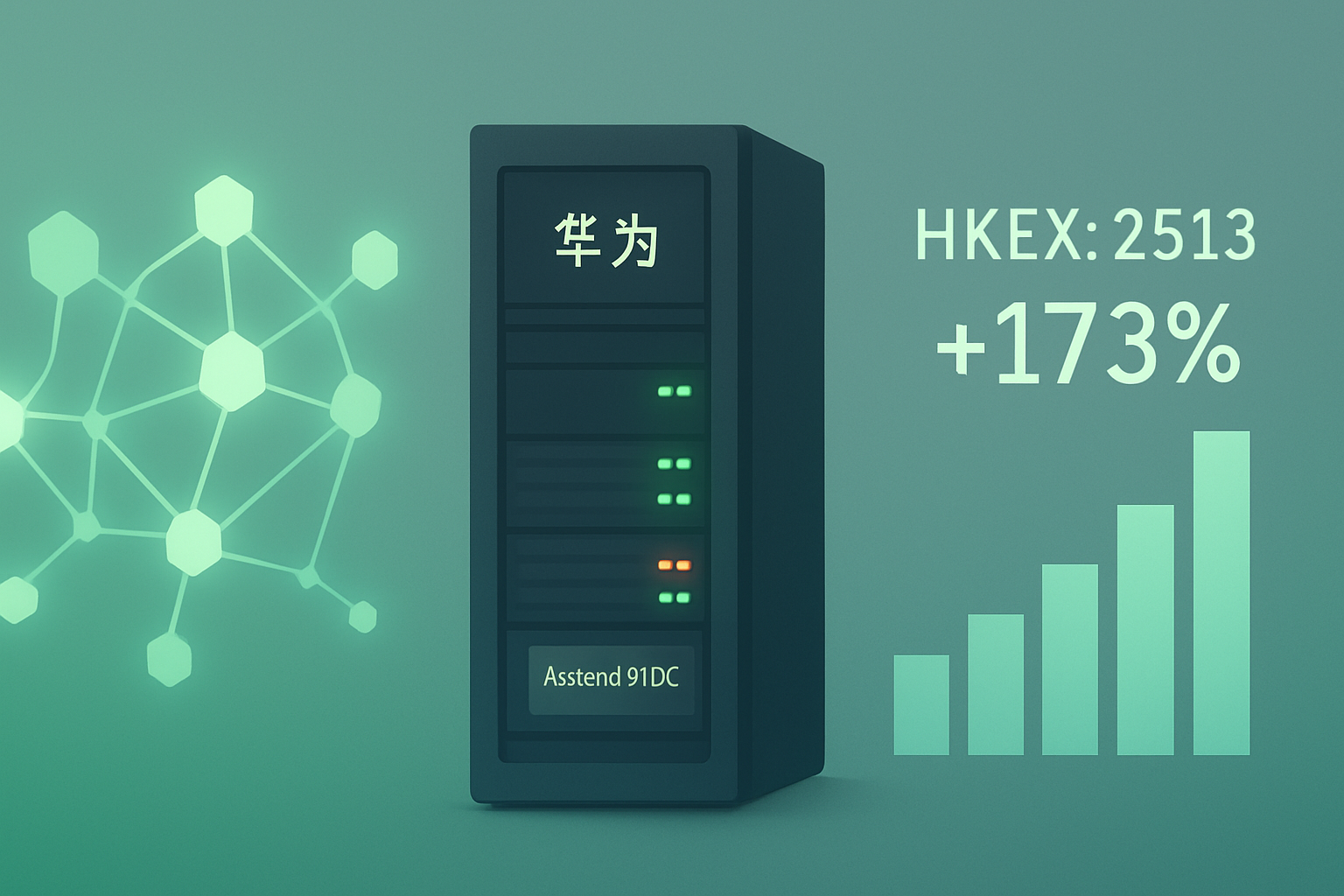
  • Deep Dive: Knowledge Atlas (HKEX: 2513) — The GLM Architect and China’s AGI Race

    Deep Dive: Knowledge Atlas (HKEX: 2513) — The GLM Architect and China’s AGI Race

    Introduction

    In an unprecedented milestone for the global AI industry, Knowledge Atlas Technology Joint Stock Co., Ltd. (HKEX: 2513) — branded internationally as z.ai and domestically as Zhipu AI — became the world’s first pure-play foundation model developer to go public on January 8, 2026. With a $6.6 billion IPO valuation and a market cap exceeding $19 billion by mid-February, the company has emerged as a cornerstone of China’s “New Quality Productive Forces” initiative and a critical player in the race toward Artificial General Intelligence (AGI).

    Zhipu AI’s flagship contribution is the GLM (General Language Model) series, a family of large language models distinguished by a unique blank-filling training objective and 2D positional encoding — architectural innovations that differentiate it from both GPT-style decoders (e.g., OpenAI) and encoder-decoder frameworks (e.g., T5). Its GLM-4.7 model outperforms GPT-4o and Claude 4 Sonnet on SWE-bench Verified, while the upcoming GLM-5 promises 745B parameters and deep multi-step reasoning.

    This deep dive explores the company’s historical roots at Tsinghua University, its model-driven business model, its aggressive hardware sovereignty strategy in the face of U.S. sanctions, and its positioning in one of the world’s most dynamic AI ecosystems. We analyze its financial trajectory, competitive landscape, regulatory headwinds, and the investor frenzy that followed its landmark IPO — providing a comprehensive framework for understanding Zhipu AI’s present impact and future potential.


    Historical Background

    Founding and Academic Genesis (2019–2021)

    Zhipu AI traces its lineage to the Knowledge Engineering Group (KEG) at Tsinghua University. In 2019, Professor Tang Jie and Professor Li Juanzi — leaders in natural language processing and knowledge representation — spun off a research project aimed at closing the performance gap between Chinese and English models in large-scale pre-training. Their core hypothesis: standard GPT-style causal decoding suffered from token-level bias against Chinese, a language with dense meaning-per-character and complex semantics.

    The solution was the General Language Model (GLM) architecture, introduced in 2021. Unlike BERT (encoder-only) or GPT (decoder-only), GLM used an autoregressive blank infilling objective: it masked continuous spans of tokens and reconstructed them sequentially, using 2D positional embeddings to distinguish between input and generation phases. This unified architecture delivered strong performance on both natural language understanding (NLU) and generation (NLG), laying the foundation for future dominance.

    The first open-sourced milestone came in August 2022: GLM-130B, a bilingual (Chinese/English) 130B-parameter model trained on 400B tokens. With MIT-style openness (though under early usage restrictions), GLM-130B became a popular choice for Chinese researchers and developers seeking an alternative to GPT-3.

    Commercialization and the Rise of the AI Tigers (2023–2024)

    In 2023, Zhipu AI launched ChatGLM-6B, a compact, GPU-friendly variant optimized for consumer hardware. Its Apache 2.0 license and 6GB VRAM requirement democratized large-model development across China, catalyzing an ecosystem of startups, governments, and enterprises building on top of its APIs and frameworks.

    The financial and strategic inflection point arrived in mid-2023: Zhipu raised RMB 2.5 billion (US$342M) in Series B funding, led by Meituan, Alibaba, and Tencent — the “Big Three” Chinese tech platforms. This round cemented Zhipu’s status as the “oldest” among China’s “Six AI Tigers,” positioning it to compete directly with Baidu (ERNIE) and Alibaba (Qwen) in the enterprise B2B market.

    The Sovereign AI Pivot and IPO (2025–2026)

    The U.S. Department of Commerce’s January 2025 addition of Zhipu AI to the Entity List marked a turning point. Cut off from NVIDIA H100/H200 chips, the company accelerated its “sovereign AI” strategy — retraining flagship models like GLM-Image and GLM-4.6 entirely on Chinese hardware (Huawei Ascend 910C, Cambricon MLU, Moore Threads MTT S800).

    This operational pivot paid off: by December 2025, Zhipu had filed for an IPO on the Hong Kong Stock Exchange. On January 8, 2026, it debuted at HK$116.20, raising $558 million in the largest AI foundation model IPO to date. Post-IPO, the stock surged 173% in one month, peaking at HK$317.80, driven by a combination of retail enthusiasm, cornerstone investor backing, and a JPMorgan “Overweight” rating with a HK$400 price target.


    Business Model

    Zhipu AI operates a Model-as-a-Service (MaaS) business model, targeting enterprise and developer markets with a tiered monetization strategy.

    Revenue Streams

    • Enterprise B2B (≈95% of 2024 revenue):
      • On-prem/Privatized Cloud: High-margin deployments for state-owned enterprises (SOEs), government agencies, and financial institutions. Revenue for 2024: RMB 263.7M (84.5% of total).
      • API & SDK Licenses: Per-call or annual enterprise API access; 30-fold YoY growth in 2024.
    • Consumer B2C (≈5% of 2024 revenue):
      • Zhipu Qingyan App: Free chatbot with optional premium features.
      • GLM Coding Plan: $3/month subscription for developers; 150,000+ users by Q1 2026.
      • Developer Tools: MIT-licensed model weights, AutoGLM agent framework.

    Pricing and Unit Economics

    • Gross Margins (2024): 56% overall — but 80%+ for on-premise, versus 0–5% for public API (due to compute subsidies).
    • Burn Efficiency: 70% of R&D spend (RMB 1.55B in 2024) covered compute and cloud infrastructure. Zhipu’s edge lies in algorithmic efficiency: its MoE models (e.g., GLM-4.7: 355B total, 32B active) achieve high accuracy with fewer active parameters, reducing inference costs.

    Go-to-Market Strategy

    Zhipu employs a “dual-track” GTM approach:

    1. Enterprise “Top-Down”: Direct sales teams embedded with SOEs and provincial governments; contracts often bundled with hardware (Ascend servers) and support services.
    2. Developer “Bottom-Up”: Open-source models, aggressive API pricing, and integration with popular dev tools (Cursor, Cline, VS Code) to drive organic adoption.

    Stock Performance Overview

    Period Stock Price (HKD) Change vs. IPO Market Cap (HKD)
    IPO Price (Jan 8, 2026) HK$116.20 HK$57.89B
    First Close HK$131.50 +13.2% HK$74.12B
    Jan 16 Peak (Interim) HK$202.40 +74.3% HK$110.06B
    Feb 9 ATH HK$287.80 +147.7% ~HK$135.6B
    Feb 10 Close HK$317.80 +173.5% ~HK$150.1B
    • Retail Demand: IPO oversubscribed 1,159x; 20% allocation to retail.
    • Institutional Backing: Cornerstone investors included Taikang Life, JSC International, and GF Fund.
    • Benchmark Comparison: Outperformed the Hang Seng Tech Index (HSTECH), which fell ~1.7% in the same period.

    Financial Performance

    Metric (RMB Millions) FY2022 FY2023 FY2024 H1 2025
    Total Revenue 57.4 119.2 (est.) 312.4 190.9
    YoY Revenue Growth ~108% ~162% 325% (vs H1 2024)
    Gross Margin ~48% ~52% 56% 51.5%
    Net Loss (97.0) (580.0) (2,470.0) (2,360.0)
    R&D Spend 84.0 410.0 2,200.0 1,590.0
    Cash & Equivalents ~400 ~1,200 2,740.0 2,550.0
    Valuation (Pre-IPO) $1.0B $2.8B $4.0B $6.6B (IPO)

    Key Insights

    • R&D Intensity: R&D spending equaled 705% of total 2024 revenue, with 70% allocated to compute infrastructure.
    • Runway: Pre-IPO, Zhipu had ~8–10 months of runway (burn rate: RMB 300M/month).
    • Use of IPO Proceeds: 70% to R&D (GLM-5 and beyond), 10% to MaaS optimization, 10% to global expansion.

    Leadership and Management

    Executive Team

    • CEO & Executive Director: Dr. Zhang Peng — Tsinghua PhD, former KEG researcher. Known for rational, research-first leadership and a focus on AGI as the ultimate goal.
    • Co-founder & Non-exec Director: Prof. Li Juanzi — Professor at Tsinghua, continues to lead foundational research through the KEG Lab.
    • Chairman & Co-founder: Dr. Liu Debing — Former Technicolor (China) executive; oversees state-level alignment and corporate governance.
    • Chief Scientist: Prof. Tang Jie — Architect of the GLM design; now focuses on long-term model roadmap and AGI theory.

    Board Composition (2026)

    Name Role Background
    Liu Debing Chairman & Exec Dir Co-founder, Tsinghua engineer
    Zhang Peng Exec Dir CEO, former KEG researcher
    Li Juanzi Non-exec Dir Co-founder, Tsinghua Professor
    Yang Qiang Independent Non-exec Dir HKUST AI expert (Transfer Learning, Federated Learning)
    Xie Deren Independent Non-exec Dir Tsinghua Accounting Professor
    Li Jiaqing Non-exec Dir Legend Capital representative

    Governance and Strategy

    Zhipu AI is widely recognized as a “national champion” aligned with China’s 15th Five-Year Plan and “New Quality Productive Forces” initiatives. Its governance emphasizes compliance (CAC, MIIT, CSRC), data security (PIPL), and hardware sovereignty (Ascend, Cambricon). The leadership has publicly emphasized “cognitive supremacy” over raw scale, positioning Zhipu’s path to AGI as algorithmic — not just computational — advancement.


    Products, Services, and Innovations

    The GLM Model Series: Evolution and Capabilities

    Model Release Parameters Context License Key Innovation
    GLM-1 2021 10B 1K Academic Blank-filling objective, 2D position encoding
    GLM-130B Aug 2022 130B 2K MIT First bilingual (ZH/EN) model; open-source
    ChatGLM-6B Mar 2023 6.2B 2K Apache 2.0 GPU-friendly for local inference
    GLM-4 Jan 2024 ~100B+ 128K Proprietary “All Tools” (web, Python, image gen)
    GLM-4.5 Jul 2025 355B (MoE) 128K MIT “Thinking Mode” hybrid reasoning
    GLM-4.7 Dec 2025 400B (MoE) 200K MIT SOTA on SWE-bench, coding, math
    GLM-4.7-Flash Jan 2026 31B (MoE) 128K MIT Runs on consumer GPUs (RTX 3090)
    GLM-5 Feb 2026 745B (MoE) 256K+ Anticipated DSA (Deep Reasoning Architecture), AGI Stage 1

    z.ai Platform (Global Brand, 2025–2026)

    • Bigmodel.cn: API platform; 2.7 million paying developers and 12,000+ enterprise clients.
    • Zhipu Qingyan: Consumer app with video calling and multimodal input.
    • AutoGLM: First mobile agent capable of navigating app UIs (e.g., WeChat, Didi, Meituan) to execute multi-step tasks.
    • GLM-Image: First SOTA image generation model trained solely on Huawei Ascend 910C chips.

    Intellectual Property and R&D

    • Over 300 patents filed in China (as of Q4 2025), covering 2D positional encoding, blank-filling training, and MoE routing.
    • 70% of funding post-IPO dedicated to Frontier AGI Research, with emphasis on multi-turn agentic reasoning and self-supervised self-critique.

    Competitive Landscape

    Company Model Series Strength Weakness
    Zhipu AI (Z.ai) GLM MoE efficiency, hardware sovereignty, MIT licensing, SOTA coding (GLM-4.7) Low B2C conversion, high compute costs
    Baidu ERNIE 4.5/5.0 Search + knowledge graph integration, deep Chinese idiomatic fluency Slower inference, weaker tool use
    Alibaba Qwen 3/3.5 Massive multilingual coverage (119+), high-throughput 1M+ context Less focus on agentic workflows
    DeepSeek V3/R1 Aggressive pricing, strong math (AIME), venture backing Less enterprise deployment, unprofitable
    Tencent HunYuan Enterprise + gaming ecosystem integration Limited transparency, proprietary stack

    Market Position

    • China Market Share (IDC, 2024): ~18% — ranked #3 (after Baidu and Alibaba).
    • Global LLM Positioning: Among top 10 foundation models by open weights and closed performance (per Hugging Face Leaderboard).
    • Unique Edge: Only model family trained entirely on Chinese hardware at SOTA scale (GLM-4.7, GLM-5).

    Industry and Market Trends

    • New Quality Productive Forces: China’s national policy prioritizes AI that boosts industrial efficiency — Zhipu’s SOE and manufacturing deployments align perfectly.
    • Model Compression & Edge Deployment: Zhipu’s GLM-4.7-Flash targets 2026 consumer hardware; Samsung Galaxy S25 (China) includes Zhipu’s edge model.
    • Global South Expansion: Zhipu leads the “Alliance for Independent Large Model Co-construction” with ASEAN and Belt & Road nations.
    • MoE Dominance: Most 2025–2026 releases (GLM-4.5+, Qwen 3.5, ERNIE 5.0) use MoE — Zhipu’s first-mover advantage in MoE training on Ascend chips is critical.
    • Compute Price War: DeepSeek’s aggressive API pricing (Q4 2025) pressured Zhipu’s public cloud margins, driving Zhipu to double down on high-margin enterprise contracts.

    Risks and Challenges

    • U.S. Entity List (Jan 2025): Bans Zhipu from NVIDIA H100/H200 and U.S. cloud inference; forces reliance on lower-efficiency domestic chips.
    • Profitability Lag: Net loss of RMB 2.47B in 2024; R&D burn remains >700% of revenue. Path to breakeven is 2027–2028.
    • Geopolitical Decoupling: Limited ability to deploy GLM-5 in U.S./EU markets; restricted model export under China’s Export Control Law.
    • Regulatory Scrutiny (China): CAC-mandated security assessments for every model update; PIPL compliance for user data.
    • Valuation Volatility: Current P/S of 150x (2024) and 39x (2025E) leaves stock vulnerable to earnings disappointment.

    Opportunities and Catalysts

    • GLM-5 Launch (Feb 2026): Anticipated to rival GPT-5 in AGI-stage reasoning — potential catalyst for 30–50% stock re-rating.
    • SOE Procurement Mandates: 70% of government AI spending must use “First Batch” domestic models — Zhipu holds largest share.
    • Hardware Partnerships: Huawei (Ascend), Cambricon, and Moore Threads offer subsidized compute vouchers; Zhipu receives MIIT “AI Tiger” subsidies covering ~30% of power costs.
    • Global Developer Adoption: MIT licensing and open weights accelerate integrations in OpenRouter, Hugging Face, and ASEAN cloud providers.
    • Runway Extension: IPO proceeds extend runway to >36 months; capital allows aggressive R&D without secondary dilution.

    Investor Sentiment and Analyst Coverage

    Analyst Ratings (Post-IPO, as of Feb 10, 2026)

    Firm Rating Price Target (HKD) Note
    JPMorgan Overweight 400 “Top pick for global AI value creation”
    Goldman Sachs (Asia) Buy 42.50 “Proprietary Knowledge Graph LLM” advantage
    Morgan Stanley Overweight 38.00 Enterprise integration in GBA
    HSBC Global Research Hold 31.00 Compute cost concerns

    Institutional & Retail Activity

    • Cornerstone Investors (5.8 months lock-up): Taikang Life, JSC International, GF Fund (~68.6% of offering).
    • Hedge Funds: 3W Fund (3.8% long), WT Asset Management (added 1.2M shares Jan 2026).
    • Retail Sentiment: 1,159x oversubscription; StockStreet and LittleWhitePanda bullish, though caution noted at HK$36 resistance.

    Finterra-Style Metrics (Est.)

    Metric Value
    Implied FY2026 P/E 33.5x
    P/S (2025E) 9.2x
    EV/EBITDA 24.5x
    Implied EPS (FY26) HK$1.12
    Cash Runway >36 months (post-IPO)

    Regulatory, Policy, and Geopolitical Factors

    • U.S. Entity List (Jan 2025): Blocked H100/H200 access; forced domestic chip migration (Ascend 910C).
    • China CAC Regulations: GenAI Service Measures (2023) and TC260-003 (2024) mandate model registration, human-in-the-loop safety testing, and keyword filtering.
    • Export Control Law (2025): Model weights classified as “restricted exports” — GLM-5 can only be hosted on Chinese mainland or Hong Kong servers.
    • Cross-Border Data Flow (2025 Updates): Tightened for model weights; Zhipu uses “Hong Kong Gateway” to host APIs while core compute remains in mainland.
    • Policy Dividends:
      • “AI Tiger” Support (MIIT): Grants cover ~30% of compute costs.
      • East Data West Compute (东数西算): Zhipu’s clusters in Gansu/Guizhou use cheap hydroelectric power.

    Conclusion

    Knowledge Atlas (HKEX: 2513) is not merely a stock — it is a national infrastructure play. Its GLM models represent a rare case where algorithmic innovation (blank-filling, 2D positional encoding) translated directly into market leadership and operational sovereignty. The company has turned U.S. sanctions into a catalyst for domestic silicon adoption, and its focus on MoE efficiency positions it well for a future where compute scarcity — not abundance — defines competitive advantage.

    Investors face a binary narrative: either Zhipu’s high burn and valuation will be justified by GLM-5’s AGI breakthrough and SOE dominance, or the stock will correct toward more traditional SaaS multiples in a maturing AI market. Key watchpoints for the next 90 days include:

    • GLM-5 performance benchmarks (C-Eval, AIME, SWE-bench)
    • Enterprise renewal rates and avg. contract value (ACV) growth
    • MIIT subsidies and Ascend chip yield improvements

    At its current price, Zhipu offers explosive upside if AGI milestones are hit — but substantial risk if hardware bottlenecks or regulatory shifts slow execution. For investors with a multi-year horizon and high-risk tolerance, the company remains a compelling, high-conviction proxy for the global AI arms race — one that may well define the next decade of tech leadership.


    This article is for informational purposes only and is not financial advice. Finterra does not hold positions in any securities mentioned. Data as of February 10, 2026.

  • The Kohl’s Conundrum: Can a “Back-to-Basics” Strategy Stabilize the Off-Mall Giant?

    The Kohl’s Conundrum: Can a “Back-to-Basics” Strategy Stabilize the Off-Mall Giant?

    As of January 22, 2026, Kohl’s Corporation (NYSE: KSS) stands at a critical juncture in its 64-year history. Once the darling of the "off-mall" retail movement, the Menomonee Falls-based retailer has spent the last five years navigating a perfect storm of leadership turnover, activist pressure, and shifting consumer habits. After a tumultuous 2025 marked by a high-profile CEO scandal and a strategic pivot back to core retail fundamentals, the company is attempting to prove to Wall Street that its value-oriented business model still has a place in a post-inflationary economy.

    Today, Kohl’s is in focus not just for its deep-value stock price, but for its resilience in the face of internal instability. With its Sephora partnership now a multi-billion dollar engine, the retailer is betting its future on a "back-to-basics" approach aimed at restoring loyalty among middle-income families who have been squeezed by rising living costs.

    Historical Background

    The story of Kohl’s began in 1927 when Maxwell Kohl, a Polish immigrant, opened a corner grocery store in Milwaukee, Wisconsin. However, the company’s modern identity was forged in 1962, when Maxwell launched the first Kohl’s Department Store in Brookfield, Wisconsin. His vision was unique: he wanted to offer a "middle-ground" shopping experience—more upscale than a discounter like Walmart but more convenient and affordable than high-end department stores like Marshall Field’s.

    In 1972, the Kohl family sold a controlling interest to British American Tobacco (BATUS Inc.), which oversaw the brand’s regional growth. The family’s direct involvement ended in 1979 when Maxwell's son, Herb Kohl (who later became a U.S. Senator), resigned as president. A transformative management buyout in 1986 took the company private, setting the stage for its 1992 Initial Public Offering on the New York Stock Exchange.

    Through the 1990s and 2000s, Kohl’s executed a relentless national expansion, capitalizing on its "off-mall" strategy—placing stores in accessible strip centers rather than enclosed malls. This convenience-first approach allowed it to become the largest department store chain in the United States by store count by 2012.

    Business Model

    Kohl’s operates an omnichannel retail model centered on approximately 1,100 stores across 49 states. Unlike traditional mall-based retailers like Macy’s (NYSE: M), Kohl’s derives significant competitive advantage from its real estate; more than 95% of its stores are located in off-mall locations, which reduces rent costs and improves accessibility for suburban shoppers.

    The revenue model is built on three primary pillars:

    1. National Brands: Strategic partnerships with brands like Nike, Under Armour, Levi’s, and Adidas provide credibility and draw traffic.
    2. Proprietary/Private Labels: Brands like Sonoma Goods for Life, Croft & Barrow, and the recently revamped "Flex" athleisure line offer higher margins and exclusive value.
    3. Sephora at Kohl’s: A massive shop-in-shop initiative that replaced the company's legacy beauty department. This partnership has become a primary driver of foot traffic, attracting a younger, more diverse demographic.

    Stock Performance Overview

    Over the last decade, KSS stock has been a study in volatility. As of January 22, 2026, the stock is trading near $18.00, representing a modest recovery from the 2025 lows but remaining significantly below its 2021 peak of $60+.

    • 1-Year Performance: The stock has risen approximately 40% from its late-2024 nadir, outperforming several peers as the market reacted favorably to the appointment of Michael Bender and better-than-expected margin control.
    • 5-Year Performance: On a five-year basis, the stock remains down nearly 55%, weighed down by sluggish sales growth and a massive dividend cut in 2025.
    • 10-Year Performance: Long-term shareholders have seen little capital appreciation, with the stock effectively trading at levels seen in the early 2010s, though it remained a notable "dividend play" until the recent payout reduction.

    Financial Performance

    Kohl’s 2025 financial year was a story of "bottom-line protection over top-line growth." While net sales for fiscal 2025 are estimated to have declined between 3.5% and 4%, the company’s focus on inventory discipline has yielded results.

    • Earnings: In its most recent quarterly report (Q3 2025), Kohl’s surprised analysts with an EPS of $0.10, beating expectations for a loss. Adjusted diluted EPS for the full year 2025 is projected to land between $1.25 and $1.45.
    • Margins: Gross margins expanded by approximately 40 basis points in 2025, driven by a 5% reduction in year-over-year inventory, which allowed for more full-price selling.
    • Debt & Liquidity: Total debt stands at approximately $4.04 billion. To manage liquidity during the 2025 leadership transition, the company issued $360 million in 10% senior secured notes due 2030, a high-interest move that highlights the cost of capital in the current macro environment.
    • Dividends: In a bid to preserve cash, the board cut the quarterly dividend in March 2025 from $0.50 to $0.125 per share, resulting in a current yield of roughly 2.8%.

    Leadership and Management

    Leadership has been the company’s greatest "wildcard" recently. Following the retirement of Tom Kingsbury, the board appointed Ashley Buchanan (formerly of Michaels) as CEO in early 2025. However, Buchanan was fired for cause in May 2025 after an investigation into vendor-related conflicts of interest.

    The current CEO, Michael Bender, took the permanent role in November 2025. Bender’s strategy, dubbed "Retail Excellence," focuses on:

    • Inventory Velocity: Ensuring that products move through the system faster to avoid the massive markdowns that plagued the company in 2022-2023.
    • Simplified Value: Moving away from overly complex coupon systems that had confused customers.
    • Private Label Resurgence: Investing in the "Sonoma" and "Flex" brands to capture value-conscious shoppers.

    Products, Services, and Innovations

    Kohl’s most successful innovation remains the Sephora at Kohl’s partnership. By the end of 2025, the collaboration surpassed $2 billion in annual sales. In 2026, the company is doubling down on this success by introducing prestige brands like MAC Cosmetics into the Kohl’s-Sephora ecosystem.

    Beyond beauty, the company is experimenting with "Kohl’s Small Format" stores. These locations are roughly 35,000 square feet (about a third the size of a standard store) and are designed to penetrate smaller markets or high-density urban areas where a traditional footprint is unfeasible.

    Competitive Landscape

    Kohl’s finds itself squeezed between two formidable forces:

    • The Discounters: TJX Companies (NYSE: TJX) and Ross Stores (NASDAQ: ROST) continue to gain market share by offering "treasure hunt" experiences that Kohl’s struggles to replicate.
    • The Premium Department Stores: Macy’s (NYSE: M) has successfully executed its "Bold New Chapter" turnaround under CEO Tony Spring, currently showing stronger comparable sales growth than Kohl’s.
    • The Big Box Giants: Target (NYSE: TGT) remains a major competitor in apparel and home goods, though Kohl’s off-mall accessibility remains a defensive moat against Target’s mall-adjacent locations.

    Industry and Market Trends

    The retail sector in early 2026 is defined by "value bifurcation." Consumers are either trading down to extreme value (temu, Shein, dollar stores) or remaining loyal to "prestige value" (Sephora, Lululemon). Kohl’s is aggressively trying to position itself in the middle of this "value-prestige" bridge.

    Additionally, the "Off-Mall Advantage" is more relevant than ever. As traditional malls face declining foot traffic and higher security costs, Kohl’s open-air strip center locations are viewed by analysts as a more sustainable long-term real estate play.

    Risks and Challenges

    1. Leadership Instability: Having four CEOs in four years has created "execution fatigue." If Michael Bender fails to show top-line growth by mid-2026, the board will face immense pressure.
    2. Debt Maturity: While the 2025 debt restructuring bought time, the 10% interest rate on new notes is a significant drag on net income.
    3. Consumer Spending: The middle-income demographic—Kohl’s core—is the most sensitive to persistent inflation in essential services like insurance and housing.
    4. Real Estate Activism: Activists like Macellum and Vision One continue to push for sale-leaseback transactions, which management resists as being "short-term gain for long-term pain."

    Opportunities and Catalysts

    • Sephora Synergy: As of early 2026, 40% of Sephora customers are new to Kohl’s. Converting these beauty shoppers into apparel and home goods shoppers is the company’s biggest growth lever.
    • Athleisure Expansion: The "Flex" brand and expanded partnerships with Nike could capture the ongoing trend toward casual office wear.
    • M&A or Takeover: Given Kohl’s low valuation (trading at roughly 0.1x trailing sales), the company remains a perennial target for private equity firms or larger retail conglomerates.

    Investor Sentiment and Analyst Coverage

    The consensus on Wall Street remains a cautious "Hold." While some analysts at firms like JPMorgan and Citi have praised the improved margins, they remain skeptical about the lack of positive "comp" (comparable store) sales.

    Retail sentiment on platforms like Reddit and X (formerly Twitter) is mixed, with "dividend hunters" mourning the 2025 cut, while "deep value" investors point to the company's real estate assets—valued by some at $7 billion to $8 billion—as a massive safety net for the current $2 billion market cap.

    Regulatory, Policy, and Geopolitical Factors

    • Trade Policy: Like all major apparel retailers, Kohl’s is sensitive to trade relations with Southeast Asia and China. Any new tariffs in 2026 would likely force price hikes, testing the limits of its "value" proposition.
    • Labor Laws: Rising minimum wages in key states like California and New York continue to pressure SG&A (Selling, General, and Administrative) expenses.
    • Sustainability Disclosure: New 2026 reporting requirements regarding supply chain carbon footprints are forcing Kohl’s to invest more in logistics transparency, a necessary but costly regulatory hurdle.

    Conclusion

    Kohl’s Corporation is a legacy retailer in the midst of a high-stakes identity shift. The "Sephora at Kohl's" engine provides a much-needed lifeline, but it cannot carry the entire weight of a 1,100-store chain indefinitely. Under Michael Bender, the company has returned to the "retail 101" basics of inventory control and margin management.

    For investors, KSS represents a high-risk, high-reward value play. The downside is protected by a significant real estate portfolio and a proven beauty partnership, but the upside is capped until management can prove that the "Kohl’s Cash" loyalty model can still drive meaningful foot traffic in an increasingly digital and fragmented retail world. Investors should keep a close eye on Q1 2026 comparable sales; if they finally turn positive, the "Kohl’s comeback" may truly be underway.


    This content is intended for informational purposes only and is not financial advice.

  • Apple Under Pressure: A Deep-Dive into AAPL Amid the January 2026 Tech Sell-off

    Apple Under Pressure: A Deep-Dive into AAPL Amid the January 2026 Tech Sell-off

    Date: January 14, 2026

    Introduction

    As the dust settles on the first two weeks of 2026, the technology sector is grappling with its most significant "valuation reset" since the post-pandemic correction. At the center of this storm is Apple Inc. (NASDAQ: AAPL). After achieving a historic $4 trillion market capitalization in late 2025, the Cupertino giant has found itself vulnerable to a broader tech sell-off that has wiped billions in market value across the Magnificent Seven.

    While Apple’s fundamentals remain the envy of the corporate world, investors are currently wrestling with a trifecta of pressures: the cooling of "AI hype," a looming leadership transition, and an increasingly aggressive global regulatory environment. This article provides a deep-dive analysis of Apple’s current standing, its performance through the recent volatility, and its strategic outlook for the remainder of 2026.

    Historical Background

    Founded in 1976 by Steve Jobs, Steve Wozniak, and Ronald Wayne, Apple’s journey is one of the most storied in business history. From the early success of the Apple II to the dark days of the mid-1990s when the company flirted with bankruptcy, Apple’s resilience has been defined by its ability to redefine categories.

    The return of Steve Jobs in 1997 sparked a renaissance characterized by the iMac, iPod, and the 2007 launch of the iPhone—a device that fundamentally altered the course of modern technology. Under Tim Cook, who took the helm in 2011, Apple transformed from a hardware-centric innovator into an ecosystem powerhouse, shifting focus toward high-margin Services and wearable technology while scaling its market value into the trillions.

    Business Model

    Apple’s business model is a masterclass in ecosystem lock-in. It operates through five primary segments:

    1. iPhone: The core revenue driver, now entering the "AI Era" with the iPhone 17.
    2. Services: Including the App Store, Apple Pay, iCloud+, Apple TV+, and the new "Apple Intelligence Pro" tier. This segment now accounts for over 26% of total revenue.
    3. Wearables, Home, and Accessories: Featuring the Apple Watch, AirPods, and the Vision Pro.
    4. Mac: High-end computing powered by proprietary M-series silicon.
    5. iPad: Tablet dominance across consumer and professional tiers.

    The strategy relies on "vertical integration"—controlling everything from the silicon (M4 and A19 chips) to the software (iOS 26) and the retail experience. This allows Apple to command industry-leading gross margins and maintain a customer retention rate that exceeds 90% in most developed markets.

    Stock Performance Overview

    Apple’s stock has historically been a pillar of stability, but the January 2026 sell-off has tested even the most diamond-handed investors.

    • 1-Year Performance: AAPL saw a meteoric 35% rise in 2025, driven by the "iPhone 17 Supercycle" and the rollout of Apple Intelligence. However, it has shed roughly 8% in the first two weeks of 2026.
    • 5-Year Performance: Since 2021, the stock has nearly tripled, significantly outperforming the S&P 500.
    • 10-Year Performance: Long-term holders have seen gains in excess of 800%, adjusted for splits and dividends.

    The current sell-off is viewed by analysts not as a structural failure, but as "valuation exhaustion" following the $4 trillion peak.

    Financial Performance

    Apple’s fiscal year 2025 (ended September 2025) was a landmark year:

    • Revenue: A record $416.2 billion, up nearly 8% year-over-year.
    • Net Income: $112 billion, marking one of the most profitable years for any corporation in history.
    • Margins: Gross margins hit 46.9%, bolstered by the continued growth of Services and high-end "Pro" hardware models.
    • Cash Flow: Free cash flow of $99 billion enabled a continuation of Apple’s massive capital return program, with over $100 billion returned via share buybacks and dividends in 2025 alone.

    Leadership and Management

    Apple is currently navigating a delicate executive transition. Tim Cook, now 65, has begun a structured handover process. While he remains CEO as of early 2026, industry insiders expect him to move to an Executive Chairman role by 2027.

    John Ternus, the SVP of Hardware Engineering, has emerged as the front-runner to succeed Cook, having taken a more prominent role in recent product keynotes. Additionally, the transition to Kevan Parekh as CFO (succeeding Luca Maestri) has been seamless, with Parekh maintaining Apple’s disciplined "net-cash-neutral" strategy despite rising interest rates in late 2025.

    Products, Services, and Innovations

    The 2025-2026 product cycle has been a mix of triumph and tribulation:

    • iPhone 17 and "iPhone Air": The standard iPhone 17 has been a commercial success. However, the ultra-thin "iPhone Air" remains a niche, high-priced experiment intended to showcase Apple’s engineering prowess.
    • Apple Intelligence: In a pragmatic shift, Apple partnered with Google in late 2025 to integrate Gemini into its cloud-based AI tasks. While adoption of on-device AI has been steady, Apple is now moving toward an "Apple Intelligence Pro" subscription model to monetize advanced generative features.
    • Vision Pro: Spatial computing has faced a "reality check." High costs and a lack of a "killer app" led to production pauses in early 2025. All eyes are now on the rumored 2026 launch of a more affordable "Vision Air" headset.

    Competitive Landscape

    Apple faces a two-front war in 2026:

    • China: Huawei has staged a remarkable recovery, capturing the #1 market share spot in China in late 2025. Its Mate 80 series has successfully pulled high-end users away from the iPhone.
    • The AI Race: Samsung’s Galaxy S26, set for release in February 2026, is marketing "Proactive Intelligence," challenging Apple’s narrative of being the premier AI phone provider.
    • Big Tech Rivals: Google (NASDAQ: GOOGL) and Microsoft (NASDAQ: MSFT) continue to exert pressure through their control of the AI infrastructure layer, forcing Apple to balance its "privacy-first" AI stance with the need for high-performance cloud computing.

    Industry and Market Trends

    The tech industry is currently defined by "AI Monetization." Investors are no longer satisfied with AI promises; they are demanding proof of revenue. Additionally, the global smartphone market has reached a state of mature saturation, meaning growth must now come from increasing "Average Selling Prices" (ASPs) and Service subscriptions rather than unit volume.

    Risks and Challenges

    • Valuation Pressure: Trading at over 32x forward earnings, Apple is priced for perfection. Any slight miss in iPhone 17 Pro demand could lead to further downward revisions.
    • Supply Chain Volatility: DRAM and NAND component costs are projected to rise 40–70% in 2026, potentially squeezing hardware margins.
    • Antitrust Litigation: The US Department of Justice (DOJ) case is entering a critical discovery phase, creating a multi-year legal overhang.

    Opportunities and Catalysts

    • The Services Pivot: If Apple successfully converts its 2 billion+ installed base to "AI Pro" subscribers, it could unlock a massive new recurring revenue stream.
    • Healthcare Integration: Rumors of non-invasive glucose monitoring for the Apple Watch Series 12 (expected late 2026) could revolutionize the wearable market.
    • M&A Potential: With nearly $160 billion in cash and equivalents, Apple remains a prime candidate for a strategic acquisition in the gaming or healthcare sectors.

    Investor Sentiment and Analyst Coverage

    Wall Street remains divided but generally constructive. As of January 14, 2026:

    • Median Price Target: $300.00.
    • Bull Case (Wedbush): $350.00, citing the massive "installed base upgrade cycle."
    • Bear Case: $215.00, citing regulatory risks and China headwinds.
      Institutional ownership remains high, as AAPL is still viewed as a "safe-haven" asset during broader market volatility due to its peerless balance sheet.

    Regulatory, Policy, and Geopolitical Factors

    Apple is under intense scrutiny from the European Union’s Digital Markets Act (DMA). In 2025, Apple was forced to make iOS interoperable with rival smartwatches and opened its NFC chip to third-party payment providers. Geopolitically, Apple continues to diversify its manufacturing away from China, with India now accounting for nearly 20% of iPhone production—a trend expected to accelerate through 2026.

    Conclusion

    Apple Inc. enters mid-January 2026 at a crossroads. The recent sell-off reflects a market that is recalibrating expectations for the AI era and the post-Cook leadership period. While the "easy money" from the 2024-2025 rally has been made, Apple’s ecosystem has never been stickier, and its financial engine remains unparalleled.

    Investors should closely monitor iPhone 17 sales data in late Q1 and the reception of "Apple Intelligence Pro." While the short-term volatility may be painful, Apple’s ability to turn its massive user base into a recurring revenue machine suggests that it remains a foundational holding for any long-term portfolio.


    This content is intended for informational purposes only and is not financial advice.