Tag: Elon Musk

  • Tesla’s Pivot to Physical AI: A 2026 Deep Dive into the Future of TSLA

    Tesla’s Pivot to Physical AI: A 2026 Deep Dive into the Future of TSLA

    Date: April 14, 2026

    Introduction

    As of April 14, 2026, Tesla, Inc. (NASDAQ: TSLA) finds itself at a defining crossroads that will determine its identity for the next decade. No longer viewed strictly through the lens of an automotive manufacturer, the Austin-based company is in the midst of a radical pivot toward "Physical AI"—a strategic shift that prioritizes autonomous transport and humanoid robotics over high-volume consumer vehicle sales. With the recent commencement of Cybercab mass production and the transition of its Fremont factory into a dedicated robotics hub, Tesla is attempting to bridge the gap between a cooling electric vehicle (EV) market and the multi-trillion-dollar promise of the "Age of Autonomy." This article explores the company’s current standing, its volatile financial trajectory, and the high-stakes innovations that define its 2026 outlook.

    Historical Background

    Tesla’s journey from a niche Silicon Valley startup to a global industrial titan is one of the most storied in corporate history. Founded in 2003 by Martin Eberhard and Marc Tarpenning—and later spearheaded by Elon Musk—the company’s mission was to prove that electric cars could be superior to gasoline-powered vehicles.

    The 2008 Roadster set the stage, but it was the 2012 Model S that revolutionized the industry, proving EVs could be luxury symbols of high performance. Following the "production hell" of the Model 3 in 2017-2018, which nearly bankrupted the firm, Tesla achieved unprecedented scale, reaching profitability and S&P 500 inclusion in 2020. By 2023, the Model Y became the best-selling vehicle globally, of any fuel type. However, as the 2020s progressed, Tesla shifted its focus from the "Master Plan Part 3" goal of 20 million vehicles per year to a more concentrated bet on artificial intelligence, leading to the pivotal 2026 production launch of the Cybercab.

    Business Model

    Tesla’s business model is a vertically integrated ecosystem that spans three primary pillars:

    1. Automotive & Autonomy: While vehicle sales (Model 3, Model Y, Cybertruck) still generate the bulk of revenue, the model has shifted toward high-margin software. This includes Full Self-Driving (FSD) subscriptions and the nascent Tesla Network, an autonomous ride-hailing platform.
    2. Energy Generation and Storage: This segment has become Tesla’s fastest-growing engine. Through the Megapack (for utilities) and Powerwall (for homes), Tesla provides the infrastructure for a renewable grid. In Q1 2026, this segment achieved record deployments of 8.8 GWh.
    3. Services and Robotics: This includes the global Supercharger network—now widely adopted as the industry standard (NACS)—and the emerging Optimus program. Tesla aims to sell labor in the form of humanoid robots, moving the company into the $40 trillion global labor market.

    Stock Performance Overview

    Tesla remains one of the most polarizing and volatile stocks on the NASDAQ.

    • 1-Year Performance: Over the past 12 months, TSLA has traded in a wide range between $350 and $430. After hitting an all-time high of $498.83 in late 2025 following a successful "unsupervised" Robotaxi pilot, the stock retreated in early 2026 due to a Q1 delivery miss.
    • 5-Year Performance: Investors who held through the 2021-2022 volatility have seen significant gains, driven by the scaling of Giga Texas and Giga Berlin and the energy segment's maturation.
    • 10-Year Performance: Tesla remains one of the best-performing stocks of the decade, with a total return exceeding 1,500%, drastically outperforming the S&P 500 and the broader automotive sector.

    Financial Performance

    In the fiscal year 2025, Tesla reported total revenue of $94.8 billion. However, Q1 2026 results released in April showed signs of a "delivery plateau." Tesla delivered 358,023 vehicles, a 6.3% year-over-year increase but a sequential decline that fell short of analyst expectations.

    • Margins: Automotive gross margins have stabilized at approximately 20.1% as of Q4 2025, despite aggressive price cuts to maintain market share against Chinese competitors.
    • Balance Sheet: Tesla maintains a fortress balance sheet with over $30 billion in cash and cash equivalents and minimal debt, allowing it to self-fund the massive R&D required for the Optimus and Cybercab programs.
    • Valuation: With a P/E ratio still significantly higher than traditional automakers, the market is pricing Tesla as a software/AI company rather than a hardware manufacturer.

    Leadership and Management

    Elon Musk continues to serve as CEO, though his attention is split between Tesla, SpaceX, xAI, and X. This "key-man risk" remains a primary concern for institutional investors. However, the operational leadership has solidified under CFO Vaibhav Taneja and Tom Zhu, who oversees global production.
    The board of directors remains under scrutiny regarding Musk’s 2024 pay package and governance, but the strategic pivot to AI has largely aligned the leadership team toward a singular goal: achieving Level 5 autonomy and scaling Optimus Gen 3.

    Products, Services, and Innovations

    Tesla’s current portfolio is undergoing its most significant transition since 2017:

    • Cybercab (Robotaxi): Mass production began at Giga Texas in April 2026. This steering-wheel-less vehicle is the centerpiece of Tesla’s future, designed for an internal ride-sharing network.
    • Model 2 (Project Redwood): A $25,000 compact SUV is currently in pilot production, utilizing the "Unboxed" manufacturing process to reduce costs by 50%.
    • FSD v14.3: Released in early April 2026, this version utilizes a ground-up Machine Learning Intermediate Representation (MLIR) rewrite, significantly reducing latency and improving complex urban navigation.
    • Optimus Gen 3: Now in mass production at the repurposed Fremont facility, thousands of these bots are currently being "hired" internally for Tesla’s battery lines, with external commercial sales slated for late 2026.

    Competitive Landscape

    Tesla faces a two-front war in the competitive landscape:

    • The China Challenge: BYD (OTCPK: BYDDY) remains Tesla's most formidable volume rival, consistently challenging for the title of the world's top EV seller. Xiaomi and Huawei have also entered the premium EV space with high-tech software integrations.
    • Legacy Transformation: In the U.S. and Europe, legacy giants like Ford (NYSE: F) and Volkswagen (OTC: VWAGY) have pulled back on pure EV targets in favor of hybrids, leaving Tesla to dominate the shrinking but still critical pure-EV segment.
    • AI Competitors: In the robotics and autonomy space, Tesla competes with Waymo (Alphabet) and specialized robotics firms like Boston Dynamics, though Tesla’s advantage lies in its massive real-world data set and manufacturing scale.

    Industry and Market Trends

    The "Age of Autonomy" is the defining trend of 2026. Global EV adoption has slowed in some Western markets due to high interest rates and the expiration of subsidies, but the demand for energy storage and autonomous systems is accelerating. Furthermore, the convergence of Large Language Models (LLMs) with physical robotics—embodied by Tesla’s integration of xAI’s "Grok"—is creating a new category of "embodied AI" that is attracting massive venture and institutional capital.

    Risks and Challenges

    • Margin Compression: Continuous price wars in the EV space threaten the high margins that once justified Tesla’s premium valuation.
    • Regulatory Scrutiny: FSD remains under intense investigation by the NHTSA in the U.S., and any high-profile autonomous accidents could stall the Cybercab rollout.
    • Execution Risk: Moving from prototype to mass production of a humanoid robot (Optimus) is an unprecedented industrial challenge.
    • Geopolitical Tensions: Tesla’s heavy reliance on its Shanghai Gigafactory makes it vulnerable to shifting U.S.-China trade policies and potential tariffs.

    Opportunities and Catalysts

    • Robotaxi Fleet: A successful launch of the Tesla Network could transform the company into a high-margin service provider similar to Uber or Airbnb, but with much higher take rates.
    • FSD Licensing: Several legacy automakers are reportedly in talks to license Tesla’s FSD software, which would provide a pure-profit revenue stream.
    • Energy Storage Dominance: As the world transitions to renewables, the Megapack business could eventually rival the automotive segment in total revenue.
    • EU Expansion: The recent approval of FSD for public use in the Netherlands marks the beginning of a massive new market for Tesla’s software in Europe.

    Investor Sentiment and Analyst Coverage

    Wall Street remains deeply divided on Tesla.

    • The Bulls: Analysts at firms like ARK Invest maintain a price target exceeding $2,000 (pre-split adjusted), viewing Tesla as the dominant player in a multi-trillion dollar autonomous transport market.
    • The Bears: Skeptics point to the 50,000-unit production-delivery gap in Q1 2026 as proof that Tesla is a "busted growth story" in the automotive sector, currently overvalued for its unproven AI promises.
    • Retail Influence: Tesla remains a favorite among retail investors, who hold a significant portion of the float and often provide a "floor" for the stock price during downturns.

    Regulatory, Policy, and Geopolitical Factors

    Tesla’s operations are heavily influenced by global policy. In the U.S., the expiration of federal EV tax credits in late 2025 has created a headwind for domestic sales. Conversely, the Inflation Reduction Act (IRA) continues to provide massive subsidies for Tesla’s battery manufacturing in Nevada and Texas. In Europe, new environmental mandates and the rollout of FSD-friendly regulations are providing tailwinds, while in China, Tesla must navigate strict data-security laws to keep its FSD systems operational.

    Conclusion

    Tesla in April 2026 is a company in the middle of its most ambitious transformation yet. By sunsetting legacy models like the S and X to make room for Optimus and Cybercab, Elon Musk is doubling down on a future where Tesla provides the "brains" and "bodies" of the autonomous economy.

    For investors, the path forward is binary: those who view Tesla as a car company see a stock that is dangerously overvalued amidst slowing demand and rising competition. However, those who view it as an AI and robotics platform see a company that is just beginning its most profitable chapter. The key metrics to watch over the coming months will be the progress of the "Unboxed" manufacturing process for the $25,000 model and the real-world performance of the first Cybercab fleets.


    This content is intended for informational purposes only and is not financial advice.
  • Tesla (TSLA) Research Feature: The AI Pivot and the Dawn of the Cybercab Era

    Tesla (TSLA) Research Feature: The AI Pivot and the Dawn of the Cybercab Era

    Today’s Date: April 13, 2026

    Introduction

    Tesla, Inc. (NASDAQ:TSLA) stands at the most pivotal juncture in its twenty-three-year history. Long the standard-bearer for the global transition to electric vehicles (EVs), the company is currently mid-pivot, evolving from a high-volume automaker into a vertically integrated physical artificial intelligence (AI) and robotics powerhouse. As of April 2026, the market’s focus has shifted away from quarterly delivery numbers and toward the execution of "Project Redwood"—Tesla’s sub-$25,000 vehicle—and the industrialization of the Cybercab (Robotaxi). With the energy storage business now contributing nearly a quarter of the firm's gross profit, Tesla is no longer a "car company" in the eyes of its most ardent supporters, even as it faces rigorous regulatory scrutiny and intensifying competition from Chinese tech giants.

    Historical Background

    Founded in 2003 by Martin Eberhard and Marc Tarpenning, and transformed by early investor and longtime CEO Elon Musk, Tesla’s journey began with the high-end Roadster in 2008. The company’s "Master Plan" was famously simple: build an expensive car to fund a mid-priced car (Model S/X), which would in turn fund an affordable car (Model 3/Y).

    The 2017–2019 period, often described by Musk as "production hell," nearly bankrupted the company during the Model 3 ramp-up but ultimately cemented Tesla as the first successful new American automaker in decades. By 2021, Tesla achieved a $1 trillion valuation, fueled by record deliveries and a dominant position in the S&P 500. However, the 2024–2025 "transition years" saw a cooling of the global EV market, forcing Tesla to slash prices and refocus its strategy on AI infrastructure, end-to-end neural network driving, and the humanoid robot, Optimus.

    Business Model

    Tesla operates through four primary revenue segments:

    1. Automotive Sales & Leasing: The core driver, encompassing the Model S, 3, X, Y, Cybertruck, and the newly launched Model 2 pilot units.
    2. Energy Generation & Storage: This segment has seen exponential growth through 2025, selling Powerwalls for homes and Megapacks for utility-scale storage. It currently boasts the highest margins in the company’s portfolio.
    3. Services & Other: Includes Supercharging (now a multi-brand industry standard), insurance, vehicle service, and the burgeoning FSD (Full Self-Driving) subscription revenue.
    4. Licensing and AI Services (Emerging): Tesla has begun preliminary talks with legacy automakers to license its FSD software and NACS charging hardware.

    Tesla’s model is defined by vertical integration. Unlike traditional OEMs (Original Equipment Manufacturers), Tesla produces its own batteries, designs its own chips (D1/D2), and owns its entire distribution and service network, bypassing the traditional dealership model.

    Stock Performance Overview

    Tesla’s stock performance has been a study in extreme volatility and high-reward investing:

    • 10-Year Performance (2016–2026): Investors who bought a decade ago have seen gains exceeding 2,000%, as the stock rose from a split-adjusted ~$16 in April 2016 to current levels.
    • 5-Year Performance (2021–2026): A more turbulent journey. After peaking in late 2021, the stock weathered a significant downturn in 2024 due to high interest rates and falling margins, only to begin a robust recovery in mid-2025 as the AI narrative took hold.
    • 1-Year Performance: Over the last 12 months, TSLA has outperformed the S&P 500, buoyed by the successful ramp of the Cybertruck and the first production units of the Cybercab.

    Financial Performance

    Tesla’s fiscal year 2025 was marked by "margin discipline."

    • Revenue: FY 2025 revenue hit ~$94.8 billion, a slight dip from 2024 as the company prioritized engineering over unit volume.
    • Margins: Automotive gross margins, which dipped below 16% in 2024, rebounded to 20.1% by Q4 2025, thanks to lower lithium costs and the efficiency of the "Unboxed" manufacturing process.
    • Cash Position: Tesla maintains a fortress balance sheet with over $30 billion in cash and investments, despite a projected $20 billion capital expenditure plan for 2026 focused on the Dojo supercomputer and Giga Texas expansion.
    • Q1 2026 Preview: Analysts expect revenue of ~$24.5 billion for the first quarter, with deliveries totaling approximately 358,000 units.

    Leadership and Management

    Elon Musk remains the dominant figure at Tesla, serving as CEO and "Technoking." While his involvement in other ventures (X, SpaceX, xAI) continues to be a point of contention for some institutional investors, his focus on Tesla’s "AI-first" strategy has been reaffirmed by the 2024 compensation package re-approval.

    Key executives include CFO Vaibhav Taneja, who has been credited with the 2025 cost-cutting initiatives, and Tom Zhu, who oversees global production. The board has recently faced calls for more independent oversight, though it remains closely aligned with Musk’s long-term vision of autonomous transport.

    Products, Services, and Innovations

    Tesla’s current product lineup is evolving rapidly:

    • Cybercab (Robotaxi): The crown jewel of Tesla’s 2026 strategy. A steering-wheel-less vehicle built for autonomous ride-hailing, mass production began this month in Giga Texas.
    • Model 2 (Project Redwood): A $25,000 compact EV aimed at the mass market, currently in pilot production in Europe and the US.
    • FSD v14: The latest iteration of Tesla’s software, utilizing massive transformer-based neural networks trained on billions of miles of real-world video.
    • Optimus (Gen 3): Tesla’s humanoid robot is now being tested in Giga Nevada for simple logistics tasks, with a goal of external sales starting in late 2027.
    • Megapack 3: A high-density energy storage solution that has become the backbone of the Tesla Energy segment’s profitability.

    Competitive Landscape

    Tesla faces a two-front war:

    1. Chinese OEMs: BYD, Xiaomi, and Huawei have emerged as formidable rivals, offering high-tech EVs at lower price points in Asian and European markets.
    2. Legacy Automakers: While Ford (F) and General Motors (GM) have scaled back some EV ambitions, luxury players like Porsche and Mercedes-Benz continue to compete at the high end.
    3. Autonomous Tech: Alphabet's (GOOGL) Waymo remains Tesla's primary rival in the Robotaxi space, currently leading in total miles driven with "Level 4" autonomy in several US cities.

    Tesla's competitive edge lies in its data flywheel: with millions of vehicles on the road collecting video data, it possesses a training set for AI that rivals cannot easily replicate.

    Industry and Market Trends

    The "First Wave" of EV adoption (early adopters) has concluded, and the "Second Wave" (mass market) is proving more price-sensitive. This has led to a trend of hybrid resurgence in some markets, though Tesla remains committed to a pure-BEV (Battery Electric Vehicle) strategy. Additionally, the convergence of energy storage and grid stabilization has turned Tesla into a de-facto utility provider in regions like South Australia and Texas.

    Risks and Challenges

    • Regulatory Risk: The NHTSA’s "Engineering Analysis" into FSD performance in low-visibility conditions is the most significant near-term threat, with the potential for a forced software recall or operational restrictions.
    • Geopolitical Tensions: Tesla’s heavy reliance on Giga Shanghai makes it vulnerable to shifting US-China trade policies and potential tariffs.
    • Execution Risk: The "Unboxed" manufacturing process for the Cybercab is unproven at massive scale.
    • Key-Man Risk: The company’s valuation is inextricably linked to Elon Musk; any change in his status or focus remains a primary concern for the "Bear" case.

    Opportunities and Catalysts

    • FSD Licensing: A single licensing deal with a major legacy automaker could provide a high-margin revenue stream with no additional hardware cost.
    • Unsupervised FSD Launch: Regulatory approval for unsupervised driving in Texas or California would be a "ChatGPT moment" for Tesla’s valuation.
    • IRA 2.0: Continued or expanded US tax credits for the $25,000 Model 2 could drive unprecedented volume in 2027.

    Investor Sentiment and Analyst Coverage

    Wall Street remains deeply divided. As of April 2026, the consensus rating is a "Hold."

    • Bulls (Price Target ~$550): Argue that Tesla is an AI company being valued as a car company. They focus on the potential for a $10 trillion market cap driven by Robotaxis and Optimus.
    • Bears (Price Target ~$120): Argue that Tesla is a maturing hardware company facing a "race to the bottom" in pricing, with FSD being "perpetual vaporware."
      Institutional ownership remains high at ~44%, with retail investors continuing to show intense loyalty.

    Regulatory, Policy, and Geopolitical Factors

    In early 2026, the European Union provided a major tailwind by approving FSD (Supervised) for use across the continent under new UN regulations. Conversely, in the US, the policy environment is mixed; while federal incentives support domestic battery production, increased safety scrutiny of Level 2+ systems has slowed the rollout of "Unsupervised" features.

    Conclusion

    Tesla in April 2026 is a company of contradictions: its vehicle deliveries have plateaued, yet its technological lead in AI and energy storage has never looked more formidable. For investors, Tesla represents a high-conviction bet on the future of autonomous intelligence. The success of the "Cybercab" and the "Model 2" over the next 18 months will determine whether Tesla justifies its premium valuation or if it will be forced to compete on the thin margins of a traditional manufacturer.

    Investors should closely watch the Q1 2026 earnings call on April 22 for updates on the Giga Texas Cybercab ramp and any commentary regarding the NHTSA’s final Engineering Analysis report.


    This content is intended for informational purposes only and is not financial advice.
  • The $25,000 Pivot: Can Tesla Dominate the Mass Market and Physical AI?

    The $25,000 Pivot: Can Tesla Dominate the Mass Market and Physical AI?

    As of today, April 9, 2026, Tesla, Inc. (NASDAQ: TSLA) stands at perhaps the most critical crossroads in its 23-year history. The company that pioneered the premium electric vehicle (EV) revolution is now pivoting its entire operational weight toward two monumental goals: the mass-market democratization of electric transport and the realization of a fully autonomous "Cybercab" network. For investors, the story has shifted from "How many cars can they sell?" to "Can they master the unit economics of a $25,000 vehicle while leading the race in Physical AI?"

    Introduction

    Tesla is currently navigating a "middle period" of growth—a transitional phase where the massive success of the Model 3 and Model Y has matured, but the next high-volume catalysts are still in the early stages of scaling. With a market capitalization of $1.30 trillion, Tesla remains the world’s most valuable automaker, yet its valuation increasingly rests on its software, robotics, and energy segments rather than just sheet metal. The spotlight is firmly on "Project Redwood," the internal codename for the company’s upcoming $25,000 EV, which promises to use a revolutionary "unboxed" manufacturing process to disrupt the global automotive cost structure once again.

    Historical Background

    Founded in 2003, Tesla’s "Secret Master Plan" was always intended to culminate in a mass-market car. The journey began with the high-end Roadster (2008), followed by the luxury Model S (2012) and Model X (2015), which proved that EVs could be superior to internal combustion engine (ICE) vehicles. The 2017 launch of the Model 3 was the company’s first "production hell" trial, eventually leading to the Model Y becoming the best-selling vehicle globally in 2023.

    By 2024 and 2025, however, the narrative changed. As competitors caught up and interest rates pressured consumer spending, Tesla began a series of aggressive price cuts. This era marked the transition from a niche luxury player to a volume-driven manufacturer, setting the stage for the current push into the sub-$30,000 market.

    Business Model

    Tesla’s business model is a vertically integrated ecosystem consisting of four primary pillars:

    • Automotive: Revenue is generated from vehicle sales, leasing, and regulatory credits. The company is shifting from a high-margin premium model to a high-volume, software-enabled model.
    • Energy Generation and Storage: This segment—consisting of Megapack (utility-scale) and Powerwall (residential)—is currently Tesla's fastest-growing unit, providing high-margin recurring revenue.
    • Services and Other: This includes the Supercharger network, insurance, and vehicle maintenance. With the opening of the Supercharger network to other brands (NACS), this has become a significant moat.
    • Software and AI: This includes Full Self-Driving (FSD) subscriptions and, looking forward, the licensing of its AI 5 hardware and the Optimus humanoid robot.

    Stock Performance Overview

    Tesla’s stock performance as of April 9, 2026, reflects a decade of unprecedented gains followed by recent volatility:

    • 10-Year Performance: An extraordinary return of approximately 9,870%, driven by the successful scaling of the Model 3 and Model Y.
    • 5-Year Performance: A more modest +50.2% return. After hitting all-time highs in 2021, the stock spent much of 2022–2024 in a consolidation phase due to margin compression and high interest rates.
    • 1-Year Performance: +54.3%. The stock has rebounded significantly from its mid-2024 lows as the market began pricing in the success of the Energy segment and the impending "Project Redwood" launch.
    • Year-to-Date (2026): Down 23.9%, following a Q1 delivery miss that reminded investors of the ongoing challenges in the global EV market.

    Financial Performance

    In the fiscal year 2025, Tesla reported total revenue of $94.8 billion, a slight 3% decline year-over-year. This marked the company's first year of "negative growth" in its automotive segment, a result of deep price cuts intended to maintain market share against Chinese rivals.

    • Margins: Total GAAP gross margin stood at 20.1% for FY 2025, bolstered by the Energy segment's record performance, despite automotive gross margins (excluding credits) dipping to 17.9%.
    • Net Income: GAAP net income was $3.79 billion, down 46% from 2024. This reflects heavy investment in R&D ($6.41 billion) and the build-out of AI training clusters.
    • Cash Flow: Tesla remains cash-rich with over $28 billion in cash and investments, allowing it to self-fund its massive capital expenditures in Mexico and Texas.

    Leadership and Management

    Elon Musk remains the visionary but controversial CEO. His leadership in early 2026 is under intense scrutiny as he balances roles at SpaceX, X, and xAI. The Tesla Board recently added John R. (Jack) Hartung, former Chipotle CFO, to strengthen cost discipline as the company prepares for the low-margin battle of mass-market EVs.

    However, "brain drain" remains a risk. Recent departures of key autonomy and engineering leaders have raised questions about succession planning. While Musk’s 2024 pay package was re-approved, the debate over his "divided attention" continues to be a central theme for institutional investors.

    Products, Services, and Innovations

    The future of Tesla hinges on three technological breakthroughs:

    1. Project Redwood ($25,000 EV): Scheduled for production in H2 2026, this vehicle utilizes the "Unboxed Process." This involves assembling vehicle modules in parallel rather than on a traditional line, aiming to halve production costs.
    2. Cybercab: Launched into production in April 2026 at Giga Texas, the Cybercab is a dedicated autonomous vehicle with no steering wheel or pedals.
    3. Optimus: The Gen-2 humanoid robot is currently being "employed" within Tesla’s own factories for simple logistics tasks, with external sales targeted for 2027.

    Competitive Landscape

    The competitive environment has never been fiercer.

    • BYD (OTC: BYDDY): In 2025, BYD officially overtook Tesla as the world’s largest BEV seller. Their vertical integration—making their own batteries and chips—allows them to compete on price in ways Western OEMs cannot.
    • Xiaomi: The Chinese electronics giant has disrupted the market with its YU7 SUV, launched in early 2026. Its seamless integration with smartphone ecosystems has proven highly attractive to younger buyers.
    • Traditional OEMs: Companies like Ford (NYSE: F) and General Motors (NYSE: GM) have pulled back on EV targets, unintentionally giving Tesla and Chinese makers more breathing room, though they remain threats in the hybrid space.

    Industry and Market Trends

    The "EV slowdown" of 2024 has evolved into a "hybrid resurgence" in early 2026. However, Tesla is countering this by positioning itself as an AI and Energy company. The energy storage market is experiencing a massive tailwind from the global grid modernization and the power demands of AI data centers, which Tesla's Megapack is uniquely positioned to serve.

    Risks and Challenges

    • Execution Risk: The "Unboxed" manufacturing process is unproven at scale. Any delays in the $25,000 model could lead to further market share loss.
    • Margin Compression: Competing at lower price points naturally pressures margins. Tesla must achieve extreme manufacturing efficiency to remain profitable.
    • Regulatory Scrutiny: Tesla's FSD and Autopilot systems remain under investigation by the NHTSA, and any major accident involving the new Cybercab could result in severe setbacks.

    Opportunities and Catalysts

    • Robotaxi Revenue: If Tesla successfully launches its unsupervised ride-hailing app in late 2026, it could shift the business from a hardware-sale model to a high-margin software-service model (SaaS).
    • Energy Storage Dominance: The Energy segment is currently growing at 2x the rate of the Automotive segment and could contribute up to 30% of total profit by 2027.
    • FSD Licensing: Several legacy automakers are reportedly in talks to license Tesla’s FSD software, which would provide pure-profit licensing revenue.

    Investor Sentiment and Analyst Coverage

    Wall Street is deeply divided. Bulls, like Dan Ives of Wedbush, maintain a $600 price target, viewing Tesla as a "Physical AI" play. Bears, such as Gordon Johnson of GLJ Research, see a $25 valuation, arguing that Tesla is an overvalued car company facing declining demand. The current consensus price target sits around $410. Institutional ownership remains high, but retail sentiment has been tested by the recent Q1 delivery miss.

    Regulatory, Policy, and Geopolitical Factors

    Geopolitics remain a wildcard. Tesla’s heavy reliance on Giga Shanghai makes it vulnerable to U.S.-China trade tensions. Furthermore, the Biden administration's Inflation Reduction Act (IRA) credits continue to subsidize Tesla’s U.S. sales, but a potential change in political leadership in late 2024/2025 has introduced uncertainty regarding the longevity of these incentives. In Europe, new tariffs on Chinese-made EVs (including Teslas made in Shanghai) are forcing the company to lean more heavily on Giga Berlin.

    Conclusion

    Tesla in April 2026 is a company in the middle of an ambitious transformation. The shift toward a lower-cost, mass-market model is not just a product launch; it is a fundamental redesign of how vehicles are built. For investors, the next 18 months are critical. If Tesla can successfully scale "Project Redwood" and demonstrate a functional Robotaxi network, its current $1.3 trillion valuation may look conservative. If execution falters, the company faces the reality of being a high-volume, lower-margin manufacturer in an increasingly crowded global market. Investors should watch the H2 2026 production ramp and FSD v14.3 intervention rates as the ultimate indicators of Tesla's long-term trajectory.


    This content is intended for informational purposes only and is not financial advice.
  • Tesla’s Pivot to Physical AI: A 2026 Deep Dive (TSLA)

    Tesla’s Pivot to Physical AI: A 2026 Deep Dive (TSLA)

    As of April 7, 2026, Tesla, Inc. (NASDAQ: TSLA) finds itself at the most significant crossroads in its twenty-three-year history. Once the undisputed king of the electric vehicle (EV) revolution, the Austin-based titan is currently undergoing a painful but purposeful metamorphosis. The company is transitioning from a high-growth automotive manufacturer into what CEO Elon Musk describes as a "Physical AI" powerhouse.

    With a market capitalization hovering near $1.32 trillion, Tesla remains the world’s most valuable automaker by a staggering margin, despite losing its title as the top global seller of battery electric vehicles (BEVs) to China’s BYD in 2025. Today, the investment thesis for TSLA is no longer about how many cars it can deliver in a quarter, but rather the speed at which it can solve unsupervised autonomy and commercialize humanoid robotics. This article explores the intricate balance between Tesla's legacy hardware business and its burgeoning AI future.

    Historical Background

    Founded in 2003 by Martin Eberhard and Marc Tarpenning, with Elon Musk joining as lead investor shortly after, Tesla’s mission was to prove that electric cars could be better, quicker, and more desirable than gasoline-powered counterparts. The 2008 Roadster set the stage, but the 2012 launch of the Model S redefined the industry.

    The company's history is marked by "bet-the-company" moments. The 2017–2019 "production hell" of the Model 3 nearly led to bankruptcy before the car became the best-selling EV globally. The subsequent years (2020–2021) saw a parabolic rise in valuation as Tesla scaled Giga Shanghai and Berlin, becoming the first automaker to achieve high-margin mass production of EVs. However, 2024 and 2025 were characterized by a "valuation reset" as higher interest rates and a cooling global EV market forced Tesla to slash prices, impacting its once-peerless margins and forcing the strategic pivot toward AI and the "Cybercab" platform we see today.

    Business Model

    Tesla operates through two primary segments: Automotive and Energy Generation & Storage.

    • Automotive (85% of Revenue): This includes the sale of the Model 3, Y, S, X, and the Cybertruck. Revenue is also derived from regulatory credits and "Services & Other," which encompasses Supercharging, insurance, and performance software.
    • Energy Generation & Storage (13% of Revenue): This segment is Tesla’s fastest-growing arm. It involves the sale of Powerwalls for homes and Megapacks for utility-scale projects. In 2025, the energy segment reached record deployment levels, providing a crucial buffer against fluctuating car sales.
    • AI and Robotics (Emerging): While not yet a standalone reporting segment, this includes Full Self-Driving (FSD) subscriptions and the nascent commercialization of the Optimus humanoid robot.

    Tesla’s customer base has shifted from early-adopting tech enthusiasts to mass-market consumers, though it is increasingly targeting industrial clients for its energy and robotics products.

    Stock Performance Overview

    Tesla’s stock performance has been a roller coaster for long-term holders.

    • 10-Year View: An astronomical return of approximately 10,850% has made TSLA a legendary "wealth creator."
    • 5-Year View: The stock is up ~57% from April 2021, a period marked by massive volatility, including a 2022 crash and a 2023 recovery.
    • 1-Year View: TSLA is up ~51% over the last 12 months, recovering from a deep 2025 trough as the market began to price in the "AI story."
    • Year-to-Date (2026): The stock is down ~21.5% as of April 7, 2026, following a Q1 delivery miss of 358,000 units against higher Wall Street expectations.

    Financial Performance

    The fiscal year 2025 was a year of consolidation. Tesla reported an annual revenue of $94.8 billion, representing a 3% decline—the first in its history—due to lower average selling prices and a saturated EV market.

    However, efficiency gains have started to bear fruit. Q4 2025 gross margins rebounded to 20.1%, up from the mid-17% range seen earlier that year. Free Cash Flow (FCF) for 2025 stood at $6.2 billion, demonstrating the company’s ability to remain self-funding even during a capital-intensive product shift. Currently, Tesla holds one of the strongest balance sheets in the industry, with roughly $29 billion in cash and equivalents, providing the "war chest" needed for the Optimus and Cybercab ramps.

    Leadership and Management

    Elon Musk remains the central, and often polarizing, figure of Tesla. In December 2025, a landmark Delaware Supreme Court ruling reinstated Musk's 2018 $56 billion pay package, ending a multi-year legal saga. Following this, shareholders approved a new incentive plan geared toward a $10 trillion market cap, cementing Musk’s long-term commitment to the company.

    The leadership team has seen significant stabilization after the departures of 2024. The addition of Jack Hartung (former CFO of Chipotle) to the board in 2025 brought much-needed governance rigor. Nevertheless, the company's strategy remains heavily top-down, with Musk’s vision for "unsupervised autonomy" driving almost every capital allocation decision.

    Products, Services, and Innovations

    Tesla’s product pipeline is currently focused on three pillars:

    1. The Cybercab: Scheduled for mass production starting this month (April 2026), the Cybercab is a dedicated robotaxi with no steering wheel or pedals. It utilizes Tesla’s "Unboxed" manufacturing process, designed to reduce costs by 50%.
    2. Optimus (Humanoid Robot): Now in "Gen 3" pilot production, Optimus is currently performing basic logistics tasks in Tesla factories. External deliveries for industrial partners are slated for late 2026.
    3. FSD v14.3 and AI5: Tesla’s latest FSD version has moved toward an "end-to-end neural net" architecture. The new AI5 computer, which began shipping in late 2025, offers 10x the compute power of the previous Hardware 4, enabling more complex decision-making in urban environments.

    Competitive Landscape

    The landscape has changed dramatically since 2023. Tesla is no longer just fighting legacy automakers like Ford (F) and Volkswagen (VOW3.DE); it is in a fierce battle with Chinese tech-heavy OEMs.

    • BYD (1211.HK): Surpassed Tesla in BEV volume in 2025, leveraging a vertically integrated supply chain and low-cost batteries.
    • Xiaomi (1810.HK): The smartphone giant’s entry into the EV space has successfully challenged Tesla’s Model 3 in the premium sedan segment.
    • Legacy OEMs: Companies like General Motors (GM) have largely pulled back on aggressive EV targets, inadvertently giving Tesla more breathing room in the US market, even as demand slows.

    Industry and Market Trends

    The "EV gold rush" has cooled, replaced by a "hybrid hedge" from many consumers. However, Tesla’s dominance in the charging infrastructure (NACS standard) has turned its Supercharger network into a steady, high-margin utility. Furthermore, the global shift toward AI infrastructure has made Tesla’s Dojo supercomputer and distributed inference (using the car fleet) a unique asset that traditional car companies cannot replicate.

    Risks and Challenges

    • Execution Risk: The "Unboxed" manufacturing process is unproven at scale. Any delays in the Cybercab ramp could lead to another "production hell" scenario.
    • Regulatory Scrutiny: Despite technical progress, "unsupervised" FSD requires a patchwork of state and federal approvals. A single high-profile accident could trigger massive regulatory rollbacks.
    • Concentration Risk: Tesla is deeply tied to Musk’s personal brand and bandwidth. His involvement in X (formerly Twitter), SpaceX, and xAI continues to raise concerns about "key-man risk."
    • China Exposure: With Giga Shanghai producing over half of Tesla's global volume, any escalation in US-China trade tensions remains a systemic threat.

    Opportunities and Catalysts

    • FSD Licensing: Musk has hinted at ongoing discussions with two major legacy OEMs to license FSD. A deal here would provide high-margin software revenue with zero hardware cost.
    • Energy Storage: The new "Megablock" (a 20 MWh storage unit) is seeing massive demand from utilities looking to stabilize aging power grids.
    • Robotaxi Launch: The planned pilot of a Tesla-branded ride-hailing app in Austin and Las Vegas later this year could be the "iPhone moment" for Tesla’s services division.

    Investor Sentiment and Analyst Coverage

    Wall Street is deeply divided.

    • Bulls (e.g., Dan Ives, Wedbush): Maintain targets near $600, arguing that Tesla is an AI company unfairly valued as an auto company. They see the Robotaxi and Optimus as $10 trillion opportunities.
    • Bears (e.g., Ryan Brinkman, JPMorgan): Set targets as low as $145, focusing on deteriorating vehicle demand, the expiration of the US $7,500 tax credit in late 2025, and record levels of unsold inventory.
    • Retail Sentiment: Remains fiercely loyal, often viewing TSLA as a "technology index" rather than a car stock.

    Regulatory, Policy, and Geopolitical Factors

    The regulatory environment is a double-edged sword. While the expiration of US federal tax credits in September 2025 hindered domestic sales, Tesla has benefited from favorable EU tariff rulings. Because of Giga Shanghai’s efficiency, the EU imposed a relatively low 7.8% tariff on Tesla exports compared to the 35%+ imposed on other Chinese manufacturers. Geopolitically, Tesla remains the only Western automaker with a 100%-owned factory in China, a position that requires a delicate diplomatic balancing act.

    Conclusion

    Tesla in April 2026 is no longer a growth story based on car volumes; it is a high-stakes wager on the future of autonomous intelligence. Investors must weigh the near-term headwinds of a stagnating automotive market and missing Q1 deliveries against the transformative potential of the Cybercab and Optimus.

    For the risk-averse, Tesla’s current valuation remains difficult to justify based on car sales alone. For the visionary investor, the company represents the most advanced and well-funded effort to merge AI with the physical world. The coming 12 months, specifically the success of the Cybercab production and the Austin robotaxi pilot, will likely determine whether Tesla returns to its $2 trillion glory or faces a "lost decade" as a niche hardware player.


    This content is intended for informational purposes only and is not financial advice.
  • Tesla (TSLA) in 2026: The Great Pivot from EVs to AI and Robotics

    Tesla (TSLA) in 2026: The Great Pivot from EVs to AI and Robotics

    As of April 1, 2026, Tesla, Inc. (NASDAQ: TSLA) finds itself at a historic crossroads. Long celebrated—and scrutinized—as the vanguard of the electric vehicle (EV) revolution, the company has spent the last 24 months aggressively rebranding itself as an "AI and Robotics" powerhouse. The transition hasn't been without turbulence. After a challenging 2025 that saw its first major annual delivery decline, Tesla is now banking on a trio of catalysts: the mass-market "Model 2," the commercialization of its Optimus humanoid robot, and the regulatory rollout of unsupervised Full Self-Driving (FSD).

    For investors, Tesla remains one of the most polarizing tickers on the market. It is a company that defies traditional automotive valuation, trading more like a high-growth software firm despite the capital-intensive realities of global manufacturing. In this deep-dive, we examine whether Tesla’s pivot to AI can restore the hyper-growth trajectory that defined its previous decade.

    Historical Background

    Founded in 2003 by Martin Eberhard and Marc Tarpenning—and fundamentally shaped by early investor and longtime CEO Elon Musk—Tesla's journey began with a singular "Master Plan": build a high-end sports car to prove EVs were viable, then use those profits to build increasingly affordable models.

    The 2008 Roadster proved the concept, but it was the 2012 launch of the Model S that disrupted the luxury sedan market. The "production hell" of the Model 3 ramp-up in 2017-2018 nearly bankrupted the company but ultimately scaled Tesla into the mainstream. By 2020, Tesla had achieved sustained profitability, leading to its inclusion in the S&P 500 and a trillion-dollar valuation peak in late 2021. The subsequent years, 2023 through 2025, were defined by price wars in China, the launch of the polarizing Cybertruck, and a strategic shift away from high-margin luxury toward volume and autonomous services.

    Business Model

    Tesla’s business model is vertically integrated to a degree rarely seen in modern industry. It currently operates through three primary segments:

    1. Automotive: The core driver, encompassing the sale and leasing of the Model 3, Y, S, X, and Cybertruck. Revenue is supplemented by regulatory credits sold to other OEMs.
    2. Energy Generation and Storage: This includes the Megapack (utility-scale storage), Powerwall (residential), and Solar Roof. As of 2026, this has become the fastest-growing segment by margin percentage.
    3. Services and Other: This covers Supercharging (now a global standard via NACS), in-app software purchases (FSD subscriptions), insurance, and vehicle service.

    Crucially, Tesla’s model is shifting toward a "razor and blade" strategy: selling hardware (cars) at lower margins to build an installed base for high-margin recurring revenue via FSD software and the burgeoning Robotaxi network.

    Stock Performance Overview

    Over the last decade, TSLA has been a generational wealth creator, though its path has been a rollercoaster:

    • 10-Year Performance: Despite recent volatility, long-term holders have seen gains exceeding 1,200%, vastly outperforming the S&P 500.
    • 5-Year Performance: The stock saw a parabolic rise in 2020-2021, followed by a significant correction in 2022 and 2024. As of early 2026, it is recovering from a "valuation reset" that occurred when automotive margins compressed in 2024.
    • 1-Year Performance: The stock has seen a 15% recovery over the last 12 months, driven by the successful pilot of "Unsupervised FSD" in select markets and the initial production of the $25,000 next-gen platform.

    Financial Performance

    Tesla’s recent financials reflect a company in transition. After a 2024 that saw operating margins dip to 7.2%, the 2025 fiscal year was a period of consolidation.

    • Revenue: 2025 revenue reached approximately $105 billion, a modest increase despite lower vehicle delivery volume, thanks to a 50% surge in Energy segment revenue.
    • Margins: Automotive gross margins (excluding credits) have stabilized around 17% in Q1 2026, up from the 16% lows of 2024, as the Cybertruck ramp-up reached scale.
    • Cash Position: Tesla maintains a fortress balance sheet with over $30 billion in cash and investments, allowing it to self-fund the massive "Project Redwood" (Model 2) expansion and the Houston Megafactory.
    • Valuation: Trading at a forward P/E of approximately 55x, Tesla remains expensive compared to Toyota (10x) but cheaper than its historic highs of 100x+.

    Leadership and Management

    Elon Musk remains the polarizing center of Tesla's leadership. While his focus is often split between X (formerly Twitter), SpaceX, and xAI, his "technoking" status at Tesla is currently focused on the AI-first transition.

    The leadership bench has seen notable shifts. Tom Zhu, Senior VP of Automotive, continues to oversee global production efficiency, while the board of directors remains under pressure to improve governance following the 2024 disputes over Musk’s compensation package. Despite the noise, Tesla’s engineering talent remains a top-tier magnet for AI and robotics specialists, keeping the innovation pipeline robust.

    Products, Services, and Innovations

    Tesla’s product lineup is currently undergoing its most significant refresh in a decade:

    • Model 2 (Project Redwood): Entering mass production in mid-2026, this $25,000 vehicle uses the "Unboxed" manufacturing process to reduce costs by 50%.
    • Cybertruck: Now at a 250,000-unit annual run rate, it has become a common sight on American roads and a significant revenue contributor.
    • Optimus (Gen 3): Tesla has deployed thousands of its humanoid robots internally. In early 2026, the company began taking "early-adopter" orders for external industrial customers.
    • FSD v14: The latest software update has moved to a completely neural-network-based stack for all driving environments, bringing the "interventions per mile" metric to an all-time low.

    Competitive Landscape

    The competition has never been more fierce. As of 2026:

    • BYD (SZSE: 002594): The Chinese giant surpassed Tesla in total BEV volume in 2025. BYD’s vertical integration in batteries gives it a cost advantage Tesla is only now matching with the Model 2.
    • Xiaomi (HKG: 1810): The smartphone maker’s entry into the EV space with the SU7 and MX11 has disrupted Tesla’s market share in China, offering superior "smart cockpit" features.
    • Legacy OEMs: Ford and GM have scaled back their aggressive EV targets to focus on hybrids, leaving Tesla to compete more directly with Hyundai and Kia in the mid-range EV segment.

    Industry and Market Trends

    The "EV adoption S-curve" hit a plateau in 2024-2025, but 2026 shows signs of a second wind. Global trends include:

    • NACS Dominance: Tesla’s North American Charging Standard is now the universal norm, turning the Supercharger network into a profitable "toll booth" for all EV drivers.
    • AI Inference at the Edge: The industry is moving toward "Software-Defined Vehicles." Tesla’s lead in hardware (AI5 chips) gives it an edge in processing power.
    • LFP Batteries: Lithium Iron Phosphate (LFP) has become the standard for mass-market cars due to lower costs and longer lifespans, a shift Tesla pioneered and now dominates.

    Risks and Challenges

    Tesla faces several "existential" risks:

    1. Regulatory Scrutiny: FSD remains under intense investigation by the NHTSA. Any high-profile failure of "Unsupervised" mode could lead to recalls or bans.
    2. Key Person Risk: The company’s valuation is inextricably linked to Elon Musk. Any further dilution of his focus or potential departure would likely trigger a massive valuation reset.
    3. Geopolitical Tensions: With a significant portion of production and demand in China, any escalation in US-China trade wars could disrupt Tesla’s "Giga Shanghai" operations.

    Opportunities and Catalysts

    • Robotaxi Launch: A dedicated Robotaxi unveiling (expected late 2026) could prove the viability of a high-margin ride-hailing service.
    • FSD Licensing: Tesla is reportedly in late-stage talks with two major legacy automakers to license its FSD software, which would provide pure-margin licensing revenue.
    • Energy Storage: The Megapack business is on track to represent 20% of Tesla’s total profit by 2027, providing a stable counter-cyclical hedge to auto sales.

    Investor Sentiment and Analyst Coverage

    Wall Street is divided. As of April 2026, the consensus is a "Hold."

    • Bulls (Wedbush, Ark Invest): Argue that Tesla is the world’s largest robotics company and that the current $1.2 trillion market cap is just the beginning of the "Autonomous Age."
    • Bears (GLJ Research): Contend that Tesla is a slowing car company trading at a tech multiple it can no longer justify as BYD eats its lunch.
    • Retail Sentiment: Remains high, with "Tesla stans" providing a floor for the stock price that traditional fundamentals often cannot explain.

    Regulatory, Policy, and Geopolitical Factors

    The regulatory environment is shifting. While the Inflation Reduction Act (IRA) tax credits in the US provided a tailwind through 2024, the potential for a political shift in the 2024/2025 election cycle has led to uncertainty regarding future subsidies. Additionally, the EU’s anti-subsidy probe into Chinese-made EVs has complicated Tesla’s export strategy from Giga Shanghai to Europe, forcing more reliance on Giga Berlin.

    Conclusion

    Tesla enters the second quarter of 2026 in a state of "controlled transformation." The days of easy 50% year-over-year growth in car sales are gone, replaced by a more complex, high-stakes bet on artificial intelligence and energy storage.

    For the long-term investor, the bull case rests on the successful ramp of the Model 2 and the wide-scale deployment of FSD. If Tesla can prove it is a robotics company first and an automaker second, its current valuation may look like a bargain in retrospect. However, if FSD remains "perpetually almost ready" and Chinese rivals continue to squeeze margins, the road ahead will be rocky. Tesla remains a high-beta play for those who believe in the future of autonomy, but it is no longer the only game in town.


    This content is intended for informational purposes only and is not financial advice.
  • The Great Pivot: Tesla’s High-Stakes Bet on AI Amidst Global EV Pricing Wars (March 2026 Deep-Dive)

    The Great Pivot: Tesla’s High-Stakes Bet on AI Amidst Global EV Pricing Wars (March 2026 Deep-Dive)

    As of March 30, 2026, Tesla, Inc. (NASDAQ: TSLA) stands at the most significant crossroads in its twenty-three-year history. The era of unchecked exponential growth in vehicle deliveries has transitioned into a complex narrative of industrial maturity, aggressive global price wars, and a high-stakes pivot toward artificial intelligence and autonomous robotics. Once defined solely by its mission to accelerate the world’s transition to sustainable energy through electric vehicles (EVs), Tesla is now increasingly viewed by Wall Street as an AI and software platform company that happens to manufacture hardware.

    This transition comes at a time of intense market scrutiny. After a bruising 2024 and 2025, where the global EV market faced a "demand plateau" and a brutal race to the bottom in pricing, Tesla has reinvented its strategic playbook. With the official launch of the "Cybercab" production line and the rollout of Full Self-Driving (FSD) version 14.3, the company is attempting to decouple its valuation from the cyclical automotive industry and reattach it to the recurring revenue potential of autonomous transport.

    Historical Background

    Founded in 2003 by Martin Eberhard and Marc Tarpenning, and catalyzed by the early investment and leadership of Elon Musk, Tesla’s journey is one of the most storied in corporate history. From the niche Roadster in 2008 to the luxury-defining Model S and Model X, the company spent its first decade proving that EVs could be desirable.

    The true transformation began with the Model 3 in 2017. Despite "production hell" that famously brought the company to the brink of bankruptcy, the Model 3—and later the Model Y—democratized high-performance electric transport. The early 2020s saw Tesla scale globally at a pace rarely seen in heavy industry, commissioning Gigafactories in Shanghai, Berlin, and Austin. By 2023, the Model Y had become the best-selling vehicle in the world, a feat once unthinkable for a purely electric platform. However, the subsequent years (2024–2025) forced a reckoning as legacy automakers and well-funded Chinese entrants flooded the market, shifting Tesla's focus from mere capacity expansion to cost optimization and software dominance.

    Business Model

    Tesla operates a vertically integrated business model that spans three primary segments:

    1. Automotive: The core driver of revenue, encompassing the sale and leasing of the Model 3, Y, S, X, and Cybertruck. This segment also includes the burgeoning "Next-Gen" platform (Cybercab). Tesla’s direct-to-consumer sales model bypasses traditional dealerships, allowing it to capture the full margin of the sale and control the customer experience.
    2. Energy Generation and Storage: This segment includes the sale of Powerwall (residential), Megapack (utility-scale), and solar products. In 2025, this became Tesla's fastest-growing division, providing a vital hedge against automotive volatility.
    3. Services and Other: This includes non-warranty after-sales vehicle services, used vehicle sales, retail merchandise, and most critically, Full Self-Driving (FSD) subscriptions. Analysts increasingly view FSD as a high-margin "Software-as-a-Service" (SaaS) play that could eventually rival the hardware business in profitability.

    Stock Performance Overview

    Tesla’s stock performance has remained one of the most volatile and debated subjects on Wall Street. As of today, March 30, 2026, TSLA is trading at approximately $361.83, giving it a market capitalization of $1.14 trillion.

    • 1-Year Performance: The stock is up 37.3% over the last 12 months, recovering from a "lost year" in 2024. This recovery was driven by the successful pilot of the autonomous Cybercab fleet in Austin.
    • 5-Year Performance: Despite significant drawdowns in 2022 and 2024, long-term investors have seen substantial gains. The stock has outperformed the S&P 500 significantly over this period, though the volatility remains nearly three times higher than the broader market.
    • Year-to-Date (2026): TSLA is down roughly 19.5% since January 1st. This recent dip reflects investor anxiety regarding a 9% year-over-year decline in 2025 vehicle deliveries and the looming uncertainty of regulatory approval for steering-wheel-less vehicles.

    Financial Performance

    The 2025 fiscal year was a period of "margin stabilization" for Tesla. Following a series of aggressive price cuts in 2023 and 2024, the company’s automotive gross margins (excluding regulatory credits) bottomed out at 15.4% in mid-2025 before recovering to 17.7% by the end of the year.

    • Revenue: Total 2025 revenue landed at $94.8 billion, a 3% decline from 2024, reflecting the impact of the global price war and high interest rates.
    • Net Income: GAAP net income fell to $3.8 billion in 2025 (down from $7.1 billion in 2024), weighed down by massive capital expenditures in AI infrastructure (Dojo supercomputer) and the ramp-up of the next-gen manufacturing line.
    • Cash Flow: Tesla remains cash-rich, finishing 2025 with over $28 billion in cash and investments. This provides a significant cushion for its R&D-heavy strategy.
    • Valuation Metrics: Trading at a forward P/E of ~132x, Tesla continues to be valued not as a car company, but as a technology conglomerate.

    Leadership and Management

    Elon Musk remains the singular face of Tesla. While his multi-company leadership (SpaceX, X, xAI) continues to be a point of contention for some institutional investors, his "Technoking" status is largely seen as the engine behind Tesla’s AI pivot.

    Operationally, the company has seen more stability recently under the leadership of Tom Zhu (Senior VP of Automotive), who has been credited with the successful supply chain optimizations that rescued margins in 2025. The management team has shifted its focus from "volume at any cost" to "efficiency and autonomy." However, concerns regarding key talent retention—specifically in the Autopilot and AI teams—remain a persistent risk factor.

    Products, Services, and Innovations

    The current Tesla portfolio is dominated by the refreshed "Juniper" Model Y and the "Highland" Model 3. However, the true innovation focus has shifted elsewhere:

    • The Cybercab: This purpose-built Robotaxi is Tesla’s "bet the company" product. Designed without pedals or a steering wheel, it utilizes the "Unboxed" manufacturing process, which Tesla claims reduces production costs by 50%.
    • Full Self-Driving (FSD) v14.3: This latest software iteration represents a major leap in "end-to-end" neural network reasoning. It is the first version to feature "Sentient Intent," allowing the vehicle to navigate complex human social cues in urban environments.
    • Optimus (Tesla Bot): While not yet a meaningful revenue driver, Optimus Gen-3 is currently being trialed for simple logistics tasks in the Fremont factory. Musk has suggested that the long-term value of Optimus could eventually exceed the automotive business.

    Competitive Landscape

    The competitive landscape in 2026 is vastly more challenging than it was five years ago. Tesla now faces a "two-front war":

    1. The China Challenge: BYD (OTC: BYDDY) has officially surpassed Tesla as the world’s largest BEV seller by volume, delivering 2.26 million units in 2025. Furthermore, tech giants like Xiaomi (OTC: XIACY) have entered the fray; the Xiaomi YU7 SUV recently outsold the Model Y in key Chinese metropolitan areas.
    2. Legacy Resilience: In North America and Europe, Ford (NYSE: F), General Motors (NYSE: GM), and Volkswagen (OTC: VWAGY) have retreated from aggressive EV-only targets in favor of hybrids, which has slowed the adoption rate of pure BEVs and pressured Tesla’s market share.

    Industry and Market Trends

    The global EV market has entered a "post-early adopter" phase. Consumers in 2026 are more price-sensitive and concerned about charging infrastructure than those in 2020. This has led to a resurgence in hybrids and a "wait-and-see" approach for many mainstream buyers.

    Additionally, the "NACS (North American Charging Standard)" transition is nearly complete, with almost all major automakers now using Tesla’s Supercharger network. While this provides Tesla with a recurring "toll booth" revenue stream, it has also removed one of the primary moats that once kept customers locked into the Tesla ecosystem.

    Risks and Challenges

    • China Geopolitics: With roughly 35-40% of its production and a significant portion of its sales tied to China, Tesla remains highly vulnerable to trade tensions and potential local regulatory favoritism toward domestic brands like BYD.
    • Regulatory Scrutiny: The U.S. National Highway Traffic Safety Administration (NHTSA) remains vigilant regarding FSD. Any major safety incident involving a driverless Cybercab could lead to a catastrophic fleet-wide grounding.
    • Execution Risk: The transition to the "Unboxed" manufacturing method is unproven at scale. Any delays in the April 2026 Cybercab ramp at Giga Texas could lead to a significant valuation correction.

    Opportunities and Catalysts

    • FSD Licensing: Several legacy OEMs are reportedly in "deep discussions" with Tesla to license FSD software. A single major licensing deal (e.g., with Ford or VW) would be a massive catalyst for the stock, validating Tesla’s "AI-as-a-Service" model.
    • Energy Storage Ramp: The utility-scale Megapack business is currently backlogged through 2027. This high-margin business is poised to become a larger percentage of total revenue.
    • Robotaxi Revenue: If Tesla successfully launches its proprietary ride-hailing app in Austin and Phoenix this summer, it will provide the first real-world data on the economics of an autonomous fleet.

    Investor Sentiment and Analyst Coverage

    Investor sentiment remains polarized. "AI Bulls" (such as Cathie Wood’s ARK Invest) maintain price targets north of $1,000, arguing that Tesla is an AI company with the world's largest real-world data set. "Auto Bears" point to declining vehicle delivery growth and a P/E ratio that is disconnected from the realities of the capital-intensive car industry.

    Hedge fund activity has been mixed in early 2026, with some rotating out of TSLA into "purer" AI plays like NVIDIA (NASDAQ: NVDA), while others are buying the dip in anticipation of the April Cybercab launch.

    Regulatory, Policy, and Geopolitical Factors

    The regulatory environment in 2026 is a patchwork of incentives and hurdles. In the U.S., the Inflation Reduction Act (IRA) continues to provide a tailwind for battery manufacturing, but potential shifts in political leadership in late 2026 pose a risk to EV subsidies.

    In Europe, anti-subsidy probes against Chinese EVs have paradoxically helped Tesla by leveling the playing field against BYD, but new environmental regulations at Gigafactory Berlin continue to hamper expansion efforts.

    Conclusion

    Tesla enters the second quarter of 2026 as a company in the midst of a profound identity shift. It has survived the initial onslaught of the global EV price war, but at the cost of the "hyper-growth" narrative that once propelled it to a $1 trillion valuation.

    For investors, the thesis for Tesla is no longer about how many cars it can sell, but how effectively it can monetize the "miles driven" through FSD and the "hours worked" through Optimus. The upcoming April 2026 production ramp at Giga Texas will be the ultimate litmus test. If Tesla can prove that its autonomous platform is both safe and profitable, the current valuation may look like a bargain. If not, the road back to its previous highs will be a long and arduous one.


    This content is intended for informational purposes only and is not financial advice.
  • Tesla’s European Crossroads: Navigating the 2026 Sales Slump and the AI Pivot

    Tesla’s European Crossroads: Navigating the 2026 Sales Slump and the AI Pivot

    As of March 24, 2026, Tesla, Inc. (NASDAQ: TSLA) finds itself at a pivotal crossroads, navigating a landscape that looks vastly different from the unbridled growth years of the early 2020s. Once the undisputed monarch of the electric vehicle (EV) revolution, the Austin-based titan is currently grappling with a significant "European Slump"—a contraction in its most mature market that has sent shockwaves through the investment community.

    While the company remains a central pillar of the global automotive and technology sectors, the narrative has shifted from "How many cars can Tesla build?" to "Can Tesla maintain its dominance in a saturated, hyper-competitive market?" With a valuation that remains pegged to its potential as an AI and robotics powerhouse rather than a traditional automaker, the pressure on CEO Elon Musk to deliver on the "Robotaxi" and "Optimus" promises has never been higher. This feature dives deep into the forces shaping Tesla’s current reality, from the factory floors of Giga Berlin to the high-stakes trading desks of Wall Street.

    Historical Background

    Tesla was founded in 2003 by Martin Eberhard and Marc Tarpenning, with Elon Musk joining shortly after as the lead investor. The company’s "Master Plan," famously penned by Musk in 2006, outlined a simple but audacious strategy: build a high-priced, low-volume sports car (the Roadster), use that money to build a mid-priced car (Model S and X), and finally use that revenue to create a high-volume, affordable car (Model 3 and Y).

    For nearly two decades, Tesla defied the odds, surviving a "production hell" in 2017 and scaling to become the most valuable automaker in the world. Key milestones include the opening of Giga Shanghai in 2019, which transformed Tesla’s margins, and the 2022 opening of Giga Berlin and Giga Texas. However, the transition from a niche disruptor to a mass-market incumbent has brought a new set of challenges, particularly as the "S3XY" lineup (Models S, 3, X, and Y) begins to show its age against a flood of global competitors.

    Business Model

    Tesla operates a vertically integrated business model that spans several high-tech segments. While automotive sales remain the primary revenue driver, the company has diversified significantly:

    • Automotive: Design, manufacturing, and sale of EVs. This includes the Model 3, the Model Y (the world’s best-selling car in 2023), and the controversial Cybertruck. In early 2026, Tesla officially phased out the Model S and Model X to focus on higher-volume platforms and AI-driven robotics.
    • Energy Generation and Storage: This segment, featuring Powerwall, Megapack, and solar roof products, has become a "sleeper" hit, showing consistent double-digit growth as utilities transition to renewable grids.
    • Services and Other: Revenue from Supercharging networks (now open to other brands), insurance, and software updates, including the Full Self-Driving (FSD) subscription.
    • AI and Robotics: The frontier of Tesla’s valuation, focusing on the Dojo supercomputer, the "Cybercab" (Robotaxi), and the Optimus humanoid robot, which Tesla aims to deploy in its own factories by late 2026.

    Stock Performance Overview

    Tesla’s stock performance has been a roller coaster for long-term investors.

    • 10-Year Horizon: Investors who held since 2016 have seen astronomical gains, outperforming the S&P 500 by over 1,000% as Tesla scaled from a niche player to a global leader.
    • 5-Year Horizon: The performance is more nuanced, characterized by the massive 2020-2021 surge followed by extreme volatility.
    • 1-Year Horizon (2025–2026): The past 12 months have been difficult. After a rebound in late 2024, the stock faced downward pressure throughout 2025 as European sales figures disappointed. As of March 24, 2026, TSLA is trading in a range that reflects a tug-of-war between "AI bulls" and "Auto bears."

    Financial Performance

    The 2025 fiscal year was one of the most challenging in Tesla’s recent history. Total European registrations fell from approximately 326,000 units in 2024 to roughly 235,000 in 2025—a nearly 30% decline. This contraction has had a tangible impact on financial metrics:

    • Revenue Growth: While Energy and Services have grown, automotive revenue stagnated in 2025 due to price cuts aimed at defending market share.
    • Margins: Operating margins, once the envy of the industry at 17-18%, have compressed to the 10-12% range as the company battles a global price war.
    • Valuation: Despite the sales slump, Tesla carries a trailing P/E ratio of approximately 300. This premium suggests that the market is valuing Tesla as a software/AI company rather than a car manufacturer, pricing in massive future earnings from autonomous fleets.

    Leadership and Management

    Elon Musk remains the polarizing figurehead of the company. His leadership style, characterized by "hardcore" work culture and a penchant for setting aggressive (and often missed) timelines, continues to both inspire and alienate.

    In 2025 and early 2026, management has faced scrutiny regarding Musk’s "split focus" between Tesla, SpaceX, and X (formerly Twitter). The "Musk Effect" has become a documented risk factor in Europe, where some consumers in Germany and the UK have cited his political stances as a reason for switching to brands like BMW or BYD. The board of directors, largely seen as Musk-aligned, continues to prioritize the long-term AI vision over short-term automotive volume stability.

    Products, Services, and Innovations

    Tesla’s current product strategy is defined by the "Juniper" refresh of the Model Y, which entered production at Giga Berlin in January 2025. This update brought improved aerodynamics, a modernized interior, and longer range (up to 447 miles WLTP), providing a necessary "shot in the arm" for European sales.

    Beyond cars, the Cybercab (a dedicated Robotaxi without a steering wheel) is the center of Tesla’s innovation pipeline. Regulatory hurdles remain, but Tesla has begun pilot programs in select U.S. cities. Additionally, the Optimus robot has moved into "Gen 3" testing, with Musk claiming it will be the most significant product in Tesla’s history, though commercial availability remains a multi-year horizon away.

    Competitive Landscape

    The "European Slump" is largely a story of competition. Tesla's share of the European BEV market fell from 16.8% in early 2024 to under 9% by late 2025.

    • BYD (SZSE: 002594): The Chinese giant has become Tesla’s most formidable rival. In July 2025, BYD registered more vehicles in Europe than Tesla for the first month ever, leveraging its lower-priced Seagull and Atto 3 models.
    • Legacy Automakers: BMW, Volkswagen, and Stellantis have narrowed the "software gap," offering compelling EV alternatives that appeal to traditional European tastes for luxury and build quality.
    • Niche Players: Brands like Polestar and Rivian (NASDAQ: RIVN) continue to chip away at the premium segments Tesla once dominated.

    Industry and Market Trends

    The global EV market is entering a "chasm" phase. Early adopters have been served, and the mass market is proving more price-sensitive and wary of charging infrastructure. In Europe, the resurgence of hybrid vehicles has slowed pure BEV adoption.

    Furthermore, the "software-defined vehicle" (SDV) trend is now mainstream. Tesla no longer has a monopoly on over-the-air (OTA) updates, as legacy manufacturers have revamped their electronic architectures to match Tesla’s agility.

    Risks and Challenges

    Tesla faces a trifecta of risks in 2026:

    1. Brand Erosion: The "Musk Effect" is particularly acute in Western Europe, where corporate social responsibility (CSR) heavily influences consumer choice.
    2. Product Aging: Despite the Juniper refresh, the fundamental design of Tesla’s fleet has remained largely unchanged for years, leading to "Tesla fatigue" in mature markets like Norway and California.
    3. Execution Risk: The valuation relies on FSD and Robotaxis. Any major safety failure or regulatory ban on autonomous driving would likely result in a massive de-rating of the stock.

    Opportunities and Catalysts

    Despite the headwinds, several catalysts could spark a TSLA resurgence:

    • FSD Licensing: If Tesla can successfully license its FSD software to other automakers (as Musk has hinted), it would create a high-margin recurring revenue stream akin to Microsoft’s Windows.
    • Energy Storage Alpha: The Megapack business is currently supply-constrained. As capacity ramps up at the Lathrop and Shanghai Megafactories, this segment could eventually rival the automotive business in profit.
    • The "Model 2": Rumors of a sub-$25,000 vehicle (often called the Model 2) persist. A successful launch of this platform would be the key to reclaiming lost market share from Chinese rivals.

    Investor Sentiment and Analyst Coverage

    Wall Street is currently a house divided.

    • The Bulls (e.g., Wedbush’s Dan Ives): Maintain price targets as high as $600, arguing that the 2025 slump is a "short-term pain for long-term AI gain."
    • The Bears (e.g., GLJ Research): Point to the 30% drop in European sales as proof that Tesla is a "broken growth story," with some targets as low as $25, treating the AI claims as vaporware.
    • The Consensus: Most analysts have settled in the $380-$410 range, maintaining a "Wait and See" approach regarding Robotaxi commercialization.

    Regulatory, Policy, and Geopolitical Factors

    Geopolitics are a double-edged sword for Tesla. In Europe, the EU’s anti-subsidy probe into Chinese EVs resulted in a 7.8% tariff on Tesla’s China-made exports (Giga Shanghai). While this is lower than the 35%+ tariffs faced by some Chinese brands, it still adds cost pressure.

    Moreover, Tesla’s reliance on China for both production and sales remains a strategic vulnerability. Any escalation in trade tensions between the West and China could disrupt Tesla’s "Giga Shanghai" hub, which remains its most efficient factory.

    Conclusion

    Tesla enters the second quarter of 2026 as a company in transition. The "European Slump" is a sobering reminder that first-mover advantage is not a permanent moat. To justify its current valuation, Tesla must prove that it is more than just a car company; it must successfully pivot to a future defined by autonomous transportation and humanoid robotics.

    For investors, the key metrics to watch over the next 12 months are Model Y Juniper delivery volumes in Europe, regulatory progress for the Cybercab pilot programs, and the growth rate of the Energy storage segment. While the risks of brand fatigue and fierce competition are real, Tesla’s history of defying skeptics suggests that betting against Musk’s "Master Plan" remains a high-stakes gamble.


    This content is intended for informational purposes only and is not financial advice.
  • The Physical AI Pivot: A 2026 Deep-Dive into Tesla (TSLA)

    The Physical AI Pivot: A 2026 Deep-Dive into Tesla (TSLA)

    As of March 23, 2026, Tesla (NASDAQ: TSLA) finds itself at the most significant crossroads in its two-decade history. Once the undisputed champion of the electric vehicle (EV) revolution, the Austin-based giant is no longer just a car company—it is a "Physical AI" powerhouse in the midst of a high-stakes metamorphosis. While the "Core Auto" business faces stiff headwinds from global oversupply and aggressive Chinese competition, Tesla’s valuation is increasingly untethered from vehicle deliveries, anchored instead to the promise of autonomous transport and humanoid robotics. Today, investors are no longer asking how many cars Tesla can build, but rather how quickly it can solve the puzzle of unsupervised autonomy.

    Historical Background

    Founded in 2003 by Martin Eberhard and Marc Tarpenning, and later steered into the stratosphere by Elon Musk, Tesla’s journey began with the Roadster in 2008. The company’s trajectory has been defined by "bet-the-company" moments: the 2012 launch of the Model S, which proved EVs could be luxury status symbols, and the "Production Hell" of 2017–2018 during the Model 3 ramp-up. By 2020, Tesla had achieved sustained profitability, leading to its inclusion in the S&P 500 and a peak market capitalization exceeding $1.2 trillion in 2021. The period from 2022 to 2025 saw the company diversify with the Cybertruck and the massive scaling of its Energy division, though it also faced the "Lost Year" of 2024, where slowing demand forced a radical shift in corporate strategy.

    Business Model

    Tesla’s business model is a multi-pronged ecosystem centered on vertical integration.

    • Automotive Sales & Leasing: Historically the primary revenue driver, encompassing the Model 3, Model Y, Cybertruck, and the aging Model S/X lines.
    • Software (FSD): A high-margin recurring revenue stream via Full Self-Driving subscriptions and upfront payments.
    • Energy Generation and Storage: Deployment of Megapacks for utilities and Powerwalls for homes, which has recently emerged as a high-growth, high-margin pillar.
    • Services & Other: Including the global Supercharger network (now the industry standard via NACS), insurance, and vehicle repairs.
    • Robotics (Optimus): The newest segment, currently focused on internal industrial deployment within Tesla’s own gigafactories.

    Stock Performance Overview

    The last decade of TSLA performance has been a masterclass in volatility.

    • 10-Year Horizon: Investors who held since 2016 have seen returns exceeding 1,500% (split-adjusted), outperforming the S&P 500 by a staggering margin.
    • 5-Year Horizon: The stock has faced a "bumpy plateau." After hitting record highs in late 2021, the shares suffered through 2024 as margins compressed, only to recover in late 2025 following the "Cybercab" unveil.
    • 1-Year Horizon: Over the past 12 months, the stock has climbed roughly 15%, trading today in the $370–$380 range. This recovery is largely attributed to the market pricing in the "Unboxed" manufacturing process and FSD licensing potential rather than current vehicle sales volume.

    Financial Performance

    In the full fiscal year 2025, Tesla reported total revenue of $94.8 billion, a slight 3% decline from the previous year. This revenue dip reflects the reality of a maturing EV market and the impact of sustained price cuts. Net income fell sharply by 46% to $3.8 billion as the company prioritized R&D for AI and the "Project Redwood" (Model 2) platform. Automotive gross margins (excluding credits) have stabilized at a leaner 16.8%. However, the Energy segment provided a crucial buffer, growing 25% and deploying a record 46.7 GWh of storage. Tesla maintains a fortress balance sheet with significant cash reserves, though free cash flow has been tempered by massive capital expenditures on the Dojo supercomputer and Giga Texas expansions.

    Leadership and Management

    While Elon Musk remains the visionary CEO and the primary driver of the "technoking" brand, 2025 marked a shift toward a more traditional corporate leadership structure to appease institutional investors. Vaibhav Taneja (CFO) and Ashok Elluswamy (VP of AI) have taken on more prominent roles in earnings calls and regulatory negotiations. The board of directors continues to face scrutiny over Musk’s divided attention between Tesla, X (formerly Twitter), and SpaceX, yet the leadership team has remained remarkably cohesive through the 2024 restructuring.

    Products, Services, and Innovations

    Tesla’s current pipeline is arguably the most ambitious in the industrial world:

    • Model 2 (Project Redwood): Utilizing the revolutionary "Unboxed" assembly process, this $25,000–$28,000 compact car is slated for volume production in late 2026.
    • Cybercab: Purpose-built for autonomy without a steering wheel or pedals, with pilot units now testing in Austin and San Francisco.
    • Optimus Gen 3: The latest iteration of Tesla’s humanoid robot features "V3 Hands" with 50 actuators, allowing for near-human dexterity in assembly tasks.
    • FSD V14: Expected by mid-2026, this version aims for "unsupervised" capability in select geofenced environments.

    Competitive Landscape

    Tesla no longer operates in a vacuum. In 2025, China's BYD (OTC: BYDDY) officially surpassed Tesla as the world’s largest BEV seller by volume, leveraging its vertical battery integration and budget-friendly models like the Seagull. Meanwhile, Western legacy automakers like Ford (NYSE: F) and Volkswagen (OTC: VWAGY) have partially retreated from their "all-EV" targets, pivoting back to hybrids to protect their margins. This has left Tesla as the sole premium Western manufacturer still fully committed to a pure-BEV and AI-first future, albeit at the cost of losing market share in the budget segment.

    Industry and Market Trends

    The "EV Winter" of 2024–2025 saw a cooling of consumer enthusiasm for electric cars in North America and Europe, driven by high interest rates and "range anxiety" in the used car market. However, a new trend has emerged: the AI-fication of Transport. Investors are shifting focus from battery chemistry to compute power. Additionally, the industrial sector is seeing a massive uptick in energy storage demand as aging power grids struggle to integrate renewable energy, a trend Tesla is uniquely positioned to capitalize on through its Megapack business.

    Risks and Challenges

    Tesla’s risks are as outsized as its ambitions.

    • Regulatory Scrutiny: On March 18, 2026, the NHTSA upgraded its FSD investigation to an "Engineering Analysis," the final step before a potential mandatory recall.
    • Margin Erosion: Continued price wars in China could further compress automotive margins before the lower-cost Model 2 arrives.
    • Key Person Risk: The company remains heavily dependent on Musk’s reputation and focus; any further distractions or controversies remain a primary concern for the "Tesla Bulls."
    • Execution Risk: The "Unboxed" manufacturing process is unproven at scale and could face unforeseen "Production Hell" scenarios in late 2026.

    Opportunities and Catalysts

    • FSD Licensing: Several legacy OEMs are rumored to be in "advanced discussions" to license Tesla’s FSD software, which could transform Tesla into the "Windows of Autonomous Driving."
    • Optimus Commercialization: Moving Optimus from Tesla’s factories to external third-party logistics and manufacturing firms represents a multi-trillion-dollar total addressable market (TAM).
    • Next-Gen Platform: The launch of the $25,000 car could reignite volume growth and help Tesla reclaim its title as the world's top-selling EV maker.

    Investor Sentiment and Analyst Coverage

    Wall Street remains deeply divided. "Value" analysts point to the declining earnings and high P/E ratio as a sign of a maturing industrial company, while "Growth" analysts argue that Tesla should be valued as a software and robotics firm. Institutional ownership remains high, though some hedge funds trimmed positions in late 2025 citing the slow ramp of the Cybertruck. Retail sentiment, however, remains fervently bullish, buoyed by the progress of FSD and the impending launch of the Model 2.

    Regulatory, Policy, and Geopolitical Factors

    Tesla sits at the heart of the "US-China tech cold war." While Giga Shanghai remains its most efficient plant, increased tariffs on Chinese-made components and potential retaliatory measures from Beijing pose a constant threat. In the US, the 2026 political landscape remains focused on domestic manufacturing incentives. Tesla’s ability to navigate the complex regulatory approvals for "unsupervised" FSD in Europe and China will be the primary catalyst for its software revenue in the coming 24 months.

    Conclusion

    Tesla in 2026 is no longer the scrappy startup that defied Detroit, nor is it the hyper-growth automaker of the early 2020s. It is a mature tech conglomerate attempting one of the most difficult pivots in corporate history: transitioning from selling hardware to selling intelligence. With the discontinuation of the Model S and X lines in Q2 2026, the company is stripping away its past to make room for a future of $25,000 EVs, autonomous "Cybercabs," and humanoid labor. For investors, Tesla remains a high-beta bet on the future of physical AI—a company that requires both a long-term horizon and a high tolerance for regulatory and execution risk.


    This content is intended for informational purposes only and is not financial advice.
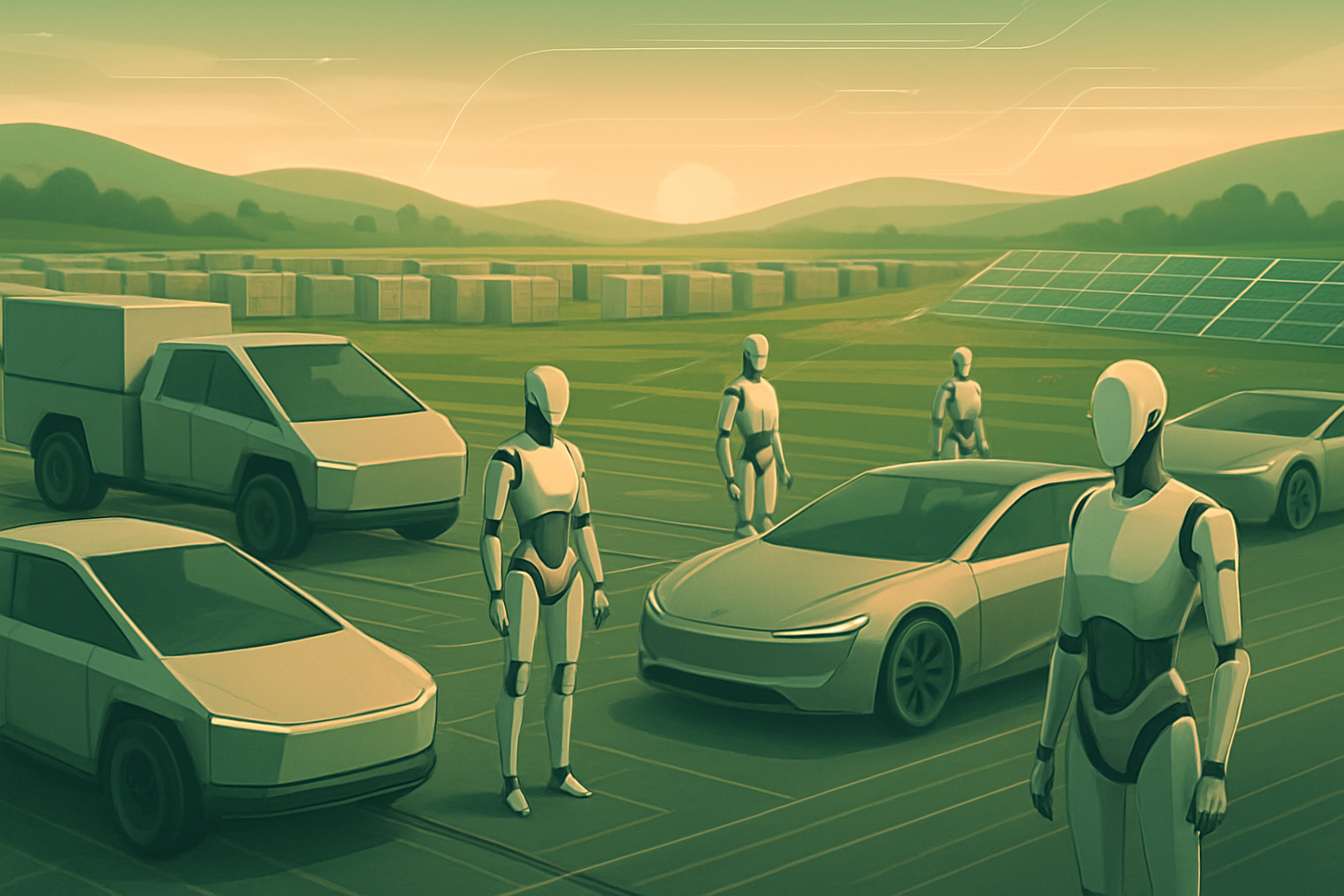
  • The Tesla Pivot: From EV Pioneer to Physical AI Titan (2026 Research Report)

    The Tesla Pivot: From EV Pioneer to Physical AI Titan (2026 Research Report)

    As of March 20, 2026, Tesla, Inc. (NASDAQ: TSLA) stands at a critical crossroads in its evolution. No longer viewed strictly through the lens of a traditional automaker, Tesla has transitioned into what CEO Elon Musk describes as a "Physical AI and Robotics" powerhouse. While the broader electric vehicle (EV) market has matured into a hyper-competitive, lower-margin landscape, Tesla is attempting to break away from the pack by betting its future on autonomous software, humanoid robotics, and utility-scale energy storage. Today, the company remains one of the most polarizing and heavily traded stocks in the world, serving as a bellwether for the future of artificial intelligence and sustainable energy.

    Historical Background

    Founded in 2003 by Martin Eberhard and Marc Tarpenning, with Elon Musk leading the Series A investment in 2004, Tesla’s journey began with the high-end Roadster in 2008. The company’s "Master Plan" was clear: build a low-volume, expensive car to fund a medium-volume, mid-price car (Model S and Model X), which would eventually fund a high-volume, affordable car (Model 3 and Model Y).

    The 2010 IPO marked a turning point, but the "production hell" of 2017-2019 during the Model 3 ramp nearly bankrupted the firm. Tesla emerged from that crisis to become the most valuable automaker in history, reaching a $1 trillion market cap in 2021. However, the period between 2024 and early 2025 saw a painful recalibration as global EV demand cooled, forcing the company to pivot from pure volume growth to its current focus on autonomy (FSD) and robotics (Optimus).

    Business Model

    Tesla’s revenue model has diversified significantly over the last decade. It currently operates across three primary segments:

    1. Automotive: Sale and leasing of the Model S, 3, X, Y, Cybertruck, and the newly rolling-off-the-line Cybercab.
    2. Energy Generation and Storage: Sale of Megapack (utility-scale) and Powerwall (residential) systems. This segment has become the "growth engine" of 2025-2026, delivering high-margin recurring revenue.
    3. Services and Other: This includes the Supercharger network—now the global standard—along with insurance, maintenance, and high-margin software subscriptions like Full Self-Driving (FSD).

    By March 2026, Tesla has moved away from selling FSD as a one-time $12,000 fee, transitioning to a $99/month subscription model to maximize recurring software revenue and data collection from its 8.4-billion-mile fleet.

    Stock Performance Overview

    Tesla’s stock performance has been a roller coaster for long-term investors:

    • 10-Year View: Since March 2016, the stock has seen astronomical gains, split-adjusted, as it moved from a niche manufacturer to a global leader.
    • 5-Year View: The 2021-2026 period was characterized by extreme volatility. After peaking in late 2021, the stock suffered during the 2024 "EV winter" but recovered sharply in late 2025 on the back of Optimus Gen 2 demonstrations and the Cybercab unveiling.
    • 1-Year View: Over the last 12 months, TSLA has climbed from the mid-$200s to its current range of $380-$400. While it remains below its 2025 high of $498, it has outperformed many legacy auto peers who have struggled with the transition to software-defined vehicles.

    Financial Performance

    In the fiscal year ending December 2025, Tesla reported total revenue of approximately $94.8 billion. While this was a slight 3% decline year-over-year—the first such decline in company history—the internal composition of that revenue shifted.

    • Margins: Automotive gross margins (excluding credits) hovered around 17%, pressured by price cuts in China and the U.S.
    • Energy Storage: The star of the balance sheet, the Energy segment generated $12.8 billion in 2025 with gross margins approaching 30%.
    • Cash Flow: Despite a massive $20 billion capital expenditure guidance for 2026—aimed at AI training clusters and Optimus production—Tesla maintains a robust cash position, though net income fell to $3.8 billion in 2025 due to R&D intensity.

    Leadership and Management

    Elon Musk remains the dominant force and visionary behind Tesla, though his attention is split between SpaceX, X (formerly Twitter), and xAI. This "key person risk" remains a central theme for institutional investors. The board, chaired by Robyn Denholm, has faced scrutiny over executive compensation and governance, particularly following the 2024-2025 legal battles over Musk's pay package.

    Operationally, the leadership team has matured, with executives like Vaibhav Taneja (CFO) and Tom Zhu (Senior VP, Automotive) playing critical roles in maintaining the company’s manufacturing efficiencies as Musk focuses on the high-level AI roadmap.

    Products, Services, and Innovations

    Tesla’s 2026 product lineup reflects its "AI-first" philosophy:

    • Cybercab: The dedicated Robotaxi unveiled in late 2024. The first production units began rolling off the line at Giga Texas in February 2026.
    • Cybertruck: Now in its second full year of mass production, the $59,900 variant released in early 2026 is currently sold out through the end of the year.
    • Optimus (Gen 2/3): Humanoid robots are currently being used internally at Tesla factories to sort battery cells. A dedicated Gen 3 production line in Fremont is slated for 2027 commercialization.
    • FSD (Supervised) v14: The latest iteration of Tesla’s neural-net-based driving software, which now handles complex urban navigation with significantly fewer interventions than the 2024 versions.

    Competitive Landscape

    Tesla faces a two-front war. In the automotive sector, Chinese giant BYD continues to rival Tesla in global volume, leveraging a more vertically integrated battery supply chain. In the premium segment, Xiaomi and Huawei-backed ventures have gained significant traction in Asia.

    Conversely, in the AI and Robotics space, Tesla’s competition includes Waymo (Alphabet) in the autonomous driving sector and Boston Dynamics in the humanoid robotics field. Tesla’s competitive edge lies in its "real-world AI" advantage—the ability to train models on billions of miles of actual driving data from its consumer fleet, something no other rival can currently match.

    Industry and Market Trends

    The "EV hype cycle" of 2020-2022 has been replaced by a "pragmatic transition." Hybrid vehicles saw a resurgence in 2024-2025, slowing the adoption of pure BEVs (Battery Electric Vehicles). Furthermore, the cost of capital remains high compared to the previous decade, forcing companies to prove profitability rather than just growth. Tesla has adapted by focusing on "Unboxed" manufacturing—a modular assembly process designed to reduce factory footprint and costs by 40% for its next-generation vehicles.

    Risks and Challenges

    • Regulatory Scrutiny: Tesla faces a critical March 2026 deadline for FSD data submission to the NHTSA. Any adverse ruling could delay the deployment of unsupervised Robotaxis.
    • Capex Intensity: The $20 billion investment in 2026 is a massive bet. If the transition to AI revenue doesn't materialize as fast as expected, margins could face further compression.
    • Geopolitical Tension: With a significant portion of production and demand based in China, Tesla is vulnerable to shifting trade policies and tariffs between Washington and Beijing.

    Opportunities and Catalysts

    • The "Model 2": Anticipation for a sub-$30,000 compact vehicle (Project Redwood) remains the biggest near-term catalyst for the stock, with production expected to start in late 2026.
    • FSD Licensing: Musk has hinted at ongoing discussions with a "major OEM" to license Tesla’s FSD software. A signed deal would transform Tesla into a high-margin software provider for the entire industry.
    • Energy Scaling: The Shanghai Megafactory is now at full capacity, positioning Tesla to dominate the global utility-scale storage market as grids shift to renewables.

    Investor Sentiment and Analyst Coverage

    Investor sentiment is split into two camps. Wall Street "Bulls," such as Wedbush, maintain price targets as high as $600, viewing Tesla as the world’s most advanced AI company. "Bears" point to the 2025 revenue decline and high valuation (currently trading at a forward P/E significantly higher than legacy auto) as evidence of a "bubble" in AI expectations, with some price targets as low as $125. Retail sentiment remains high, buoyed by Musk’s social media presence and the "halo effect" of the Cybertruck.

    Regulatory, Policy, and Geopolitical Factors

    Tesla’s growth is inextricably linked to government policy. In the U.S., the Inflation Reduction Act (IRA) continues to provide tailwinds for battery manufacturing and storage. However, the 2026 geopolitical climate is fraught, with new EU tariffs on Chinese-made EVs affecting Tesla’s Giga Shanghai exports. Investors are also closely watching AI safety legislation, which could impose new reporting requirements on the development of Optimus and FSD.

    Conclusion

    Tesla in 2026 is no longer a simple story of selling cars; it is a complex bet on the convergence of energy, autonomous transport, and artificial intelligence. The company’s ability to sustain its premium valuation depends on whether it can successfully transition from a high-volume hardware manufacturer to a high-margin AI platform. While 2025 was a year of financial consolidation and "growing pains," the looming launch of the next-gen vehicle platform and the expansion of the Robotaxi fleet suggest that Tesla’s most ambitious chapter is only just beginning. Investors should watch the March NHTSA rulings and the Q3 "Model 2" production updates as the key indicators of the stock's direction for the remainder of the decade.


    This content is intended for informational purposes only and is not financial advice.
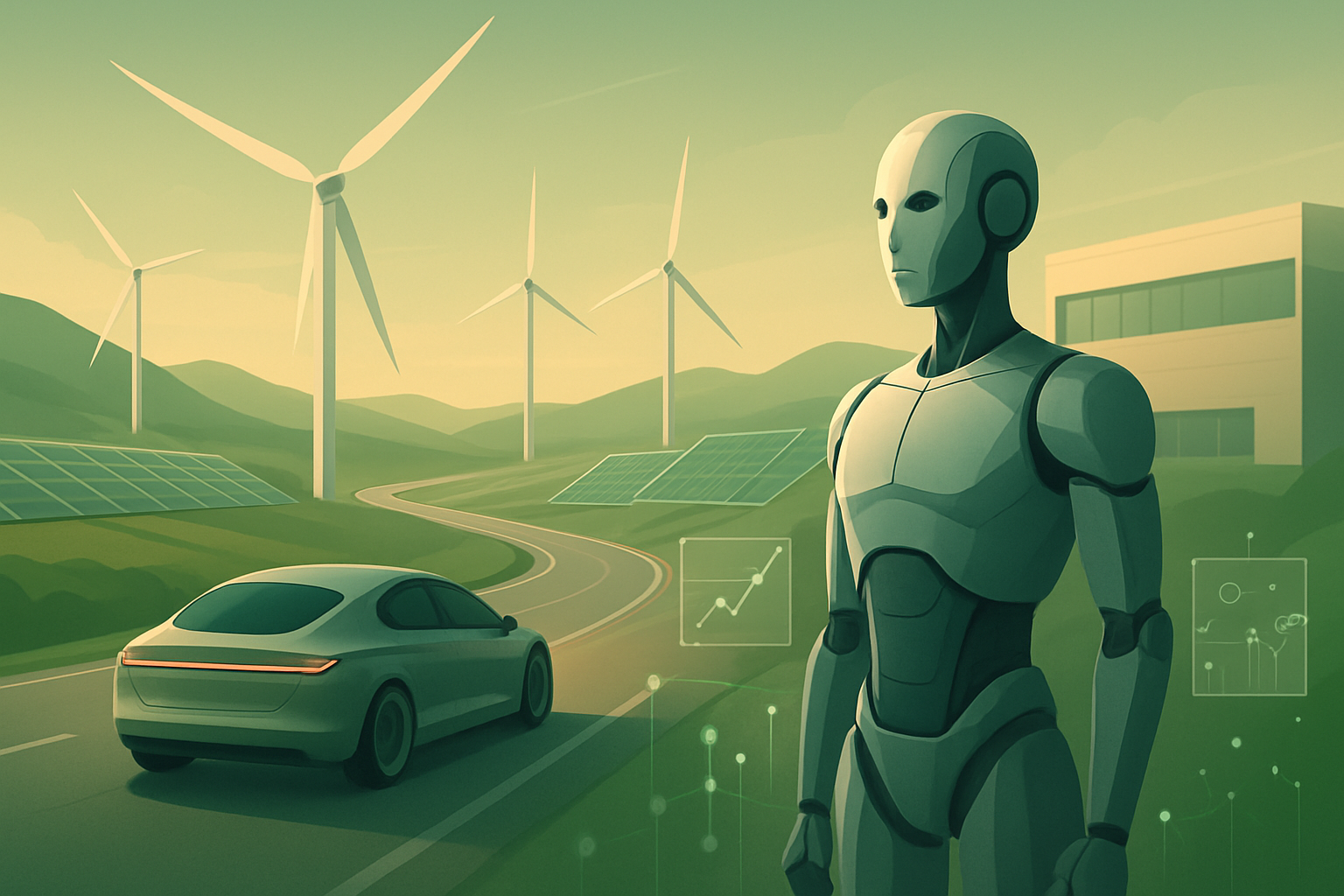
  • The Great Pivot: A Deep Dive into Tesla’s (TSLA) Shift to Physical AI and Robotics

    The Great Pivot: A Deep Dive into Tesla’s (TSLA) Shift to Physical AI and Robotics

    As of February 5, 2026, Tesla Inc. (NASDAQ: TSLA) finds itself at the most critical juncture in its twenty-year history. Once viewed primarily as a disruptor of the internal combustion engine, the company has spent the last 24 months aggressively shedding its skin as a traditional automaker. Today, Tesla is increasingly valued and analyzed as a "Physical AI" and robotics conglomerate. With the recent release of its Q4 2025 earnings and the imminent mass production of its autonomous "Cybercab," Tesla’s narrative has shifted from quarterly delivery counts to the compute power of its Dojo supercomputer and the dexterity of its Optimus humanoid robots. This transition has polarized Wall Street, creating a high-stakes environment where the company's $1 trillion-plus valuation hinges on its ability to solve the "last mile" of full autonomy.

    Historical Background

    Founded in 2003 by Martin Eberhard and Marc Tarpenning—and later joined and shaped by Elon Musk—Tesla’s journey began with the Roadster, a proof-of-concept that electric vehicles (EVs) could be high-performance and desirable. The 2012 launch of the Model S fundamentally changed the automotive industry, proving that software-defined vehicles were the future.

    The middle of the last decade saw Tesla navigate "production hell" with the Model 3, a period that nearly bankrupted the firm before leading to sustained profitability and its 2020 inclusion in the S&P 500. Between 2022 and 2024, the company faced a "middle-age" crisis as EV demand softened globally and price wars squeezed margins. However, 2025 marked the year of the "Great Pivot," during which Tesla de-prioritized its traditional entry-level hatchback (the long-rumored "Model 2") in favor of a dedicated autonomous platform, signaling its exit from the era of manual driving.

    Business Model

    Tesla’s revenue streams have diversified significantly leading into 2026:

    • Automotive: Despite a pivot to autonomy, the sale of Model 3, Model Y, and Cybertruck remains the primary cash engine. Revenue is supplemented by regulatory credits, though this high-margin stream is slowly tapering as other OEMs ramp up their own EV production.
    • Energy Generation and Storage: This is the fastest-growing segment. Tesla’s Megapack (utility-scale) and Powerwall (residential) systems are benefiting from the global shift toward grid stabilization and renewable energy storage.
    • Services and Other: This includes the massive Supercharger network, which has become the de facto North American charging standard (NACS), and FSD (Full Self-Driving) subscriptions.
    • AI and Robotics (Emerging): In 2026, this segment is transitioning from R&D to commercialization. It includes the Optimus humanoid robot and the "Cybercab" ride-hailing software platform.

    Stock Performance Overview

    Tesla’s stock performance has been a roller coaster of historic proportions:

    • 10-Year Horizon: Investors who held from 2016 have seen returns exceeding 1,500%, far outstripping the S&P 500.
    • 5-Year Horizon: Following the 2020-2021 surge, the stock faced a brutal 2022-2023, losing over 60% of its value before recovering through 2024 and 2025 as the AI narrative took hold.
    • 1-Year Horizon: Over the past 12 months, TSLA has outperformed the broader market, driven by improving margins and optimism surrounding the Optimus Gen 3 production ramp.

    As of early February 2026, the stock trades at a premium forward price-to-earnings (P/E) ratio of approximately 145x, reflecting the market's belief in its future robotics revenue rather than current car sales.

    Financial Performance

    In its Q4 2025 earnings report (released January 28, 2026), Tesla reported total revenue of $24.9 billion. While this was a slight year-over-year decline, the quality of the earnings surprised analysts.

    • Margins: Total gross margin climbed back to 20.1%, up from the mid-teens seen during the 2024 price wars. This was attributed to a massive reduction in cost-per-vehicle and high-margin energy storage sales.
    • Earnings per Share (EPS): Non-GAAP EPS was $0.50, beating the consensus estimate of $0.44.
    • Balance Sheet: Tesla remains "cash rich" with $44.1 billion in liquidity, allowing it to fund a $20 billion capital expenditure program for 2026 without seeking external debt.

    Leadership and Management

    Elon Musk remains the central—and often controversial—figure as CEO. In late 2025 and early 2026, his strategy has focused on "Physical AI." Musk’s governance has been characterized by high-risk, high-reward pivots, such as the decision to discontinue the Model S and Model X lines in early 2026 to repurpose factory space for Optimus production. Supporting Musk is a lean executive team, including CFO Vaibhav Taneja and Tom Zhu, who oversees global operations. The board remains under scrutiny regarding Musk’s multi-billion dollar compensation packages and his time split between Tesla and his other ventures like X (formerly Twitter) and SpaceX.

    Products, Services, and Innovations

    Tesla's product lineup is currently undergoing its most radical refresh:

    • Cybercab (Robotaxi): The crown jewel of Tesla’s autonomous strategy. Production is slated for April 2026. It features no steering wheel or pedals and is built on the "unboxed" manufacturing platform.
    • Optimus Gen 3: Mass production of the humanoid robot began in late January 2026. Initially, these robots are being deployed internally in Tesla factories to replace repetitive manual labor.
    • FSD (Supervised to Unsupervised): FSD has reached version 14.x, moving closer to true Level 4/5 autonomy in select geofenced areas.
    • Energy Storage: The Megapack 2 remains the industry standard for large-scale battery storage, with a massive backlog stretching into 2027.

    Competitive Landscape

    Tesla faces a bifurcated competitive field:

    • Traditional Automotive: In China, BYD (OTC: BYDDY) remains a formidable threat, often outselling Tesla in total volume. In the U.S. and Europe, legacy manufacturers like Ford (NYSE: F) and Volkswagen have slowed their EV investments, giving Tesla more breathing room but also signaling a cooling consumer market.
    • Autonomous Driving: Waymo (Alphabet) is the primary rival in the ride-hailing space, having already established a presence in several U.S. cities. Tesla’s "vision-only" approach (no LiDAR) remains a technological counter-bet to the rest of the industry.
    • Robotics: New entrants from Boston Dynamics and Chinese tech giants like Xiaomi are racing to compete with Optimus.

    Industry and Market Trends

    The "EV Hype" of the early 2020s has matured into a more complex market. High interest rates in 2024-2025 cooled consumer spending on luxury items, forcing a shift toward affordability. Simultaneously, the explosion of Generative AI has moved from the digital realm (LLMs) to the physical realm (Robotics), which is where Tesla is currently positioning itself. The transition to NACS (North American Charging Standard) by almost all major automakers has also solidified Tesla’s "toll booth" status in the EV charging ecosystem.

    Risks and Challenges

    • Execution Risk: The Cybercab and Optimus are "all-in" bets. If the April 2026 production ramp stalls or if the tech fails to meet safety standards, the valuation could collapse.
    • Regulatory Hurdles: Autonomous vehicles require state-by-state and country-by-country approval. Regulatory pushback in key markets like California or the EU could delay the Robotaxi network for years.
    • Key Man Risk: Tesla’s valuation is inextricably linked to Elon Musk. Any change in his leadership or focus remains a primary concern for institutional investors.

    Opportunities and Catalysts

    • FSD Licensing: Several legacy automakers are reportedly in talks to license Tesla’s FSD software, which would create a high-margin, software-as-a-service (SaaS) revenue stream.
    • Energy Arbitrage: As more grids become dependent on renewables, Tesla’s software (Autobidder) for energy storage becomes more valuable.
    • Optimus External Sales: Once Tesla satisfies its internal demand, selling Optimus to external industrial partners could represent a multi-trillion dollar market.

    Investor Sentiment and Analyst Coverage

    Wall Street is split into two camps. The "Bulls" (e.g., Wedbush, Ark Invest) see a $500+ stock price, viewing Tesla as the world’s most advanced AI company. The "Bears" (e.g., Wells Fargo) focus on the 145x P/E ratio and the declining sales of traditional cars, arguing that the stock is dangerously overvalued. Institutional ownership remains high, but retail sentiment is more volatile, often reacting to Musk’s social media presence.

    Regulatory, Policy, and Geopolitical Factors

    Geopolitics plays a massive role in Tesla’s future. The company’s heavy reliance on its Shanghai Gigafactory makes it vulnerable to U.S.-China trade tensions. Furthermore, the outcome of recent U.S. policy shifts regarding the Inflation Reduction Act (IRA) and EV tax credits has created a shifting landscape for consumer incentives. In Europe, anti-subsidy investigations into Chinese-made EVs (including Teslas) continue to pose a tariff risk.

    Conclusion

    Tesla in 2026 is no longer just a car company; it is an ambitious experiment in large-scale AI deployment. While the automotive fundamentals are stabilizing with healthy 20% margins, the "Tesla story" has moved to the factory floor (Optimus) and the autonomous streets (Cybercab). Investors must weigh the company’s proven ability to disrupt industries against the monumental technical and regulatory challenges of full autonomy. The coming twelve months—specifically the April production ramp—will likely determine if Tesla justifies its trillion-dollar valuation or if the robotics dream remains a distant horizon.


    This content is intended for informational purposes only and is not financial advice. All data and projections are based on the current market environment as of February 5, 2026.