
Tag: Finterra

  • Apple at 50: The AI Pivot and the Regulatory Reckoning (AAPL)

    Apple at 50: The AI Pivot and the Regulatory Reckoning (AAPL)

    April 1, 2026

    Introduction

    As Apple Inc. (NASDAQ: AAPL) celebrates its 50th anniversary today, the company stands at a historic crossroads. Founded in a California garage on April 1, 1976, Apple has transformed from a niche computer maker into a $3.5 trillion global titan that dictates the rhythms of modern digital life. However, the Apple of 2026 is no longer just a hardware company; it is an AI-integrated services powerhouse navigating the most complex regulatory environment in its history. With the recent launch of "Siri 2.0" and the ongoing rollout of Apple Intelligence, the company is betting its next half-century on a "Privacy-First AI" ecosystem. Investors are currently weighing Apple’s record-breaking fiscal 2025 performance against the looming shadow of a massive U.S. Department of Justice (DOJ) antitrust trial and the slow-burn adoption of the Vision Pro spatial computer.

    Historical Background

    Apple’s journey is arguably the most storied in corporate history. Founded by Steve Jobs, Steve Wozniak, and Ronald Wayne, the company nearly collapsed in the mid-1990s before Jobs returned in 1997 to orchestrate one of the greatest turnarounds in business history. The introduction of the iMac, iPod, and—most crucially—the iPhone in 2007 redefined entire industries. Since Tim Cook took the helm in 2011, the narrative has shifted from "revolutionary hardware" to "operational excellence and ecosystem monetization." Cook has successfully transitioned the company into a services juggernaut, expanding into wearables like the Apple Watch and AirPods, and most recently, venturing into spatial computing. This 50-year evolution has been characterized by a relentless focus on vertical integration, where Apple controls the silicon, the hardware, and the software.

    Business Model

    Apple’s business model revolves around its "walled garden"—a seamless ecosystem of hardware, software, and services that creates high switching costs for users.

    • Hardware: The iPhone remains the sun around which all other products orbit, accounting for roughly 50-55% of revenue. The iPad, Mac, and Wearables (Watch, AirPods) provide secondary hardware pillars.
    • Services: This high-margin segment (App Store, iCloud, Apple Music, Apple Pay, and Apple TV+) has become the company's primary growth engine, now contributing over 26% of total revenue.
    • Silicon: By designing its own A-series and M-series chips, Apple achieves industry-leading performance and margin efficiency, reducing reliance on third-party vendors like Intel (NASDAQ: INTC) or Qualcomm (NASDAQ: QCOM).
    • Customer Base: Apple targets a premium demographic with high lifetime value, leveraging a global installed base that now exceeds 2.2 billion active devices.

    Stock Performance Overview

    Over the last decade, AAPL has been a cornerstone of the "Magnificent Seven," delivering returns that have significantly outpaced the S&P 500.

    • 10-Year Performance: Investors who held Apple since 2016 have seen returns exceeding 800%, driven by the massive expansion of the Services segment and aggressive share buybacks.
    • 5-Year Performance: Despite the volatility of the 2022 inflation-driven downturn, the stock has rallied strongly, particularly during the 2023-2024 AI surge.
    • 1-Year Performance: In the past 12 months, Apple shares have risen approximately 9%, hitting an all-time high of $288.62 in January 2026 before cooling to the current $250 range. The recent pullback reflects market caution regarding the DOJ lawsuit and slower-than-expected Vision Pro sales.

    Financial Performance

    Apple’s fiscal year 2025 results solidified its status as a cash-flow machine.

    • Revenue: Record annual revenue of $416.2 billion, up 6% year-over-year.
    • Net Income: $112 billion, reflecting a net margin of approximately 27%.
    • Q1 2026 Highlights: The company reported $143.8 billion in holiday quarter revenue, a 16% jump driven by the iPhone 17 "super-cycle."
    • Balance Sheet: With $145 billion in cash and marketable securities, Apple continues its "net cash neutral" goal through heavy capital return programs, including $25 billion in buybacks in the most recent quarter.
    • Valuation: Trading at a forward P/E of approximately 31x, Apple carries a premium compared to its historical average, reflecting investor confidence in its AI pivot.

    Leadership and Management

    Tim Cook, now 65, has led Apple for 15 years with a focus on supply chain efficiency and social responsibility. However, 2026 has brought the focus on succession to a fever pitch.

    • John Ternus: The Senior VP of Hardware Engineering has emerged as the frontrunner to succeed Cook. Ternus is widely respected for his technical acumen and was the public face of the M-series chip transition.
    • Strategy: The current leadership team is focused on a "Privacy-First" AI strategy, positioning Apple as the safe alternative to data-hungry rivals like Google (NASDAQ: GOOGL) and Meta (NASDAQ: META).
    • Governance: Apple maintains a highly regarded board, though it faces increasing pressure from institutional investors regarding transparency in AI ethics and supply chain labor in Southeast Asia.

    Products, Services, and Innovations

    The 2026 product lineup is defined by the integration of Generative AI into every layer of the OS.

    • iPhone 17 & 18: These devices feature dedicated NPU (Neural Processing Unit) cores designed specifically for on-device LLMs.
    • Apple Intelligence (Siri 2.0): Launched in early 2026, the new Siri uses "Private Cloud Compute" to handle complex tasks while keeping data encrypted. It can now navigate apps autonomously, performing tasks like "find the flight info in my email and book an Uber to arrive two hours before."
    • Vision Pro: Now in its second generation (M5-powered), the device has improved ergonomics but remains an enterprise-first tool for now, with lifetime sales at 475,000 units.
    • Apple Health: The company is reportedly testing non-invasive glucose monitoring for the Apple Watch, a "holy grail" feature that could disrupt the medical device market.

    Competitive Landscape

    Apple faces fierce competition on multiple fronts:

    • Premium Smartphones: Samsung (KSE: 005930) remains the primary global rival, particularly with its foldable lineup, a category Apple has yet to enter.
    • AI Race: Microsoft (NASDAQ: MSFT) and Google have a head start in cloud-based GenAI. Apple’s challenge is proving that on-device AI is superior for consumer privacy.
    • China Recovery: Huawei has seen a massive resurgence in mainland China, recapturing market share in the high-end segment and forcing Apple to lean into localized AI features for the Chinese market.

    Industry and Market Trends

    The tech sector in 2026 is dominated by two themes: the "Edge AI" revolution and supply chain de-risking.

    • Edge AI: The shift from cloud-based AI to running models directly on consumer devices favors Apple’s integrated silicon-and-software approach.
    • Diversification: Apple has accelerated its "China Plus One" strategy, with over 20% of iPhone production now taking place in India, mitigating geopolitical risks.
    • Services Saturation: With smartphone penetration at record highs, the industry trend is toward increasing "Average Revenue Per User" (ARPU) through bundled services like Apple One.

    Risks and Challenges

    • Antitrust Litigation: The DOJ lawsuit is the single greatest threat. A potential forced opening of iMessage or the NFC chip could erode the "walled garden" that drives Apple’s premium pricing.
    • Innovation Fatigue: Critics argue that the Vision Pro’s slow adoption suggests Apple may have lost its "Midas touch" for creating new mass-market categories.
    • Geopolitical Exposure: Despite diversification, Apple remains heavily dependent on Chinese manufacturing and consumer demand, making it a target for potential trade retaliations.

    Opportunities and Catalysts

    • India: Apple’s market share in India is still in the single digits, representing a massive long-term growth runway as the middle class expands.
    • AI Monetization: Analysts expect Apple to eventually launch a "Siri Premium" or "Apple Intelligence+" subscription, creating a new recurring revenue stream.
    • Healthcare: Leveraging the Apple Watch as a clinical-grade health monitor could unlock multi-billion dollar opportunities in insurance and remote patient monitoring.

    Investor Sentiment and Analyst Coverage

    Wall Street remains generally bullish but more cautious than in 2024.

    • Ratings: Approximately 70% of analysts covering AAPL maintain a "Buy" or "Outperform" rating, citing its unmatched balance sheet and ecosystem loyalty.
    • Institutional Moves: Major players like BlackRock (NYSE: BLK) and Vanguard remain the largest holders, though some hedge funds have trimmed positions due to the DOJ trial overhang.
    • Retail Sentiment: On platforms like Reddit and X, sentiment is mixed; "Apple Intelligence" has renewed excitement, but the $3,500 Vision Pro price remains a point of contention.

    Regulatory, Policy, and Geopolitical Factors

    The regulatory landscape is Apple’s biggest headache in 2026.

    • EU Digital Markets Act (DMA): Apple has been forced to allow third-party app stores and "sideloading" in Europe, a precedent that the U.S. and other regions are watching closely.
    • US DOJ Trial: Discovery is ongoing. The government’s attempt to paint Apple as a "monopolist by design" could lead to structural changes in the App Store if successful.
    • Taxation: Global minimum tax agreements continue to pressure Apple’s ability to use international tax havens, potentially impacting net margins.

    Conclusion

    At 50 years old, Apple is a company in transition. It has successfully moved from the era of "disruptive hardware" to "dominant ecosystem," and is now attempting its most ambitious pivot yet: "Privacy-First AI." While the financials remain peerless—evidenced by the record-breaking 2025 performance—the company faces a "perfect storm" of legal and competitive hurdles. For investors, Apple remains the ultimate "safe haven" tech stock, but the next decade will likely be defined by how it navigates the courtroom rather than the showroom. Watch closely for the outcome of the DOJ discovery phase and the adoption rates of the M5-powered Vision Pro, as these will be the true bellwethers of Apple’s second half-century.


    This content is intended for informational purposes only and is not financial advice.

  • The Amazon Renaissance: 2026 Deep Dive into the AWS AI Surge and Retail Efficiency Mastery

    The Amazon Renaissance: 2026 Deep Dive into the AWS AI Surge and Retail Efficiency Mastery

    As of March 24, 2026, Amazon.com, Inc. (NASDAQ: AMZN) stands at a pivotal juncture in its three-decade history. Once a humble online bookstore, it has evolved into a global titan of commerce, cloud computing, and artificial intelligence. The narrative surrounding Amazon in 2026 is no longer just about its dominance in retail; it is about a profound structural transformation aimed at two core pillars: the aggressive acceleration of Amazon Web Services (AWS) through generative AI and a radical overhaul of its logistics network to achieve unprecedented retail efficiency.

    Investors are currently weighing Amazon’s massive $200 billion capital expenditure plan for 2026 against its record-breaking 2025 profitability. With a market capitalization hovering around $2.26 trillion, the company is attempting to prove that it can maintain the agility of a startup while managing the complexities of a global conglomerate. This Finterra deep-dive explores how the "Jassy Era" is redefining the Amazon flywheel for a new generation of technological competition.

    Historical Background

    The Amazon story began in 1994 in Jeff Bezos’s garage in Bellevue, Washington. Founded on the principle of "Get Big Fast," the company went public in 1997 at a split-adjusted price of just $1.50 per share. While the dot-com crash of 2000 decimated many of its peers, Amazon survived by relentlessly focusing on customer experience and long-term value over short-term profits—a philosophy famously articulated in Bezos’s 1997 Letter to Shareholders.

    The mid-2000s marked the company’s first major pivot. In 2005, Amazon launched Prime, a loyalty program that would eventually become the bedrock of its retail ecosystem. Perhaps more significantly, in 2006, it launched AWS, essentially inventing the modern cloud computing industry by externalizing the infrastructure it had built for its own retail operations.

    Over the next two decades, Amazon expanded into hardware (Kindle, Echo), digital media (Prime Video), and physical retail (the $13.7 billion acquisition of Whole Foods in 2017). Following Jeff Bezos’s transition to Executive Chair in 2021, Andy Jassy took the helm as CEO, inheriting a company that had doubled its footprint during the COVID-19 pandemic but faced rising costs and a plateauing cloud market. The "Amazon of 2026" is the result of Jassy’s three-year "disciplined operational regime" to trim the fat and double down on AI.

    Business Model

    Amazon’s business model is a multi-layered ecosystem often referred to as a "flywheel." Lower prices and more selection drive customer traffic, which attracts third-party sellers, who in turn provide more selection and lower prices. This ecosystem is powered by three primary segments:

    1. North America Retail: Includes the flagship website, physical stores (Whole Foods, Amazon Fresh), and the massive advertising business. In 2026, this segment is increasingly focused on high-margin services like "Amazon Haul" and fulfillment for third-party sellers.
    2. International Retail: Covers operations in Europe, Asia, and emerging markets. After years of losses, this segment achieved consistent profitability in 2025 by replicating the US regionalization model.
    3. AWS (Amazon Web Services): The company’s primary profit engine. AWS provides infrastructure-as-a-service (IaaS), platform-as-a-service (PaaS), and now, a comprehensive generative AI stack (SaaS). In FY 2025, AWS generated $128.7 billion in revenue with an industry-leading 35.4% operating margin.

    Beyond these, Amazon generates significant revenue from Subscription Services (Prime, Audible), Advertising (now a $50B+ annual run rate business), and Third-Party Seller Services.

    Stock Performance Overview

    As of late March 2026, Amazon’s stock performance presents a nuanced picture of long-term dominance vs. short-term consolidation.

    • 1-Year Performance: The stock has seen a modest +3.40% return. This relative stagnation is attributed to investor anxiety over the $200 billion capex plan announced for 2026, which has temporarily pressured free cash flow.
    • 5-Year Performance: At +36.16%, Amazon has trailed the broader S&P 500 tech gains, largely due to the "digestion period" following its massive pandemic-era expansion.
    • 10-Year Performance: Long-term shareholders have seen a staggering +637.81% return, underscoring the power of the AWS-driven profit engine and the growth of the advertising segment.

    With a current price of approximately $210.22, the stock is trading at a forward P/E ratio that reflects its status as a growth-and-value hybrid, though it remains a "Strong Buy" consensus among Wall Street analysts.

    Financial Performance

    Amazon’s FY 2025 results, reported in early 2026, signaled a "return to form" for the Seattle giant.

    • Net Sales: Reached $716.9 billion, a 12% increase year-over-year.
    • Operating Income: Surged to $80.0 billion, up significantly from $68.6 billion in 2024.
    • Segment Margins: AWS remains the crown jewel with a 35.4% operating margin. However, the standout story of 2025 was the North American retail margin, which reached 7% in Q4—a level once thought impossible for a low-margin e-commerce business.
    • Cash Flow: Operating cash flow remained robust at over $100 billion, though Free Cash Flow (FCF) is expected to tighten in 2026 as the company front-loads investment into H100/H200 GPUs and its proprietary Trainium chips.

    Leadership and Management

    Under CEO Andy Jassy, Amazon has transitioned from the "Day 1" visionary culture of Jeff Bezos to a "Day 1.5" operational excellence model. Jassy has successfully flattened the organizational structure, increasing the ratio of individual contributors to managers by 15% in late 2025 to eliminate "corporate bloat."

    Key leadership figures include:

    • Matt Garman (CEO, AWS): Who has overseen the re-acceleration of cloud growth to 24% YoY.
    • Peter DeSantis (SVP, AI & Silicon): Leading the newly formed organization focused on custom chips and quantum computing.
    • Doug Herrington (CEO, Worldwide Amazon Stores): Credited with the "Regionalization 2.0" strategy that saved billions in shipping costs.

    Strategy is currently focused on "The Big Three": AI leadership, logistics automation, and the global rollout of the Amazon Leo (formerly Project Kuiper) satellite network.

    Products, Services, and Innovations

    Innovation at Amazon in 2026 is defined by the convergence of robotics and artificial intelligence.

    AWS & Generative AI:
    Amazon Bedrock has become the industry standard for enterprise AI, particularly after the landmark 2026 partnership to host OpenAI Frontier models alongside Anthropic’s Claude. The introduction of the Stateful Runtime Environment allows AWS customers to build "agentic AI" that can manage long-term tasks without human intervention. On the hardware side, Trainium3 chips (launched Dec 2025) provide a 4x performance boost for model training compared to previous generations.

    Logistics & Robotics:
    Amazon now manages a fleet of over 1 million robots.

    • Proteus: Fully autonomous mobile robots now move heavy carts across fulfillment centers without the need for safety cages.
    • Sequoia: A robotic system that integrates shelving and picking, reducing order processing time by 75%.
    • Blue Jay: A new 2026 addition that sorts same-day delivery items with 99.9% accuracy.

    Competitive Landscape

    Amazon faces a "war on two fronts" in 2026.

    In Cloud (AWS):
    While AWS maintains the largest market share (approx. 28-32%), Microsoft (NASDAQ: MSFT) Azure (23-25%) has narrowed the gap through its aggressive integration of OpenAI into every layer of the enterprise stack. Google Cloud (NASDAQ: GOOGL) has also carved out a niche in Big Data and specialized AI, holding roughly 14% share.

    In Retail:
    Walmart (NYSE: WMT) has emerged as a formidable high-speed competitor, leveraging its 4,700 U.S. stores as local fulfillment hubs to offer 90-minute delivery to millions. Simultaneously, "ultra-fast-fashion" and discount giants Temu and Shein have pressured Amazon’s low-end marketplace. Amazon’s response, "Amazon Haul," launched in late 2025, targets this direct-from-China market with items priced under $20.

    Industry and Market Trends

    Three macro trends are currently shaping Amazon's trajectory:

    1. The Shift to Agentic AI: The industry is moving from "Chatbots" to "Agents" that can perform multi-step actions (e.g., "Plan a marketing campaign and execute the media buys"). AWS is positioning itself as the "factory" where these agents are built.
    2. Regionalization of Logistics: Global supply chains are becoming more localized to mitigate geopolitical risks and reduce carbon footprints. Amazon’s move to eight self-sufficient U.S. regions is the gold standard for this trend.
    3. Satellite Connectivity: With the rebranding of Project Kuiper to Amazon Leo, the company is entering the race to provide global broadband, competing directly with SpaceX’s Starlink.

    Risks and Challenges

    Despite its strengths, Amazon faces significant headwinds:

    • Antitrust Litigation: The FTC’s "illegal monopolization" trial is set to begin in October 2026. A negative ruling could lead to forced divestitures of AWS or changes to the "Buy Box" algorithm.
    • Capex Overhang: The $200 billion investment plan for 2026 is a massive bet. If AI adoption slows or ROI takes longer than expected, Amazon could face a significant valuation de-rating.
    • Labor Relations: While robotics has improved efficiency, it has also sparked renewed unionization efforts at several major fulfillment hubs, potentially increasing labor costs.

    Opportunities and Catalysts

    • OpenAI Partnership: The early 2026 agreement to bring OpenAI models to Bedrock is a massive catalyst for AWS, potentially reclaiming market share lost to Azure.
    • Prime Video Monetization: Advertising on Prime Video has exceeded expectations, with 2026 projected to be the first year the streaming service is a significant profit contributor.
    • Health and Pharmacy: Amazon Pharmacy has seen a 40% uptick in users since late 2025, suggesting that "Amazon Clinic" is finally gaining traction as a primary care disruptor.

    Investor Sentiment and Analyst Coverage

    Investor sentiment remains "cautiously bullish." Wall Street analysts maintain a Strong Buy consensus, with a median 12-month price target of $285.00. Institutional investors, including Vanguard and BlackRock, have slightly increased their positions in Q1 2026, viewing the recent stock consolidation as a buying opportunity before the next leg of AI-driven growth.

    However, retail sentiment is more divided, with some investors expressing concern over the lack of a dividend or a more aggressive share buyback program, given the company's massive cash piles.

    Regulatory, Policy, and Geopolitical Factors

    Amazon’s global operations are increasingly under the microscope:

    • EU Digital Markets Act (DMA): Amazon has been forced to offer "clean rooms" for advertisers and new data-sharing consent prompts, which may slightly impact advertising targeting precision in Europe.
    • Geopolitical Friction: Amazon’s reliance on Chinese manufacturing for its "Haul" storefront and private-label brands makes it vulnerable to potential trade tariffs or geopolitical escalations between the U.S. and China.
    • U.S. Regulation: The "Click-to-Cancel" settlement in early 2026 cost the company $2.5 billion, signaling a more aggressive stance from the FTC on consumer protection.

    Conclusion

    Amazon in 2026 is a study in "Disciplined Scale." By regionalizing its retail operations and leveraging a massive robotics workforce, the company has transformed its retail arm from a low-margin necessity into a high-efficiency profit engine. Simultaneously, the re-acceleration of AWS through a "chip-to-model" AI strategy suggests that Amazon is not willing to cede its cloud crown to Microsoft or Google without a fight.

    For investors, the key metric to watch over the next 12 months is the Return on AI Capex. If Amazon can prove that its $200 billion investment is translating into sticky, high-margin enterprise AI contracts, the stock is well-positioned to break its recent trading range and head toward new all-time highs. However, with the shadow of the FTC trial looming in late 2026, the road ahead will be as much about navigating legal minefields as it is about technological innovation.


    This content is intended for informational purposes only and is not financial advice.

  • Shopify (SHOP) Deep-Dive: The Intelligent Operating System for Global Enterprise Commerce

    Shopify (SHOP) Deep-Dive: The Intelligent Operating System for Global Enterprise Commerce

    As of March 24, 2026, the global e-commerce landscape has undergone a profound structural shift, and at the center of this transformation stands Shopify Inc. (NYSE: SHOP). Once viewed primarily as the preferred platform for small-to-medium businesses (SMBs) and "mom-and-pop" digital storefronts, Shopify has successfully reinvented itself as the "intelligent commerce operating system" for the world’s largest brands.

    This evolution comes on the heels of a remarkable stock recovery. After the post-pandemic correction that saw many high-growth tech stocks lose significant value, Shopify spent 2024 and 2025 proving its critics wrong. By divesting its capital-intensive logistics arm and doubling down on high-margin software and enterprise-grade infrastructure, the company has not only regained its 2021 valuation peaks but surpassed them. Today, Shopify is no longer just a website builder; it is the essential plumbing for a new era of "agentic commerce," where AI agents and human shoppers coexist.

    Historical Background

    The Shopify story began in 2004, not as a software project, but as a snow-sports retailer. Founder Tobi Lütke, dissatisfied with the existing e-commerce software available to sell snowboards for his online store, Snowdevil, decided to build his own. This bespoke solution became the foundation for what was launched as Shopify in 2006.

    The company’s early years were defined by a commitment to "arming the rebels"—giving small merchants the same technological power as giants like Amazon. Key milestones included the launch of the Shopify App Store in 2009, which created a massive ecosystem of third-party developers, and the 2013 launch of Shopify Payments.

    The most significant pivot in the company's recent history, however, occurred in 2023. After a brief and expensive foray into physical logistics and fulfillment (culminating in the acquisition and subsequent sale of Deliverr), Shopify returned to its roots as a pure-play software-as-a-service (SaaS) provider. This strategic retreat from logistics allowed the company to focus on its most profitable segments: enterprise commerce and integrated financial services.

    Business Model

    Shopify’s business model is a dual-engine system consisting of Subscription Solutions and Merchant Solutions.

    • Subscription Solutions: This represents the recurring revenue Shopify earns from its various platform tiers, ranging from the basic "Starter" plan to the high-end "Shopify Plus" and "Commerce Components." This segment provides high-margin, predictable cash flow.
    • Merchant Solutions: This is the larger and faster-growing revenue stream, primarily driven by Shopify Payments. Every time a merchant makes a sale, Shopify takes a percentage. This aligns Shopify’s success directly with the success of its merchants. Other services in this category include Shopify Capital (lending), Shop Pay (accelerated checkout), and Shopify Markets (cross-border tools).

    In 2026, the model has shifted significantly toward the enterprise. By offering "composable" commerce—where large companies can pick and choose specific Shopify features to plug into their existing tech stacks—Shopify has unlocked a massive new revenue stream from Fortune 500 companies.

    Stock Performance Overview

    The journey of SHOP on the New York Stock Exchange has been a masterclass in market volatility and resilience.

    • 10-Year View: Investors who held SHOP through its 2015 IPO have seen astronomical returns, though they endured a gut-wrenching 80% drawdown in 2022.
    • 5-Year View: The stock is currently trading at approximately $120.00, having recently hit a 52-week high of $147.60 in February 2026. This represents a significant recovery from the $30-$40 range seen in late 2022.
    • 1-Year View: Over the last twelve months, Shopify has outperformed the S&P 500 by over 35%, driven by 10 consecutive quarters of positive free cash flow and a massive expansion into the enterprise sector.

    With a market capitalization hovering between $155 billion and $170 billion, Shopify has re-established itself as one of the most valuable tech companies in North America.

    Financial Performance

    Shopify’s financial profile in early 2026 reflects a company that has prioritized "profitable growth" over "growth at any cost."

    • Revenue Growth: For the full year 2025, Shopify reported revenue of $11.56 billion, a 30% increase year-over-year. This accelerated growth was largely attributed to the successful adoption of Enterprise offerings.
    • Margins: Since divesting the logistics business, operating margins have expanded from the low single digits to 16% in 2025.
    • Free Cash Flow (FCF): The company generated $2.0 billion in FCF in 2025, achieving a robust FCF margin of 17%.
    • Valuation: The stock currently trades at roughly 82x forward earnings. While this is high compared to traditional retail tech, it is a reflection of the market’s belief in Shopify’s dominant position in the emerging AI-driven commerce market.

    Leadership and Management

    Shopify remains founder-led, a trait highly valued by long-term investors. Tobi Lütke, CEO, is widely regarded as a visionary product architect. His leadership style, which he calls "Spiky Leadership," encourages executives to double down on their unique strengths rather than trying to be well-rounded generalists.

    Harley Finkelstein, the company’s President, serves as the public face of the company and the primary driver of its merchant-first culture. Together, they have fostered a "builder’s culture" that emphasizes long-term value over quarterly engineering. In 2025, the leadership team oversaw a $2 billion share repurchase program, signaling a new era of capital return to shareholders.

    Products, Services, and Innovations

    The most critical innovation in Shopify’s current arsenal is the Universal Commerce Protocol (UCP), co-developed with Google. UCP is an open standard that allows AI agents—such as digital personal assistants or shopping bots—to browse, negotiate, and purchase items directly from Shopify stores without human intervention.

    Other key offerings include:

    • Commerce Components (CCS): A modular "headless" commerce solution for the world’s largest retailers.
    • Shopify Magic & Sidekick: Generative AI tools that assist merchants with everything from writing product descriptions to analyzing store data and running marketing campaigns.
    • Shop Pay: Consistently ranked as the highest-converting checkout experience on the internet, now increasingly used by enterprise brands who don't even use the full Shopify platform.

    Competitive Landscape

    Shopify operates in an environment of "co-opetition." Its primary rivals include:

    • Amazon (AMZN): While "Buy with Prime" was once seen as a threat, it has become a partnership. However, Shopify differentiates by allowing merchants to own their customer data and brand identity—something Amazon typically restricts.
    • Salesforce (CRM): Historically the king of enterprise commerce (Commerce Cloud), Salesforce is currently losing market share to Shopify. Industry reports suggest Shopify’s Total Cost of Ownership (TCO) is up to 22% lower than legacy platforms like Salesforce or Adobe (ADBE).
    • BigCommerce (BIGC): A direct competitor for mid-market brands, but BigCommerce lacks the massive R&D budget and AI infrastructure that Shopify has built over the last three years.

    Industry and Market Trends

    Three major trends are currently driving Shopify’s growth:

    1. Composable Commerce: Large enterprises are moving away from monolithic, "all-in-one" software suites toward modular systems where they can swap out individual components.
    2. Agentic Commerce: As AI models become more capable, the "shopper" is increasingly an AI bot rather than a human scrolling on a phone. Shopify’s infrastructure is specifically built to cater to these non-human buyers.
    3. Global Retail Consolidation: More brands are looking to unify their physical Point of Sale (POS) and online sales. Shopify’s POS Pro software has seen triple-digit growth as major retailers migrate their physical storefronts to the Shopify ecosystem.

    Risks and Challenges

    Despite its strong recovery, Shopify faces significant risks:

    • Valuation Risk: At 82x forward earnings, any slight miss in revenue growth or margin expansion could lead to a sharp correction.
    • Macro Sensitivity: Shopify’s Merchant Solutions revenue is tied to Gross Merchandise Volume (GMV). A significant global recession or a sharp drop in consumer spending would directly impact the bottom line.
    • AI Uncertainty: While Shopify is a leader in AI commerce, the regulatory landscape for AI-driven transactions is still being written, posing a risk of future compliance costs.

    Opportunities and Catalysts

    • Enterprise Migration: The "Great Migration" of legacy brands (like those owned by Estée Lauder and Mattel) to Shopify continues to provide a long runway for growth.
    • International Expansion: Markets like Germany, France, and Japan remain under-penetrated, offering significant upside for Shopify’s localized platforms.
    • B2B Commerce: Shopify’s B2B tools, launched in 2023, are just now reaching maturity, tapping into a market that is technically larger than B2C e-commerce.

    Investor Sentiment and Analyst Coverage

    Wall Street is overwhelmingly bullish on SHOP as of March 2026. The consensus rating is a "Strong Buy," with a median price target of $160.00.

    • Institutional Moves: Major hedge funds and institutional investors have significantly increased their weightings in Shopify, viewing it as the "purest play" on the intersection of AI and retail.
    • Retail Chatter: On platforms like X (formerly Twitter) and Reddit, Shopify remains a favorite for retail investors who admire the company's focus on merchant empowerment and its charismatic leadership.

    Regulatory, Policy, and Geopolitical Factors

    The regulatory environment for Shopify is complex but stable.

    • The GENIUS Act: A recent piece of U.S. legislation has provided a clearer framework for digital payment systems, which has been a boon for Shopify Payments and Shop Pay.
    • EU AI Mandates: New regulations from the European Data Protection Board (EDPB) require high levels of transparency for AI-driven commerce. Shopify’s early focus on ethical AI and data privacy has positioned it as a compliant leader in this space, though the cost of maintaining this compliance is non-trivial.

    Conclusion

    Shopify’s journey from a snowboard shop to a $160 billion "intelligent commerce operating system" is one of the most impressive stories in modern tech. By successfully pivoting to the enterprise market and leading the charge into agentic commerce, the company has secured its place as a cornerstone of the global economy.

    For investors, Shopify represents a high-growth, high-margin software play with a unique "tax" on global e-commerce volume. While its valuation requires a stomach for volatility, its disciplined financial management and clear technological lead make it a formidable force. As we move further into 2026, the key for Shopify will be maintaining its innovative edge while navigating an increasingly complex regulatory world. In the battle for the future of commerce, Shopify isn't just a participant—it’s writing the rules.


    This content is intended for informational purposes only and is not financial advice.
  • The Great Retail Recalibration: A Deep Dive into Target (TGT) Following the 2024 Pivot

    The Great Retail Recalibration: A Deep Dive into Target (TGT) Following the 2024 Pivot

    As of March 6, 2026, Target Corporation (NYSE: TGT) stands at a critical juncture in its sixty-four-year history. Once the darling of the "cheap-chic" retail movement, the Minneapolis-based giant spent much of the last two years navigating a turbulent post-pandemic landscape. The defining moment of this struggle occurred in May 2024, when a disappointing Q1 earnings report sent the stock tumbling 8% in a single session, wiping out billions in market capitalization.

    Today, under a fresh leadership transition and a redesigned strategic roadmap, Target is attempting to reclaim its identity. This research feature examines Target’s journey from that 2024 nadir to its current 2026 valuation, analyzing whether the "Tar-zhay" magic has truly returned or if the retailer is permanently squeezed between the value dominance of Walmart (NYSE: WMT) and the logistical supremacy of Amazon (NASDAQ: AMZN).

    Historical Background

    Target’s roots trace back to 1902 with the founding of Goodfellow Dry Goods, which later became the Dayton Company. The first Target store opened in 1962 in Roseville, Minnesota, conceptualized as a discount version of Dayton’s upscale department stores. This lineage birthed the company’s unique "Expect More. Pay Less." brand promise.

    Over the decades, Target transformed from a regional discounter into a national powerhouse by leaning into high-profile designer collaborations (such as Missoni and Isaac Mizrahi) and developing a robust portfolio of "Owned Brands." Throughout the 2010s, the company successfully fended off the "retail apocalypse" by investing heavily in its "Stores-as-Hubs" model, which utilized physical locations to fulfill digital orders—a strategy that proved prescient during the COVID-19 pandemic.

    Business Model

    Target operates as a general merchandise retailer through more than 1,900 stores across the United States. Its revenue model is diversified across five core categories: Beauty & Household Essentials, Food & Beverage, Home Furnishings & Décor, Apparel & Accessories, and Hardlines (electronics, toys, etc.).

    Unlike its primary rival, Walmart, which derives the majority of its revenue from groceries, Target’s business model has historically leaned toward discretionary items like home goods and fashion. While this provides higher margins during economic booms, it creates volatility during inflationary cycles. A pivotal addition to its model in recent years is Roundel, Target’s retail media network, which leverages first-party guest data to sell advertising space to vendors, creating a high-margin revenue stream that reached nearly $2 billion in total value by 2025.

    Stock Performance Overview

    Target’s stock performance has been a roller coaster for long-term shareholders:

    • 10-Year View: From 2016 to early 2026, the stock has seen a net appreciation, though it remains significantly below its 2021 pandemic highs of approximately $260.
    • 5-Year View: This period was marked by extreme volatility—a massive surge during 2021 followed by a protracted slump in 2022 and 2023 as inventory "bloat" and organized retail crime (shrink) eroded profits.
    • 1-Year View: Over the past twelve months, Target has shown signs of a "measured recovery," with the stock up approximately 23% year-to-date as of March 2026, trading near the $120 mark. This recovery follows a period where TGT traded at a steep discount relative to the broader S&P 500 and its peers.

    Financial Performance

    The Q1 2024 earnings miss served as a wake-up call for the organization. During that quarter, Target reported Adjusted EPS of $2.03, missing the $2.06 consensus, on revenue of $24.53 billion (a 3.1% YoY decline). Comparable sales fell 3.7%, signaling that loyal customers were pulling back on non-essential purchases.

    However, the fiscal year 2025 showed signs of stabilization. Through a $2 billion efficiency drive, Target managed to protect its bottom line despite anemic top-line growth. By early 2026, operating margins had stabilized at approximately 4.5%—lower than the 6% pre-pandemic target but an improvement from the 2023 lows. The company continues to maintain a healthy dividend yield, supported by a payout ratio that remains manageable despite earnings fluctuations.

    Leadership and Management

    A new era began on February 1, 2026, when Michael Fiddelke officially took over as Chief Executive Officer. Fiddelke, a 20-year Target veteran and former CFO/COO, succeeded Brian Cornell, who moved into the role of Executive Chair.

    Cornell is credited with saving Target from obsolescence in the mid-2010s, but his final years were clouded by inventory miscalculations and the 2024 earnings slump. Fiddelke’s mandate is clear: restore sales growth through a "back-to-basics" focus on value and efficiency. The management team’s current reputation among institutional investors is one of "cautious competence"—they are seen as disciplined operators who must now prove they can innovate in a low-growth environment.

    Products, Services, and Innovations

    Target’s competitive edge lies in its Owned Brands portfolio, which includes household names like Good & Gather (groceries) and Threshold (home). In 2024, to combat the "value" perception gap, Target launched Dealworthy, a low-price brand with most items under $10.

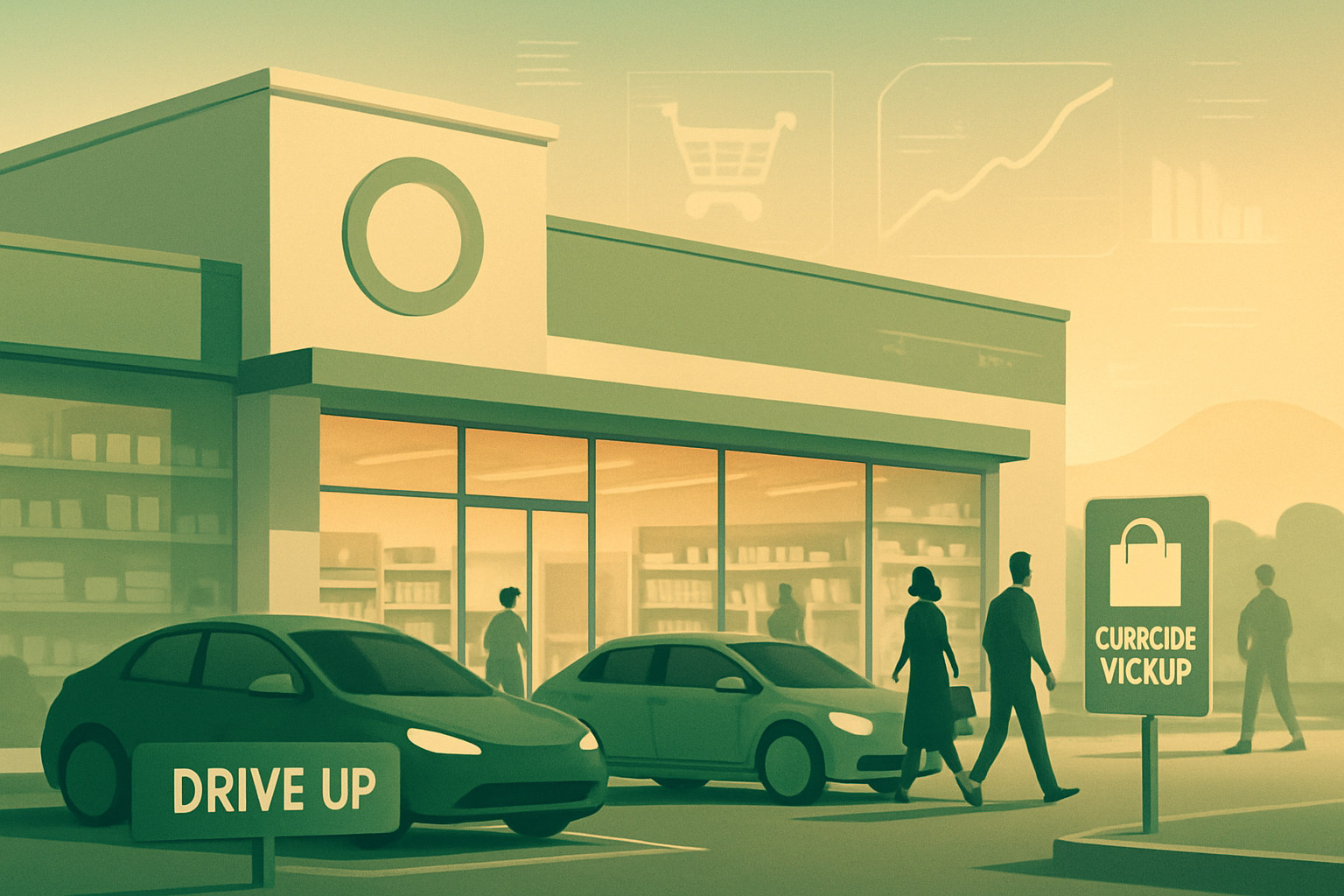
    Innovation has shifted from "flashy" tech to "frictionless" logistics. Target's "Stores-as-Hubs" strategy remains industry-leading; nearly 97% of online orders are fulfilled by local stores via services like Drive Up and Shipt. In 2025, the company expanded its "Target Circle" loyalty program, integrating more personalized AI-driven offers to increase trip frequency.

    Competitive Landscape

    Target sits in a precarious "middle ground" of American retail:

    • Walmart (WMT): The scale leader. Walmart’s recent gains in capturing high-income households (Target’s core demographic) have put immense pressure on Target’s market share.
    • Amazon (AMZN): The convenience leader. Amazon’s Prime ecosystem and ultra-fast delivery make it the default for routine purchases.
    • Costco (NASDAQ: COST): The bulk-buy leader. Costco’s member loyalty remains a barrier for Target’s attempts to capture more of the weekly grocery haul.

    Target’s defense is its "curated" experience. It aims to be more "aspirational" than Walmart and more "discovery-oriented" than the functional, search-based experience of Amazon.

    Industry and Market Trends

    The retail industry in 2026 is defined by "Value Realism." High interest rates and the lingering effects of 2020s inflation have made consumers hyper-sensitive to price. Additionally, the rise of Retail Media (advertising) has changed how retailers generate profit. For Target, the growth of Roundel has become a vital cushion, allowing the company to invest in price cuts (like the mid-2024 reduction of 5,000 item prices) without destroying overall profitability.

    Risks and Challenges

    • Shrink and Theft: While Target reduced its inventory loss from a $1.2 billion peak in 2023 to roughly $500 million by 2025, organized retail crime remains a persistent threat to margins.
    • Discretionary Sensitivity: Approximately 40-50% of Target's sales come from discretionary categories. Any macro-economic slowdown hits Target harder than staple-heavy retailers.
    • Logistical Costs: As wages for warehouse and store workers continue to rise, maintaining the high-touch "Drive Up" service becomes increasingly expensive.

    Opportunities and Catalysts

    • Advertising Growth: Roundel is projected to reach $4 billion in value by 2030, offering high-margin growth that decouples Target’s profit from pure merchandise sales.
    • Value Pivot: The successful scaling of the Dealworthy brand could help Target regain the "budget" shopper who migrated to dollar stores or Walmart during the inflation spikes of 2023-2024.
    • Valuation Gap: As of early 2026, Target trades at approximately 15x forward earnings—a massive discount compared to Walmart’s premium valuation of ~40x. If Target can prove even modest comp-sales growth, a valuation "re-rating" could provide significant upside for shareholders.

    Investor Sentiment and Analyst Coverage

    Wall Street remains divided on TGT. As of March 2026, the consensus rating is a "Hold." Optimistic analysts point to the company’s strong balance sheet and Fiddelke’s operational focus. Skeptics, however, argue that Target's "lifestyle" positioning is out of sync with a consumer base that is increasingly prioritizing absolute low prices over the "shopping experience." Hedge fund activity has shown a slight uptick in "long" positions over the last two quarters, suggesting that institutional players believe the bottom was reached in late 2024.

    Regulatory, Policy, and Geopolitical Factors

    Target faces ongoing regulatory scrutiny regarding labor practices and the minimum wage. Additionally, the "Combating Organized Retail Crime Act" remains a major focus for Target’s policy team, as the company lobbies for federal help in securing supply chains and stores. Geopolitically, Target’s reliance on overseas manufacturing for its owned brands makes it vulnerable to any shifts in trade policy or tariffs, though the company has spent the last three years diversifying its sourcing away from China into Southeast Asia and Mexico.

    Conclusion

    Target’s journey since the Q1 2024 earnings miss has been one of painful but necessary recalibration. By cutting costs, addressing the "shrink" crisis, and leaning into high-margin advertising through Roundel, the company has stabilized its financial foundation.

    However, the path forward remains steep. Under CEO Michael Fiddelke, Target must prove it can still inspire the "impulse buy" in a world of disciplined, price-conscious consumers. For investors, Target represents a high-quality "value play" in the retail sector—trading at a discount to its peers but requiring a clearer sign of top-line growth before it can reclaim its status as a market leader. Investors should closely watch the Q1 2026 comparable sales data to see if the recent pivot toward essentials and lower price points is finally moving the needle on foot traffic.


    This content is intended for informational purposes only and is not financial advice.
  • The Bullseye at a Crossroads: Navigating Target’s Identity Crisis and Operational Overhaul

    The Bullseye at a Crossroads: Navigating Target’s Identity Crisis and Operational Overhaul

    As we enter early 2026, Target Corporation (NYSE: TGT) finds itself at one of the most critical junctures in its 124-year history. Long celebrated as the "cheap chic" alternative to traditional big-box retailers, Target has spent the last 24 months grappling with a perfect storm of macroeconomic headwinds, shifting consumer sentiment, and operational hurdles.

    From the high-profile inventory glut of 2022 to the culturally charged controversies of 2023 and the persistent threat of retail "shrink," the bullseye brand has been under intense scrutiny. With the imminent retirement of longtime CEO Brian Cornell and the rise of a new leadership era, investors are left questioning whether Target can regain its footing against a surging Walmart Inc. (NYSE: WMT) or if its reliance on discretionary spending has created a structural ceiling for its growth.

    Historical Background

    The Target story began in 1902 as Goodfellow Dry Goods, eventually evolving into the Dayton-Hudson Corporation. The first Target store opened in 1962 in Roseville, Minnesota, conceptualized as a discount version of Dayton’s department stores. Its "Expect More. Pay Less." slogan wasn’t just a marketing gimmick; it was a business model that successfully blended the low prices of a discounter with the aesthetic appeal of a boutique.

    Throughout the 1990s and 2000s, Target transformed the retail landscape through high-end designer collaborations (the "Masstige" movement), making names like Isaac Mizrahi and Missoni accessible to the middle class. By the time it officially became Target Corporation in 2000, it had established a cult-like following. However, the 2010s brought challenges, including a disastrous expansion into Canada and a massive 2013 data breach. The arrival of Brian Cornell in 2014 signaled a return to form, as he invested billions into store remodels, private-label brands, and a "stores-as-hubs" fulfillment strategy that would eventually save the company during the COVID-19 pandemic.

    Business Model

    Target operates as a general merchandise retailer with a distinct focus on five core categories: Apparel & Accessories, Beauty & Household Essentials, Food & Beverage, Home Furnishings & Decor, and Hardlines.

    Unlike its primary rival, Walmart, which derives more than half of its revenue from groceries, Target’s business model is heavily weighted toward discretionary categories. This "treasure hunt" atmosphere encourages higher-margin impulse buys. The company’s "Target+" third-party marketplace and its robust suite of private labels—such as Good & Gather, All in Motion, and Threshold—account for over $30 billion in annual sales. Furthermore, its "stores-as-hubs" model leverages its 1,900+ physical locations to fulfill over 95% of its total sales, including digital orders via Drive Up and Shipt.

    Stock Performance Overview

    Target’s stock performance over the last decade has been a tale of two halves.

    • 10-Year Horizon: Investors who held TGT from 2016 to 2026 saw a roller-coaster ride. The stock surged from roughly $70 in 2016 to an all-time high of approximately $260 in late 2021, fueled by pandemic-era stimulus and a "one-stop-shop" shopping surge.
    • 5-Year Horizon: The last five years have been more sobering. After peaking in 2021, the stock entered a protracted decline as inflation squeezed consumer wallets.
    • 1-Year Horizon: As of mid-January 2026, TGT is trading near $111.28, down approximately 17% over the last 12 months. This stands in stark contrast to the broader S&P 500, which has largely outpaced retail stocks. Target’s current valuation represents a 10-year low in terms of its forward price-to-earnings (P/E) ratio, now hovering between 10x and 12x.

    Financial Performance

    Target’s Q3 2025 earnings report highlighted the ongoing struggle to stimulate top-line growth. Total revenue for the quarter was $25.3 billion, a 1.5% decrease year-over-year. Comparable sales—a key metric for retailers—declined by 2.7%, marking a multi-quarter trend of softening demand.

    However, there are silver periods in the margins. Adjusted Earnings Per Share (EPS) came in at $1.78, beating analyst expectations. This profitability was largely driven by a recovery in gross margins, which benefitted from lower freight costs and a stabilization in "inventory shrink" (theft and damage). Despite the sales slump, Target maintains a strong balance sheet and a commitment to its "Dividend King" status, currently offering a dividend yield of 4.32%, one of the highest in the retail sector.

    Leadership and Management

    The most significant news for Target in early 2026 is the changing of the guard. Brian Cornell, who served as CEO for over a decade and oversaw the company’s digital transformation, is set to retire on February 1, 2026. Under his tenure, Target added more than $40 billion in annual revenue.

    The Board has named Michael Fiddelke, the current COO and former CFO, as the successor. Fiddelke is a 20-year veteran of the company, and his appointment suggests a "continuity" strategy. While Fiddelke is respected for his financial discipline, he faces the daunting task of re-energizing Target’s brand and navigating a consumer environment that is increasingly favoring value-oriented players like Costco Wholesale Corporation (NASDAQ: COST). Cornell will remain as Executive Chairman for a transition period.

    Products, Services, and Innovations

    Innovation at Target has recently shifted from aesthetic design to logistics and AI. In 2025, the company fully integrated its "Target Trend Brain," an AI-powered demand forecasting tool that has helped reduce out-of-stock items by 150 basis points.

    On the product side, Target continues to lean into "shop-in-shop" partnerships. The Ulta Beauty (NASDAQ: ULTA) at Target partnership has been a standout, driving significant foot traffic and capturing beauty market share. Additionally, the expansion of the "Target+" marketplace has allowed the company to offer a wider assortment of electronics and home goods without the risk of owning the inventory.

    Competitive Landscape

    The competitive gap between Target and Walmart has widened significantly over the last 24 months.

    • The Grocery Gap: Walmart currently commands approximately 25% of the U.S. grocery market. In contrast, Target is the primary grocery destination for only about 15% of consumers. This grocery dominance acts as a "traffic driver" for Walmart; even during inflationary periods, consumers must visit Walmart for milk and eggs, often picking up discretionary items in the process. Target lacks this consistent pull.
    • Digital Dominance: Walmart’s digital ecosystem, supported by Walmart+, is growing at a 20-25% clip. Target’s digital growth has slowed to a modest 2.4% as of late 2025, suggesting that its "Circle" loyalty program has yet to find the same momentum as its rivals' subscription models.

    Industry and Market Trends

    The retail sector in 2026 is defined by "Value Consciousness." Even high-income households, Target’s traditional demographic, have begun "trading down" to discount grocers and private-label products. Furthermore, the supply chain has entered a "post-globalization" phase. Target remains heavily reliant on imports, with roughly 50% of its Cost of Goods Sold (COGS) tied to international manufacturing. This makes the company more sensitive to global logistics disruptions than Walmart, which has a more diversified domestic sourcing strategy.

    Risks and Challenges

    Target faces three primary risks that have weighed on its stock price:

    1. Discretionary Exposure: With apparel and home goods making up a large portion of sales, Target is the first to feel the pinch when consumer confidence dips.
    2. Inventory Shrink: While the company noted a stabilization in theft-related losses in late 2025, the $1.2 billion in losses recorded across 2023-2024 still weighs on the long-term margin outlook. The closure of nine stores in high-theft urban areas in late 2023 remains a cautionary tale of operational risk.
    3. Cultural Volatility: The 2023 Pride Month backlash resulted in a 5.4% drop in sales—the company’s first quarterly decline in six years. Target has since adopted a more conservative approach to seasonal collections to "protect employee safety," but this has alienated some segments of its core progressive customer base.

    Opportunities and Catalysts

    Despite the challenges, several "bull case" catalysts exist for 2026:

    • Valuation Mean Reversion: Trading at near-historical lows, any consistent improvement in comparable sales could lead to a significant stock price re-rating.
    • The Fiddelke Factor: A new CEO often brings a fresh "portfolio review." Investors are hoping for a more aggressive expansion into smaller-format stores in underserved markets.
    • Margin Recovery: As supply chain costs normalize and AI-driven inventory management takes hold, Target’s operating margins could return to the 6% range, up from the 3-4% lows seen during the inventory crisis.

    Investor Sentiment and Analyst Coverage

    Wall Street sentiment on Target is currently a "Hold," though several firms, including Morgan Stanley and Gordon Haskett, upgraded the stock to "Buy" in early January 2026. These analysts argue that the "bad news is priced in" and point to the 4.3% dividend yield as a floor for the stock price. Conversely, bears remain concerned about the lack of a clear strategy to combat Walmart’s grocery dominance. Institutional ownership remains high, but hedge fund positioning has trended toward "underweight" as many wait for a clear sign of traffic growth.

    Regulatory, Policy, and Geopolitical Factors

    Geopolitical tensions in early 2026 pose a significant risk to Target’s bottom line. Renewed discussions regarding import tariffs on consumer goods could disproportionately affect Target due to its 50% import dependency. On the domestic front, Target faces ongoing pressure from labor movements seeking higher minimum wages and better benefits, which could squeeze operating margins in an already tight labor market.

    Conclusion

    Target Corporation enters 2026 as a bruised but resilient retail giant. The company has successfully navigated the logistical nightmare of the post-pandemic inventory glut, yet it continues to search for its identity in an era of bifurcated consumer spending.

    For investors, the bullseye represents a classic "value play." At its current valuation, Target is a high-yield, low-multiple stock with a history of innovation. However, the path to $200+ requires more than just efficient inventory management; it requires a compelling reason for consumers to choose Target over the convenience of Amazon or the value of Walmart. As Michael Fiddelke takes the helm, all eyes will be on whether he can sharpen the bullseye or if the brand will continue to drift in the shadow of its larger rivals.


    This content is intended for informational purposes only and is not financial advice.