
Tag: Geopolitics

  • Delta’s Centennial Ascent: High-Altitude Profits and the Ceasefire Catalyst

    Delta’s Centennial Ascent: High-Altitude Profits and the Ceasefire Catalyst

    Today’s Date: April 9, 2026

    Introduction

    As Delta Air Lines (NYSE: DAL) enters the second quarter of 2026, it stands at a historic crossroads. Fresh off its "Centennial Year" in 2025, the Atlanta-based carrier has transformed from a traditional legacy airline into a premium global lifestyle brand. While the broader aviation industry has struggled with the "double squeeze" of volatile jet fuel prices and geopolitical instability, Delta’s unique vertical integration and strategic pivot toward high-margin premium travel have set it apart. Currently, Delta is in the spotlight following a massive 10% stock rally yesterday, triggered by a breakthrough ceasefire in the Middle East that promises to stabilize global energy markets and reopen critical flight paths.

    Historical Background

    Delta’s journey began in 1925 as Huff Daland Dusters, a crop-dusting operation in Macon, Georgia, aimed at fighting the boll weevil. Under the visionary leadership of C.E. Woolman, the company evolved into Delta Air Service by 1928, launching passenger flights across the Southern United States. Over the decades, Delta grew through calculated acquisitions, most notably the 2008 merger with Northwest Airlines, which provided the scale necessary to dominate the domestic market and expand its transpacific presence. In 2025, Delta celebrated its 100th year of operation, marking a century defined by resilience—surviving the deregulation of the 1970s, the post-9/11 downturn, and the 2020 pandemic—to emerge as the most profitable airline in the world.

    Business Model

    Delta’s business model is no longer purely about selling seats; it is a diversified ecosystem centered on three high-margin pillars. First is the Premium Pivot: for the first time in late 2025, revenue from premium cabins (Delta One, Premium Select, and First Class) surpassed Main Cabin revenue. Second is the Financial Services Engine: Delta’s partnership with American Express (NYSE: AXP) generates over $2 billion in annual high-margin remuneration, decoupling a portion of its income from flight operations. Third is the Energy Integration: Through its subsidiary, Monroe Energy, Delta operates its own refinery, a unique model that provides a "natural hedge" against refining margin fluctuations that plague competitors like United Airlines (NASDAQ: UAL) and American Airlines (NASDAQ: AAL).

    Stock Performance Overview

    As of April 9, 2026, Delta’s stock is trading at approximately $68.08. Over the 1-year horizon, the stock has seen a meteoric rise of 90.32%, recovering from a geopolitical trough in early 2025. Looking at the 5-year performance, DAL has delivered a total return of 34.73%, navigating the volatility of the post-pandemic recovery. On a 10-year basis, the stock has been a standout performer in the transport sector, providing a total return of 234.05% (roughly 14.6% CAGR). This performance reflects Delta's ability to maintain industry-leading margins and return capital to shareholders via dividends and debt reduction.

    Financial Performance

    In its most recent earnings report on April 8, 2026, Delta announced record Q1 revenue of $15.9 billion, a 13% year-over-year increase. While the company reported a GAAP net loss of $289 million—primarily due to mark-to-market losses on its equity stakes in international partners—its adjusted earnings of $0.64 per share beat analyst expectations. The balance sheet has seen significant repair; Delta generated $4.6 billion in free cash flow in 2025, using it to pay down $4.8 billion in debt. With a forward P/E ratio of 9.1x, the company is trading at a significant discount to its historical growth rate, a factor many analysts attribute to a "complexity discount" involving its refinery and investment portfolio.

    Leadership and Management

    CEO Ed Bastian, now in his tenth year at the helm, is widely regarded as the architect of Delta’s premium strategy. Bastian’s tenure has been characterized by a "people-first" culture and a focus on operational excellence. On April 1, 2026, Delta announced a significant leadership reshuffle designed to carry the airline into its second century. Peter Carter was promoted to President, overseeing global strategy and sustainability, while Dan Janki moved from CFO to Chief Operating Officer (COO), a move intended to tighten the link between financial discipline and day-to-day operations. The management team holds a strong reputation for governance, having consistently prioritized debt reduction and employee profit-sharing.

    Products, Services, and Innovations

    Delta’s innovation pipeline is currently focused on the "Connected Cabin." By early 2026, Delta became the first major carrier to offer free, high-speed Wi-Fi across its entire global fleet, powered by satellite technology. This has integrated with the Delta Sync platform, offering personalized entertainment and commerce options. Furthermore, Delta TechOps has emerged as a major revenue generator, providing maintenance, repair, and overhaul (MRO) services for other airlines and military contracts, leveraging a deep portfolio of patents in engine technology and sustainable aviation fuel (SAF) blending.

    Competitive Landscape

    In the U.S. "Big Four" landscape, Delta maintains the second-largest market share by seats (19%) but leads in total profitability. American Airlines (21% share) remains the volume leader, while Southwest Airlines (NYSE: LUV) (18% share) is currently undergoing a massive strategic shift toward assigned seating to compete for premium travelers. United Airlines (16.6% share) remains Delta’s fiercest rival in the international and "premium-heavy" segment. Delta’s competitive edge lies in its superior operational reliability and a "moat" created by its massive Amex loyalty revenue, which is significantly more mature than similar programs at its peers.

    Industry and Market Trends

    The primary trend in 2026 is the "Premiumization of Travel." As middle-class consumers in developed markets prioritize experiences over goods, the demand for business and premium economy seating has remained resilient even during inflationary periods. Conversely, the "commodity" end of the market (low-cost carriers) has seen intense price wars. Additionally, the industry is grappling with a prolonged aircraft supply shortage due to manufacturing delays at Boeing (NYSE: BA), which has inadvertently helped Delta by limiting overall industry capacity and supporting high ticket prices.

    Risks and Challenges

    Despite its strengths, Delta faces several headwinds. Operational risks remain high due to an aging global air traffic control infrastructure. The company’s equity investments in airlines like LATAM and Virgin Atlantic expose it to "noisy" GAAP earnings reports, as seen in the Q1 2026 mark-to-market loss. Furthermore, the aggressive push toward "Net Zero" by 2050 carries immense capital expenditure risks, as the technology for large-scale electric or hydrogen flight remains decades away, leaving Delta reliant on expensive Sustainable Aviation Fuel.

    Fuel-Hedging Strategy: The Monroe Advantage

    Delta’s fuel strategy is the most debated aspect of its business model. Unlike Southwest, which uses financial derivatives to lock in prices, Delta’s ownership of the Monroe Energy refinery provides a physical hedge. In early 2026, when "crack spreads"—the cost of refining crude into jet fuel—spiked due to refinery closures in Europe, Delta was able to capture those margins internally. The company expects a $300 million benefit from the refinery in Q2 2026 alone. This strategy effectively lowers Delta’s fuel cost by 4 to 11 cents per gallon compared to its peers, a massive advantage when fuel accounts for nearly 25% of operating expenses.

    Impact of Ceasefire and Geopolitics

    The geopolitical landscape in early 2026 was dominated by a crisis in the Middle East that saw jet fuel prices double in some regions. The announcement of a U.S.-led ceasefire on April 7, 2026, served as a massive catalyst for the airline sector. For Delta, the ceasefire uncertainty had forced the rerouting of flights between Europe and Asia, adding hours of flight time and fuel burn. The restoration of stability is expected to lower Brent crude prices toward $100 per barrel and remove the "war risk" premium from aviation insurance, providing a significant tailwind for the remainder of the year.

    Investor Sentiment and Analyst Coverage

    Wall Street sentiment on Delta is overwhelmingly bullish. Morgan Stanley recently named Delta its "Top Pick" for 2026, citing its normalized earnings power and assigning a $90 price target. Institutional ownership remains high at over 85%, with major funds like Wellington Management recently increasing their stakes. Retail sentiment has also improved as the company resumed and then increased its dividend payments in 2025. Analysts remain focused on Delta’s ability to maintain its 10% operating margin target in a fluctuating fuel environment.

    Regulatory, Policy, and Geopolitical Factors

    Regulatory scrutiny remains a constant. The FAA’s heightened oversight of maintenance and safety following industry-wide concerns in 2024 has increased compliance costs. Furthermore, Delta is navigating complex international policies regarding the "Open Skies" agreements, particularly in the post-ceasefire Middle East. On the domestic front, potential changes in Department of Transportation (DOT) rules regarding "junk fees" and passenger refunds continue to threaten ancillary revenue streams, though Delta's premium focus makes it less vulnerable than budget carriers.

    Conclusion

    Delta Air Lines stands as the "gold standard" of the aviation industry in 2026. Its unique refinery strategy and dominant position in the premium market have allowed it to navigate a period of unprecedented geopolitical and energy volatility. While risks regarding global growth and environmental mandates persist, the recent ceasefire provides a clear runway for margin expansion. For investors, the "complexity discount" currently applied to the stock may represent an opportunity, as Delta continues to prove that it can generate consistent, high-quality earnings regardless of the altitude of the broader economy.


    This content is intended for informational purposes only and is not financial advice.

  • United Airlines (UAL) Deep Dive: Navigating Geopolitical Turbulence and the ‘United Next’ Frontier

    United Airlines (UAL) Deep Dive: Navigating Geopolitical Turbulence and the ‘United Next’ Frontier

    As of today, April 9, 2026, the aviation industry finds itself at a precarious crossroads. United Airlines Holdings, Inc. (NASDAQ: UAL) stands as a focal point for investors trying to navigate a market defined by soaring demand for premium international travel on one hand, and extreme geopolitical volatility on the other. While the "United Next" strategy has fundamentally reshaped the carrier's domestic and international operations, the shadow of Middle East tensions and fluctuating crude oil prices has introduced a level of stock price turbulence not seen since the immediate post-pandemic recovery. This deep-dive explores how United is attempting to maintain its upward trajectory amidst a shifting global landscape.

    Historical Background

    United Airlines traces its roots back to 1926, starting as Varney Air Lines, a mail carrier that eventually became the foundation for United Aircraft and Transport Corporation. Through the mid-20th century, United pioneered several industry standards, including the first flight kitchen and the introduction of the first female flight attendants. However, the modern iteration of the company was truly forged in 2010 through a "merger of equals" with Continental Airlines.

    This merger was not without its growing pains—integration hurdles and labor disputes plagued the carrier for several years. Yet, it provided the scale necessary to compete on a global stage. In 2020, the COVID-19 pandemic nearly grounded the airline, but it also served as a catalyst for a radical management shift. Under the leadership of CEO Scott Kirby, United pivoted from a defensive posture to an aggressive expansionary phase, launching the "United Next" plan in 2021 to modernize its fleet and regain lost market share from both legacy rivals and low-cost carriers.

    Business Model

    United operates a classic hub-and-spoke business model, but with a unique emphasis on "global gateway" hubs. Unlike its domestic peers, United’s strength lies in its dominance of coastal markets, with primary hubs in Newark (EWR), San Francisco (SFO), Washington D.C. (IAD), and Los Angeles (LAX). These locations serve as the launchpads for a massive international network that connects the U.S. to 167 global destinations.

    The company generates revenue through three primary channels:

    1. Passenger Revenue: This remains the core driver, divided into domestic and international segments. In recent years, United has shifted its focus toward the premium cabin, capturing a higher share of high-margin business and luxury leisure travel.
    2. Loyalty Program (MileagePlus): A multi-billion-dollar asset, MileagePlus provides stable cash flow through partnerships with credit card issuers like JPMorgan Chase (NYSE: JPM).
    3. Cargo and Third-Party Services: While cargo revenue has normalized from its pandemic highs, it remains a strategic diversifier, particularly on transpacific routes.

    Stock Performance Overview

    United’s stock performance over the last decade tells a story of resilience and recovery. As of April 9, 2026, UAL is trading at approximately $96.30 per share.

    • 1-Year Performance: The stock is up nearly 30% year-over-year, having hit a 52-week high of $119.21 in January 2026 before geopolitical shocks pulled it back.
    • 5-Year Performance: Investors have seen a 55.4% return since April 2021, a period characterized by the end of pandemic travel restrictions and the successful execution of the "United Next" strategy.
    • 10-Year Performance: UAL has returned roughly 50.8% over the decade. While this outpaces some competitors, the figure highlights the inherent cyclicality and capital intensity of the airline sector compared to the broader S&P 500.

    Volatility remains the primary characteristic of UAL stock, with a high beta that makes it sensitive to macroeconomic indicators, specifically jet fuel prices and consumer spending data.

    Financial Performance

    The fiscal year 2025 was a landmark year for United. The company reported a record total operating revenue of $59.1 billion, a 3.5% increase year-over-year. This growth was underpinned by a robust recovery in corporate travel and a surge in transatlantic and transpacific demand.

    Key 2025 Metrics:

    • Net Income: $3.4 billion (Adjusted: $3.5 billion).
    • Earnings Per Share (EPS): $10.20 per diluted share.
    • Balance Sheet: United ended 2025 with $15.2 billion in total liquidity. Crucially, it has been aggressively deleveraging, reducing its total debt to $25 billion, down from nearly $30 billion just two years prior.
    • Margins: Adjusted pre-tax margins have stabilized near 10%, placing United in a neck-and-neck race with Delta Air Lines (NYSE: DAL) for the most efficient legacy operator.

    Leadership and Management

    At the helm is CEO Scott Kirby, a leader known for his data-driven approach and "startup" mentality within a legacy framework. Kirby has been vocal about the need for the airline industry to stop acting like a "victim of the cycle" and instead proactively manage capacity and cost structures.

    The management team has focused on "radical transparency" with customers, a strategy that includes real-time flight tracking, automatic rebooking tools, and a significant investment in employee training. Kirby’s leadership is often characterized by a willingness to make bold, sometimes controversial bets—such as the massive aircraft orders placed during the height of the pandemic when most competitors were cutting back.

    Products, Services, and Innovations

    Innovation at United is currently defined by two pillars: digital experience and fleet modernization.

    • Starlink Integration: United recently began a fleet-wide rollout of SpaceX’s Starlink Wi-Fi. As of April 2026, roughly 50% of the fleet is equipped, providing passengers with free, high-speed internet that rivals home fiber connections.
    • United Next Cabin: The new cabin interior features larger overhead bins (enough for every passenger’s carry-on), seatback entertainment in every seat, and Bluetooth connectivity.
    • The A321neo "Coastliner": Launching in Summer 2026, this aircraft features 20 all-aisle lie-flat seats, specifically designed to dominate the lucrative transcontinental routes between the East and West coasts.

    Competitive Landscape

    United operates in an intensely competitive oligopoly. Its primary rivals are Delta Air Lines (NYSE: DAL) and American Airlines (NASDAQ: AAL).

    • United vs. Delta: Delta has historically commanded a premium valuation due to its operational reliability and high-margin Amex partnership. However, United has recently surpassed Delta in international capacity and is narrowing the profitability gap.
    • United vs. American: American Airlines has focused more on a domestic short-haul strategy. United’s global network and higher exposure to long-haul premium travel currently give it an edge in the current "revenge travel" and business-rebound macro environment.
    • Low-Cost Carriers (LCCs): While Southwest Airlines (NYSE: LUV) and others remain threats, United’s "United Next" strategy—using larger aircraft to lower the cost-per-seat—is designed specifically to squeeze the margins of LCCs.

    Industry and Market Trends

    Three major trends are currently shaping the airline industry:

    1. Premiumization: Travelers are increasingly willing to pay for more space and better service. United’s "Premium Plus" and "Polaris" cabins are seeing record load factors.
    2. Upgauging: Due to pilot shortages and airport congestion, airlines are flying larger planes fewer times. United is a leader here, replacing 50-seat regional jets with 150-180 seat mainline aircraft.
    3. Sustainable Aviation Fuel (SAF): With increasing regulatory pressure to decarbonize, the race to secure SAF supply is on. United is currently the largest consumer of SAF in the U.S.

    Risks and Challenges

    The most pressing risk for United in 2026 is fuel price volatility. Geopolitical tensions in the Middle East, particularly involving Iran and Israel, caused jet fuel prices to spike significantly in early 2026. Management has warned that if oil stays near $175 per barrel, it could represent an $11 billion annual headwind.

    Other risks include:

    • Boeing Delivery Delays: Continued certification issues with the Boeing 737 MAX 10 (now delayed to 2027) have forced United to pivot to Airbus (OTC: EADSY) for some narrow-body needs, complicating fleet maintenance.
    • Geopolitical Rerouting: The closure of key airspace in the Middle East has added up to 120 minutes to long-haul routes, increasing fuel burn and straining crew schedules.
    • Economic Sensitivity: While travel demand is currently high, any significant U.S. or global recession would disproportionately impact United’s high-margin international business.

    Opportunities and Catalysts

    • A321XLR Launch: This long-range narrow-body aircraft will allow United to serve smaller European cities from the U.S. East Coast with much lower operating costs than traditional wide-body jets.
    • Starlink Rollout Completion: Fully free, high-speed Wi-Fi across the fleet by 2027 is expected to significantly increase customer loyalty and attract more business travelers.
    • Corporate Travel Rebound: While remote work persists, "managed corporate travel" is finally approaching 2019 levels, providing a tailwind for United’s hub-and-spoke system.

    Investor Sentiment and Analyst Coverage

    Despite the geopolitical "fear factor," Wall Street remains overwhelmingly bullish on UAL.

    • Consensus: Strong Buy.
    • Price Targets: The mean price target is approximately $136.91, suggesting an upside of over 40% from current levels.
    • Institutional View: Analysts at major firms like UBS and Citi argue that United’s structural changes (upgauging and premium focus) have made it a higher-quality business than it was pre-2020. The current dip caused by oil prices is seen by many institutional investors as a buying opportunity.

    Regulatory, Policy, and Geopolitical Factors

    The regulatory environment is tightening. The FAA has increased oversight following various industry-wide technical issues, and the Department of Transportation (DOT) has become more aggressive regarding passenger refunds and fee transparency.

    Furthermore, United is navigating a complex geopolitical map. Routes to China remain constrained compared to pre-2019 levels, and the ongoing conflict in the Middle East requires constant operational agility. On the policy front, United is lobbying for more government support for SAF production, arguing that the transition to green aviation is impossible without federal tax credits and production incentives.

    Conclusion

    United Airlines in 2026 is a far more sophisticated and resilient company than the one that entered the 2020s. Its "United Next" transformation has successfully transitioned the carrier toward larger, more efficient aircraft and a premium-heavy service model that resonates with the modern traveler.

    However, the stock remains a "high-beta" play on global stability. For investors, the bull case rests on the belief that United can out-earn the rise in fuel costs through its superior network and premium pricing power. The bear case centers on the possibility of a prolonged Middle East conflict that keeps oil prices elevated and dampens the appetite for international travel. In the near term, investors should watch the quarterly fuel-margin spreads and any updates on the Boeing 737 MAX 10 certification as key barometers for the stock’s next major move.


    This content is intended for informational purposes only and is not financial advice.
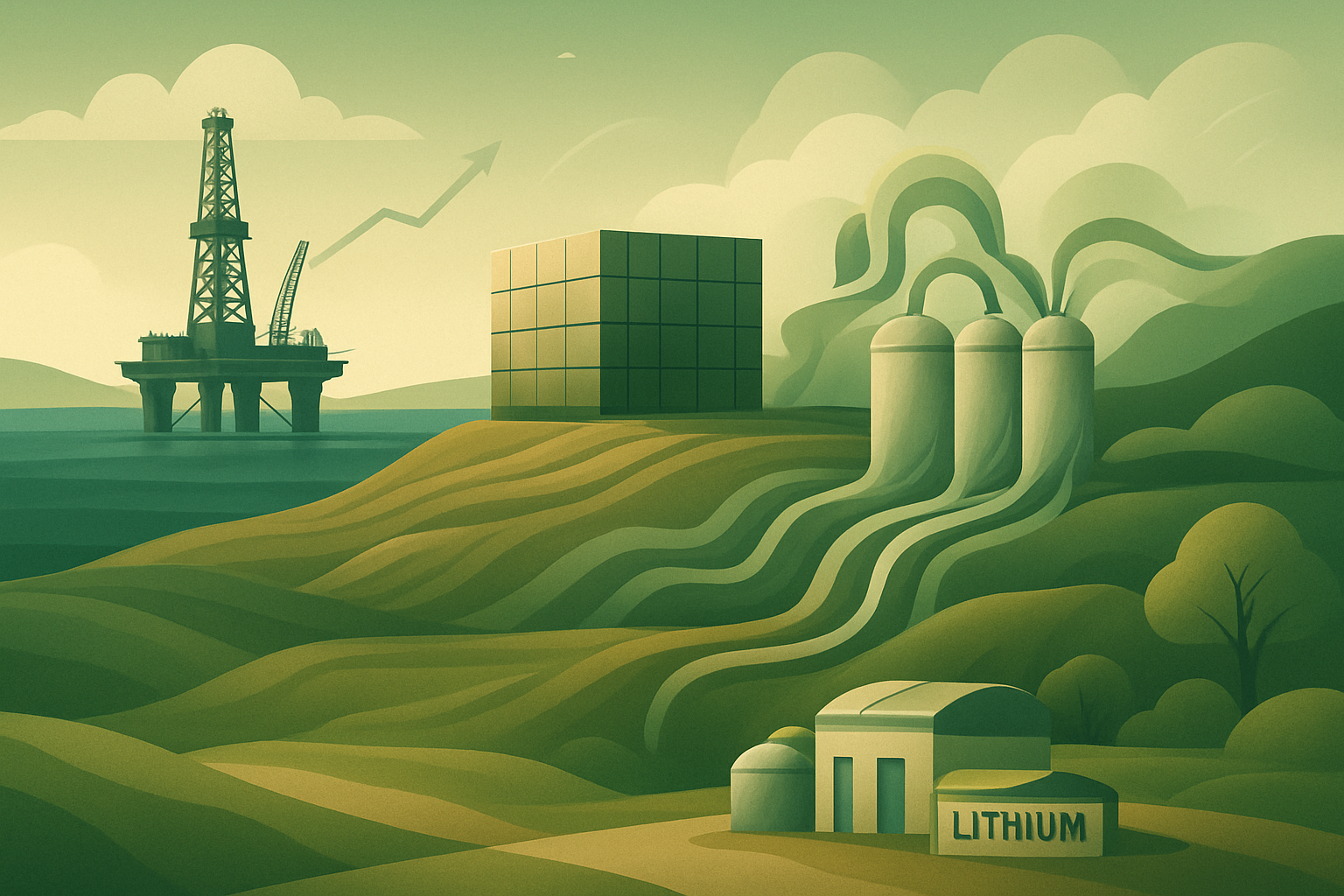
  • The Energy Safe-Haven: A Deep Dive into Exxon Mobil (XOM) in 2026

    The Energy Safe-Haven: A Deep Dive into Exxon Mobil (XOM) in 2026

    As of March 30, 2026, the global energy landscape is defined by a paradoxical mix of rapid technological evolution and old-world geopolitical volatility. In this high-stakes environment, Exxon Mobil Corporation (NYSE: XOM) has emerged not just as a survivor of the energy transition, but as the definitive "safe-haven" asset for institutional and retail investors alike.

    While the mid-2020s were expected to be the twilight of the fossil fuel era, a series of supply shocks—culminating in the regional instability across the Middle East in early 2026—has reaffirmed the critical importance of energy security. Exxon Mobil, through its aggressive consolidation of Western Hemisphere assets and its disciplined "molecule-led" transition strategy, has positioned itself as the anchor of the global energy supply chain. With its stock price reaching record highs and its production volumes hitting 40-year milestones, the company represents a unique intersection of legacy industrial power and forward-looking carbon management.

    Historical Background

    The story of Exxon Mobil is essentially the history of the modern energy industry. Its roots trace back to John D. Rockefeller’s Standard Oil Trust, founded in 1870. Following the 1911 Supreme Court-ordered breakup of Standard Oil, two of its largest descendants—Jersey Standard (Exxon) and Socony (Mobil)—grew into global powerhouses.

    The 1999 merger of Exxon and Mobil for $81 billion remains one of the largest corporate marriages in history, creating a "supermajor" with unparalleled scale. However, the company’s path hasn't always been linear. In 2020, amid the COVID-19 pandemic and crashing oil prices, Exxon was removed from the Dow Jones Industrial Average, a symbolic blow that many viewed as the end of Big Oil’s dominance.

    Under the leadership of Darren Woods, who became CEO in 2017, the company pivoted. Instead of chasing solar and wind "electrons" like its European peers, Exxon doubled down on "advantaged" oil and gas assets in Guyana and the Permian Basin, while simultaneously building a Low Carbon Solutions (LCS) business focused on carbon capture and hydrogen. This strategic bet paid off spectacularly during the energy crises of 2022 and 2024, leading to the landmark $60 billion acquisition of Pioneer Natural Resources, which closed in May 2024 and redefined the U.S. shale landscape.

    Business Model

    Exxon Mobil operates a fully integrated "well-to-wheel" business model, organized into three primary pillars as of 2026:

    1. Upstream: The engine of the company, focused on the exploration and production of crude oil and natural gas. Key growth drivers include the Stabroek Block in Guyana and the massive Midland Basin acreage in the Permian.
    2. Product Solutions: This segment combines the former Downstream (refining) and Chemical divisions. It focuses on high-value products like performance chemicals, lubricants, and low-emission fuels. By integrating refining with chemical production, Exxon achieves "molecular management," shifting output based on market demand (e.g., from gasoline to sustainable aviation fuel).
    3. Low Carbon Solutions (LCS): Formed in 2021, this segment has evolved from a startup within the giant to a commercial powerhouse. It sells "decarbonization-as-a-service" to heavy industry, utilizing carbon capture and storage (CCS), and is the home of the "Mobil Lithium" brand.

    Stock Performance Overview

    On March 30, 2026, XOM shares are trading near $170.99, reflecting a period of intense outperformance.

    • 1-Year Performance: The stock is up approximately 48% over the last 12 months. This surge was driven by the successful integration of Pioneer Natural Resources and a rotation into "safe-haven" energy stocks following the "Iran War Shock" of February 2026.
    • 5-Year Performance: XOM has delivered a staggering ~198% return since March 2021. Investors who bought during the 2020/2021 lows have seen their capital nearly triple, bolstered by a disciplined buyback program.
    • 10-Year Performance: Over the decade, the stock has gained ~105%. While the 2016–2020 period was characterized by stagnation and debt concerns, the 2021–2026 era has seen a massive re-rating of the stock as a dividend powerhouse and a growth play in the Permian.

    Financial Performance

    Exxon’s FY 2025 results, released in early 2026, underscore a company of immense scale and efficiency:

    • Revenue: $323.9 billion, maintaining its position as a top global revenue generator.
    • Net Income: $28.8 billion. While down from the historic highs of 2022–2023 due to normalized commodity prices, the quality of earnings has improved through lower unit-production costs.
    • Cash Flow from Operations: $52.0 billion, providing ample liquidity for both capital expenditures ($23–$25 billion) and shareholder returns.
    • Shareholder Returns: In 2025, Exxon returned $37.2 billion to shareholders through $17.2 billion in dividends and $20.0 billion in share repurchases.
    • Valuation: Despite the price surge, XOM trades at a forward P/E of approximately 12.5x, which remains attractive compared to the broader market, given its defensive qualities.

    Leadership and Management

    Darren Woods (Chairman and CEO) has solidified his reputation as a master strategist. Initially criticized for his skepticism of renewable power, Woods’ focus on "molecules over electrons" is now the industry standard.

    In February 2026, Neil Hansen took over as CFO, succeeding Kathy Mikells. Hansen is tasked with maintaining the company’s aggressive cost-reduction target of $20 billion by 2030.

    A major strategic move occurred in March 2026, when the Board of Directors announced the company would redomicile from New Jersey to Texas. This move aligns Exxon’s legal home with its operational headquarters in Spring, Texas, and is seen as a defensive maneuver against "hostile" regulatory environments in more liberal states, further cementing the company's "Texas-first" identity.

    Products, Services, and Innovations

    Exxon’s competitive edge in 2026 is driven by its proprietary technology:

    • Cube Development: In the Permian Basin, Exxon uses "cube development" to drill multiple wells from a single pad simultaneously, maximizing resource recovery and reducing environmental footprint.
    • Mobil Lithium: The Arkansas lithium project is slated for commercial launch in mid-2026. Using Direct Lithium Extraction (DLE), Exxon aims to become a top supplier for the EV battery market by 2030, leveraging its existing drilling and water-handling expertise.
    • Carbon Capture & Storage (CCS): With 9 million tonnes per annum (MTA) of CO2 under contract, Exxon is the world leader in large-scale CCS. Its Gulf Coast CCS hub provides a blueprint for decarbonizing the steel, cement, and chemical industries.

    Competitive Landscape

    The landscape has shifted from a battle of "Oil vs. Green" to a battle of "Execution."

    • Chevron (NYSE: CVX): Exxon’s closest U.S. peer. Following its acquisition of Hess, Chevron is Exxon’s primary partner/rival in Guyana. Both companies share a similar "molecule" strategy.
    • Shell (SHEL) and BP (BP): After years of focusing on renewable electricity, both European majors have pivoted back toward oil and gas and CCS in 2025–2026, effectively adopting the Exxon playbook to satisfy shareholders demanding higher returns.
    • National Oil Companies (NOCs): Entities like Saudi Aramco remain the largest producers, but Exxon's technological lead in deepwater and unconventional (shale) drilling gives it a "technological moat" that many NOCs cannot match.

    Industry and Market Trends

    The dominant trend in 2026 is Energy Dualism: the simultaneous demand for more hydrocarbons and fewer emissions.

    • Geopolitical Friction: The closure of the Strait of Hormuz in early 2026 sent oil prices toward $110/bbl, highlighting the value of Exxon’s Western Hemisphere assets (U.S., Guyana, Canada).
    • AI and Data Centers: The explosion of AI has increased demand for reliable, 24/7 power. Exxon is exploring "natural gas to data center" solutions, where gas power plants are paired with CCS to provide low-carbon baseload power for tech giants.

    Risks and Challenges

    • Regulatory Hostility: The EU’s new methane import rules (effective Feb 2026) and the U.S. Waste Emissions Charge ($1,500/ton of methane) present significant compliance costs.
    • Commodity Volatility: Despite the current "safe-haven" status, a global recession could suppress oil demand and test the company's $35/bbl breakeven projections.
    • Litigation: "Climate nuisance" lawsuits from various states and municipalities remain a long-term legal overhang, though the 2026 move to Texas provides some jurisdictional insulation.

    Opportunities and Catalysts

    • Guyana’s Uaru Project: Scheduled for startup in late 2026, this project will push Guyana’s total production capacity over 1.1 million bpd, adding significant high-margin barrels to the portfolio.
    • Lithium Monetization: The formal commercial launch of Mobil Lithium in mid-2026 could lead to a valuation re-rating as the market begins to price in Exxon as a "critical minerals" player.
    • M&A Potential: With a fortress balance sheet, Exxon is well-positioned to acquire smaller shale players or CCS startups if valuations soften.

    Investor Sentiment and Analyst Coverage

    Wall Street is overwhelmingly bullish on XOM as of March 2026. Bernstein and Morgan Stanley have both issued "Overweight" ratings, citing the company's "geographic insulation" from Middle East disruptions.

    Hedge fund activity has shown a notable rotation into Exxon, with many managers using XOM as a proxy for geopolitical insurance. Retail sentiment remains high, driven by the company's status as a "Dividend Aristocrat" with 43 consecutive years of dividend increases.

    Regulatory, Policy, and Geopolitical Factors

    The geopolitical landscape of 2026 is the strongest catalyst for Exxon's stock. The "Iran War Shock" of February 2026 disrupted approximately 20% of global oil transit, making non-OPEC, Western Hemisphere production a matter of national security.

    Domestically, the 2026 regulatory environment is a tug-of-war. While the U.S. EPA has faced rollbacks on certain carbon mandates, international pressure (specifically from the EU's Corporate Sustainability Reporting Directive) continues to force transparency in carbon accounting. Exxon’s leadership has been vocal in calling for "policy certainty" rather than "regulatory overreach."

    Conclusion

    Exxon Mobil in 2026 is a study in corporate resilience and strategic clarity. By rejecting the "electron" pivot of the early 2020s and doubling down on its core competencies in "molecular management," the company has transformed from a perceived dinosaur into a modern energy safe-haven.

    Investors should view XOM not just as a bet on oil prices, but as a bet on global energy complexity. The company’s dominance in the Permian and Guyana provides the cash flow, while its burgeoning Low Carbon Solutions and Lithium divisions provide the longevity. As long as the world requires reliable energy in an unstable geopolitical climate, Exxon Mobil remains the bedrock of the global energy portfolio.


    This content is intended for informational purposes only and is not financial advice.

  • The Nitrogen King: Why CF Industries is March 2026’s #1 S&P 500 Performer

    The Nitrogen King: Why CF Industries is March 2026’s #1 S&P 500 Performer

    As of March 13, 2026, the financial markets are witnessing a tectonic shift in investor preference. For years, the narrative was dominated by generative artificial intelligence and the "Magnificent Seven," but the first quarter of 2026 has belonged to a different kind of power: the industrial nitrogen giant. CF Industries Holdings, Inc. (NYSE: CF) has emerged as the S&P 500’s #1 performing stock so far this month, a feat driven by a perfect storm of geopolitical volatility and a fundamental rotation in market sentiment.

    The catalyst for this meteoric rise is two-fold. First, an escalating conflict involving Iran has severely disrupted energy and fertilizer exports through the Strait of Hormuz, sending urea and anhydrous ammonia prices to levels not seen since the peak of the 2022 energy crisis. Second, a broader market phenomenon dubbed the "anti-AI HALO" trade—where investors are fleeing high-multiple technology valuations in favor of Hard Assets, Low-carbon Operations—has funneled massive capital into CF's specialized infrastructure. Today, CF is no longer viewed merely as a fertilizer company; it is the cornerstone of a "real-world" hedge against global instability.

    Historical Background

    Founded in 1946 as the Central Farmers Fertilizer Company, CF Industries began its journey as a federation of regional agricultural cooperatives. For over half a century, its mission was to serve the American farmer through a collective purchasing and distribution model. However, the 21st century demanded a more agile, capital-intensive structure.

    The company's modern era began with its Initial Public Offering (IPO) in 2005, marking its transition to a powerhouse independent nitrogen producer. The most transformative move in its history came in 2010 with the $4.7 billion acquisition of Terra Industries, which solidified CF’s position as one of the world’s largest nitrogen producers. Under the leadership of CEO Tony Will, who took the helm in 2014, CF pivoted from a broad-spectrum agricultural player to a focused nitrogen specialist, divesting its phosphate business to Mosaic (NYSE: MOS) and doubling down on the low-cost manufacturing advantage provided by the North American shale gas revolution.

    Business Model

    CF Industries operates as a pure-play nitrogen manufacturer. Nitrogen is the most essential nutrient for global food production, but the process of making it—the Haber-Bosch process—is incredibly energy-intensive. CF’s business model is built on a "structural cost advantage." By operating primarily in North America, CF utilizes domestic natural gas (its primary feedstock) which is significantly cheaper than the gas available to its competitors in Europe and Asia.

    The company’s revenue is derived from five primary segments:

    1. Ammonia: The basic nitrogen product, used directly as fertilizer or as a feedstock for others.
    2. Granular Urea: A solid fertilizer favored for its high nitrogen content and ease of transport.
    3. Urea Ammonium Nitrate (UAN): A liquid fertilizer that allows for precise application.
    4. Ammonium Nitrate (AN): Primarily used in specialized agricultural applications and industrial explosives.
    5. Other: Including Diesel Exhaust Fluid (DEF) and, increasingly, low-carbon "blue" ammonia.

    CF’s logistics network is a key competitive moat, utilizing the Mississippi River system and extensive pipeline infrastructure to move product from its massive production hubs, like Donaldsonville, Louisiana, directly into the heart of the U.S. Corn Belt.

    Stock Performance Overview

    Over the last decade, CF Industries has been a textbook example of a cyclical stock with secular growth tailwinds.

    • 10-Year Horizon: Investors who bought during the 2016 downturn have seen shares rise over 250%, supported by massive share buybacks that have retired nearly 30% of the company's float.
    • 5-Year Horizon: The stock benefited immensely from the 2022 global energy crisis, which blew out the "gas spread" between the US and Europe, allowing CF to realize record margins.
    • 1-Year Horizon (March 2025–March 2026): After a period of consolidation in mid-2025, the stock has exploded in early 2026. As of today, CF is trading at record highs, up over 45% in the last 60 days alone. This recent surge has been fueled by the "anti-AI HALO" rotation, as the "Magnificent Seven" trade began to decompress in favor of essential commodities.

    Financial Performance

    CF’s recent financial results underscore why it has become the darling of March 2026. In its full-year 2025 report, the company posted net earnings of $1.46 billion on an adjusted EBITDA of $2.89 billion. While 2025 was initially characterized by rising natural gas costs ($3.34/MMBtu average), CF was able to maintain industry-leading gross margins because global nitrogen prices rose even faster.

    Crucially, CF’s balance sheet is a fortress. As of the latest filings, the company holds roughly $2.2 billion in cash. In late 2025, CF initiated a fresh $2 billion share repurchase program, signaling to the market that even as it invests in new technology, it remains committed to returning capital to shareholders. Furthermore, the first meaningful contributions from Section 45Q carbon sequestration tax credits ($85 per metric ton of CO2) began appearing on the 2025 bottom line, providing a high-margin, "green" revenue stream independent of fertilizer prices.

    Leadership and Management

    Tony Will, President and CEO, has earned a reputation as one of the most disciplined capital allocators in the materials sector. His strategy has been to resist the urge to over-expand during commodity peaks, instead focusing on "operational excellence" and returning cash.

    The leadership team is currently focused on the "CF 2030" vision, which aims to decarbonize the nitrogen production process. By partnering with ExxonMobil (NYSE: XOM) for carbon capture and storage (CCS) and forming joint ventures with Japanese energy giants like JERA and Mitsui & Co., management has successfully rebranded CF from a "polluting chemical maker" to a "decarbonization enabler." This shift in governance and strategy has been pivotal in attracting ESG-conscious institutional capital in 2026.

    Products, Services, and Innovations

    The most significant innovation at CF is the commercialization of Blue Ammonia. In September 2025, CF shipped its first certified low-carbon ammonia cargoes to Envalior in Belgium. This was produced at the Donaldsonville complex, where CF captures 2 million metric tons of CO2 annually.

    Innovation highlights include:

    • Carbon Capture Integration: Utilizing ExxonMobil’s pipeline infrastructure to sequester CO2 deep underground, allowing CF to market "low-carbon" fertilizer and industrial chemicals.
    • The Blue Point Complex: A $4 billion joint venture (CF holds 40%) targeting the production of 1.4 million tons of blue ammonia annually, intended for use as a clean-burning fuel for the maritime shipping industry and power generation in Asia.
    • Sustainable Aviation Fuel (SAF): Research into utilizing low-carbon nitrogen as a feedstock component for bio-based fuels.

    Competitive Landscape

    CF operates in a global market alongside heavyweights like Nutrien Ltd. (NYSE: NTR), Yara International, and OCI N.V.

    • Nutrien: While Nutrien is larger by revenue due to its massive retail wing, CF has higher margins in the nitrogen segment because of its asset concentration in the low-cost U.S. Gulf Coast.
    • Yara: Yara, based in Europe, is CF’s primary rival in the green ammonia race but remains handicapped by higher European energy costs.
    • The "North American Moat": CF's primary competitive advantage in 2026 remains its proximity to cheap Henry Hub natural gas. As long as energy prices in the Middle East and Europe remain volatile due to the Iran conflict, CF’s "spread" remains wide and its competitive position untouchable.

    Industry and Market Trends

    The fertilizer industry in 2026 is being shaped by "The Great Bifurcation." On one side, there is traditional agricultural demand, which remains robust as global grain stocks remain near decade lows. On the other side is the new industrial demand for ammonia as an energy carrier.

    The most dominant trend in March 2026, however, is the supply squeeze. China has continued its strict export quotas on urea to ensure domestic food security, and the recent kinetic conflict in the Middle East has effectively taken a significant portion of the world’s nitrogen export capacity offline. This has turned the nitrogen market from a buyer's market into a frantic scramble for supply, with CF as the primary beneficiary.

    Risks and Challenges

    Despite the current rally, CF is not without risks:

    1. Operational Reliability: In November 2025, a major explosion and leak at the Yazoo City facility caused a partial shutdown. While no lives were lost, the unit is expected to remain offline through much of 2026, limiting production volumes.
    2. Natural Gas Volatility: While CF benefits from the spread, an unexpected spike in North American natural gas prices (e.g., due to a severe cold snap or domestic policy shifts) could compress margins.
    3. Geopolitical De-escalation: A sudden peace agreement or the reopening of shipping lanes in the Middle East could lead to a rapid "de-pricing" of urea, potentially cooling the stock’s current momentum.

    Opportunities and Catalysts

    • The "Anti-AI HALO" Trade: As of March 2026, institutional rotation out of overvalued tech into "real yield" assets is accelerating. CF’s low P/E ratio and high free cash flow make it a primary target for this capital flight.
    • Marine Fuel Transition: The International Maritime Organization (IMO) 2030 targets are looming. Ammonia is emerging as the leading candidate for zero-carbon shipping fuel, and CF’s blue ammonia is the only product currently available at scale.
    • Section 45Q Credits: Every ton of CO2 captured is a direct subsidy to the bottom line. As CF scales its Yazoo City and Blue Point projects, these credits will become a dominant part of the earnings story.

    Investor Sentiment and Analyst Coverage

    Wall Street is overwhelmingly bullish on CF in March 2026. Analysts from major firms like Goldman Sachs and Morgan Stanley have recently raised price targets, citing the "unprecedented nitrogen supply-demand imbalance."

    Retail sentiment is also at an all-time high. On platforms like X and Reddit, CF is being hailed as the "Physically-Backed Nvidia," a nod to its role as an essential backbone of the economy. Institutional ownership remains high, with Vanguard and BlackRock increasing their stakes as CF’s ESG profile improves through its carbon capture successes.

    Regulatory, Policy, and Geopolitical Factors

    The geopolitical landscape is the primary driver of CF's current share price. The conflict in the Middle East has disrupted the Strait of Hormuz, through which a massive percentage of the world’s urea and ammonia exports (from Qatar, Saudi Arabia, and Iran) must pass.

    Domestically, the U.S. policy environment remains supportive. The Inflation Reduction Act (IRA) and its subsequent enhancements have solidified the 45Q tax credits that make CF’s blue ammonia economically viable. However, the company faces ongoing scrutiny regarding nitrogen runoff and its impact on water quality in the Mississippi River, a regulatory risk that requires constant capital expenditure for mitigation.

    Conclusion

    CF Industries Holdings stands at the pinnacle of the S&P 500 in March 2026 for a reason. It is the intersection of three powerful forces: a global supply shock driven by the Iran conflict, a strategic pivot into the low-carbon energy economy via blue ammonia, and a massive market rotation away from speculative tech toward cash-generating hard assets.

    While the "anti-AI HALO" trade has provided the momentum, the company’s underlying fundamentals—its low-cost North American advantage and disciplined capital return—provide the floor. Investors should watch the duration of the Middle East conflict and the operational status of the Yazoo City plant, but for now, CF Industries represents the premier vehicle for navigating a world defined by energy volatility and the quest for real-world sustainability.


    This content is intended for informational purposes only and is not financial advice. As of today's date, March 13, 2026, the markets remain volatile; please consult with a financial advisor before making any investment decisions.

  • Mineral Sovereignty: The $1.6 Billion Bet on USA Rare Earth (USAR)

    Mineral Sovereignty: The $1.6 Billion Bet on USA Rare Earth (USAR)

    As of January 26, 2026, the global race for mineral sovereignty has reached a fever pitch, and no company finds itself more squarely at the center of this geopolitical storm than USA Rare Earth, Inc. (Nasdaq: USAR). Once a speculative venture aiming to revive the American "mine-to-magnet" supply chain, USAR has evolved into a strategic national asset. Today's landmark announcement of a $1.6 billion U.S. government investment package—comprised of direct grants and senior secured loans—marks the largest federal intervention in the critical minerals sector since the Second World War.

    This capital infusion is not merely a corporate milestone; it is a decisive move by the U.S. Department of Commerce to break a decades-long Chinese monopoly on the rare earth elements (REEs) essential for electric vehicles (EVs), wind turbines, and advanced defense systems. With its flagship Round Top project in Texas and a newly commissioned magnet facility in Oklahoma, USA Rare Earth is attempting a feat of vertical integration that has eluded Western companies for thirty years. This feature explores the company's trajectory, its financial standing, and whether it can truly become the "Exxon of the Green Revolution."

    Historical Background

    The story of USA Rare Earth began with a recognition of the strategic vulnerability inherent in the global supply chain. Founded as a private entity, the company’s foundational move was the acquisition of an 80% interest in the Round Top Heavy Rare Earth and Critical Minerals Project in Sierra Blanca, Texas, in partnership with Texas Mineral Resources Corp (OTCQB: TMRC).

    Throughout the early 2020s, USAR focused on a "mine-to-magnet" philosophy, realizing that simply mining ore was insufficient if the processing and manufacturing capabilities remained in China. In 2020, the company purchased the equipment from the only neodymium-iron-boron (NdFeB) magnet plant in the U.S., which had been shuttered years prior, and began planning its revival.

    The company’s transformation accelerated in March 2025, when it successfully went public on the Nasdaq through a merger with Inflection Point Acquisition Corp. This IPO provided the necessary "dry powder" to scale its processing technologies and finalize the acquisition of Less Common Metals (LCM) in the UK and France, cementing USAR’s presence on both sides of the Atlantic.

    Business Model

    USA Rare Earth operates a uniquely vertically integrated business model designed to capture value at every stage of the REE lifecycle. Unlike traditional miners that sell raw concentrate to third-party refiners (often in China), USAR’s model is built on four pillars:

    1. Extraction: The Round Top deposit in Texas provides a massive, 130-year resource of heavy rare earths (Dysprosium, Terbium) and lithium.
    2. Processing & Separation: Utilizing proprietary Continuous Ion Exchange (CIX) technology, the company separates mixed rare earth oxides into high-purity individual elements at its Colorado facility.
    3. Metal & Alloy Production: Through its subsidiary LCM, the company converts these oxides into specialized metals and alloys.
    4. Magnet Manufacturing: The final and most lucrative stage occurs at its Stillwater, Oklahoma plant, where metals are transformed into sintered NdFeB magnets for industrial and automotive customers.

    By controlling the entire chain, USAR aims to eliminate "midstream leak" where domestic ore is shipped abroad for processing, thereby securing higher margins and ensuring supply chain transparency for Tier 1 OEMs.

    Stock Performance Overview

    Since its public debut in March 2025 at an initial price of $10.00 per share, USAR has experienced significant volatility, typical of the "Critical Mineral 2.0" era.

    • 1-Year Performance: In the past 12 months, the stock has risen 85%, buoyed by the completion of its Stillwater facility and today’s $1.6 billion government announcement.
    • Post-IPO Trajectory: After hitting a low of $7.50 in mid-2025 amid concerns over permitting delays, the stock staged a massive rally in late 2025 as the U.S. government intensified its "De-risking" policy toward China.
    • Current Valuation: As of January 26, 2026, USAR trades at approximately $18.40 per share, with a market capitalization of $3.3 billion. While the company is still pre-revenue from its mining operations, the market is pricing in the strategic "floor" provided by the U.S. government’s 16% potential equity stake.

    Financial Performance

    USAR’s balance sheet underwent a radical transformation today. Prior to the government deal, the company was burning approximately $45 million per quarter on capital expenditures and R&D.

    Key Financial Metrics (Estimated Jan 2026):

    • Cash Position: Post-investment, the company sits on roughly $1.9 billion in liquidity (including the $1.3 billion loan facility).
    • Government Stake: The U.S. government has secured warrants for up to 17.6 million shares, effectively making the taxpayer a major partner in the enterprise.
    • Projected Revenue: Analysts expect the first significant revenue from magnet sales to commence in H2 2026, with a massive ramp-up in 2028 when the Round Top mine comes online.
    • Debt-to-Equity: The $1.3 billion senior secured loan increases the company's leverage significantly, but the 15-year term and subsidized interest rates provide a manageable runway.

    Leadership and Management

    The leadership of USA Rare Earth was "industrialized" in late 2025 to prepare for the massive scale-up.

    • Barbara Humpton (CEO): The former CEO of Siemens USA (OTC: SIEGY) took the helm in October 2025. Her deep ties to the Department of Defense and Department of Energy were instrumental in securing the $1.6 billion federal package.
    • Thayer Smith (President): A veteran of the company’s early years, Smith remains the architect of the operational strategy. His focus is on the "technical de-risking" of the CIX separation technology and the mine build-out.
    • Board of Directors: The board includes former high-ranking officials from the U.S. Geological Survey and veterans from the automotive and defense sectors, reflecting the company’s dual role as a commercial entity and a national security asset.

    Products, Services, and Innovations

    The crown jewel of USAR’s innovation is its Continuous Ion Exchange (CIX) processing. Traditional solvent extraction is chemically intensive and environmentally taxing. CIX allows for the separation of rare earths with a much smaller footprint and lower water consumption, a critical factor for the arid West Texas climate.

    In Stillwater, Oklahoma, the company’s magnet facility utilizes advanced sintering techniques to produce magnets with high coercivity—meaning they can operate at the high temperatures required for EV motors without losing their magnetic properties. Furthermore, USAR is developing a "circular" magnet recycling program, allowing it to recover REEs from end-of-life electronics and reintroduce them into the manufacturing stream.

    Competitive Landscape

    USAR operates in a landscape dominated by three major forces:

    1. China (State-Owned Enterprises): China still controls over 85% of global rare earth processing. Their ability to flood the market and crash prices remains the primary external threat to USAR.
    2. MP Materials (NYSE: MP): The current domestic leader. While MP Materials has a head start in mining at Mountain Pass, USAR’s focus on heavy rare earths (Dysprosium/Terbium) differentiates it, as MP primarily produces light rare earths (Neodymium/Praseodymium).
    3. Lynas Rare Earths (ASX: LYC): The largest producer outside of China. USAR competes with Lynas for non-Chinese off-take agreements with European and American automakers.

    Industry and Market Trends

    The "Great Re-Shoring" is the dominant trend of 2026. As Western governments realize that the energy transition is impossible without REEs, industrial policy has replaced pure free-market dynamics.

    • EV Proliferation: Despite a plateau in some regions, the transition to permanent magnet motors in EVs continues to drive a 12% CAGR in NdFeB demand.
    • Geopolitical Bifurcation: The world is splitting into two mineral blocs. USAR is the flagship of the "Mineral Security Partnership" (MSP), an alliance of 14 countries aiming to build supply chains independent of Beijing.

    Risks and Challenges

    Investing in USAR is not without significant peril:

    • Execution Risk: Building a multi-billion-dollar mine and processing plant simultaneously is a Herculean task. Any delays at Round Top could starve the Oklahoma magnet plant of domestic feedstock.
    • Price Volatility: Rare earth prices are notoriously opaque and volatile. A sudden drop in prices orchestrated by Chinese state-owned firms could hurt USAR’s margins.
    • Regulatory Hurdles: Despite federal support, the Round Top project must navigate a complex web of environmental assessments and local permitting in Texas.

    Opportunities and Catalysts

    The primary catalyst is the Accelerated Mine Plan, which aims to bring Round Top into commercial production by 2028.

    • Defense Contracts: With the U.S. military moving toward a "China-free" supply chain for its F-35 fighter jets and Virginia-class submarines, USAR is perfectly positioned to secure high-margin defense off-take agreements.
    • Strategic Stockpiling: The U.S. government’s move to create a National Defense Stockpile of permanent magnets provides a guaranteed "buyer of last resort" for USAR’s production.

    Investor Sentiment and Analyst Coverage

    Wall Street sentiment has shifted from "skeptical" to "strategic." Goldman Sachs and Morgan Stanley have recently initiated coverage on USAR, with "Buy" ratings predicated on the company’s unique position as a government-backed monopoly-challenger.

    Institutional ownership has surged to 45%, with major positions held by BlackRock and the Vanguard Group. On retail forums, USAR is often discussed as a "generational hold," with investors betting on the long-term inevitability of mineral de-coupling from China.

    Regulatory, Policy, and Geopolitical Factors

    The $1.6 billion investment is part of a broader suite of policies including the Inflation Reduction Act (IRA) and the CHIPS and Science Act. These laws provide production tax credits (Section 45X) that essentially subsidize the manufacturing of magnets on U.S. soil.

    Geopolitically, the U.S. has signaled that it will use the "Defense Production Act Title III" to ensure that companies like USAR remain solvent even during periods of market manipulation. This "sovereign backstop" is perhaps the company’s greatest competitive advantage.

    Conclusion

    As of January 26, 2026, USA Rare Earth (Nasdaq: USAR) stands as a bold experiment in industrial policy. The $1.6 billion U.S. government investment has effectively "de-risked" the company’s capital structure, providing a bridge to 2028 when its domestic mining operations are slated to begin.

    For investors, USAR represents a high-stakes bet on the future of the American energy transition. While operational and geopolitical risks remain substantial, the company’s "mine-to-magnet" vertical integration and unprecedented federal backing make it the most significant player in the Western quest for mineral independence. Investors should closely watch the commissioning of the Stillwater plant in Q1 2026 and the progress of environmental permitting at Round Top as the next major indicators of success.


    This content is intended for informational purposes only and is not financial advice.