
Tag: Healthcare

  • The New J&J: A 2026 Deep Dive into the Global Healthcare Titan

    The New J&J: A 2026 Deep Dive into the Global Healthcare Titan

    As of April 14, 2026, Johnson & Johnson (NYSE: JNJ) stands as a radically different entity than it was only three years ago. Following the successful spin-off of its consumer health division, Kenvue, in 2023, the New Brunswick-based giant has shed its "band-aid and baby powder" image to emerge as a high-octane, pure-play healthcare powerhouse. Today, the company is a titan of two halves: Innovative Medicine and MedTech.

    J&J is currently in focus as it navigates the aftermath of its most significant patent cliff—the loss of exclusivity for the blockbuster drug Stelara—while simultaneously attempting to settle a multi-decade legal battle over its legacy talc products. With a market capitalization surging toward new heights and a portfolio increasingly dominated by robotics, cell therapies, and cardiovascular breakthroughs, J&J represents a critical case study in corporate evolution and institutional resilience.

    Historical Background

    Founded in 1886 by brothers Robert Wood Johnson, James Wood Johnson, and Edward Mead Johnson, the company began with a simple but revolutionary premise: antiseptic surgical dressings. Inspired by Joseph Lister’s theories on germ theory, the Johnson brothers pioneered the first commercial sterile surgical products, effectively laying the foundation for modern surgery.

    Over the next century, J&J became the ultimate healthcare conglomerate. Key milestones included the introduction of the first aid kit in 1888, the launch of Johnson’s Baby Powder in 1894, and the mass production of Band-Aid brand adhesive bandages in 1921. Perhaps its most defining historical moment occurred in 1982 during the Tylenol crisis. After several people died from cyanide-laced capsules, J&J’s swift, transparent recall and introduction of tamper-resistant packaging became the gold standard for corporate crisis management and ethics.

    The 21st century has been defined by a pivot toward high-margin science. The acquisition of Janssen Pharmaceutica in 1961 had already set the stage for J&J to become a global leader in pharmaceuticals, but the 2023 separation of Kenvue marked the end of the conglomerate era, focusing the company’s capital entirely on medical innovation.

    Business Model

    The "New J&J" operates through two primary segments, having divested its consumer health business to unlock higher growth and better margins:

    1. Innovative Medicine (formerly Janssen): This segment focuses on six therapeutic areas: Oncology, Immunology, Neuroscience, Cardiovascular & Metabolism, Pulmonary Hypertension, and Infectious Diseases. It accounts for approximately 65% of total revenue, characterized by high R&D intensity and significant intellectual property protection.
    2. MedTech: This division provides a broad range of products used in the surgical, orthopaedic, and interventional fields. Following the acquisitions of Abiomed and Shockwave Medical, J&J has become a global leader in cardiovascular care. MedTech contributes roughly 35% of revenue and offers more stable, recurring cash flows compared to the hit-driven nature of drug development.

    The company’s customer base spans hospitals, retail pharmacies, and government health programs globally, with a strategic focus on "precision medicine" and robotic-assisted surgery.

    Stock Performance Overview

    Over the past decade, J&J has transitioned from a steady, low-beta dividend play to a growth-oriented healthcare leader.

    • 1-Year Performance: As of April 2026, J&J has returned approximately 58.8% over the past 12 months, significantly outperforming the S&P 500. This surge was driven by the successful navigation of the Stelara patent cliff and the integration of the Shockwave Medical acquisition.
    • 5-Year Performance: The stock has delivered a cumulative annualized return of roughly 11.5%, reflecting the volatility of the COVID-19 era followed by the value-unlocking Kenvue spin-off.
    • 10-Year Performance: With a 10-year annualized return of 11.4%, J&J remains a cornerstone for long-term investors, further bolstered by its status as a "Dividend King," having increased its dividend for over 60 consecutive years.

    As of today, April 14, 2026, the stock trades in the $238–$242 range, testing all-time highs as the market rewards its improved margin profile.

    Financial Performance

    Johnson & Johnson’s Fiscal Year 2025 was a record-breaking period. The company reported total revenue of $94.2 billion, a 6.0% year-over-year increase. Despite the anticipated revenue erosion from Stelara biosimilars, J&J managed to exceed expectations through aggressive growth in its oncology portfolio.

    • Adjusted EPS: $10.79 for FY 2025.
    • Margins: Operating margins have expanded significantly post-spin-off, now sitting north of 30% as the lower-margin consumer business is no longer on the books.
    • Balance Sheet: J&J maintains one of the strongest balance sheets in the world, being one of only two U.S. companies (alongside Microsoft) to hold a AAA credit rating from S&P Global.
    • 2026 Guidance: Management has projected 2026 revenue to exceed the $100 billion milestone for the first time in the company's history.

    Leadership and Management

    Joaquin Duato assumed the role of CEO in 2022 and has been the primary architect of the "New J&J." His tenure has been characterized by aggressive M&A and a shift toward digital integration in MedTech. Under his leadership, the company has successfully integrated over $30 billion in acquisitions while maintaining a disciplined capital allocation strategy.

    The leadership team, including CFO Joseph Wolk, has emphasized a "two-pronged" growth strategy: maximizing the lifecycle of existing blockbusters while investing heavily in cell and gene therapies. Governance remains a point of strength, though the board continues to face pressure from shareholders to finalize the legacy talc litigation that has lingered for over a decade.

    Products, Services, and Innovations

    Innovation is the lifeblood of J&J’s current valuation.

    • In Medicine: Darzalex (multiple myeloma) and Carvykti (cell therapy) are the new anchors of the oncology portfolio. Tremfya has emerged as a powerhouse in immunology, growing 40% in 2025 to reach $5.15 billion in sales.
    • In MedTech: The Ottava robotic surgical system is currently J&J's answer to Intuitive Surgical (ISRG). Furthermore, the integration of Shockwave Medical’s Intravascular Lithotripsy (IVL) technology has transformed J&J into a dominant force in treating calcified coronary artery disease.
    • R&D Pipeline: J&J currently has over 90 programs in various stages of clinical development, with a specific focus on bladder cancer and neurodegenerative diseases.

    Competitive Landscape

    J&J competes on two very different fronts:

    • Pharmaceutical Rivals: In the Innovative Medicine space, J&J faces stiff competition from Merck & Co. (MRK) in oncology, Pfizer (PFE) in immunology, and Roche (RHHBY) in diagnostics and biotech. J&J’s edge lies in its massive scale and its ability to bundle pharmaceutical solutions with medical devices.
    • MedTech Rivals: In the device space, its primary competitors are Medtronic (MDT), Stryker (SYK), and Boston Scientific (BSX). J&J’s recent acquisitions of Abiomed and Shockwave have given it a technological lead in the high-growth cardiovascular intervention market.

    Industry and Market Trends

    The healthcare sector in 2026 is being shaped by three macro trends:

    1. AI-Driven Drug Discovery: J&J is using generative AI to shave years off the clinical trial process, particularly in identifying small-molecule candidates for rare diseases.
    2. Aging Global Population: The demographic shift toward older populations in the U.S., Europe, and China continues to drive volume for J&J’s hip/knee replacements and cardiovascular pumps.
    3. The Shift to Outpatient Care: MedTech is increasingly moving toward minimally invasive procedures that can be performed in ambulatory surgery centers (ASCs), a trend J&J has capitalized on through its digital surgery platforms.

    Risks and Challenges

    Despite its financial strength, J&J is not without significant headwinds:

    • Talc Litigation: As of April 2026, nearly 68,000 claims remain pending. While J&J has proposed a $9 billion settlement, recent billion-dollar verdicts in Maryland have kept the "talc overhang" alive, preventing the stock from reaching a full valuation premium.
    • Drug Pricing Legislation: The Inflation Reduction Act (IRA) in the U.S. began impacting pricing for Stelara and Xarelto in January 2026. This "Maximum Fair Price" mandate limits the long-tail profitability of successful drugs.
    • Patent Erosion: While the 2025 Stelara cliff was managed, the company must constantly replace expiring patents with new blockbusters, a high-stakes "treadmill" that requires billions in R&D.

    Opportunities and Catalysts

    • MedTech Spin-off (Orthopaedics): Rumors persist that J&J may spin off its slower-growth Orthopaedics business by late 2026 to become an even purer play on high-growth cardiovascular and oncology technologies.
    • Immunology Pipeline: Data readouts for new indications for Tremfya and Ponesimod could provide near-term catalysts for the stock.
    • M&A Potential: With billions in cash and a AAA rating, J&J is widely expected to target a major biotech acquisition in the neurology space before the end of the year.

    Investor Sentiment and Analyst Coverage

    Wall Street remains broadly optimistic. The current analyst consensus is a "Moderate Buy." Bullish analysts, such as those at Morgan Stanley and Citigroup, have set price targets as high as $285, citing the company's successful "climb" over the Stelara cliff.

    Institutional ownership remains high, with Vanguard and BlackRock holding significant stakes. Retail sentiment is largely driven by J&J’s dividend reliability, though younger investors are increasingly drawn to the company’s new identity as a high-tech medical innovator.

    Regulatory, Policy, and Geopolitical Factors

    The geopolitical landscape of 2026 has introduced new complexities. Under a shifting U.S. political administration, J&J recently agreed to domestic price concessions on several key drugs in exchange for tariff exemptions on medical device components imported from Asia.

    Furthermore, the company is navigating a tightening regulatory environment in the European Union regarding medical device data privacy. Domestically, the FDA’s increased focus on accelerated approval pathways for cell therapies has been a tailwind for J&J’s oncology pipeline.

    Conclusion

    Johnson & Johnson enters the mid-2020s as a leaner, more focused, and arguably more dangerous competitor in the global healthcare market. By divesting its consumer roots and doubling down on the intersection of medicine and technology, it has successfully navigated a period of intense structural change.

    For investors, J&J remains the quintessential "defensive growth" stock. While the shadow of talc litigation remains a persistent risk, the company’s record-breaking revenue guidance and market-leading positions in oncology and cardiovascular care suggest that the "New J&J" is well-positioned for the next decade of medical advancement. Investors should watch the progress of the talc settlement and the integration of the MedTech pipeline as key indicators of the company's trajectory through 2027.


    This content is intended for informational purposes only and is not financial advice.

  • The Science of Scale: An In-Depth Look at Regeneron Pharmaceuticals (REGN) in 2026

    The Science of Scale: An In-Depth Look at Regeneron Pharmaceuticals (REGN) in 2026

    As of today, April 13, 2026, Regeneron Pharmaceuticals, Inc. (NASDAQ: REGN) stands as a titan of the biotechnology sector, representing a rare blend of scientific purity and commercial dominance. In an industry often characterized by volatile "one-hit wonders" and aggressive M&A cycles, Regeneron has carved out a unique identity as a founder-led, R&D-centric powerhouse. Currently, the company is at a critical juncture, navigating the "patent cliff" of its legacy blockbuster ophthalmology franchise while simultaneously pioneering the next frontier of immunology and genetic medicine. With a market capitalization that reflects both its storied past and its ambitious future, Regeneron remains a central focus for institutional investors and healthcare analysts alike.

    Historical Background

    The story of Regeneron is fundamentally a story of scientific persistence. Founded in 1988 by Dr. Leonard Schleifer, a neurologist, and Dr. George Yancopoulos, a world-renowned scientist, the company began its journey in Tarrytown, New York. Unlike many of its peers that sought quick commercial exits, Regeneron spent its first two decades focused almost exclusively on building a proprietary technological foundation.

    The company’s early years were not without struggle. Initial clinical failures in the 1990s tested investor patience, but the founders remained committed to their vision of "humanizing" drug discovery. This culminated in the development of the VelociSuite technology—a suite of genetic engineering platforms that allowed Regeneron to create fully human antibodies with unprecedented speed and precision. The 2011 approval of Eylea for wet age-related macular degeneration (wet AMD) served as the company’s commercial "big bang," transforming a research-heavy outfit into a global pharmaceutical leader. Since then, the company has expanded its reach into immunology, oncology, and most recently, genetic therapies, while maintaining the same leadership duo that started it all nearly 40 years ago.

    Business Model

    Regeneron’s business model is built on three pillars: internal innovation, strategic partnerships, and manufacturing self-sufficiency. At its core, the company operates as an innovation engine, utilizing its Regeneron Genetics Center (RGC)—which has now sequenced over 2 million individuals—to identify drug targets validated by human genetics. This "science-first" approach is designed to de-risk clinical trials before they even begin.

    Revenue is diversified across several key streams, primarily anchored by massive global partnerships. In the ophthalmology space, Regeneron collaborates with Bayer, managing U.S. sales of its flagship products while receiving a substantial share of international profits. In immunology and oncology, a long-standing partnership with Sanofi sees the two companies co-developing and co-commercializing blockbuster therapies like Dupixent and Libtayo. This partnership model allows Regeneron to leverage the global sales infrastructure of Big Pharma while retaining a significant portion of the high-margin revenue generated by its inventions.

    Stock Performance Overview

    Over the last decade, Regeneron has been a stalwart for long-term growth investors. As of mid-April 2026, the stock is trading near $748.87, reflecting a robust 10-year growth trajectory of approximately 90.7%. While it faced periods of stagnation between 2023 and 2024—primarily due to concerns over the Eylea patent expiration—the stock has staged a significant recovery.

    The 1-year performance has been particularly impressive, gaining 37% as the market gained confidence in the company’s "lifecycle management" strategy. This recent surge was driven by the rapid adoption of Eylea HD (high dose) and the expansion of Dupixent into the massive Chronic Obstructive Pulmonary Disease (COPD) market. Over a 5-year horizon, the stock has delivered nearly 60% returns, outperforming many of its large-cap biotech peers by successfully transitioning from a "two-drug story" into a diversified multi-franchise entity.

    Financial Performance

    For the fiscal year 2025, Regeneron reported revenues of $14.34 billion, representing steady year-over-year growth despite the emergence of biosimilar competition for its older products. The company maintains "elite-tier" profitability, with non-GAAP gross margins hovering between 83% and 84%.

    One of Regeneron’s greatest financial strengths is its balance sheet. With approximately $18.87 billion in cash and marketable securities and a relatively low debt profile of $2.71 billion, the company is in a prime position to fund internal R&D or engage in strategic bolt-on acquisitions. Valuation-wise, the stock currently trades at a forward P/E of roughly 18x. Analysts note that this is approximately 20% below its 10-year historical median, suggesting that despite its recent price appreciation, the market may still be underestimating the long-term earnings potential of its late-stage pipeline.

    Leadership and Management

    Regeneron’s leadership is legendary within the biotech community. CEO Leonard Schleifer and President/CSO George Yancopoulos represent the longest-running partnership at the helm of any major American corporation. Their synergy—Schleifer’s business acumen and Yancopoulos’s scientific brilliance—has created a corporate culture that prioritizes long-term scientific breakthroughs over short-term quarterly earnings beats.

    The board of directors and executive team are largely comprised of individuals with deep scientific backgrounds, reinforcing the company's commitment to innovation. This stability in leadership has allowed Regeneron to avoid the "identity crises" often seen in larger pharmaceutical firms, where frequent CEO turnover leads to shifting R&D priorities.

    Products, Services, and Innovations

    The current product portfolio is dominated by two massive franchises:

    1. Eylea & Eylea HD: These treatments for retinal diseases remain the gold standard. The recent launch of the 8mg high-dose (HD) version has been a masterstroke, allowing for longer intervals between injections—a major convenience for patients—and effectively shielding the franchise from biosimilar competition.
    2. Dupixent: This "pipeline-in-a-product" has become a global phenomenon. In 2025, it generated $17.8 billion in global sales. Beyond its original indications for atopic dermatitis and asthma, its recent approval for COPD has opened a multi-billion dollar new market.

    In the pipeline, Regeneron is making significant strides in oncology with its "bispecific" antibodies, which are designed to bridge immune cells directly to cancer cells. Furthermore, the company is venturing into genetic medicine through its partnership with Intellia Therapeutics, targeting rare diseases via CRISPR technology. Notably, in 2026, the company is also making waves in the obesity space with Olatorepatide, a drug designed to be taken alongside GLP-1s to help patients lose fat while preserving muscle mass.

    Competitive Landscape

    Regeneron operates in a hyper-competitive environment. In ophthalmology, Roche’s (OTC: RHHBY) Vabysmo has emerged as a formidable rival, gaining significant market share before the launch of Eylea HD. Regeneron’s ability to defend this territory through the "HD" version and the upcoming prefilled syringe (PFS) is a primary point of focus for analysts.

    In the immunology sector, AbbVie (NYSE: ABBV) and Eli Lilly (NYSE: LLY) are aggressive competitors. AbbVie’s Rinvoq and Skyrizi compete directly with Dupixent in various inflammatory conditions. Meanwhile, in oncology, Regeneron faces the daunting presence of Merck (NYSE: MRK) and its dominant PD-1 inhibitor, Keytruda. Regeneron’s strategy here is not to compete head-on but to use its bispecifics to "supercharge" immune responses in cancers that do not respond to traditional immunotherapies.

    Industry and Market Trends

    The biotechnology industry in 2026 is being shaped by several macro trends. The aging global population is driving unprecedented demand for ophthalmology and oncology treatments—two of Regeneron’s core strengths. Furthermore, the convergence of "Big Data" and biology is accelerating. Regeneron’s heavy investment in its Genetics Center puts it at the forefront of the precision medicine trend, allowing for faster and more successful drug development cycles.

    Additionally, the "post-GLP-1" landscape is a major trend. As millions of people adopt weight-loss drugs, the focus is shifting toward "quality of weight loss," an area where Regeneron's muscle-preserving candidates are highly relevant.

    Risks and Challenges

    The primary risk facing Regeneron is the "patent cliff." The entry of biosimilars like Amgen’s (NASDAQ: AMGN) Pavblu has begun to erode sales of the legacy Eylea 2mg formulation. While Eylea HD has mitigated much of this impact, the transition is not yet complete.

    Regulatory hurdles also remain a constant threat. In 2024 and 2025, the company faced "Complete Response Letters" (CRLs) from the FDA due to manufacturing issues at third-party facilities for its bispecific candidates. While these have largely been resolved, any further manufacturing delays could stall the "next wave" of revenue. Furthermore, as a high-priced biologic manufacturer, Regeneron is always at risk of pipeline failures, where years of investment yield no marketable product.

    Opportunities and Catalysts

    Looking ahead through the remainder of 2026, several catalysts could drive the stock higher. The anticipated FDA decision on DB-OTO, a gene therapy for genetic hearing loss, represents a major milestone for the company’s foray into genetic medicines. Additionally, the launch of the Eylea HD Prefilled Syringe is expected to further solidify its market share in retinal diseases.

    In the second half of 2026, the market is eagerly awaiting Phase 3 data for Geographic Atrophy, a condition with massive unmet need. Positive data here could open a completely new multi-billion dollar market. There is also persistent speculation regarding M&A; with its massive cash pile, Regeneron is well-positioned to acquire smaller biotech firms with innovative platforms in neurology or cardiology.

    Investor Sentiment and Analyst Coverage

    Investor sentiment toward Regeneron is currently "cautiously optimistic" to "bullish." Institutional ownership is remarkably high at over 83%, indicating that major funds view it as a core healthcare holding. On Wall Street, the consensus remains a "Moderate Buy," with analysts citing the successful Dupixent COPD launch as a de-risking event for the company’s medium-term earnings.

    While some retail investors worry about the influence of the Inflation Reduction Act (IRA), institutional "smart money" appears to believe that Regeneron’s innovation-heavy pipeline is robust enough to overcome pricing pressures. The average price target among analysts sits near $805, suggesting modest upside from current levels.

    Regulatory, Policy, and Geopolitical Factors

    The regulatory landscape in 2026 is heavily influenced by the Inflation Reduction Act (IRA). Eylea is widely expected to be a candidate for Medicare price negotiations by 2029, which could put downward pressure on margins in the U.S. market. Additionally, changes to Medicare Part D have shifted more of the cost burden for high-priced biologics onto manufacturers.

    On the geopolitical front, Regeneron has mitigated much of its supply chain risk by investing over $7 billion in U.S.-based manufacturing. This "onshoring" strategy not only provides operational security but also aligns the company with potential domestic production incentives from the federal government.

    Conclusion

    Regeneron Pharmaceuticals enters mid-2026 as a company that has successfully navigated its most significant commercial transition to date. By converting the Eylea franchise to a more durable "HD" formulation and expanding Dupixent into the COPD market, management has effectively extended the company’s growth runway. While risks regarding biosimilar competition and drug pricing legislation are real, the company’s world-class R&D engine and fortress-like balance sheet provide a significant margin of safety. For investors, the key will be watching the success of the new "bispecific" oncology pipeline and the first generation of genetic therapies. In an industry defined by change, Regeneron’s commitment to "following the science" remains its most potent competitive advantage.


    This content is intended for informational purposes only and is not financial advice.

  • The Evolution of The Cigna Group: A Deep Dive into a Health Services Powerhouse (2026)

    The Evolution of The Cigna Group: A Deep Dive into a Health Services Powerhouse (2026)

    April 2, 2026

    Introduction

    The Cigna Group (NYSE: CI) stands today at a pivotal crossroads, having undergone one of the most significant strategic transformations in the modern healthcare era. Long recognized as a stalwart of the commercial insurance sector, Cigna has systematically pivoted away from the capital-intensive and regulatory-heavy Medicare Advantage market to redefine itself as a "services-led" health powerhouse. With its Evernorth Health Services division now contributing the lion's share of profits, Cigna is no longer just an insurer; it is a global health service provider at the center of the pharmacy benefit management (PBM) and specialty pharmacy landscape. As we navigate the second quarter of 2026, investors are focused on how Cigna will manage its leadership transition and continue its evolution in an increasingly transparent healthcare economy.

    Historical Background

    The roots of The Cigna Group trace back over two centuries, making it one of the oldest financial institutions in the United States. Its history began with the Insurance Company of North America (INA), founded in 1792, and the Connecticut General Life Insurance Company (CG), founded in 1865. The two entities merged in 1982 to create Cigna, setting the stage for a global insurance presence.

    However, the modern era of the company began in 2018 with the blockbuster $67 billion acquisition of Express Scripts. This deal fundamentally altered the company’s DNA, moving it deep into the pharmacy benefit management space. This was followed by the 2020 launch of Evernorth, a brand designed to house its expansive health services under one roof. Most recently, in March 2025, Cigna completed the sale of its Medicare Advantage and Medicare Part D businesses to Health Care Service Corporation (HCSC) for $3.7 billion, marking a final exit from a sector that has become increasingly volatile for its peers like UnitedHealth Group (NYSE: UNH) and CVS Health (NYSE: CVS).

    Business Model

    Cigna’s business model is currently divided into two primary engines:

    • Evernorth Health Services: This is the company’s crown jewel, accounting for approximately 60% of total profits. It includes Express Scripts, the nation’s largest PBM by volume, and Accredo, a leader in specialty pharmacy services. Evernorth focuses on managing drug costs, specialty pharmacy delivery (crucial for expensive therapies like GLP-1s and oncology), and behavioral health services.
    • Cigna Healthcare: This segment encompasses the traditional insurance operations, focusing on Commercial (employer-sponsored) and International markets. By shedding its Medicare business, this segment now focuses on "capital-light" insurance products where medical loss ratios (MLR) are generally more predictable than in the government-funded senior segment.

    Stock Performance Overview

    As of April 2026, Cigna’s stock performance presents a paradox of strong fundamentals versus sector-wide valuation compression.

    • 1-Year Performance: CI has seen a decline of approximately 18% over the past year. This underperformance was largely tied to broader health-sector jitters regarding PBM regulation and the transition of CEO David Cordani.
    • 5-Year Performance: The stock has delivered a total return of roughly 21%. While positive, this has lagged the S&P 500, which benefited from the tech-led rallies of the early 2020s.
    • 10-Year Performance: Long-term investors have seen a total return of 159%. Despite recent volatility, Cigna has been a reliable cash flow generator, though it has slightly trailed the benchmark index’s 12% CAGR over the same period.

    The stock currently trades at a forward P/E ratio of roughly 9.5x, significantly below its 10-year historical average of 13.5x, suggesting to some analysts that the market has yet to fully price in the stability of its new services-only model.

    Financial Performance

    In its full-year 2025 earnings report released in February 2026, Cigna showcased the resilience of its diversified model.

    • Revenue: Total revenue reached $274.9 billion in 2025, an 11% year-over-year increase.
    • Earnings per Share (EPS): Shareholders’ net income was $22.18 per share. On an adjusted basis, income from operations was $29.84 per share.
    • 2026 Guidance: The company has guided for 2026 adjusted income of at least $30.25 per share, signaling confidence in the growth of Evernorth.
    • Dividends and Buybacks: Cigna remains an aggressive returner of capital, having repurchased 11.9 million shares in 2025 and raising its quarterly dividend to $1.56 per share in early 2026.

    Leadership and Management

    The biggest headline for Cigna in 2026 is the upcoming leadership transition. Long-time CEO David Cordani, who has led the company since 2009, announced his retirement effective July 1, 2026. Cordani is credited with the vision of the Express Scripts merger and the "services-first" strategy.

    His successor, Brian Evanko, currently the President and COO, is a 20-year veteran of the company. Evanko is widely seen as a safe and strategic pair of hands, having been the architect of the Medicare business divestiture. His appointment suggests continuity rather than a shift in strategy, with a focus on operational efficiency and capital deployment.

    Products, Services, and Innovations

    Cigna's innovation pipeline is currently centered on three high-growth areas:

    1. Behavioral Health Expansion: The Evernorth Behavioral Care Group is on track to have 15,000 providers across all 50 states by the end of 2026, offering virtual and in-person appointments within 72 hours—a major competitive differentiator.
    2. GLP-1 Management: Through its EncircleRx program, Cigna helps employers manage the surging costs of weight-loss drugs (like those from Eli Lilly (NYSE: LLY) and Novo Nordisk (NYSE: NVO)) by using data analytics to ensure clinical appropriateness and cost-sharing strategies.
    3. Specialty Pharmacy: Accredo continues to expand its footprint in home infusion and rare disease therapies, which are higher-margin than traditional retail pharmacy.

    Competitive Landscape

    Cigna operates in a "triopoly" alongside UnitedHealth Group (NYSE: UNH) and CVS Health (NYSE: CVS).

    • Market Share: Express Scripts overtook CVS Caremark in 2025 as the #1 PBM by volume.
    • Strategic Advantage: Unlike CVS, which is struggling with a massive retail pharmacy footprint (CVS Pharmacy) and significant losses in its Aetna Medicare Advantage plans, Cigna’s exit from the senior insurance market has insulated it from the "utilization spikes" that have recently hurt competitors.
    • Vertical Integration: While UnitedHealth is more deeply vertically integrated through its Optum clinics, Cigna has chosen a "partner-first" model, recently selling its physical clinic assets to focus on virtual and service-based scale.

    Industry and Market Trends

    The healthcare sector in 2026 is dominated by two themes: Transparency and Specialty Spend.

    • Value-Based Care: There is a continued push toward paying for outcomes rather than volume.
    • Pharmacy Transparency: The "Cost-Plus" model is becoming the industry standard. Cigna has proactively leaned into this, moving away from spread-based pricing to stay ahead of regulatory mandates.
    • AI Implementation: Cigna is utilizing AI for "predictive health," using claims data to identify patients at risk of chronic disease before they require expensive hospitalization.

    Risks and Challenges

    Despite its strong position, Cigna faces significant headwinds:

    • Regulatory Scrutiny: PBMs remain a bipartisan target in Washington. While a landmark settlement with the FTC in February 2026 removed some uncertainty, the threat of new federal legislation remains.
    • Litigation: A 2026 RICO class-action lawsuit alleging improper fee structures through offshore entities continues to hang over the PBM industry.
    • Concentration Risk: With 60% of profits coming from Evernorth, Cigna is heavily reliant on a single division's ability to navigate drug pricing shifts.

    Opportunities and Catalysts

    • Specialty Drug Growth: As more biologics and biosimilars enter the market, Evernorth’s role as a cost-manager becomes more essential.
    • International Growth: Cigna’s international health segment remains a steady, high-margin business that provides geographic diversification.
    • M&A Potential: With the cash infusion from the Medicare business sale, Cigna is well-positioned to acquire smaller, tech-driven health service startups to bolster the Evernorth platform.

    Investor Sentiment and Analyst Coverage

    Wall Street sentiment on Cigna is currently "cautiously optimistic." Analysts generally view the stock as undervalued based on its cash-flow generation, but the upcoming CEO transition has some investors in a "wait-and-see" mode. Institutional ownership remains high, with major funds favoring Cigna's lower exposure to Medicare risks compared to its peers.

    Regulatory, Policy, and Geopolitical Factors

    The February 2026 settlement with the FTC was a "clearing event" for Cigna. Express Scripts agreed to decouple its earnings from drug list prices, moving toward a transparent fee-for-service model. While this shift may cause short-term margin compression, it significantly reduces the risk of more draconian "break-up" scenarios that were feared in 2024 and 2025.

    Conclusion

    The Cigna Group has successfully transformed from a traditional health insurer into a dominant health services enterprise. By exiting the volatile Medicare Advantage market and doubling down on Evernorth, the company has created a more predictable, capital-light earnings profile. While the leadership transition from David Cordani to Brian Evanko introduces a degree of uncertainty, the company's financial discipline and aggressive share repurchases provide a solid floor for the stock. For investors, the key will be monitoring how well Cigna manages the transition to transparent pricing models and whether it can maintain its lead in the high-stakes world of specialty pharmacy.


    This content is intended for informational purposes only and is not financial advice.
  • The Trillion-Dollar Treatment: A Deep Dive into Eli Lilly and Company (LLY)

    The Trillion-Dollar Treatment: A Deep Dive into Eli Lilly and Company (LLY)

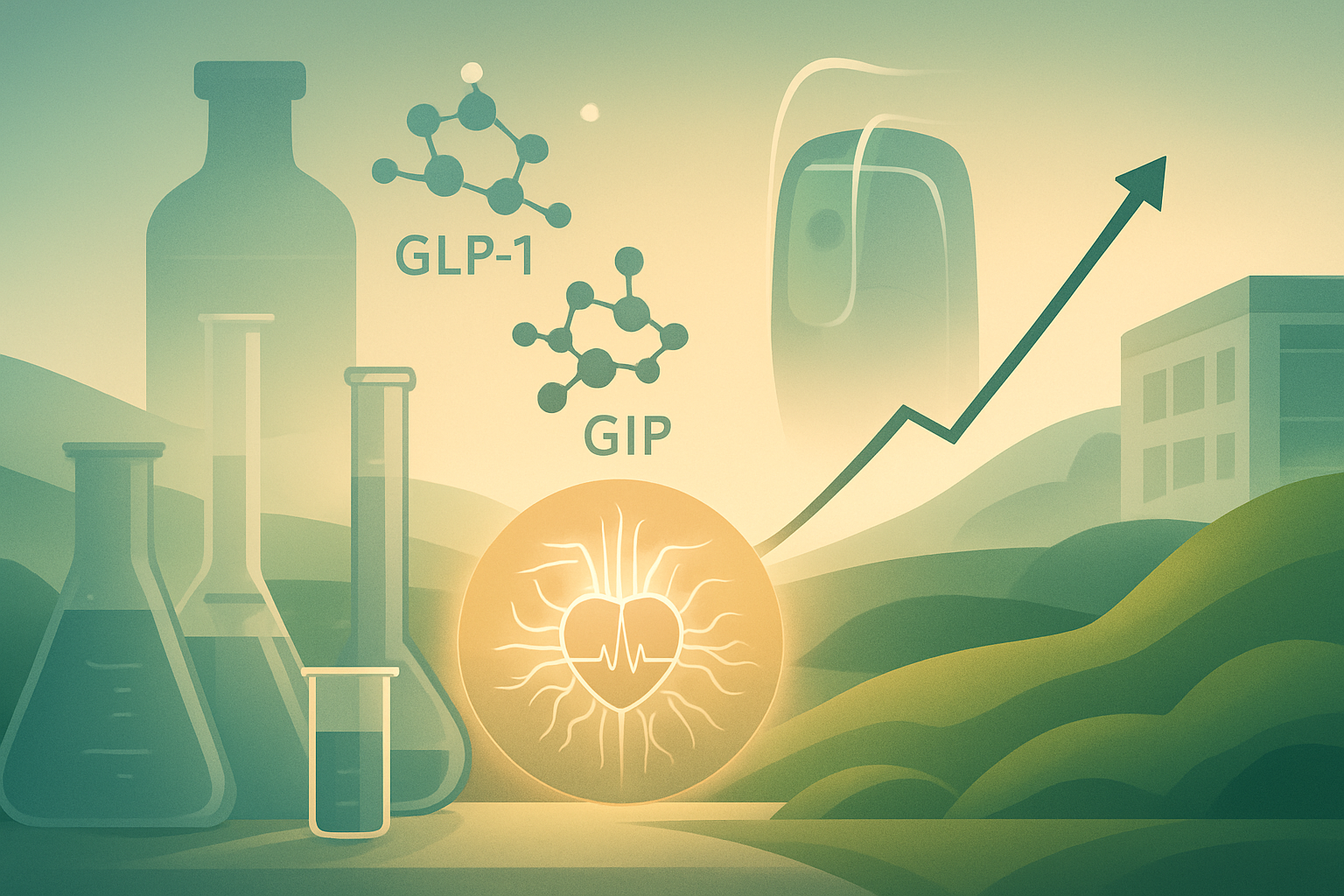
    As of April 2, 2026, Eli Lilly and Company (NYSE:LLY) stands as the preeminent titan of the global healthcare sector. Historically recognized as a steady, century-old pharmaceutical giant, the company has undergone a radical transformation over the last half-decade, evolving into a high-growth innovation engine. With a market capitalization that recently breached the historic $1 trillion milestone, Lilly has transcended the typical "Big Pharma" label to become a cornerstone of the modern "metabolic revolution."

    Today, Lilly is the primary beneficiary of a paradigm shift in chronic disease management. Driven by its pioneering work in incretin therapies for diabetes and obesity, as well as breakthroughs in Alzheimer’s disease, the company finds itself at the intersection of massive unmet medical needs and unprecedented commercial success. This deep dive explores how Lilly successfully navigated a treacherous "patent cliff" era to become the most valuable healthcare entity in the world.

    Historical Background

    Founded in 1876 by Colonel Eli Lilly, a pharmaceutical chemist and veteran of the American Civil War, the company began with a commitment to high-quality manufacturing and research in Indianapolis. Lilly’s early fame was cemented in the 1920s when it became the first company to mass-produce insulin, a breakthrough that transformed Type 1 diabetes from a death sentence into a manageable condition.

    Throughout the 20th century, Lilly expanded into antibiotics (penicillin, cephalosporins), oncology, and neuroscience. The 1980s saw the launch of Prozac, which revolutionized the treatment of depression and became one of the first true "blockbuster" drugs. However, the early 2010s were marked by significant challenges, as the company faced the loss of patent protection for several key products, leading to a period of stagnant growth and skepticism from Wall Street. The modern era of Lilly, defined by its leadership in metabolic health, began in the late 2010s with a pivot toward aggressive R&D and a massive bet on a new class of drugs known as GLP-1 and GIP receptor agonists.

    Business Model

    Lilly operates as a global, research-based biopharmaceutical corporation. Its business model is centered on the discovery, development, manufacturing, and sale of human pharmaceuticals. The company’s revenue streams are currently categorized into four primary therapeutic pillars:

    1. Metabolic Health (Diabetes & Obesity): This is the flagship segment, dominated by tirzepatide (Mounjaro and Zepbound). It accounts for the majority of recent growth.
    2. Oncology: Focused on precision medicines for solid tumors and blood cancers, led by products like Verzenio and Jaypirca.
    3. Immunology: Targeting autoimmune disorders such as plaque psoriasis and ulcerative colitis through drugs like Taltz, Omvoh, and Ebglyss.
    4. Neuroscience: A resurgent sector focused on neurodegeneration, specifically Alzheimer’s disease with the 2024 launch of Kisunla (donanemab).

    Lilly utilizes a vertically integrated model, increasingly bringing manufacturing in-house to control supply chains—a strategic move that has proven critical during the recent global shortage of weight-loss medications.

    Stock Performance Overview

    Over the past five years, LLY has delivered returns that rival the "Magnificent Seven" tech giants, consistently outperforming the broader S&P 500 and the NYSE Arca Pharmaceutical Index.

    • 1-Year Performance: Over the last 12 months (leading into April 2026), the stock has seen a consolidation phase following its run to $1,000. It remains up approximately 15% year-over-year as it digests its massive 2024–2025 gains.
    • 5-Year Performance: Since early 2021, the stock has surged from roughly $185 to over $1,000, representing a return of more than 440%. This growth was fueled by the clinical success and subsequent commercial "moonshot" of tirzepatide.
    • 10-Year Performance: For long-term holders, the transformation has been staggering. LLY has outperformed nearly all peers in the Dow Jones Industrial Average, evolving from a $75 stock in 2016 to a four-digit powerhouse today.

    Financial Performance

    Lilly’s financial profile as of early 2026 reflects a company in its peak earnings-acceleration phase.

    • Revenue Growth: In FY2025, Lilly reported total revenue of $65.2 billion, a staggering 45% increase from the previous year. For FY2026, the company has guided for revenue between $80 billion and $83 billion.
    • Margins: Operating margins have expanded significantly to nearly 40% as the company achieves economies of scale in its metabolic franchise.
    • Net Income: Q4 2025 net income reached $6.6 billion, demonstrating the high-margin nature of its new-to-market specialty drugs.
    • Valuation: LLY trades at a trailing P/E ratio of approximately 45x and a forward P/E of 28x. While expensive relative to legacy peers like Pfizer (NYSE:PFE) or Bristol-Myers Squibb (NYSE:BMY), Lilly’s PEG (Price/Earnings-to-Growth) ratio remains under 1.0, suggesting the valuation is supported by its unprecedented EPS growth.

    Leadership and Management

    David Ricks, who has served as CEO since 2017, is widely regarded as one of the most effective leaders in the pharmaceutical industry. Under his tenure, Lilly’s market value has increased more than tenfold.

    Ricks’ strategy has been defined by three pillars:

    1. Manufacturing Sovereignty: Investing over $50 billion in domestic and international production capacity to ensure Lilly is not reliant on third-party manufacturers.
    2. R&D Speed: Reducing the time from drug discovery to commercialization by over three years, allowing Lilly to beat competitors to market.
    3. Portfolio Concentration: Divesting non-core assets to focus entirely on high-impact, high-growth therapeutic areas.

    The management team is noted for its disciplined capital allocation, prioritizing internal R&D and manufacturing over the massive, dilutive M&A deals common in the pharmaceutical sector.

    Products, Services, and Innovations

    The crown jewel of Lilly’s portfolio is the tirzepatide molecule, marketed as Mounjaro for Type 2 diabetes and Zepbound for chronic weight management. These drugs, which act on both GLP-1 and GIP receptors, have shown weight loss efficacy exceeding 20% in clinical trials, setting a gold standard in the industry.

    Beyond tirzepatide, Lilly has recently launched:

    • Foundayo (orforglipron): An oral, non-peptide GLP-1 agonist approved in early 2026, offering a "pill-version" of weight loss therapy that eliminates the need for injections.
    • Kisunla (donanemab): A therapy for early-stage Alzheimer’s disease that uniquely allows patients to stop treatment once amyloid plaques are cleared.
    • Ebglyss: A high-growth treatment for atopic dermatitis (eczema).

    Lilly is also pioneering the use of Artificial Intelligence (AI) in drug discovery. In late 2025, it entered a multi-billion dollar partnership with NVIDIA (NASDAQ:NVDA) to utilize generative AI to simulate molecular interactions, potentially cutting the R&D cycle for new oncology candidates by half.

    Competitive Landscape

    The pharmaceutical market in 2026 is dominated by the "metabolic duopoly" of Eli Lilly and Novo Nordisk (NYSE:NVO).

    • Market Share: As of early 2026, Lilly has captured approximately 60% of the U.S. incretin market, largely due to its superior manufacturing capacity and the slightly higher weight-loss efficacy of tirzepatide compared to Novo’s semaglutide (Wegovy).
    • Pipeline Rivalry: Novo Nordisk remains a formidable threat with its next-generation candidate, CagriSema. However, Lilly has responded with Retatrutide, a "triple agonist" currently in Phase III that targets three different hormones and shows weight loss potential approaching 30%.
    • Generic Threats: While older insulin products face generic competition, the metabolic and immunology portfolios are protected by robust patent thickets that extend well into the 2030s.

    Industry and Market Trends

    The healthcare sector is currently being reshaped by three macro trends that favor Lilly:

    1. Obesity as a Gateway Disease: There is a growing clinical consensus that treating obesity is the most effective way to prevent cardiovascular disease, sleep apnea, and chronic kidney disease. This has vastly expanded the addressable market for Lilly's metabolic drugs.
    2. Decentralized Manufacturing: Supply chain fragility during the mid-2020s has led to "on-shoring." Lilly’s multi-billion dollar investments in Indiana, North Carolina, and Ireland have positioned it as a leader in supply chain resilience.
    3. Direct-to-Consumer Healthcare: Lilly’s "LillyDirect" portal, which allows patients to access prescriptions and home delivery directly from the manufacturer, is disrupting traditional pharmacy benefit manager (PBM) dominance.

    Risks and Challenges

    Despite its dominance, Lilly faces several critical risks:

    • Regulatory Pricing Pressure: The U.S. government, through the Inflation Reduction Act (IRA), has begun negotiating prices for top-selling drugs. Jardiance and Tradjenta were among the first impacted, and Trulicity is slated for price adjustments in 2028.
    • Supply Chain Execution: If any of Lilly’s massive new manufacturing "mega-sites" face regulatory delays or technical failures, the company could lose market share to competitors like Amgen (NASDAQ:AMGN) or Roche (OTC:RHHBY), who are developing their own metabolic candidates.
    • Valuation Compression: Trading at nearly 30x forward earnings, the stock has "priced in" a significant amount of future success. Any miss in quarterly earnings or a clinical trial setback for a next-gen drug like Retatrutide could lead to a sharp correction.

    Opportunities and Catalysts

    • Retatrutide Data: Upcoming Phase III data for the triple agonist could solidify Lilly's dominance for the next decade.
    • MASH Expansion: Clinical trials for MASH (liver disease) using tirzepatide are nearing completion; an approval would open a multibillion-dollar market with no current dominant therapy.
    • Sleep Apnea & CKD Labels: Expanding the label for Zepbound to include specific treatments for sleep apnea and chronic kidney disease would force insurance companies to broaden coverage.
    • Dividends and Buybacks: With massive cash flows, Lilly is expected to significantly increase its dividend in late 2026, attracting more income-oriented institutional investors.

    Investor Sentiment and Analyst Coverage

    Wall Street sentiment remains overwhelmingly bullish, though more selective than in 2024. Most major investment banks maintain "Buy" or "Overweight" ratings, with price targets ranging from $1,100 to $1,300.

    Hedge fund positioning has remained high, with many managers viewing Lilly as a "defensive growth" play—a company that provides tech-like growth with the relative safety of a healthcare balance sheet. Retail sentiment is also strong, driven by the personal experiences of millions of consumers who have successfully used Lilly’s weight-loss products.

    Regulatory, Policy, and Geopolitical Factors

    The regulatory landscape is in a state of flux. In early 2026, Lilly entered a "Most-Favored-Nation" (MFN) agreement with the U.S. administration, voluntarily lowering the list prices of some vials to avoid more aggressive federal price-capping.

    Geopolitically, Lilly’s heavy reliance on high-tech manufacturing makes it sensitive to trade relations involving specialized laboratory equipment and chemical reagents. However, its shift toward domestic manufacturing in the U.S. and EU has mitigated much of the "China-plus-one" risk that plagues other pharmaceutical firms.

    Conclusion

    Eli Lilly and Company has successfully transitioned from a traditional pharmaceutical manufacturer to a global leader in metabolic and neurological health. As of April 2026, the company’s "moat" is built on two primary strengths: a best-in-class R&D pipeline and a massive, proprietary manufacturing footprint.

    While the high valuation and the ongoing impact of the Inflation Reduction Act represent genuine risks, Lilly’s ability to define a new standard of care for obesity and Alzheimer’s provides a multi-year growth runway. For investors, Lilly is no longer just a "dividend stock"; it is a premier growth asset that is fundamentally changing the economics of global healthcare. Investors should closely watch the launch of the oral GLP-1 (Foundayo) and the Phase III results of Retatrutide as the key indicators for the company's next phase of market dominance.


    This content is intended for informational purposes only and is not financial advice.

  • The New Blue-Chip: How Johnson & Johnson Refined Its Empire for a High-Growth Future

    The New Blue-Chip: How Johnson & Johnson Refined Its Empire for a High-Growth Future

    As we enter the second quarter of 2026, Johnson & Johnson (NYSE: JNJ) stands as a starkly different entity than the consumer-facing conglomerate that defined the 20th century. Having successfully shed its legacy consumer health business and weathered the initial storm of its largest patent cliff in a decade, J&J has rebranded itself as a "pure-play" healthcare powerhouse focused exclusively on Innovative Medicine and MedTech.

    The company is currently in a high-stakes pivot. Under the leadership of CEO Joaquin Duato, J&J is betting that high-margin, IP-protected medical breakthroughs can deliver more value than the stable but low-growth bandages and baby powders of its past. With a market capitalization hovering near $584 billion and a renewed aggressive stance in M&A, J&J is not just a defensive dividend play; it is a aggressive contender for leadership in the next generation of precision medicine and robotic surgery.

    Historical Background

    The story of Johnson & Johnson began in 1886 in New Brunswick, New Jersey. Inspired by Dr. Joseph Lister’s groundbreaking work on antiseptics, brothers Robert, James, and Edward Mead Johnson set out to revolutionize surgery. At the time, surgery was a grizzly, infection-prone affair; J&J’s first products were mass-market sterile surgical dressings, which laid the foundation for modern aseptic procedures.

    Throughout the 20th century, J&J grew through a combination of internal innovation and strategic acquisitions. In 1888, they pioneered the first commercial first aid kits for railroad workers. In 1921, the Band-Aid was born, followed by the 1959 acquisition of McNeil Laboratories, which brought Tylenol into the fold. Perhaps the most defining moment in its corporate culture was the 1943 drafting of "Our Credo" by Robert Wood Johnson II. This document established a hierarchy of responsibility—placing patients and healthcare providers first, and shareholders last—a philosophy that has been tested by numerous legal challenges over the decades.

    The most transformative era, however, began in late 2021 with the announcement of the Kenvue (NYSE: KVUE) spin-off. By 2023, J&J had separated its consumer health segment, ending a 135-year era to focus on the high-intensity sectors of pharmaceuticals and medical technology.

    Business Model

    Today, J&J operates through two primary reporting segments:

    1. Innovative Medicine (65% of Revenue): Formerly known as Janssen, this segment focuses on six therapeutic areas: Oncology, Immunology, Neuroscience, Cardiovascular/Metabolism, Pulmonary Hypertension, and Infectious Diseases. The model relies on "blockbuster" drugs that treat complex diseases with high unmet needs.
    2. MedTech (35% of Revenue): This segment provides advanced surgical tools, orthopedic solutions, and interventional solutions (cardiovascular). Since the $16.6 billion acquisition of Abiomed in late 2022 and the 2024 acquisition of Shockwave Medical, J&J has repositioned this segment toward high-growth cardiovascular care and digital surgery.

    The customer base has shifted from retail consumers at drugstores to hospital procurement departments, specialty physicians, and government health agencies. This shift allows for significantly higher margins but also exposes the company to more rigorous regulatory scrutiny and pricing negotiations.

    Stock Performance Overview

    Over the last decade, J&J has lived up to its reputation as a "Dividend King," providing consistent returns even during market volatility.

    • 1-Year Performance: As of April 1, 2026, J&J has seen a stellar 12-month return of +51.5%, significantly outperforming the S&P 500. This surge was fueled by the successful navigation of the "Stelara cliff" and the market’s positive reception to the MedTech margin expansion.
    • 5-Year Performance: Returns have averaged 11.5% annually. This period was marked by the complexity of the Kenvue spin-off and the ongoing talc litigation, which acted as a drag on valuation until recently.
    • 10-Year Performance: The stock has delivered a consistent 11.4% annualized return, reflecting its defensive strength and reliable dividend growth, which has now reached 64 consecutive years of increases.

    Financial Performance

    J&J’s FY 2025 results, reported in January 2026, showcased the financial muscle of the "New J&J." Total revenue hit $94.2 billion, a 6.0% year-over-year increase. Despite the entry of biosimilars for its top drug, Stelara, the company managed an Adjusted EPS of $10.79.

    The company’s balance sheet remains one of the strongest in the corporate world, maintaining its AAA credit rating. For 2026, management has issued guidance for revenue to exceed $100 billion for the first time as a standalone healthcare entity. Free cash flow remains robust, with a 2026 target of $21 billion, providing the "dry powder" needed for continued M&A in the biotech space.

    Leadership and Management

    CEO Joaquin Duato, a J&J veteran of over 30 years, has proven to be a decisive architect of the company’s new structure. His leadership style is characterized by "operational discipline" and a push for digital integration. Alongside CFO Joseph Wolk, Duato has prioritized capital allocation toward high-growth MedTech assets and oncology pipelines.

    The leadership team also includes Jennifer Taubert, who oversees Innovative Medicine, and Tim Schmid, who leads MedTech. The board’s strategy currently centers on three pillars: accelerating the pharmaceutical pipeline, achieving leadership in robotic surgery, and resolving legacy legal liabilities to clear the path for valuation expansion.

    Products, Services, and Innovations

    Innovation is the lifeblood of J&J's current valuation. Key growth drivers include:

    • Darzalex (Oncology): Continues to be a dominant force in multiple myeloma.
    • Icotrokinra (JNJ-2113): Expected to launch mid-2026, this is the world’s first targeted oral peptide for plaque psoriasis, representing a potential $5 billion-plus peak sales opportunity.
    • OTTAVA Robotic System: J&J’s long-awaited answer to Intuitive Surgical (NASDAQ: ISRG), the Ottava system is currently under FDA review with a launch expected later this year.
    • Varipulse: A pulsed-field ablation (PFA) platform for AFib, which is currently seeing rapid adoption in the cardiovascular market.

    Competitive Landscape

    J&J faces fierce competition across both segments:

    • Innovative Medicine: It competes with Merck & Co. (NYSE: MRK) in oncology and AbbVie (NYSE: ABBV) in immunology. The battle for market share in immunology is particularly intense as AbbVie’s Skyrizi and Rinvoq compete with J&J’s Tremfya.
    • MedTech: In the robotics space, J&J is the underdog against Intuitive Surgical, while in cardiovascular, it faces off against Medtronic (NYSE: MDT) and Boston Scientific (NYSE: BSX). J&J’s advantage lies in its scale and its ability to bundle medical devices with pharmaceutical solutions.

    Industry and Market Trends

    The "Silver Tsunami"—the aging global population—is the primary macro driver. By 2026, the first wave of Baby Boomers is reaching 80, driving unprecedented demand for heart valves, knee replacements, and cancer treatments.

    Furthermore, the industry is seeing a massive shift toward Precision Medicine and AI-driven drug discovery. J&J has invested heavily in "Digital Health," using AI to shorten clinical trial timelines and surgical robotics to improve patient outcomes. However, labor shortages in nursing and surgery remain a bottleneck for the broader healthcare delivery system.

    Risks and Challenges

    The "Talc Shadow" remains the most significant risk. As of early 2026, J&J still faces over 67,000 lawsuits alleging its talc products caused ovarian cancer. While the Kenvue spin-off insulated the consumer brand, the legal liability remains with the parent company.

    Other risks include:

    • Inflation Reduction Act (IRA): Government-negotiated drug prices in the U.S. are starting to bite, with J&J estimating a multi-hundred-million-dollar impact on revenue from drugs like Xarelto.
    • Stelara Erosion: While Icotrokinra is the "successor," the speed at which biosimilars eat into Stelara’s $10B+ revenue base is a critical variable for 2026 earnings.

    Opportunities and Catalysts

    The primary catalyst for the remainder of 2026 is the potential FDA clearance of the Ottava robotic system. Success here would signal that J&J can finally compete in the high-margin digital surgery market.

    Additionally, J&J is in the process of spinning off its slower-growth DePuy Synthes Orthopaedics business. Completion of this move by mid-2027 could unlock further valuation by making J&J an even leaner, higher-growth enterprise focused on soft-tissue surgery and cardiovascular interventionalism.

    Investor Sentiment and Analyst Coverage

    Wall Street is "cautiously bullish" on J&J. Out of 25 major analysts, 14 carry a "Buy" rating. The consensus price target sits at $233.13, though some bulls have raised targets to $265 following the Q4 2025 earnings beat.

    Hedge funds have been net buyers of JNJ in the last two quarters, viewing it as a safer "yield-plus-growth" play compared to the high-multiple tech sector. The sentiment shift is largely due to management’s transparent handling of the patent cliff, which many feared would be more damaging than it has proven to be.

    Regulatory, Policy, and Geopolitical Factors

    The regulatory environment is tightening. In addition to the IRA in the U.S., the European Union is pushing for stricter "Value-Based Healthcare" pricing models. Geopolitically, J&J has been "onshoring" its manufacturing to improve supply chain resilience, reducing its reliance on Chinese-made active pharmaceutical ingredients (APIs) in response to rising trade tensions.

    Conclusion

    Johnson & Johnson enters April 2026 as a company that has successfully traded its history for its future. The "New J&J" is a leaner, more focused, and higher-margin enterprise than the conglomerate of a decade ago.

    For investors, the thesis is clear: J&J offers a rare combination of AAA-rated safety, a 3% dividend yield, and a pharmaceutical pipeline that is proving it can outrun its patent expirations. While the talc litigation remains a persistent and expensive ghost from its past, the operational strength of its Innovative Medicine and MedTech segments suggests that J&J is well-positioned to remain a cornerstone of the global healthcare landscape for the next century.


    This content is intended for informational purposes only and is not financial advice.

  • Merck & Co. (MRK) 2026 Analysis: Navigating the Keytruda Cliff with Pipeline-Driven Resilience

    Merck & Co. (MRK) 2026 Analysis: Navigating the Keytruda Cliff with Pipeline-Driven Resilience

    As of March 25, 2026, Merck & Co., Inc. (NYSE: MRK) stands at a pivotal crossroads in its 135-year history. Known globally as a titan of oncology and vaccines, the Rahway, New Jersey-based pharmaceutical giant is currently navigating one of the most significant strategic transformations in the healthcare sector. At the center of this evolution is a race against time: the impending 2028 patent expiration of Keytruda, the world’s top-selling drug.

    Under the leadership of Chairman and CEO Robert Davis, Merck has shifted from a "one-drug" narrative to a diversified "pipeline-driven resilience" strategy. With a market capitalization of approximately $286 billion and a stock price hovering near $116, the company is attempting to "flatten the cliff" of patent loss into a "manageable hill" through aggressive M&A, innovative drug delivery systems, and a burgeoning Animal Health business. This article explores whether Merck’s proactive maneuvers are enough to maintain its status as a blue-chip defensive staple for the next decade.

    Historical Background

    Merck’s roots trace back to 1668 with the Friedrich Jacob Merck pharmacy in Germany, but the modern American entity was established in 1891 by George Merck. Following World War I, the U.S. subsidiary was essentially reborn as an independent American company.

    Throughout the 20th century, Merck established itself as a pioneer in research. It was instrumental in the mass production of penicillin and streptomycin and the development of the first measles and mumps vaccines. The late 1980s and 1990s saw the company dominate the cardiovascular and primary care markets with blockbusters like Mevacor and Vasotec.

    However, the early 2000s were marked by the Vioxx controversy and subsequent multi-billion dollar litigation, which forced a restructuring of the company’s risk management and R&D focus. The 2009 acquisition of Schering-Plough was the transformative moment that brought Keytruda—then a dormant asset—into Merck’s portfolio. Over the last decade, Merck has shed non-core assets (including the 2021 spin-off of Organon) to double down on high-margin biologics and specialty medicines.

    Business Model

    Merck operates through two primary segments: Pharmaceuticals and Animal Health.

    • Pharmaceuticals (~89% of Revenue): This segment is dominated by Oncology (Keytruda, Welireg), Vaccines (Gardasil, ProQuad), and Hospital/Specialty care. Merck’s oncology franchise remains its crown jewel, while its human health vaccines, particularly the HPV vaccine Gardasil, provide a high-barrier-to-entry revenue stream.
    • Animal Health (~11% of Revenue): Often described by analysts as Merck’s "hidden gem," this division is a global leader in veterinary medicine. It focuses on livestock and companion animals, offering vaccines, parasiticides (like the blockbuster Bravecto), and digital monitoring solutions. This segment is highly attractive because it is largely "private pay," meaning it is insulated from the government drug-pricing pressures that affect the human pharma side.

    Merck’s customer base includes wholesalers, retailers, hospitals, government agencies, and veterinarians worldwide, with approximately 45% of its revenue generated outside the United States.

    Stock Performance Overview

    Merck has been a standout performer within the Dow Jones Industrial Average over the past several years, offering a blend of capital appreciation and a reliable dividend.

    • 1-Year Performance: In the past 12 months (March 2025–March 2026), MRK has delivered a total return of approximately 24.9%, significantly outperforming the broader pharmaceutical sector as investors sought safety in companies with strong cash flows.
    • 5-Year Performance: Since 2021, the stock has gained roughly 80.8% (a CAGR of ~12.9%). This period saw Merck transition from a mid-cap-growth profile back to a large-cap value/growth hybrid.
    • 10-Year Performance: Long-term holders have seen a 210.8% return (including dividends). The stock’s trajectory shifted sharply upward in 2022 as the market began to reward Merck’s aggressive acquisition strategy and Keytruda’s continued dominance in first-line lung cancer treatments.

    Financial Performance

    In its 2025 fiscal year results, Merck reported total revenue of $65.0 billion, a steady increase from $64.2 billion in 2024. Despite the looming "patent cliff," the company’s financials remain robust:

    • Profitability: Non-GAAP EPS reached $8.98 in 2025, supported by disciplined cost management and a focus on high-margin products. The operating margin stands healthy at 32.6%.
    • Cash Flow & Debt: Merck generated substantial free cash flow, allowing it to maintain a dividend yield of approximately 2.7% while funding billions in R&D. While the company has taken on debt to fund acquisitions (such as the $10 billion Verona Pharma deal in late 2025), its debt-to-EBITDA ratio remains within a comfortable range for an investment-grade issuer.
    • Valuation: Trading at a forward P/E ratio of approximately 13x, Merck is priced at a slight discount to the broader S&P 500 but in line with its peer group (e.g., Pfizer and AbbVie), reflecting the "Keytruda discount" priced in by the market.

    Leadership and Management

    Robert Davis, who took the helm as CEO in 2021 and Chairman in 2022, has been the primary architect of the current strategy. Moving away from the cautious approach of his predecessors, Davis has embraced a more aggressive M&A stance.

    In February 2026, Davis implemented a major organizational split, dividing the Human Health division into "Oncology" and "Specialty, Pharma & Infectious Diseases." This move was designed to give more autonomy to the non-oncology side of the house, ensuring that cardiovascular and immunology assets get the same level of commercial intensity as Keytruda. The hiring of Brian Foard from Sanofi to lead the specialty unit signals a renewed focus on global commercialization outside of Merck’s traditional strongholds.

    Products, Services, and Innovations

    The Merck portfolio is currently defined by three pillars:

    1. Keytruda Dominance: Generating $31.7 billion in 2025, Keytruda is the bedrock of the company. The 2025 approval of a subcutaneous formulation (Keytruda Qlex) is a critical innovation. By moving patients from 30-minute IV infusions to a rapid injection, Merck aims to "lock in" market share and extend the life of the franchise past 2028.
    2. Cardiovascular Growth: The launch of Winrevair for pulmonary arterial hypertension (PAH) has been a massive success, with peak sales estimates reaching $5-7 billion. Additionally, the development of MK-0616, an oral PCSK9 inhibitor for high cholesterol, is a high-priority Phase 3 project expected to launch by 2027.
    3. Vaccine Leadership: Gardasil continues to grow, particularly as international markets expand coverage to males and older adults. The partnership with Moderna (MRNA) on a personalized cancer vaccine (V940) represents the cutting edge of Merck’s innovation pipeline.

    Competitive Landscape

    Merck remains the leader in the immuno-oncology (IO) space, but the competition is intensifying:

    • Bristol Myers Squibb (NYSE: BMY): Merck’s closest rival in IO with Opdivo. However, BMY faces its own severe patent cliffs for Eliquis and Revlimid, making Merck’s position appear more stable by comparison.
    • AstraZeneca (NASDAQ: AZN): A formidable threat in the lung cancer space, where AZN’s diversified portfolio of ADCs (Antibody-Drug Conjugates) and targeted therapies is challenging Keytruda’s first-line status.
    • Roche (OTC: RHHBY): Competes heavily in the "post-chemo" settings and next-gen oncology platforms.

    Merck’s competitive edge lies in its "first-mover" advantage in lung cancer and its massive clinical trial database, which makes it difficult for rivals to displace Keytruda as the "standard of care" backbone for combination therapies.

    Industry and Market Trends

    The pharmaceutical industry in 2026 is defined by the integration of AI in drug discovery and a shift toward "specialty-lite" medicines—drugs for chronic conditions that are high-value but easier to administer. Merck has leaned into this by investing heavily in oral formulations of previously injectable-only biologics.

    Furthermore, the "Bio-Revolution" in oncology is moving toward Antibody-Drug Conjugates (ADCs), essentially "guided missiles" for cancer cells. Merck’s multi-billion dollar partnership with Daiichi Sankyo positions it at the forefront of this trend, ensuring it doesn't rely solely on PD-1 inhibitors like Keytruda.

    Risks and Challenges

    The "Elephant in the Room" remains the 2028 Patent Cliff. When Keytruda loses exclusivity in the U.S. in late 2028, Merck could lose up to 30% of its total revenue almost overnight if biosimilar competition is aggressive.

    • Regulatory Risk: The U.S. Inflation Reduction Act (IRA) has already begun to impact the bottom line. Merck’s diabetes drug Januvia saw a 79% Medicare price cut in 2026. Keytruda is expected to be part of the next round of Medicare price negotiations, which could see price caps instituted just before the patent expires.
    • M&A Execution: Merck is spending tens of billions on acquisitions (Prometheus, Acceleron, Verona). If these late-stage assets fail to meet peak sales expectations, the company will struggle to fill the revenue gap left by Keytruda.

    Opportunities and Catalysts

    • The "Sub-Q" Transition: If Merck can transition 30–40% of Keytruda patients to the subcutaneous version by 2027, it will significantly mitigate the 2028 revenue drop.
    • Animal Health Upside: As pet spending continues to rise globally, the Animal Health division provides a non-correlated growth driver that could eventually justify a higher valuation multiple or even a lucrative spin-off.
    • Personalized Cancer Vaccines: The V940/Moderna partnership could revolutionize melanoma treatment and create an entirely new revenue category for Merck.

    Investor Sentiment and Analyst Coverage

    Wall Street currently views Merck as a "Core Holding" with a bias toward "Buy" or "Strong Buy" ratings. The consensus price target as of March 2026 is $132.00.

    Institutional investors, including Vanguard and BlackRock, remain heavily overweight in MRK, citing its "fortress balance sheet" and disciplined capital allocation. Retail sentiment is generally positive, buoyed by the company’s history of dividend increases and its reputation for scientific excellence. However, some hedge funds remain cautious, waiting for more data on the "subcutaneous bridge" before committing to a long-term position past 2028.

    Regulatory, Policy, and Geopolitical Factors

    The geopolitical landscape remains a minor headwind. While Merck has significant operations in China, its revenue there is less exposed than some of its tech-heavy peers.

    The primary policy focus is domestic: the Inflation Reduction Act (IRA). The shift in Medicare’s power to negotiate drug prices is the biggest systemic change in the industry’s history. Merck has been a vocal critic of the law, filing several lawsuits to challenge its constitutionality, but the industry is now largely resigned to the reality of government-mandated price "smoothing."

    Conclusion

    Merck & Co. is a company currently defined by its proactive defense. By the standards of early 2026, the management team has done an admirable job of diversifying the portfolio and preparing for the loss of Keytruda’s exclusivity. The success of Winrevair, the expansion of the Animal Health business, and the strategic push into ADCs provide a multi-layered safety net.

    For investors, Merck represents a "GARP" (Growth at a Reasonable Price) opportunity. While it lacks the explosive volatility of biotech startups, its 2.7% dividend yield and double-digit earnings growth make it an attractive anchor for a diversified portfolio. The next 24 months will be critical; if the subcutaneous formulation of Keytruda sees rapid adoption and the oral PCSK9 inhibitor (MK-0616) clears its final hurdles, Merck will likely enter 2028 not as a company in decline, but as a diversified healthcare powerhouse that has successfully reinvented itself for a new era.


    This content is intended for informational purposes only and is not financial advice.

  • Quest Diagnostics (DGX): Navigating the New Frontier of Advanced Diagnostics and AI Efficiency

    Quest Diagnostics (DGX): Navigating the New Frontier of Advanced Diagnostics and AI Efficiency

    On February 11, 2026, the clinical laboratory landscape is recalibrating following a whirlwind 48 hours of financial and regulatory news. Quest Diagnostics (NYSE: DGX), the nation’s leading provider of diagnostic information services, finds itself at the epicenter of this shift. Following a blowout fourth-quarter earnings report yesterday and a last-minute legislative reprieve regarding Medicare reimbursement rates, Quest is no longer just a "steady-eddy" healthcare play; it is a company aggressively pivoting toward high-growth advanced diagnostics and AI-driven efficiency.

    With shares hitting a fresh 52-week high of $205, the market is signaling its approval of CEO Jim Davis’s "Project Nova" modernization strategy and the company's successful navigation of the post-pandemic diagnostic lull. As the healthcare industry moves toward precision medicine, Quest’s role as the "lab engine" of the United States has never been more critical.

    Historical Background

    Quest Diagnostics traces its roots back to 1967, when it was founded as Metropolitan Pathology Laboratory, Inc. (MetPath) by Paul A. Brown, MD. In its early years, the company pioneered the concept of centralized laboratory testing, which significantly lowered costs and increased the speed of results. By 1982, the company was acquired by Corning Glass Works and later spun off as an independent, publicly traded entity in 1996 under the name Quest Diagnostics.

    Over the subsequent three decades, Quest grew through a series of transformative acquisitions, including SmithKline Beecham Clinical Laboratories (1999) and AmeriPath (2007). These moves solidified its dominant market share. However, the modern era of Quest is defined by its transition from a volume-based provider of routine blood tests to a value-based partner in genetics, oncology, and digital pathology. The leadership transition to Jim Davis in 2023 marked a clear shift toward operational excellence and technological integration, setting the stage for the innovations seen in 2026.

    Business Model

    Quest Diagnostics operates primarily through two segments: Diagnostic Information Services (DIS) and Diagnostic Solutions (DS).

    • Diagnostic Information Services: This is the core engine, accounting for approximately 95% of total revenue. It involves the collection, testing, and reporting of results for clinical lab tests. Quest serves about one in three adult Americans each year and half of the physicians and hospitals in the U.S.
    • Diagnostic Solutions: This segment provides services to insurers, life science companies, and healthcare organizations. This includes risk assessment services for life insurers and clinical trial testing services for pharmaceutical companies.

    Quest’s revenue is highly diversified across payers, including commercial insurers, government programs (Medicare/Medicaid), and patient out-of-pocket payments. A key part of the current model is the "hub-and-spoke" laboratory network, which uses massive regional labs for high-volume testing and smaller "rapid response" labs for urgent hospital needs.

    Stock Performance Overview

    As of February 11, 2026, Quest Diagnostics is trading near its all-time high.

    • 1-Year Performance: The stock has climbed roughly 22% over the past 12 months, significantly outperforming the broader healthcare sector (XLV), which faced headwinds from drug pricing legislation.
    • 5-Year Performance: DGX has delivered a steady compound annual growth rate (CAGR) of approximately 9%, bolstered by its essential role during the COVID-19 pandemic and its subsequent successful pivot back to routine and advanced testing.
    • 10-Year Performance: Long-term investors have seen the stock more than double, reflecting Quest's ability to maintain industry leadership and return capital through consistent dividends and share buybacks.

    The recent spike to $205 followed the announcement of a new $1 billion share repurchase authorization, signaling management's belief that the company remains undervalued relative to its growth prospects in Alzheimer's and oncology.

    Financial Performance

    Quest’s 2025 fiscal year results, released on February 10, 2026, demonstrated impressive resilience.

    • Revenue: Full-year 2025 revenue reached $11.04 billion, an 11.8% increase over 2024. This was driven by a mix of organic volume growth (6%) and contributions from acquisitions like LifeLabs and the Fresenius dialysis assets.
    • Earnings per Share (EPS): Adjusted EPS for 2025 came in at $9.85, beating analyst estimates.
    • Margins: Operating margins hovered around 17%, slightly compressed by the initial investments in "Project Nova" but offset by productivity gains.
    • 2026 Guidance: The company projected 2026 revenues of $11.7 billion to $11.82 billion, indicating continued top-line momentum.
    • Valuation: Despite the stock price increase, Quest trades at a forward P/E ratio of approximately 19x, which remains attractive compared to the broader S&P 500 given its defensive positioning.

    Leadership and Management

    CEO Jim Davis has been praised by analysts for his "operational discipline." Since taking the helm, Davis has focused on three pillars: accelerating growth, driving operational excellence, and disciplined capital deployment.

    The executive team is currently overseeing "Project Nova," a massive multi-year digital transformation aimed at automating the "order-to-cash" process. While this initiative has caused some short-term EPS dilution due to high CapEx, the leadership team has successfully communicated the long-term benefits to the street. The board of directors also reflects a deep bench of expertise in digital health and regulatory affairs, which has been vital in navigating recent FDA oversight changes regarding Laboratory Developed Tests (LDTs).

    Products, Services, and Innovations

    Innovation is the primary differentiator for Quest in 2026.

    • AD-Detect®: Quest has taken a commanding lead in the Alzheimer’s diagnostics market. Its p-tau217 blood test, refined in early 2026, provides a non-invasive way to detect pathology years before symptoms appear, potentially saving billions in healthcare costs by identifying patients eligible for new disease-modifying therapies.
    • Haystack MRD: Following the acquisition of Haystack Oncology, Quest’s "Minimal Residual Disease" testing is now a gold standard for monitoring cancer recurrence, utilizing ultra-sensitive liquid biopsy technology.
    • Consumer Health: Through partnerships with wearable companies like WHOOP and Oura, Quest now allows consumers to order "on-demand" blood work that integrates directly with their biometric data, capturing a slice of the growing $2.5 billion consumer wellness market.

    Competitive Landscape

    The diagnostic industry is characterized by intense competition between Quest and its primary rival, Laboratory Corporation of America Holdings (NYSE: LH), or Labcorp.

    • Quest vs. Labcorp: While Labcorp has focused heavily on its Drug Development (CRO) business, Quest has doubled down on being a pure-play diagnostic leader. This focus has allowed Quest to maintain a slight edge in physician-office outreach and hospital partnerships.
    • The New Challenger: A major headline on February 9, 2026, was the finalized merger of Becton Dickinson’s (NYSE: BDX) diagnostic unit with Waters Corporation. This creates a formidable competitor in high-throughput clinical hardware, though Quest remains the dominant service provider.
    • Strengths: Quest’s scale—3,000+ patient service centers—creates a "moat" that is nearly impossible for startups or smaller regional labs to replicate.

    Industry and Market Trends

    Three trends are currently shaping the industry:

    1. Lab Consolidation: Health systems are increasingly outsourcing their lab operations to Quest to reduce costs and complexity. The recent joint venture with Corewell Health is a prime example of this "asset-light" strategy for hospitals.
    2. AI in Pathology: AI is no longer a buzzword. Quest now uses AI to triage pathology slides, highlighting areas of concern for human pathologists. This has improved turnaround times by 30% and addressed the chronic shortage of board-certified pathologists.
    3. Decentralized Testing: The move toward "at-home" collection kits and retail-based testing (in collaboration with pharmacies) continues to grow, as patients demand the same convenience in healthcare that they experience in retail.

    Risks and Challenges

    Despite the positive outlook, Quest faces several hurdles:

    • Project Nova Execution: Any delays or cost overruns in this $1 billion-plus digital transformation could hurt margins and investor confidence.
    • Labor Inflation: While AI helps, the company still relies on a massive workforce of phlebotomists and technicians. Rising labor costs remain a persistent headwind.
    • PAMA Cliff: While the recent "Consolidated Appropriations Act 2026" delayed Medicare cuts until 2027, the industry still faces a potential 15% reduction in reimbursement for hundreds of tests next year if permanent reform isn't passed.

    Opportunities and Catalysts

    • The Alzheimer’s "Gold Rush": As more Alzheimer’s drugs receive FDA approval, the demand for blood-based diagnostic screening is expected to skyrocket. Quest is the early mover here.
    • M&A Pipeline: With a strong balance sheet, Quest is expected to continue acquiring regional labs in fragmented markets like Canada and the Southeastern U.S.
    • Precision Medicine: The rise of GLP-1 drugs and other targeted therapies requires frequent diagnostic monitoring (e.g., metabolic panels, liver enzymes), creating a "built-in" volume tailwind for Quest.

    Investor Sentiment and Analyst Coverage

    Wall Street is currently "Bullish" on Quest. Following the February 10 earnings, three major investment banks upgraded their price targets for DGX to the $220–$230 range.

    • Institutional Ownership: Large institutional investors like Vanguard and BlackRock have slightly increased their positions, drawn to Quest’s defensive qualities and growing dividend.
    • Retail Sentiment: While not a "meme stock," Quest has gained traction in retail circles as a "pick-and-shovel" play on the aging U.S. population and the Alzheimer’s breakthrough.

    Regulatory, Policy, and Geopolitical Factors

    The biggest news on February 11, 2026, is the passage of the Consolidated Appropriations Act, 2026, which officially delayed the implementation of PAMA (Protecting Access to Medicare Act) payment cuts for another year. This legislative win prevents a massive revenue hit and provides the industry time to lobby for the "RESULTS Act," which would permanently reform how Medicare calculates lab rates.
    Additionally, Quest is closely monitoring the FDA’s final ruling on Laboratory Developed Tests (LDTs). Increased oversight could raise compliance costs, but Quest’s massive scale allows it to absorb these costs far more easily than its smaller competitors, potentially driving further market consolidation.

    Conclusion

    Quest Diagnostics (NYSE: DGX) enters mid-February 2026 in a position of significant strength. By successfully marrying traditional lab volume with cutting-edge advanced diagnostics and AI, the company has proven it can grow even in a challenging macro environment.

    For investors, the story is one of balanced growth. The short-term catalyst of the PAMA delay provides a clear runway for 2026 earnings, while the long-term potential of the Alzheimer’s and oncology pipelines offers "tech-like" upside in a traditionally stable sector. While execution risks regarding Project Nova remain, Quest’s dominance in the diagnostic data ecosystem makes it a cornerstone holding for those looking to capitalize on the modernization of American healthcare. Watch for the May 2026 PAMA data reporting window as the next major regulatory milestone.


    This content is intended for informational purposes only and is not financial advice.

  • Viatris at a Crossroads: Transitioning from Generic Giant to Specialty Powerhouse

    Viatris at a Crossroads: Transitioning from Generic Giant to Specialty Powerhouse

    February 10, 2026

    Introduction

    As of February 2026, Viatris Inc. (NASDAQ: VTRS) finds itself at a pivotal juncture. Five years after its high-profile inception, the company has shed its skin as a debt-laden conglomerate of legacy brands to emerge as a leaner, more focused player in the specialty pharmaceutical space. For years, investors viewed Viatris primarily as a "value trap"—a company with high yields but stagnant growth and a complex portfolio. However, the completion of its "Phase 1" divestiture program in late 2024 and the aggressive pivot toward ophthalmology and high-margin specialty medicines have forced Wall Street to take a second look. Today, Viatris is no longer just the seller of off-patent Lipitor; it is a company betting its future on innovative delivery systems and a disciplined capital allocation strategy.

    Historical Background

    Viatris was born in November 2020 from the massive merger of Mylan N.V. and Pfizer’s Upjohn division. The goal was to combine Mylan’s sprawling generic pipeline and manufacturing scale with Upjohn’s iconic, cash-generating brands like Viagra, Lyrica, and Celebrex. The early years (2021–2023) were defined by integration challenges, significant debt loads exceeding $20 billion, and a skepticism from the market regarding the "genericization" of its core brands.

    Under the leadership of its first CEO, Michael Goettler, and later Scott Smith, the company embarked on a multi-year restructuring. This involved exiting non-core businesses, including the $3.3 billion sale of its biosimilars portfolio to Biocon Biologics and the 2024 divestitures of its Over-the-Counter (OTC), Women’s Healthcare, and Active Pharmaceutical Ingredient (API) businesses. These moves were designed to simplify the balance sheet and provide the "dry powder" needed for more lucrative acquisitions.

    Business Model

    Viatris operates a diversified global healthcare model divided into three core pillars:

    1. Established Brands: This segment comprises legacy blockbuster medications (e.g., Lipitor, Norvasc, Effexor). While these face slow natural erosion, they provide the massive, steady cash flow required to fund R&D and dividends.
    2. Global Generics: A vast portfolio of complex and retail generics across various therapeutic areas. This remains the company’s volume engine, despite being subject to pricing pressures.
    3. Innovative Brands (Specialty): This is the high-growth "Phase 2" engine. Following the acquisitions of Oyster Point Pharma and Famy Life Sciences, Viatris has established a world-class Ophthalmology franchise, complemented by focus areas in Dermatology and Gastroenterology.

    The company’s customer base spans retail pharmacies, hospitals, and government health agencies in more than 165 countries, making it one of the most geographically diverse pharmaceutical entities in the world.

    Stock Performance Overview

    The five-year journey of VTRS stock has been a exercise in patience for shareholders.

    • 1-Year Performance: Throughout 2025, the stock faced volatility due to an FDA warning letter concerning its Indore facility, which caused a temporary dip into the $10–$11 range. However, a recovery in late 2025 pushed the stock back toward the $13.50 mark as divestitures concluded.
    • 5-Year Performance: Since the 2020 merger, the stock has largely traded in a sideways band between $9 and $16. While it has underperformed the broader S&P 500, it has outperformed many of its pure-play generic peers during periods of high interest rates.
    • Total Return: When accounting for its consistent dividend yield (often exceeding 4%), the total return has been more palatable for income-focused investors than the price chart suggests.

    Financial Performance

    Viatris’ financials in 2025 reflected a company in transition.

    • Revenue: 2025 revenues are estimated to land between $13.9 billion and $14.3 billion, a decrease from 2024 levels ($14.7 billion) primarily due to the divestiture of the OTC and API businesses.
    • Earnings: Adjusted EPS for 2024 was $2.65, with 2025 expected to remain stable despite a $385 million EBITDA headwind from the Indore facility shutdown.
    • Cash Flow & Debt: The most impressive metric remains free cash flow, consistently generating over $2.3 billion annually. This has allowed the company to slash its total debt from $20 billion in 2020 to approximately $12.5 billion by early 2026.
    • Valuation: VTRS continues to trade at a significant discount to the broader market, with a forward P/E ratio often hovering around 5x–6x, reflecting the market's lingering "show-me" attitude toward its growth pipeline.

    Leadership and Management

    CEO Scott Smith, who took the helm in 2023, has been credited with accelerating the company’s transition. A former Celgene executive, Smith’s background in specialty pharmaceuticals matches the company’s new direction.
    The board of directors has also seen a recent infusion of experience, including former Pfizer CFO Frank D'Amelio and Michael Severino. This leadership team has shifted the internal culture from a "volume at all costs" generic mindset to a "value-driven" specialty approach, emphasizing margin expansion over simple revenue growth.

    Products, Services, and Innovations

    The crown jewel of the new Viatris is its Ophthalmology portfolio. The lead product, Tyrvaya (a nasal spray for dry eye disease), has seen steady market share gains.

    • Innovation Pipeline: The company is awaiting FDA results for MR-141, a treatment for night driving impairment, and has recently initiated Phase 2 trials for MR-146 (neurotrophic keratopathy).
    • Complex Generics: Viatris continues to innovate in high-barrier-to-entry generics, such as generic Sandostatin LAR and various injectable formulations, which face less competition and offer better margins than traditional tablets.

    Competitive Landscape

    Viatris competes in a "squeezed" middle ground.

    • Generic Rivals: It faces stiff competition from Teva Pharmaceutical Industries Ltd. (NYSE: TEVA) and the recently spun-off Sandoz Group AG. These companies are also undergoing restructuring, leading to a "race to the bottom" on price in certain retail generic categories.
    • Specialty Rivals: In the eye care space, Viatris competes with established players like AbbVie (Allergan) and Bausch + Lomb. Viatris' edge lies in its massive global commercial infrastructure, which allows it to launch new specialty products across 100+ markets simultaneously.

    Industry and Market Trends

    The pharmaceutical industry in 2026 is grappling with the continued implementation of the Inflation Reduction Act (IRA) in the U.S., which has put downward pressure on drug pricing for Medicare-heavy brands. Additionally, there is a global trend toward "onshoring" drug manufacturing to secure supply chains, a move that has increased operational costs for global manufacturers like Viatris. However, the aging global population remains a powerful tailwind, driving consistent volume demand for chronic medication.

    Risks and Challenges

    • Regulatory Scrutiny: The 2025 FDA warning letter and import alert at the Indore facility served as a stark reminder of the risks inherent in global manufacturing. Such events can erase hundreds of millions in EBITDA overnight.
    • Generic Erosion: While legacy brands like Lipitor are "sticky," they are not immune to further erosion or government price negotiations.
    • Pipeline Execution: The market has priced in very little value for Viatris' specialty pipeline. If MR-141 or other key assets fail in clinical trials, the "Phase 2" growth story could collapse.

    Opportunities and Catalysts

    • Investor Day (March 19, 2026): Management is expected to unveil a multi-year cost-saving plan and provide updated 2028 targets for the eye care franchise ($1 billion sales goal).
    • Share Buybacks: Having reached its leverage target of ~2.9x, Viatris has signaled a shift toward more aggressive share repurchases. In 2025 alone, the company returned over $1 billion to shareholders through dividends and buybacks.
    • M&A: With a strengthened balance sheet, Viatris is well-positioned for "bolt-on" acquisitions in dermatology or gastroenterology to mirror its success in eye care.

    Investor Sentiment and Analyst Coverage

    Sentiment remains cautiously optimistic. Institutional ownership is high, as the stock is a staple for value and income funds. Retail sentiment is often focused on the dividend yield, which remains one of the highest in the healthcare sector. Analysts are split; some see a deep-value opportunity as the specialty portfolio matures, while others remain wary of the company's ability to replace revenue lost to divestitures and generic competition.

    Regulatory, Policy, and Geopolitical Factors

    Geopolitics play a significant role for Viatris, given its heavy manufacturing footprint in India and its sales exposure in Europe and China. Trade tensions or changes in Indian export regulations can directly impact the bottom line. Furthermore, the company must navigate varying drug-pricing reforms across the EU and the aforementioned IRA in the United States, requiring a highly localized regulatory strategy.

    Conclusion

    Viatris Inc. is no longer the company it was at its birth in 2020. By aggressively divesting low-margin businesses and paying down nearly $8 billion in debt, management has cleared the deck for a new era of growth. While the 2025 manufacturing setbacks in India provided a sobering reminder of the company's operational complexities, the underlying "cash flow machine" remains intact.

    For investors, the question is whether the specialty "Phase 2" strategy can generate enough growth to overcome the natural decline of legacy brands. With a disciplined CEO, a revamped board, and a valuation that remains near historical lows, Viatris offers a compelling, albeit high-risk, case for those seeking a blend of income and turnaround potential. The upcoming March 2026 Investor Day will likely be the ultimate litmus test for the company’s new identity.


    This content is intended for informational purposes only and is not financial advice.

  • The Future of a Healthcare Titan: UnitedHealth Group (UNH) at a Regulatory Crossroads

    The Future of a Healthcare Titan: UnitedHealth Group (UNH) at a Regulatory Crossroads

    The healthcare landscape in early 2026 is defined by a shift from unrestrained growth to tactical consolidation. At the center of this transition sits UnitedHealth Group (NYSE: UNH), a behemoth that has navigated a tumultuous 24 months marked by massive cyber-disruptions, leadership overhauls, and intensifying federal scrutiny. Today, February 9, 2026, the company finds itself at a crossroads: it remains the undisputed leader in managed care, yet it faces a direct challenge from Capitol Hill that threatens the very mechanics of its Medicare Advantage profit engine.

    Introduction

    UnitedHealth Group is currently navigating what management calls a year of "financial rigor and operational discipline." After decades of relentless expansion, the company has entered 2026 with a rare projected decline in top-line revenue—a strategic retreat from unprofitable markets designed to protect its industry-leading margins. The focal point for investors and regulators alike is the recent Senate Finance Committee report, which has cast a harsh light on the company's Medicare Advantage (MA) payment practices. As the "Payer-Provider" model it pioneered comes under the microscope, UNH is betting on a return to its core strengths under a familiar leadership hand to weather the regulatory storm.

    Historical Background

    Founded in 1977 by Richard Burke as Charter Med Incorporated, the company was a pioneer in the early Health Maintenance Organization (HMO) movement. It went public in 1984 as United HealthCare Corporation and spent the next two decades consolidating the fragmented insurance market through aggressive acquisitions.

    The most transformative moment in its history came in 2011 with the formation of Optum. By separating its insurance operations (UnitedHealthcare) from its health services and data analytics business (Optum), the company created a vertically integrated ecosystem. This "flywheel" allowed the company to keep a greater share of the healthcare dollar, transitioning from a simple risk-bearer to a holistic manager of patient care and medical data.

    Business Model

    UNH operates through two primary platforms: UnitedHealthcare and Optum.

    • UnitedHealthcare: The insurance arm provides health benefit programs for individuals, employers, and Medicare/Medicaid beneficiaries. It serves over 50 million people and remains the primary engine for membership growth.
    • Optum: The health services arm is subdivided into OptumHealth (care delivery), OptumRx (pharmacy benefits management), and OptumInsight (data and technology).

    The synergy between these two is the company's "secret sauce." UnitedHealthcare funnels its members to Optum’s clinics and pharmacies, allowing the parent company to capture revenue both as the insurer (collecting premiums) and the provider (delivering care). In 2026, this model is being refined to focus on "integrated value-based care," where clinicians are rewarded for patient outcomes rather than the volume of services rendered.

    Stock Performance Overview

    Over the last decade, UNH has been a cornerstone of defensive growth portfolios, though recent years have introduced uncharacteristic volatility.

    • 10-Year Horizon: UNH has delivered a staggering total return, significantly outperforming the S&P 500, fueled by the explosive growth of the Optum segment.
    • 5-Year Horizon: Performance remained strong until 2024, when a catastrophic cyberattack on its Change Healthcare unit and rising medical costs pressured the stock.
    • 1-Year Horizon (Feb 2025 – Feb 2026): The stock has traded in a choppy range. After hitting a local bottom in early 2025 following the resignation of the previous CEO, the stock saw a "relief rally" upon the return of veteran leader Stephen Hemsley. However, the 2026 guidance for lower revenue has kept the price-to-earnings (P/E) ratio slightly below historical averages as the market digests the "margin over growth" strategy.

    Financial Performance

    UnitedHealth’s 2025 year-end results showed a company still capable of generating massive cash flow despite headwind.

    • Revenue: 2025 revenue reached approximately $447.6 billion, a 12% increase year-over-year. However, for the full year 2026, UNH has guided for revenue of ~$440 billion—a 2% decline, reflecting its exit from over 100 counties and several unprofitable Medicaid contracts.
    • Earnings: Despite lower revenue, the company targets an adjusted EPS of $17.75+ for 2026, up from $16.35 in 2025. This 8.6% growth target relies heavily on cost-cutting and AI implementation.
    • Medical Care Ratio (MCR): A key metric for insurers, the MCR is projected to improve to 88.8% in 2026 (down from 89.1% in 2025), signaling tighter control over medical spending.
    • Balance Sheet: With a debt-to-capital ratio nearing 40%, the company remains highly liquid, though share buybacks have been moderated to $2.5 billion for 2026 to prioritize debt reduction.

    Leadership and Management

    The most significant governance event of the past year was the return of Stephen Hemsley as CEO in May 2025. Hemsley, who led the company during its high-growth era from 2006 to 2017, was brought back to stabilize the ship after the "Change Healthcare" cyber-crisis and subsequent leadership vacuum.

    Hemsley’s reputation for "predictability and discipline" has been well-received by institutional investors. His strategy for 2026 is clear: eliminate operational bloat, fix the technical vulnerabilities exposed in 2024, and aggressively implement AI to automate the administrative back-office.

    Products, Services, and Innovations

    Innovation at UNH in 2026 is synonymous with Artificial Intelligence. The company has committed $1.5 billion to an AI roadmap aimed at saving $1 billion in annual operating costs.

    • AI-Enabled Claims: 80% of customer service inquiries and a growing portion of claims processing are now handled via proprietary AI models.
    • OptumInsight Realignment: To better leverage its data, UNH has moved its Financial Services division into the OptumInsight segment, creating a unified platform for payment technology and clinical analytics.
    • D-SNP Expansion: The company is focusing on "Dual-Eligible Special Needs Plans" (D-SNPs) for low-income seniors, a high-complexity, high-margin segment where its integrated Optum care model provides a distinct competitive edge.

    Competitive Landscape

    The managed care sector is undergoing a collective "right-sizing" in 2026.

    • CVS Health (NYSE: CVS): Through its Aetna arm, CVS is UNH's most direct vertical competitor. While Aetna has maintained high "Star Ratings," it has struggled with the same margin compression as UNH.
    • Humana (NYSE: HUM): Once the darling of Medicare Advantage, Humana has been severely wounded by a drop in federal "Star Ratings," which slashed its bonus payments. This has allowed UNH to capture market share in key regions, despite its own tactical retreats.
    • Elevance Health (NYSE: ELV): Elevance remains a strong competitor in the commercial and Medicaid spaces but lacks the massive provider-side presence that Optum gives UNH.

    Industry and Market Trends

    Three macro trends are defining the 2026 healthcare market:

    1. The "Margin Squeeze": Federal reimbursement rates for Medicare Advantage are not keeping pace with medical inflation. For 2027, the government proposed a meager 0.09% rate increase, forcing insurers to cut benefits and exit expensive markets.
    2. Value-Based Care: The shift from "fee-for-service" to "fee-for-value" is accelerating. UNH is at the forefront of this, using its Optum clinics to manage the total cost of care for its members.
    3. Aging Demographics: The "Silver Tsunami" continues to provide a massive tailwind for Medicare-focused businesses, even as the regulatory environment toughens.

    Risks and Challenges

    The primary risk facing UNH today is regulatory backlash.

    • Senate Scrutiny: The January 2026 report from Senator Chuck Grassley's committee accused UNH of "gaming" the Medicare Advantage risk-adjustment system. The report alleges that UNH used aggressive diagnostic coding to make patients appear sicker than they are, thereby triggering higher government payments.
    • Antitrust Pressure: The sheer size of Optum has led to calls for a "break-up" of the company to ensure fair competition. Ongoing Department of Justice inquiries into the company's vertical integration remain a persistent "overhang" on the stock price.
    • Operational Risk: Following the 2024 cyberattack, the company remains under pressure to prove its infrastructure is resilient. Any further data breaches would be catastrophic for its reputation.

    Opportunities and Catalysts

    • AI-Driven Margin Inflection: If UNH can successfully realize its $1 billion AI savings goal, it will significantly outperform peers whose cost structures remain manual.
    • Medicare Consolidation: While UNH is exiting some counties, it is doing so to focus on "high-yield" members. As competitors like Humana stumble, UNH is well-positioned to pick up the most profitable segments of the aging population.
    • OptumRx Stability: The pharmacy benefit manager (PBM) business has secured over 800 new contracts for the 2026 cycle, providing a stable floor for earnings.

    Investor Sentiment and Analyst Coverage

    Wall Street remains "cautiously bullish" on UNH. Most analysts maintain "Buy" or "Outperform" ratings, citing the company’s superior scale and the "Hemsley Premium"—the belief that the CEO's return will restore operational excellence. However, hedge fund exposure has shifted toward more tactical positions as managers wait for the fallout from the Senate's Medicare Advantage investigation. Retail sentiment is mixed, with many investors wary of the "political football" healthcare has become in an election cycle.

    Regulatory, Policy, and Geopolitical Factors

    The regulatory environment is the most hostile it has been in a decade. The Centers for Medicare & Medicaid Services (CMS) have signaled a multi-year effort to "claw back" what they deem as overpayments to private insurers. The Grassley report is likely a precursor to more formal legislation aimed at capping the profitability of "risk-adjustment" coding. Furthermore, as a domestic-heavy player, UNH is shielded from many geopolitical shocks but is acutely sensitive to shifts in U.S. fiscal policy and deficit-reduction efforts that target healthcare spending.

    Conclusion

    UnitedHealth Group remains a titan of the American economy, but its 2026 profile is one of a "maturing giant" under siege. The transition to a "margin over membership" strategy is a necessary response to a tighter federal purse. For investors, the bull case rests on the company’s ability to use AI and its Optum integration to squeeze efficiency out of a low-growth environment. The bear case, however, is rooted in the Senate’s mounting evidence that the company’s profit margins are a result of regulatory arbitrage. As UNH defends its practices on the Hill, the coming months will determine if its vertically integrated model remains a blueprint for the future or a target for reform.


    This content is intended for informational purposes only and is not financial advice

  • McKesson (MCK): A Structural Re-rating Driven by Oncology and GLP-1 Momentum

    McKesson (MCK): A Structural Re-rating Driven by Oncology and GLP-1 Momentum

    McKesson Corporation (NYSE: MCK) stands today as the undisputed titan of the U.S. pharmaceutical supply chain. While the company has long been a staple of the Fortune 500, its relevance has surged in early 2026 as it navigates a complex landscape of drug shortages, revolutionary new therapies, and a massive internal restructuring.

    The company is currently in focus due to its extraordinary Q3 fiscal 2026 performance, which saw it shatter analyst expectations for both revenue and earnings per share (EPS). This performance, coupled with an aggressive pivot toward high-margin specialty services and the divestiture of lower-margin international assets, has made McKesson a "must-watch" for institutional and retail investors alike. As of February 6, 2026, McKesson is not just a distributor; it is a critical infrastructure provider for the next generation of American healthcare.

    Historical Background

    Founded in 1833 by John McKesson and Charles Olcott in New York City, the company began as a small botanical drug importer and wholesaler. By 1853, it became McKesson & Robbins, establishing the first nationwide wholesale drug distribution network in the United States.

    Over the decades, McKesson survived economic depressions, global wars, and internal scandals (most notably the 1938 Robbins accounting fraud and the 1999 HBO & Company acquisition fallout). However, each crisis led to greater systemic resilience. The modern era of McKesson began in earnest in 2010 with the $2.1 billion acquisition of US Oncology, a move that predated the current industry obsession with specialty medicine by over a decade.

    By the early 2020s, McKesson played a central role in the global response to the COVID-19 pandemic, acting as the primary distributor for hundreds of millions of vaccine doses. This era cemented its relationship with the U.S. federal government and set the stage for the current "portfolio modernization" led by the current executive team.

    Business Model

    McKesson’s business model has evolved from simple wholesale distribution into a diversified healthcare services platform. As of early 2026, the company operates under four primary reporting segments:

    1. North American Pharmaceutical: The core engine, accounting for roughly 83% of total revenue. It distributes branded, generic, and specialty pharmaceuticals across the U.S. and Canada.
    2. Oncology and Multispecialty: A newly defined high-growth segment that manages the US Oncology Network, supporting over 2,750 providers. This segment is the "crown jewel" of McKesson’s margin expansion strategy.
    3. Prescription Technology Solutions: A high-margin software and services business (including CoverMyMeds) that helps patients navigate insurance hurdles and improves medication adherence.
    4. Medical-Surgical Solutions: Provides supplies and logistics to "alternate sites of care" like surgery centers and home clinics. Notably, McKesson announced in 2025 its intent to spin this segment off into an independent company.

    By exiting its European operations in January 2026, McKesson has streamlined its model to focus almost exclusively on the high-growth North American market.

    Stock Performance Overview

    The recent 17% surge on February 5, 2026, is part of a longer-term trajectory of outperformance.

    • 1-Year Performance: Over the past 12 months, MCK has gained approximately 48%, significantly outperforming the S&P 500 and the broader healthcare sector.
    • 5-Year Performance: On a five-year basis, the stock has nearly tripled, driven by consistent share buybacks and a disciplined shift toward specialty drugs.
    • 10-Year Performance: Long-term investors have seen a compound annual growth rate (CAGR) exceeding 18%, as the company transitioned from a cyclical distributor to a defensive growth staple.

    The 2026 rally is particularly notable because it occurred during a period of market volatility, highlighting McKesson’s "defensive growth" characteristics.

    Financial Performance

    The Q3 FY2026 earnings report, released on February 4, 2026, provided the fuel for the recent stock surge.

    • Revenue: Consolidated revenue hit $106.2 billion, up 11% year-over-year.
    • Adjusted EPS: Reported at $9.34, handily beating the $9.21 consensus.
    • Net Income: GAAP net income rose 35% to $1.186 billion.
    • Guidance: Management raised the full-year FY2026 EPS guidance to $38.80–$39.20, suggesting that the momentum is not a one-off event but a sustained trend.

    The company maintains a strong balance sheet with substantial cash flow, which it has used to retire nearly 20% of its shares over the last four years.

    Leadership and Management

    CEO Brian Tyler, a 27-year McKesson veteran who took the helm in 2019, is widely credited with the company’s current strategic clarity. Unlike his predecessors, who sought global scale, Tyler has focused on "capital efficiency." His decision to exit the European market—a multi-year process completed in early 2026—was initially met with skepticism but has since been hailed as a masterstroke of portfolio optimization.

    Tyler is supported by CFO Britt Vitalone, whose "disciplined capital allocation" framework has prioritized high-ROI acquisitions in oncology and multi-billion dollar share repurchases. The governance reputation of the board is currently at an all-time high, following the successful navigation of legacy opioid litigation.

    Products, Services, and Innovations

    McKesson’s innovation is increasingly digital. Their Prescription Technology Solutions segment uses AI-driven tools to automate "Prior Authorization," a process that previously took days and often led to patients abandoning their prescriptions.

    Furthermore, the US Oncology Network is a leader in clinical trial recruitment. By integrating research directly into community practices, McKesson provides biopharma companies with a diverse patient pool, accelerating the time-to-market for new cancer therapies. This "clinical-to-distribution" pipeline is a unique competitive edge that rivals struggle to replicate.

    Competitive Landscape

    The U.S. pharmaceutical distribution market is a "Big Three" oligopoly:

    1. McKesson (NYSE: MCK): The leader with ~41% market share.
    2. Cencora (NYSE: COR): Holds ~35% share and is McKesson's closest rival in specialty services.
    3. Cardinal Health (NYSE: CAH): Holds ~22% share, focusing more on medical-surgical and home health.

    McKesson’s primary advantage in 2026 is its dominant position in oncology and its superior technology platform. While Cencora (formerly AmerisourceBergen) has a strong international footprint, McKesson’s decision to double down on the U.S. specialty market appears to be yielding higher operating margins (18.5% in its tech segment vs. ~1% in traditional distribution).

    Industry and Market Trends

    The "GLP-1 Revolution" (weight-loss drugs like Wegovy and Zepbound) has been a massive tailwind. In Q3 2026 alone, McKesson reported $14 billion in revenue from GLP-1 distribution. While these drugs carry lower margins than generics, the sheer volume is driving unprecedented top-line growth and "pull-through" for other pharmacy services.

    Additionally, the aging U.S. population is driving a secular increase in cancer diagnoses. McKesson’s strategic focus on oncology practices positions it to capture the most profitable segment of the pharmaceutical market as "biologics" and "biosimilars" continue to replace traditional small-molecule drugs.

    Risks and Challenges

    Despite the optimism, McKesson faces several headwinds:

    • Margin Compression: As high-cost, low-margin branded drugs (like GLP-1s) take up a larger share of the mix, the company must find ways to reduce operating costs through AI and automation.
    • Regulatory Scrutiny: The role of wholesalers and their affiliated "Pharmacy Services Administrative Organizations" (PSAOs) is under the microscope of the FTC.
    • Litigation Cash Flows: While opioid settlements are finalized, the company will be paying out billions over the next decade, which acts as a minor drag on free cash flow.

    Opportunities and Catalysts

    The primary catalyst for 2026 remains the Medical-Surgical spin-off. Analysts believe that separating the slower-growing med-surg business will allow the market to apply a higher "pure-play" pharmaceutical and tech multiple to the remaining company.

    Further M&A is also on the horizon. Following the 2025 acquisition of Florida Cancer Specialists, McKesson is widely expected to target additional "multispecialty" networks, potentially in ophthalmology or neurology, to replicate its oncology success.

    Investor Sentiment and Analyst Coverage

    Following the February surge, Wall Street sentiment is overwhelmingly bullish. Out of 21 analysts covering the stock, 18 hold "Buy" or "Strong Buy" ratings. Goldman Sachs recently raised its price target to $1,050, citing the "underappreciated earnings power of the Oncology segment."

    Institutional ownership remains high at over 85%, with major positions held by Vanguard and BlackRock. Hedge fund activity has also picked up, as many "value" investors have transitioned to viewing MCK as a "growth at a reasonable price" (GARP) play.

    Regulatory, Policy, and Geopolitical Factors

    The signing of the Consolidated Appropriations Act of 2026 on February 3, 2026, was a pivotal moment. The law introduces new transparency requirements for Pharmacy Benefit Managers (PBMs). While some feared this would hurt distributors, the final language focuses on "spread pricing," which McKesson has largely pivoted away from in favor of fee-for-service models.

    Geopolitically, McKesson’s exit from Europe has insulated it from the pricing pressures and regulatory complexities of the EU’s socialized medicine systems, allowing it to focus on the more lucrative (if more volatile) U.S. policy environment.

    Conclusion

    As of February 6, 2026, McKesson Corporation is a company in the midst of a successful metamorphosis. The 17% stock surge is a recognition that the company has moved beyond its legacy as a simple middleman. By dominating the specialty drug channel and investing heavily in the technology that connects doctors, patients, and manufacturers, McKesson has built a "toll booth" on the most valuable roads in healthcare.

    For investors, the story of McKesson is one of disciplined execution. While the current valuation is at historic highs, the company’s leadership in oncology and its essential role in the GLP-1 rollout provide a formidable moat. The upcoming spin-off of its medical-surgical unit may provide the next major spark for value creation. Investors should watch for the integration of recent oncology acquisitions and any further federal movement on PBM transparency as the key signals for the remainder of 2026.


    This content is intended for informational purposes only and is not financial advice. Note: Today’s date is February 6, 2026.