
Tag: Investing

  • ExxonMobil (XOM) in 2026: The Strategic Masterclass of the Molecule and Electron Giant

    ExxonMobil (XOM) in 2026: The Strategic Masterclass of the Molecule and Electron Giant

    As of March 9, 2026, ExxonMobil Corporation (NYSE: XOM) stands as a titan at the crossroads of a global energy transition. After a period of unprecedented volatility in the early 2020s, the company has emerged not merely as an oil and gas producer, but as a diversified "molecule and electron" powerhouse. With its stock trading near all-time highs between $151 and $161, ExxonMobil remains a focal point for investors seeking a blend of traditional energy security and forward-looking climate technology. The company’s relevance in 2026 is driven by its massive scale, aggressive expansion in the Permian Basin and Guyana, and its strategic pivot into high-margin low-carbon solutions, such as carbon capture and lithium production.

    Historical Background

    The roots of ExxonMobil trace back to 1870, when John D. Rockefeller founded Standard Oil. By the 1880s, the trust controlled nearly 90% of U.S. refining capacity before it was dissolved by a landmark 1911 Supreme Court antitrust ruling. This breakup birthed 34 independent companies, including Standard Oil of New Jersey (Exxon) and Standard Oil of New York (Mobil).

    The two entities operated independently for nearly 90 years until their historic $81 billion merger in 1999—the largest corporate merger at the time. This "reunion" was a defensive move against low oil prices and the rising power of state-owned oil companies. Since then, ExxonMobil has transformed through several cycles, most notably the 2010 acquisition of XTO Energy (shifting focus to shale) and the 2024 acquisition of Pioneer Natural Resources, which solidified its dominance in the Permian Basin.

    Business Model

    ExxonMobil operates an integrated "well-to-wheel" business model across five primary segments:

    1. Upstream: Exploration and production of crude oil and natural gas. This remains the core profit engine, focused on high-growth assets in Guyana and the U.S. Permian Basin.
    2. Energy Products: This segment includes the refining and marketing of fuels (gasoline, diesel, jet fuel). ExxonMobil is one of the world's largest refiners, with a massive global footprint of advanced refineries.
    3. Chemical Products: Produces olefins, polyolefins, and other chemicals used in plastics, packaging, and automotive parts.
    4. Specialty Products: High-value lubricants, waxes, and synthetic oils (including the Mobil 1 brand).
    5. Low Carbon Solutions (LCS): A rapidly growing segment focused on Carbon Capture and Storage (CCS), hydrogen, and lithium production, leveraging the company’s existing subsurface and chemical engineering expertise.

    Stock Performance Overview

    ExxonMobil’s stock has demonstrated remarkable resilience and growth over the last decade:

    • 1-Year Performance: The stock is up approximately 38.75% over the past twelve months, significantly outperforming the broader S&P 500. This rally was fueled by the successful integration of Pioneer Natural Resources and record production milestones in Guyana.
    • 5-Year Performance: A staggering 150%+ gain from the pandemic-era lows of 2020-2021, marking a definitive recovery as global energy demand surged and the company maintained strict capital discipline.
    • 10-Year Performance: The stock has roughly doubled (+100%) over the decade, reflecting a long-term return to favor for "Big Oil" as a source of reliable dividends and buybacks.

    Financial Performance

    ExxonMobil’s 2025 fiscal year performance underscores its status as a cash-generating machine.

    • Revenue: Reported at $332.24 billion for 2025. While slightly lower than 2024 due to stabilizing oil prices, the volume growth helped offset price declines.
    • Earnings: Adjusted earnings for 2025 stood at $30.1 billion, reflecting high refining margins and lower unit costs in the Permian.
    • Cash Flow: The company generated $52.0 billion in cash flow from operations, with $26.1 billion in free cash flow.
    • Shareholder Returns: ExxonMobil maintained its "Dividend Aristocrat" status, paying a Q1 2026 dividend of $1.03 per share (a ~3% yield). It also executed $20 billion in share buybacks in 2025, with an identical target for 2026.
    • Debt: Maintained a fortress balance sheet with a debt-to-capital ratio in the low teens, providing ample cushion for future market cycles.

    Leadership and Management

    Darren Woods, Chairman and CEO since 2017, has led the company through its most transformative period in decades. His "And" equation strategy—providing traditional energy and low-carbon solutions—has become the company's North Star.
    In early 2026, Neil Hansen took over as CFO, continuing the focus on capital discipline and structural cost savings (targeting $20 billion by 2030). Dan Ammann, former President of General Motors, oversees the Upstream business, bringing a manufacturing-style efficiency to oil and gas extraction that has been credited with lowering Permian production costs to below $35 per barrel.

    Products, Services, and Innovations

    ExxonMobil’s competitive edge is increasingly tied to its technological breakthroughs:

    • The Permian "Manufacturing Mode": Using AI-driven drilling and 4-mile horizontal laterals, Exxon now produces 1.8 million barrels of oil equivalent per day (boe/d) in the Permian Basin as of Q4 2025.
    • Lithium for EVs: In Arkansas’s Smackover Formation, the company is moving toward a final investment decision (FID) in summer 2026 for a lithium processing plant. It aims to supply lithium for 1 million EVs annually by 2030 using Direct Lithium Extraction (DLE).
    • Carbon Capture: Exxon has approximately 9 million metric tons (MTA) of CO2 under contract from industrial customers like CF Industries and Linde, positioning itself as a leader in the "decarbonization-as-a-service" market.

    Competitive Landscape

    In 2026, a clear divergence exists between ExxonMobil and its European peers like Shell (SHEL) and BP (BP). While the Europeans have vacillated on their energy transition strategies, Exxon has remained consistent.

    • Vs. Chevron (CVX): Its primary U.S. rival. While Chevron is also Permian-heavy, Exxon’s first-mover advantage and scale in Guyana give it a superior growth profile.
    • Vs. Shell/BP: Exxon has avoided the "strategic whiplash" of pivoting into retail solar or wind, instead focusing on carbon capture and hydrogen where it can leverage its existing industrial assets. This has resulted in a valuation premium for XOM over its London-listed competitors.

    Industry and Market Trends

    The "Energy Trilemma"—balancing security, affordability, and sustainability—dominates the 2026 market. High demand for AI data centers has created a new market for natural gas power abated by carbon capture. Simultaneously, the Permian Basin has entered a consolidation phase, with ExxonMobil’s acquisition of Pioneer setting the stage for more "super-independent" buyouts across the sector.

    Risks and Challenges

    • Geopolitical Instability: The ongoing territorial dispute between Venezuela and Guyana over the Essequibo region remains a high-impact, low-probability risk. Exxon has paused exploration in 20% of its Guyanese acreage near the border as of early 2026.
    • Regulatory & Litigation: The company faces a wave of "climate liability" lawsuits from various U.S. states and cities. While many are tied up in the courts, they present a persistent reputational and legal risk.
    • Price Volatility: Any global economic slowdown could depress crude prices, squeezing the margins that currently fund the company’s massive buyback program.

    Opportunities and Catalysts

    • Guyana Expansion: The Uaru project is scheduled for start-up later in 2026, which will add 250,000 bpd of capacity, pushing total Guyana production toward 1.2 million bpd by 2027.
    • Pioneer Synergies: The company is on track to realize over $2 billion in annual synergies from the Pioneer merger, primarily through the application of proprietary technology to Pioneer's acreage.
    • Lithium FID: A positive final investment decision on the Arkansas lithium plant in mid-2026 could serve as a major catalyst for ESG-focused investors.

    Investor Sentiment and Analyst Coverage

    Wall Street remains largely bullish on XOM in 2026. Approximately 60% of analysts rate the stock as a "Buy" or "Outperform," citing its sector-leading cash flow and shareholder returns. The average price target sits around $144, though bullish estimates reach as high as $218 if Brent crude remains above $90. Institutional investors, including Vanguard and BlackRock, remain the largest holders, viewing XOM as a core "value" and "income" play in a volatile market.

    Regulatory, Policy, and Geopolitical Factors

    The regulatory landscape is bifurcated. In the U.S., federal pressure on oil majors has moderated, but state-level mandates like California’s SB 253 require Exxon to disclose its full carbon footprint (Scope 1, 2, and 3) starting in 2026. Internationally, the EU’s Carbon Border Adjustment Mechanism (CBAM) is now in full effect, imposing levies on high-carbon imports, which has accelerated Exxon’s investment in its European refinery decarbonization projects (e.g., Antwerp).

    Conclusion

    ExxonMobil in 2026 is a study in "Strategic Discipline." By doubling down on its core strengths in the Permian and Guyana while simultaneously building a credible, high-margin Low Carbon Solutions business, the company has successfully navigated the most challenging decade in its history. For investors, the narrative is no longer just about oil prices; it is about the company’s ability to generate massive free cash flow and return it to shareholders regardless of the macro environment. While geopolitical risks in Guyana and regulatory pressures in Europe persist, ExxonMobil’s fortress balance sheet and technological leadership make it a formidable cornerstone for any energy-focused portfolio.


    This content is intended for informational purposes only and is not financial advice.
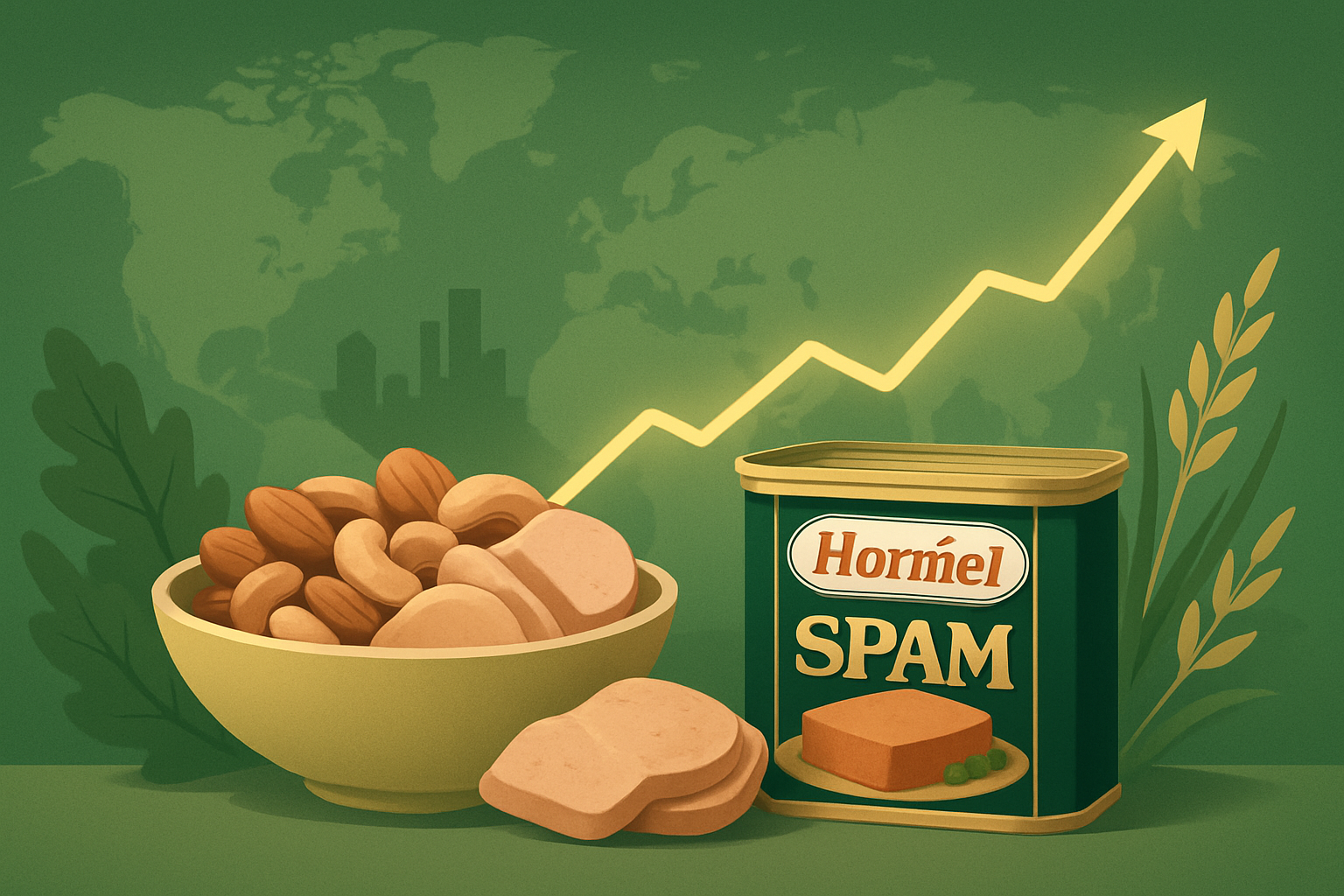
  • Hormel Foods (HRL): Navigating the ‘Transform & Modernize’ Era in a Volatile Protein Market

    Hormel Foods (HRL): Navigating the ‘Transform & Modernize’ Era in a Volatile Protein Market

    As of March 9, 2026, Hormel Foods Corporation (NYSE:HRL) finds itself at a critical juncture in its 135-year history. Known globally for its iconic SPAM® brand and its status as a "Dividend King," the Austin, Minnesota-based company is currently navigating a period of profound structural transformation. Following a multi-year stretch of equity underperformance and significant macroeconomic headwinds—ranging from persistent avian influenza to inflationary pressures on consumer wallets—Hormel is aggressively pivoting away from its legacy as a commodity meatpacker toward a future as a global, high-margin, "brand-first" food company. This feature explores the company’s current strategic overhaul, financial health, and the competitive hurdles it must overcome to regain its former status as a staple of defensive investment portfolios.

    Historical Background

    Founded in 1891 by George A. Hormel, the company began as a small retail meat shop in Austin, Minnesota. George’s focus on quality and efficiency allowed the company to survive the volatility of the late 19th-century meat market. The most significant early milestone occurred in 1926 with the introduction of the world's first canned ham, followed by the 1937 launch of SPAM®, a product that would become a global cultural icon and a logistical staple for Allied forces during World War II.

    Over the decades, Hormel transformed through strategic diversification. The 1960s and 70s saw the company move into more specialized protein products, while the late 20th century marked its entry into the "better-for-you" and organic markets with the acquisition of Applegate Farms in 2015. Perhaps the most transformative moment in recent history was the 2021 acquisition of the Planters® snacking business for $3.35 billion, the largest in the company's history, signaling a definitive shift into the high-growth snacking category.

    Business Model

    Hormel’s business model is centered on "value-added" protein and snacking products. Unlike traditional meatpackers who are heavily exposed to the volatility of live animal prices, Hormel focuses on processing those raw materials into branded goods that command premium pricing and customer loyalty.

    In early 2026, the company operates through three primary reporting segments:

    1. Retail (62% of Revenue): This segment includes household names like Planters®, SPAM®, Jennie-O®, Applegate®, and Hormel® Chili. It focuses on the consumer-packaged goods (CPG) market through grocery stores and mass merchandisers.
    2. Foodservice (32% of Revenue): Hormel is a dominant player in providing high-quality protein solutions to restaurants, hospitals, and educational institutions. This segment has historically offered higher margins than retail due to the technical requirements of large-scale kitchen prep.
    3. International (6% of Revenue): This segment represents the company’s expansion into global markets, particularly China and Brazil, through both exports and local manufacturing facilities.

    Stock Performance Overview

    The last decade has been a tale of two eras for HRL investors. Between 2014 and 2019, Hormel was a darling of the defensive sector, prized for its low volatility and consistent dividend growth. However, the period from 2021 to 2025 proved exceptionally difficult.

    As of March 9, 2026, the stock’s performance metrics reflect these challenges:

    • 1-Year Performance: Down approximately 15%, as the market reacted to leadership transitions and a $234 million impairment charge related to international investments in late 2025.
    • 5-Year Performance: Down roughly 45%. The stock has struggled to recover from post-pandemic highs, significantly trailing the S&P 500 during a period of rapid tech-led growth.
    • 10-Year Performance: Down nearly 30% in total return terms.

    Currently trading near $24.42, the stock is testing multi-year lows, though value-oriented investors are beginning to eye the dividend yield, which has climbed significantly as the price compressed.

    Financial Performance

    In its most recent quarterly filings (Q1 2026), Hormel reported net sales of $3.03 billion, showing a modest organic growth rate of 2%. While revenue has stabilized, profitability remains the primary concern for analysts.

    • Margins: Adjusted operating margins sit at approximately 8.2%. This is a recovery from the sub-6% levels seen in late 2025 but remains below the company's historical double-digit norms.
    • Debt Profile: Despite the massive Planters acquisition, Hormel maintains a relatively conservative balance sheet with $2.9 billion in long-term debt and a Debt-to-Equity ratio of 0.36.
    • Dividends: Hormel remains a "Dividend King," having increased its annual dividend for 60 consecutive years. Management has reiterated its commitment to the dividend, though payout ratios have become uncomfortably high (near 80-85% of earnings) in recent quarters.

    Leadership and Management

    Hormel is currently in a transitional leadership phase. In late 2025, long-time CEO Jim Snee retired, moving into a Strategic Advisor role until March 2027. Taking the helm as Interim CEO is Jeffrey M. Ettinger, who previously served as CEO from 2005 to 2016. Ettinger’s return is seen as a "steady hand" approach while the Board searches for a permanent successor.

    Working alongside Ettinger is John Ghingo, the President of Hormel Foods, who is widely seen as the architect of the "Transform & Modernize" initiative. This program aims to generate $250 million in annual savings by 2026 through supply chain optimization and portfolio simplification. The leadership team’s reputation for governance remains high, though pressure is mounting from institutional investors for a more aggressive growth strategy.

    Products, Services, and Innovations

    Innovation at Hormel is currently focused on two pillars: Convenience and Protein-Plus.

    • Planters® Revitalization: Hormel is moving Planters beyond simple nut jars into "snack kits" that include protein pairings, targeting the on-the-go consumer.
    • Jennie-O® Pivot: In early 2026, Hormel finalized the sale of its commodity "whole-bird" turkey business. The brand now focuses exclusively on high-margin ground turkey, deli meats, and pre-marinated products.
    • R&D Pipeline: The company is investing heavily in "nutrient-dense" mini-snacks and portion-controlled formats designed to appeal to the growing population of consumers using GLP-1 weight-loss medications, who prioritize high protein in smaller volumes.

    Competitive Landscape

    Hormel operates in a hyper-competitive environment dominated by global giants:

    • Tyson Foods (NYSE:TSN): Tyson is the primary rival in the protein space. While Tyson has a larger scale, it is also more exposed to the volatile commodity cycles of chicken and beef.
    • Conagra Brands (NYSE:CAG) & Kraft Heinz (NASDAQ:KHC): These peers compete with Hormel in the shelf-stable and refrigerated aisles. Hormel’s edge has traditionally been its specialized focus on protein, whereas Conagra and Kraft Heinz have much broader, and sometimes more diluted, portfolios.
    • Private Label: Perhaps the greatest competitor in 2026 is the rise of grocery store house brands (e.g., Kirkland, Great Value). As inflation pinched consumer budgets, Hormel’s premium brands like Applegate faced significant pressure from these lower-cost alternatives.

    Industry and Market Trends

    The "Protein-Plus" trend is the defining theme of 2026. Consumers are increasingly seeking protein in every meal occasion, from breakfast bars to midnight snacks. However, the industry is also grappling with "Input Volatility." In 2025 and early 2026, pork cutout and beef costs rose between 10% and 25%, making it difficult for food processors to maintain margins without alienating price-sensitive shoppers.

    Additionally, the "Transform & Modernize" trend is sweeping the sector. Like Hormel, many legacy food companies are shedding their commodity-heavy divisions to focus on "leaner" portfolios that can withstand the logistical disruptions that have become a hallmark of the 2020s.

    Risks and Challenges

    Hormel faces three primary risks that have weighed on its valuation:

    1. Avian Influenza (HPAI): The Jennie-O turkey business has been plagued by recurring outbreaks of avian flu, which caused massive supply gaps and increased costs through late 2025.
    2. The "GLP-1 Threat": While Hormel is pivoting its products to fit, there is a broader market fear that weight-loss drugs will lead to a secular decline in overall calorie consumption, particularly in the snacking and processed meat categories.
    3. Consumer Trading Down: If the macro economy remains sluggish, the shift toward private-label products may become a permanent behavioral change, eroding the "brand equity" that Hormel has spent a century building.

    Opportunities and Catalysts

    Despite the headwinds, several catalysts could spark a recovery:

    • International Growth: Hormel’s expansion in China, specifically a new meat snacking facility in Jiaxing, is expected to reach full capacity by mid-2026.
    • Cost Savings realization: If the "Transform & Modernize" program hits its $250 million savings target, it could provide an immediate 100-200 basis point boost to operating margins.
    • M&A Potential: With a conservative debt level, Hormel is well-positioned to acquire smaller, high-growth "insurgent" brands in the health and wellness space, similar to its acquisition of Justin’s or Applegate.

    Investor Sentiment and Analyst Coverage

    As of early 2026, Wall Street sentiment is best described as "cautiously optimistic." The consensus rating is a Hold/Moderate Buy, with an average price target of $27.50.

    • Institutional Moves: Hedge fund activity has been mixed, with some value-oriented funds increasing positions to capture the 4.5%+ dividend yield, while growth-oriented institutional investors remain on the sidelines.
    • Retail Chatter: On retail platforms, Hormel is often discussed as a "forgotten" Dividend King, with retail investors debating whether the stock is a "value trap" or a "generational buying opportunity."

    Regulatory, Policy, and Geopolitical Factors

    Geopolitics play a significant role in Hormel’s international ambitions. In China, new 2026 regulations have tightened oversight on "ghost kitchens" and influencer (KOL) marketing, forcing Hormel to adjust its digital advertising strategy. In Brazil, the company’s Ceratti brand has faced "credit stress" within the regional agricultural sector, which has seen rising defaults in 2025.

    Domestically, U.S. food safety regulations regarding "Forever Chemicals" (PFAS) in packaging are a looming concern, requiring Hormel to invest in new, compliant packaging materials across its entire retail portfolio by 2027.

    Conclusion

    Hormel Foods (NYSE:HRL) is a company in the midst of a necessary, albeit painful, evolution. It is no longer just a purveyor of canned meat; it is a snacking and protein powerhouse attempting to find its footing in a post-inflationary, health-conscious world. For investors, the decision to hold HRL rests on a belief in the "Transform & Modernize" strategy and the company's ability to protect its brand margins against private-label encroachment. While the stock has been a laggard for years, its "Dividend King" status and specialized focus on the "Protein-Plus" trend provide a floor for the valuation. Investors should watch for the announcement of a permanent CEO and the margin performance in the upcoming Q2 and Q3 reports as the primary indicators of a potential turnaround.


    This content is intended for informational purposes only and is not financial advice.

  • The Nitrogen Giant’s Pivot: A Comprehensive 2026 Research Feature on CF Industries (NYSE: CF)

    The Nitrogen Giant’s Pivot: A Comprehensive 2026 Research Feature on CF Industries (NYSE: CF)

    Date: March 9, 2026
    By: Financial Research Analyst

    Introduction

    As of March 2026, CF Industries Holdings, Inc. (NYSE: CF) stands at a pivotal crossroads between traditional agricultural necessity and the burgeoning clean energy economy. Long recognized as the world’s largest producer of ammonia, CF has transformed itself from a cyclical fertilizer manufacturer into a sophisticated energy-transition play. With global food security remaining a top-tier geopolitical priority and the maritime industry scouting for zero-carbon fuels, CF’s strategic positioning in the North American nitrogen market has never been more relevant. Today, the company is not just feeding the world; it is increasingly focused on fueling a low-carbon future through its massive investments in "blue" ammonia.

    Historical Background

    Founded in 1946 as the Central Farmers Fertilizer Company, CF began as a federation of regional agricultural cooperatives. For decades, its primary mission was ensuring a stable supply of nutrients for North American farmers. The company’s trajectory changed forever in 2005 when it transitioned to a public entity via an IPO on the New York Stock Exchange.

    Over the next two decades, CF aggressively expanded its footprint, most notably through the $4.7 billion acquisition of Terra Industries in 2010 and a significant capacity expansion at its Donaldsonville, Louisiana, and Port Neal, Iowa, facilities completed in 2016. By 2020, CF had solidified its status as a "pure-play" nitrogen leader. Since 2021, the company has pivoted toward decarbonization, leveraging the 2022 Inflation Reduction Act (IRA) to transform its massive ammonia infrastructure into a hub for carbon capture and sequestration (CCS).

    Business Model

    CF Industries operates a lean, asset-heavy business model centered on the conversion of natural gas—primarily sourced from the low-cost North American Henry Hub—into nitrogen-based products. Unlike diversified competitors like Nutrien Ltd. (NYSE: NTR), which deal in potash and phosphate, CF remains laser-focused on nitrogen.

    Its revenue streams are divided into several key product segments:

    • Anhydrous Ammonia: The direct-application fertilizer and the base for all other nitrogen products.
    • Granular Urea: A dry fertilizer widely used in global trade due to its high nitrogen content and ease of transport.
    • Urea Ammonium Nitrate (UAN): A liquid fertilizer preferred in the U.S. for its application flexibility.
    • Industrial Products: Including Diesel Exhaust Fluid (DEF) and nitric acid for industrial applications.

    The core of CF’s competitive advantage is its "structural alpha"—the ability to produce nitrogen using cheap U.S. gas while global prices are often set by high-cost producers in Europe and Asia who rely on expensive Liquefied Natural Gas (LNG) or coal.

    Stock Performance Overview

    Over the past decade, CF has been a standout performer in the basic materials sector.

    • 1-Year Performance: As of March 2026, the stock has shown resilience, trading in a range of $104 to $115, up approximately 12% year-over-year as the market began pricing in the full-scale operation of its carbon capture facilities.
    • 5-Year Performance: Looking back to 2021, CF has been a "multibagger" for many investors. The 2022 energy crisis sent shares from the $40s to over $100. Despite a period of consolidation in 2023-2024, the stock has maintained a higher floor due to aggressive share buybacks and a growing "green premium."
    • 10-Year Performance: Long-term holders have seen significant alpha. From 2016 to 2026, CF outperformed the broader S&P 500 Materials index, driven by its transition from a debt-heavy expansion phase to a "cash cow" returning billions to shareholders.

    Financial Performance

    CF Industries reported stellar results for the fiscal year ending December 31, 2025.

    • Revenue: 2025 net sales hit $7.08 billion, a significant jump from 2024’s $5.94 billion, bolstered by high nitrogen prices and steady domestic demand.
    • Profitability: Net earnings for 2025 reached $1.46 billion. Adjusted EBITDA stood at a robust $2.89 billion.
    • Cash Flow and Capital Allocation: The company generated $1.79 billion in free cash flow in 2025. CF remains a favorite for income-seeking investors, having executed $1.34 billion in share buybacks in 2025 alone.
    • 2026 Outlook: Management has guided for a slight temporary headwind due to an operational outage at the Yazoo City, Mississippi, complex, which is expected to remain offline until Q4 2026. However, insurance recoveries are expected to mitigate the estimated $200 million EBITDA impact.

    Leadership and Management

    The beginning of 2026 marked a new chapter in CF’s leadership. On January 4, 2026, Christopher Bohn took the helm as President and CEO, succeeding the legendary Tony Will, who retired after 12 years. Bohn, who previously served as both CFO and COO, is viewed by the board and the Street as the architect of CF’s modern capital allocation strategy and its "Blue Ammonia" roadmap.

    Under Bohn’s leadership, the management team remains committed to a "disciplined growth" strategy, prioritizing high-return decarbonization projects over speculative green hydrogen ventures—a shift underscored by the company’s recent decision to exit its small-scale green hydrogen pilot in favor of large-scale carbon capture.

    Products, Services, and Innovations

    The crown jewel of CF’s current innovation pipeline is its Blue Ammonia initiative.

    • Donaldsonville CCS: In July 2025, CF started its CO2 dehydration and compression facility in Louisiana. In partnership with ExxonMobil (NYSE: XOM), the facility now captures 2 million metric tons of CO2 annually.
    • Blue Point JV: CF is currently in the civil works phase of its $4 billion "Blue Point" joint venture with JERA and Mitsui & Co. This facility, expected to start up in 2029, is designed specifically to export low-carbon ammonia to Japan for power generation.
    • Industrial Innovation: CF is also expanding its capacity for Diesel Exhaust Fluid (DEF) to meet stricter global shipping and trucking emission standards, further diversifying its revenue away from purely seasonal agricultural cycles.

    Competitive Landscape

    CF operates in a concentrated global market. Its primary rivals include:

    • Nutrien (NYSE: NTR): While Nutrien is larger by total revenue, its diversified model often leads to lower margins compared to CF’s nitrogen focus. In the current high-gas-price environment, CF’s pure-play nitrogen assets in the U.S. are often viewed as superior "margin machines."
    • Yara International (OTC: YARIY): Based in Norway, Yara is CF’s main competitor in the clean ammonia space. However, Yara’s reliance on European gas prices—which remain volatile despite the 2026 stabilization—gives CF a permanent structural cost advantage.
    • The Mosaic Company (NYSE: MOS): While primarily a phosphate and potash player, Mosaic competes for farmer wallet-share in the U.S. Midwest.

    Industry and Market Trends

    The nitrogen industry in early 2026 is defined by three macro drivers:

    1. Feedstock Costs: Natural gas prices (Henry Hub) are averaging near $4.00/MMBtu. While higher than 2024 levels, this remains significantly lower than the $15-$20/MMBtu equivalent faced by European producers, maintaining the "North American advantage."
    2. Global Supply Tightness: The ongoing fallout from the Russia-Ukraine conflict (now in its fourth year) continues to disrupt traditional ammonia trade routes through the Black Sea.
    3. The Decarbonization Mandate: Global shipping and power industries are moving from pilot programs to commercial-scale adoption of ammonia as a hydrogen carrier, creating a "floor" for ammonia demand that is independent of crop prices.

    Risks and Challenges

    • Operational Risk: The ongoing Yazoo City outage reminds investors of the risks inherent in large-scale chemical manufacturing. Any further downtime at Donaldsonville, which accounts for a massive portion of CF’s production, would be catastrophic for the stock.
    • Commodity Cyclicality: Despite the transition to energy, CF remains tethered to corn and wheat prices. A multi-year slump in agricultural commodities would eventually compress margins.
    • China’s Export Policy: If China decides to flood the global market with urea to support its own industrial complex, global nitrogen prices could face significant downward pressure.

    Opportunities and Catalysts

    • U.S. 45Q Tax Credits: Under the IRA, CF is eligible for $85 per metric ton of CO2 sequestered. With 2 million tons already being captured at Donaldsonville, this represents a high-margin, predictable revenue stream that is just beginning to hit the bottom line in 2026.
    • M&A Potential: With a pristine balance sheet and high cash reserves, CF is well-positioned to acquire smaller, distressed nitrogen assets in Europe or Asia that can no longer compete on energy costs.
    • Shareholder Returns: Analysts expect CF to announce a new multi-billion dollar buyback program in late 2026 if free cash flow remains at current levels.

    Investor Sentiment and Analyst Coverage

    Wall Street currently holds a "cautiously optimistic" view of CF. As of March 2026, the consensus rating is a Hold, with a median price target of $105. Institutional ownership remains high, with giants like Vanguard and BlackRock maintaining significant positions. Hedge funds have recently been "range trading" the stock, buying on dips toward $95 and trimming as it nears $115. The general sentiment is that CF is a "bond-like" agricultural play with a "call option" on the future of the hydrogen economy.

    Regulatory, Policy, and Geopolitical Factors

    The geopolitical landscape remains a tailwind for CF. Continued tensions in the Middle East have periodically disrupted the Strait of Hormuz, where 25% of global nitrogen trade originates. Every disruption in the Middle East increases the value of CF’s secure, North American-based supply. Furthermore, the U.S. government’s continued support for the Section 45Q and 45V credits provides a stable regulatory environment for CF’s multi-billion dollar investments in Louisiana.

    Conclusion

    CF Industries in 2026 is a far cry from the fertilizer cooperative of the 1940s. It is a lean, highly profitable, and strategically vital industrial giant. While investors must navigate the inherent cyclicality of the nitrogen market and the operational risks of its massive plants, the company’s pivot to blue ammonia offers a compelling growth narrative.

    For the long-term investor, CF represents a play on three of the most critical themes of the decade: food security, energy independence, and the decarbonization of heavy industry. As Christopher Bohn begins his tenure, the market will be watching to see if he can maintain the operational excellence of his predecessor while successfully navigating the complex engineering and regulatory hurdles of the Blue Point project.


    This content is intended for informational purposes only and is not financial advice.

  • The Digital Backbone: A Deep-Dive Into Dycom Industries (DY) and the Fiber Infrastructure Boom

    The Digital Backbone: A Deep-Dive Into Dycom Industries (DY) and the Fiber Infrastructure Boom

    As of March 6, 2026, the industrial and telecommunications sectors are witnessing a historic transformation, and few companies embody this shift more than Dycom Industries (NYSE: DY). While many infrastructure players struggled with the high-interest-rate environment of the mid-2020s, Dycom leveraged a pivotal "breakout" year in 2025 to solidify its position as the premier specialty contractor for the digital age.

    Following a landmark Q1 2025 earnings beat that sent shares surging 15% in a single session, the company has not looked back. That moment served as a catalyst, signaling to the market that the massive federal investment in broadband and the private sector’s thirst for AI-ready data centers were finally translating into bottom-line results. Today, with a record-high backlog and a share price that has more than tripled over the last two years, Dycom stands as a bellwether for the North American digital infrastructure build-out.

    Historical Background

    Founded in 1969 as Mobile Home Dynamics, the company’s origins were a far cry from the high-tech fiber networks it deploys today. Originally focused on the installation and maintenance of mobile home communities, the company rebranded as Dycom Industries in the 1970s and began a series of strategic pivots that defined its future.

    The most significant transformation occurred in the 1980s and 1990s as the telecommunications industry shifted from traditional copper-based telephony to high-capacity fiber optics. Under the leadership of Steven Nielsen, who took the helm in 1999, Dycom embarked on an aggressive acquisition strategy, rolling up dozens of regional specialty contractors. This "string of pearls" approach allowed Dycom to build a decentralized but nationally scaled organization capable of servicing the largest telecom carriers in all 50 U.S. states. By the time the 5G revolution arrived in the early 2020s, Dycom had already established itself as the indispensable partner for "Big Telecom."

    Business Model

    Dycom’s business model is built on the principle of specialized, essential service. It operates as a holding company for over 40 subsidiary brands, each maintaining strong regional identities and localized labor forces. This structure allows the company to handle massive, multi-year projects for national giants while remaining nimble enough to manage local municipal rollouts.

    The company generates the vast majority of its revenue through Master Service Agreements (MSAs). These are long-term contracts (typically three to five years) that make Dycom the preferred provider for a carrier’s maintenance and deployment needs in specific geographic areas. This creates a high-visibility recurring revenue stream.

    Revenue Segments:

    • Telecommunications Contracting: Providing engineering, design, and construction for fiber-optic and wireless networks.
    • Utility Services: Underground facility locating and specialized electric construction.
    • Building Systems (New in 2025): "Inside-the-fence" infrastructure for data centers, focusing on high-density cooling and power management systems.

    Stock Performance Overview

    The trajectory of DY stock over the last decade is a study in cyclical resilience and sudden acceleration.

    • 1-Year Performance: In the past 12 months, Dycom has outperformed the broader S&P 500 significantly, rising approximately 160%. The stock transitioned from a mid-cap value play to a high-growth industrial darling, crossing the $400 mark in early 2026.
    • 5-Year Performance: Looking back to March 2021, when shares traded around $82, the stock has delivered a staggering Compounded Annual Growth Rate (CAGR) of nearly 38%. Much of this gain occurred after 2023 as the federal BEAD program began its deployment phase.
    • 10-Year Performance: From its 2016 levels near $77, the stock experienced multiple cycles. While it lagged during the fiber-spending lull of 2018-2019, the post-pandemic realization that "broadband is the new electricity" provided the ultimate long-term tailwind.

    Financial Performance

    Dycom’s recent financial results, particularly the fiscal year ending January 2026, have rewritten the company's record books.

    For the full fiscal year 2026, Dycom reported record contract revenue of $5.55 billion, a significant jump from $4.18 billion just two years prior. Even more impressive was the expansion of Adjusted EBITDA margins, which climbed as the company optimized its labor force and integrated high-margin acquisitions.

    The Q1 2025 earnings beat—often cited by analysts as the "Dycom Renaissance"—saw the company report EPS of $2.12 against an analyst consensus of $1.51. This 40% beat was driven by a massive uptick in fiber-to-the-home (FTTH) demand from Charter and AT&T. As of today, Dycom’s total backlog sits at a record $9.54 billion, providing clear revenue visibility well into 2027 and 2028.

    Leadership and Management

    The most significant recent change at Dycom has been the successful leadership transition from long-time CEO Steven Nielsen to Daniel S. Peyovich in late 2024. Nielsen, who led the company for a quarter-century, left a legacy of fiscal discipline and operational excellence.

    Peyovich, formerly the COO, has already put his stamp on the company. He is credited with diversifying Dycom beyond its traditional "outside plant" fiber work. His late 2025 acquisition of Power Solutions for ~$1.95 billion is viewed as a masterstroke, allowing Dycom to enter the AI data center construction market just as "hyperscaler" spending began to peak. Richard K. Sykes now serves as the Chairman of the Board, providing a steady hand on governance and long-term strategy.

    Products, Services, and Innovations

    Dycom’s "product" is technical expertise and labor at scale. Their service suite includes:

    • Fiber-to-the-Home (FTTH): The bread and butter of the business, involving the complex "last mile" connections to residential and commercial properties.
    • 5G Small Cell Deployment: Installing the dense network of small towers required for ultra-high-speed wireless.
    • AI Infrastructure: Through its new Building Systems segment, Dycom now provides the internal wiring and specialized power infrastructure required for modern AI-processing hubs.

    Innovation at Dycom focuses on proprietary project management software that allows them to track thousands of individual work orders across the country in real-time, optimizing crew schedules and minimizing downtime—a critical edge in a labor-constrained industry.

    Competitive Landscape

    Dycom operates in a competitive but highly fragmented market. Its primary rivals include:

    • MasTec, Inc. (NYSE: MTZ): A diversified giant that competes heavily in communications but has focused more on renewable energy and oil/gas pipelines in recent years.
    • Quanta Services (NYSE: PWR): Much larger than Dycom, Quanta is the leader in electric power infrastructure. While they overlap in some utility work, Dycom remains the "pure-play" leader in telecommunications fiber.

    Dycom’s competitive strength lies in its specialization. While MasTec and Quanta are "jacks of all trades," Dycom is viewed by major carriers as the absolute master of fiber optics.

    Industry and Market Trends

    Three macro trends are currently fueling Dycom’s growth:

    1. The BEAD Program: The $42.45 billion Broadband Equity, Access, and Deployment program is now in full swing. 2026 is the "inflection year" where federal funds are transitioning from state planning to actual construction contracts.
    2. AI-Driven Data Center Boom: The massive power and connectivity requirements of Generative AI have forced tech giants like Microsoft, Google, and Amazon to build vast new data centers, all requiring the fiber expertise Dycom provides.
    3. Carrier Competition: As cable companies (Comcast, Charter) and telcos (AT&T, Verizon) compete to offer multi-gigabit speeds, they are in a perpetual "arms race" to upgrade their physical plants.

    Risks and Challenges

    Despite the current optimism, Dycom faces several persistent risks:

    • Labor Shortages: The specialized technicians required for fiber splicing and aerial construction are in short supply, leading to wage inflation that can squeeze margins.
    • Weather Sensitivity: Much of Dycom’s work is outdoors. Severe winters or increasingly frequent hurricane seasons can disrupt project timelines and quarterly earnings.
    • Concentration Risk: A handful of customers (AT&T, Lumen, Verizon) represent a large portion of total revenue. Any reduction in their capital expenditure (CapEx) budgets would have an immediate impact.

    Opportunities and Catalysts

    The primary near-term catalyst is the continued ramp-up of the BEAD program. Dycom has already secured over $500 million in verbal awards as of March 2026, and the formal signing of these contracts over the next 12 months could lead to further upward revisions in guidance.

    Additionally, the integration of the Power Solutions acquisition offers an opportunity to cross-sell services. As Dycom builds the fiber to the data center, they can now offer the electrical and cooling infrastructure inside the data center, effectively doubling their addressable market per project.

    Investor Sentiment and Analyst Coverage

    Wall Street is currently "all-in" on Dycom. The company holds a consensus "Strong Buy" rating from major institutions including Wells Fargo, BofA Securities, and Raymond James.

    Institutional ownership remains high, with giants like Vanguard and BlackRock holding significant stakes. Sentiment among retail investors and hedge funds has shifted toward viewing Dycom not as a "boring" construction company, but as a "picks and shovels" play for the AI and digital connectivity revolution. Price targets have been revised upward consistently, with the most aggressive analysts now targeting $475 to $500 per share by year-end 2026.

    Regulatory, Policy, and Geopolitical Factors

    The regulatory environment remains the strongest tailwind in Dycom’s history. The U.S. government’s commitment to "broadband for all" has made fiber deployment a matter of national policy, largely insulating Dycom from general economic downturns.

    Geopolitically, the push for "Buy American" in infrastructure and the security concerns surrounding foreign-made telecommunications equipment have favored Dycom. The company uses domestic labor and compliant supply chains, making them the preferred partner for government-funded projects that require high levels of security and compliance.

    Conclusion

    Dycom Industries has successfully navigated the transition from a traditional specialty contractor to a high-growth engine of the digital economy. The "breakout" that began with the Q1 2025 earnings beat was not a fluke, but the result of decades of strategic positioning and a perfectly timed leadership transition.

    For investors, Dycom represents a unique intersection of heavy industrial scale and high-tech growth. While risks related to labor costs and customer concentration remain, the record $9.5 billion backlog and the twin engines of BEAD funding and AI data center demand provide a level of visibility rarely seen in the contracting world. As the physical and digital worlds continue to merge, Dycom appears uniquely positioned to build the bridges that connect them.


    Disclaimer: This content is intended for informational purposes only and is not financial advice. Today's date is 3/6/2026. This report contains forward-looking statements based on current market research and historical data. Always consult with a certified financial advisor before making investment decisions.

  • The Masstige Juggernaut: e.l.f. Beauty’s (ELF) Path to Global Dominance in 2026

    The Masstige Juggernaut: e.l.f. Beauty’s (ELF) Path to Global Dominance in 2026

    On March 6, 2026, the global beauty landscape looks radically different than it did just a few years ago. At the center of this transformation is e.l.f. Beauty (NYSE: ELF), a company that has evolved from a discount internet brand into a billion-dollar juggernaut. Following its legendary Fiscal Year 2024, which saw a staggering 71% net sales growth in its final quarter and breached the $1 billion annual revenue mark, e.l.f. has spent the last two years solidifying its position as the primary disruptor of the "prestige" beauty establishment.

    Today, e.l.f. is no longer just a budget alternative; it is a cultural phenomenon. By successfully bridging the gap between mass-market affordability and prestige-level quality—a strategy internally dubbed "masstige"—the company has captured the loyalty of Gen Z and Alpha consumers while simultaneously poaching market share from legacy giants. As we examine the company in early 2026, the question for investors is no longer whether e.l.f. can grow, but how high its new ceiling actually is.

    Historical Background

    The e.l.f. (Eyes, Lips, Face) story began in 2004 in a small office in New York City. Founded by father-and-son duo Alan and Joey Shamah, the brand launched with a radical proposition: high-quality cosmetics sold for just $1. At a time when the beauty industry was dominated by expensive department store brands and mid-tier drugstore labels, e.l.f.’s digital-first, value-driven approach was revolutionary.

    The company’s first major transformation occurred in 2014 when TPG Growth acquired a majority stake and installed Tarang Amin as CEO. Amin, a veteran of The Clorox Company and Procter & Gamble, recognized that e.l.f.’s value proposition could scale far beyond the $1 price point. Under his leadership, the company streamlined its supply chain, moved aggressively into physical retail (notably Target and Walmart), and went public on the New York Stock Exchange in 2016.

    The second major pivot came during the COVID-19 pandemic. While legacy brands struggled with closed department stores and declining makeup use, e.l.f. doubled down on TikTok marketing and digital community building. This agility allowed the company to emerge from the pandemic as the fastest-growing beauty brand in the United States, setting the stage for its record-breaking 2024-2026 run.

    Business Model

    e.l.f. Beauty operates on a disruptive "fast-beauty" model that mimics the speed and responsiveness of fast-fashion retailers like Zara. The core of its revenue comes from the sale of color cosmetics and skincare products through three primary channels: national retailers (Target, Walmart, Ulta Beauty), international distributors, and its own direct-to-consumer (DTC) website.

    The business model relies on three key pillars:

    1. The "Holy Grail" Strategy: e.l.f. identifies high-performing, expensive "prestige" products (e.g., $50 primers or $40 lip oils) and creates "dupes"—products with similar ingredients and performance—priced between $6 and $14.
    2. Asset-Light Supply Chain: Unlike traditional beauty giants that own their manufacturing, e.l.f. uses a network of third-party suppliers, primarily in China. This allows for a "concept-to-shelf" cycle of just 13 to 20 weeks, enabling the brand to capitalize on viral trends in real-time.
    3. Digital-First Engagement: e.l.f. treats social media as its primary storefront. By reinvesting 20-25% of its net sales into marketing—significantly higher than the industry average—it maintains a constant presence on platforms like TikTok and Twitch.

    Stock Performance Overview

    The performance of ELF stock over the past decade has been nothing short of meteoric.

    • 10-Year View: Since its IPO in 2016 at roughly $24, the stock has seen a total return exceeding 300%, though the bulk of that growth occurred post-2020.
    • 5-Year View: Between 2021 and 2026, ELF became a "multibagger," fueled by 28+ consecutive quarters of sales growth. Investors who bought in early 2021 have seen gains of over 500%.
    • 1-Year View: Over the past twelve months (early 2025 to early 2026), the stock faced some volatility due to macro concerns regarding import tariffs and consumer spending. However, after bottoming out in late 2025, it staged a massive recovery in early 2026 following the successful integration of its rhode acquisition, currently trading around the $81.00 mark with strong upward momentum.

    Financial Performance

    As of the most recent earnings reports in early 2026, e.l.f. Beauty continues to defy gravity.

    • Revenue Growth: Following its $1.02 billion breakout in FY 2024, the company is on track to hit $1.61 billion for the full fiscal year 2026, representing a 23% year-over-year increase—a remarkable feat on top of previous triple-digit growth comps.
    • Margins: Despite inflationary pressures, gross margins have remained resilient at 71%. This is driven by price increases that consumers have largely accepted due to the brand's still-low absolute price points.
    • Earnings: Adjusted EPS for the most recent quarter (Q3 FY26) came in at $1.24, beating analyst estimates by 15%.
    • Balance Sheet: The company maintains a healthy cash position, though its debt increased slightly following the $1 billion acquisition of rhode in mid-2025. However, with a Net Debt to EBITDA ratio remaining below 2.0x, the leverage is considered manageable for a high-growth firm.

    Leadership and Management

    CEO Tarang Amin is widely regarded by Wall Street as one of the most effective executives in the consumer staples sector. His "superpower teams" philosophy has created a corporate culture characterized by speed and diversity. e.l.f. is frequently cited as a leader in ESG metrics; in 2026, it remains one of the few U.S. public companies where the board of directors is two-thirds female and one-third diverse.

    The management team’s credibility was further bolstered by the seamless integration of Naturium in 2024 and the high-profile acquisition of Hailey Bieber's rhode brand in 2025. Amin’s ability to transition from a single-brand company to a multi-brand "beauty house" is a key component of the current bull case.

    Products, Services, and Innovations

    Innovation at e.l.f. is driven by data rather than creative whims. The company uses proprietary social listening tools to identify what consumers are searching for but cannot afford.

    • The Power Grip Primer: Remains the #1 selling makeup SKU in the U.S. mass market, a testament to the longevity of e.l.f.’s "Holy Grail" products.
    • Skincare Pivot: Skincare now accounts for nearly 20% of total revenue. The acquisition of Naturium provided clinical credibility, while the rhode acquisition (famous for its "Glazing Milk" and "Peptide Lip Treatment") has given e.l.f. a foothold in the ultra-trendy, high-margin skincare-makeup hybrid category.
    • R&D Pipeline: In 2026, the company is expanding its "e.l.f. UP" loyalty program into a full-scale digital ecosystem, using AI to provide personalized "dupe" recommendations to its 5 million+ active members.

    Competitive Landscape

    e.l.f. sits in a unique "Goldilocks" zone. On one side, it competes with mass-market giants like L’Oreal (OTC: LRLCY) and Coty (NYSE: COTY). While these giants have larger R&D budgets, e.l.f. consistently outpaces them in unit growth and digital engagement. L'Oreal’s Maybelline and NYX brands have recently increased their marketing spend to defend share in the foundation and lip categories, yet e.l.f. continues to gain roughly 100-150 basis points of market share annually.

    On the other side, e.l.f. is increasingly competing with prestige brands owned by Estee Lauder (NYSE: EL). By acquiring rhode and launching premium-tier products under the Naturium label, e.l.f. is moving "up-market," attracting consumers who previously only shopped at Sephora but are now "trading down" to e.l.f.’s masstige offerings to save money without sacrificing quality.

    Industry and Market Trends

    The "Lipstick Effect"—the historical trend where consumers continue to buy small luxuries like makeup during economic downturns—has worked in e.l.f.’s favor. However, the 2025-2026 period has been defined by two major shifts:

    1. The Rise of "Gen Alpha": Children as young as 10-12 are now a significant consumer demographic. e.l.f.’s clean, cruelty-free, and vegan certifications (Leaping Bunny certified) make it a "safe" and preferred choice for parents and young teens alike.
    2. Masstige Migration: There is a secular shift toward "affordable luxury." Consumers are increasingly savvy about ingredient lists, realizing that a $14 e.l.f. serum often contains the same active ingredients as a $90 designer version.

    Risks and Challenges

    No high-growth stock is without risks. For e.l.f. in 2026, the primary concerns are:

    • Tariffs and Trade Policy: With a significant portion of its manufacturing based in China, e.l.f. is highly sensitive to shifts in U.S. trade policy. Potential 20-60% tariffs on Chinese imports could compress gross margins or force price hikes that might alienate value-conscious shoppers.
    • Marketing Saturation: The company’s marketing spend is nearing 25% of sales. There is a risk of diminishing returns as customer acquisition costs (CAC) on platforms like TikTok and Instagram rise.
    • Acquisition Integration: The $1 billion price tag for rhode was significant. If the "clean girl aesthetic" trend fades or Hailey Bieber’s personal brand faces controversy, e.l.f. may struggle to justify the premium paid.

    Opportunities and Catalysts

    Despite the risks, the growth levers for 2026-2027 are compelling:

    • International Expansion: Currently, only about 18% of e.l.f.’s sales come from outside the U.S. The company recently entered Germany through the DM retail chain and is expanding its Sephora presence in Mexico and the UK. Analysts believe international could eventually account for 50% of revenue.
    • Category Expansion: Beyond skincare, there is significant whitespace in hair care and body care—categories that e.l.f. has only just begun to touch with Naturium.
    • Retail Depth: e.l.f. is still under-penetrated in retailers like Walmart and CVS compared to legacy brands, offering a natural path for "shelf-space" growth.

    Investor Sentiment and Analyst Coverage

    Wall Street remains overwhelmingly bullish on ELF. As of March 2026, the consensus rating is a "Strong Buy." Major institutional holders, including BlackRock and Vanguard, have increased their positions over the last quarter.

    Analyst price targets currently range from $110 to $119, suggesting a potential 40%+ upside from current levels. The sentiment is that e.l.f. is no longer a "trade" on viral trends but a "compounder" that should be valued similarly to high-growth tech firms rather than traditional consumer staples.

    Regulatory, Policy, and Geopolitical Factors

    The beauty industry is facing increased scrutiny regarding ingredient safety and environmental impact. The Modernization of Cosmetics Regulation Act (MoCRA) in the U.S. has increased compliance costs for all players. e.l.f. is well-positioned here, as its "clean" and "vegan" formulations were already ahead of most regulatory requirements.

    Geopolitically, the company is actively diversifying its supply chain. In 2025, management announced plans to move 20% of its production to Southeast Asia and Latin America by 2027 to mitigate "China risk" and potential tariff impacts.

    Conclusion

    e.l.f. Beauty (NYSE: ELF) has successfully navigated the transition from a niche value player to a dominant force in the global beauty industry. Its record-breaking growth in 2024 was not a fluke, but the result of a meticulously executed "masstige" strategy that prioritizes speed, digital culture, and extreme value.

    While the stock’s valuation remains high compared to legacy peers, its consistent ability to take market share and maintain 70%+ margins justifies the premium for many growth investors. As the company integrates rhode and scales internationally throughout 2026, it remains the "one to watch" in the consumer sector. Investors should keep a close eye on upcoming earnings reports for signs of margin compression from tariffs, but for now, e.l.f. continues to prove that in the world of beauty, you don’t have to be expensive to be elite.


    This content is intended for informational purposes only and is not financial advice.

  • The Moderna Pivot: Analyzing the 14% Surge and the Future of mRNA Oncology

    The Moderna Pivot: Analyzing the 14% Surge and the Future of mRNA Oncology

    On March 6, 2026, Moderna, Inc. (NASDAQ: MRNA) remains the centerpiece of biotech conversations following a staggering 14% surge in its share price earlier this week. For a company that became a household name during the COVID-19 pandemic, this latest rally signals a critical maturation point. Investors are no longer valuing Moderna solely on its past pandemic contributions, but rather on its ability to execute a post-COVID "pivot." This week’s optimism is anchored in a landmark legal settlement that cleared long-standing patent hurdles and a flurry of clinical pipeline breakthroughs in oncology and combination vaccines. As the biotech giant transitions into its next phase, the market is reassessing Moderna not just as a vaccine maker, but as a diversified platform company capable of disrupting the multi-billion-dollar markets for cancer, respiratory syncytial virus (RSV), and latent viruses.

    Historical Background

    Founded in 2010 in Cambridge, Massachusetts, Moderna (the name is a portmanteau of "Modified" and "RNA") began with a singular, radical premise: that messenger RNA (mRNA) could be used as a set of instructions to turn human cells into drug-manufacturing factories. Under the early leadership of Noubar Afeyan and CEO Stéphane Bancel, the company operated in relative obscurity for years, amassing a massive intellectual property portfolio and significant venture capital.

    The company’s Initial Public Offering (IPO) in 2018 was the largest in biotech history at the time, raising $604 million. However, it was the 2020 global pandemic that acted as the ultimate "proof of concept." Moderna’s development of its COVID-19 vaccine, Spikevax, in record time validated the speed and scalability of the mRNA platform. Since then, the company has worked to prove that its success was not a "one-hit wonder," reinvesting billions in R&D to expand its pipeline into oncology and rare diseases.

    Business Model

    Moderna operates on a "platform-based" business model. Unlike traditional pharmaceutical companies that develop disparate chemical compounds for different diseases, Moderna uses a consistent delivery mechanism—lipid nanoparticles (LNPs)—to carry different mRNA sequences. This allows for modularity; once the platform is safety-tested, changing the "drug" is as simple as changing the genetic code it carries.

    The company's revenue streams are currently categorized into:

    • Respiratory Vaccines: Including the Spikevax COVID-19 vaccine and the newly launched mRESVIA for RSV.
    • Oncology (INT): Individualized Neoantigen Therapies developed in partnership with Merck & Co. (NYSE: MRK).
    • Latent and Public Health Vaccines: Targeting viruses like CMV, EBV, and HIV.
    • Collaboration Revenue: Strategic partnerships with governments and other pharma giants for specialized therapeutic development.

    Stock Performance Overview

    Moderna’s stock performance has been a roller coaster of historic proportions.

    • 1-Year Performance: Over the past twelve months, MRNA has seen a recovery of approximately 35%, significantly outperforming the broader biotech indices as it moved past the bottoming out of COVID-19 revenues.
    • 5-Year Performance: The stock remains a success story for long-term holders, up significantly from its pre-pandemic levels in 2021, though it remains well below its all-time highs of 2021 when it touched nearly $450.
    • 10-Year Performance: Since its 2018 IPO, the stock has delivered massive returns, though the volatility remains a characteristic trait, often swinging 10-20% on a single clinical trial readout.
      The recent 14% jump brought the stock to a fresh 52-week high of approximately $57.84, reflecting a fundamental shift in investor confidence.

    Financial Performance

    As of early 2026, Moderna is in a "transitional" financial state. In its full-year 2025 report, the company posted revenue of $1.9 billion, a far cry from the $18 billion levels seen at the height of the pandemic, but slightly ahead of revised analyst expectations.

    • Balance Sheet: Moderna ended 2025 with $8.1 billion in cash and investments. However, the recent $2.25 billion patent settlement with Arbutus Biopharma and Genevant Sciences has necessitated a downward revision of year-end 2026 cash guidance to $4.5–$5.0 billion.
    • R&D Spending: The company continues to burn cash aggressively, spending roughly $3.0 billion annually on research.
    • Profitability Path: Management maintains that the company is on a trajectory to reach cash-flow break-even by 2028, contingent on the successful commercial launch of its flu and oncology products.

    Leadership and Management

    CEO Stéphane Bancel continues to lead with a high-growth, high-risk philosophy. Known for his "digital-first" approach to drug discovery, Bancel has been instrumental in building a highly automated manufacturing infrastructure. The leadership team has recently seen stability after several key departures in 2023 and 2024, with a renewed focus on commercial execution rather than just R&D. The board, chaired by Noubar Afeyan (co-founder of Flagship Pioneering), remains heavily influenced by the venture capital roots of the company, prioritizing long-term platform value over short-term quarterly earnings.

    Products, Services, and Innovations

    Moderna’s current portfolio is defined by its second-generation mRNA products:

    • mRESVIA (RSV Vaccine): Recently expanded for use in all adults aged 18+, mRESVIA is distinguished by its pre-filled syringe format, which has allowed it to capture nearly 25% of the new RSV market share by easing clinical administration.
    • mRNA-4157 (Cancer Vaccine): This is the "crown jewel" of the pipeline. In early 2026, Moderna released five-year data showing a 49% reduction in the risk of recurrence or death in melanoma patients when used with Keytruda.
    • mCOMBRIAX: A combination COVID-flu vaccine that recently received a positive opinion from the EMA, promising to simplify seasonal immunization and maintain Moderna's relevance in the respiratory market.

    Competitive Landscape

    Moderna faces intense competition from established pharmaceutical giants:

    • Pfizer (NYSE: PFE) and BioNTech (NASDAQ: BNTX): Their primary rivals in mRNA, currently competing for dominance in the flu/COVID combination market.
    • GSK (NYSE: GSK): A dominant player in the RSV space. While GSK currently holds a larger market share, Moderna’s pre-filled syringe tech is a direct challenge to GSK's lyophilized (freeze-dried) format.
    • Sanofi (NASDAQ: SNY): Developing its own mRNA capacity to protect its legacy flu franchise.
      Moderna’s competitive edge lies in its "pure-play" mRNA focus and its superior manufacturing agility, though its lack of a diversified non-mRNA portfolio makes it more vulnerable to platform-specific setbacks.

    Industry and Market Trends

    The biotech sector in 2026 is defined by the "Oncology Renaissance." Following years of focus on infectious diseases, the market is shifting capital toward individualized medicine. Moderna is at the forefront of this trend. Additionally, the industry is seeing a consolidation of delivery technologies. The recent settlement of LNP patent disputes suggests that the "Wild West" era of mRNA intellectual property is ending, moving toward a more stable licensing and royalty environment which institutional investors prefer.

    Risks and Challenges

    Despite the recent rally, Moderna is not without significant risks:

    • Cash Burn: The company is spending billions with no guarantee that its oncology Phase 3 trials (INTerpath-001) will mirror Phase 2 success.
    • Revenue Concentration: While diversifying, the company still leans heavily on respiratory vaccines, which are subject to seasonal fluctuations and "vaccine fatigue" among the public.
    • Regulatory Hurdles: The discontinuation of its CMV vaccine (mRNA-1647) for congenital infection in late 2025 served as a reminder that mRNA is not a silver bullet for every virus.

    Opportunities and Catalysts

    Several near-term events could further propel the stock:

    • PDUFA Date (August 5, 2026): The FDA decision on the seasonal flu vaccine (mRNA-1010).
    • Phase 3 Data: Pivotal results for the melanoma cancer vaccine are expected later in 2026.
    • Combo-Vaccine Launch: If mCOMBRIAX gains FDA approval for the 2026-2027 season, it could provide a significant revenue floor.

    Investor Sentiment and Analyst Coverage

    Sentiment has shifted from "skeptical" to "cautiously optimistic."

    • Bulls: Piper Sandler recently raised its price target to $69, citing the removal of the legal "overhang" as a major re-rating event.
    • Bears: Firms like Jefferies remain cautious, maintaining "Hold" ratings with targets in the $40 range, questioning the speed at which Moderna can scale its oncology business to offset the decline in COVID sales.
      Institutional ownership remains high, with major positions held by Baillie Gifford and Vanguard, indicating continued belief in the long-term platform story.

    Regulatory, Policy, and Geopolitical Factors

    Moderna is heavily influenced by government health policies. The transition of COVID vaccines to the "commercial market" has introduced pricing complexities. Furthermore, the company’s global expansion—including its new manufacturing facility in the UK—makes it sensitive to international regulatory shifts and healthcare spending caps in the European Union. Geopolitically, Moderna’s decision to maintain its "patent pledge" in certain low-income countries remains a point of both praise and investor concern regarding long-term IP protection.

    Conclusion

    The 14% jump in Moderna’s stock this March 2026 marks a turning point. By settling its LNP patent disputes and delivering robust five-year cancer vaccine data, the company has effectively "de-risked" its platform in the eyes of many institutional investors. However, the path to $200+ per share remains long and paved with expensive R&D. Investors should watch the August 2026 PDUFA date for the flu vaccine and the Phase 3 melanoma readouts as the ultimate litmus tests for the company’s future. For now, Moderna has successfully transitioned from a pandemic hero to a serious, diversified contender in the future of medicine.


    This content is intended for informational purposes only and is not financial advice.

  • Turbulence in the Centennial: Why Rising Oil and Analyst Downgrades are Grounding American Airlines (AAL) in 2026

    Turbulence in the Centennial: Why Rising Oil and Analyst Downgrades are Grounding American Airlines (AAL) in 2026

    As of today, March 5, 2026, the aviation sector is grappling with a sudden shift in macroeconomic tailwinds. American Airlines Group Inc. (NASDAQ: AAL) finds itself at the center of investor scrutiny following a significant analyst downgrade and a sharp spike in global oil prices. While the carrier celebrates its centennial year, the convergence of geopolitical instability and structural financial vulnerabilities has cast a shadow over its recent operational gains.

    Introduction

    American Airlines Group Inc. (NASDAQ: AAL) enters 2026 as a company of contradictions. While it remains the world’s largest airline by passenger volume and has successfully executed a multi-year debt reduction strategy, it continues to face significant headwinds that its "Big Three" peers—Delta Air Lines and United Airlines—have largely mitigated. On March 5, 2026, the stock faced a sharp sell-off following a downgrade by major research firms, including Rothschild Redburn, citing a deteriorating margin outlook in the face of surging jet fuel costs. As Brent crude edges toward $82 per barrel amid escalating Middle East tensions, American’s lack of fuel hedging and its comparatively high leverage have made it the primary target for institutional de-risking in the airline sector.

    Historical Background

    The story of American Airlines began in 1926 with the consolidation of eighty-two small airlines into American Airways. Over the next century, it became a pioneer of modern aviation, introducing the first transcontinental service and developing the SABRE computerized reservation system. However, its modern identity was forged in 2013 through a transformative merger with US Airways. This merger, born out of American’s 2011 bankruptcy filing, created a global behemoth with a dominant domestic footprint. Despite the scale achieved through the merger, the last decade has been defined by the struggle to integrate two massive corporate cultures while managing a debt load that peaked at over $50 billion during the COVID-19 pandemic.

    Business Model

    American operates a traditional hub-and-spoke network, with primary operations centered in Dallas/Fort Worth (DFW), Charlotte (CLT), Miami (MIA), and Chicago (ORD). Its revenue is diversified across three main pillars:

    • Mainline and Regional Operations: Serving over 350 destinations globally, with a focus on mid-sized U.S. markets where it maintains a competitive advantage over low-cost carriers.
    • Premiumization Strategy: A multi-billion dollar shift toward high-margin cabins, including the rollout of the Flagship Suite® on new Boeing 787-9 and Airbus A321XLR aircraft.
    • AAdvantage Loyalty Program: Perhaps its most valuable asset, the loyalty program has over 115 million members. It generates high-margin revenue through co-branded credit card partnerships with Citi and Barclays, acting as a crucial cash-flow buffer during economic downturns.

    Stock Performance Overview

    The stock performance of AAL over the last decade reflects the volatility of the airline industry.

    • 10-Year Horizon: AAL has significantly underperformed the S&P 500, weighed down by the heavy debt of the US Airways merger and the near-total collapse of travel in 2020.
    • 5-Year Horizon: The stock has seen a slow, uneven recovery from its pandemic lows. While it rallied in 2024 on the back of record travel demand, it has struggled to break out of a range-bound pattern.
    • 1-Year Horizon: Heading into March 2026, the stock had gained approximately 12% on news of debt reduction but has surrendered most of those gains in the last 48 hours as oil prices spiked. The March 5 downgrade triggered a 6.5% intraday drop, bringing the stock back to levels not seen since late 2025.

    Financial Performance

    American's fiscal 2025 results, reported earlier this year, highlighted the fragility of its recovery. The company achieved record total revenue of $54.6 billion, yet its GAAP net income was a modest $111 million.

    • Margins: Operating margins sat at a lean 1.1% in Q4 2025, significantly trailing Delta’s 9.5%.
    • Debt: The "financial turnaround" story remains the company's primary defense. Management has reduced total debt by $15 billion from its peak, ending 2025 with roughly $36.5 billion in debt. However, in a rising interest rate and high-fuel environment, the serviceability of this remaining debt remains a concern for analysts.
    • Cash Flow: Free cash flow has remained positive, but much of it is earmarked for aircraft deliveries scheduled through 2027.

    Leadership and Management

    CEO Robert Isom, who took the helm in 2022, has focused on "operational excellence"—simplifying the fleet and improving on-time performance. While Isom is credited with stabilizing the airline's day-to-day operations, his leadership has faced criticism from both Wall Street and internal labor groups. In February 2026, the Association of Professional Flight Attendants (APFA) issued a historic vote of no confidence in Isom, citing stagnant wages and poor working conditions despite record revenues. This internal strife poses a risk to the airline's "Premiumization" goals, which rely heavily on front-line service quality.

    Products, Services, and Innovations

    To compete for the lucrative "premium leisure" and corporate traveler, American is undergoing its most significant cabin refresh in a decade. The Flagship Suite® offers lie-flat seats with sliding privacy doors, directly competing with Delta One and United Polaris. Furthermore, American has invested heavily in digital transformation, utilizing AI to optimize gate assignments and flight paths to save fuel. However, these innovations are capital-intensive, and their success depends on the airline’s ability to attract high-paying customers who have historically favored Delta’s brand consistency.

    Competitive Landscape

    American remains the U.S. domestic market share leader (~21%), but it faces a pincer movement from its rivals.

    • Delta Air Lines (DAL): The "Gold Standard" for reliability and high-end brand loyalty.
    • United Airlines (UAL): The leader in international expansion, benefiting from a larger global network that captures high-yield transoceanic traffic.
    • Low-Cost Carriers (LCCs): While Southwest and Frontier have faced their own cost pressures, they continue to challenge American in key hubs like Dallas and Chicago, limiting American’s ability to raise ticket prices in response to fuel hikes.

    Industry and Market Trends

    The airline industry in 2026 is defined by "Premium Leisure" demand. High-net-worth individuals continue to travel at record rates, even as corporate travel has permanently shifted toward a hybrid model. However, the sector is also facing "Green Inflation"—the rising cost of Sustainable Aviation Fuel (SAF) and carbon offsets. For American, which operates an unhedged fuel strategy, these macro trends are particularly taxing.

    Risks and Challenges

    The March 2026 downgrade focuses on three primary risks:

    1. Fuel Exposure: Unlike some international peers, American does not hedge its jet fuel. A $10 increase in the price of a barrel of oil can erase hundreds of millions of dollars from American’s bottom line, which its slim margins cannot absorb.
    2. Labor Instability: With flight attendants and ground crews demanding significant pay raises to combat inflation, American faces the risk of strikes or work slowdowns.
    3. Operational Fragility: Severe weather events, such as Winter Storm Fern in early 2026, highlighted that American still lacks the operational "cushion" to recover quickly from mass cancellations without taking a massive financial hit.

    Opportunities and Catalysts

    Despite the downgrade, catalysts for a recovery exist:

    • Debt Milestone: If American reaches its goal of bringing debt below $35 billion by the end of 2026, it could trigger a credit rating upgrade.
    • Sunbelt Growth: American’s dominance in Sunbelt hubs (DFW, CLT, MIA) places it in the fastest-growing economic regions of the United States.
    • Fleet Modernization: The delivery of more fuel-efficient A321XLR aircraft could help offset some of the rising fuel costs by improving fuel-burn-per-seat-mile.

    Investor Sentiment and Analyst Coverage

    Current sentiment is decidedly "cautious to bearish." Institutional investors have been trimming AAL positions in favor of Delta, viewing American as a "high-beta" play that is too vulnerable to macro shocks. Retail sentiment remains divided; while some see a value play based on the airline’s massive revenue base, others are wary of the constant labor friction and the lack of a fuel buffer. The consensus rating on Wall Street has shifted from "Hold" to "Underweight" following the March 5 reports.

    Regulatory, Policy, and Geopolitical Factors

    The geopolitical landscape is currently the most significant external driver of AAL’s stock price. Tensions in the Middle East have disrupted global supply chains and sent energy prices upward. Domestic policy also plays a role; following the U.S. government shutdown in late 2025, which slowed FAA processing and pilot training, American is still working through a backlog of operational hurdles. Furthermore, the Department of Transportation (DOT) has increased its oversight of airline scheduling and refund policies, adding to the carrier's administrative costs.

    Conclusion

    American Airlines Group Inc. (NASDAQ: AAL) finds itself at a crossroads as it navigates the complexities of early 2026. The company’s ability to generate record revenue and reduce its massive debt load is an undeniable success of Robert Isom’s tenure. However, the events of March 5—the sharp rise in oil prices coupled with a high-profile analyst downgrade—serve as a stark reminder of the carrier's inherent vulnerabilities. Without a fuel hedging strategy and with margins that remain razor-thin compared to its peers, American is more a passenger of the global economy than a pilot of its own destiny. For investors, the coming months will be a test of whether American’s "Premiumization" strategy can yield enough profit to withstand the turbulence of a high-cost energy environment.


    This content is intended for informational purposes only and is not financial advice.

  • CF Industries (CF): The Architect of the Low-Carbon Nitrogen Economy

    CF Industries (CF): The Architect of the Low-Carbon Nitrogen Economy

    As of March 3, 2026, CF Industries Holdings, Inc. (NYSE: CF) stands at a unique crossroads of traditional heavy industry and the burgeoning green energy economy. Long recognized as a titan of the global agricultural sector, CF has spent the last decade evolving from a pure-play nitrogen fertilizer manufacturer into an essential architect of the low-carbon hydrogen economy. With global food security remaining a top-tier geopolitical priority and the industrial world racing to decarbonize, CF Industries has become a focal point for institutional investors seeking exposure to both the "Old Economy" (agriculture) and the "New Economy" (sustainable energy).

    This dual identity—the world’s largest producer of ammonia and a pioneer in carbon capture and sequestration (CCS)—has insulated the company from the volatility typically seen in the materials sector. As 2026 unfolds, the market’s gaze is fixed on CF’s ability to monetize its massive investments in "Blue" ammonia while maintaining its dominance in the North American fertilizer market.

    Historical Background

    The journey of CF Industries began in 1946 as the Central Farmers Fertilizer Company, a federation of regional agricultural cooperatives. For over half a century, its primary mission was to secure a reliable supply of plant nutrients for North American farmers. This cooperative model provided the foundation for what would eventually become a logistical and manufacturing powerhouse.

    The company underwent a profound transformation in 2002 when it demutualized, followed by a successful initial public offering (IPO) on the New York Stock Exchange in 2005. The defining moment in its modern history, however, occurred in 2010 with the $4.7 billion acquisition of Terra Industries. This high-stakes move consolidated the North American nitrogen market and vaulted CF into the position of the world’s largest nitrogen producer. Under the decade-long leadership of Tony Will, the company shifted its focus toward capitalizing on the North American shale gas revolution, using low-cost domestic natural gas to underprice global competitors.

    Business Model

    CF Industries operates a remarkably focused "pure-play" business model centered exclusively on the nitrogen value chain. Unlike its primary competitors, who are often diversified into potash or phosphate, CF bets entirely on nitrogen, which must be applied annually to crops like corn and wheat.

    The company’s revenue is derived from five primary segments:

    1. Anhydrous Ammonia: The foundational product for all nitrogen fertilizers and a potential fuel source for the shipping industry.
    2. Granular Urea: A solid fertilizer favored for its high nitrogen content and ease of transport.
    3. Urea Ammonium Nitrate (UAN): A liquid fertilizer that allows for precise application, dominant in the U.S. Midwest.
    4. Ammonium Nitrate (AN): Primarily used in specialized agricultural and industrial applications.
    5. Diesel Exhaust Fluid (DEF): An industrial product used to reduce NOx emissions in heavy-duty engines.

    The "secret sauce" of CF’s model is its geographic footprint. By concentrating its manufacturing in the United States, specifically at the massive Donaldsonville complex in Louisiana, CF enjoys access to the most affordable natural gas in the world, giving it a massive cost advantage over European and Asian producers who rely on expensive imported energy.

    Stock Performance Overview

    As of early March 2026, CF Industries has proven to be a top-tier performer within the S&P 500 Materials sector.

    • 1-Year Performance: The stock has climbed approximately 33.8% over the past twelve months, trading in a range of $96 to $105. This move has been driven by a combination of higher fertilizer prices and the successful certification of its first low-carbon ammonia batches.
    • 5-Year Performance: Investors who entered five years ago have seen a total return of ~129%. This period covers the company’s navigation through the 2021-2022 fertilizer supply shock and its subsequent aggressive share repurchase program.
    • 10-Year Performance: Over the past decade, CF has delivered a total return exceeding 280% (a CAGR of ~14.4%), significantly outperforming the broader materials index and providing substantial alpha through both capital appreciation and a growing dividend.

    Financial Performance

    Financial results for the fiscal year 2025 highlight a company with exceptional cash flow generation. CF reported net earnings of $1.46 billion ($8.97 per diluted share) on an adjusted EBITDA of $2.89 billion.

    Key financial metrics as of March 2026 include:

    • Margins: Despite a rise in natural gas feedstock costs (Henry Hub averaging ~$4.00/MMBtu in early 2026), CF maintains EBITDA margins above 45% due to high realized prices for nitrogen.
    • Capital Allocation: The company continues to be a "cannibal," having repurchased roughly 10% of its outstanding shares in 2024 and continuing that trend through 2025.
    • Asset Utilization: A record 97% utilization rate across its manufacturing plants demonstrates the operational efficiency that remains a hallmark of the CF management team.
    • Debt Profile: CF maintains a conservative balance sheet with a net debt-to-EBITDA ratio below 1.5x, providing the flexibility needed to fund massive capital projects like the Blue Point joint venture.

    Leadership and Management

    The start of 2026 marked a "Changing of the Guard" for CF Industries. Tony Will, the visionary CEO who led the company for 12 years and pivoted the firm toward clean energy, retired in January 2026.

    His successor, Christopher Bohn, took over as President and CEO. Bohn is a veteran insider, having previously served as both COO and CFO. His appointment has been well-received by the market, as it signals continuity of the company's "Clean Energy" strategy and its commitment to shareholder returns. Bohn’s immediate priority is the execution of the $4 billion Blue Point project and ensuring that the company’s carbon capture partnerships with ExxonMobil and 1PointFive (Occidental) deliver on their operational targets.

    Products, Services, and Innovations

    Innovation at CF is currently defined by the "decarbonization of the molecule." While traditional fertilizers remain the revenue engine, the future lies in Blue Ammonia.

    • Blue Point Project: This massive joint venture with JERA and Mitsui is set to break ground in 2026. It will utilize autothermal reforming (ATR) technology to produce ammonia with 95% fewer emissions than traditional methods.
    • Low-Carbon Certification: CF is now shipping certified low-carbon ammonia from its Donaldsonville facility, capturing approximately 2 million metric tons of CO2 annually.
    • Hydrogen Transition: While the company recently wrote down a small green hydrogen pilot in early 2026, it has doubled down on blue hydrogen (natural gas + CCS), which it views as the most economically viable path to scaling the hydrogen economy this decade.

    Competitive Landscape

    CF Industries occupies a dominant position in the North American market, but it faces competition from global giants:

    • Nutrien (NYSE: NTR): While Nutrien is the world’s largest producer by total volume, its diversification into potash and retail creates a different risk profile. CF’s pure-play nitrogen focus often leads to higher margins during nitrogen-specific bull cycles.
    • Yara International: The Norway-based giant is CF's primary rival in the clean ammonia space. However, Yara faces structural disadvantages due to the high and volatile cost of natural gas in Europe, making CF the more cost-competitive producer globally.
    • The Mosaic Company (NYSE: MOS): Primarily a phosphate and potash player, Mosaic competes with CF for farmer "wallet share" but does not offer the same nitrogen-based clean energy upside.

    Industry and Market Trends

    Several macro factors are converging to support CF’s valuation in 2026:

    1. Global Food Security: Geopolitical tensions in the Middle East and Eastern Europe have kept grain prices elevated, incentivizing farmers to maximize yields through intensive nitrogen application.
    2. Energy Arbitrage: As long as U.S. natural gas remains cheaper than the marginal cost of production in Europe and China, CF will continue to export high-margin product to international markets.
    3. Marine Fuel Transition: The shipping industry is increasingly eyeing ammonia as a zero-carbon fuel for long-haul vessels. CF is positioning itself to be the primary supplier for the first generation of ammonia-fueled cargo ships expected by 2028-2030.

    Risks and Challenges

    Despite its strong positioning, CF is not without risks:

    • Feedstock Volatility: Natural gas accounts for roughly 70% of the cost of producing ammonia. A sustained spike in U.S. Henry Hub prices would compress margins.
    • Project Execution: The $4 billion Blue Point project is a "bet the farm" initiative. Any significant cost overruns or technological failures in the ATR process could impair long-term growth.
    • Cyclicality: Nitrogen prices are inherently cyclical. A global bumper crop or a sudden drop in grain prices could lead to a rapid destocking of fertilizers.
    • Green Hydrogen Competition: If electrolyzer costs fall faster than expected, CF’s "Blue" (gas-based) strategy could be undercut by "Green" (renewable-based) competitors in the 2030s.

    Opportunities and Catalysts

    Looking ahead through 2026, several catalysts could drive the stock higher:

    • IRA 45Q/45V Credits: The U.S. Inflation Reduction Act provides substantial tax credits for carbon sequestration ($85/ton) and hydrogen production. These credits are expected to become a meaningful part of CF’s bottom line as CCS projects scale.
    • European CBAM: The EU’s Carbon Border Adjustment Mechanism (CBAM) will begin penalizing high-carbon imports. CF’s low-carbon ammonia will be exempt from these tariffs, giving it a massive advantage in the lucrative European market.
    • Shareholder Yield: With a robust buyback program in place, the continued reduction in share count serves as a floor for the stock price.

    Investor Sentiment and Analyst Coverage

    Wall Street remains broadly bullish on CF Industries, with a majority of analysts maintaining "Buy" or "Outperform" ratings as of March 2026. Analyst sentiment is bolstered by the company’s disciplined capital allocation and its "first-mover" advantage in clean ammonia. Hedge fund interest has also increased, as CF is increasingly viewed as a "Climate-Transition" play rather than just a commodity stock. Retail sentiment remains positive, driven by the company’s history of dividend growth and the perceived safety of the food security theme.

    Regulatory, Policy, and Geopolitical Factors

    The regulatory environment is the primary tailwind for CF. The clarity provided by the final rules for the 45V Hydrogen Tax Credit in 2025 has allowed CF to move forward with its capital expenditures with high confidence. Furthermore, the company’s strategic location on the U.S. Gulf Coast allows it to bypass many of the logistical bottlenecks facing global competitors. However, geopolitical instability in the Middle East remains a double-edged sword: while it raises global fertilizer prices, it also increases the cost of global shipping and insurance.

    Conclusion

    As of March 3, 2026, CF Industries represents a compelling intersection of agricultural necessity and energy transition. The company has successfully navigated the transition to a new leadership team while maintaining its status as the world’s most cost-efficient nitrogen producer.

    Investors should watch for two key milestones in the coming year: the official groundbreaking of the Blue Point facility and the volume of carbon-capture credits realized in the 2026 financial statements. While risks regarding natural gas prices and project execution remain, CF’s dominant market position and proactive pivot to low-carbon ammonia make it a formidable player in the global materials landscape. For those looking to hedge against food inflation while betting on the hydrogen future, CF Industries remains a cornerstone holding.


    This content is intended for informational purposes only and is not financial advice.

  • Sky-High Debt or Blue-Sky Potential? A Deep Dive into American Airlines (AAL) in 2026

    Sky-High Debt or Blue-Sky Potential? A Deep Dive into American Airlines (AAL) in 2026

    As of March 3, 2026, American Airlines Group Inc. (NASDAQ: AAL) finds itself at a critical crossroads. Once the undisputed titan of the skies following its massive 2013 merger, the carrier has spent the last several years grappling with a "debt-first" narrative that has often overshadowed its operational achievements. In the current market, AAL is a focal point for investors weighing the transition from a pandemic-recovery story to a "premiumization" growth story. With a renewed focus on operational reliability under CEO Robert Isom and a aggressive deleveraging strategy, American is attempting to close the valuation gap with its primary rivals, Delta and United. This feature examines whether the world's largest airline by fleet size can finally translate its massive domestic footprint into sustained shareholder value.

    Historical Background

    The story of American Airlines is essentially the story of American commercial aviation. Founded in 1930 through the consolidation of more than 80 small carriers, the company became a pioneer under legendary leader C.R. Smith. It was American that worked with Douglas Aircraft to develop the DC-3, the plane that made passenger travel profitable without government subsidies.

    The modern iteration of the company was forged in the fires of the 2008 financial crisis and the subsequent wave of industry consolidation. In December 2013, AMR Corporation (the parent of American) merged with US Airways Group in a $11 billion deal that closed just as American was exiting Chapter 11 bankruptcy. This merger created a global behemoth, integrating the networks of two massive carriers to create a hub system that stretches from London to Los Angeles. However, the integration was long and capital-intensive, leaving the carrier with a massive debt load that would define its financial profile for the next decade.

    Business Model

    American Airlines operates a classic hub-and-spoke model, designed to funnel passengers from smaller "spoke" cities into large "hubs" where they can connect to international and long-haul domestic flights. Its primary hubs include Dallas/Fort Worth (DFW), Charlotte (CLT), Chicago (ORD), Miami (MIA), and Philadelphia (PHL).

    Revenue Segmentation:

    • Passenger Revenue: The core driver, encompassing Main Cabin, Premium Economy, and First/Business Class. Recently, the company has pivoted toward "Premiumization," densifying aircraft with higher-margin seating.
    • AAdvantage Loyalty Program: Often cited as the company's "crown jewel," this program generates billions in high-margin cash flow through co-branded credit card agreements with Citi and Barclays. In many ways, American is a credit card marketing business that happens to fly planes.
    • Cargo: While a smaller portion of total revenue, American’s cargo division remains a critical player in global logistics, particularly on transatlantic routes.

    Stock Performance Overview

    The performance of AAL stock over the last decade tells a story of significant volatility and structural shifts.

    • 10-Year View (2016–2026): Investors holding for a decade have faced a difficult journey. From highs near $50 in early 2015, the stock suffered from massive capital expenditures for fleet modernization and the near-total shutdown of global travel in 2020.
    • 5-Year View (2021–2026): The last five years have been defined by the "COVID Hangover." While peers like Delta recovered more quickly, American’s heavy debt load kept the stock suppressed. A significant blow occurred in September 2024, when the stock was removed from the S&P 500, leading to forced selling by index funds.
    • 1-Year View (2025–2026): Over the past 12 months, the stock has stabilized in the $13.00 to $16.00 range. Recent months have shown bullish signals, including a 4.6% jump in February 2026 following strong Q1 revenue guidance.

    Financial Performance

    For the full year 2025, American Airlines reported record-breaking total revenue of $54.6 billion, yet profitability remained razor-thin.

    • Net Income: 2025 GAAP Net Income sat at just $111 million, heavily impacted by external shocks, including a late-2025 U.S. government shutdown that cost the airline roughly $325 million in lost government travel and operational friction.
    • Debt Reduction: This is the company’s most vital metric. After peaking in 2021, American has reduced its total debt by $15 billion as of late 2024. In 2025, it trimmed another $2.1 billion, ending the year with $36.5 billion in gross debt.
    • Margins: Adjusted operating margins remain in the mid-single digits, trailing Delta and United. However, management’s 2026 guidance projects a "breakout," with adjusted EPS expected to land between $1.70 and $2.70.

    Leadership and Management

    CEO Robert Isom, who took the helm in March 2022, has brought a "back-to-basics" approach to the airline. Known for his focus on operational metrics, Isom has prioritized reliability and cost control over the more aggressive expansion strategies of his predecessors.

    Isom’s tenure has been marked by a "Corporate Reset," which included a notable shift in culture. He famously implemented a "no jerks" policy at the corporate headquarters in Fort Worth to mend internal rifts. While his focus on the balance sheet has pleased creditors, he has faced friction with labor groups. In February 2026, the Association of Professional Flight Attendants (APFA) held a historic no-confidence vote in Isom, highlighting the ongoing tension between financial discipline and employee satisfaction.

    Products, Services, and Innovations

    American is currently in the midst of a multi-billion dollar cabin refresh. The focus is on the Flagship Suite—a new business class product featuring privacy doors—and an expanded Premium Economy section.

    On the technological front, American is betting heavily on the Airbus A321XLR. This long-range, narrow-body aircraft allows the airline to fly "thin" international routes (like Philadelphia to secondary European cities) that were previously unprofitable with larger wide-body planes. This innovation gives American a competitive edge in network flexibility without the high fuel burn of a 787 or 777.

    Competitive Landscape

    American remains the "bronze medal" holder among the "Big Three" U.S. legacy carriers, trailing Delta Air Lines (NYSE: DAL) and United Airlines (NASDAQ: UAL) in key financial metrics.

    • VS. Delta: Delta is the industry's gold standard for reliability and premium revenue. American struggles to match Delta’s corporate contract loyalty and higher profit-sharing payouts.
    • VS. United: United has outpaced American in international expansion. However, American maintains a superior domestic market share of approximately 21%, dominating mid-sized U.S. markets that United and Delta often overlook.
    • VS. Southwest (NYSE: LUV): While Southwest competes on price, American’s hub-and-spoke model offers better connectivity for international travelers, a segment where Southwest cannot compete.

    Industry and Market Trends

    The airline industry in 2026 is dominated by two themes: Premiumization and Sustainability.

    There is a permanent shift in consumer behavior where "leisure-premium" travelers are willing to pay for more space and better service. This has helped American keep load factors high even as ticket prices increased. Furthermore, the industry is under intense pressure to decarbonize. American has made significant investments in Sustainable Aviation Fuel (SAF), though supply chain constraints for these fuels remain a macro headwind for the entire sector.

    Risks and Challenges

    • Debt Overhang: Despite massive progress, American still carries the highest debt load of its peers. High interest rates make refinancing this debt more expensive than in the previous decade.
    • Labor Relations: The February 2026 no-confidence vote from flight attendants suggests that labor unrest could lead to operational disruptions or higher-than-expected wage settlements.
    • Regulatory Fines: In October 2024, the DOT slapped American with a record $50 million fine for mishandling passengers with disabilities. Continued regulatory scrutiny from the FAA and DOT remains a constant threat.
    • Fuel Volatility: As a high-volume consumer of jet fuel, any geopolitical instability that spikes oil prices immediately erodes American's thin margins.

    Opportunities and Catalysts

    • Deleveraging Milestone: Management expects to bring total debt below $35 billion by the end of 2026. Reaching this milestone could lead to a credit rating upgrade, lowering interest expenses and attracting institutional investors.
    • A321XLR Rollout: As more of these aircraft enter the fleet in 2026, American can aggressively expand its transatlantic footprint with lower overhead.
    • Stock Buybacks/Dividends: While currently suspended, the successful reduction of debt could pave the way for a return of capital to shareholders by 2027, a move that would significantly re-rate the stock.

    Investor Sentiment and Analyst Coverage

    Current sentiment on Wall Street is cautiously optimistic. Citi recently maintained a "Buy" rating with a $21.00 price target, suggesting significant upside from the current $14 range. Analysts point to the "90-day catalyst watch" regarding the rollout of new premium products as a reason for optimism.

    However, institutional ownership remains lower than historic averages following the 2024 removal from the S&P 500. Retail sentiment is often divided; while some see a "deep value" play, others are wary of the company's historical inability to generate significant free cash flow compared to Delta.

    Regulatory, Policy, and Geopolitical Factors

    The legal landscape has been tough for American recently. In July 2025, the Supreme Court declined to hear American's appeal regarding the DOJ’s block of the "Northeast Alliance" with JetBlue. This was a major strategic blow, forcing American to rebuild its New York and Boston presence from scratch without a partner.

    Furthermore, geopolitical tensions in the Middle East and Eastern Europe continue to impact flight routing and fuel costs. Any expansion of these conflicts would likely result in further "no-fly" zones, increasing flight times and operational costs for American's international network.

    Conclusion

    American Airlines Group Inc. enters mid-2026 as a leaner, more focused version of its former self. The "Isom Era" has successfully traded the flashiness of the 2010s for the reliability and financial discipline required to survive a post-pandemic economy. For investors, the thesis is simple but risky: if American can continue its aggressive debt reduction while simultaneously capturing the premium travel boom, the stock is significantly undervalued compared to its peers.

    However, the shadow of its $36.5 billion debt load and fractured labor relations cannot be ignored. Investors should keep a close watch on the upcoming Q2 2026 earnings report for updates on margin expansion and any progress toward returning to investment-grade status. At its current valuation, AAL is a high-beta bet on the continued resilience of the American traveler and the disciplined execution of the Fort Worth leadership team.


    This content is intended for informational purposes only and is not financial advice.

  • The Atlantic Margin Transition: A Deep Dive into Kosmos Energy (KOS) in 2026

    The Atlantic Margin Transition: A Deep Dive into Kosmos Energy (KOS) in 2026

    As of March 2, 2026, Kosmos Energy Ltd. (NYSE/LSE: KOS) stands at a pivotal crossroads in its twenty-three-year history. Once the darling of frontier oil exploration, the company is now navigating a complex transition from a high-growth, high-expenditure explorer to a disciplined, cash-flow-focused producer. This transformation comes at a time of immense volatility in global energy markets, where the dual pressures of energy security and the energy transition have placed a premium on low-cost, lower-carbon transition fuels like Liquefied Natural Gas (LNG).

    Kosmos has recently dominated headlines following its fiscal year 2025 earnings release, which highlighted both the immense potential of its world-class West African assets and the lingering shadows of a heavy debt burden. With major projects like Greater Tortue Ahmeyim (GTA) finally moving into a steady production phase, investors are closely watching to see if the "Kosmos 2.0" strategy can deliver the promised shareholder returns or if the company will remain shackled by its balance sheet.

    Historical Background

    Founded in 2003 by a team of industry veterans backed by private equity firms Warburg Pincus and Blackstone, Kosmos Energy made a name for itself through audacious frontier exploration. Its crowning achievement came in 2007 with the discovery of the massive Jubilee Field offshore Ghana, one of the largest West African oil finds of the decade. This discovery not only put Ghana on the map as a significant oil producer but also established Kosmos as a top-tier deepwater explorer.

    The company went public in 2011, listing on the New York Stock Exchange. Over the following decade, Kosmos diversified its portfolio, expanding into the U.S. Gulf of Mexico through the acquisition of Deep Gulf Energy in 2018 and making significant gas discoveries offshore Senegal and Mauritania. These gas finds eventually formed the basis of the Greater Tortue Ahmeyim project, marking the company’s strategic shift toward LNG. However, the journey has not been without turbulence; the collapse of oil prices in 2014 and 2020, coupled with the capital-intensive nature of deepwater development, forced several rounds of restructuring and strategic pivots.

    Business Model

    Kosmos Energy operates as a pure-play deepwater exploration and production (E&P) company. Its business model is built on three core geographical pillars:

    1. Ghana: The company’s "cash cow," anchored by the Jubilee and TEN fields. These assets provide steady oil production and high-margin cash flows.
    2. U.S. Gulf of Mexico: A portfolio focused on infrastructure-led exploration (ILX). By targeting prospects near existing subsea infrastructure, Kosmos can bring new discoveries online quickly and at a lower cost.
    3. Senegal and Mauritania: The company’s long-term growth engine, centered on the Greater Tortue Ahmeyim LNG project.

    Unlike diversified "supermajors," Kosmos focuses exclusively on the Atlantic Margin. Its revenue is derived almost entirely from the sale of crude oil and natural gas, with a growing percentage of its future revenue expected to come from long-term LNG supply contracts.

    Stock Performance Overview

    The stock performance of Kosmos Energy has been a rollercoaster for long-term investors. As of March 2, 2026, the stock is trading around $2.33, reflecting a significant recovery from its 52-week lows but still well below historical highs.

    • 1-Year Performance: Down approximately 17%. The stock suffered in mid-2025 due to a credit downgrade and delays in the GTA project but rallied in early 2026 as production targets were met.
    • 5-Year Performance: Down approximately 32%. Investors who bought in during the 2021 recovery have largely seen their gains erased by the capital-intensive nature of the company’s recent growth phase.
    • 10-Year Performance: Down over 50%. Since 2016, the stock has struggled to return to the $5.00–$6.00 range, largely due to dilutive capital raises and a debt-heavy balance sheet that has weighed on valuation multiples.

    Financial Performance

    Kosmos Energy's full-year 2025 results, released today, present a stark contrast between operational success and accounting realities.

    • Revenue: FY 2025 revenue stood at $1.29 billion, a decline from the $1.68 billion seen in 2024, partly due to asset divestments and lower realized prices in the first half of the year.
    • Net Income/Loss: The company reported a significant net loss of $699.8 million for 2025. This was driven by $322 million in non-cash impairments in the fourth quarter, notably write-offs related to the Yakaar-Teranga project in Senegal and the Winterfell-4 well in the Gulf of Mexico.
    • Debt and Liquidity: Net debt remains the company’s primary financial hurdle, sitting at roughly $3.0 billion. With a leverage ratio of 4.6x, the company is under pressure to deleverage. However, management has pointed to a liquidity cushion of $342 million and expects free cash flow to accelerate in 2026 as GTA Phase 1 reaches full capacity.

    Leadership and Management

    Andrew Inglis, Chairman and CEO since 2014, has steered Kosmos through its most challenging decade. A former BP executive, Inglis has been credited with shifting the company’s focus from wildcat exploration to disciplined development. His current "Winning with Gas" strategy is central to the company’s identity.

    The management team is currently focused on "Operational Excellence." In early 2026, the strategy emphasizes high-margin production over volume-at-all-costs. While Inglis has faced criticism for the high debt levels accumulated during the development of GTA, his supporters point to his success in securing a life-extending license for the Jubilee field in Ghana through 2040 as a masterclass in government relations.

    Products, Services, and Innovations

    Kosmos’s primary "product" is the delivery of energy through two main streams:

    • Low-Cost Oil: Jubilee Southeast and the Gulf of Mexico provide high-quality crude that is easily refined and fetches premium pricing.
    • Transition Gas: The GTA project is an engineering marvel, utilizing a Floating Liquefied Natural Gas (FLNG) vessel to process gas from deepwater reservoirs.

    Innovation at Kosmos is largely focused on subsea tie-back technology. In the Gulf of Mexico, the company uses advanced seismic imaging to identify "near-field" opportunities that can be connected to existing platforms, minimizing environmental footprint and maximizing returns. In West Africa, the company is pioneering cross-border resource sharing between Senegal and Mauritania, a first for the region.

    Competitive Landscape

    Kosmos occupies a unique niche. It is too large to be considered a "junior" explorer but lacks the massive balance sheet of supermajors like Shell (NYSE: SHEL) or TotalEnergies (NYSE: TTE).

    • The Independent Challenge: In the Gulf of Mexico, Kosmos competes with companies like Occidental Petroleum (NYSE: OXY) for acreage. Its edge lies in its agility and technical focus on specific geological trends.
    • The West Africa Dynamic: In West Africa, Kosmos often partners with BP (NYSE: BP). While this provides technical and financial support, it also means Kosmos has less control over project timelines. Its competitive weakness is its higher cost of capital compared to these integrated giants.

    Industry and Market Trends

    The global E&P sector in 2026 is defined by several macro drivers:

    1. Energy Security: European demand for non-Russian gas continues to drive interest in West African LNG.
    2. Capital Discipline: Investors are no longer rewarding production growth; they are demanding dividends and buybacks, a trend Kosmos is struggling to join due to its debt.
    3. The Rise of Gas: Natural gas is increasingly viewed as the essential bridge fuel, which bodes well for Kosmos’s massive gas reserves in the Mauritania-Senegal basin.

    Risks and Challenges

    The "bear case" for Kosmos is centered on three main risks:

    • Financial Leverage: With a 4.6x leverage ratio, Kosmos has little room for error. Any significant drop in oil prices below $65/bbl could severely strain its ability to service debt.
    • Project Execution: The GTA project has seen multiple delays over the years. While Phase 1 is now online, any technical failure in the FLNG unit would be catastrophic for the 2026 cash flow projections.
    • Asset Concentration: A significant portion of the company’s value is tied to just three regions. Political instability or regulatory changes in Ghana or Senegal could have an outsized impact on the stock.

    Opportunities and Catalysts

    Conversely, the "bull case" is supported by several near-term catalysts:

    • Deleveraging via Divestment: The pending $220 million sale of assets in Equatorial Guinea to Panoro Energy is a major step toward cleaning up the balance sheet.
    • GTA Phase 2: A Final Investment Decision (FID) on GTA Phase 2 could significantly increase the value of the Mauritania-Senegal core.
    • Jubilee Growth: The J74 well in Ghana, which recently came online at 13,000 bopd, suggests that the Jubilee field still has significant upside potential.

    Investor Sentiment and Analyst Coverage

    Wall Street remains cautious but intrigued. The consensus rating is currently a "Hold," with a median price target of $2.53.

    • Institutional Support: Despite its volatility, Kosmos maintains high institutional ownership (over 95%). Firms like BlackRock and Invesco view it as a high-leverage play on a recovery in energy prices and the successful execution of LNG strategies.
    • Retail Sentiment: On social media and retail platforms, sentiment is mixed. Many "value" investors see the current sub-$3 price as an entry point into a company with 500 million barrels of oil equivalent (mmboe) in reserves, while others fear the "debt trap."

    Regulatory, Policy, and Geopolitical Factors

    Operating in West Africa requires a high degree of geopolitical savvy.

    • Senegal: Following the 2025 elections, the new administration has pushed for greater "local content" and a review of existing contracts. Kosmos’s exit from the Yakaar-Teranga block was seen by some as a tactical retreat to maintain better relations on the core GTA project.
    • U.S. Policy: In the Gulf of Mexico, regulatory shifts regarding leasing and environmental permits under the current U.S. administration remain a headwind for long-term planning, although Kosmos’s focus on existing infrastructure mitigates some of this risk.

    Conclusion

    Kosmos Energy (NYSE: KOS) enters 2026 as a company that has finished its "heavy lifting" but has yet to reap the rewards. The successful ramp-up of GTA Phase 1 and the stabilization of production in Ghana provide the clearest path to value creation the company has had in years. However, the $3 billion debt mountain remains a formidable obstacle.

    For investors, Kosmos represents a high-risk, high-reward bet on two things: the continued strength of the LNG market and management’s ability to execute a rigorous deleveraging plan. If Kosmos can successfully reduce its leverage below 3.0x by the end of 2026, the stock could see a significant re-rating. Until then, it remains a "show-me" story that requires patience and a high tolerance for volatility.


    This content is intended for informational purposes only and is not financial advice.