
Tag: Investing

  • Carvana’s Redemption: From the Brink of Bankruptcy to a High-Octane Digital Dominator

    Carvana’s Redemption: From the Brink of Bankruptcy to a High-Octane Digital Dominator

    As of February 20, 2026, the financial community continues to study the resurgence of Carvana Co. (NYSE: CVNA) as one of the most remarkable corporate turnarounds in modern retail history. Just over three years ago, the "Amazon of Cars" was teetering on the edge of bankruptcy, its stock price languishing below $5. Today, Carvana has not only survived but has emerged as a structurally leaner, highly profitable, and high-growth powerhouse that is on the verge of overtaking CarMax as the largest used car retailer in the United States. With its unique vertical integration, AI-driven operations, and the successful assimilation of the ADESA physical auction network, Carvana remains a central focus for growth investors and industry analysts alike.

    Historical Background

    Carvana’s journey began in 2012, founded by Ernie Garcia III, Ryan Keeton, and Ben Huston. The company was initially incubated as a subsidiary of DriveTime Automotive Group, a major used-car retailer owned by Garcia III’s father, Ernie Garcia II. This relationship provided Carvana with $100 million in seed funding and critical access to DriveTime’s existing inventory and logistics infrastructure.

    After spinning off from DriveTime in 2014, Carvana went public in April 2017 at an IPO price of $15 per share. The company’s vision was radical: a fully online car-buying experience, complete with high-tech "vending machines" that served as automated pickup points. During the COVID-19 pandemic, this digital-first model catapulted the company into hyper-growth, with its stock price peaking at over $370 in 2021. However, the subsequent rise in interest rates and cooling used car prices in 2022 led to a nearly 99% crash in its valuation, forcing a massive restructuring that paved the way for its current 2026 standing.

    Business Model

    Carvana operates an end-to-end e-commerce platform for buying and selling used vehicles. Its business model is built on three primary pillars:

    1. Retail Sales: Selling used cars directly to consumers via its website and app, with a 7-day money-back guarantee.
    2. Wholesale (ADESA): Since acquiring ADESA’s U.S. physical auction business in 2022, Carvana has integrated 27 "mega-centers" into its network, allowing it to capture margins by selling non-retail inventory to other dealers.
    3. Financial Services: A significant portion of Carvana’s profit comes from originating and selling auto loans, often through its relationship with Bridgecrest.

    By controlling the entire lifecycle—from vehicle acquisition and reconditioning to financing and delivery—Carvana captures "Gross Profit per Unit" (GPU) that significantly exceeds traditional dealership averages.

    Stock Performance Overview

    Carvana’s stock performance has been a textbook example of high-beta volatility:

    • 1-Year Performance: Over the last twelve months (Feb 2025 – Feb 2026), the stock has risen roughly 17%, trading at $332.79 today. This reflects a transition from "recovery mode" to "growth mode."
    • 5-Year Performance: Comparing today’s price to the February 2021 peak of $308.74, the stock has delivered a modest ~7.8% total return, illustrating the extreme "V-shaped" recovery from the 2022 lows of $4.
    • 10-Year Performance: Since its 2017 IPO at $15, the stock has appreciated by approximately 2,100%, significantly outperforming the S&P 500 over the same period.
      The stock reached a 52-week high of $486.89 in January 2026 before cooling slightly following its most recent quarterly report.

    Financial Performance

    In early 2026, Carvana reported fiscal year 2025 results that exceeded even the most bullish expectations:

    • Revenue: $20.32 billion for 2025, a 49% year-over-year increase.
    • Retail Units: The company sold 596,641 retail units in 2025, up 43% YoY.
    • Adjusted EBITDA: $2.24 billion, representing a record 11.0% margin.
    • Net Income: $1.895 billion, though this was aided by a $685 million non-cash tax benefit.
    • Balance Sheet: Perhaps most importantly, Carvana’s Net Debt-to-EBITDA has plummeted to 1.3x, down from over 17x in 2023. This deleveraging was achieved through aggressive debt buybacks and a record-breaking GPU.

    Leadership and Management

    The company is led by Ernie Garcia III, who has successfully transitioned from a CEO "under fire" during the 2022 liquidity crisis to the "visionary architect" of the company’s redemption. Despite his success, Garcia III maintains a dual-class share structure that grants the Garcia family majority voting control—a governance setup that remains a point of debate for some institutional investors.

    The leadership team has been praised for its execution of the "Step 2" and "Step 3" phases of the company's long-term plan: shifting from growth-at-all-costs to sustainable unit economics, and then back to profitable growth.

    Products, Services, and Innovations

    Carvana’s competitive edge lies in its "AI Brain," specifically two proprietary technologies:

    1. CARLI (AI-Driven Inspections): This computer vision platform automates vehicle reconditioning at the company’s Inspection and Reconditioning Centers (IRCs). By 2026, CARLI has reduced per-unit reconditioning costs by 45%.
    2. Sebastian: An AI-powered customer service agent that now handles 60% of vehicle acquisitions and 30% of retail purchases without human intervention.

    Additionally, the company has expanded its "Vending Machine" count to over 40 locations across the U.S., with newer 8-story towers serving as high-capacity fulfillment hubs and iconic marketing landmarks.

    Competitive Landscape

    Carvana has effectively "won" the online-only used car race. Its early competitors, Vroom and Shift, have either pivoted away from retail or ceased operations entirely.

    • CarMax (NYSE: KMX): While CarMax remains the largest retailer by total annual volume, its growth has stagnated. Analysts project that Carvana will surpass CarMax in quarterly retail unit sales by the end of 2026.
    • Traditional Dealers: Giants like AutoNation (NYSE: AN) and Lithia Motors (NYSE: LAD) continue to dominate in parts and service, but they have largely ceded the fully-digital shopper to Carvana’s platform.

    Industry and Market Trends

    The used car industry in 2026 is defined by a shift toward digital transparency and supply chain stabilization. After years of inventory shortages (2021-2023), used car supply has normalized, though pricing remains 20% higher than pre-pandemic levels. Carvana’s ability to source inventory directly from consumers (who often receive "Instant Offers" via the app) has allowed it to bypass expensive wholesale auctions for its most profitable retail units.

    Risks and Challenges

    Despite its recovery, Carvana is not without significant risks:

    1. Cash Interest Transition: The "Payment-In-Kind" (PIK) interest period from its 2023 debt restructuring is expiring. Carvana must now transition to paying cash interest on its billions in debt, which will be a crucial test for its free cash flow.
    2. Short-Seller Allegations: In January 2026, reports from firms like Gotham City Research alleged undisclosed related-party transactions between Carvana and DriveTime. While the company denies these, they have triggered new class-action investigations.
    3. Cyclical Sensitivity: A potential economic recession or a spike in interest rates remains a constant threat to auto sales volume.

    Opportunities and Catalysts

    The primary catalyst for Carvana is its "3 Million Unit North Star." Management believes their current infrastructure (including the 56 ADESA sites) can eventually support 3 million annual unit sales. If Carvana can achieve even half of this goal with its current 11% EBITDA margins, its valuation could see significant further expansion.

    Furthermore, the expansion of its ADESA Clear digital auction platform provides a high-margin revenue stream by allowing other dealers to trade inventory on Carvana’s technology stack.

    Investor Sentiment and Analyst Coverage

    Wall Street sentiment has shifted from "Skeptical" to "Moderate Buy." As of February 2026:

    • Consensus Rating: Moderate Buy / Outperform.
    • Institutional Ownership: Ownership remains high at over 100% of float, led by major holders like T. Rowe Price, Vanguard, and BlackRock.
    • Analyst Views: Optimistic analysts have set price targets as high as $700, while more conservative firms remain at $425, citing the company’s premium valuation relative to the broader retail sector.

    Regulatory, Policy, and Geopolitical Factors

    Carvana has largely navigated the regulatory hurdles that plagued it in 2022. It has modernized its title processing systems and worked with states like Illinois and North Carolina to pass "Home Delivery" laws that legalise digital car sales.
    Additionally, the FTC’s CARS Rule, which went into effect in recent years, has actually benefited Carvana; the rule’s requirement for transparent, upfront pricing plays into Carvana’s existing digital-first, "no-haggle" model, putting traditional dealers with opaque pricing at a disadvantage.

    Conclusion

    Carvana Co. stands today as a testament to the power of operational discipline and technological differentiation. By surviving a near-death experience in 2022 and leveraging the physical assets of ADESA with the digital "brain" of its AI systems, it has transformed into a highly efficient retail machine. While its debt burden and recent short-seller allegations warrant caution, the company’s trajectory toward market leadership in the $1 trillion U.S. used car industry is undeniable. Investors should watch the transition to cash interest payments in mid-2026 as the final confirmation of the company's long-term financial health.


    This content is intended for informational purposes only and is not financial advice.

  • Architects of the AI Supercycle: A Deep Dive into Nokia’s Global Infrastructure Pivot

    Architects of the AI Supercycle: A Deep Dive into Nokia’s Global Infrastructure Pivot

    In the volatile world of telecommunications, few names carry the weight of Nokia (NYSE: NOK). Once the undisputed king of mobile handsets, the Finnish giant has spent the last decade undergoing a grueling but necessary metamorphosis. As of early 2026, Nokia is no longer defined by the hardware in consumers' pockets, but by the invisible, intelligent infrastructure that powers the global economy. With a fresh leadership team under CEO Justin Hotard and a strategic pivot toward the "AI Supercycle," Nokia has emerged as a critical linchpin in the transition from 5G to AI-native 6G networks. This research feature explores Nokia's journey from a 19th-century paper mill to a 21st-century architect of intelligent connectivity.

    Historical Background

    Founded in 1865 by Fredrik Idestam as a ground wood pulp mill on the banks of the Nokianvirta River, Nokia’s history is a masterclass in corporate reinvention. Before it became a tech titan, the company was a diverse industrial conglomerate producing rubber boots, car tires, and cables. The 1967 merger of Nokia Ab, Finnish Rubber Works, and Finnish Cable Works created the modern Nokia Corporation, which eventually narrowed its focus to telecommunications in the 1990s.

    Nokia’s rise was meteoric; by 1998, it was the world’s best-selling mobile phone brand. However, the 2007 launch of the iPhone and the subsequent rise of Android marked the beginning of a painful decline in the consumer market. In a landmark 2014 deal, Nokia sold its handset business to Microsoft (NASDAQ: MSFT), pivoting entirely to network infrastructure. The 2016 acquisition of Alcatel-Lucent and its legendary Bell Labs research arm solidified Nokia's position as a global B2B powerhouse, setting the stage for its current role in the 5G and 6G eras.

    Business Model

    As of January 1, 2026, Nokia has restructured its operations to better capture the convergence of telecommunications and artificial intelligence. The company now operates through three primary segments:

    1. Network Infrastructure: This is Nokia's high-growth engine, encompassing optical, IP, and fixed networks. Following the 2025 acquisition of Infinera, this segment is heavily focused on AI data center interconnects and hyperscale cloud providers.
    2. Mobile Infrastructure: Combining the former Mobile Networks and Nokia Technologies (patent licensing), this unit serves as the "Value Core." It focuses on AI-native 6G radio access networks (RAN) and monetizing one of the industry’s most robust IP portfolios.
    3. Portfolio Businesses: A transitional unit containing non-core assets like Microwave Radio and Enterprise Campus Edge, currently being evaluated for potential divestment or strategic partnerships to streamline the balance sheet.

    Stock Performance Overview

    Nokia’s stock (NYSE: NOK) has mirrored its corporate transformation, characterized by long periods of consolidation followed by recent aggressive growth.

    • 1-Year Performance: The stock has surged approximately 50.1% over the past 12 months, driven by the announcement of a $1 billion partnership with NVIDIA (NASDAQ: NVDA) and better-than-expected integration of Infinera.
    • 5-Year Performance: Up 82.4%, a reflection of the successful turnaround strategy initiated by former CEO Pekka Lundmark and accelerated by the current administration.
    • 10-Year Performance: After trading in a narrow range between $3.50 and $6.00 for much of the decade (2016–2024), the stock broke out in 2025, recently reaching a 10-year high of $8.19 before stabilizing near $7.60 in early 2026.

    Financial Performance

    Nokia’s 2025 fiscal year was a period of resilient profitability despite macroeconomic headwinds.

    • Revenue & Profit: FY 2025 revenue reached approximately €26 billion. While comparable operating margins hovered around 9%—pressured by integration costs and currency volatility—comparable operating profit remained steady at roughly €2.1 billion.
    • Valuation & Debt: Nokia maintains a robust investment-grade balance sheet with a net cash position of approximately €5 billion. Its forward P/E ratio sits at 12.5x, which many analysts view as a discount compared to its high-growth peers in the optical networking space.
    • 2026 Guidance: The company has targeted a 2026 operating profit of €2.0B to €2.5B, signaling confidence in the recovery of North American telecom spending.

    Leadership and Management

    On April 1, 2025, Justin Hotard, formerly an Executive Vice President at Intel (NASDAQ: INTC), took the helm as CEO. Hotard’s appointment signaled a shift from "telecom traditionalism" to "silicon-first infrastructure." His strategy, "Connecting Intelligence," emphasizes AI-native software and silicon photonics. Under Hotard, the leadership team has been bolstered by talent from the semiconductor and hyperscale cloud sectors, reflecting a move toward a more agile, tech-centric governance model that has won early praise from institutional investors.

    Products, Services, and Innovations

    Innovation remains the lifeblood of Nokia, anchored by the Nobel Prize-winning Nokia Bell Labs.

    • AI-RAN & NVIDIA Collaboration: Nokia’s partnership with NVIDIA aims to revolutionize the Radio Access Network by using GPU-accelerated compute platforms. This allows operators to run AI workloads directly on the network edge.
    • 6G Leadership: Nokia is currently leading the global 6G "sensing" testbeds. Unlike 5G, which focused on speed, Nokia’s 6G vision treats the network as a radar, capable of "seeing" objects and movement without cameras, opening massive new markets in autonomous logistics and healthcare.
    • Optical Networking: With the Infinera acquisition, Nokia now offers industry-leading 800G and 1.2T optical engines, essential for the massive data transfers required by large language model (LLM) training.

    Competitive Landscape

    Nokia operates in a triopoly with Ericsson (NASDAQ: ERIC) and Huawei, alongside emerging competition from Samsung (OTC: SSNLF).

    • Vs. Ericsson: While Ericsson remains a formidable rival in the RAN market, Nokia has recently gained an edge in the Network Infrastructure and Private Wireless sectors.
    • Vs. Huawei: Geopolitical restrictions continue to exclude Huawei from key Western markets, providing a "trusted vendor" tailwind for Nokia, particularly in Europe and North America.
    • Market Share: Nokia currently holds a leading 25-30% market share in the global RAN market (excluding China) and dominates the private wireless space with over 1,000 enterprise contracts.

    Industry and Market Trends

    The telecommunications sector is currently navigating the "Telecom Winter"—a cyclical slowdown in traditional 5G spending. However, this is being offset by the "AI Spring." Hyperscalers (Google, Amazon, Microsoft) are increasingly becoming Nokia’s customers as they build out the fiber and optical backbones required for AI data centers. Furthermore, the trend toward Open RAN (O-RAN) is forcing legacy vendors to become more software-centric, a transition Nokia has embraced more aggressively than its European peers.

    Risks and Challenges

    • Macroeconomic & Currency Risk: As a global entity reporting in Euros but earning significantly in Dollars and Rupees, Nokia is highly sensitive to currency fluctuations.
    • Integration Risk: The integration of Infinera is a massive undertaking; any delays in achieving projected synergies could weigh on 2026 margins.
    • Geopolitical Tariffs: The return of aggressive trade policies in the US has created a projected €50M–€80M headwind for 2026, though Nokia’s "Build America" compliant manufacturing mitigates some of this impact.

    Opportunities and Catalysts

    • The 6G Cycle: While commercial 6G is years away, the "pre-6G" upgrade cycle (Release 18/19) provides a near-term catalyst for high-margin software sales.
    • Monetization of Patents: Nokia Technologies continues to sign lucrative licensing deals with automotive and consumer electronics companies, providing a high-margin, recurring revenue stream that is decoupled from hardware cycles.
    • M&A Potential: With a strong cash position, Nokia is rumored to be looking at further acquisitions in the AI-native software and cybersecurity space to bolster its enterprise offerings.

    Investor Sentiment and Analyst Coverage

    Wall Street sentiment toward Nokia has shifted from "Hold" to "Moderate Buy" over the last 18 months. Analysts at Goldman Sachs and J.P. Morgan have highlighted Nokia’s valuation gap relative to its technological leadership. Retail sentiment has also stabilized; the "meme stock" volatility of 2021 has been replaced by a more sober appreciation of Nokia’s role as an "AI utility." Institutional ownership remains high, with major positions held by Finnish pension funds and global asset managers like BlackRock.

    Regulatory, Policy, and Geopolitical Factors

    Nokia sits at the heart of the "Technological Sovereignty" debate. Governments in the US and EU view Nokia as a strategic asset—a "trusted alternative" to Chinese vendors. This has resulted in favorable policy support, including subsidies for "Rip and Replace" programs in the US and collaborative R&D funding for 6G in Europe. However, compliance with evolving AI regulations and data privacy laws remains a complex operational burden for the company’s software division.

    Conclusion

    As we look through the lens of 2026, Nokia has successfully navigated the most difficult decade in its history. By shedding its consumer legacy and leaning into the AI-driven future of infrastructure, the company has repositioned itself as an essential provider of the world’s digital nervous system. While challenges remain—specifically regarding global trade tensions and the cyclical nature of telco spending—Nokia’s pivot to high-margin network infrastructure and AI-integrated mobile solutions offers a compelling narrative for long-term investors. For those watching the ticker NOK, the story is no longer about a fallen giant, but about a reinvented architect of the future.


    This content is intended for informational purposes only and is not financial advice.

  • AdvanSix (ASIX): A Deep Dive into an Integrated Chemical Powerhouse at a Cyclical Crossroads

    AdvanSix (ASIX): A Deep Dive into an Integrated Chemical Powerhouse at a Cyclical Crossroads

    As of February 20, 2026, the global chemical industry remains caught in a complex web of cyclical downturns and structural transformations. At the center of this narrative is AdvanSix Inc. (NYSE: ASIX), a leading integrated manufacturer of essential chemistry products. Once a steady performer in the post-pandemic recovery, AdvanSix has spent much of the last 24 months navigating a "lower-for-longer" environment in the nylon market. However, with the release of its full-year 2025 financial results today, the company is signaling a strategic pivot toward cost leadership, higher-value agricultural products, and the aggressive monetization of federal tax credits. This article examines whether AdvanSix is a value trap caught in a global oversupply or a resilient industrial player positioned for a massive re-rating as the cycle turns.

    Historical Background

    AdvanSix was born out of a strategic realignment at Honeywell International Inc. (NASDAQ: HON). On October 1, 2016, Honeywell completed the tax-free spinoff of its Resins and Chemicals business, creating AdvanSix as an independent, publicly traded entity. The move was intended to allow the business to focus exclusively on the nylon and chemical intermediates markets, free from the capital allocation priorities of a massive industrial conglomerate.

    Since the spinoff, AdvanSix has evolved from a subsidiary into a sophisticated, vertically integrated operator. Headquartered in Parsippany, New Jersey, the company has spent the last decade modernizing its core facilities, particularly its massive caprolactam plant in Hopewell, Virginia—one of the largest single-site production facilities of its kind in the world. While the journey has been marked by the inherent volatility of commodity chemicals, the company has maintained a consistent focus on operational excellence and safety.

    Business Model

    The AdvanSix business model is built on a foundation of vertical integration. The company operates a chain of three primary manufacturing facilities in the United States: Hopewell, Virginia; Chesterfield, Virginia; and Frankford, Pennsylvania. This integrated chain allows AdvanSix to convert basic feedstocks like cumene and natural gas into a diverse portfolio of high-value products.

    The revenue model is segmented into four primary areas:

    1. Nylon 6 (Aegis®): High-performance resins used in automotive parts, electronic components, and food packaging.
    2. Caprolactam: The essential monomer used to produce Nylon 6. While much is used internally, AdvanSix also sells caprolactam to external customers.
    3. Ammonium Sulfate (Sulf-N®): A chemical co-product turned into high-efficiency fertilizer for the agricultural sector.
    4. Chemical Intermediates: A major producer of phenol and acetone, used in everything from household cleaners to high-tech adhesives.

    By controlling the entire process from intermediates to finished polymers and fertilizers, AdvanSix captures margins at multiple points in the value chain and optimizes logistics in ways its non-integrated competitors cannot.

    Stock Performance Overview

    The stock performance of ASIX over the last several years reflects the brutal reality of the chemical cycle.

    • 1-Year Performance: As of February 20, 2026, the stock is trading near $18.65, representing a decline of approximately 39% over the past 12 months. This decline followed a broader cooling of the global manufacturing sector and overcapacity in Asian nylon markets.
    • 5-Year Performance: Looking back to February 2021, the stock has essentially come full circle. After a meteoric rise to over $50 in 2022—driven by post-COVID demand and high fertilizer prices—the stock has corrected significantly, now sitting roughly 37% lower than its 2021 levels.
    • Long-Term View: Since its 2016 IPO, ASIX has provided a volatile ride for shareholders. While it has successfully returned capital through dividends and buybacks, its price action remains heavily tethered to the "spread" between raw material costs (like benzene and natural gas) and finished product prices.

    Financial Performance

    In its fiscal year 2025 earnings report released today, February 20, 2026, AdvanSix demonstrated remarkable resilience despite "trough" conditions.

    • Sales: The company reported annual sales of $1.52 billion, nearly identical to 2024 levels, indicating a stabilization in volumes.
    • Profitability: Net income for 2025 reached $49.3 million, with a diluted EPS of $1.80. On an adjusted basis, EPS was $2.28, showcasing the company’s ability to remain profitable even when margins are compressed.
    • Cash Flow: Free cash flow improved to $6.4 million, a modest but critical figure that reflects a disciplined reduction in capital expenditures (CapEx) during the second half of the year.
    • Valuation: Trading at a forward P/E of approximately 9.4x, the stock is currently priced significantly below its historical averages, suggesting that the market has already "priced in" a pessimistic outlook for the nylon sector.

    Leadership and Management

    The company is led by Erin Kane, who has served as President and CEO since the spinoff in 2016. A chemical engineer by training with a background in Six Sigma, Kane has been the architect of the company’s "operational excellence" strategy. Her leadership has been characterized by a focus on "safety-first" operations and a pragmatic approach to capital allocation.

    In early 2026, the management team, including Interim CFO Christopher Gramm, has shifted focus toward a "defensive growth" posture. This includes a newly announced $30 million non-manpower fixed cost savings program and a strategic reduction in CapEx (targeted at $75–$95 million for 2026) to protect the balance sheet while awaiting a market recovery.

    Products, Services, and Innovations

    Innovation at AdvanSix is increasingly focused on two areas: sustainability and high-margin differentiation.

    • Aegis® Nylon 6: Recent innovations include low-melt-viscosity grades designed specifically for the Electric Vehicle (EV) market. These resins help reduce vehicle weight by 40-60% compared to metal components while offering superior heat resistance.
    • Sulf-N® Granular Fertilizer: The company’s SUSTAIN program is aimed at increasing the production of granular ammonium sulfate. Granular fertilizer is preferred by large-scale agricultural operations for its ease of application and higher nutrient density, allowing AdvanSix to command a premium over standard "synthetic" fertilizers.
    • Digital Transformation: The company has integrated advanced data analytics across its manufacturing sites to optimize energy consumption and yield, providing a technological edge in a commoditized industry.

    Competitive Landscape

    AdvanSix competes in a global arena against massive diversified chemical giants.

    • Nylon Rivals: Key competitors include BASF SE (OTCMKTS: BASFY), Ascend Performance Materials, and DOMO Chemicals. AdvanSix’s primary advantage is its domestic U.S. manufacturing base, which insulates it from some of the energy volatility seen in Europe.
    • Fertilizer Rivals: In the plant nutrients space, the company competes with Nutrien Ltd. (NYSE: NTR) and CF Industries (NYSE: CF). While smaller than these giants, AdvanSix’s ammonium sulfate is a preferred source of sulfur, giving it a niche advantage.
    • Intermediates: In acetone and phenol, it faces competition from LyondellBasell Industries N.V. (NYSE: LYB) and Eastman Chemical Company (NYSE: EMN). AdvanSix benefits from recent U.S. anti-dumping duties on acetone, which have limited low-cost imports from overseas.

    Industry and Market Trends

    As of February 2026, three major trends are defining the chemical sector:

    1. Nylon Overcapacity: Massive capacity additions in China have led to a global surplus of Nylon 6, keeping margins at historic lows. AdvanSix is banking on industry restructuring (plant closures in Europe and Asia) to eventually tighten the market.
    2. The EV Transition: The shift to electric vehicles is a net positive for Nylon 6 demand. EVs require significantly more specialized plastic components for battery housings and thermal management systems than internal combustion engine (ICE) vehicles.
    3. Agricultural Resilience: Despite industrial weakness, global food security concerns keep demand for high-efficiency fertilizers like Sulf-N® relatively stable, providing a "floor" for the company’s earnings.

    Risks and Challenges

    Investors must weigh several significant risks:

    • Cyclicality: AdvanSix is highly sensitive to the global economic cycle. A deeper recession in 2026 could further delay the recovery in nylon margins.
    • Environmental Regulation: The company’s Hopewell facility has faced scrutiny regarding air pollution permits. While the EPA has denied parts of environmental petitions, ongoing pressure from groups like the Southern Environmental Law Center (SELC) could lead to increased compliance costs.
    • Feedstock Volatility: As a consumer of cumene and natural gas, sudden spikes in energy prices can squeeze margins before they can be passed on to customers.

    Opportunities and Catalysts

    Several "coiled spring" catalysts could drive the stock higher in late 2026:

    • SUSTAIN Program Completion: The expansion of granular fertilizer capacity is tracking 15% below its capital budget and is expected to reach full capacity by the end of 2026, significantly boosting margins in the Plant Nutrients segment.
    • 45Q Tax Credits: Under the "One Big Beautiful Bill Act" (OBBBA) of 2025, carbon capture tax credits have reached parity with other clean energy incentives. AdvanSix is positioned to monetize these credits, which could keep its cash tax rate below 10% through 2027.
    • Stock Buybacks: With the stock trading near multi-year lows and a healthy balance sheet, management may resume aggressive share repurchases once the nylon cycle shows signs of bottoming.

    Investor Sentiment and Analyst Coverage

    Sentiment in the investment community is currently polarized. Institutional ownership remains high at nearly 90%, but major players like BlackRock and Victory Capital have trimmed positions in recent months. Short interest has surged by 20%, suggesting a significant number of traders are betting on continued weakness in the chemical sector.

    However, Wall Street analysts remain intrigued by the valuation. Firms like Piper Sandler maintain "Overweight" ratings, citing the company's attractive P/E ratio and the "massive earnings power" that would be unlocked by even a modest recovery in nylon spreads. The consensus view is that ASIX is a "deep value" play for patient investors.

    Regulatory, Policy, and Geopolitical Factors

    The regulatory landscape has become a critical tailwind for AdvanSix. The passage of the OBBBA in July 2025 provided "credit value parity" for carbon sequestration. AdvanSix, which naturally produces concentrated CO2 as a byproduct of its ammonia process, is a primary beneficiary of these 45Q credits.

    Geopolitically, the company is a beneficiary of "onshoring" trends. As global supply chains remain fragile, AdvanSix's 100% domestic U.S. production is a major selling point for North American automotive and consumer goods manufacturers looking for reliable, tariff-free supply.

    Conclusion

    AdvanSix Inc. finds itself at a crossroads on February 20, 2026. On one hand, the company is battling a grueling downturn in the global nylon cycle and regulatory pressure at its flagship facility. On the other hand, it has built a fortress-like vertical integration, successfully pivoted toward higher-margin agricultural products via the SUSTAIN program, and secured a massive financial buffer through federal tax incentives.

    For investors, ASIX represents a classic "trough" investment opportunity. While the stock's performance over the last year has been disappointing, the fundamental earnings power of the business remains intact. Those willing to look past the current cycle and toward the 2027 recovery may find that today’s valuation offers a rare entry point into a vital piece of the American industrial backbone.


    This content is intended for informational purposes only and is not financial advice.

  • The Digital Transformation of a Legacy Giant: A Deep Dive into Western Union (NYSE: WU)

    The Digital Transformation of a Legacy Giant: A Deep Dive into Western Union (NYSE: WU)

    As of February 20, 2026, The Western Union Company (NYSE: WU) stands as a case study in corporate reinvention. Once the synonymous name for the 19th-century telegraph, the Denver-based firm has spent the last decade fighting a high-stakes battle against digital-native fintech disruptors. Today, Western Union is no longer just a "legacy" incumbent; it is a multi-rail money movement platform that has successfully integrated its massive physical agent network with a modern digital banking ecosystem. With the recent conclusion of its "Evolve 2025" strategy and the launch of its "Beyond" 2028 roadmap, the company is proving that an old dog can indeed learn new, digital-first tricks.

    Historical Background

    Founded in 1851 as the New York and Mississippi Valley Printing Telegraph Company, Western Union fundamentally changed how the world communicated. By 1871, it introduced its first money transfer service, a move that would eventually become its core identity. Throughout the 20th century, the company survived the obsolescence of the telegraph by pivoting entirely to financial services.

    In 2006, Western Union was spun off from First Data Corporation as an independent public entity. Since then, it has navigated the transition from a world of "brick-and-mortar" cash transactions to a landscape dominated by mobile apps and blockchain technology. The 2020s marked a definitive shift, as leadership realized that maintaining a network of 600,000 retail locations was no longer enough to satisfy a mobile-first global workforce.

    Business Model

    Western Union’s business model is centered on the movement of value across borders. Historically, this was defined as Consumer-to-Consumer (C2C) remittances, where a sender pays cash at a retail agent to be picked up by a receiver in another country.

    In 2026, the model is significantly more diversified:

    • Consumer Money Transfer: The core segment, now bifurcated into "Retail" and "Digital." Digital transactions now represent over 55% of the total volume.
    • Consumer Services: A high-growth segment including bill payments, prepaid cards, and the WU+ digital wallet.
    • Intermex Integration: Following the 2025 acquisition of International Money Express (Intermex), Western Union has solidified its dominance in the critical U.S.-to-Latin America retail corridor, capturing a younger, cash-reliant demographic.
    • Revenue Mix: The company generates revenue through transaction fees and foreign exchange (FX) spreads. Under the "Beyond" strategy, it is increasingly moving toward subscription-style fees for its digital banking users.

    Stock Performance Overview

    Over the last decade, Western Union’s stock performance has been a tale of two eras.

    • 10-Year View: The stock faced significant headwinds between 2016 and 2023, as investors feared the "death of retail" and the rise of zero-fee competitors. Shares largely traded in a range-bound or downward trajectory during this period.
    • 5-Year View: Performance was characterized by high volatility during the pandemic, followed by a bottoming-out in 2022.
    • 1-Year View: Since the beginning of 2025, the stock has seen a meaningful recovery. The successful execution of the "Evolve 2025" targets and the acquisition of Intermex have restored investor confidence. As of early 2026, the stock has outperformed the broader financial services sector by roughly 12% over the trailing 12 months, supported by a robust dividend yield that remains a cornerstone for value investors.

    Financial Performance

    For the fiscal year 2025, Western Union reported steady financial stabilization.

    • Revenue: Total revenue stood at $4.10 billion, reflecting a slight decrease in legacy retail volume offset by double-digit growth in digital services.
    • Profitability: Adjusted operating margins improved to 20.1%, a result of the company’s "Operational Excellence" program which trimmed $150 million in annual costs.
    • Earnings: Adjusted EPS for 2025 reached $1.75, meeting the high end of management’s guidance.
    • Capital Allocation: The company remains a "cash cow," returning over $500 million to shareholders in 2025 through a combination of a $0.94 annual dividend and aggressive share buybacks.

    Leadership and Management

    CEO Devin McGranahan, who took the helm in late 2021, is credited with the company’s modern "tech-forward" identity. With a background at Fiserv and McKinsey, McGranahan has prioritized engineering talent over traditional middle management. CFO Matthew Cagwin has been praised for disciplined balance sheet management, particularly during the 2025 Intermex acquisition. The current board is focused on governance that balances the high-yield nature of the stock with the R&D requirements of a fintech company.

    Products, Services, and Innovations

    The crown jewel of Western Union’s current innovation pipeline is WU+, an integrated digital wallet and banking app. Available in major markets including Europe and Australia, WU+ allows users to hold multiple currencies, earn interest, and send money instantly.

    In a bold move in early 2026, the company launched its U.S. Dollar Payment Token (USDPT) on the Solana blockchain. Developed in partnership with Anchorage Digital Bank, this stablecoin allows users in high-inflation markets to store value in USD-pegged digital assets, bridging the gap between traditional finance and decentralized finance (DeFi). This innovation significantly lowers the "cost to serve" in complex currency corridors.

    Competitive Landscape

    Western Union operates in a "barbell" competitive environment.

    • Fintech Challengers: Companies like Remitly Global, Inc. (NASDAQ: RELY) and Wise (LON: WISE) compete on price and user experience for digital-native customers.
    • Diversified Giants: PayPal Holdings, Inc. (NASDAQ: PYPL) and Block, Inc. (NYSE: SQ) compete for digital wallet dominance.
    • Competitive Edge: Western Union’s moat remains its omnichannel capability. While Remitly is digital-only, Western Union allows a user to send money via an app and have the recipient pick up physical cash in a remote village—a logistical feat that digital-only rivals cannot yet match.

    Industry and Market Trends

    The global remittance market continues to grow, driven by labor migration and the "gig economy." However, the industry is seeing a trend toward fee compression. As transparent pricing becomes the norm, Western Union has shifted its focus to "Consumer Lifetime Value"—attempting to sell multiple products (insurance, bill pay, savings) to the same remittance customer. Additionally, the integration of stablecoins into cross-border payments is moving from a niche experiment to a mainstream institutional tool.

    Risks and Challenges

    • Margin Compression: As competitors lower fees, Western Union must continuously find operational efficiencies to maintain its 20% margins.
    • Cybersecurity: As a high-profile financial target, the risk of data breaches remains a constant threat to reputation and regulatory standing.
    • Execution Risk: The integration of Intermex and the rollout of the USDPT stablecoin are complex maneuvers that could face technical or cultural hurdles.
    • Macro Volatility: Significant shifts in exchange rates can deter senders, particularly in the "cash-to-cash" segment.

    Opportunities and Catalysts

    The primary catalyst for 2026 is the Intermex integration, expected to close in Q2. This acquisition gives Western Union a dominant share of the lucrative U.S.-to-Mexico corridor. Furthermore, the "Beyond" 2028 strategy aims for $5 billion in annual revenue by the end of the decade. Any faster-than-expected adoption of the WU+ app in emerging markets could serve as a major tailwind for the stock price.

    Investor Sentiment and Analyst Coverage

    Wall Street sentiment has shifted from "Skeptical" to "Cautiously Optimistic." While some analysts still view Western Union as a value trap, a growing number of institutional investors have been drawn to its high dividend yield (currently around 7%) and its successful digital pivot. Hedge fund activity in late 2025 showed increased positions in WU, suggesting a belief that the "worst is over" for the legacy business.

    Regulatory, Policy, and Geopolitical Factors

    Western Union’s global footprint makes it sensitive to geopolitical shifts. In 2025, the passage of the GENIUS Act in the United States provided a clear federal framework for stablecoins, which was the green light Western Union needed for its USDPT launch. In Europe, the new Anti-Money Laundering Authority (AMLA) has increased compliance costs, but Western Union’s existing multi-billion dollar compliance infrastructure actually acts as a barrier to entry for smaller, less-capitalized competitors.

    Conclusion

    Western Union (NYSE: WU) enters 2026 as a leaner, more technologically capable version of its former self. By successfully defending its retail base through the Intermex acquisition and attacking the digital future with WU+ and stablecoin initiatives, the company has silenced many of its harshest critics. For investors, Western Union offers a unique hybrid: the high-yield stability of a utility combined with the optionality of a growing fintech platform. While risks of margin compression and digital competition persist, the "Beyond" strategy provides a clear roadmap for a company that has spent 175 years proving it knows how to survive.


    This content is intended for informational purposes only and is not financial advice.

  • eBay Inc. (EBAY): The Recommerce Giant Reimagined for the AI Era

    eBay Inc. (EBAY): The Recommerce Giant Reimagined for the AI Era

    As of February 19, 2026, eBay Inc. (NASDAQ: EBAY) stands as a testament to the power of strategic evolution. Long dismissed by some as a relic of the early dot-com era, the San Jose-based pioneer has successfully reinvented itself into a high-margin, "recommerce" powerhouse. Today, eBay is no longer just a place for garage sale leftovers; it is a sophisticated marketplace for high-value enthusiasts, collectors, and environmentally conscious consumers. With a renewed focus on "trusted commerce" and a massive pivot toward Artificial Intelligence (AI), eBay has carved out a profitable niche that distinguishes it from the generalist dominance of Amazon.com, Inc. (NASDAQ: AMZN) and the artisan focus of Etsy, Inc. (NASDAQ: ETSY).

    Historical Background

    Founded in 1995 by Pierre Omidyar, eBay was one of the first success stories of the consumer internet. Originally known as AuctionWeb, the site famously facilitated the sale of a broken laser pointer, proving that there was a buyer for almost everything. Through the late 1990s and early 2000s, under the leadership of Meg Whitman, eBay expanded globally and acquired PayPal in 2002—a move that fundamentally changed the landscape of digital payments.

    The following decade saw a period of identity struggle as the company fought for market share against emerging e-commerce giants. A pivotal moment occurred in 2015 when, under pressure from activist investors, eBay spun off PayPal into an independent public company. This forced eBay to refocus on its core marketplace. In the early 2020s, the appointment of CEO Jamie Iannone marked the beginning of the "Tech-Led Reimagination," moving the company away from being a "jack-of-all-trades" and toward a vertical-focused strategy that prioritizes authenticity and trust.

    Business Model

    eBay operates an asset-light, third-party marketplace model. Unlike traditional retailers, it holds no inventory, which shields it from the capital-intensive risks of warehousing and logistics. Its revenue is derived from three primary streams:

    1. Transaction Fees: Primarily Final Value Fees (FVF) charged to sellers upon a successful transaction.
    2. Advertising: "Promoted Listings" have become a massive growth lever, allowing sellers to pay for better visibility.
    3. Financial Services: Since transitioning away from managed payments via PayPal, eBay now handles its own payment processing, capturing a spread on every dollar that moves through the platform.

    The core of the modern business model is the "Focus Category" strategy. By investing in authentication services for luxury goods, sneakers, and trading cards, eBay has increased the "Take Rate" (the percentage of GMV it keeps as revenue) while attracting high-value "enthusiast" buyers who spend significantly more than the average user.

    Stock Performance Overview

    As of mid-February 2026, EBAY stock has shown resilient performance, reflecting its transition into a reliable "value and yield" play:

    • 1-Year Performance: The stock has returned approximately 20.7%, significantly outperforming many of its mid-cap e-commerce peers as the market rewarded its margin expansion and AI integration.
    • 5-Year Performance: On a total return basis (including dividends), the stock is up roughly 43.0%, characterized by steady growth punctuated by aggressive capital returns.
    • 10-Year Performance: Long-term shareholders have seen a return of over 303%, a figure that underscores the company’s ability to generate cash flow consistently despite intense competition.

    Financial Performance

    In its most recent earnings report on February 18, 2026, eBay posted impressive full-year 2025 results. Annual revenue reached $11.1 billion, an 8% increase year-over-year, driven by a surge in Gross Merchandise Volume (GMV) to $79.6 billion.

    Efficiency remains the company's hallmark, with a non-GAAP operating margin of 27.8%. Free cash flow generation remains robust, allowing the company to return $2.0 billion to shareholders through buybacks in 2025 and raise its quarterly dividend to $0.31 per share in early 2026. With a forward P/E ratio of 14.2, eBay continues to trade at a significant discount to the broader technology sector, attracting value-oriented institutional investors.

    Leadership and Management

    CEO Jamie Iannone has earned widespread praise from Wall Street for his disciplined execution. Since taking the helm in 2020, Iannone has shifted the culture from one of "growth at any cost" to "sustainable, high-value growth." His leadership team has focused on technical debt reduction and the integration of AI.

    The board of directors has been proactive in capital allocation, favoring buybacks that have significantly reduced the share count over the last five years. Governance remains a strong point, with the company maintaining high transparency and a clear roadmap for its multi-year "Tech-Led Reimagination" strategy.

    Products, Services, and Innovations

    Innovation at eBay is currently defined by "Agentic Commerce." In late 2025, the company launched its "Next-Gen Magical Listing" tool. This AI-native feature allows sellers to take a single photo of an item, after which AI agents automatically populate the title, category, and technical specifications, reducing listing time by 25%.

    Furthermore, the Authenticity Guarantee has expanded into fine jewelry and high-end apparel, utilizing a network of third-party experts to verify goods before they reach the buyer. This service has been a critical differentiator, solving the "trust gap" that long plagued online secondary markets.

    Competitive Landscape

    eBay operates in a bifurcated competitive environment. In the generalist space, it competes with Amazon (NASDAQ: AMZN) and Walmart Inc. (NYSE: WMT). However, eBay has wisely conceded the "commodity" market (e.g., new paper towels and generic electronics) to focus on "un-commoditized" goods.

    Its true rivals are specialized marketplaces like StockX (sneakers), The RealReal (NASDAQ: REAL) in luxury fashion, and Etsy (NASDAQ: ETSY) in vintage/hand-crafted items. The February 2026 acquisition of Depop from Etsy for $1.2 billion was a strategic masterstroke, allowing eBay to instantly capture the Gen Z "pre-loved" fashion demographic that had previously eluded the platform.

    Industry and Market Trends

    The "Circular Economy" is the dominant macro trend fueling eBay’s growth. Consumers, particularly younger generations, are increasingly prioritizing sustainability and "pre-owned" goods. Inflationary pressures in 2024 and 2025 also benefited eBay, as consumers "traded down" from new luxury to refurbished or pre-owned alternatives.

    Additionally, the shift toward "social commerce" has forced eBay to modernize its mobile interface, making it more discovery-oriented rather than purely search-based.

    Risks and Challenges

    Despite its success, eBay faces several head-winds:

    • Macroeconomic Sensitivity: While "recommerce" is defensive, a severe global recession could still dampen discretionary spending in core categories like collectibles and luxury watches.
    • International Exposure: eBay has a heavy footprint in Germany and the UK; continued economic sluggishness in the Eurozone remains a drag on top-line growth.
    • Regulatory Scrutiny: Increased global regulation regarding third-party seller data and "AI scraping" could increase compliance costs.

    Opportunities and Catalysts

    The primary catalyst for 2026 is the integration of the Depop acquisition. If eBay can successfully port its authentication and payment infrastructure to Depop’s younger user base, it could unlock a massive new growth engine.

    Another opportunity lies in Agentic Search. By moving from a keyword-based search engine to a "personal shopping assistant" model, eBay can increase conversion rates by showing buyers exactly what they want based on visual "vibes" rather than just text matches.

    Investor Sentiment and Analyst Coverage

    Wall Street sentiment toward eBay is currently "Cautiously Bullish." Most analysts view the stock as a "cash cow" with a protected downside due to its low valuation and high dividend yield. Following the Feb 2026 earnings beat, several firms raised their price targets, citing the accelerating growth in the advertising business and the potential of AI tools to attract new sellers.

    Institutional ownership remains high, with major funds valuing eBay’s consistent share buyback program, which effectively increases the ownership stake of remaining shareholders every quarter.

    Regulatory, Policy, and Geopolitical Factors

    eBay is navigating a complex regulatory landscape. The company recently updated its user agreement (effective Feb 20, 2026) to explicitly forbid unauthorized AI bots from scraping its data to train external models. This is part of a broader industry trend where marketplaces are protecting their proprietary pricing and listing data. Additionally, eBay must comply with evolving "Extended Producer Responsibility" (EPR) laws in Europe, which hold marketplaces accountable for the recycling and disposal of goods sold on their platforms.

    Conclusion

    eBay Inc. has successfully transitioned from an aging generalist into a focused, tech-forward leader in the circular economy. By prioritizing "Focus Categories" like luxury and collectibles and backing them with authentication guarantees, the company has solved the trust issues of the past. The 2026 outlook is bolstered by cutting-edge AI listing tools and the strategic acquisition of Depop, which skews the brand younger and more fashion-forward. For investors, EBAY offers a rare combination of "old-school" value metrics and "new-school" AI growth potential. While competitive and macro risks remain, eBay’s disciplined management and robust cash flow make it a compelling component of a diversified portfolio in the mid-2020s.


    This content is intended for informational purposes only and is not financial advice.

  • The Copper Pivot: A Comprehensive Research Feature on Teck Resources (TECK)

    The Copper Pivot: A Comprehensive Research Feature on Teck Resources (TECK)

    As of February 19, 2026, Teck Resources Limited (NYSE: TECK; TSX: TECK.B) stands as a case study in corporate reinvention. Once a diversified mining conglomerate heavily reliant on the volatile swings of the steelmaking coal market, Teck has successfully transitioned into a streamlined, high-growth "green metals" powerhouse. The company’s strategic pivot, accelerated by the 2024 divestment of its coal business and the massive ramp-up of its flagship Quebrada Blanca 2 (QB2) copper project in Chile, has fundamentally altered its investment thesis.

    Today, Teck is no longer viewed through the lens of traditional carbon-intensive industry; instead, it is at the center of the global energy transition. With copper prices sustaining high levels due to demand from electric vehicle (EV) infrastructure and artificial intelligence (AI) data centers, Teck’s timing has proven impeccable. Currently embroiled in the final regulatory approvals of a landmark "merger of equals" with Anglo American, Teck is poised to become a cornerstone of a new global mining titan, Anglo Teck, marking its most significant evolution in over a century.

    Historical Background

    Teck’s history is inextricably linked to the development of Canada’s industrial landscape. Founded in 1906 as the Consolidated Mining and Smelting Company of Canada (later known as Cominco), the firm began its journey by operating the Sullivan Mine in British Columbia, which eventually became one of the world's largest lead and zinc producers.

    The modern iteration of the company began to take shape in the 1960s under the leadership of the Keevil family, who merged Teck-Hughes Gold Mines with Cominco to create a diversified mining giant. For decades, Teck’s identity was defined by its "four pillars": copper, zinc, energy (oil sands), and steelmaking coal.

    However, the 2020s brought a series of radical transformations. Recognizing the shifting global sentiment toward ESG (Environmental, Social, and Governance) standards and the accelerating demand for electrification, Teck exited the oil sands business in 2022 by selling its stake in the Fort Hills project. This was followed by the transformative 2024 sale of its Elk Valley Resources (EVR) coal unit to a consortium led by Glencore for US$7.3 billion. This sale provided the "dry powder" necessary to pay down debt and focus exclusively on the metals required for the 21st-century economy.

    Business Model

    Teck’s business model as of early 2026 is laser-focused on the extraction and processing of base metals. The company’s revenue streams are now dominated by two primary segments:

    1. Copper: Representing the lion's share of Teck’s valuation, this segment includes the newly operational QB2 in Chile, Carmen de Andacollo (Chile), Highland Valley Copper (Canada), and Antamina (Peru).
    2. Zinc: Teck remains one of the world’s largest producers of mined zinc, anchored by the Red Dog mine in Alaska—widely considered one of the highest-grade zinc mines globally—and the Trail Operations refinery in British Columbia.

    By divesting its coal assets, Teck has shifted from a "cash cow" model (extracting dividends from mature coal assets) to a "growth" model. Its revenue is now highly correlated with the price of copper, positioning the company as a primary vehicle for institutional investors looking to bet on the global electrification trend.

    Stock Performance Overview

    Teck’s stock performance has undergone a dramatic re-rating over the past decade.

    • 1-Year Performance: Over the last 12 months, TECK shares have climbed approximately 25%, significantly outperforming the broader S&P/TSX Capped Materials Index. This was driven by the successful integration of QB2’s full capacity and the 2025 copper price surge.
    • 5-Year Performance: Looking back to early 2021, when shares traded near the $20 mark, investors have seen a roughly 200% return. This period covers the realization of the copper-pivot strategy and the defense against Glencore’s hostile takeover attempts in 2023.
    • 10-Year Performance: The long-term view is even more striking. In early 2016, amid a commodity price collapse, Teck was fighting for survival with shares dipping below $5. At today’s prices near $60, long-term holders have witnessed a 12x return, a testament to the company’s cyclical resilience and successful strategic shifts.

    Financial Performance

    Teck’s financial profile has never been stronger. As of the latest reporting cycle (Q4 2025), the company has moved into a rare net cash position, having utilized coal-sale proceeds to eliminate billions in long-term debt.

    • Revenue & EBITDA: Full-year 2025 revenue reached record levels as copper production hit 453,500 tonnes. Q4 2025 Adjusted EBITDA was reported at C$1.5 billion, a 19% year-over-year increase.
    • Margins: Operational margins in the copper segment have expanded as QB2 moved toward design capacity, lowering the unit cost of production.
    • Capital Allocation: In 2025, Teck returned over C$1.5 billion to shareholders via buybacks and dividends, while maintaining a liquidity cushion of C$9.3 billion. The debt-to-equity ratio currently sits at a conservative 0.39.

    Leadership and Management

    The architect of Teck’s modern era is CEO Jonathan Price, who took the helm in late 2022. Price has been lauded by the market for his disciplined approach to capital allocation and his ability to navigate high-stakes negotiations.

    Under Price’s leadership, the management team successfully:

    • Rejected a low-ball hostile bid from Glencore in 2023.
    • Secured a premium valuation for the coal business.
    • Oversaw the complex technical ramp-up of QB2.
    • Negotiated the impending merger with Anglo American.

    The board of directors, which recently saw a reduction in the voting influence of the Keevil family through the sunsetting of the dual-class share structure, is now viewed as significantly more "investor-friendly" and transparent.

    Products, Services, and Innovations

    Teck’s competitive edge lies in its "Tier 1" assets and its focus on sustainable mining technology.

    • QB2 and Beyond: QB2 utilizes the first large-scale desalinated water plant in the Tarapacá Region of Chile, ensuring operations are not competing with local communities for scarce freshwater.
    • RACE21™: This internal innovation program leverages data analytics, AI, and automation to improve processing plant yields and haul-truck efficiency.
    • Green Zinc & Copper: Teck is marketing "low-carbon" metals, leveraging the fact that its Chilean operations achieved 100% renewable power in late 2025. This allows the company to command a premium from automotive OEMs (Original Equipment Manufacturers) looking to green their supply chains.

    Competitive Landscape

    Teck now competes in the "heavyweight" division of global mining, standing alongside Freeport-McMoRan (NYSE: FCX), Rio Tinto (NYSE: RIO), and BHP (NYSE: BHP).

    • Strengths: Unlike some peers, Teck’s assets are primarily located in stable jurisdictions (Canada, USA, Chile). It possesses a superior copper growth pipeline compared to Rio Tinto or BHP, which are currently struggling to replace depleting reserves.
    • Weaknesses: Until the Anglo merger is finalized, Teck remains a mid-sized player compared to the "Super-Majors," giving it less bargaining power in global logistics and a higher sensitivity to individual asset performance (specifically QB2).

    Industry and Market Trends

    The "Copper Deficit" is the defining macro trend for 2026. Analysts project a structural shortfall of 5 million tonnes of copper by 2030.

    • Electrification: Demand from EV charging networks and battery components remains robust.
    • AI Infrastructure: A new and unexpected driver is the massive expansion of data centers, which require significantly more copper for power distribution than traditional real estate.
    • Supply Constraints: Political instability in other major copper-producing regions like Panama and Peru has constrained global supply, making Teck’s stable Canadian and Chilean assets highly valuable.

    Risks and Challenges

    Despite its strong position, Teck faces several headwinds:

    • Operational Execution: QB2 has faced geotechnical challenges and drainage issues in its tailings facilities. Any further delays in reaching steady-state production could dampen investor enthusiasm.
    • Merger Integration: The proposed merger with Anglo American is complex. "Merger fatigue" or regulatory pushback in jurisdictions like South Africa could impact Teck's valuation during the transition.
    • Commodity Volatility: While the long-term outlook for copper is bullish, a global recession could temporarily suppress prices, impacting Teck’s cash flow.

    Opportunities and Catalysts

    The primary near-term catalyst is the closing of the Anglo American merger, expected by mid-2026. This would create a combined entity with unparalleled scale in copper and platinum group metals.

    Beyond the merger, Teck’s "Project Satellite" pipeline offers significant organic growth. This includes the Zafranal Project in Peru and the San Nicolás project in Mexico. Final Investment Decisions (FID) on these projects are expected in late 2026, which could provide the next leg of growth for the company's production profile.

    Investor Sentiment and Analyst Coverage

    Wall Street and Bay Street remain generally bullish on Teck, though current sentiment is a "Buy/Hold" mix due to the stock trading near its all-time highs.

    • Institutional Holdings: Major asset managers, including BlackRock and Vanguard, have increased their stakes following the coal divestment, attracted by Teck's improved ESG profile.
    • Analyst Views: Firms like Goldman Sachs and BMO Capital Markets have maintained high target prices (averaging C$62), citing the company's best-in-class copper growth. However, some boutique firms have moved to "Neutral," suggesting the "easy money" has been made post-coal sale.

    Regulatory, Policy, and Geopolitical Factors

    Teck operates in a highly regulated environment. The Canadian government’s Critical Minerals Strategy provides a favorable tailwind, offering tax credits for domestic exploration and processing.

    Geopolitically, Teck’s heavy presence in Chile requires careful navigation of the country’s evolving tax and royalty frameworks. However, by achieving carbon neutrality in its Chilean operations, Teck has mitigated much of the local political risk associated with environmental impact.

    Conclusion

    Teck Resources has successfully executed one of the most complex corporate turnarounds in recent history. By February 2026, the company has shed its legacy coal burden and emerged as a pure-play champion of the energy transition.

    For investors, Teck offers a unique combination: a bulletproof balance sheet, a massive growth profile in the world's most critical metal (copper), and the potential upside of a transformative merger. While operational risks in Chile and the inherent volatility of commodity markets remain, Teck’s strategic clarity under Jonathan Price has made it an indispensable holding for those seeking exposure to the "Green Industrial Revolution." The upcoming months will be critical as the company integrates with Anglo American, but the foundation laid over the past two years suggests that Teck is well-prepared for its next chapter as a global mining titan.


    This content is intended for informational purposes only and is not financial advice.

  • Danaher Corporation (DHR): Navigating the Bioprocessing Thaw and the Masimo Pivot

    Danaher Corporation (DHR): Navigating the Bioprocessing Thaw and the Masimo Pivot

    As of February 17, 2026, Danaher Corporation (NYSE: DHR) finds itself at a pivotal juncture in its multi-decade evolution. Once the darling of the "compounding" investment community, the Washington, D.C.-based life sciences giant has recently seen its share price retreat from 2025 highs, currently trading down approximately 11% year-to-date. This volatility follows a complex narrative: a post-pandemic "hangover" in its core bioprocessing business, a "beat and fade" earnings report in late January, and a massive $9.9 billion acquisition of medical technology firm Masimo (NASDAQ: MASI) announced this week. For investors, the central question is whether Danaher is losing its strategic focus or merely navigating a standard cyclical lull before its next leg of growth.

    Historical Background

    Danaher’s story is one of the most celebrated in American corporate history. Founded in 1984 by brothers Steven and Mitchell Rales, the company began as a humble real estate investment trust before transitioning into an industrial conglomerate. The Rales brothers’ secret weapon was the Danaher Business System (DBS)—a philosophy of continuous improvement rooted in Japanese kaizen principles.

    Over forty years, Danaher transformed itself through hundreds of acquisitions, systematically shedding slower-growth industrial assets to pivot toward high-margin, recurring-revenue businesses in science and technology. Key milestones include the $13.8 billion acquisition of Pall Corp in 2015 and the transformative $21.4 billion purchase of GE’s Biopharma business (now Cytiva) in 2020. This evolution culminated in several high-profile spin-offs, including Fortive (NYSE: FTV) in 2016, Envista (NYSE: NVST) in 2019, and Veralto (NYSE: VLTO) in late 2023, leaving Danaher as a pure-play life sciences and diagnostics powerhouse.

    Business Model

    Danaher operates a sophisticated "razor and blade" business model where it sells high-end laboratory and manufacturing equipment (the razor) to generate decades of recurring revenue through consumables, reagents, and service contracts (the blades). The company is organized into three primary segments:

    1. Biotechnology: Centered around the Cytiva and Pall brands, this segment provides the foundational tools used to manufacture biologic drugs, vaccines, and cell/gene therapies.
    2. Life Sciences: Includes brands like Leica Microsystems and SCIEX, providing high-precision instruments for academic research, drug discovery, and environmental testing.
    3. Diagnostics: Anchored by Beckman Coulter and Cepheid, this segment focuses on clinical laboratory equipment and point-of-care molecular testing.

    Approximately 75% of Danaher’s revenue is recurring, a trait that typically grants the stock a premium valuation due to its predictable cash flows and high barriers to entry.

    Stock Performance Overview

    Danaher’s long-term performance remains a masterclass in value creation. Over the 10-year period ending in early 2026, the stock has significantly outperformed the S&P 500, delivering a total return of over 450%. However, the 5-year horizon tells a more volatile story. The stock surged during the COVID-19 pandemic as demand for testing (Cepheid) and vaccine manufacturing (Cytiva) skyrocketed, reaching all-time highs in 2021.

    The subsequent "bioprocessing winter" of 2023 and 2024 saw shares languish as customers worked through excess inventory. While 2025 saw a partial recovery to the $240 range, the recent 2026 pullback to approximately $212 reflects renewed anxiety over the company’s near-term growth guidance and the strategic "fit" of its newest acquisitions.

    Financial Performance

    Danaher’s Q4 2025 results, released in late January, were a "mixed bag" that left the market wanting more. The company reported revenue of $6.84 billion, a 4.5% year-over-year increase, with adjusted earnings per share (EPS) of $2.23, beating consensus estimates.

    However, the 2026 outlook proved conservative. Management guided for 3% to 6% core revenue growth for the full year 2026. While bioprocessing consumables have returned to high-single-digit growth, capital equipment sales—larger, one-time purchases of machinery—remain flat as biotech companies face tighter capital budgets. Operating margins remain industry-leading at approximately 28%, and the company continues to generate robust free cash flow, which it is now deploying into the $9.9 billion Masimo deal.

    Leadership and Management

    Under CEO Rainer Blair, who took the helm in 2020, Danaher has leaned even more heavily into its "Science and Tech" identity. Blair is a Danaher veteran known for his operational discipline and commitment to DBS.

    A significant transition is currently underway in the C-suite: long-time CFO Matthew McGrew is set to depart on February 28, 2026, succeeded by Matthew Gugino. This transition occurring simultaneously with the integration of Masimo has introduced an element of execution risk that some analysts believe is contributing to the current share price weakness. The board remains highly regarded for its capital allocation prowess, though the Masimo deal is testing that reputation.

    Products, Services, and Innovations

    Innovation at Danaher is increasingly focused on the "Digital Bioprocessing" initiative. Led by new Chief Technology and AI Officer Martin Stumpe, the company is integrating AI into its Cytiva platforms to help drugmakers optimize yields and shorten development timelines.

    Key products currently driving the portfolio include:

    • Cepheid GeneXpert: The "gold standard" in rapid molecular diagnostics, which continues to dominate the respiratory and hospital-acquired infection markets.
    • Abcam Proteomics: Following the 2023 acquisition of Abcam, Danaher has solidified its position in the high-growth protein research market.
    • Single-Use Technologies: In the Biotechnology segment, Danaher is a leader in single-use bioreactors, which allow pharmaceutical companies to pivot between drug batches more efficiently than traditional stainless-steel vats.

    Competitive Landscape

    Danaher competes in a "duopoly-plus" environment. Its primary rival is Thermo Fisher Scientific (NYSE: TMO), which shares a similar strategy of aggressive M&A and high recurring revenue. Other competitors include Waters Corp (NYSE: WAT), Agilent Technologies (NYSE: A), and Roche in the diagnostics space.

    Danaher’s competitive advantage lies in the Danaher Business System. By applying DBS to acquired companies, Danaher consistently expands margins and improves operational efficiency faster than its peers. However, in the current high-interest-rate environment, the "cost of capital" has risen, making it harder for Danaher to find "cheap" acquisitions that meet its historically high return-on-invested-capital (ROIC) hurdles.

    Industry and Market Trends

    The bioprocessing industry is currently in a "bifurcated recovery." While the inventory destocking that plagued 2023 is over, a "new normal" has emerged.

    • Biotech Funding: While venture capital has returned to the sector, it is more "disciplined," favoring late-stage clinical assets over speculative early-stage research. This has dampened demand for Danaher’s Life Sciences instruments.
    • Personalized Medicine: The rise of CAR-T and other cell therapies is a major tailwind, as these "living drugs" require the precise manufacturing tools that Danaher excels at providing.
    • GLP-1 Impact: There is ongoing debate about how the rise of obesity drugs (GLP-1s) will impact long-term diagnostics demand for chronic diseases like diabetes and cardiovascular issues—a factor Danaher management insists will be a net neutral or positive due to increased clinical monitoring.

    Risks and Challenges

    The most pressing risk for Danaher in 2026 is "diworsification." The $9.9 billion bid for Masimo has confused some investors. Masimo’s pulse oximetry and hospital monitoring business is seen as more "clinical" and lower-growth than Danaher’s core genomics and bioprocessing assets. There is a fear that Danaher is overpaying to "buy revenue" to offset the slow bioprocessing recovery.

    Other risks include:

    • China Exposure: Approximately 10-12% of revenue comes from China, where government-led "Volume-Based Procurement" (VBP) and a preference for domestic suppliers continue to create headwinds.
    • Valuation: Even with the recent dip, Danaher trades at a forward P/E of roughly 27x, a premium that leaves little room for further guidance cuts.

    Opportunities and Catalysts

    Despite the headwinds, several catalysts could re-rate the stock in late 2026:

    • The "DBS Effect" on Masimo: If Danaher can apply DBS to Masimo’s operations to significantly expand margins and accelerate its R&D pipeline, the market will likely reward the move as it did with the GE Biopharma deal.
    • M&A Optionality: Danaher still has a "pristine" balance sheet. Once the Masimo deal closes, the company could still pursue smaller "bolt-on" acquisitions in the fast-growing proteomics or spatial biology markets.
    • The Bioprocessing "Snap-Back": If the flat capital equipment market begins to thaw in the second half of 2026, Danaher’s high operating leverage could lead to significant earnings surprises.

    Investor Sentiment and Analyst Coverage

    Wall Street sentiment is currently "cautiously optimistic." Of the 25 major analysts covering the stock, approximately 65% maintain a "Buy" or "Overweight" rating, though several price targets were trimmed following the January earnings call. Institutional ownership remains high, with giants like Vanguard and BlackRock holding significant stakes. Retail sentiment, often tracked on platforms like Finterra and X (formerly Twitter), has turned slightly more bearish recently due to the stock's lack of "AI hype" compared to other tech-adjacent sectors.

    Regulatory, Policy, and Geopolitical Factors

    Geopolitics plays a major role in Danaher's outlook. The U.S. Biosecure Act, which aims to limit U.S. reliance on Chinese biotech providers (like BGI or WuXi AppTec), is a potential massive tailwind for Danaher. As Western pharmaceutical companies shift their supply chains away from China, Danaher is viewed as a "safe haven" provider of manufacturing equipment. Additionally, evolving FDA guidelines for companion diagnostics and cell therapy manufacturing continue to play into Danaher’s strengths in compliance and precision.

    Conclusion

    Danaher Corporation remains a titan of the life sciences industry, built on a foundation of operational excellence and strategic foresight. However, the early weeks of 2026 have tested the market’s patience. The transition from the COVID-era boom to a more moderate growth environment, coupled with the controversial Masimo acquisition and a leadership change in the finance department, has created a "cloud of uncertainty."

    For the long-term investor, Danaher’s history suggests that betting against the Danaher Business System is rarely a winning move. The current share price decline may represent a classic "re-entry point" for those who believe in the long-term secular growth of biologic drugs and precision diagnostics. However, in the near term, investors should watch for the Masimo integration milestones and signs of a broader recovery in biotech capital spending. Danaher is no longer a "growth at any price" stock; it is now a high-quality compounder in a critical phase of proving its next act.


    This content is intended for informational purposes only and is not financial advice.
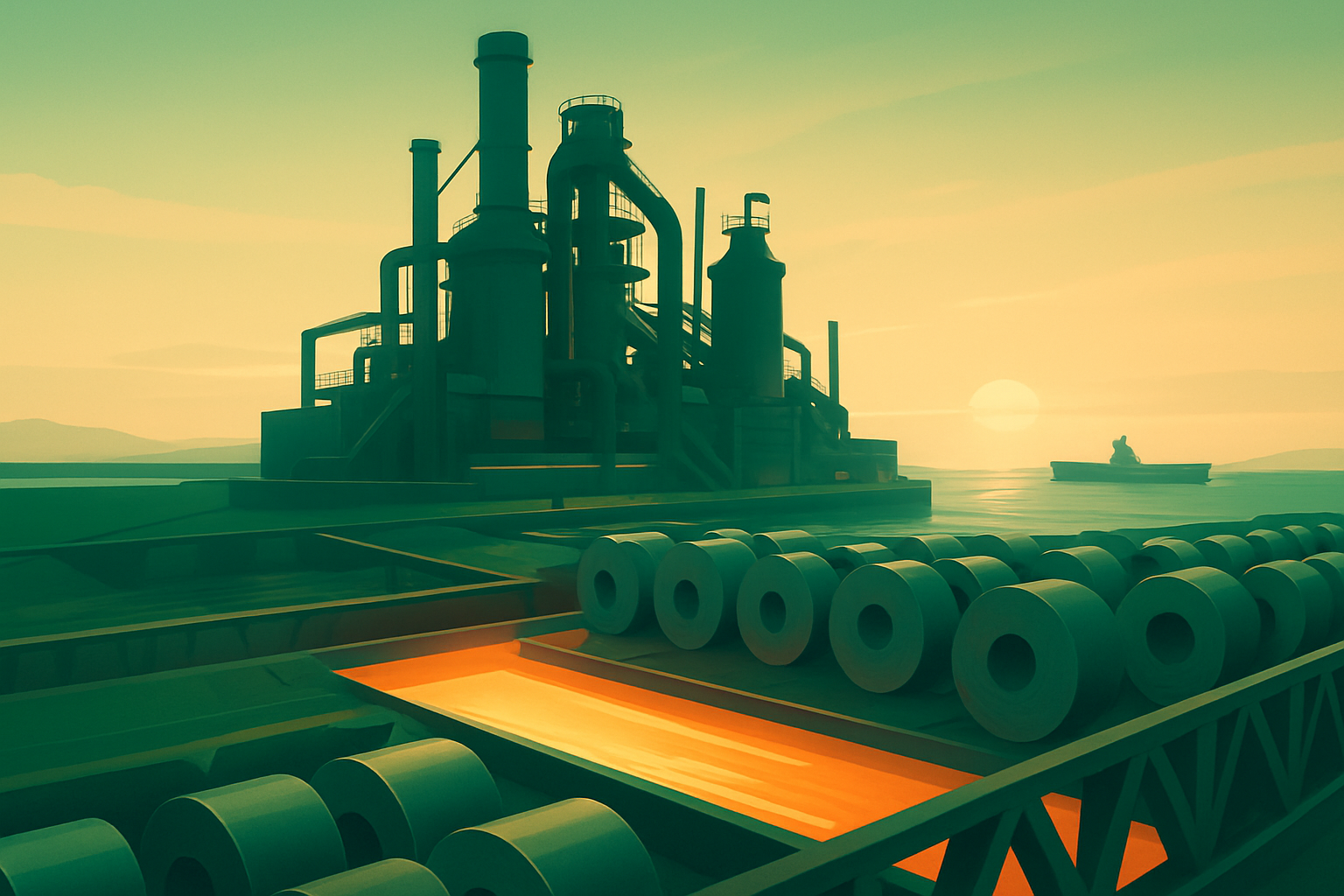
  • The Iron Fortress: Cleveland-Cliffs and the High-Stakes Future of American Steel

    The Iron Fortress: Cleveland-Cliffs and the High-Stakes Future of American Steel

    As of February 16, 2026, Cleveland-Cliffs (NYSE: CLF) stands as a polarizing sentinel of American industrial policy. Once a humble iron ore miner, the company has transformed into the largest flat-rolled steel producer in North America, a feat achieved through aggressive acquisitions and a staunch "America First" operational philosophy. Today, Cleveland-Cliffs is the focal point of a massive shift in global trade dynamics. Following a volatile 2025—a year defined by a "reset" in steel pricing and a dramatic 50% hike in Section 232 tariffs—investors are closely watching whether the company’s vertically integrated "Iron Fortress" can finally deliver the consistent profitability promised by CEO Lourenco Goncalves.

    Historical Background

    Founded in 1847, Cleveland-Cliffs’ history is inextricably linked to the development of the American Great Lakes region. For over 170 years, the company primarily operated as a merchant of iron ore pellets. However, the arrival of Lourenco Goncalves as CEO in 2014 sparked a radical transformation. Recognizing the vulnerability of being a mere raw material supplier, Goncalves pivoted toward steelmaking.

    The most significant milestones occurred between 2020 and 2024, when the company acquired AK Steel and the U.S. assets of ArcelorMittal, followed by the landmark $2.5 billion acquisition of Canada’s Stelco Holdings Inc. in late 2024. These moves effectively closed the loop, making Cleveland-Cliffs a fully vertically integrated powerhouse capable of controlling its supply chain from the mine to the finished automotive fender.

    Business Model

    Cleveland-Cliffs operates a unique business model compared to its "mini-mill" rivals like Nucor. It is an integrated producer that utilizes blast furnaces and basic oxygen furnaces (BOFs), fed by its own iron ore mines in Minnesota and Michigan.

    Revenue Segments:

    • Steelmaking (95%+ of revenue): Primarily flat-rolled steel, including hot-rolled, cold-rolled, and coated products.
    • Vertical Integration: The company produces its own Hot Briquetted Iron (HBI) and iron ore pellets, insulating it from the volatile scrap metal prices that affect its competitors.
    • Key Markets: The automotive industry remains CLF's largest customer, accounting for roughly one-third of its shipments. Other major segments include infrastructure, manufacturing, and distributors.

    Stock Performance Overview

    The past five years have been a rollercoaster for CLF shareholders. After surging to highs during the post-pandemic commodities boom of 2021-2022, the stock faced a grueling 2024 and 2025.

    • 1-Year Performance: Down roughly 12%, largely due to a $1.4 billion net loss reported for the 2025 fiscal year.
    • 5-Year Performance: Up approximately 45%, reflecting the successful integration of its massive acquisitions, though significantly off its 2022 peaks.
    • 10-Year Performance: An impressive 600%+ recovery from the brink of bankruptcy in 2015, highlighting the "Goncalves Era" turnaround.
      As of February 2026, the stock has begun to rebound, trading around $18.50 as the market prices in a $60/ton improvement in realized steel prices for the coming quarters.

    Financial Performance

    2025 was a challenging year for Cleveland-Cliffs. The company reported consolidated revenues of $18.6 billion, down from $19.2 billion in 2024. The GAAP net loss of $1.4 billion was driven by three main factors:

    1. Weak Automotive Demand: Stagnant production volumes from North American "Big Three" automakers.
    2. The "Poisoned" Slab Contract: A legacy contract for Brazilian slabs became a massive liability after tariffs on those slabs were hiked to 50% in mid-2025.
    3. One-time Integration Costs: Expenses related to the Stelco acquisition.

    However, the 2026 outlook is brighter. The company has guided for shipments of 16.5–17.0 million net tons and has successfully reduced unit costs by $40/ton over the last twelve months. The early 2026 strategic alliance with POSCO (KRX: 005490), involving a $700 million equity investment, has significantly bolstered the balance sheet.

    Leadership and Management

    Lourenco Goncalves remains the face of Cleveland-Cliffs. Known for his blunt, often combative earnings calls and fierce defense of American manufacturing, Goncalves has cultivated a cult-like following among retail investors and the United Steelworkers (USW) union. His strategy focuses on "environmental and social governance" (ESG) through the lens of domestic job preservation and reduced carbon intensity via HBI usage. The management team’s recent focus has shifted from M&A to debt reduction and capital returns, signaling a more mature phase of the corporate lifecycle.

    Products, Services, and Innovations

    Cleveland-Cliffs leads in high-end steel applications.

    • Advanced High-Strength Steel (AHSS): Essential for the electric vehicle (EV) transition to reduce weight while maintaining safety.
    • Grain-Oriented Electrical Steel (GOES): CLF is the sole domestic producer of this critical material used in power transformers and the aging U.S. electrical grid.
    • HBI Production: Its Toledo, Ohio plant is a state-of-the-art facility that produces low-carbon iron, allowing CLF to reduce its reliance on coke and lower its carbon footprint relative to traditional integrated peers.

    Competitive Landscape

    The U.S. steel market is currently a triarchy:

    1. Nucor (NYSE: NUE): The efficiency leader. Nucor’s electric arc furnace (EAF) model allows for lower fixed costs and higher flexibility.
    2. Cleveland-Cliffs: The quality and integration leader. CLF dominates the automotive and high-spec industrial sectors.
    3. United States Steel (NYSE: X) / Nippon Steel: Following the finalized $14.2 billion merger in June 2025, U.S. Steel now operates under the umbrella of Japan’s Nippon Steel, though with heavy U.S. government oversight (the "Golden Share" provision).

    While Nucor remains more profitable on a margin basis, CLF’s control over its raw materials provides a "floor" to its costs that competitors lack when scrap metal prices spike.

    Industry and Market Trends

    Two macro trends are currently defining the sector in 2026:

    • Decarbonization: Pressure to produce "Green Steel" has led to a race for hydrogen-ready furnaces. CLF’s HBI strategy gives it a head start.
    • Regionalization: The death of "Global Steel." Markets are increasingly siloed by protectionist barriers, benefiting domestic-only producers like CLF at the expense of global traders.

    Risks and Challenges

    • Retaliatory Tariffs: The 2025 tariff hikes led to 25% retaliatory duties from Canada, hurting the profitability of the recently acquired Stelco assets.
    • Labor Relations: While currently strong, the dependence on unionized labor makes CLF vulnerable to work stoppages that could paralyze its blast furnace operations.
    • Operational Sensitivity: Unlike EAFs, blast furnaces are difficult and expensive to "turn off," meaning CLF must maintain high utilization rates even when demand is soft.

    Opportunities and Catalysts

    • Infrastructure Spend: The continued rollout of the Infrastructure Investment and Jobs Act (IIJA) is finally hitting its peak construction phase in 2026, driving demand for heavy plate and structural steel.
    • The POSCO Deal: The $700 million infusion from POSCO provides liquidity to pay down high-interest debt and potentially restart stock buybacks in late 2026.
    • Grid Modernization: The desperate need for transformer steel plays directly into CLF’s monopoly on domestic GOES production.

    Investor Sentiment and Analyst Coverage

    Wall Street remains divided on CLF. Bulls point to the "tariff wall" as a permanent competitive advantage that will eventually force automotive OEMs to accept higher prices. Bears argue that the company is too capital-intensive and that the 2025 net loss proves the model is fragile during economic downturns. Institutional ownership remains high at 65%, with major positions held by Vanguard and BlackRock, though hedge fund activity has been volatile following the failed attempt to acquire U.S. Steel in 2024.

    Regulatory, Policy, and Geopolitical Factors

    This is the "X-factor" for Cleveland-Cliffs. In June 2025, the U.S. increased Section 232 tariffs from 25% to 50% on a wide range of steel imports.

    • The Reaction: This move effectively locked out low-cost imports from Brazil, South Korea, and Vietnam, allowing CLF to raise prices.
    • 2026 Shift: Just this month (February 2026), the administration signaled a technical easing of tariffs on "derivative products" (like auto parts and fasteners) to cool domestic inflation. While the 50% tariff on bulk steel remains, this easing could slightly reduce the "buy American" premium that CLF enjoys.
    • National Security: The Department of Commerce continues to view steel as a critical national security asset, shielding CLF from traditional antitrust pressures and foreign dumping.

    Conclusion

    Cleveland-Cliffs enters 2026 as a survivor of a brutal industrial "reset." Its destiny is no longer tied solely to the global price of steel, but to the political willpower of Washington to maintain a high-tariff environment. For investors, CLF represents a pure-play bet on American re-industrialization and trade protectionism.

    The primary metric to watch over the next 12 months is the "realized price per ton." If CLF can capture the $60/ton improvement it has forecasted, the company will quickly pivot from a $1.4 billion loss back to a multi-billion dollar EBITDA generator. However, in an era of 50% tariffs and retaliatory trade wars, the "Iron Fortress" is only as strong as the policies that defend it. Investors should remain cautious of the volatility inherent in such a politically sensitive asset but recognize the immense leverage CLF holds over the North American supply chain.


    This content is intended for informational purposes only and is not financial advice.

  • Powering the Silicon Heartland: A Deep Dive into American Electric Power (AEP)

    Powering the Silicon Heartland: A Deep Dive into American Electric Power (AEP)

    Date: February 12, 2026

    Introduction

    As the global economy pivots toward artificial intelligence and high-density computing, the role of the traditional utility has been fundamentally reimagined. Once considered "widow-and-orphan" stocks—safe, slow-growing, and predictable—American Electric Power (NASDAQ: AEP) has transformed into a high-growth infrastructure play at the center of the "Silicon Heartland." With a massive service territory spanning 11 states, AEP is currently navigating a historic surge in power demand driven by data centers, domestic manufacturing, and the ongoing energy transition. Today, AEP stands as one of the largest electric utilities in the U.S., serving over 5.6 million customers and operating the nation’s largest transmission network.

    Historical Background

    Founded in 1906 as American Gas and Electric (AG&E), the company was a pioneer in the "super-power" concept of interconnected electrical systems. Under the legendary leadership of Philip Sporn in the mid-20th century, AEP became a technological leader in coal-fired generation and high-voltage transmission. For decades, it was defined by its massive coal fleet in the Ohio River Valley. However, the 21st century forced a radical transformation. Following the Clean Air Act and shifting economics, AEP began a multi-decade transition away from coal, spinning off competitive assets and refocusing on regulated transmission and distribution. This "back to basics" journey reached a new milestone in 2024 with the appointment of Bill Fehrman, who has centered the company’s strategy on operational reliability and meeting the explosive demand of the AI era.

    Business Model

    AEP operates through a decentralized structure of seven regulated operating companies, including AEP Ohio, AEP Texas, and Appalachian Power. Its business model is almost entirely regulated, meaning its rates and returns are set by state commissions, providing a stable and predictable revenue stream.

    • Transmission and Distribution: AEP owns more than 40,000 miles of transmission lines—the largest system in the U.S.—and 225,000 miles of distribution lines. This infrastructure is the "toll road" of the electric grid.
    • Generation: While transitioning, AEP still manages a diverse portfolio of ~25,000 MW, including natural gas, nuclear (Cook Plant), coal, and rapidly growing wind and solar assets.
    • Revenue Segments: The bulk of earnings comes from the Vertically Integrated Utilities and the Transmission Holding Co., which benefits from high-return investments in grid modernization.

    Stock Performance Overview

    Over the past year, AEP has outperformed the broader S&P 500 Utilities index, driven by its exposure to the data center boom in Ohio and Texas.

    • 1-Year Performance: The stock has risen approximately 18%, recently reaching a price of $121 per share.
    • 5-Year Performance: AEP has provided a steady total return of roughly 45%, largely driven by consistent dividend growth and capital appreciation as interest rates stabilized in 2025.
    • 10-Year Performance: Long-term investors have seen the stock double in value when dividends are reinvested, reflecting a compounded annual growth rate (CAGR) that exceeds many of its slower-growing regional peers.

    Financial Performance

    In its full-year 2025 earnings report released today, AEP delivered results that underscore its "Utility Super-Cycle" narrative.

    • 2025 Operating EPS: $5.97 per share, up from $5.62 in 2024.
    • Revenue: $21.88 billion, a 10.9% increase year-over-year.
    • Capital Expenditure (CapEx): The company executed $11.5 billion in capital projects in 2025, with a massive $72 billion plan slated for the 2026-2030 period.
    • Valuation: Trading at a forward P/E ratio of approximately 19.5x, AEP carries a slight premium over the industry average (17x), which analysts attribute to its high-growth load profile.
    • AI-Generated 2026 Estimates: For the fiscal year 2026, analysts and AI models project an Operating EPS range of $6.15 to $6.45, supported by new rate cases and a 15% projected increase in commercial load.

    Leadership and Management

    CEO Bill Fehrman, former head of Berkshire Hathaway Energy, has brought a "no-nonsense" operational culture to AEP since August 2024. His strategy has been to decentralize authority, giving local presidents more autonomy to deal with state regulators. This shift has successfully mended strained relationships in states like West Virginia and Ohio. Under Fehrman, AEP has moved away from "corporate-led" decarbonization targets toward "customer-led" reliability, a move that has resonated well with institutional investors seeking pragmatic management during a period of grid instability.

    Products, Services, and Innovations

    Innovation at AEP is currently focused on grid-edge technology and "behind-the-meter" solutions for industrial giants.

    • Bloom Energy Partnership: In early 2026, AEP expanded its deployment of solid oxide fuel cells (1,000 MW deal) to provide immediate, reliable power to data centers that cannot wait for traditional grid connections.
    • Smart Grid & Hardening: The company is investing billions in automated restoration systems and "hardened" transmission structures to combat increasingly volatile weather patterns.
    • EV Infrastructure: AEP remains a leader in public charging infrastructure pilots across the Midwest, preparing for a long-term shift in residential demand.

    Competitive Landscape

    AEP competes for capital against other "mega-utilities" like NextEra Energy (NYSE: NEE), Duke Energy (NYSE: DUK), and Dominion Energy (NYSE: D).

    • Strengths: AEP’s transmission footprint is unmatched, giving it a unique "first-mover" advantage in connecting new generation to demand centers.
    • Weaknesses: Compared to NextEra, AEP has a larger legacy coal fleet, which creates higher regulatory and environmental compliance costs. However, its concentration in high-growth "Silicon Heartland" regions like Columbus, Ohio, currently gives it a superior demand outlook.

    Industry and Market Trends

    The utility sector is entering a "Golden Age" of demand growth. After two decades of flat electricity demand, the trifecta of AI data centers, electric vehicle (EV) adoption, and the "re-shoring" of American manufacturing has created a scramble for power.

    • The Data Center Surge: Data centers now account for nearly 10% of total demand in some of AEP’s territories.
    • Electrification: The push to electrify heating and transport is expected to double total grid load by 2050, requiring a massive build-out of transmission infrastructure—AEP’s specialty.

    Risks and Challenges

    Despite the bullish outlook, several risks remain:

    • Regulatory Friction: In Ohio, the Public Utilities Commission (PUCO) recently implemented a "take-or-pay" tariff for data centers to protect residential users. While this secures revenue for AEP, it could slow the pace of new data center construction if costs become prohibitive.
    • Interest Rate Sensitivity: As a capital-intensive business with significant debt, AEP’s margins are sensitive to shifts in the federal funds rate.
    • Coal Liability: Delaying the retirement of coal plants to ensure reliability (as seen in West Virginia) risks potential litigation from environmental groups and higher carbon-tax liabilities in the future.

    Opportunities and Catalysts

    • Columbus Load Growth: AEP Ohio projects up to 15 GW of new load growth by 2030, a figure that was unthinkable five years ago.
    • Rate Base CAGR: The company expects a 10% annual growth in its rate base through 2030, which should translate directly to bottom-line growth.
    • M&A Potential: While AEP is currently focused on organic growth, its strong balance sheet makes it a potential consolidator for smaller regional utilities struggling with the energy transition.

    Investor Sentiment and Analyst Coverage

    Wall Street has largely embraced the "New AEP."

    • Ratings: Currently, AEP holds 14 "Buy" ratings, 6 "Hold" ratings, and 0 "Sell" ratings among major firms.
    • Institutional Moves: There has been a notable increase in positions from infrastructure-focused funds and ESG funds that recognize AEP's "balanced" approach to the transition.
    • Retail Sentiment: On retail platforms, AEP is frequently cited as a "top AI play that isn't a tech stock," reflecting a growing awareness of the infrastructure required to power the digital age.

    Regulatory, Policy, and Geopolitical Factors

    The Inflation Reduction Act (IRA) continues to be a tailwind, providing tax credits for AEP’s $9 billion renewable energy pipeline. Furthermore, the 2025 PUCO ruling in Ohio—requiring data centers to sign 12-year contracts and pay for 85% of their energy subscription even if unused—is a landmark policy. This "Data Center Tariff" provides AEP with a level of revenue certainty that is virtually unprecedented in the utility sector, effectively de-risking billions in new infrastructure spend.

    Conclusion

    American Electric Power has successfully navigated the transition from a 20th-century coal giant to a 21st-century digital infrastructure backbone. Under the "Back to Basics" leadership of Bill Fehrman, the company has prioritized reliability and state-level regulatory alignment, positioning itself to capture the massive demand surge from the AI revolution.

    For investors, AEP offers a compelling hybrid profile: the safety and dividends of a regulated utility combined with the growth prospects of a tech infrastructure play. While regulatory hurdles and interest rate volatility remain the primary risks, the company’s massive $72 billion capital plan and "take-or-pay" contracts suggest that AEP is well-powered for the decade ahead. Investors should watch the upcoming 2026 rate case filings and the progress of the Southeast Columbus Area Improvement Project as key indicators of continued momentum.


    Disclaimer: This content is intended for informational purposes only and is not financial advice.

  • Zoetis Inc. (ZTS): Navigating Innovation and Safety in a Mature Animal Health Market

    Zoetis Inc. (ZTS): Navigating Innovation and Safety in a Mature Animal Health Market

    Zoetis Inc. (NYSE: ZTS) stands today as the undisputed global leader in animal health, a position it has fortified since its historic decoupling from Pfizer over a decade ago. As of February 12, 2026, the company finds itself at a pivotal crossroads. While it continues to dominate the multi-billion dollar markets for companion animal medicines and livestock vaccines, Zoetis is currently navigating a complex environment characterized by regulatory scrutiny over its blockbuster monoclonal antibody (mAb) therapies and a shifting macroeconomic backdrop for pet owners. With a market capitalization that reflects both its "gold standard" status and recent volatility, Zoetis remains a critical bellwether for the broader healthcare and veterinary sectors.

    Historical Background

    The origins of Zoetis date back to 1952, when Pfizer established its Agricultural Division to explore the application of antibiotics in livestock. For decades, the division operated as Pfizer Animal Health, growing through internal R&D and strategic acquisitions like Norden Laboratories in 1995. The most significant transformation occurred in 2013, when Pfizer (NYSE: PFE) executed one of the largest IPOs in U.S. history to spin off Zoetis as an independent entity. This move allowed Zoetis to focus exclusively on animal health without the distractions of human pharmaceutical cycles. Since the spin-off, Zoetis has transitioned from a traditional medicine provider to a comprehensive health company, expanding into diagnostics (via the 2018 Abaxis acquisition) and advanced biotechnology.

    Business Model

    Zoetis operates a diversified business model centered on two primary segments:

    • Companion Animals (Approx. 68% of Revenue): Focuses on dogs, cats, and horses. This segment is driven by the "humanization of pets," where owners are increasingly willing to pay for premium specialty care. Key areas include parasiticides, dermatology, and pain management.
    • Livestock (Approx. 31% of Revenue): Serves cattle, swine, poultry, fish, and sheep. This segment is tied to global protein consumption and focuses heavily on vaccines and anti-infectives to ensure food safety and animal productivity.

    The company follows a "Continuum of Care" strategy—Predict, Prevent, Detect, and Treat—ensuring revenue is captured at every stage of an animal's life cycle through genetic testing, vaccines, diagnostics, and therapeutic medicines.

    Stock Performance Overview

    As of February 12, 2026, Zoetis’s stock performance tells a story of long-term triumph met with recent cyclical resistance.

    • 1-Year Performance: The stock has seen a significant pullback, down approximately 28% over the last 12 months. This decline is largely attributed to safety concerns surrounding its pain medications and a slowdown in U.S. veterinary clinic visits.
    • 5-Year Performance: On a 5-year basis, the stock is down roughly 28.1% from its early 2021 levels and significantly below its all-time high of ~$249 reached in late 2021.
    • 10-Year Performance: For long-term shareholders, the picture remains bright. The stock has delivered a total return of over 190% since 2016, outperforming many of its peers in the broader healthcare sector and reflecting the company's fundamental growth since becoming independent.

    Financial Performance

    Zoetis recently reported its full-year 2025 results, showing resilience despite headwinds.

    • Revenue: $9.5 billion for FY2025, a 6% organic increase year-over-year.
    • Profitability: EBITDA margins remain robust at ~43.8%, supported by premium pricing and a high-margin specialty portfolio.
    • Valuation: The stock currently trades at a forward P/E of approximately 21.5x, a significant compression from its historical 5-year average of ~36x. This suggests that the market has repriced Zoetis from a high-growth "darling" to a more value-oriented mature leader.
    • 2026 Guidance: Management expects 2026 revenue to land between $9.83 billion and $10.03 billion, with projected EPS in the range of $7.00–$7.10.

    Leadership and Management

    CEO Kristin Peck has led Zoetis since early 2020, guiding the company through the pandemic and a massive pivot toward biologic therapies. Peck is highly regarded for her focus on digital transformation and ESG initiatives. Under her leadership, the company has prioritized R&D in untapped areas like chronic kidney disease (CKD) and feline genetics. The management team, including CFO Wetteny Joseph, has been praised for disciplined capital allocation, though they now face the challenge of restoring investor confidence in the safety profile of their flagship pain drugs.

    Products, Services, and Innovations

    Zoetis’s competitive edge lies in its "first-mover" advantage in biologics.

    • Dermatology: Apoquel and Cytopoint remain the gold standard for canine itch, generating billions in annual sales.
    • Pain Management: Librela (for dogs) and Solensia (for cats) are ground-breaking monoclonal antibodies that target Nerve Growth Factor (NGF). These products have revolutionized osteoarthritis treatment but are currently under intense scrutiny for side effects.
    • Diagnostics: The Vetscan line provides rapid, point-of-care results, allowing veterinarians to diagnose and treat animals in a single visit.

    Competitive Landscape

    Zoetis remains the market leader with an estimated 18% global market share, but competition is fierce:

    • Merck & Co. (NYSE: MRK): Its Animal Health division (approx. 13% share) is a powerhouse in vaccines and parasiticides (Bravecto).
    • Elanco Animal Health (NYSE: ELAN): Holding roughly 10% share, Elanco is a major rival in livestock and recently launched new competitive canine parasiticides.
    • IDEXX Laboratories (NASDAQ: IDXX): While not a direct drug competitor, IDEXX dominates the diagnostics space, often competing with Zoetis for the "diagnostic desktop" in veterinary clinics.

    Industry and Market Trends

    The "Humanization of Pets" remains the primary secular tailwind, as pets are increasingly treated as family members with dedicated healthcare budgets. However, 2025 and early 2026 have seen a "normalization" of pet ownership levels following the pandemic boom. In the livestock sector, trends are shifting toward sustainability and the reduction of antibiotic use, favoring Zoetis's vaccine-heavy portfolio.

    Risks and Challenges

    • The "Librela Controversy": Reports of neurological side effects in pets treated with Librela have led to updated FDA labels and a "Dear Veterinarian" warning. While Zoetis maintains the drug is safe for most, public perception and potential litigation pose a significant risk to its projected $1 billion+ peak sales for this franchise.
    • Clinic Visit Slowdown: U.S. veterinary clinic visits have trended downward (2-4% decline) as inflation pressures household budgets, potentially limiting the volume of new prescriptions.
    • Generic Competition: Key products like Apoquel are beginning to face generic entries in certain markets, threatening margins.

    Opportunities and Catalysts

    • Next-Gen Pipeline: Zoetis is developing therapies for feline CKD and canine oncology, which represent a multi-billion dollar addressable market with little current competition.
    • AI Diagnostics: Integration of AI into diagnostic imaging and blood analysis could significantly increase the "pull-through" for Zoetis's therapeutic products.
    • Emerging Markets: Expansion in regions like Brazil and Southeast Asia, where protein demand is surging, offers a long-term growth runway for the livestock segment.

    Investor Sentiment and Analyst Coverage

    Wall Street sentiment is currently cautiously optimistic, shifting from "Strong Buy" to a "Moderate Buy/Hold."

    • AI-Generated Estimates: Quantitative models from Intellectia AI suggest a 40% probability of an earnings miss in late 2026 if U.S. pet visitation does not recover. Conversely, Zacks Earnings ESP shows a +0.93% positive surprise prediction, suggesting management may be under-promising.
    • Price Targets: The consensus analyst price target stands at $155.00, representing a potential 20% upside from current levels.

    Regulatory, Policy, and Geopolitical Factors

    In early 2026, the FDA’s Center for Veterinary Medicine (CVM) has tightened oversight of post-market safety reporting for biologics. Geopolitically, Zoetis faces challenges in China, where economic volatility has slowed growth in the swine segment. Additionally, new EU regulations regarding animal drug labeling have increased compliance costs for international operations.

    Conclusion

    Zoetis Inc. remains the premier "blue chip" play in the animal health space. Its long-term fundamentals—driven by a dominant market share and a pioneering R&D engine—remain intact. However, the current "safety clouds" over its mAb franchise and a cooler macroeconomic environment for pet owners have brought the stock’s valuation down to levels not seen in years. For investors, the key will be monitoring the upcoming Q2 and Q3 2026 clinical safety updates for Librela. If the company can stabilize the narrative around its pain portfolio, the current valuation may represent a rare entry point into a historically high-performing compounder.


    This content is intended for informational purposes only and is not financial advice.