Tag: LLY

  • The Trillion-Dollar Treatment: A Deep Dive into Eli Lilly and Company (LLY)

    The Trillion-Dollar Treatment: A Deep Dive into Eli Lilly and Company (LLY)

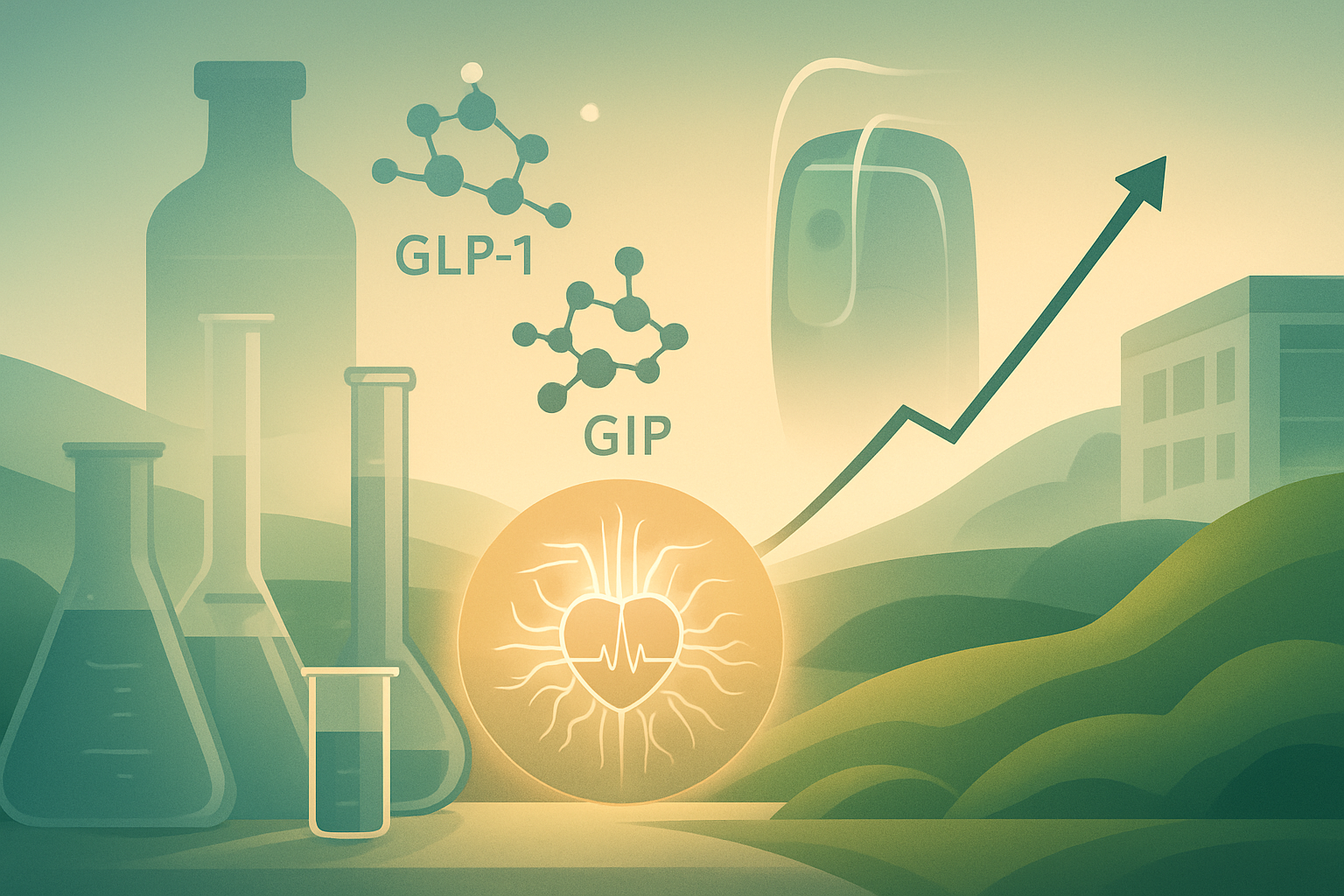
    As of April 2, 2026, Eli Lilly and Company (NYSE:LLY) stands as the preeminent titan of the global healthcare sector. Historically recognized as a steady, century-old pharmaceutical giant, the company has undergone a radical transformation over the last half-decade, evolving into a high-growth innovation engine. With a market capitalization that recently breached the historic $1 trillion milestone, Lilly has transcended the typical "Big Pharma" label to become a cornerstone of the modern "metabolic revolution."

    Today, Lilly is the primary beneficiary of a paradigm shift in chronic disease management. Driven by its pioneering work in incretin therapies for diabetes and obesity, as well as breakthroughs in Alzheimer’s disease, the company finds itself at the intersection of massive unmet medical needs and unprecedented commercial success. This deep dive explores how Lilly successfully navigated a treacherous "patent cliff" era to become the most valuable healthcare entity in the world.

    Historical Background

    Founded in 1876 by Colonel Eli Lilly, a pharmaceutical chemist and veteran of the American Civil War, the company began with a commitment to high-quality manufacturing and research in Indianapolis. Lilly’s early fame was cemented in the 1920s when it became the first company to mass-produce insulin, a breakthrough that transformed Type 1 diabetes from a death sentence into a manageable condition.

    Throughout the 20th century, Lilly expanded into antibiotics (penicillin, cephalosporins), oncology, and neuroscience. The 1980s saw the launch of Prozac, which revolutionized the treatment of depression and became one of the first true "blockbuster" drugs. However, the early 2010s were marked by significant challenges, as the company faced the loss of patent protection for several key products, leading to a period of stagnant growth and skepticism from Wall Street. The modern era of Lilly, defined by its leadership in metabolic health, began in the late 2010s with a pivot toward aggressive R&D and a massive bet on a new class of drugs known as GLP-1 and GIP receptor agonists.

    Business Model

    Lilly operates as a global, research-based biopharmaceutical corporation. Its business model is centered on the discovery, development, manufacturing, and sale of human pharmaceuticals. The company’s revenue streams are currently categorized into four primary therapeutic pillars:

    1. Metabolic Health (Diabetes & Obesity): This is the flagship segment, dominated by tirzepatide (Mounjaro and Zepbound). It accounts for the majority of recent growth.
    2. Oncology: Focused on precision medicines for solid tumors and blood cancers, led by products like Verzenio and Jaypirca.
    3. Immunology: Targeting autoimmune disorders such as plaque psoriasis and ulcerative colitis through drugs like Taltz, Omvoh, and Ebglyss.
    4. Neuroscience: A resurgent sector focused on neurodegeneration, specifically Alzheimer’s disease with the 2024 launch of Kisunla (donanemab).

    Lilly utilizes a vertically integrated model, increasingly bringing manufacturing in-house to control supply chains—a strategic move that has proven critical during the recent global shortage of weight-loss medications.

    Stock Performance Overview

    Over the past five years, LLY has delivered returns that rival the "Magnificent Seven" tech giants, consistently outperforming the broader S&P 500 and the NYSE Arca Pharmaceutical Index.

    • 1-Year Performance: Over the last 12 months (leading into April 2026), the stock has seen a consolidation phase following its run to $1,000. It remains up approximately 15% year-over-year as it digests its massive 2024–2025 gains.
    • 5-Year Performance: Since early 2021, the stock has surged from roughly $185 to over $1,000, representing a return of more than 440%. This growth was fueled by the clinical success and subsequent commercial "moonshot" of tirzepatide.
    • 10-Year Performance: For long-term holders, the transformation has been staggering. LLY has outperformed nearly all peers in the Dow Jones Industrial Average, evolving from a $75 stock in 2016 to a four-digit powerhouse today.

    Financial Performance

    Lilly’s financial profile as of early 2026 reflects a company in its peak earnings-acceleration phase.

    • Revenue Growth: In FY2025, Lilly reported total revenue of $65.2 billion, a staggering 45% increase from the previous year. For FY2026, the company has guided for revenue between $80 billion and $83 billion.
    • Margins: Operating margins have expanded significantly to nearly 40% as the company achieves economies of scale in its metabolic franchise.
    • Net Income: Q4 2025 net income reached $6.6 billion, demonstrating the high-margin nature of its new-to-market specialty drugs.
    • Valuation: LLY trades at a trailing P/E ratio of approximately 45x and a forward P/E of 28x. While expensive relative to legacy peers like Pfizer (NYSE:PFE) or Bristol-Myers Squibb (NYSE:BMY), Lilly’s PEG (Price/Earnings-to-Growth) ratio remains under 1.0, suggesting the valuation is supported by its unprecedented EPS growth.

    Leadership and Management

    David Ricks, who has served as CEO since 2017, is widely regarded as one of the most effective leaders in the pharmaceutical industry. Under his tenure, Lilly’s market value has increased more than tenfold.

    Ricks’ strategy has been defined by three pillars:

    1. Manufacturing Sovereignty: Investing over $50 billion in domestic and international production capacity to ensure Lilly is not reliant on third-party manufacturers.
    2. R&D Speed: Reducing the time from drug discovery to commercialization by over three years, allowing Lilly to beat competitors to market.
    3. Portfolio Concentration: Divesting non-core assets to focus entirely on high-impact, high-growth therapeutic areas.

    The management team is noted for its disciplined capital allocation, prioritizing internal R&D and manufacturing over the massive, dilutive M&A deals common in the pharmaceutical sector.

    Products, Services, and Innovations

    The crown jewel of Lilly’s portfolio is the tirzepatide molecule, marketed as Mounjaro for Type 2 diabetes and Zepbound for chronic weight management. These drugs, which act on both GLP-1 and GIP receptors, have shown weight loss efficacy exceeding 20% in clinical trials, setting a gold standard in the industry.

    Beyond tirzepatide, Lilly has recently launched:

    • Foundayo (orforglipron): An oral, non-peptide GLP-1 agonist approved in early 2026, offering a "pill-version" of weight loss therapy that eliminates the need for injections.
    • Kisunla (donanemab): A therapy for early-stage Alzheimer’s disease that uniquely allows patients to stop treatment once amyloid plaques are cleared.
    • Ebglyss: A high-growth treatment for atopic dermatitis (eczema).

    Lilly is also pioneering the use of Artificial Intelligence (AI) in drug discovery. In late 2025, it entered a multi-billion dollar partnership with NVIDIA (NASDAQ:NVDA) to utilize generative AI to simulate molecular interactions, potentially cutting the R&D cycle for new oncology candidates by half.

    Competitive Landscape

    The pharmaceutical market in 2026 is dominated by the "metabolic duopoly" of Eli Lilly and Novo Nordisk (NYSE:NVO).

    • Market Share: As of early 2026, Lilly has captured approximately 60% of the U.S. incretin market, largely due to its superior manufacturing capacity and the slightly higher weight-loss efficacy of tirzepatide compared to Novo’s semaglutide (Wegovy).
    • Pipeline Rivalry: Novo Nordisk remains a formidable threat with its next-generation candidate, CagriSema. However, Lilly has responded with Retatrutide, a "triple agonist" currently in Phase III that targets three different hormones and shows weight loss potential approaching 30%.
    • Generic Threats: While older insulin products face generic competition, the metabolic and immunology portfolios are protected by robust patent thickets that extend well into the 2030s.

    Industry and Market Trends

    The healthcare sector is currently being reshaped by three macro trends that favor Lilly:

    1. Obesity as a Gateway Disease: There is a growing clinical consensus that treating obesity is the most effective way to prevent cardiovascular disease, sleep apnea, and chronic kidney disease. This has vastly expanded the addressable market for Lilly's metabolic drugs.
    2. Decentralized Manufacturing: Supply chain fragility during the mid-2020s has led to "on-shoring." Lilly’s multi-billion dollar investments in Indiana, North Carolina, and Ireland have positioned it as a leader in supply chain resilience.
    3. Direct-to-Consumer Healthcare: Lilly’s "LillyDirect" portal, which allows patients to access prescriptions and home delivery directly from the manufacturer, is disrupting traditional pharmacy benefit manager (PBM) dominance.

    Risks and Challenges

    Despite its dominance, Lilly faces several critical risks:

    • Regulatory Pricing Pressure: The U.S. government, through the Inflation Reduction Act (IRA), has begun negotiating prices for top-selling drugs. Jardiance and Tradjenta were among the first impacted, and Trulicity is slated for price adjustments in 2028.
    • Supply Chain Execution: If any of Lilly’s massive new manufacturing "mega-sites" face regulatory delays or technical failures, the company could lose market share to competitors like Amgen (NASDAQ:AMGN) or Roche (OTC:RHHBY), who are developing their own metabolic candidates.
    • Valuation Compression: Trading at nearly 30x forward earnings, the stock has "priced in" a significant amount of future success. Any miss in quarterly earnings or a clinical trial setback for a next-gen drug like Retatrutide could lead to a sharp correction.

    Opportunities and Catalysts

    • Retatrutide Data: Upcoming Phase III data for the triple agonist could solidify Lilly's dominance for the next decade.
    • MASH Expansion: Clinical trials for MASH (liver disease) using tirzepatide are nearing completion; an approval would open a multibillion-dollar market with no current dominant therapy.
    • Sleep Apnea & CKD Labels: Expanding the label for Zepbound to include specific treatments for sleep apnea and chronic kidney disease would force insurance companies to broaden coverage.
    • Dividends and Buybacks: With massive cash flows, Lilly is expected to significantly increase its dividend in late 2026, attracting more income-oriented institutional investors.

    Investor Sentiment and Analyst Coverage

    Wall Street sentiment remains overwhelmingly bullish, though more selective than in 2024. Most major investment banks maintain "Buy" or "Overweight" ratings, with price targets ranging from $1,100 to $1,300.

    Hedge fund positioning has remained high, with many managers viewing Lilly as a "defensive growth" play—a company that provides tech-like growth with the relative safety of a healthcare balance sheet. Retail sentiment is also strong, driven by the personal experiences of millions of consumers who have successfully used Lilly’s weight-loss products.

    Regulatory, Policy, and Geopolitical Factors

    The regulatory landscape is in a state of flux. In early 2026, Lilly entered a "Most-Favored-Nation" (MFN) agreement with the U.S. administration, voluntarily lowering the list prices of some vials to avoid more aggressive federal price-capping.

    Geopolitically, Lilly’s heavy reliance on high-tech manufacturing makes it sensitive to trade relations involving specialized laboratory equipment and chemical reagents. However, its shift toward domestic manufacturing in the U.S. and EU has mitigated much of the "China-plus-one" risk that plagues other pharmaceutical firms.

    Conclusion

    Eli Lilly and Company has successfully transitioned from a traditional pharmaceutical manufacturer to a global leader in metabolic and neurological health. As of April 2026, the company’s "moat" is built on two primary strengths: a best-in-class R&D pipeline and a massive, proprietary manufacturing footprint.

    While the high valuation and the ongoing impact of the Inflation Reduction Act represent genuine risks, Lilly’s ability to define a new standard of care for obesity and Alzheimer’s provides a multi-year growth runway. For investors, Lilly is no longer just a "dividend stock"; it is a premier growth asset that is fundamentally changing the economics of global healthcare. Investors should closely watch the launch of the oral GLP-1 (Foundayo) and the Phase III results of Retatrutide as the key indicators for the company's next phase of market dominance.


    This content is intended for informational purposes only and is not financial advice.

  • The Orexin Gold Rush: Deep Dive into Eli Lilly’s $7.8 Billion Acquisition of Centessa Pharmaceuticals

    The Orexin Gold Rush: Deep Dive into Eli Lilly’s $7.8 Billion Acquisition of Centessa Pharmaceuticals

    Today, March 31, 2026, the biotechnology landscape has been fundamentally reshaped. Eli Lilly and Company (NYSE: LLY) has officially announced a definitive agreement to acquire Centessa Pharmaceuticals (Nasdaq: CNTA) in a blockbuster transaction valued at up to $7.8 billion. This acquisition marks a watershed moment for the treatment of sleep-wake disorders and underscores the intense competition in the "orexin gold rush." At the heart of this deal is cleminorexton (ORX750), a developmental drug that clinical data suggests could become the definitive standard of care for narcolepsy and idiopathic hypersomnia.

    This feature explores the evolution of Centessa from a sprawling "hub-and-spoke" experiment into a hyper-focused neuroscience powerhouse, the clinical breakthroughs of its lead asset, and the strategic implications of Eli Lilly’s latest move in its quest for dominant market share in high-growth therapeutic areas.

    Historical Background

    Centessa Pharmaceuticals was founded in late 2020 by Medicxi, a prominent life sciences venture capital firm, as a radical experiment in drug development. Launched officially in February 2021, the company was initially structured as a "hub-and-spoke" network of ten private biotech firms. Each subsidiary—including Orexia Therapeutics, Palladio Biosciences, and ApcinteX—operated with its own scientific team and focused on a single asset or pathway, while a central management team provided capital and shared expertise.

    Following a high-profile IPO in May 2021 at $20.00 per share, Centessa initially struggled to find its footing. In 2022, the company faced significant setbacks, including the discontinuation of its lead Phase 3 program, lixivaptan, for rare kidney disease due to liver safety concerns. This prompted a dramatic pivot in 2023. Under founding CEO Saurabh Saha, Centessa transitioned from a diversified conglomerate into a "pure-play" orexin company, shedding multiple non-core assets to prioritize its most promising neuroscience candidate: ORX750, now known as cleminorexton.

    Business Model

    At its inception, Centessa’s business model was a departure from the traditional biotech corporate structure. By operating as a "hub," the parent company aimed to mitigate the risks associated with a single-drug pipeline by diversifying across multiple therapeutic areas like oncology, hematology, and rare diseases. This asset-centric model allowed individual "spoke" companies to maintain the agility of a startup without the administrative burden of a public entity.

    However, the 2023 strategic pivot largely abandoned the "spoke" model in favor of a centralized development team focused on the orexin receptor 2 (OX2R) agonist program. By March 2026, Centessa’s revenue model remained pre-commercial, relying entirely on capital markets and strategic partnerships. Its value proposition was built on its proprietary chemistry and the rapid clinical progression of its orexin portfolio, which includes the lead drug cleminorexton and follow-on assets ORX142 and ORX489.

    Stock Performance Overview

    Centessa's stock (Nasdaq: CNTA) has experienced a volatile yet ultimately rewarding journey for long-term investors. After its 2021 IPO at $20.00, the stock hit a series of lows in late 2022 and early 2023, bottoming out near $2.50 as the market reacted negatively to the discontinuation of lixivaptan and ZF874.

    The recovery began in late 2024 as early data for cleminorexton began to surface. By early 2025, CNTA was trading in the $10-$12 range. As Phase 2a results surpassed expectations in late 2025, the stock surged into the $20s. On March 31, 2026, following the announcement of the Eli Lilly acquisition at $38.00 per share upfront plus a $9.00 CVR, CNTA shares jumped over 45% to stabilize near the deal price, representing a nearly 1,500% gain from its 2023 lows.

    Financial Performance

    As of its last quarterly filing in late 2025, Centessa maintained a robust financial position for a mid-stage biotech firm. The company reported cash and cash equivalents of $404.1 million, providing a runway into mid-2027. This financial health was a key differentiator, as it allowed management to advance three different orexin assets simultaneously without immediate fear of dilution.

    While the company has yet to generate revenue from product sales, its valuation has been driven by the multi-billion-dollar potential of the narcolepsy market. The acquisition deal by Eli Lilly values Centessa’s equity at approximately $6.3 billion upfront, with the potential to reach $7.8 billion if regulatory milestones are met. For Lilly, the transaction is expected to be slightly dilutive to earnings in the short term but highly accretive by 2028-2029.

    Leadership and Management

    The leadership of Centessa has been instrumental in its survival and eventual multi-billion-dollar exit. Dr. Saurabh Saha, an alum of Bristol Myers Squibb and Atlas Venture, served as the founding CEO and navigated the company through its 2022 identity crisis.

    In early 2026, the company underwent a strategic leadership transition, appointing Dr. Mario Alberto Accardi as CEO. Dr. Accardi was the original founder of Orexia Therapeutics and is widely credited as the architect of the cleminorexton program. His appointment signaled to the market—and to potential acquirers like Eli Lilly—that the company was fully committed to its neuroscience mission. Dr. Saha transitioned to an advisory role to the board, ensuring continuity during the acquisition negotiations.

    Products, Services, and Innovations

    The crown jewel of Centessa’s portfolio is cleminorexton (ORX750), an oral, highly potent, and selective OX2R agonist. Narcolepsy is primarily caused by the loss of orexin-producing neurons in the brain, which leads to excessive daytime sleepiness (EDS) and cataplexy. Cleminorexton works by mimicking the action of orexin at the receptor level, effectively "flipping the switch" to maintain wakefulness.

    The innovation behind cleminorexton lies in its selectivity and potency. In the Phase 2a CRYSTAL-1 study, the drug demonstrated a >20-minute improvement in the Maintenance of Wakefulness Test (MWT) for patients with Narcolepsy Type 1 (NT1) and a near-normalization of sleepiness scores for those with Narcolepsy Type 2 (NT2). Unlike earlier generations of wake-promoting agents, cleminorexton targets the underlying cause of the disease without the significant side effects associated with stimulants.

    Competitive Landscape

    Centessa operates in one of the most competitive niches in biotechnology. Its primary rivals include:

    • Takeda Pharmaceutical Company (NYSE: TAK): Takeda is currently in Phase 3 with oveporexton (TAK-861) and is considered the frontrunner in terms of time-to-market for NT1.
    • Alkermes plc (Nasdaq: ALKS): Alkermes is developing alixorexton (ALKS 2680), which has shown strong Phase 2 data and is also moving into Phase 3.
    • Jazz Pharmaceuticals (Nasdaq: JAZZ): The current market leader in narcolepsy with its oxybate franchise (Xyrem/Xywav), Jazz is under pressure to innovate as orexin agonists threaten to disrupt the traditional treatment paradigm.

    Eli Lilly’s acquisition of Centessa is seen as a direct challenge to Takeda’s lead, as cleminorexton has shown superior data in the NT2 and Idiopathic Hypersomnia (IH) populations, potentially giving it a broader label.

    Industry and Market Trends

    The "Orexin Gold Rush" is the defining trend in sleep medicine for 2026. For decades, the treatment for narcolepsy relied on sedative-hypnotics and stimulants that managed symptoms but did not address the orexin deficiency. The shift toward orexin agonists represents a move toward disease-modifying therapy.

    Furthermore, the broader pharmaceutical industry is seeing a resurgence in neuroscience M&A. With many blockbuster drugs in oncology and immunology facing patent cliffs, companies like Eli Lilly, Bristol Myers Squibb, and AbbVie are aggressively pursuing high-growth areas like neuropsychiatry and sleep disorders to replenish their pipelines.

    Risks and Challenges

    Despite the enthusiasm surrounding the Eli Lilly acquisition, significant risks remain.

    1. Regulatory Hurdles: Cleminorexton has yet to enter Phase 3 registrational trials. Any unforeseen safety issues or failure to replicate Phase 2 efficacy in a larger population could derail the program.
    2. Safety Profile: Previous orexin agonists from other companies were halted due to liver toxicity. While cleminorexton has shown a clean safety profile to date, long-term safety data is still pending.
    3. Integration Risk: Merging a specialized biotech like Centessa into a behemoth like Eli Lilly can sometimes lead to talent attrition or delays in clinical development.

    Opportunities and Catalysts

    The primary opportunity lies in the $9.00 Contingent Value Right (CVR) associated with the deal. For investors who continue to hold or trade the CVR, the upcoming catalysts include:

    • Q1 2027: Expected initiation of the Phase 3 global registrational program for cleminorexton in NT1.
    • 2028: Potential FDA submission and approval for NT2 and IH indications.
    • Expansion: The use of OX2R agonists in other conditions characterized by excessive sleepiness, such as Parkinson’s disease-related EDS or sleep apnea.

    Investor Sentiment and Analyst Coverage

    Prior to the buyout, Wall Street sentiment on CNTA had turned overwhelmingly positive. Analysts at major firms like Jefferies and Goldman Sachs had highlighted the "best-in-class" potential of ORX750 throughout 2025. Following the acquisition announcement, most analysts have moved their ratings to "Tender" or "Market Perform," aligning their price targets with the $38.00 cash offer. Institutional ownership remains high, with major positions held by Medicxi, T. Rowe Price, and Vanguard, all of whom are expected to benefit significantly from the premium paid by Lilly.

    Regulatory, Policy, and Geopolitical Factors

    The FDA has shown a willingness to expedite the review of orexin agonists due to the high unmet need in the narcolepsy community. Cleminorexton has already received Breakthrough Therapy Designation, which facilitates more frequent communication with the FDA.

    From a policy perspective, the Inflation Reduction Act (IRA) continues to influence M&A strategies. Large pharma companies are increasingly looking for "small molecule" drugs that have a clear path to high-volume commercial success before price negotiation windows open. Cleminorexton fits this profile perfectly, offering a high-value treatment for a chronic condition.

    Conclusion

    The acquisition of Centessa Pharmaceuticals by Eli Lilly marks the end of a remarkable corporate journey. From its experimental "hub-and-spoke" origins to its near-collapse in 2022, and finally to its emergence as the premier player in the orexin space, Centessa serves as a case study in the power of strategic focus in biotechnology.

    For Eli Lilly, this $7.8 billion bet on cleminorexton is a clear signal of its intent to dominate the next generation of neuroscience. For the medical community and patients, it represents the most promising hope yet for a treatment that truly addresses the biological root of narcolepsy. As the deal heads toward closing in the third quarter of 2026, the focus will now shift to the Phase 3 data that will determine if cleminorexton can live up to its "best-in-class" billing.


    This content is intended for informational purposes only and is not financial advice. As of the publication date (3/31/2026), the author holds no positions in any of the companies mentioned.

  • The $1 Trillion Goliath: Why Eli Lilly’s $6.3B Centessa Bet Defines the Future of Neuroscience

    The $1 Trillion Goliath: Why Eli Lilly’s $6.3B Centessa Bet Defines the Future of Neuroscience

    Date: March 31, 2026

    Introduction

    In the spring of 2026, the global pharmaceutical landscape is increasingly defined by the gravitational pull of a single entity: Eli Lilly and Company (NYSE: LLY). Once a steady mid-tier giant known for insulin and antidepressants, Lilly has transformed into the world’s first trillion-dollar healthcare titan. Today’s announcement—a definitive $6.3 billion acquisition of Centessa Pharmaceuticals (NASDAQ: CNTA)—signals that the Indianapolis-based firm is not content with its dominance in the obesity and diabetes markets. By bringing Centessa’s best-in-class orexin agonists into its fold, Lilly is doubling down on a second front: a high-stakes, high-reward push into neuroscience that aims to do for sleep and neurodegenerative disorders what its incretin therapies did for metabolic health.

    Historical Background

    Founded in 1876 by Colonel Eli Lilly, the company has spent 150 years at the intersection of chemistry and humanitarian impact. Its early history was marked by the industrialization of medicine, notably being the first to mass-produce insulin in the 1920s through a partnership with researchers at the University of Toronto. Throughout the mid-20th century, Lilly solidified its position as a staple of the American medicine cabinet, manufacturing 60% of the Salk polio vaccine and later launching Prozac in 1987, which redefined the treatment of clinical depression.

    The modern era of Lilly began in the mid-2010s under the stewardship of David Ricks. Faced with a "patent cliff" for aging blockbusters, the company pivots sharply toward high-innovation biopharma. This shift culminated in the development of tirzepatide—marketed as Mounjaro and Zepbound—which has since become the fastest-growing drug franchise in history, propelling Lilly into the upper echelon of the S&P 500.

    Business Model

    Lilly operates as a research-intensive pharmaceutical company with a diversified portfolio centered on four core therapeutic pillars:

    1. Cardiometabolic Health: The current engine of the company, anchored by Mounjaro (T2D) and Zepbound (obesity). This segment accounts for nearly 60% of current revenue.
    2. Neuroscience: A legacy strength revitalized by Kisunla (donanemab) for Alzheimer’s and today’s acquisition of Centessa.
    3. Oncology: Driven by Verzenio and the recent integration of Loxo Oncology assets.
    4. Immunology: Anchored by Taltz and Olumiant, focusing on chronic inflammatory conditions.

    The company’s revenue is primarily derived from direct sales to wholesalers and health systems, increasingly supplemented by direct-to-consumer platforms (LillyDirect) to bypass traditional supply chain bottlenecks and improve patient access.

    Stock Performance Overview

    Lilly’s stock performance over the last decade has been nothing short of parabolic.

    • 10-Year View: Investors who held LLY since 2016 have seen returns exceeding 1,200%, outperforming the S&P 500 Health Care index by a staggering margin.
    • 5-Year View: The ascent accelerated in 2021 with the initial clinical results for tirzepatide. The stock rose from roughly $180 in early 2021 to surpass $1,100 by early 2026.
    • 1-Year View: Over the past twelve months, the stock has gained 42%, recently breaking the $1 trillion market cap barrier in late 2025—the first "Pure-Play" pharmaceutical company to do so.

    Financial Performance

    Lilly’s financial health in 2026 reflects its status as a "Growth-at-a-Reasonable-Price" (GARP) favorite. For the fiscal year 2025, the company reported revenue of $65.2 billion, a 45% increase year-over-year.

    • Margins: Gross margins have expanded to 82%, while operating margins hover near 40%, despite massive R&D reinvestment.
    • 2026 Guidance: The company recently raised its revenue forecast to $80–$83 billion, citing the "unprecedented and unabated" demand for incretin-based weight loss therapies.
    • Cash Position: With over $15 billion in free cash flow generated in 2025, Lilly has the firepower for deals like the $6.3 billion Centessa acquisition without significantly impacting its debt-to-equity ratio, which remains conservative for the industry.

    Leadership and Management

    CEO David A. Ricks is widely viewed by Wall Street as the premier executive in the life sciences sector. Since taking the helm in 2017, Ricks has steered Lilly away from low-margin primary care and into high-science specialty drugs.
    Under his leadership, the management team, including Chief Scientific Officer Daniel Skovronsky, has prioritized a "fast-to-fail" R&D philosophy that ensures only the most competitive molecules reach Phase 3. The addition of Carole Ho (formerly of Denali) to lead the Neuroscience division in late 2025 highlights the company's intent to dominate the neurology space as aggressively as they have metabolic health.

    Products, Services, and Innovations

    Lilly’s current product lineup is led by the "Incretin Twins": Mounjaro and Zepbound. However, the future focus is on "Triple-G" agonists like retatrutide, which in Phase 3 trials has shown weight loss exceeding 25%—figures previously seen only in bariatric surgery.

    The innovation story of 2026, however, is ORX750 (Cleminorexton), acquired via Centessa. This Orexin Receptor 2 agonist is a potential breakthrough for narcolepsy and excessive daytime sleepiness. Unlike current stimulants that mask sleepiness, ORX750 targets the underlying orexin deficiency, potentially providing a "natural" wakefulness. This fits perfectly alongside Kisunla, Lilly’s amyloid-clearing antibody for Alzheimer’s, creating a comprehensive brain-health portfolio.

    Competitive Landscape

    Lilly exists in a fierce duopoly with Novo Nordisk (NYSE: NVO) in the obesity space. While Novo’s Wegovy had the first-mover advantage, Lilly’s Zepbound has consistently won on efficacy and market share in the U.S.
    In neuroscience, Lilly faces off against Biogen (NASDAQ: BIIB) and Roche (OTC: RHHBY). While Biogen’s Leqembi was the first to market for Alzheimer's, Lilly’s Kisunla has gained traction due to its monthly dosing schedule and the ability to stop treatment once amyloid plaques are cleared—a significant cost-saving advantage for payers.

    Industry and Market Trends

    The "GLP-1 Revolution" is the dominant trend. Beyond weight loss, these drugs are being studied for sleep apnea, heart failure, and even addiction. Lilly is at the forefront of this "Pipeline-in-a-Product" strategy.
    Additionally, the pharmaceutical industry is moving toward "Precision Neurology." The Centessa acquisition reflects a shift from treating broad symptoms (like depression or insomnia) to targeting specific neuropeptide receptors (like Orexin), reducing side effects and improving efficacy.

    Risks and Challenges

    Despite its dominance, Lilly is not without risk:

    • Manufacturing Bottlenecks: Demand continues to outpace supply. Lilly has committed over $55 billion to manufacturing plants since 2020, but execution risks in these massive global facilities remain.
    • Patent Cliffs: While the incretin patent life is long, any safety signal appearing in long-term data could be catastrophic for the valuation.
    • Pricing Legislation: The U.S. Inflation Reduction Act (IRA) allows Medicare to negotiate prices. While Lilly has proactively capped costs for certain patients, sustained political pressure on drug pricing could compress margins by the late 2020s.

    Opportunities and Catalysts

    • Oral Incretins: The expected mid-2026 launch of orforglipron, a daily pill for obesity, would remove the "needle barrier" for millions of patients and drastically reduce cold-chain logistics costs.
    • Orexin Success: If ORX750 proves successful in Phase 3 for broader indications like lethargy associated with depression, it could become a multi-billion dollar franchise.
    • M&A Potential: With a "war chest" of cash, Lilly is expected to continue picking up mid-cap biotech firms to bolster its oncology and gene-therapy pipelines.

    Investor Sentiment and Analyst Coverage

    Wall Street sentiment is overwhelmingly positive, with 28 of 30 covering analysts maintaining "Buy" or "Strong Buy" ratings. The consensus price target has shifted toward the $1,250 range. Institutional ownership remains high, with heavyweights like BlackRock and Vanguard maintaining overweight positions. Retail sentiment, often a proxy for consumer satisfaction with their GLP-1 treatments, remains exceptionally bullish, viewing Lilly as the "Apple of Healthcare."

    Regulatory, Policy, and Geopolitical Factors

    Regulatory hurdles remain a moving target. The FDA is increasingly focused on the "safety-of-supply," encouraging Lilly to onshore more manufacturing to the United States. Geopolitically, Lilly’s expansion into the Chinese market faces headwinds due to data privacy laws and domestic price caps, though the massive prevalence of diabetes in Asia remains a primary growth target.

    Conclusion

    Eli Lilly and Company has successfully navigated the transition from a legacy pharma firm to a high-growth biotechnology powerhouse. The $6.3 billion acquisition of Centessa Pharmaceuticals is a tactical masterstroke, diversifying its "moat" beyond the GLP-1 market into the lucrative and underserved neuroscience sector.

    For investors, Lilly represents a unique vehicle: a trillion-dollar company that is still growing revenues at over 40%. While the valuation is historically high, the fundamental "moat" built around its manufacturing capacity and its deep pipeline of "Triple-G" and Orexin agonists suggests that the Lilly era of medicine is just beginning. Investors should watch for the mid-2026 data readouts for orforglipron and the initial integration of the Centessa assets as the next major catalysts for the stock.


    This content is intended for informational purposes only and is not financial advice.
  • The $1 Trillion Apothecary: A Deep-Dive Research Report on Eli Lilly (LLY)

    The $1 Trillion Apothecary: A Deep-Dive Research Report on Eli Lilly (LLY)

    As of February 5, 2026, Eli Lilly and Company (NYSE: LLY) stands as a paradigm-shifting titan in the global healthcare landscape. Having recently crossed the historic $1 trillion market capitalization threshold, the Indianapolis-based pharmaceutical giant has transitioned from a legacy drugmaker into a high-growth biotechnology powerhouse. Driven primarily by its leadership in the incretin space—specifically the dual-agonist tirzepatide—Lilly has redefined the treatment of obesity and type 2 diabetes. Today, the company is in focus not only for its financial dominance but for its role in a societal health shift, as it scales manufacturing to meet unprecedented global demand while expanding its reach into Alzheimer’s disease and immunology.

    Historical Background

    Founded in 1876 by Colonel Eli Lilly, a chemist and Civil War veteran, the company was built on the principle of providing high-quality pharmaceutical products at a time when "patent medicines" were often unreliable. Early milestones included the 1923 commercialization of insulin, the first such effort in the world, which established Lilly’s enduring dominance in metabolic health.

    Throughout the 20th century, Lilly expanded its repertoire with breakthroughs such as the antibiotic erythromycin and the iconic antidepressant Prozac (fluoxetine) in the 1980s. The 2010s were a period of transformation, as the company moved through a "patent cliff" and successfully pivoted toward biologics and specialized oncology treatments. This historical commitment to R&D laid the groundwork for the 2022 and 2023 approvals of Mounjaro and Zepbound, which have become the fastest-growing drugs in pharmaceutical history.

    Business Model

    Eli Lilly operates a vertically integrated pharmaceutical business model focused on discovery, development, manufacturing, and marketing of human medicines. Its revenue is concentrated in four key therapeutic areas:

    • Diabetes and Obesity (Metabolic Health): The core engine of growth, representing over 60% of total revenue via the tirzepatide franchise.
    • Oncology: Focused on targeted therapies like Verzenio for breast cancer.
    • Immunology: Led by Taltz and Olumiant, treating conditions like psoriasis and rheumatoid arthritis.
    • Neuroscience: A resurgent segment following the launch of Kisunla (donanemab) for early-stage Alzheimer’s.

    Lilly’s model increasingly emphasizes high-volume, chronic-use medications that require sophisticated large-scale manufacturing, moving away from the "niche orphan drug" strategy favored by some peers.

    Stock Performance Overview

    Lilly’s stock performance has been nothing short of meteoric. Over the 1-year horizon (Feb 2025 – Feb 2026), LLY shares have appreciated by approximately 40%, fueled by consistent quarterly "beat-and-raise" reports and the successful launch of its direct-to-consumer delivery platform.

    On a 5-year basis, the stock has outperformed the S&P 500 by over 500%, reflecting its transition from a dividend-oriented value play to a premier growth stock. The 10-year performance reveals a transformation where a $10,000 investment in 2016 would be worth over $120,000 today, factoring in dividends. Notable moves include the massive 2023–2024 breakout as clinical data for tirzepatide in sleep apnea and heart failure expanded the drug's addressable market.

    Financial Performance

    Fiscal Year 2025 was a record-breaking year for Eli Lilly. The company reported total revenue of $65.18 billion, a staggering 45% increase over 2024.

    • Earnings per Share (EPS): Non-GAAP EPS for 2025 reached $24.21, more than doubling the prior year’s result.
    • Margins: Gross margins remain robust at 83.2%, though operating margins have seen slight pressure due to a massive $55 billion multi-year capital expenditure program for manufacturing.
    • Valuation: LLY trades at a premium forward P/E ratio of approximately 35x 2026 estimates, reflecting the market's high expectations for its oral GLP-1 pipeline.
    • Debt and Cash Flow: The company maintains a strong balance sheet with $12 billion in operating cash flow, allowing it to self-fund expansion while maintaining a growing dividend.

    Leadership and Management

    Under the leadership of David Ricks (CEO), who took the helm in 2017, Lilly has become a masterclass in strategic focus. Ricks is credited with narrowing the company’s R&D focus to high-impact "moonshots" and aggressively investing in manufacturing years before the GLP-1 craze took hold. The management team is highly regarded for its transparency and operational excellence, particularly in navigating the complex supply chain challenges of 2024. The board remains focused on long-term value, resisting short-term margin expansion in favor of building a dominant, "un-replicable" manufacturing moat.

    Products, Services, and Innovations

    Lilly's current portfolio is anchored by Mounjaro (diabetes) and Zepbound (obesity). Both utilize tirzepatide, a dual GIP and GLP-1 receptor agonist that has shown superior weight loss efficacy compared to first-generation treatments.

    • Kisunla (Donanemab): A recently launched Alzheimer’s treatment that clears amyloid plaques, notably allowing patients to stop treatment once plaques are removed—a key competitive edge.
    • Innovation Pipeline: The most watched asset is Orforglipron, an oral "small molecule" GLP-1 agonist currently under FDA review. Unlike injectable peptides, this pill can be manufactured using standard chemical synthesis, potentially lowering costs and increasing global access.
    • Retatrutide: A "triple agonist" (GLP-1/GIP/Glucagon) in Phase 3 trials, which has demonstrated weight loss of up to 29% in clinical studies, aiming to set a new "gold standard" for the late 2020s.

    Competitive Landscape

    The metabolic market is currently a "duopoly" between Eli Lilly and Novo Nordisk (NYSE: NVO). As of early 2026, Lilly has gained the upper hand in the U.S. market, capturing a 60.5% share of new GLP-1 prescriptions. While Novo Nordisk’s Wegovy remains a formidable competitor, Lilly’s dual-agonist profile and aggressive capacity expansion have allowed it to outpace its Danish rival in supply reliability. Other competitors like Pfizer (NYSE: PFE), Amgen (NASDAQ: AMGN), and Roche are racing to bring oral or monthly injectable alternatives to market, but they currently lag Lilly by 3 to 5 years in clinical development and manufacturing scale.

    Industry and Market Trends

    Three major trends are currently driving the sector:

    1. Obesity as Chronic Disease: Shifting societal and medical views have categorized obesity as a lifelong metabolic condition rather than a lifestyle choice, ensuring long-term patient retention.
    2. Manufacturing as a Moat: In the era of biologics, the ability to build and operate multi-billion dollar "mega-factories" has become a greater barrier to entry than patent protection alone.
    3. Expansion into Comorbidities: GLP-1 drugs are being proven to treat sleep apnea, fatty liver disease (MASH), and chronic kidney disease, exponentially growing the patient pool.

    Risks and Challenges

    Despite its dominance, Lilly faces significant hurdles:

    • Pricing Pressure: The U.S. government’s "TrumpRx" initiative and Medicare negotiations have forced "low-to-mid teens" price declines for branded metabolic drugs.
    • Manufacturing Complexity: Managing $55 billion in new facilities across several countries introduces significant execution risk; any contamination or delay at a major site could impact revenue.
    • Side Effect Scrutiny: Long-term data on rare side effects (e.g., gastroparesis) remains a focus for regulators and trial lawyers.
    • Valuation Risk: With a $1 trillion market cap, the "priced for perfection" stock is sensitive to any clinical trial setbacks or earnings misses.

    Opportunities and Catalysts

    • Orforglipron FDA Approval: Expected in Q2 2026, this could be the single largest catalyst for the year, unlocking the massive oral weight-loss market.
    • International Expansion: High-margin launches in the EU and Asia are just beginning to contribute to the bottom line.
    • Retatrutide Data: Continued Phase 3 readouts in 2026 could confirm Lilly's lead in efficacy for the next decade.
    • Direct-to-Consumer Growth: LillyDirect, the company’s telehealth and pharmacy platform, is capturing a higher portion of the retail margin by cutting out traditional middlemen.

    Investor Sentiment and Analyst Coverage

    Wall Street sentiment on LLY remains overwhelmingly "Bullish." Approximately 82% of analysts rate the stock a "Strong Buy." Following the February 2026 earnings beat, price targets were revised upward, with consensus landing between $1,200 and $1,300. Institutional ownership remains high, with major funds viewing Lilly as a "must-own" cornerstone of healthcare portfolios. While some retail "chatter" warns of a bubble, institutional investors point to the company's 45% revenue growth as a fundamental justification for its premium valuation.

    Regulatory, Policy, and Geopolitical Factors

    In early 2026, Lilly successfully navigated a landmark agreement with the U.S. Administration to ensure widespread access to obesity medications in exchange for pricing concessions. This has largely mitigated the threat of "march-in rights" or aggressive patent challenges. Geopolitically, Lilly’s focus on onshore manufacturing in Indiana, North Carolina, and Virginia has insulated it from supply chain shocks related to China or European energy costs, a strategy that has earned it significant political goodwill in Washington.

    Conclusion

    Eli Lilly has evolved into more than just a pharmaceutical company; it is now a fundamental infrastructure provider for global metabolic health. With 2026 revenue projected to exceed $80 billion and a pipeline that includes the potential for the first "triple-agonist" weight-loss drug, Lilly’s momentum appears sustainable. Investors must weigh the stock's premium valuation against its unprecedented growth rate and manufacturing moat. For those looking at the long horizon, Lilly’s transition into neuroscience and its upcoming oral GLP-1 launch suggest that the "Trillion Dollar Era" for the company is not a peak, but a new baseline.


    This content is intended for informational purposes only and is not financial advice.

  • The Trillion-Dollar Pharmacopeia: Eli Lilly’s (LLY) Dominance in the Age of Incretins

    The Trillion-Dollar Pharmacopeia: Eli Lilly’s (LLY) Dominance in the Age of Incretins

    As of January 19, 2026, the pharmaceutical landscape is being redefined by a single name: Eli Lilly and Company (NYSE: LLY). Once a steady, century-old stalwart known for its dominance in the insulin market, Lilly has undergone a metamorphosis, evolving into a $1 trillion cardiometabolic powerhouse. The company’s trajectory has been propelled by a class of drugs known as GLP-1 (glucagon-like peptide-1) receptor agonists, specifically tirzepatide, marketed as Mounjaro for type 2 diabetes and Zepbound for obesity.

    Today, Lilly sits at the center of a global health revolution. With obesity now recognized as a chronic, treatable disease rather than a lifestyle choice, the demand for its medications has outstripped even the most optimistic projections. This deep dive explores how Lilly is not just riding a wave of demand but is fundamentally rebuilding its supply chain and R&D engine to maintain its lead in what analysts expect to be a $150 billion obesity market by 2030.

    Historical Background

    Founded in 1876 by Colonel Eli Lilly, a pharmaceutical chemist and American Civil War veteran, the company was built on a foundation of quality and innovation. Based in Indianapolis, Indiana, Lilly’s early years were marked by being the first company to mass-produce the polio vaccine and, more pivotally, the first to commercialize insulin in the 1920s.

    Throughout the 20th century, Lilly solidified its "Big Pharma" status with blockbuster psychiatric medications like Prozac (fluoxetine), which transformed the treatment of depression in the 1980s. However, the 2010s were a period of "patent cliff" anxiety, as the company faced the loss of exclusivity for major earners like Cymbalta and Zyprexa. Under the leadership of David Ricks, who became CEO in 2017, the company pivoted sharply back toward high-science, high-risk R&D in oncology, immunology, and metabolic health, setting the stage for its current dominance.

    Business Model

    Eli Lilly operates as a pure-play, innovation-driven pharmaceutical company. Unlike some peers that have diversified into consumer health (like Johnson & Johnson) or animal health, Lilly is focused entirely on human medicine across four core pillars:

    1. Metabolic Health: The largest segment, encompassing the incretin franchise (Mounjaro/Zepbound) and its legacy insulin business (Humalog/Jardiance).
    2. Oncology: Driven by Verzenio, a breast cancer drug, and a growing pipeline of targeted therapies.
    3. Immunology: Centered around Taltz and Olumiant for autoimmune conditions.
    4. Neuroscience: A resurgent sector following the approval of Kisunla (donanemab) for Alzheimer’s disease.

    The company’s model is predicated on high R&D reinvestment (typically over 25% of revenue) to create proprietary, high-margin biologics that provide significant clinical benefits over existing standards of care.

    Stock Performance Overview

    Lilly’s stock performance over the last five years has been nothing short of historic. As of early 2026, the stock trades in the $1,030 – $1,080 range, reflecting a staggering transformation in valuation.

    • 1-Year Performance: LLY is up approximately 38%, significantly outperforming the S&P 500. This growth was driven by the resolution of supply chain bottlenecks and clinical trial successes for its next-generation obesity drugs.
    • 5-Year Performance: Investors have seen returns exceeding 500%. In 2021, LLY was trading around $160; by late 2025, it became the first pharmaceutical company to cross the $1 trillion market cap threshold.
    • 10-Year Performance: Long-term shareholders have enjoyed a "ten-bagger" return, as the stock grew from roughly $80 in 2016 to over $1,000 today, fueled by the strategic shift initiated by CEO David Ricks.

    Financial Performance

    In the preliminary data for FY 2025, Eli Lilly has demonstrated the financial profile of a high-growth tech stock rather than a traditional drugmaker.

    • Revenue: Projected at $63.0 – $63.5 billion for 2025, a massive increase from the $34 billion reported in 2023.
    • Earnings Per Share (EPS): Estimated at $23.00 – $23.70 (non-GAAP) for the full year 2025.
    • Margins: Operating margins have expanded significantly as manufacturing scale-up began to drive down per-unit costs for tirzepatide.
    • Valuation: With a trailing P/E ratio hovering near 50x, the market is pricing in sustained 20%+ annual growth, a rarity for a company of its size.
    • Cash Flow: Operating cash flow has been redirected into a $55 billion multi-year capital expenditure program to build "the most advanced bio-manufacturing network in the world."

    Leadership and Management

    David A. Ricks, Chairman and CEO, is widely credited with Lilly’s current success. His strategy has been twofold: ruthlessly prioritizing the pipeline and aggressively investing in manufacturing. Ricks is supported by a seasoned executive team, including CFO Anat Ashkenazi, who has managed the company’s massive capital deployments with surgical precision.

    The board of directors and management team have earned a reputation for being "long-term greedy"—willing to sacrifice short-term earnings to build the capacity needed to serve hundreds of millions of patients. This is evidenced by their decision to continue investing in Alzheimer's research for three decades despite multiple failures, eventually resulting in the approval of Kisunla.

    Products, Services, and Innovations

    Lilly’s innovation engine is currently the envy of the industry.

    The Incretin Franchise

    • Mounjaro/Zepbound (Tirzepatide): A dual GLP-1 and GIP receptor agonist. As of early 2026, this franchise is on track for a $40 billion annual run rate.
    • Retatrutide ("Triple G"): A triple agonist (GLP-1, GIP, and Glucagon) currently in Phase 3. Data from late 2025 showed weight loss approaching 29%—a figure previously only achievable through bariatric surgery.
    • Orforglipron: A non-peptide, oral GLP-1. This "obesity pill" is expected to receive FDA approval by April 2026. Because it is a small molecule, it can be manufactured more cheaply and at higher volumes than injectable biologics.

    Beyond Obesity

    • Kisunla (Donanemab): A cornerstone of Lilly’s neuroscience portfolio, targeting amyloid plaques in Alzheimer’s.
    • LillyDirect: A first-of-its-kind direct-to-consumer digital health platform that allows patients to obtain prescriptions and medications directly from the manufacturer, bypassing traditional pharmacy middle-men.

    Competitive Landscape

    Lilly’s primary rival is the Danish firm Novo Nordisk (NYSE: NVO), the maker of Wegovy and Ozempic. The two companies currently operate as a duopoly in the GLP-1 space. However, the landscape is shifting in 2026:

    • The Challenger Group: Amgen (NASDAQ: AMGN) and Viking Therapeutics (NASDAQ: VKTX) are advancing "me-too" or "next-gen" injectables.
    • The Oral Entrants: Roche (OTC: RHHBY) and Pfizer (NYSE: PFE) are racing to bring oral obesity pills to market, though Lilly’s Orforglipron is currently the frontrunner in the oral small-molecule race.
    • Lilly's Edge: Lilly’s dual and triple agonist approach (Tirzepatide/Retatrutide) has consistently shown superior weight loss efficacy compared to Novo Nordisk’s semaglutide.

    Industry and Market Trends

    The "Metabolic Supercycle" is the defining trend of 2026. Obesity is now being treated as the "gateway condition" for dozens of other diseases, including sleep apnea, chronic kidney disease (CKD), and MASH (metabolic dysfunction-associated steatohepatitis).

    Supply chain resilience has also become a major competitive moat. After two years of shortages, Lilly’s decision to build its own API (Active Pharmaceutical Ingredient) plants in Indiana and Ireland has given it a "volume advantage" over competitors who rely more heavily on contract manufacturing organizations (CMOs) like Catalent.

    Risks and Challenges

    Despite the euphoria, Lilly faces several headwinds:

    • Pricing Legislation: The Inflation Reduction Act (IRA) in the U.S. remains a threat, with Medicare price negotiations for top-selling drugs potentially impacting Mounjaro by late 2027.
    • Manufacturing Complexity: Building $50 billion worth of factories is prone to delays and cost overruns. Any contamination or regulatory citation (Form 483) at a major site could stall growth.
    • Long-term Safety: While GLP-1s are generally safe, the "mass-exposure" of hundreds of millions of people to these drugs means that even a rare side effect could become a major liability.
    • Competition and Commoditization: As more oral pills enter the market, pricing for the obesity category may experience a "race to the bottom" in the late 2020s.

    Opportunities and Catalysts

    • Orforglipron Approval (April 2026): This is the most significant near-term catalyst. If approved, it opens the door to the primary care market and emerging economies where cold-chain injection infrastructure is lacking.
    • New Indications: Expect 2026 to bring Phase 3 data for tirzepatide in treating obstructive sleep apnea and heart failure with preserved ejection fraction (HFpEF).
    • M&A Potential: With a massive cash pile, Lilly is expected to acquire small-cap biotech firms specializing in "next-next-gen" therapies, such as muscle-sparing obesity drugs.

    Investor Sentiment and Analyst Coverage

    Wall Street remains overwhelmingly bullish. Institutional ownership is high, with major firms like BlackRock and Vanguard treating LLY as a "must-own" growth-at-any-price asset. Retail sentiment is equally strong, fueled by the "LillyDirect" consumer-facing brand and the undeniable physical results seen by millions of patients.

    Recent analyst notes from firms like Goldman Sachs and Morgan Stanley have raised price targets to the $1,300 range, citing the "unlimited" TAM (Total Addressable Market) for metabolic health.

    Regulatory, Policy, and Geopolitical Factors

    Regulatory focus in 2026 is centered on the Treat and Reduce Obesity Act (TROA), which aims to expand Medicare coverage for obesity medications. If fully passed, it would unlock a massive demographic of patients currently paying out-of-pocket.

    Geopolitically, Lilly is diversifying away from Chinese manufacturing. Its massive investments in Germany and the U.S. ("Lilly in America") are designed to insulate the company from potential trade conflicts or supply chain disruptions in Asia.

    Conclusion

    Eli Lilly has transitioned from a traditional pharmaceutical company into a generational growth story. By the start of 2026, it has successfully addressed the supply shortages that plagued its 2024 launch and is now pivoting toward a high-volume, multi-platform strategy involving both injectables and oral pills.

    While the $1 trillion valuation brings increased scrutiny and higher stakes, Lilly’s aggressive capital expenditure and "best-in-class" pipeline data suggest it is well-positioned to remain the dominant force in healthcare. Investors should closely watch the April 2026 FDA decision on Orforglipron and the speed at which the Indiana manufacturing complex comes online. In the long run, Lilly is not just selling a drug; it is selling a solution to one of the most pressing health crises of the 21st century.


    This content is intended for informational purposes only and is not financial advice.