
Tag: OilPrices

  • Exxon Mobil (XOM) Deep Dive: The Return of the Supermajor in a $100 Oil World

    Exxon Mobil (XOM) Deep Dive: The Return of the Supermajor in a $100 Oil World

    As crude oil prices breach the $100 threshold once again in early 2026, the global energy landscape is undergoing a profound transformation. At the center of this storm stands Exxon Mobil Corporation (NYSE: XOM), a company that has navigated a decade of volatility to emerge as the undisputed titan of the American energy industry. Today, April 9, 2026, we examine how a combination of aggressive domestic expansion, a massive strategic acquisition, and a pragmatic approach to the energy transition has positioned Exxon Mobil for what many analysts are calling a "new golden age" for the supermajor.

    Introduction

    The narrative surrounding Exxon Mobil has shifted from one of survival during the 2020 pandemic lows to one of strategic dominance in 2026. With Brent crude currently trading above $115 per barrel—driven by geopolitical instability in the Middle East and a structural supply deficit—Exxon’s decision to double down on fossil fuels while others hesitated has paid off handsomely. The company is no longer just an oil driller; it is an integrated energy and "molecule management" powerhouse. By integrating Pioneer Natural Resources and scaling its lucrative Guyana operations, Exxon has achieved a level of operational efficiency that makes it profitable even when prices are half of today’s levels.

    Historical Background

    Exxon Mobil’s roots trace back to John D. Rockefeller’s Standard Oil Company, founded in 1870. Following the 1911 antitrust breakup, the company evolved into two major entities: Jersey Standard (Exxon) and Socony (Mobil). The two giants reunited in a historic $81 billion merger in 1999, creating the world’s largest publicly traded energy company.

    For much of the early 21st century, Exxon was the "gold standard" of corporate America, though it faced criticism for its slow response to climate change and a period of stagnant production in the 2010s. However, the 2017 appointment of Darren Woods as CEO marked a turning point. Woods steered the company through a bruising proxy battle with activist firm Engine No. 1 in 2021 and orchestrated the $60 billion acquisition of Pioneer Natural Resources in 2024, the company’s largest move since the Mobil merger.

    Business Model

    Exxon Mobil operates through four primary segments, recently restructured into a more centralized "Global Operations" model:

    1. Upstream: This is the engine of the company, focused on the exploration and production of crude oil and natural gas. Key assets include the Permian Basin (Texas/New Mexico) and the massive Stabroek block offshore Guyana.
    2. Product Solutions: Formed by merging the refining and marketing arms, this segment processes crude into fuels, lubricants, and other high-value products. It is one of the largest refiners in the world.
    3. Chemicals: This segment produces plastics, synthetic rubber, and specialty chemicals. It provides a hedge against oil price volatility, as lower oil prices often reduce feedstock costs for chemical production.
    4. Low Carbon Solutions (LCS): The newest pillar, LCS focuses on Carbon Capture and Storage (CCS), hydrogen, and lithium extraction, aiming to monetize the energy transition by leveraging Exxon’s engineering expertise.

    Stock Performance Overview

    As of April 2026, XOM stock is trading in the $155 to $165 range, hovering near all-time highs.

    • 1-Year Performance: The stock has surged approximately 52% over the past twelve months, significantly outperforming the S&P 500. This rally was fueled by the seamless integration of Pioneer and the spike in crude prices.
    • 5-Year Performance: Investors who bought in April 2021 have seen a total return of roughly 248%. The stock has nearly tripled, transitioning from a value play to a growth-and-income powerhouse.
    • 10-Year Performance: The 10-year CAGR sits at a robust 11.6%, showing that despite the "lost decade" of the 2010s, the recent five-year surge has more than compensated long-term holders.

    Financial Performance

    Exxon’s fiscal year 2025 was a masterclass in capital discipline. The company reported net earnings of $28.8 billion, a slight dip from the record-breaking 2024 but still among the highest in corporate history.

    • Cash Flow: Generated $52 billion in cash flow from operations in 2025.
    • Dividends and Buybacks: Exxon returned over $37 billion to shareholders in 2025. The dividend yield remains attractive at roughly 3.1%, with a track record of 43 consecutive years of dividend increases.
    • Break-even Costs: Through "manufacturing-style" drilling in the Permian, Exxon has lowered its average break-even cost to below $35 per barrel, ensuring profitability even if oil prices were to crash.

    Leadership and Management

    Chairman and CEO Darren Woods has become a polarizing yet respected figure in high finance. His refusal to abandon oil and gas during the 2020-2021 "ESG wave" has been vindicated by the current energy crisis.
    Under Woods, the management team has prioritized "The And Equation"—the idea that Exxon can provide traditional energy and lead in carbon reduction. In January 2026, the company further centralized operations under Senior VP Jon Gibbs, a move designed to eliminate silos and capture $20 billion in structural cost savings by 2030.

    Products, Services, and Innovations

    Innovation at Exxon is currently focused on two fronts:

    • Upstream Tech: Proprietary "lightweight proppant" technology has increased oil recovery rates in the Permian by 20%, allowing Exxon to extract more oil from the same wells than its competitors.
    • Mobil Lithium: Exxon has officially entered the battery metal market. By tapping the Smackover formation in Arkansas, Exxon is using its existing drilling and filtration expertise to extract lithium from brine, aiming to be a top supplier for the EV market by 2030.

    Competitive Landscape

    Exxon’s primary rivals include Chevron (NYSE: CVX), Shell (NYSE: SHEL), and BP (NYSE: BP).
    Compared to its European peers (Shell and BP), Exxon has been much less aggressive in pivoting to wind and solar, choosing instead to focus on CCS and hydrogen. This strategy has resulted in higher margins and a cleaner balance sheet. Against its main domestic rival, Chevron, Exxon currently holds the upper hand in production volume and "advantaged" low-cost reserves, particularly in Guyana.

    Industry and Market Trends

    The "Energy Trilemma"—balancing energy security, affordability, and sustainability—is the dominant trend of 2026.

    • Geopolitical Shock: The closure of the Strait of Hormuz in early 2026 has removed millions of barrels from the market, making Western-hemisphere production (U.S. and Guyana) more valuable than ever.
    • AI Energy Demand: The explosion of AI data centers has led to a surge in demand for natural gas as a reliable "baseload" power source, a trend Exxon is capitalizing on through its massive domestic gas footprint.

    Risks and Challenges

    Despite its current strength, Exxon faces significant headwinds:

    • Climate Litigation: Dozens of states and cities are currently suing Exxon for "climate deception," seeking billions in damages.
    • Regulatory Risk: The current U.S. administration’s methane fees and potential "windfall profit" taxes remain a constant threat.
    • Volatility: While $115 oil is a boon, a sudden global recession could send prices tumbling, testing Exxon’s new cost-efficiency model.

    Opportunities and Catalysts

    • Guyana Expansion: The Yellowtail project, which came online early in 2026, is pushing Guyana production toward 900,000 barrels per day.
    • Carbon Capture (CCS): Exxon now has 9 million metric tons of CO2 under contract from third-party industrial customers. If carbon pricing incentives in the Inflation Reduction Act remain stable, this could become a multibillion-dollar recurring revenue stream.
    • M&A: With a fortress balance sheet, rumors persist that Exxon may look to acquire another large-scale Permian player or a major hydrogen technology firm.

    Investor Sentiment and Analyst Coverage

    Wall Street sentiment is overwhelmingly bullish. As of April 2026, 80% of analysts covering XOM have a "Buy" or "Strong Buy" rating. Institutional ownership remains high, with Vanguard and BlackRock maintaining their positions despite previous ESG concerns. Retail sentiment, tracked via social media, has turned positive as dividend payments and share buybacks provide a consistent floor for the stock price.

    Regulatory, Policy, and Geopolitical Factors

    In a major strategic move in early 2026, Exxon Mobil officially moved its legal domicile from New Jersey to Texas. This move was widely seen as a defensive measure to align with more "energy-friendly" state laws and to protect the company from activist litigation in the Northeast. Furthermore, the company is heavily leveraging federal tax credits for its CCS and hydrogen projects, effectively using government policy to subsidize its transition to a low-carbon future.

    Conclusion

    Exxon Mobil’s journey to 2026 is a story of resilience and strategic clarity. By leaning into its core strengths when the world was calling for an exit from fossil fuels, the company has positioned itself to reap the rewards of the current high-price environment. While the risks of litigation and the eventual peak in oil demand are real, Exxon’s diversified portfolio—ranging from $35-break-even oil in the Permian to its nascent "Mobil Lithium" business—suggests a company that is built to last. For investors, Exxon Mobil remains the definitive play on the "Energy Trilemma," offering both high-octane growth in an expensive oil market and a clear, profitable path through the energy transition.


    This content is intended for informational purposes only and is not financial advice.


    Author: AI Financial Journalist
    Date: April 9, 2026
    Ticker: Exxon Mobil Corporation (NYSE: XOM)
  • Turbulence in the Centennial: Why Rising Oil and Analyst Downgrades are Grounding American Airlines (AAL) in 2026

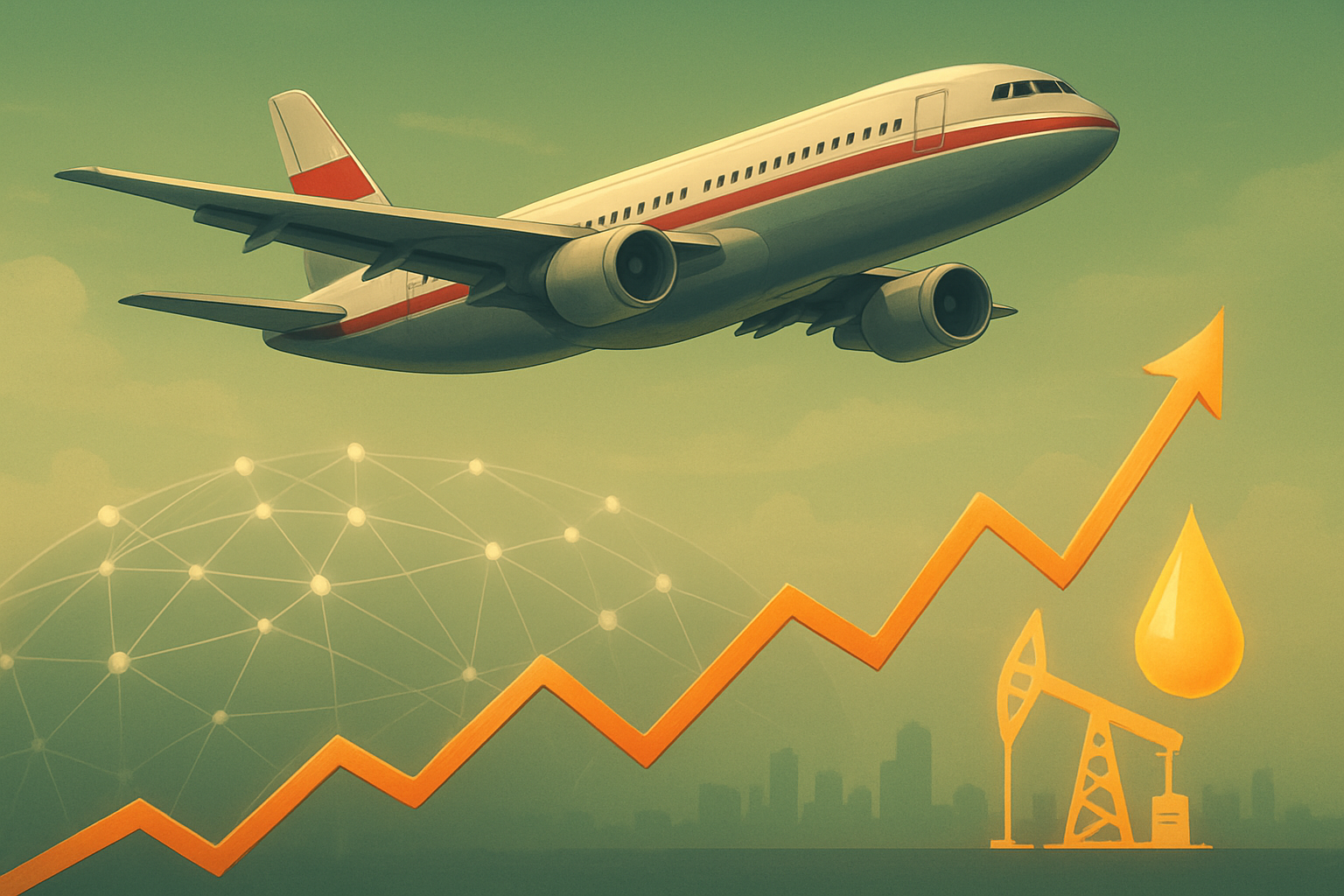
    Turbulence in the Centennial: Why Rising Oil and Analyst Downgrades are Grounding American Airlines (AAL) in 2026

    As of today, March 5, 2026, the aviation sector is grappling with a sudden shift in macroeconomic tailwinds. American Airlines Group Inc. (NASDAQ: AAL) finds itself at the center of investor scrutiny following a significant analyst downgrade and a sharp spike in global oil prices. While the carrier celebrates its centennial year, the convergence of geopolitical instability and structural financial vulnerabilities has cast a shadow over its recent operational gains.

    Introduction

    American Airlines Group Inc. (NASDAQ: AAL) enters 2026 as a company of contradictions. While it remains the world’s largest airline by passenger volume and has successfully executed a multi-year debt reduction strategy, it continues to face significant headwinds that its "Big Three" peers—Delta Air Lines and United Airlines—have largely mitigated. On March 5, 2026, the stock faced a sharp sell-off following a downgrade by major research firms, including Rothschild Redburn, citing a deteriorating margin outlook in the face of surging jet fuel costs. As Brent crude edges toward $82 per barrel amid escalating Middle East tensions, American’s lack of fuel hedging and its comparatively high leverage have made it the primary target for institutional de-risking in the airline sector.

    Historical Background

    The story of American Airlines began in 1926 with the consolidation of eighty-two small airlines into American Airways. Over the next century, it became a pioneer of modern aviation, introducing the first transcontinental service and developing the SABRE computerized reservation system. However, its modern identity was forged in 2013 through a transformative merger with US Airways. This merger, born out of American’s 2011 bankruptcy filing, created a global behemoth with a dominant domestic footprint. Despite the scale achieved through the merger, the last decade has been defined by the struggle to integrate two massive corporate cultures while managing a debt load that peaked at over $50 billion during the COVID-19 pandemic.

    Business Model

    American operates a traditional hub-and-spoke network, with primary operations centered in Dallas/Fort Worth (DFW), Charlotte (CLT), Miami (MIA), and Chicago (ORD). Its revenue is diversified across three main pillars:

    • Mainline and Regional Operations: Serving over 350 destinations globally, with a focus on mid-sized U.S. markets where it maintains a competitive advantage over low-cost carriers.
    • Premiumization Strategy: A multi-billion dollar shift toward high-margin cabins, including the rollout of the Flagship Suite® on new Boeing 787-9 and Airbus A321XLR aircraft.
    • AAdvantage Loyalty Program: Perhaps its most valuable asset, the loyalty program has over 115 million members. It generates high-margin revenue through co-branded credit card partnerships with Citi and Barclays, acting as a crucial cash-flow buffer during economic downturns.

    Stock Performance Overview

    The stock performance of AAL over the last decade reflects the volatility of the airline industry.

    • 10-Year Horizon: AAL has significantly underperformed the S&P 500, weighed down by the heavy debt of the US Airways merger and the near-total collapse of travel in 2020.
    • 5-Year Horizon: The stock has seen a slow, uneven recovery from its pandemic lows. While it rallied in 2024 on the back of record travel demand, it has struggled to break out of a range-bound pattern.
    • 1-Year Horizon: Heading into March 2026, the stock had gained approximately 12% on news of debt reduction but has surrendered most of those gains in the last 48 hours as oil prices spiked. The March 5 downgrade triggered a 6.5% intraday drop, bringing the stock back to levels not seen since late 2025.

    Financial Performance

    American's fiscal 2025 results, reported earlier this year, highlighted the fragility of its recovery. The company achieved record total revenue of $54.6 billion, yet its GAAP net income was a modest $111 million.

    • Margins: Operating margins sat at a lean 1.1% in Q4 2025, significantly trailing Delta’s 9.5%.
    • Debt: The "financial turnaround" story remains the company's primary defense. Management has reduced total debt by $15 billion from its peak, ending 2025 with roughly $36.5 billion in debt. However, in a rising interest rate and high-fuel environment, the serviceability of this remaining debt remains a concern for analysts.
    • Cash Flow: Free cash flow has remained positive, but much of it is earmarked for aircraft deliveries scheduled through 2027.

    Leadership and Management

    CEO Robert Isom, who took the helm in 2022, has focused on "operational excellence"—simplifying the fleet and improving on-time performance. While Isom is credited with stabilizing the airline's day-to-day operations, his leadership has faced criticism from both Wall Street and internal labor groups. In February 2026, the Association of Professional Flight Attendants (APFA) issued a historic vote of no confidence in Isom, citing stagnant wages and poor working conditions despite record revenues. This internal strife poses a risk to the airline's "Premiumization" goals, which rely heavily on front-line service quality.

    Products, Services, and Innovations

    To compete for the lucrative "premium leisure" and corporate traveler, American is undergoing its most significant cabin refresh in a decade. The Flagship Suite® offers lie-flat seats with sliding privacy doors, directly competing with Delta One and United Polaris. Furthermore, American has invested heavily in digital transformation, utilizing AI to optimize gate assignments and flight paths to save fuel. However, these innovations are capital-intensive, and their success depends on the airline’s ability to attract high-paying customers who have historically favored Delta’s brand consistency.

    Competitive Landscape

    American remains the U.S. domestic market share leader (~21%), but it faces a pincer movement from its rivals.

    • Delta Air Lines (DAL): The "Gold Standard" for reliability and high-end brand loyalty.
    • United Airlines (UAL): The leader in international expansion, benefiting from a larger global network that captures high-yield transoceanic traffic.
    • Low-Cost Carriers (LCCs): While Southwest and Frontier have faced their own cost pressures, they continue to challenge American in key hubs like Dallas and Chicago, limiting American’s ability to raise ticket prices in response to fuel hikes.

    Industry and Market Trends

    The airline industry in 2026 is defined by "Premium Leisure" demand. High-net-worth individuals continue to travel at record rates, even as corporate travel has permanently shifted toward a hybrid model. However, the sector is also facing "Green Inflation"—the rising cost of Sustainable Aviation Fuel (SAF) and carbon offsets. For American, which operates an unhedged fuel strategy, these macro trends are particularly taxing.

    Risks and Challenges

    The March 2026 downgrade focuses on three primary risks:

    1. Fuel Exposure: Unlike some international peers, American does not hedge its jet fuel. A $10 increase in the price of a barrel of oil can erase hundreds of millions of dollars from American’s bottom line, which its slim margins cannot absorb.
    2. Labor Instability: With flight attendants and ground crews demanding significant pay raises to combat inflation, American faces the risk of strikes or work slowdowns.
    3. Operational Fragility: Severe weather events, such as Winter Storm Fern in early 2026, highlighted that American still lacks the operational "cushion" to recover quickly from mass cancellations without taking a massive financial hit.

    Opportunities and Catalysts

    Despite the downgrade, catalysts for a recovery exist:

    • Debt Milestone: If American reaches its goal of bringing debt below $35 billion by the end of 2026, it could trigger a credit rating upgrade.
    • Sunbelt Growth: American’s dominance in Sunbelt hubs (DFW, CLT, MIA) places it in the fastest-growing economic regions of the United States.
    • Fleet Modernization: The delivery of more fuel-efficient A321XLR aircraft could help offset some of the rising fuel costs by improving fuel-burn-per-seat-mile.

    Investor Sentiment and Analyst Coverage

    Current sentiment is decidedly "cautious to bearish." Institutional investors have been trimming AAL positions in favor of Delta, viewing American as a "high-beta" play that is too vulnerable to macro shocks. Retail sentiment remains divided; while some see a value play based on the airline’s massive revenue base, others are wary of the constant labor friction and the lack of a fuel buffer. The consensus rating on Wall Street has shifted from "Hold" to "Underweight" following the March 5 reports.

    Regulatory, Policy, and Geopolitical Factors

    The geopolitical landscape is currently the most significant external driver of AAL’s stock price. Tensions in the Middle East have disrupted global supply chains and sent energy prices upward. Domestic policy also plays a role; following the U.S. government shutdown in late 2025, which slowed FAA processing and pilot training, American is still working through a backlog of operational hurdles. Furthermore, the Department of Transportation (DOT) has increased its oversight of airline scheduling and refund policies, adding to the carrier's administrative costs.

    Conclusion

    American Airlines Group Inc. (NASDAQ: AAL) finds itself at a crossroads as it navigates the complexities of early 2026. The company’s ability to generate record revenue and reduce its massive debt load is an undeniable success of Robert Isom’s tenure. However, the events of March 5—the sharp rise in oil prices coupled with a high-profile analyst downgrade—serve as a stark reminder of the carrier's inherent vulnerabilities. Without a fuel hedging strategy and with margins that remain razor-thin compared to its peers, American is more a passenger of the global economy than a pilot of its own destiny. For investors, the coming months will be a test of whether American’s "Premiumization" strategy can yield enough profit to withstand the turbulence of a high-cost energy environment.


    This content is intended for informational purposes only and is not financial advice.