
Tag: SMCI

  • The AI Paradox: Analyzing Super Micro Computer’s (SMCI) Record Revenue and Margin Reckoning

    The AI Paradox: Analyzing Super Micro Computer’s (SMCI) Record Revenue and Margin Reckoning

    Today’s Date: February 16, 2026

    Introduction

    Super Micro Computer, Inc. (NASDAQ: SMCI) has become the definitive Rorschach test for the artificial intelligence era. To some, it is the indispensable architect of the generative AI revolution, a company that moved faster than legacy giants to coat the world’s data centers in liquid-cooled GPU clusters. To others, it is a cautionary tale of hyper-growth outstripping internal controls, evidenced by a tumultuous 18-month period defined by auditor resignations, Department of Justice (DOJ) probes, and a staggering "margin collapse."

    As of early 2026, SMCI finds itself at a historic crossroads. After reporting a record-shattering $12.7 billion in quarterly revenue—a figure that would have been unthinkable just three years ago—the company’s stock remains a battleground. Investors are weighing the sheer industrial might of its production capacity against a gross margin profile that has shriveled under the heat of intense competition and high operational costs. This feature explores the rise, the reckoning, and the uncertain future of the Silicon Valley powerhouse.

    Historical Background

    Founded in 1993 by Charles Liang, his wife Sara Liu, and Wally Liaw, Super Micro began as a motherboard company in San Jose, California. From its inception, the company differentiated itself through a "Building Block Solutions" approach, allowing for highly customizable server configurations that could be brought to market faster than the rigid, pre-packaged offerings of traditional vendors.

    For much of its first two decades, SMCI was a steady, if unglamorous, player in the "green computing" space. Liang’s obsession with power efficiency and "free-air" cooling laid the groundwork for what would later become a critical advantage in the AI era: thermal management. The company went public in 2007, but its path has not been without prior friction; in 2018, it was temporarily delisted from the Nasdaq due to a failure to file financial statements on time, an echo of the governance challenges that would resurface years later.

    Business Model

    Super Micro’s business model is built on vertical integration and speed. Unlike many competitors who outsource manufacturing, SMCI maintains massive production hubs in San Jose, Taiwan, and the Netherlands. This allows the company to transition from a new silicon announcement (such as a new NVIDIA chip) to a fully integrated rack-scale solution in weeks rather than months.

    The company generates revenue through three primary segments:

    1. Server and Storage Systems: The core of the business, encompassing GPU-optimized servers, blade servers, and storage clusters.
    2. Subsystems and Accessories: Selling individual components like motherboards and chassis.
    3. Services: Maintenance and software management for data center deployments.

    Its customer base has shifted dramatically from mid-market enterprise clients to "hyperscalers" and large-scale AI model builders, which now account for the lion's share of its volume.

    Stock Performance Overview

    The performance of SMCI stock over the last five years is a study in market extremes.

    • 10-Year View: Long-term holders have seen astronomical returns, with the stock rising from a split-adjusted $20 range in 2016 to peaks above $1,200 in early 2024.
    • 5-Year View: Driven by the AI boom starting in late 2022, SMCI became one of the top performers in the S&P 500 (prior to its volatility), at one point up over 2,000% in a five-year window.
    • 1-Year View (2025-2026): The last year has been a period of violent "re-baselining." After crashing from its March 2024 highs due to governance fears and margin compression, the stock has spent much of early 2026 attempting to find a floor as the company works to regain institutional trust following its late 10-K filing in February 2025.

    Financial Performance

    The most recent earnings report for the period ending December 31, 2025, perfectly encapsulates the SMCI paradox. The company reported a record $12.7 billion in quarterly revenue, a 123% year-over-year increase. This was fueled by a massive influx of NVIDIA (NASDAQ: NVDA) Blackwell-based systems.

    However, the "bottom line" tells a more complicated story. Non-GAAP gross margins fell to a record low of 6.4%, down from nearly 18% in late 2023. This contraction is the result of three factors:

    • Customer Mix: Massive orders from hyperscalers come with significantly lower pricing power.
    • Supply Chain Costs: High "expedite fees" paid to secure rare components like liquid-cooling manifolds and high-end GPUs.
    • Aggressive Pricing: In a bid to maintain its 50% share of the AI server market, SMCI has engaged in a price war with Dell and HPE.

    Leadership and Management

    CEO Charles Liang remains the visionary and driving force behind SMCI. His technical expertise is undisputed, but his "founder-led" style has faced intense scrutiny. In late 2024, the resignation of auditor Ernst & Young (EY)—citing concerns over management’s representations and internal controls—triggered a leadership crisis.

    In response, SMCI appointed a new Chief Financial Officer and a Chief Compliance Officer in early 2025 to satisfy Nasdaq requirements and attempt to modernize its corporate governance. While Liang’s strategic direction continues to drive the top line, the board’s ability to provide independent oversight of "related-party transactions" (specifically with companies owned by Liang’s family members) remains a focal point for critics.

    Products, Services, and Innovations

    Super Micro’s technical "moat" currently rests on its Direct Liquid Cooling (DLC) technology. As AI chips like the NVIDIA H200 and Blackwell series push power consumption to 1,000 watts and beyond per chip, traditional air cooling is no longer viable.

    SMCI currently commands an estimated 70-80% of the DLC rack market. Their "plug-and-play" rack solutions arrive at data centers fully integrated with cooling manifolds, power supplies, and networking, allowing customers to "turn on" massive AI clusters in record time. Their R&D pipeline is currently focused on "Sovereign AI" clouds and modular data center designs that can be deployed in non-traditional environments.

    Competitive Landscape

    The "golden era" of SMCI’s unopposed growth has ended as legacy giants have woken up.

    • Dell Technologies (NYSE: DELL): Dell has leveraged its superior global supply chain and deep enterprise relationships to claw back market share, reaching approximately 19% of the AI server market.
    • Hewlett Packard Enterprise (NYSE: HPE): HPE has focused on high-end supercomputing and recently won massive contracts (including a $1 billion deal with X), positioning itself as the more "stable" alternative for government and enterprise clients.
    • ODM Direct (Foxconn, Quanta): Cloud service providers (CSPs) are increasingly working directly with original design manufacturers, bypassing the "brand" premium of server vendors.

    Industry and Market Trends

    The broader industry is shifting from "AI experimentation" to "AI production." This requires massive scale and reliability.

    • Liquid Cooling Transition: By 2027, it is estimated that 40% of all new data center builds will require liquid cooling, a tailwind for SMCI.
    • Sovereignty AI: Nations are increasingly building their own localized AI infrastructure to ensure data privacy, creating a new "nation-state" customer segment for high-speed server providers.
    • Energy Constraints: The scarcity of power is the primary bottleneck for data center expansion, favoring SMCI’s power-efficient designs.

    Risks and Challenges

    The risks facing SMCI are multi-dimensional:

    1. Legal and Regulatory: The DOJ and SEC investigations into accounting practices and export control compliance remain open. Even with the 10-K now filed, an adverse finding from the DOJ could lead to significant fines or operational restrictions.
    2. Margin Atrophy: If gross margins continue to linger in the mid-single digits, SMCI will struggle to fund the R&D necessary to stay ahead of Dell and HPE.
    3. Key-Man Risk: The company’s culture and strategy are deeply tied to Charles Liang. Any leadership transition could be disruptive.
    4. Component Dependency: SMCI is entirely reliant on the allocation of GPUs from NVIDIA. Any shift in NVIDIA’s distribution strategy could starve SMCI of its primary revenue driver.

    Opportunities and Catalysts

    Despite the drama, the growth levers remain potent:

    • NVIDIA Blackwell Ramp: The massive revenue spike in late 2025/early 2026 suggests the "Blackwell cycle" is just beginning.
    • $40 Billion Target: Management has signaled a path toward $40 billion in annual revenue, which would place it in a different echelon of global hardware companies.
    • Market Share Defense: If SMCI can successfully "starve out" competitors by sacrificing short-term margins to secure long-term contracts, it could emerge as the "Amazon of Data Center Hardware."

    Investor Sentiment and Analyst Coverage

    Sentiment remains polarized.

    • The Bulls: Point to the $12.7 billion revenue figure as proof that SMCI is "too big to fail" in the AI ecosystem. They view the governance issues as "growing pains" that are being addressed by the new CFO and BDO USA (the replacement auditor).
    • The Bears: Highlight the 6.4% gross margin as a sign of a commoditized business masquerading as a high-growth tech play. They argue that the "governance discount" will permanently haunt the stock’s P/E multiple.
    • Hedge Funds: Recent filings show a rotation, with some value-oriented funds buying the "crash" while several growth-oriented institutions have trimmed their positions due to the lack of visibility into the DOJ probe.

    Regulatory, Policy, and Geopolitical Factors

    SMCI operates in a geopolitical minefield.

    • Export Controls: The U.S. government’s restrictions on high-end AI chips to China and other "adversarial" nations require rigorous compliance. Allegations in 2024 suggested SMCI products were still reaching restricted markets, a claim the company has vigorously denied but which remains a focal point of federal inquiries.
    • CHIPS Act and Domestic Manufacturing: As a company with significant U.S. manufacturing (San Jose), SMCI could potentially benefit from future subsidies aimed at securing the domestic tech supply chain.

    Conclusion

    Super Micro Computer is a company of superlatives: the highest growth, the deepest controversy, and the most aggressive strategy in the server market. The $12.7 billion revenue milestone proves that the world’s appetite for AI infrastructure is not yet sated. However, the accompanying "margin collapse" serves as a stark reminder that scale does not always equal stability.

    For investors, SMCI represents a high-stakes bet on the "speed-to-market" advantage. If the company can navigate its legal hurdles and stabilize its margins as the Blackwell cycle matures, it may reclaim its status as a market darling. Until then, it remains an essential—yet volatile—pillar of the AI economy. Watch for the resolution of the DOJ probe and the Q3 FY2026 margin guidance as the next major inflection points.


    This content is intended for informational purposes only and is not financial advice.

  • The Rack-Scale Revolution: A Deep Dive into Super Micro Computer (SMCI) in 2026

    The Rack-Scale Revolution: A Deep Dive into Super Micro Computer (SMCI) in 2026

    As of February 5, 2026, few companies embody the sheer velocity and volatility of the artificial intelligence era quite like Super Micro Computer, Inc. (NASDAQ: SMCI). Once a relatively obscure provider of high-performance server solutions, Supermicro has ascended to become the indispensable "rack-scale" architect of the AI revolution. The company is currently at a critical crossroads: while its revenue growth is reaching stratospheric levels—driven by an insatiable demand for NVIDIA Blackwell-based clusters—it is simultaneously grappling with internal governance reforms and a dramatic compression in profit margins. In this research feature, we analyze how Supermicro transitioned from a hardware specialist to a multi-billion-dollar infrastructure titan, and whether its current valuation reflects its market dominance or its operational risks.

    Historical Background

    Super Micro Computer was founded in 1993 by Charles Liang, his wife Sara Liu, and a small team of engineers in San Jose, California. From its inception, the company’s philosophy was rooted in a "Building Block" approach to server design. Rather than selling standardized, one-size-fits-all hardware, Supermicro focused on modular components that could be rapidly reconfigured to meet specific customer needs.

    The company went public in 2007, but its first major brush with the mainstream financial world came in 2018, when it faced a temporary delisting from the Nasdaq due to delays in financial reporting—a foreshadowing of governance issues that would resurface years later. However, the true transformation began in 2022. As generative AI exploded, Supermicro’s early bets on high-density power and cooling solutions positioned it perfectly to house the massive GPU arrays produced by NVIDIA. By 2024, it had moved from a niche player to a primary partner for hyperscalers and sovereign AI clouds.

    Business Model

    Supermicro operates as a provider of Total IT Solutions. Its business model is built on three primary pillars:

    1. Server and Storage Systems: This is the core revenue driver, encompassing complete server racks, high-performance computing (HPC) clusters, and AI-optimized hardware.
    2. Building Block Solutions: This modular approach allows the company to rapidly integrate the latest CPUs, GPUs, and storage technologies from partners like NVIDIA, Intel, and AMD, often beating competitors to market by weeks or months.
    3. Direct Liquid Cooling (DLC): Unlike traditional air-cooled data centers, Supermicro’s DLC solutions allow for much higher compute density. This has become a distinct business segment as power-hungry AI chips now require liquid cooling to operate efficiently.

    The company’s customer base has shifted significantly. While it once served small enterprise and academic clients, it now focuses on "Tier 2" hyperscalers, AI startups (such as xAI and CoreWeave), and national government initiatives looking to build domestic AI capacity.

    Stock Performance Overview

    The stock performance of SMCI over the last several years has been a study in market extremes:

    • 10-Year Performance: Investors who held SMCI through the last decade have seen returns exceeding 2,500%, primarily driven by the massive breakout in 2023.
    • 5-Year Performance: The stock rose from approximately $3 (split-adjusted) in early 2021 to a peak of over $120 in early 2024, before the massive 10-for-1 split in September 2024.
    • 1-Year Performance: The last 12 months have been defined by a "U-shaped" recovery. After a devastating crash in late 2024—where the stock hit a low of $17 following the resignation of auditor Ernst & Young—the stock has staged a recovery. As of February 2026, SMCI is trading in the $30–$34 range, showing resilience as it regained Nasdaq compliance and reported record-breaking revenue.

    Financial Performance

    Supermicro’s recent financial results present a paradox of hyper-growth and shrinking profitability.

    • Revenue Growth: For the second quarter of fiscal year 2026 (ending Dec 31, 2025), Supermicro reported a staggering $12.7 billion in revenue, more than doubling its year-over-year figures.
    • Margin Compression: The primary concern for analysts is the Gross Margin, which collapsed to 6.3% in the most recent quarter. This is significantly lower than the company’s historical target of 14-17%. The decline is attributed to aggressive pricing to win market share and the high "pass-through" costs of expensive NVIDIA components.
    • Balance Sheet: Debt levels have risen to fund the massive inventory of GPUs required for production. However, a successful $40 billion revenue guidance for FY 2026 suggests that the company is confident in its ability to cycle through this inventory.

    Leadership and Management

    Founder and CEO Charles Liang remains the central figure at Supermicro. His technical vision and "Building Block" philosophy are widely credited for the company's success. However, his leadership has also been scrutinized regarding internal controls and accounting oversight.

    To address these concerns, the board has implemented significant changes over the last 18 months:

    • Auditor Change: After the 2024 auditor crisis, BDO was appointed to oversee the company’s books.
    • New Chief Accounting Officer: Kenneth Cheung was brought in to bolster internal compliance.
    • CFO Search: While David Weigand remains the acting CFO, the company is actively searching for a successor as part of a formal commitment to upgrading its finance department's leadership.

    Products, Services, and Innovations

    Supermicro’s "Secret Sauce" lies in its Direct Liquid Cooling (DLC) technology. As of 2026, the company estimates it holds a 70-80% market share in DLC for AI racks.

    • NVIDIA Blackwell Integration: Supermicro was among the first to ship full-production racks of the NVIDIA Blackwell Ultra series. These "Plug-and-Play" racks include everything from networking and storage to the liquid cooling manifolds.
    • Green Computing: The company’s focus on energy efficiency is a major selling point for data center operators facing strict power constraints. Supermicro claims its liquid cooling can reduce data center power consumption by up to 40% compared to traditional air cooling.

    Competitive Landscape

    The competition in the AI server space has intensified as legacy hardware giants pivot their resources.

    • Dell Technologies (DELL): Dell has emerged as Supermicro’s most formidable rival. With its superior enterprise sales force and global supply chain, Dell has recently won major contracts from high-profile AI firms.
    • Hewlett Packard Enterprise (HPE): HPE’s acquisition of Juniper Networks has allowed it to offer a more integrated networking and compute package, posing a threat in the "AI-as-a-Service" market.
    • ODMs (Original Design Manufacturers): Companies like Foxconn and Quanta compete on price for the absolute largest "Tier 1" hyperscalers (like Meta or Google), often squeezing Supermicro out of the lowest-margin, high-volume deals.

    Industry and Market Trends

    The server industry is currently undergoing a structural shift. The traditional server market is stagnant, while the AI Infrastructure market is expected to grow at a CAGR of 30%+ through 2030.

    • The Shift to Liquid Cooling: By the end of 2025, liquid cooling transitioned from a luxury to a requirement for top-tier AI performance.
    • Sovereign AI: Governments in Europe, the Middle East, and Asia are investing billions in localized AI clusters. Supermicro’s ability to build custom, localized solutions has allowed it to capture a significant portion of this emerging market.

    Risks and Challenges

    Despite its growth, SMCI faces a unique set of headwinds:

    1. Regulatory Probes: The Department of Justice (DOJ) and the SEC maintain active investigations into the company's accounting practices following the 2024 Hindenburg Research report.
    2. Margin Erosion: If gross margins continue to hover in the single digits, the company may struggle to generate the free cash flow necessary to fund its capital-intensive R&D.
    3. Supply Chain Concentration: Supermicro is heavily dependent on NVIDIA. Any shift in NVIDIA’s allocation strategy could have a catastrophic impact on Supermicro’s revenue.

    Opportunities and Catalysts

    • Blackwell Ultra Ramp: The massive shipment cycle of NVIDIA’s Blackwell chips throughout 2026 is the primary catalyst for the stock.
    • Expansion in Malaysia: Supermicro is significantly expanding its manufacturing footprint in Malaysia, which is expected to lower production costs and improve margins by late 2026.
    • Potential S&P 500 Stability: Having regained compliance, the company is focusing on restoring investor trust to reduce the extreme volatility and "short interest" that has plagued the stock.

    Investor Sentiment and Analyst Coverage

    Wall Street sentiment remains cautious but intrigued.

    • Consensus Rating: "Hold" / Neutral.
    • Price Targets: Estimates vary wildly, from a low of $26 (Goldman Sachs) to a high of $70 (Rosenblatt Securities).
    • Institutional Activity: While some large institutions trimmed their holdings during the 2024 auditor crisis, recent filings show a modest re-entry by several quantitative hedge funds, drawn by the company’s sheer revenue scale.

    Regulatory, Policy, and Geopolitical Factors

    Geopolitics play a significant role in Supermicro’s operations.

    • Export Controls: The U.S. government’s restrictions on high-end GPU exports to China have limited Supermicro’s growth in that region, though it has successfully pivoted toward the Middle East.
    • Compliance Status: The company officially filed its delayed FY2024 10-K and subsequent reports in January 2026, finally clearing the cloud of potential Nasdaq delisting. However, the legacy of the filing delay continues to affect its credit rating.

    Conclusion

    Super Micro Computer (SMCI) is the high-beta heartbeat of the AI infrastructure market. In early 2026, it stands as a company that has successfully weathered a profound governance crisis but is now facing the "growing pains" of a low-margin hardware war. Its dominant position in liquid cooling and its deep partnership with NVIDIA provide a powerful moat, but the collapsing gross margins and ongoing federal probes suggest that the road ahead will remain volatile. For investors, SMCI represents a pure-play bet on the physical layer of the AI revolution—one that offers massive rewards for those who can tolerate its significant operational and regulatory risks.


    This content is intended for informational purposes only and is not financial advice.

  • The Liquid-Cooled Titan: A Deep Dive into Super Micro Computer’s (SMCI) 2026 Recovery and AI Dominance

    The Liquid-Cooled Titan: A Deep Dive into Super Micro Computer’s (SMCI) 2026 Recovery and AI Dominance

    As of January 28, 2026, the technology landscape remains dominated by the relentless expansion of Artificial Intelligence (AI) infrastructure. At the heart of this hardware-driven revolution stands Super Micro Computer, Inc. (NASDAQ: SMCI), a company that has transformed from a niche server manufacturer into a linchpin of the global data center economy. Following a turbulent 2024 and 2025—marked by high-profile auditing controversies and governance overhauls—SMCI has emerged in 2026 with a renewed focus on its core engineering prowess.

    With a staggering 50.7% earnings growth in recent cycles and an aggressive pivot toward Direct Liquid Cooling (DLC) technology, the company is attempting to prove that its "Building Block" architecture can outpace legacy giants. Today, SMCI is at a critical juncture: it is simultaneously a high-growth AI powerhouse and a subject of intense scrutiny regarding its internal controls. This deep dive explores whether the "Supermicro" story is a sustainable ascent or a cautionary tale of rapid scaling.

    Historical Background

    Founded in 1993 by Charles Liang, his wife Sara Liu, and Chiu-Chu Liu, Super Micro Computer began with a focus on motherboards and high-performance server components. Based in San Jose, California, the company’s early years were defined by a "Green Computing" philosophy—an emphasis on energy efficiency that would decades later become a competitive necessity in the power-hungry AI era.

    Throughout the 2000s and 2010s, SMCI differentiated itself through its modular design approach. While rivals like Dell Technologies (NYSE: DELL) and Hewlett Packard Enterprise (NYSE: HPE) focused on standardized, mass-market enterprise solutions, SMCI catered to the hyper-specific needs of research institutions and emerging cloud providers. The company’s trajectory shifted permanently in 2023 with the explosion of Generative AI. As the primary partner for NVIDIA (NASDAQ: NVDA) GPU deployments, SMCI’s ability to design, assemble, and ship high-density server racks in weeks rather than months propelled it into the S&P 500 by early 2024.

    Business Model

    SMCI’s business model is built on three pillars: Speed-to-Market, Customization, and Efficiency.

    1. Revenue Sources: The company derives the vast majority of its revenue from the sale of integrated server and storage systems. These are often sold as "rack-level solutions," where an entire data center cabinet—complete with networking, cooling, and compute—is delivered ready to plug in.
    2. Product Lines: Their "Total IT Solutions" include AI/GPU servers, high-performance computing (HPC) systems, and edge computing nodes.
    3. Segments: While enterprise sales remain important, the "AI-Infrastructure" segment now dominates, accounting for over 70% of total revenue as of early 2026.
    4. Customer Base: SMCI serves a diverse mix of Tier-2 cloud service providers (CSPs), specialized AI "neoclouds," and "Sovereign AI" initiatives where national governments build localized computing power.

    Stock Performance Overview

    The stock performance of SMCI is a study in extreme volatility.

    • 10-Year Performance: Long-term shareholders have seen spectacular gains, with the stock up over 1,000% since 2016, significantly outperforming the broader tech sector.
    • 5-Year Performance: The stock is up approximately 700% to 800% over the last five years, largely due to the "AI Gold Rush" of 2023.
    • 1-Year Performance: In contrast, the performance over the last 12 months (Jan 2025–Jan 2026) has been relatively flat, rising only ~5%. This stagnation reflects the "governance discount" applied by the market following the 2024 auditor resignation and subsequent Nasdaq delisting threats.

    Financial Performance

    The headline for SMCI’s financials is a 50.7% earnings growth figure that has captivated growth-oriented investors. In the fiscal year ended June 30, 2025, the company reported $22.4 billion in revenue. Looking ahead to the remainder of 2026, management has set an ambitious target of $36 billion to $40 billion.

    However, this growth has come at a cost to profitability. Gross margins have compressed from historic levels of 15–18% down to the 9.3% – 9.5% range in early 2026. This decline is attributed to intense price competition from Dell and the high capital expenditures required to build out global manufacturing facilities in Taiwan and Malaysia. The company maintains a healthy cash flow, though its debt levels have risen to fund the massive inventory of expensive NVIDIA Blackwell GPUs required to fulfill its $13 billion backlog.

    Leadership and Management

    Founder Charles Liang remains the central figure at SMCI, serving as both CEO and Chairman. His technical vision is credited with SMCI's early lead in liquid cooling, but his leadership has also been a source of investor concern.

    • Insider Ownership: Liang and his wife hold approximately 10% of the company (roughly 66.7 million shares). This high level of insider ownership ensures that management’s interests are aligned with shareholders, but it also concentrates power, which critics argue contributed to the internal control weaknesses identified in 2024.
    • Governance Reform: Following the resignation of Ernst & Young in late 2024, SMCI overhauled its board and appointed BDO USA as its new auditor. The company also appointed a new Chief Financial Officer and independent board members to satisfy Nasdaq's governance requirements.

    Products, Services, and Innovations

    Innovation at SMCI is currently synonymous with Direct Liquid Cooling (DLC). As AI chips like the NVIDIA Blackwell and Rubin series push power limits to 1,000W and beyond per chip, traditional air cooling is becoming obsolete.

    SMCI has scaled its production capacity to 6,000 racks per month, with 3,000 of those dedicated to DLC. Their proprietary "Building Block" architecture allows for rapid iteration—when a new GPU is released, SMCI can often have a compatible server design ready for production in less than six weeks. This "first-to-market" advantage remains their strongest moat.

    Competitive Landscape

    The competitive environment has intensified as legacy hardware titans have woken up to the AI opportunity.

    • Dell Technologies: Dell is SMCI’s most aggressive rival. With a superior enterprise sales force and a massive supply chain, Dell has recently won large-scale contracts with elite AI labs (such as Elon Musk's xAI).
    • HPE: Following its acquisition of Juniper Networks, HPE offers a superior networking-plus-compute stack, appealing to customers who want a single vendor for their entire network fabric.
    • Competitive Edge: SMCI’s edge remains its agility and specialization in liquid cooling. While Dell and HPE are broader IT companies, SMCI is a pure-play AI infrastructure firm.

    Industry and Market Trends

    The "AI Infrastructure" cycle is moving into its second phase: Inference. While the initial surge was driven by massive training clusters, the focus is now shifting toward the efficient deployment of models. This favors SMCI’s modular designs, which can be tailored for high-efficiency inference at the "edge" or in smaller regional data centers. Additionally, the global push for "Sovereign AI" has created a new market of government-funded data centers seeking energy-efficient solutions to comply with local climate regulations.

    Risks and Challenges

    Investing in SMCI is not for the faint of heart. The risks are multi-faceted:

    1. Regulatory Overhang: An ongoing Department of Justice (DOJ) investigation into the company’s accounting practices remains a dark cloud.
    2. Margin War: If Dell and HPE continue to discount aggressively to gain market share, SMCI’s margins may never return to the 15% range.
    3. Internal Controls: While the company regained Nasdaq compliance on January 27, 2026, the history of "material weaknesses" in financial reporting means investors must trust the new auditing processes implicitly.
    4. Supply Chain Dependency: SMCI is heavily dependent on NVIDIA's chip allocations. Any shift in NVIDIA’s partnership strategy could be catastrophic.

    Opportunities and Catalysts

    Despite the risks, the catalysts for 2026 are significant:

    • Blackwell Ultra Ramp-Up: The transition to the newest NVIDIA architectures provides a fresh opportunity for SMCI to capture high-margin early-adopter revenue.
    • Valuation: Trading at approximately 12x–13x forward earnings, SMCI is significantly cheaper than many of its AI-sector peers, potentially offering a "re-rating" opportunity if governance issues are fully cleared.
    • M&A Potential: With its specialized DLC technology, SMCI remains a potential acquisition target for a cloud giant looking to bring server manufacturing in-house.

    Investor Sentiment and Analyst Coverage

    Wall Street is deeply polarized on SMCI.

    • The Bulls: Firms like Needham and Argus view the stock as a "coiled spring," arguing that the governance issues are in the rearview mirror and the $40 billion revenue target is achievable.
    • The Bears: Goldman Sachs and JPMorgan have remained more cautious, maintaining "Neutral" or "Sell" ratings based on the belief that AI servers are becoming a commoditized, low-margin business.
    • Retail vs. Institutional: Retail sentiment remains high, driven by SMCI’s inclusion in major indices and its history of explosive moves. Institutional ownership has stabilized following the Nasdaq compliance news.

    Regulatory, Policy, and Geopolitical Factors

    SMCI operates at the center of the US-China "Tech Cold War."

    • Export Controls: US Department of Commerce restrictions on high-end GPU exports to certain countries directly impact SMCI’s addressable market.
    • Manufacturing Diversification: To mitigate geopolitical risk, SMCI has shifted significant production capacity to Malaysia and Taiwan, reducing its reliance on mainland China-based supply chains.
    • Compliance: The company must now adhere to the strictest level of SEC and Nasdaq oversight following its 2024-2025 restatement process.

    Conclusion

    Super Micro Computer, Inc. remains one of the most compelling and controversial stocks in the technology sector. On one hand, its 50.7% earnings growth and dominance in liquid cooling technology place it at the absolute vanguard of the AI era. Charles Liang’s significant insider ownership provides a level of founder-led vision that few competitors can match.

    On the other hand, the scars of 2024—the auditor resignation, the DOJ inquiry, and the margin compression—cannot be ignored. For investors, the question in 2026 is whether SMCI has truly professionalized its corporate structure to match its engineering brilliance. Those who believe in the "Liquid Cooled Titan" see a generational buying opportunity; those who fear the "governance discount" see a company still fighting to prove its long-term viability. As the AI arms race enters its next chapter, SMCI will undoubtedly be one of its most important, and most watched, players.


    This content is intended for informational purposes only and is not financial advice. As of January 28, 2026, investors should perform their own due diligence or consult with a financial advisor before making investment decisions.

  • The Architect of AI Infrastructure: A Deep Dive into Super Micro Computer (SMCI)

    The Architect of AI Infrastructure: A Deep Dive into Super Micro Computer (SMCI)

    As of January 26, 2026, the landscape of high-performance computing has been irrevocably altered by the rise of generative artificial intelligence. At the heart of this transformation sits Super Micro Computer, Inc. (NASDAQ: SMCI), a company that has experienced one of the most volatile and high-stakes corporate journeys in modern Silicon Valley history. Once a niche manufacturer of server motherboards, Supermicro—as it is commonly known—ascended to become the primary infrastructure backbone of the AI revolution, only to face a near-existential crisis involving accounting integrity and governance in late 2024.

    Today, SMCI remains a critical partner to chip giant Nvidia (NASDAQ: NVDA), providing the complex, liquid-cooled racks necessary to power the world’s most advanced Large Language Models (LLMs). While its market cap has stabilized after the turbulence of the past two years, the company serves as a primary case study in the "AI arms race"—demonstrating both the incredible rewards of first-mover innovation and the profound risks of rapid, unchecked scaling.

    Historical Background

    Founded in September 1993 by Charles Liang, his wife Sara Liu, and Wally Liaw, Supermicro was born out of a commitment to engineering-led hardware design. Based in San Jose, California, the company initially gained traction by focusing on high-end, high-efficiency motherboards. Liang’s core philosophy was "Building Block Solutions"—a modular approach to server design that allowed customers to swap components like motherboards, chassis, and power supplies to create highly customized systems.

    This modularity proved prophetic. As data centers moved away from generic "one-size-fits-all" servers toward specialized workloads, Supermicro was able to adapt faster than its larger, more bureaucratic competitors. However, the company’s history has also been marked by regulatory friction. In 2018, SMCI was delisted from the Nasdaq for failing to file financial statements on time following a prior accounting scandal. It eventually regained its listing in 2020 after an SEC settlement, but the "delisting" shadow would return to haunt the company just a few years later.

    Business Model

    Supermicro operates primarily as a Total IT Solution provider. Unlike traditional hardware vendors that sell individual boxes, SMCI sells complete rack-scale systems. Its revenue is derived from three main segments:

    • Server and Storage Systems: High-density servers optimized for AI, Cloud, and Enterprise workloads.
    • Subsystems and Accessories: Individual components sold to other OEMs and DIY data center operators.
    • Services: Deployment, maintenance, and software management for large-scale data center fleets.

    The company’s competitive edge lies in its "first-to-market" capability. Because Supermicro’s engineering teams work in close proximity to Nvidia, Advanced Micro Devices (NASDAQ: AMD), and Intel (NASDAQ: INTC), they are often able to ship servers featuring the latest silicon weeks—or even months—before competitors. Their customer base spans from massive "hyperscalers" like Meta and Google to burgeoning AI startups and sovereign wealth funds building national AI clouds.

    Stock Performance Overview

    The stock performance of SMCI over the last decade is a tale of extreme "alpha" and harrowing drawdowns.

    • 10-Year Horizon: Investors who held from 2016 through early 2026 have seen massive gains, driven by the shift from traditional data centers to AI-intensive infrastructure.
    • 5-Year Horizon: This period captures the meteoric rise of 2023-2024, where the stock surged over 1,000% as revenue doubled annually. Following a 10-for-1 stock split in late 2024, the shares faced a brutal correction during the "governance crisis" of 2024-2025.
    • 1-Year Horizon: Entering 2026, the stock has staged a "compliance recovery." After bottoming out in late 2024 following the resignation of auditor Ernst & Young, shares have steadily trended upward as the company filed its delayed 10-K and proved it could maintain revenue growth despite margin pressure.

    Financial Performance

    In the fiscal year 2025, Supermicro reported a staggering $22.4 billion in revenue, a massive jump from the $14.99 billion recorded in 2024. Projections for fiscal 2026 suggest revenue could reach between $36 billion and $40 billion, as the demand for Nvidia’s "Rubin" architecture begins to ramp up.

    However, the "bottom line" tells a more nuanced story. Gross margins, which once hovered around 15-18%, have compressed to the 9.3% to 9.5% range as of early 2026. This is the result of two factors: aggressive pricing to win back skeptical customers after the 2024 accounting scare, and increased competition from Dell Technologies (NYSE: DELL) and Hewlett Packard Enterprise (NYSE: HPE). Despite the margin squeeze, the company remains cash-flow positive, though its debt levels increased in 2025 to fund the massive inventory required for high-density liquid-cooled racks.

    Leadership and Management

    The identity of Supermicro remains inseparable from its founder, Charles Liang. Liang is revered as a technical visionary but has faced significant criticism regarding corporate governance. The 2024 crisis, sparked by a Hindenburg Research report and the subsequent resignation of Ernst & Young, forced a major overhaul of the leadership team.

    To stabilize the ship, the board appointed Kenneth Cheung as Chief Accounting Officer and added independent directors with deep auditing backgrounds, including Scott Angel, a former Deloitte partner. While Liang remains CEO and Chairman, the 2026 iteration of Supermicro features a much more robust "checks and balances" system, designed to move the company away from its "family-run" reputation toward institutional-grade transparency.

    Products, Services, and Innovations

    Innovation at SMCI is currently defined by Direct Liquid Cooling (DLC). As AI chips like the Nvidia Blackwell and Rubin consume upwards of 1,000 watts per GPU, traditional air cooling is no longer viable. Supermicro’s DLC solutions allow for much higher server density, reducing the physical footprint and power consumption of data centers.

    The company has also expanded its "AI Data Center in a Box" offering—delivering fully integrated, pre-tested racks that include networking, storage, and compute, ready to be plugged into a power source. Their R&D is currently focused on "Green Computing" metrics, specifically Power Usage Effectiveness (PUE), which has become a key selling point for ESG-conscious cloud providers.

    Competitive Landscape

    The "Goldilocks" period where SMCI had the AI server market largely to itself has ended.

    • Dell Technologies: Has successfully used its massive enterprise sales force and captive financing arm to claw back market share, notably winning large contracts from Elon Musk’s xAI.
    • HPE: Following its acquisition of Juniper Networks, HPE has integrated high-end networking with its AI servers, providing a "full stack" competition to SMCI.
    • ODM Direct: Companies like Foxconn and Quanta continue to compete on price for the absolute largest hyperscale orders.

    SMCI’s primary advantage remains its speed. Its ability to iterate hardware designs in weeks rather than quarters allows it to capture the "early adopter" premium in every new chip cycle.

    Industry and Market Trends

    The primary trend driving SMCI is the shift from "General Purpose" to "Accelerated" computing. As of 2026, it is estimated that over 60% of all new data center spend is directed toward AI infrastructure. Furthermore, the global shortage of power is making liquid cooling—SMCI’s specialty—a necessity rather than a luxury.

    However, a "cyclicality" risk is emerging. After three years of frantic buying, some analysts warn of a "digestion period" where hyperscalers may slow their capital expenditures to ensure they can monetize the AI software they are building.

    Risks and Challenges

    Despite its recovery, SMCI faces several formidable risks:

    1. Internal Controls: While the company avoided delisting in 2025, its new auditor, BDO USA, noted "material weaknesses" in internal controls over financial reporting. Investors remain wary of any further accounting "surprises."
    2. Margin War: With Dell and HPE aggressively discounting to gain share, SMCI may find it difficult to return to the 15%+ gross margins of the past.
    3. Nvidia Dependency: A significant portion of SMCI’s value proposition relies on its allocation of Nvidia GPUs. Any shift in Nvidia’s "preferred partner" status would be catastrophic.
    4. Geopolitical Risk: With manufacturing hubs in Taiwan and the U.S., any escalation in cross-strait tensions could disrupt its tightly wound supply chain.

    Opportunities and Catalysts

    • The Rubin Cycle: The upcoming launch of Nvidia’s Rubin platform in late 2026 represents the next major revenue catalyst.
    • Sovereign AI: Governments in the Middle East and Asia are building domestic AI clouds, often preferring SMCI’s "plug-and-play" rack solutions over traditional enterprise vendors.
    • Edge AI: As AI moves from massive data centers to "the edge" (factories, hospitals, autonomous vehicles), SMCI’s modular small-form-factor servers present a significant growth opportunity.

    Investor Sentiment and Analyst Coverage

    Sentiment on SMCI in early 2026 is "cautiously optimistic" but polarized. "Bull" analysts point to the company’s 40%+ revenue growth and its role as an indispensable partner in the AI ecosystem. "Bear" analysts point to the compressed margins and the "governance discount"—the fact that the stock trades at a lower P/E ratio (currently ~13x) compared to its growth rate, due to lingering trust issues. Hedge fund positioning has shifted from "momentum chasing" to "valuation-based," with many institutional investors waiting for several consecutive quarters of "clean" audits before returning in size.

    Regulatory, Policy, and Geopolitical Factors

    SMCI is currently navigating a Department of Justice (DOJ) probe into its past accounting practices, a legacy of the late 2024 turmoil. While the company’s internal committee found "no evidence of fraud," the federal investigation remains a persistent "black cloud." Additionally, SMCI must comply with evolving U.S. export controls on high-end AI servers to China, which has historically been a significant market for its component business.

    Conclusion

    Super Micro Computer, Inc. stands today as a survivor of the first great AI boom. It has transitioned from a high-flying, perhaps loosely governed "growth at all costs" firm into a massive industrial powerhouse that essentially manufactures the "engines" of the modern world.

    For investors, SMCI represents a "high-beta" play on the future of intelligence. If the company can maintain its lead in liquid cooling and keep its governance house in order, it is poised to remain a primary beneficiary of the AI era. However, the days of "easy money" and astronomical margins have likely passed, replaced by a grueling, high-volume battle for dominance in the global data center.

    Investors should watch the upcoming FY 2026 Q3 earnings call for updates on the "Rubin" allocation and any final resolution regarding the DOJ investigation.


    This content is intended for informational purposes only and is not financial advice.

  • The Liquid-Cooled Titan: A Deep-Dive into Super Micro Computer (SMCI)

    The Liquid-Cooled Titan: A Deep-Dive into Super Micro Computer (SMCI)

    In the rapidly evolving landscape of artificial intelligence infrastructure, few companies have experienced a more dramatic arc than Super Micro Computer, Inc. (NASDAQ: SMCI). Once a niche provider of high-efficiency servers, SMCI skyrocketed to prominence as the primary hardware partner for the generative AI revolution, only to face a harrowing year of governance crises and regulatory scrutiny in 2024. As of early 2026, the company stands at a critical crossroads. While it has successfully navigated a delisting threat and stabilized its financial reporting, it is no longer the undisputed "AI darling" of Wall Street. Instead, it has matured into a high-volume industrial powerhouse, leading the industry’s transition to liquid cooling while grappling with intensified competition and the weight of ongoing federal investigations.

    Historical Background

    Founded in 1993 by Charles Liang, his wife Sara Liu, and Wally Liaw, Super Micro Computer began as a motherboard and power supply firm in San Jose, California. From its inception, Liang championed "Green Computing," a philosophy focused on high-efficiency power systems and modular designs. This "Building Block Solutions" approach allowed the company to offer highly customizable server architectures, a strategy that would eventually become its greatest competitive advantage in the AI era.

    The company’s trajectory shifted permanently in the early 2020s. As large-scale language models required unprecedented compute power, SMCI’s ability to rapidly integrate the latest GPUs from Nvidia (NASDAQ: NVDA) into ready-to-deploy racks made it the preferred vendor for hyperscalers and AI startups alike. However, this growth has not been without turbulence; the company previously faced delisting in 2018 over accounting issues, a historical footnote that added significant weight to the governance controversies that erupted again in late 2024.

    Business Model

    Super Micro’s business model is built on speed-to-market and deep vertical integration. Unlike traditional OEMs that may take months to certify new chipsets, SMCI’s modular architecture allows it to launch systems nearly simultaneously with chip releases.

    Revenue Sources & Segments:

    • AI/GPU Integrated Systems: The core growth engine, comprising high-density GPU servers optimized for training and inference.
    • Rack-Scale Integration: SMCI does not just sell servers; it sells entire "plug-and-play" data center racks, complete with networking and cooling.
    • Direct Liquid Cooling (DLC): A rapidly expanding segment that addresses the heat challenges of next-generation chips like Nvidia’s Blackwell.
    • Enterprise & Edge Computing: Standard server solutions for corporate data centers and decentralized edge locations.

    The company’s customer base has shifted from mid-tier cloud providers to include massive sovereign AI projects, Tier-1 hyperscalers, and specialized AI cloud providers.

    Stock Performance Overview

    The stock performance of SMCI is a study in extreme volatility.

    • 1-Year Performance: Over the past 12 months, the stock has attempted a "V-shaped" recovery. After bottoming out in late 2024 following the resignation of its former auditor, the stock rallied nearly 40% in late 2025 as the company regained Nasdaq compliance.
    • 5-Year Performance: Despite the 2024 crash, long-term investors remain significantly "in the green." The stock is up over 600% from early 2021 levels, reflecting the massive expansion of the AI server market.
    • 10-Year Performance: Looking back a decade, SMCI has outperformed the S&P 500 by a staggering margin, fueled by its transition from a component manufacturer to a full-system integrator.

    Notable moves in early 2026 include a technical breakout following bullish guidance from TSMC, which signaled continued robust demand for AI hardware.

    Financial Performance

    In the fiscal year 2025 (ended June 30, 2025), SMCI reported revenue of $22.4 billion. As of early 2026, management has set an aggressive target for FY2026 of $36 billion to $40 billion.

    Key Metrics (as of Jan 2026):

    • Gross Margins: A point of contention. Margins have compressed to the 9.3% – 9.5% range, down from 15%+ in previous years. This reflects aggressive pricing to fend off Dell and HPE, as well as the high cost of scaling liquid cooling production.
    • Earnings per Share (EPS): Consensus estimates for the upcoming Q2 2026 results (expected February 24) hover around $0.44.
    • Valuation: Trading at roughly 12x forward earnings, SMCI is valued more like a traditional hardware manufacturer than a high-growth software firm, reflecting the "governance discount" still applied by many institutional investors.

    Leadership and Management

    CEO Charles Liang remains the visionary force behind the company, holding a significant ownership stake. However, the governance crisis of 2024-2025 necessitated a transformation of the leadership team.

    Under pressure from the board and auditors, SMCI appointed a new Chief Compliance Officer and a General Counsel in late 2025 to overhaul internal controls. The appointment of BDO as the independent auditor in November 2024 provided a stabilizing influence, though the firm’s initial adverse opinion on internal controls remains a hurdle the company must clear to fully regain investor trust.

    Products, Services, and Innovations

    Innovation at Super Micro is currently centered on two pillars: Blackwell Integration and Direct Liquid Cooling (DLC).

    • DLC Dominance: SMCI claims to have captured over 30% of the market for liquid-cooled data center deployments. Their "coolant distribution units" (CDUs) and manifold designs allow for efficient cooling of 100kW+ racks, which is essential as air cooling reaches its physical limits.
    • Rack-Scale AI: The company is moving toward "Total IT Solutions," where they manage the entire lifecycle of a data center, from design to liquid-cooling maintenance.
    • R&D Pipeline: SMCI is investing heavily in proprietary power supply designs and silicon-agnostic server boards, ensuring they can pivot quickly if the market shifts toward AMD (NASDAQ: AMD) or custom hyperscaler silicon.

    Competitive Landscape

    The "first-to-market" advantage that SMCI enjoyed in 2023 has eroded as legacy giants have entered the fray with massive scale.

    • Dell Technologies (NYSE: DELL): Dell has leveraged its superior enterprise sales force and supply chain to reclaim the top spot in AI server market share (est. 19.3%).
    • Hewlett Packard Enterprise (NYSE: HPE): HPE’s acquisition of Juniper Networks and its focus on "AI-native" networking has made it a formidable end-to-end competitor.
    • Asian ODMs: Companies like Foxconn and Quanta compete on price, further pressuring SMCI’s margins in the high-volume server segment.

    Industry and Market Trends

    Three macro trends are currently shaping SMCI's environment:

    1. The Shift to Liquid Cooling: As GPU power consumption exceeds 1000W per chip, liquid cooling is transitioning from a "nice-to-have" to a "must-have."
    2. Sovereign AI: Nations are increasingly building their own localized AI infrastructure to ensure data sovereignty, creating a new pipeline of large-scale government contracts.
    3. Blackwell Transition: The industry is currently in the midst of a massive upgrade cycle to Nvidia's Blackwell architecture, which is expected to drive the majority of SMCI’s revenue through late 2026.

    Risks and Challenges

    Despite its recovery, SMCI faces significant risks:

    • Regulatory & Legal: An active Department of Justice (DOJ) investigation and an SEC subpoena (initiated in late 2024) hang over the company. Any formal charges could devastate the stock.
    • Margin Erosion: If the price war with Dell and HPE intensifies, SMCI’s razor-thin margins may leave little room for error or R&D investment.
    • Concentration Risk: The company’s fortunes are inextricably tied to Nvidia’s chip supply. Any disruption in GPU availability directly impacts SMCI’s ability to fulfill its $13 billion+ backorder.

    Opportunities and Catalysts

    • DOJ/SEC Resolution: A settlement or "no action" letter from federal regulators would be the single largest catalyst for a valuation re-rating.
    • Expansion in Malaysia/Taiwan: SMCI is rapidly expanding its manufacturing capacity outside the US to reduce costs and mitigate geopolitical risks.
    • Earnings Surprise: If SMCI can demonstrate that gross margins have bottomed and are beginning to expand through higher-margin DLC services, the stock could re-test previous highs.

    Investor Sentiment and Analyst Coverage

    Wall Street remains deeply divided. As of January 2026:

    • Bulls (e.g., Argus Research, Needham): Point to SMCI’s technical leadership in liquid cooling and the massive revenue scale as signs of an undervalued growth play.
    • Bears (e.g., Goldman Sachs, Susquehanna): Focus on the governance history and "commodity" nature of hardware, arguing that the margin compression is a structural, not temporary, issue.
      Institutional ownership has stabilized, but many "long-only" funds remain cautious until the DOJ investigation concludes.

    Regulatory, Policy, and Geopolitical Factors

    Geopolitics plays a dual role for SMCI. On one hand, U.S. export controls on high-end GPUs to China limit a significant portion of the global market. On the other hand, the U.S. government’s push for domestic tech manufacturing via the CHIPS Act and other incentives provides a tailwind for SMCI’s San Jose-based manufacturing operations. Furthermore, the company must maintain rigorous compliance with anti-circumvention laws to ensure Nvidia chips do not reach restricted entities, a key focus of recent internal audits.

    Conclusion

    Super Micro Computer enters 2026 as a survivor. The company has moved past the immediate existential threat of delisting and has proven that its technology—specifically in the realm of liquid-cooled AI racks—is indispensable to the current build-out of the global AI grid. However, for investors, SMCI is no longer a simple "momentum play." It is now a complex story of operational execution versus regulatory risk.

    The coming months will be defined by the company's ability to defend its margins against Dell and HPE, and whether it can finally put its governance ghosts to rest. For those with a high risk tolerance, the current valuation offers a significant discount compared to the heights of 2024. For the cautious, the shadow of the DOJ remains a signal to wait for further clarity.


    Disclosure: This content is intended for informational purposes only and is not financial advice. The author has no position in SMCI at the time of writing.

  • The Liquid Gold Standard: Can Super Micro Computer (SMCI) Reclaim Its AI Throne?

    The Liquid Gold Standard: Can Super Micro Computer (SMCI) Reclaim Its AI Throne?

    Date: January 19, 2026

    Introduction

    As we enter the first quarter of 2026, the artificial intelligence landscape has shifted from speculative excitement to industrial scaling. At the heart of this transformation is Super Micro Computer, Inc. (NASDAQ: SMCI), a company that has experienced one of the most volatile trajectories in modern technology history. Once the undisputed "darling" of the 2023–2024 AI rally, SMCI spent much of 2025 navigating a labyrinth of governance crises, auditor transitions, and federal investigations.

    Today, SMCI is in focus not just for its survival, but for its dominance in a critical sub-sector of the AI hardware market: Direct Liquid Cooling (DLC). As next-generation GPUs from Nvidia (NASDAQ: NVDA) push power densities to their physical limits, SMCI’s "rack-scale" integration and liquid cooling expertise have positioned it as an essential utility for the AI era. However, with a stock price stabilized but still trading at a "governance discount," investors are left asking: is Super Micro a value play in a high-growth sector, or a company still shadowed by its past?

    Historical Background

    Founded in 1993 by Charles Liang, his wife Sara Liu, and Wally Liaw, Super Micro Computer began as a motherboard manufacturer in San Jose, California. From its inception, the company differentiated itself through a "Building Block" philosophy—designing modular components that could be quickly assembled into customized server configurations.

    For two decades, SMCI was a steady, if unglamorous, player in the data center market. The company underwent a major transformation in the mid-2010s, pivoting toward high-performance computing (HPC) and green computing. This focus on energy efficiency proved prophetic. When the generative AI boom erupted in late 2022, SMCI was uniquely prepared to package high-heat GPUs into dense, integrated racks.

    The company’s history has not been without turbulence. In 2018, SMCI was briefly delisted from the Nasdaq due to a failure to file financial statements on time, an event that would unfortunately foreshadow the accounting controversies and auditor resignations of late 2024. Despite these setbacks, the company’s ability to outpace traditional rivals in shipping the newest silicon has remained its historical North Star.

    Business Model

    SMCI operates as a "Total IT Solution" provider. Unlike traditional OEMs (Original Equipment Manufacturers) that sell individual servers, SMCI’s business model is increasingly focused on Rack-Scale Plug-and-Play Solutions.

    • Revenue Sources: The vast majority of revenue is derived from server and storage systems, particularly those optimized for AI training and inference. Software and services are growing but remains a smaller portion of the mix.
    • Building Block Solutions: This modular approach allows SMCI to mix and match motherboards, power supplies, and cooling systems to meet specific client needs without redesigning the entire server from scratch.
    • Customer Base: The company serves a diverse mix, including Hyperscalers (Meta, CoreWeave), Tier-2 Cloud Service Providers (CSPs), and a growing list of "Sovereign AI" projects—government-backed data centers in regions like the Middle East and Southeast Asia.
    • Vertical Integration: By maintaining manufacturing facilities in Silicon Valley, Taiwan, and Malaysia, SMCI controls the design-to-delivery pipeline, allowing for much faster "Time-to-Market" than competitors like Dell (NYSE: DELL).

    Stock Performance Overview

    The last two years have been a rollercoaster for SMCI shareholders.

    • 1-Year Performance: Over the past 12 months, the stock has stabilized, trading in a range of $28.00 to $36.00 (post-split). This follows a grueling recovery period in early 2025 after the company narrowly avoided a second delisting.
    • 5-Year Performance: Despite the volatility of 2024, long-term investors remain in the green. From 2021 to early 2026, SMCI has significantly outperformed the S&P 500, driven by the explosive 1,000% gain seen during the initial AI breakout.
    • The 2024 Pivot: The stock reached a split-adjusted peak in early 2024 before a "triple-threat" of events—a Hindenburg Research short report, the resignation of auditor Ernst & Young (EY), and a Department of Justice (DOJ) probe—erased over 50% of its market value. By January 2026, the stock has found a floor, though it remains far below its record highs.

    Financial Performance

    In its latest quarterly reporting, SMCI demonstrated a "growth at all costs" mentality.

    • Revenue: For FY2025, SMCI reported $22.4 billion. For FY2026, management has set an ambitious target of $36 billion.
    • Margins: This is the primary area of concern for analysts. Gross margins dipped to approximately 9.3% in late 2025, down from historical averages of 13-15%. This compression reflects aggressive pricing to win market share from Dell and the capital intensity of scaling liquid cooling production.
    • Balance Sheet: With the appointment of BDO USA as its new auditor in 2025, the company has cleared its backlog of financial filings. It maintains a healthy cash position, though its debt-to-equity ratio has increased as it finances massive inventory levels of Nvidia’s Blackwell and Vera Rubin chips.
    • Valuation: Trading at a forward P/E of 10x–13x, SMCI is significantly "cheaper" than its peers, reflecting the lingering risk premium associated with the ongoing DOJ investigation.

    Leadership and Management

    CEO Charles Liang remains the driving force behind SMCI. Known for his "engineering-first" approach and workaholic culture, Liang is credited with the company’s speed but has also faced criticism for its historic governance lapses.

    In response to the 2024 crisis, the board has undergone significant "professionalization." The company appointed a new Chief Financial Officer and added several independent directors with deep regulatory and compliance backgrounds. While Liang’s vision is undisputed, the market is still waiting for the leadership team to prove that the company’s internal controls have finally caught up with its multi-billion-dollar scale.

    Products, Services, and Innovations

    The crown jewel of SMCI’s current portfolio is its Direct Liquid Cooling (DLC) technology.

    • DLC-2: This proprietary system circulates coolant directly over the most heat-intensive components (GPUs and CPUs). With chips like Nvidia’s Blackwell Ultra drawing over 1,000W of power, air cooling is no longer efficient.
    • Innovation Pipeline: SMCI is already prototyping systems for the 2026 "Vera Rubin" architecture. Their R&D focus has shifted toward "Cooling Distribution Units" (CDUs) and specialized manifolds that can be retrofitted into existing data centers.
    • Competitive Edge: SMCI claims it can ship a fully integrated, liquid-cooled rack in weeks, while traditional competitors often take months. In the AI arms race, speed is the ultimate currency.

    Competitive Landscape

    SMCI operates in a "Big Three" environment alongside Dell Technologies and Hewlett Packard Enterprise (NYSE: HPE).

    • Dell: The primary threat. Dell has used its massive enterprise sales force and superior supply chain to claw back AI server market share, particularly among Fortune 500 companies.
    • HPE: Following its acquisition of Juniper Networks, HPE has focused on integrated networking and AI, carving out a niche in government and "Private AI" clouds.
    • The ODM Threat: Original Design Manufacturers (ODMs) like Foxconn and Quanta are also moving up the value chain, offering lower prices to hyperscalers, though they lack SMCI’s specialized "Building Block" flexibility.

    Industry and Market Trends

    The "Power Wall" is the defining trend of 2026. Data centers are hitting limits on electricity availability, making energy efficiency a top priority.

    • Shift to Liquid: Market analysts estimate that by the end of 2026, over 40% of all new high-end AI deployments will require liquid cooling.
    • Sovereign AI: Countries like Saudi Arabia, the UAE, and Singapore are investing billions in national AI clouds. These regions often have high ambient temperatures, making SMCI’s liquid-cooled solutions a "must-have" rather than a "nice-to-have."

    Risks and Challenges

    • Regulatory/Legal: The Department of Justice investigation remains the largest "dark cloud" over the stock. Any findings of systemic financial impropriety could lead to fines or further management changes.
    • Margin Erosion: If the price war with Dell and HPE continues, SMCI’s margins may not recover, potentially turning it into a low-margin commodity hardware play.
    • Supply Chain Concentration: SMCI is heavily dependent on Nvidia. Any shift in Nvidia’s allocation strategy or a delay in their chip roadmap directly impacts SMCI’s top line.

    Opportunities and Catalysts

    • Malaysia Expansion: The new manufacturing hub in Johor, Malaysia, is expected to reach full capacity by mid-2026, significantly lowering production costs and improving gross margins.
    • Inference Explosion: As AI shifts from training (massive clusters) to inference (distributed servers), SMCI’s edge computing products could see a second wave of demand.
    • Resolution of DOJ Probe: Any settlement or "all-clear" from the DOJ would likely act as a massive re-rating catalyst, potentially closing the valuation gap with Dell.

    Investor Sentiment and Analyst Coverage

    Wall Street is currently split into two camps.

    • The Bulls: Argue that at 12x earnings, SMCI is the cheapest way to play the AI infrastructure boom. They point to the 70% market share in liquid cooling as a massive moat.
    • The Bears: Remain wary of the "governance discount." They argue that the company's historical accounting issues and the current DOJ probe make it "un-investable" for conservative institutional funds.
    • Retail Sentiment: SMCI remains a favorite among retail traders due to its high beta and frequent mentions in "AI trade" circles on social platforms.

    Regulatory, Policy, and Geopolitical Factors

    SMCI sits at the intersection of US-China-Taiwan tensions. While it is a US-based company, much of its supply chain and executive leadership have deep ties to Taiwan.

    • Export Controls: Tightening US restrictions on AI chip exports to China have limited SMCI’s potential in the Chinese market, forcing it to pivot aggressively toward the "Sovereign AI" market in other neutral regions.
    • CHIPS Act: The company stands to benefit from ongoing US government incentives aimed at reshoring advanced electronics manufacturing to North America.

    Conclusion

    As of January 19, 2026, Super Micro Computer stands as a paradox. It is a technological leader in the essential field of liquid cooling, yet it remains a pariah to some in the financial community due to its governance history.

    For the aggressive investor, the $36 billion revenue target and dominant position in DLC provide a compelling growth narrative at a value price. For the risk-averse, the shadow of the DOJ probe and compressed margins suggest a "wait-and-see" approach. The coming months, particularly the ramp-up of the Malaysia facility and any updates on the federal investigation, will determine if SMCI can truly reclaim its throne or if it will remain a cautionary tale of the AI era.


    This content is intended for informational purposes only and is not financial advice.
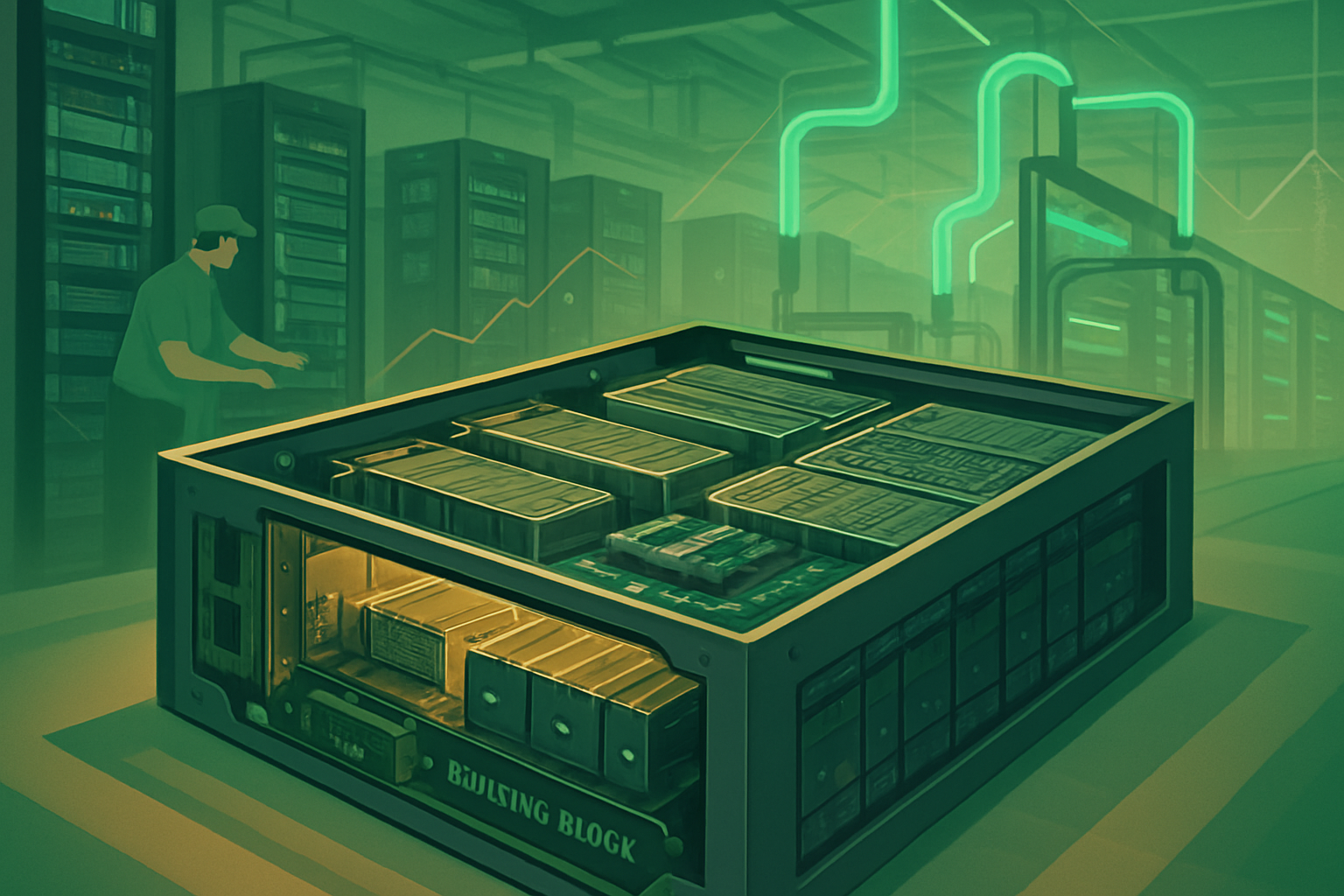
  • The AI Industrial Giant: A Deep-Dive Research Feature on Super Micro Computer (SMCI)

    The AI Industrial Giant: A Deep-Dive Research Feature on Super Micro Computer (SMCI)

    The date is January 14, 2026. After a tumultuous two-year period defined by stratospheric growth, governance crises, and a fundamental shift in the economics of data centers, Super Micro Computer, Inc. (NASDAQ: SMCI) stands at a critical crossroads. Once the darling of the AI boom, then the target of intense regulatory scrutiny, the San Jose-based server specialist has transitioned into a new phase of its corporate life: the era of the "AI Industrial Giant."

    Introduction

    Super Micro Computer (NASDAQ: SMCI) remains one of the most polarizing and essential names in the global technology infrastructure. As of early 2026, the company serves as the primary physical architect for the generative AI revolution, providing the high-density server racks required to house NVIDIA (NASDAQ: NVDA) Blackwell and Vera Rubin GPUs.

    The story of SMCI over the last 18 months has been one of survival and scale. After narrowly avoiding a Nasdaq delisting in early 2025 and navigating a bruising audit transition, the company has stabilized its operations. However, the investment thesis has shifted significantly. No longer viewed as a high-margin "software-like" growth play, SMCI is now recognized as a high-volume, low-margin hardware utility—a "picks and shovels" provider that has sacrificed short-term profitability to capture a dominant share of the burgeoning liquid-cooling market.

    Historical Background

    Founded in 1993 by Charles Liang and his wife, Sara Liu, Super Micro began as a humble motherboard and chassis manufacturer in Silicon Valley. From its inception, the company differentiated itself through a "Building Block Solutions" philosophy—a modular approach to server design that allowed for rapid customization.

    While competitors like Dell Technologies (NYSE: DELL) and Hewlett Packard Enterprise (NYSE: HPE) focused on enterprise services and standardized hardware, Liang stayed focused on engineering-led "green computing." This focus on thermal efficiency proved prophetic. When the AI explosion began in late 2022, SMCI was the only vendor capable of integrating thousands of power-hungry GPUs into cohesive, energy-efficient racks at the speed required by hyperscalers like Meta and xAI.

    Business Model

    SMCI’s business model revolves around the design, manufacture, and sale of high-performance server and storage solutions based on open architecture. Its revenue is primarily derived from three segments:

    1. AI and High-Performance Computing (HPC): This segment now accounts for over 70% of total revenue, comprising full-rack solutions integrated with NVIDIA, AMD, and Intel AI accelerators.
    2. Enterprise and Cloud: Traditional data center servers and storage arrays.
    3. Edge and IoT: Emerging ruggedized servers for localized processing.

    The company utilizes a "Twin-Server" and multi-node architecture that allows for higher density than traditional rack designs. Most importantly, SMCI has vertically integrated its manufacturing, with massive facilities in San Jose, Taiwan, and Malaysia, allowing it to move from chip arrival to finished rack delivery in as little as a few weeks.

    Stock Performance Overview

    The stock performance of SMCI is a study in extreme volatility.

    • 10-Year View: Long-term shareholders remain the big winners. Even after the 2024 correction, the stock is up over 1,500% from its 2016 levels.
    • The 2024-2025 Roller Coaster: Following a 10-for-1 stock split in late 2024, the shares hit a nadir in the $15-$18 range (post-split) amid fears of accounting fraud and the resignation of its auditor, Ernst & Young.
    • Early 2026 Status: As of mid-January 2026, the stock has stabilized in the $32.00 to $36.00 range. The market has priced in the "governance discount," but the stock has found a floor thanks to record-breaking revenue and a massive $13 billion order backlog.

    Financial Performance

    In its most recent fiscal reporting for 2025, SMCI showcased a "growth at all costs" financial profile.

    • Revenue: Reached an all-time high of approximately $22.4 billion, a staggering leap from the $14.9 billion reported in FY2024.
    • Margins: This is the primary point of contention for analysts. Gross margins, which once sat near 18%, have compressed to 9.1% in the latest quarter. SMCI has intentionally lowered prices to ward off competition from Dell and HPE.
    • Debt and Liquidity: To fund the purchase of expensive GPUs, SMCI secured a $2.0 billion revolving credit facility in late 2025. While debt has increased, the company's cash flow from operations has finally turned positive as inventory turnover improved.

    Leadership and Management

    Founder and CEO Charles Liang remains the driving force behind the company. Despite calls for his resignation during the 2024 audit crisis, Liang’s deep engineering knowledge and relationship with NVIDIA’s Jensen Huang made him arguably "too essential to fire."

    To appease regulators and investors, the board underwent a significant overhaul in 2025. The appointment of Scott Angel, a former Deloitte veteran, as an independent director and the hiring of a new CFO (expected to be finalized by Q1 2026) have helped restore some institutional confidence. However, the leadership remains heavily centralized under Liang, which continues to be a point of concern for governance-focused investors.

    Products, Services, and Innovations

    SMCI’s "crown jewel" in 2026 is its Direct Liquid Cooling (DLC) technology. As GPU power consumption has climbed toward 1,000W-1,200W per chip with the Blackwell and Rubin architectures, traditional air cooling has reached its physical limits.

    SMCI has moved from being a server company to a "thermal management" company. Its DLC-2 racks can reduce data center power consumption for cooling by up to 40%. By January 2026, SMCI is producing roughly 5,000 racks per month, with nearly 45% of those being liquid-cooled—the highest ratio in the industry.

    Competitive Landscape

    The competition has intensified as the "AI Server Land Grab" matures.

    • Dell Technologies (NYSE: DELL): Dell has leveraged its superior enterprise sales force to claw back market share, particularly with Fortune 500 companies that require high-touch support.
    • Hewlett Packard Enterprise (NYSE: HPE): HPE has focused on the "Sovereign AI" market, winning large government contracts in Europe and the Middle East.
    • ODM Direct: Hyperscalers like Microsoft and Google are increasingly designing their own servers and using Asian ODMs (Original Design Manufacturers) like Quanta and Foxconn to build them, bypassing SMCI for their internal silicon needs.

    Industry and Market Trends

    The "Power Wall" is the defining trend of 2026. Data centers are no longer constrained by chip availability, but by the availability of electricity. SMCI's focus on energy efficiency aligns perfectly with this constraint. Additionally, the market is shifting from Training (building models) to Inference (running models). This favors SMCI’s modular architecture, which can be quickly reconfigured for lower-latency inference tasks.

    Risks and Challenges

    Despite its recovery, SMCI faces three significant risks:

    1. Regulatory Overhang: The Department of Justice (DOJ) probe initiated in late 2024 remains open. While the company’s special committee found no fraud, a potential fine or mandated structural change remains a "black swan" risk.
    2. NVIDIA Dependency: SMCI’s fortunes are inextricably linked to NVIDIA’s product cycle. Any delay in the Vera Rubin launch or a shift in NVIDIA's "preferred partner" status would be catastrophic.
    3. Commoditization: As Dell and HPE scale their AI offerings, SMCI may find it impossible to raise margins, permanently capping its valuation multiple.

    Opportunities and Catalysts

    • Vera Rubin Launch: The upcoming transition to the Rubin platform in late 2026 provides another "first-to-market" window for SMCI.
    • Sovereign AI Expansion: SMCI’s new Malaysia facility is strategically positioned to capture demand from Southeast Asian nations building domestic AI clusters.
    • Edge AI: The launch of ruggedized, liquid-cooled edge servers for hospitals and autonomous factories represents a new, higher-margin revenue stream.

    Investor Sentiment and Analyst Coverage

    Sentiment remains "cautiously optimistic" but disciplined. Wall Street analysts have largely moved SMCI from "Growth" to "Value/Cyclical" categories. Hedge fund ownership, which saw a mass exodus in late 2024, has partially returned as the 10-K filings were normalized. Retail sentiment remains high, driven by SMCI’s continued status as a high-beta play on the AI sector.

    Regulatory, Policy, and Geopolitical Factors

    Geopolitics are a double-edged sword for SMCI. U.S. export controls on high-end GPUs to China have limited a historically strong market for the company. Conversely, the "CHIPS Act" and various domestic manufacturing incentives in the U.S. and Taiwan have provided subsidies that help offset the costs of SMCI’s localized production model.

    Conclusion

    As of January 14, 2026, Super Micro Computer has successfully weathered the storm of 2024, proving that its engineering prowess and manufacturing speed are too valuable for the AI ecosystem to lose. It has transitioned from a speculative rocket ship into a foundational utility of the digital age.

    For investors, the 2026 version of SMCI requires a different mindset: the days of 1,000% annual gains are likely over, replaced by a story of volume, execution, and thermal efficiency leadership. The key metric to watch over the coming year will not be revenue growth—which remains robust—but the stabilization of gross margins. If SMCI can prove it can maintain its 10-12% market share without further eroding its profitability, it will likely see a re-rating of its current valuation.


    This content is intended for informational purposes only and is not financial advice.

  • The Resilience of the AI Backbone: A Deep Dive into Super Micro Computer, Inc. (SMCI)

    The Resilience of the AI Backbone: A Deep Dive into Super Micro Computer, Inc. (SMCI)

    As of January 14, 2026, the landscape of the artificial intelligence (AI) infrastructure market has shifted from the euphoric "gold rush" of 2023–2024 into a more calculated, mature phase of industrialization. At the center of this transformation is Super Micro Computer, Inc. (NASDAQ: SMCI), a company that has experienced one of the most volatile journeys in modern corporate history. From its meteoric rise as an AI darling to the harrowing accounting controversies of late 2024, and its subsequent stabilization in 2025, Supermicro remains a critical, albeit controversial, pillar of the global data center ecosystem.

    Introduction

    Super Micro Computer, Inc. is currently at a crossroads. Just over a year ago, the company was fighting for its survival amidst auditor resignations and delisting threats. Today, it has emerged as a high-volume leader in the deployment of liquid-cooled AI "factories." However, the narrative has shifted from pure growth to a grueling battle for profitability. As investors weigh the company's technical dominance in Direct Liquid Cooling (DLC) against its razor-thin margins and lingering regulatory shadows, SMCI remains a bellwether for the health of the AI hardware sector.

    Historical Background

    Founded on November 1, 1993, by Charles Liang, his wife Sara Liu, and Wally Liaw, Supermicro began its journey in the heart of Silicon Valley, San Jose. From its inception, the company differentiated itself through a "Building Block Solutions" philosophy. Unlike competitors who sold rigid, pre-configured servers, Liang pioneered a modular approach that allowed customers to mix and match motherboards, power supplies, and chassis to meet specific workload needs.

    In the early 2000s, while the industry focused solely on raw performance, Supermicro leaned into "Green Computing." This focus on energy efficiency—initially a niche marketing angle—proved prophetic. As data centers became the largest consumers of electricity in the world, Supermicro’s expertise in power optimization became its greatest competitive advantage, eventually paving the way for its leadership in the AI era.

    Business Model

    Supermicro operates as a total rack-scale provider. Its revenue model is built on three primary pillars:

    1. Server and Storage Systems: High-performance hardware optimized for AI, Cloud, and Edge computing.
    2. Building Block Components: Selling individual modular parts to other OEMs and integrators.
    3. Services and Software: Post-deployment support, management software, and security updates.

    The company’s "Plug-and-Play" (PnP) rack-scale integration is its crown jewel. Instead of shipping individual servers, Supermicro delivers fully integrated 19-inch or 21-inch racks, pre-tested and ready for immediate deployment in hyperscale data centers. This model significantly reduces lead times for customers like Tier-2 Cloud Service Providers (CSPs) and sovereign AI initiatives.

    Stock Performance Overview

    The stock performance of SMCI is a tale of two extremes. Over a 10-year horizon, the stock has delivered legendary returns, fueled by its transition from a commodity server maker to an AI infrastructure giant. However, the 1-year performance reflects a stabilizing, yet cautious market.

    In early 2024, the stock soared to adjusted highs (pre-split) that made it one of the top performers in the S&P 500. Following a 10-for-1 forward stock split on October 1, 2024, the stock faced a catastrophic decline in late 2024 due to the resignation of its auditor, Ernst & Young, and a subsequent short-seller report. Throughout 2025, the stock staged a "compliance rally," recovering much of its lost ground as it filed delinquent reports and avoided delisting. As of January 14, 2026, the stock is trading in the $28.00–$30.00 range, significantly lower than its 2024 peaks but healthily above its 2024 lows.

    Financial Performance

    For Fiscal Year 2025 (ended June 2025), Supermicro reported a staggering $22 billion in revenue, representing roughly 50% year-over-year growth. However, this growth has come at a cost. The most notable financial trend in 2025 has been margin compression. Gross margins, which once sat comfortably at 15–17%, have dipped to the 9.3%–11.2% range.

    This "Margin War" is driven by aggressive pricing strategies meant to defend market share against incumbents. For the current Fiscal Year 2026, management has set an ambitious revenue target of $33B–$36B, though analysts remain skeptical about the company's ability to maintain bottom-line profitability while scaling so aggressively.

    Leadership and Management

    Founder and CEO Charles Liang remains the driving force behind the company’s technical vision. Known for his "hands-on" engineering approach, Liang is often credited with the company’s speed-to-market. However, the governance crisis of late 2024 forced a restructuring of the leadership team.

    The company appointed a new CFO following recommendations from a Special Committee investigation into accounting practices. While the board has been bolstered with new independent directors to satisfy Nasdaq requirements and investor concerns, the "founder-centric" nature of the company continues to draw scrutiny from institutional governance watchdogs.

    Products, Services, and Innovations

    Supermicro’s competitive edge lies in its Direct Liquid Cooling (DLC) technology. As NVIDIA (NASDAQ: NVDA) chips like the Blackwell and the upcoming Vera Rubin platforms push power consumption toward 1,200W+ per GPU, traditional air cooling is no longer viable.

    Currently, Supermicro holds an estimated 70% market share in the DLC rack segment. Their latest product, the Blackwell-ready NVL72 rack, allows for massive AI training clusters to operate with significantly lower energy overhead. The company’s ability to manufacture these at scale—producing upwards of 5,000 to 6,000 racks per month—is a feat of engineering and logistics that few can match.

    Competitive Landscape

    The "Land Grab" phase of 2023 has evolved into a "Battle of the Titans." Supermicro faces intense competition from:

    • Dell Technologies (NYSE: DELL): Dell has leveraged its superior global supply chain and enterprise relationships to reclaim significant market share in late 2024 and 2025.
    • Hewlett Packard Enterprise (NYSE: HPE): Following its acquisition of Juniper Networks, HPE has focused on "Private AI" and networking-heavy deployments, carving out a niche SMCI has struggled to penetrate.
    • Asian ODMs: Companies like Quanta and Foxconn remain formidable competitors for high-volume, low-margin hyperscale business.

    Industry and Market Trends

    The dominant trend in 2026 is the rise of Sovereign AI and Edge AI. Nations are now building their own domestic AI capacity to ensure data residency and security. Supermicro’s modular design is particularly well-suited for these mid-scale, specialized deployments. Furthermore, the global power crisis has made energy efficiency the primary metric for data center success, favoring Supermicro’s liquid-cooling expertise.

    Risks and Challenges

    Investors cannot ignore the significant risks associated with SMCI:

    • Internal Controls: While the company avoided delisting, the shadow of the 2024 accounting controversy remains. An ongoing Department of Justice (DOJ) probe into accounting irregularities continues to hang over the stock.
    • Customer Concentration: A significant portion of revenue is tied to a few large CSPs. If these customers rotate their spending or build their own hardware, SMCI’s revenue could crater.
    • Margin Erosion: The current price war with Dell and HPE may lead to a "race to the bottom" where Supermicro grows revenue but fails to generate meaningful free cash flow.

    Opportunities and Catalysts

    Despite the risks, several catalysts could propel the stock forward:

    • NVIDIA Rubin Launch: As a lead partner for the upcoming Vera Rubin platform, Supermicro is poised to capture the first wave of upgrades in late 2026.
    • Expansion of DLC: If liquid cooling becomes the standard for all data centers—not just AI—Supermicro’s addressable market expands ten-fold.
    • Resolution of DOJ Probe: A final settlement or "no-action" letter from the DOJ would likely trigger a significant re-rating of the stock as the "governance discount" evaporates.

    Investor Sentiment and Analyst Coverage

    Sentiment remains deeply divided. On one hand, retail investors remain bullish on the company’s "essential" role in the AI stack. On the other, institutional sentiment is cautious. Just yesterday, on January 13, 2026, Goldman Sachs initiated coverage with a "Sell" rating and a $26 price target, citing the ongoing margin war as a structural headwind that the market has yet to fully price in.

    Regulatory, Policy, and Geopolitical Factors

    Supermicro is heavily impacted by U.S. export controls. As the U.S. government tightens restrictions on AI chip shipments to China and other "adversarial" nations, Supermicro must navigate a complex web of compliance. Additionally, the company is under constant pressure to diversify its manufacturing footprint away from Taiwan to mitigate geopolitical risks, leading to recent expansions in its Malaysia and San Jose facilities.

    Conclusion

    Super Micro Computer, Inc. is a company that has mastered the technical complexities of the AI era but continues to struggle with the complexities of being a transparent, blue-chip public entity. For the aggressive investor, the current price levels offer a way to play the indispensable liquid-cooling trend at a discount compared to more "stable" peers. However, the ongoing DOJ investigation and the brutal margin environment mean that SMCI is not for the faint of heart. As we look toward the rest of 2026, the key for Supermicro will be proving that it can deliver not just the fastest servers, but also a sustainable and transparent bottom line.


    This content is intended for informational purposes only and is not financial advice.