Tag: Stock Analysis

  • The Great Resurgence: A Deep Dive into Grifols S.A. (GRFS) in 2026

    The Great Resurgence: A Deep Dive into Grifols S.A. (GRFS) in 2026

    As of March 25, 2026, Grifols S.A. (NASDAQ: GRFS) stands at a pivotal crossroads in its century-long history. Once the undisputed champion of the European healthcare sector, the Spanish plasma giant spent much of the last two years fighting for its corporate life following a devastating short-seller attack and a debt-fueled identity crisis. Today, the company is emerging from a period of intense restructuring, characterized by a fundamental shift from a family-led dynasty to a professionally managed multinational. With its leverage ratios finally trending downward and takeover rumors swirling through the halls of Wall Street and Madrid, Grifols has become a focal point for value investors and healthcare analysts alike.

    Historical Background

    Founded in 1909 by Josep Antoni Grífols i Roig in Barcelona, Grifols began as a small clinical analysis laboratory. The company’s trajectory changed forever in the mid-20th century when it pioneered the technique of plasmapheresis—returning red blood cells to the donor while keeping the plasma. This innovation laid the groundwork for the modern global plasma industry.

    Over the decades, Grifols transformed through aggressive international expansion, most notably with the 2011 acquisition of Talecris Biotherapeutics, which vaulted it into the top tier of global plasma players. However, this growth came at a cost: a complex corporate structure and a heavy reliance on debt. The Grifols family remained at the helm for three generations, a factor that provided stability for years but eventually became a point of contention for modern institutional investors seeking greater transparency and governance rigor.

    Business Model

    Grifols operates a vertically integrated business model focused on the collection, fractionation, and purification of human plasma to produce life-saving therapies. Its operations are divided into three primary segments:

    1. Biopharma: The crown jewel of the company, generating the vast majority of revenue. It produces essential proteins such as Immunoglobulins (for primary immunodeficiencies), Albumin (used in critical care), and Alpha-1 Antitrypsin (for genetic emphysema).
    2. Diagnostic: This division focuses on blood and tissue typing, ensuring the safety of blood transfusions and donations globally. It provides the hardware and reagents used in laboratories worldwide.
    3. Bio Supplies: A smaller but high-margin segment that provides biological materials for research, clinical trials, and the manufacturing of non-plasma pharmaceutical products.

    The company’s primary competitive advantage lies in its massive donor center network—one of the world’s largest, with approximately 400 centers concentrated in the United States and Europe.

    Stock Performance Overview

    The last decade has been a rollercoaster for GRFS shareholders. Between 2016 and late 2019, the stock was a consistent performer, benefiting from a "super-cycle" in immunoglobulin demand. However, the COVID-19 pandemic severely disrupted plasma collection, leading to a multi-year decline.

    The most dramatic move occurred in January 2024, when Gotham City Research released a report alleging accounting improprieties related to the company’s relationship with Scranton Enterprises, a family-linked vehicle. The stock plummeted nearly 40% in a single week, hitting decade-long lows near $6.00.

    Through 2025 and into early 2026, the stock has staged a methodical recovery. Trading between $9.00 and $11.00 in March 2026, the shares have recouped significant ground, though they remain well below their 2020 all-time highs of $24.26. The 5-year return remains negative, but the 1-year performance has outpaced the broader healthcare sector as the market prices in a successful turnaround.

    Financial Performance

    Grifols’ financial narrative in 2026 is one of "deleveraging and discipline." Following the landmark €1.6 billion sale of its 20% stake in Shanghai RAAS to the Haier Group in mid-2024, the company addressed its most pressing debt maturities.

    • Revenue: For FY 2025, Grifols reported €7.52 billion in revenue, a 7% year-over-year increase driven by strong demand for subcutaneous immunoglobulins.
    • EBITDA: Adjusted EBITDA margins have stabilized at approximately 24.3%, reflecting the success of the €450 million cost-cutting initiative launched in 2023.
    • Debt Profile: The critical "Net Debt to EBITDA" ratio, which peaked at nearly 7x during the 2024 crisis, has been reduced to 4.2x as of early 2026. Management has signaled a target of 3.0x by the end of 2027.
    • Cash Flow: Free cash flow (pre-dividends and M&A) reached €468 million in 2025, a significant improvement from the negative territory seen during the pandemic recovery.

    Leadership and Management

    The most significant catalyst for Grifols’ 2025-2026 recovery has been the professionalization of its leadership. In April 2024, Nacho Abia took over as CEO, bringing a culture of "operational excellence" from his tenure at Olympus. Under Abia, the company has simplified its reporting structure and eliminated several controversial related-party transactions.

    In early 2026, the company completed its governance transition by appointing Anne-Catherine Berner as President, marking the first time in the company’s history that neither the CEO nor the Board Chair carries the Grifols surname. This shift has been instrumental in rebuilding trust with institutional investors who previously shunned the stock due to "family-office" governance risks.

    Products, Services, and Innovations

    While plasma remains the core, Grifols is innovating to protect its margins. The 2022 acquisition of Biotest has finally begun to bear fruit, with several high-margin proteins entering the final stages of the regulatory pipeline.

    • Xembify: This 20% subcutaneous immunoglobulin (SCIg) has seen rapid adoption in the US market, allowing patients to self-administer treatments and reducing the burden on healthcare facilities.
    • Fibrinogen: Grifols is leveraging Biotest’s technology to expand its presence in the critical care market with new fibrinogen concentrates.
    • Digital Integration: The company has invested heavily in the "Grifols Donor App" and automated testing in centers, which has reduced the cost per liter of plasma by approximately 15% since 2023.

    Competitive Landscape

    Grifols remains a "Big Three" player in the global plasma market, holding an approximately 20% market share. Its primary rivals are:

    • CSL Behring (ASX: CSL): The market leader, known for the highest operational efficiency and a dominant position in the US.
    • Takeda (NYSE: TAK): A diversified pharmaceutical giant with a strong focus on rare diseases and hereditary angioedema.
    • Octapharma: A privately held Swiss firm that competes aggressively on price in the European and emerging markets.

    Grifols’ competitive edge lies in its dominance of the Alpha-1 Antitrypsin market, where it holds a nearly 70% share, and its deep vertical integration which provides better supply chain resilience than smaller, non-integrated players.

    Industry and Market Trends

    The plasma industry is currently benefiting from a post-pandemic "normalization." Plasma collection volumes across the industry rose by 8% in 2025. However, the sector faces a potential long-term threat from FcRn inhibitors—a new class of non-plasma-derived drugs that could treat some of the same autoimmune conditions currently managed by immunoglobulins.

    Despite this, most analysts believe the "plasma pie" is growing fast enough (6-8% CAGR) to accommodate both traditional therapies and new biological entrants, particularly as diagnosis rates improve in emerging economies like India and Brazil.

    Risks and Challenges

    Despite the recovery, Grifols is not without risks:

    1. Leverage: While 4.2x is better than 7x, it remains high for a company in a capital-intensive industry. Any sudden spike in interest rates or a secondary disruption to plasma collection could strain the balance sheet again.
    2. Litigation: The aftermath of the 2024 Gotham City report continues in the form of shareholder class-action lawsuits in the US.
    3. Governance Remnants: While the board has been refreshed, the Grifols family still holds a significant minority stake (roughly 30%), which could lead to friction if their interests diverge from those of institutional shareholders.

    Opportunities and Catalysts

    The primary "alpha" catalyst for Grifols in 2026 is the potential for a private equity buyout. In early 2026, rumors resurfaced that Brookfield Asset Management is considering a renewed bid for the company. An earlier informal offer in late 2025 was rejected, but analysts believe a bid in the range of $13-$15 per share (ADR) could win board approval.

    Additionally, a potential credit rating upgrade to "Investment Grade" by 2027 would significantly lower the company’s interest expense, potentially adding hundreds of millions to the bottom line.

    Investor Sentiment and Analyst Coverage

    Sentiment has shifted from "toxic" in 2024 to "cautiously optimistic" in 2026.

    • Wall Street: The consensus rating on GRFS is currently a "Moderate Buy," with a 12-month price target of $12.50.
    • Institutional Moves: Several large European pension funds, which divested during the governance crisis, began rebuilding positions in Q3 2025, citing the stabilization of free cash flow.
    • Retail Sentiment: On platforms like X and Reddit, the narrative has shifted from fears of bankruptcy to debates over the fair takeover value of the company.

    Regulatory, Policy, and Geopolitical Factors

    Regulatory tailwinds are currently blowing in Grifols’ favor. The European Union’s SoHO (Substances of Human Origin) Regulation, fully implemented in 2025, has streamlined the movement of plasma across borders within the EU, benefiting Grifols’ European fractionation hubs.

    In the US, the FTC’s continued scrutiny of healthcare mergers means that a merger between Grifols and another "Big Three" player is unlikely, effectively capping inorganic growth but protecting Grifols from being swallowed by a direct competitor. Meanwhile, Spain’s High Court is still investigating the 2024 market movements, which could lead to further vindication for the company regarding the "market manipulation" claims against short-sellers.

    Conclusion

    Grifols S.A. enters the second quarter of 2026 as a leaner, more transparent version of its former self. The "trial by fire" of 2024-2025 forced a much-needed modernization of its management and a rigorous deleveraging path that is finally bearing fruit. For investors, the story is no longer about survival, but about valuation. With a stabilized core business and the looming possibility of a private equity exit, Grifols represents a classic turnaround play in a high-barrier-to-entry industry. However, the path to a full recovery remains contingent on maintaining operational discipline and successfully navigating the competitive threat of new biological therapies. Investors should closely monitor upcoming Q1 2026 earnings for confirmation that the leverage ratio continues its downward march toward the 4.0x threshold.


    This content is intended for informational purposes only and is not financial advice. The author has no position in the securities mentioned at the time of writing.


  • The Public Safety Operating System: A Deep Dive into Axon Enterprise (AXON) 2026

    The Public Safety Operating System: A Deep Dive into Axon Enterprise (AXON) 2026

    March 25, 2026

    Introduction

    As of March 2026, Axon Enterprise, Inc. (Nasdaq: AXON) stands as the undisputed titan of the public safety technology sector. Once known primarily for its conducted energy devices (CEDs), the company has undergone a radical metamorphosis over the past decade, evolving into what analysts now call the "Microsoft of Law Enforcement." Axon today is a software-first enterprise, leveraging artificial intelligence, cloud-based evidence management, and real-time situational awareness to redefine how modern policing operates. With a market capitalization that has seen explosive growth and a product ecosystem that is increasingly "sticky," Axon is a central focus for growth investors seeking exposure to the intersection of government spending, SaaS recurring revenue, and practical AI implementation.

    Historical Background

    The Axon story began in 1993 as AIR TASER, founded by brothers Rick and Tom Smith in a garage in Tucson, Arizona. Their initial mission was inspired by a personal tragedy—the shooting of two high school friends—which led Rick Smith to seek a non-lethal alternative to the handgun. For its first two decades, the company, then known as TASER International, focused on the hardware of de-escalation.

    The pivot that defined the company’s current trajectory occurred in 2008 with the launch of the Axon Pro body camera and the subsequent introduction of Evidence.com, a cloud-based storage system. Recognizing that video was only as valuable as the ability to manage it, Smith shifted the company toward a software-as-a-service (SaaS) model. In 2017, the company officially rebranded as Axon Enterprise, signaling its move beyond the TASER brand into a holistic technology platform. This transition from a hardware manufacturer to a digital evidence pioneer laid the groundwork for the multi-billion-dollar backlog the company enjoys today.

    Business Model

    Axon operates a high-margin "Razor and Blade 2.0" business model. The "razors" are the physical hardware devices—TASERs and body-worn cameras—while the "blades" are the long-term, high-margin software subscriptions required to manage the data they produce.

    The company generates revenue through three primary segments:

    1. Software & Sensors: Includes Axon Body cameras and the Evidence.com SaaS platform. This segment is characterized by high gross margins (over 80%) and long-term contracts.
    2. TASER: Sales of the TASER 10 and older models, increasingly sold via the "TASER-as-a-Service" subscription model.
    3. Axon Cloud & AI: A burgeoning segment focusing on AI-driven transcription, report writing (Draft One), and real-time operations center (RTOC) software.

    The cornerstone of the business is the Officer Safety Plan (OSP), a tiered subscription bundle that provides agencies with regular hardware refreshes and full access to the Axon software suite. This creates high switching costs, as migrating petabytes of sensitive evidentiary data to a competitor is both operationally difficult and legally complex.

    Stock Performance Overview

    Over the last decade, AXON has been one of the standout performers in the industrial tech and software space.

    • 10-Year Horizon: Investors who entered a position in 2016 have seen returns exceeding 2,500%, driven by the transition to recurring revenue and the mass adoption of body cameras.
    • 5-Year Horizon: The stock has surged approximately 314%, fueled by the "SaaS-ification" of its balance sheet and consistently beating earnings expectations.
    • Recent Activity (2025–2026): After reaching an all-time high of $885.92 in mid-2025, the stock experienced a healthy correction in early 2026 as valuation multiples compressed across the growth sector. As of late March 2026, the stock trades in the $450–$500 range, reflecting a more mature but still robust growth profile.

    Financial Performance

    Axon’s fiscal year 2025 results, released in February 2026, underscored its financial strength. The company reported record annual revenue of $2.78 billion, a 33% increase year-over-year. More importantly, Annual Recurring Revenue (ARR) surpassed $1.35 billion, up 35% from 2024.

    Key metrics for 2025:

    • Gross Margin: Consolidated gross margins reached 62%, bolstered by the Software & Services segment's 82% margin.
    • Backlog: Contracted future revenue hit a staggering $14.4 billion.
    • Free Cash Flow: While the company continues to reinvest heavily in R&D and acquisitions (like the recent Carbyne deal), it remains cash-flow positive, ending 2025 with over $1.1 billion in cash and cash equivalents.
    • Valuation: Despite the price correction, AXON remains a "premium" stock, trading at a forward P/E that reflects high expectations for its AI-driven margin expansion.

    Leadership and Management

    CEO Rick Smith remains the visionary force behind Axon. Known for his "Moonshot" goals—such as his 2022 pledge to make the bullet obsolete by 2033—Smith has built a reputation for long-term thinking. The management team is frequently lauded for its "Product-First" culture.

    Governance at Axon is focused on "ethical AI" and transparency. The company maintains an independent AI Ethics Board, which, while occasionally a source of internal friction, has helped Axon navigate the sensitive political landscape of surveillance technology better than many of its peers. The recent appointment of several software-industry veterans to the board of directors signals a continued focus on scaling the cloud business internationally.

    Products, Services, and Innovations

    As of March 2026, Axon’s product ecosystem is more integrated than ever:

    • TASER 10: The current flagship CED features a 10-shot capacity and a 45-foot range, significantly reducing the need for officers to close the distance during confrontations.
    • Axon Body 4: These cameras now feature bi-directional communication, allowing dispatchers to speak directly to officers through the device during high-stress incidents.
    • Draft One: This generative AI tool is the "killer app" of 2026. It uses audio from body cameras to draft police reports automatically. Agencies report that this saves officers nearly 50% of their administrative time, effectively putting more officers back on the street.
    • Axon 911: Integrating its 2025 acquisition of Carbyne, Axon now offers a cloud-native emergency response system that allows 911 dispatchers to see live video from a caller’s smartphone.

    Competitive Landscape

    The market is increasingly a duopoly between Axon and Motorola Solutions (NYSE: MSI).

    • Motorola Solutions: MSI remains a formidable rival, leveraging its decades-long dominance in Land Mobile Radio (LMR). Motorola has aggressively expanded its video and software portfolio (CommandCentral), often bundling hardware with its radio contracts.
    • Axon’s Edge: While Motorola "owns the voice," Axon "owns the video and the data." Axon’s cloud platform is generally considered more advanced and user-friendly, and its "all-in" focus on non-lethal hardware gives it a unique brand identity that Motorola, which lacks a TASER equivalent, cannot match.
    • Small Players: Smaller firms like Digital Ally and various Chinese manufacturers have largely been relegated to the lower end of the market or specialized niches, as they lack the R&D budget to compete with Axon’s AI pipeline.

    Industry and Market Trends

    Public safety is undergoing a "Digital Transformation" phase. Three key trends dominate 2026:

    1. Workforce Efficiency: With police recruitment down globally, agencies are desperate for technology that acts as a "force multiplier." AI report-writing is the primary solution to this labor crunch.
    2. Drones as First Responders (DFR): The use of Axon Air (drones) to arrive at a scene before human officers is moving from pilot programs to standard practice in major urban areas.
    3. Real-Time Everything: Agencies are shifting from "after-the-fact" evidence review to "real-time" situational awareness, where live-streamed video is processed by AI to detect weapons or specific vehicle types instantly.

    Risks and Challenges

    Despite its dominance, Axon faces significant risks:

    • AI Regulation: The EU AI Act and similar state-level laws in the U.S. (like California’s SB 524) impose strict transparency and audit requirements on AI-generated reports. Failure to comply could lock Axon out of key markets.
    • Valuation Sensitivity: Trading at high multiples means any deceleration in growth or a single quarter of missed ARR targets could result in significant share price volatility.
    • Privacy Concerns: Civil liberties groups continue to challenge the expansion of AI-driven surveillance, which could lead to legislative "blanket bans" on certain features like facial recognition or predictive analytics.

    Opportunities and Catalysts

    Looking forward into the rest of 2026 and 2027:

    • International Expansion: Only 17% of Axon’s revenue comes from outside the U.S. Management has targeted a 25% share by 2027, with significant growth expected in Western Europe and Japan.
    • Axon Justice: The company is expanding its software to serve prosecutors and public defenders, streamlining the "discovery" process. This doubles Axon’s total addressable market (TAM) within the existing legal system.
    • Enterprise and Private Security: Retail giants and healthcare facilities are increasingly adopting Axon body cameras and "de-escalation" training to manage rising security concerns, opening a massive non-government revenue stream.

    Investor Sentiment and Analyst Coverage

    Wall Street sentiment on Axon is currently "Moderately Bullish." Most analysts have price targets ranging from $720 to $820 for the next 12–18 months.

    • Institutional Backing: Large asset managers like BlackRock and Vanguard maintain significant positions, viewing Axon as a "defensive growth" play—since public safety budgets are rarely cut even in recessions.
    • Retail Chatter: On platforms like X and Reddit, Axon is often discussed as a "forever hold" due to its competitive moat and the essential nature of its products.

    Regulatory, Policy, and Geopolitical Factors

    Geopolitically, Axon benefits from the "de-risking" of supply chains away from China. As Western governments ban Hikvision and other Chinese surveillance firms, Axon has emerged as the "trusted" domestic partner.

    In the U.S., federal funding for police technology remains robust, often bolstered by bipartisan support for "police reform" measures that emphasize transparency through body cameras. However, Axon must constantly navigate the shifting sands of privacy law, particularly regarding how long data is stored and who has access to AI-processed metadata.

    Conclusion

    Axon Enterprise has successfully navigated the difficult transition from a hardware-centric company to a diversified technology platform. In 2026, it sits at the heart of the public safety ecosystem, with its software and AI tools becoming as essential to officers as the TASER itself.

    For investors, Axon offers a compelling narrative of high recurring revenue, a massive $14.4 billion backlog, and a management team that has consistently executed on its vision. However, the high valuation and the evolving regulatory landscape for AI require a disciplined approach. Investors should watch for continued growth in the international segment and any potential headwinds from AI-specific legislation. As the "public safety operating system," Axon is no longer just about the TASER—it is about the data that powers justice in the 21st century.


    This content is intended for informational purposes only and is not financial advice.

  • The LyondellBasell Transformation: Navigating the Shift from Commodities to Circularity (NYSE: LYB)

    The LyondellBasell Transformation: Navigating the Shift from Commodities to Circularity (NYSE: LYB)

    As of March 25, 2026, LyondellBasell Industries N.V. (NYSE: LYB) stands at a pivotal crossroads in its corporate evolution. Long regarded as the "cash cow" of the petrochemical world, the company is currently navigating a complex transition from a traditional commodity chemical giant to a leader in "Circular and Low Carbon Solutions." With a massive global footprint and a reputation for operational excellence, LYB remains a bellwether for the health of the global manufacturing sector. However, recent strategic shifts—including a significant dividend recalibration and the shuttering of legacy refining assets—have brought the company into sharp focus for value and ESG investors alike.

    Historical Background

    The modern LyondellBasell is the result of one of the most tumultuous industrial sagas of the 21st century. The company was formed in December 2007 through the $12.7 billion acquisition of the American Lyondell Chemical Company by the European Basell Polyolefins, then owned by Access Industries. The timing was unfortunate; the merger saddled the new entity with approximately $24 billion in debt just as the Global Financial Crisis began.

    In January 2009, the company’s U.S. operations filed for Chapter 11 bankruptcy. It emerged just 15 months later in April 2010 with a dramatically cleaner balance sheet and a renewed focus on cost discipline. Throughout the 2010s, LYB capitalized on the U.S. shale revolution, using low-cost natural gas liquids (NGLs) to achieve industry-leading margins. This "Phoenix" story cemented its place on the NYSE, where it listed in October 2010.

    Business Model

    LyondellBasell operates a globally integrated business model across five primary segments (with a sixth, Refining, currently being phased out):

    • Olefins & Polyolefins (O&P) – Americas: The crown jewel of the portfolio, producing ethylene and polyethylene by leveraging low-cost U.S. shale gas.
    • Olefins & Polyolefins (O&P) – Europe, Asia, International (EAI): A global counterpart that produces plastics for international markets, though often facing higher energy costs than the Americas segment.
    • Intermediates & Derivatives (I&D): A global leader in propylene oxide (PO) technology, producing chemicals used in insulation, home furnishings, and automotive parts.
    • Advanced Polymer Solutions (APS): Focused on high-value, engineered plastics and "masterbatches" used in specialized applications like medical devices and lightweight automotive components.
    • Technology: A high-margin segment that licenses LYB’s proprietary chemical processes (such as Spheripol) to other global manufacturers.
    • Refining: Historically centered on the Houston Refinery, this segment is reaching the end of its life cycle as the company exits traditional fuels.

    Stock Performance Overview

    Over the last decade (2016–2026), LYB has exhibited the classic volatility of a cyclical industrial stock.

    • 10-Year Horizon: The stock has seen periodic surges during periods of high "oil-to-gas" spreads but faced headwinds during the 2020 pandemic and the 2023–2024 high-interest-rate environment.
    • 5-Year Horizon: Performance has been characterized by a strong post-COVID recovery followed by a sideways trend as the company initiated its massive "Value Enhancement Program."
    • 1-Year Horizon: The stock is currently trading near $75, recovering from a "cyclical trough" in late 2025. The recent price action reflects investor digestion of a dividend cut and the final steps of the Houston Refinery closure.

    Financial Performance

    Financial results for the full year 2025 reflected a difficult macro environment. The company reported annual revenue of approximately $30.15 billion, a 10% decrease year-over-year. A statutory net loss of $738 million was recorded, largely due to non-cash impairment charges related to asset pruning in Europe and the winding down of refining operations.

    Crucially, in Q1 2026, LYB announced a 50% reduction in its quarterly dividend, from $1.25 to $0.69 per share. While controversial, management cited the need to preserve capital for its $1.5 billion "Value Enhancement Program" and the build-out of its circular recycling infrastructure. As of today, the dividend yield sits at a more sustainable 3.7%.

    Leadership and Management

    Since mid-2022, CEO Peter Vanacker has spearheaded a cultural and strategic shift at LyondellBasell. Vanacker, formerly of Neste, brought a "sustainability-first" mindset to the company. His flagship initiative, the Value Enhancement Program (VEP), has already delivered $1.1 billion in recurring annual EBITDA as of late 2025, with a goal of reaching $1.5 billion by 2028. The board is generally viewed as disciplined, focusing on portfolio "pruning"—divesting underperforming European assets to private equity firms like AEQUITA to focus on higher-growth regions.

    Products, Services, and Innovations

    Innovation at LYB is currently centered on the Circulen brand, which offers plastics made from recycled and renewable resources. The company’s proprietary MoReTec technology—a catalytic recycling process that returns plastic waste to its molecular form—is the cornerstone of its future. The first industrial-scale MoReTec plant in Wesseling, Germany, is slated for completion later this year. Additionally, LYB remains a global leader in catalyst production, ensuring that its "Technology" segment continues to provide a steady stream of high-margin licensing income.

    Competitive Landscape

    LYB competes with global giants such as Dow Inc. (NYSE: DOW), BASF SE (ETR: BAS), and SABIC.

    • Strengths: LYB’s cost advantage in the U.S. Gulf Coast and its market-leading position in polyolefin technology licensing provide a "moat" that pure-play plastic producers lack.
    • Weaknesses: Compared to Dow, which is aggressively building "zero-carbon" crackers in Canada, LYB has been slightly more cautious in its capital expenditure for new mega-projects, focusing instead on upgrading existing assets.

    Industry and Market Trends

    The petrochemical industry is currently dominated by two themes: Decarbonization and the Oil-to-Gas Ratio.

    1. The NGL Advantage: As long as U.S. natural gas remains cheap relative to global oil prices, LYB’s North American assets will remain highly competitive.
    2. Circular Economy: Consumer packaged goods companies (like PepsiCo or Unilever) are demanding recycled content to meet their own ESG goals, creating a premium market for LYB’s Circulen products.

    Risks and Challenges

    • Regulatory Squeeze: The implementation of plastic taxes in Germany (2025) and expanding Extended Producer Responsibility (EPR) schemes in the EU are increasing the cost of virgin plastic production.
    • Operational Execution: The exit from the Houston Refinery is complex and carries environmental remediation risks.
    • Cyclicality: As a commodity producer, LYB remains highly sensitive to global GDP growth and interest rate pivots.

    Opportunities and Catalysts

    • Refinery Repurposing: The conversion of the Houston site into a "Circular and Low Carbon" hub could provide a massive new revenue stream in the late 2020s.
    • M&A Potential: With a strengthened balance sheet post-dividend cut, LYB is well-positioned to acquire smaller, specialized recycling firms or bio-based feedstock providers.
    • MoReTec Launch: The successful commissioning of the Wesseling plant in late 2026 will be a major technical de-risking event.

    Investor Sentiment and Analyst Coverage

    Wall Street sentiment is currently "Neutral to Bullish." Analysts have largely applauded the VEP cost savings but remain cautious about the near-term impact of the dividend cut on income-oriented retail investors. Institutional ownership remains high, with major funds viewing LYB as a "value play" that is successfully modernizing its business model for a low-carbon future.

    Regulatory, Policy, and Geopolitical Factors

    The Carbon Border Adjustment Mechanism (CBAM), fully active in 2026, is a double-edged sword. It protects LYB’s European assets from high-carbon imports but also increases the complexity of global supply chains. Furthermore, the company’s joint ventures in Saudi Arabia and China remain sensitive to geopolitical tensions, though they provide critical access to low-cost feedstocks and high-growth markets.

    Conclusion

    LyondellBasell (NYSE: LYB) is no longer just a cyclical chemical play; it is a company in the midst of a high-stakes identity shift. By sacrificing short-term dividend growth to fund long-term circularity and operational efficiency, management is betting that the "plastic of the future" will be valued higher than the "plastic of the past." For investors, the path forward requires patience. The successful exit from refining by the end of this month (March 2026) marks the end of an era, while the impending launch of MoReTec marks the beginning of another. LYB remains a core industrial holding for those who believe in the necessity of plastics—and the urgency of making them sustainable.


    This content is intended for informational purposes only and is not financial advice.

  • The Prestige Pivot: An In-Depth Analysis of The Estée Lauder Companies (NYSE: EL) in 2026

    The Prestige Pivot: An In-Depth Analysis of The Estée Lauder Companies (NYSE: EL) in 2026

    As of March 25, 2026, The Estée Lauder Companies Inc. (NYSE: EL) stands at a defining crossroads. Once the undisputed titan of prestige beauty, the company is currently navigating the most significant structural and strategic overhaul in its 80-year history. After a bruising two-year period (2023–2024) marked by a collapse in Chinese consumer spending and a glut in travel retail inventory, the "Lipstick Queen’s" empire is finally showing signs of a hard-won recovery. Under new leadership and a sweeping "Beauty Reimagined" turnaround plan, Estée Lauder is attempting to pivot from a legacy department-store model to a more agile, digitally-led, and clinically-focused powerhouse. With rumors of a blockbuster merger with Spanish giant Puig swirling in the markets, investors are watching closely to see if the company can reclaim its premium valuation.

    Historical Background

    Founded in 1946 by Estée Lauder and her husband Joseph, the company began with just four products: Cleansing Oil, Skin Lotion, Super Rich All-Purpose Cream, and Creme Pack. Estée herself was a marketing visionary, pioneering the "Gift with Purchase" concept that transformed the beauty industry. Over the decades, the company transformed from a family-run laboratory into a global conglomerate through a mix of organic brand building (Clinique, launched in 1968) and savvy acquisitions (M·A·C in 1994, Aveda in 1997, and Jo Malone London in 1999).

    Historically, the Lauder family has maintained tight control through a dual-class share structure, ensuring the company’s focus remained on "prestige" rather than mass-market products. This focus served them exceptionally well during the "prestige boom" of the 2010s but left them vulnerable when consumer preferences shifted toward dermatological skincare and away from traditional luxury makeup in the early 2020s.

    Business Model

    Estée Lauder operates exclusively in the prestige beauty segment, categorized into four primary pillars:

    1. Skincare (approx. 52% of revenue): The company’s largest and most profitable segment, anchored by high-end brands like La Mer and Estée Lauder, and high-growth clinical brands like The Ordinary (DECIEM).
    2. Makeup (approx. 26% of revenue): Driven by M·A·C, Clinique, and Tom Ford Beauty. This segment has faced headwinds as consumers move toward "no-makeup" looks and clinical skincare.
    3. Fragrance (approx. 16% of revenue): A high-growth area featuring Jo Malone London, Tom Ford, and Le Labo. This segment has become a critical buffer against volatility in other sectors.
    4. Haircare (approx. 4% of revenue): Led by Aveda and Bumble and bumble.

    The company utilizes a multi-channel distribution strategy, ranging from high-end department stores and specialty-multi retailers (like Sephora and Ulta) to global Travel Retail (airports and duty-free hubs) and a rapidly expanding Direct-to-Consumer (DTC) e-commerce platform.

    Stock Performance Overview

    The last decade has been a tale of two halves for EL shareholders:

    • 10-Year View: Over ten years, the stock has essentially completed a full circle. Trading near $90 in 2016, it surged to an all-time high of $374 in early 2022, driven by the "revenge spending" boom. However, the subsequent correction brought the stock back down to the $70–$90 range where it sits today in early 2026.
    • 5-Year View: The 5-year chart is deeply in the red, down approximately 60% from its 2021 peaks. The primary driver was the slow post-pandemic recovery in China and a series of guidance cuts in 2023 and 2024.
    • 1-Year View: The stock has stabilized and begun a modest 15% recovery over the past year as the "Beauty Reimagined" plan began to show margin expansion and inventory levels in Asia normalized.

    Financial Performance

    In the most recent quarterly report (Q2 FY2026, ended Dec 31, 2025), Estée Lauder reported net sales of $4.23 billion, a 6% increase year-over-year—the first significant growth in several quarters.

    • Margins: Gross margin has expanded to 76.5%, up from the 70% lows seen during the inventory crisis of 2024. This was achieved through the Profit Recovery and Growth Plan (PRGP), which slashed $800 million in structural costs.
    • EPS: Adjusted diluted EPS for Q2 2026 was $0.89.
    • Debt & Cash Flow: The company maintains a manageable debt profile, though interest coverage ratios were pressured during the 2024 slump. Free cash flow has improved as working capital was unlocked from reduced inventory levels.
    • Valuation: Currently trading at a forward P/E of approximately 35x 2026 earnings, EL remains "expensive" compared to the broader market, reflecting investor hope for a full earnings recovery to pre-2022 levels.

    Leadership and Management

    The most significant recent change is the transition at the top. On January 1, 2025, Stéphane de La Faverie took the helm as President and CEO, succeeding long-time leader Fabrizio Freda. De La Faverie, a company insider who previously oversaw the flagship Estée Lauder brand and the fragrance portfolio, was chosen to lead the "flatter, leaner" organizational restructure.

    Accompanying him is Akhil Shrivastava, who stepped into the CFO role in 2024. The management's current reputation is one of "cautious rebuilding." While the Lauder family (led by William P. Lauder as Chairman) still holds significant voting power, the new executive team has been given a mandate to modernize the supply chain and reduce the company’s over-reliance on a few key regions.

    Products, Services, and Innovations

    Estée Lauder’s current innovation pipeline is focused on "Derm-Prestige"—the intersection of luxury and clinical science.

    • The Ordinary (DECIEM): After fully acquiring DECIEM, EL has scaled The Ordinary globally, using it as a "gateway" brand for younger consumers.
    • Tom Ford Beauty: Following the $2.8 billion acquisition, EL has expanded Tom Ford into "ultra-luxury" fragrance and makeup, opening its first UK flagship in early 2026.
    • R&D: The company is investing heavily in "active longevity" science, particularly through the La Mer and Re-Nutriv lines, to compete with the rising popularity of medicalized skincare brands.

    Competitive Landscape

    Estée Lauder faces its fiercest competition from L'Oréal S.A. (OR.PA), which has successfully captured the "masstige" and dermatological markets with brands like CeraVe and La Roche-Posay. While EL dominates in high-end department stores, L'Oréal’s broader price-point range has made it more resilient to economic downturns.

    Other rivals include:

    • Coty Inc. (NYSE: COTY): Competing aggressively in the prestige fragrance space.
    • LVMH (MC.PA): Dominating the ultra-luxury and specialty-multi (Sephora) channels.
    • Shiseido (4911.T): A major rival for the critical Japanese and Chinese luxury skincare markets.

    Industry and Market Trends

    The beauty industry in 2026 is defined by three macro trends:

    1. The "Medicalization" of Beauty: Consumers are moving away from celebrity-backed brands and toward "clean" but "science-backed" formulations.
    2. Fragrance as Wellness: The fragrance category has evolved from a fashion accessory to a "mood-boosting" wellness product, driving high-margin growth.
    3. Regional Diversification: After the "China Shock" of 2023, beauty giants are aggressively diversifying into India, Southeast Asia, and the Middle East to mitigate geopolitical risks.

    Risks and Challenges

    Despite the recovery, several risks loom:

    • China Dependency: While recovering, China still represents a disproportionate amount of EL’s profit. Any further geopolitical tension or economic cooling in the region is a direct threat.
    • Execution Risk: The ongoing program to cut 3,000–5,000 jobs and close underperforming brands (like the recent divestiture of Too Faced and Smashbox) could disrupt internal morale and innovation.
    • Tariff Pressures: Recent 2026 trade policy shifts are expected to impose an estimated $100 million headwind on profitability due to increased duties on imported components and finished goods.

    Opportunities and Catalysts

    • The Puig Merger: Rumors of a merger with Puig (owners of Charlotte Tilbury) could create a global luxury behemoth with unparalleled scale, potentially yielding massive cost synergies.
    • Fragrance Boom: EL’s "Luxury Collection" and niche brands like Le Labo continue to see double-digit growth, offering a high-margin offset to makeup volatility.
    • Digital Transformation: EL's focus on AI-driven skin diagnostics and virtual try-ons is starting to drive higher conversion rates in the DTC channel.

    Investor Sentiment and Analyst Coverage

    Sentiment among Wall Street analysts is currently "Cautiously Optimistic." Following the Q2 2026 earnings beat, several firms upgraded the stock from "Sell" to "Hold" or "Neutral."

    • Institutional Sentiment: Large holders like BlackRock and Vanguard remain anchored, but there has been notable activity from activist-leaning funds pushing for further brand divestitures.
    • Retail Sentiment: Retail investors remain wary after the 2023–2024 "value trap" scenario, but interest is piquing as the dividend—which was under threat in 2024—now appears stabilized.

    Regulatory, Policy, and Geopolitical Factors

    The beauty industry is facing increased scrutiny over ingredient safety (PFAS and "forever chemicals") and packaging waste. Estée Lauder has committed to 100% recyclable or refillable packaging by 2030, but meeting these targets requires significant R&D spend. Geopolitically, the "de-risking" of supply chains away from a China-centric model is a multi-year, capital-intensive process that EL is currently navigating.

    Conclusion

    The Estée Lauder Companies (NYSE: EL) in 2026 is a company in the midst of a painful but necessary metamorphosis. The "Lipstick Effect"—the theory that consumers buy small luxuries during downturns—was tested to its limit during the recent years, and EL found that "luxury" alone was no longer enough.

    Today, the company is leaner, more focused on science-backed skincare, and led by a management team focused on operational discipline rather than just brand prestige. While the road to $300+ stock prices remains long and fraught with geopolitical risks, the 2026 "Beauty Reimagined" results suggest that the foundation has been repaired. For investors, EL is no longer the "safe" blue-chip it was in 2019, but it has emerged as a compelling turnaround play in a sector that remains fundamentally attractive over the long term.


    This content is intended for informational purposes only and is not financial advice.

  • Axcelis Technologies (ACLS) Deep Dive 2026: Navigating the AI and SiC Frontiers

    Axcelis Technologies (ACLS) Deep Dive 2026: Navigating the AI and SiC Frontiers

    As of March 25, 2026, the semiconductor capital equipment landscape is undergoing a profound transformation, and at the center of this shift is Axcelis Technologies, Inc. (Nasdaq: ACLS). Long regarded as the specialist "pure-play" in ion implantation, Axcelis is currently navigating one of the most significant moments in its nearly 50-year history. With the semiconductor industry emerging from a post-pandemic "digestion period" and the artificial intelligence (AI) boom driving unprecedented demand for High Bandwidth Memory (HBM), Axcelis finds itself at a strategic crossroads. The company is currently finalizing a massive $4.4 billion all-stock merger with Veeco Instruments (Nasdaq: VECO), a move that promises to evolve the firm from a niche hardware provider into a diversified powerhouse in the "Front-End-of-the-Line" (FEOL) equipment market.

    Historical Background

    Axcelis’ roots trace back to 1978, when it was founded as Nova Associates. The company’s early claim to fame was the development of the first high-current production ion implanter, a machine critical for introducing impurities into silicon wafers to create semiconductor junctions. In 1981, it was acquired by Eaton Corporation, becoming part of their semiconductor equipment group. For two decades, it operated under the Eaton umbrella until it was spun off as an independent public entity in 2000.

    The post-IPO years were marked by the typical volatility of the semiconductor cycle. However, the true transformation of Axcelis began in the mid-2010s with the launch of the Purion platform. This modular architecture allowed Axcelis to regain market share from larger conglomerates by offering specialized tools for high-current, high-energy, and medium-current applications. By 2023, under the leadership of Mary Puma and later Dr. Russell Low, Axcelis solidified its dominance in the power electronics niche, particularly for Silicon Carbide (SiC) devices used in electric vehicles (EVs).

    Business Model

    Axcelis operates a classic "razor-and-blade" business model tailored for the high-tech manufacturing sector. The company generates revenue through two primary segments:

    1. Systems Sales: This involves the sale of the Purion family of ion implanters. These are multi-million dollar machines sold to the world’s leading chip foundries and Integrated Device Manufacturers (IDMs).
    2. Customer Service and Infrastructure (CS&I): Once a system is installed, it requires constant maintenance, specialized spare parts, and periodic upgrades. By early 2026, the CS&I segment has grown to represent nearly 30% of total revenue. This recurring revenue stream provides a vital margin cushion when global chipmakers pull back on new factory (fab) expansion.

    The customer base is highly concentrated, including giants like Taiwan Semiconductor Manufacturing Company (NYSE: TSM), Samsung, and major power-chip players in Europe and China.

    Stock Performance Overview

    Over the last decade, ACLS has been a standout performer in the semiconductor equipment sector, though not without significant turbulence.

    • 10-Year Horizon: Investors who held ACLS through the mid-2010s have seen exponential gains as the company transitioned from a $20 stock to peak heights near $200 in mid-2023.
    • 5-Year Horizon: The 5-year performance reflects the "SiC Gold Rush" of 2021-2023, followed by a cooling period in 2024 and 2025 as EV demand normalized and China export fears rattled investors.
    • 1-Year Horizon: Over the past 12 months (leading into March 2026), the stock has traded in a consolidation range between $80 and $115. The announcement of the Veeco merger in late 2025 created a temporary floor for the stock, though the market remains cautious pending regulatory approvals.

    Financial Performance

    Axcelis enters the first quarter of 2026 following a resilient fiscal year 2025. The company reported FY 2025 revenue of $839.05 million. While this was a retreat from the record-breaking $1.13 billion seen in 2023, it outperformed many analysts' pessimistic "trough" estimates.

    Key metrics for the current period include:

    • Gross Margins: Maintaining a healthy 45-47%, supported by the high-margin CS&I segment.
    • Net Income: Approximately $120.24 million for FY 2025.
    • Balance Sheet: Axcelis has maintained a fortress-like balance sheet with zero long-term debt, a strategic necessity as it prepares to integrate Veeco.
    • Valuation: Currently trading at a forward P/E of approximately 16x, the stock is viewed by value-oriented tech investors as a "discounted" entry into the AI-memory recovery story.

    Leadership and Management

    Dr. Russell Low took the helm as CEO in May 2023, succeeding long-time leader Mary Puma. Dr. Low, a technologist with a PhD in Physical Chemistry, has shifted the company’s focus toward R&D and aggressive market share expansion in the memory sector.

    The current management team is currently in a state of transition due to the impending merger. Interim CFO David Ryzhik is overseeing the financial integration with Veeco. The leadership team is well-regarded for their "under-promise and over-deliver" communication style, which has earned them significant credibility with institutional investors.

    Products, Services, and Innovations

    The Purion platform remains the "crown jewel" of the Axcelis portfolio. In February 2026, the company launched the Purion H6, its most advanced high-current system to date.

    • Innovation: The H6 features the Eterna ELS7 source technology, which provides a more stable ion beam and extends the life of internal components, directly lowering the "Total Cost of Ownership" (TCO) for fab operators.
    • Focus Areas: The Purion Power Series+ is the only platform in the industry that allows seamless transitions between 150mm and 200mm (8-inch) wafers, which is essential as the Silicon Carbide industry scales up for cheaper EV production.

    Competitive Landscape

    Axcelis’ primary rival is Applied Materials (Nasdaq: AMAT). While Applied Materials is a much larger company with a vast product suite, Axcelis has successfully defended its "specialist" status.

    • Market Share: Axcelis currently holds between 20-35% of the total ion implantation market, trailing AMAT but leading in specific niches.
    • The SiC Edge: In the Silicon Carbide (SiC) niche, Axcelis is the dominant force, with an estimated 70-80% market share. Its tools are specifically optimized for the high-energy "channeling" required for SiC, a capability where AMAT’s more generalized tools sometimes struggle.

    Industry and Market Trends

    Three macro trends are currently defining the Axcelis investment thesis in 2026:

    1. HBM and AI: The move to HBM4 (High Bandwidth Memory) requires more complex implant steps. As AI data centers demand more HBM, Axcelis is seeing a resurgence in orders from the memory sector.
    2. The 200mm Transition: The shift from 6-inch to 8-inch SiC wafers is in full swing. This requires entirely new toolsets, providing a multi-year tailwind for Axcelis.
    3. Regionalization of Fabs: Efforts by the US (CHIPS Act) and Europe to build domestic semiconductor supply chains are leading to "greenfield" fab projects, all of which require ion implantation systems.

    Risks and Challenges

    The most significant risk for Axcelis is its China Exposure. Historically, Asia (and China specifically) has represented over 80% of system revenue.

    • Geopolitical Friction: Increasing US export controls on advanced semiconductor technology could limit Axcelis' ability to sell its most advanced tools to Chinese customers.
    • Domestic Competition: Emerging Chinese equipment manufacturers, backed by state subsidies, are attempting to clone ion implantation technology, creating a long-term threat to Axcelis' market share in that region.
    • Merger Integration: The $4.4 billion Veeco merger is a complex undertaking. Any delays in achieving "synergies" or cultural clashes between the two organizations could weigh on the stock price.

    Opportunities and Catalysts

    • The Veeco Merger Closing: The final hurdle for the merger is approval from China's State Administration for Market Regulation (SAMR). If approved in mid-2026, the combined company will have a total addressable market (TAM) of over $5 billion.
    • Memory Recovery: If the DRAM and NAND markets recover as expected in late 2026, Axcelis could see a significant upward revision in its earnings guidance.
    • Power Electronics Expansion: Beyond EVs, the push for "green energy" (solar inverters and wind turbines) relies on the same power chips that Axcelis tools create.

    Investor Sentiment and Analyst Coverage

    Wall Street remains cautiously optimistic. As of March 2026, the consensus rating is a "Moderate Buy."

    • Price Targets: Median targets range from $91.00 to $101.50.
    • Institutional Activity: Major holders like Vanguard and BlackRock have maintained their positions, though some "fast money" hedge funds exited in 2025 due to the slow-down in EV sales.
    • Retail Sentiment: On social platforms, ACLS is often discussed as a "merger arbitrage" play or a "hidden AI" stock due to its role in HBM production.

    Regulatory, Policy, and Geopolitical Factors

    The semiconductor industry is now a matter of national security. Axcelis is a beneficiary of the US CHIPS and Science Act, which incentivizes the building of domestic fabs. However, this is balanced by the Department of Commerce’s restrictive "entity lists" that limit sales to certain foreign companies.

    Furthermore, the outcome of the Veeco merger is inherently political. As the US and China continue to negotiate trade terms, the SAMR approval for the merger may be used as a bargaining chip, introducing a layer of uncertainty that management cannot fully control.

    Conclusion

    As of March 25, 2026, Axcelis Technologies represents a classic "high-quality at a fair price" investment in the semiconductor space. The company has successfully navigated a difficult 2024-2025 period and is now positioning itself for a larger role in the global ecosystem through the Veeco merger.

    For investors, the key will be watching the recovery of the memory market and the successful integration of the two companies. While the China risk remains a permanent shadow over the stock, Axcelis’ dominant position in Silicon Carbide and its essential role in the production of AI-focused memory make it a critical player in the technology landscape of the late 2020s.


    This content is intended for informational purposes only and is not financial advice.

  • The Engine of the Intelligence Age: A Deep-Dive Research Feature on NVIDIA (NVDA)

    The Engine of the Intelligence Age: A Deep-Dive Research Feature on NVIDIA (NVDA)

    Date: March 25, 2026

    Introduction

    In the spring of 2026, the global technology landscape is no longer defined by the internet or the cloud, but by the "Intelligence Age." At the epicenter of this epoch stands NVIDIA Corporation (NASDAQ: NVDA), a company that has transitioned from a niche graphics card manufacturer into what analysts now describe as the "world’s essential AI utility." With a market capitalization hovering near $4.3 trillion, NVIDIA’s influence extends far beyond Silicon Valley, powering everything from national "Sovereign AI" clouds in Europe and Asia to the burgeoning humanoid robotics industry. This article examines the architectural shifts, financial milestones, and geopolitical tightropes that define NVIDIA as it enters its most ambitious phase yet: the era of "Physical AI."

    Historical Background

    NVIDIA’s journey is a quintessential Silicon Valley epic. Founded in 1993 by Jensen Huang, Chris Malachowsky, and Curtis Priem over a booth at a Denny’s diner, the company initially set out to solve the "3D graphics problem" for PC gaming. The invention of the Graphics Processing Unit (GPU) in 1999—the GeForce 256—changed the trajectory of computing, but the true masterstroke came in 2006 with the launch of CUDA (Compute Unified Device Architecture).

    CUDA allowed developers to use GPUs for general-purpose computing, essentially turning a gaming chip into a parallel-processing powerhouse. While the market initially ignored the potential, the 2012 "AlexNet" moment—where a GPU-trained neural network crushed competition in image recognition—set the stage for the modern AI revolution. Over the last decade, NVIDIA has pivoted three times: first to gaming dominance, then to data center acceleration, and now to a full-stack AI platform provider.

    Business Model

    NVIDIA’s business model is a "flywheel" of integrated hardware, software, and networking. While often viewed as a chipmaker, the company generates revenue through four primary segments:

    • Data Center (The Engine): Accounting for approximately 90% of total revenue as of FY2026, this segment includes AI accelerators (H100, B200, Rubin), networking (InfiniBand, Spectrum-X), and the enterprise AI software suite.
    • Gaming (The Foundation): The GeForce RTX line remains the gold standard for PC enthusiasts and creators, providing a steady, high-margin cash flow.
    • Professional Visualization (Omniverse): Focused on industrial digital twins and the metaverse, this segment provides the simulation tools for engineers and architects.
    • Automotive (The Future): Centered on the DRIVE Hyperion platform, this segment focuses on Level 4 autonomous driving and software-defined vehicle architectures.

    Crucially, NVIDIA has moved toward a "subscription" model for its software (AI Enterprise), ensuring recurring revenue even as hardware cycles fluctuate.

    Stock Performance Overview

    NVIDIA’s stock performance over the last decade has been nothing short of historic.

    • 10-Year Horizon: Since March 2016, the stock has surged over 13,000% (adjusted for splits), outperforming every other member of the S&P 500 by a staggering margin.
    • 5-Year Horizon: Up over 1,200%, the stock navigated the post-pandemic supply chain crisis and the 2022 tech correction to lead the AI-driven bull market of 2023–2025.
    • 1-Year Horizon: Trading at ~$175.20 today, the stock is up roughly 44% from its March 2025 levels, though it has seen significant volatility, with a 52-week range of $86.62 to $212.19.
      This performance reflects the company’s ability to consistently beat "whisper numbers" and raise guidance, a feat that has earned it a permanent place in institutional "core" portfolios.

    Financial Performance

    Financial year 2026 (ending January 2026) was a landmark period for NVIDIA. The company reported annual revenue of $215.9 billion, representing a 65% year-over-year increase.

    • Margins: NVIDIA maintains elite profitability, with non-GAAP gross margins reaching 75.2% in the most recent quarter. This is attributed to the high value-add of the Blackwell architecture and the "stickiness" of the CUDA software ecosystem.
    • Cash Flow & Debt: The company generated over $60 billion in free cash flow in FY2026, allowing it to maintain a pristine balance sheet with minimal net debt and an aggressive share buyback program.
    • Valuation: Despite the price appreciation, valuation remains a point of debate. With a Trailing P/E of ~35.8 and a Forward P/E closer to 25.0, NVIDIA is often cited as "growth at a reasonable price" compared to more speculative SaaS peers.

    Leadership and Management

    The face of NVIDIA remains Jensen Huang, whose visionary leadership and iconic leather jacket have become synonymous with the AI era. Huang’s management style—characterized by a flat organizational structure and a "no-complacency" culture—has allowed the company to pivot rapidly.
    The executive team, including CFO Colette Kress, is highly regarded for its operational discipline. Kress has been instrumental in managing the transition to complex "rack-scale" products like the NVL72, which require sophisticated supply chain coordination. The board of directors maintains a strong reputation for governance, focusing on long-term R&D over short-term earnings engineering.

    Products, Services, and Innovations

    At GTC 2026, NVIDIA unveiled the Vera Rubin platform, its next-generation architecture following the wildly successful Blackwell.

    • Vera CPU & Rubin GPU: This integrated "superchip" is designed specifically for "Agentic AI"—AI that can reason and perform multi-step tasks autonomously.
    • HBM4 Integration: The Rubin chips utilize HBM4 memory, offering 22 TB/s of bandwidth, a critical requirement for training the trillion-parameter models of 2027.
    • Networking Moat: The Spectrum-X800 Ethernet and InfiniBand platforms provide the "glue" that connects thousands of GPUs into a single supercomputer, a barrier to entry that competitors find difficult to replicate.

    Competitive Landscape

    While NVIDIA is the clear leader, the competitive landscape has evolved into "Managed Competition."

    • AMD (NASDAQ: AMD): The Instinct MI400 series remains the primary alternative for hyperscalers like Meta and Microsoft who seek to diversify their supply.
    • Internal CSP Chips: Google (TPU), Amazon (Trainium), and Meta (MTIA) are increasingly using their own custom silicon for inference workloads to lower costs.
    • Intel (NASDAQ: INTC): While its Gaudi accelerators have seen limited adoption, Intel’s shift toward a foundry model could eventually make it a manufacturer for NVIDIA’s rivals, or even NVIDIA itself.

    Industry and Market Trends

    Three trends dominate the industry in early 2026:

    1. Sovereign AI: Nations are building their own AI factories to protect data sovereignty. Japan, France, and Saudi Arabia have emerged as multi-billion dollar customers.
    2. The Inference Shift: The market is shifting from training models to running them (inference). NVIDIA’s Blackwell and Rubin architectures are optimized to make inference 25x more efficient than previous generations.
    3. Physical AI: The integration of AI into robotics (humanoids) and autonomous systems. NVIDIA’s Isaac platform is now the industry standard for robot simulation.

    Risks and Challenges

    Despite its dominance, NVIDIA faces significant headwinds:

    • Regulatory Scrutiny: The U.S. DOJ is in the discovery phase of an antitrust probe into whether NVIDIA "bundles" its chips with networking and software to lock out competitors.
    • Customer Concentration: A handful of "Magnificent 7" companies account for nearly 40% of NVIDIA’s revenue. Any slowdown in their capital expenditure (CapEx) could result in a sharp cyclical downturn.
    • Geopolitical Friction: Export controls on high-end chips to China remain a permanent cap on revenue growth in a historically vital market.

    Opportunities and Catalysts

    • Project GR00T: NVIDIA’s play for the humanoid robot "brain" market could open a new trillion-dollar vertical by 2030.
    • BioNeMo (Healthcare): AI-driven drug discovery is moving into clinical trials, with NVIDIA providing the underlying "Bio-OS."
    • Rubin Ramp-up: The initial shipments of the Rubin architecture in late 2026 are expected to trigger a new refresh cycle among cloud providers.

    Investor Sentiment and Analyst Coverage

    Wall Street remains overwhelmingly bullish. Approximately 90% of analysts covering the stock maintain a "Buy" or "Strong Buy" rating. The consensus price target of ~$275 suggests nearly 50% upside from current levels. Institutional ownership remains high, with Vanguard, BlackRock, and State Street holding significant positions. However, retail sentiment is more cautious, with "bubble" concerns frequently appearing in market forums, though these are often countered by NVIDIA’s robust earnings growth.

    Regulatory, Policy, and Geopolitical Factors

    Geopolitics is NVIDIA’s biggest "X-factor."

    • US-China Trade: Tightening export limits has forced NVIDIA to create "de-tuned" versions of its chips for the Chinese market, which face stiff competition from domestic players like Huawei.
    • CHIPS Act: NVIDIA benefits from the U.S. push to re-shore semiconductor manufacturing, as localized supply chains reduce the risk of a Taiwan-centric disruption.
    • AI Safety Legislation: Increasing global regulation (EU AI Act, US Executive Orders) could increase compliance costs for NVIDIA’s software division.

    Conclusion

    As of March 2026, NVIDIA is more than a semiconductor company; it is the fundamental infrastructure for the next industrial revolution. Its dominance in AI training and its rapid expansion into inference, robotics, and healthcare suggest that the "AI bubble" has evolved into a durable "AI economy."

    For investors, the key will be monitoring the DOJ antitrust probe and the sustainability of Big Tech’s AI CapEx. While the valuation demands perfection, NVIDIA’s track record of innovation—moving from Blackwell to Rubin with unprecedented speed—indicates that it remains the most potent growth story in the global market. Investors should watch for the first Rubin shipment data in late 2026 as the next major catalyst for the stock.


    This content is intended for informational purposes only and is not financial advice.

  • The AI Renaissance: A Deep Dive into Dell Technologies (DELL) as the Architect of the AI Factory

    The AI Renaissance: A Deep Dive into Dell Technologies (DELL) as the Architect of the AI Factory

    As of March 25, 2026, Dell Technologies Inc. (NYSE: DELL) has transcended its origins as a box-maker to become the primary architect of the global "AI Factory." Long perceived as a legacy hardware giant tethered to the cyclical fluctuations of the PC market, Dell is currently at the center of a generational shift in enterprise computing. With the explosive demand for generative AI (GenAI) and the massive infrastructure required to power it, Dell’s strategic pivot toward high-performance servers and end-to-end AI solutions has rewarded shareholders with record-breaking returns. Today, the company stands as a bellwether for the "Intelligence Age," balancing a massive AI server backlog with a high-margin premium PC business.

    Historical Background

    The Dell story is one of the most storied in American corporate history, beginning in 1984 when a 19-year-old Michael Dell founded "PC's Limited" in his University of Texas dorm room with just $1,000. By pioneering the "direct-to-consumer" model—eliminating the middleman and building computers to order—Dell disrupted the entire industry, becoming the world's largest PC maker by 2001.

    However, the late 2000s brought challenges as mobile computing and cloud services shifted the landscape. In a bold and controversial move in 2013, Michael Dell partnered with Silver Lake Partners to take the company private in a $24.4 billion leveraged buyout. This "dark period" allowed the company to restructure away from the short-term pressures of Wall Street. In 2016, Dell completed the largest tech acquisition in history at the time, merging with EMC Corporation for $67 billion to gain dominance in data storage and virtualization (via VMware). Dell returned to public markets in late 2018, and after spinning off its stake in VMware in 2021, emerged as a leaner, infrastructure-focused powerhouse.

    Business Model

    Dell operates through two primary segments that create a synergistic hardware-and-services ecosystem:

    1. Infrastructure Solutions Group (ISG): This is the high-growth engine of the company. It provides traditional and AI-optimized servers, storage solutions, and networking hardware. ISG enables enterprises to build "AI Factories"—private data centers capable of training and running complex LLMs.
    2. Client Solutions Group (CSG): This segment includes commercial and consumer PCs, workstations, and peripherals. While CSG is more cyclical, it remains a cash-flow powerhouse. In 2026, the focus has shifted toward "AI-PCs," which command higher average selling prices (ASPs) due to integrated Neural Processing Units (NPUs).

    Complementing these hardware segments is Dell's expanding APEX as-a-service model, which allows customers to consume compute and storage through a subscription-based, cloud-like experience on-premises.

    Stock Performance Overview

    Dell’s stock performance over the last five years has been nothing short of transformative. From 2021 to 2022, the stock was often valued as a "value play," trading in the $40–$60 range. However, the AI revolution that gained momentum in 2023 acted as a catalyst.

    Over the last 12 months (leading up to March 2026), DELL shares have surged approximately 64%, recently hitting an all-time high of $176.91. This represents a more than 300% total return over the five-year horizon, vastly outperforming the S&P 500. The stock’s recent "breakout" is attributed to its massive AI server backlog and the successful execution of its "One Dell Way" operational strategy.

    Financial Performance

    For the fiscal year 2026 (which ended in January 2026), Dell posted record-breaking numbers. Total revenue reached $113.5 billion, a 19% increase year-over-year. The Infrastructure Solutions Group (ISG) was the standout performer, with AI-optimized server revenue alone accounting for $24.6 billion.

    Key metrics from the latest reports include:

    • Non-GAAP Diluted EPS: $10.30 (up 27% YoY).
    • Operating Cash Flow: $11.2 billion, demonstrating high efficiency in converting revenue to cash.
    • AI Server Backlog: A staggering $43 billion, providing high visibility for revenue in FY2027.
    • Shareholder Returns: Dell recently increased its dividend by 20% and boosted its share repurchase authorization by $10 billion.

    Leadership and Management

    Michael Dell remains at the helm as Chairman and CEO, one of the few founders from the 1980s still leading a multi-billion dollar tech firm. His leadership is characterized by a "long-view" philosophy, evidenced by the 2013 privatization.

    Supporting him is Vice Chairman and COO Jeff Clarke, who is credited with the operational discipline behind Dell’s supply chain excellence. The management team is currently focused on the "One Dell Way" initiative, an ambitious project to consolidate the company’s fragmented internal legacy systems into a single enterprise platform. This strategy is expected to streamline decision-making and improve margins by over 100 basis points by the end of 2026.

    Products, Services, and Innovations

    Dell’s current product portfolio is dominated by the PowerEdge XE9680, its flagship AI server designed for massive GPU clusters. These systems are optimized for the latest NVIDIA (NVDA) Blackwell architectures, providing the "compute density" required for modern data centers.

    In the PC space, the "Copilot+" AI-PC line has redefined the Client Solutions Group. These laptops feature 40+ TOPS (Tera Operations Per Second) NPUs, allowing users to run AI models locally rather than in the cloud. Furthermore, Dell's R&D focus on liquid cooling technologies and edge computing (Project Frontier) has given it a competitive edge as data centers become more power-hungry and geographically dispersed.

    Competitive Landscape

    Dell faces a two-front war in its core markets:

    • In Servers/Infrastructure: Its primary rivals are Super Micro Computer Inc. (NASDAQ: SMCI) and Hewlett Packard Enterprise (NYSE: HPE). While SMCI initially gained ground with its speed-to-market, Dell has benefited from a "flight to quality" in 2025 and 2026, as large enterprise customers favored Dell's superior global service and supply chain stability.
    • In PCs: Dell competes with Lenovo and HP Inc. (NYSE: HPQ). Dell has largely ceded the low-margin consumer market to Lenovo to focus on the high-margin commercial/enterprise sector, where it currently leads in AI-PC adoption rates.

    Industry and Market Trends

    The "AI Infrastructure Build-out" remains the dominant trend. Enterprises are moving from the "experimental" phase of AI to "deployment at scale," which requires Dell’s high-performance hardware.

    Additionally, the "Windows 10 End-of-Life" (October 2025) has triggered a significant corporate refresh cycle. As organizations replace aging fleets, they are increasingly opting for AI-ready PCs to "future-proof" their workforces. However, the industry is currently grappling with a "Memory Super-cycle," where a shortage of DRAM and SSDs has pushed component costs up by over 130%, a factor that could impact hardware margins across the sector in mid-2026.

    Risks and Challenges

    Despite the bullish momentum, several risks remain:

    • Margin Compression: While AI server revenue is high, the competitive nature of large-scale GPU cluster bids can lead to thinner hardware margins.
    • Component Supply: Dell’s ability to clear its $43 billion backlog is entirely dependent on the availability of high-end GPUs from NVIDIA and HBM (High Bandwidth Memory) from vendors like SK Hynix and Micron.
    • China Exposure: As part of its "China Exit" strategy, Dell is aggressively removing Chinese-made chips from its enterprise products by late 2026. While this protects against geopolitical sanctions, the transition carries significant supply chain disruption costs.

    Opportunities and Catalysts

    • Sovereign AI: Dell is increasingly partnering with national governments in the Middle East and Southeast Asia to build domestic GPU clusters, a market that is less sensitive to traditional corporate budget cycles.
    • Edge Computing: As AI moves from the data center to the "edge" (factories, retail stores, hospitals), Dell’s ruggedized Edge servers represent a multi-billion dollar expansion opportunity.
    • One Dell Way: The May 2026 full launch of this internal efficiency project could serve as a major catalyst for margin expansion and earnings beats in the second half of the year.

    Investor Sentiment and Analyst Coverage

    Wall Street sentiment remains overwhelmingly positive. As of late March 2026, the consensus rating is a "Strong Buy." Analysts have lauded Dell’s "contracted infrastructure" model, noting that the massive backlog provides a floor for the stock price. Institutional investors, including major hedge funds, have increased their positions throughout 2025, viewing Dell as a more stable, diversified way to play the AI boom compared to "pure-play" AI startups.

    Regulatory, Policy, and Geopolitical Factors

    Dell is heavily impacted by US export controls on high-end AI technology. The company’s decision to move its supply chain out of China is a direct response to US policy aimed at securing critical infrastructure. On the domestic front, Dell is a beneficiary of various government initiatives to bolster US-based server manufacturing and domestic "AI Factories," positioning it as a key partner for federal agencies.

    Conclusion

    Dell Technologies (NYSE: DELL) enters the spring of 2026 in its strongest position since its founding. By successfully navigating the transition from a PC company to an AI infrastructure titan, it has secured a critical role in the global technology stack. While investors must remain wary of rising component costs and the complexities of a major supply chain shift away from China, the company’s massive backlog and the looming AI-PC refresh cycle suggest that the "Dell Renaissance" still has significant runway. For the discerning investor, Dell represents a rare combination of founder-led stability and high-octane growth potential in the most important secular trend of the decade.


    This content is intended for informational purposes only and is not financial advice. Today's Date: March 25, 2026.

  • The Tech-Powered Retail Giant: A Comprehensive Research Deep-Dive into Walmart (WMT) in 2026

    The Tech-Powered Retail Giant: A Comprehensive Research Deep-Dive into Walmart (WMT) in 2026

    Date: March 25, 2026

    Introduction

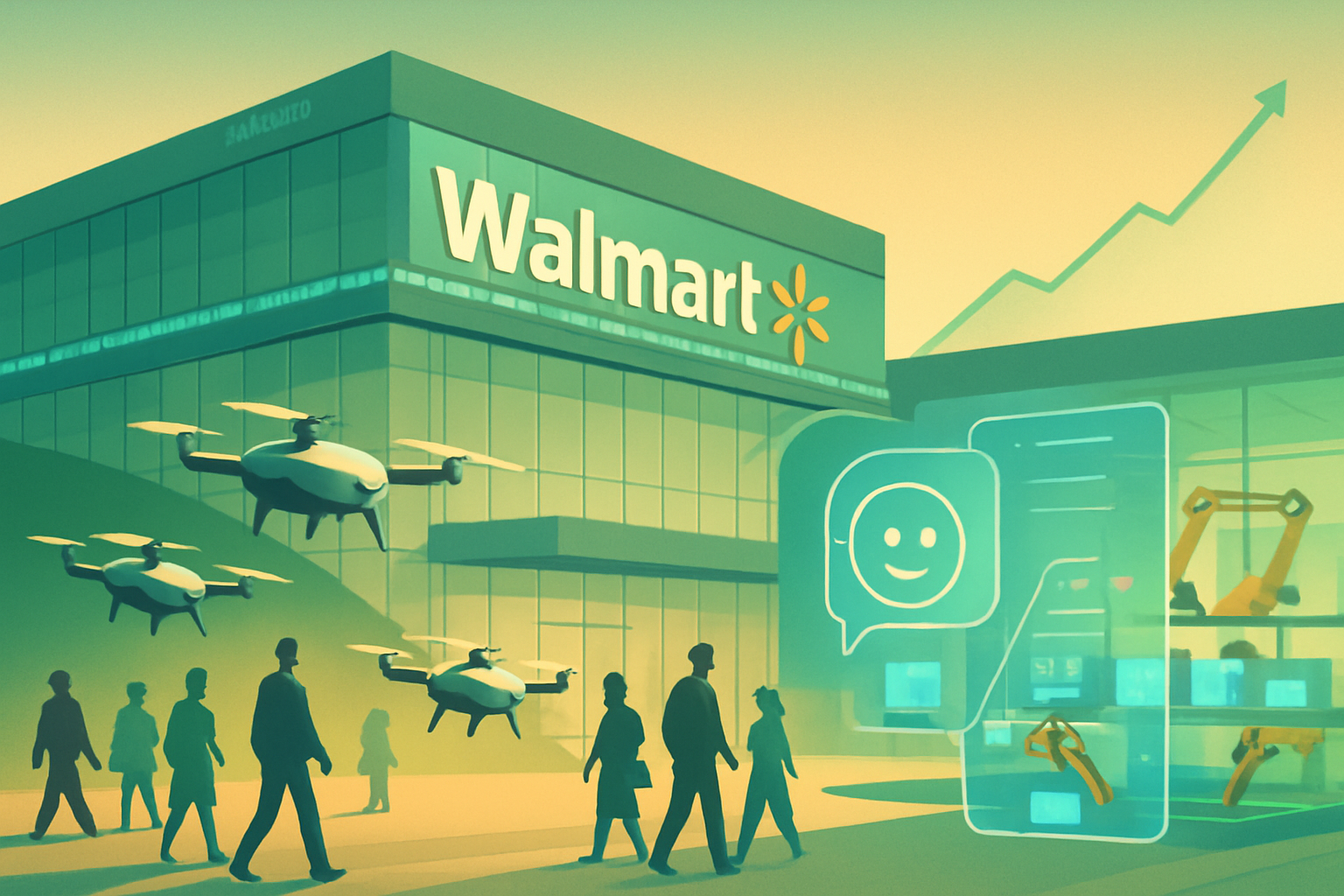
    In the spring of 2026, Walmart Inc. (Nasdaq: WMT) stands as a testament to the power of digital transformation. Long categorized as a legacy "big-box" retailer, the company has successfully pivoted into a high-tech, omnichannel ecosystem that rivals the world’s most advanced platform companies. With its recent transition from the New York Stock Exchange to the Nasdaq in late 2025, Walmart signaled to the global markets that it is no longer just a seller of goods, but a leader in AI-driven commerce, advertising, and automated logistics. As of today, Walmart remains the world’s largest employer and a bellwether for the global consumer economy, currently navigating a pivotal leadership transition and a massive surge in high-margin service revenue.

    Historical Background

    Founded in 1962 by Sam Walton in Rogers, Arkansas, Walmart was built on the revolutionary "Everyday Low Price" (EDLP) model. Walton’s strategy focused on rural markets where competition was thin, allowing the company to build a dominant regional footprint before expanding nationally.

    The company went public in 1970 and spent the next three decades perfecting the art of supply chain management and inventory logistics. By the 1990s, the introduction of the "Supercenter"—combining a full grocery store with general merchandise—solidified Walmart’s position as the dominant force in American retail. Over the last decade, under the leadership of Doug McMillon, the company underwent a "digital-first" transformation, acquiring Jet.com in 2016 and aggressively investing in Flipkart and PhonePe to capture the burgeoning Indian market.

    Business Model

    Walmart’s business model has evolved into a diversified engine with three primary revenue streams:

    1. Omnichannel Retail: Selling physical goods through Walmart U.S., Walmart International, and Sam’s Club. This remains the core volume driver, with grocery accounting for over 50% of U.S. sales.
    2. Membership and Services: Walmart+ and Sam’s Club memberships provide recurring, high-margin revenue and foster customer loyalty.
    3. The "New" Walmart: This includes Walmart Connect (advertising), data monetization, and fulfillment services. This segment is the company’s fastest-growing and most profitable, as it leverages Walmart’s 250 million weekly customer visits to sell targeted advertising to third-party brands.

    Stock Performance Overview

    The last two years have been transformative for Walmart shareholders. Following a historic 3-for-1 stock split in February 2024, the stock has defied the "boring retail" stereotype:

    • 1-Year Performance: Up approximately 42%, significantly outperforming the S&P 500 as the market rewarded Walmart’s margin expansion.
    • 5-Year Performance: The stock has more than doubled, driven by the successful integration of e-commerce and the scaling of its advertising business.
    • Post-Split Momentum: Since the split price of ~$60 in early 2024, the stock has surged to its current level of $122.05, representing a ~105% gain in roughly 25 months.

    Financial Performance

    Walmart’s Fiscal Year 2026 (ending January 31, 2026) was a record-breaker. The company reported total revenue of $713.2 billion, a 4.7% increase year-over-year. While top-line growth was steady, the bottom line was the real story:

    • Net Income: Reached $21.89 billion, up 12.6% from FY2025.
    • E-commerce: Global e-commerce sales crossed the $150 billion threshold, with U.S. online growth accelerating to 27%.
    • Margins: Operating margins expanded as high-margin advertising and membership fees now account for roughly one-third of total operating income.
    • Balance Sheet: Walmart maintains a fortress-like balance sheet, utilizing strong cash flows to fund $10 billion in annual automation CAPEX while continuing its 50-year streak of dividend increases.

    Leadership and Management

    On February 1, 2026, Walmart entered a new era with John Furner taking the helm as President and CEO, succeeding Doug McMillon. Furner, who previously led Walmart U.S., is credited with the successful "Store of the Future" rollout and the integration of e-commerce into the store workflow.

    The leadership bench is deeply technical. David Guggina, the new head of Walmart U.S., transitioned from a background in e-commerce and supply chain automation, signaling that the company’s future is built on robotics and "agentic commerce"—where AI assistants handle the replenishment of household goods autonomously.

    Products, Services, and Innovations

    Walmart is currently at the forefront of several technological frontiers:

    • Sparky AI: A proprietary conversational AI assistant integrated with Google Gemini, allowing customers to shop through natural dialogue.
    • Shoppable TV: Following the 2024 Vizio acquisition, Walmart has turned millions of smart TVs into direct-to-consumer storefronts via the Vizio SmartCast OS.
    • Automation: As of 2026, nearly 65% of Walmart stores are serviced by automated fulfillment centers, utilizing robotics to triple the speed of order processing.
    • Drone Delivery: Walmart now operates the largest retail drone delivery network in the U.S., capable of reaching over 10 million households with 30-minute delivery times.

    Competitive Landscape

    While Amazon.com, Inc. (Nasdaq: AMZN) remains the primary rival in the digital space, Walmart holds a significant advantage in "phygital" retail. Walmart's physical proximity to 90% of the U.S. population allows it to use stores as fulfillment hubs, a cost advantage Amazon struggles to replicate in the grocery sector.

    In the warehouse club space, Costco Wholesale Corp. (Nasdaq: COST) remains a formidable competitor, though Sam’s Club has gained ground by leveraging Walmart’s superior technology stack for "Scan & Go" checkout and digital-native member experiences.

    Industry and Market Trends

    Two macro trends are currently favoring Walmart:

    1. Value-Seeking High Earners: High interest rates and persistent inflation in services have driven households earning over $100,000 to shop at Walmart for groceries, expanding the company’s total addressable market (TAM).
    2. Retail Media Expansion: As third-party cookies disappear, Walmart’s first-party data (knowing exactly what people buy) has become "gold" for advertisers, fueling the rapid growth of Walmart Connect.

    Risks and Challenges

    Despite its dominance, Walmart faces headwinds:

    • Labor Relations: As the nation’s largest private employer, Walmart is highly sensitive to wage inflation and unionization efforts.
    • International Volatility: While Flipkart is thriving, other international markets remain lower-margin and subject to currency fluctuations.
    • Regulatory Scrutiny: The Federal Trade Commission (FTC) continues to monitor Walmart’s data privacy practices and its influence over the grocery supply chain.

    Opportunities and Catalysts

    • Agentic Commerce: If Walmart’s AI can successfully automate "the weekly grocery run" for millions, it will lock in a level of recurring revenue previously unseen in retail.
    • IPO Potential: Investors are closely watching for potential spin-offs of Flipkart or PhonePe in India, which could unlock billions in shareholder value.
    • Healthcare Expansion: While Walmart scaled back physical clinics in 2024, its pharmacy and digital health play remains a massive untapped opportunity.

    Investor Sentiment and Analyst Coverage

    Wall Street is overwhelmingly bullish. As of March 2026, roughly 85% of analysts covering WMT have a "Buy" or "Strong Buy" rating. Hedge funds have increased their positions throughout 2025, viewing Walmart as both a defensive play in volatile markets and a growth play on AI and advertising. The consensus price target currently sits near $140, implying further upside.

    Regulatory, Policy, and Geopolitical Factors

    Walmart is a key player in the "Inflation Reduction" conversation. Its ability to keep food prices low is a matter of national economic policy. Geopolitically, the company has worked aggressively to diversify its supply chain away from China, shifting significant sourcing to India and Southeast Asia to mitigate potential tariff risks or trade disruptions.

    Conclusion

    Walmart Inc. has successfully navigated the most difficult transition in retail history: moving from the physical past to the digital future without losing its core identity as the low-price leader. By leveraging its physical footprint as a technical asset and high-margin services as a profit engine, Walmart has evolved into a diversified tech-retail giant. For investors, Walmart offers a unique combination of defensive stability and tech-driven growth potential. As John Furner begins his tenure, the market will be watching to see if his "Agentic Era" can keep the momentum going in an increasingly automated world.


    This content is intended for informational purposes only and is not financial advice.

  • The Internet of Value: A Comprehensive Research Feature on Circle Internet Group (NYSE: CRCL)

    The Internet of Value: A Comprehensive Research Feature on Circle Internet Group (NYSE: CRCL)


    Date: March 25, 2026

    Introduction

    As of March 2026, the financial world finds itself at a pivotal crossroads where traditional banking rails and decentralized ledgers are finally merging. At the center of this transformation is Circle Internet Group, Inc. (NYSE: CRCL). Known primarily as the issuer of the USD Coin (USDC), Circle has evolved from a niche crypto startup into a cornerstone of global digital liquidity. Following its blockbuster IPO in June 2025, the company has become a bellwether for the "Internet of Value," a paradigm where money moves as seamlessly as data. Today, Circle is more than just a stablecoin provider; it is an infrastructure giant positioned to redefine how businesses and governments settle transactions in a 24/7 global economy.

    Historical Background

    Founded in 2013 by Jeremy Allaire and Sean Neville, Circle’s journey began not with stablecoins, but as a consumer-facing Bitcoin wallet and peer-to-peer payments app. However, the volatility of Bitcoin made it an unreliable medium for everyday commerce. This realization led to the company's 2018 pivot: the launch of USDC in partnership with Coinbase.

    The goal was to create a "programmable dollar" that combined the stability of the U.S. greenback with the speed of blockchain technology. Over the next seven years, Circle navigated the "crypto winter" of 2022-2023 and the regional banking crisis of early 2023—events that tested its reserve management and regulatory resilience. By the time it reached the public markets in mid-2025, Circle had shed its image as a speculative crypto firm, re-emerging as a highly regulated, audited financial powerhouse with deep ties to the traditional banking system.

    Business Model

    Circle’s business model is a unique hybrid of an asset manager, a payments processor, and a software provider. Its revenue streams are currently divided into three primary categories:

    1. Reserve Interest Income: This remains the lion's share of Circle's revenue (approximately 95% as of FY2025). Circle holds billions in reserves—primarily short-term U.S. Treasuries and cash—to back its stablecoins. As it earns the "spread" on these high-quality assets, it effectively operates as a high-margin treasury manager.
    2. Transaction and Service Fees: Through "Circle Mint" and its enterprise treasury tools, the company charges fees for large-scale minting, redemption, and cross-border settlement services.
    3. Developer and Web3 Services: Circle provides a suite of APIs, programmable wallets, and the Cross-Chain Transfer Protocol (CCTP). These tools allow developers to integrate USDC directly into their applications, creating a "toll-booth" effect on the movement of digital value.

    Stock Performance Overview

    Since its IPO on June 5, 2025, at an initial price of $31.00, CRCL has been one of the most talked-about stocks on the NYSE.

    • Launch and Growth: The stock saw a steady climb throughout late 2025, fueled by the widespread adoption of the EU’s MiCA (Markets in Crypto-Assets) regulation, which favored regulated issuers like Circle.
    • 2026 Peak: In mid-March 2026, shares hit an all-time high of $132.84 following a landmark integration announcement with Intuit Inc. (NASDAQ: INTU).
    • Recent Volatility: Just yesterday, March 24, 2026, the stock suffered a sharp 20.11% correction, dropping toward $101.17 due to rumors of a restrictive new amendment to the "Clarity Act" in the U.S. Senate.
    • Current Standing: As of today, March 25, 2026, CRCL has shown remarkable resilience, rebounding to approximately $124.50 as institutional investors "bought the dip," viewing the regulatory news as a short-term hurdle rather than a fundamental threat.

    Financial Performance

    Circle’s FY2025 financial results signaled a company entering its "maturity phase." The firm reported $2.75 billion in total revenue, a 64% increase year-over-year. While it posted a modest net loss of $70 million for the full year 2025—largely due to aggressive R&D and IPO-related stock compensation—the fourth quarter (Q4 2025) marked a significant milestone: its first quarter of GAAP profitability with $133 million in net income.

    With a cash position of $1.2 billion (separate from its stablecoin reserves) and USDC circulation stabilizing between $75 billion and $80 billion, Circle’s balance sheet is arguably the strongest in the digital asset sector. Investors are currently paying a premium for its growth potential, with a valuation hovering around $25 billion.

    Leadership and Management

    Circle is led by Jeremy Allaire, a seasoned tech entrepreneur who previously founded Brightcove. Allaire’s strategy has been defined by "radical transparency" and a pro-regulation stance, often clashing with the more libertarian ethos of the broader crypto world.

    In early 2026, the company bolstered its board by appointing Kirk Koenigsbauer, a former Microsoft executive, signaling a shift toward enterprise-grade software and cloud integration. The management team is rounded out by seasoned veterans from the Treasury Department and top-tier global banks, reinforcing Circle’s reputation as the "grown-up" in the room of digital finance.

    Products, Services, and Innovations

    While USDC is the flagship, Circle’s innovation pipeline is robust:

    • EURC: Its Euro-backed stablecoin has become the dominant regulated Euro digital asset in the EU.
    • The Arc Blockchain: Launched in 2025, "Arc" is Circle’s compliance-first Layer 1 blockchain. It is designed specifically for institutional Real-World Asset (RWA) tokenization, such as digital bonds and commercial paper.
    • CCTP (Cross-Chain Transfer Protocol): This "teleportation" technology allows USDC to move across 30+ different blockchains without the security risks of traditional "bridges," making it the liquidity layer for the entire decentralized finance (DeFi) ecosystem.

    Competitive Landscape

    Circle operates in a "winner-takes-most" market but faces distinct rivals:

    • Tether (USDT): The incumbent giant. While Tether has higher circulation, it remains offshore and lacks the regulatory transparency that institutional investors demand. Circle is winning the "flight to quality" among Western corporations.
    • PayPal Holdings, Inc. (NASDAQ: PYUSD): PayPal’s entry into stablecoins represents a direct threat in the retail and merchant space. However, Circle’s deep integration into the developer and DeFi layers gives it a significant "moat."
    • Tokenized Bank Deposits: Major banks like J.P. Morgan are developing internal ledgers, but these are often "walled gardens," whereas Circle’s USDC is universally interoperable.

    Industry and Market Trends

    The macro environment in 2026 is defined by the "Tokenization of Everything." From real estate to U.S. Treasuries, assets are moving onto ledgers for 24/7 settlement and fractional ownership. Circle sits at the intersection of this trend. Additionally, the decline of the "T+2" settlement cycle in traditional finance is making the 24/7/365 nature of stablecoins an operational necessity for global corporate treasuries.

    Risks and Challenges

    Despite its success, Circle faces three primary risks:

    1. Interest Rate Sensitivity: Because Circle earns revenue on reserve yields, a rapid pivot to zero-interest-rate policy (ZIRP) by the Federal Reserve would significantly compress its margins.
    2. Regulatory "Clarity": The ongoing debate over the Clarity Act in the U.S. could limit Circle's ability to offer "yield" or interest-bearing features to USDC holders, potentially slowing adoption.
    3. Technological Obsolescence: If Central Bank Digital Currencies (CBDCs) are launched with public-facing features, they could theoretically compete with private stablecoins.

    Opportunities and Catalysts

    The biggest near-term catalyst is the potential for direct integration with the Fedwire system, which would allow Circle to hold reserves directly at the Federal Reserve, eliminating third-party banking risk. Furthermore, the expansion of its partnership with Visa Inc. (NYSE: V) for merchant settlement could drive USDC transaction volume from billions to trillions annually.

    Investor Sentiment and Analyst Coverage

    Wall Street is currently divided on CRCL. "Value" analysts worry about its dependence on interest rates, while "Growth" analysts view Circle as the "Visa of the 21st Century." Following the dip on March 24, ARK Invest notably increased its position, signaling a strong "buy" sentiment among tech-focused institutional investors. Retail sentiment remains bullish but volatile, highly reactive to any headlines from Washington D.C.

    Regulatory, Policy, and Geopolitical Factors

    Circle has leaned into regulation as a competitive advantage. Its success in Europe under MiCA has provided a blueprint for global expansion. However, in the U.S., the company remains a political football. The geopolitical factor cannot be ignored; the U.S. government increasingly views regulated stablecoins like USDC as a tool to maintain the dollar’s global dominance in a digital age, providing Circle with a degree of "geopolitical protection."

    Conclusion

    Circle Internet Group, Inc. (CRCL) is no longer a speculative play on the price of Bitcoin; it is a foundational infrastructure play on the modernization of the global financial system. While regulatory headlines like those surrounding the Clarity Act will continue to cause short-term turbulence, Circle’s "compliance-first" moat and its pivot toward diversified software revenue make it a unique asset.

    For investors, the key metric to watch over the next 12 months will not just be USDC circulation, but the growth of non-interest income. If Circle can successfully transition into a service-based platform for the world’s largest corporations, it may well justify its current "tech-multiple" valuation.


    This content is intended for informational purposes only and is not financial advice.

  • The Digital Derrick: A Deep Dive into SLB’s Global Energy Transformation (NYSE: SLB)

    The Digital Derrick: A Deep Dive into SLB’s Global Energy Transformation (NYSE: SLB)

    As of March 25, 2026, SLB (NYSE: SLB) stands as a case study in corporate evolution. Once known strictly as Schlumberger, the world’s largest oilfield services provider, the company has spent the last several years aggressively rebranding and restructuring itself into a "global technology company driving energy innovation."

    In the current market environment, SLB is a focal point for investors because it sits at the intersection of two massive secular trends: the ongoing need for traditional hydrocarbon efficiency and the rapid scaling of the "New Energy" economy. While recent weeks have seen the stock face pressure due to heightened geopolitical tensions in the Middle East, the company's pivot toward digital AI services and carbon-neutral technologies has fundamentally altered its risk-reward profile. Today, SLB is less a barometer for rig counts and more a play on the digitalization of global energy infrastructure.

    Historical Background

    The SLB story began in 1926 when brothers Conrad and Marcel Schlumberger founded the Electric Prospecting Company in France. Their breakthrough invention—wireline logging—allowed geologists to "see" downhole by measuring electrical resistance, a revolutionary leap that birthed the modern oilfield services (OFS) industry.

    Over the next century, the company became synonymous with technical excellence and global reach. It expanded from France to the United States and eventually to every major oil-producing basin on Earth. Key transformations included the acquisition of Smith International and M-I SWACO in 2010, which solidified its dominance in drilling and fluids, and the 2016 merger with Cameron International, which brought massive subsea and surface production capabilities. In late 2022, the company officially rebranded to SLB, signaling a shift away from being "just an oil company" and toward a future defined by decarbonization and digital performance.

    Business Model

    SLB operates a diversified, high-tech business model organized into four primary segments, increasingly focused on recurring revenue and capital-light services:

    1. Production Systems (The Growth Engine): Following the transformative 2025 acquisition of ChampionX, this has become SLB’s largest segment. It focuses on chemicals, artificial lift, and subsea technologies (via the OneSubsea joint venture) that help operators maximize output from existing wells.
    2. Digital & Integration (The Margin Leader): This segment houses the DELFI cognitive E&P environment and "Tela," an agentic-AI assistant launched in 2025. It boasts the highest margins in the company (approx. 35% EBITDA) and is the primary vehicle for SLB’s foray into AI data center cooling and management.
    3. Well Construction (The Cyclical Core): This remains the traditional heart of the company, providing drilling fluids, equipment, and services. Under current management, the focus has shifted toward high-margin international and offshore markets.
    4. Reservoir Performance: This segment provides technologies for reservoir imaging and pressure management, essential for optimizing long-term asset value for National Oil Companies (NOCs).

    Stock Performance Overview

    The last decade has been a rollercoaster for SLB shareholders.

    • 10-Year Horizon: Looking back to 2016, the stock suffered through the multi-year downturn in oil prices and the COVID-19 crash of 2020, where it bottomed out near $13.
    • 5-Year Horizon: From 2021 to early 2026, the stock saw a significant recovery as the world emerged from the pandemic and energy security became a global priority.
    • 1-Year Horizon: Over the past year, performance has been more muted. After peaking in late 2023, the stock has traded in a range between $45 and $60. As of late March 2026, the price sits near $50.51, weighed down by a recent Q1 2026 pre-announcement regarding Middle East disruptions, but supported by robust share buybacks and a growing dividend.

    Financial Performance

    SLB’s financial health in 2026 reflects a company focused on "Returns over Revenue."

    • Latest Earnings (FY 2025): SLB reported total revenue of $35.71 billion. While slightly lower than 2024 due to North American market softening, the integration of ChampionX provided a significant buffer.
    • Margins: Adjusted EBITDA margins have expanded toward 25%, driven by the higher-margin Digital and Production segments.
    • Cash Flow and Debt: Free Cash Flow (FCF) reached $4.1 billion in 2025. The company’s balance sheet remains investment-grade, with management prioritizing a leverage ratio (Net Debt/EBITDA) below 1.5x.
    • Shareholder Returns: For 2026, SLB has committed to returning over $4 billion to shareholders through dividends (currently $0.295 per share quarterly) and aggressive share buybacks.

    Leadership and Management

    CEO Olivier Le Peuch, a Schlumberger veteran who took the helm in 2019, has been the architect of the "New SLB." His strategy, often termed the "Returns-Focused Framework," has been praised by analysts for its discipline. Unlike previous eras where SLB chased market share at any cost, Le Peuch has divested low-margin businesses and focused on capital-light digital services. Under his tenure, the company has moved toward a decentralized structure that allows local teams to respond faster to National Oil Company (NOC) requirements, which currently represent the bulk of SLB's growth.

    Products, Services, and Innovations

    Innovation is the primary differentiator for SLB.

    • AI and Digital: The DELFI platform has become the industry standard for cloud-based subsurface analysis. In 2025, SLB announced a major pivot into "Data Center Solutions," using its industrial cooling and power management expertise to serve the AI infrastructure boom—a business it expects to hit $1 billion in annual revenue by year-end 2026.
    • OneSubsea: A joint venture that has revolutionized subsea production by integrating SLB’s tech with Aker Solutions and Subsea7.
    • New Energy: SLB’s "New Energy" division is no longer speculative. Its Clayton Valley lithium project in Nevada has proven a 96% recovery rate using Direct Lithium Extraction (DLE), and its Carbon Capture and Storage (CCS) joint venture with Aker Carbon Capture is currently executing several large-scale industrial projects.

    Competitive Landscape

    SLB remains the undisputed leader in the "Big Three" oilfield services group, alongside Halliburton (NYSE: HAL) and Baker Hughes (NASDAQ: BKR).

    • Vs. Halliburton: Halliburton is more heavily leveraged to the North American hydraulic fracturing market. SLB’s advantage lies in its massive international footprint (80%+ of revenue) and its superior offshore technology.
    • Vs. Baker Hughes: Baker Hughes has pivoted toward industrial energy technology and LNG. SLB competes directly here but maintains a stronger lead in the actual drilling and production segments.
    • Competitive Edge: SLB’s R&D budget consistently outpaces its peers, allowing it to maintain a "technological moat" in deepwater and high-pressure/high-temperature environments.

    Industry and Market Trends

    The OFS sector in 2026 is defined by the "Digital-Energy Nexus."

    • The Offshore Renaissance: Higher oil prices and energy security concerns have led to a multi-year upcycle in deepwater drilling in Brazil, Guyana, and West Africa—areas where SLB dominates.
    • Shift to Production: As global oil basins age, the focus is shifting from finding new oil to squeezing more out of existing fields, benefiting SLB's Production Systems segment.
    • Energy Transition: Major oil companies are under pressure to lower their carbon footprints, creating a massive market for SLB’s emission-monitoring and carbon-capture services.

    Risks and Challenges

    Despite its strengths, SLB faces significant headwinds:

    • Geopolitical Risk: SLB has massive exposure to the Middle East. Recent conflicts in early 2026 have disrupted operations in key regions, leading to the aforementioned Q1 earnings impact.
    • Cyclicality: While the company is diversifying, it is still ultimately dependent on the capital expenditure (CAPEX) cycles of major oil companies. A global recession that crashes oil prices below $60 would inevitably hurt SLB.
    • Execution Risk: Integrating a large acquisition like ChampionX while simultaneously scaling a new Data Center business is a complex managerial task.

    Opportunities and Catalysts

    • AI Data Centers: If SLB can successfully capture even 5% of the cooling market for AI data centers, it would represent a massive high-margin revenue stream unrelated to oil prices.
    • Lithium Commercialization: A full-scale launch of its Nevada DLE plant in late 2026 could re-rate the stock as a "green minerals" play.
    • ChampionX Synergies: Management expects $400 million in annual cost and revenue synergies from the merger, which should begin hitting the bottom line in late 2026.

    Investor Sentiment and Analyst Coverage

    Wall Street currently holds a "Moderate Buy" consensus on SLB.

    • Institutional Support: Major institutions like Vanguard and BlackRock remain the largest shareholders, viewing SLB as a "best-of-breed" industrial pick.
    • Analyst Views: Bulls (like those at Bernstein and Citi) argue that the stock is undervalued given its 17.5% Return on Equity (ROE) and that the recent geopolitical dip is a buying opportunity. Bears express concern about the slow pace of the CCS market and the premium valuation compared to more domestic-focused peers.

    Regulatory, Policy, and Geopolitical Factors

    SLB is navigating a complex regulatory web. In the U.S., the Inflation Reduction Act (IRA) continues to provide tailwinds for the company’s CCS and hydrogen projects. Globally, however, the company faces "scope 3" emission regulations and increasing pressure to divest from certain frontier markets. Geopolitically, SLB’s ability to maintain relationships with both Western Supermajors and Eastern National Oil Companies is its greatest asset and its greatest liability, as it must constantly balance compliance with shifting sanctions and trade policies.

    Conclusion

    SLB in 2026 is no longer the Schlumberger of 2016. It has successfully navigated a decade of volatility by doubling down on technology, international markets, and capital discipline. While the company remains tethered to the global energy cycle, its expansion into AI infrastructure and new energy minerals provides a diversification cushion that its predecessors lacked. For investors, the "new" SLB offers a unique proposition: a 2.3% dividend yield, aggressive buybacks, and exposure to the energy transition, all packaged within the most technologically advanced operator in the industrial world. The coming year will be a test of whether these new ventures can scale fast enough to offset the perennial risks of the oil patch.


    This content is intended for informational purposes only and is not financial advice.