
Tag: Stock Market

  • The Musk Convergence: Tesla, the Creator Economy, and the High-Stakes Future of Autonomy

    The Musk Convergence: Tesla, the Creator Economy, and the High-Stakes Future of Autonomy

    Date: January 28, 2026

    Introduction

    As of early 2026, Tesla, Inc. (NASDAQ: TSLA) has officially transitioned from being viewed primarily as an automotive manufacturer to being evaluated as a diversified artificial intelligence (AI) and robotics powerhouse. This shift occurs at a critical juncture: while Tesla's core vehicle delivery numbers saw their second consecutive year of contraction in 2025, the company’s valuation remains tethered to a "master plan" that now includes a deep, symbiotic relationship with X (formerly Twitter). The recent introduction of a bold, high-stakes creator payout plan on X has sent ripples through the Tesla investor community, signaling a new era of decentralized marketing and brand management that bridges the gap between Musk’s social media platform and his trillion-dollar ambitions for autonomy and robotics.

    Historical Background

    Founded in 2003 with the mission to accelerate the world's transition to sustainable energy, Tesla’s history is defined by its ability to survive "production hell" and disrupt entrenched industries. From the launch of the original Roadster to the mass-market success of the Model 3 and Model Y, the company redefined the electric vehicle (EV) as a desirable, high-tech product rather than a niche alternative.

    The most transformative period in its history, however, began in late 2022 with Elon Musk's acquisition of X. This move initially raised concerns about "key man risk" and split attention. By 2025, the narrative shifted as Musk began integrating the engineering talent and data streams of his various ventures—Tesla, X, SpaceX, and xAI—into a unified "Musk Ecosystem." The 2026 launch of the "Year of the Creator" on X represents the latest milestone in this convergence, aiming to turn social media influence into a direct driver for Tesla’s AI products.

    Business Model

    Tesla’s business model is a multi-pronged engine:

    1. Automotive: Designing and manufacturing EVs. While still the primary revenue driver, it now faces lower margins due to global price wars.
    2. Energy Generation and Storage: Deployment of Megapacks and Powerwalls. This segment has become the fastest-growing part of the company, with 46.7 GWh deployed in 2025.
    3. Services and Software: Includes Full Self-Driving (FSD) subscriptions, supercharging revenue, and insurance.
    4. AI and Robotics: The development of the Optimus humanoid robot and the licensing of the Dojo supercomputer.

    The integration with X serves as a low-cost customer acquisition tool. By incentivizing creators on X to produce high-quality content regarding FSD v14 and Optimus, Tesla effectively replaces traditional multi-billion dollar advertising budgets with a decentralized creator network.

    Stock Performance Overview

    Tesla’s stock performance has been a roller coaster for long-term holders:

    • 1-Year Performance: Down approximately 14% from its December 2025 peak of $498, currently trading near $430. The decline reflects investor anxiety over shrinking automotive margins.
    • 5-Year Performance: Up significantly, though much of the 2021-2022 gains were consolidated during the "tariff scares" of 2025.
    • 10-Year Performance: Tesla remains one of the top-performing assets of the decade, having grown from a niche automaker into a global benchmark for the S&P 500.

    Notable moves in early 2026 were triggered by the announcement of the Austin "monitored" Robotaxi launch, which provided a floor for the stock during a broader tech sell-off.

    Financial Performance

    The fiscal year 2025 was a year of "margin management" for Tesla.

    • Revenue: Q4 2025 revenue hit $24.78 billion, a modest increase driven primarily by the Energy division.
    • Operating Margins: These have compressed to 5.8%, a far cry from the double-digit heights of 2022.
    • Deliveries: 1,636,129 vehicles were delivered in 2025, a 9% year-over-year decline.
    • Valuation: Despite declining earnings per share (EPS), Tesla maintains a high Price-to-Earnings (P/E) ratio (approx. 292x), as markets price in the "infinite upside" of the Optimus robotics project and FSD licensing.

    Leadership and Management

    Elon Musk remains the "Technoking" and central figure of the organization. However, the leadership team has seen significant evolution. Vaibhav Taneja (CFO) has taken a more prominent role in earnings calls to reassure institutional investors about fiscal discipline.

    The governance reputation remains a point of contention. Critics argue that Musk’s "split attention" between Tesla, SpaceX, and X is a structural risk. However, Musk’s supporters argue that the "cross-pollination" of AI talent between xAI and Tesla is a competitive advantage that no other CEO can match.

    Products, Services, and Innovations

    Tesla’s current pipeline is focused on the "AI-first" transition:

    • FSD v14: The latest iteration of Full Self-Driving has moved to a "subscription-only" model, aiming to turn Tesla’s 6-million-vehicle fleet into a recurring revenue stream.
    • Optimus Gen 3: While mass production was delayed to late 2026, the robot is already being used in Tesla’s Texas and Berlin factories for simple logistics tasks.
    • Cybercab: The dedicated Robotaxi vehicle, featuring no steering wheel or pedals, remains in the testing phase with limited deployment in controlled Texas environments.

    Competitive Landscape

    The competitive landscape has hardened. BYD Company Limited (OTC: BYDDF) has solidified its position as the world's largest producer of plug-in vehicles by volume, leveraging a massive cost advantage in China.

    • Traditional OEMs: Companies like Ford Motor Company (NYSE: F) and General Motors (NYSE: GM) have scaled back EV ambitions, focusing on hybrids, which has ironically left Tesla as the only "pure play" Western EV maker of scale.
    • Tech Rivals: Alphabet Inc. (NASDAQ: GOOGL) via Waymo remains the primary rival in the autonomous driving space, currently leading Tesla in "driverless" miles, though trailing in "scaled data collection."

    Industry and Market Trends

    The "EV Winter" of 2024-2025 has led to a market bifurcation. While general consumer interest in EVs leveled off due to infrastructure concerns, the "AI Revolution" has taken its place as the primary market driver. Tesla is positioned at the intersection of these trends, attempting to ride the AI wave to offset the stagnation in the global auto market. Supply chain dynamics have also shifted toward "friend-shoring," with Tesla increasing its battery production capacity in North America to comply with tightening federal tax credit requirements.

    Risks and Challenges

    Tesla faces a unique set of risks in 2026:

    • Brand Contagion: Musk’s outspoken nature on X has polarized the consumer base. Data suggests Tesla’s brand value declined significantly in 2025, particularly in liberal-leaning markets.
    • Regulatory Scrutiny: The National Highway Traffic Safety Administration (NHTSA) continues to investigate FSD performance, and a single high-profile accident could trigger a massive recall.
    • Execution Risk: The delay of the Optimus Gen 3 production ramp-up suggests that "solving" humanoid robotics is proving more difficult than Musk’s initial timelines projected.

    Opportunities and Catalysts

    The most significant catalyst is the X Creator Payout Plan. By paying creators based on "Verified Engagement," Musk is creating a class of professional influencers whose livelihoods depend on the health of the Musk ecosystem. These creators often act as the first line of defense against negative Tesla press, providing a "grassroots" marketing force that competitors cannot replicate.
    Other catalysts include:

    • FSD Licensing: Rumors of a deal with a major Japanese automaker to license Tesla’s software.
    • The "Model 2": A long-rumored $25,000 vehicle that could revitalize delivery growth if launched in late 2026.

    Investor Sentiment and Analyst Coverage

    Wall Street remains deeply divided.

    • The Bulls (e.g., Ark Invest): See Tesla as a $10 trillion company in the making, viewing vehicles merely as hardware for the AI software "app store."
    • The Bears (e.g., various hedge funds): Argue that Tesla is a "broken growth story" in the automotive sector, trading at a valuation that defies the reality of its shrinking margins.
      Institutional sentiment has shifted toward "Hold," with many waiting for a clear signal that FSD is ready for a wide-scale, unmonitored public release.

    Regulatory, Policy, and Geopolitical Factors

    The geopolitical landscape is fraught with tension. Trade wars and tariffs on Chinese-made components have increased Tesla’s cost of goods sold. Conversely, government incentives for domestic AI development and robotics manufacturing provide a tailwind. The 2026 regulatory environment for autonomous vehicles remains a "patchwork," with Tesla forced to negotiate state-by-state approvals for its Robotaxi service.

    Conclusion

    Tesla, Inc. enters the mid-point of 2026 as a company in the midst of a profound identity shift. It is no longer just a car company; it is the physical manifestation of Elon Musk’s broader vision for an AI-integrated future. The new creator payout plan on X is more than just a social media update—it is a strategic move to fortify the Musk brand and create a loyal vanguard of promoters for Tesla’s next generation of products.

    For investors, the path forward requires a high tolerance for volatility. The core automotive business is currently underperforming, but the potential for "S-curve" growth in AI and robotics remains unparalleled. Investors should watch three key metrics: the progress of the Optimus production ramp, the month-over-month growth of FSD subscription revenue, and the effectiveness of the X ecosystem in stabilizing Tesla's brand perception.


    This content is intended for informational purposes only and is not financial advice.

  • SoFi’s Maturation Rally: Deep-Diving the 12% Gain and the Future of the Fintech Super-App

    SoFi’s Maturation Rally: Deep-Diving the 12% Gain and the Future of the Fintech Super-App

    Today’s Date: January 28, 2026

    Introduction

    In the final week of January 2026, the financial markets have recalibrated their expectations for the fintech sector, and no company sits more squarely in the spotlight than SoFi Technologies, Inc. (NASDAQ: SOFI). Over the last five trading days, SoFi shares have surged by 12.4%, a move that analysts are calling a "maturation rally." While the stock has faced historical volatility since its 2021 market debut, the recent momentum reflects a fundamental shift in investor perception: SoFi is no longer just a high-growth student loan refinancer; it has evolved into a highly profitable, technologically dominant "Super-App" that is successfully challenging the hegemony of traditional bulge-bracket banks.

    This 12% gain comes on the heels of several key catalysts, including the successful integration of its agentic AI features and anticipation of the company’s Q4 2025 earnings report, scheduled for January 30. As the company nears its two-year anniversary of sustained GAAP profitability, the current market fervor highlights SoFi's unique position at the intersection of banking stability and tech-scale growth.

    Historical Background

    SoFi’s journey began in 2011 at the Stanford Graduate School of Business. Founded by Mike Cagney, Dan Macklin, James Finnigan, and Ian Brady, the company—originally short for "Social Finance"—sought to disrupt the student loan market through a peer-to-peer model. By matching alumni with current students, SoFi created a community-based lending ecosystem that undercut the exorbitant rates of traditional lenders.

    However, the road to maturity was not without turbulence. In 2017, a leadership crisis led to the departure of co-founder Mike Cagney, prompting a search for a more institutional hand to guide the firm. Enter Anthony Noto in 2018. Formerly the COO of Twitter and a veteran of Goldman Sachs, Noto pivoted the company toward a "one-stop-shop" financial services strategy.

    A pivotal moment arrived in June 2021, when SoFi went public via a merger with Social Capital Hedosophia Holdings Corp. V, a SPAC led by Chamath Palihapitiya. This was followed by the landmark 2022 acquisition of Golden Pacific Bancorp, which granted SoFi a national bank charter—the "Holy Grail" for fintechs—allowing it to hold deposits and significantly lower its cost of capital.

    Business Model

    SoFi operates under what CEO Anthony Noto calls the "Financial Services Productivity Loop" (FSPL). This model is designed to acquire customers through low-cost, high-frequency "top-of-funnel" products and then cross-sell them into high-margin lending and investment products. The business is divided into three core segments:

    1. Lending: This remains the foundation of the firm, offering student loan refinancing, personal loans, and home mortgages. By targeting high-FICO (740+), high-income earners, SoFi maintains a premium credit profile compared to its peers.
    2. Financial Services: This high-growth segment includes SoFi Money (checking/savings), SoFi Invest, SoFi Credit Card, and SoFi Relay (a wealth-tracking tool). In late 2025, this segment became the primary driver of new member growth, accounting for over 55% of the company's adjusted net revenue.
    3. Technology Platform: Through its subsidiaries Galileo and Technisys, SoFi provides the "plumbing" for other financial institutions globally. This "AWS of Fintech" allows SoFi to generate high-margin, recurring B2B revenue, insulating it from the cyclical nature of consumer lending.

    Stock Performance Overview

    Over the last five years, SOFI has been a study in market sentiment shifts. After hitting highs near $28 shortly after its SPAC debut, the stock languished in the mid-single digits during the 2022-2023 interest rate hiking cycle. However, 2025 proved to be a recovery year.

    From a 52-week high of $32.73 in November 2025, the stock saw a brief 20% pullback in December due to a $1.5 billion capital raise intended to fortify the balance sheet for 2026. The recent 12% five-day surge marks a rebound from those lows, as investors look past the short-term dilution toward a robust 2026 outlook. On a 1-year basis, the stock is up roughly 45%, significantly outperforming the broader KBW Bank Index and the Fintech Select Sector.

    Financial Performance

    SoFi’s financial trajectory has turned from speculative to foundational. In its Q3 2025 earnings, the company reported adjusted net revenue of $961.6 million, a 38% increase year-over-year. More importantly, it posted a net income of $139 million, a staggering leap from the $5 million reported in the same quarter of 2024.

    Current analysts expect Q4 2025 revenue to approach the $1 billion threshold for the first time in company history. The company’s net interest margin (NIM) has remained resilient above 5%, thanks to its bank charter which allows it to utilize its $25 billion+ deposit base to fund loans rather than relying on expensive warehouse credit lines. For the full year 2026, the street is modeling earnings per share (EPS) between $0.60 and $0.85, signaling a period of accelerated earnings power.

    Leadership and Management

    Anthony Noto’s leadership is often cited as SoFi’s "X-factor." His military background (West Point) and experience at the highest levels of finance (Goldman Sachs) and tech (Twitter) have fostered a culture of extreme accountability and execution. Under Noto, SoFi has avoided the "growth at all costs" trap that ensnared rivals like Upstart (NASDAQ: UPST) or LendingClub (NYSE: LC).

    The management team has been lauded for its transparency and strategic foresight, particularly the decision to aggressively pursue the bank charter early on. This governance reputation has earned SoFi a "valuation premium" among institutional investors who view Noto as one of the most capable operators in the modern financial sector.

    Products, Services, and Innovations

    SoFi continues to outpace traditional banks in R&D and product velocity. In late 2025, the company launched two breakthrough features:

    • Cash Coach (AI-Powered): An agentic AI tool that uses machine learning to analyze a member's total financial picture. It proactively suggests moving idle cash from low-yield external accounts into SoFi's high-yield accounts or alerts users to "optimal" times to refinance debt based on real-time market rates.
    • SoFi Pay (Lightning Network): In October 2025, SoFi integrated the Bitcoin Lightning Network to facilitate instant, near-zero-cost international remittances, starting with a corridor to Mexico.
    • Small Business Marketplace: Expanding beyond consumer finance, SoFi now offers a digital marketplace for small business loans, partnering with firms like Blue Owl Capital to provide capital-light lending options.

    Competitive Landscape

    SoFi competes on two fronts: traditional banking and digital-native fintechs.

    • Traditional Banks: Giants like JPMorgan Chase (NYSE: JPM) and Bank of America (NYSE: BAC) have the scale but lack the integrated UX and high-yield incentives that attract SoFi’s younger, tech-savvy demographic.
    • Digital Rivals: Ally Financial (NYSE: ALLY) remains a formidable competitor in the high-yield savings space, while NuBank (NYSE: NU) provides a global growth comparison. However, SoFi’s "Technology Platform" segment (Galileo) gives it a unique B2B revenue stream that neither Ally nor NuBank possesses at a similar scale.

    Industry and Market Trends

    The "Year of Agentic Finance" has been the dominant theme of 2026. The industry is moving away from passive apps toward autonomous financial agents that can manage a user's money without constant manual input. SoFi’s early adoption of these technologies has allowed it to capture a larger share of "wallet time" from Gen Z and Millennial users. Additionally, the stabilizing interest rate environment has provided a "Goldilocks" backdrop for lending—high enough to maintain healthy net interest income, but low enough to keep default rates manageable.

    Risks and Challenges

    Despite the recent rally, SoFi faces several headwinds:

    1. Credit Quality: While SoFi targets high-income borrowers, a prolonged macro downturn could eventually weigh on personal loan and credit card delinquency rates.
    2. Dilution: The $1.5 billion capital raise in late 2025 was a reminder to investors that SoFi remains a capital-intensive business as it scales its balance sheet.
    3. Regulatory Scrutiny: As SoFi becomes a larger player, it faces increased oversight from the OCC and the Federal Reserve, particularly regarding its "Bank-as-a-Service" partnerships via Galileo.

    Opportunities and Catalysts

    The most immediate catalyst is the January 30 Q4 earnings call. A beat-and-raise scenario could push the stock toward its 52-week high of $32. Beyond earnings, several long-term levers exist:

    • S&P 500 Inclusion: With consistent GAAP profitability now established, SoFi is a prime candidate for S&P 500 inclusion in late 2026, which would trigger massive institutional buying.
    • International Expansion: Using the Technisys infrastructure, SoFi has the potential to expand its consumer app into Latin America and Europe, following the footprint of its B2B business.

    Investor Sentiment and Analyst Coverage

    Sentiment among retail investors remains bullish, with SoFi consistently ranking as a top-searched ticker on social platforms. However, the more significant shift is occurring in the institutional space. In late 2025, several major hedge funds increased their positions, viewing SoFi as a "quality" play in a crowded fintech field. Wall Street ratings currently sit at a "Moderate Buy," with an average price target of $29.00, though several analysts have recently revised targets toward $35.00 following the 12% rally.

    Regulatory, Policy, and Geopolitical Factors

    The regulatory environment for SoFi is currently advantageous. Having secured its bank charter, it is "grandfathered in" as a regulated entity at a time when the SEC and CFPB are cracking down on unlicensed "shadow banks." Furthermore, the resumption of student loan interest in previous years has fully normalized, making the "student loan cliff" a risk of the past. Geopolitically, the company's focus on the Bitcoin Lightning Network for remittances positions it to benefit from global shifts toward decentralized cross-border payment rails.

    Conclusion

    SoFi Technologies has successfully navigated the "Valley of Death" that claimed many of its 2021 SPAC peers. The recent 12.4% five-day gain is more than just a technical bounce; it is a validation of Anthony Noto’s long-term vision of a vertically integrated financial powerhouse.

    By combining the regulatory safety of a bank with the high-margin, scalable tech of a software company, SoFi has built a moat that is increasingly difficult for traditional incumbents to cross. While risks regarding credit normalization and capital management remain, SoFi’s transition into a profitable, AI-driven innovator suggests that its journey from a student loan startup to a global financial leader is only in its middle innings. For investors, the upcoming Jan 30 earnings will be the next critical test of whether this 12% rally is the start of a new bull run or a peak in a maturing cycle.


    This content is intended for informational purposes only and is not financial advice.

  • The Robinhood Renaissance: From Disruption to the Dominant Fintech Super-App of 2026

    The Robinhood Renaissance: From Disruption to the Dominant Fintech Super-App of 2026

    As of January 28, 2026, Robinhood Markets, Inc. (NASDAQ: HOOD) has completed one of the most remarkable corporate pivots in the modern fintech era. Once dismissed as a "meme-stock" phenomenon prone to regulatory friction and volatility, the company has matured into a globally diversified financial powerhouse. In the opening weeks of 2026, Robinhood is no longer just a trading app; it is a full-service financial "super-app" competing head-to-head with legacy institutions like Charles Schwab and emerging global fintechs. With a market capitalization that has swelled on the back of consistent GAAP profitability and aggressive product expansion, Robinhood stands at a critical juncture as it looks to capture the "great wealth transfer" from Boomers to Gen Z and Millennials.

    Historical Background

    Founded in 2013 by Vlad Tenev and Baiju Bhatt, Robinhood’s mission was to "democratize finance for all." Its introduction of zero-commission trading disrupted the entire brokerage industry, forcing giants like E*TRADE and Fidelity to eliminate fees in 2019. However, the road was not without peril. The company became the epicenter of the 2021 retail trading frenzy, leading to a controversial IPO in July 2021.

    Between 2022 and 2024, the company underwent a painful but necessary transformation. Under increasing scrutiny, it shifted its focus from high-frequency trading volume to "wallet share." This era saw the launch of retirement accounts (IRAs) with matching contributions, the expansion of 24-hour trading, and a pivot toward higher-net-worth "Gold" subscribers. By 2025, the acquisition of Bitstamp and the successful launch of its credit card platform marked Robinhood's final transition from a brokerage to a comprehensive financial services provider.

    Business Model

    Robinhood’s 2026 business model is built on three resilient pillars, significantly reducing its historical dependence on market volatility:

    1. Net Interest Income: Capitalizing on higher-for-longer interest rates and massive growth in Assets Under Custody (AUC), Robinhood generates significant revenue from cash sweeps and margin lending.
    2. Subscription Revenue (Robinhood Gold): This has become the company's "moat." For a monthly fee, users receive higher interest on cash, IRA matches, and access to the Robinhood Gold Card. This provides a stable, recurring revenue stream.
    3. Transaction-Based Revenue: While still important, the mix has shifted. Options and crypto trading remain lucrative, but the addition of futures, index options, and prediction markets has brought in more sophisticated, high-volume traders.

    Stock Performance Overview

    The journey for HOOD shareholders has been a volatile one. After debuting at $38 in 2021 and crashing to near-single digits in 2022, the stock spent much of 2024 and 2025 in a sustained bull run. Over the past year (Jan 2025 – Jan 2026), HOOD shares have outperformed the S&P 500 by over 40%, fueled by its inclusion in major indices and its first full year of billion-dollar net income. On a 5-year horizon, the stock has finally surpassed its IPO highs, rewarding patient investors who bought during the 2022-2023 trough.

    Financial Performance

    Robinhood’s fiscal year 2025 was a record-breaking period. Revenue for the trailing twelve months reached $4.20 billion, a staggering leap from the $1.87 billion reported in 2023. Key metrics include:

    • Net Income: Consistently profitable, with Q3 2025 alone delivering $556 million in GAAP net income.
    • Assets Under Custody (AUC): Surpassed $330 billion in late 2025, driven by massive inflows into Robinhood Retirement accounts.
    • ARPU (Average Revenue Per User): Reached a new peak of $191, as users increasingly adopted multiple products (Credit, Retirement, and Trading).
    • Operating Margins: Efficiency gains and AI-driven customer service automation have pushed operating margins to the mid-30% range.

    Leadership and Management

    CEO Vlad Tenev remains the visionary lead, though the executive suite has been bolstered by institutional veterans. The 2024 hiring of Jeff Pinner as CTO signaled a shift toward AI-first infrastructure. CFO Jason Warnick has been credited with the company's "financial discipline" phase, focusing on share buybacks and rigorous expense management. The board has also matured, adding directors with deep regulatory and international banking experience to navigate Robinhood’s expansion into the UK and EU.

    Products, Services, and Innovations

    In 2026, Robinhood’s product velocity is its greatest competitive edge. Notable innovations include:

    • Robinhood Legend: A professional-grade desktop trading platform that has successfully poached "active traders" from traditional platforms.
    • The Gold Card: A 3% cashback credit card that integrated Robinhood’s ecosystem into users' daily spending habits.
    • Robinhood Cortex: An AI-powered research assistant that provides institutional-quality analysis to retail investors.
    • Global Crypto Integration: Following the Bitstamp acquisition, Robinhood now offers one of the most liquid and regulated crypto exchanges globally, serving both retail and institutional clients in the EU and UK.

    Competitive Landscape

    Robinhood now competes on two fronts. It faces "Legacy Giants" like Charles Schwab (NYSE: SCHW), which still holds the lion's share of Boomer assets but struggles with antiquated mobile interfaces. On the other side are "Fintech Disruptors" like Webull and Revolut. Robinhood’s advantage lies in its "Gold" ecosystem, which bundles high-yield savings, brokerage, and credit into a single, seamless UX that competitors have struggled to replicate with the same level of brand loyalty among younger demographics.

    Industry and Market Trends

    The "Super-App" trend is the dominant macro driver in 2026. Consumers are increasingly consolidating their financial lives to avoid "app fatigue." Additionally, the ongoing tokenization of real-world assets (RWAs) has allowed Robinhood to offer fractional ownership of everything from ETFs to private credit on the blockchain, particularly in its European markets. The sector is also benefiting from a massive generational wealth transfer, with trillions of dollars moving into the hands of Robinhood’s core user base.

    Risks and Challenges

    Despite its success, Robinhood faces significant headwinds:

    • Valuation Premium: Trading at a high P/E ratio compared to traditional brokers, any growth slowdown could lead to a sharp correction.
    • PFOF Restrictions: While Robinhood has diversified, the EU’s phase-out of Payment for Order Flow by mid-2026 remains a challenge for its European margins.
    • Credit Risk: The rapid expansion of the Robinhood Gold Card introduces credit cycle risk that the company has not yet faced in a major recession.

    Opportunities and Catalysts

    • Advisory Services: Rumors of a "Robinhood Wealth" advisory service using AI could disrupt the high-fee RIA (Registered Investment Advisor) model.
    • M&A Potential: With a strong balance sheet, Robinhood is well-positioned to acquire smaller fintechs in the tax-prep or insurance space.
    • International Scaling: The UK and EU operations are still in early stages; full-scale banking licenses in these regions could unlock massive deposit growth.

    Investor Sentiment and Analyst Coverage

    Wall Street has turned overwhelmingly bullish on HOOD. As of January 2026, the consensus rating is a "Strong Buy," with an average price target of $156.24. Analysts highlight the "sticky" nature of Gold subscribers and the massive growth in the retirement segment as reasons for the rerating of the stock from a "cyclical broker" to a "tech-platform." Retail sentiment on social media platforms remains high, but it is now grounded in the company's fundamental financial strength rather than speculative frenzies.

    Regulatory, Policy, and Geopolitical Factors

    In the U.S., the regulatory environment has stabilized following clearer crypto frameworks established in 2025. This clarity has allowed Robinhood to expand its token offerings to over 50 assets. Geopolitically, the company's expansion into the UK and EU makes it sensitive to local financial regulations, but its proactive compliance strategy and the acquisition of licensed entities like Bitstamp have mitigated much of the "entry risk" that plagued earlier international attempts.

    Conclusion

    As we look ahead through 2026, Robinhood Markets, Inc. is a vastly different company than the one that went public five years ago. It has successfully navigated the transition from a controversial disruptor to a cornerstone of the modern financial system. For investors, Robinhood represents a unique play on the intersection of traditional finance and the digital-native future. While risks regarding valuation and credit cycles persist, the company’s "Super-App" strategy and its dominance among the next generation of wealth make it one of the most compelling growth stories in the fintech sector today.


    This content is intended for informational purposes only and is not financial advice.

  • The Great Brown Pivot: Can UPS Automate Its Way Back to Growth?

    The Great Brown Pivot: Can UPS Automate Its Way Back to Growth?

    By [Financial Research Team]
    Published: January 28, 2026

    Introduction

    As of January 28, 2026, United Parcel Service, Inc. (NYSE: UPS) finds itself at a defining crossroads. For over a century, "Big Brown" has been the reliable heartbeat of global commerce, but the last five years have tested the limits of its legacy model. Following a post-pandemic "hangover" characterized by cooling e-commerce demand and a massive 2023 labor contract that spiked operating costs, the company has spent the last 24 months in a state of radical transformation.

    Under the "Better, Not Bigger" mantra of CEO Carol Tomé, UPS is no longer chasing every package. Instead, it is intentionally shrinking its low-margin business—most notably its relationship with Amazon.com, Inc. (NASDAQ: AMZN)—to pivot toward high-yield sectors like healthcare and small-to-medium businesses (SMBs). With its latest earnings report released yesterday, investors are now asking: Has the massive downsizing and automation push finally set the stage for a sustainable recovery?

    Historical Background

    Founded in 1907 in a Seattle basement as the American Messenger Company, UPS began with a $100 loan and a few bicycles. Founders Claude Ryan and Jim Casey initially focused on delivering telephone messages and telegraphs. As the automobile age dawned, the company pivoted to retail delivery for department stores, eventually renaming itself United Parcel Service in 1919.

    Throughout the 20th century, UPS became an icon of operational efficiency. It expanded to "common carrier" rights in the 1950s, allowing it to compete directly with the U.S. Postal Service (USPS), and launched its air service in 1988. The company's 1999 IPO was one of the largest of the decade, signaling its transition into a global logistics powerhouse. However, the rise of e-commerce in the 2010s fundamentally changed the math for UPS, shifting the mix from high-margin business-to-business (B2B) deliveries to high-density, low-margin residential deliveries.

    Business Model

    UPS operates through three primary segments, each undergoing a strategic overhaul:

    1. U.S. Domestic Package: The core engine, accounting for the majority of revenue. It provides time-definite delivery of letters and packages.
    2. International Package: Offers delivery services to more than 220 countries and territories. Historically a high-margin segment, it has recently been pressured by cooling global trade.
    3. Supply Chain Solutions: Includes freight forwarding, truckload brokerage, and the rapidly growing UPS Healthcare. This segment is the "secret weapon" in the 2026 strategy, focusing on complex, cold-chain logistics for biologics and pharmaceuticals.

    The company's primary customers range from individual consumers and small businesses to global enterprises. Its current strategy prioritizes the "Digital Access Program" (DAP) for SMBs, which offers integrated shipping and technology solutions.

    Stock Performance Overview

    The performance of UPS stock reflects a period of intense volatility and structural transition:

    • 1-Year Performance (-19.2%): The past year has been punishing as the market digested the costs of the "Fit to Serve" program and the closure of dozens of sorting facilities.
    • 5-Year Performance (-32%): Since its pandemic-era peaks, the stock has struggled to regain its footing, hampered by the 2023 Teamsters labor contract which significantly raised wage floors.
    • 10-Year Performance (+2.4%): Over a decade, price appreciation has been essentially flat. However, for long-term income investors, the story is better: UPS has maintained an aggressive dividend policy, with the yield currently hovering near 6%, providing a total return that outperforms the raw price chart.

    As of late January 2026, the stock is trading around $107, far below its 2022 highs but showing signs of a base formation.

    Financial Performance

    UPS reported its full-year 2025 results on January 27, 2026. The numbers highlight a company that is successfully "shrinking to grow":

    • FY 2025 Revenue: $88.7 billion, a slight decline from the previous year, reflecting the intentional "glide-down" of Amazon volumes.
    • Adjusted Operating Margin: 9.8%, a significant improvement from the mid-2024 lows, suggesting that cost-cutting is beginning to stick.
    • Earnings Per Share (EPS): $7.16 for the full year.
    • 2026 Guidance: Management expects revenue to rise to $89.7 billion with margins expanding toward 10% as the one-time costs of facility closures and severance packages from 2025 fade.

    The company's debt levels remain manageable, though capital expenditure remains high as it pours billions into hub automation.

    Leadership and Management

    CEO Carol Tomé, who came out of retirement from The Home Depot, Inc. (NYSE: HD) in 2020, remains the architect of the current strategy. Her "Better, Not Bigger" approach was initially met with skepticism but is now seen as a necessary correction to the "volume at any cost" era.

    Supporting Tomé is a leadership team focused on "Network of the Future." They have successfully consolidated the management layer, eliminating 14,000 management positions in 2025 under the "Fit to Serve" initiative. While Tomé’s tenure has been marked by difficult layoffs, she is credited with maintaining a disciplined capital allocation strategy and securing the lucrative USPS air cargo contract.

    Products, Services, and Innovations

    Innovation at UPS today is less about the "brown trucks" and more about the "brains" behind them.

    • Automation: By early 2026, 63% of UPS hub volume is processed through automated sites. The company aims for 400 fully automated buildings by 2028.
    • UPS Healthcare: Following the $1.6 billion acquisition of Andlauer Healthcare Group, UPS has built a massive cold-chain network capable of handling -122°F shipments for the latest biologics.
    • ORION: The On-Road Integrated Optimization and Navigation (ORION) software continues to be a competitive edge, using AI to shave millions of miles off driver routes annually.
    • Sustainability: UPS has reached 40% alternative fuel usage in ground operations, deploying thousands of electric vehicles (EVs) from Arrival and other manufacturers.

    Competitive Landscape

    The competitive environment in 2026 is a "three-front war":

    • The Volume Threat: Amazon Logistics (NASDAQ: AMZN) has surpassed UPS in total U.S. package volume, holding roughly 28% of the market. However, Amazon remains largely focused on its own ecosystem.
    • The Efficiency Rival: FedEx Corp. (NYSE: FDX) is currently undergoing "One FedEx," a massive merger of its Express and Ground networks. This makes FedEx a more agile, lower-cost competitor than it was two years ago.
    • The Price Leader: DHL and regional carriers continue to pressure UPS on the international and "final mile" fronts.

    UPS’s defense is its revenue share. While it has less volume than Amazon, it holds the highest U.S. revenue share (37%) because it handles the "difficult" packages—medical equipment, industrial parts, and SMB shipments—that command higher prices.

    Industry and Market Trends

    Three macro trends are currently shaping the logistics sector:

    1. De-Risking Supply Chains: Companies are moving manufacturing away from China toward Mexico and Southeast Asia ("Nearshoring"). UPS is investing heavily in the US-Mexico border to capture this trade flow.
    2. The "Medicalization" of Logistics: As healthcare moves toward home-based care and personalized medicine, the demand for specialized, high-security delivery is skyrocketing.
    3. Just-In-Case Inventory: The shift from "Just-in-Time" to "Just-in-Case" means warehouses are fuller, increasing the demand for UPS's Supply Chain Solutions and warehousing services.

    Risks and Challenges

    Despite the transformation, UPS faces significant headwinds:

    • Labor Friction: The relationship with the Teamsters union remains tense. In early 2026, a dispute emerged over a "Driver Voluntary Severance Plan," which the union claims violates the 2023 contract.
    • Energy Volatility: While the EV fleet is growing, UPS is still highly sensitive to diesel and jet fuel prices.
    • The "Amazon Cliff": While UPS is intentionally reducing its Amazon volume, the loss of that massive base puts immense pressure on the SMB and Healthcare segments to fill the revenue gap.

    Opportunities and Catalysts

    • USPS Air Cargo: Having replaced FedEx as the primary air cargo provider for the USPS in late 2024 and fully onboarded in 2025, UPS now has a stable, high-volume baseline for its airline.
    • SMB Growth: The Digital Access Program (DAP) is expected to generate $4 billion in revenue in 2026, proving that small businesses are willing to pay for UPS's reliability.
    • M&A Potential: With a solid balance sheet, UPS is a prime candidate for further acquisitions in European and Asian healthcare logistics firms.

    Investor Sentiment and Analyst Coverage

    Wall Street is "cautiously optimistic" as of January 2026. The consensus rating is a Hold/Buy (7.4/10).

    • Bulls argue that the automation "Network of the Future" will lead to massive margin expansion in 2027 and beyond, and that the 6% dividend yield is a safe floor.
    • Bears (like Morgan Stanley, with a $75 price target) worry that the labor costs are a permanent drag and that Amazon’s logistics expansion will eventually eat into the B2B sector.

    Regulatory, Policy, and Geopolitical Factors

    Geopolitics are a major variable for UPS in 2026. The removal of the U.S. de minimis exemption—which allowed low-value imports (mainly from China) to enter duty-free—has complicated the business models of e-commerce giants like Temu and Shein. While this reduces total volume, it allows UPS to charge higher fees for customs brokerage and compliance. Furthermore, new 2026 tariffs on semiconductors and AI-related hardware have slowed some high-tech freight volumes but increased the value of the shipments that do move.

    Conclusion

    United Parcel Service in 2026 is a company mid-metamorphosis. It has shed the "growth at any cost" mindset that defined the early e-commerce era, choosing instead to become a leaner, highly automated, and specialized logistics partner.

    The success of the "Better, Not Bigger" strategy now rests on execution. If UPS can successfully integrate its 2026 automation goals and resolve its latest labor disputes without a work stoppage, it may finally break out of its decade-long stock price stagnation. For now, it remains a high-yielding value play for patient investors who believe that in the world of global trade, the "Big Brown" machine is still the most efficient way to move the world forward.


    This content is intended for informational purposes only and is not financial advice.

  • RTX Corporation: The $250 Billion Backlog and the Dawn of the 2026 Rearmament Super-Cycle

    RTX Corporation: The $250 Billion Backlog and the Dawn of the 2026 Rearmament Super-Cycle

    January 27, 2026

    RTX Corporation (NYSE: RTX), the global aerospace and defense titan formerly known as Raytheon Technologies, is entering a new era of operational clarity and financial dominance. After three years of navigating technical hurdles and post-merger integration, the company’s Q4 2025 earnings report, released today, confirms a definitive pivot. With a significant earnings beat and a bullish 2026 revenue outlook that exceeds analyst expectations, RTX has effectively "ring-fenced" its previous liabilities and positioned itself as the primary beneficiary of a historic global surge in defense spending and commercial aviation demand.

    Introduction

    In the world of high-stakes industrial engineering, few stories are as complex or as consequential as that of RTX Corporation (NYSE: RTX). As of January 2026, RTX stands as a monolithic entity at the intersection of global security and international commerce. The company’s recent Q4 2025 earnings release has sparked a renewed wave of investor optimism, driven by a record $251 billion backlog and a management team that has successfully neutralized the "powder metal" crisis that once threatened its Pratt & Whitney segment. Today, RTX is not just a defense contractor; it is a critical infrastructure provider for the 21st-century skies, and its 2026 guidance suggests a company finally hitting its full stride.

    Historical Background

    RTX’s current form is the result of one of the most significant industrial combinations in American history: the 2020 merger between United Technologies Corporation (UTC) and the Raytheon Company. While UTC brought a legacy of commercial excellence through Pratt & Whitney and Collins Aerospace, Raytheon contributed world-leading expertise in missile defense, sensors, and electronic warfare.

    The company officially rebranded from Raytheon Technologies to RTX in June 2023, signaling a unified identity. However, the path was not without obstacles. In late 2023, the company faced a massive technical setback involving a "powder metal" defect in its Geared Turbofan (GTF) engines, necessitating the inspection of over 1,000 units. The 2024–2025 period was defined by the company’s ability to manage this crisis while simultaneously scaling production to meet the demands of a deteriorating global geopolitical environment.

    Business Model

    RTX operates via a tripartite organizational structure, each segment serving as a market leader in its respective niche:

    1. Collins Aerospace: This segment provides technologically advanced solutions for the global aerospace and defense industries. From avionics and flight controls to interiors and power systems, Collins is the engine of RTX’s commercial aftermarket revenue, benefiting from the record utilization of aging aircraft fleets.
    2. Pratt & Whitney: A powerhouse in propulsion, Pratt & Whitney designs and manufactures aircraft engines for both commercial and military customers. Its flagship GTF engine powers the Airbus A320neo family, while its F135 engine remains the sole powerplant for the F-35 Lightning II.
    3. Raytheon: Following a 2023 consolidation, the Raytheon segment focuses on "effectors" (missiles), advanced sensors, and integrated air and missile defense. It is the architect of the Patriot missile system and the LTAMDS radar, making it indispensable to NATO and Indo-Pacific defense strategies.

    Stock Performance Overview

    Over the last decade, RTX (and its predecessors) has mirrored the broader cycles of the aerospace industry.

    • 10-Year Horizon: Investors who held through the 2020 merger have seen steady, albeit volatile, appreciation. The stock navigated the COVID-19 commercial aviation collapse and the subsequent defense ramp-up.
    • 5-Year Horizon: The performance was notably hampered in 2023 by the GTF engine recall, which saw shares dip into the $70 range. However, a disciplined recovery strategy led to a 60% rally over the 2024–2025 period.
    • 1-Year Horizon: RTX has outperformed the S&P 500 significantly in the last 12 months, driven by the resolution of technical issues and a series of massive contract wins in the Middle East and Eastern Europe. As of today’s Q4 report, the stock is trading near all-time highs, reflecting the market’s confidence in its $8 billion+ free cash flow (FCF) target for 2026.

    Financial Performance

    The Q4 2025 results released this morning depict a company firing on all cylinders. RTX reported quarterly revenue of $24.2 billion, a 12% increase year-over-year, beating the consensus estimate. Adjusted earnings per share (EPS) came in at $1.55, comfortably ahead of the $1.48 expected by Wall Street.

    Most critically, the 2026 outlook has been raised. RTX now expects full-year 2026 revenue to land between $92.0 billion and $93.0 billion, with a free cash flow target of $8.25 billion to $8.75 billion. This cash flow target is particularly significant as it represents the completion of the GTF remediation payments, allowing the company to pivot toward aggressive share buybacks and dividend increases.

    Leadership and Management

    CEO Christopher T. Calio, who took the helm in May 2024 and became Chairman in April 2025, has been credited with the company’s operational turnaround. Unlike the "deal-maker" persona of his predecessor Greg Hayes, Calio is viewed as an "operationalist."

    His leadership has focused on "Speed to Field," reducing the time it takes to move defense projects from prototype to production. Under Calio, RTX has adopted a "digital first" manufacturing approach, utilizing AI-driven supply chain monitoring to mitigate the labor and parts shortages that plagued the industry in 2024. His governance has prioritized transparency, particularly during the GTF crisis, which has restored institutional investor trust.

    Products, Services, and Innovations

    RTX’s competitive edge lies in its R&D pipeline. The company is currently leading the development of hypersonic weapons systems and counter-hypersonic interceptors.

    • The GTF Advantage: Pratt & Whitney has transitioned to the "GTF Advantage" engine, which offers 1% lower fuel consumption and 4% more takeoff thrust, effectively moving past the powder metal issues of the original GTF.
    • Raiven: Raytheon’s AI-powered sensor system, Raiven, allows pilots to identify threats faster and from further away than ever before, using electro-optical/infrared (EO/IR) technology.
    • Next-Gen Connectivity: Collins Aerospace is at the forefront of the "Connected Battlespace," developing systems that allow disparate military platforms (drones, jets, ships) to share data in real-time.

    Competitive Landscape

    RTX competes in a rarified atmosphere against other "Primes" like Lockheed Martin (NYSE: LMT), Boeing (NYSE: BA), and Northrop Grumman (NYSE: NOC).

    • Vs. Lockheed Martin: While Lockheed dominates the fixed-wing market with the F-35, RTX provides the engines and many of the avionics for that very platform. RTX also has a more balanced portfolio, with roughly 45% of its revenue coming from commercial aerospace, a segment Lockheed lacks.
    • Vs. Boeing: RTX has benefited from Boeing’s various struggles in recent years, as airlines seeking reliability have leaned on Collins and Pratt-equipped Airbus fleets. Furthermore, RTX’s defense segment has shown more consistent margins than Boeing’s defense unit (BDS) in 2025.

    Industry and Market Trends

    The aerospace and defense sector in 2026 is defined by the "rearmament super-cycle." NATO nations are moving toward a 3% of GDP defense spending floor, and the Indo-Pacific region is seeing a surge in demand for integrated air defense.

    Simultaneously, the commercial sector is witnessing a "second wave" of fleet renewals. As older aircraft become too expensive to maintain under 2026 carbon-tax regimes, the demand for fuel-efficient engines like the GTF Advantage has reached a fever pitch. Supply chains, while still tight, have stabilized as RTX and its peers have moved toward vertical integration for critical components.

    Risks and Challenges

    Despite the bullish outlook, RTX is not without risks:

    1. Supply Chain Fragility: Any disruption in the supply of aerospace-grade titanium or specialized electronics could stall production.
    2. Labor Shortages: The industry continues to compete for high-level engineering talent, and wage inflation could pressure margins.
    3. Geopolitical Pivot: A sudden de-escalation in global conflicts, while unlikely, could lead to a softening of the "urgency" in defense procurement.
    4. GTF Tail Risk: While the crisis is largely resolved, any new technical issues found in the fleet could result in further unbudgeted charges.

    Opportunities and Catalysts

    • FY2027 U.S. Defense Budget: The proposed $1.5 trillion U.S. defense budget for the next fiscal year contains massive allocations for missile defense—a Raytheon specialty.
    • International Sales: Poland, Germany, and Saudi Arabia are in the midst of multi-billion dollar upgrades to their Patriot missile batteries.
    • M&A Potential: With a clean balance sheet and rising FCF, RTX is well-positioned to acquire smaller AI or drone-tech firms to bolster its electronic warfare capabilities.

    Investor Sentiment and Analyst Coverage

    Wall Street is overwhelmingly positive on RTX following the Q4 beat. Analysts from Goldman Sachs and Morgan Stanley have maintained "Buy" or "Overweight" ratings, citing the $250B+ backlog as a "revenue fortress." Institutional ownership remains high, with giants like Vanguard and BlackRock increasing their positions throughout late 2025. Retail sentiment, often tracked via social media and brokerage platforms, has shifted from "cautious" to "bullish" as the GTF overhang has dissipated.

    Regulatory, Policy, and Geopolitical Factors

    RTX operates in a highly regulated environment where policy is as important as technology.

    • Trade Compliance: Tightening ITAR (International Traffic in Arms Regulations) controls in 2026 have made it more difficult to export certain technologies, but RTX’s deep integration with the DoD gives it a "trusted partner" status that eases many of these hurdles.
    • Tariff Impacts: The current administration's trade policies have introduced new tariffs on certain imported raw materials. However, RTX’s use of military exemptions and its shift toward domestic sourcing have mitigated the $850 million impact projected earlier this year.

    Conclusion

    RTX Corporation has successfully transitioned from a period of restructuring and technical crisis to one of sustained, high-visibility growth. The Q4 2025 earnings beat is more than just a quarterly win; it is a validation of the UTC-Raytheon merger’s original thesis.

    With a 2026 revenue outlook approaching $93 billion and a management team focused on operational execution, RTX is uniquely positioned to capture value from both the rebounding commercial aviation market and a global defense environment that shows no signs of cooling. For investors, the "new" RTX represents a rare combination of industrial scale, high-margin aftermarket services, and a technological moat that is difficult to breach. As the company moves into 2026, the focus will remain on converting that massive $251 billion backlog into the promised $8 billion+ in free cash flow, a milestone that would likely cement its place at the top of the industrial sector.


    This content is intended for informational purposes only and is not financial advice.

  • Apple Inc. (AAPL) Deep Dive: The AI Supercycle and the Road to the 2026 Earnings Report

    Apple Inc. (AAPL) Deep Dive: The AI Supercycle and the Road to the 2026 Earnings Report

    Today’s date is January 27, 2026. As the world’s most valuable technology company, Apple Inc. (NASDAQ: AAPL) prepares to report its fiscal 2026 first-quarter earnings this Thursday, January 29, the stakes for the Cupertino giant have never been higher. Following a year of transformation defined by the rollout of "Apple Intelligence" and the successful launch of the iPhone 17, investors are looking for confirmation that the long-promised "AI supercycle" has finally arrived. This deep-dive research explores Apple’s current market standing, its recent performance, and the headwinds it faces in an increasingly regulated global landscape.

    Historical Background

    Apple was founded in a Los Altos garage in 1976 by Steve Jobs, Steve Wozniak, and Ronald Wayne. From its early days as a pioneer in personal computing with the Apple II and the Macintosh, the company survived a near-bankruptcy in the 1990s before Steve Jobs’ return heralded one of the greatest corporate turnarounds in history.

    The 21st century redefined Apple. The launch of the iPod (2001), iPhone (2007), and iPad (2010) shifted the company from a computer manufacturer to a mobile electronics and digital lifestyle leader. Under Tim Cook, who took the helm in 2011, Apple transitioned from a hardware-first business into a diversified ecosystem powerhouse, emphasizing Services and Wearables while scaling the iPhone to reach over 2 billion active devices globally.

    Business Model

    Apple’s business model is built on the concept of a "walled garden"—a seamless integration of hardware, software, and services that creates high switching costs for consumers. Its revenue streams are categorized into:

    • Hardware: iPhone (the primary revenue driver), Mac, iPad, and Wearables, Home, and Accessories (Apple Watch, AirPods, Vision Pro).
    • Services: App Store, iCloud+, Apple Music, Apple TV+, Apple Pay, and the newly monetized Apple Intelligence subscription tiers.
    • The Ecosystem Effect: By controlling the silicon (Apple Silicon) and the operating systems (iOS, macOS), Apple captures value at every level of the tech stack, ensuring high margins and a loyal customer base.

    Stock Performance Overview

    As of early 2026, Apple continues to be a cornerstone of global equity markets.

    • 1-Year Performance: The stock has outperformed the S&P 500, gaining roughly 22% as the "Apple Intelligence" cycle took hold and concerns over Chinese demand subsided.
    • 5-Year Performance: AAPL has seen a steady climb of approximately 140%, driven by massive share buybacks and the explosive growth of the Services segment.
    • 10-Year Performance: Long-term investors have seen returns exceeding 800% (split-adjusted), cementing Apple’s reputation as a generational wealth creator.
      The stock currently trades near its all-time highs, reflecting optimism about the holiday quarter results.

    Financial Performance

    Apple concluded its fiscal 2025 with strong momentum. The September quarter (Q4 2025) saw revenue of $102.5 billion, up 8% year-over-year.

    • Profitability: Net income for the full year 2025 reached record levels, with gross margins hovering near 47%.
    • Services Growth: The Services segment now contributes nearly 30% of total revenue, with margins exceeding 75%, effectively decoupling Apple's bottom line from the volatility of hardware cycles.
    • Cash Position: With $132 billion in cash and marketable securities, Apple maintains one of the strongest balance sheets in corporate history, continuing its aggressive program of dividends and share repurchases.

    Leadership and Management

    Tim Cook’s leadership has been characterized by operational excellence and supply chain mastery. While skeptics once questioned his ability to innovate compared to Steve Jobs, Cook has overseen the growth of Apple’s market cap from $350 billion to over $3.5 trillion.
    The executive team, including COO Jeff Williams (often seen as a potential successor) and CFO Luca Maestri (who recently transitioned to a more strategic role), has maintained a culture of discipline and privacy. Governance remains a strong suit, though the board faces increasing pressure to provide more transparency regarding AI safety and carbon neutrality goals.

    Products, Services, and Innovations

    The current flagship, the iPhone 17, has been the primary driver of late-2025 performance. For the first time, Apple mandated 12GB of RAM across the Pro lineup to handle on-device AI, a hardware requirement that successfully nudged millions of users to upgrade.

    • Apple Intelligence: In late 2025, Apple launched a "Pro" AI tier, charging $15/month for advanced agentic capabilities that allow Siri to handle complex, cross-app workflows.
    • Apple Silicon: The M5 chip family has further widened the performance-per-watt gap against rivals, keeping the Mac segment robust.
    • The Vision Pro Dilemma: While a technical marvel, the Vision Pro has faced a "reality check." Sales slowed significantly in late 2025, leading to reports that Apple has shifted focus to a more affordable "Vision" model and lightweight smart glasses expected later this year.

    Competitive Landscape

    Apple faces a dual-front battle:

    1. Hardware: Samsung remains the primary global rival, recently launching AI-integrated Galaxy devices that challenge the iPhone on "Smarter" features. In China, Huawei’s resurgence with its own high-end silicon has challenged Apple's high-end dominance.
    2. Services/AI: In the AI space, Apple is both a partner and a competitor to Google and Microsoft. While Apple uses Google Gemini for certain cloud-based LLM queries, it is positioning itself as the "Privacy First" alternative to the data-hungry AI models of its peers.

    Industry and Market Trends

    The smartphone industry has transitioned into the "AI Phone" era. Consumers are no longer upgrading for better cameras alone; they are looking for productivity-enhancing AI. This shift has favored Apple’s vertically integrated approach, where software and hardware are designed in tandem.
    Additionally, the trend toward "Edge Computing"—processing data on the device rather than the cloud—plays directly into Apple’s strengths, allowing the company to market privacy as a premium feature in a world increasingly wary of data breaches.

    Risks and Challenges

    Despite its dominance, Apple is not without significant risks:

    • Regulatory Backlash: The company is currently defending itself against a massive DOJ antitrust lawsuit in the US and navigating the European Union’s Digital Markets Act (DMA), which has already led to hundreds of millions in fines and forced changes to the App Store.
    • China Exposure: While demand has rebounded, the geopolitical tension between the US and China remains a persistent threat to both sales and supply chain stability.
    • Vision Pro Stagnation: If the mixed-reality category fails to gain mainstream traction, Apple risks a multi-billion-dollar R&D write-down.

    Opportunities and Catalysts

    • AI Monetization: The transition of Apple Intelligence into a recurring revenue stream could significantly boost Services margins.
    • Health Technology: Continuous glucose monitoring and other advanced health sensors in the Apple Watch remain a major long-term growth lever.
    • Emerging Markets: Apple’s expansion in India—both as a manufacturing hub and a retail market—is in its early innings, with massive potential for the next decade of growth.

    Investor Sentiment and Analyst Coverage

    Wall Street enters the Thursday earnings report with high expectations. Consensus revenue is projected at roughly $139 billion, which would be the largest quarter in Apple’s history. Analysts are particularly focused on "Average Selling Price" (ASP), as the shift toward the more expensive Pro and Pro Max models is expected to drive record earnings per share (EPS). Institutional sentiment remains "Overweight," though some hedge funds have expressed caution regarding the ongoing DOJ antitrust trial.

    Regulatory, Policy, and Geopolitical Factors

    The regulatory environment is Apple's most complex headwind. In the EU, Apple has had to delay certain "Apple Intelligence" features due to interoperability requirements, leading to a fragmented user experience globally. In the US, the outcome of the DOJ’s probe into the "walled garden" could potentially force Apple to allow third-party app stores or alternative payment systems on a more permanent, global basis, threatening the lucrative 30% "Apple Tax."

    Conclusion

    As we approach the January 29 earnings call, Apple stands at a pivotal crossroads. The iPhone 17 supercycle appears to be delivering the hardware growth that investors craved, while the strategic pivot into AI monetization promises to further solidify the company's "Services-first" future. However, the stagnation of the Vision Pro and the mounting pressure from global regulators serve as reminders that even the world’s most successful company is not immune to market shifts and policy changes.

    Investors should watch for two things on Thursday: management’s guidance for the March quarter and any updates on the adoption rates of the paid Apple Intelligence tiers. If Apple can prove that AI is driving both hardware upgrades and recurring service fees, the stock's premium valuation may be well-justified for years to come.


    This content is intended for informational purposes only and is not financial advice.

  • The Architect of AI Infrastructure: A Deep Dive into Super Micro Computer (SMCI)

    The Architect of AI Infrastructure: A Deep Dive into Super Micro Computer (SMCI)

    As of January 26, 2026, the landscape of high-performance computing has been irrevocably altered by the rise of generative artificial intelligence. At the heart of this transformation sits Super Micro Computer, Inc. (NASDAQ: SMCI), a company that has experienced one of the most volatile and high-stakes corporate journeys in modern Silicon Valley history. Once a niche manufacturer of server motherboards, Supermicro—as it is commonly known—ascended to become the primary infrastructure backbone of the AI revolution, only to face a near-existential crisis involving accounting integrity and governance in late 2024.

    Today, SMCI remains a critical partner to chip giant Nvidia (NASDAQ: NVDA), providing the complex, liquid-cooled racks necessary to power the world’s most advanced Large Language Models (LLMs). While its market cap has stabilized after the turbulence of the past two years, the company serves as a primary case study in the "AI arms race"—demonstrating both the incredible rewards of first-mover innovation and the profound risks of rapid, unchecked scaling.

    Historical Background

    Founded in September 1993 by Charles Liang, his wife Sara Liu, and Wally Liaw, Supermicro was born out of a commitment to engineering-led hardware design. Based in San Jose, California, the company initially gained traction by focusing on high-end, high-efficiency motherboards. Liang’s core philosophy was "Building Block Solutions"—a modular approach to server design that allowed customers to swap components like motherboards, chassis, and power supplies to create highly customized systems.

    This modularity proved prophetic. As data centers moved away from generic "one-size-fits-all" servers toward specialized workloads, Supermicro was able to adapt faster than its larger, more bureaucratic competitors. However, the company’s history has also been marked by regulatory friction. In 2018, SMCI was delisted from the Nasdaq for failing to file financial statements on time following a prior accounting scandal. It eventually regained its listing in 2020 after an SEC settlement, but the "delisting" shadow would return to haunt the company just a few years later.

    Business Model

    Supermicro operates primarily as a Total IT Solution provider. Unlike traditional hardware vendors that sell individual boxes, SMCI sells complete rack-scale systems. Its revenue is derived from three main segments:

    • Server and Storage Systems: High-density servers optimized for AI, Cloud, and Enterprise workloads.
    • Subsystems and Accessories: Individual components sold to other OEMs and DIY data center operators.
    • Services: Deployment, maintenance, and software management for large-scale data center fleets.

    The company’s competitive edge lies in its "first-to-market" capability. Because Supermicro’s engineering teams work in close proximity to Nvidia, Advanced Micro Devices (NASDAQ: AMD), and Intel (NASDAQ: INTC), they are often able to ship servers featuring the latest silicon weeks—or even months—before competitors. Their customer base spans from massive "hyperscalers" like Meta and Google to burgeoning AI startups and sovereign wealth funds building national AI clouds.

    Stock Performance Overview

    The stock performance of SMCI over the last decade is a tale of extreme "alpha" and harrowing drawdowns.

    • 10-Year Horizon: Investors who held from 2016 through early 2026 have seen massive gains, driven by the shift from traditional data centers to AI-intensive infrastructure.
    • 5-Year Horizon: This period captures the meteoric rise of 2023-2024, where the stock surged over 1,000% as revenue doubled annually. Following a 10-for-1 stock split in late 2024, the shares faced a brutal correction during the "governance crisis" of 2024-2025.
    • 1-Year Horizon: Entering 2026, the stock has staged a "compliance recovery." After bottoming out in late 2024 following the resignation of auditor Ernst & Young, shares have steadily trended upward as the company filed its delayed 10-K and proved it could maintain revenue growth despite margin pressure.

    Financial Performance

    In the fiscal year 2025, Supermicro reported a staggering $22.4 billion in revenue, a massive jump from the $14.99 billion recorded in 2024. Projections for fiscal 2026 suggest revenue could reach between $36 billion and $40 billion, as the demand for Nvidia’s "Rubin" architecture begins to ramp up.

    However, the "bottom line" tells a more nuanced story. Gross margins, which once hovered around 15-18%, have compressed to the 9.3% to 9.5% range as of early 2026. This is the result of two factors: aggressive pricing to win back skeptical customers after the 2024 accounting scare, and increased competition from Dell Technologies (NYSE: DELL) and Hewlett Packard Enterprise (NYSE: HPE). Despite the margin squeeze, the company remains cash-flow positive, though its debt levels increased in 2025 to fund the massive inventory required for high-density liquid-cooled racks.

    Leadership and Management

    The identity of Supermicro remains inseparable from its founder, Charles Liang. Liang is revered as a technical visionary but has faced significant criticism regarding corporate governance. The 2024 crisis, sparked by a Hindenburg Research report and the subsequent resignation of Ernst & Young, forced a major overhaul of the leadership team.

    To stabilize the ship, the board appointed Kenneth Cheung as Chief Accounting Officer and added independent directors with deep auditing backgrounds, including Scott Angel, a former Deloitte partner. While Liang remains CEO and Chairman, the 2026 iteration of Supermicro features a much more robust "checks and balances" system, designed to move the company away from its "family-run" reputation toward institutional-grade transparency.

    Products, Services, and Innovations

    Innovation at SMCI is currently defined by Direct Liquid Cooling (DLC). As AI chips like the Nvidia Blackwell and Rubin consume upwards of 1,000 watts per GPU, traditional air cooling is no longer viable. Supermicro’s DLC solutions allow for much higher server density, reducing the physical footprint and power consumption of data centers.

    The company has also expanded its "AI Data Center in a Box" offering—delivering fully integrated, pre-tested racks that include networking, storage, and compute, ready to be plugged into a power source. Their R&D is currently focused on "Green Computing" metrics, specifically Power Usage Effectiveness (PUE), which has become a key selling point for ESG-conscious cloud providers.

    Competitive Landscape

    The "Goldilocks" period where SMCI had the AI server market largely to itself has ended.

    • Dell Technologies: Has successfully used its massive enterprise sales force and captive financing arm to claw back market share, notably winning large contracts from Elon Musk’s xAI.
    • HPE: Following its acquisition of Juniper Networks, HPE has integrated high-end networking with its AI servers, providing a "full stack" competition to SMCI.
    • ODM Direct: Companies like Foxconn and Quanta continue to compete on price for the absolute largest hyperscale orders.

    SMCI’s primary advantage remains its speed. Its ability to iterate hardware designs in weeks rather than quarters allows it to capture the "early adopter" premium in every new chip cycle.

    Industry and Market Trends

    The primary trend driving SMCI is the shift from "General Purpose" to "Accelerated" computing. As of 2026, it is estimated that over 60% of all new data center spend is directed toward AI infrastructure. Furthermore, the global shortage of power is making liquid cooling—SMCI’s specialty—a necessity rather than a luxury.

    However, a "cyclicality" risk is emerging. After three years of frantic buying, some analysts warn of a "digestion period" where hyperscalers may slow their capital expenditures to ensure they can monetize the AI software they are building.

    Risks and Challenges

    Despite its recovery, SMCI faces several formidable risks:

    1. Internal Controls: While the company avoided delisting in 2025, its new auditor, BDO USA, noted "material weaknesses" in internal controls over financial reporting. Investors remain wary of any further accounting "surprises."
    2. Margin War: With Dell and HPE aggressively discounting to gain share, SMCI may find it difficult to return to the 15%+ gross margins of the past.
    3. Nvidia Dependency: A significant portion of SMCI’s value proposition relies on its allocation of Nvidia GPUs. Any shift in Nvidia’s "preferred partner" status would be catastrophic.
    4. Geopolitical Risk: With manufacturing hubs in Taiwan and the U.S., any escalation in cross-strait tensions could disrupt its tightly wound supply chain.

    Opportunities and Catalysts

    • The Rubin Cycle: The upcoming launch of Nvidia’s Rubin platform in late 2026 represents the next major revenue catalyst.
    • Sovereign AI: Governments in the Middle East and Asia are building domestic AI clouds, often preferring SMCI’s "plug-and-play" rack solutions over traditional enterprise vendors.
    • Edge AI: As AI moves from massive data centers to "the edge" (factories, hospitals, autonomous vehicles), SMCI’s modular small-form-factor servers present a significant growth opportunity.

    Investor Sentiment and Analyst Coverage

    Sentiment on SMCI in early 2026 is "cautiously optimistic" but polarized. "Bull" analysts point to the company’s 40%+ revenue growth and its role as an indispensable partner in the AI ecosystem. "Bear" analysts point to the compressed margins and the "governance discount"—the fact that the stock trades at a lower P/E ratio (currently ~13x) compared to its growth rate, due to lingering trust issues. Hedge fund positioning has shifted from "momentum chasing" to "valuation-based," with many institutional investors waiting for several consecutive quarters of "clean" audits before returning in size.

    Regulatory, Policy, and Geopolitical Factors

    SMCI is currently navigating a Department of Justice (DOJ) probe into its past accounting practices, a legacy of the late 2024 turmoil. While the company’s internal committee found "no evidence of fraud," the federal investigation remains a persistent "black cloud." Additionally, SMCI must comply with evolving U.S. export controls on high-end AI servers to China, which has historically been a significant market for its component business.

    Conclusion

    Super Micro Computer, Inc. stands today as a survivor of the first great AI boom. It has transitioned from a high-flying, perhaps loosely governed "growth at all costs" firm into a massive industrial powerhouse that essentially manufactures the "engines" of the modern world.

    For investors, SMCI represents a "high-beta" play on the future of intelligence. If the company can maintain its lead in liquid cooling and keep its governance house in order, it is poised to remain a primary beneficiary of the AI era. However, the days of "easy money" and astronomical margins have likely passed, replaced by a grueling, high-volume battle for dominance in the global data center.

    Investors should watch the upcoming FY 2026 Q3 earnings call for updates on the "Rubin" allocation and any final resolution regarding the DOJ investigation.


    This content is intended for informational purposes only and is not financial advice.

  • Silver’s Resurgence: A Deep Dive into Hecla Mining (HL) in 2026

    Silver’s Resurgence: A Deep Dive into Hecla Mining (HL) in 2026

    In the landscape of the 2026 commodities supercycle, few stories resonate as powerfully as the resurgence of silver. At the epicenter of this shift sits Hecla Mining (NYSE: HL), a company that has transformed from a venerable legacy producer into a high-octane growth engine. As of January 26, 2026, Hecla has emerged as one of the top-performing stocks in the materials sector, riding a perfect storm of industrial demand, geopolitical stability, and operational excellence.

    As the global transition to green energy and the exponential growth of artificial intelligence (AI) collide, the demand for high-conductivity materials has reached a fever pitch. Hecla Mining, the largest primary silver producer in the United States and a major player in Canada, has found itself in the enviable position of being the "right company at the right time."

    Early 2026 has seen Hecla’s stock price decouple from the broader market, driven by record-breaking silver prices and the successful ramp-up of its high-grade Canadian assets. While competitors struggle with jurisdictional risks in Latin America and rising costs, Hecla’s concentration in Tier-1 jurisdictions—Alaska, Idaho, Quebec, and the Yukon—has made it the "safe haven" play for institutional investors seeking exposure to the white metal.

    Historical Background

    Founded on October 14, 1891, Hecla is a survivor. Born in the rugged Coeur d'Alene Mining District of Burke, Idaho, the company was established by Amasa Campbell, Patsy Clark, and John Finch during the tail end of the American frontier era. It holds the distinction of being the oldest precious metals mining company listed on the New York Stock Exchange.

    Throughout the 20th century, Hecla navigated the Great Depression, two World Wars, and the volatile silver spikes of the 1970s and 80s. However, the company’s modern identity was forged in the early 2000s under the long-standing leadership of Phillips S. Baker Jr., who steered the company through a period of aggressive asset acquisition and technical modernization. Today, Hecla is no longer just an Idaho miner; it is a multi-national powerhouse that has successfully integrated some of the highest-grade silver deposits in the world into its portfolio.

    Business Model

    Hecla’s business model is centered on being a "primary silver" producer. Unlike many diversified miners where silver is merely a byproduct of copper or gold mining, Hecla intentionally targets silver-rich ore bodies. This provides investors with higher "leverage" to the silver price.

    Revenue Streams:

    • Silver: The primary driver, accounting for over 50% of revenue in the current 2026 price environment.
    • Gold: Produced largely at the Casa Berardi mine in Quebec, providing a stable cash flow hedge.
    • Lead and Zinc: These are "byproducts" produced at the Greens Creek and Lucky Friday mines. Hecla uses the revenue from these metals to offset the cost of silver production, often resulting in a negative "all-in sustaining cost" (AISC) per ounce of silver at its best-performing sites.

    Customer Base:
    The company sells its metal concentrates to third-party smelters and refiners. Because silver is both a monetary and industrial metal, Hecla’s end-markets include the photovoltaic (solar) industry, electronics manufacturers, and bullion wholesalers.

    Stock Performance Overview

    As of January 26, 2026, Hecla Mining’s stock performance has been nothing short of parabolic over the short term, while showing steady long-term accumulation.

    • 1-Year Performance: HL has delivered a staggering 480% return over the past 12 months. This move was fueled by silver breaking through the $40/oz resistance level and Hecla’s Keno Hill mine reaching full capacity.
    • 5-Year Performance: The stock has outperformed the GDX (Gold Miners ETF) and SIL (Silver Miners ETF) by a wide margin, reflecting the premium investors are willing to pay for North American-domiciled assets.
    • 10-Year Performance: Looking back to 2016, the stock has undergone a massive re-rating. From a "penny stock" reputation during the 2015-2018 downturn, Hecla has transitioned into a mid-cap leader, recently added to the S&P MidCap 400 Index in late 2025.

    Financial Performance

    The fiscal year 2025 results, released just weeks ago, confirm that Hecla is in its strongest financial position in its 135-year history.

    • Revenue: For the first time, Hecla’s annual revenue surpassed the $1.2 billion mark in 2025.
    • EBITDA and Margins: Adjusted EBITDA for 2025 exceeded $500 million, a record for the company. Free cash flow generation has allowed the company to pivot from a "borrower" to a "debt-payer."
    • Debt Profile: The net leverage ratio has plummeted to 0.7x. In late 2025, Hecla fully repaid its revolving credit facility, leaving it with a pristine balance sheet ready for potential M&A.
    • Valuation: Despite the stock's rise, its P/E ratio remains competitive compared to "royalty" companies like Wheaton Precious Metals (NYSE: WPM), as analysts begin to price in sustained $50+ silver.

    Leadership and Management

    In November 2024, Hecla ushered in a new era with the appointment of Rob Krcmarov as President and CEO. Krcmarov, a veteran geologist and former high-level executive at Barrick Gold (NYSE: GOLD), brought a "major-miner" discipline to Hecla’s mid-tier operations.

    Krcmarov’s strategy has been dubbed "Silver-First." Under his leadership, the company has focused on:

    1. Operational Turnaround: Fixing the technical hurdles at Keno Hill.
    2. Safety Innovation: Expanding the use of the Underhand Closed Bench (UCB) mining method.
    3. Strategic Focus: Initiating a review of the Casa Berardi gold mine to determine if the company should divest and become a 100% pure-play silver producer.

    The board remains conservative, with a focus on ESG (Environmental, Social, and Governance) metrics, which has helped the company maintain its social license to operate in sensitive areas like the Alaskan wilderness.

    Products, Services, and Innovations

    Hecla is not just a "pick and shovel" operation; it is a technical innovator in deep-underground mining.

    • The UCB Method: Developed and patented by Hecla, the Underhand Closed Bench mining method at the Lucky Friday mine allows for safer and more productive mining in high-stress, deep-rock environments. This has virtually eliminated the seismic risks that historically plagued the Idaho silver valley.
    • High-Grade Concentrates: Hecla’s Greens Creek mine produces some of the most sought-after silver-zinc-lead concentrates in the world due to their low impurity levels, allowing them to command premium pricing from smelters.
    • Keno Hill Grade: The Keno Hill district in the Yukon is currently the highest-grade silver district in Canada. Hecla’s ability to process these ultra-high-grade ores (often exceeding 800 grams per tonne) is its current competitive "moat."

    Competitive Landscape

    In the silver mining industry, Hecla’s primary competitors are Pan American Silver (NYSE: PAAS), First Majestic Silver (NYSE: AG), and Coeur Mining (NYSE: CDE).

    • Hecla vs. Pan American: While PAAS is larger by volume, it faces significant jurisdictional challenges in Peru and Argentina. Investors in 2026 are increasingly favoring Hecla’s 100% North American footprint.
    • Hecla vs. First Majestic: First Majestic is heavily concentrated in Mexico. In early 2026, shifting tax laws and labor unrest in Mexico have caused a flight of capital toward Hecla.
    • Hecla vs. Coeur: Coeur Mining has grown significantly with its Rochester mine expansion in Nevada, but Hecla maintains a higher silver-to-gold revenue ratio, making it the preferred "pure play."

    Industry and Market Trends

    The "Silver Deficit" has become the defining macro theme of 2026. The world has entered its sixth consecutive year of silver supply deficits.

    1. The PV Solar Boom: The shift to TOPCon (Tunnel Oxide Passivated Contact) solar cells has increased the amount of silver required per panel. As global solar installations double, Hecla is a direct beneficiary.
    2. The AI Conductivity Premium: Silver is the most conductive metal on earth. In the race to build faster AI chips and more efficient data centers, the electronics industry has become a voracious consumer of silver, moving from a cyclical buyer to a structural one.
    3. The "Safe Haven" Effect: Amidst 2025’s geopolitical tensions in Eastern Europe and the Middle East, silver has regained its status as "the poor man’s gold," attracting massive inflows from retail and institutional investors.

    Risks and Challenges

    Despite the stellar performance, Hecla is not without risks:

    • Operational Concentration: Hecla relies on four primary mines. A major technical failure or environmental incident at Greens Creek (which accounts for a massive portion of cash flow) would be catastrophic for the stock.
    • Deep Mining Risks: As the Lucky Friday mine goes deeper, cooling costs and rock pressure management become more expensive and technically challenging.
    • Regulatory Scrutiny: Operating in Alaska and the Yukon involves complex relationships with Indigenous groups and strict environmental oversight regarding tailings management.
    • Price Volatility: Silver is notoriously volatile. A sudden "risk-off" event in the global economy could see silver prices (and HL stock) drop 20% in a single week.

    Opportunities and Catalysts

    • Keno Hill Expansion: Exploration results from the Bermingham and Flame & Moth deposits suggest that Keno Hill could have a much longer mine life than originally anticipated.
    • Strategic Divestment: If Hecla sells its Casa Berardi gold mine in 2026, the cash infusion could be used to acquire another silver-dominant asset or issue a special dividend to shareholders.
    • Critical Minerals Incentives: The U.S. government’s push for "critical mineral" independence may provide Hecla with tax credits or subsidized infrastructure loans for its domestic operations.

    Investor Sentiment and Analyst Coverage

    Wall Street is currently "Overweight" on Hecla. Major firms like Morgan Stanley and Goldman Sachs have raised their price targets twice in the last six months.

    • Institutional Inflows: Hedge funds have been rotating out of overvalued tech stocks into "hard assets," with Hecla being a top pick.
    • Retail Sentiment: On social media platforms and investor forums, Hecla is often discussed as the "Tesla of Silver," due to its link to the green energy transition.
    • Index Inclusion: Being part of the S&P MidCap 400 Index has forced passive index funds to buy millions of shares, providing a "floor" for the stock price.

    Regulatory, Policy, and Geopolitical Factors

    Geopolitics is Hecla’s greatest ally in 2026. As the U.S. and Canada strengthen the "North American Mineral Alliance," Hecla is viewed as a strategic national asset. Unlike miners operating in jurisdictions where nationalization is a threat, Hecla operates under established rule of law.

    However, the company must navigate the evolving "Clean Water Act" interpretations in the U.S., which could impact future expansions at Greens Creek. In Canada, the company’s success is tied to its partnership with the First Nation of Na-Cho Nyak Dun in the Yukon, a relationship that management has prioritized to avoid the legal delays that have hampered other Arctic projects.

    Conclusion

    Hecla Mining stands at the pinnacle of the silver sector in 2026. By combining a 135-year legacy with cutting-edge mining technology and a disciplined focus on Tier-1 jurisdictions, the company has successfully captured the "scarcity premium" currently dominating the metals market.

    Investors should maintain a balanced perspective: while the macro tailwinds for silver are the strongest they have been in decades, the mining business remains inherently risky. Hecla's transition to a high-margin, low-leverage producer makes it a compelling core holding, but its recent parabolic run suggests that "pullbacks" should be expected and utilized by long-term holders. For those looking to bet on the future of energy, electronics, and monetary stability, Hecla Mining is no longer just an Idaho curiosity—it is a global benchmark.


    This content is intended for informational purposes only and is not financial advice.

  • Apple in 2026: The iPhone 17 Supercycle and the AI Pivot

    Apple in 2026: The iPhone 17 Supercycle and the AI Pivot

    As of January 26, 2026, Apple Inc. (NASDAQ: AAPL) remains the quintessential bellwether of the global technology sector. While many predicted that the "smartphone era" had reached its peak years ago, Apple has consistently defied gravity through a masterful blend of hardware iteration and high-margin services. Today, the company finds itself at a critical crossroads: navigating a post-launch "supercycle" for the iPhone 17 while simultaneously pivoting its entire ecosystem toward "Apple Intelligence." With a market capitalization hovering near historic highs and a landmark partnership with Google (NASDAQ: GOOGL) redefining the capabilities of Siri, Apple is no longer just a hardware manufacturer; it is the gatekeeper of the world’s most personal artificial intelligence.

    Historical Background

    Founded in 1976 by Steve Jobs, Steve Wozniak, and Ronald Wayne, Apple’s journey from a garage in Los Altos to a multi-trillion-dollar titan is the stuff of corporate legend. The company’s early history was marked by the revolutionary Macintosh and a subsequent period of near-bankruptcy in the 1990s. The return of Steve Jobs in 1997 sparked a "Second Act" unparalleled in business history, producing the iMac, iPod, and—most significantly—the iPhone in 2007.

    Under the leadership of Tim Cook, who took the helm in 2011, Apple transitioned from a product-led company to a services-led ecosystem. Cook’s tenure has focused on operational efficiency, supply chain dominance, and the expansion into wearables (Apple Watch, AirPods) and financial services (Apple Card, Apple Pay). By 2026, the company has successfully integrated these disparate threads into a seamless, high-switching-cost environment that analysts call "the walled garden."

    Business Model

    Apple’s business model operates on a "virtuous cycle" of hardware and software. The primary revenue drivers are:

    • Hardware (iPhone, Mac, iPad, Wearables): High-margin devices that serve as the entry point into the ecosystem. The iPhone remains the crown jewel, accounting for roughly 50-55% of total revenue.
    • Services (App Store, iCloud, Apple Music, Apple TV+): The fastest-growing and highest-margin segment (gross margins often exceeding 70%). This segment creates recurring revenue and "locks" users into the platform.
    • Silicon (Apple Silicon): By designing its own chips (M-series and A-series), Apple controls its hardware-software integration more tightly than any competitor, reducing reliance on third parties like Intel or Qualcomm.

    Stock Performance Overview

    Over the last decade, AAPL has been a cornerstone of the S&P 500's growth.

    • 10-Year Performance: Investors who held Apple since 2016 have seen returns exceeding 800%, driven by massive share buybacks and the expansion of the Services segment.
    • 5-Year Performance: The stock doubled between 2021 and 2026, surviving the post-pandemic correction and inflation spikes of 2023.
    • 1-Year Performance: As of early 2026, the stock is trading near $248. It has outperformed the broader market over the last 12 months, gaining roughly 22% as the market reacted positively to the iPhone 17 launch and the clarity provided by the Google Gemini partnership.

    Financial Performance

    Apple’s financial engine remains remarkably robust. For the fiscal first quarter of 2026 (the 2025 holiday quarter), consensus estimates project a record revenue of $139 billion.

    • Margins: Gross margins remain healthy at 46%, supported by the shift toward Pro-model iPhones and higher-tier iCloud subscriptions.
    • Cash Position: Apple continues to hold a massive cash pile, estimated at $160 billion, which it uses aggressively for share repurchases and dividends.
    • Valuation: Trading at a forward P/E of approximately 31x, the stock is considered "richly valued" by some value investors, but bulls argue this is justified by its ecosystem stability and AI potential.

    Leadership and Management

    Tim Cook remains the steady hand at the helm, now one of the longest-tenured CEOs in the Fortune 500. His focus on ESG (Environmental, Social, and Governance) and operational excellence has made Apple a favorite for institutional investors. Key lieutenants like Jeff Williams (COO) and Greg "Joz" Joswiak (SVP of Worldwide Marketing) continue to execute the company’s vision. However, 2026 has seen increased speculation regarding Cook's eventual successor, with Williams often cited as the most likely candidate to maintain the status quo.

    Products, Services, and Innovations

    The iPhone 17 series has been the defining product of 2025-2026. Its introduction of 120Hz ProMotion displays across the entire lineup—not just the Pro models—reinvigorated sales for the base models.

    • Apple Intelligence: This is the core of Apple’s current innovation. It uses on-device processing to provide personal context to users without compromising privacy.
    • The Gemini Partnership: In a pragmatic pivot, Apple integrated Google’s Gemini 3 Pro into Siri for 2026. This allows Siri to handle complex, multi-step queries that require large-scale cloud reasoning, while keeping the personal, sensitive data on the device.
    • Wearables: The Apple Watch Series 11, with new hypertension monitoring, continues to dominate the health-tech space, though the Vision Pro (Apple’s spatial computing headset) has struggled to find a mass-market audience in its second year.

    Competitive Landscape

    Apple faces a bifurcated competitive field.

    • Hardware: In the high-end smartphone market, Samsung remains the primary global rival, though Huawei has made a significant resurgence in China.
    • AI: Apple is competing with Microsoft (NASDAQ: MSFT) and Google for "AI mindshare." While Microsoft has the lead in productivity AI, Apple’s advantage lies in its proximity to the user—the "edge" device in everyone's pocket.
    • Services: Spotify (NYSE: SPOT) and Netflix (NASDAQ: NFLX) remain fierce competitors in the media space, but Apple’s ability to bundle services (Apple One) gives it a unique churn-reduction tool.

    Industry and Market Trends

    Three trends dominate the 2026 landscape:

    1. The Silicon Shift: The industry is moving toward "N3P" and "N2" process nodes for chips. Apple’s early reservation of TSMC’s 2nm capacity gives it a two-year lead in power efficiency.
    2. Generative AI Maturity: The focus has shifted from "chatbots" to "agents" that can take actions. Apple’s OS-level integration is perfectly positioned for this shift.
    3. Regional Diversification: Apple continues to move production from China to India and Vietnam to mitigate geopolitical risk, a process that is now roughly 25% complete for iPhones.

    Risks and Challenges

    • Regulatory Scrutiny: The U.S. Department of Justice (DOJ) and the European Commission are aggressively targeting Apple's "walled garden." The EU’s Digital Markets Act (DMA) has already forced Apple to allow third-party app stores, which threatens the 30% "Apple Tax."
    • Innovation Saturation: The Vision Pro’s slow adoption suggests that Apple may be struggling to find its next "iPhone-sized" hit.
    • China Geopolitics: While sales have rebounded, the risk of retaliatory bans or sudden consumer shifts in the Chinese market remains an ever-present threat.

    Opportunities and Catalysts

    • The iPhone 18 Cycle: Rumors of a 2nm "A20" chip and further AI enhancements are already building anticipation for late 2026.
    • AI Monetization: Analysts expect Apple to introduce a "Siri Premium" or "Apple Intelligence+" subscription tier by 2027, potentially adding billions to high-margin Services revenue.
    • Healthcare Integration: The expansion of the Apple Watch into non-invasive glucose monitoring (currently in late-stage trials) would transform the device into a medical necessity for millions.

    Investor Sentiment and Analyst Coverage

    Wall Street remains largely bullish. As of late January 2026, major firms like Goldman Sachs and Morgan Stanley maintain "Overweight" ratings with price targets ranging from $280 to $315. Institutional ownership remains high, with Vanguard and BlackRock holding significant stakes. Retail sentiment is equally strong, fueled by the seamless integration of AI features that users can actually see and use daily.

    Regulatory, Policy, and Geopolitical Factors

    In 2026, the intersection of AI and privacy is the new regulatory frontier. Apple is lobbying heavily for its "Private Cloud Compute" standard to be the industry benchmark, hoping to avoid the "surveillance capitalism" labels that plague its peers. Meanwhile, the ongoing DOJ antitrust case is the biggest legal cloud, with a potential multi-year court battle that could eventually force changes to how iMessage and the App Store operate in the United States.

    Conclusion

    Apple Inc. in 2026 is a company that has successfully bridged the gap between the mobile age and the AI age. The iPhone 17 has proved that hardware refinement, when coupled with meaningful AI utility, can still drive massive consumer demand. While regulatory headwinds in Europe and the U.S. present real risks to the Services revenue model, Apple’s fortress balance sheet and unparalleled user loyalty provide a significant margin of safety. Investors should watch the Q1 2026 earnings report on January 29 for confirmation of the iPhone 17's strength, and keep a close eye on any regulatory developments that could crack the walls of the ecosystem.


    This content is intended for informational purposes only and is not financial advice. Today's date is 1/26/2026.
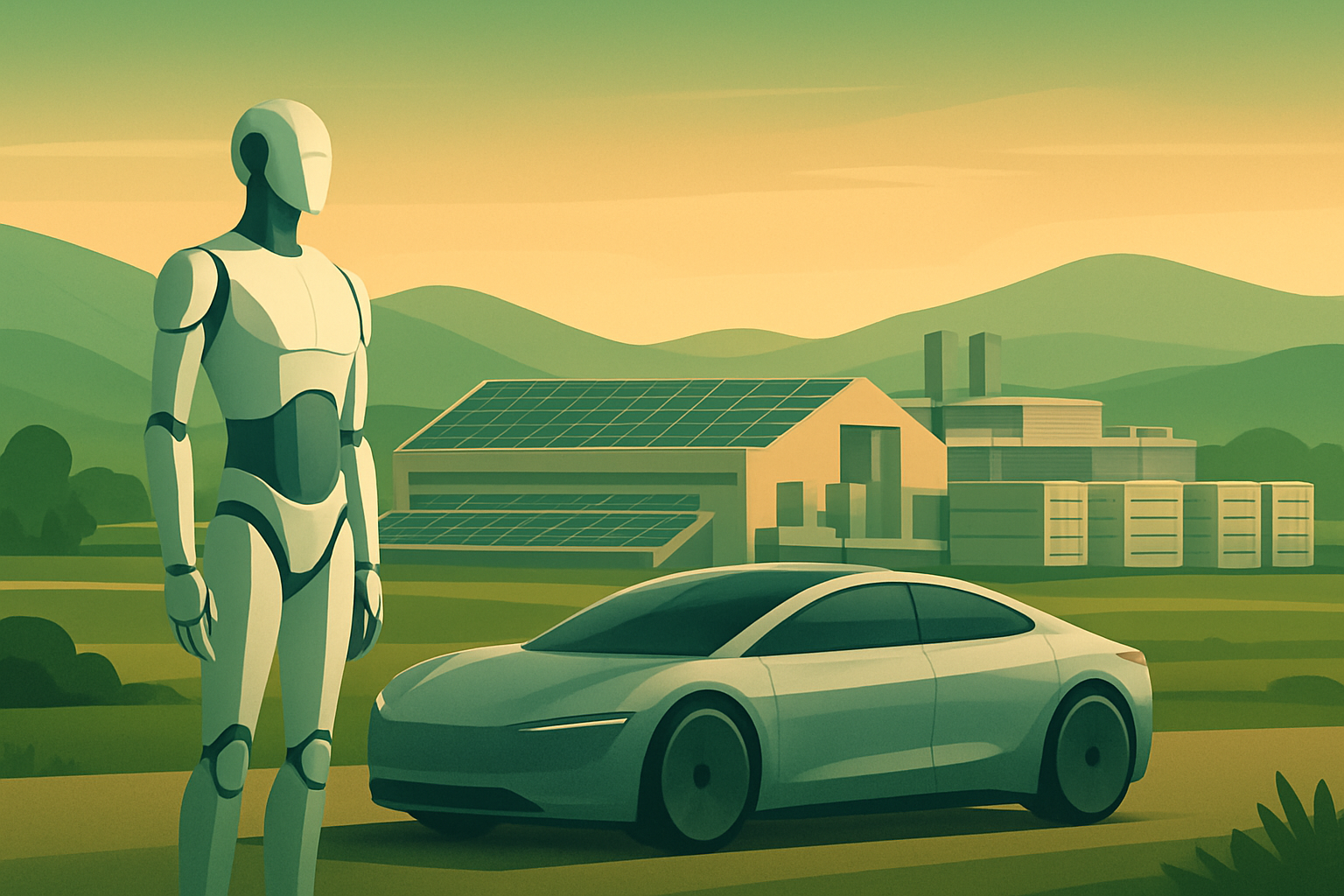
  • Tesla (TSLA) 2026 Deep-Dive: From Automaker to AI Powerhouse

    Tesla (TSLA) 2026 Deep-Dive: From Automaker to AI Powerhouse

    As of January 22, 2026, Tesla, Inc. (NASDAQ: TSLA) remains the most scrutinized and debated entity in the global financial markets. After a tumultuous 2025 that saw the company officially yield its crown as the world’s largest battery electric vehicle (BEV) manufacturer to China’s BYD, Tesla has pivoted its narrative from automotive dominance to artificial intelligence and robotics leadership. With its market capitalization hovering at $1.43 trillion, the company stands at a critical juncture: transitioning from a high-growth car manufacturer into a diversified technology conglomerate centered on autonomous transport, energy storage, and humanoid robotics.

    Historical Background

    Founded in 2003 by Martin Eberhard and Marc Tarpenning, and later steered to global prominence by Elon Musk, Tesla’s journey is one of the most improbable success stories in industrial history. From the niche, high-end Roadster in 2008 to the mass-market Model 3 and Model Y, Tesla effectively forced the global automotive industry into the electric age. Key milestones include the opening of the Nevada Gigafactory, the achievement of sustained profitability in 2020, and the company's inclusion in the S&P 500. Over the last decade, Tesla transitioned from a "struggling startup" to a global benchmark, though it now faces the challenge of maintaining that status amidst maturing markets and fierce global competition.

    Business Model

    Tesla’s business model is vertically integrated, encompassing three primary segments:

    1. Automotive: Sales of the Model S, 3, X, Y, and Cybertruck, alongside the forthcoming affordable "Model 2" and "Cybercab."
    2. Energy Generation and Storage: The production and installation of solar energy systems and large-scale battery storage (Powerwall and Megapack), which has become the company's fastest-growing segment by percentage.
    3. Services and AI: This includes Full Self-Driving (FSD) software subscriptions, Supercharging network access, and the nascent licensing of AI technologies and the Optimus humanoid robot.
      Unlike traditional OEMs (Original Equipment Manufacturers), Tesla maintains a direct-to-consumer sales model, bypassing dealerships to capture higher margins and control the brand experience.

    Stock Performance Overview

    Tesla’s stock performance has been a roller coaster for long-term investors.

    • 1-Year Performance: Over the past twelve months, TSLA has seen a significant recovery, rising from the sub-$200 levels of early 2024 to its current range of $430–$440.
    • 5-Year Performance: On a five-year horizon, the stock remains a top performer in the tech sector, though it has faced massive drawdowns of 50% or more during periods of high interest rates and slowing EV demand.
    • 10-Year Performance: For the decade-long holder, Tesla has been a "generational" investment, returning thousands of percent as it scaled from a niche player to a trillion-dollar giant.
      Recent volatility in early 2026 is attributed to a Q4 2025 delivery miss and investor uncertainty regarding the timeline for the "Cybercab" rollout.

    Financial Performance

    Tesla’s financial profile in early 2026 reveals a "margin-for-growth" trade-off. In Q3 2025, the company reported record revenue of $28.1 billion, but operating margins have compressed to approximately 5.8%. This compression is the result of aggressive price cuts implemented throughout 2024 and 2025 to ward off competition. While the Energy segment is high-margin and growing at nearly 50% annually, the capital expenditure required for AI compute and the "Optimus" program has weighed on earnings per share (EPS). The company maintains a fortress balance sheet with significant cash reserves, though it no longer benefits from the massive regulatory credit revenue that once padded its bottom line.

    Leadership and Management

    The leadership of Tesla remains synonymous with CEO Elon Musk. While Musk’s dual roles at SpaceX and X (formerly Twitter) continue to draw criticism regarding "CEO dilution," his strategic pivot toward AI and Robotics is the primary driver of Tesla’s current valuation. The management team has seen some stabilization after high-profile departures in 2024, with a renewed focus on engineering excellence and manufacturing scale. The Board of Directors, however, remains under pressure from institutional investors to provide more transparent succession planning and governance oversight.

    Products, Services, and Innovations

    Tesla’s product pipeline is currently focused on three pillars:

    • The Cybercab (Robotaxi): A dedicated autonomous vehicle without a steering wheel or pedals, slated for production in April 2026.
    • Model 2 (Project Redwood): A $25,000 mass-market vehicle currently in pilot production, intended to recapture market share from low-cost Chinese rivals.
    • Optimus Gen 3: Tesla’s humanoid robot, which has reached "human-equivalent" dexterity and is being deployed within Tesla’s own factories to perform repetitive tasks.
      Innovation remains Tesla’s competitive edge, particularly in its Dojo supercomputer and FSD v14 software, which proponents claim is the closest any company has come to achieving Level 4/5 autonomy.

    Competitive Landscape

    For the first time in its history, Tesla is no longer the undisputed leader in volume. BYD (HKG: 1211) surpassed Tesla in BEV sales in 2025, leveraging its vertical battery integration and lower cost structure. Meanwhile, legacy automakers like Ford (NYSE: F) and General Motors (NYSE: GM) have shifted their focus toward hybrids, inadvertently leaving Tesla as the primary target for any consumer seeking a pure-BEV in the North American market. In the premium space, Rivian (NASDAQ: RIVN) and Lucid (NASDAQ: LCID) continue to compete for high-end market share, though they struggle with the scale and profitability that Tesla has already mastered.

    Industry and Market Trends

    The global EV market in 2026 is characterized by "pragmatic electrification." Consumers have become more price-sensitive, leading to a surge in demand for affordable EVs and hybrids. Macro trends, including fluctuating lithium prices and a shifting interest rate environment, have impacted consumer financing. Furthermore, the industry is witnessing a "software-defined vehicle" revolution, where the value of a car is increasingly tied to its autonomous capabilities and in-car entertainment rather than its mechanical specifications—a trend Tesla pioneered.

    Risks and Challenges

    Tesla faces several existential and operational risks:

    • Execution Risk: The April 2026 Robotaxi launch is a "binary event"; a delay could lead to a significant valuation reset.
    • Margin Pressure: Continuous price wars with BYD and other Chinese manufacturers may keep margins suppressed for years.
    • Key-Man Risk: The company’s valuation is heavily tied to Elon Musk; any change in his status or focus remains a primary concern for shareholders.
    • Regulatory Scrutiny: Increased oversight from the NHTSA and international regulators regarding FSD safety remains a constant threat to its software revenue.

    Opportunities and Catalysts

    The primary catalysts for TSLA in 2026 include:

    • Robotaxi Revenue: The potential for a high-margin, recurring revenue stream from a Tesla-owned autonomous fleet.
    • Energy Scaling: The expansion of Megapack production to meet the global demand for grid-scale storage.
    • FSD Licensing: The possibility of other automakers licensing Tesla’s FSD software, which would provide pure software margins.
    • Optimus Commercialization: If Optimus can be successfully sold to third-party manufacturers, it opens a multi-trillion dollar TAM (Total Addressable Market) in industrial automation.

    Investor Sentiment and Analyst Coverage

    Wall Street remains deeply divided. Bulls, such as those at Cantor Fitzgerald and RBC, maintain price targets above $500, viewing Tesla as the "undisputed leader in the AI-robotics age." Conversely, bears at firms like JPMorgan maintain "Sell" ratings, arguing that the automotive business is a "broken growth story" and the AI valuation is speculative. Retail sentiment remains high, with a loyal base of individual investors who view any dip as a buying opportunity based on the long-term potential of the "Musk ecosystem."

    Regulatory, Policy, and Geopolitical Factors

    Geopolitics play a massive role in Tesla's 2026 outlook. High tariffs on Chinese EVs in the U.S. and Europe act as a protective moat for Tesla's domestic sales. However, Tesla’s heavy reliance on its Shanghai Gigafactory makes it vulnerable to shifts in U.S.-China relations. Additionally, changes in federal EV subsidies and carbon credit policies in a shifting political landscape continue to impact the company’s quarterly profitability.

    Conclusion

    Tesla in January 2026 is a company in the midst of a grand metamorphosis. It has moved past its "low-hanging fruit" phase of early EV adoption and is now tackling the significantly harder challenges of mass-market affordability and full autonomy. While the 2025 decline in vehicle deliveries was a wake-up call, the company’s pivots into Energy and AI suggest that its story is far from over. Investors should watch the April 2026 Cybercab launch and the Model 2 production ramp as the definitive indicators of whether Tesla will remain a trillion-dollar leader or become a victim of its own ambitious roadmap.


    This content is intended for informational purposes only and is not financial advice.