Tag: Stock Research

  • Adecoagro S.A. (NYSE: AGRO): The Rise of a South American Agro-Industrial Powerhouse

    Adecoagro S.A. (NYSE: AGRO): The Rise of a South American Agro-Industrial Powerhouse

    As of March 31, 2026, the global agricultural landscape is navigating a period of profound transformation. Supply chain realignments, the volatility of energy markets, and the increasing demand for food security have placed South American producers at the center of the global economy. Among them, Adecoagro S.A. (NYSE: AGRO) has emerged not merely as a farming operation, but as a diversified agro-industrial powerhouse.

    Following a landmark year of acquisitions and a significant shift in its capital structure, Adecoagro is currently one of the most talked-about names in the basic materials sector. This article explores the company’s evolution, its strategic pivot into fertilizers, and why its unique operational model in Argentina and Brazil is capturing the attention of institutional investors worldwide.

    Introduction

    Adecoagro S.A. (NYSE: AGRO) has long been recognized as a premier low-cost producer of agricultural commodities in South America. However, as we stand in the first quarter of 2026, the company is a far cry from the land-transformation specialist it was a decade ago. Today, Adecoagro is a vertically integrated giant spanning sugar and ethanol production in Brazil, large-scale crop and dairy farming in Argentina and Uruguay, and, most recently, a dominant player in the regional fertilizer market.

    The company is currently in focus due to its aggressive 2025 expansion strategy, which saw it move upstream into industrial inputs. With global grain markets facing renewed pressure and a shifting climatic outlook toward a La Niña cycle, Adecoagro’s diversified portfolio—hedged across different geographies and products—offers a compelling case study in operational resilience and tactical growth.

    Historical Background

    Founded in 2002 by Mariano Bosch alongside Ezequiel Garbers and Walter Marcelo Sánchez, Adecoagro was born out of a vision to apply modern management and technology to underutilized South American farmland. Its early years were characterized by the "land transformation" model—purchasing distressed or marginal land, improving its productivity through sustainable practices, and realizing capital gains.

    The company’s pedigree was established early on through the backing of high-profile investors, most notably George Soros via Soros Fund Management. This support allowed for rapid expansion into Brazil’s sugar and ethanol sector between 2004 and 2010. After a successful Initial Public Offering (IPO) on the New York Stock Exchange in 2011, the company spent the next decade shifting its focus from land sales to operational excellence, building out its "Continuous Harvest" model in Brazil and a state-of-the-art circular economy in its Argentine dairy operations.

    The most pivotal moment in its history occurred in 2025. Following a majority investment by Tether Investments, the company completed the $1.1 billion acquisition of Profertil, Argentina's primary urea producer. This move transformed Adecoagro from a consumer of inputs into a provider of essential agricultural chemicals, fundamentally altering its margin profile and market positioning.

    Business Model

    Adecoagro operates a diversified, vertically integrated business model designed to mitigate the inherent risks of agriculture, such as weather volatility and commodity price fluctuations. As of 2026, the business is organized into three primary pillars:

    1. Sugar, Ethanol, and Energy (SE&E): Based in Brazil, this segment utilizes a "Continuous Harvest" system. Unlike traditional mills that shut down during the inter-harvest season, Adecoagro’s three clusters (Mato Grosso do Sul and Minas Gerais) are designed for year-round crushing, maximizing asset utilization and cash flow.
    2. Food and Agriculture (Integrated): This segment combines the company’s vast cropping operations (soy, corn, wheat) with its industrial downstream assets. It includes a fully integrated rice business—from seed genetics to branded retail snacks—and a high-tech dairy operation that produces 300 million liters of milk annually.
    3. Fertilizers (Profertil): The newest and most disruptive segment. By owning 90% of Profertil, Adecoagro controls the supply of granular urea in Argentina. This segment leverages low-cost natural gas from the Vaca Muerta shale formation to produce fertilizers, creating a natural hedge for the company’s own farming costs while generating significant external revenue.

    Stock Performance Overview

    Adecoagro’s stock has experienced a dramatic "re-rating" over the past twelve months. As of late March 2026, AGRO is trading at approximately $15.07, representing a staggering 89.6% increase from its early 2025 lows near $7.95.

    • 1-Year Performance: The stock has outperformed the broader S&P 500 and the MSCI Emerging Markets Index, driven largely by the Profertil acquisition and the stabilization of its balance sheet via Tether’s capital infusion.
    • 5-Year Performance: Looking back to 2021, the stock has staged a remarkable recovery. After languishing in the $3.00–$7.00 range during the mid-pandemic years, the current price reflects a new level of investor confidence in the company’s industrial scale.
    • 10-Year Performance: Long-term shareholders have seen a modest CAGR, but the 2024–2026 window marks the most significant period of alpha generation in the company’s history as it transitioned from a "farming stock" to an "agro-industrial conglomerate."

    Financial Performance

    Financial results for the 2025 fiscal year reflect a company in a high-growth, high-leverage phase. Pro-forma revenue exceeded $2.0 billion following the integration of the fertilizer business.

    Adjusted EBITDA for 2025 reached $467.2 million on a pro-forma basis. However, the $1.1 billion Profertil deal significantly impacted the balance sheet. Net debt rose to $1.5 billion in early 2026, pushing the leverage ratio to 3.3x. While higher than historical norms, management has committed to a rapid deleveraging plan, fueled by the strong cash-generative nature of the urea and ethanol segments. Despite the debt load, the Board maintained its commitment to shareholders, approving a $35 million cash dividend for 2026, offering a yield of roughly 2.3%.

    Leadership and Management

    Mariano Bosch remains the face of Adecoagro as CEO. His tenure has been defined by a "lowest-cost producer" philosophy and a long-term view on asset value. However, the leadership dynamic shifted in 2025 with the arrival of Juan José Sartori Piñeyro as Executive Chairman.

    Sartori, a former Uruguayan senator and founder of Union Group, represents the interests of the new controlling shareholder group. Under this new leadership structure, the company has become more aggressive in M&A and more sophisticated in its financial hedging. The governance reputation remains strong, with a focus on ESG (Environmental, Social, and Governance) metrics, particularly in their "circular economy" dairy models.

    Products, Services, and Innovations

    Adecoagro’s competitive edge lies in its technological integration. In its sugar mills, the company utilizes 100% of the sugarcane byproduct (bagasse) to co-generate electricity, which it sells back to the Brazilian grid.

    In Argentina, its "Biodigester Project" at the Santa Fe dairy farm converts manure into renewable energy, powering both the farm and local communities. The recent focus has turned to "Precision Agriculture 4.0," using satellite imagery and AI-driven soil analysis to optimize fertilizer application—now utilizing their own Profertil urea. This integration allows for a "closed-loop" system that reduces waste and maximizes yield per hectare.

    Competitive Landscape

    Adecoagro operates in a crowded field but holds distinct advantages in specific niches:

    • Raízen (NYSE: REZY): A massive competitor in Brazil’s sugar/ethanol space. While Raízen has superior scale, Adecoagro has historically maintained higher operational efficiency and lower production costs per ton.
    • São Martinho (BVMF: SMTO3): A formidable rival in Brazil known for its corn ethanol expansion. Adecoagro competes here through its geographical diversification.
    • SLC Agrícola (BVMF: SLCE3): A pure-play crop producer. Unlike SLC, which is highly exposed to grain price volatility, Adecoagro’s industrial segments (ethanol and urea) provide a buffer during periods of low crop prices.

    Industry and Market Trends

    The agricultural sector in 2026 is dominated by three major themes:

    1. Biofuel Resilience: High oil prices and environmental mandates have kept ethanol demand robust. Adecoagro’s ability to pivot its production mix (up to 72% ethanol in 2025) allows it to capture maximum value from the energy market.
    2. Fertilizer Sovereignty: Following years of global supply disruptions, regional production has become a strategic priority. Adecoagro’s control of Profertil places it in a dominant position within the Mercosur trade bloc.
    3. Weather Patterns: With climate models predicting a shift to La Niña in late 2026, the market is pricing in a premium for irrigated land (where Adecoagro excels in rice) and efficient input management.

    Risks and Challenges

    Despite its strong positioning, Adecoagro faces significant risks:

    • Financial Leverage: The 3.3x net debt/EBITDA ratio leaves the company vulnerable if commodity prices crash or interest rates rise sharply.
    • Currency Volatility: Operations in Argentina and Brazil expose the company to the Argentine Peso and Brazilian Real. While the Tether investment provides a USD-linked anchor, devaluations can still impact reported earnings and local costs.
    • Political Risk: Argentina’s history of export taxes and shifting agricultural policies remains a constant shadow over domestic operations.

    Opportunities and Catalysts

    • Deleveraging Milestone: As the company pays down debt from its Profertil acquisition, a credit rating upgrade could serve as a major catalyst for the stock in late 2026.
    • Vaca Muerta Expansion: Increased natural gas production in Argentina could further lower the feedstock costs for the fertilizer segment, boosting margins to record levels.
    • Carbon Credits: Adecoagro is well-positioned to monetize its renewable energy and sustainable farming practices through international carbon credit markets, a revenue stream that remains largely untapped.

    Investor Sentiment and Analyst Coverage

    Wall Street sentiment has turned decidedly bullish over the past quarter. Institutional ownership has seen an uptick as the "farming play" narrative has evolved into an "energy and infrastructure" story. Analysts from major investment banks have highlighted Adecoagro’s unique position as a hedge against global fertilizer shortages. Retail sentiment, particularly among those following South American emerging markets, has also surged following the company’s inclusion in several high-growth ESG and AgTech ETFs.

    Regulatory, Policy, and Geopolitical Factors

    Geopolitics continues to favor South American exporters. As traditional grain hubs in Eastern Europe remain disrupted, the "breadbasket" of Argentina and Brazil has become essential. Furthermore, Brazil’s RenovaBio program continues to provide a supportive regulatory framework for ethanol producers by creating a market for carbon-saving credits (CBIOs). In Argentina, the current administration’s focus on the "Vaca Muerta" energy corridor provides the structural support necessary for Adecoagro’s fertilizer industrialization strategy.

    Conclusion

    Adecoagro S.A. enters the second half of the decade as a transformed entity. By integrating the industrial production of fertilizers with its massive farming and energy footprint, the company has built a moat that few of its peers can match. While the increased debt load requires disciplined management, the tailwinds of global food demand and South American energy independence are firmly at its back.

    For investors, AGRO represents more than just a bet on the price of soy or sugar; it is a sophisticated play on the entire agricultural value chain in one of the world’s most productive regions. As the company continues to deleverage and integrate its new assets, it remains a critical name to watch for those seeking exposure to the intersection of energy, food security, and industrial innovation.


    This content is intended for informational purposes only and is not financial advice.


    Stock Summary (as of March 31, 2026):

    • Ticker: AGRO (NYSE)
    • Price: $15.07
    • 52-Week Range: $7.90 – $15.40
    • Market Cap: ~$1.6 Billion (Estimated)
    • Sector: Basic Materials / Agriculture

  • The Great California Restart: A Deep-Dive into Sable Offshore Corp. (NYSE: SOC)

    The Great California Restart: A Deep-Dive into Sable Offshore Corp. (NYSE: SOC)

    As of March 31, 2026, few companies on the New York Stock Exchange have captured the imagination—and the volatility—of the energy sector quite like Sable Offshore Corp. (NYSE: SOC). Once dismissed by many as a "binary bet" destined for failure, Sable has emerged from a decade-long regulatory quagmire to become the focal point of a historic clash between federal energy mandates and state environmental resistance. The company’s recent momentum, fueled by the dramatic restart of the Santa Ynez Unit (SYU) pipelines in mid-March, represents one of the most aggressive turnaround stories in the modern oil and gas industry.

    Historical Background

    The story of Sable Offshore is inextricably linked to one of California’s darkest environmental chapters: the 2015 Refugio oil spill. For decades, the Santa Ynez Unit, comprised of the massive Hondo, Harmony, and Heritage platforms, was a crown jewel in the portfolio of ExxonMobil (NYSE: XOM). However, the rupture of Line 901—a 125-mile pipeline owned by Plains All American—forced an immediate shutdown of all offshore production.

    For nearly nine years, the assets sat idle, trapped in a permit limbo that ExxonMobil eventually decided was insurmountable. In late 2022, James Flores, a legendary figure in the E&P space, orchestrated a deal to acquire the SYU assets for $643 million, primarily through seller financing. The deal was finalized through a merger with Flame Acquisition Corp, a SPAC, in February 2024. A critical "reversion clause" loomed over the deal: if Sable could not restart production by January 1, 2026, the assets would revert to ExxonMobil, effectively wiping out Sable’s equity.

    Business Model

    Sable Offshore Corp. operates as an independent upstream oil and gas company with a singular, high-concentration focus: the operation and optimization of the Santa Ynez Unit and the associated onshore processing facility at Las Flores Canyon. Unlike diversified majors, Sable’s revenue is tied entirely to the successful flow of crude through its 125-mile pipeline system (Lines 901 and 903).

    The company’s model is built on "restart economics." By acquiring existing, multi-billion dollar infrastructure at a fraction of its replacement cost, Sable aims to generate massive free cash flow by simply resuming production at assets that have already been fully appraised. Its customer base consists of California and Gulf Coast refineries that rely on the specific heavy-crude profile produced by the SYU.

    Stock Performance Overview

    The stock performance of SOC has been a roller coaster for investors.

    • 1-Year Horizon: Over the past twelve months, SOC has traded in a wide range between $3.72 and $28.50. The stock spent much of 2025 in the doldrums as the "reversion deadline" approached and California regulators continued to block pipeline repairs.
    • The 2026 Surge: Since the federal government invoked the Defense Production Act (DPA) on March 13, 2026, to force the pipeline’s restart, shares have skyrocketed over 115%.
    • Long-term Context: For early SPAC investors who entered at $10.00, the journey has been grueling, but as of late March 2026, the stock has comfortably outperformed the broader energy index (XLE) due to the removal of the existential threat of asset reversion.

    Financial Performance

    Sable’s financials for the fiscal year 2025 reflected a "pre-revenue" entity in crisis, reporting a net loss of $410.2 million. However, the balance sheet tells a more complex story.

    • Debt: The company carries approximately $921.6 million in debt, largely owed to ExxonMobil at high interest rates (10-15%).
    • Valuation: At a current market cap of roughly $2.2 billion, the market is now pricing in the projected 50,000+ barrels per day (bpd) capacity.
    • Cash Flow: Analysts expect Sable to flip to positive EBITDA by the end of Q2 2026, assuming the current crude price environment remains stable and production ramps up at Platforms Heritage and Hondo.

    Leadership and Management

    The "Flores Factor" is central to the Sable narrative. CEO James C. ("Jim") Flores has a decades-long track record of creating value in distressed or complex oil assets. His leadership is characterized by a "no-retreat" legal strategy that has seen Sable sue everyone from the California Coastal Commission to the State Fire Marshal.

    In late 2025, J. Caldwell Flores was promoted to President and COO, signaling a transition toward the operational phase of the company's life cycle. The board consists of industry veterans with deep ties to the Texas and Louisiana energy corridors, providing the political and technical heft necessary to navigate the hostile California regulatory environment.

    Products, Services, and Innovations

    Sable’s primary "product" is the high-quality heavy crude from the Monterey Formation. While the product is traditional, the company’s "innovation" lies in its infrastructure. To satisfy federal consent decrees, Sable has outfitted Lines 901 and 903 with state-of-the-art leak detection systems, including fiber-optic acoustic sensors and automated shut-off valves that exceed current federal safety standards. This technological "gold-plating" was a necessary prerequisite for the eventual federal intervention that allowed the restart.

    Competitive Landscape

    In the Santa Barbara Channel, Sable is effectively a monopoly player in a dying field. Most of its former neighbors, including Chevron (NYSE: CVX) and Shell (NYSE: SHEL), have moved toward decommissioning their California offshore assets. This gives Sable a unique competitive advantage: it is the only operator with the scale and the dedicated infrastructure to bring massive volumes of offshore crude to market. Its primary "competitors" are not other oil companies, but renewable energy proponents and state agencies seeking to phase out fossil fuels entirely.

    Industry and Market Trends

    Sable’s restart comes at a pivotal moment in global energy markets. With heightened geopolitical tensions in the Middle East and a renewed domestic focus on "energy independence," the Biden-turned-Trump administration (following the 2024 election) has shifted toward a policy of maximizing existing domestic output. The invocation of the Defense Production Act to restart the SYU is a prime example of this macro shift, prioritizing supply security over regional environmental opposition.

    Risks and Challenges

    Despite the recent momentum, Sable faces significant headwinds:

    • Litigation Risk: The State of California has filed a multi-billion dollar lawsuit challenging the federal DPA invocation, arguing it violates state sovereignty and environmental laws.
    • Criminal Liability: The company still faces 21 criminal counts in Santa Barbara County related to unpermitted work during the repair phase.
    • Operational Integrity: Any leak or technical failure during the production ramp-up would likely be fatal to the company, given the intense public and political scrutiny.

    Opportunities and Catalysts

    • Full Field Production: While Platform Harmony is online, the restarts of Heritage (planned for April 2026) and Hondo (planned for June 2026) are major catalysts that could double production volumes.
    • Refinancing: With production flowing, Sable is expected to refinance its high-interest ExxonMobil debt into lower-cost traditional reserve-based lending (RBL) facilities, which would significantly improve net margins.
    • M&A: Now that the assets are derisked, Sable itself becomes a prime acquisition target for a mid-cap E&P looking for high-margin, long-life reserves.

    Investor Sentiment and Analyst Coverage

    Sentiment has shifted from "extreme skepticism" to "cautious optimism." Wall Street analysts, led by firms like Jefferies and JPMorgan, have recently upgraded the stock, citing the removal of the reversion risk. Institutional ownership has begun to tick up, with hedge funds specializing in distressed debt and "special situations" rotating out, and energy-focused long-only funds moving in. Retail chatter remains high, with the stock frequently appearing on momentum scanners.

    Regulatory, Policy, and Geopolitical Factors

    Sable is currently the "patient zero" for a massive jurisdictional conflict. The application of the Defense Production Act to an offshore oil pipeline is an unprecedented move by the executive branch. If this legal precedent holds, it could open the door for other stalled energy projects across the United States, making Sable a bellwether for the future of federal vs. state power in energy policy.

    Conclusion

    Sable Offshore Corp. has defied the odds to reach the cusp of full-scale production. By successfully navigating the January 2026 reversion deadline and securing federal backing for its pipeline restart, Jim Flores has positioned the company as a significant, albeit controversial, player in the California energy landscape. For investors, SOC remains a high-reward, high-volatility play. While the taps are finally open, the ongoing "legal war" with the State of California ensures that the path forward will be anything but smooth.


    This content is intended for informational purposes only and is not financial advice.

  • Texas Pacific Land Corporation (TPL): The Permian’s Scarcity Asset for the AI Era

    Texas Pacific Land Corporation (TPL): The Permian’s Scarcity Asset for the AI Era

    The date is March 31, 2026. The Permian Basin, long the heartbeat of American energy, is undergoing a profound metamorphosis. While the rhythmic thrum of pumpjacks still defines the horizon, a new sound is emerging from the scrublands of West Texas: the hum of high-density cooling fans and the silent processing of trillions of data points. At the epicenter of this shift sits Texas Pacific Land Corporation (NYSE: TPL), a 138-year-old entity that has evolved from a dusty railroad land trust into the ultimate "scarcity asset" for the age of Artificial Intelligence.

    Introduction

    Texas Pacific Land Corporation (TPL) is currently one of the most talked-about infrastructure plays on Wall Street. Historically known as a "passive" landowner that collected royalties on every barrel of oil produced on its nearly 882,000 acres, TPL has spent the last two years aggressively repositioning itself. In early 2026, the company is no longer viewed merely as a proxy for Permian oil production; it is being revalued as a critical provider of the three pillars required for the AI revolution: land, power, and water.

    With a market capitalization that has swelled following its 2025 stock split and a landmark partnership with Silicon Valley royalty, TPL represents a unique intersection of "Old Economy" land wealth and "New Economy" digital infrastructure. As of late March 2026, investors are weighing TPL’s staggering 60%+ net margins against a valuation that dwarfs traditional energy peers, asking if this "land bank" is the secret weapon of the generative AI era.

    Historical Background

    The story of TPL began in 1888, born out of the bankruptcy of the Texas and Pacific Railway. To satisfy bondholders, the company was formed as a liquidating trust, receiving 3.5 million acres of land from the state of Texas. For over a century, the mandate was simple: sell the land or lease it, and buy back shares with the proceeds.

    However, the "liquidation" never finished. The discovery of the Permian Basin’s vast shale reserves turned these "worthless" West Texas acres into some of the most valuable real estate on the planet. For decades, TPL operated as a trust with a skeletal staff, but in 2021, it converted into a C-Corporation to modernize its governance and allow for broader institutional ownership. This transition was marked by a bitter, years-long proxy battle between management and a group of activist investors led by Horizon Kinetics and SoftVest. The conflict, which centered on share authorization and board control, was finally resolved in 2024 and 2025, paving the way for the company's current aggressive expansion into digital infrastructure.

    Business Model

    TPL operates an incredibly "asset-light" and high-margin business model focused on three primary revenue streams:

    1. Oil & Gas Royalties: TPL owns "perpetual" rights. It does not spend capital to drill wells; instead, it takes a cut of the production from operators like Occidental Petroleum (NYSE: OXY) and Chevron (NYSE: CVX) who drill on its land.
    2. Water Services and Operations: Through its Texas Pacific Water Resources subsidiary, the company provides full-cycle water management. This includes selling brackish water for fracking and managing the disposal of "produced water." In 2025, this segment achieved the milestone of handling over 1 million barrels of water per day.
    3. Surface Leases and Easements (The "Toll Road"): TPL charges for every pipeline, power line, and road that crosses its acreage. Recently, this segment has expanded to include "Next-Gen" infrastructure: solar farms, wind turbines, and the burgeoning AI data center business.

    Stock Performance Overview

    TPL has been a historic "wealth compounder." Over the 10-year horizon ending March 2026, the stock has delivered returns exceeding 1,200%, vastly outperforming the S&P 500 and the broader energy sector (XLE).

    • 1-Year Performance: Up 45%, driven by the late-2025 announcement of the Bolt Data & Energy partnership and a 3-for-1 stock split that increased retail liquidity.
    • 5-Year Performance: Up approximately 280%, capturing the post-pandemic oil surge and the successful resolution of governance disputes.
    • Recent Moves: The stock hit a new all-time high in February 2026 after reporting record Q4 earnings that showcased the first significant revenue contributions from its "digital land" initiatives.

    Financial Performance

    TPL’s financial profile is more akin to a software-as-a-service (SaaS) company than an oil firm. In the fiscal year 2025, TPL reported total revenues of $798.2 million, a 13% increase year-over-year.

    • Margins: Net income margins hovered near 60%, a level nearly unheard of in the industrial sector.
    • Balance Sheet: TPL carries zero debt. Its cash position of approximately $850 million (post-2025 acquisitions) provides it with a "war chest" for opportunistic M&A.
    • Cash Flow: Free cash flow (FCF) reached nearly $500 million in 2025. The company uses this FCF for a mix of share repurchases and a growing dividend, which was increased by 12.5% in late 2025.

    Leadership and Management

    Following the resolution of the proxy fight, TPL’s leadership has been significantly refreshed. Rhys Best, appointed Independent Chair, has brought a focus on corporate transparency that was previously lacking. CEO Tyler Glover has been the architect of the "Water-to-Data" pivot, successfully navigating the company from a passive trust to an active infrastructure developer.

    The board is now fully declassified, with all directors standing for annual election. This governance "cleanup" has been a major catalyst for ESG-focused institutional funds to initiate positions in TPL during 2025 and 2026.

    Products, Services, and Innovations

    The most significant innovation in TPL’s portfolio is its "Closed-Loop Energy-Data Hub."

    • AI Data Centers: In December 2025, TPL invested $50 million into Bolt Data & Energy, a venture co-founded by former Google CEO Eric Schmidt. This partnership aims to build massive data center campuses directly on TPL land.
    • Behind-the-Meter Power: TPL is leveraging its natural gas royalties to facilitate "on-site" power generation for these data centers, bypassing the congested Texas power grid (ERCOT).
    • Desalination: TPL is completing a massive freeze desalination project in Orla, Texas. This facility uses waste heat from data centers to turn salty "produced water" from oil wells into fresh water—solving a major environmental hurdle while providing cooling for AI servers.

    Competitive Landscape

    TPL occupies a category of one, but it does face indirect competition:

    • Viper Energy (NASDAQ: VNOM): A pure-play Permian royalty company. While Viper has higher production growth, it lacks the surface acreage that allows TPL to build data centers.
    • LandBridge (NYSE: LB): A newer competitor (often called "TPL Junior") that also focuses on the surface "toll-road" model. While smaller, LandBridge is competing for data center contracts in the Delaware Basin.
    • Black Stone Minerals (NYSE: BSM): A diversified royalty holder, though more concentrated in natural gas and less focused on the technology pivot.

    Industry and Market Trends

    The "Permian Consolidation" trend of 2024-2025—marked by ExxonMobil’s acquisition of Pioneer Natural Resources—has been a tailwind for TPL. Larger, more efficient operators are now drilling on TPL land, using longer laterals (12,000+ feet) which increases the royalty yield per acre. Simultaneously, the global "AI Arms Race" has made large, contiguous tracts of land with power access incredibly scarce, moving TPL into the crosshairs of tech giants looking for "sovereign" power solutions.

    Risks and Challenges

    Despite its strengths, TPL is not without risk:

    • Valuation: Trading at over 50x EV/EBITDA, TPL is priced for perfection. Any delay in the "Bolt" data center rollout could trigger a significant correction.
    • Regulatory Scrutiny: The disposal of produced water has been linked to seismic activity in West Texas. Increased regulation by the Texas Railroad Commission could hamper TPL’s water business.
    • Commodity Sensitivity: While asset-light, a sustained drop in oil prices below $50/bbl would significantly reduce the pace of drilling and royalty revenue.

    Opportunities and Catalysts

    • SMR Integration: Discussions are underway regarding the placement of Small Modular Reactors (SMRs) on TPL land to provide carbon-free, 24/7 power to data centers.
    • Midland Basin M&A: TPL’s $450 million acquisition in late 2025 proved it can successfully integrate new acreage. Further "tuck-in" acquisitions in the Midland Basin remain a possibility.
    • The "Schmidt Effect": Continued collaboration with Eric Schmidt and Bolt Data & Energy could lead to a formal "Digital Infrastructure" spin-off or a major joint venture with a "Hyperscaler" (e.g., Amazon or Microsoft).

    Investor Sentiment and Analyst Coverage

    Sentiment is currently split between "Old School" energy analysts and "New School" technology-infrastructure bulls. Horizon Kinetics, TPL’s largest shareholder, remains a vocal proponent of the stock as a "long-term inflation hedge" and a play on the "Fourth Industrial Revolution." While some analysts at firms like Keybanc have raised price targets toward the $1,000 mark (pre-split equivalent), others remain cautious, citing the company’s massive premium over other royalty firms.

    Regulatory, Policy, and Geopolitical Factors

    TPL benefits from Texas’s business-friendly environment and its "independent" power grid (ERCOT), which allows for faster interconnection of large-scale projects compared to the rest of the U.S. However, federal policies regarding "produced water" and the environmental impact of data centers are emerging as key themes for 2026. TPL’s focus on desalination and "behind-the-meter" gas power is largely seen as a proactive hedge against these regulatory pressures.

    Conclusion

    Texas Pacific Land Corporation (NYSE: TPL) is no longer a sleepy land trust; it is a high-octane infrastructure platform at the heart of the most important energy-tech convergence in a generation. By leveraging its vast Permian footprint to solve the power and water needs of AI, TPL has successfully disconnected its valuation from the cyclical nature of oil prices.

    For investors, TPL represents a "scarcity play." While the valuation is undoubtedly rich, the company’s zero-debt balance sheet, massive margins, and strategic alignment with the world’s most powerful technology trends make it a formidable force. As we move further into 2026, the key for TPL will be execution: turning the promise of 5-gigawatt data center campuses into realized, high-margin cash flow.


    This content is intended for informational purposes only and is not financial advice.

  • The Luxury Ecosystem Pivot: A Deep Dive into RH (NYSE: RH) in 2026

    The Luxury Ecosystem Pivot: A Deep Dive into RH (NYSE: RH) in 2026

    Date: March 31, 2026

    Introduction

    As of March 31, 2026, RH (NYSE: RH), the company formerly known as Restoration Hardware, stands at a critical crossroads. Once a purveyor of nostalgic "industrial chic" hardware and furniture, RH has spent the last decade aggressively pivoting toward becoming a "luxury ecosystem" that spans residential real estate, hospitality, and even private aviation. Today, as the company prepares to release its Q4 and Full-Year 2025 earnings, the investment community is laser-focused on one question: Can Gary Friedman’s high-stakes bet on global luxury expansion survive a volatile macro environment and a reset in the luxury housing market?

    RH is no longer just a furniture store; it is a brand-building experiment in the vein of LVMH or Hermès, but with a uniquely American focus on "The Home." With major new gallery openings in London, Paris, and Milan, and a radical product transformation set to debut this spring, RH is attempting to decouple its performance from the broader retail sector and align itself with the ultra-high-net-worth (UHNW) lifestyle.

    Historical Background

    The story of RH is inextricably linked to its Chairman and CEO, Gary Friedman. Founded in 1979 in Eureka, California, by Stephen Gordon, the company spent its first two decades as a quirky retailer of high-quality home hardware and period-authentic fixtures. However, by the early 2000s, it was struggling with identity and profitability.

    The turning point came in 2001 when Friedman, a former executive at Williams-Sonoma (NYSE: WSM) and Gap Inc., took the helm. Friedman began a radical transformation, moving the brand away from "knick-knacks" and toward large-scale, luxury furniture. After taking the company private in 2008 with Catterton Partners during the depths of the financial crisis—a characteristically bold move—Friedman returned it to the public markets in 2012. Since then, the history of RH has been defined by "The Pivot": the elimination of promotional sales in favor of a membership model, the move from shopping malls to "Design Galleries," and the expansion into a lifestyle brand that includes RH Guesthouses, RH Yachts, and RH Jets.

    Business Model

    RH operates a unique, vertically integrated luxury business model that defies traditional retail categorization. Its revenue is primarily derived from three channels:

    1. RH Interiors & Modern: Large-scale furniture, lighting, textiles, and décor sold through massive Design Galleries and a sophisticated digital platform.
    2. RH Membership: A key differentiator, RH’s membership program ($175 annual fee) provides a flat 25% discount on all full-priced items and 20% on sale items. This creates a loyal, recurring customer base and eliminates the need for margin-eroding seasonal sales.
    3. The Ecosystem (Hospitality & Real Estate): RH operates high-end restaurants within its galleries (RH Rooftop Restaurants), luxury lodging (RH Guesthouse), and is increasingly involved in fully furnished luxury residential developments (RH Residences).

    The core of the strategy is "The World of RH"—a belief that by controlling the hospitality, travel, and residential experiences of the wealthy, the company can capture a greater share of their total luxury spend.

    Stock Performance Overview

    RH’s stock performance has been a "tale of two tapes" over the last decade.

    • 10-Year Horizon: Investors who bought in 2016 have seen massive outperformance, driven by the success of the membership model and the COVID-era housing boom, during which the stock famously soared past $700 in 2021.
    • 5-Year Horizon: The performance has been more tempered, characterized by a sharp correction as interest rates rose in 2022 and 2023, followed by a stabilizing period in 2024-2025.
    • 1-Year Horizon: Over the past 12 months, the stock has been a battleground. As of today, the share price reflects a recovery from 2024 lows, buoyed by signs of a "soft landing" and the success of international openings like RH England (Aynho Park), though it remains well below its all-time highs.

    Financial Performance

    Heading into the March 31, 2026, earnings call, preliminary estimates for Q4 2025 suggest a revenue recovery in the range of $872M to $880M, representing roughly 7-8% year-over-year growth.

    However, margins remain under pressure. The company’s Adjusted Operating Margin guidance is set at 12.5% to 13.5%. This is significantly lower than the 20% levels seen during the pandemic, primarily due to:

    • Tariff Headwinds: Sourcing disruptions and new trade policies are estimated to have a 170 basis point drag on margins.
    • International Startup Costs: The massive capital expenditure required for galleries in Paris and London is weighing on the bottom line.
    • Leverage: With a high debt-to-equity ratio (~944), RH’s balance sheet is more leveraged than its peers, making it sensitive to financing costs.

    Leadership and Management

    Gary Friedman remains the singular force behind RH. Known for his lengthy, philosophical shareholder letters and disdain for traditional Wall Street guidance, Friedman is viewed by some as a visionary on par with Steve Jobs and by others as an overly aggressive risk-taker.

    In March 2026, the management team was bolstered by the return of David Stanchak as Chief Real Estate and Transformation Officer. Stanchak's return is seen as a strategic move to monetize RH’s $500M+ real estate portfolio and accelerate the "Sale-Leaseback" development model, which helps free up capital for further international expansion.

    Products, Services, and Innovations

    The most significant innovation in early 2026 is the "Product Transformation" set to debut at Salone del Mobile in Milan. This collection marks a shift from pure modernism toward "Hip Traditional"—leveraging the intellectual property of recently acquired heritage brands like Dennis & Leen and Michael Taylor Designs.

    Beyond furniture, RH is innovating in "Integrated Living." The RH Guesthouse & Spa in Aspen is a first-of-its-kind luxury concept that allows UHNW individuals to live in an RH-designed environment before purchasing the furniture for their own homes. This "try before you buy" approach at a $2,000-per-night price point is a unique customer acquisition strategy in the luxury space.

    Competitive Landscape

    RH occupies a "white space" between high-end retailers like Williams-Sonoma’s West Elm or Pottery Barn and the ultra-luxury European "Maisons."

    • Down-market Rivals: Williams-Sonoma (WSM) and Ethan Allen (ETD) offer higher volume but lack the "aspirational ecosystem" RH has built.
    • Up-market Rivals: B&B Italia, Roche Bobois, and Hermès Home compete for the same UHNW dollars but often lack the massive retail footprint and "membership" loyalty of RH.
    • Strength: RH’s massive galleries act as physical billboards that competitors cannot easily replicate.
    • Weakness: RH is more exposed to fluctuations in the luxury housing market than more diversified retailers.

    Industry and Market Trends

    The luxury housing market in 2026 is showing signs of "selective resilience." While the broader market struggled with inventory throughout 2025, the $5M+ segment has seen a boost.

    • All-Cash Dominance: Wealthy buyers are less sensitive to interest rates, with nearly 50% of luxury purchases in early 2026 being all-cash.
    • Inventory Recovery: Luxury listings rose over 25% in late 2025, providing a backlog of new homes that require furnishing—a direct tailwind for RH.
    • Wellness Integration: There is a burgeoning trend in luxury residential for "wellness rooms," which RH is tapping into with new collections of sauna and spa-grade home furniture.

    Risks and Challenges

    Investing in RH is not for the faint of heart. The key risks as of March 2026 include:

    1. Macro-Sensitivity: RH is a high-beta play on the luxury housing market. If the "soft landing" turns into a hard recession, RH’s high price points will see a rapid decline in demand.
    2. Debt Load: The company’s aggressive share buybacks and real estate investments have left it with a highly leveraged balance sheet.
    3. Tariff Exposure: With significant sourcing from overseas, any escalation in global trade wars could further compress gross margins.
    4. Execution Risk: Expanding into Mayfair (London) and Milan simultaneously is an enormous operational undertaking.

    Opportunities and Catalysts

    1. International Scalability: RH England has already seen 76% year-over-year demand growth. If the Milan and London openings follow suit, RH could prove that its model is globally portable.
    2. Real Estate Monetization: Successful sale-leasebacks of their gallery properties could provide a massive cash infusion to pay down debt or fund further buybacks.
    3. The "Milan Catalyst": The Spring 2026 product launch in Milan is expected to be the most significant aesthetic shift for the brand in a decade, potentially sparking a new replacement cycle among existing members.

    Investor Sentiment and Analyst Coverage

    Wall Street is deeply divided on RH. As of late March 2026:

    • Bulls (e.g., Morgan Stanley): Focus on the "catalyst-rich" spring period and the long-term potential of the global luxury platform, with price targets as high as $275.
    • Bears (e.g., Goldman Sachs): Remain concerned about the company’s leverage and the vulnerability of luxury discretionary spend, maintaining "Sell" ratings with targets near $144.
    • Retail Sentiment: Often tracks Friedman's charisma; "RH-heads" see the stock as a long-term compounder, while more traditional value investors are wary of the debt-to-equity ratio.

    Regulatory, Policy, and Geopolitical Factors

    The primary regulatory concern for RH in 2026 involves international trade policy. As a brand that sources high-end materials globally, potential tariffs on European or Asian imports represent a direct threat to the "20% operating margin" goal. Additionally, RH’s expansion into European real estate requires navigating complex local zoning and historical preservation laws (as seen with the meticulous restoration of Aynho Park and the Paris gallery).

    Conclusion

    RH is a company that demands a long-term perspective. In the short term, the Q4 2025 earnings and the margin drag from tariffs may cause volatility. However, the foundational shift from a "furniture retailer" to a "luxury platform" is well underway.

    Investors should watch the Spring 2026 Milan launch and the London Mayfair opening as the primary indicators of brand health. If RH can maintain its luxury cachet while scaling globally, it may eventually justify the "Hermès of the Home" valuation Gary Friedman seeks. Until then, it remains a high-conviction, high-volatility play on the resilience of global wealth.


    Disclaimer: This content is intended for informational purposes only and is not financial advice. The author has no position in the securities mentioned as of the time of writing.

  • McCormick & Company (MKC): The Birth of a Global Flavor Powerhouse via Unilever Merger

    McCormick & Company (MKC): The Birth of a Global Flavor Powerhouse via Unilever Merger

    On March 31, 2026, the global food industry witnessed a seismic shift. McCormick & Company (NYSE: MKC), a Maryland-based stalwart long synonymous with the spice rack, announced a definitive agreement to merge with Unilever’s (NYSE: UL) global foods division. This $44.8 billion transaction—structured as a Reverse Morris Trust—is not merely a corporate consolidation; it is the birth of a "Global Flavor Powerhouse."

    For years, McCormick has been transitioning from a pure-play spice merchant into a comprehensive condiments and flavor solutions giant. By bringing legendary brands like Hellmann’s and Knorr under the same roof as Frank’s RedHot and French’s, McCormick is positioning itself to dominate the "center of the plate" and the "side of the plate" alike. As investors digest the news of this massive $15.7 billion cash outlay and the subsequent equity swap, the stock has become the focal point of Wall Street’s consumer staples discourse.

    Historical Background

    Founded in 1889 by Willoughby M. McCormick in a Baltimore cellar, the company began by selling flavors and extracts door-to-door. By the mid-20th century, it had established itself as the premier name in American spices. However, the true transformation began in the last decade.

    McCormick’s modern history is defined by aggressive, strategic M&A. In 2017, the company shocked the market with a $4.2 billion acquisition of Reckitt Benckiser’s food division, bringing French’s Mustard and Frank’s RedHot into the fold. This move pivoted the company toward the high-margin, high-growth "condiments and sauces" category. Subsequent acquisitions of Cholula Hot Sauce (2020) and FONA International (2020) further diversified its portfolio into hot sauces and technical flavor solutions for the food and beverage industry. Today's Unilever deal represents the culmination of this "flavor-first" strategy, scaling the business to a projected $20 billion in annual revenue.

    Business Model

    McCormick operates through two primary segments:

    1. Consumer Segment: This division sells spices, herbs, condiments, and sauces directly to retail consumers under brands like McCormick, Old Bay, and Zatarain’s. Post-merger, this segment will expand massively with the addition of Hellmann’s (the world's #1 mayonnaise) and Knorr (a leader in soups and seasonings).
    2. Flavor Solutions: This B2B segment provides customized flavorings, seasonings, and coatings to the entire food industry—from multinational food manufacturers to quick-service restaurants (QSRs).

    The business model relies on "flavoring calories." As consumers move toward healthier, whole foods, McCormick provides the flavor that makes those calories palatable, insulating it from some of the health-trend risks facing ultra-processed food manufacturers.

    Stock Performance Overview

    Over the last decade, McCormick has been a darling of defensive investors, though recent years have been volatile.

    • 10-Year Performance: MKC has historically outperformed the S&P 500 Food & Beverage Index, driven by consistent dividend growth and margin expansion.
    • 5-Year Performance: The stock faced headwinds following the post-pandemic "normalization" of at-home cooking. Prior to today’s announcement, shares had struggled with inflation-linked margin compression.
    • 1-Year Performance: Leading into March 2026, MKC traded near a 52-week low of $51.29, down significantly year-to-date. However, the Unilever announcement sparked an immediate ~5.5% rally, with shares trading around $56.66.

    Financial Performance

    The Q1 2026 earnings report, also released today, underscores a company in transition.

    • Revenue: Net sales hit $1.87 billion, a 16.7% increase year-over-year, bolstered significantly by the full integration of the McCormick de Mexico joint venture.
    • Earnings: Adjusted EPS of $0.66 beat analyst estimates of $0.60. Reported EPS soared to $3.77 due to a non-cash gain from the Mexico JV remeasurement.
    • The Debt Load: The elephant in the room is the $15.7 billion cash payment to Unilever. While McCormick has a history of rapid deleveraging (as seen after the RB Foods deal), its debt-to-EBITDA ratio will be closely watched by credit rating agencies through 2027.
    • Dividends: McCormick remains a "Dividend Aristocrat," marking 40 consecutive years of increases, with a current yield of approximately 3.6%.

    Leadership and Management

    Brendan M. Foley, who took the helm as CEO in September 2023 and later became Chairman, is the architect of this new era. Foley has focused on "disciplined execution" and high-growth categories. His leadership during the integration of the Mexico JV (acquired for $750 million in January 2026) served as a pilot for the much larger Unilever integration. Foley’s team is regarded as one of the best in the CPG (Consumer Packaged Goods) space for operational efficiency and M&A integration, a reputation that will be put to the ultimate test over the next 18 months.

    Products, Services, and Innovations

    McCormick’s R&D efforts are increasingly focused on "Clean Label" and "Health & Wellness." The company holds numerous patents in flavor encapsulation and sodium reduction technology.

    • Current Pipeline: Focus is on "Quick Prep" meals and "Global Flavors," catering to Gen Z’s preference for bold, international tastes (e.g., Harissa, Chimichurri, and Gochujang).
    • The Unilever Synergy: The acquisition of Knorr provides McCormick with a massive global platform for dehydrated stocks and soups, while Maille offers a premium entry point into the high-end mustard market.

    Competitive Landscape

    McCormick competes in a fragmented landscape:

    • Direct Rivals: Kraft Heinz (KHC) in condiments, Conagra Brands (CAG) in seasonings, and Nestlé (NSRGY) in global food solutions.
    • Private Label: The "Great Value" and "Kirkland Signature" brands represent a constant threat to McCormick’s core spice business, especially during inflationary periods where consumers trade down.
    • The Moat: McCormick’s competitive advantage lies in its "Category Management" expertise. It doesn't just sell spices; it manages the entire spice aisle for major retailers, making it an indispensable partner for companies like Walmart and Kroger.

    Industry and Market Trends

    The "Flavor" industry is currently driven by three macro trends:

    1. Premiumization: Consumers are willing to pay more for authentic, high-quality ingredients.
    2. Health-Conscious Flavoring: As consumers cut sugar and fat, spices and hot sauces (which are low-calorie) become the primary tools for taste.
    3. Supply Chain Fragility: Volatility in the Middle East and parts of Asia has made sourcing black pepper, vanilla, and cinnamon more expensive and complex, favoring large players with diversified sourcing networks.

    Risks and Challenges

    • Integration Risk: Merging a $20 billion combined entity is fraught with cultural and operational hurdles.
    • Leverage: The $15.7 billion cash outlay increases interest expense at a time when rates remain historically elevated compared to the last decade.
    • Regulatory Scrutiny: Antitrust regulators in the US and EU will likely look closely at the mustard and mayonnaise markets, where the combined company will hold significant market share (French’s/Maille and Hellmann’s).

    Opportunities and Catalysts

    • Emerging Markets: The Unilever foods business has a massive footprint in Latin America and Southeast Asia, areas where McCormick has historically been underrepresented.
    • The "Condimentization" of Food: The trend of "putting hot sauce on everything" continues to grow among younger demographics, providing a long runway for the Cholula and Frank’s brands.
    • Cost Synergies: Management anticipates significant "back-office" and supply chain synergies, which could drive margin expansion starting in late 2027.

    Investor Sentiment and Analyst Coverage

    Analyst sentiment is currently "Cautiously Optimistic." While the strategic fit of the Unilever brands is praised, the price tag and debt have given some pause.

    • Wall Street Ratings: Currently sitting at a "Moderate Buy" consensus.
    • Valuation: Some analysts, including those from InvestingPro, suggest the stock is fundamentally undervalued, with a fair value estimate closer to $72.
    • Institutional Moves: There has been a recent uptick in institutional buying as the stock hit its 52-week lows, suggesting that "smart money" was anticipating a major catalyst.

    Regulatory, Policy, and Geopolitical Factors

    The deal is structured as a Reverse Morris Trust to minimize tax liabilities, but it remains subject to rigorous government oversight.

    • Antitrust: The US Department of Justice (DOJ) may require divestitures in specific condiment categories to prevent a monopoly.
    • Geopolitics: McCormick’s global sourcing makes it sensitive to trade policy. Any escalation in trade tensions between the US and key spice-producing nations could impact COGS (Cost of Goods Sold).

    Conclusion

    McCormick & Company’s bold move to acquire Unilever’s foods division marks the beginning of a new chapter for the 137-year-old firm. By doubling down on its "flavor" identity, McCormick is betting that the future of food lies not in the bulk calories themselves, but in the brand-name sauces and seasonings that define the eating experience.

    For investors, MKC represents a classic "buy and hold" Dividend Aristocrat with a new, high-growth engine attached. While the debt-funded nature of the Unilever deal adds a layer of risk, McCormick’s history of successful integration and its dominant market position suggest a favorable long-term outlook. Investors should watch for regulatory approval milestones and initial synergy targets as the company prepares to close this transformative deal in 2027.


    This content is intended for informational purposes only and is not financial advice. Data as of 3/31/2026.

  • The Flavor of the Future: Inside Unilever’s $44.8 Billion Foods Merger with McCormick

    The Flavor of the Future: Inside Unilever’s $44.8 Billion Foods Merger with McCormick

    The consumer staples landscape was reshaped today, March 31, 2026, by a transaction of staggering scale. In a move that finalizes the multi-year transformation of one of the world’s most iconic conglomerates, Unilever PLC (NYSE: UL) and McCormick & Company (NYSE: MKC) have officially announced a definitive agreement to merge Unilever’s global Foods division with McCormick.

    Valued at $44.8 billion and structured as a tax-efficient Reverse Morris Trust (RMT), the deal creates a $60 billion global "flavor powerhouse." For Unilever, this marks the end of an era and the birth of a leaner, higher-growth enterprise focused on Beauty and Personal Care. For McCormick, it represents a bold—and potentially risky—bet on dominating the global pantry.

    Historical Background

    Unilever’s history is rooted in the 1929 merger of British soapmaker Lever Brothers and Dutch margarine producer Margarine Unie. For nearly a century, this dual-headed giant operated with a philosophy of "vitality," selling everything from tea and soup to detergent and deodorant.

    The company’s trajectory shifted significantly in the 2010s. Under former CEOs Paul Polman and Alan Jope, Unilever prioritized sustainability but faced criticism for lagging sales growth and a bloated middle-management structure. The entry of activist investor Nelson Peltz (Trian Partners) in 2022 catalyzed a more aggressive approach to portfolio pruning. The 2024 "Growth Action Plan" (GAP) initiated by Hein Schumacher provided the blueprint for the divestitures we see today, turning a conglomerate into a focused health and beauty leader.

    Business Model

    Following the completion of the McCormick merger, Unilever’s business model will shift toward high-margin, high-innovation categories. The company will operate through three primary segments:

    1. Beauty & Wellbeing: Including prestige brands like Dermalogica and mass-market giants like Dove and Vaseline.
    2. Personal Care: Focusing on deodorants (Rexona, Axe) and oral care.
    3. Home Care: Centered on sustainable cleaning solutions (OMO, Cif).

    McCormick, meanwhile, will absorb Unilever’s Nutrition unit (excluding India, Nepal, and Portugal). This unit generates over €12 billion in annual turnover, anchored by the €5 billion Knorr brand. The combined "Flavor Solutions" model will provide McCormick with unparalleled scale in both retail (B2C) and industrial foodservice (B2B) channels.

    Stock Performance Overview

    Unilever’s stock performance over the last decade has been a tale of two halves:

    • 10-Year Horizon: UL has largely underperformed the S&P 500 and rivals like Procter & Gamble (NYSE: PG), hampered by slow volume growth and the operational complexity of its foods business.
    • 5-Year Horizon: The stock remained range-bound during the early 2020s but began to decouple from its laggard status in 2024 as the "Growth Action Plan" took hold.
    • 1-Year Horizon: Leading up to March 31, 2026, UL shares have gained 18%, outperforming the consumer staples sector as investors cheered the ice cream spinoff and anticipated the McCormick deal.

    McCormick (MKC) has seen higher volatility, with its stock price recovering in late 2025 after a post-pandemic slump, driven by strong earnings in its Flavor Solutions segment.

    Financial Performance

    In the fiscal year 2025, Unilever reported a turnover of €50.5 billion with an underlying sales growth of 3.5%. Crucially, the operating margin improved to 20.0%, a key target of the Schumacher/Fernandez era.

    The $44.8 billion merger provides Unilever with approximately $15.7 billion in cash, which the company intends to use for:

    • Debt Reduction: Moving toward a more conservative leverage ratio.
    • Share Buybacks: A planned €4 billion program to reward patient shareholders.
    • Strategic Acquisitions: Targeting high-growth "Clean Beauty" and "Wellness" brands in North America and Asia.

    Leadership and Management

    The architect of the current deal is Fernando Fernandez, who ascended to the CEO role in early 2025. Unlike his predecessors, Fernandez has been described as a "pragmatic operator" with little patience for underperforming units. His leadership team has replaced nearly 25% of the top 200 managers since taking office, focusing on a "performance-driven" culture.

    At McCormick, CEO Brendan Foley has been praised for his vision in transforming a spice company into a comprehensive "flavor solutions" partner for the world’s largest restaurant chains and food manufacturers.

    Products, Services, and Innovations

    The merger unites a formidable portfolio of "Category Captains":

    • Unilever Contribution: Knorr (bouillon and meal starters), Hellmann’s (mayonnaise), and various regional culinary brands.
    • McCormick Contribution: French’s Mustard, Frank’s RedHot, Cholula, and the core McCormick spices.

    Innovation is expected to focus on "Natural and Clean Label" ingredients and digital "flavor-pairing" technologies. McCormick’s R&D pipeline in 2026 is heavily weighted toward salt and sugar reduction technologies, which will now be applied across the vast Knorr product line to meet global health regulations.

    Competitive Landscape

    The "New Unilever" will compete head-to-head with Procter & Gamble (NYSE: PG) and L’Oréal (OTC: LRLCY) in the beauty space. In the foods arena, the combined McCormick-Unilever unit will face off against Nestlé S.A. (OTC: NSRGY) and Kraft Heinz (NASDAQ: KHC).

    The primary competitive advantage of the McCormick-Unilever merger is distribution scale. McCormick gains access to Unilever’s massive footprint in emerging markets, particularly in Latin America and Southeast Asia, where Knorr is already a household staple.

    Industry and Market Trends

    Three macro trends are driving this transaction:

    1. Premiumization: Consumers are willing to pay more for high-quality condiments and specialized seasonings, even as they trade down in other categories.
    2. Portfolio Simplification: Institutional investors are penalizing conglomerates. "Pure-play" companies in the FMCG (Fast-Moving Consumer Goods) sector currently command a 15-20% valuation premium.
    3. Away-from-Home Growth: As global travel and dining out remain resilient, the foodservice (B2B) flavor market is growing at twice the rate of retail grocery.

    Risks and Challenges

    The primary risk is Integration Complexity. Merging two global supply chains of this size is a multi-year endeavor. Analysts point to the 2015 Kraft-Heinz merger as a cautionary tale of how cost-cutting in a mega-merger can stifle brand equity.

    Operational risks also include:

    • Brand Cannibalization: Ensuring that newly combined condiment lines don't compete against each other for the same shelf space.
    • Input Cost Volatility: The combined entity will have massive exposure to agricultural commodities like palm oil, soybean oil, and spice crops, which are increasingly impacted by climate change.

    Opportunities and Catalysts

    The $44.8 billion deal is expected to generate $600 million in annual cost synergies by 2029. Near-term catalysts for investors include:

    • Closing of the Deal: Expected in Q4 2026, pending regulatory approval.
    • Margin Expansion: If Unilever can successfully pivot to its 20%+ margin beauty business, a further valuation re-rating is likely.
    • Emerging Market Acceleration: Using Unilever’s "Go-to-Market" infrastructure to launch McCormick spices in Indonesia and Brazil.

    Investor Sentiment and Analyst Coverage

    Wall Street remains cautiously optimistic. BofA Securities recently issued a "Buy" rating on both UL and MKC, citing the "unbeatable strategic logic" of the deal. Conversely, Bernstein has maintained a "Market Perform" rating, questioning if McCormick is paying too high a premium (estimated at 13.8x EBITDA) for the Unilever unit.

    Institutional ownership has seen a notable rotation. While value-oriented funds have taken profits, "event-driven" hedge funds have entered the fray, betting on the success of the RMT structure.

    Regulatory, Policy, and Geopolitical Factors

    The deal faces significant scrutiny from the U.S. Federal Trade Commission (FTC) and the UK’s Competition and Markets Authority (CMA). The primary concern is "horizontal overlap" in the condiments category. To gain approval, the companies may be forced to divest certain niche brands where their combined market share exceeds 70%.

    Geopolitically, the exclusion of Unilever’s Indian operations (Hindustan Unilever) from the deal was a strategic necessity, as the Indian government’s strict FDI (Foreign Direct Investment) rules and the high growth of that unit made it too valuable for Unilever to relinquish.

    Conclusion

    The $44.8 billion merger of Unilever Foods and McCormick is a watershed moment for the consumer staples sector. It represents a definitive choice by Unilever to abandon the "conglomerate" model in favor of a specialized beauty and personal care focus. For McCormick, it is an aggressive leap toward global dominance in flavor.

    Investors should watch the regulatory approval process closely over the coming months. While the strategic rationale is sound, the execution will require navigating complex global supply chains and shifting consumer tastes. As of March 2026, the market has signaled its approval, but the true test will be whether this "flavor powerhouse" can deliver on its promise of $600 million in synergies without losing the soul of its heritage brands.


    This content is intended for informational purposes only and is not financial advice

  • The $29 Billion Gamble: Analyzing Sysco’s Transformative Pivot and the Jetro Acquisition

    The $29 Billion Gamble: Analyzing Sysco’s Transformative Pivot and the Jetro Acquisition

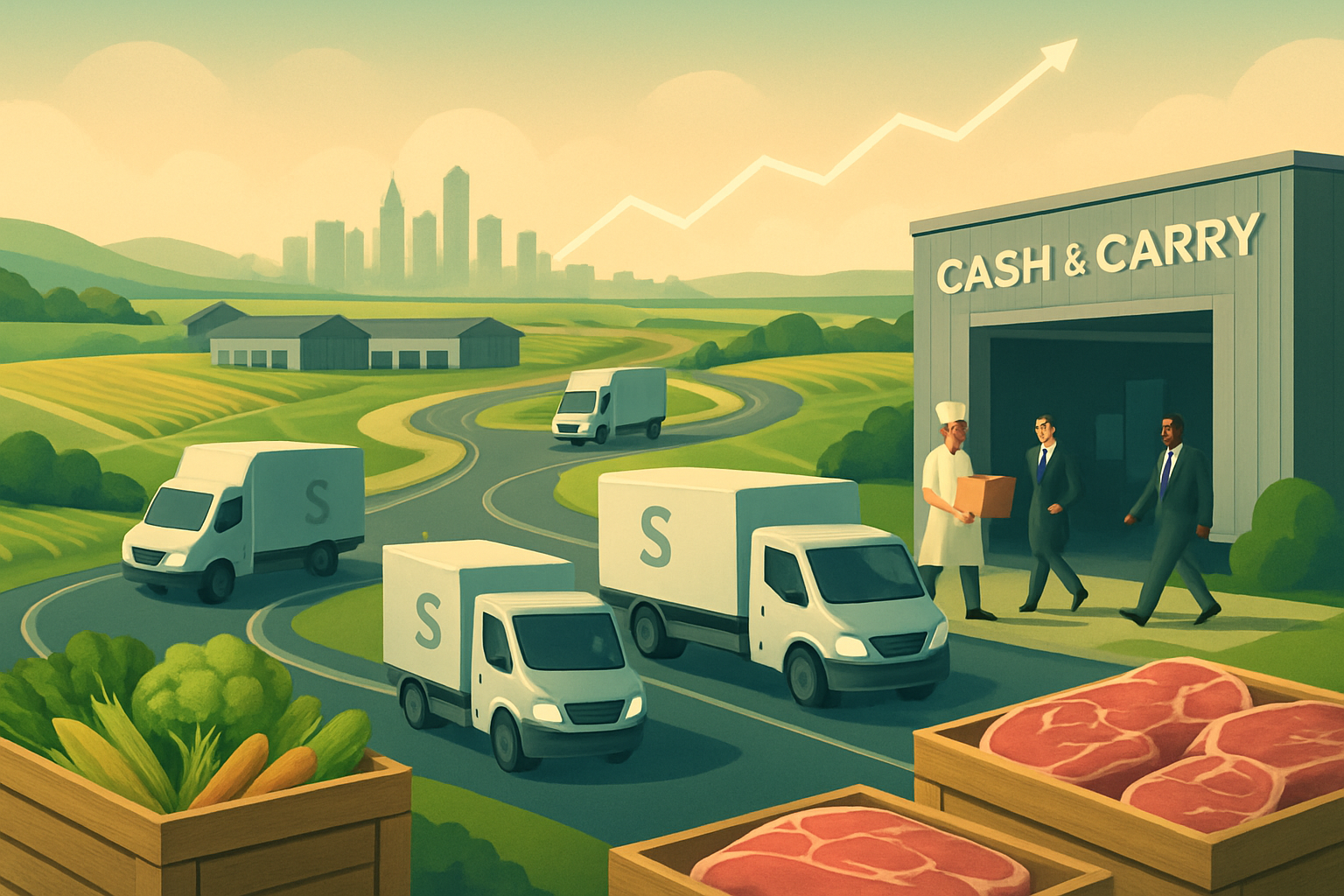
    On March 31, 2026, the global foodservice landscape is processing what many analysts are calling the most audacious move in the history of food distribution. Sysco Corp. (NYSE: SYY), the undisputed titan of the industry, recently shocked the markets by announcing a $29.1 billion acquisition of Jetro Restaurant Depot. While Sysco has long been the dominant "push" distributor—delivering food directly to kitchens—this move signals a radical shift toward the "pull" economy of Cash & Carry. However, with the stock tumbling 15% in the wake of the announcement, the market is signaling a deep-seated anxiety: can Sysco manage a massive new debt load while integrating a fundamentally different business culture, or has the giant finally bitten off more than it can chew?

    Historical Background

    Sysco—an acronym for Systems and Controls—was founded in 1969 by John F. Baugh. His vision was to consolidate a fragmented industry of regional food distributors into a national powerhouse capable of providing consistent service to growing restaurant chains. Since going public in 1970, Sysco has pursued a relentless strategy of inorganic growth, acquiring over 400 companies to build its current empire.

    The company’s history is defined by its scale. For decades, it was the "boring but beautiful" dividend aristocrat of Wall Street. However, the 2015 failure of its attempted merger with US Foods, blocked by the Federal Trade Commission (FTC) on antitrust grounds, forced Sysco to look elsewhere for growth. This led to international expansions, such as the acquisition of Brakes in Europe, and ultimately, the massive pivot toward Jetro Restaurant Depot in 2026.

    Business Model

    Sysco’s business model is a high-volume, low-margin logistics engine. It connects food producers (from massive agricultural firms to local specialty farmers) with the "away-from-home" dining market.

    The company operates through four primary segments:

    1. U.S. Foodservice Operations: The core engine, accounting for roughly 71% of revenue, serving independent restaurants, healthcare facilities, and schools.
    2. International Foodservice: Operations across Canada, the UK, France, and Mexico.
    3. SYGMA: A specialized distribution arm for large, multi-unit restaurant chains that require high-frequency, customized logistics.
    4. Specialty & Other: Includes high-end meat and produce companies like Buckhead Meat, as well as the Edward Don & Co. kitchen equipment business.

    The recent Jetro acquisition introduces a fifth, hybrid pillar: Cash & Carry. This allows Sysco to serve the "underserved" small-business segment that prefers to hand-pick their inventory and avoid delivery fees.

    Stock Performance Overview

    As of March 31, 2026, SYY is trading at approximately $69.30, reflecting a significant "deal-related" correction.

    • 1-Year Performance: Down roughly 8%. Prior to the Jetro announcement, the stock had reached record highs near $92, but the $29.1 billion price tag led to a sharp sell-off.
    • 5-Year Performance: A modest 1.5% total return. Over the last five years, Sysco has largely underperformed the broader S&P 500, struggling with post-pandemic labor costs and the high interest rate environment of the mid-2020s.
    • 10-Year Performance: Up approximately 115%. For long-term holders, Sysco has remained a stable wealth preservation tool with a compounding dividend, though the capital appreciation has slowed significantly in recent years.

    Financial Performance

    Sysco’s financials are currently a tale of two realities. In the first half of FY 2026, the company showed operational strength, with an adjusted EPS of $0.99 and gross margins stabilizing at 18.5%. The "Recipe for Growth" efficiency program was successfully offsetting wage inflation.

    However, the balance sheet has been dramatically reshaped.

    • The Debt Burden: To fund the $21.6 billion cash portion of the Jetro deal, Sysco is taking on massive new leverage. Pro-forma net debt-to-EBITDA is expected to spike from a conservative 2.8x to roughly 4.5x.
    • Share Dilution: The deal also involves issuing 91.5 million new shares, diluting existing shareholders by approximately 19%.
    • Cash Flow: TTM Free Cash Flow sits at $3.55 billion, but management has officially paused share buybacks to prioritize interest payments and debt reduction over the next 36 months.

    Leadership and Management

    CEO Kevin Hourican, formerly of CVS Health, has been the architect of Sysco’s modern transformation. Since taking the helm in 2020, he has shifted the company away from its decentralized roots toward a more digital-first, automated corporate structure.

    The Jetro deal is Hourican’s "legacy move." By bringing in the Cash & Carry model, he aims to capture the entire restaurant lifecycle. However, the departure of CFO Kenny Cheung shortly before the deal announcement and the appointment of Interim CFO Brandon Sewell have raised questions about the internal consensus regarding the acquisition's price and timing.

    Products, Services, and Innovations

    Sysco has moved far beyond just delivering boxes of produce. Its competitive edge now lies in its digital ecosystem:

    • Sysco Shop: An industry-leading app that uses AI to suggest inventory orders based on a restaurant’s past performance and local dining trends.
    • Sysco Perks 2.0: A loyalty program designed to compete with warehouse clubs like Costco, offering rebates and culinary consulting.
    • Automation: The company is aggressively piloting autonomous delivery trucks and automated "micro-fulfillment" centers in urban areas to combat the chronic shortage of commercial drivers.

    Competitive Landscape

    The food distribution industry is an oligarchy dominated by the "Big Three":

    1. Sysco (SYY): The market leader with roughly 17% market share.
    2. US Foods (USFD): The primary rival, known for its "Scoop" innovation program and high-margin specialty products.
    3. Performance Food Group (PFGC): A aggressive challenger that has grown through the acquisition of Core-Mark and Vistar.

    The Jetro acquisition shifts the competitive battlefield. Sysco is no longer just fighting US Foods for delivery contracts; it is now in direct competition with Costco (COST) and Sam’s Club (WMT) for the "pick-up" business of small restaurant owners.

    Industry and Market Trends

    Three major trends are currently defining the sector in 2026:

    • The Rise of Hybrid Distribution: Restaurants are increasingly split between scheduled large-scale deliveries and "fill-in" shopping at warehouse stores to manage cash flow.
    • Labor Scarcity: High turnover in warehouse staff and drivers has made automation no longer an option, but a necessity for survival.
    • Digital Disintermediation: Direct-to-chef platforms are attempting to bypass traditional distributors, forcing giants like Sysco to provide more "value-add" services like menu consulting and labor management software.

    Risks and Challenges

    The primary risk facing Sysco is financial overextension. A $21 billion debt pile in an era of "higher-for-longer" interest rates leaves very little margin for error. If a recession hits in late 2026 or 2027, the cost of servicing this debt could eat into the dividend, which is the cornerstone of the stock’s value for many retail investors.

    Furthermore, there is a cultural integration risk. Jetro is a lean, entrepreneurial "Cash & Carry" operation. Sysco is a massive, process-driven corporate entity. Merging these two cultures without losing Jetro’s efficiency and customer loyalty is a monumental task.

    Opportunities and Catalysts

    If executed correctly, the Jetro deal is a massive catalyst for earnings growth. Management projects the acquisition will add $16 billion in annual revenue and $2 billion in EBITDA.

    • Synergy Potential: Sysco can leverage its massive private-label supply chain to lower the cost of goods sold (COGS) at Jetro locations, significantly boosting margins.
    • Cross-Selling: Sysco can offer its digital tools and specialty meat/produce to Jetro’s existing customer base, who previously only had access to standard warehouse inventory.

    Investor Sentiment and Analyst Coverage

    The current sentiment on Wall Street is "cautious to bearish." While analysts appreciate the strategic logic of the Jetro deal, many have downgraded the stock due to the valuation and debt. Moody’s and S&P have both revised Sysco’s credit outlook to Negative.

    Institutional investors are currently in a "wait and see" mode, watching for the first two quarters of post-acquisition data to see if the promised synergies begin to materialize.

    Regulatory, Policy, and Geopolitical Factors

    The elephant in the room is the Federal Trade Commission (FTC). Having blocked the Sysco-US Foods merger a decade ago, regulators are likely to scrutinize the Jetro deal for "market dominance" in local regions. If the FTC demands significant divestitures of Jetro locations in major metro areas like New York or Los Angeles, the financial math of the deal could sour quickly.

    Additionally, the "Food Supply Chain Task Force" established by the current administration is investigating price transparency in the distribution sector, which could lead to new compliance costs for the combined entity.

    Conclusion

    Sysco’s $29.1 billion acquisition of Jetro Restaurant Depot is a "bet the farm" move that seeks to redefine the company for the next decade. By bridging the gap between delivery and warehouse shopping, Sysco is attempting to build an impenetrable moat around the foodservice industry.

    However, the cost of this moat is a mountain of debt and significant share dilution. For investors, Sysco is no longer a "set it and forget it" dividend play; it is now a high-leverage restructuring story. The key metrics to watch over the next 18 months will be the pace of debt repayment, the FTC’s final ruling on the merger, and the company's ability to maintain its gross margins in a increasingly competitive and regulated food supply chain.


    This content is intended for informational purposes only and is not financial advice.

  • The Green Tech Moat: A Deep-Dive Research Article on Deere & Co (DE) vs Caterpillar (CAT)

    The Green Tech Moat: A Deep-Dive Research Article on Deere & Co (DE) vs Caterpillar (CAT)

    Today’s Date: March 30, 2026

    Introduction

    As the global economy navigates a complex transition toward automation and sustainable productivity, few companies embody the intersection of heavy industry and high technology quite like Deere & Co (NYSE: DE). Known colloquially as "John Deere," the company is currently at a critical juncture. While the broader agricultural sector is weathering a cyclical "trough" in 2026, Deere’s strategic pivot toward a software-centric business model has decoupled its valuation from traditional equipment manufacturers. This feature explores how Deere is positioning itself against its primary rival, Caterpillar (NYSE: CAT), and why its "Smart Industrial" strategy is redefining what it means to be an industrial powerhouse in the late 2020s.

    Historical Background

    The story of Deere & Co begins in 1837 with a single blacksmith, John Deere, who invented the self-scouring steel plow. This innovation solved the "sticky soil" problem of the American Midwest and laid the foundation for a reputation of reliability. For nearly a century, Deere was defined by iron and steel. However, the company’s history is a series of well-timed transformations. In 1918, it entered the motorized era by acquiring the Waterloo Gasoline Engine Company, producing the iconic "Waterloo Boy" tractor.

    By the mid-20th century, Deere diversified into construction and forestry, providing a vital hedge against agricultural volatility. The most profound shift, however, began in the 2010s with the acquisition of Blue River Technology. This marked the transition from a manufacturer of "dumb iron" to a provider of "smart machines," effectively turning tractors into mobile data centers capable of seeing, thinking, and acting autonomously.

    Business Model

    Deere operates through four primary segments, each playing a specific role in its "Smart Industrial" ecosystem:

    1. Production & Precision Ag: The flagship segment focusing on large-scale grain, cotton, and sugar farmers. It is the primary engine for Deere’s high-margin technology integration.
    2. Small Ag & Turf: Serves mid-sized farms, dairy/livestock producers, and the professional landscaping/residential market.
    3. Construction & Forestry: A global provider of earthmoving, roadbuilding, and timber harvesting equipment. This segment frequently competes with Caterpillar and Komatsu (OTC: KMTUY).
    4. Financial Services: Primarily finances sales and leases of Deere equipment, providing a stable stream of interest income and fostering customer loyalty.

    Deere’s revenue model is increasingly shifting toward "Lifecycle Solutions," aiming for 10% of total revenue to be recurring by 2030 through software subscriptions and data services.

    Stock Performance Overview

    As of late March 2026, Deere’s stock performance tells a tale of two cycles. Over the 10-year horizon, Deere has delivered an annualized total return of approximately 23.9%, comfortably outperforming the S&P 500’s 13.5%. However, over the 1-year horizon, Deere’s 21.8% return has lagged significantly behind Caterpillar’s triple-digit surge (108.9%).

    The disparity is driven by sector exposure: Caterpillar has benefited immensely from the AI-driven data center boom, which spiked demand for large-scale power generators and construction equipment. Conversely, Deere has been managing a downturn in the agricultural cycle as lower commodity prices (corn and soybeans) temporarily dampened farmer demand for high-horsepower machinery.

    Financial Performance

    In its latest Q1 2026 earnings report (ended February 1, 2026), Deere reported revenue of $9.61 billion. While this was a 13% increase year-over-year, net income fell to $656 million ($2.42 per share) due to higher manufacturing costs and a mix shift toward lower-margin small equipment.

    Compared to Caterpillar, Deere maintains a superior Gross Margin (32.6% vs CAT’s 28.6%), reflecting its ability to command premium pricing for its integrated technology. However, Deere carries a higher Debt-to-Equity ratio of 2.38, largely due to its massive financial services arm, compared to Caterpillar’s 2.03. Deere’s Return on Equity (ROE) of 20.5% remains healthy, though it currently trails Caterpillar’s ROE of ~45.8%, which has been boosted by the infrastructure and energy supercycle.

    Leadership and Management

    Under CEO John May, who took the helm in 2019, Deere has doubled down on its "Smart Industrial" operating model. May’s strategy focuses on "Leap Ambitions"—linking financial targets to sustainable outcomes. His leadership team has restructured the company around "Production Systems" rather than individual product lines, forcing engineers to think about the entire farm ecosystem. This approach has earned May a reputation as a visionary leader who is willing to disrupt Deere’s own traditional manufacturing culture to win the software race.

    Products, Services, and Innovations

    Innovation is Deere’s primary competitive moat. Key offerings in 2026 include:

    • See & Spray™ Ultimate: Using computer vision and AI to distinguish weeds from crops, allowing for targeted herbicide application that reduces chemical usage by up to 90%.
    • Autonomous 8R Tractor: A fully autonomous machine that allows farmers to monitor field operations from a smartphone, addressing chronic labor shortages in the agricultural sector.
    • Operations Center: A cloud platform managing over 300 million "engaged acres" globally. This data-rich ecosystem provides farmers with predictive analytics, making the "Deere ecosystem" as sticky as Apple’s iOS.

    Competitive Landscape

    Deere remains the dominant force in the U.S. large-tractor market with a share exceeding 60%. However, its rivals are pursuing distinct strategies:

    • CNH Industrial (NYSE: CNHI): Pursues an "Open Platform" strategy, allowing its technology (via Raven Industries) to be used on competitors' equipment—a direct contrast to Deere’s "closed" integrated model.
    • AGCO Corp (NYSE: AGCO): Focuses on "Retrofit Strategy," selling precision kits that farmers can bolt onto older machines, offering a lower-cost entry point into high-tech farming.
    • Komatsu: Remains a formidable challenger in Construction & Forestry, particularly in the mining sector where its autonomous haulage systems are industry-leading.

    Industry and Market Trends

    The agricultural equipment industry is currently at the "bottom" of a cyclical trough. High interest rates in 2024 and 2025 led to a buildup of used equipment inventory. However, analysts believe the replacement cycle is nearing its start. Furthermore, the "Precision Ag" trend is no longer optional; as input costs (seeds, fertilizer, fuel) remain volatile, farmers are forced to adopt technology like Deere’s to maintain profitability, making Deere’s tech more "needs-based" than "wants-based."

    Risks and Challenges

    The most significant headwind for Deere is the ongoing "Right to Repair" movement. In 2025, a federal judge allowed an FTC antitrust lawsuit to proceed, alleging Deere holds a monopoly on repair services. If forced to open its proprietary diagnostic software further, Deere could lose a portion of its high-margin parts and services revenue. Additionally, Deere’s heavy reliance on the U.S. agricultural economy makes it vulnerable to shifts in global grain trade and potential climate-related crop failures.

    Opportunities and Catalysts

    Looking toward the second half of 2026, the primary catalyst for Deere is the anticipated recovery of the large-ag market. Furthermore, the company’s expansion into autonomous construction equipment offers a new growth frontier. If Deere can successfully apply its "See & Spray" vision technology to construction—identifying underground utilities or optimizing earthmoving—it could challenge Caterpillar’s dominance in the "Smart Site" space.

    Investor Sentiment and Analyst Coverage

    Wall Street remains "cautiously optimistic" on Deere. Roughly 65% of analysts maintain a Buy rating, citing the company’s ability to maintain high margins even during downturns. Institutional ownership remains high at ~75%, with major stakes held by Vanguard, BlackRock, and Bill Gates’ Cascade Investment LLC. The prevailing sentiment is that while Caterpillar is the play for the "Infrastructure/Energy" cycle, Deere is the superior play for the "Automation/AgTech" decade.

    Regulatory, Policy, and Geopolitical Factors

    Geopolitics play a massive role in Deere’s fortunes. U.S. farm subsidies and trade policies regarding Chinese grain imports directly impact the purchasing power of Deere’s core customers. Furthermore, new EPA guidance issued in February 2026 clarified that manufacturers cannot use the Clean Air Act to prevent farmers from making their own repairs, adding another layer of pressure to Deere’s traditional service model.

    Conclusion

    Deere & Co is no longer just a tractor company; it is a technology company that happens to paint its products green. While Caterpillar currently enjoys the limelight of the infrastructure and AI-power boom, Deere is quietly building a data moat that may prove more durable over the long term. For investors, the current cyclical bottom in agriculture represents a potential entry point for a company that has successfully combined 19th-century reliability with 21st-century AI. The key watchpoints for the remainder of 2026 will be the outcome of the FTC repair trial and the pace of autonomous fleet adoption.


    This content is intended for informational purposes only and is not financial advice.

  • Conagra Brands (CAG) Deep-Dive: A High-Yield Bellwether Navigating a New Consumer Era

    Conagra Brands (CAG) Deep-Dive: A High-Yield Bellwether Navigating a New Consumer Era

    As we approach the end of March 2026, all eyes in the consumer staples sector are on Conagra Brands (NYSE: CAG). Long considered a "middle-of-the-aisle" bellwether, the Chicago-based food giant is currently at a critical crossroads. With its fiscal 2026 third-quarter earnings report looming in early April, investors are parsing every data point to determine if the company’s pivot from "price-led" to "volume-led" growth is finally taking root.

    Conagra has spent the last year grappling with a complex consumer environment: a "high-yield" valuation that has attracted income seekers, a massive portfolio "pruning" strategy, and the looming specter of GLP-1 weight-loss medications. Today, Conagra stands as a test case for whether a traditional packaged food company can modernize fast enough to capture the shifting habits of a protein-obsessed, digitally-native consumer base.

    Historical Background

    Conagra’s story began over a century ago in 1919 as Nebraska Consolidated Mills. For its first fifty years, the company was primarily a flour miller. However, the 1970s marked a radical shift toward diversification, leading to the adoption of the "ConAgra" name (meaning "with the land").

    The 1980s and 90s were decades of aggressive acquisition, bringing brands like Banquet, Hunt's, and Orville Redenbacher into the fold. However, the most defining moment of its modern era came in 2018 with the $10.9 billion acquisition of Pinnacle Foods. This move effectively doubled down on the frozen food category—a bet that proved prescient during the COVID-19 pandemic but left the company with a significant debt load that it has been working to de-layer ever since. Under CEO Sean Connolly, the company has transitioned from a disparate collection of labels into a focused powerhouse of "snackification" and "premium frozen."

    Business Model

    Conagra operates through four primary reporting segments:

    1. Grocery & Snacks: This is the high-margin engine of the company, featuring brands like Slim Jim, Duke’s, and Orville Redenbacher.
    2. Refrigerated & Frozen: The largest segment by revenue, housing the "modern health" powerhouses of Healthy Choice and Birds Eye, alongside legacy value brands like Banquet.
    3. International: A growing footprint in Canada and Mexico, leveraging U.S. brand equity.
    4. Foodservice: Providing branded products to restaurants and institutional kitchens.

    The model relies on a "virtuous cycle" of innovation: using cash flow from mature brands (like Hunt's tomatoes) to fund R&D and marketing for high-growth snacks and premium frozen bowls.

    Stock Performance Overview

    The last decade has been a rollercoaster for CAG shareholders. Over a 10-year horizon, the stock has largely underperformed the S&P 500, weighed down by the debt of the Pinnacle acquisition and the subsequent inflationary shocks of 2022-2023.

    In the 5-year window, the stock saw a massive "pantry-loading" spike in 2020 followed by a multi-year slide as interest rates rose and consumers began trading down to private labels. Over the past year (2025-2026), the stock has traded in a tight, depressed range, resulting in a dividend yield that has spiked into the 8% to 9% range. This high yield reflects a "show me" attitude from the market—investors are waiting for proof that volume declines have bottomed out before rewarding the stock with a higher multiple.

    Financial Performance

    Heading into the Q3 2026 print, Conagra’s balance sheet is the primary focus for analysts.

    • Revenue: Fiscal 2025 saw organic sales hover around a flat line (-1% to +1%), as the company lapped a 2024 facility fire and aggressive price hikes.
    • Debt: As of late 2025, total debt stood at approximately $7.62 billion. Management has committed to a $700 million debt reduction in fiscal 2026, aiming for a net leverage ratio of 3.2x.
    • Yield: With a quarterly payout of $0.35 per share, the dividend remains the stock's most attractive feature. A payout ratio of 56% of free cash flow suggests the dividend is safe, provided margins don't erode further.
    • Valuation: Currently trading at a forward P/E significantly below its 5-year average, CAG is priced as a "value trap" by some and a "deep-value opportunity" by others.

    Leadership and Management

    CEO Sean Connolly has led the company since 2015, steering it through its most significant structural changes. Connolly is widely respected for his "Conagra Way" strategy—a disciplined approach to brand building and premiumization.

    The board of directors saw a strategic refresh in early 2026 with the addition of John Mulligan (former Target COO) and Pietro Satriano (former US Foods CEO). These appointments signal a tactical shift toward improving supply chain efficiency and strengthening retail partnerships at a time when shelf space is more competitive than ever.

    Products, Services, and Innovations

    Conagra has leaned heavily into the "protein" and "convenience" trends.

    • The GLP-1 Pivot: While many feared weight-loss drugs would hurt snacks, Conagra launched the "On Track" badge in 2025. These products—specifically from the Healthy Choice and Birds Eye lines—are curated for GLP-1 users who require high-protein, nutrient-dense meals in smaller portions.
    • Snackification: Slim Jim remains a juggernaut, holding a nearly 50% dollar share of the meat snack category. Innovation in "giant" formats and spicy flavor profiles has kept the brand relevant with Gen Z.
    • Digital Innovation: The company has shifted its R&D toward "social-first" products—items like the "Cinnabon" inspired snacks and "Mega" bowls that perform well in visual-heavy social media marketing.

    Competitive Landscape

    Conagra competes in a crowded arena of giants:

    • Nestlé: The primary rival in frozen meals (Stouffer’s). Conagra has gained share here by focusing on "single-serve bowls" rather than family-sized trays.
    • Kraft Heinz (NYSE: KHC): A direct competitor in grocery staples. Kraft Heinz has struggled with its own volume recovery, making it a peer in the current "high-yield" struggle.
    • General Mills (NYSE: GIS): Leads in frozen snacks (Totino's), though Conagra’s Banquet Mega snacks have been aggressively clawing back market share in the "value" tier.
    • Campbell Soup (NYSE: CPB): Following its acquisition of Sovos (Rao’s), Campbell has become a more formidable competitor in premium sauces and snacks.

    Industry and Market Trends

    The defining trend of 2026 is the "Volume Over Price" transition. For three years, food companies grew revenue by raising prices. Now, that elasticity has snapped. Consumers are exhausted, leading to a surge in private-label (store brand) growth.

    Conagra’s response has been "horses for courses"—selectively lowering prices through trade promotions on core items (like frozen vegetables) while maintaining premium pricing on innovative snacks. Additionally, the shift toward "Clean Label" (removing artificial colors/FD&C dyes) has become a mandatory entry requirement for the modern grocery aisle.

    Risks and Challenges

    • Private Label Erosion: If consumers continue to prefer store brands for basic staples (like frozen corn or canned tomatoes), Conagra’s "pruned" portfolio may still be too heavy on commodity-adjacent goods.
    • Interest Rate Sensitivity: As a high-dividend "bond proxy," CAG’s stock price is sensitive to the Federal Reserve's moves. If rates stay "higher for longer," the 8.5% yield becomes less of a standout.
    • GLP-1 Adoption: While Conagra is optimistic, a massive shift in caloric intake across 10-15% of the U.S. population could create a long-term headwind for volume growth in "legacy" snack brands.

    Opportunities and Catalysts

    • Earnings Inflection: A "beat and raise" in the upcoming Q3 report, specifically showing a return to positive volume growth, would be a massive catalyst for a stock rerating.
    • M&A and Divestitures: Following the sale of Chef Boyardee and Mrs. Paul's in 2024-2025, Conagra has a leaner portfolio. Further divestitures of non-core brands could provide cash for more debt paydown or a buyback program.
    • The "At-Home" Boom: As the cost of dining out remains historically high in 2026, Conagra’s "premium frozen" options offer a "restaurant-quality" experience at a fraction of the price, a trend that continues to benefit the Healthy Choice Cafe Steamers line.

    Investor Sentiment and Analyst Coverage

    Wall Street is currently divided. Institutional investors have largely treated CAG as a "source of funds" or a defensive play. However, recent filings show a slight uptick in hedge fund interest, attracted by the valuation floor.

    Analysts at firms like Morgan Stanley and Evercore ISI have moved to "Hold" or "Neutral" ratings, waiting for the "hockey stick" recovery in volumes. The consensus price target suggests a modest 10-15% upside, but the real "bull case" rests on the dividend and the potential for a valuation multiple expansion if the debt-to-EBITDA ratio drops below 3.0x.

    Regulatory, Policy, and Geopolitical Factors

    Conagra faces increasing scrutiny over food additives. By the end of 2025, the company successfully removed all FD&C colors from its frozen portfolio to stay ahead of potential state-level bans (similar to the California Food Safety Act).

    Geopolitically, the company is relatively insulated compared to tech giants, as most of its supply chain is North American centric. However, fluctuations in global fertilizer and grain prices (impacted by ongoing overseas conflicts) continue to pose a risk to the "Grocery & Snacks" segment's input costs.

    Conclusion

    As of March 30, 2026, Conagra Brands is the quintessential "show-me" stock. It offers a staggering yield that rivals some of the highest in the S&P 500, backed by a portfolio of brands that are household names. The management team has done the heavy lifting—integrating Pinnacle, pruning the portfolio, and pivoting toward the GLP-1 trend.

    However, the market remains skeptical of the "volume recovery" narrative. For long-term income investors, the current entry point offers a rare combination of high yield and low valuation. For growth-oriented investors, the upcoming Q3 earnings will be the ultimate litmus test. If Conagra can prove that shoppers are returning to its premium frozen bowls and meat snacks, the stock could finally break out of its multi-year malaise. Until then, it remains a high-yield bellwether in a sector fighting for every inch of the consumer's plate.


    This content is intended for informational purposes only and is not financial advice.

  • Energy Disruptor: A Deep Dive into Venture Global’s Post-IPO Expansion and the Global LNG Race

    Energy Disruptor: A Deep Dive into Venture Global’s Post-IPO Expansion and the Global LNG Race

    As of March 30, 2026, the global energy landscape is defined by a frantic race for security, and no company has disrupted this race more than Venture Global (NYSE: VG). Once a scrappy private challenger to established energy giants, Venture Global’s transition to a public entity on the New York Stock Exchange in early 2025 marked a watershed moment for the liquefied natural gas (LNG) sector. By leveraging a radical "modular" construction model and an aggressive commercial strategy that has both captivated investors and infuriated long-term partners, the company has ascended to become the second-largest LNG exporter in the United States. Today, Venture Global stands at the center of a geopolitical tug-of-war, serving as a critical bridge for European and Asian energy needs while navigating a complex web of high-stakes litigation and massive debt obligations.

    Historical Background

    Venture Global was founded in 2013 by two outsiders to the traditional oil and gas establishment: Michael Sabel, a former investment banker, and Robert Pender, an energy finance attorney. At the time, the U.S. shale revolution was in its infancy, and the concept of exporting LNG was dominated by multi-billion-dollar "stick-built" projects that often took a decade to complete.

    Sabel and Pender’s vision was to treat LNG plants like manufactured products rather than custom construction projects. Between 2013 and 2018, the duo raised hundreds of millions in private capital and formed a strategic alliance with Baker Hughes (NASDAQ: BKR). This partnership allowed Venture Global to utilize mid-scale, factory-built liquefaction modules that could be shipped to the site and plugged in, significantly reducing lead times. The company’s first project, Calcasieu Pass, broke ground in 2019, setting the stage for what would become the fastest-ever transition from a greenfield site to a global exporter.

    Business Model

    The Venture Global business model is built on two pillars: Speed-to-Market and Commercial Optionality.

    1. Revenue Streams: The company generates revenue through 20-year Sale and Purchase Agreements (SPAs) with global utilities and energy majors. However, unlike its peer Cheniere Energy (NYSE: LNG), which prioritizes the stability of "take-or-pay" contracts, Venture Global retains a larger portion of its capacity (estimated at 20-30%) for the "spot market." This allows the company to capture massive windfalls during periods of high global demand and price spikes.
    2. Modular Scalability: By using standardized 0.626 MTPA (million tonnes per annum) modular trains, the company can bring capacity online incrementally. This "train-by-train" commissioning allows them to start producing and selling LNG while the rest of the facility is still under construction.
    3. Customer Base: Its portfolio includes diversified global players such as Shell (NYSE: SHEL), BP (NYSE: BP), ExxonMobil (NYSE: XOM), and state-backed entities like China’s CNOOC and Germany’s SEFE.

    Stock Performance Overview

    Since its IPO on January 24, 2025, Venture Global’s stock has been a bellwether for energy market volatility.

    • 1-Year Performance: The stock debuted at $25.00 per share but faced a tumultuous first year. After a late-2025 dip to a 52-week low of $5.72—driven by an arbitration loss to BP—the stock has staged a resilient recovery in Q1 2026. As of today, it trades between $16.50 and $18.00, representing a ~180% bounce from its lows but still trading below its IPO price.
    • 5-Year & 10-Year Horizons: On a 5-year basis (including its private valuation growth), the company has seen an exponential rise from a $2 billion private valuation in 2021 to a current market capitalization of approximately $12.5 billion. Investors who entered during the early private rounds have seen returns exceeding 500%, though post-IPO retail investors are still waiting for the stock to reclaim its initial offering price.

    Financial Performance

    Venture Global’s 2025 fiscal year was a study in contradictions: record-breaking revenue paired with staggering debt.

    • Earnings: The company reported $13.8 billion in revenue for FY 2025, a staggering 177% increase year-over-year as its Calcasieu Pass facility reached full commercial operation.
    • Margins: EBITDA margins remain high at approximately 42%, bolstered by the company's ability to sell "commissioning cargoes" at high spot prices throughout 2024 and early 2025.
    • Debt Profile: The primary concern for analysts is the company’s $95.4 billion in total project debt. With a debt-to-equity ratio of 5.18, Venture Global is significantly more leveraged than the industry average, necessitating consistent cash flow from its expanding project pipeline to service its interest payments.

    Leadership and Management

    Executive Co-Chairmen Michael Sabel and Robert Pender continue to lead the firm with a "move fast and break things" philosophy that is rare in the conservative energy sector. Sabel, acting as CEO, is known for his aggressive negotiation style and willingness to engage in protracted legal battles to protect the company's "commissioning" margins.

    The board was recently strengthened in late 2025 with the addition of several former Department of Energy officials and infrastructure veterans to improve governance and repair the company’s reputation with European regulators. Strategy remains focused on reaching 100 MTPA of total capacity by 2029, which would potentially make Venture Global the largest independent LNG company in the world.

    Products, Services, and Innovations

    Beyond its core LNG liquefaction, Venture Global has positioned itself as an innovator in "Green LNG."

    • Modular Trains: Its partnership with Baker Hughes remains its "secret sauce," allowing for rapid deployment and higher efficiency than traditional massive-train designs.
    • Carbon Capture and Sequestration (CCS): The company is currently developing one of the largest CCS projects in the U.S. at its Calcasieu Pass and Plaquemines sites. The goal is to capture and store 500,000 tons of CO2 per year, allowing the company to market its gas as "lower-carbon LNG" to meet strict EU methane regulations.
    • Sequential Commissioning: A proprietary operational process that allows them to export gas for up to two years before a plant is "officially" completed—a practice that remains the subject of intense legal scrutiny.

    Competitive Landscape

    Venture Global occupies a unique space between the established "Big Oil" exporters and the smaller, pure-play developers.

    • Cheniere Energy (NYSE: LNG): The primary rival. Cheniere is the "utility-style" alternative, offering lower risk and more stable dividends.
    • QatarEnergy: A formidable state-backed competitor. While Qatar has lower production costs, Venture Global offers geographical diversification and shorter shipping routes to Europe.
    • The "Second Wave" Developers: Companies like Sempra Infrastructure (NYSE: SRE) and Tellurian (OTC: TELL) compete for the same pool of global capital, but Venture Global’s speed in reaching FID (Final Investment Decision) has given it a significant head start.

    Industry and Market Trends

    The global LNG market in early 2026 is at a crossroads. After the scarcity-driven spikes of 2022-2024, a massive "supply wave" is beginning to hit the market.

    • Buyer’s Market Looming: Analysts project that between 2026 and 2028, global LNG supply will increase by 25%. This could compress margins and lower spot prices, testing Venture Global’s strategy of keeping uncontracted capacity.
    • Energy Security: Geopolitical tensions in the Middle East and the continued absence of Russian pipeline gas in Europe have made U.S. LNG a "strategic asset" rather than just a commodity.
    • Price Decoupling: We are seeing an increasing trend of LNG prices decoupling from Brent crude oil, moving instead toward a global gas-to-gas benchmark, which benefits agile exporters like VG.

    Risks and Challenges

    Venture Global is perhaps the most "litigated" company in the energy sector, which remains its primary risk.

    1. Legal/Arbitration Risk: The ongoing disputes with Shell and BP over delayed contract deliveries are a major overhang. While the company settled with Italy’s Edison in March 2026, the potential for multi-billion dollar damages in other arbitrations remains a "black swan" risk for shareholders.
    2. Execution Risk: With the CP2 LNG project currently under construction, any delay in its 2027 start date would put immense pressure on the company’s ability to service its debt.
    3. Environmental Pressure: Despite its CCS initiatives, the company faces constant pressure from environmental groups and strict new methane-intensity standards in its primary export market, the European Union.

    Opportunities and Catalysts

    • CP2 Full Approval: In late 2025, the Department of Energy finalized the non-FTA export authorization for the CP2 project, removing a massive regulatory hurdle. Full construction is now underway.
    • Plaquemines Phase 2: The commissioning of the second phase of the Plaquemines facility in late 2026 is expected to double the company’s current cash flow.
    • M&A Potential: As the market consolidates, Venture Global is frequently cited as a potential acquisition target for a super-major like Chevron (NYSE: CVX) or ExxonMobil, who may want to quickly add 40+ MTPA of U.S. capacity to their portfolios.

    Investor Sentiment and Analyst Coverage

    Wall Street remains divided on Venture Global.

    • Bulls (e.g., Goldman Sachs, Morgan Stanley): Highlight the "extraordinary cash-generation machine" and the company's ability to capitalize on market dislocations. Morgan Stanley recently upgraded the stock to Overweight with a target of $22.00.
    • Bears (e.g., JPMorgan): Point to the "reputational damage" from contract disputes and the high leverage. JPMorgan maintains a Neutral rating, citing the high cost of debt.
    • Retail Sentiment: On platforms like X and Reddit, VG is often discussed as a "geopolitical play," with retail investors betting on sharp price movements tied to global energy crises.

    Regulatory, Policy, and Geopolitical Factors

    The regulatory environment for Venture Global has shifted dramatically over the past two years. The "DOE Pause" of 2024, which temporarily froze new LNG export approvals, was reversed in early 2025 by the incoming administration. This policy "U-turn" was the primary catalyst for the CP2 project’s survival.

    Furthermore, the U.S.-EU Energy Task Force has designated Venture Global’s facilities as "critical infrastructure" for European energy independence. However, this support comes with strings attached: the company must comply with the 2025 Global Methane Pledge, requiring rigorous satellite monitoring and reporting of emissions across its entire supply chain.

    Conclusion

    Venture Global (NYSE: VG) is a high-octane bet on the future of global energy. By March 2026, it has proven that its modular technology can scale faster than any competitor in history, but its aggressive commercial tactics have left it with both massive profits and a trail of legal battles. For investors, the company offers a unique combination of extreme growth potential and significant downside risk.

    As the Plaquemines facility ramps up and the CP2 project takes shape, the next 18 months will be a "prove-it" period for Michael Sabel and his team. If they can settle their remaining legal disputes and maintain their construction timelines, Venture Global may well become the undisputed king of the second wave of U.S. LNG. For now, it remains a high-stakes, high-reward play in an increasingly volatile world.


    This content is intended for informational purposes only and is not financial advice.