Tag: Tech News

  • The AI Infrastructure King: A Deep Dive into Dell Technologies’ $50 Billion Transformation

    The AI Infrastructure King: A Deep Dive into Dell Technologies’ $50 Billion Transformation

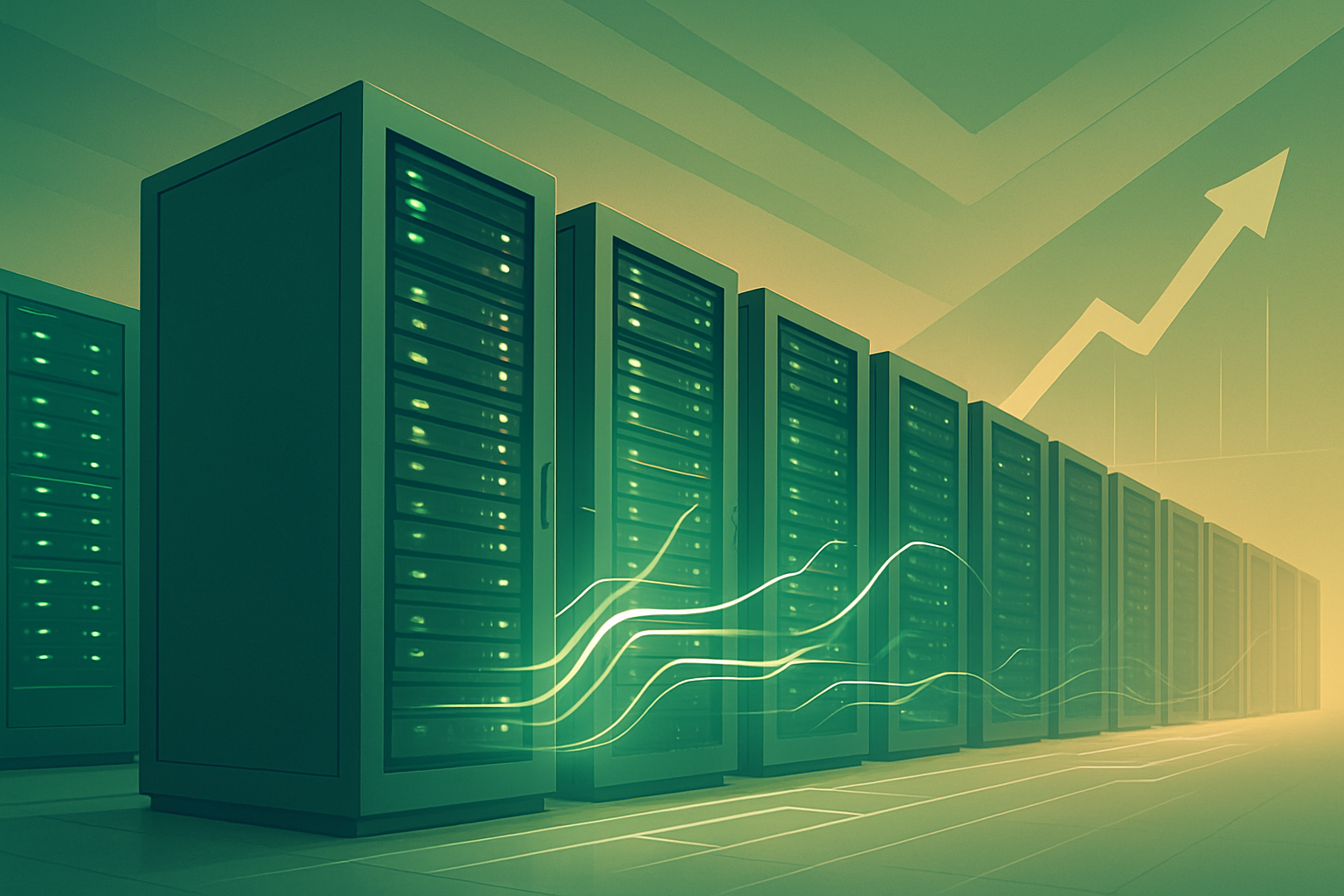
    On February 27, 2026, the financial markets are witnessing a historic recalibration of one of technology’s most enduring titans. Dell Technologies (NYSE: DELL) has shattered the narrative that it is a legacy hardware manufacturer, emerging instead as the undisputed "backbone of the AI era." Following a record-breaking Fourth Quarter Fiscal 2026 earnings report released yesterday, Dell’s stock surged 11%, reaching new all-time highs as investors digested a blowout guidance for Fiscal 2027 that includes a staggering $50 billion AI revenue target.

    The company is currently in focus not just for its massive sales figures, but for its strategic pivot. By positioning itself as the primary architect of the "AI Factory"—a concept developed in lockstep with NVIDIA (NASDAQ: NVDA)—Dell has successfully decoupled its valuation from the cyclical PC market. As enterprises and sovereign nations race to build localized artificial intelligence infrastructure, Dell has become the one-stop-shop for the compute, storage, and services required to power the next industrial revolution.

    Historical Background

    The story of Dell is one of relentless reinvention. Founded in 1984 by Michael Dell in a University of Texas dorm room with just $1,000, the company originally disrupted the industry by selling custom-built PCs directly to consumers, bypassing the traditional retail markup. This "direct model" propelled Dell to become the world’s largest PC maker by 2001.

    However, the 2010s brought challenges as the PC market matured and mobile computing took center stage. In a bold and controversial move in 2013, Michael Dell and private equity firm Silver Lake took the company private in a $24.4 billion deal, aiming to transform the business away from the public eye. During this private period, Dell executed the largest tech acquisition in history at the time—the $67 billion purchase of EMC Corporation in 2016. This move was pivotal, giving Dell the enterprise storage and virtualization (via VMware) capabilities it needed to compete in the data center.

    Dell returned to the public markets in 2018. Since then, it has streamlined its operations, spinning off its stake in VMware in 2021 and focusing intensely on its core infrastructure and client businesses. This long-term strategic maneuvering set the stage for the company's current explosion in the AI infrastructure space.

    Business Model

    Dell operates through two primary segments that reflect its dual-threat capability in the hardware and services world:

    1. Infrastructure Solutions Group (ISG): This is the current engine of growth. It includes high-performance servers (PowerEdge), storage solutions (PowerScale), and networking. The ISG segment has evolved from providing standard data center hardware to delivering specialized, AI-optimized liquid-cooled server racks that house thousands of GPUs.
    2. Client Solutions Group (CSG): This segment covers the traditional PC, laptop, and peripheral business, including the premium XPS and Alienware brands. While often seen as lower margin, CSG provides massive scale and cash flow, and is currently benefiting from the "AI PC" refresh cycle.

    Dell’s business model increasingly leans on a "services-first" approach. Through Apex, its multi-cloud and as-a-service offering, Dell allows customers to consume infrastructure with the flexibility of the cloud but the security of on-premises hardware.

    Stock Performance Overview

    Dell’s stock performance over the last several years reflects its transition from a value play to a high-growth AI favorite.

    • 1-Year Performance: Over the past 12 months, DELL has outpaced the broader S&P 500 significantly, rising over 140% as the market realized the scale of its AI server backlog.
    • 5-Year Performance: Investors who held through the post-VMware spinoff have seen nearly a 400% return, driven by aggressive debt paydown, consistent buybacks, and the sudden acceleration of GenAI demand.
    • 10-Year Performance: Since returning to the public market, Dell has been one of the top-performing large-cap tech stocks, rewarding Michael Dell’s "private-to-public" gamble.

    Yesterday’s 11% surge pushed the company’s market capitalization toward the $120 billion mark, a level once thought unreachable for a "hardware" firm.

    Financial Performance

    The Q4 Fiscal 2026 results were nothing short of a "masterclass in execution," according to Wall Street analysts.

    • Revenue: $33.4 billion for the quarter, a 39% year-over-year increase.
    • Earnings Per Share (EPS): $3.89 (non-GAAP), beating estimates by nearly 10%.
    • AI Server Momentum: ISG revenue jumped 73% to $19.6 billion. Crucially, AI-optimized server shipments alone generated $9.5 billion in revenue in a single quarter.
    • The $50 Billion Target: For Fiscal 2027, Dell provided guidance that stunned the market, projecting $50 billion in revenue purely from AI-related infrastructure. This is backed by a current AI server backlog of $43 billion, providing high visibility into future earnings.
    • Cash Flow: Dell generated $11 billion in cash flow from operations over the full fiscal year, allowing it to continue its dividend growth and share repurchase program.

    Leadership and Management

    At the helm is Founder, Chairman, and CEO Michael Dell, who remains one of the longest-tenured and most successful leaders in tech. His vision to take the company private and merge with EMC is now viewed as one of the most successful corporate turnarounds in history.

    Supporting him is Jeff Clarke, Vice Chairman and Chief Operating Officer, who is widely credited with Dell’s supply chain prowess. In an era of chip shortages and GPU scarcity, Clarke’s ability to secure priority allocations from partners like NVIDIA has been a critical competitive advantage. The management team is known for "operational excellence"—a polite way of saying they are experts at squeezing margins out of complex supply chains while maintaining high quality.

    Products, Services, and Innovations

    Dell’s current innovation pipeline is dominated by the Dell AI Factory with NVIDIA. This is not a physical factory, but a comprehensive suite of hardware and software designed to help enterprises build their own AI models.

    • PowerEdge XE9680: This is the flagship AI server, designed to support NVIDIA’s Blackwell architecture. It features advanced liquid cooling, which is essential as GPU power consumption continues to climb.
    • AI PCs: Dell has launched a new generation of Latitude and XPS laptops equipped with Neural Processing Units (NPUs) capable of over 40 TOPS (Trillions of Operations Per Second). These "AI PCs" allow users to run large language models locally rather than in the cloud.
    • Storage Innovation: The PowerScale F910 storage array is optimized for the massive data ingestion needs of AI training, ensuring that GPUs are never "starved" of data.

    Competitive Landscape

    Dell competes in an increasingly crowded but lucrative market:

    • Hewlett Packard Enterprise (NYSE: HPE): Dell’s primary rival in the enterprise data center. While HPE has a strong networking play with its acquisition of Juniper Networks, Dell currently leads in raw AI server market share (roughly 20% to HPE’s 15%).
    • Super Micro Computer (NASDAQ: SMCI): SMCI is known for speed-to-market and liquid cooling. However, Dell has recently gained share back from SMCI by leveraging its superior global service network and direct sales force, which large enterprises prefer for multi-billion dollar deployments.
    • Lenovo: Strong in the mid-market and in Asia, but currently trailing Dell in the high-end, GPU-dense server configurations favored by North American and European enterprises.

    Industry and Market Trends

    The "Sovereign AI" trend is perhaps the most significant tailwind for Dell. Many nations—including the UK, Japan, and several Middle Eastern countries—are investing billions to build their own domestic AI capabilities to ensure data sovereignty. Unlike cloud providers (Hyperscalers) who provide compute as a service, Dell sells the actual hardware to these nations, allowing them to own their infrastructure.

    Additionally, the "Edge AI" trend is growing. As AI moves from massive data centers to local factories, hospitals, and retail stores, Dell’s presence in edge computing provides a massive footprint for future growth.

    Risks and Challenges

    Despite the optimism, Dell faces several significant risks:

    1. Margin Compression: While AI server revenue is high, the margins on these systems are currently lower than traditional servers because a massive portion of the cost goes directly to NVIDIA for the GPUs. Dell must prove it can attach high-margin software and services to these sales.
    2. GPU Supply Chain: Dell is heavily dependent on NVIDIA’s production schedule. Any delay in the Blackwell rollout or a shift in NVIDIA’s allocation strategy could derail Dell’s $50 billion target.
    3. Cyclicality: The PC market is notoriously cyclical. While the "AI PC" is a catalyst, a broader macroeconomic slowdown could still depress consumer and corporate spending on hardware.

    Opportunities and Catalysts

    • Windows 10 End-of-Life: With Microsoft ending support for Windows 10 in late 2025, the early 2026 corporate refresh cycle is in full swing. Dell is the primary beneficiary of this massive fleet upgrade.
    • The "Inference" Shift: As the world moves from training AI models to running them (inference), the demand for smaller, more efficient on-premises servers will explode—a market Dell dominated historically.
    • Dividend Growth: With record cash flows, Dell is expected to increase its dividend by double digits in the coming quarters, attracting a new class of income-oriented investors.

    Investor Sentiment and Analyst Coverage

    Wall Street is currently "uber-bullish" on Dell. Following the Q4 results:

    • J.P. Morgan raised its price target to $165, citing Dell as the "cleanest play" on enterprise AI.
    • Evercore ISI noted that Dell is side-stepping the margin issues seen by competitors by focusing on "premium service bundles."
    • Retail Sentiment: On platforms like X and Reddit, Dell has shed its "boring" image, with retail investors increasingly viewing it as a leveraged play on the AI boom without the extreme volatility of semiconductor stocks.

    Regulatory, Policy, and Geopolitical Factors

    Geopolitics remain a double-edged sword for Dell.

    • China: Like most US tech firms, Dell faces risks regarding export controls on high-end AI chips. However, Dell has been proactively diversifying its supply chain away from China, moving significant production to Vietnam and India.
    • Energy Regulations: As data centers consume more power, new regulations regarding energy efficiency and "green" cooling could force customers to upgrade older hardware—a net positive for Dell’s modern, liquid-cooled solutions.

    Conclusion

    As of February 27, 2026, Dell Technologies has successfully navigated a transition that few legacy hardware companies ever achieve. By leveraging its historic strengths—supply chain excellence, direct sales relationships, and massive scale—it has captured the pole position in the AI infrastructure race.

    While the $50 billion AI revenue target for Fiscal 2027 is ambitious, the $43 billion backlog suggests it is well within reach. Investors should keep a close eye on the "attach rate" of storage and services to these AI server sales, as this will determine if Dell can turn this massive revenue growth into long-term margin expansion. For now, Dell is no longer just a PC company; it is the physical engine of the AI revolution.


    This content is intended for informational purposes only and is not financial advice.

  • Apple Inc. (AAPL) Deep Dive: Navigating the 2026 Tariff Ruling and the AI Supercycle

    Apple Inc. (AAPL) Deep Dive: Navigating the 2026 Tariff Ruling and the AI Supercycle

    Today is February 23, 2026. This date marks a significant turning point for the world’s most valuable company, Apple Inc. (NASDAQ: AAPL), as it grapples with a radical shift in U.S. trade policy following a landmark Supreme Court ruling. While Apple has just come off a record-breaking fiscal 2025—buoyed by the "AI Supercycle" of the iPhone 17—the market is currently digesting the implications of a new 15% flat tariff on imported electronics components. This research feature dives deep into Apple’s current standing, its strategic pivot toward India, and the resilience of its ecosystem in the face of geopolitical volatility.

    Historical Background

    Founded in a California garage in 1976 by Steve Jobs, Steve Wozniak, and Ronald Wayne, Apple’s journey from a niche computer maker to a global cultural and financial hegemon is unparalleled. The company’s early years were marked by the success of the Apple II and the revolutionary Macintosh, followed by a near-collapse in the mid-1990s. The return of Steve Jobs in 1997 sparked the greatest corporate turnaround in history, characterized by the iMac, iPod, and eventually the 2007 debut of the iPhone. Under the leadership of Tim Cook since 2011, Apple has transformed from a hardware-centric company into a services powerhouse, achieving a market capitalization that has repeatedly breached the $3 trillion mark.

    Business Model

    Apple’s business model is built on a "walled garden" ecosystem designed to maximize user retention and lifetime value. Revenue is categorized into two primary pillars:

    • Hardware: Including iPhone, Mac, iPad, Wearables, and Home (Apple Watch, AirPods, Vision Pro). The iPhone remains the crown jewel, accounting for roughly 50% of total revenue.
    • Services: This high-margin segment includes the App Store, Apple Music, iCloud, Apple Pay, and Apple TV+. By February 2026, Services has surpassed $100 billion in annual revenue, providing a stable, recurring revenue stream that offsets the cyclical nature of hardware launches.

    Apple's competitive edge lies in its vertical integration—designing its own silicon (M-series and A-series chips) and operating systems (iOS, macOS), which allows for seamless performance and industry-leading privacy features.

    Stock Performance Overview

    As of today’s market open on February 23, 2026, Apple’s stock is trading in the $265 range, reflecting a period of sustained growth despite recent tariff-related volatility.

    • 1-Year Performance: AAPL has climbed approximately 22% over the last 12 months, largely driven by the adoption of "Apple Intelligence" in the iPhone 17.
    • 5-Year Performance: Since February 2021, the stock has more than doubled, showcasing the success of the transition to internal silicon and the expansion of the Services segment.
    • 10-Year Performance: Long-term investors have seen a split-adjusted return of over 950% since 2016, a testament to the compounding power of the Apple ecosystem.

    Financial Performance

    Apple concluded its 2025 fiscal year with record-shattering metrics. The company reported $416.2 billion in annual revenue and $112.0 billion in net income. In the most recent quarterly report (Q1 2026, ending December 2025), Apple posted a record $143.8 billion in revenue, with a gross margin of 48.2%. The company’s cash position remains formidable at roughly $145 billion, enabling continuous share buybacks and dividend increases, which have been a cornerstone of its shareholder-friendly capital allocation strategy.

    Leadership and Management

    CEO Tim Cook continues to lead the company with a focus on operational excellence and supply chain diversification. Despite recurring rumors of a succession plan, Cook remains firmly at the helm. The leadership team, including CFO Luca Maestri and COO Jeff Williams, is credited with navigating the "China Plus One" strategy, which has successfully moved significant production capacity to India and Vietnam. Governance remains a high point for the company, though it faces ongoing scrutiny regarding App Store policies and antitrust challenges.

    Products, Services, and Innovations

    The 2025-2026 period has been defined by Apple Intelligence (AI). With the release of iOS 26, Apple has achieved a 74% adoption rate among eligible devices.

    • iPhone 17 Series: Featuring 12GB of RAM as a standard for "Pro" models, these devices are designed for on-device localized AI processing, reducing reliance on cloud servers.
    • Vision Pro 2: The second generation of Apple’s spatial computer has seen improved sales in the enterprise sector, moving the device toward the mainstream.
    • R&D: Apple’s research and development spending hit a record $32 billion in 2025, focusing on generative AI, battery technology, and health-tech sensors.

    Competitive Landscape

    Apple currently holds the #1 spot in the global smartphone market with a 20% share. Its primary rivals include:

    • Samsung: Remains a fierce competitor in the high-end Android market, though it has struggled to match Apple’s AI integration.
    • Huawei: Regaining ground in China, creating a significant headwind for Apple’s growth in the Asian market.
    • Google (Alphabet Inc.): Competing directly in the AI space and through its Pixel hardware line.
      Despite these rivals, Apple’s ecosystem lock-in (iMessage, iCloud) creates high switching costs that protect its market share.

    Industry and Market Trends

    The "AI Supercycle" is the dominant trend of 2026. Consumers are no longer upgrading for better cameras alone; they are upgrading for "cognitive utility"—AI features that can manage schedules, draft communications, and provide visual intelligence in real-time. Additionally, the industry is seeing a massive shift in supply chains away from China, with India emerging as a global electronics manufacturing hub.

    Risks and Challenges

    The primary risk facing Apple today, February 23, 2026, is the Tariff Ruling Impact. Following a Supreme Court decision on February 20 that invalidated certain executive trade powers, the U.S. administration has implemented a new 15% flat "Section 122" tariff on all imported electronic components.

    • Margin Compression: Analysts estimate this could cost Apple $3.3 billion annually if not passed on to consumers.
    • China Dependency: While 25% of production has moved to India, the high-end component ecosystem still relies heavily on Chinese facilities.
    • Antitrust: Ongoing investigations in the EU and the US regarding the "walled garden" continue to threaten Services revenue.

    Opportunities and Catalysts

    • India Market Expansion: As Apple scales manufacturing in India (now 25% of global production), it is also capturing the growing Indian middle class as a consumer base.
    • Services Monetization: Potential for a "Siri Premium" or AI-as-a-Service subscription model could drive the next leg of Services growth.
    • M&A Potential: With $145 billion in cash, Apple is well-positioned to acquire smaller AI startups or media companies to bolster its ecosystem.

    Investor Sentiment and Analyst Coverage

    Wall Street remains divided on today's tariff developments.

    • Wedbush’s Dan Ives remains "Outperform," arguing that Apple’s brand loyalty allows it to pass tariff costs to consumers with minimal churn.
    • Morgan Stanley has moved to a more cautious "Neutral" stance, citing the potential for "tariff whiplash" to dampen the 2026 earnings trajectory.
    • Retail sentiment remains high, driven by the success of the iPhone 17, though institutional investors are closely watching the $145B cash pile's deployment.

    Regulatory, Policy, and Geopolitical Factors

    The geopolitical landscape is fraught. The move to shift 44% of US-bound iPhone imports from India is a direct response to the "de-risking" from China. However, the new 15% flat tariff announced today serves as a reminder that policy remains the greatest variable in Apple’s valuation. Investors must monitor the potential for retaliatory tariffs from the Chinese government, which could impact Apple’s operations in its largest growth market.

    Conclusion

    Apple Inc. enters the late first quarter of 2026 from a position of immense strength, balanced by unprecedented regulatory and trade challenges. The success of its AI integration has confirmed the longevity of the iPhone cycle, but the "Section 122" tariff ruling introduced today represents a fresh hurdle for its supply chain team. For investors, the narrative is no longer just about hardware sales, but about how effectively Apple can navigate a fragmented global trade environment while maintaining the high margins of its thriving Services ecosystem.


    This content is intended for informational purposes only and is not financial advice.

  • The Sovereign of Silicon: A Deep Dive into NVIDIA (NVDA) in 2026

    The Sovereign of Silicon: A Deep Dive into NVIDIA (NVDA) in 2026

    As of February 19, 2026, NVIDIA Corporation (NASDAQ: NVDA) stands as the undisputed gravitational center of the global technology ecosystem. Once known primarily as a niche provider of graphics hardware for PC gamers, the Santa Clara-based giant has evolved into the foundational architect of the "Intelligence Age." In early 2026, NVIDIA finds itself in a critical "normalization" phase; while the vertical-climb phase of the 2023-2024 AI boom has transitioned into more steady growth, the company’s influence over data centers, sovereign AI projects, and enterprise automation remains unparalleled. With a market capitalization that rivals the GDP of major nations, NVIDIA’s every quarterly report is now viewed as a barometer for the health of the entire global economy.

    Historical Background

    Founded in 1993 by Jensen Huang, Chris Malachowsky, and Curtis Priem, NVIDIA’s origins were rooted in the belief that specialized "accelerated computing" could solve problems that general-purpose CPUs could not. The company’s 1999 launch of the GeForce 256—marketed as the world’s first GPU (Graphics Processing Unit)—revolutionized the gaming industry. However, the pivotal moment in NVIDIA’s history occurred in 2006 with the release of CUDA (Compute Unified Device Architecture). By allowing researchers to use GPUs for general mathematical calculations, NVIDIA unknowingly laid the groundwork for the modern AI revolution. Over the next two decades, NVIDIA survived near-bankruptcy, the "crypto-mining" booms and busts, and the failed acquisition of Arm Holdings, emerging each time more focused on the synergy between hardware and software.

    Business Model

    NVIDIA’s business model has shifted from selling components to providing "full-stack" infrastructure. The company operates through two primary segments: Data Center and Gaming, with smaller contributions from Professional Visualization and Automotive.

    • Data Center (92% of Revenue): This is the company’s powerhouse, selling H100, H200, and Blackwell GPUs to cloud service providers (CSPs) like Microsoft, Amazon, and Google.
    • Gaming (8% of Revenue): While historically the core business, gaming now serves as a secondary high-margin cash flow generator through the GeForce line.
    • Software and Services: NVIDIA is increasingly monetizing its software layer (NVIDIA AI Enterprise), creating a "sticky" ecosystem where customers pay recurring fees to optimize their AI workloads on NVIDIA hardware.

    Stock Performance Overview

    NVDA has provided once-in-a-generation returns for long-term shareholders:

    • 1-Year (as of Feb 2026): Up approximately 43%. This performance reflects the market’s realization that the "AI bubble" had a foundation of actual earnings, though growth has moderated compared to previous years.
    • 5-Year: Up 1,236%. NVIDIA outperformed nearly every other large-cap stock in the S&P 500 over this period, driven by the pivot from the pandemic-era gaming surge to the generative AI explosion.
    • 10-Year: Up an astonishing 30,355%. A $10,000 investment in early 2016 would be worth over $3 million today, making it one of the most successful stock stories in history.

    Financial Performance

    In its most recent quarterly filings (Q3 FY2026), NVIDIA reported revenue of $57.0 billion, a 62% increase year-over-year. The company has maintained elite profitability metrics, with gross margins hovering at 73.4% and GAAP net income reaching $31.9 billion for the quarter. For the full fiscal year 2026, analysts expect total revenue to exceed $240 billion. The company’s balance sheet is fortress-like, with tens of billions in cash and minimal debt, allowing for aggressive R&D and strategic share repurchases. Despite its size, NVIDIA trades at a forward P/E ratio of approximately 31x, reflecting a market that still expects double-digit growth but is no longer pricing in infinite expansion.

    Leadership and Management

    CEO Jensen Huang remains the visionary leader and public face of NVIDIA. Known for his trademark leather jacket and relentless "state of the union" style keynotes, Huang has maintained a flat organizational structure. Recently, in early 2026, he restructured his direct reports to increase operational speed, emphasizing "agentic AI" and the "Rubin" architecture roadmap. The leadership team was bolstered in 2025-2026 by key hires such as CMO Alison Wagonfeld, signaling a transition toward more institutional, enterprise-grade marketing and global branding as the company moves beyond its engineering-centric roots.

    Products, Services, and Innovations

    NVIDIA has moved to a relentless one-year product cycle to stay ahead of competitors.

    • Blackwell Architecture: The current flagship (B200/B300) is the most powerful AI chip in production, designed specifically for training trillion-parameter models.
    • Rubin Architecture: Unveiled at CES 2026, Rubin is slated for a late 2026 release. It features the Vera CPU and HBM4 (High Bandwidth Memory), promising a 3x to 5x performance leap over Blackwell.
    • NVIDIA Omniverse: A platform for "industrial digitalization," allowing companies to build digital twins of factories and cities, which is becoming a cornerstone of the "Physical AI" movement.

    Competitive Landscape

    While NVIDIA holds a 90% share of the AI training market, the competition is intensifying:

    • Advanced Micro Devices (NASDAQ: AMD): The primary rival. Its MI350 series has found a foothold among cost-conscious buyers and those seeking a "second source" to avoid vendor lock-in.
    • Hyperscaler Custom Silicon: Amazon, Google, and Meta are developing their own chips (TPUs, Trainium) for internal use. These chips are gaining traction in AI inference—running models—rather than training them.
    • Intel (NASDAQ: INTC): Focused on the mid-market with Gaudi chips, Intel is currently not a major threat to NVIDIA's high-end dominance but remains a factor in the broader data center ecosystem.

    Industry and Market Trends

    The primary trend in early 2026 is the shift from "Foundational Models" to "Agentic AI." Companies are no longer just building chatbots; they are building autonomous agents that can execute tasks. This requires continuous inference capacity, which sustains demand for NVIDIA’s H200 and Blackwell chips. Additionally, "Sovereign AI" has emerged as a major macro driver, as nations like Saudi Arabia, Japan, and France build their own national AI clouds to ensure data privacy and technological independence.

    Risks and Challenges

    • Hyperscaler Indigestion: The "Big Three" cloud providers (Microsoft, Google, Amazon) account for a massive portion of NVIDIA's revenue. If they slow their Capex spending, NVIDIA's growth could stall.
    • Supply Chain Fragility: NVIDIA relies almost exclusively on TSMC (NYSE: TSM) for fabrication. Any geopolitical tension in the Taiwan Strait remains a "black swan" risk.
    • Concentration Risk: With over 90% of revenue coming from the Data Center, any shift in AI architecture that favors CPUs or custom ASICs could be devastating.

    Opportunities and Catalysts

    • The Rubin Launch: The transition to the Rubin architecture in late 2026 is expected to trigger a massive upgrade cycle.
    • Enterprise AI: While the first wave of AI was driven by tech giants, the second wave—Fortune 500 companies integrating AI into internal workflows—is only just beginning.
    • Physical AI/Robotics: NVIDIA’s Isaac platform for robotics represents a multi-billion dollar frontier as humanoid robots begin to enter industrial testing phases.

    Investor Sentiment and Analyst Coverage

    Wall Street remains overwhelmingly bullish on NVDA. Approximately 95% of analysts covering the stock carry a "Buy" or "Strong Buy" rating. Price targets range from $220 on the conservative end to over $500 for those projecting a prolonged "supercycle." Institutional ownership remains high, though some hedge funds have trimmed positions to lock in gains, leading to the increased volatility and the "consolidation" observed in early 2026.

    Regulatory, Policy, and Geopolitical Factors

    The geopolitical landscape is NVIDIA’s most complex hurdle. In early 2026, the U.S. administration implemented a "case-by-case" review policy for chip exports. While this allowed NVIDIA to sell restricted "H20" chips to China, these sales are now subject to a 25% "revenue-sharing tariff" paid to the U.S. Treasury. This policy generates revenue for the government while keeping a leash on China’s AI capabilities, but it creates a permanent "regulatory overhang" for NVIDIA’s international business.

    Conclusion

    As of February 2026, NVIDIA is no longer just a semiconductor company; it is the utility provider for the digital future. While the days of 200% annual stock price surges may be behind it, the company’s "full-stack" dominance and one-year innovation cycle make it incredibly difficult for rivals to catch up. Investors must weigh the company’s premium valuation and geopolitical risks against its near-monopoly on the most important commodity of the 21st century: compute power. For those watching NVDA, the Rubin architecture launch and the continued evolution of Sovereign AI will be the key indicators of whether NVIDIA can maintain its crown through the end of the decade.


    This content is intended for informational purposes only and is not financial advice.

  • The AI Reality Check: A Deep-Dive Into Microsoft’s $100 Billion Infrastructure Bet

    The AI Reality Check: A Deep-Dive Into Microsoft’s $100 Billion Infrastructure Bet

    As of February 17, 2026, Microsoft Corp. (NASDAQ: MSFT) stands as the undisputed bellwether for the artificial intelligence (AI) era. After a decade-long transformation under CEO Satya Nadella, the company has evolved from a legacy software provider into a vertically integrated AI powerhouse. However, the narrative in early 2026 has shifted from pure wonder at AI’s potential to a rigorous "reality check" regarding the cost of leadership. With a market capitalization hovering around $3 trillion, Microsoft remains at the center of the global technology landscape, balancing massive infrastructure investments with the challenge of converting AI hype into sustainable bottom-line growth.

    Historical Background

    Founded in 1975 by Bill Gates and Paul Allen, Microsoft’s journey is defined by three distinct eras. The first, the "Windows Era," saw the company achieve a near-monopoly on personal computing. The second, under Steve Ballmer, focused on enterprise dominance but struggled to capture the mobile and search revolutions. The third and current era began in 2014 when Satya Nadella took the helm. Nadella’s "Cloud First, Mobile First" strategy pivoted the company toward Azure, turning a lagging server business into a cloud titan. By 2023, the pivot accelerated into an "AI First" strategy, catalyzed by a multi-billion-dollar partnership with OpenAI, which effectively reset the competitive landscape of Silicon Valley.

    Business Model

    Microsoft operates through a highly diversified revenue model, categorized into three primary segments:

    • Intelligent Cloud: Centered on Azure, this is the company’s primary growth engine, providing public, private, and hybrid cloud services and AI infrastructure.
    • Productivity and Business Processes: This includes the Microsoft 365 suite (Office, Teams), LinkedIn, and Dynamics 365. Revenue here is increasingly driven by "Copilot" AI subscriptions.
    • More Personal Computing: Encompassing Windows OEM, Surface devices, Xbox gaming (including the massive Activision Blizzard acquisition), and search/advertising (Bing).

    This ecosystem creates a "virtuous cycle" where data from productivity tools feeds into AI models hosted on Azure, which are then sold back to the same enterprise customers.

    Stock Performance Overview

    Microsoft has been a generational wealth creator, though its recent performance reflects the broader market's digestion of high valuations.

    • 1-Year Performance: Down 1.74%. The stock has faced a minor correction as investors weigh the $100 billion+ annual CapEx against the pace of AI monetization.
    • 5-Year Performance: Up 71.6%. MSFT has significantly outperformed the S&P 500, driven by the massive expansion of Azure and the initial AI surge of 2023-2024.
    • 10-Year Performance: Up 790.7%. This phenomenal growth underscores the success of the cloud transition, which saw the stock rise from roughly $50 in 2016 to over $400 today.

    Financial Performance

    Financial results for the first half of fiscal year 2026 (ended December 31, 2025) highlight both immense scale and increasing costs.

    • Revenue (FY2025): $281.7 billion, a 15% year-over-year increase.
    • Net Income (Q2 FY2026): Reported at $38.5 billion, though this was bolstered by a $7.6 billion one-time gain from OpenAI’s recapitalization into a Public Benefit Corporation.
    • Operating Margins: While historically high (above 40%), margins are under pressure due to a 66% year-over-year increase in Capital Expenditure (CapEx).
    • Cash Flow: Microsoft remains a cash-generating machine, with free cash flow supporting both its massive AI investments and its consistent dividend and buyback programs.

    Leadership and Management

    The leadership team is widely regarded as one of the best in the technology sector.

    • Satya Nadella (CEO): Now focused on the long-term architectural shift toward "Agentic AI."
    • Judson Althoff (CEO of Commercial Business): Recently promoted to oversee 75% of total revenue, Althoff is the primary architect of Microsoft’s enterprise sales strategy.
    • Amy Hood (CFO): Known for her disciplined capital allocation and transparent communication regarding the "build-ahead" nature of AI infrastructure.
    • Kathleen Hogan: Leads the new Office of Strategy and Transformation, aimed at streamlining internal operations for the AI era.

    Products, Services, and Innovations

    Microsoft’s innovation pipeline is currently dominated by Copilot, its AI assistant integrated across every software layer.

    • Azure AI Services: Allowing developers to build proprietary models using Microsoft’s infrastructure.
    • GitHub Copilot: With 4.7 million paid subscribers, it is the most successful commercial AI tool to date.
    • Custom Silicon: To reduce dependence on third-party chips, Microsoft has ramped up production of its Maia AI Accelerator and Cobalt CPU, optimizing Azure's performance and cost-efficiency.
    • Gaming: Following the Activision Blizzard deal, Microsoft is leveraging AI to transform game development and cloud gaming delivery.

    Competitive Landscape

    The "Cloud Wars" have entered a new, AI-centric phase.

    • Azure vs. AWS: While Amazon (NASDAQ: AMZN) still holds the largest total market share (approx. 28-32%), Azure is growing faster (38-39% YoY vs. AWS’s 24%).
    • Google Cloud: Alphabet (NASDAQ: GOOGL) remains a formidable third, competing heavily on foundational models (Gemini) and data analytics.
    • NVIDIA: While a partner, NVIDIA (NASDAQ: NVDA) also competes for the "AI budget" of enterprises, and Microsoft’s move into custom silicon creates a complex "frenemy" dynamic.

    Industry and Market Trends

    Three major trends are currently shaping Microsoft’s environment:

    1. Agentic AI: The shift from "chatbots" to "autonomous agents" that can perform complex workflows without human intervention.
    2. Sovereign Cloud: Governments increasingly demand that data and AI models stay within national borders, a trend Microsoft is addressing through its specialized regional data centers.
    3. Infrastructure Scaling: The industry is moving toward "gigawatt-scale" data centers, requiring massive energy investments and specialized cooling technologies.

    Risks and Challenges

    Despite its dominance, Microsoft faces several headwinds:

    • The CapEx Burden: The company is projected to spend up to $121 billion in FY2026 on AI infrastructure. If the expected productivity gains for enterprises do not materialize into higher seat counts for Copilot, the stock could face a significant de-rating.
    • AI Monetization Lag: Currently, only about 3.3% of the Microsoft 365 commercial base are paid Copilot users. Bridging the gap from "trial" to "essential tool" is the company's biggest hurdle.
    • Dependency on OpenAI: While the partnership is strong, any internal instability at OpenAI or regulatory forced-separation would be catastrophic.

    Opportunities and Catalysts

    • The 50 Million Seat Target: Analysts believe that if Microsoft can reach 50 million Copilot seats (approx. 11% penetration) by 2027, the revenue from AI software alone will exceed $15 billion annually.
    • Azure AI Workloads: AI-related services already contribute 10 percentage points to Azure’s growth. As more companies move their data to the cloud to "prepare for AI," Azure's core business benefits.
    • M&A Potential: With a massive cash pile, Microsoft remains a candidate for acquiring smaller, specialized AI startups to bolster its vertical applications in healthcare or finance.

    Investor Sentiment and Analyst Coverage

    Wall Street remains largely "Bullish," though the tone has become more "Wait-and-See" regarding margins.

    • Institutional Ownership: MSFT remains a "top-three" holding for almost every major pension and mutual fund.
    • Analyst Ratings: The consensus remains a "Buy," with price targets generally ranging from $450 to $510.
    • Retail Sentiment: While retail investors are enthusiastic about AI, there is growing chatter on social platforms regarding the stock's high P/E ratio relative to its immediate earnings growth.

    Regulatory, Policy, and Geopolitical Factors

    Microsoft is under the most intense scrutiny since the 1990s:

    • FTC Probe (2026): The U.S. Federal Trade Commission is currently investigating Microsoft’s cloud licensing practices and whether the bundling of Copilot and Security software is anti-competitive.
    • EU Digital Markets Act (DMA): As a designated "Gatekeeper," Microsoft must ensure its platforms are interoperable with rivals, a constant compliance challenge that limits some ecosystem "lock-in" strategies.
    • Geopolitics: Restrictions on AI chip exports to China and the need for localized AI infrastructure in the Middle East and Europe are complicating the company's global supply chain.

    Conclusion

    Microsoft enters the mid-2020s as a company with immense power and equally immense responsibility. It has successfully out-maneuvered nearly every competitor in the first phase of the AI revolution. However, the next 18 months will be defined by execution rather than vision. Investors should watch three key metrics: the growth rate of Azure (specifically the "AI contribution" percentage), the conversion rate of Copilot trials into paid enterprise seats, and the management of capital expenditure. If Microsoft can prove that its $100 billion infrastructure bet can generate double-digit returns, it will likely remain the foundational stock of the modern era.


    This content is intended for informational purposes only and is not financial advice.

  • AMD: The Architecture of an AI Powerhouse (2026 Deep Dive)

    AMD: The Architecture of an AI Powerhouse (2026 Deep Dive)

    As of February 5, 2026, the semiconductor industry is no longer defined by a single dominant player, but by a fierce race for "compute supremacy." At the heart of this shift stands Advanced Micro Devices (NASDAQ: AMD), a company that has successfully navigated a decade-long metamorphosis. Once relegated to the role of a secondary, budget-friendly alternative to industry giants, AMD has emerged as a primary architect of the artificial intelligence (AI) era. Today, the company is in focus not just for its resilient CPU market share gains, but for its role as the most formidable challenger to the global AI accelerator monopoly. With a market capitalization that reflects its newfound status as a data center titan, AMD finds itself at a critical juncture where its annual AI hardware release cadence and strategic acquisitions are redefining the boundaries of silicon innovation.

    Historical Background

    Founded in 1969 by Jerry Sanders and a group of Fairchild Semiconductor alumni, AMD’s early history was characterized by its status as a "second-source" manufacturer for Intel’s designs. For decades, the company survived on the fringes, occasionally striking gold with the Athlon 64 in the early 2000s before falling into a period of near-bankruptcy following the lackluster "Bulldozer" architecture era.

    The modern AMD narrative began in 2014 with the appointment of Dr. Lisa Su as CEO. Su initiated a radical "high-performance first" strategy, abandoning the pursuit of low-margin mobile chips to focus on the modular "Zen" microarchitecture. This "chiplet" design philosophy allowed AMD to scale performance more efficiently than its competitors. By 2017, the launch of the first Ryzen and EPYC processors signaled a historic turnaround, ending a decade of Intel dominance and setting the stage for the company’s current expansion into AI.

    Business Model

    AMD operates a sophisticated fabless business model, focusing on design and architecture while outsourcing manufacturing to specialized foundries like TSMC. Its revenue is diversified across four primary segments:

    • Data Center: The current growth engine, featuring EPYC server CPUs and Instinct GPU accelerators. This segment provides the backbone for cloud providers and large-scale AI training.
    • Client: Comprising the Ryzen family of processors for desktop and notebook PCs. This segment is currently riding the "AI PC" wave, integrating Neural Processing Units (NPUs) into consumer hardware.
    • Gaming: Including Radeon discrete graphics cards and semi-custom chips for major gaming consoles like the PlayStation 5 and Xbox Series X.
    • Embedded: Bolstered by the $49 billion acquisition of Xilinx, this segment serves stable, high-margin markets in automotive, industrial, and aerospace industries.

    Stock Performance Overview

    AMD’s stock performance is frequently cited as one of the greatest turnaround stories in Wall Street history.

    • 10-Year Horizon: A decade ago, in early 2016, AMD was trading near $2.00 per share. As of February 2026, the stock hovers around $240, representing a staggering return of over 12,000%.
    • 5-Year Horizon: The stock has risen approximately 165%, significantly outperforming the S&P 500 as the company transitioned from a PC-reliant business to a data center leader.
    • 1-Year Horizon: Over the past twelve months, the stock is up roughly 65%, driven by the commercial success of the MI300 and MI350 AI accelerators and the integration of ZT Systems.

    Financial Performance

    In the fiscal year 2025, AMD reported a landmark performance. Total revenue reached $34.6 billion, a 34% increase year-over-year. This growth was spearheaded by the Data Center segment, which now accounts for over 50% of the company's total top line.

    Key financial metrics for the 2025 fiscal year include:

    • Gross Margin (Non-GAAP): 52%, a testament to the higher-margin mix of EPYC and Instinct products.
    • Non-GAAP EPS: $4.17, exceeding analyst expectations and highlighting strong operational leverage.
    • Free Cash Flow: AMD maintained a robust cash position, allowing it to fund R&D at record levels while completing the acquisition of ZT Systems for $4.9 billion.
    • 2026 Guidance: The company has guided for Q1 2026 revenue of approximately $9.8 billion, suggesting continued momentum in AI infrastructure spending.

    Leadership and Management

    Dr. Lisa Su remains one of the most respected CEOs in the technology sector, known for her "under-promise and over-deliver" management style. Under her guidance, AMD has built a reputation for roadmap consistency—a critical factor for enterprise and cloud customers.

    The leadership team was further strengthened in 2025 following the ZT Systems acquisition, adding deep system-level design expertise to AMD’s ranks. This shift indicates a broader strategy: moving from selling individual chips to providing "rack-scale" solutions, a move essential for competing in the modern data center market.

    Products, Services, and Innovations

    AMD’s innovation pipeline is currently centered on its AI accelerator roadmap.

    • Instinct MI350 Series: Launched in 2025, the MI350 was the first to utilize the CDNA 4 architecture on a 3nm process, offering a 35x improvement in inference performance compared to its predecessors.
    • EPYC "Venice" CPUs: The latest generation of server chips, built on the Zen 6 architecture, continues to take market share from Intel by offering superior energy efficiency—a paramount concern for modern data centers.
    • Ryzen AI: In the consumer space, AMD's Ryzen AI 400 series features a leading 60 NPU TOPS (Trillion Operations Per Second), enabling "Sovereign AI" where complex LLMs can run locally on a user's laptop without cloud dependency.

    Competitive Landscape

    AMD occupies a unique position in the semiconductor ecosystem, fighting a two-front war:

    • The GPU War (Nvidia): While Nvidia (NASDAQ: NVDA) maintains a dominant >80% share of the AI accelerator market, AMD has successfully established itself as the "only viable alternative." Hyperscalers like Microsoft and Meta have increasingly adopted AMD’s Instinct platforms to reduce reliance on Nvidia and lower their total cost of ownership.
    • The CPU War (Intel): AMD continues to erode Intel’s (NASDAQ: INTC) market share. As of late 2025, AMD holds roughly 34% of the server CPU market and 40% of the desktop market, benefiting from Intel’s multi-year manufacturing and architectural setbacks.

    Industry and Market Trends

    Two major trends are currently favoring AMD:

    1. Rack-Scale AI: Data center customers are no longer buying individual chips; they are buying entire racks of pre-configured servers. AMD’s move into system design allows it to capture a larger share of the value chain.
    2. The AI PC Cycle: As Microsoft and other software giants integrate AI deeply into operating systems, a massive hardware refresh cycle is underway. AMD’s early lead in integrated NPUs positions it well to capture this high-volume market.

    Risks and Challenges

    Despite its success, AMD faces significant headwinds:

    • Software Ecosystem: Nvidia’s CUDA software remains the industry standard. While AMD’s ROCm (Radeon Open Compute) platform has made vast strides, it still requires more developer adoption to achieve parity.
    • Supply Chain Concentration: AMD is heavily dependent on TSMC for its most advanced nodes. Any geopolitical tension in the Taiwan Strait or capacity constraints at TSMC could severely impact AMD’s ability to deliver.
    • Margin Pressure: The cost of High Bandwidth Memory (HBM), essential for AI chips, remains volatile and could squeeze margins if AMD cannot pass these costs to customers.

    Opportunities and Catalysts

    The primary catalyst for 2026 is the full integration of ZT Systems and the launch of the MI400 series. These chips, targeting the 2nm node, are expected to close the performance gap with Nvidia's next-generation architectures. Furthermore, the expansion of the "Embedded" segment into automotive AI presents a multi-billion dollar opportunity as vehicles become increasingly software-defined.

    Investor Sentiment and Analyst Coverage

    Wall Street remains broadly optimistic about AMD. Most analysts maintain a "Moderate Buy" to "Buy" rating, with price targets ranging between $270 and $290. Institutional ownership remains high, with major funds viewing AMD as a core "AI infrastructure" play. Retail sentiment is similarly bullish, though some caution exists regarding the stock’s premium valuation relative to its historical averages.

    Regulatory, Policy, and Geopolitical Factors

    As a key player in the "Silicon Curtain" era, AMD is subject to rigorous U.S. export controls, particularly regarding high-end AI chips destined for China. However, the company has also benefited from the U.S. CHIPS and Science Act, which has incentivized the diversification of the semiconductor supply chain. Geopolitical stability remains the single largest "wildcard" for AMD’s long-term valuation.

    Conclusion

    AMD has transitioned from an underdog to a pillar of the global technology stack. Its success is a product of disciplined execution, architectural innovation, and a visionary leadership team. While the shadow of Nvidia looms large in the AI space, AMD’s role as the indispensable "second source" and its continued dominance in the CPU market provide a balanced and potent growth profile. For investors, the key metrics to watch in 2026 will be the adoption rate of the ROCm software stack and the company's ability to maintain its aggressive 2nm roadmap.


    This content is intended for informational purposes only and is not financial advice.

  • Apple (AAPL) Deep Dive: The AI Frontier and the $4 Trillion Horizon

    Apple (AAPL) Deep Dive: The AI Frontier and the $4 Trillion Horizon

    Date: January 19, 2026

    Introduction

    As of January 2026, Apple Inc. (NASDAQ: AAPL) finds itself at a historic crossroads. For nearly two decades, the company’s narrative was defined by the iPhone—a singular hardware marvel that reshaped global communication. Today, however, Apple is transitioning from a hardware-first titan into an artificial intelligence (AI) and services powerhouse. With a market capitalization hovering near $3.8 trillion, the Cupertino giant is no longer just selling devices; it is selling a private, integrated AI lifestyle. This deep dive explores how Apple managed to overcome 2024’s stagnation to post record 2025 results, and why the next 24 months—defined by "Apple Intelligence" and the iPhone 18 cycle—will determine the stock's long-term trajectory.

    Historical Background

    Founded in 1976 by Steve Jobs, Steve Wozniak, and Ronald Wayne, Apple’s journey is one of the most storied in corporate history. From the early success of the Apple II and the revolutionary Macintosh to the company’s near-bankruptcy in the mid-1990s, the narrative changed forever with Jobs' return in 1997. The subsequent decade saw an unprecedented string of hits: the iMac, iPod, and the 2007 debut of the iPhone.

    Under Tim Cook’s leadership since 2011, Apple transformed from an innovation-led "hit maker" into an operational masterclass. Cook leaned into the "Walled Garden" strategy, building a Services ecosystem (iCloud, App Store, Apple Music) that turned a one-time hardware sale into a multi-year subscription relationship. By the early 2020s, Apple’s silicon transition (M-series chips) further decoupled its hardware performance from industry-standard components, cementing its competitive moat.

    Business Model

    Apple’s business model is a masterclass in vertical integration. The company controls the hardware, the operating system (iOS/macOS), the silicon, and the distribution channel (App Store).

    1. iPhone: The primary revenue driver, contributing roughly 50% of total sales.
    2. Services: The high-margin growth engine, encompassing the App Store, Apple Pay, Apple TV+, and iCloud. Services now boast a gross margin exceeding 75%.
    3. Wearables, Home, and Accessories: Including the Apple Watch and AirPods, which command significant market share in the hearables and wearables categories.
    4. Mac and iPad: Mature segments that have seen a resurgence due to Apple Silicon's efficiency.
    5. The "Walled Garden": The core of the model is ecosystem lock-in. Once a user is "blue-bubbled" into iMessage and owns multiple devices, the switching cost becomes prohibitively high.

    Stock Performance Overview

    Apple’s stock performance has been a beacon of consistency for long-term investors:

    • 1-Year Performance: AAPL has climbed approximately 30% over the last 12 months, fueled by the "AI Supercycle" narrative and the successful launch of the iPhone 17.
    • 5-Year Performance: Investors have seen returns exceeding 180%, significantly outperforming the S&P 500.
    • 10-Year Performance: Apple has delivered nearly 800% returns, transforming from a hardware stock into a staple of every institutional portfolio.
      As of today, January 19, 2026, the stock is trading near $255.53, up from the $180–$190 range seen in early 2024.

    Financial Performance

    Apple’s fiscal year 2025 (ended September 2025) was a record-breaking period that silenced skeptics.

    • Total Revenue: $416.2 billion, up 6% year-over-year.
    • Net Income: $112.01 billion, an all-time high.
    • Services Revenue: Crossed the $100 billion milestone for the first time ($109.2 billion).
    • Cash Flow: Apple continues to generate massive operating cash flow, allowing it to return over $100 billion to shareholders annually through dividends and buybacks.
    • Valuation: Trading at a forward P/E of approximately 32x, Apple commands a premium over the broader market, reflecting its perceived safety and AI potential.

    Leadership and Management

    The question of succession is at the forefront of investor minds in early 2026.

    • Tim Cook: Now 65, Cook has hinted at a transition toward a Board Chairman role. His tenure has been marked by a 10x increase in market value.
    • The Heir Apparent: John Ternus, Senior VP of Hardware Engineering, is currently the frontrunner for the CEO role. Ternus is credited with the successful Apple Silicon transition and the refined design language of the iPhone 17.
    • New Blood: Recent hires, including Jennifer Newstead (General Counsel) and Amar Subramanya (VP of AI), signal a shift toward more aggressive regulatory defense and AI development.

    Products, Services, and Innovations

    The spotlight in early 2026 is on Apple Intelligence.

    • The AI Rollout: Following a multi-phase launch in 2025, Siri is now receiving its "full context" upgrade in iOS 26.4. This allows Siri to understand onscreen content and navigate third-party apps with high precision.
    • Google Gemini Integration: In a pragmatic move, Apple partnered with Alphabet (NASDAQ: GOOGL) to provide cloud-based LLM capabilities for Siri, while Apple’s on-device models handle private tasks.
    • iPhone 17 Air: Launched in late 2025, this "ultra-slim" model has seen mixed results. While praised for its design, early 2026 sales data suggests consumers are gravitating back to the "Pro" models for better battery and camera performance.
    • iPhone 18 & Foldables: Supply chain rumors suggest the iPhone 18 (late 2026) will feature under-display Face ID, while a "Book-style" foldable iPad/iPhone hybrid is expected to debut in Q4 2026.

    Competitive Landscape

    Apple faces a two-front war:

    1. Hardware Rivals: Samsung (KRX: 005930) continues to lead in foldable hardware, while Huawei has reclaimed significant market share in China with its HarmonyOS ecosystem.
    2. AI Rivals: In the "Intelligence" era, Apple is competing with Microsoft (NASDAQ: MSFT) and Meta (NASDAQ: META). While Microsoft leads in enterprise AI, Apple’s advantage is "Private Cloud Compute," which ensures user data is never stored or accessible by Apple.

    Industry and Market Trends

    • The Rise of AI PCs: The MacBook line remains the gold standard for "AI laptops" due to the high-bandwidth memory architecture of the M4 and M5 chips.
    • Component Inflation: A major headwind in 2026 is the rising cost of memory (NAND/DRAM). Analysts expect these costs to rise 40-70% this year, potentially forcing Apple to hike iPhone 18 prices by $100.
    • The Pro-ification of the Consumer: More users are opting for "Pro" devices, increasing Average Selling Prices (ASP) and offsetting slower unit growth.

    Risks and Challenges

    • Regulatory Scrutiny: The DOJ’s antitrust case and the EU’s Digital Markets Act (DMA) threaten the "Walled Garden." If Apple is forced to allow third-party app stores globally, its Services margins could contract.
    • Supply Chain Vulnerability: Despite efforts to move production to India and Vietnam, Apple remains heavily dependent on China for its most complex Pro models.
    • Valuation Compression: At 32x earnings, any miss in iPhone growth or AI adoption could lead to a significant multi-quarter correction.

    Opportunities and Catalysts

    • The Foldable Market: A successful "iPhone Fold" launch in late 2026 could trigger another massive upgrade cycle.
    • Health Tech: Rumors of non-invasive glucose monitoring in the Apple Watch Series 12 could disrupt the multi-billion dollar diabetes management market.
    • AI Monetization: Analysts expect Apple to launch a "Siri Premium" subscription later in 2026, bundling advanced AI features with iCloud+.

    Investor Sentiment and Analyst Coverage

    Wall Street remains overwhelmingly bullish, though some "valuation bears" exist.

    • Bull Case (Wedbush): Dan Ives maintains a $350 price target, arguing that Apple's installed base of 2.2 billion devices is an "unbeatable AI distribution channel."
    • Bear Case (Barclays): Some analysts worry that "AI hype" has outpaced actual revenue growth, suggesting a fair value closer to $210 until Services growth accelerates further.
    • Institutional Moves: Hedge funds remain overweight on AAPL, viewing it as a "defensive growth" play in a volatile macro environment.

    Regulatory, Policy, and Geopolitical Factors

    The geopolitical landscape is fraught with risk. In early 2026, the Indian government’s antitrust investigation into the App Store could result in a fine based on global turnover. Meanwhile, the EU’s DMA has forced Apple to open up NFC chips and notification systems to rivals, though Apple continues to cite security concerns to delay full compliance. Investors must watch for any escalations in US-China trade tensions, which could impact the import of critical components.

    Conclusion

    Apple Inc. in 2026 is a company in the middle of a profound transformation. While the iPhone remains its financial heartbeat, the company's future value is tied to its ability to turn "Apple Intelligence" into a recurring, indispensable utility. For investors, Apple offers a unique blend of safety, massive share buybacks, and high-margin growth. However, the looming CEO transition and the mounting regulatory pressure in Europe and the US are the primary risks to monitor. If Apple can successfully navigate the iPhone 18 cycle and the launch of its first foldable, the $4 trillion market cap is not just a possibility—it is an inevitability.


    This content is intended for informational purposes only and is not financial advice. Investing in the stock market involves risk.

  • Microsoft (MSFT) Deep-Dive: Navigating the 2026 AI Valuation Reset

    Microsoft (MSFT) Deep-Dive: Navigating the 2026 AI Valuation Reset

    Date: January 14, 2026

    Introduction

    As the global financial markets navigate a turbulent start to 2026, characterized by a sharp valuation reset in the technology sector, few companies find themselves under more intense scrutiny than Microsoft Corp. (NASDAQ: MSFT). Once the undisputed vanguard of the 2023–2025 generative AI bull run, Microsoft is currently weathering a broader market downturn that has tested the conviction of even the most seasoned institutional investors.

    The central tension for Microsoft today lies in its transition from the "AI experimentation" phase to "industrial-scale deployment." While the company remains a behemoth of cash flow and cloud dominance, the early weeks of 2026 have been defined by a "show-me" story: the market is no longer satisfied with AI potential; it demands AI profitability to justify the massive capital expenditure cycles now underway. This research deep-dive explores how the Redmond giant is positioning itself as the "utility of the AI age" amidst a cooling macro environment.

    Historical Background

    Founded in 1975 by Bill Gates and Paul Allen, Microsoft’s history is a three-act play of dominance, stagnation, and rebirth. Its first act was defined by the Windows operating system and the PC revolution, which established the company as the foundational layer of modern computing. However, by the late 2000s, the company faced a "lost decade" under Steve Ballmer, characterized by missed opportunities in mobile and search.

    The second act began in 2014 when Satya Nadella took the helm. Nadella pivoted the company’s focus toward a "Mobile-First, Cloud-First" strategy, transforming Microsoft from a software vendor into a cloud infrastructure titan with Azure. The acquisition of LinkedIn, GitHub, and later Activision Blizzard signaled a strategic expansion into professional networking, developer tools, and gaming.

    We are now in the third act: the "AI-First" era. Starting with its multi-billion dollar investment in OpenAI in 2019 and accelerating with the 2023 launch of Bing Chat (now Copilot), Microsoft has effectively integrated artificial intelligence across its entire stack. As of early 2026, Microsoft is no longer just a cloud provider but the primary interface through which the global workforce interacts with machine intelligence.

    Business Model

    Microsoft’s business model is a diversified powerhouse of recurring revenue, categorized into three primary segments:

    1. Intelligent Cloud: This is the company’s high-growth engine, comprising Azure, SQL Server, and Enterprise Services. Azure has become the preferred environment for training and deploying large language models (LLMs).
    2. Productivity and Business Processes: This segment includes the Microsoft 365 (formerly Office) suite, LinkedIn, and Dynamics 365. The primary growth driver here is the $30/month "Copilot" add-on, which has significantly increased Average Revenue Per User (ARPU).
    3. More Personal Computing: This includes Windows, Xbox, and Surface. Following the $69 billion acquisition of Activision Blizzard, gaming has moved from a hardware-centric model to a subscription-based service (Game Pass), making it a much more resilient revenue stream during economic downturns.

    Microsoft’s customer base spans from individual consumers to the largest sovereign governments, creating a "sticky" ecosystem that is difficult for competitors to displace.

    Stock Performance Overview

    Microsoft’s stock has been a bellwether for the tech sector’s health. Over the 10-year horizon, MSFT has delivered staggering returns of over 800%, vastly outperforming the S&P 500.

    In the 5-year window, the stock was buoyed by the post-pandemic cloud boom and the AI hype cycle. However, the 1-year performance tells a more nuanced story. After hitting a record high of $555.45 in July 2025, the stock has retraced to its current level of $470.67 (as of January 14, 2026). This ~15% decline reflects a broader tech-led downturn as investors rotate out of high-multiple growth stocks in response to plateauing interest rates and concerns over the "AI payback period." Despite this, Microsoft remains one of the few companies in the "Magnificent Seven" to maintain a market capitalization above $3.5 trillion.

    Financial Performance

    Microsoft’s financials remain the envy of the corporate world, though they are currently being tested by record-high investment costs.

    • Revenue and Net Income: For FY 2025 (ended June 30), Microsoft reported $281.7 billion in revenue and over $101 billion in net income.
    • Latest Earnings (Q1 FY2026): Revenue reached $77.7 billion, an 18% YoY increase. Earnings per share (EPS) of $4.13 comfortably beat analyst estimates.
    • Capital Expenditure (CapEx): The most debated figure is Microsoft’s estimated $121 billion annual CapEx for 2026. This spending is dedicated to building out the massive data center infrastructure and GPU clusters required to power the world’s AI workloads.
    • Valuation: Currently trading at a trailing P/E of approximately 33.5x, the valuation is high compared to its 10-year average but has moderated from the 40x+ levels seen during the height of the 2025 AI mania.

    Leadership and Management

    Under CEO Satya Nadella, Microsoft has maintained a reputation for flawless execution. Nadella’s strategy for 2026 has shifted toward "Agentic AI"—the idea that AI will not just answer questions but autonomously perform tasks (e.g., booking travel, managing supply chains).

    The leadership team was recently bolstered by the promotion of Judson Althoff to oversee all commercial operations, allowing Nadella to spend more time on R&D and the "AI-First" product roadmap. The board remains highly regarded for its corporate governance, though it faces increasing pressure to provide transparency regarding the long-term ROI of its OpenAI partnership.

    Products, Services, and Innovations

    Innovation at Microsoft is currently focused on the "AI Stack":

    • Copilot Ecosystem: Integrated into Word, Excel, PowerPoint, and Outlook, Copilot is now used by over 90% of Fortune 500 companies.
    • Azure AI Services: Microsoft provides the infrastructure for others to build AI, including "Models-as-a-Service" (MaaS), which offers access to models from OpenAI, Anthropic, and Meta.
    • Custom Silicon: To reduce its reliance on NVIDIA (NASDAQ: NVDA), Microsoft has accelerated the rollout of its Maia AI Accelerator and Cobalt CPU, designed specifically for cloud and AI workloads.
    • Gaming: The integration of Activision titles like Call of Duty into Game Pass has redefined the gaming segment as a recurring revenue "powerhouse" rather than a cyclical hardware business.

    Competitive Landscape

    Microsoft operates in a highly competitive "Clash of Titans" environment:

    • Cloud Infrastructure: Azure (30% market share) is currently growing faster than Amazon’s (NASDAQ: AMZN) AWS (31% share), threatening to take the #1 spot for the first time. Google Cloud (NASDAQ: GOOGL) remains a distant but technologically formidable third.
    • AI Models: While Microsoft’s partnership with OpenAI is its strongest asset, competitors like Google (Gemini) and Anthropic (Claude) are closing the gap in model reasoning and speed.
    • Business Software: Salesforce (NYSE: CRM) remains a key rival in CRM and productivity, though Microsoft’s bundling of AI and Teams creates a powerful moat.

    Industry and Market Trends

    Several macro trends are shaping Microsoft’s 2026 outlook:

    1. The Shift to Edge AI: As data centers face power constraints, there is a push to move AI processing to local devices (AI PCs), a trend Microsoft is leading with its new Surface and Windows 11 updates.
    2. Power and Sustainability: The massive energy consumption of AI data centers has forced Microsoft to invest heavily in small modular nuclear reactors (SMRs) and renewable energy to meet its 2030 carbon-negative goal.
    3. The "Agentic" Shift: The industry is moving from chatbots to autonomous agents, a transition that Microsoft is uniquely positioned to dominate given its control of the "Operating System" layer of work.

    Risks and Challenges

    Despite its dominance, Microsoft faces significant headwinds:

    • Margin Compression: The $121 billion CapEx spend is weighing on free cash flow margins. If AI revenue growth slows, the stock could face further "valuation compression."
    • Technical Execution: Any significant downtime in Azure or a perceived "dumbing down" of LLM performance could drive enterprise customers toward rivals.
    • Talent Wars: The competition for AI engineers is at an all-time high, with high-profile departures to startups always a risk.
    • Power Grid Constraints: The physical inability to source enough electricity for new data centers could cap the company's growth in 2026 and 2027.

    Opportunities and Catalysts

    • AI Revenue Run-rate: Microsoft’s AI revenue run-rate has already exceeded $13 billion. Any acceleration in this figure during the next earnings call could trigger a stock recovery.
    • The "Sovereign Cloud": Governments are increasingly demanding localized AI infrastructure. Microsoft’s ability to build "Sovereign AI Clouds" represents a multi-billion dollar untapped market.
    • M&A Potential: With a cash pile of nearly $80 billion, Microsoft is well-positioned to acquire smaller AI "infrastructure" or "application" players during this market downturn.

    Investor Sentiment and Analyst Coverage

    Wall Street remains overwhelmingly bullish. Of the 57 major analysts covering the stock, 55 maintain a "Strong Buy" rating. The median price target sits at $630.00, suggesting significant upside from current levels.

    Institutional sentiment is driven by the "Quality" factor: in a downturn, investors flee to companies with strong balance sheets and essential products. Microsoft is the "ultimate quality play." However, retail sentiment on social media has cooled slightly as the "AI novelty" wears off and users demand more practical utility from Copilot.

    Regulatory, Policy, and Geopolitical Factors

    Regulatory scrutiny remains the "dark cloud" over Redmond:

    • Antitrust: The FTC and European Commission are investigating Microsoft’s bundling of Teams and AI services with its dominant Office suite.
    • The EU AI Act: Set to fully enter force in August 2026, this legislation will impose strict transparency and safety requirements on Microsoft’s models, potentially increasing compliance costs.
    • OpenAI Structure: The restructuring of OpenAI into a Public Benefit Corporation (PBC) in late 2025 has raised questions about Microsoft’s long-term influence over the lab’s direction, though Microsoft’s 27% stake remains a cornerstone of its valuation.

    Conclusion

    Microsoft enters mid-January 2026 as a company in the middle of a high-stakes transformation. It has successfully captured the first wave of the AI revolution, but the current tech-led market downturn is a reminder that even "titans" are not immune to valuation gravity.

    For the long-term investor, Microsoft’s core thesis remains intact: it owns the most important real estate in the digital economy—the cloud, the productivity tools, and the AI models that link them. While the "CapEx burden" and regulatory noise may cause short-term volatility, the company's ability to generate $100 billion in annual profit suggests that it is not just participating in the AI age—it is building the infrastructure for it. Investors should watch the next quarterly earnings report closely for signs that the $121 billion CapEx is translating into faster-than-expected Azure growth.


    This content is intended for informational purposes only and is not financial advice.