Tag: Warren Buffett

  • The Dual-Engine Giant: A 2026 Deep Dive into Occidental Petroleum (OXY)

    The Dual-Engine Giant: A 2026 Deep Dive into Occidental Petroleum (OXY)

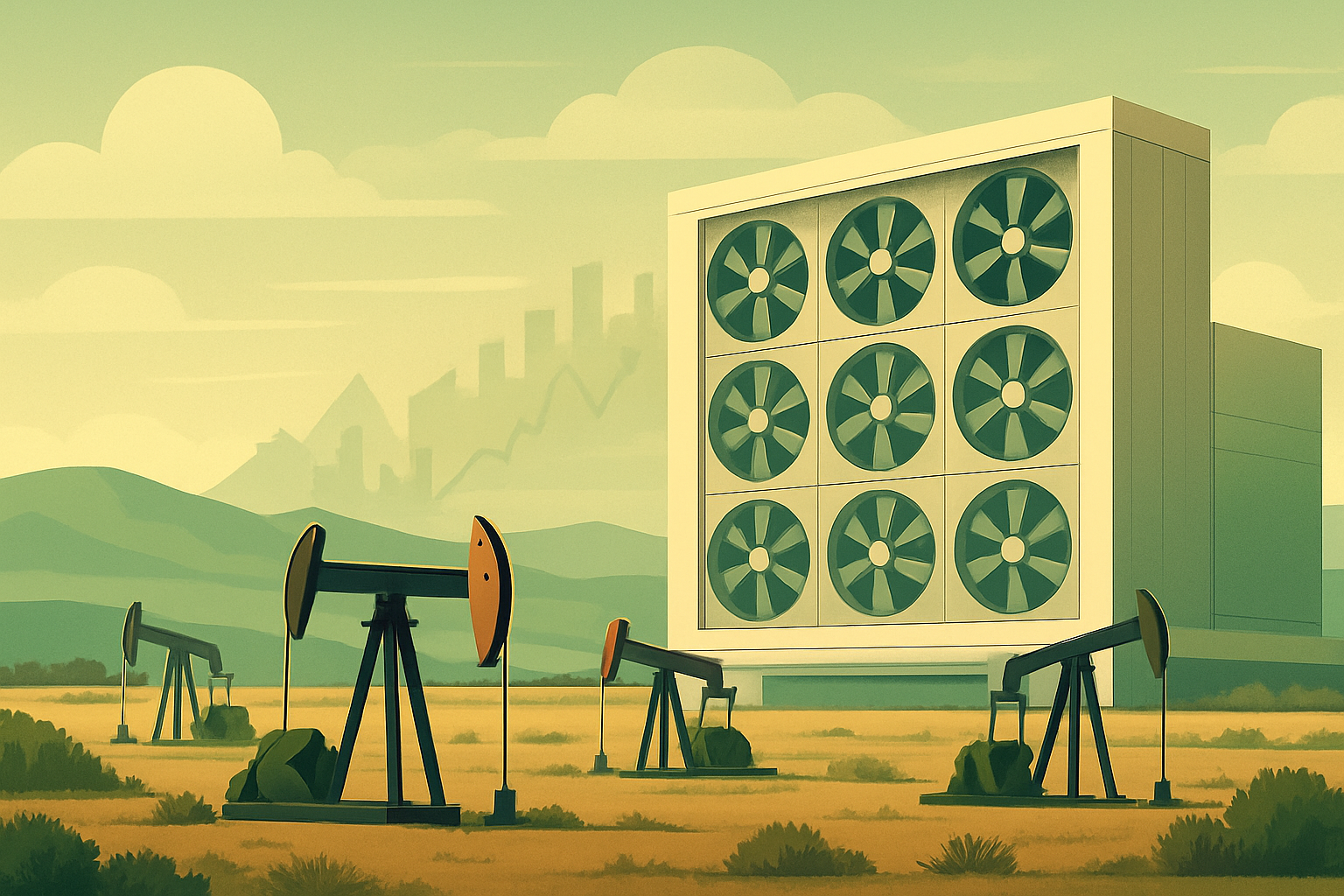
    As of March 9, 2026, Occidental Petroleum Corporation (NYSE: OXY) stands as a uniquely bifurcated titan in the global energy landscape. Long considered a traditional "oil major" focused on the prolific Permian Basin, the company has successfully transitioned into what CEO Vicki Hollub calls a "carbon management company." Today, OXY is at the center of a massive industrial experiment: proving that a legacy fossil fuel producer can pivot into a leader of the energy transition while maintaining high-margin hydrocarbon production. With its stock closely watched by retail investors and institutional giants alike—most notably Warren Buffett’s Berkshire Hathaway (NYSE: BRK.A)—Occidental is currently in focus for its ability to balance aggressive debt reduction with multi-billion-dollar investments in Direct Air Capture (DAC) technology.

    Historical Background

    Founded in 1920 in California, Occidental Petroleum’s early years were spent as a modest explorer. Its meteoric rise began in 1957 when the legendary industrialist Dr. Armand Hammer took the helm. Hammer’s era was defined by bold international moves, specifically in Libya, and a frantic diversification strategy that saw the company enter the chemicals, coal, and meatpacking industries. Following Hammer’s death in 1990, the company spent decades shedding non-core assets to focus on its "crown jewels" in the Middle East and the Permian Basin of West Texas and New Mexico.

    The most pivotal moment in recent history occurred in 2019, when OXY outmaneuvered Chevron Corporation (NYSE: CVX) to acquire Anadarko Petroleum for $55 billion. The deal, though initially criticized for its heavy debt load and the onset of the 2020 pandemic-driven oil crash, fundamentally reshaped the company. By 2024, the acquisition of CrownRock for $12 billion further solidified OXY as the dominant player in the Midland Basin, setting the stage for its current 2026 operational profile.

    Business Model

    Occidental operates a diversified business model primarily split into three core segments:

    1. Oil and Gas: This is the company's primary cash engine. OXY focuses on high-margin, low-breakeven assets in the U.S. Permian Basin, the DJ Basin in Colorado, the Gulf of Mexico, and international operations in Oman, the UAE, and Algeria.
    2. Low Carbon Ventures (LCV): Operates through subsidiaries like 1PointFive and Carbon Engineering. This segment focuses on Direct Air Capture (DAC) and Carbon Capture, Utilization, and Storage (CCUS). It generates revenue through the sale of carbon removal credits and the licensing of proprietary technology.
    3. Midstream and Marketing: This segment optimizes the value chain for OXY’s production, providing flow assurance and managing the logistics of transporting oil, gas, and NGLs to global markets.

    Notably, as of early 2026, the company has completed the strategic divestiture of its OxyChem division to Berkshire Hathaway, a move designed to streamline operations and further reduce the long-term debt associated with its 2019-2024 expansion phase.

    Stock Performance Overview

    OXY’s stock performance has been a story of resilience and recovery.

    • 1-Year Performance: Over the past twelve months, the stock has traded in a steady range of $58 to $74, largely tracking the stabilization of WTI crude prices and the market’s growing confidence in the 1PointFive carbon initiatives.
    • 5-Year Performance: Looking back to 2021, OXY has been one of the top performers in the S&P 500 energy sector. From the depths of the 2020 oil price collapse (where it dipped below $10), the stock rallied significantly as it deleveraged its balance sheet and benefited from the 2022 energy spike.
    • 10-Year Performance: On a decade-long horizon, the stock reflects the volatility of the Anadarko acquisition. While it has not yet reclaimed the all-time highs of the pre-2014 shale boom, the total return (including dividends and buybacks) has improved dramatically since 2022.

    Financial Performance

    In its latest filings for the 2025 fiscal year, Occidental reported robust operational results.

    • Revenue and Production: Total production reached a record 1.4 million barrels of oil equivalent per day (boe/d).
    • Margins and FCF: The company generated approximately $3.2 billion in Free Cash Flow (FCF) in 2025. While slightly lower than peak 2022 levels due to moderate oil prices, OXY’s cash margins remain among the highest in the Permian, with a breakeven point estimated below $40 per barrel.
    • Debt Reduction: Perhaps the most critical metric for investors, OXY’s principal debt has been slashed to $15 billion as of Q1 2026, down from a peak of nearly $40 billion in 2019.
    • Valuation: OXY currently trades at an EV/EBITDA multiple that is competitive with peers like ConocoPhillips (NYSE: COP), reflecting its premium Permian acreage but also a "carbon discount" that some analysts apply to its high-CAPEX LCV projects.

    Leadership and Management

    CEO Vicki Hollub has led the company since 2016 and is widely regarded as the architect of the modern Occidental. Recently honored with the 2026 Dewhurst Award, Hollub’s strategy has shifted from "transformative growth" to "operational excellence." Her management style is characterized by a deep technical understanding of reservoir engineering and a contrarian view of the energy transition—believing that oil production can be sustained indefinitely if the carbon is captured and sequestered.

    The board of directors has been stabilized following the 2019/2020 period of activist pressure, and the company maintains a high-governance reputation, particularly given the oversight of major shareholders like Berkshire Hathaway.

    Products, Services, and Innovations

    OXY’s primary product remains crude oil and natural gas, but its "innovation pipeline" is where it seeks to differentiate itself.

    • Direct Air Capture (DAC): The STRATOS plant in West Texas is now in its final startup phase. Once fully operational in mid-2026, it will be the largest facility of its kind, capable of capturing 500,000 metric tons of CO2 directly from the atmosphere annually.
    • Enhanced Oil Recovery (EOR): OXY is a global leader in EOR, using captured CO2 to "wash" additional oil out of mature reservoirs, effectively creating "net-zero" oil by sequestering more carbon than the fuel emits when burned.
    • Carbon Credits: The company has successfully pre-sold "Carbon Removal Credits" to blue-chip companies including Amazon, Microsoft, and Airbus, creating a new, non-commodity-linked revenue stream.

    Competitive Landscape

    Occidental operates in a crowded field of "supermajors" and large-cap independents.

    • Against ExxonMobil (NYSE: XOM) and Chevron (NYSE: CVX): OXY lacks the massive global downstream (refining) and retail footprint of the supermajors. However, it possesses a more concentrated and arguably more efficient position in the Permian Basin.
    • Competitive Edge: OXY’s advantage lies in its early-mover status in CCUS technology. While XOM and CVX are now investing billions in carbon capture, OXY’s 1PointFive subsidiary is years ahead in commercializing DAC at a utility scale.

    Industry and Market Trends

    The energy sector in 2026 is defined by "Energy Security vs. Energy Transition." While global demand for oil has reached a plateau in some regions, supply remains tight due to years of underinvestment in new discoveries.

    • Consolidation: The 2024-2025 wave of Permian consolidation (including the CrownRock deal) has left the basin in the hands of a few "super-producers" who prioritize capital discipline over production growth.
    • Decarbonization Mandates: Increasing regulatory pressure in Europe and the U.S. is forcing energy companies to prove their "net-zero" pathways, a trend that directly favors OXY’s carbon management business model.

    Risks and Challenges

    • Execution Risk: The STRATOS project and subsequent DAC hubs carry significant engineering risks. Any delays or failure to achieve the targeted capture costs could hurt investor confidence.
    • Commodity Volatility: Despite its debt reduction, OXY remains highly leveraged to the price of oil. A sustained drop in WTI below $50 would significantly impact its ability to fund LCV projects.
    • Regulatory Changes: While current policy (like the IRA) supports carbon capture, a shift in U.S. political leadership or a repeal of tax credits (45Q) could undermine the economics of the LCV segment.

    Opportunities and Catalysts

    • Carbon Credit Market Expansion: As more corporations commit to net-zero goals, the demand for high-quality DAC credits is expected to explode, potentially turning LCV into a multi-billion-dollar EBITDA contributor by 2030.
    • 45Q Tax Credits: The Inflation Reduction Act provides up to $180 per ton of CO2 captured via DAC and sequestered, a massive subsidy that significantly de-risks OXY’s investments.
    • M&A Potential: While Hollub has signaled a pause in major acquisitions, OXY remains a prime candidate for a full takeover by Berkshire Hathaway, which already owns over 30% of the company.

    Investor Sentiment and Analyst Coverage

    Wall Street remains divided but generally optimistic on OXY.

    • The "Buffett Factor": Warren Buffett’s continued accumulation of shares provides a significant "floor" for the stock price. Many retail investors track his moves as a signal of OXY’s long-term value.
    • Analyst Views: Most major banks maintain "Buy" or "Hold" ratings. Analysts at Goldman Sachs and Morgan Stanley have highlighted OXY’s FCF generation and its unique "option value" on carbon technology as key reasons for the premium valuation compared to other independent drillers.

    Regulatory, Policy, and Geopolitical Factors

    OXY’s future is deeply intertwined with government policy. The 45Q tax credit remains the single most important policy driver for its low-carbon business. Geopolitically, OXY’s focus on domestic U.S. production makes it a beneficiary of the "energy independence" narrative, though its operations in the Middle East require careful navigation of regional tensions. Furthermore, the EPA’s evolving methane regulations continue to increase compliance costs for Permian operators, though OXY’s modern infrastructure puts it ahead of smaller, legacy-asset peers.

    Conclusion

    Occidental Petroleum enters the mid-2020s as a company that has successfully defied the "death of oil" narrative. By doubling down on the Permian Basin while simultaneously building a world-class carbon management business, OXY has created a hedge against the energy transition itself. Investors should watch the startup of the STRATOS plant in mid-2026 as the next major catalyst. While commodity price risks remain, the backing of Berkshire Hathaway and the company’s vastly improved balance sheet make OXY a formidable player in the global race to provide sustainable energy. Whether it becomes a "utility of the energy transition" or remains a high-beta oil play will depend on its ability to execute its ambitious DAC roadmap over the next 24 months.


    This content is intended for informational purposes only and is not financial advice.
  • The Post-Buffett Era: A Deep Dive into Berkshire Hathaway (BRK.B) in 2026

    The Post-Buffett Era: A Deep Dive into Berkshire Hathaway (BRK.B) in 2026

    On this Tuesday, March 3, 2026, the financial world is closely watching the transition of an empire. Berkshire Hathaway Inc. (NYSE: BRK.B) is currently navigating its most significant leadership evolution in over half a century. Long considered the gold standard for long-term value investing, the Omaha-based conglomerate is entering a new chapter under the leadership of Greg Abel, while still anchored by the formidable, if evolved, presence of its legendary architect, Warren Buffett. With a staggering cash pile exceeding $373 billion and a diverse portfolio that serves as a microcosm of the American economy, Berkshire remains a critical barometer for global investor sentiment and industrial health.

    Historical Background

    The story of Berkshire Hathaway is one of the most storied transformations in corporate history. Originally a struggling New England textile manufacturer founded in the 19th century, the company was targeted by Warren Buffett in 1962. Recognizing that the textile industry was in terminal decline, Buffett used the company’s cash flow to pivot into the insurance sector, starting with the acquisition of National Indemnity in 1967.

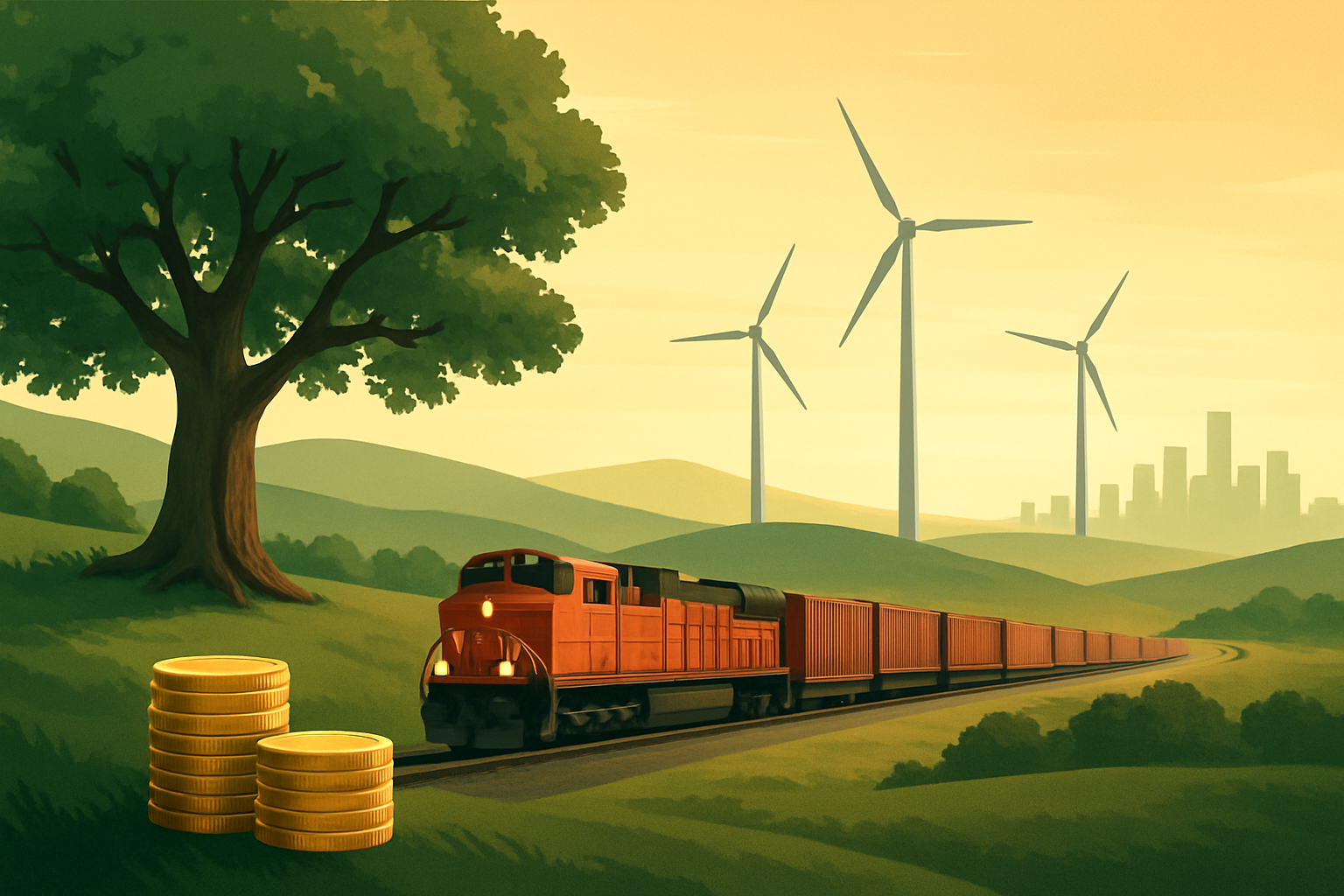
    This move introduced the concept of "float"—the premiums collected by insurance companies that are held before claims are paid—which Buffett famously used as low-cost capital to invest in high-quality businesses and equities. Over the decades, Berkshire grew through a series of iconic acquisitions, including GEICO, See’s Candies, and the Burlington Northern Santa Fe (BNSF) railway. What was once a failing mill has evolved into a $1.1 trillion behemoth, consistently outperforming the S&P 500 for most of its modern history and creating unparalleled wealth for its long-term shareholders.

    Business Model

    Berkshire Hathaway operates under a unique, decentralized business model that prioritizes operational autonomy and capital efficiency. The company’s revenue streams are broadly categorized into four "giants":

    1. Insurance: The bedrock of the firm, encompassing GEICO (personal auto), Berkshire Hathaway Reinsurance Group, and Berkshire Hathaway Primary Group. These entities generate the "float" ($176 billion as of early 2026) that fuels the company’s investment engine.
    2. Railroad (BNSF): One of the largest freight railroad networks in North America, BNSF is a critical infrastructure asset, hauling everything from agricultural products to consumer goods across the western United States.
    3. Berkshire Hathaway Energy (BHE): A global energy powerhouse with significant interests in regulated utilities, renewable energy, and natural gas pipelines.
    4. Manufacturing, Service, and Retailing: A vast collection of subsidiaries ranging from Precision Castparts (aerospace) to NetJets, Dairy Queen, and Duracell.

    Complementing these wholly-owned businesses is Berkshire’s massive Equity Portfolio, which includes multi-billion dollar stakes in American Express, Coca-Cola, Chevron, and a recently trimmed but still significant position in Apple.

    Stock Performance Overview

    As of March 3, 2026, Berkshire Hathaway’s Class B shares (BRK.B) have reflected the market's cautious optimism regarding the company's succession plan.

    • 1-Year Performance: The stock has seen a slight decline of approximately 5.86% over the past year. This underperformance relative to the tech-heavy S&P 500 is largely attributed to a "succession discount" as the market adjusted to the formal CEO transition on January 1, 2026, and a softer 2025 earnings report.
    • 5-Year Performance: Over a five-year horizon, the stock remains up 92.7%, showcasing its resilience during the inflationary cycles and interest rate volatility of the early 2020s.
    • 10-Year Performance: With a gain of 251.2%, Berkshire has delivered a compound annual growth rate (CAGR) of roughly 13.4%. While this slightly trails the explosive growth of "Magnificent Seven" tech stocks, Berkshire has maintained significantly lower volatility and a much stronger defensive profile during market downturns.

    Financial Performance

    Berkshire’s FY 2025 financial results, released in late February 2026, highlight the challenges of managing a conglomerate of this scale in a maturing economic cycle.

    • Revenue: Total revenue for 2025 reached $371.4 billion, a modest 0.6% increase over the previous year.
    • Operating Earnings: This metric, which Buffett prefers as a measure of underlying business health, fell 6.2% to $44.49 billion. The decline was primarily due to narrowed underwriting margins in the insurance segment and rising operational costs in the rail sector.
    • Net Income: Net profit stood at $66.97 billion, down 24.8% year-over-year. This figure was heavily influenced by market fluctuations in the equity portfolio and a $4.5 billion write-down related to stakes in Kraft Heinz and Occidental Petroleum.
    • Cash Position: Perhaps the most discussed figure is Berkshire’s cash and equivalents, which stood at $373.3 billion at the end of 2025. While down slightly from a Q3 peak, this "dry powder" represents both a safety net and a significant "cash drag" on overall returns given current Treasury yields.

    Leadership and Management

    The leadership landscape at Berkshire changed fundamentally on January 1, 2026. Greg Abel has officially assumed the role of CEO, having spent years overseeing the non-insurance operations. Abel’s first annual letter to shareholders, published last week, signaled a commitment to the "Berkshire culture"—decentralization, long-term thinking, and capital discipline—while adopting a more direct, data-driven communication style.

    Warren Buffett remains Chairman of the Board. While he has stepped back from day-to-day management, he continues to serve as a high-level capital allocation advisor. Ajit Jain, the legendary head of insurance operations, remains in his post at age 74, though the company has been bolstering the management tiers beneath him to ensure continuity. The board remains one of the most shareholder-aligned in the corporate world, with directors maintaining significant personal stakes in the company.

    Products, Services, and Innovations

    While Berkshire is often viewed as "old economy," the company is increasingly leaning into technological modernization to maintain its competitive edge.

    • GEICO: Under the guidance of Ajit Jain and the new tech-focused management, GEICO is aggressively deploying AI and machine learning to refine its underwriting and catch up with rivals like Progressive in telematics-based pricing.
    • BHE Green Grid: Berkshire Hathaway Energy is currently executing a multi-billion dollar "Green Grid" initiative, building thousands of miles of high-voltage transmission lines to connect renewable energy sources in the Midwest and West to urban centers.
    • NetJets: The private aviation leader has expanded its fleet with next-generation, fuel-efficient aircraft, maintaining its dominance in the fractional ownership market.

    Competitive Landscape

    Berkshire faces formidable competition across its diverse segments:

    • Insurance: Progressive remains the primary challenger to GEICO, often leading in digital customer acquisition and pricing accuracy.
    • Railroad: BNSF competes directly with Union Pacific. While BNSF has traditionally focused on volume, it is currently pivoting toward a "Capacity-First" model to counter UP’s efficiency gains from Precision Scheduled Railroading (PSR).
    • Energy: Regulated utilities face competition from distributed energy resources (like rooftop solar) and are under intense pressure from state regulators regarding rate hikes and wildfire liabilities.
    • Equity Market: For capital allocation, Berkshire competes with private equity giants and sovereign wealth funds for "elephant-sized" acquisitions, often finding itself outbid by firms willing to use higher leverage.

    Industry and Market Trends

    Several macro trends are currently shaping Berkshire's trajectory in 2026:

    1. Energy Transition: The shift toward renewables is both a massive capital expenditure requirement and a long-term growth opportunity for BHE.
    2. Onshoring/Near-shoring: The trend of bringing manufacturing back to North America is a secular tailwind for BNSF, as domestic freight volumes for industrial components increase.
    3. Insurance Pricing Power: After several years of hard-market pricing, the insurance industry is seeing a deceleration in rate increases, which contributed to the margin compression seen in Berkshire's 2025 results.
    4. AI Integration: Across the manufacturing and retail segments, Berkshire subsidiaries are beginning to implement generative AI to streamline logistics and supply chain management.

    Risks and Challenges

    Despite its fortress-like balance sheet, Berkshire is not without significant risks:

    • Succession Execution: While Greg Abel is highly respected, the transition away from Buffett’s "alpha" is a psychological hurdle for many investors. Any perception of a culture shift could lead to a persistent valuation discount.
    • Wildfire Liabilities: PacifiCorp, a unit of BHE, faces potential claims estimated at up to $55 billion related to Western wildfires. This legal overhang has become a primary concern for the energy segment's future profitability.
    • Size Drag: With a $1.1 trillion market cap, Berkshire needs massive investments to move the needle. Finding multi-billion dollar acquisitions at attractive valuations remains its greatest operational challenge.
    • Regulatory Scrutiny: Increased antitrust sentiment in Washington could complicate future large-scale acquisitions, particularly in the rail or energy sectors.

    Opportunities and Catalysts

    The company’s massive cash position provides a "call option" on market distress. Key catalysts for the coming years include:

    • M&A Activity: The January 2026 acquisition of OxyChem for $9.7 billion demonstrates Berkshire’s continued appetite for vertical integration in the energy sector. Further bolt-on acquisitions in the manufacturing space are likely.
    • Share Buybacks: With the stock trading at what Abel considers a discount to intrinsic value, Berkshire has the capacity to deploy tens of billions into buybacks, effectively increasing the ownership stake of remaining shareholders.
    • Apple and Occidental Stakes: Any major shifts in these core holdings—either further selling of Apple to lock in gains or a full takeover of Occidental Petroleum—would serve as major market events.

    Investor Sentiment and Analyst Coverage

    Current sentiment among Wall Street analysts is categorized as "Moderate Buy" or "Hold." Institutional investors largely view BRK.B as a "defensive powerhouse"—a place to park capital during periods of high market volatility. Retail sentiment remains loyal to the Buffett legacy, though there is increasing chatter on social platforms about the company's "excessive" cash hoarding and the desire for a special dividend, a move the company has historically resisted. Analysts have set a price target range for Class B shares between $480 and $585 for the 2026 fiscal year.

    Regulatory, Policy, and Geopolitical Factors

    Berkshire's operations are deeply intertwined with government policy:

    • Wildfire Liability Caps: BHE is actively lobbying for state-level caps on wildfire liabilities, arguing that without them, utilities could become uninvestable.
    • Rail Regulation: The Surface Transportation Board (STB) continues to scrutinize rail service levels and pricing, which impacts BNSF’s operational flexibility.
    • Tax Policy: As a massive U.S. taxpayer, Berkshire is highly sensitive to changes in the corporate tax rate and the 1% excise tax on stock buybacks.
    • Geopolitical Stability: Given its exposure to global shipping (through rail and ports) and its manufacturing supply chains, any escalation in trade tensions, particularly with China, remains a peripheral but potent risk.

    Conclusion

    As we look at Berkshire Hathaway in March 2026, the company stands at a crossroads between legacy and evolution. Greg Abel has inherited a collection of unparalleled businesses and a balance sheet that is the envy of the corporate world. However, the "Post-Buffett" era brings with it the challenge of proving that the Berkshire system can function effectively without its founder’s unique charisma and market-moving reputation.

    Investors should watch for the resolution of the BHE wildfire liabilities and the pace of cash deployment as key indicators of the new management's success. While the "Buffett Premium" may have faded, the underlying earning power of the "Four Giants" remains intact. Berkshire Hathaway continues to be a fortress—perhaps less "folksy" than before, but no less formidable in its pursuit of long-term value.


    This content is intended for informational purposes only and is not financial advice.

  • The Abel Era Begins: A Deep Dive into Berkshire Hathaway’s $380 Billion Crossroads

    The Abel Era Begins: A Deep Dive into Berkshire Hathaway’s $380 Billion Crossroads

    As of February 27, 2026, the financial world stands at a historic crossroads. For over half a century, the final Saturday of February has been a secular holiday for value investors: the release of the Berkshire Hathaway (NYSE: BRK.B) annual report and Warren Buffett’s legendary shareholder letter. This year, however, the atmosphere is markedly different. Following the official retirement of Warren Buffett as CEO on December 31, 2025, the investment community is bracing for the first-ever annual letter penned by his successor, Greg Abel.

    Berkshire Hathaway remains one of the most significant entities in the global economy, a $1.07 trillion conglomerate that serves as a proxy for the American industrial and consumer landscape. With a record-shattering cash pile of over $380 billion and a recent, aggressive retreat from high-flying tech stocks like Apple (NASDAQ: AAPL) and Amazon (NASDAQ: AMZN), the company is signaling a defensive crouch—or perhaps, a massive coiled spring—as it enters the "Abel Era."

    Historical Background

    The story of Berkshire Hathaway is the preeminent legend of American capitalism. Originally a struggling New Bedford textile mill founded in 1839, the company was targeted in 1965 by a young partnership manager from Omaha named Warren Buffett. What began as a "cigar butt" investment—a mediocre business bought at a deep discount—transformed into the world’s most successful diversified holding company.

    Through the late 20th century, Buffett and his late partner Charlie Munger utilized the "float" (premiums paid upfront by policyholders) from their insurance operations to acquire high-quality, cash-generating businesses. Key milestones include the acquisition of GEICO in stages, the purchase of See’s Candies in 1972, and the $44 billion acquisition of Burlington Northern Santa Fe (BNSF) in 2010. Over six decades, Berkshire evolved from a textile failure into a multi-industry titan encompassing insurance, energy, railroads, manufacturing, and retail.

    Business Model

    Berkshire Hathaway’s business model is often described as a "three-legged stool," though its complexity has grown far beyond that.

    1. Insurance Operations: The core engine. Entities like GEICO, Berkshire Hathaway Reinsurance Group, and National Indemnity generate massive amounts of "float." This capital is used to fund the company’s massive investment portfolio.
    2. Regulated Utility and Energy Businesses: Berkshire Hathaway Energy (BHE) owns vast power grids and renewable energy projects. These provide stable, long-term returns and a home for significant capital reinvestment.
    3. Manufacturing, Service, and Retailing: This "everything else" segment includes BNSF Railway, Precision Castparts, Lubrizol, and consumer brands like Dairy Queen, Duracell, and Fruit of the Loom.

    The model is predicated on extreme decentralization. Subsidiary CEOs are given near-total autonomy, while the "Omaha HQ" focuses solely on capital allocation and selecting the leaders of these units.

    Stock Performance Overview

    As of late February 2026, Berkshire Hathaway’s stock performance reflects its status as a defensive powerhouse rather than a high-growth tech play.

    • 1-Year Performance: ~1.73%. The stock has largely consolidated since the announcement of Buffett’s retirement, with the "Buffett Premium" slowly evaporating as investors adjust to the new leadership.
    • 5-Year Performance: ~109%. Berkshire significantly outperformed the broader market during the inflationary bouts of 2022-2024, proving the resilience of its cash-heavy, industrial-tilted portfolio.
    • 10-Year Performance: ~281%. While slightly trailing the tech-heavy S&P 500 (NYSEARCA: SPY) over the decade, Berkshire provided significantly lower volatility and a safer harbor during market downturns.

    The stock reached an all-time high of $539.80 (Class B) in May 2025, though it has traded sideways since the transition began.

    Financial Performance

    Berkshire’s financial statements for the 2025 fiscal year reveal a company in a state of extreme liquidity.

    • The Cash Pile: Berkshire reported a staggering $381.7 billion in cash and short-term Treasuries at the end of Q3 2025. This is the largest cash reserve ever held by a non-banking corporation, surpassing the GDP of many mid-sized nations.
    • Earnings: Operating earnings remained robust throughout 2025, though net income was volatile due to accounting rules requiring the inclusion of unrealized gains/losses in the equity portfolio.
    • Margins: Operating margins at BNSF improved in 2025 due to a 15% drop in fuel expenses, while GEICO saw underwriting profits of $2.2 billion early in the year, tempered by rising policy acquisition costs in late 2025.
    • Valuation: The company trades at a Price-to-Book (P/B) ratio of roughly 1.5x, which is toward the higher end of its historical range but viewed as fair given the massive cash balance.

    Leadership and Management

    The focus of 2026 is squarely on Greg Abel, the new CEO. Abel, an energy industry veteran known for his operational discipline and "workaholic" reputation, faces the impossible task of succeeding Warren Buffett.

    • Greg Abel (CEO): Expected to be more hands-on with subsidiaries than Buffett. His first shareholder letter is anticipated to be more formal and operationally focused.
    • Ajit Jain: Remains at the helm of the massive insurance operations. His presence provides critical continuity for Berkshire’s most important segment.
    • Todd Combs and Ted Weschler: These two investment managers handle a portion of the equity portfolio and are expected to take on even greater responsibility for the $300B+ stock portfolio now that Buffett has stepped back.
    • Governance: Berkshire’s board, which includes Howard Buffett and Susan Buffett, is designed to preserve the "Berkshire culture" of long-term thinking and integrity.

    Products, Services, and Innovations

    While Berkshire is rarely associated with "disruptive innovation," its subsidiaries are leaders in incremental, high-stakes engineering and service delivery.

    • Precision Castparts: Continues to lead in aerospace components, benefiting from the 2025-2026 ramp-up in commercial aircraft production.
    • Berkshire Hathaway Energy (BHE): Is currently executing a multi-billion dollar pivot toward "green" transmission lines, positioning itself as a primary beneficiary of the U.S. electrical grid overhaul.
    • GEICO: After lagging behind rivals like Progressive (NYSE: PGR) in telematics, GEICO invested heavily in proprietary AI-driven underwriting tools throughout 2024 and 2025 to regain market share.

    Competitive Landscape

    Berkshire competes on multiple fronts:

    • Insurance: Competes with Progressive, State Farm, and Allstate (NYSE: ALL). GEICO’s low-cost model remains a strength, though its tech gap has been a weakness.
    • Rail: BNSF competes directly with Union Pacific (NYSE: UNP) in the Western U.S. BNSF has maintained a slight edge in efficiency but faces constant pressure from fluctuating commodity volumes.
    • Investments: In the M&A space, Berkshire now competes with private equity giants like Blackstone (NYSE: BX) and sovereign wealth funds. Berkshire's competitive advantage remains its ability to provide a "permanent home" for companies, unlike the 5-7 year exit horizon of private equity.

    Industry and Market Trends

    Several macro factors are currently impacting Berkshire:

    • The AI Revolution: While not a tech company, Berkshire's subsidiaries are using AI to optimize railroad schedules and insurance pricing.
    • The "Higher for Longer" Interest Rate Environment: Berkshire has been a massive beneficiary of higher interest rates, earning billions in annual interest income on its $380B+ cash pile.
    • Energy Transition: The shift from coal to renewables is a headwind for BNSF’s coal freight but a massive tailwind for BHE’s capital expenditure projects.

    Risks and Challenges

    The "post-Buffett" era brings unique risks:

    1. Key Person Risk Transition: The biggest risk is the loss of Buffett’s unique "deal flow." Many sellers sold to Berkshire specifically because they wanted to deal with Buffett. It remains to be seen if Abel can attract the same quality of "elephant-sized" deals.
    2. The "Buffett Premium" Decay: If investors feel the magic is gone, the stock could see a valuation derating, trading closer to its book value.
    3. Inflationary Pressures: Rising costs of labor and materials continue to pressure margins at BNSF and within the manufacturing segments.

    Opportunities and Catalysts

    1. The "Elephant Hunt": With $381 billion, Abel has the power to acquire a company the size of Disney or Coca-Cola in a single all-cash transaction. A massive acquisition in 2026 would be a definitive signal of Abel’s arrival.
    2. Dividends/Buybacks: If Abel cannot find massive deals, pressure will mount to initiate a dividend—a move Buffett resisted for decades.
    3. Market Correction: A broader market downturn in 2026 would play perfectly into Berkshire's hands, allowing them to deploy their cash into undervalued assets while others are panicked.

    Investor Sentiment and Analyst Coverage

    Wall Street is currently "Hold" or "Cautiously Buy" on BRK.B.

    • Institutional Sentiment: Large funds remain overweight Berkshire as a defensive hedge.
    • The "Selling Tech" Narrative: The recent 75% reduction in Apple and 77% reduction in Amazon has sparked debate. Some analysts view this as a brilliant move to lock in gains before a correction; others see it as a lack of confidence in the future of Big Tech’s AI-heavy CapEx cycle.
    • Retail Sentiment: The "Boglehead" and value-investing communities remain fiercely loyal, though there is palpable anxiety regarding the tone of Abel’s first letter.

    Regulatory, Policy, and Geopolitical Factors

    • Tax Policy: Rumors of changes to capital gains taxes in 2026 likely accelerated Berkshire’s decision to sell massive amounts of Apple and Amazon stock in late 2025 to lock in current rates.
    • Antitrust: Berkshire’s massive size makes large-scale acquisitions difficult under current regulatory scrutiny, particularly in the energy and rail sectors.
    • Geopolitics: Berkshire has notably reduced its exposure to direct Chinese investments over the last two years, citing geopolitical risk, instead focusing on "onshoring" through its industrial subsidiaries.

    Conclusion

    As we await Greg Abel’s first shareholder letter on February 28, 2026, Berkshire Hathaway stands as a monument to stability in an increasingly volatile world. The company has moved away from its reliance on "Big Tech" and toward a fortress-like cash position.

    Investors should watch for three things in the coming months:

    1. The Tone of the Letter: Does Abel emphasize continuity or a new strategic direction?
    2. The Cash Deployment: Will the $381 billion be used for a landmark acquisition or returned to shareholders?
    3. Subsidiary Efficiency: Can Abel’s operational expertise squeeze more profit out of legacy units like GEICO and BNSF?

    While the Buffett era has ended, the Berkshire machine is built for the long haul. With nearly $400 billion in the bank, the company isn't just surviving the transition; it is waiting for the right moment to strike.


    This content is intended for informational purposes only and is not financial advice.