Author: mdierolf

  • The 100-Year Pivot: Why Caterpillar (CAT) Is the Surprising Powerhouse of the AI and Energy Era

    The 100-Year Pivot: Why Caterpillar (CAT) Is the Surprising Powerhouse of the AI and Energy Era

    As of April 2, 2026, Caterpillar Inc. (NYSE: CAT) stands at a historic crossroads. Fresh off its centennial anniversary in 2025, the world’s leading manufacturer of construction and mining equipment has transformed itself from a traditional "heavy iron" manufacturer into a high-tech powerhouse. While the iconic "Caterpillar Yellow" machines remain ubiquitous on job sites globally, the company's recent focus on autonomy, AI-driven power solutions for data centers, and the energy transition has redefined its market position.

    Today, Caterpillar is no longer just a bellwether for global industrial activity; it is a critical player in the technological infrastructure of the 21st century. With a record backlog of $51 billion and a stock price that has seen triple-digit gains over the last year, CAT is currently one of the most closely watched stocks on the New York Stock Exchange.

    Historical Background

    Caterpillar’s journey began in 1925 with the merger of the Holt Manufacturing Company and the C. L. Best Tractor Co. Benjamin Holt had pioneered the continuous-track tractor—the "Caterpillar"—which replaced wheels to prevent heavy machinery from sinking into soft soil.

    Over the past century, the company has weathered the Great Depression, played a vital role in World War II (providing engines and tractors for the Allied effort), and became synonymous with the post-war global infrastructure boom. In the 21st century, Caterpillar transitioned through several strategic eras, most recently shifting its headquarters from Peoria, Illinois, to Deerfield, and finally to Irving, Texas. This move signaled a leaner, more globalized approach. Under the "Operating & Execution (O&E) Model" introduced in the late 2010s, the company focused on higher-margin services and technology-integrated products, setting the stage for its current record-breaking performance.

    Business Model

    Caterpillar operates through three primary segments, supported by a massive global dealer network that remains its most significant competitive moat.

    1. Construction Industries: Providing machinery for infrastructure, forestry, and building construction. This remains the "stability anchor" of the company.
    2. Resource Industries: Focused on the mining and quarrying sectors. This segment is currently riding the wave of the "mining super-cycle" as global demand for copper, lithium, and nickel surges.
    3. Energy & Transportation (E&T): The fastest-growing arm of the company. It provides reciprocating engines, turbines, and generators for the oil and gas, marine, and power generation industries. In 2026, the demand for backup power in AI data centers has turned E&T into Caterpillar's most lucrative segment.

    A key pillar of the business model is the target to reach $28 billion in service-related revenue by late 2026. By leveraging telematics and predictive maintenance, Caterpillar captures high-margin recurring revenue long after the initial equipment sale.

    Stock Performance Overview

    Caterpillar’s stock performance has been nothing short of exceptional, reflecting its evolution from a cyclical play to a secular growth story.

    • 1-Year Performance: The stock has surged approximately 121% since April 2025, driven largely by the massive uptick in Energy & Transportation orders and the resilience of the U.S. infrastructure market.
    • 5-Year Performance: With a return of roughly 214% (a CAGR of ~25%), CAT has significantly outperformed the broader industrial sector.
    • 10-Year Performance: Long-term investors have seen returns of over 851%, vastly outpacing the S&P 500.

    As of early April 2026, CAT trades near all-time highs of approximately $730 per share, with a market capitalization exceeding $340 billion.

    Financial Performance

    In its latest full-year report for 2025, Caterpillar posted record-breaking sales and revenues of $67.6 billion, a 4% increase over 2024. However, the financial picture is a nuanced one:

    • Earnings: FY 2025 adjusted EPS came in at $19.06, down slightly from the $21.90 reported in 2024.
    • Margins: Operating profit margins were 17.2% in 2025, a contraction from the 20.7% seen in 2024. This compression was primarily attributed to a $1.7 billion headwind from trade tariffs and rising manufacturing costs.
    • Backlog: The company enters Q2 2026 with a $51 billion backlog, providing high revenue visibility for the next 18 to 24 months.
    • Cash Flow: Caterpillar remains a cash machine, returning billions to shareholders through dividends and aggressive share buybacks, even while increasing R&D spend.

    Leadership and Management

    Caterpillar recently completed a significant leadership transition. On April 1, 2026, Joseph (Joe) E. Creed officially added the role of Chairman of the Board to his CEO responsibilities. Creed, who succeeded Jim Umpleby as CEO in May 2025, is a 29-year company veteran who previously led the Energy & Transportation division.

    Creed’s leadership style is defined by a "technology-first" philosophy. He has been the primary architect of the company’s push into AI-integrated power solutions and autonomous mining. Governance under Creed remains conservative regarding the balance sheet but aggressive regarding market share and technological dominance.

    Products, Services, and Innovations

    Caterpillar’s R&D focus is currently centered on three "megatrends": autonomy, electrification, and alternative fuels.

    • Autonomy: Caterpillar’s "MineStar" command system is the industry leader. As of 2026, over 800 autonomous haul trucks are in operation globally, having moved over 11 billion tonnes of material without a single lost-time injury. The company is now expanding this Level 4 autonomy into mid-sized construction equipment.
    • The C13D Engine: This fuel-flexible platform, production-ready in 2026, allows customers to run on 100% renewable diesel (HVO), biodiesel, or hydrogen-hybrid configurations.
    • Hydrogen Fuel Cells: In partnership with Microsoft and Ballard Power Systems, Caterpillar has successfully demonstrated hydrogen fuel cell backup power for data centers, a critical innovation as AI campuses look for carbon-free reliable energy.

    Competitive Landscape

    Caterpillar maintains a dominant ~17% share of the global heavy machinery market.

    • Komatsu (KMTUY): CAT’s primary rival. While Komatsu is highly respected for its precision engineering in high-capacity mining, Caterpillar’s superior dealer network and integrated software ecosystem often give it the edge in total cost of ownership.
    • Sany and XCMG: These Chinese competitors have made inroads in emerging markets by competing on price. However, Caterpillar has successfully defended its premium position by focusing on resale value and "uptime" guarantees that lower-cost rivals struggle to match.
    • Deere & Co (NYSE: DE): While a formidable competitor in North American construction, Deere is more heavily exposed to the volatile agricultural cycle, whereas Caterpillar’s diversified exposure to mining and energy has shielded it from the recent downturn in the farming sector.

    Industry and Market Trends

    The machinery sector in 2026 is being shaped by two divergent forces:

    1. The Mining Super-Cycle: The transition to electric vehicles and renewable energy requires massive amounts of copper, lithium, and rare earth minerals. This has decoupled the mining equipment market from traditional economic cycles, as miners must invest in new capacity regardless of short-term GDP fluctuations.
    2. The AI Infrastructure Build-out: Data centers require immense amounts of primary and backup power. Caterpillar has secured multi-gigawatt generator contracts for AI "hyper-scale" campuses, making it an accidental but major beneficiary of the generative AI boom.

    Risks and Challenges

    Despite the record backlog, Caterpillar faces significant headwinds:

    • Geopolitical and Trade Risks: The company is highly sensitive to trade policy. In 2026, Caterpillar expects to absorb roughly $2.6 billion in tariff-related costs. This has forced aggressive pricing actions that could eventually dampen demand.
    • Interest Rates: While rates have stabilized from their 2023–2024 peaks, they remain "higher for longer." This has slowed the residential construction market, though large-scale infrastructure projects have largely compensated for the dip.
    • Supply Chain Complexity: The shift toward electric and hydrogen engines requires a completely different supply chain for minerals and components, introducing new vulnerabilities.

    Opportunities and Catalysts

    • The IIJA Tailwinds: The U.S. Infrastructure Investment and Jobs Act is hitting its peak spending phase in 2026, providing a steady stream of demand for construction equipment through 2028.
    • Electrification of the "Mid-Range": As municipalities mandate zero-emission construction sites, Caterpillar’s new battery-electric mini-excavators and loaders are seeing rapid adoption in Europe and North America.
    • M&A Potential: With a strong cash position, analysts expect Caterpillar to pursue acquisitions in the software and AI space to further boost its services revenue.

    Investor Sentiment and Analyst Coverage

    Wall Street remains generally optimistic but cautious about Caterpillar's high valuation. The consensus rating is "Moderate Buy" or "Outperform."

    • Target Prices: Median analyst targets sit around $765, with some bulls looking toward $878 based on E&T growth.
    • Sentiment: Institutional investors are increasingly viewing CAT as a "technology and energy play" rather than a "cyclical industrial." However, some retail chatter suggests concerns that the stock may be overextended after its 121% run over the past year.

    Regulatory, Policy, and Geopolitical Factors

    Regulatory pressure is intensifying. While the EPA Tier 4 Final remains the current standard, 2026 marks the beginning of formal industry preparation for "Tier 5" standards, expected by 2029. These standards will mandate a 90% reduction in Nitrogen Oxides (NOx).

    Furthermore, the "Buy American" provisions in the U.S. and similar "sovereignty" policies in the EU and India are forcing Caterpillar to localize more of its manufacturing, which provides security against trade wars but adds complexity to its global cost structure.

    Conclusion

    Caterpillar Inc. enters its second century as a fundamentally different company than the one that dominated the 20th century. By positioning itself at the center of the mining super-cycle, the AI infrastructure boom, and the push for autonomous job sites, Caterpillar has successfully shed its reputation as a purely cyclical stock.

    For investors, the key to the next 12 months will be Caterpillar’s ability to manage margin compression from tariffs while continuing to scale its high-margin services. While the valuation is currently at the higher end of its historical range, the $51 billion backlog and the non-discretionary nature of data center and mining demand provide a significant safety net. Caterpillar remains the definitive "heavyweight" champion of the industrial sector, now with a high-tech engine driving its future.


    This content is intended for informational purposes only and is not financial advice.
    4/2/2026

  • Boeing’s Long Ascent: Navigating the Recovery of an American Industrial Icon

    Boeing’s Long Ascent: Navigating the Recovery of an American Industrial Icon

    Boeing (NYSE: BA) is currently standing at the most significant pivot point in its century-long history. For much of the early 2020s, the aerospace giant was synonymous with crisis—marred by safety failures, production halts, and a debt-laden balance sheet. However, as of April 2026, the narrative has shifted from "survival" to "stability." Under the leadership of CEO Kelly Ortberg, the company has undertaken a massive cultural and operational overhaul, including the reintegration of its primary aerostructures supplier and a decentralization of its executive power. With the 737 MAX production finally hitting sustainable rates and the first production-standard 777-9 taking flight, Boeing is attempting to reclaim its status as the gold standard of American manufacturing.

    Historical Background

    Founded by William Boeing in 1916 in Seattle, the company spent its first several decades as a pioneer of the Jet Age, producing iconic aircraft like the 707 and the "Queen of the Skies," the 747. However, historians often point to the 1997 merger with McDonnell Douglas as the catalyst for a fundamental shift in Boeing’s culture—moving from an engineering-first ethos to one focused on shareholder returns and cost-cutting.

    This shift culminated in the 737 MAX crisis (2018–2019) and subsequent 787 Dreamliner production issues, which collectively cost the company over $20 billion and eroded public trust. Between 2020 and 2024, Boeing struggled with the triple blow of the MAX grounding, the COVID-19 pandemic’s impact on air travel, and a series of high-profile quality control lapses in its factories.

    Business Model

    Boeing operates through three primary segments, now supported by a newly reintegrated supply chain:

    1. Boeing Commercial Airplanes (BCA): The heart of the company, responsible for the 737 MAX, 787, and 777X families.
    2. Boeing Defense, Space & Security (BDS): Producers of fighter jets (F-15EX, F/A-18), the KC-46 tanker, and space assets like the Space Launch System (SLS).
    3. Boeing Global Services (BGS): A high-margin segment providing maintenance, parts, and training to both commercial and defense customers worldwide.

    The model underwent a major transformation in December 2025 with the completion of the Spirit AeroSystems acquisition. This move reversed two decades of outsourcing, bringing the manufacturing of fuselages back in-house to ensure tighter quality control.

    Stock Performance Overview

    Boeing’s stock performance has been a roller coaster for long-term holders:

    • 1-Year Performance: As of April 2026, BA has seen a significant recovery, up roughly 35% over the past 12 months as delivery volumes stabilized and the company avoided further major FAA penalties.
    • 5-Year Performance: The stock remains down nearly 15% from its early 2021 levels, reflecting the "lost years" of production pauses and the massive dilution of capital required to stay afloat.
    • 10-Year Performance: Boeing has significantly underperformed the S&P 500 over the decade, struggling to return to its all-time highs of nearly $440 seen in early 2019.

    Financial Performance

    Boeing’s Q1 2026 earnings report, released just weeks ago, was described by analysts as a "blowout." Revenue reached $23.95 billion, a 57% increase year-over-year, driven by the clearing of the 737 MAX and 787 delivery backlog.

    More importantly, Boeing is on track for positive Free Cash Flow (FCF) of $1–$3 billion in 2026, its first sustainably positive annual cash flow since the crisis began. However, the balance sheet remains a concern; total debt stands at approximately $54.1 billion. While the company is generating cash again, it faces an $8 billion debt maturity wall later this year, which it intends to pay down using its $12 billion cash-on-hand reserve.

    Leadership and Management

    Kelly Ortberg, who took over as CEO in late 2024, has fundamentally altered Boeing’s governance. True to his word, Ortberg remains based in Seattle rather than the corporate headquarters in Virginia, placing him within walking distance of the 737 and 777 assembly lines.

    In February 2026, Ortberg further decentralized the company by moving the Defense, Space & Security (BDS) headquarters back to St. Louis, Missouri. This move is seen as a rejection of the "corporate-heavy" management style of the previous decade, focusing instead on operational excellence and factory-floor proximity.

    Products, Services, and Innovations

    The current product portfolio is focused on three major pillars:

    • The 737 MAX: Now the workhorse of the narrow-body fleet, production has stabilized at 42 aircraft per month.
    • The 777X: The future of Boeing’s wide-body dominance. The first production 777-9 flew in early 2026. While certification delays have pushed the first delivery to early 2027, airline demand remains robust.
    • Defense Innovation: In a major surprise in 2025, Boeing won the contract for the 6th-generation NGAD fighter (F-47), beating out rivals for the program meant to replace the F-22.
    • Space: The SLS (Space Launch System) remains the backbone of NASA’s Artemis program, successfully powering the crewed Artemis II moon mission on April 1, 2026.

    Competitive Landscape

    Boeing continues to engage in a duopoly battle with Airbus (OTC: EADSY).

    • Narrow-body: Airbus remains the undisputed volume leader. The A320neo family outperformed the 737 in total lifetime deliveries in late 2025.
    • Wide-body: This remains Boeing’s stronghold. The 787 Dreamliner continues to outsell the A350, and the pending entry of the 777X is expected to give Boeing a near-monopoly on the high-capacity, long-haul market.
    • Emerging Threats: China’s COMAC C919 is beginning to see domestic adoption, but it has yet to threaten Boeing’s global market share in 2026 due to lack of Western certification.

    Industry and Market Trends

    The aviation industry in 2026 is defined by a massive "replacement cycle." Airlines are retiring older, less efficient jets in favor of new models to meet sustainability targets and fuel-cost pressures. Supply chain constraints, while easing since the 2022–2024 period, continue to limit the speed at which Boeing can ramp up production. Furthermore, there is an industry-wide push toward Sustainable Aviation Fuels (SAF), an area where Boeing has invested heavily in R&D.

    Risks and Challenges

    Despite the recovery, several "red flags" remain:

    1. Regulatory Oversight: The FAA remains permanently embedded in Boeing’s factories. Any single quality lapse could lead to another production cap or grounding.
    2. Debt Leverage: With $54 billion in debt, Boeing has limited "dry powder" for a new clean-sheet airplane design, which analysts argue is needed by 2030 to compete with Airbus.
    3. Space Reputation: Issues with the Starliner program have forced Boeing to pivot to uncrewed cargo missions for the near term, ceding the crewed commercial market to SpaceX.

    Opportunities and Catalysts

    • Spirit AeroSystems Synergy: Re-integrating Spirit is expected to save Boeing billions in long-term rework costs.
    • 777X Certification: Every milestone toward the 2027 entry-to-service date acts as a positive catalyst for the stock.
    • China Market: As US-China trade tensions have entered a period of relative "pragmatic stability" in early 2026, Boeing has resumed large-scale deliveries to Chinese carriers.

    Investor Sentiment and Analyst Coverage

    Wall Street sentiment has turned "Cautiously Bullish." Throughout 2025, most major banks upgraded BA from "Underperform" to "Buy" or "Hold." Institutional investors, including Vanguard and BlackRock, have slightly increased their positions, signaling confidence in Ortberg’s "back-to-basics" engineering approach. However, retail sentiment remains wary, often reacting sharply to any news of minor technical glitches.

    Regulatory, Policy, and Geopolitical Factors

    Boeing remains a "national champion" and a vital part of the US industrial base. The US Department of Defense (DoD) has signaled continued support, as evidenced by the massive NGAD contract win. However, Boeing must navigate the stringent new safety protocols established by the 2024 FAA "Safety Management System" (SMS) mandate, which requires unprecedented transparency in manufacturing processes.

    Conclusion

    Boeing in April 2026 is a company that has survived its darkest hour and is now meticulously rebuilding its reputation. The successful flight of the production 777-9 and the stabilization of the 737 MAX line suggest that the operational "bleeding" has stopped. For investors, the primary watch-items for the remainder of 2026 will be the pace of debt reduction and the smooth integration of Spirit AeroSystems. While the path to its 2019 stock highs remains long, Boeing’s return to fundamental engineering excellence has restored its place as a cornerstone of the global aerospace industry.


    This content is intended for informational purposes only and is not financial advice.

  • The Brain and the Nervous System: A Deep-Dive into Aptiv’s 2026 Transformation

    The Brain and the Nervous System: A Deep-Dive into Aptiv’s 2026 Transformation

    As of April 2, 2026, Aptiv PLC (NYSE: APTV) stands at a pivotal crossroads in its corporate history. Long regarded as the bridge between traditional automotive tier-one supply chains and the software-driven future of Silicon Valley, the company is currently undergoing a massive structural transformation. With the recent spin-off of its labor-intensive electrical distribution business, Aptiv is attempting to shed its image as a hardware manufacturer to emerge as a high-margin, software-centric technology powerhouse. In an era defined by Software-Defined Vehicles (SDVs) and the complex transition to autonomous driving, Aptiv’s role as the "brain and nervous system" of the modern car has never been more scrutinized or more essential.

    Historical Background

    The story of Aptiv is one of continuous evolution. The company’s roots trace back to the component divisions of General Motors, which were spun off in 1999 as Delphi Automotive. After navigating a complex bankruptcy and restructuring in the mid-2000s, the modern iteration of the company began to take shape.

    The defining moment occurred in December 2017, when Delphi Automotive PLC split into two independent public companies: Delphi Technologies (focused on powertrain) and Aptiv PLC (focused on electronics and safety). This split was designed to insulate Aptiv from the declining internal combustion engine (ICE) market.

    Now, in April 2026, the company has completed its next major evolution: the spin-off of its Electrical Distribution Systems (EDS) business into a new entity called Versigent (NYSE: VGNT). This move effectively separates Aptiv’s legacy high-volume wiring business from its high-growth software and advanced architecture segments, marking the end of its journey from a commodity parts maker to a pure-play technology integrator.

    Business Model

    Aptiv’s business model is centered on two primary pillars, though the 2026 reorganization has shifted the focus significantly:

    1. Signal and Power Solutions (S&PS): Historically the company's "nervous system" segment, providing the physical architecture required to distribute power and signals. Post-spin-off, the "New Aptiv" retains the high-margin Engineered Components Group (ECG), which specializes in advanced connectors and cable management—critical components for high-voltage electric vehicle (EV) systems.
    2. Advanced Safety and User Experience (AS&UX): This is the company's "brain." It develops the software and hardware stacks for Advanced Driver Assistance Systems (ADAS), automated driving, and "Smart Vehicle Architecture" (SVA). This segment generates revenue through high-value electronics and increasingly through software licenses and services.

    Aptiv serves nearly every major global automaker, with a customer base that includes General Motors, Volkswagen, Stellantis, and Ford, as well as high-growth Chinese "EV heroes" like BYD and NIO.

    Stock Performance Overview

    Looking back over the past decade, Aptiv’s stock has been a barometer for the market’s appetite for "Future Mobility."

    • 10-Year View: From its 2017 split, APTV saw steady growth, peaking near $180 in late 2021 as the EV and autonomous driving hype reached a fever pitch.
    • 5-Year View: The period between 2021 and 2024 was characterized by volatility. The stock suffered as rising interest rates and a cooling of the EV "hype cycle" pressured valuations.
    • 1-Year View: Over the last 12 months (leading into April 2026), the stock has traded in a stabilized range, recently buoyed by the announcement and execution of the Versigent spin-off. Investors have begun to reward the company for its improved margin profile, though it still trades at a significant discount to pure-play software companies, reflecting its remaining hardware-adjacent footprint.

    Financial Performance

    Aptiv’s financial narrative in early 2026 is one of "margin over volume."

    • Revenue: For the full year 2025, Aptiv reported revenue of approximately $20.4 billion. However, following the April 2026 spin-off, the "New Aptiv" is projected to have a pro-forma annual revenue base of roughly $13 billion.
    • Margins: The primary driver for the recent restructuring is margin expansion. The legacy EDS business often operated with mid-single-digit margins, whereas the remaining technology-focused business is targeting EBITDA margins in the 18% to 21% range.
    • Valuation: As of today, Aptiv trades at a forward P/E ratio of approximately 10x. Analysts note that if the company successfully executes its software-monetization strategy, there is significant potential for multiple expansion toward the 15x-18x range seen in the broader tech sector.

    Leadership and Management

    Kevin Clark, Chairman and CEO, has been the architect of Aptiv's strategy since the 2017 split. Clark is widely respected by Wall Street for his disciplined approach to capital allocation—exemplified by his 2024 decision to stop funding the Motional autonomous driving joint venture, which was consuming significant cash with a distant timeline for profitability.

    The leadership team has recently been bolstered by executives from the cloud and software sectors, reflecting the company’s focus on the Wind River integration and the development of the "intelligent edge." Governance remains a strong point, with a board that has consistently pushed for portfolio optimization to unlock shareholder value.

    Products, Services, and Innovations

    Aptiv’s competitive edge lies in its Smart Vehicle Architecture (SVA). Modern cars often have over 100 disparate Electronic Control Units (ECUs); SVA reduces this complexity by centralizing compute power into a few "zonal controllers."

    • Wind River: Acquired for $3.5 billion, Wind River provides the software operating system that allows vehicles to be updated over-the-air (OTA) and managed as edge devices.
    • ADAS/Active Safety: Aptiv remains a leader in Level 2+ and Level 3 automation systems, integrating radar, lidar, and vision systems into a seamless safety suite.
    • Connectivity: The company's high-speed data connectors are essential for the massive data throughput required by modern infotainment and safety systems.

    Competitive Landscape

    Aptiv operates in a crowded field of "Tier 0.5" suppliers.

    • Robert Bosch GmbH: The industry titan. Bosch’s scale is unmatched, but Aptiv often wins on agility and its "software-first" architecture approach.
    • Continental AG: Currently undergoing its own restructuring, Continental is a direct rival in ADAS and cockpit electronics.
    • Mobileye (MBLY): While Aptiv uses Mobileye’s "EyeQ" chips in some systems, the two increasingly compete as Aptiv develops more of its own full-stack software solutions.
    • Denso: The dominant player in the Japanese market, Denso is a formidable competitor in electrification components, though it has traditionally been more hardware-focused than Aptiv.

    Industry and Market Trends

    The automotive industry in 2026 is defined by the "Software-Defined Vehicle" (SDV). No longer just a collection of mechanical parts, the car is now a software platform.

    • Zonal Architecture: This is the current "must-have" for OEMs. It reduces weight (less wiring) and costs while enabling faster software development. Aptiv is arguably the leader in this transition.
    • EV Pivot: After a period of cooling EV demand in 2024-2025, the market has stabilized. Aptiv’s content-per-vehicle (CPV) remains significantly higher on EVs ($1,200) than on ICE vehicles ($500), making the long-term electrification trend vital for revenue growth.

    Risks and Challenges

    Despite its technological lead, Aptiv faces several headwinds:

    1. China Exposure: Approximately 25% of Aptiv’s revenue comes from China. Geopolitical tensions and the rise of local Chinese suppliers (who are increasingly vertically integrated) pose a long-term threat to market share.
    2. Software Execution: The 2025 impairment charge on Wind River highlighted the difficulty of scaling software in the automotive sector, where OEMs (like Volkswagen and GM) often struggle with their own internal software development.
    3. Cyclicality: While Aptiv is a "tech" company, it is still tethered to global light vehicle production (LVP). Any macro-driven downturn in car sales directly impacts its bottom line.

    Opportunities and Catalysts

    1. Post-Spin Revaluation: The April 2026 spin-off of Versigent is the immediate catalyst. As the market begins to value the "New Aptiv" as a high-margin tech company rather than a low-margin hardware supplier, the stock could see significant upside.
    2. Level 3 Automation: As regulatory environments in the US and Europe become more favorable for "hands-off, eyes-off" driving on highways, Aptiv’s safety stacks will command higher price points.
    3. M&A: With a cleaner balance sheet post-spin, Aptiv is well-positioned to acquire smaller AI or cybersecurity firms to bolster its SDV platform.

    Investor Sentiment and Analyst Coverage

    The current analyst consensus on APTV is a "Moderate Buy."

    • Bulls argue that the company is the only "pure-play" on the architecture of the future and that its current valuation fails to account for its software potential.
    • Bears point to the ongoing struggles with software monetization and the persistent pricing pressure from OEMs who are desperate to lower the costs of their expensive EV lineups.
      Institutional ownership remains high, with major positions held by Vanguard, BlackRock, and T. Rowe Price.

    Regulatory, Policy, and Geopolitical Factors

    Regulatory tailwinds are generally positive for Aptiv. New safety mandates in the EU and North America regarding automatic emergency braking (AEB) and driver monitoring systems (DMS) provide a floor for AS&UX demand. However, the U.S. government's stance on Chinese-made automotive software and components remains a "wild card," potentially forcing Aptiv to further bifurcate its supply chain between "China for China" and the "Rest of World."

    Conclusion

    Aptiv PLC enters the second quarter of 2026 as a leaner, more focused organization. By divesting its legacy electrical distribution business, it has signaled to the market that its future lies in the "intelligence" of the vehicle rather than its physical assembly. For investors, the "New Aptiv" offers a high-stakes bet on the software-defined vehicle. While risks regarding China and software execution remain, the company's leading position in zonal architecture and its disciplined capital management under Kevin Clark suggest that Aptiv is better positioned than most to navigate the turbulent transition to the next era of mobility. Investors should watch the next two quarterly earnings reports closely to see how the "New Aptiv" margins perform in the absence of the EDS business.


    This content is intended for informational purposes only and is not financial advice.

  • Deep Dive: Versigent PLC (VGNT) – The Nervous System of the Electric Revolution

    Deep Dive: Versigent PLC (VGNT) – The Nervous System of the Electric Revolution

    On the morning of April 1, 2026, a new titan emerged on the New York Stock Exchange floor. Versigent PLC (NYSE: VGNT) began its life as an independent public entity, marking one of the most significant automotive sector spin-offs of the decade. Formed from the Electrical Distribution Systems (EDS) segment of Aptiv PLC (NYSE: APTV), Versigent represents the "nervous system" of the modern vehicle.

    While the name is new, the company is anything but a startup. It enters the market with nearly $9 billion in annual revenue and a lineage that stretches back to the dawn of the automotive age. As the industry pivots aggressively toward electric vehicles (EVs) and software-defined architectures, Versigent is being positioned by management as a pure-play leader in the physical infrastructure required to power the next generation of mobility.

    Historical Background

    Versigent’s journey to independence is rooted in the long history of the automotive supply chain. Its core operations originated within General Motors (NYSE: GM) as part of the Packard Electric division, which later became a foundational piece of Delphi Automotive. When Delphi rebranded as Aptiv in 2017, the company began a strategic pivot toward software and "active safety" (the "brain" of the car), while the electrical architecture segment (the "nervous system") continued to provide the steady cash flow and manufacturing backbone.

    In early 2025, Aptiv leadership determined that the market would better value the two entities separately. The goal was to allow Aptiv to trade as a high-growth technology stock, while Versigent could attract investors seeking steady cash flows and high-dividend potential from its market-leading manufacturing operations. The spin-off was finalized on April 1, 2026, making Versigent a standalone Swiss-domiciled company.

    Business Model

    Versigent operates as a global leader in power and signal distribution. Its business model revolves around the design and high-volume manufacturing of:

    • Wiring Harnesses: Complex, labor-intensive assemblies of wires that span the entire length of a vehicle.
    • Connection Systems: Precision-engineered terminals and connectors that link sensors, computers, and batteries.
    • Power Distribution Centers: The "fuse boxes" of the modern car, managing the flow of electricity from the battery to subsystems.
    • High-Voltage Solutions: Specialized cabling and charging components specifically designed for the massive electrical demands of battery electric vehicles (BEVs).

    The company follows a long-cycle contract model, often securing agreements with Original Equipment Manufacturers (OEMs) like Ford (NYSE: F), Stellantis (NYSE: STLA), and Volkswagen (OTC: VWAGY) years before a vehicle enters production.

    Stock Performance Overview

    As of today, April 2, 2026, Versigent is in its second full day of trading. The stock’s debut was marked by the typical volatility associated with major spin-offs. On April 1, VGNT opened at a "when-issued" price implied by the spin-off ratio but saw immediate downward pressure as index funds and institutional holders of Aptiv rebalanced their portfolios.

    VGNT closed its first day at $27.85, representing an initial market capitalization of approximately $2.26 billion. While this initial dip of nearly 9% might concern retail onlookers, analysts view it as a standard "mechanical" sell-off caused by Aptiv-focused growth funds shedding their new shares in a value-oriented manufacturing business.

    Financial Performance

    Versigent enters the public market with a robust financial profile inherited from its time as a division of Aptiv.

    • Pro-forma 2025 Revenue: $8.8 billion.
    • 2026 Guidance: Management has projected revenue between $9.1 billion and $9.4 billion, indicating a 4-7% growth rate.
    • Profitability: The company reported an adjusted EBITDA of $893 million in 2025, with a healthy EBITDA margin of roughly 10.1%.
    • Valuation: Trading at approximately 2.5x EV/EBITDA, Versigent is positioned as a "value play" compared to the higher multiples seen in pure-play software or semiconductor-heavy auto suppliers.

    The company holds a debt-to-equity ratio that is currently above its long-term target of 1.5x, a result of the capital structure established during the spin-off, but plans to use free cash flow to deleverage over the next 18 months.

    Leadership and Management

    Versigent is led by Joseph Liotine, a seasoned executive with a deep operational background. Liotine previously served as the Chief Operating Officer of Whirlpool Corporation, where he gained extensive experience managing global, high-complexity manufacturing footprints.

    Joining him is Thomas Ostermann as CFO. Ostermann brings deep automotive ties from previous senior roles at Stellantis and GM. The board of directors consists of a mix of former Aptiv executives and industrial specialists, signaling a strategy focused on "operational excellence"—code for aggressive cost-cutting and manufacturing automation to improve margins.

    Products, Services, and Innovations

    Versigent's competitive edge lies in its "High-Voltage Portfolio." As vehicles move from 12V to 400V and 800V systems for EVs, the requirements for shielding, heat dissipation, and connector reliability become exponentially more difficult.

    The company’s recent innovations include:

    • Smart Fuse Boxes: Power distribution units that use solid-state switching rather than mechanical fuses, allowing for software-controlled power management.
    • Weight-Reduction Cabling: Using aluminum and thin-walled insulation to reduce vehicle weight, a critical factor for extending EV range.
    • Automated Wire Termination: A push to automate the historically manual process of wiring harness assembly, which could provide a massive tailwind to margins if successfully scaled.

    Competitive Landscape

    Versigent is one of the "Big Three" in the global electrical architecture market.

    1. Yazaki Corporation: A privately held Japanese giant and the current market share leader.
    2. Sumitomo Electric: Another Japanese heavyweight with a diversified industrial base.
    3. Lear Corporation (NYSE: LEA): Versigent's closest public peer. Lear’s E-Systems segment competes directly for high-voltage contracts.

    While Yazaki and Sumitomo have strong relationships with Japanese OEMs like Toyota (NYSE: TM), Versigent is deeply embedded with North American and European manufacturers. Its primary weakness is a lower market share among the "New Gen" Chinese EV manufacturers, such as BYD (OTC: BYDDF) and Nio (NYSE: NIO).

    Industry and Market Trends

    The "Megatrend" favoring Versigent is the electrification of the powertrain. A battery electric vehicle contains roughly 2x to 2.5x the dollar value of electrical content compared to a traditional internal combustion engine (ICE) vehicle. As the global fleet transitions, Versigent’s "revenue per vehicle" naturally expands even if total vehicle units remain flat.

    However, the industry is also facing a shift toward "Zonal Architecture." Instead of miles of wiring running back and forth to a central computer, cars are being built with localized "zones." While this reduces the total amount of wiring, it increases the complexity and value of the connectors and zonal controllers that Versigent produces.

    Risks and Challenges

    • Labor Costs: Wiring harness assembly remains surprisingly manual. Versigent operates massive plants in low-cost regions like North Africa and Mexico. Any labor unrest or significant wage inflation in these areas poses a direct threat to margins.
    • Commodity Price Volatility: Copper is the lifeblood of Versigent’s products. While the company has "pass-through" agreements with most OEMs, there is often a lag between a spike in copper prices and the adjustment in customer pricing.
    • Geopolitical Friction: With manufacturing in over 25 countries, trade wars or regional instability (particularly in Eastern Europe or North Africa) could disrupt supply chains overnight.

    Opportunities and Catalysts

    • Margin Expansion: If Joseph Liotine can successfully implement the "Digital Factory" initiatives started at Aptiv, automating even 15% of the assembly process could lead to a 200-300 basis point improvement in EBITDA margins.
    • M&A Potential: As an independent entity with its own currency (stock), Versigent is expected to be an active consolidator of smaller, tier-2 connector companies.
    • Dividend Initiation: Analysts anticipate that the board will announce a quarterly dividend by late 2026, which would likely attract a new class of yield-seeking investors and provide a floor for the stock price.

    Investor Sentiment and Analyst Coverage

    Initial sentiment is "cautiously optimistic." RBC Capital Markets recently initiated coverage with a "Sector Perform" rating, noting that while the valuation is attractive, the company needs to prove it can win contracts with Chinese OEMs to secure long-term growth.

    Retail sentiment on platforms like Stocktwits and Reddit has been mixed, with many "accidental" shareholders (from the Aptiv spin-off) questioning whether to hold the new entity or sell. Institutional "smart money" has shown interest in Versigent’s free cash flow profile, viewing it as a safer, more tangible play on EVs than the pre-revenue EV startups that dominated headlines in years past.

    Regulatory, Policy, and Geopolitical Factors

    Versigent is a major beneficiary of government mandates like the U.S. Inflation Reduction Act (IRA) and the EU's Green Deal, which provide incentives for EV production and infrastructure. However, the company must also navigate increasingly stringent "Rules of Origin" in trade agreements like the USMCA, which dictate where components must be manufactured to qualify for duty-free status.

    Furthermore, as a Swiss-domiciled company with significant U.S. operations, Versigent faces a complex global tax landscape, particularly regarding the OECD’s global minimum tax initiatives.

    Conclusion

    Versigent PLC (VGNT) represents a fascinating intersection of old-world manufacturing and new-world technology. It is a century-old business dressed in a brand-new ticker symbol. For investors, the bull case is simple: Versigent is the indispensable plumber of the electric vehicle revolution, and its revenue per vehicle is set to double as the world abandons the internal combustion engine.

    However, the path forward is not without friction. Investors must weigh the company’s impressive scale and cash flow against the risks of labor inflation and its currently limited footprint in the high-growth Chinese market. As the dust settles from its April 1 debut, VGNT will likely transition from a "spin-off story" to a "margin story." If Liotine and his team can deliver on automation and EV contract wins, the current $27.85 entry point may eventually be seen as a ground-floor opportunity in a critical infrastructure play.


    This content is intended for informational purposes only and is not financial advice.

  • The Pure-Play Titan: A Deep Dive into ConocoPhillips (COP) in 2026

    The Pure-Play Titan: A Deep Dive into ConocoPhillips (COP) in 2026

    As of April 2, 2026, ConocoPhillips (NYSE: COP) stands as a titan of the global energy landscape, recently solidifying its position as the world’s largest independent exploration and production (E&P) company following the transformative integration of Marathon Oil. While the broader energy sector has navigated a volatile landscape of fluctuating commodity prices and shifting geopolitical alliances over the last two years, ConocoPhillips has emerged as a beacon of operational discipline and capital efficiency.

    The company is currently in the spotlight due to its recent stock performance, hitting all-time highs in March 2026, and its strategic "barbell" approach—balancing short-cycle U.S. shale with long-cycle global liquefied natural gas (LNG) and Alaskan projects. Investors are closely watching how the Houston-based giant manages its massive 2025–2027 share buyback program while progressing on the controversial yet high-yielding Willow Project in Alaska.

    Historical Background

    ConocoPhillips’ journey is a narrative of strategic reinvention. The company’s roots trace back to the 19th-century oil boom, but its modern identity was forged in 2002 through the merger of Conoco Inc. and Phillips Petroleum Company. However, the most defining moment in its recent history occurred in 2012, when it spun off its downstream assets into a separate entity, Phillips 66 (NYSE: PSX).

    This spin-off was a radical move at the time, transforming ConocoPhillips into a "pure-play" E&P company. Unlike "supermajors" like ExxonMobil (NYSE: XOM) or Chevron (NYSE: CVX), ConocoPhillips chose to focus entirely on finding and producing oil and gas, divesting from the low-margin refining and retail business. This focus allowed the company to lead the American shale revolution, aggressively acquiring acreage in the Permian Basin, most notably through the $13 billion acquisition of Concho Resources in 2021 and the subsequent $22.5 billion acquisition of Marathon Oil in late 2024.

    Business Model

    ConocoPhillips operates on a simple but high-stakes model: the exploration, production, transportation, and marketing of crude oil, bitumen, natural gas, liquefied natural gas (LNG), and natural gas liquids on a global scale.

    The company’s revenue is primarily sensitive to the "realized price" of these commodities. Unlike integrated firms, it does not have a refining "hedge" to offset low oil prices; instead, it relies on having the lowest "cost of supply" in the industry. As of early 2026, its business is segmented into six geographic areas: Alaska, Lower 48 (U.S. shale), Canada, Europe/Middle East/North Africa, Asia Pacific, and Other International. The "Lower 48" segment, specifically the Permian, Bakken, and Eagle Ford basins, remains the primary engine of production growth.

    Stock Performance Overview

    The stock performance of ConocoPhillips over the last decade reflects the broader cycles of the energy industry, punctuated by the company’s internal efficiency gains.

    • 1-Year Performance: Over the past 12 months, COP has been a market leader, returning nearly 43% year-to-date as of April 2026. After a period of consolidation following the Marathon merger, the stock broke out to an all-time high of $133.80 in late March.
    • 5-Year Performance: Since the 2021 recovery, the stock has more than doubled. Its performance has consistently outpaced the Energy Select Sector SPDR Fund (XLE), driven by massive free cash flow (FCF) generation and aggressive share repurchases.
    • 10-Year Performance: Looking back to 2016, the stock has survived the 2020 pandemic-driven price collapse and emerged stronger, shifting from a growth-at-all-costs model to a "returns-focused" model that prioritizes dividends over volume.

    Financial Performance

    In the fiscal year 2025, ConocoPhillips demonstrated the power of its expanded scale.

    • Revenue: The company reported $58.94 billion in total revenue, a significant jump from 2024, largely due to the production boost from Marathon Oil assets.
    • Production: Total production reached 2,375 thousand barrels of oil equivalent per day (MBOED), a 20% year-over-year increase.
    • Cash Flow: Cash from operations (CFO) stood at a formidable $19.9 billion. After $12.6 billion in capital expenditures, the company generated $7.3 billion in free cash flow.
    • Valuation: Despite the stock price surge, COP remains attractively valued compared to the integrated majors, trading at a forward P/E ratio of approximately 17x. This reflects a "pure-play discount" that many analysts believe is narrowing as the company’s LNG portfolio matures.

    Leadership and Management

    Chairman and CEO Ryan Lance has led the company since the 2012 spin-off, making him one of the longest-tenured and most respected executives in the energy sector. Lance is the architect of the "Triple Mandate"—a strategy focused on delivering superior returns to shareholders, maintaining a resilient balance sheet, and demonstrating leadership in the energy transition.

    The management team, including CFO Andy O'Brien, has earned a reputation for capital discipline. They famously track a "cost of supply" metric, aiming to keep the majority of their portfolio profitable even if oil prices drop to $40 per barrel. This conservative financial philosophy has made ConocoPhillips a favorite among institutional investors who prioritize stability over speculative growth.

    Products, Services, and Innovations

    While ConocoPhillips produces traditional hydrocarbons, its competitive edge lies in "technological extraction." In the Permian Basin, the company utilizes advanced 3D seismic imaging and long-lateral drilling techniques (wells stretching over 3 miles underground) to maximize recovery and minimize surface disturbance.

    In the LNG space, the company is innovating through its proprietary Optimized Cascade® process, which is used in liquefaction plants globally. Its participation in the North Field East project in Qatar and the Port Arthur LNG project in Texas represents a pivot toward natural gas as a "bridge fuel," providing a lower-carbon alternative to coal for global power generation.

    Competitive Landscape

    ConocoPhillips occupies a unique niche. It is larger than most independent E&P companies like EOG Resources (NYSE: EOG) or Occidental Petroleum (NYSE: OXY), yet it lacks the downstream diversification of ExxonMobil or Chevron.

    • Strengths: It boasts a lower cash flow breakeven point than most of its peers. Its global diversification (Alaska, Qatar, Norway) provides a geographic hedge that domestic-only shale players lack.
    • Weaknesses: The lack of refining means the company is more exposed to "crude spreads" and immediate commodity price drops than its integrated competitors.

    Industry and Market Trends

    The energy market in 2026 is defined by a "dual-track" reality. On one hand, global demand for oil and gas remains resilient, particularly in emerging economies. On the other, the "Energy Transition" is accelerating, with carbon taxes and methane regulations becoming standard operating procedure.

    A major trend is the consolidation of the U.S. shale patch. Following the Conoco-Marathon and Exxon-Pioneer deals, the "Big Three" in the Permian now control a massive share of the world's swing supply. This consolidation has led to more predictable production levels and higher profit margins across the sector.

    Risks and Challenges

    Despite its success, ConocoPhillips faces several headwinds:

    • Commodity Price Volatility: A global recession or an OPEC+ supply surge could quickly erode the company’s high-margin profile.
    • Regulatory Scrutiny: The Willow Project in Alaska remains a lightning rod for environmental litigation. While construction is 50% complete, legal challenges could still impact the 2029 "first oil" target.
    • Methane Regulations: New EPA rules and international methane fees represent a growing operational cost.
    • Integration Risk: While the Marathon integration has been smooth thus far, achieving the final $1 billion in projected synergies requires flawless execution across disparate basin cultures.

    Opportunities and Catalysts

    • The Willow Project: Expected to produce 180,000 barrels per day at its peak, Willow is a low-cost, long-life asset that will provide stable cash flow for decades.
    • LNG Expansion: The startup of the North Field East expansion in Qatar in late 2026 will provide a significant boost to equity LNG volumes.
    • Asset Divestitures: Management has signaled the potential sale of $2 billion in non-core assets in the Delaware Basin, which would further strengthen the balance sheet and likely lead to special dividends.

    Investor Sentiment and Analyst Coverage

    Wall Street remains overwhelmingly bullish on COP. As of April 2026, the consensus rating is a "Strong Buy," with analysts citing the company's commitment to returning at least 45% of its operating cash flow to shareholders.

    Institutional ownership remains high at over 80%, with major firms like Vanguard and BlackRock holding significant stakes. Retail sentiment has also improved as the company’s share buyback program (aiming for $20 billion through 2027) effectively supports the stock price by reducing the total share count.

    Regulatory, Policy, and Geopolitical Factors

    Geopolitics remains the "wild card" for ConocoPhillips. Its assets in the North Sea and Libya are subject to European energy policies and regional instability, respectively. In the U.S., the company is navigating a complex regulatory environment, including California’s mandatory climate risk reporting laws (SB 253), which have set a new standard for corporate transparency.

    The 2024/2025 U.S. political cycle has also impacted the company, with shifting stances on federal land leasing and methane taxes. However, ConocoPhillips has been proactive, setting a target for a 50–60% reduction in greenhouse gas intensity by 2030, which has helped it maintain a higher ESG score than many of its E&P peers.

    Conclusion

    ConocoPhillips enters the second quarter of 2026 as a refined, high-output machine. By successfully absorbing Marathon Oil and maintaining a disciplined focus on its "Triple Mandate," the company has decoupled itself from the "drill-at-any-cost" stigma of the past decade.

    For investors, COP offers a unique value proposition: the growth potential of a shale producer combined with the cash-flow stability and dividend profile of a utility. While risks regarding commodity prices and environmental regulations persist, the company’s $40/bbl breakeven point provides a significant safety margin. Investors should watch for the 2026 Q2 earnings report and updates on the Willow Project's construction progress as key near-term indicators of the company’s trajectory.


    This content is intended for informational purposes only and is not financial advice.

  • The Permian Powerhouse: A Deep-Dive into Diamondback Energy (FANG) in 2026

    The Permian Powerhouse: A Deep-Dive into Diamondback Energy (FANG) in 2026

    As of April 2, 2026, the landscape of the American energy sector has undergone a seismic shift, driven by a wave of consolidation that has transformed the Permian Basin into a domain of titans. At the center of this transformation is Diamondback Energy, Inc. (NASDAQ: FANG), a company that has evolved from a small, private-equity-backed upstart into the premier independent "pure-play" operator in the United States. Following its landmark $26 billion acquisition of Endeavor Energy Resources in late 2024, Diamondback has entered a new era of scale, efficiency, and shareholder-focused capital allocation. This feature explores how Diamondback is navigating the complexities of the 2026 energy market, its leadership transition, and its status as a bellwether for the Permian Basin.

    Historical Background

    Founded in December 2007 in Midland, Texas, Diamondback Energy began its journey as a venture backed by Wexford Capital. From its inception, the company’s strategy was unconventional: a singular, "pure-play" focus on the Permian Basin at a time when many peers were diversifying globally. Diamondback went public on the NASDAQ on October 12, 2012, under the ticker "FANG"—a name that originally referenced the tooth of a rattlesnake, echoing the rugged West Texas environment.

    The company’s history is defined by a series of high-stakes, "acquire and exploit" maneuvers. Key milestones include the $9.2 billion acquisition of Energen in 2018, which solidified its Midland Basin footprint, and the subsequent acquisitions of FireBird Energy and Lario Oil & Gas in early 2023. However, no event in the company’s history matches the scale of the September 2024 merger with Endeavor Energy Resources. This deal effectively turned the "last great independent" Permian operator into a juggernaut, doubling Diamondback’s inventory of high-quality drilling sites and securing its position as a dominant force in the lower 48.

    Business Model

    Diamondback’s business model is built on the principle of being a "low-cost manufacturer" of hydrocarbons. Unlike diversified supermajors, Diamondback operates exclusively within the Midland and Delaware Basins of the Permian. This geographic focus allows for immense logistical advantages, including shared infrastructure and a deep understanding of local geology.

    The company generates revenue primarily through the sale of oil, natural gas, and natural gas liquids (NGLs). Following the Endeavor integration, Diamondback’s production capacity has surged to over 815,000 barrels of oil equivalent per day (boe/d). A critical component of its model is its ownership interest in Viper Energy, Inc. (NASDAQ: VNOM), which owns mineral and royalty interests. This structure provides Diamondback with a unique cash flow stream and a competitive advantage in land acquisition and management.

    Stock Performance Overview

    Diamondback’s stock performance has been a masterclass in cyclical resilience and growth. Over the past decade (2016–2026), the stock has delivered a total return of approximately 250%, significantly outperforming broader energy benchmarks.

    • 1-Year Performance: In the past 12 months leading up to April 2026, FANG shares have risen roughly 28%. This outperformance was driven by the market’s realization that the synergies from the Endeavor merger—initially estimated at $550 million annually—were being realized faster than anticipated.
    • 5-Year Performance: Long-term investors have seen a total return of approximately 242% since early 2021, a period characterized by the post-pandemic recovery in energy demand and Diamondback’s aggressive expansion.
    • 10-Year Performance: Since 2016, a $10,000 investment would have grown into roughly $35,000, illustrating the company’s ability to compound value through multiple oil price cycles.

    Financial Performance

    In the fiscal year 2025, Diamondback reported a transformative financial profile. Total revenue reached approximately $15.0 billion, a record for the company, reflecting the full-year contribution of the Endeavor assets. While 2025 net margins were temporarily pressured by a $3.7 billion non-cash impairment related to year-end asset valuations in a moderate-price environment, the underlying cash flow generation remained robust.

    The company’s debt profile is a key focus for 2026. Following the Endeavor deal, consolidated net debt stood at $14.6 billion. Management has been aggressive in using excess free cash flow to deleverage, with a long-term target of reaching sub-$10 billion in net debt. Crucially, Diamondback maintains a "fixed-plus-variable" dividend policy, committing to return at least 50% of free cash flow to shareholders. In February 2026, the company increased its annual base dividend to $4.20 per share, underscoring its commitment to capital discipline.

    Leadership and Management

    The year 2025 marked a significant leadership transition for Diamondback. Travis Stice, the long-time architect of the company’s growth, stepped down as CEO in May 2025 to become Executive Chairman. He was succeeded by Kaes Van’t Hof, the former President and CFO.

    Van’t Hof is widely respected on Wall Street for his financial acumen and operational transparency. Under his leadership, the strategy has shifted from the "growth at all costs" era to a focus on "returns on capital." Van’t Hof’s management style is characterized by a "no-nonsense" approach to costs and a focus on maximizing the value of every molecule produced. The board of directors remains heavily aligned with shareholders, with executive compensation tightly linked to ESG goals and total shareholder returns.

    Products, Services, and Innovations

    While Diamondback is an oil and gas producer, it views itself as an industrial operator driven by technology. The company’s competitive edge lies in its "Simul-Frac" and "Trim-Frac" drilling techniques, which allow for the simultaneous completion of multiple wells, drastically reducing time-to-production and lowering breakeven costs.

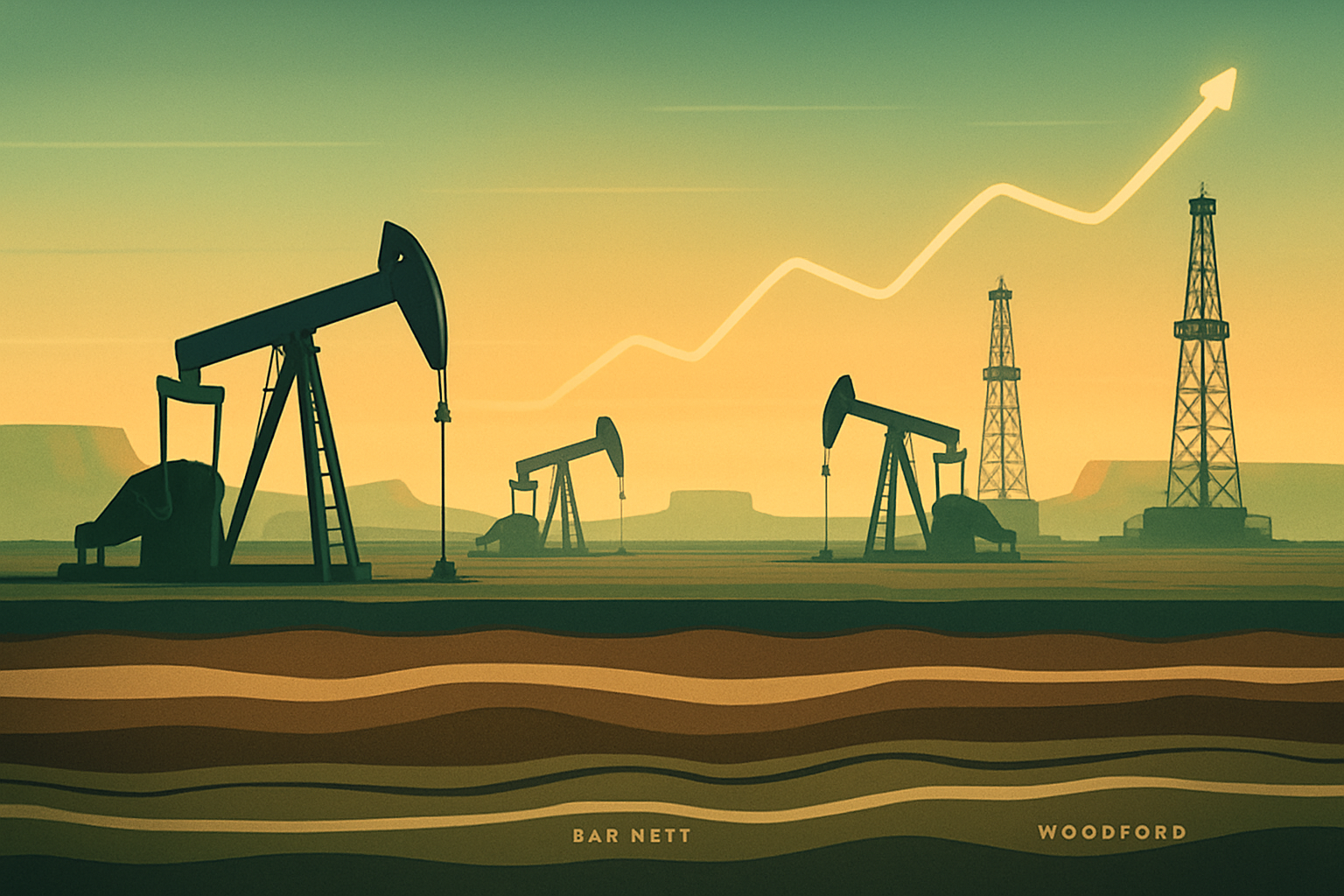
    In 2026, Diamondback is increasingly focusing on "inventory depth" through innovation. The company has allocated over $100 million in 2026 to explore deeper shale layers, specifically the Barnett and Woodford formations in the Midland Basin. If successful, these "deeper zones" could add years of tier-1 drilling inventory to an already vast portfolio. Additionally, through its interest in midstream infrastructure, Diamondback has innovated in "produced water" recycling, significantly reducing its reliance on fresh water for hydraulic fracturing.

    Competitive Landscape

    Diamondback operates in the most competitive oil patch in the world. Its primary rivals are no longer small independents, but global giants. Following the massive consolidation of 2024, the "Big Three" of the Permian consist of:

    1. ExxonMobil (NYSE: XOM): Following its merger with Pioneer Natural Resources, Exxon is the largest producer in the basin.
    2. Chevron (NYSE: CVX): A dominant player with high capital efficiency and extensive midstream assets.
    3. Diamondback Energy (NASDAQ: FANG): Now the third-largest producer, maintaining an edge through its "pure-play" agility and lower overhead compared to the supermajors.

    Occidental Petroleum (NYSE: OXY), following its CrownRock acquisition, also remains a fierce competitor for acreage and labor in the Midland Basin.

    Industry and Market Trends

    The Permian Basin in 2026 is defined by two major trends: consolidation and "gas takeaway" constraints. As the basin matures, the easy oil has been found, forcing operators to focus on operational efficiency and horizontal lateral lengths of three miles or more.

    A macro driver for 2026 is the pricing at the Waha gas hub. Due to a surge in associated gas production and limited pipeline capacity, natural gas prices in the Permian have frequently turned negative. Diamondback has mitigated this by securing firm long-haul takeaway capacity, ensuring its gas reaches higher-priced markets on the Gulf Coast or in Mexico, a strategy that separates the winners from the losers in the current environment.

    Risks and Challenges

    Despite its strong position, Diamondback faces several headwinds:

    • Commodity Price Volatility: Like all E&Ps, Diamondback is a price-taker. A global economic slowdown or an OPEC+ supply surge could compress margins.
    • Regulatory Scrutiny: Federal methane regulations and state-level restrictions on produced water disposal (due to seismicity concerns) have increased compliance costs.
    • Waha Basis Risk: Continued pipeline bottlenecks could force production curtailments if gas cannot be moved out of the basin.
    • Inventory Quality: As the "best" zones are drilled, there is long-term concern about the productivity of secondary "Tier 2" acreage.

    Opportunities and Catalysts

    • Synergy Realization: Every dollar saved in the Endeavor integration flows directly to the bottom line. Analysts are watching for further "capital efficiency" beats in late 2026.
    • Deleveraging: As the debt-to-EBITDA ratio falls toward 1.0x, the company is expected to pivot more aggressively toward share buybacks.
    • Deeper Formations: Success in the Barnett and Woodford shales could trigger a significant re-rating of the stock as investors price in a longer production runway.
    • M&A Potential: While currently a buyer, Diamondback’s high-quality asset base makes it a perpetual target for a supermajor looking to dominate the Permian.

    Investor Sentiment and Analyst Coverage

    Wall Street maintains a "Strong Buy" consensus on FANG. Analysts from firms like Mizuho, Citi, and Goldman Sachs have set price targets ranging from $190 to $230 for the 2026 fiscal year. Institutional ownership remains high, with major funds like BlackRock and Vanguard holding significant stakes, attracted by the company’s disciplined return of capital. Retail sentiment is generally positive, with Diamondback often cited in "dividend growth" and "energy value" forums as a top-tier pick for income-seeking investors.

    Regulatory, Policy, and Geopolitical Factors

    Geopolitical instability in 2026 has kept a floor under oil prices, benefiting Diamondback’s domestic operations. Domestically, the regulatory environment is a mix of challenge and opportunity. While the current administration has tightened methane standards, there is a growing recognition of the Permian’s role in global energy security. Diamondback’s ESG-linked compensation—where 25% of executive pay is tied to emissions and safety targets—has helped it navigate the regulatory landscape and maintain favor with ESG-conscious institutional investors.

    Conclusion

    Diamondback Energy (NASDAQ: FANG) stands in 2026 as a testament to the power of focus and disciplined execution. By remaining a pure-play Permian operator and successfully integrating the massive Endeavor acquisition, the company has secured a seat at the table with the world’s largest energy giants.

    For investors, Diamondback offers a balanced proposition: the security of a massive, high-quality asset base combined with an aggressive shareholder return framework. While risks regarding gas pricing and regulatory shifts remain, the company’s low breakeven costs and superior inventory depth provide a significant margin of safety. As the Permian continues to consolidate, Diamondback’s role as the basin’s leading independent operator makes it a critical stock to watch for anyone tracking the future of American energy.


    This content is intended for informational purposes only and is not financial advice.

  • The Rise of the Mega-Independent: A Deep Dive into Devon Energy (DVN) in 2026

    The Rise of the Mega-Independent: A Deep Dive into Devon Energy (DVN) in 2026

    As of April 2, 2026, the American energy landscape is undergoing a profound structural shift. The era of the "shale wildcatter" has definitively given way to the era of the "Mega-Independent." At the heart of this transformation is Devon Energy Corporation (NYSE: DVN). Long regarded as a pioneer of the hydraulic fracturing revolution, Devon has spent the mid-2020s reinventing itself from a nimble mid-cap producer into a diversified energy titan.

    Today, Devon sits at a critical juncture. Following the transformative 2021 merger with WPX Energy and the more recent 2026 blockbuster merger with Coterra Energy, the company has transitioned from a pure-play oil producer to a multi-commodity powerhouse. With its flagship operations in the Delaware Basin and a newly fortified position in the Marcellus Shale, Devon is no longer just a participant in the U.S. energy market—it is a price maker and an efficiency benchmark. This article explores the company's evolution, its financial resilience, and the strategic vision of its new leadership as it navigates a complex global energy transition.

    Historical Background

    The Devon story began in 1971 in Oklahoma City, founded by father-and-son duo John and Larry Nichols with a modest $10,000 investment. While many oil companies of that era looked toward international offshore prospects, Devon focused on the untapped potential of onshore U.S. basins.

    The company’s most pivotal moment came in 2002 with the $3.5 billion acquisition of Mitchell Energy. This deal is widely credited with catalyzing the U.S. shale revolution. By combining George Mitchell’s innovative hydraulic fracturing techniques with Devon’s expertise in horizontal drilling in the Barnett Shale, the company unlocked vast reserves previously thought unreachable. This "shale gale" fundamentally altered global geopolitics and energy markets.

    In the decades that followed, Devon underwent several strategic "right-sizing" phases. It divested its international assets in Brazil, Azerbaijan, and China to focus exclusively on U.S. onshore plays. The 2021 "merger of equals" with WPX Energy served as the modern blueprint for the industry, emphasizing capital discipline over production growth. Most recently, the 2024 acquisition of Grayson Mill Energy and the 2026 Coterra merger have solidified Devon’s place among the world’s elite energy producers.

    Business Model

    Devon Energy operates a "manufacturing-style" business model characterized by repeatable, high-margin drilling programs. Its revenue is derived primarily from the exploration, development, and production of oil, natural gas, and natural gas liquids (NGLs).

    The company’s portfolio is strategically diversified across several Tier 1 basins:

    • Delaware Basin (Permian): The crown jewel, accounting for roughly 60% of total production. This region provides the company's highest rates of return and lowest breakeven costs (estimated at ~$40/WTI).
    • Williston Basin (Bakken): Recently expanded via Grayson Mill, this asset provides a steady, high-margin oil stream and a decade-long inventory runway.
    • Marcellus Shale: Following the 2026 Coterra merger, Devon gained a massive foothold in the premier U.S. natural gas play, providing a strategic hedge against oil price volatility.
    • Anadarko and Eagle Ford Basins: These mature assets serve as reliable "cash cows," requiring minimal capital reinvestment while generating significant free cash flow.

    Devon’s model is unique for its "Fixed-Plus-Variable" dividend framework—a policy it pioneered in 2021 to ensure that shareholders benefit directly from commodity price spikes while maintaining a stable base payout.

    Stock Performance Overview

    Over the past decade, DVN’s stock performance has mirrored the volatile cycle of the U.S. energy sector, though it has increasingly decoupled from pure commodity tracking through superior capital management.

    • 1-Year Performance: Over the last twelve months, DVN has outpaced the XLE (Energy Select Sector SPDR Fund) by approximately 8%, largely driven by the successful integration of the Grayson Mill assets and the announcement of the Coterra merger.
    • 5-Year Performance: The five-year horizon shows a dramatic recovery. Since the depths of the 2020 pandemic, the stock has seen a nearly 300% total return, fueled by the WPX merger and a disciplined "Value over Volume" strategy.
    • 10-Year Performance: Looking back a decade, the stock shows the scars of the 2014-2016 oil crash and the 2020 downturn. However, for investors who held through the 2021 restructuring, the massive dividends and buybacks have significantly boosted total shareholder returns (TSR).

    As of early April 2026, the stock trades in the $50-$52 range, with a market capitalization reflecting its new status as a "Super-Independent."

    Financial Performance

    Devon’s financial health in 2026 is robust, characterized by a "fortress balance sheet."

    • Revenue and Earnings: For the fiscal year 2025, Devon reported revenue of approximately $17.47 billion. Net income remained strong despite moderate oil price fluctuations, supported by cost-cutting initiatives.
    • Cash Flow: A primary metric for Devon is Free Cash Flow (FCF). In 2025, the company generated $3.1 billion in FCF. Under the "Business Optimization" plan, Devon is on track to increase annual pre-tax FCF by $1 billion by the end of 2026.
    • Debt Profile: The company maintains a net debt-to-EBITDAX ratio of ~0.9x, well below the industry average, providing significant flexibility for M&A or further shareholder returns.
    • Valuation: DVN currently trades at a forward P/E ratio that is competitive with its peer group (EOG and Diamondback), though many analysts argue the market has yet to fully "re-rate" the company following the Marcellus gas entry.

    Leadership and Management

    A significant transition occurred in March 2025 when long-time CEO Rick Muncrief retired. Muncrief is credited with stabilizing Devon and championing the shareholder-return model that the entire industry eventually adopted.

    Clay Gaspar, formerly the Chief Operating Officer, stepped into the CEO role on March 1, 2025. Gaspar is an operational heavyweight, known for his technical precision and focus on "drilling efficiency." His leadership has been defined by the "Business Optimization" program, which uses data analytics to shave days off drilling cycles and reduce lease operating expenses.

    Supporting Gaspar is a board of directors with deep experience in both traditional energy and emerging ESG (Environmental, Social, and Governance) standards. The management team’s reputation for transparency and conservative guidance has earned them high marks from institutional investors.

    Products, Services, and Innovations

    While Devon’s primary products are commodities (Oil, Gas, NGLs), its competitive edge lies in its technological application.

    • Advanced Seismic Imaging: Devon utilizes proprietary 3D and 4D seismic data to optimize well placement, reducing the risk of "parent-child" well interference in the Permian.
    • Water Recycling: In the arid Delaware Basin, Devon has become a leader in water management, recycling over 90% of its produced water to use in subsequent fracking operations, significantly lowering costs and environmental impact.
    • Methane Capture Tech: The company has deployed sophisticated leak detection and repair (LDAR) technology using satellite and drone monitoring. By April 2026, Devon is nearing its goal of 98% gas capture across all operations, a crucial metric for regulatory compliance in New Mexico.

    Competitive Landscape

    The U.S. E&P (Exploration and Production) space has consolidated rapidly. Devon’s primary rivals include:

    • Diamondback Energy (NASDAQ: FANG): A formidable Permian pure-play that often competes with Devon for acreage and services.
    • EOG Resources (NYSE: EOG): Known for its "premium well" strategy and technological prowess.
    • The Majors (ExxonMobil and Chevron): Following their respective acquisitions of Pioneer and Hess, the "Supermajors" have brought massive scale to the Permian, forcing independents like Devon to find efficiencies to maintain their margins.

    Devon’s strength lies in its multi-basin approach. Unlike Permian-only players, Devon can pivot capital to the Williston or Marcellus if regional price differentials or regulatory hurdles make Permian drilling less attractive.

    Industry and Market Trends

    The energy sector in 2026 is defined by three major trends:

    1. Consolidation Fatigue: After the 2023-2025 merger wave, the industry is shifting focus from "buying inventory" to "optimizing inventory."
    2. Natural Gas as a Transition Fuel: With global LNG (Liquefied Natural Gas) demand soaring, U.S. natural gas has become a geopolitical tool. Devon’s entry into the Marcellus positions it to capitalize on this long-term trend.
    3. Capital Discipline 2.0: Investors no longer reward "growth for growth's sake." The market now demands sustainable cash flow and returns, a philosophy Devon helped create.

    Risks and Challenges

    Despite its strengths, Devon faces significant headwinds:

    • Regulatory Exposure: A large portion of Devon’s Delaware Basin acreage is on federal land in New Mexico. Changes in federal leasing policies or stricter Bureau of Land Management (BLM) rules could impact future drilling permits.
    • Integration Risk: The 2026 Coterra merger is massive. Combining the corporate cultures of Oklahoma City and Houston, while attempting to capture $1 billion in synergies, is a monumental task that could distract management.
    • Commodity Volatility: While hedged, Devon remains sensitive to global macro events. A global recession or a surge in OPEC+ production could press oil prices below Devon’s "dividend floor."
    • Environmental Litigation: Ongoing legal challenges regarding "zombie permits" and water use in the Southwest continue to pose a nuisance and potential financial risk.

    Opportunities and Catalysts

    • Synergy Realization: If Devon can achieve its $1 billion cost-saving goal ahead of schedule, the stock is likely to see a significant "re-rating" by analysts.
    • Increased Share Buybacks: Following the completion of the Coterra merger, Devon has announced a new $5 billion+ share repurchase authorization. Reducing the share count at current valuations could significantly boost earnings per share (EPS).
    • LNG Export Ties: New agreements to supply Marcellus gas to Gulf Coast LNG terminals could provide Devon with exposure to international gas prices, which are often significantly higher than domestic Henry Hub prices.

    Investor Sentiment and Analyst Coverage

    Current sentiment on Wall Street is "Cautiously Bullish." Following the CEO transition to Clay Gaspar, several major firms, including Mizuho and UBS, upgraded the stock, citing the "optimization story."

    • Institutional Ownership: Large institutions like Vanguard and BlackRock remain the largest shareholders, valuing Devon for its consistent dividend yield.
    • Retail Chatter: Among retail investors, Devon is often discussed as a "staple" energy holding, praised for its variable dividend policy, though some frustration exists regarding the stock’s relative underperformance compared to the broader tech-heavy S&P 500.

    Regulatory, Policy, and Geopolitical Factors

    The geopolitical landscape remains a double-edged sword. While global instability often supports higher oil prices, it also brings increased scrutiny of U.S. energy exports.

    • SEC Climate Disclosures: New, stringent SEC requirements for carbon footprint reporting have increased administrative costs but also allowed Devon to showcase its leading methane reduction efforts.
    • Permian Infrastructure: Ongoing regulatory battles over pipeline expansions out of the Permian Basin remain a bottleneck for production growth, though Devon’s diversified basin profile mitigates this risk compared to its peers.

    Conclusion

    Devon Energy Corporation has successfully navigated the most volatile decade in the history of the U.S. oil and gas industry. By evolving from a pure shale driller into a disciplined, multi-basin "Mega-Independent," the company has built a resilient machine capable of generating cash in almost any price environment.

    As of April 2026, the "New Devon" is characterized by the technical leadership of Clay Gaspar, a fortress-like balance sheet, and a strategic footprint in both the oil-rich Permian and the gas-rich Marcellus. While integration risks and regulatory hurdles in New Mexico remain, the company’s commitment to returning capital to shareholders makes it a compelling case study in modern energy management. For investors, the key will be watching the realization of Coterra synergies and the company's ability to maintain its 98% methane capture targets. In the "Higher for Longer" energy era, Devon appears well-positioned to remain a cornerstone of the American energy sector.


    This content is intended for informational purposes only and is not financial advice.

  • Dow Inc. (DOW) Deep-Dive: Navigating a Net-Zero Turnaround in 2026

    Dow Inc. (DOW) Deep-Dive: Navigating a Net-Zero Turnaround in 2026

    As of April 2, 2026, Dow Inc. (NYSE: DOW) stands at a critical crossroads in the global materials science industry. Once the cornerstone of the massive DowDuPont conglomerate, the independent Dow has spent the last seven years navigating extreme cyclical volatility, a global pandemic, and a seismic shift toward environmental accountability. Today, the company is in the early stages of its "Transform to Outperform" initiative, a sweeping restructuring program designed to strip out costs and pivot toward high-margin, low-carbon products. With a market presence that touches everything from food packaging to 800V electric vehicle systems, Dow remains a bellwether for the global economy, yet it faces the daunting task of proving that a legacy chemical giant can thrive in a circular, net-zero future.

    Historical Background

    The story of Dow began in 1897 when Herbert H. Dow founded the company in Midland, Michigan, originally to extract bromine and chlorine from subterranean brine. Over the next century, Dow became a global powerhouse, pioneering everything from Saran Wrap to specialized plastics for the automotive and aerospace industries.

    The company’s modern era, however, is defined by the 2017 "merger of equals" with DuPont. The resulting entity, DowDuPont, was a $130 billion behemoth designed as a strategic transition vehicle. In April 2019, the conglomerate was split into three focused, independent public companies: Corteva (Agriculture), the "new" DuPont (Specialty Products), and Dow Inc., which inherited the scale-intensive materials science assets. Since the spin-off, Dow has functioned as a pure-play chemicals and plastics firm, aiming for a leaner, more agile operating model than its predecessor.

    Business Model

    Dow’s revenue model is built on three core operating segments, serving a highly diversified global customer base:

    1. Packaging & Specialty Plastics (PSP): This is the company’s flagship segment, accounting for approximately 50% of total revenue. It focuses on the production of polyethylene (PE) and elastomers. Its products are essential for high-growth sectors like flexible food packaging, hygiene products, and mobility.
    2. Industrial Intermediates & Infrastructure (II&I): This segment produces polyurethanes and construction chemicals. It serves the appliance, bedding, and infrastructure markets, providing the chemical building blocks for insulation, adhesives, and energy-efficient building materials.
    3. Performance Materials & Coatings (PM&C): Leveraging the legacy of Dow Corning, this segment leads the market in silicones and architectural coatings. It provides high-performance materials for electronics, personal care, and the construction industry.

    Stock Performance Overview

    Dow’s stock performance has been a reflection of the broader cyclicality of the chemical sector.

    • 1-Year Performance: The stock has seen a robust recovery of approximately 21% over the past year. This rebound was driven by aggressive cost-cutting measures and a widening "ethane-to-naphtha" spread that benefited North American producers.
    • 5-Year Performance: Looking back to 2021, the stock remains down roughly 35%. The period was marked by a brutal industry trough in 2024-2025, characterized by high interest rates and massive overcapacity in the Chinese market.
    • Since 2019 Spin-off: From its debut near $53 in 2019 to its current price of ~$41.65, Dow has faced a price decline of about 21%. However, until the early 2026 "dividend reset," the company had provided substantial cash returns to shareholders, which bolstered the Total Shareholder Return (TSR).

    Financial Performance

    Dow’s recent financial history highlights the severity of the 2025 industry downturn. In the 2025 fiscal year, the company reported revenue of $40.0 billion, a 7% decline from the previous year. More strikingly, the company recorded a GAAP net loss of $2.4 billion, largely due to non-cash impairment charges in its polyurethanes unit and high pension settlement costs.

    As of early 2026, the balance sheet remains stable but stretched. Total long-term debt stands at $17.8 billion, with a debt-to-equity ratio of 1.11. In a move to preserve capital for its "Path2Zero" initiatives, Dow recently reset its quarterly dividend to $0.35 per share, resulting in a current yield of approximately 3.36%. Analysts are closely monitoring the company's progress toward its goal of $2 billion in annual EBITDA improvements by 2027.

    Leadership and Management

    CEO Jim Fitterling has led Dow since its 2019 inception. A career veteran of the company, Fitterling is widely respected for his operational discipline and his early commitment to ESG targets. His leadership in 2026 is focused on the "Transform to Outperform" strategy, which includes a reduction of roughly 4,500 roles (13% of the workforce) to streamline operations.

    The management team was further bolstered in early 2026 by the elevation of Andre Argenton to Chief Technology and Sustainability Officer. This move signals a strategic shift, placing technological innovation at the same level of priority as financial performance as the company attempts to decarbonize its massive industrial footprint.

    Products, Services, and Innovations

    Innovation at Dow has moved beyond mere volume and into the realm of molecular efficiency.

    • Catalyst Technology: Dow continues to license its UNIPOL™ PE and INSITE™ catalyst platforms. These technologies allow for the creation of metallocene-based plastics that are thinner but stronger, helping consumer brands meet "downgauging" targets.
    • Silicones for EVs: The Dow Silicones division has become a leader in thermal management for electric vehicles. The DOWSIL™ EG-4175 silicone gel is currently a top choice for 800V EV systems, offering superior stability under extreme heat.
    • Circular Solutions: Dow is aggressively marketing its ENGAGE™ REN bio-based elastomers, which utilize renewable feedstocks to reduce the carbon footprint of automotive and footwear components.

    Competitive Landscape

    Dow operates in an intensely competitive global market:

    • LyondellBasell (NYSE: LYB): Dow’s primary rival in the polyolefins space. While LYB has been faster to return cash to shareholders, Dow maintains a broader portfolio in silicones and specialty coatings.
    • BASF (OTC: BASFY): The German giant remains the world’s largest chemical producer. However, Dow currently holds a competitive advantage over BASF due to its access to low-cost North American natural gas (ethane) feedstocks, whereas BASF remains exposed to more volatile European energy prices.
    • Westlake (NYSE: WLK): A more concentrated competitor that often outperforms Dow in U.S. housing-related cycles but lacks Dow’s global scale and R&D depth.

    Industry and Market Trends

    The chemical industry in 2026 is being reshaped by two massive forces:

    1. Feedstock Arbitrage: The geopolitical instability in the Middle East has driven naphtha prices (the primary feedstock for Asian and European producers) to nearly $1,000/ton. This has given Dow’s North American assets a massive cost advantage of over $1,200 per metric ton.
    2. Structural Overcapacity: Despite the feedstock advantage, the global market remains oversupplied. China’s transition to chemical self-sufficiency in 2025 has created a glut of commodity plastics, keeping prices depressed and forcing Dow to pivot toward specialty, high-margin products.

    Risks and Challenges

    The primary risk for Dow is the execution risk associated with its massive restructuring. Laying off 13% of the workforce while trying to maintain operational excellence and safety is a delicate balance. Furthermore, the company is highly sensitive to macroeconomic shifts; a prolonged high-interest-rate environment could further delay the recovery of the automotive and construction sectors, which are vital for Dow’s high-margin segments.

    Operationally, the "Path2Zero" project in Fort Saskatchewan is a multi-billion dollar bet on hydrogen and carbon capture. Any further delays or cost overruns in this flagship project could undermine investor confidence in Dow’s ability to decarbonize without destroying shareholder value.

    Opportunities and Catalysts

    The main catalyst for Dow in 2026 is the "Transform to Outperform" program. If management can successfully capture the targeted $2 billion in EBITDA improvements, the stock could see significant multiple expansion.

    Additionally, the restart of the Fort Saskatchewan Path2Zero project in early 2026 is a major milestone. This facility is expected to be the world’s first net-zero integrated ethylene cracker, positioning Dow as the preferred supplier for global brands (like Unilever or P&G) that are desperate for low-carbon packaging to meet their own 2030 sustainability goals.

    Investor Sentiment and Analyst Coverage

    Wall Street currently views Dow with cautious optimism, maintaining a consensus "Hold" rating. Analysts appreciate the company's feedstock advantage in the U.S. Gulf Coast but are wary of the 2025 net loss and the recent dividend cut.

    Institutional ownership remains high, with The Vanguard Group (12.15%) and BlackRock (7.29%) providing a stable base of passive capital. There has been some "churn" among active managers who are waiting for clearer signs of a demand recovery in China before increasing their positions.

    Regulatory, Policy, and Geopolitical Factors

    Dow is navigating a minefield of shifting regulations:

    • EU PPWR: The European Union’s Packaging and Packaging Waste Regulation becomes active in August 2026. Dow has had to overhaul its European product lines to ensure they meet mandatory "Design for Recycling" criteria.
    • UN Global Plastics Treaty: Negotiations remain deadlocked as of early 2026, with the industry successfully pushing back against production caps. However, any eventual agreement that limits virgin plastic production would be a significant headwind.
    • SEC Climate Rules: While federal U.S. climate disclosure rules are currently in legal limbo, Dow is already complying with California’s SB 253 and the EU’s CSRD, effectively making Scope 1-3 emissions reporting a standard operating procedure.

    Conclusion

    Dow Inc. enters mid-2026 as a leaner, more focused version of its former self. The company has navigated a brutal cyclical trough and is now betting heavily on a combination of aggressive cost management and technical innovation in sustainability. While the 2025 financial results were a sobering reminder of the industry’s volatility, the widening feedstock spreads and the strategic focus on net-zero production offer a compelling long-term thesis. For investors, the next 12 to 18 months will be a test of Jim Fitterling’s "Transform" strategy. Success could re-establish Dow as the premier materials science stock, while failure to capture promised efficiencies could leave the company vulnerable to the next downturn.


    This content is intended for informational purposes only and is not financial advice.

  • The Refining Powerhouse: A Deep-Dive into Valero Energy (VLO) in 2026

    The Refining Powerhouse: A Deep-Dive into Valero Energy (VLO) in 2026

    As of April 2, 2026, Valero Energy Corporation (NYSE: VLO) stands at a critical juncture in the global energy landscape. Long regarded as the gold standard of independent refining, Valero has successfully navigated a decade of extreme volatility to emerge as a dual-threat powerhouse: a dominant force in traditional fossil fuel processing and a pioneer in the burgeoning renewable fuels market.

    With its stock price recently touching all-time highs near $250, Valero is currently in the spotlight for more than just its financial prowess. The company is navigating the strategic closure of its California refining assets, dealing with the aftermath of a major operational disruption at its Port Arthur facility, and capitalising on the world’s growing hunger for Sustainable Aviation Fuel (SAF). For investors, Valero represents a bet on the persistence of the "Golden Age of Refining" and the successful execution of a low-carbon transition that doesn't compromise on cash flow.

    Historical Background

    Valero’s journey began in 1980 as a corporate necessity, born from the restructuring of the LoVaca Gathering Company, a subsidiary of Coastal States Gas Corporation. Originally a natural gas utility, Valero’s transformation into a refining giant was the result of a deliberate, decades-long pivot. Under the leadership of former CEO Bill Greehey, the company began acquiring undervalued, complex refining assets that competitors were eager to shed.

    The late 1990s and early 2000s marked an era of aggressive expansion. Significant acquisitions, including the purchase of Ultramar Diamond Shamrock in 2001 and Premcor in 2005, catapulted Valero to the position of the largest independent refiner in North America. A pivotal strategic shift occurred in 2013 when Valero spun off its retail business (CST Brands) to focus exclusively on manufacturing. This "pure-play" manufacturing model allowed the company to dedicate capital to its "Diamond Green Diesel" (DGD) joint venture, a move that would later define its leadership in the renewable energy space.

    Business Model

    Valero’s business model is built on three pillars: Refining, Renewable Diesel, and Ethanol.

    1. Refining (The Core): Valero operates 15 refineries across the United States, Canada, and the United Kingdom, with a total throughput capacity of approximately 3.2 million barrels per day. The hallmark of its refining segment is "complexity"—the ability to process heavy, sour, and discounted crude oils into premium products like ultra-low-sulfur diesel and high-octane gasoline.
    2. Renewable Diesel (The Growth Engine): Through the DGD joint venture with Darling Ingredients, Valero is the largest producer of renewable diesel in North America. This segment converts waste fats, used cooking oils, and corn oil into a "drop-in" fuel that is chemically identical to petroleum diesel but with a significantly lower carbon intensity.
    3. Ethanol (The Stabilizer): With 12 plants and a capacity of 1.6 billion gallons per year, Valero is one of the world's largest ethanol producers. This segment provides a strategic hedge and helps the company manage its obligations under various low-carbon fuel standards.

    Stock Performance Overview

    Over the last decade, Valero has transformed from a cyclical laggard into a high-performing "dividend aristocrat in the making."

    • 1-Year Performance: As of April 2026, VLO has surged over 40% year-over-year. This rally was fueled by exceptionally tight global diesel inventories and the successful commissioning of the Port Arthur SAF project.
    • 5-Year Performance: Looking back to 2021, the stock has tripled in value. The post-pandemic recovery in travel, combined with the permanent closure of several global refineries, created a "supply-side" bull market for Valero.
    • 10-Year Performance: Long-term holders have seen VLO outperform the broader S&P 500 Energy Index. While the stock faced a massive drawdown during the 2020 lockdowns, its recovery has been characterized by aggressive share buybacks and a dividend that has grown consistently, rewarding patient capital.

    Financial Performance

    Valero’s financial health in early 2026 is robust, characterized by record-breaking earnings and a fortress-like balance sheet. In its most recent Q4 2025 earnings report, the company posted an adjusted net income of $1.2 billion, or $3.82 per share, comfortably beating Wall Street estimates.

    Key financial metrics include:

    • Revenue: Consistently topping $30 billion per quarter.
    • Refining Margins: Benefiting from wide "crack spreads"—the difference between the price of crude oil and the refined products.
    • Shareholder Returns: In January 2026, Valero increased its quarterly dividend by 6% to $1.20 per share. In 2025 alone, the company returned over $5 billion to shareholders through dividends and buybacks.
    • Valuation: Despite the stock price surge, VLO trades at a modest forward P/E ratio relative to the broader market, reflecting the market's cautious view on the long-term cyclicality of the energy sector.

    Leadership and Management

    The company is currently led by Lane Riggs, who assumed the role of Chairman, CEO, and President. A Valero veteran who joined the company in 1989 as an engineer, Riggs embodies the company’s "operational first" culture.

    Riggs’ strategy, often referred to as "Disciplined Capital Allocation," focuses on maximizing the efficiency of existing assets rather than pursuing risky, multi-billion-dollar greenfield expansions. Under his tenure, Valero has maintained a best-in-class safety record and kept operating costs roughly 20% below the industry average. Riggs is supported by Gary Simmons (COO) and Homer Bhullar (CFO), forming a management team widely respected by institutional investors for their transparency and fiscal conservatism.

    Products, Services, and Innovations

    While gasoline and diesel remain the primary revenue drivers, Valero’s innovation pipeline is focused on the "fuels of the future."

    • Sustainable Aviation Fuel (SAF): In January 2025, Valero’s Port Arthur SAF project became fully operational. It is currently one of the few facilities globally capable of producing "neat" SAF at scale. This project allows Valero to supply airlines with fuel that reduces life-cycle GHG emissions by up to 80%.
    • Carbon Capture and Storage (CCS): Valero is a key participant in large-scale carbon sequestration projects in the U.S. Midwest, aimed at further lowering the carbon intensity of its ethanol production.
    • V-Drive Program: This proprietary operational management system uses AI and advanced data analytics to optimize refinery throughput in real-time, allowing Valero to capture fleeting market opportunities that smaller competitors miss.

    Competitive Landscape

    Valero competes primarily with other large independent refiners like Marathon Petroleum (NYSE: MPC) and Phillips 66 (NYSE: PSX).

    • VS. MPC: Marathon is Valero’s closest rival in terms of scale. While Marathon has a larger retail footprint through its integration with Speedway, Valero is generally considered more "operationally pure," with a higher concentration of complex refining assets.
    • VS. PSX: Phillips 66 is more diversified, with significant investments in midstream assets and chemicals. Valero, by contrast, has doubled down on the renewable fuels margin, giving it a higher beta to the green energy transition than PSX.

    Valero’s competitive edge lies in its export capability. With a massive presence on the U.S. Gulf Coast, Valero can move product to high-demand markets in South America and Europe more efficiently than inland competitors.

    Industry and Market Trends

    The refining sector is currently in a "sweet spot." Global refining capacity has not kept pace with demand growth in emerging markets.

    1. Diesel Tightness: The transition away from Russian energy products in Europe and structural shortages of refining capacity in the Atlantic Basin have kept diesel margins elevated.
    2. The "S" Curve of SAF: Airlines are under immense regulatory pressure to decarbonize. Demand for SAF is currently outstripping supply by a factor of ten, creating a lucrative "early mover" advantage for Valero.
    3. Regulatory Consolidation: Small, inefficient refineries are closing due to the high cost of compliance, leaving a larger market share for high-complexity players like Valero.

    Risks and Challenges

    No investment is without peril, and Valero faces several significant headwinds:

    • Operational Risk: On March 23, 2026, a major explosion at the Port Arthur refinery took a key diesel hydrotreater offline. While no fatalities occurred, the incident highlighted the inherent dangers of the refining business and led to localized lawsuits.
    • California Regulatory Climate: Valero recently announced the final shutdown of its Benicia refinery by the end of April 2026. The move follows years of legal battles with California regulators and underscores the "geographical risk" of operating in states with aggressive anti-fossil fuel mandates.
    • RIN Volatility: The cost of Renewable Identification Numbers (RINs)—the credits used to comply with the U.S. Renewable Fuel Standard—can be highly volatile, impacting refining margins unpredictably.

    Opportunities and Catalysts

    • Marine SAF Shipments: In March 2026, Valero completed its first marine shipment of neat SAF to Europe. This opens up a massive international market where SAF mandates are even stricter than in the U.S.
    • Global Diesel Scarcity: Any further geopolitical instability in the Middle East or Eastern Europe acts as a catalyst for Valero, as it typically leads to wider crack spreads.
    • M&A Potential: As smaller refiners struggle with the energy transition, Valero is well-positioned to acquire high-quality assets at distressed prices, further consolidating the market.

    Investor Sentiment and Analyst Coverage

    Wall Street remains overwhelmingly bullish on VLO. As of April 2026, the consensus rating is a "Moderate Buy," with several top-tier analysts, including Raymond James, setting price targets as high as $290.

    Institutional ownership remains high, with major funds like BlackRock and Vanguard holding significant positions. Sentiment among retail investors is also positive, often fueled by the company’s generous dividend policy and its reputation as a "responsible" energy play that is actively participating in the low-carbon transition.

    Regulatory, Policy, and Geopolitical Factors

    The EPA’s finalization of record-high Renewable Fuel Standard (RFS) volumes for 2026-2027 (totaling 26.81 billion RINs) is a major tailwind for Valero. This policy ensures high demand for the company’s renewable diesel and ethanol.

    Geopolitically, Valero benefits from U.S. energy independence. While integrated oil majors are subject to the whims of OPEC+ production cuts, Valero’s ability to source diverse feedstocks—including domestic shale and Canadian heavy oil—provides a level of insulation from global supply shocks.

    Conclusion

    Valero Energy Corporation (NYSE: VLO) enters the second quarter of 2026 as a formidable leader in the global energy sector. Its strategy of combining "best-in-class" traditional refining with a market-leading position in renewable diesel and SAF has proven to be a winning formula.

    While the company faces ongoing challenges—most notably the regulatory exit from California and the recent operational hiccup at Port Arthur—its financial foundation has never been stronger. For investors, Valero offers a rare combination of immediate yield, disciplined management, and a credible bridge to a lower-carbon future. As long as the global economy requires liquid fuels to move goods and people, Valero remains an essential, albeit cyclical, cornerstone of the industrial economy.


    This content is intended for informational purposes only and is not financial advice.

  • Coterra Energy (CTRA) 2026 Analysis: The Rise of a Super-Independent

    Coterra Energy (CTRA) 2026 Analysis: The Rise of a Super-Independent

    As of April 2, 2026, the American energy landscape is undergoing a profound structural shift. While the "shale revolution" of the 2010s was defined by volume, the era of the mid-2020s is defined by capital discipline, multi-basin agility, and a sudden, massive surge in demand from the burgeoning AI data center sector. At the epicenter of this transformation is Coterra Energy Inc. (NYSE: CTRA).

    Once a pure-play natural gas driller, Coterra has spent the last five years evolving into a diversified powerhouse. Today, the company stands on the precipice of its most significant evolution yet: a massive $58 billion merger with Devon Energy (NYSE: DVN), a move that aims to create a "Super-Independent" capable of rivaling the scale of global majors while maintaining the nimble operational edge of an E&P specialist. This deep dive explores the mechanics, history, and future outlook for a company that has become a bellwether for the modern energy investor.

    Historical Background

    The story of Coterra Energy is a masterclass in strategic pivot. The company was born on October 1, 2021, out of a "merger of equals" between Cabot Oil & Gas and Cimarex Energy. At the time, the deal was met with skepticism by some analysts who questioned the synergy between Cabot’s Appalachian gas assets and Cimarex’s oil-rich Permian holdings.

    However, the vision—spearheaded by Tom Jorden—was to create a company that was "commodity agnostic." By combining the lowest-cost natural gas assets in the world (the Marcellus Shale) with some of the most productive oil acreage in North America (the Delaware Basin), Coterra insulated itself from the volatility of a single commodity.

    Since the 2021 merger, Coterra has transitioned from a newly formed entity into an operational benchmark. Key milestones include the aggressive debt reduction of 2022 and 2023, the strategic $3.95 billion acquisition of Franklin Mountain and Avant assets in 2025 to bolster its Permian footprint, and the February 2026 announcement of its merger with Devon Energy, which is expected to close in the second quarter of this year.

    Business Model

    Coterra’s business model is built on three distinct pillars, providing a geographic and commodity balance that few competitors can match:

    1. The Marcellus Shale (Pennsylvania): Approximately 186,000 net acres focused on dry natural gas. This remains the company’s "cash cow," boasting industry-leading breakevens. In the current 2026 environment, these assets are the primary feedstock for the growing LNG export terminals on the East Coast and Gulf Coast.
    2. The Permian Basin (Texas/New Mexico): Approximately 345,000 net acres in the Delaware Basin. This segment provides the company’s oil growth and high-margin liquids production. Following the 2025 acquisitions, this has become Coterra's largest capital expenditure target.
    3. The Anadarko Basin (Oklahoma): A flexible 208,000-acre position. While smaller than the other two, it serves as a critical "swing" asset, allowing Coterra to rotate capital into liquids-rich plays when gas prices are depressed or vice versa.

    The revenue model is split roughly 50/50 between oil and natural gas/NGLs, though this fluctuates based on market pricing. By operating in three distinct basins, Coterra can optimize its drilling schedule to avoid regional pipeline bottlenecks, a chronic issue in the energy sector.

    Stock Performance Overview

    As of early April 2026, Coterra’s stock performance reflects both its operational success and the excitement surrounding its pending merger.

    • 1-Year Performance: CTRA has returned approximately 32.8% over the past 12 months. Much of this gain occurred in the first quarter of 2026 following the Devon merger announcement, as investors bet on the synergies of the combined entity.
    • 5-Year Performance: Looking back to the 2021 formation, the stock has delivered a total return of roughly 149% (a 20.4% CAGR). This significantly outperforms the broader S&P 500 and many peer E&Ps, validating the 2021 merger strategy.
    • 10-Year Performance: Over a decade—stretching back to the Cabot Oil & Gas era—the return is approximately 120.6%. The slower growth in the 2016-2020 period was due to the "gas glut" that suppressed Appalachian prices, a hurdle the company cleared through its 2021 diversification.

    Financial Performance

    Coterra enters 2026 with a balance sheet that is the envy of the sector. For the full year 2025, the company reported:

    • Revenue: $7.65 billion, a marked increase driven by higher production volumes in the Permian.
    • Net Income: $1.72 billion.
    • Free Cash Flow (FCF): $2.35 billion (estimated for the 2026 fiscal year at current strip prices).
    • Leverage: A Net Debt-to-EBITDAX ratio of just 0.6x, even after accounting for the debt assumed in the 2025 Permian acquisitions.
    • Valuation: Currently trading at a forward EV/EBITDA of roughly 6.4x. While slightly higher than some peers, the premium is attributed to its Tier-1 inventory depth and the anticipated $1 billion in annual synergies from the Devon deal.

    Leadership and Management

    The defining figure at Coterra is Tom Jorden, Chairman, CEO, and President. A reservoir engineer by trade, Jorden has a reputation for "technical excellence." Unlike CEOs who prioritize financial engineering, Jorden is known for his focus on subsurface data and capital efficiency.

    Under the terms of the pending merger with Devon Energy, a leadership transition is underway. Clay Gaspar (current Devon CEO) will take the helm of the combined company, while Jorden will transition to Non-Executive Chairman. This move is intended to blend Devon’s operational scale with Coterra’s technical precision. Governance ratings for Coterra have consistently been high, particularly regarding their conservative accounting and transparent capital return policies.

    Products, Services, and Innovations

    Coterra’s primary "products" are crude oil, natural gas, and natural gas liquids (NGLs). However, its "innovation" lies in its application of data to the drilling process:

    • Advanced Reservoir Characterization: Coterra uses proprietary 3D seismic imaging and data analytics to optimize well spacing in the Permian, significantly reducing "parent-child" well interference that has plagued other producers.
    • Low-Carbon Drilling: The company has transitioned almost 80% of its Permian fleet to "e-frac" (electric fracking) rigs, which use natural gas-generated electricity instead of diesel, lowering both costs and emissions.
    • Methane Detection: In 2025, Coterra completed the rollout of a continuous satellite-based methane monitoring system across its Marcellus assets, positioning it well for the stricter EPA reporting requirements of 2026.

    Competitive Landscape

    The E&P sector is currently in a "consolidation frenzy." Coterra competes with other "Super-Independents" and major integrated firms:

    • EQT Corporation (NYSE: EQT): The primary rival in the Marcellus. While EQT is larger in gas volume, Coterra’s lack of single-basin risk gives it a valuation advantage during gas price downturns.
    • Diamondback Energy (NASDAQ: FANG): A pure-play Permian competitor. Diamondback often boasts higher margins in the Delaware Basin, but Coterra’s Anadarko and Marcellus assets provide a "macro-hedge" that Diamondback lacks.
    • ConocoPhillips (NYSE: COP): As a global major, ConocoPhillips has a lower cost of capital, but Coterra has historically shown higher reinvestment efficiency in its specific core areas.

    Industry and Market Trends

    Two major macro trends are defining Coterra’s outlook in 2026:

    1. The AI Power Demand: The explosion of AI data centers has created a crisis for the U.S. power grid. With renewable projects facing multi-year interconnection delays, natural gas has become the "bridge to the bridge." Tech hyperscalers are increasingly seeking long-term supply contracts directly with producers like Coterra to fuel on-site, "behind-the-meter" gas power generation.
    2. LNG Export Maturity: With U.S. LNG export capacity hitting 17 Bcf/d in 2026, Coterra is no longer just a domestic producer. Its gas is increasingly linked to global JKM (Asian) and TTF (European) pricing, providing higher price realizations than the domestic Henry Hub benchmark.

    Risks and Challenges

    • Integration Risk: The $58 billion merger with Devon is complex. Merging two distinct corporate cultures and technical teams can lead to short-term operational friction.
    • Commodity Price Volatility: While diversified, Coterra remains a price taker. A global recession or a sudden resolution to geopolitical conflicts in Eastern Europe or the Middle East could lead to a sharp correction in oil and gas prices.
    • Infrastructure Constraints: Despite its multi-basin approach, Appalachian gas remains subject to political opposition regarding new pipeline construction (e.g., Mountain Valley Pipeline expansions), which could limit the "ceiling" for Marcellus production.

    Opportunities and Catalysts

    • The Devon Merger Synergy: Management targets $1 billion in annual synergies by 2027. If the combined company can achieve these targets early, a significant re-rating of the stock is likely.
    • Direct Sales to Data Centers: If Coterra secures a "headline-grabbing" long-term supply deal with a major tech firm (like Microsoft or Amazon) for AI data center power, it would transform the company’s valuation from a commodity play to an infrastructure/utility play.
    • Inventory Depth: Following the 2025 acquisitions, Coterra has over 10 years of "Tier-1" drilling inventory in the Permian at a $50/bbl break-even, providing long-term visibility for shareholders.

    Investor Sentiment and Analyst Coverage

    Wall Street is currently "Decidedly Bullish" on CTRA. According to Bloomberg consensus data for April 2026, approximately 75% of analysts covering the stock have a "Buy" rating.

    • Institutional Moves: Major asset managers like BlackRock and Vanguard have increased their positions in early 2026, drawn by the company’s high dividend yield and the defensive nature of the Devon merger.
    • Retail Sentiment: On social platforms, Coterra is often cited as a "top-tier income play" due to its commitment to returning 50% of free cash flow to shareholders via its base-plus-variable dividend strategy.

    Regulatory, Policy, and Geopolitical Factors

    The regulatory environment in 2026 has become more favorable than many expected:

    • Legislative Wins: The "One Big Beautiful Bill Act" passed in late 2025 has streamlined federal drilling permits, particularly benefiting Coterra’s New Mexico acreage.
    • Methane Relief: While the EPA has enforced stricter reporting, the dreaded $1,500/ton methane fee was delayed until 2034 by the 2025 legislative session, providing a significant multi-year tailwind for E&P margins.
    • Geopolitics: Continued instability in the Middle East has cemented the U.S. (and companies like Coterra) as the "global swing producer," ensuring that American gas and oil remain vital to the energy security of Europe and Asia.

    Conclusion

    Coterra Energy has successfully navigated the transition from a specialized driller to a multi-basin titan. As of April 2, 2026, it stands at its most critical juncture. The pending merger with Devon Energy is not just a growth play; it is a defensive consolidation designed to survive—and thrive—in an era of high capital costs and shifting energy demand.

    For investors, Coterra offers a rare combination: the high-income yield of a mature utility and the growth potential of a tech-adjacent energy supplier. While integration risks and commodity volatility remain ever-present, Coterra’s technical leadership and high-quality inventory suggest it will remain a cornerstone of the American energy sector for the next decade. Investors should watch the merger closing in Q2 2026 and any potential announcements regarding long-term supply contracts for AI power as the primary catalysts for the year ahead.


    This content is intended for informational purposes only and is not financial advice.