
Tag: Retail Sector

  • Reclaiming the Third Place: A Deep Dive into Starbucks’ 2026 Turnaround

    Reclaiming the Third Place: A Deep Dive into Starbucks’ 2026 Turnaround

    The following research feature analyzes Starbucks Corporation (NASDAQ: SBUX) as of January 28, 2026, following the release of its first-quarter fiscal 2026 results.

    Introduction

    On this Tuesday, January 28, 2026, Starbucks Corporation (NASDAQ: SBUX) finds itself at a pivotal crossroads. After several years of navigating leadership transitions, cooling consumer sentiment, and a hyper-competitive landscape in China, the Seattle-based coffee giant has finally provided investors with a reason for optimism. The latest earnings report, released today, highlights a significant turnaround: a 4% growth in U.S. same-store sales and a record-breaking global holiday season.

    The "Back to Starbucks" strategy, spearheaded by CEO Brian Niccol, appears to be gaining traction. As the company works to reclaim its status as the world’s "Third Place," the markets are reacting with cautious enthusiasm. With the stock rallying nearly 16% year-to-date, this deep dive explores whether the current momentum is a sustainable long-term trend or a seasonal spike driven by holiday nostalgia.

    Historical Background

    Starbucks began in 1971 as a single shop in Seattle’s Pike Place Market, founded by Jerry Baldwin, Zev Siegl, and Gordon Bowker. Originally, the company did not sell brewed coffee; it was a retailer of high-quality whole beans. The modern Starbucks we know today was born in 1983, when Howard Schultz visited Milan and envisioned bringing the Italian espresso bar experience to the United States.

    Schultz eventually acquired the company in 1987 and embarked on an unprecedented global expansion. Starbucks went public in 1992 (NASDAQ: SBUX) at $17 per share. Over the decades, the company transformed from a coffee shop into a cultural phenomenon. However, its history is also marked by cycles of "soul-searching." Howard Schultz returned as CEO twice (in 2008 and 2022) to course-correct after periods of brand dilution. The current era, led by Brian Niccol, represents the company's first major attempt to move beyond the "Schultz era" by blending operational discipline with the brand's heritage.

    Business Model

    Starbucks operates a multi-channel business model centered on "the coffee experience." Its revenue is derived from three primary segments:

    1. North America: The largest and most profitable segment, comprising company-operated and licensed stores in the U.S. and Canada.
    2. International: Focuses on growth markets, particularly China, Japan, and the UK. In early 2026, this segment underwent a massive structural change with the China business transitioning to a joint venture.
    3. Channel Development: Includes roasted whole bean and ground coffees, Seattle’s Best Coffee, and ready-to-drink beverages sold outside of company-operated stores through partnerships like the North American Coffee Partnership with PepsiCo (NASDAQ: PEP).

    The company’s competitive edge lies in its "Starbucks Rewards" ecosystem, which now boasts over 35 million active members in the U.S. alone, providing a massive data-driven engine for personalized marketing and demand forecasting.

    Stock Performance Overview

    As of January 28, 2026, Starbucks’ stock performance reflects a narrative of recovery:

    • 1-Year Performance: After a dismal 2024 and a flat 2025, the stock has returned roughly 2.3% over the last twelve months, with the bulk of those gains occurring in the first month of 2026.
    • 5-Year Performance: The stock has underperformed the S&P 500, with a modest 9% total return. This reflects the "lost years" of 2022–2024 where store traffic stagnated.
    • 10-Year Performance: Long-term investors have seen a total return of approximately 108%, averaging roughly 7.5% annually.

    While the stock remains well below its 2021 all-time high of $113.56, its current price of ~$97.00 indicates that the "valuation floor" established during the 2024 lows has held firm.

    Financial Performance

    The Q1 FY2026 earnings report delivered the "beat" that Wall Street was looking for.

    • Revenue: Consolidated revenue hit a record $9.92 billion, up 6% year-over-year.
    • U.S. Same-Store Sales: A critical 4% increase, driven by a 3% rise in transaction volume—the first positive traffic growth in eight quarters.
    • Global Holiday Demand: Management highlighted a "record revenue holiday launch week," fueled by the viral $29.95 "Bearista" glass cold cup and a simplified, high-margin holiday menu.
    • Margins: However, profitability remains a concern. U.S. operating margins contracted to 11.9% (down from 16.7% a year ago). This was attributed to heavy investments in labor, new "Siren System" equipment, and higher coffee commodity costs exacerbated by new tariffs.
    • EPS: Non-GAAP Earnings Per Share came in at $0.56, slightly below analyst expectations due to these margin pressures, but the market largely looked past this in favor of the strong top-line traffic growth.

    Leadership and Management

    The "Brian Niccol Era" is officially in full swing. Niccol, the former CEO of Chipotle Mexican Grill (NYSE: CMG), was brought in late in 2024 with a mandate to "fix the basics."
    His leadership team has been restructured to prioritize operations over pure digital expansion. Key moves include the appointment of a new CTO to modernize "stone-age" supply chain systems and the introduction of "Coffeehouse Coaches"—a new layer of management focused solely on barista training and store culture. Niccol’s reputation for operational excellence is the primary reason the stock trades at a premium P/E multiple despite current margin compression.

    Products, Services, and Innovations

    Innovation at Starbucks in 2026 is less about "new flavors" and more about "operational throughput."

    • The Siren System: This new equipment suite allows baristas to make complex cold drinks (which now account for 75% of sales) in less than 30 seconds.
    • Cold Foam Dominance: Cold foam has become a billion-dollar platform, with the company introducing new "seasonal foam" flights that have driven record high-margin "add-on" sales.
    • Wellness Category: Recognizing a shift in consumer trends, Starbucks recently launched a line of "Functional Espresso" drinks featuring adaptogens and plant-based protein, aimed at the Gen Z demographic.

    Competitive Landscape

    In 2026, Starbucks is fighting a two-front war.

    • Domestic Challengers: Dutch Bros (NYSE: BROS) continues to steal share in the drive-thru and "beverage-as-a-treat" category. Dunkin' (private) remains the value-tier incumbent. Starbucks has responded by simplifying its menu to compete on speed while maintaining its premium "Third Place" environment to justify its $6.00 lattes.
    • The China Battlefield: Starbucks has officially fallen to the #2 spot in China behind Luckin Coffee (OTC: LKNCY). While Luckin wins on price and sheer store count (26,000+), Starbucks is positioning itself as the "Premium/Luxury" choice, recently entering a 60/40 joint venture with Boyu Capital to de-risk its China operations.

    Industry and Market Trends

    Three macro trends are shaping the coffee industry today:

    1. The "Cold" Revolution: Hot coffee is increasingly a "legacy" product. The 2026 market is dominated by iced energy drinks, cold brews, and shaken espressos.
    2. Digital Friction: Consumers are increasingly frustrated with wait times. The industry is shifting toward "order-ahead only" stores in high-traffic urban areas.
    3. Sustainability: With climate change threatening Arabica bean yields, Starbucks has invested heavily in its "Innovation Farms" to develop heat-resistant hybrids, a move that provides long-term supply chain security.

    Risks and Challenges

    Despite the positive Q1 report, several "red flags" remain:

    • Labor Unrest: The "Red Cup Rebellion" strikes by Starbucks Workers United have persisted into early 2026. A national framework contract is still not finalized, and legal costs related to Unfair Labor Practice charges continue to mount.
    • Valuation: Trading at a trailing P/E of ~59x, the stock is "priced for perfection." Any slowdown in the 2026 turnaround could lead to a sharp correction.
    • Supply Chain: Legacy technology in distribution centers still causes frequent "out-of-stock" issues for lids, syrups, and milks, which frustrates customers and caps growth.

    Opportunities and Catalysts

    • AI-Personalization: The company is rolling out "Deep Brew AI" to provide real-time, weather-and-location-based offers to Rewards members, which is expected to drive higher afternoon traffic.
    • China Joint Venture (JV): By shifting to an asset-light model in China with Boyu Capital, Starbucks can repatriate cash more easily and focus on its high-margin licensing fees rather than the volatility of the Chinese real estate market.
    • Investor Day 2026: Scheduled for tomorrow, January 29, this event is expected to provide the first clear long-term guidance under Brian Niccol, which could serve as a further catalyst for the stock.

    Investor Sentiment and Analyst Coverage

    Wall Street sentiment has shifted from "Hold" to "Overweight" in the last 30 days. Analysts at major firms like Goldman Sachs and JPMorgan have raised price targets to the $105–$110 range, citing the return of transaction growth as a "clear signal that the brand is healthy." Retail chatter on social platforms remains focused on the "Bearista" cup craze and the perceived improvement in store atmosphere.

    Regulatory, Policy, and Geopolitical Factors

    Geopolitics play a massive role in the 2026 Starbucks narrative.

    • Tariffs: Recent trade policy shifts have introduced new tariffs on coffee imports from Brazil and Vietnam, putting pressure on gross margins.
    • China De-risking: The move to a JV with Boyu Capital is widely seen as a proactive attempt to shield the brand from escalating U.S.-China tensions.
    • Labor Policy: The National Labor Relations Board (NLRB) remains active in its oversight of Starbucks, and any federal policy shifts regarding unionization will directly impact the company's operating costs.

    Conclusion

    Starbucks Corporation enters 2026 with its strongest wind in years. The 4% U.S. same-store sales growth and record holiday demand prove that the brand’s core appeal remains intact despite a difficult few years. CEO Brian Niccol has successfully brought operational sanity back to the stores, and the "Back to Starbucks" strategy is yielding tangible results in foot traffic.

    However, investors must weigh this growth against high valuation multiples and persistent margin contraction. While the "top-line" is booming, the "bottom-line" is being squeezed by labor tensions and global trade factors. For the long-term investor, Starbucks remains a cornerstone consumer discretionary play, but the next 12 months will be a test of whether Niccol can turn this "holiday spike" into a permanent "third-place" recovery.


    This content is intended for informational purposes only and is not financial advice.
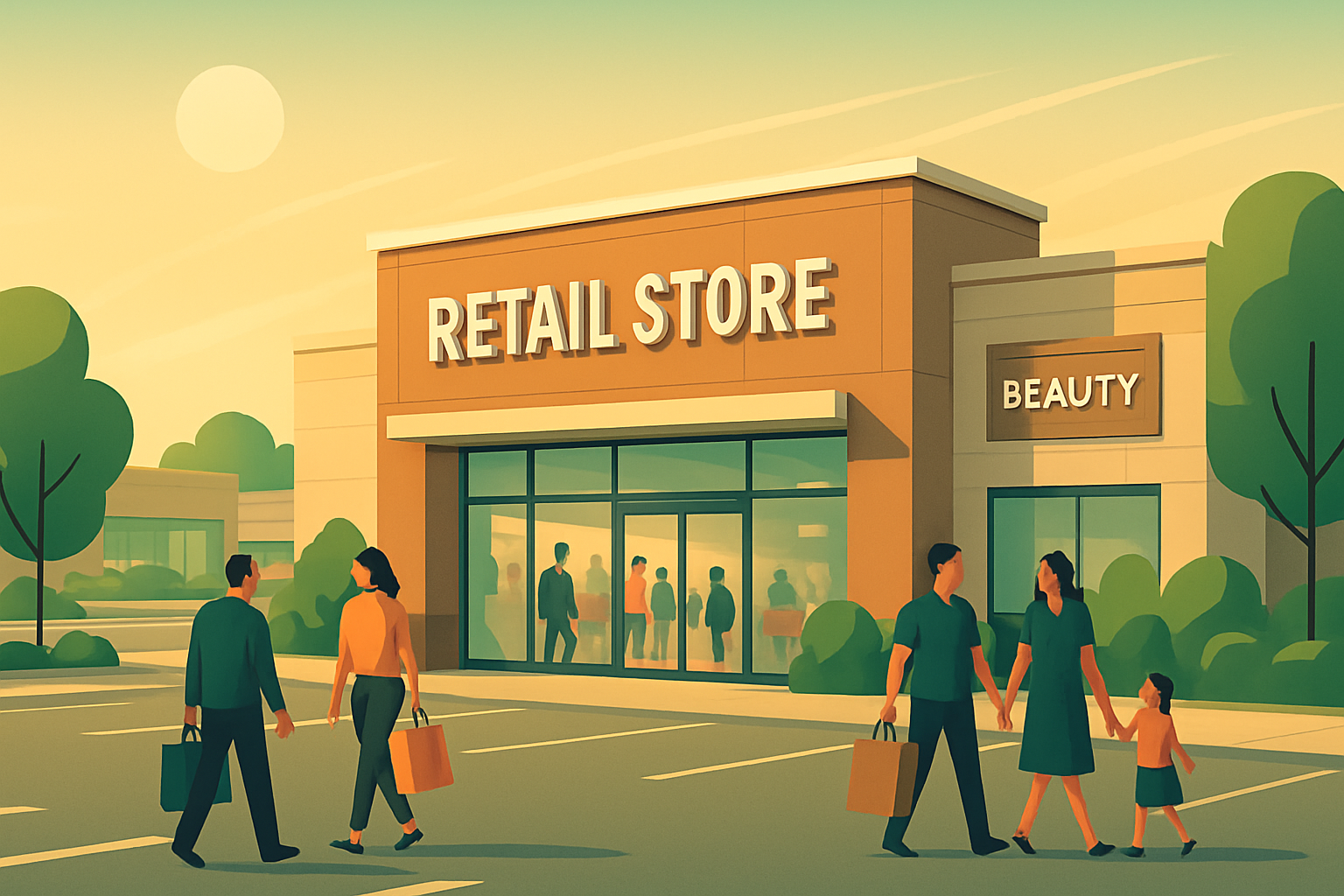
  • The Kohl’s Conundrum: Can a “Back-to-Basics” Strategy Stabilize the Off-Mall Giant?

    The Kohl’s Conundrum: Can a “Back-to-Basics” Strategy Stabilize the Off-Mall Giant?

    As of January 22, 2026, Kohl’s Corporation (NYSE: KSS) stands at a critical juncture in its 64-year history. Once the darling of the "off-mall" retail movement, the Menomonee Falls-based retailer has spent the last five years navigating a perfect storm of leadership turnover, activist pressure, and shifting consumer habits. After a tumultuous 2025 marked by a high-profile CEO scandal and a strategic pivot back to core retail fundamentals, the company is attempting to prove to Wall Street that its value-oriented business model still has a place in a post-inflationary economy.

    Today, Kohl’s is in focus not just for its deep-value stock price, but for its resilience in the face of internal instability. With its Sephora partnership now a multi-billion dollar engine, the retailer is betting its future on a "back-to-basics" approach aimed at restoring loyalty among middle-income families who have been squeezed by rising living costs.

    Historical Background

    The story of Kohl’s began in 1927 when Maxwell Kohl, a Polish immigrant, opened a corner grocery store in Milwaukee, Wisconsin. However, the company’s modern identity was forged in 1962, when Maxwell launched the first Kohl’s Department Store in Brookfield, Wisconsin. His vision was unique: he wanted to offer a "middle-ground" shopping experience—more upscale than a discounter like Walmart but more convenient and affordable than high-end department stores like Marshall Field’s.

    In 1972, the Kohl family sold a controlling interest to British American Tobacco (BATUS Inc.), which oversaw the brand’s regional growth. The family’s direct involvement ended in 1979 when Maxwell's son, Herb Kohl (who later became a U.S. Senator), resigned as president. A transformative management buyout in 1986 took the company private, setting the stage for its 1992 Initial Public Offering on the New York Stock Exchange.

    Through the 1990s and 2000s, Kohl’s executed a relentless national expansion, capitalizing on its "off-mall" strategy—placing stores in accessible strip centers rather than enclosed malls. This convenience-first approach allowed it to become the largest department store chain in the United States by store count by 2012.

    Business Model

    Kohl’s operates an omnichannel retail model centered on approximately 1,100 stores across 49 states. Unlike traditional mall-based retailers like Macy’s (NYSE: M), Kohl’s derives significant competitive advantage from its real estate; more than 95% of its stores are located in off-mall locations, which reduces rent costs and improves accessibility for suburban shoppers.

    The revenue model is built on three primary pillars:

    1. National Brands: Strategic partnerships with brands like Nike, Under Armour, Levi’s, and Adidas provide credibility and draw traffic.
    2. Proprietary/Private Labels: Brands like Sonoma Goods for Life, Croft & Barrow, and the recently revamped "Flex" athleisure line offer higher margins and exclusive value.
    3. Sephora at Kohl’s: A massive shop-in-shop initiative that replaced the company's legacy beauty department. This partnership has become a primary driver of foot traffic, attracting a younger, more diverse demographic.

    Stock Performance Overview

    Over the last decade, KSS stock has been a study in volatility. As of January 22, 2026, the stock is trading near $18.00, representing a modest recovery from the 2025 lows but remaining significantly below its 2021 peak of $60+.

    • 1-Year Performance: The stock has risen approximately 40% from its late-2024 nadir, outperforming several peers as the market reacted favorably to the appointment of Michael Bender and better-than-expected margin control.
    • 5-Year Performance: On a five-year basis, the stock remains down nearly 55%, weighed down by sluggish sales growth and a massive dividend cut in 2025.
    • 10-Year Performance: Long-term shareholders have seen little capital appreciation, with the stock effectively trading at levels seen in the early 2010s, though it remained a notable "dividend play" until the recent payout reduction.

    Financial Performance

    Kohl’s 2025 financial year was a story of "bottom-line protection over top-line growth." While net sales for fiscal 2025 are estimated to have declined between 3.5% and 4%, the company’s focus on inventory discipline has yielded results.

    • Earnings: In its most recent quarterly report (Q3 2025), Kohl’s surprised analysts with an EPS of $0.10, beating expectations for a loss. Adjusted diluted EPS for the full year 2025 is projected to land between $1.25 and $1.45.
    • Margins: Gross margins expanded by approximately 40 basis points in 2025, driven by a 5% reduction in year-over-year inventory, which allowed for more full-price selling.
    • Debt & Liquidity: Total debt stands at approximately $4.04 billion. To manage liquidity during the 2025 leadership transition, the company issued $360 million in 10% senior secured notes due 2030, a high-interest move that highlights the cost of capital in the current macro environment.
    • Dividends: In a bid to preserve cash, the board cut the quarterly dividend in March 2025 from $0.50 to $0.125 per share, resulting in a current yield of roughly 2.8%.

    Leadership and Management

    Leadership has been the company’s greatest "wildcard" recently. Following the retirement of Tom Kingsbury, the board appointed Ashley Buchanan (formerly of Michaels) as CEO in early 2025. However, Buchanan was fired for cause in May 2025 after an investigation into vendor-related conflicts of interest.

    The current CEO, Michael Bender, took the permanent role in November 2025. Bender’s strategy, dubbed "Retail Excellence," focuses on:

    • Inventory Velocity: Ensuring that products move through the system faster to avoid the massive markdowns that plagued the company in 2022-2023.
    • Simplified Value: Moving away from overly complex coupon systems that had confused customers.
    • Private Label Resurgence: Investing in the "Sonoma" and "Flex" brands to capture value-conscious shoppers.

    Products, Services, and Innovations

    Kohl’s most successful innovation remains the Sephora at Kohl’s partnership. By the end of 2025, the collaboration surpassed $2 billion in annual sales. In 2026, the company is doubling down on this success by introducing prestige brands like MAC Cosmetics into the Kohl’s-Sephora ecosystem.

    Beyond beauty, the company is experimenting with "Kohl’s Small Format" stores. These locations are roughly 35,000 square feet (about a third the size of a standard store) and are designed to penetrate smaller markets or high-density urban areas where a traditional footprint is unfeasible.

    Competitive Landscape

    Kohl’s finds itself squeezed between two formidable forces:

    • The Discounters: TJX Companies (NYSE: TJX) and Ross Stores (NASDAQ: ROST) continue to gain market share by offering "treasure hunt" experiences that Kohl’s struggles to replicate.
    • The Premium Department Stores: Macy’s (NYSE: M) has successfully executed its "Bold New Chapter" turnaround under CEO Tony Spring, currently showing stronger comparable sales growth than Kohl’s.
    • The Big Box Giants: Target (NYSE: TGT) remains a major competitor in apparel and home goods, though Kohl’s off-mall accessibility remains a defensive moat against Target’s mall-adjacent locations.

    Industry and Market Trends

    The retail sector in early 2026 is defined by "value bifurcation." Consumers are either trading down to extreme value (temu, Shein, dollar stores) or remaining loyal to "prestige value" (Sephora, Lululemon). Kohl’s is aggressively trying to position itself in the middle of this "value-prestige" bridge.

    Additionally, the "Off-Mall Advantage" is more relevant than ever. As traditional malls face declining foot traffic and higher security costs, Kohl’s open-air strip center locations are viewed by analysts as a more sustainable long-term real estate play.

    Risks and Challenges

    1. Leadership Instability: Having four CEOs in four years has created "execution fatigue." If Michael Bender fails to show top-line growth by mid-2026, the board will face immense pressure.
    2. Debt Maturity: While the 2025 debt restructuring bought time, the 10% interest rate on new notes is a significant drag on net income.
    3. Consumer Spending: The middle-income demographic—Kohl’s core—is the most sensitive to persistent inflation in essential services like insurance and housing.
    4. Real Estate Activism: Activists like Macellum and Vision One continue to push for sale-leaseback transactions, which management resists as being "short-term gain for long-term pain."

    Opportunities and Catalysts

    • Sephora Synergy: As of early 2026, 40% of Sephora customers are new to Kohl’s. Converting these beauty shoppers into apparel and home goods shoppers is the company’s biggest growth lever.
    • Athleisure Expansion: The "Flex" brand and expanded partnerships with Nike could capture the ongoing trend toward casual office wear.
    • M&A or Takeover: Given Kohl’s low valuation (trading at roughly 0.1x trailing sales), the company remains a perennial target for private equity firms or larger retail conglomerates.

    Investor Sentiment and Analyst Coverage

    The consensus on Wall Street remains a cautious "Hold." While some analysts at firms like JPMorgan and Citi have praised the improved margins, they remain skeptical about the lack of positive "comp" (comparable store) sales.

    Retail sentiment on platforms like Reddit and X (formerly Twitter) is mixed, with "dividend hunters" mourning the 2025 cut, while "deep value" investors point to the company's real estate assets—valued by some at $7 billion to $8 billion—as a massive safety net for the current $2 billion market cap.

    Regulatory, Policy, and Geopolitical Factors

    • Trade Policy: Like all major apparel retailers, Kohl’s is sensitive to trade relations with Southeast Asia and China. Any new tariffs in 2026 would likely force price hikes, testing the limits of its "value" proposition.
    • Labor Laws: Rising minimum wages in key states like California and New York continue to pressure SG&A (Selling, General, and Administrative) expenses.
    • Sustainability Disclosure: New 2026 reporting requirements regarding supply chain carbon footprints are forcing Kohl’s to invest more in logistics transparency, a necessary but costly regulatory hurdle.

    Conclusion

    Kohl’s Corporation is a legacy retailer in the midst of a high-stakes identity shift. The "Sephora at Kohl's" engine provides a much-needed lifeline, but it cannot carry the entire weight of a 1,100-store chain indefinitely. Under Michael Bender, the company has returned to the "retail 101" basics of inventory control and margin management.

    For investors, KSS represents a high-risk, high-reward value play. The downside is protected by a significant real estate portfolio and a proven beauty partnership, but the upside is capped until management can prove that the "Kohl’s Cash" loyalty model can still drive meaningful foot traffic in an increasingly digital and fragmented retail world. Investors should keep a close eye on Q1 2026 comparable sales; if they finally turn positive, the "Kohl’s comeback" may truly be underway.


    This content is intended for informational purposes only and is not financial advice.

  • Macy’s (M): Can ‘A Bold New Chapter’ Save the American Icon?

    Macy’s (M): Can ‘A Bold New Chapter’ Save the American Icon?

    Date: January 16, 2026

    Introduction

    In the high-stakes world of American retail, few names carry as much historical weight—or have faced as much skepticism—as Macy’s, Inc. (NYSE: M). For the better part of a decade, the "Great American Department Store" was often cited as a casualty of the "retail apocalypse," a victim of the e-commerce surge and shifting consumer habits. However, as of early 2026, the narrative surrounding the retailer has shifted from one of survival to one of disciplined revitalization.

    Macy’s is currently in focus following a string of quarterly earnings beats and the aggressive execution of its "A Bold New Chapter" strategy. By leaning into luxury banners like Bloomingdale’s and Bluemercury while ruthlessly pruning its core Macy’s fleet, the company has managed to stabilize its balance sheet and win back the attention of value investors. This article explores the company’s recent financial resurgence, its leadership’s strategic pivot, and whether the iconic retailer has finally found a sustainable path forward in a fragmented market.

    Historical Background

    Macy’s was founded in 1858 by Rowland Hussey Macy as a small dry goods store in New York City. From its humble beginnings, it grew into a cultural behemoth, famously pioneered the use of window displays and became the first retailer to hold a liquor license in New York. The 20th century saw Macy’s expand through mergers and acquisitions, most notably the 1994 merger with Federated Department Stores, which eventually led to the consolidation of regional brands like Marshall Field’s and Hecht’s under the Macy’s nameplate.

    The early 2000s marked a peak for the traditional department store model, but the subsequent rise of Amazon.com, Inc. (NASDAQ: AMZN) and off-price competitors like The TJX Companies, Inc. (NYSE: TJX) eroded Macy’s market share. For years, the company struggled to manage an oversized real estate portfolio while transitioning to an omnichannel retail world. By 2020, the COVID-19 pandemic forced a reckoning, leading to thousands of layoffs and a total re-evaluation of its physical footprint, setting the stage for the radical turnaround efforts witnessed today.

    Business Model

    Macy’s operates as a premier omnichannel retailer through three primary brands:

    • Macy’s: The flagship brand remains the anchor, focusing on mid-to-high-end apparel, home goods, and accessories.
    • Bloomingdale’s: The luxury banner that serves as the corporation’s higher-margin growth engine.
    • Bluemercury: A specialty beauty and skincare brand that has become a standalone powerhouse in the prestige beauty space.

    The company’s revenue is primarily derived from direct sales of merchandise (both in-store and online), but it also benefits significantly from its credit card program, which contributes a high-margin stream of "other income" through its partnership with Citibank (NYSE: C). In recent years, Macy’s has shifted toward a "small-format" strategy, opening smaller, off-mall locations that require less overhead and offer a more curated, convenient shopping experience for suburban customers.

    Stock Performance Overview

    Over the past decade, Macy’s stock has been a roller coaster for shareholders.

    • 1-Year Performance: Throughout 2025, Macy’s was a surprise outperformer, with the stock rising over 30%. Investors responded favorably to better-than-expected earnings and the termination of a low-premium buyout attempt, which signaled management’s confidence in its independent plan.
    • 5-Year Performance: Looking back to early 2021, the stock has staged a significant recovery from its pandemic-era lows (which saw it dip below $6). Trading near $22.00 in early 2026, the stock has gained roughly 75% over five years, though it remains highly sensitive to macro-economic data.
    • 10-Year Performance: Despite the recent rally, long-term shareholders have faced challenges. In early 2016, Macy’s traded near $40 per share. The 10-year view shows a roughly 45% decline, illustrating the severe structural damage the department store sector suffered during the late 2010s.

    Financial Performance

    Macy’s recently stunned analysts with its Q3 2025 results (reported in late 2025), delivering an adjusted earnings per share (EPS) of $0.09, which blew past the consensus estimate of a $0.13 loss. Net sales for the quarter reached $4.71 billion, exceeding the $4.53 billion anticipated by Wall Street.

    Key financial metrics as of January 2026 include:

    • Margins: Gross margins have stabilized near 39%, aided by disciplined inventory management and reduced clearance activity.
    • Debt & Cash Flow: The company has aggressively used cash flow to pay down debt, maintaining a healthy liquidity position of over $1 billion.
    • Valuation: Despite the 2025 rally, Macy’s continues to trade at a modest price-to-earnings (P/E) ratio compared to the broader retail sector, reflecting a "show-me" attitude from institutional investors regarding long-term top-line growth.

    Leadership and Management

    The catalyst for the "Bold New Chapter" strategy is CEO Tony Spring, who took over in February 2024. Spring, a retail veteran who previously led Bloomingdale’s, has brought a "back-to-basics" hospitality-focused mindset to the core Macy’s brand.

    Under Spring and CFO Adrian Mitchell, the management team has focused on three pillars: strengthening the brand through better merchandising, accelerating luxury growth, and modernizing the supply chain. Spring is generally viewed by the board and analysts as a "hands-on" leader who is more focused on store-level execution and customer service than his predecessor’s digital-first rhetoric. This shift has improved employee morale and store-level productivity.

    Products, Services, and Innovations

    Macy’s is no longer just selling third-party brands; it is increasingly focused on private labels. The launch of "On 34th" in late 2023 was the first of several planned internal brand refreshes designed to offer high-quality, higher-margin alternatives to national brands.

    On the technology front, Macy’s opened its state-of-the-art China Grove fulfillment center in North Carolina in late 2025. This 2.5 million-square-foot facility uses advanced robotics and AI to streamline the supply chain, which management expects will save the company upwards of $235 million annually by the end of 2026. Additionally, the "Reimagine 125" program has modernized the top-performing 125 Macy’s locations with improved layouts and upgraded fitting rooms, resulting in a measurable lift in comparable sales.

    Competitive Landscape

    Macy’s operates in a hyper-competitive environment:

    • Direct Rivals: Kohl’s Corp (NYSE: KSS) and Nordstrom, Inc. (NYSE: JWN) remain its primary department store competitors. Nordstrom has successfully competed in the luxury space, while Kohl’s has struggled with its own turnaround efforts, making Macy’s look relatively stronger in 2026.
    • Off-Price and Big Box: Target Corp (NYSE: TGT) and TJX Companies (NYSE: TJX) continue to pull away value-conscious shoppers.
    • Luxury: In the high-end sector, Bloomingdale’s has been taking market share from struggling players like Saks Fifth Avenue as the luxury market remains resilient despite broader economic cooling.

    Industry and Market Trends

    The retail industry in 2026 is defined by a "bifurcation" of the consumer. High-income earners continue to spend on luxury and beauty (benefiting Bloomingdale’s and Bluemercury), while middle-income shoppers have become increasingly "choosy," often waiting for promotional periods.

    Furthermore, the "physical-first" trend has returned. After years of over-investing in digital, retailers have realized that physical stores are essential for brand discovery and efficient returns. Macy’s pivot back to staffing its stores and improving the physical shopping experience aligns perfectly with this industry-wide realization.

    Risks and Challenges

    Despite the recent success, several risks loom:

    1. Macroeconomic Sensitivity: As a discretionary retailer, Macy’s is highly vulnerable to interest rate shifts and consumer confidence.
    2. Real Estate Execution: The plan to close 150 underperforming stores by 2026 is ambitious. Any delays in selling these assets or capturing the projected savings could hurt the bottom line.
    3. Inventory Management: While currently lean, any miscalculation in fashion trends could lead to a buildup of unsold goods, forcing margin-eroding discounts.
    4. Buyout Noise: While the Arkhouse Management and Brigade Capital bid was rejected in 2024, the company remains a target for activists if the stock price stagnates.

    Opportunities and Catalysts

    1. Monetization of Real Estate: Macy’s owns some of the most valuable retail real estate in the world. Continued asset sales—including the potential redevelopment of the Herald Square flagship—could provide massive cash infusions.
    2. Bluemercury Expansion: As one of the few bright spots in prestige beauty, expanding the Bluemercury footprint (both standalone and inside Macy’s) represents a significant growth lever.
    3. Small-Format Success: The transition from massive mall anchors to small, suburban "Market by Macy's" stores allows the company to enter markets that previously couldn't support a full-sized department store.

    Investor Sentiment and Analyst Coverage

    Analyst sentiment has warmed throughout 2025, moving from a consensus "Underweight" to a firm "Hold" with several "Buy" upgrades. Wall Street is particularly impressed with the company's ability to beat earnings despite lower overall foot traffic, suggesting that the customers who are coming are spending more.

    Institutional ownership remains high, with major firms like The Vanguard Group and BlackRock (NYSE: BLK) holding significant positions. Retail sentiment on platforms like Reddit and X (formerly Twitter) has also turned more positive, with many small-scale investors viewing Macy’s as a classic value play with a high dividend yield (currently yielding around 3%).

    Regulatory, Policy, and Geopolitical Factors

    Entering 2026, trade policy remains a significant concern. Any increase in tariffs on textiles or consumer electronics from overseas manufacturing hubs could pressure Macy’s margins. CEO Tony Spring has notably adopted a "wartime" footing regarding supply chain agility to mitigate these risks.

    Additionally, labor regulations and minimum wage increases in key markets like California and New York continue to pressure operating expenses. Macy’s has countered this by investing in automation (like the China Grove facility) to reduce its reliance on low-skilled manual labor in the logistics chain.

    Conclusion

    Macy’s enters 2026 in its strongest position in years. The "A Bold New Chapter" strategy is no longer just a corporate slogan; it is producing tangible results in the form of profit beats and stabilized comparable sales. By focusing on its luxury winners (Bloomingdale’s and Bluemercury) and modernizing the core Macy’s experience, management has bought itself the time and capital necessary to complete its transformation.

    While the ghost of the "retail apocalypse" still haunts the sector, Macy’s has demonstrated that an old-world retailer can still find relevance through disciplined store closures, supply chain automation, and a relentless focus on the customer experience. For investors, the stock remains a compelling—if volatile—play on the resilience of the American consumer and the hidden value of prime commercial real estate.


    This content is intended for informational purposes only and is not financial advice.

  • The Treasure Hunt Titan: Deep Dive into TJX Companies’ Record Profits and Global Expansion

    The Treasure Hunt Titan: Deep Dive into TJX Companies’ Record Profits and Global Expansion

    Date: January 16, 2026

    Introduction

    In the volatile world of retail, where digital disruption and shifting consumer sentiment often topple giants, The TJX Companies, Inc. (NYSE: TJX) has cemented its status as an "all-weather" powerhouse. As of early 2026, the parent company of T.J. Maxx, Marshalls, and HomeGoods finds itself in an enviable position. Following a fiscal year 2025 that saw the company shatter previous profit records, management recently raised its full-year 2026 guidance, signaling that the "treasure hunt" retail model is not just surviving—it is thriving. With a market capitalization now hovering around $172 billion, TJX has become a cornerstone of the consumer discretionary sector, proving that high-quality brands at steep discounts remain the ultimate consumer magnet.

    Historical Background

    The TJX story began within the corridors of Zayre Corp. in the mid-1970s. Founded by the Cammarata and Feldberg families, the off-price concept was initially an experimental spin-off designed to sell brand-name apparel at prices 20% to 60% below department store regulars. In 1987, Zayre underwent a massive reorganization, leading to the formation of The TJX Companies.

    The most transformative moment in its history came in 1995, when TJX acquired its primary rival, Marshalls, effectively doubling its size and consolidating the off-price market. Over the subsequent decades, the company strategically diversified, launching HomeGoods in 1992 and expanding internationally into Canada and Europe. This evolution from a domestic clothing discounter to a global retail conglomerate has been defined by a disciplined adherence to the "flexible buying" model that remains the company’s core identity today.

    Business Model

    TJX operates on a unique "off-price" business model that differs fundamentally from traditional department stores. Unlike retailers that plan inventory cycles six to nine months in advance, TJX buyers are in the market nearly every week of the year. They capitalize on "broken" orders, overstocks, and manufacturer clearances to acquire high-end merchandise at a fraction of the cost.

    The company operates through four main segments:

    • Marmaxx: The largest segment, encompassing T.J. Maxx, Marshalls, and Sierra stores in the U.S.
    • HomeGoods: A dedicated home décor and furniture chain that has seen explosive growth in the post-pandemic era.
    • TJX Canada: Operating Winners, HomeSense, and Marshalls across the Canadian provinces.
    • TJX International: Covering operations in the U.K., Ireland, Germany, Poland, Austria, the Netherlands, and Australia.

    The "treasure hunt" experience—where inventory changes rapidly and consumers feel a sense of urgency to buy—is the psychological engine of the business, driving high foot traffic and consistent repeat visits.

    Stock Performance Overview

    As of mid-January 2026, TJX has been a standout performer for long-term shareholders.

    • 1-Year Performance: The stock has surged approximately 31.9% over the past twelve months, significantly outperforming the broader S&P 500 Retail Index.
    • 5-Year Performance: Investors who held the stock through the early 2020s have seen a 132.1% return, bolstered by consistent dividend increases and aggressive share buybacks.
    • 10-Year Performance: TJX has proven to be a "multibagger," delivering a total return of 367.3% over the last decade.

    The stock reached a new all-time high of nearly $160 in early January 2026, reflecting the market’s confidence in the company’s ability to maintain margins despite inflationary pressures.

    Financial Performance

    The fiscal year ending February 1, 2025, was a landmark period for TJX, with net sales reaching $56.4 billion, a 4% increase year-over-year. Net income for that period rose to $4.9 billion, with a diluted EPS of $4.26.

    However, it was the Q3 FY2026 report (released in late 2025) that truly energized the market. The company reported a net income of $1.4 billion for the quarter, a 12% jump over the previous year. This performance prompted leadership to raise its full-year FY2026 guidance:

    • Estimated EPS: $4.63 – $4.66 (up from previous estimates of $4.52).
    • Comparable Store Sales: Projected to grow by 4%.
    • Pretax Profit Margin: Adjusted upward to 11.6%.

    The company’s balance sheet remains robust, characterized by strong cash flows and a strategic inventory position of $9.4 billion, which management describes as an intentional "load-up" to capture market share.

    Leadership and Management

    Since taking the helm as CEO in 2016, Ernie Herrman has been the primary architect of TJX’s modern era. A veteran who joined the company in 1989, Herrman is widely respected for his deep understanding of the global supply chain and his "opportunistic" buying philosophy.

    Under Herrman’s leadership, TJX has avoided the "e-commerce trap" that hindered many competitors. Rather than spending billions to compete with Amazon (NASDAQ: AMZN) on shipping logistics, Herrman focused on the physical store experience and inventory variety. His strategy for 2025 and 2026 has been focused on "International Aggression," seeking growth in untapped markets like Mexico and Spain while maintaining a lean, decentralized management structure that allows regional buyers to react to local trends quickly.

    Products, Services, and Innovations

    While TJX is not a traditional tech innovator, its innovation lies in its proprietary inventory management systems. The company tracks thousands of vendors globally, allowing it to pivot categories—shifting from apparel to home goods or pet supplies—within weeks based on consumer data.

    Recent "innovations" include:

    • Sierra Expansion: Aggressively scaling the Sierra outdoor brand to compete with specialized retailers.
    • HomeSense U.S.: Introducing a higher-end home furnishing experience to complement the existing HomeGoods footprint.
    • Global Joint Ventures: The 2025 entry into the Mexican market via a joint venture with Grupo Axo and an investment in the Dubai-based "Brands for Less" group to penetrate the Middle East.

    Competitive Landscape

    TJX remains the undisputed leader of the "Off-Price Big Three," maintaining a significant lead over its closest rivals.

    Metric (Est. Jan 2026) TJX Companies Ross Stores (NASDAQ: ROST) Burlington (NYSE: BURL)
    Market Cap ~$172 Billion ~$59 Billion ~$19 Billion
    Operating Margin ~11.5% – 12.0% ~11.6% – 12.5% ~9% – 10%
    Primary Strength Global Scale & Home Goods Efficiency & Low Prices Smaller Format Flexibilty

    While Ross Stores provides fierce competition in the domestic U.S. market, TJX’s international presence and dominance in the home category provide a diversified revenue stream that its peers lack.

    Industry and Market Trends

    The "Trade-Down" effect has been the primary macro driver for TJX in 2025 and early 2026. As middle- and upper-income consumers felt the pinch of persistent service inflation, they migrated from full-price department stores like Macy’s (NYSE: M) and Nordstrom (NYSE: JWN) to TJX banners.

    Furthermore, the "inventory glut" at high-end brands has worked in TJX's favor. When premium brands overproduce or face canceled orders from struggling department stores, TJX acts as the ultimate liquidity provider, buying up high-end labels and offering them to consumers at a discount. This has led to an increasingly "upmarket" feel in T.J. Maxx stores, attracting a younger, fashion-conscious demographic.

    Risks and Challenges

    Despite its record profits, TJX is not immune to risk.

    • Wage Inflation: As a massive employer with over 350,000 associates, rising minimum wages in key markets put pressure on SG&A (Selling, General, and Administrative) expenses.
    • Supply Chain Volatility: While TJX benefits from inventory surpluses, sudden disruptions in global shipping or port strikes can delay the "freshness" of the treasure hunt.
    • Market Saturation: With nearly 5,000 stores globally, some analysts question how much domestic runway remains before the company hits a ceiling, though management insists their long-term target is 7,000 stores.

    Opportunities and Catalysts

    The primary catalyst for TJX in 2026 is its aggressive international expansion. The move into Spain and the strategic investment in the Middle East suggest that TJX is looking for a "second act" outside of North America.

    Additionally, the continued weakness of traditional malls provides TJX with prime real estate opportunities. As department stores close, TJX is often the "tenant of choice" for landlords, allowing them to negotiate favorable long-term leases in high-traffic power centers.

    Investor Sentiment and Analyst Coverage

    Wall Street sentiment toward TJX remains overwhelmingly bullish. Of the major analysts covering the stock, over 80% maintain a "Buy" or "Strong Buy" rating. Institutional ownership remains high, with giants like Vanguard and BlackRock holding significant stakes.

    The primary debate among analysts is valuation. Trading at a forward P/E of 31.0x, TJX is priced at a premium compared to its historical average of 22x-25x. Bulls argue the premium is justified by its recession-proof nature, while bears suggest that any slowdown in consumer spending could lead to a multiple contraction.

    Regulatory, Policy, and Geopolitical Factors

    As a global importer, TJX is sensitive to trade policy. The ongoing discussions regarding increased tariffs on imported textiles and home goods from Asia remain a point of concern. However, TJX has historically been adept at "merchandise pivoting"—finding new sourcing partners in Latin America and Southeast Asia to mitigate tariff impacts.

    Furthermore, labor regulations and environmental ESG (Environmental, Social, and Governance) reporting requirements in the European Union are increasing the compliance burden for its TJX International segment.

    Conclusion

    The TJX Companies enters 2026 as a titan of retail, having turned the challenges of the past few years into a springboard for record-breaking growth. By mastering the art of the "treasure hunt" and capitalizing on the consumer's desire for value without sacrificing brand quality, Ernie Herrman and his team have built a resilient, highly profitable machine.

    For investors, TJX offers a rare combination of defensive stability and growth potential. While the current valuation demands a "priced-for-perfection" execution, the company’s recent guidance raise and aggressive global expansion suggest that the TJX story still has several chapters left to write. Investors should keep a close eye on the performance of the new Spanish stores and the stability of operating margins as the company navigates the labor market of 2026.


    Disclaimer: This content is intended for informational purposes only and is not financial advice.